
Overview & First Impressions
Ask paramedics what they actually carry and the list is short and unforgiving: trauma shears, a tourniquet, gloves, and a light bright enough to assess a pupil or find a vein in a dark stairwell. Everything else is negotiable. The pocket knife is the quiet fourth item, because a folder opens packaging, cuts seatbelt webbing when shears are out of reach, and does a dozen small jobs between calls without ever being a medical instrument.
Materials & Construction
Brightness is a spec that matters differently in emergency work. What you need is not a wall of light but controlled output: a soft low mode for checking pupils, a medium flood for a vehicle interior, and a genuine burst for searching a dark ditch. The Klarus flashlights range is built around that logic, and the EP11 pairs its high output with a pocketable body, USB C charging and a switch you can find without looking, which is exactly what an EDC flashlight for response work demands.

Design & Details
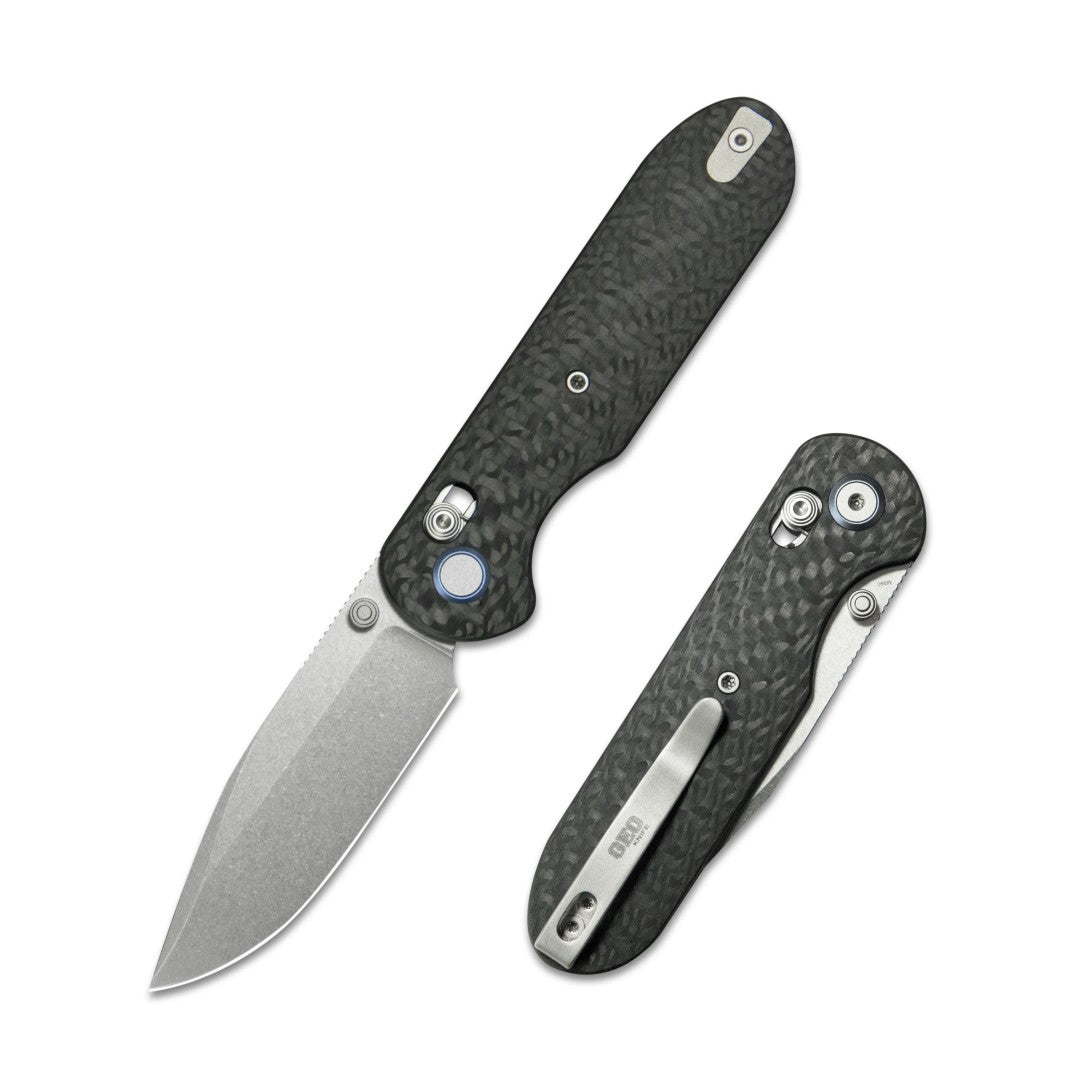
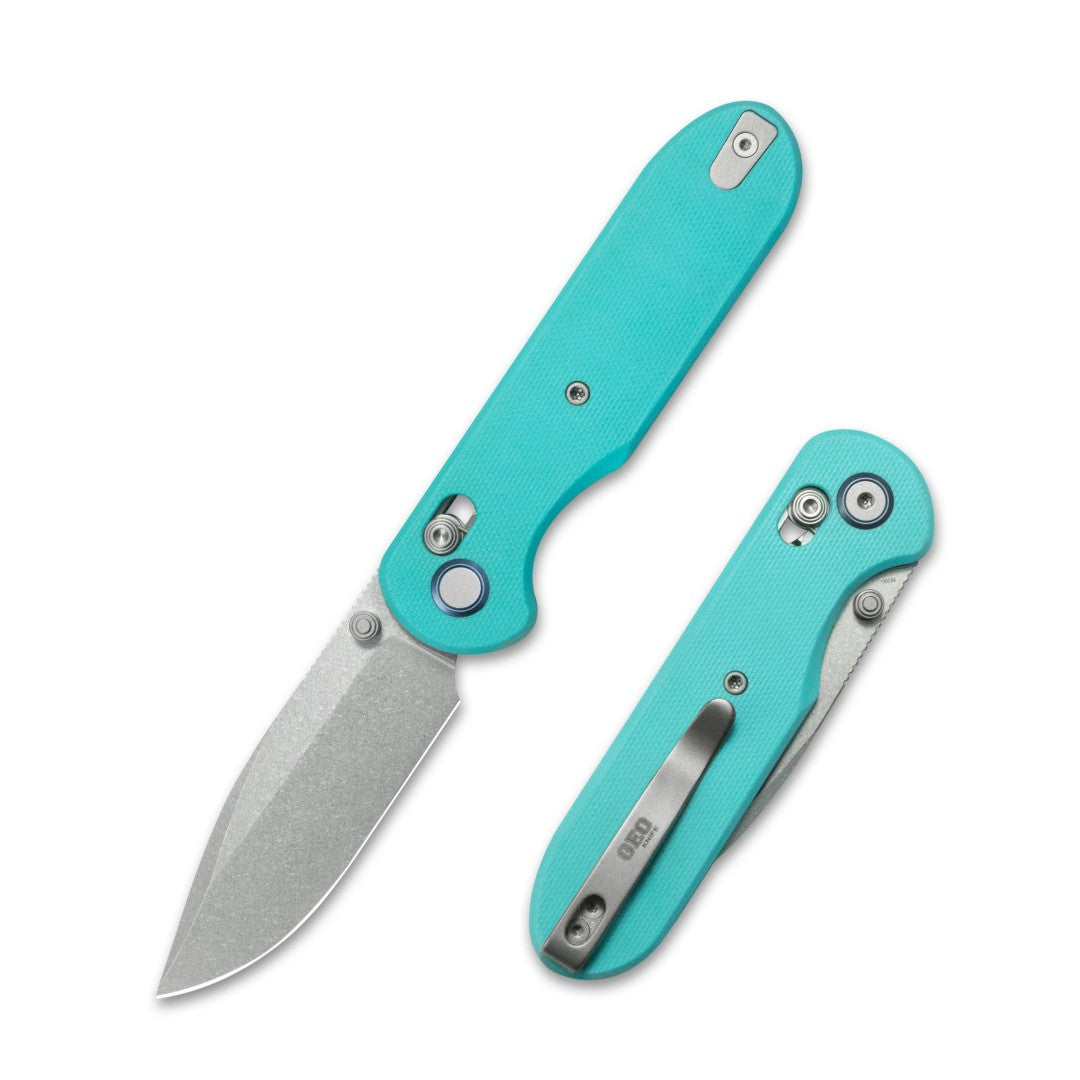
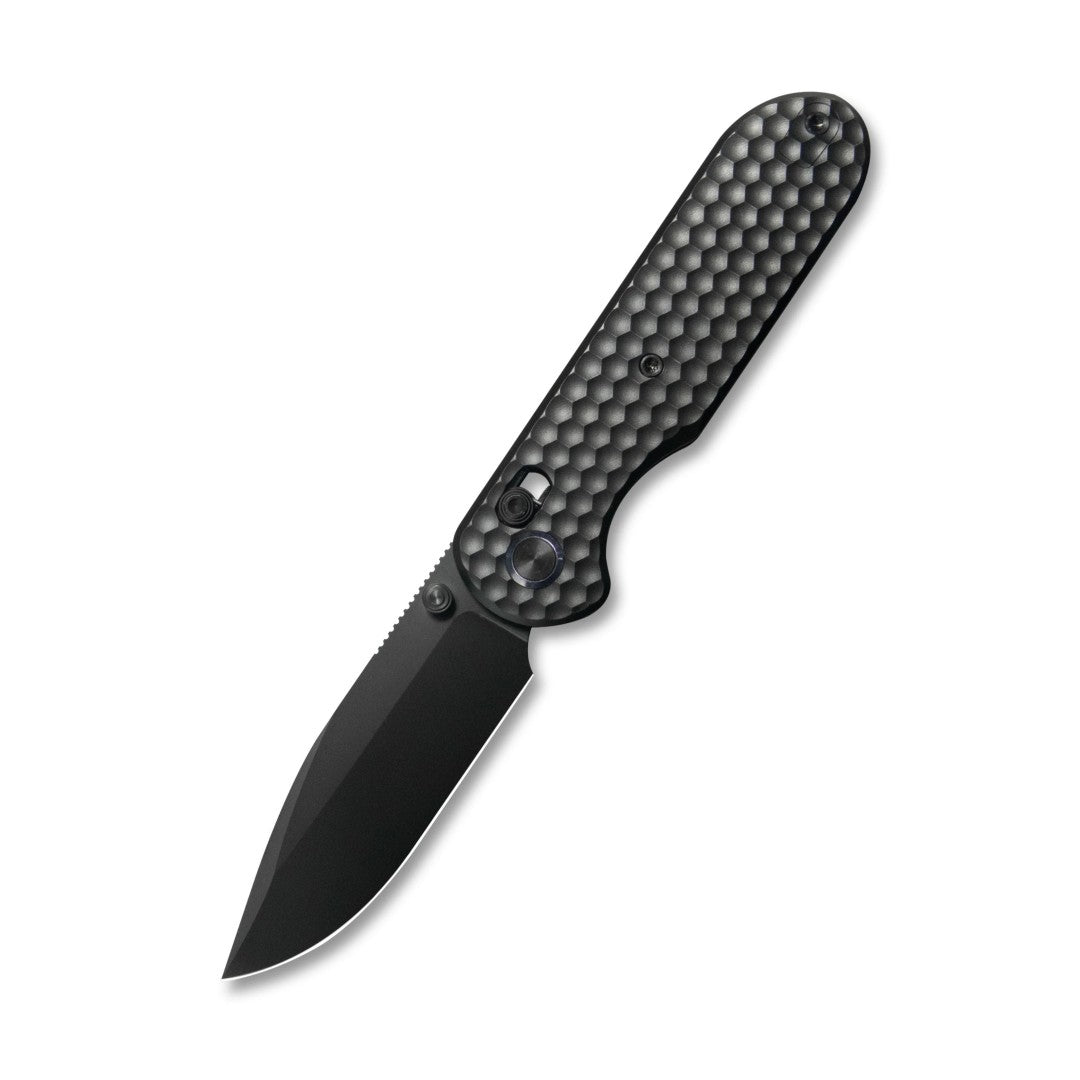
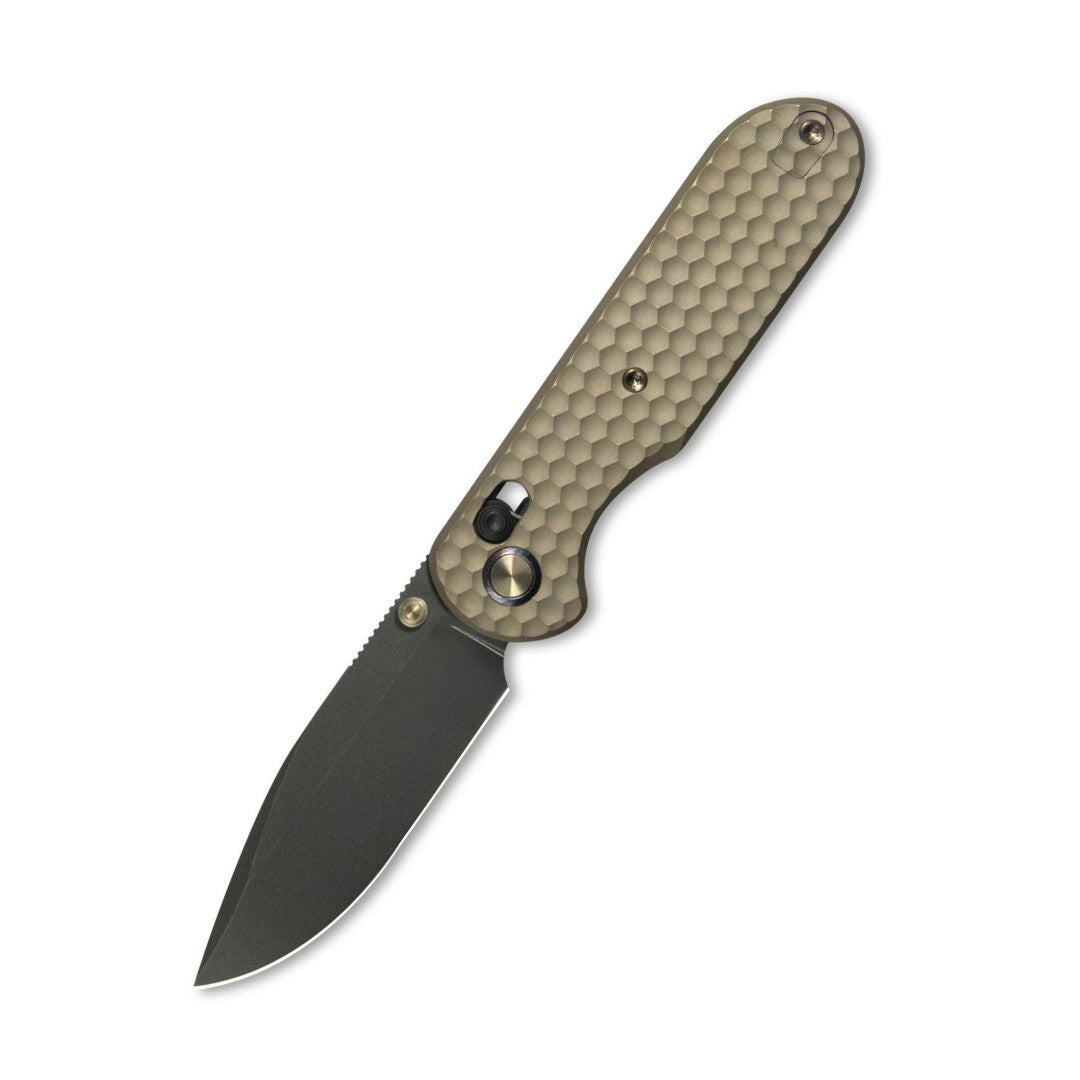
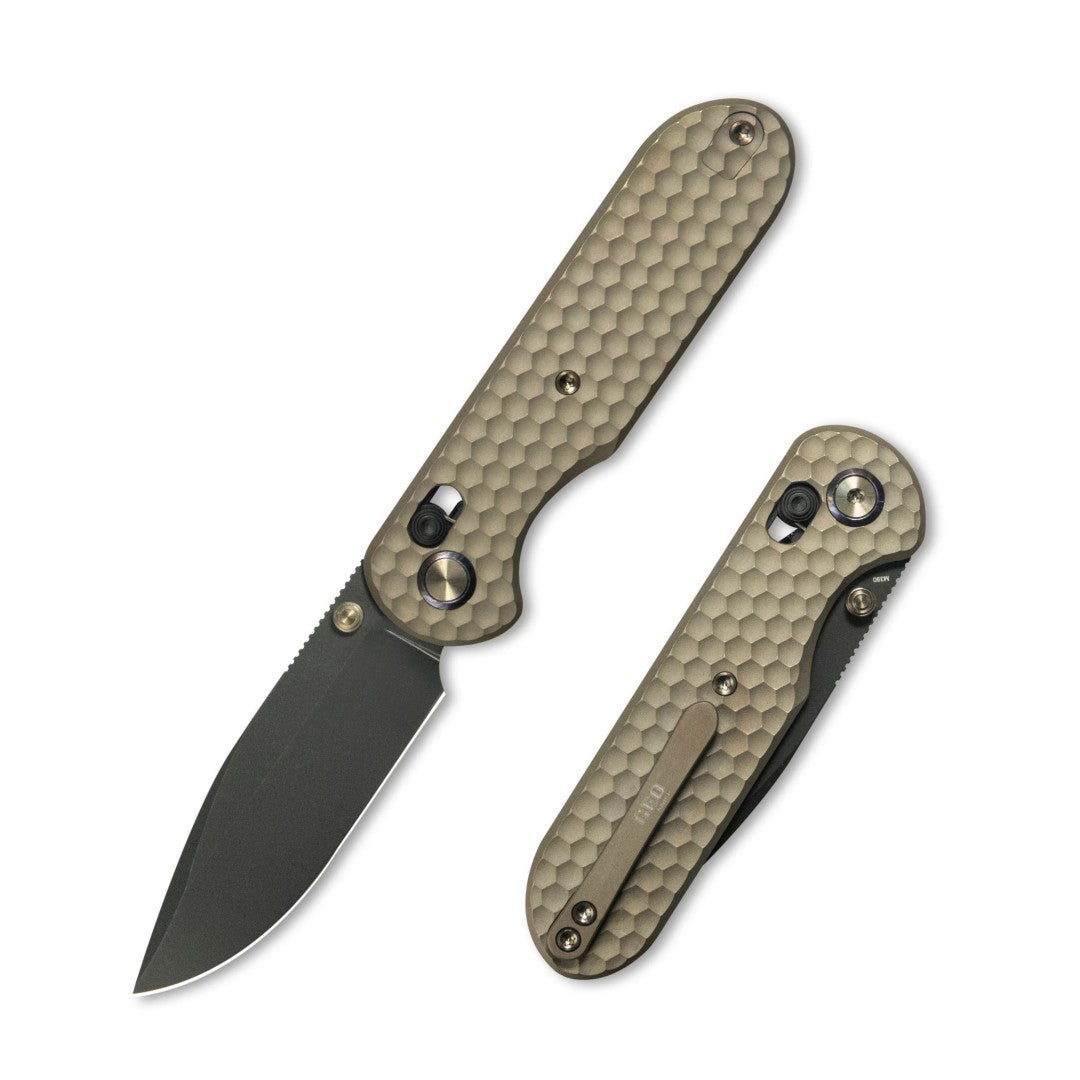
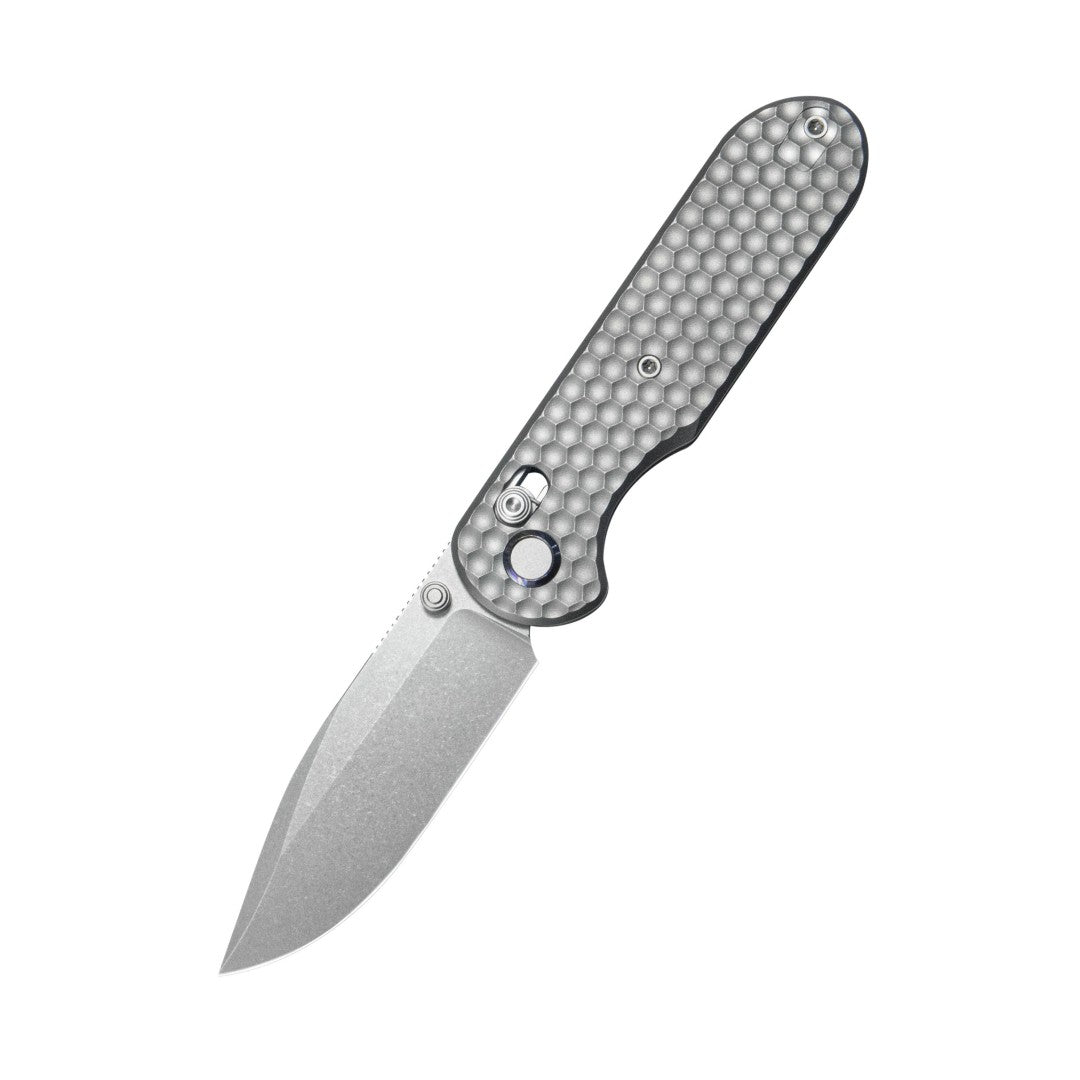
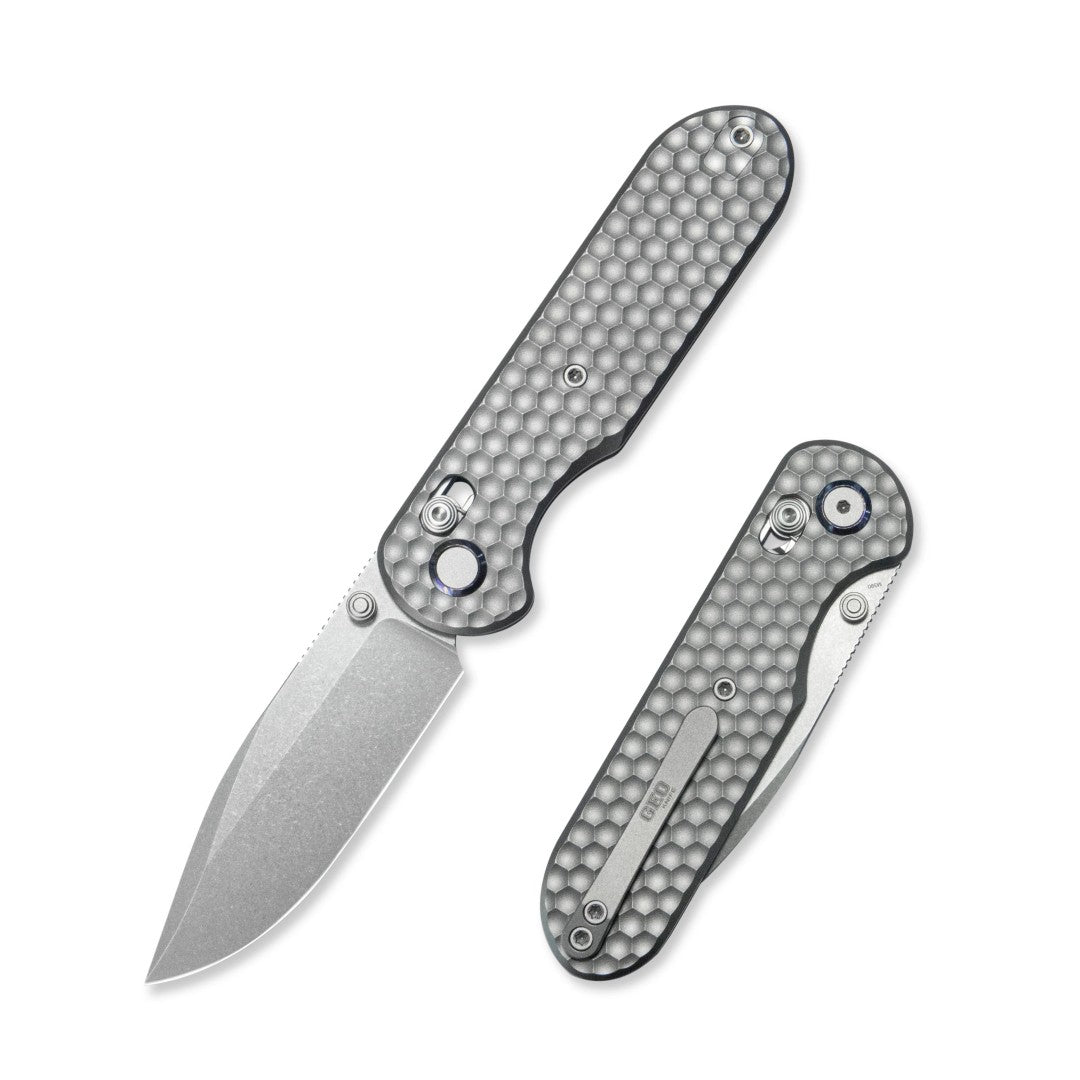
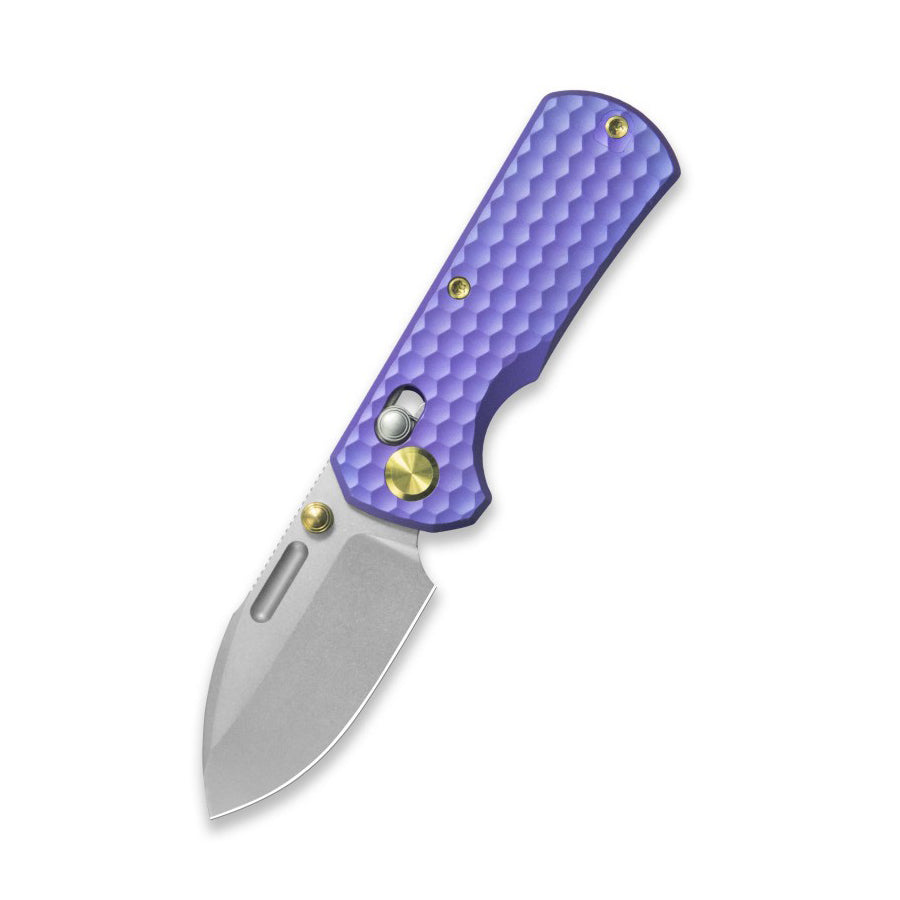
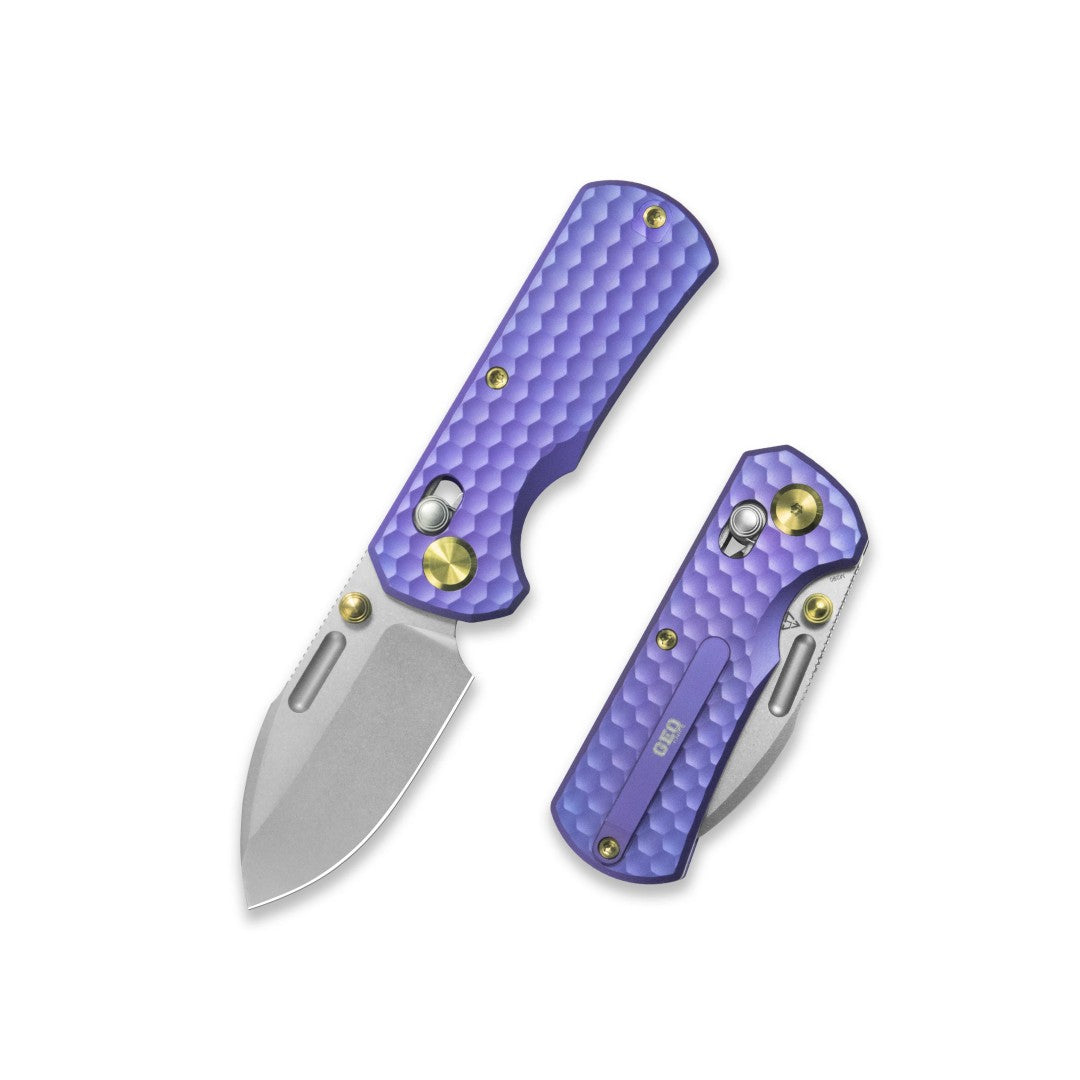
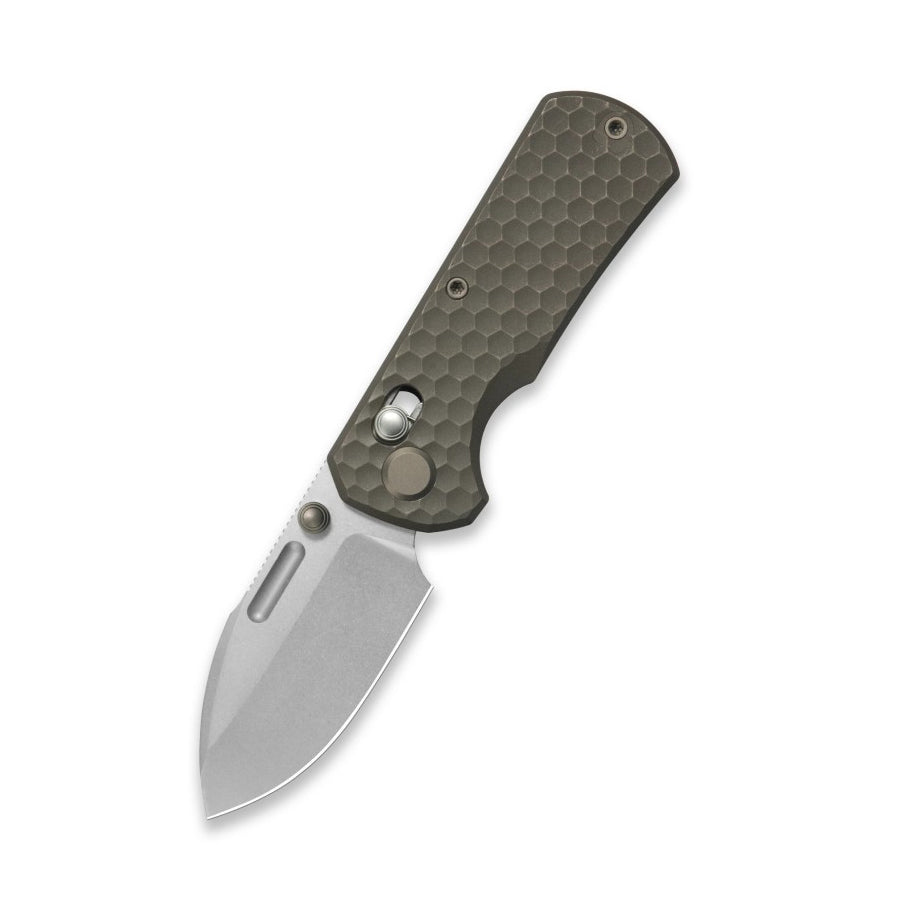
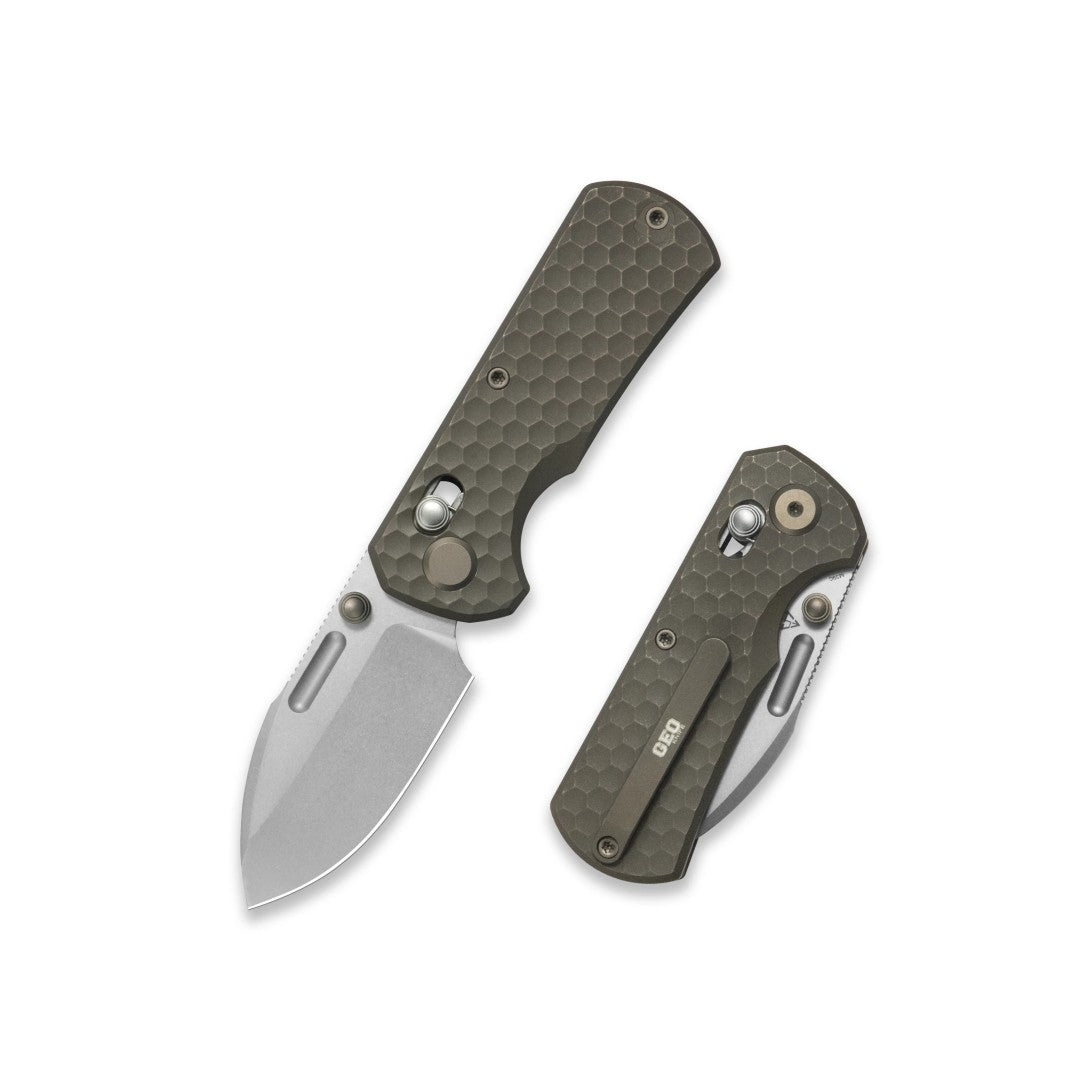
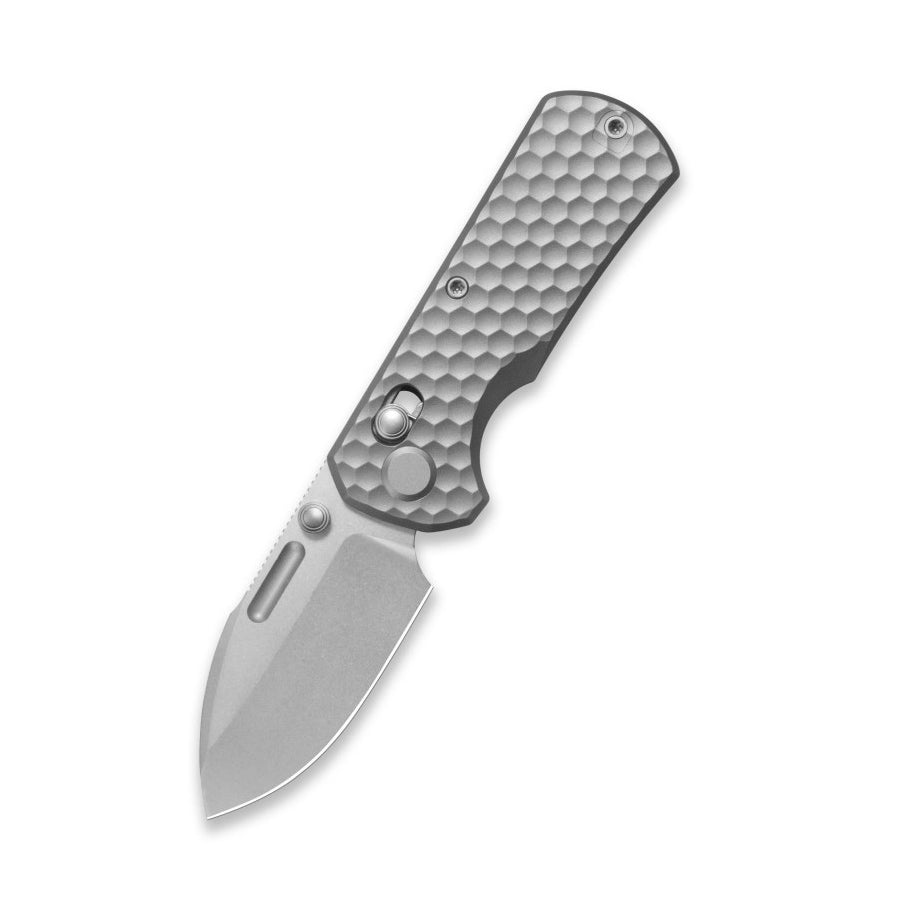
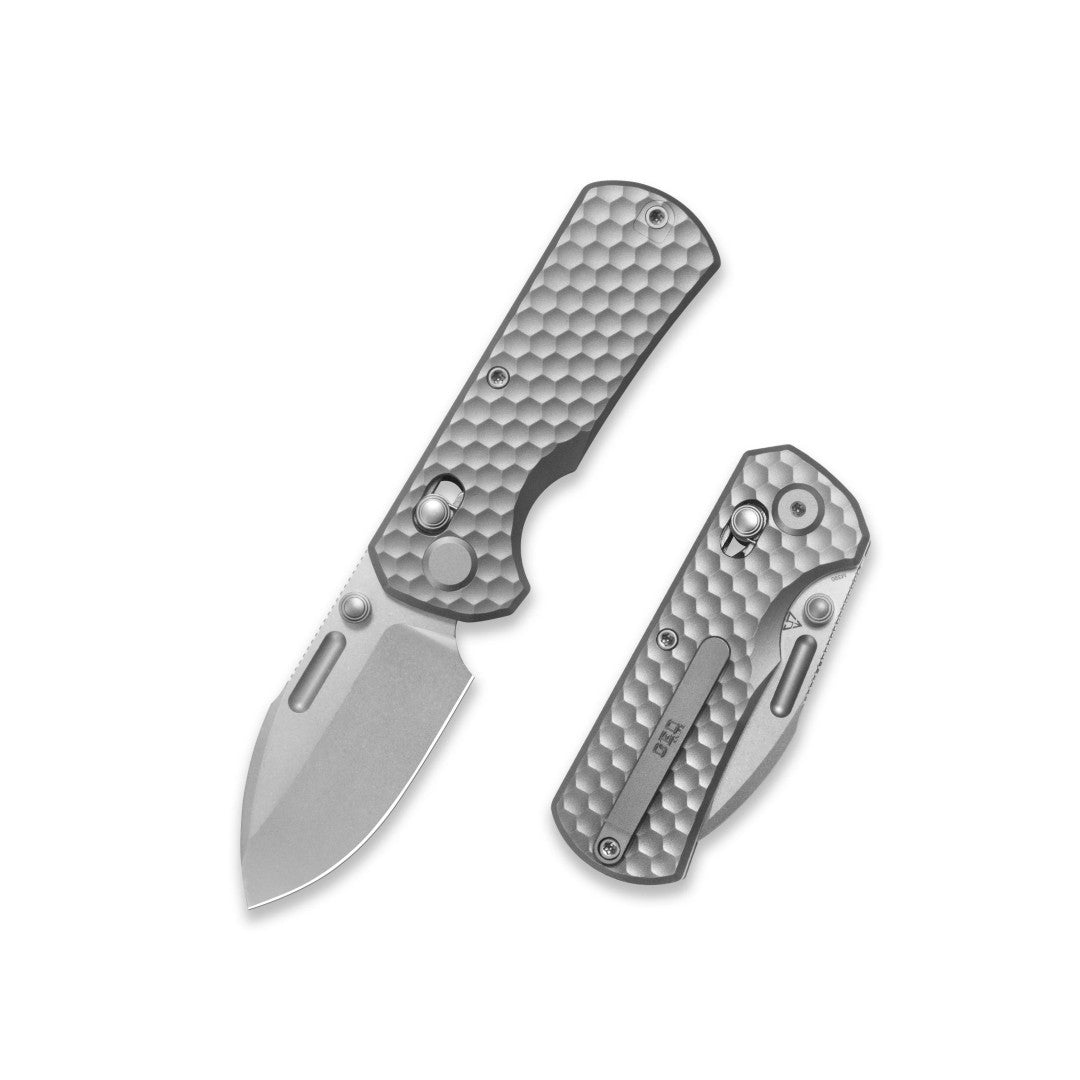
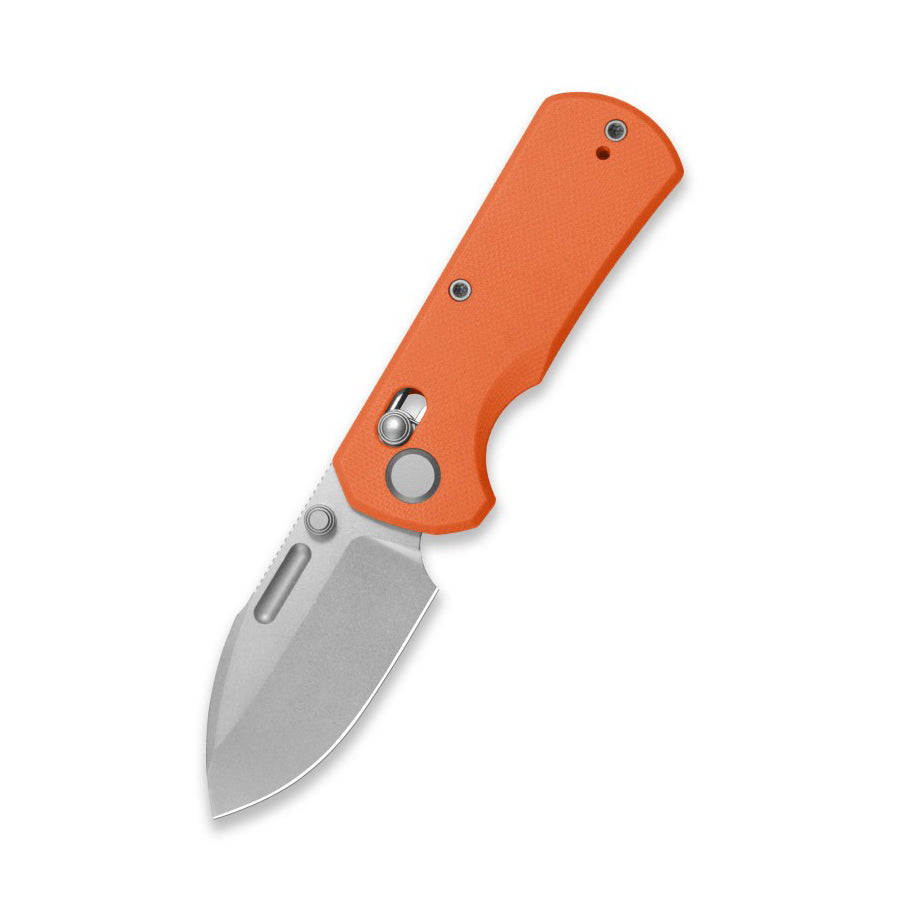
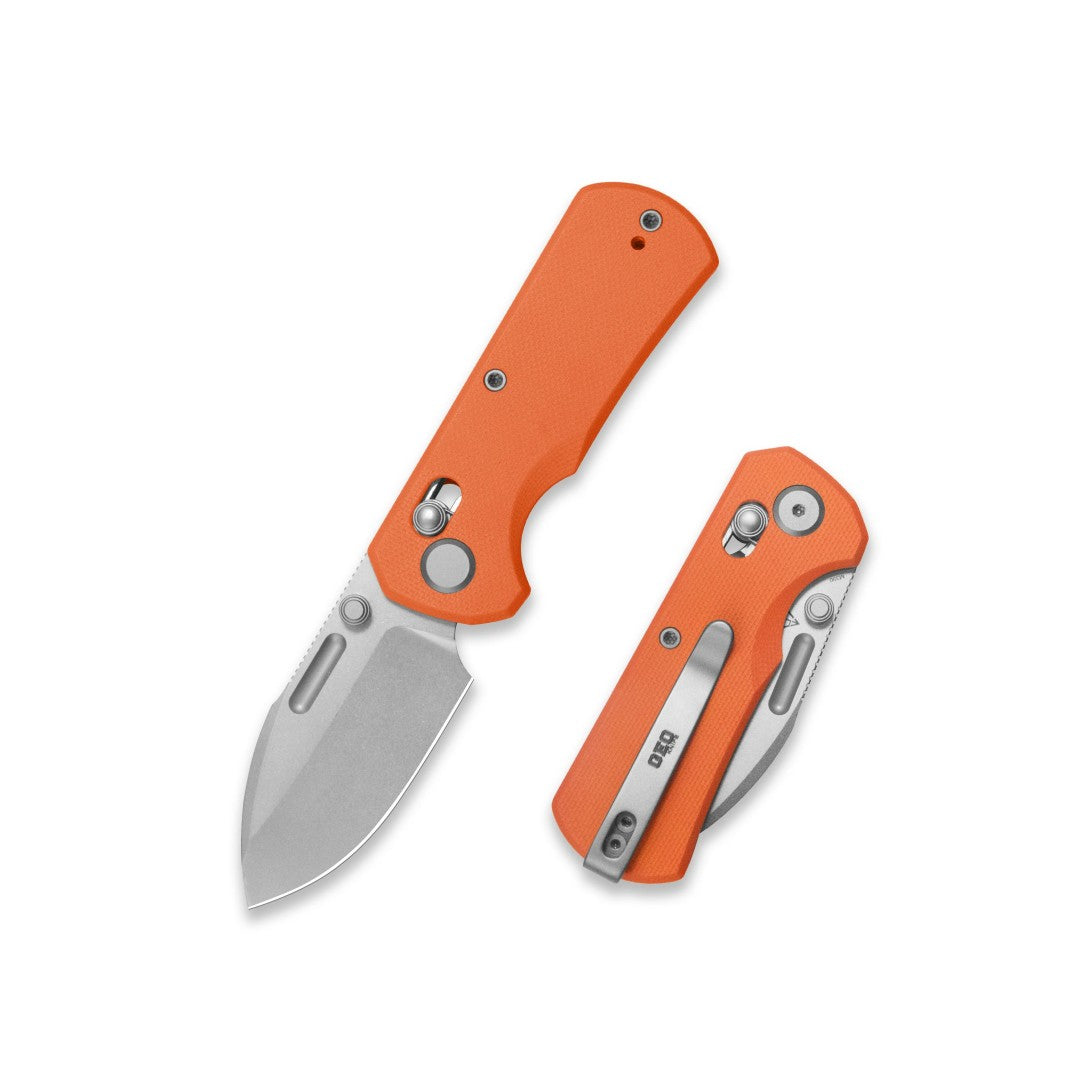
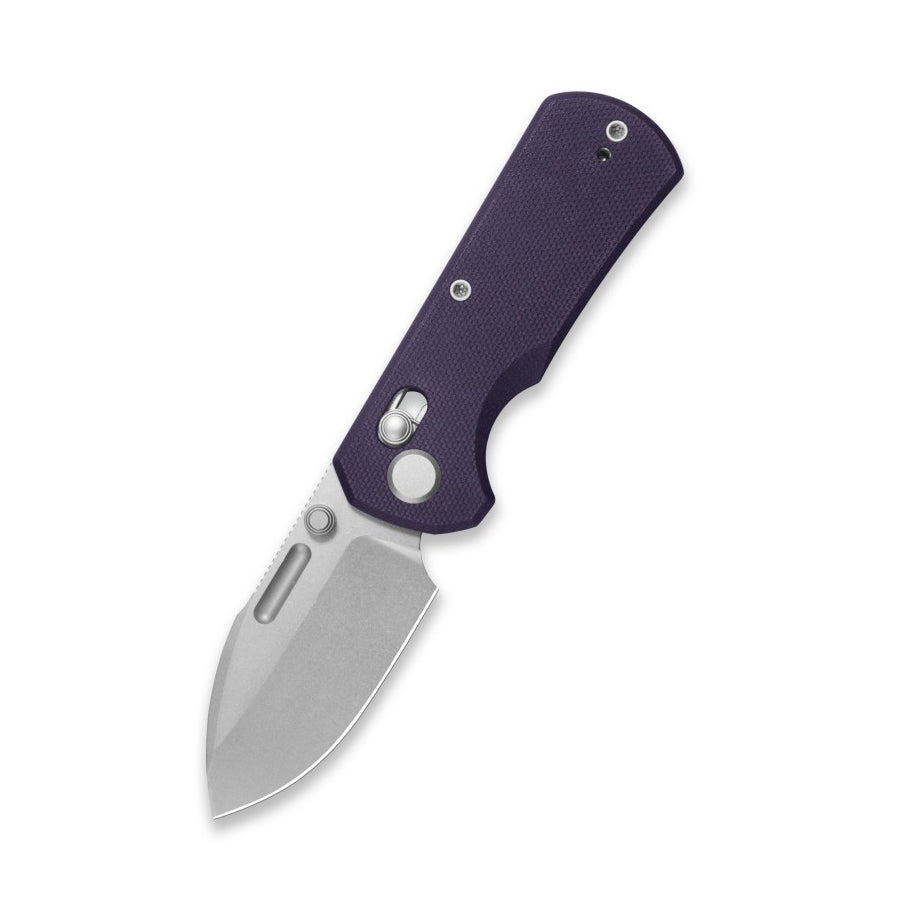
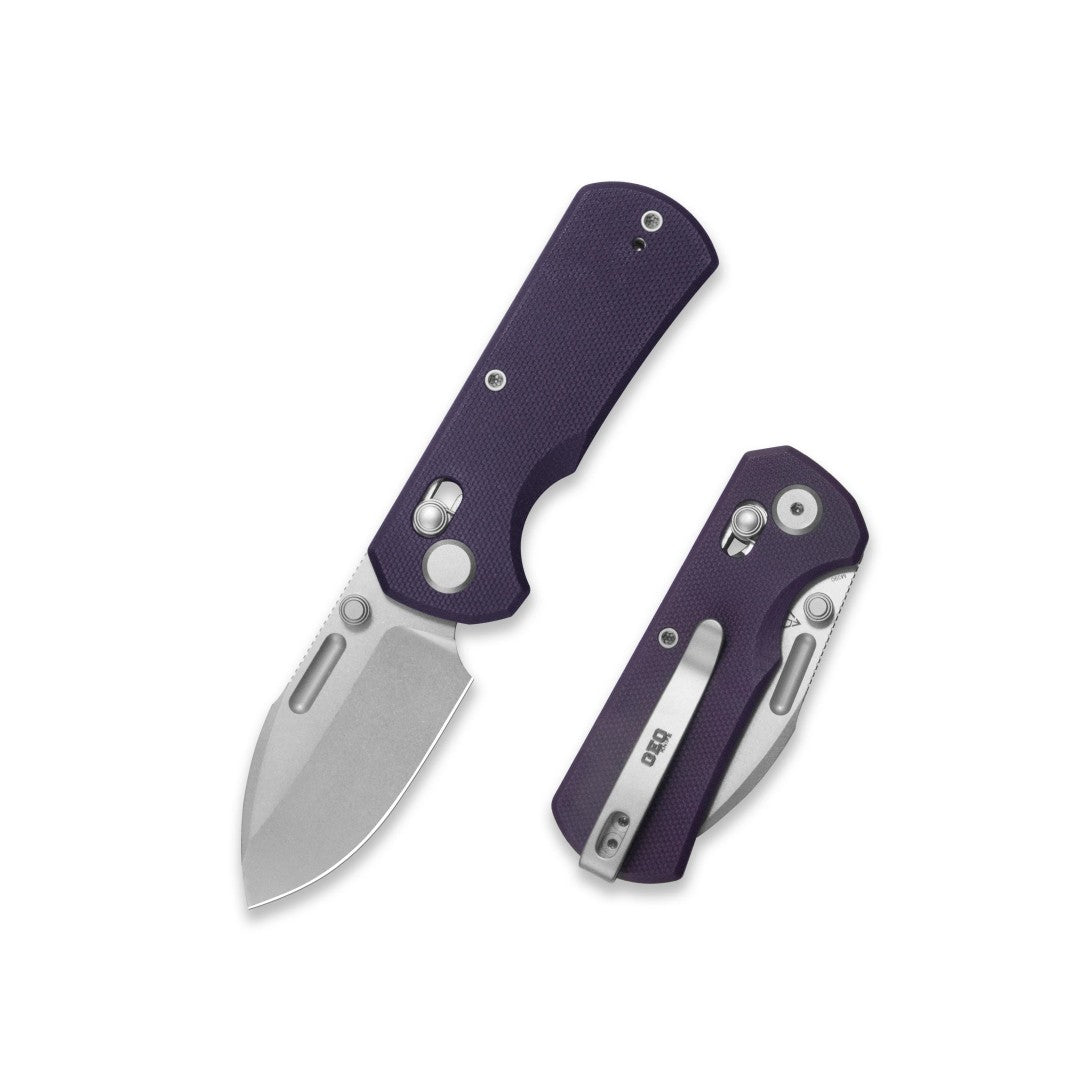
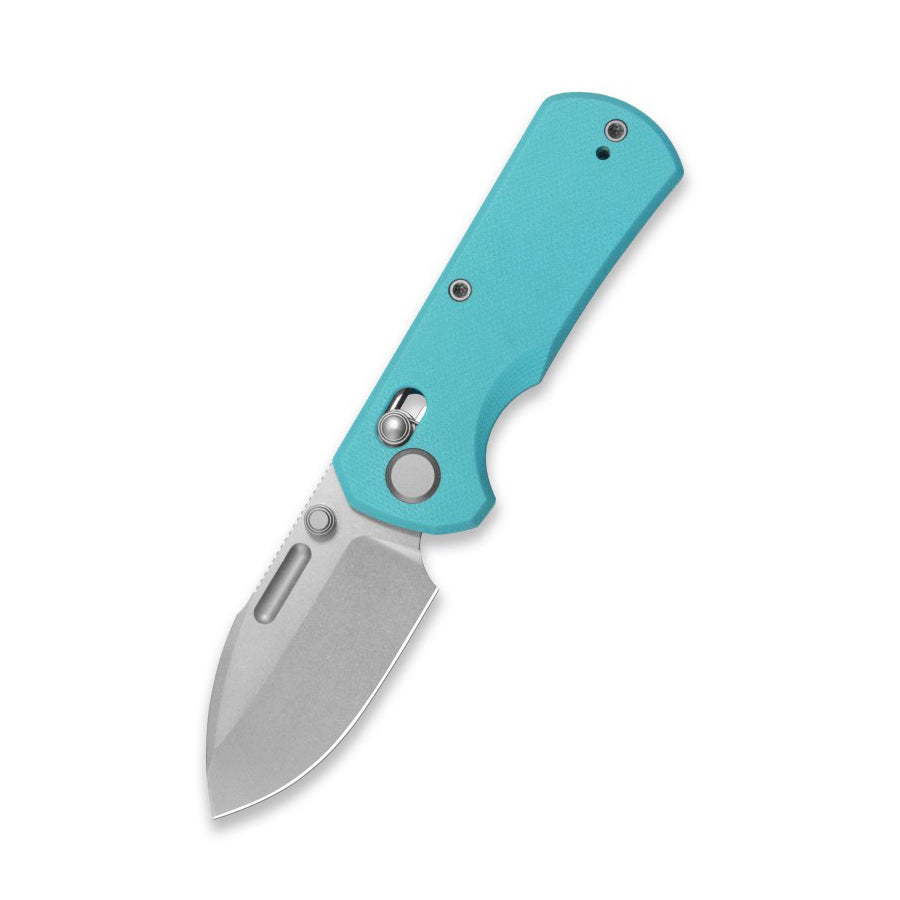
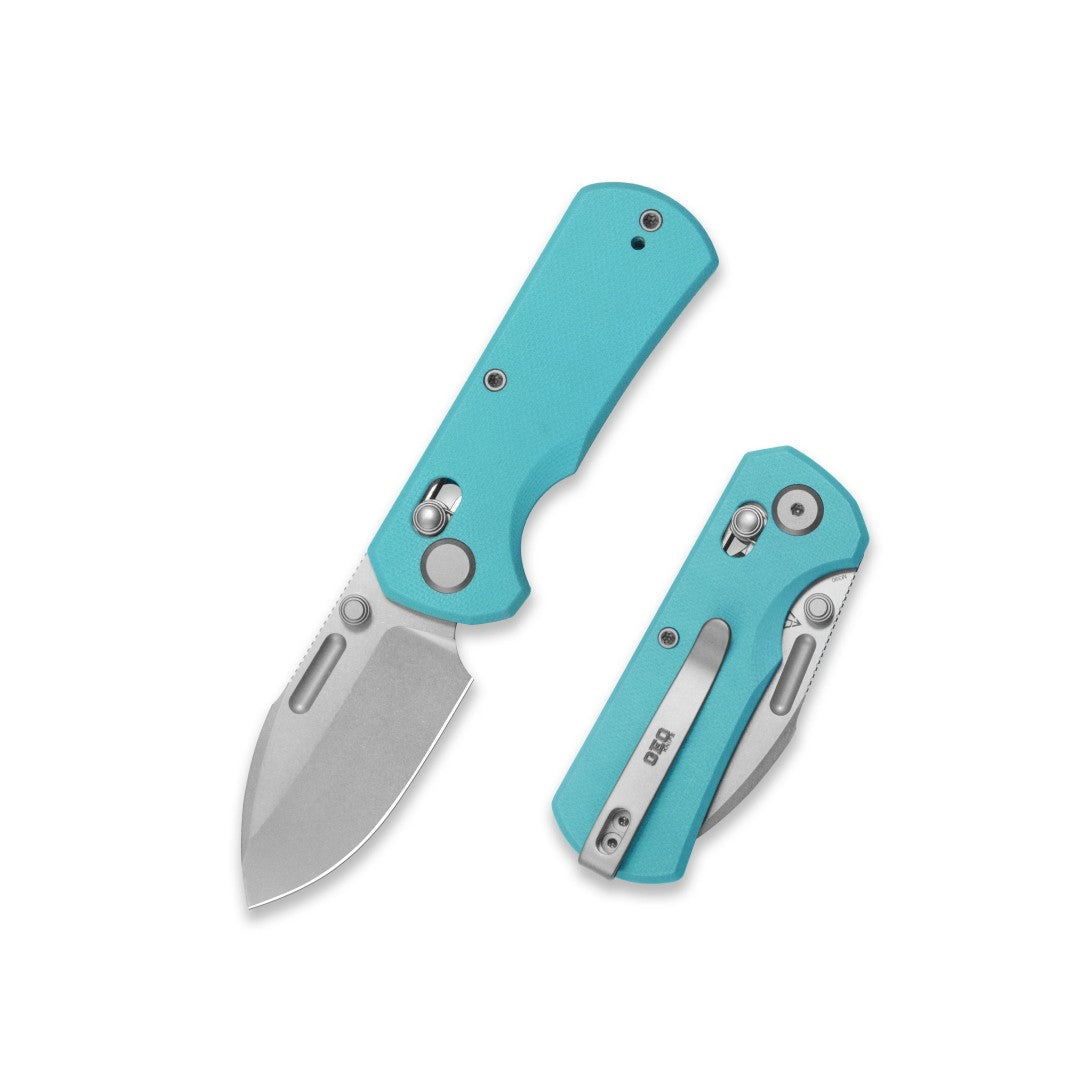
Keep the kit layered. Shears ride in an outside pocket because they are the first thing your hand needs; the tourniquet goes where a partner can find it on your body, not inside a bag. A folding knives choice for medics should be a workhorse rather than a collector piece, with a blade under three inches, a strong pocket clip and an opening method that works with gloves on.
Real-World Use
On scene the light does more work than the knife. Sweep a floor for broken glass before kneeling, backlight a wound for your partner, and use the low mode at night so you do not destroy your own night vision or the patient's. The knife stays for packaging, tubing and the occasional strap. Neither tool replaces the shears; the point is that a small kit covers ninety percent of what a shift actually throws at you.

Ownership Notes
Check the kit the way you check the rig. Charge the light at the start of every shift and confirm the low mode still works, because a dead EDC flashlight is invisible until the moment you need it. Rinse shears after every messy call, inspect the tourniquet's strap and windlass for wear, and sharpen the pocket knife monthly. Gloves and tape get replaced on schedule, not when the box runs empty.
Who Is This For?
This kit suits paramedics, EMTs, ski patrollers, industrial first aid attendants and rural volunteers who are first on scene. It also suits nurses and home carers who want a capable light and a general blade. Skip the high output light only if your work happens exclusively in well lit wards; anywhere else, the dark finds you eventually.
Final Verdict
Shears, tourniquet, gloves, a dependable light and a simple folder: that is the whole kit, and each piece earns its pocket. Choose gear you can operate with cold hands and zero attention. Browse Klarus flashlights and EDC knives at EdcMall to build a response kit around the calls you actually run.