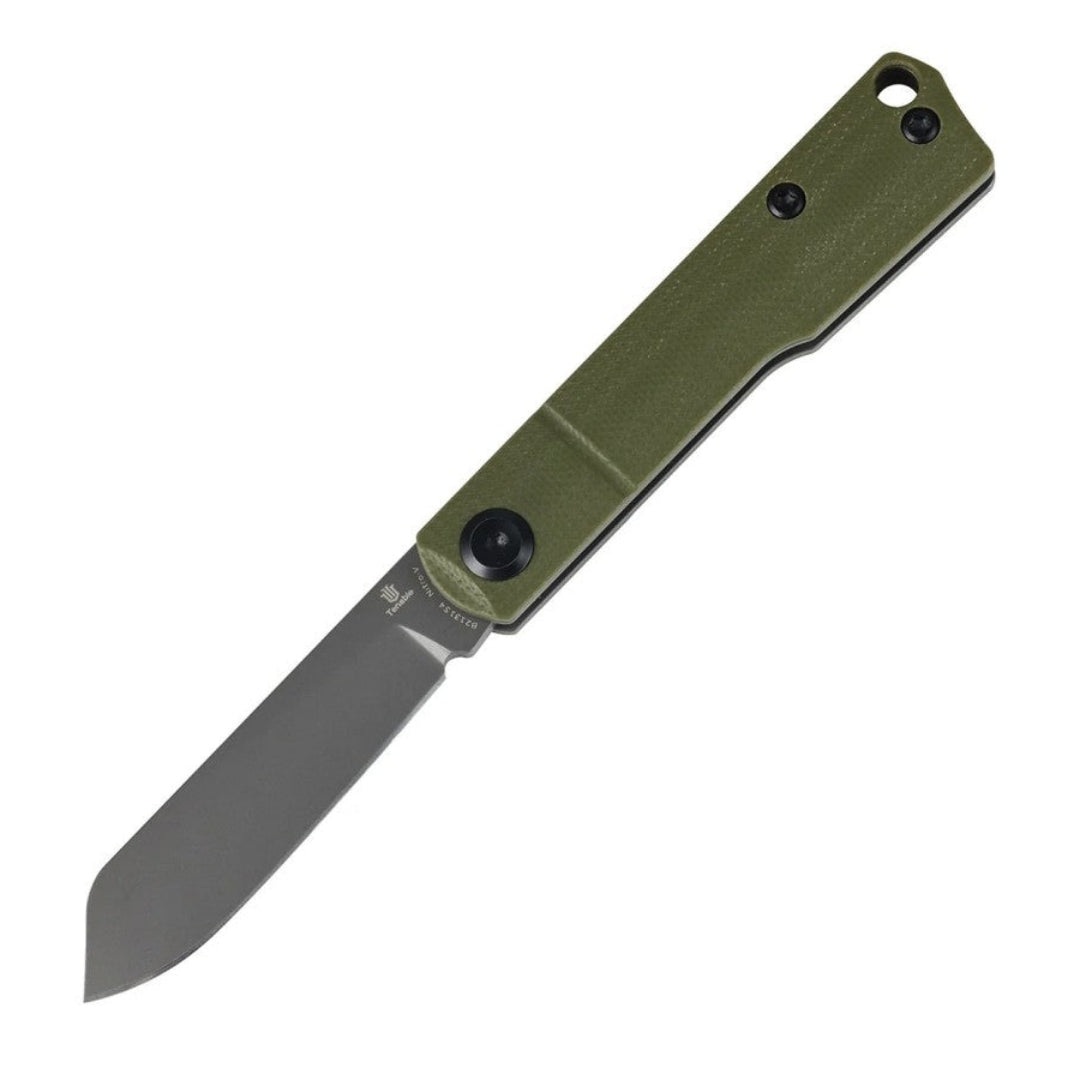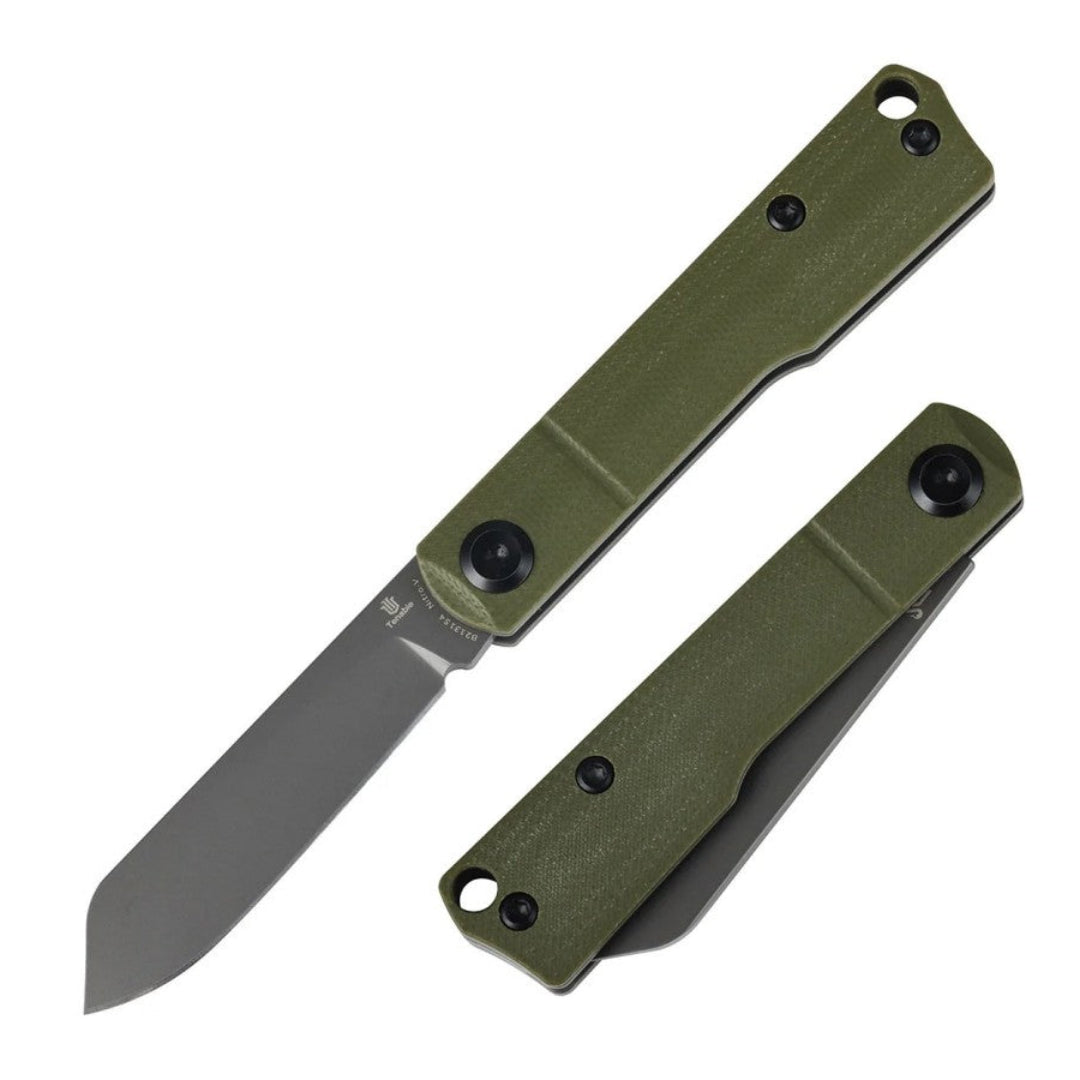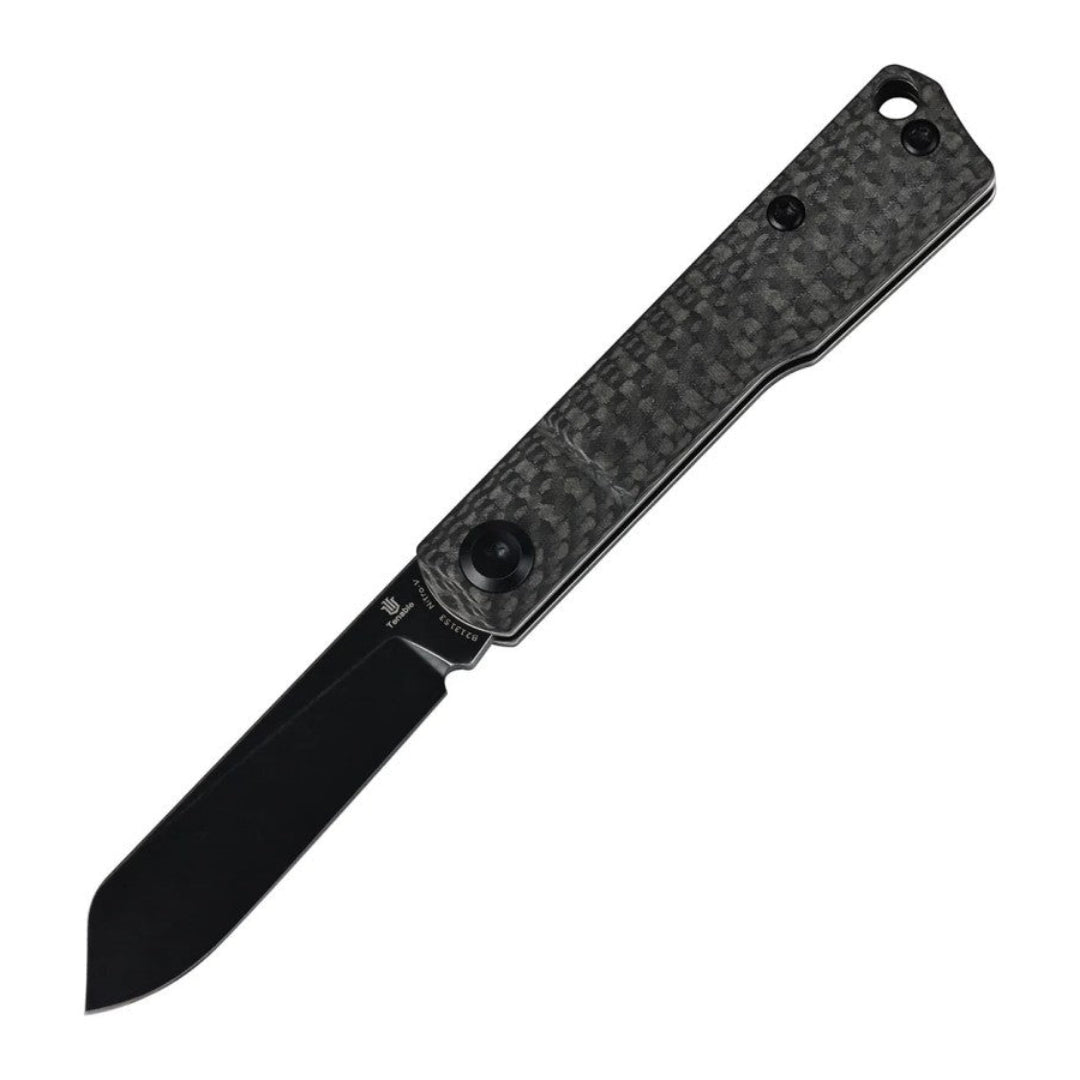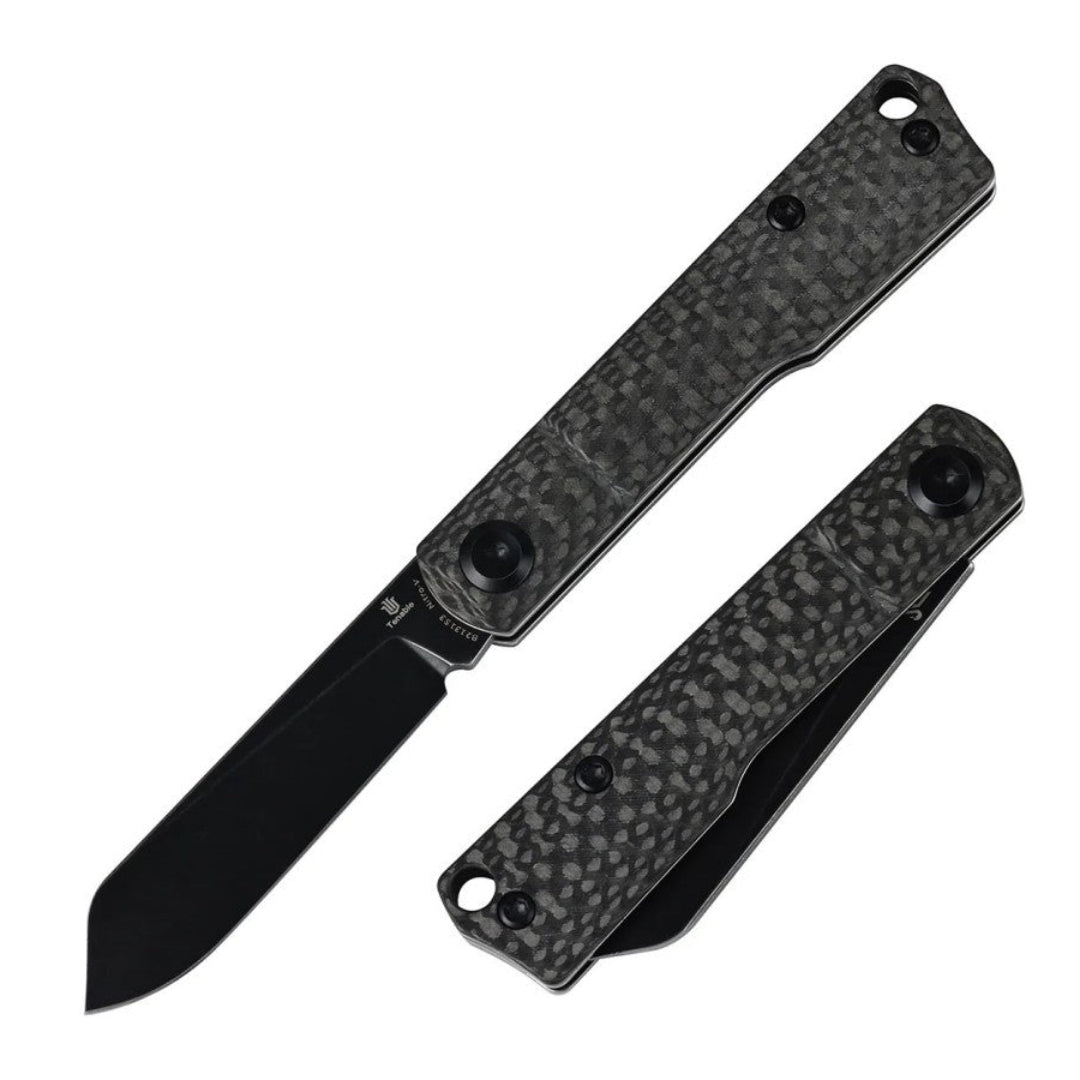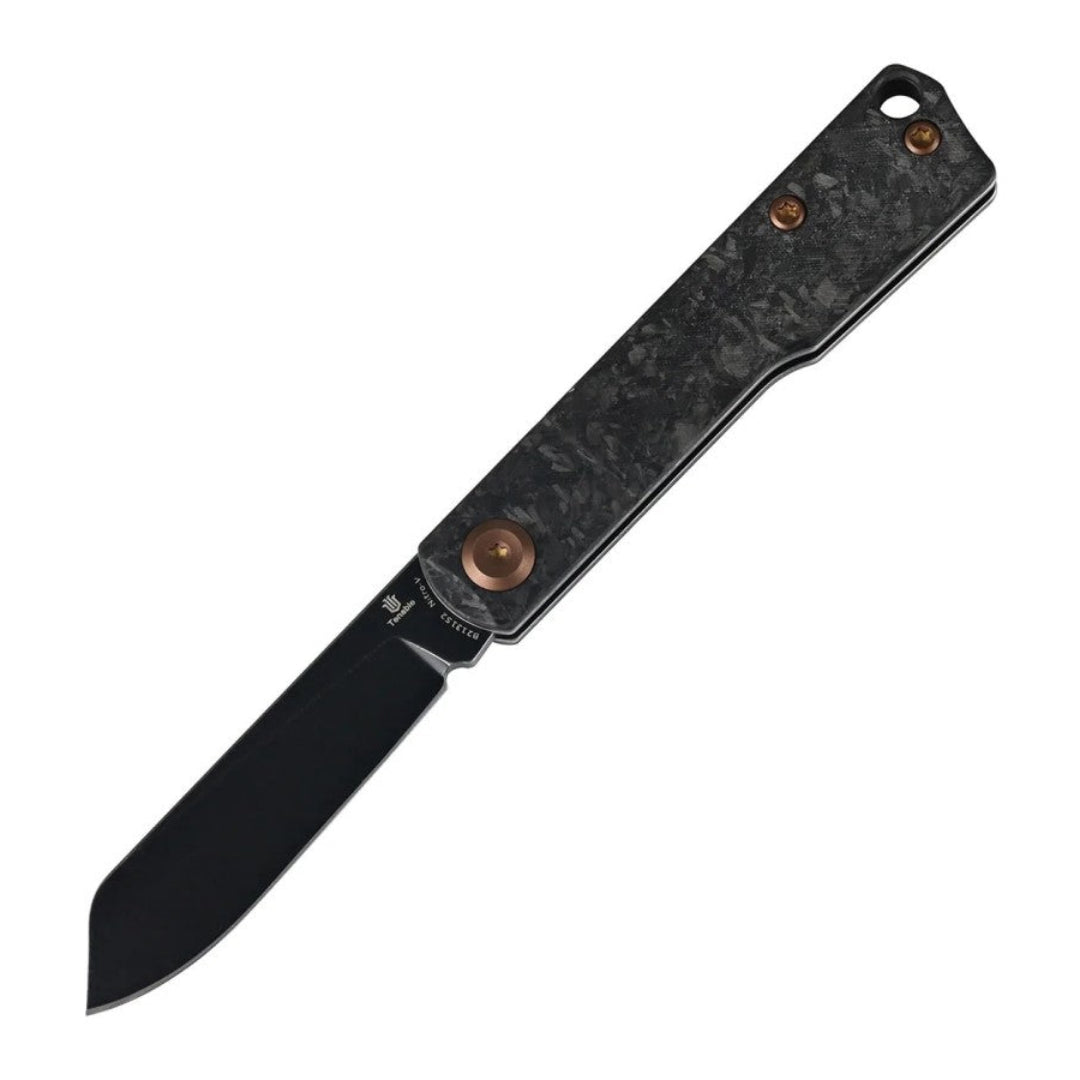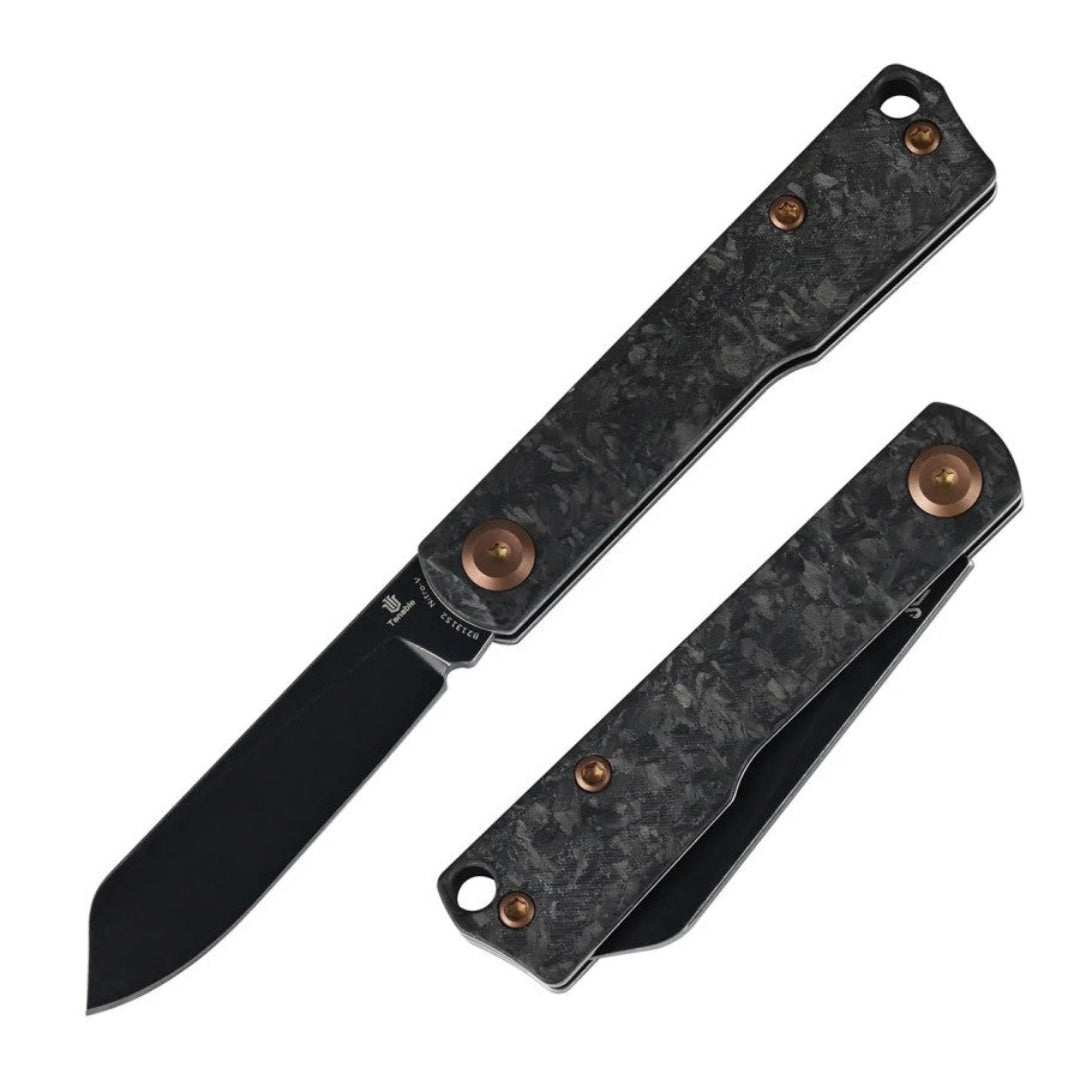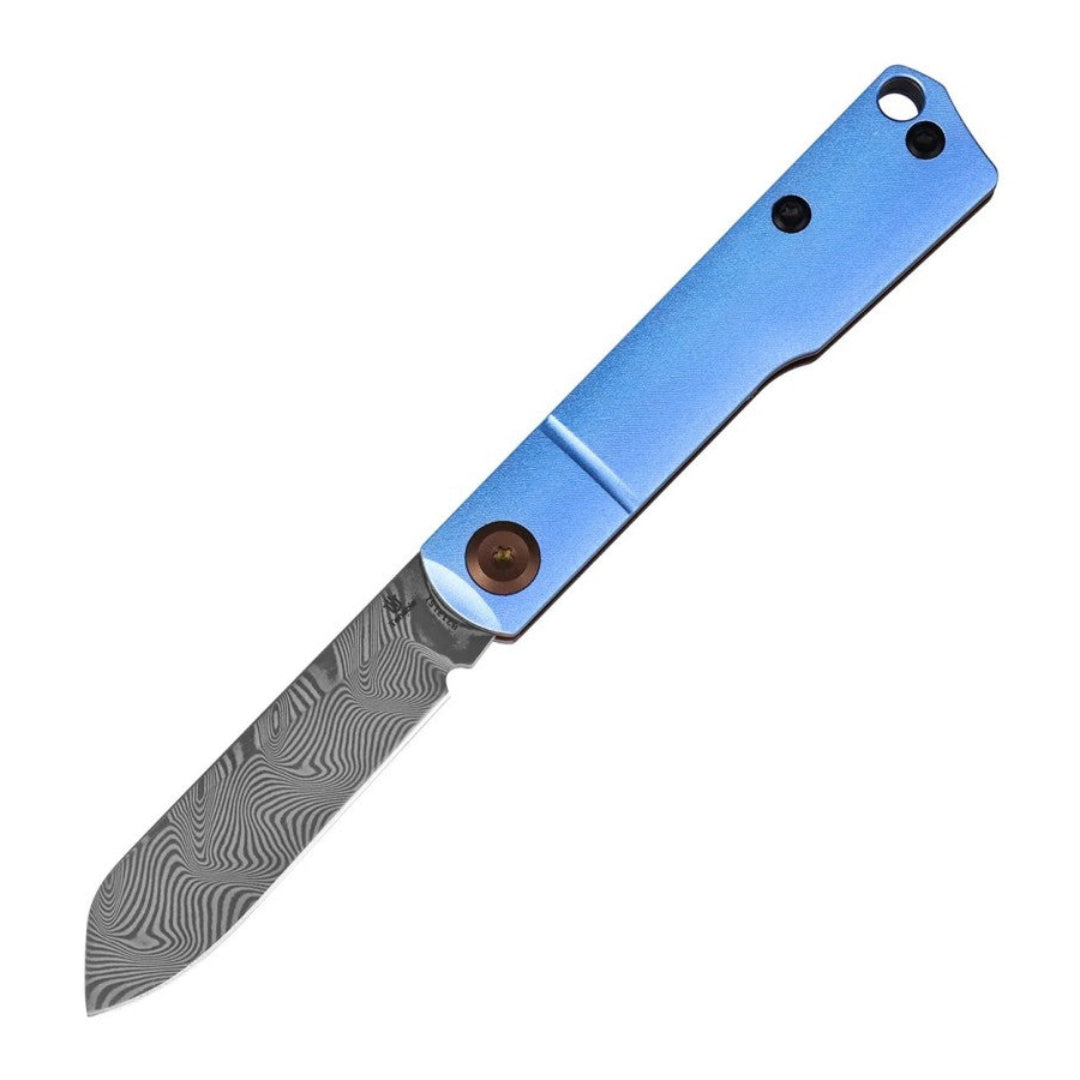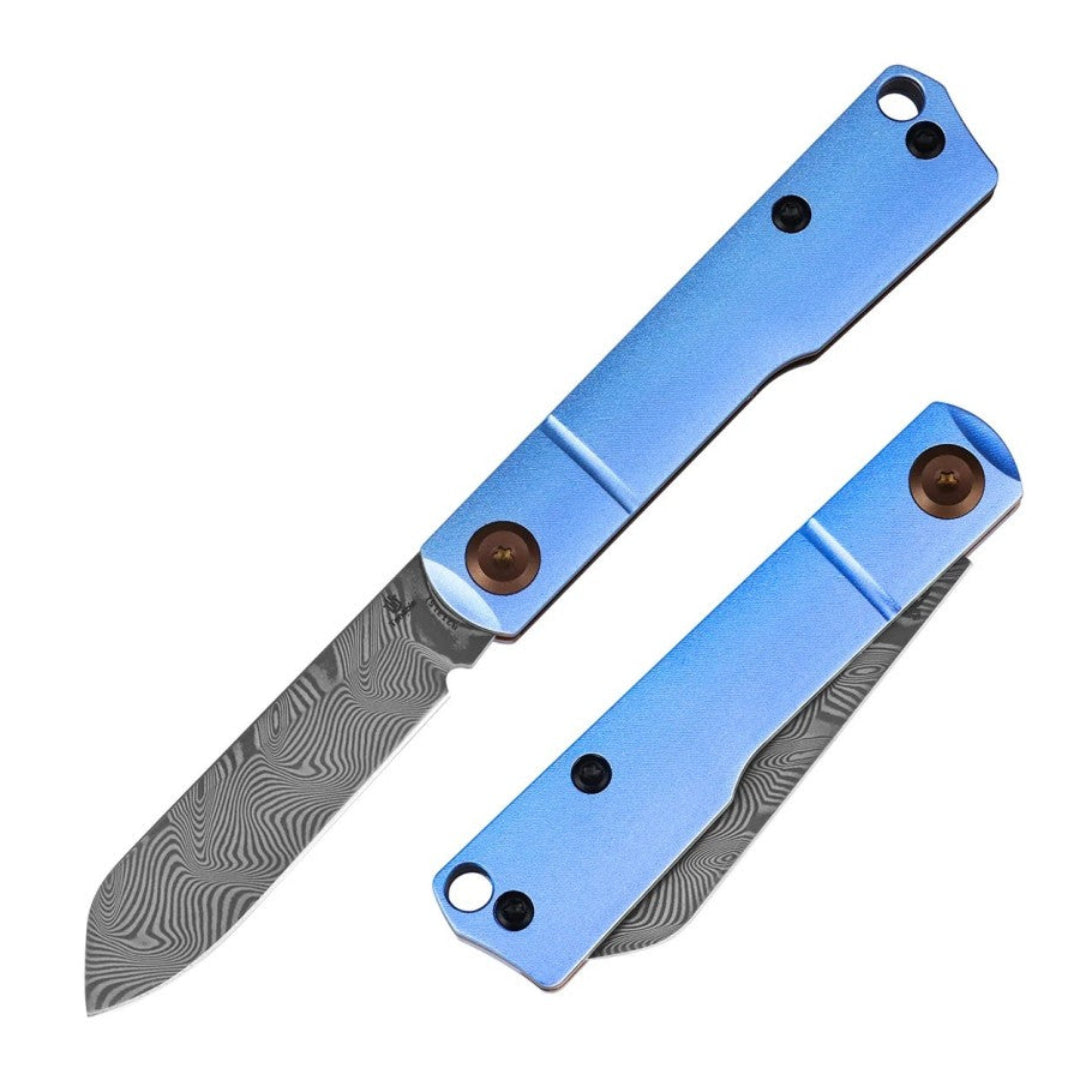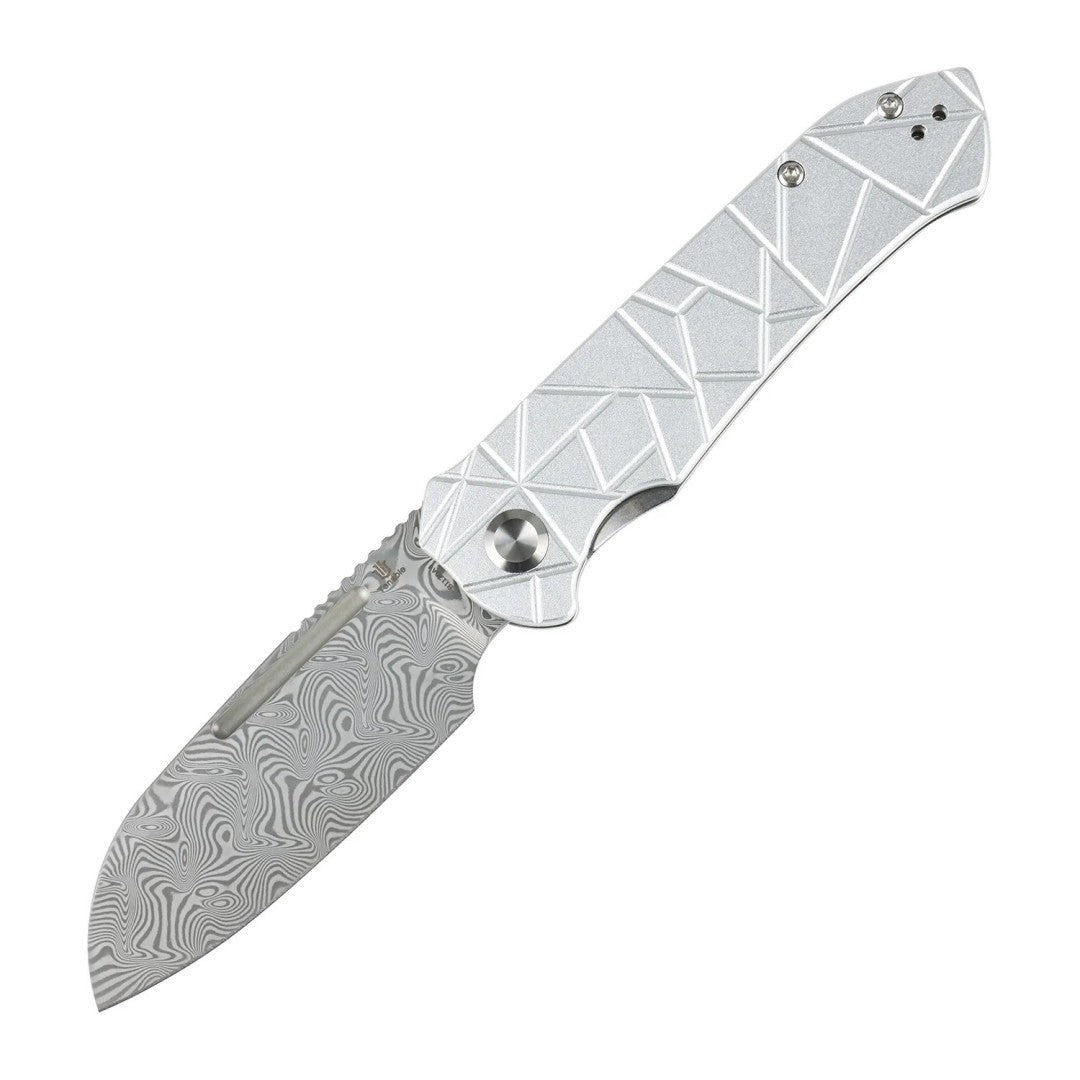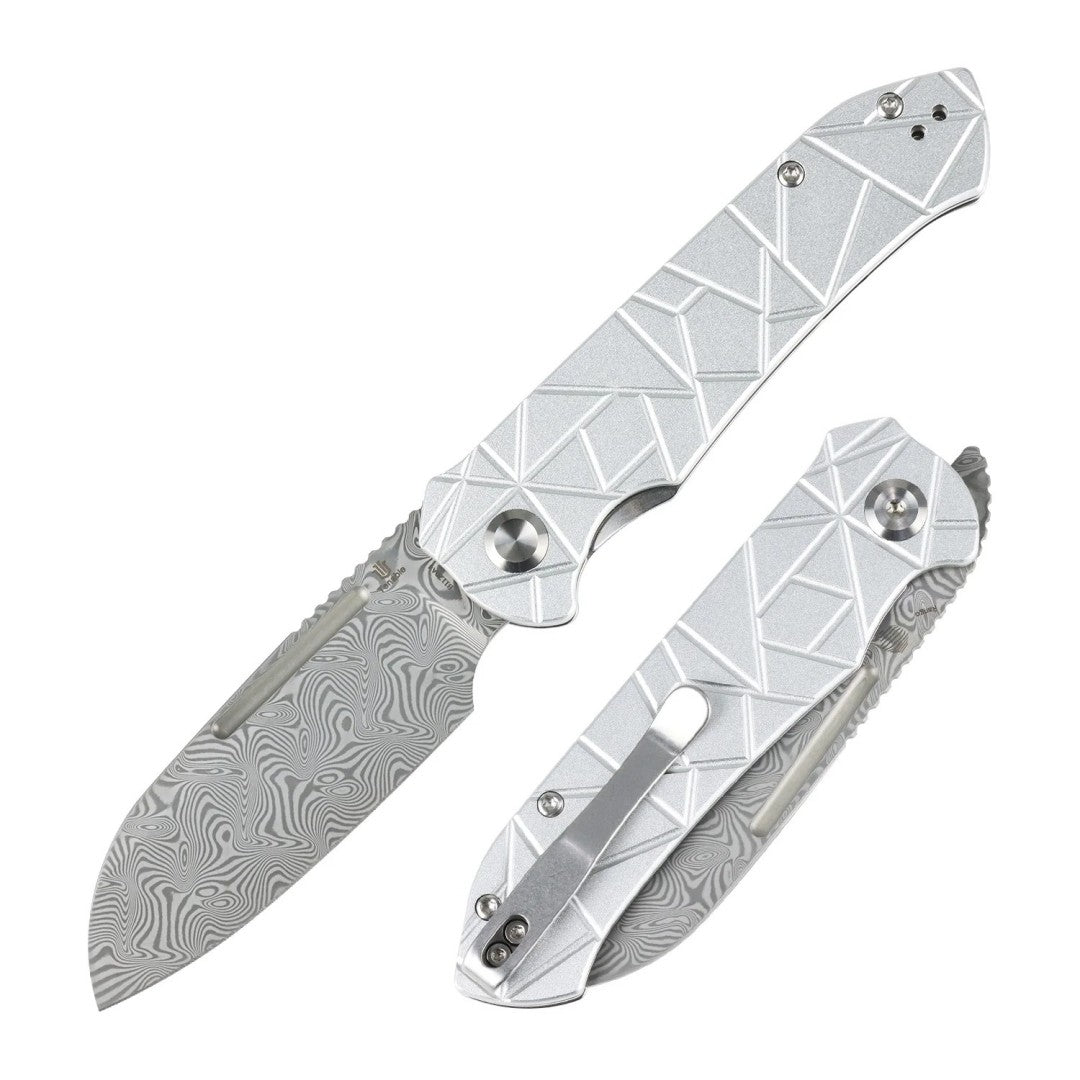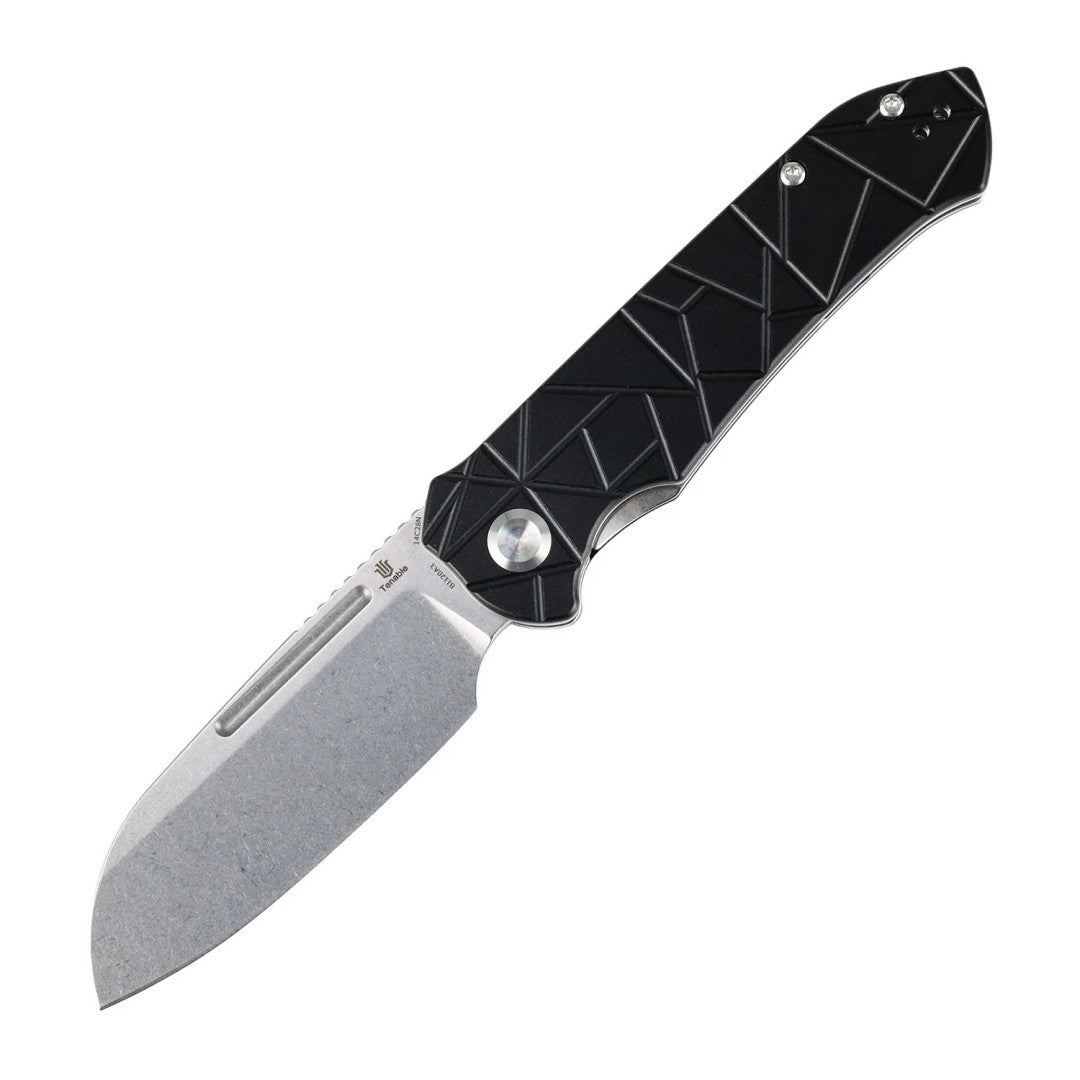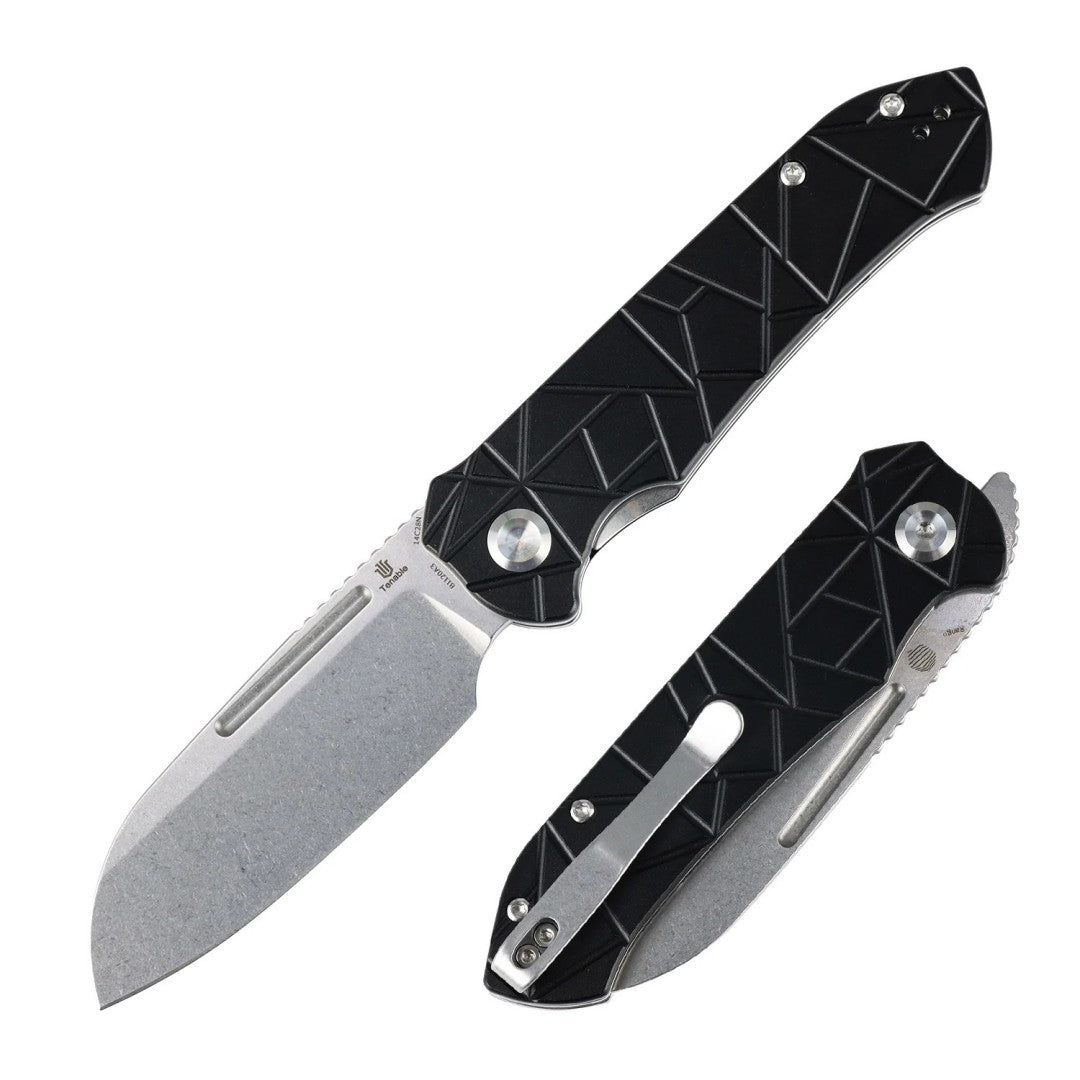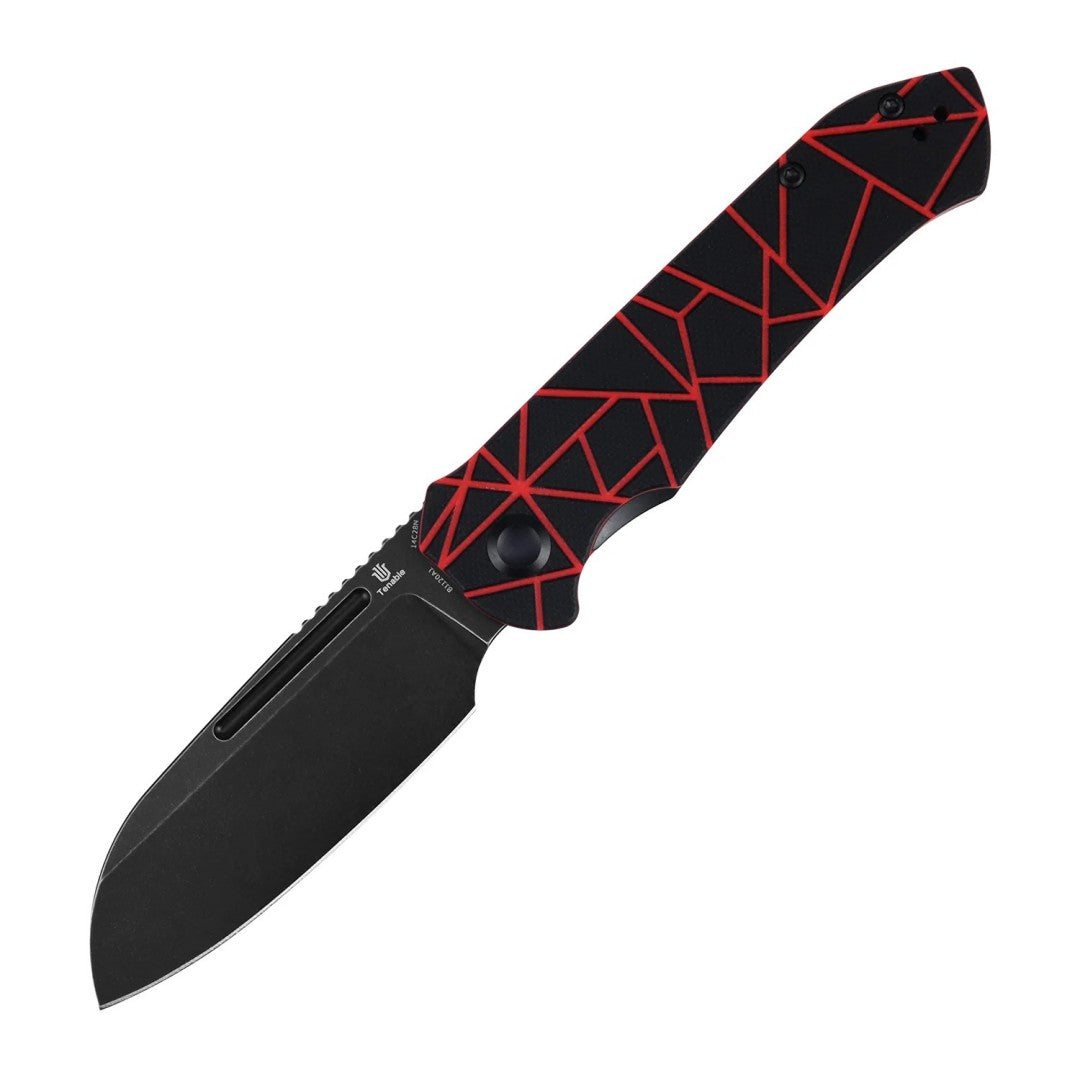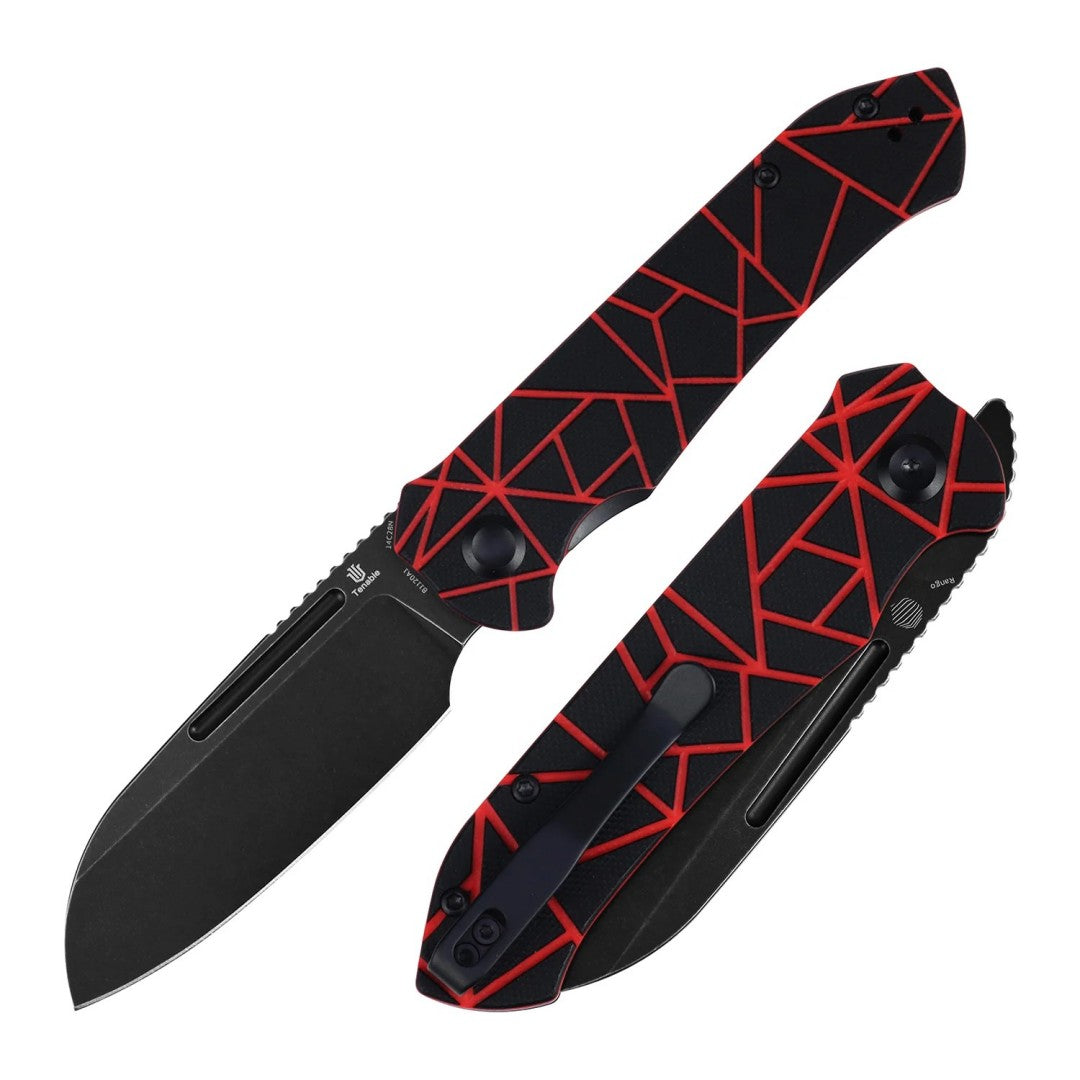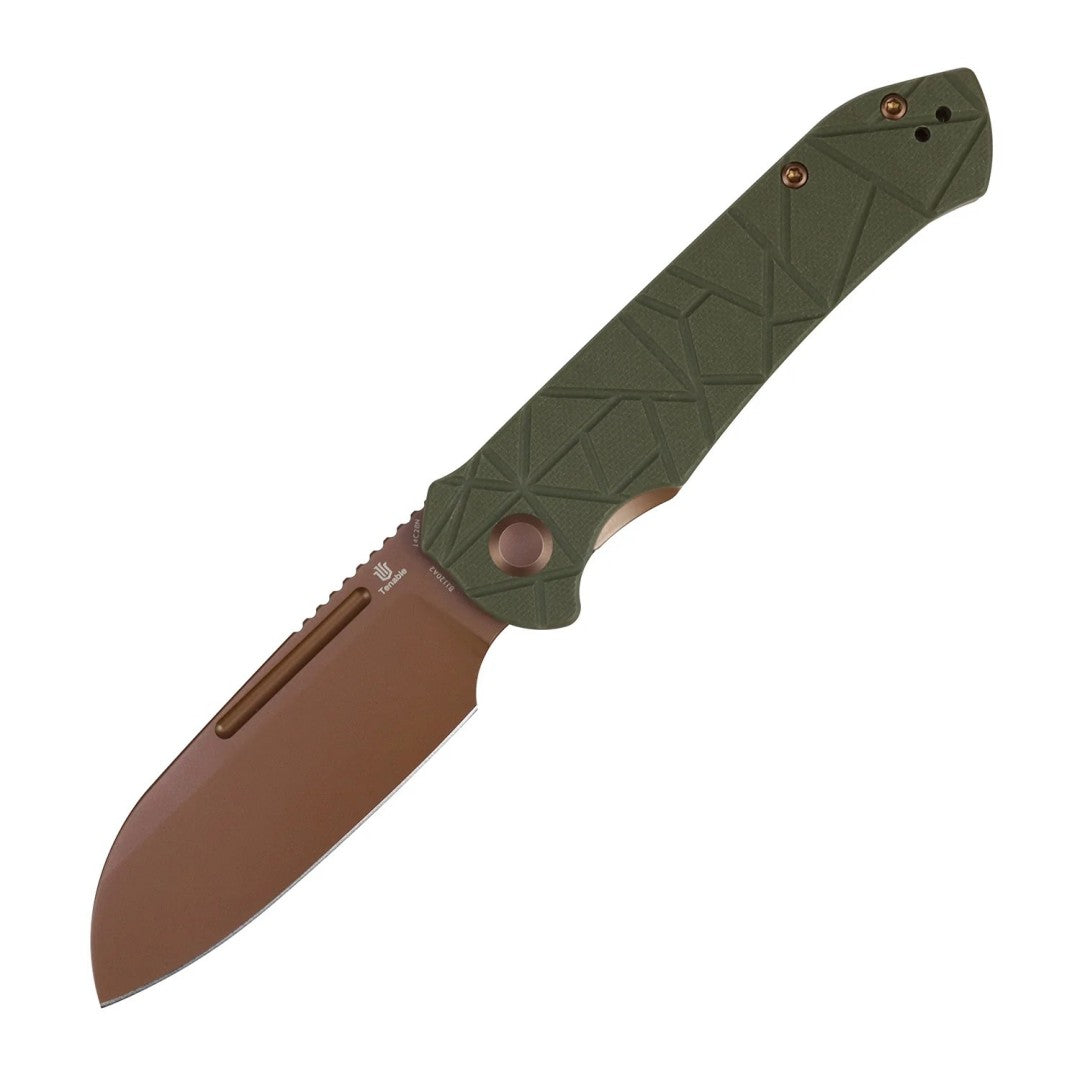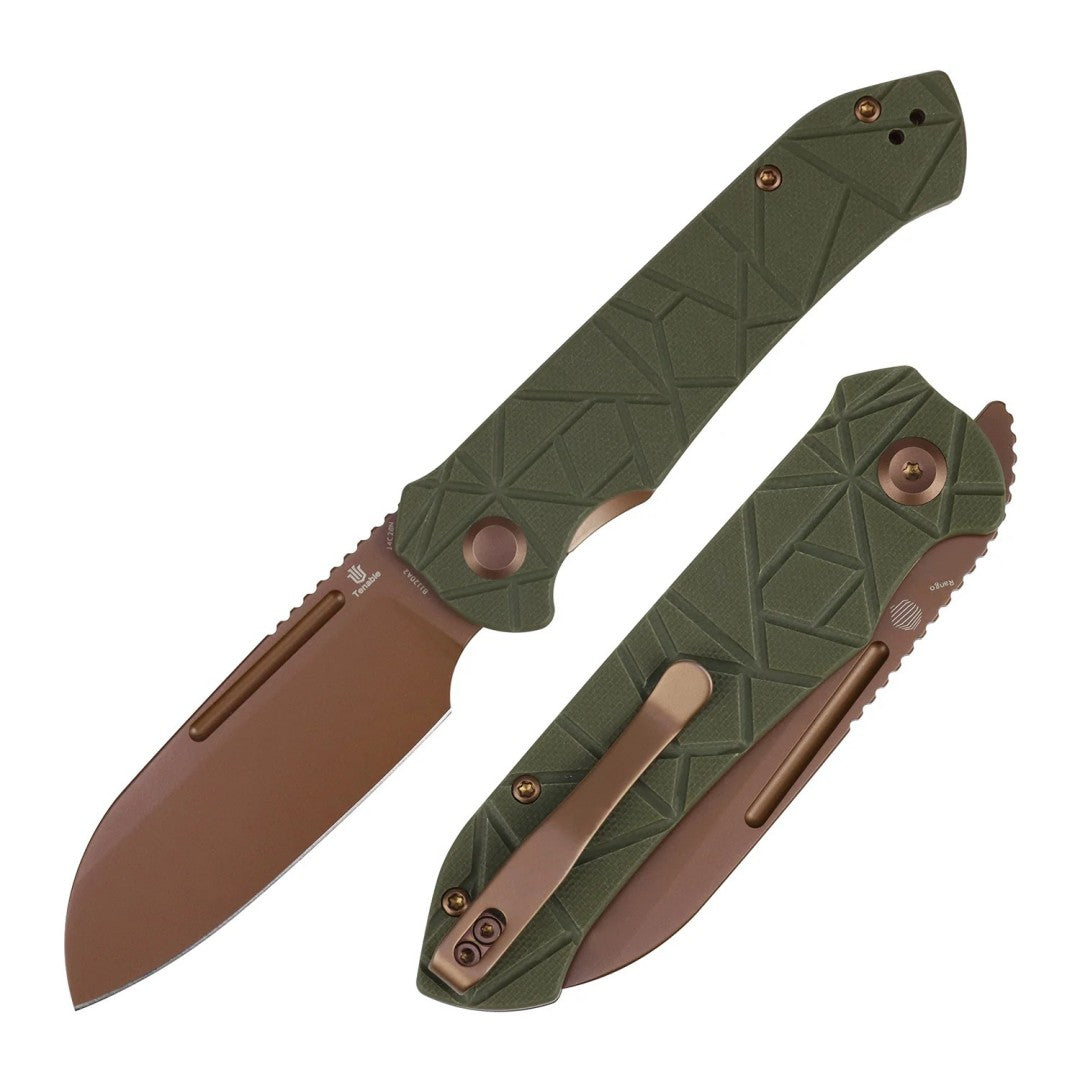
In the sphere of performance cutting tools, a folding knife's real-world capability is defined by the microscopic battle taking place at its cutting apex. Regardless of how striking a handle looks or how fluid a pivot operates, the knife will fail to deliver if its blade steel cannot resist abrasion, ward off corrosion, and maintain a razor edge through demanding tasks. The Bestech Nyrrdreki answers this challenge by anchoring its bold dragon-inspired geometry in one of the most capable powder metallurgy alloys ever created, establishing a powerhouse cutting tool for modern EDC users.
Brought to life through a collaborative partnership between Bestech and custom knifemaker Fabian Hobbelen, the Nyrrdreki harnesses Austrian Böhler M390 microclean super-steel to turn an avant-garde cleaver into a relentless slicing instrument.
The Powder Metallurgy Advantage of Böhler M390
Böhler M390 belongs to the upper echelon of third-generation powder metallurgy alloys. Unlike conventional melt-and-cast steels where heavy alloying elements can pool into brittle, uneven carbide clusters during slow cooling, M390 is manufactured via gas atomization.
-
Gas Atomization Refinement: Molten steel is blasted into microscopic droplets that solidify instantaneously, locking each chemical element into a fine, uniform matrix.
-
Hot Isostatic Pressing (HIP): The microscopic metal powders are compressed under extreme heat and pressure, forming a completely solid billet with zero structural porosity.
-
Micro-Carbide Uniformity: When sharpened, the apex of an M390 blade presents a continuous, densely packed wall of vanadium and chromium carbides that resist chipping and roll-over under strenuous cutting friction.
Real-World Cutting Dynamics: Wear Resistance in Action
Daily cutting tasks present severe abrasive friction. Recycled shipping boxes, industrial cardboard tubes, plastic packaging straps, and fibrous nylon ropes act like fine grinding stones against a knife's sharpened edge.
Vanadium Carbide Protection
M390 contains a dedicated 4.0% vanadium content. During heat treatment, vanadium bonds with carbon to form vanadium carbides—some of the hardest chemical compounds known in metallurgy. These microscopic carbides act as defensive armor along the cutting edge, allowing the Nyrrdreki to slice through miles of abrasive corrugated material without losing its keen working edge.
Environmental Corrosion Defense
Carrying a knife daily exposes the blade to skin oils, pocket sweat, atmospheric humidity, and acidic juices from food prep. With a massive 20.0% chromium composition, M390 forms an impenetrable passive chromium oxide layer across the blade surface, ensuring the polished edge stays razor-sharp and free of pitting corrosion.
Edge Geometry: Pairing M390 with a Deep Hollow Grind
Even the most advanced super-steel can feel dull if forced into a thick, wedge-like bevel. Fabian Hobbelen designed the Nyrrdreki’s blade geometry to maximize the innate slicing efficiency of M390.
Thin-Behind-the-Edge Architecture
Starting from a stout 0.16-inch (4.0 mm) blade spine, the primary bevel transitions into a sweeping, deep hollow grind. This concave cross-section removes excess steel right behind the sharpened apex, ensuring the cutting edge glides through dense substrates with minimal surface drag.
Micro-Belly Slicing Traction
Unlike flat-edged kitchen cleavers that make full contact all at once, the Nyrrdreki incorporates a gentle, continuous belly along its 3.08-inch edge. This slight curve concentrates the cutting force at the apex, allowing the vanadium carbides to bite aggressively into slick synthetic ropes and heavy webbing during single-pass draw cuts.
 Metallurgy & Performance Benchmark Matrix
The following tables highlight the chemical composition of Böhler M390 and contrast its performance attributes against other well-known cutlery alloys.
Chemical Composition of Böhler M390
| Element | Percentage | Key Metallurgical Impact |
| Carbon (C) | 1.90% | Establishes base matrix hardness and supports 60–61 HRC |
| Chromium (Cr) | 20.00% | Maximizes stain resistance and forms secondary wear carbides |
| Vanadium (V) | 4.00% | Produces ultra-hard vanadium carbides for abrasive wear resistance |
| Molybdenum (Mo) | 1.00% | Enhances deep hardenability and pitting resistance |
| Tungsten (W) | 0.60% | Refines grain boundaries and prevents high-temperature softening |
| Silicon (Si) | 0.70% | Deoxidizes molten steel during processing |
| Manganese (Mn) | 0.30% | Promotes consistent martensitic transformation |
Comparative Performance Breakdown
| Steel Type | Abrasive Edge Retention | Stain & Rust Resistance | Ease of Stropping | Toughness Profile |
| Böhler M390 | Exceptional | Outstanding | High (Diamond abrasives) | High |
| CPM-S30V | High | Very Good | High | Moderate to High |
| CPM-20CV | Exceptional | Outstanding | High (Diamond abrasives) | High |
| VG-10 | Moderate | High | Very High | Moderate |
| D2 Tool Steel | Moderate to High | Low (Semi-Stainless) | Moderate | Moderate |
Structural Chassis Support for Apex Stability
A cutting edge lasts significantly longer when the blade is supported by an uncompromising, play-free handle structure. Lateral blade play or flex under downward pressure introduces micro-torsion across the sharpened apex, accelerating edge fatigue and dulling.
The Nyrrdreki eliminates this problem with an innovative hybrid lock system that combines the single-handed convenience of a modern Button Lock with the structural strength of a reinforced Frame Lock.
-
Hardened Steel Lockbar Insert: A replaceable steel plate interfaces directly with the M390 tang, eliminating lock play and preventing wear over thousands of deployment cycles.
-
Caged Ceramic Pivot System: Ceramic ball bearings ensure smooth, centered rotation between the TC4 Grade 5 titanium handle scales, keeping the blade aligned under heavy downward cutting force.
-
Safe Closure Operation: Pressing the side bolster button allows the blade to swing shut safely on its bearings without placing your fingers in the path of the falling edge.
Technical Specifications Overview
| Specification | Dimension / Material |
| Blade Steel | Austrian Böhler M390 Microclean |
| Hardness Window | 60–61 HRC |
| Blade Length | 3.08 in (78.4 mm) |
| Blade Thickness | 0.16 in (4.0 mm) |
| Blade Grind | Deep Performance Hollow Grind |
| Overall Length | 7.04 in (178.9 mm) |
| Closed Length | 3.96 in (100.5 mm) |
| Frame Material | TC4 Grade 5 Titanium |
| Pivot System | Caged Ceramic Ball Bearings |
 Frequently Asked Questions
What makes Böhler M390 particularly well-suited for a compact cleaver?
A cleaver blade profile is naturally exposed to heavy utility work like breaking down boxes, slicing dense cordage, and preparing food. M390 provides the perfect blend of extreme wear resistance to handle abrasive materials alongside high chromium content to prevent corrosion from food juices and moisture.
Does M390 require specialized equipment to sharpen?
Because M390 contains hard vanadium carbides, diamond or CBN (Cubic Boron Nitride) abrasives are recommended when performing a full edge re-profiling. For regular maintenance, simply stropping the blade on a leather strop loaded with fine diamond emulsion (1 to 0.5 micron) will easily maintain a hair-popping edge.
How does the 60–61 HRC heat treatment impact durability?
Setting the hardness at 60–61 HRC provides an ideal balance for daily utility carry. It offers exceptional edge longevity while retaining enough ductility to prevent micro-chipping when slicing through hard zip-ties or encountering stray staples in cardboard.