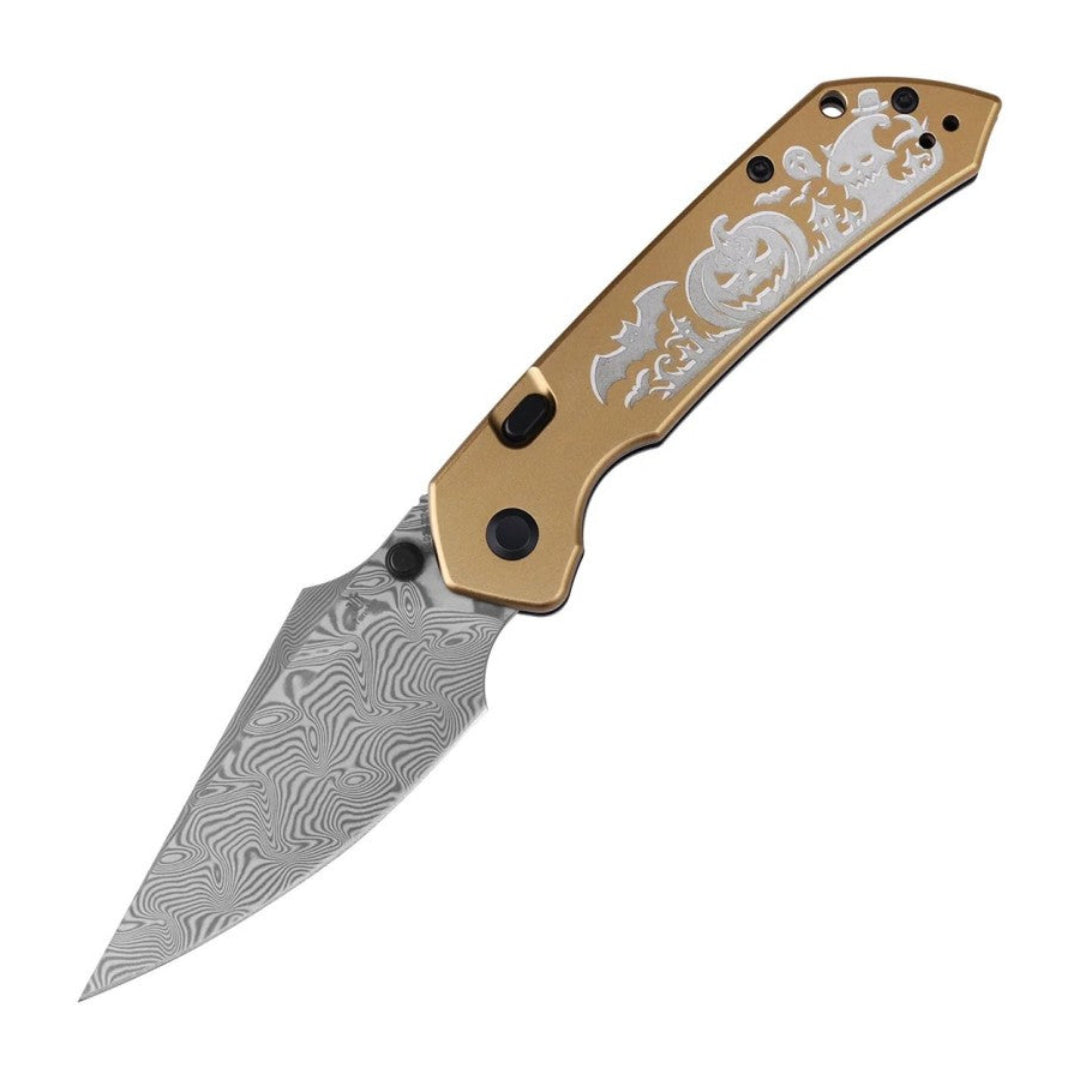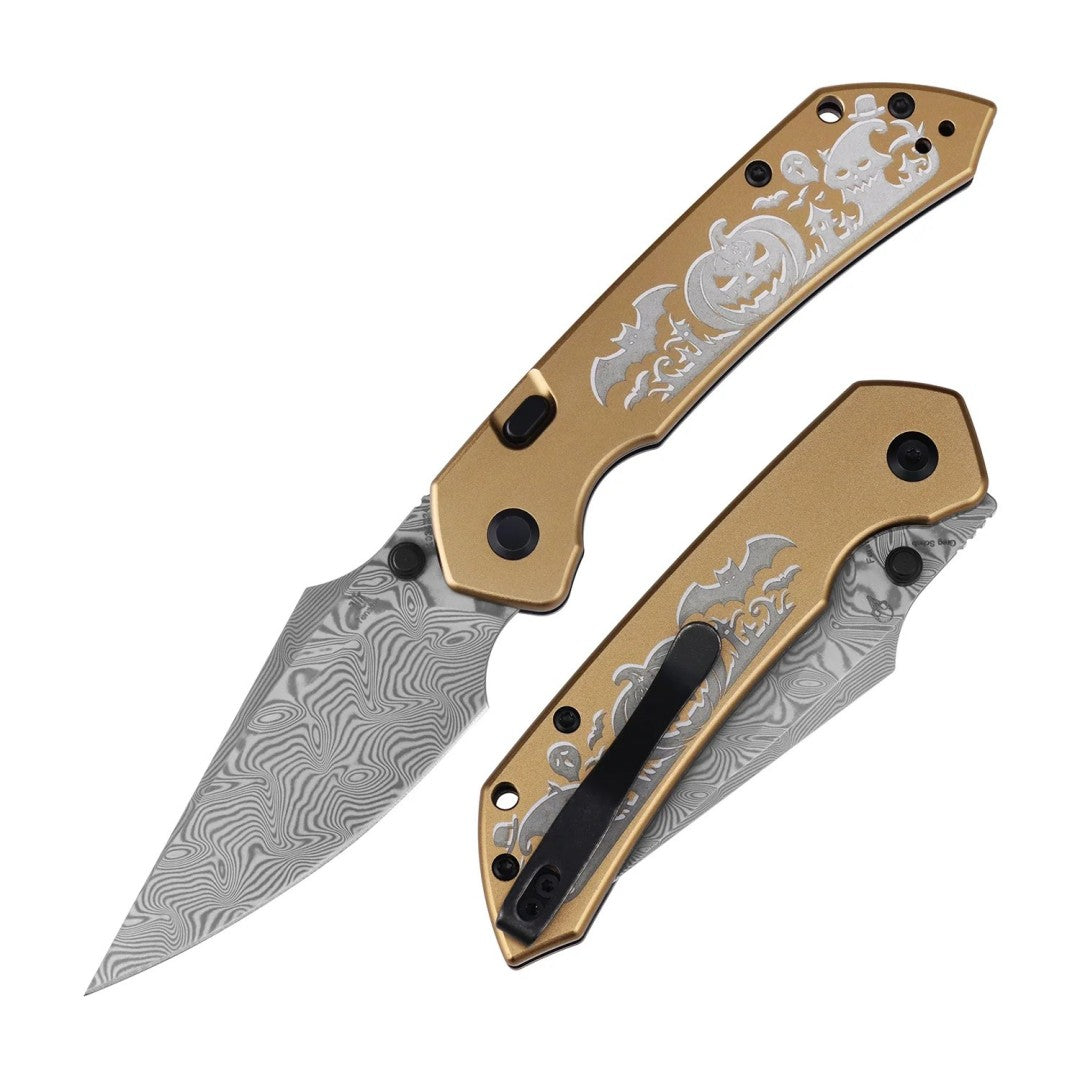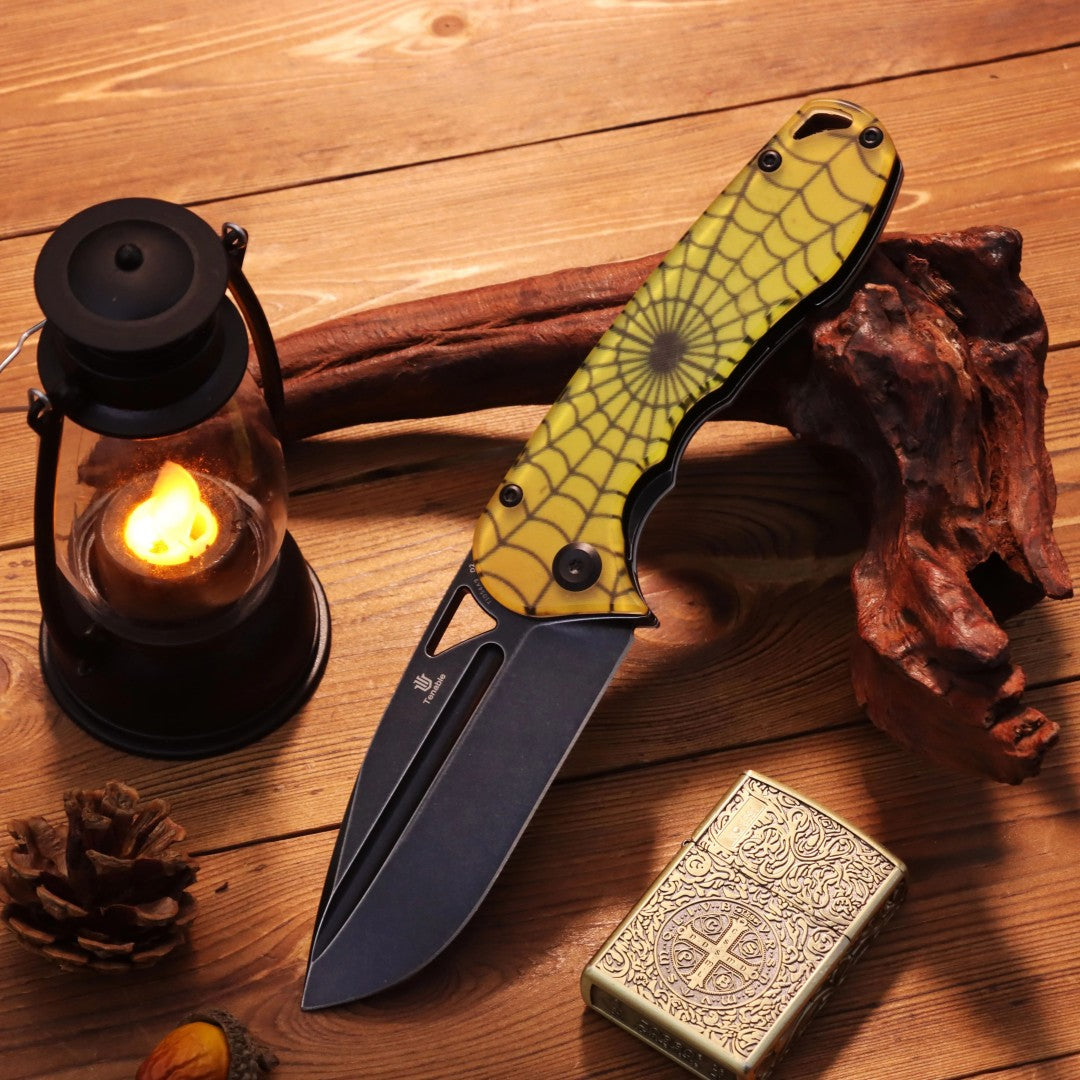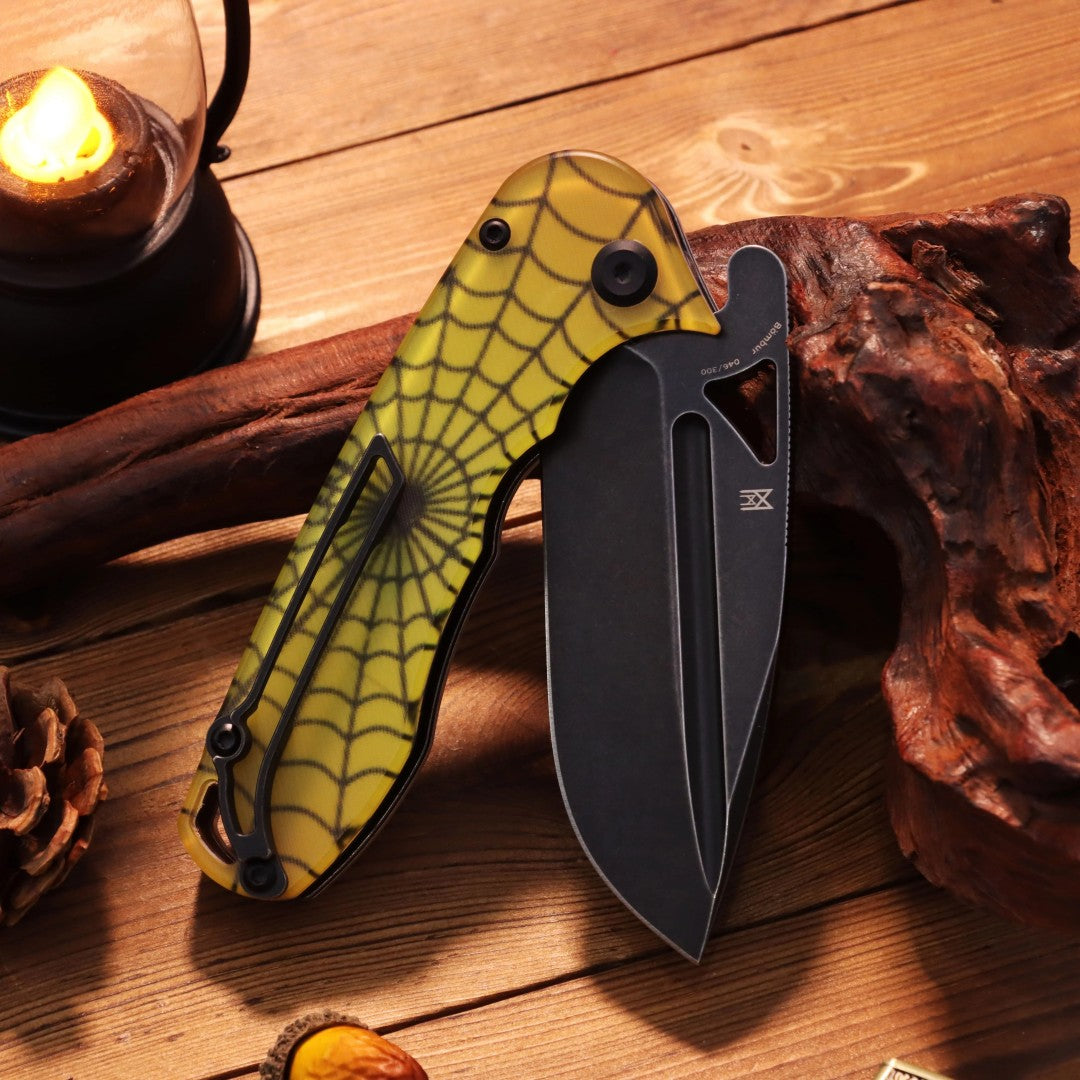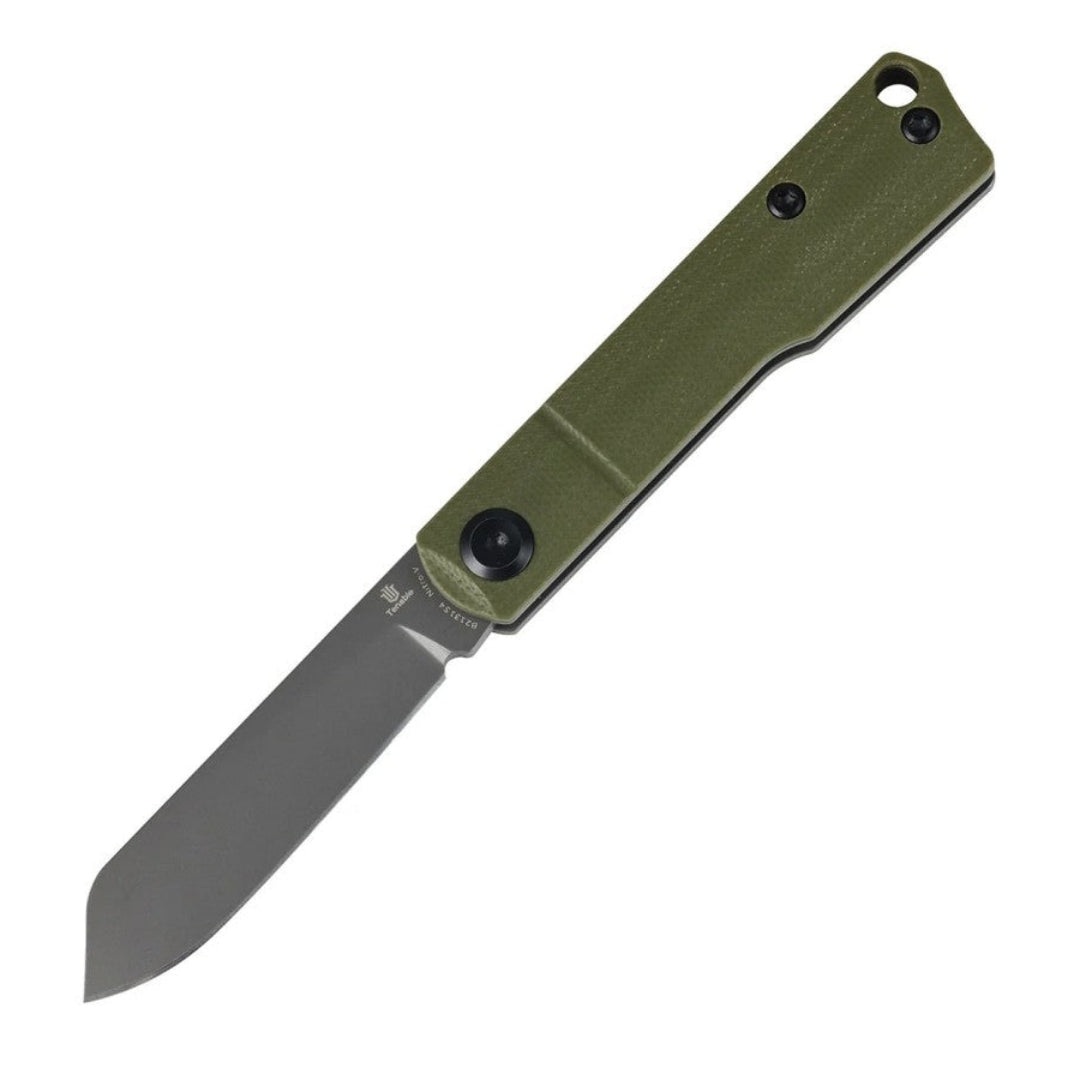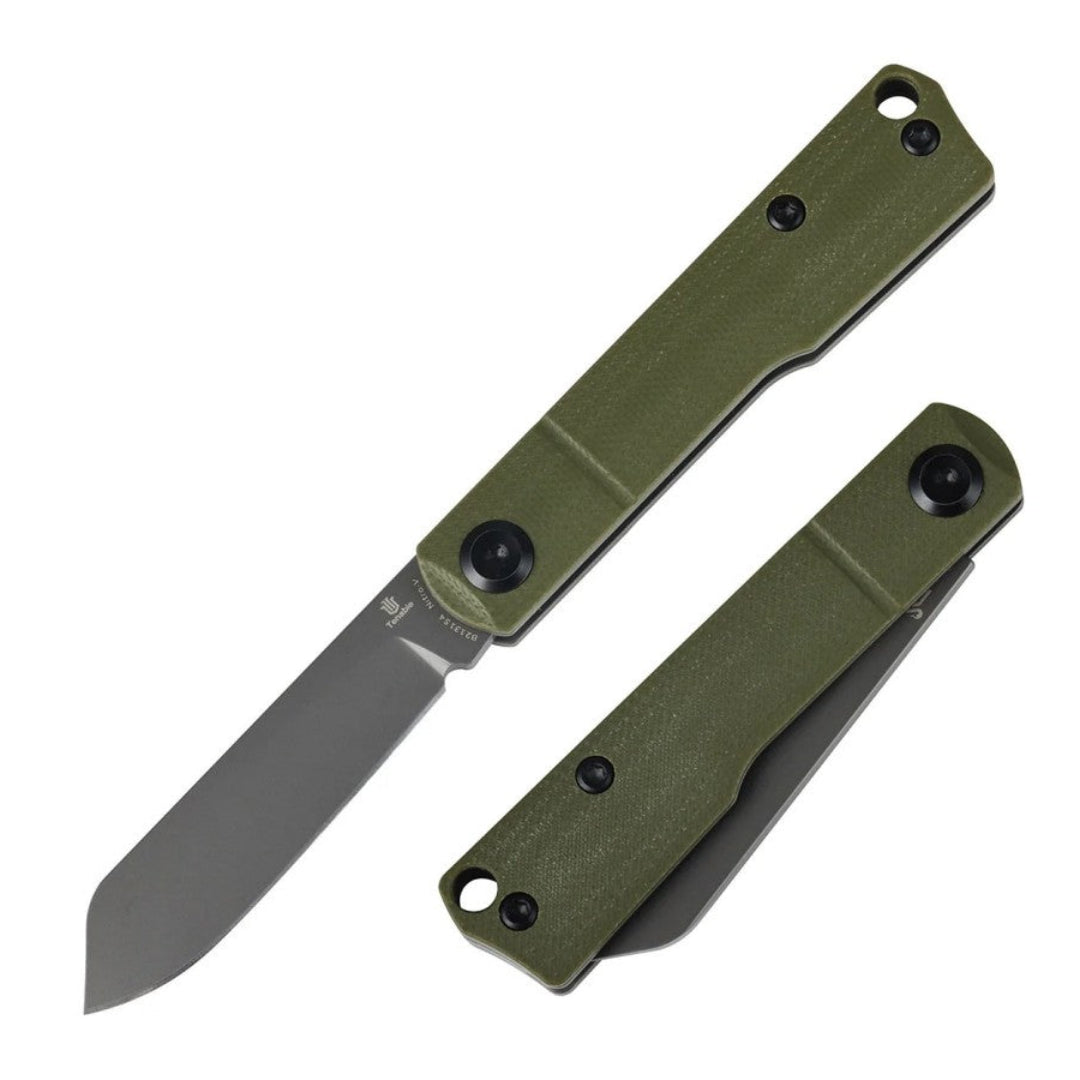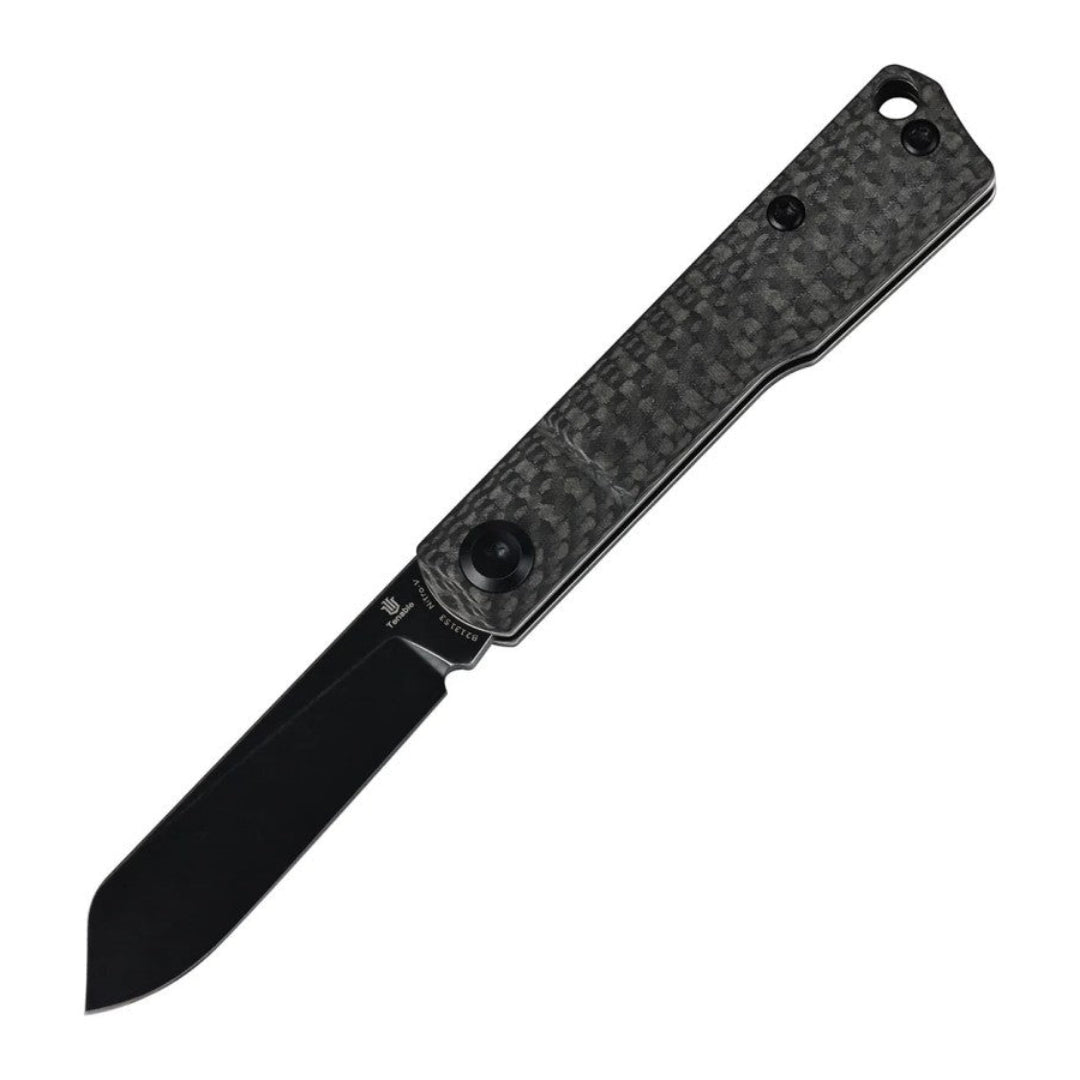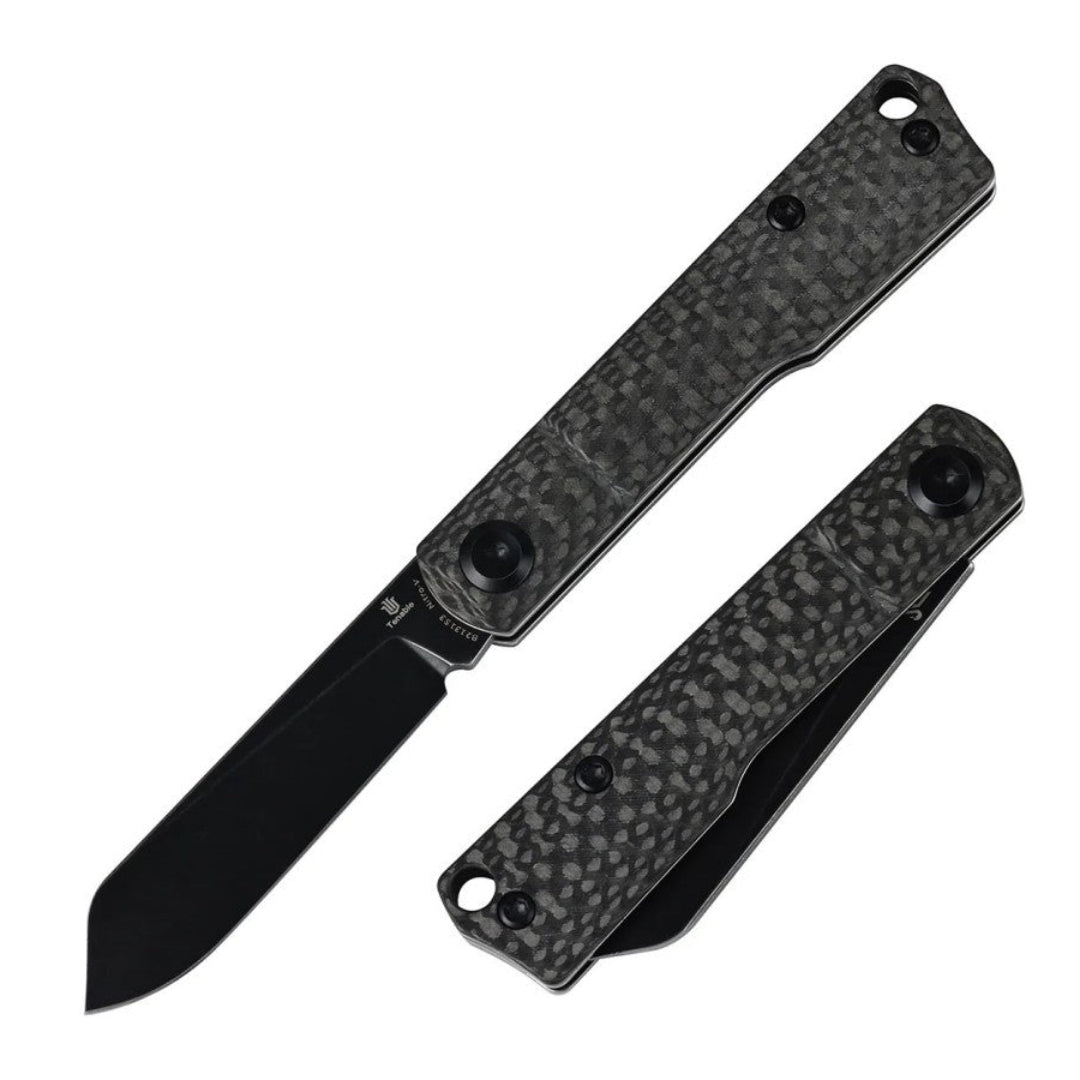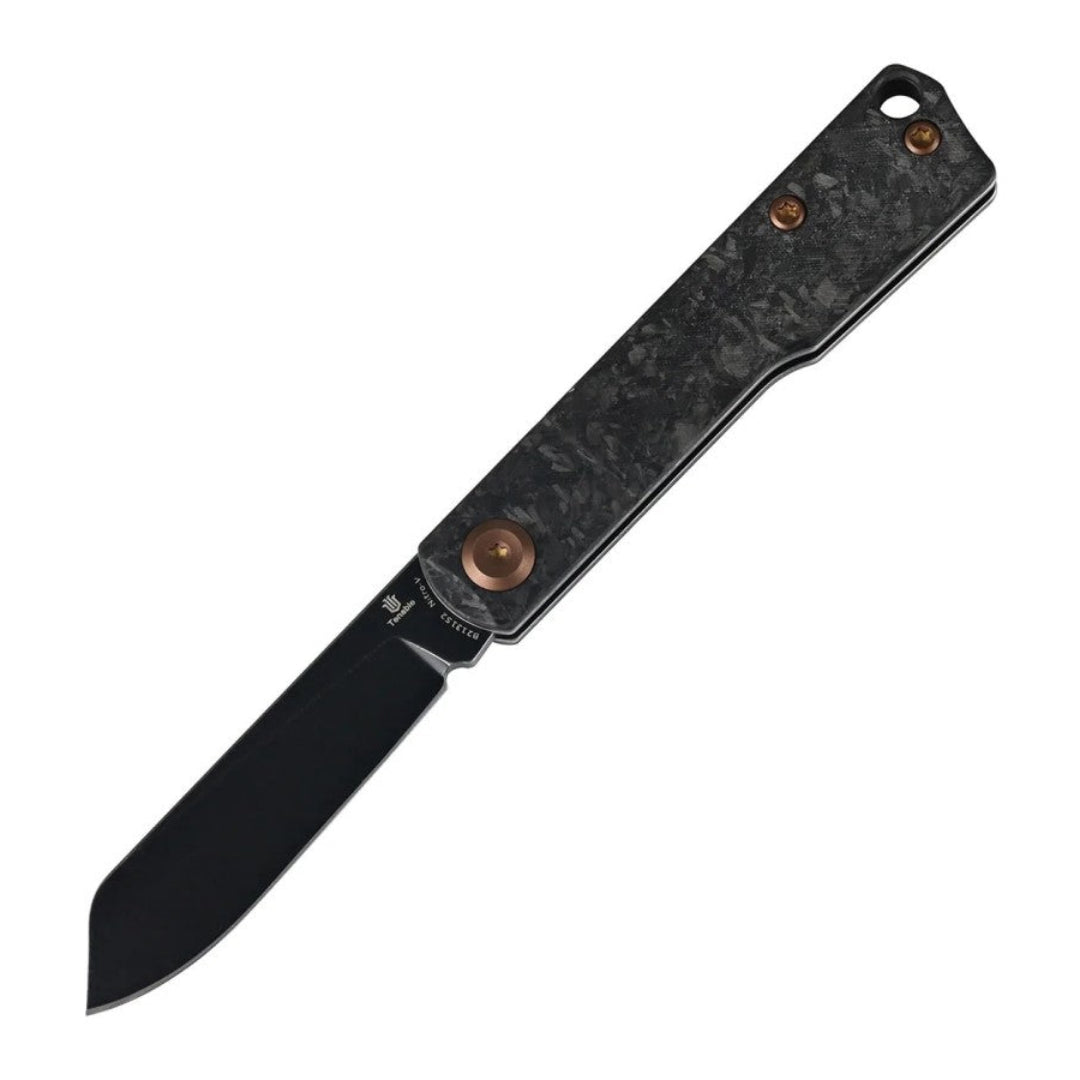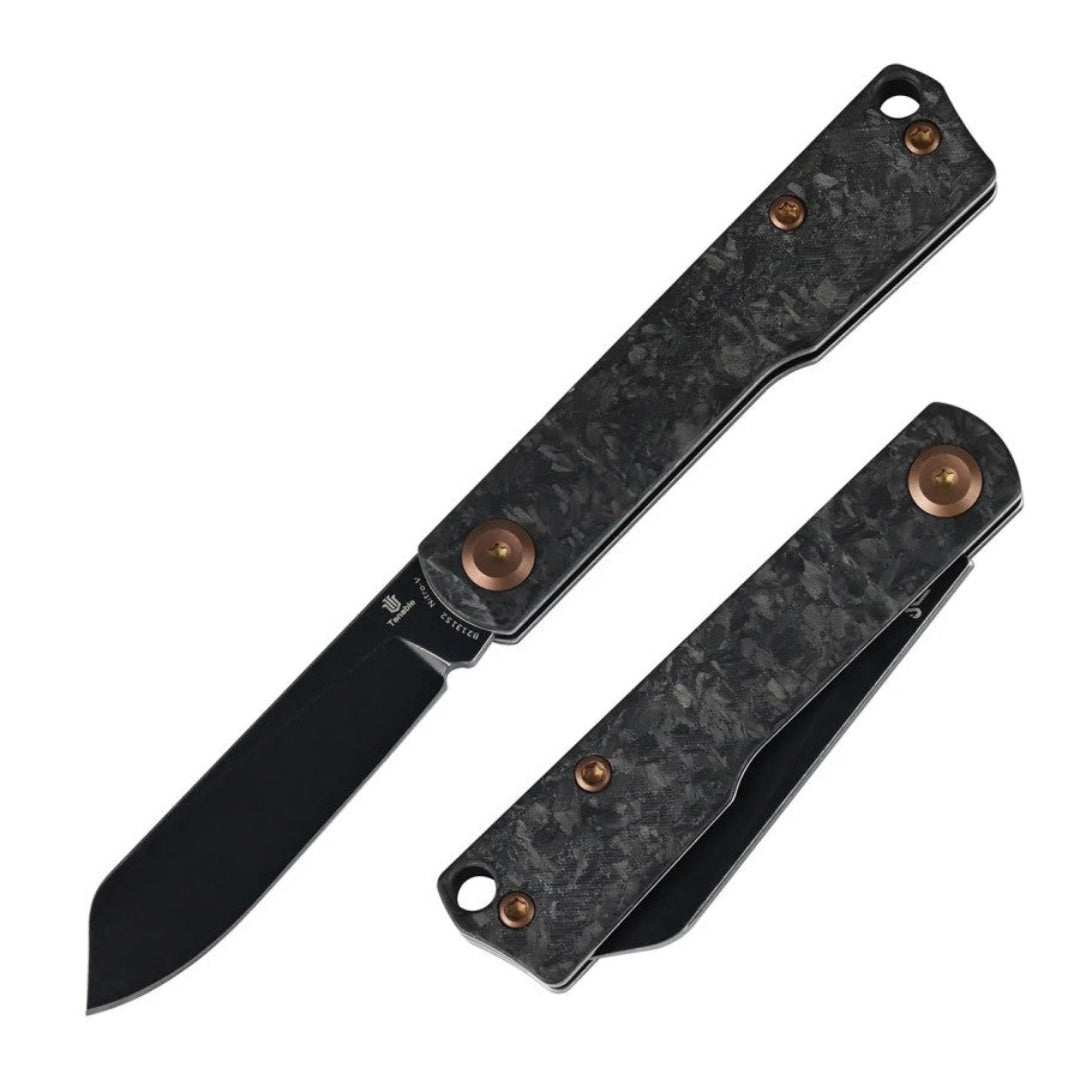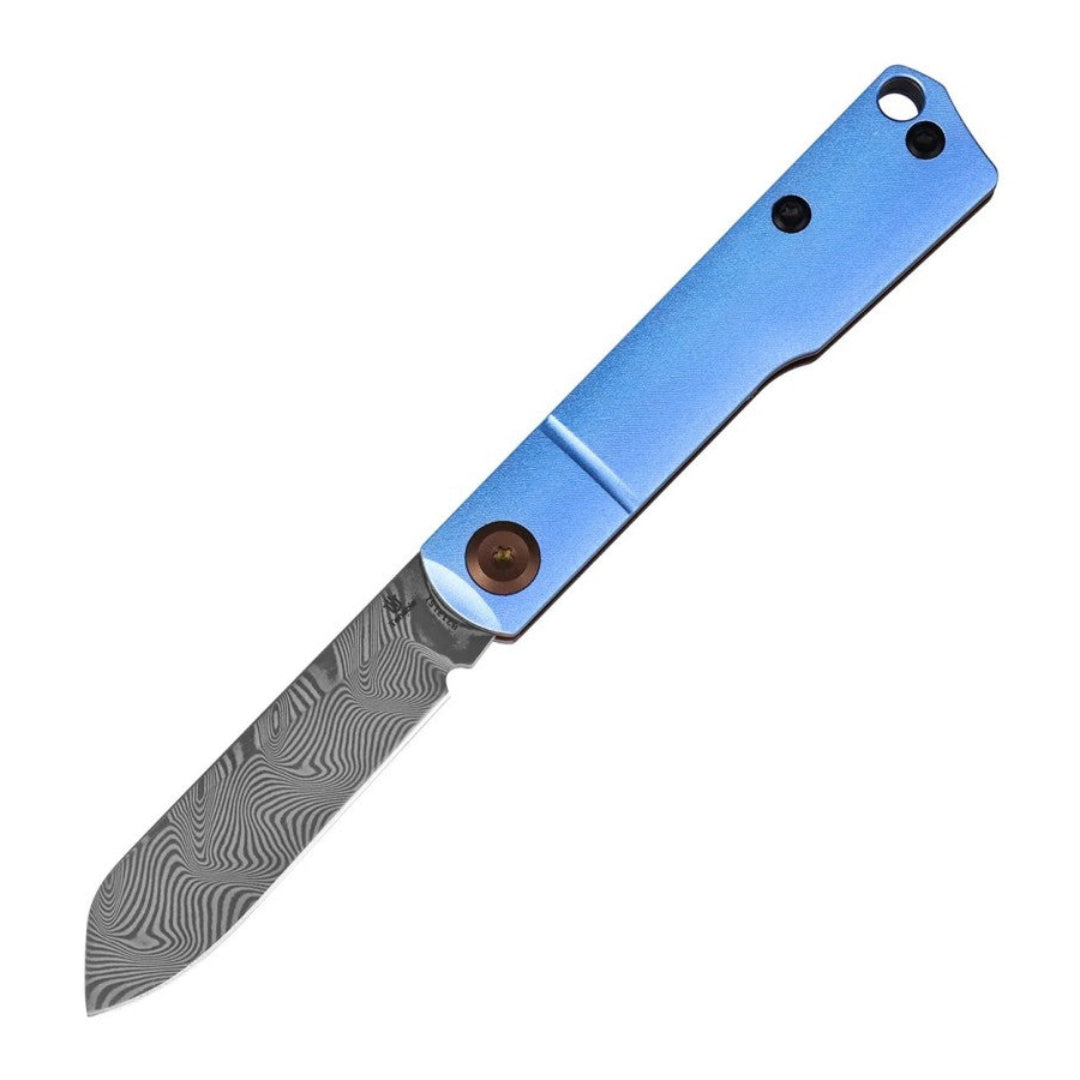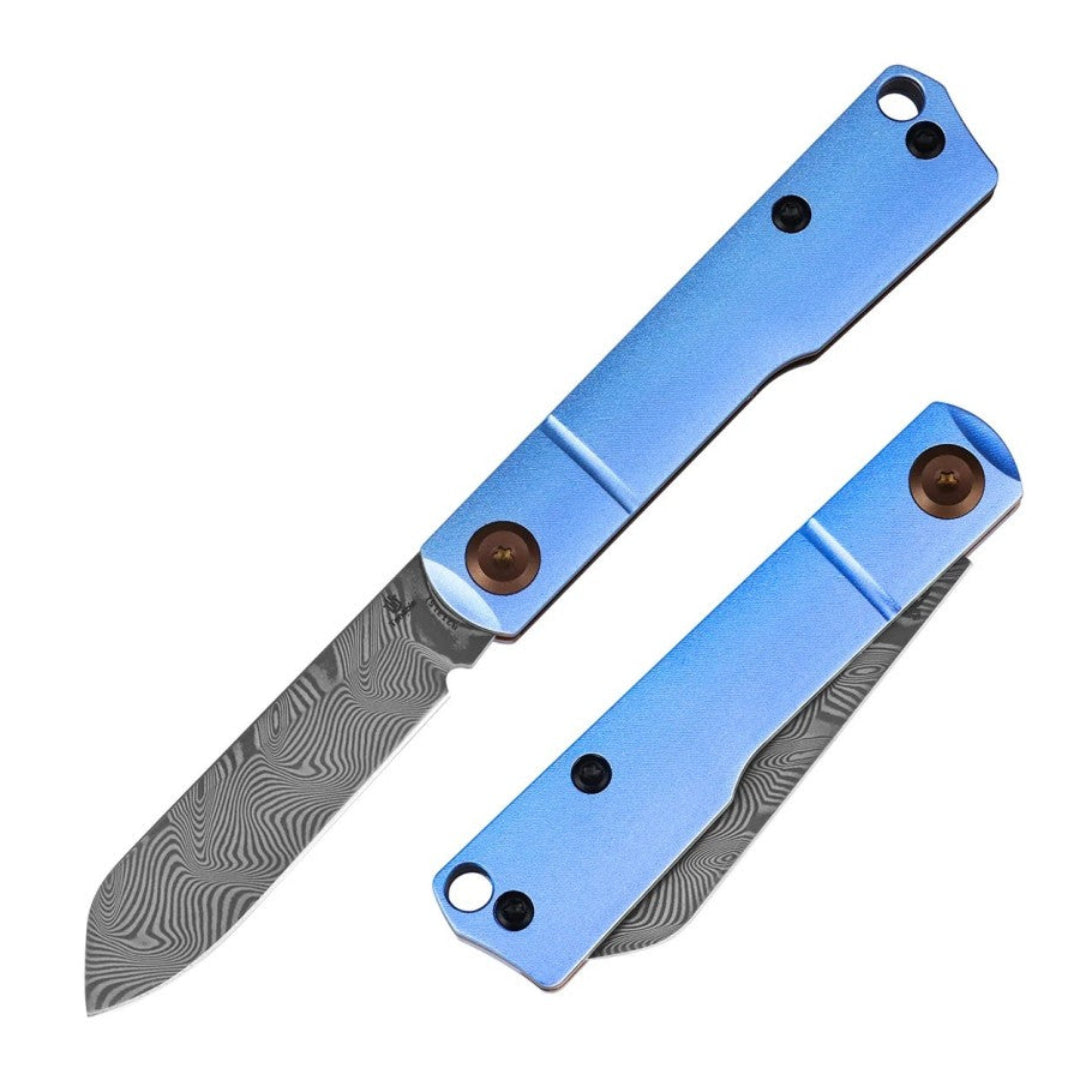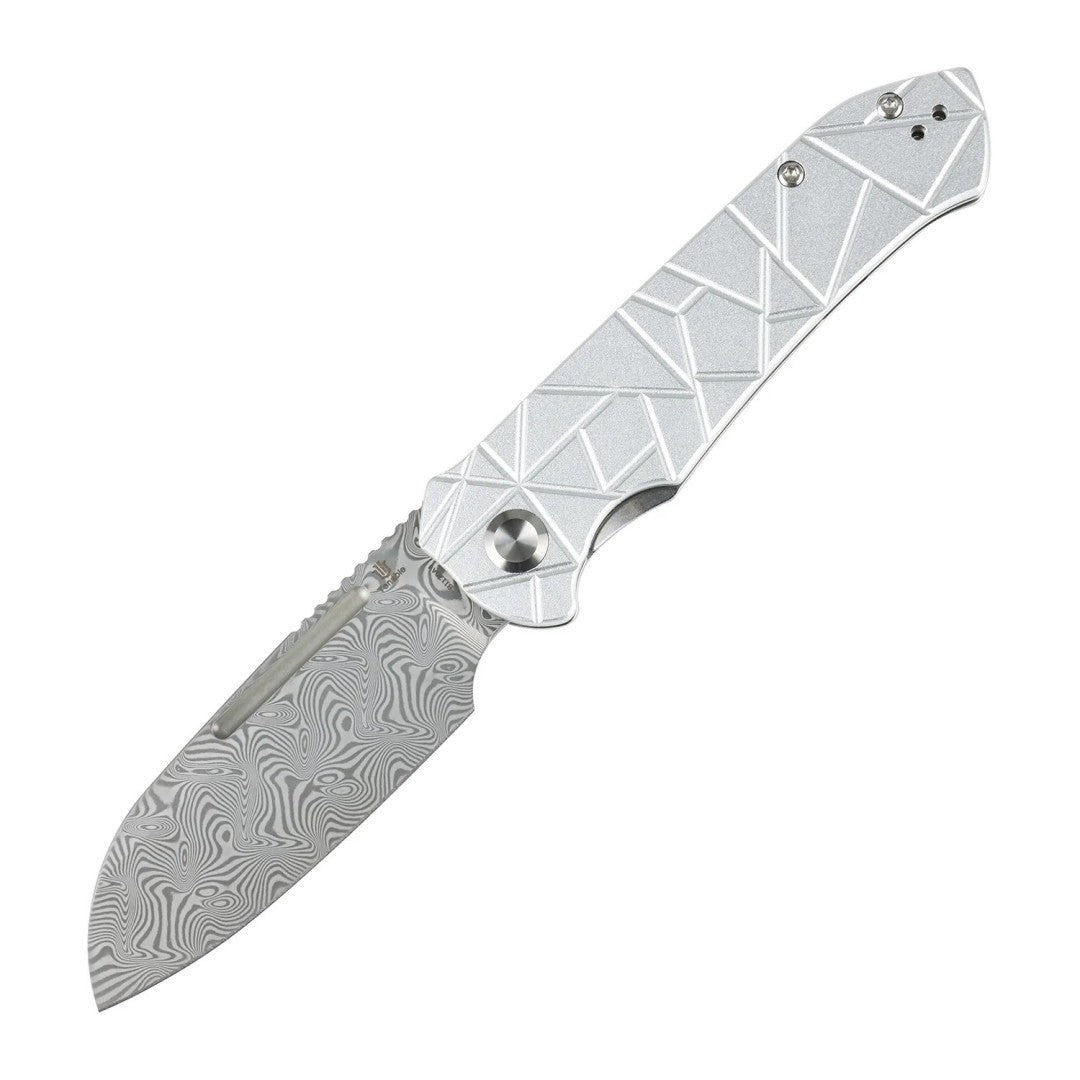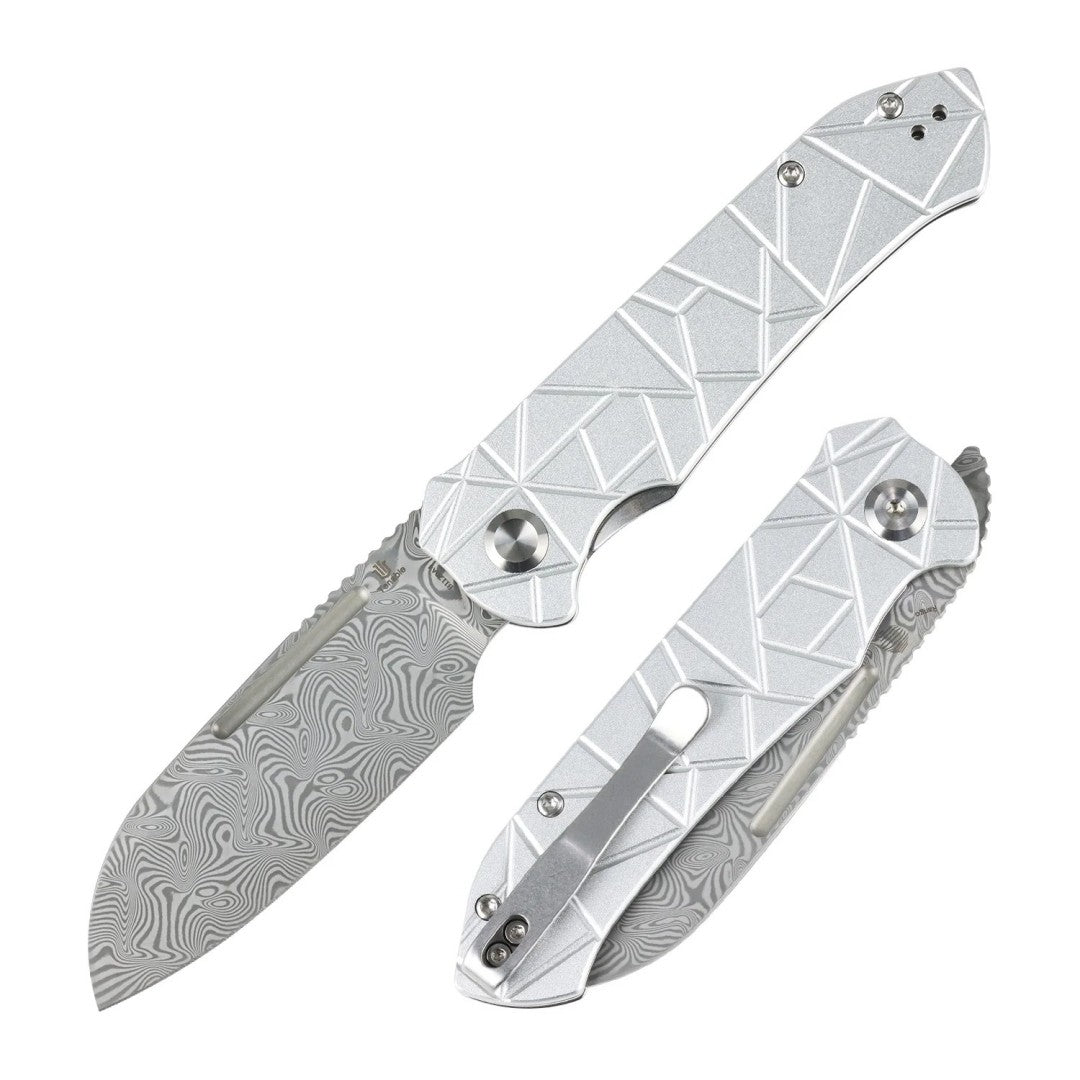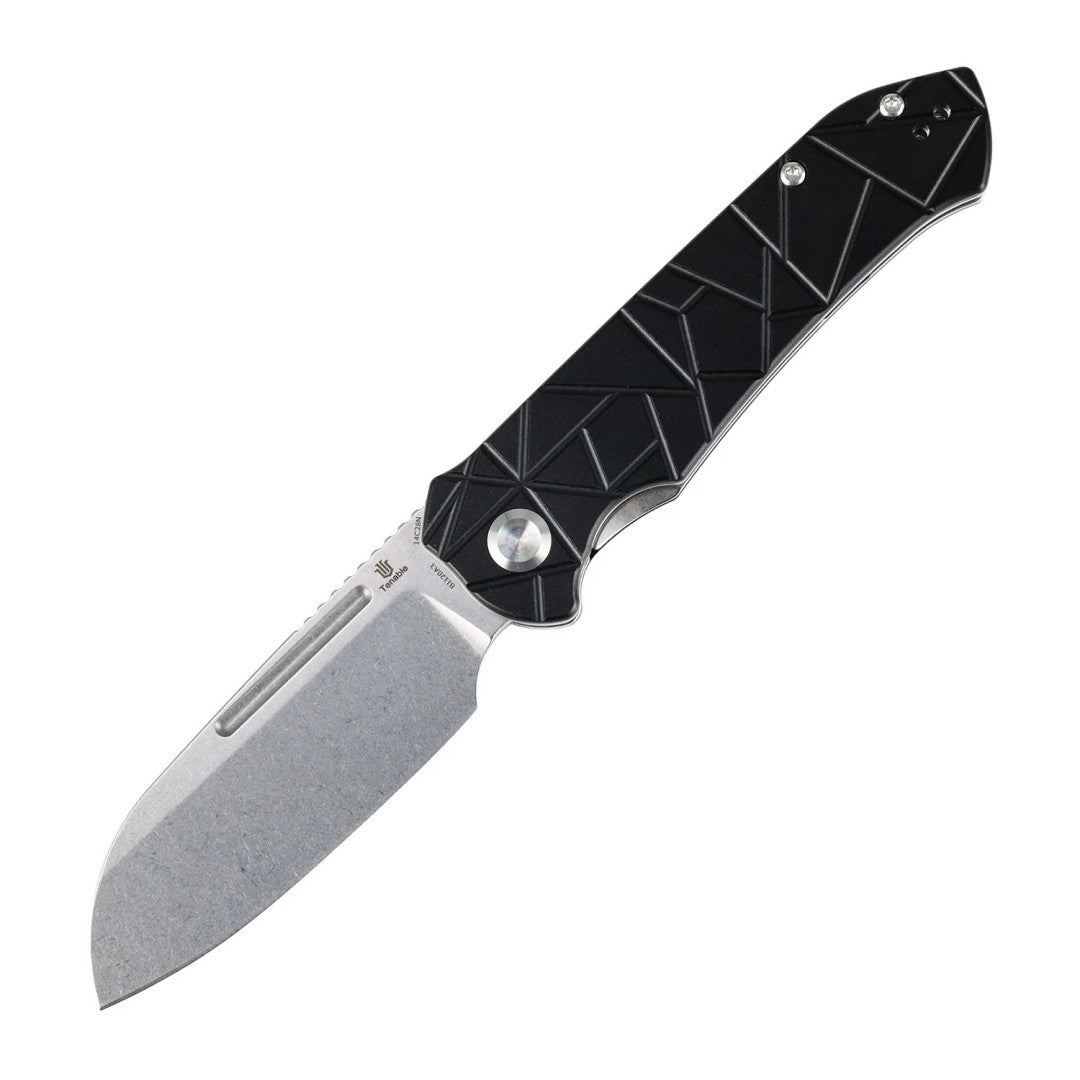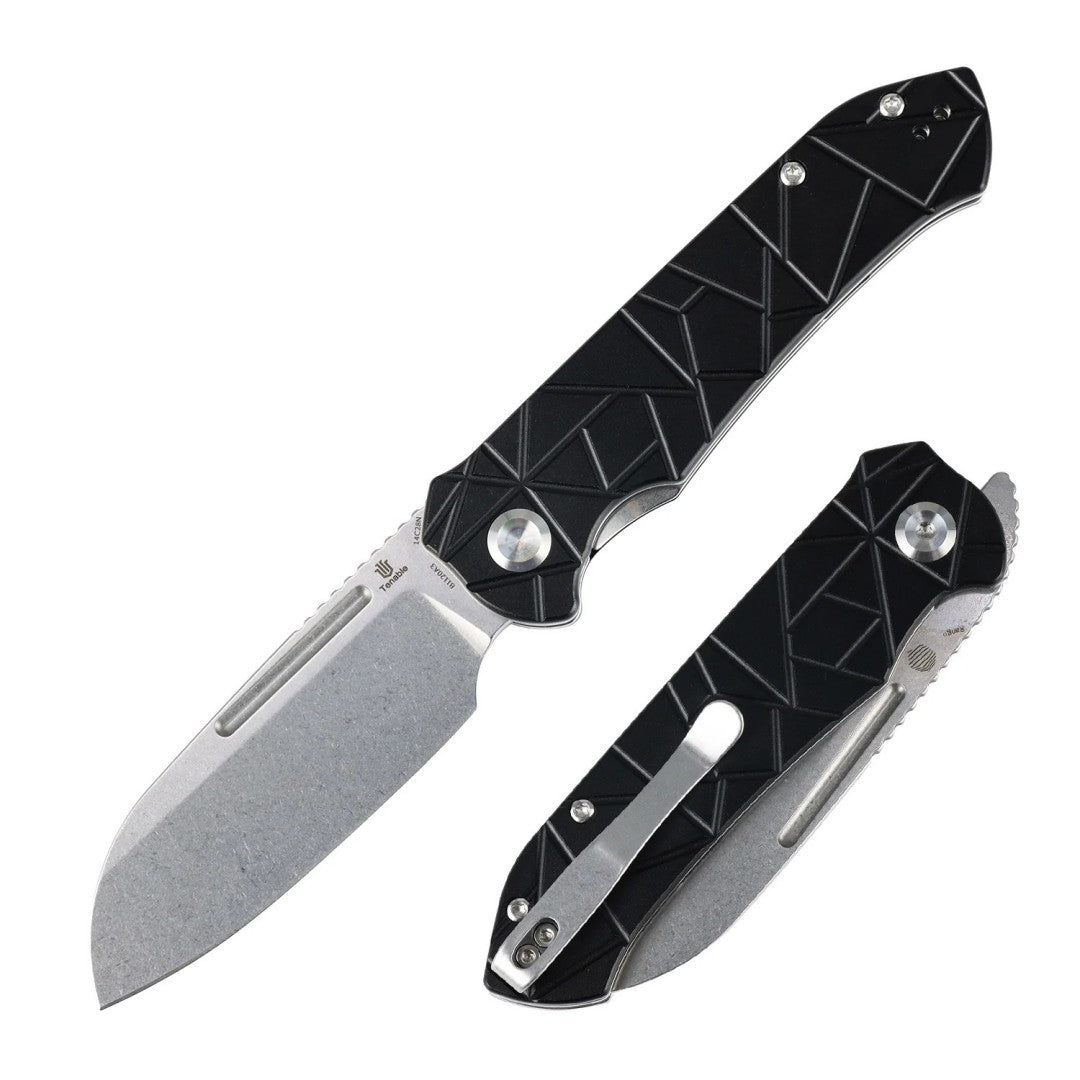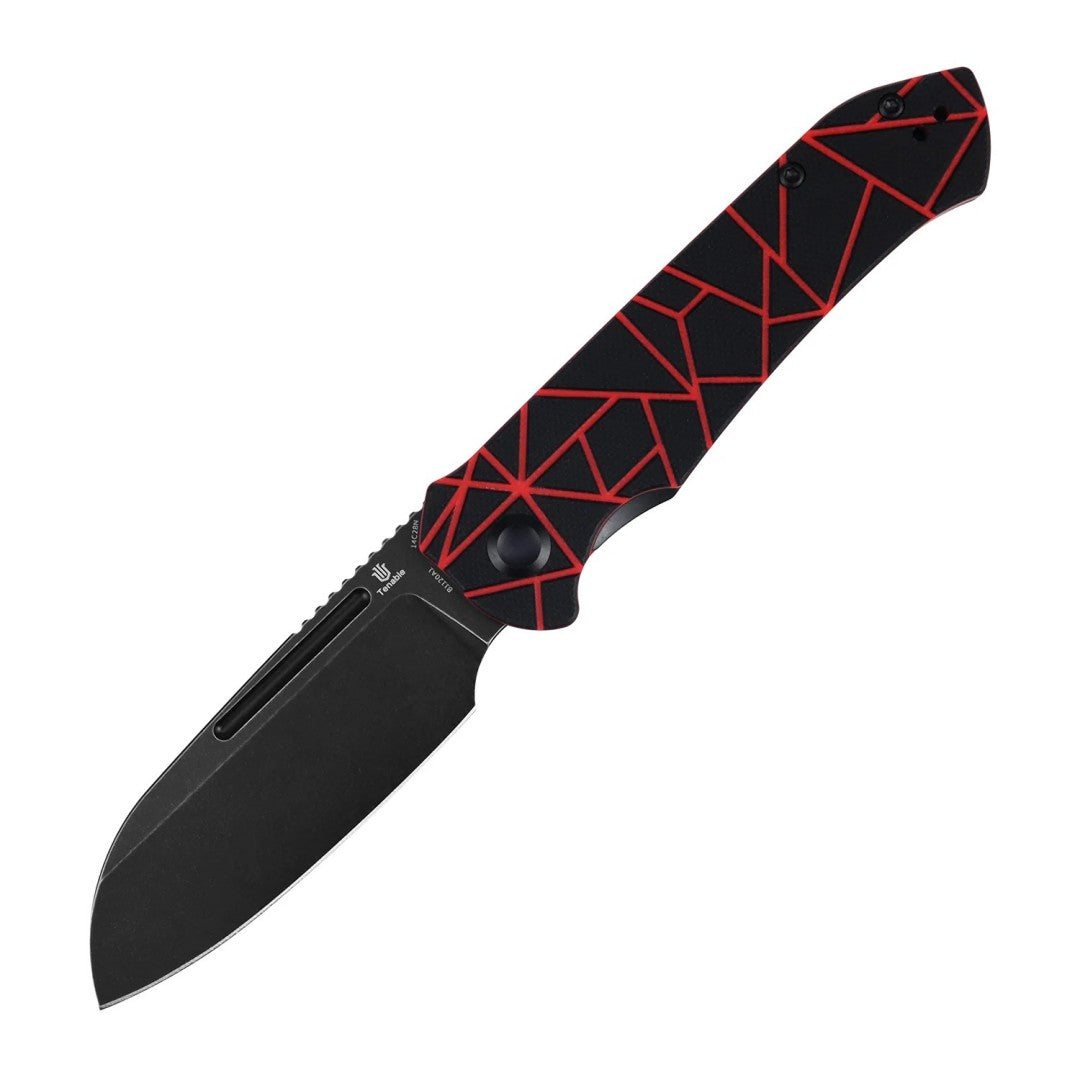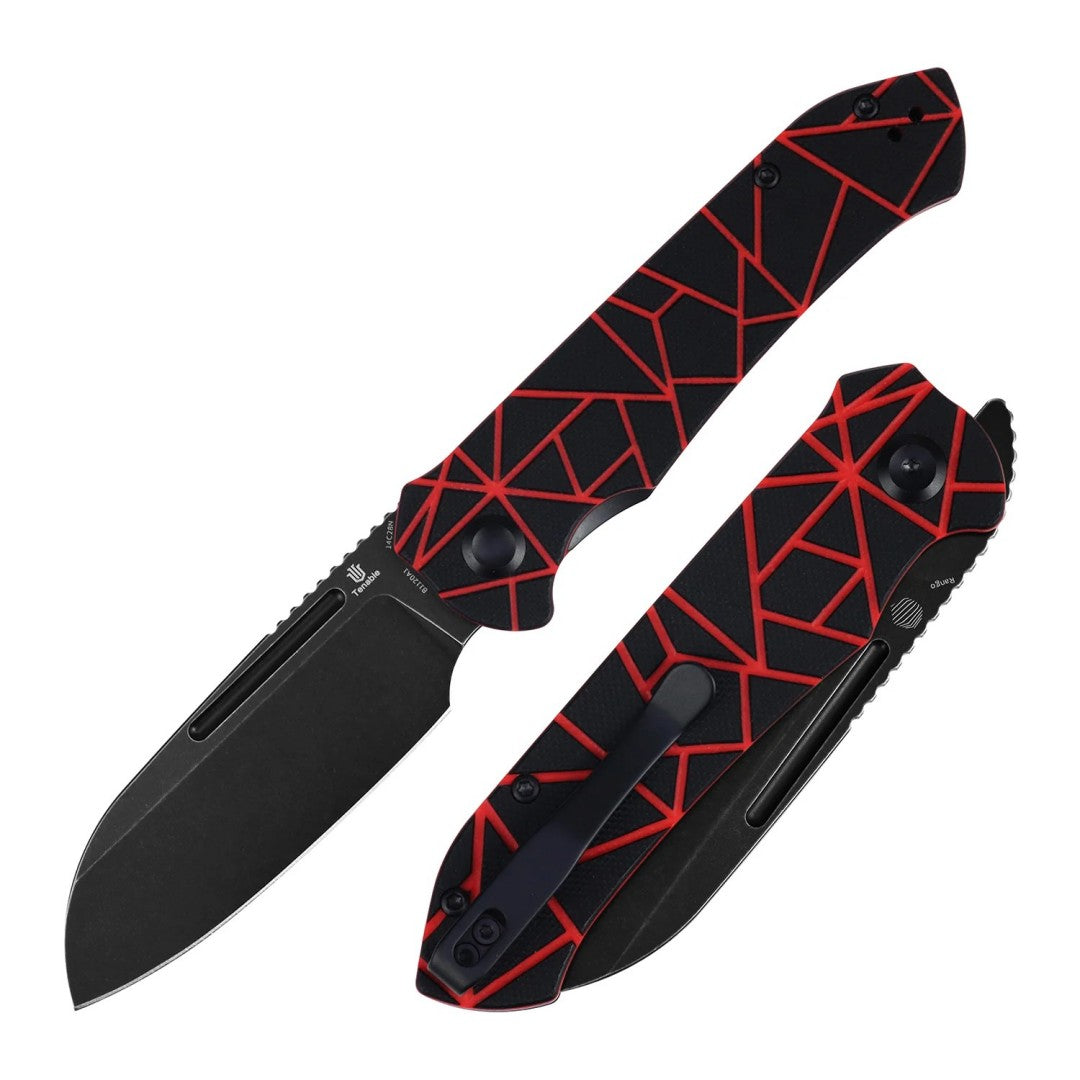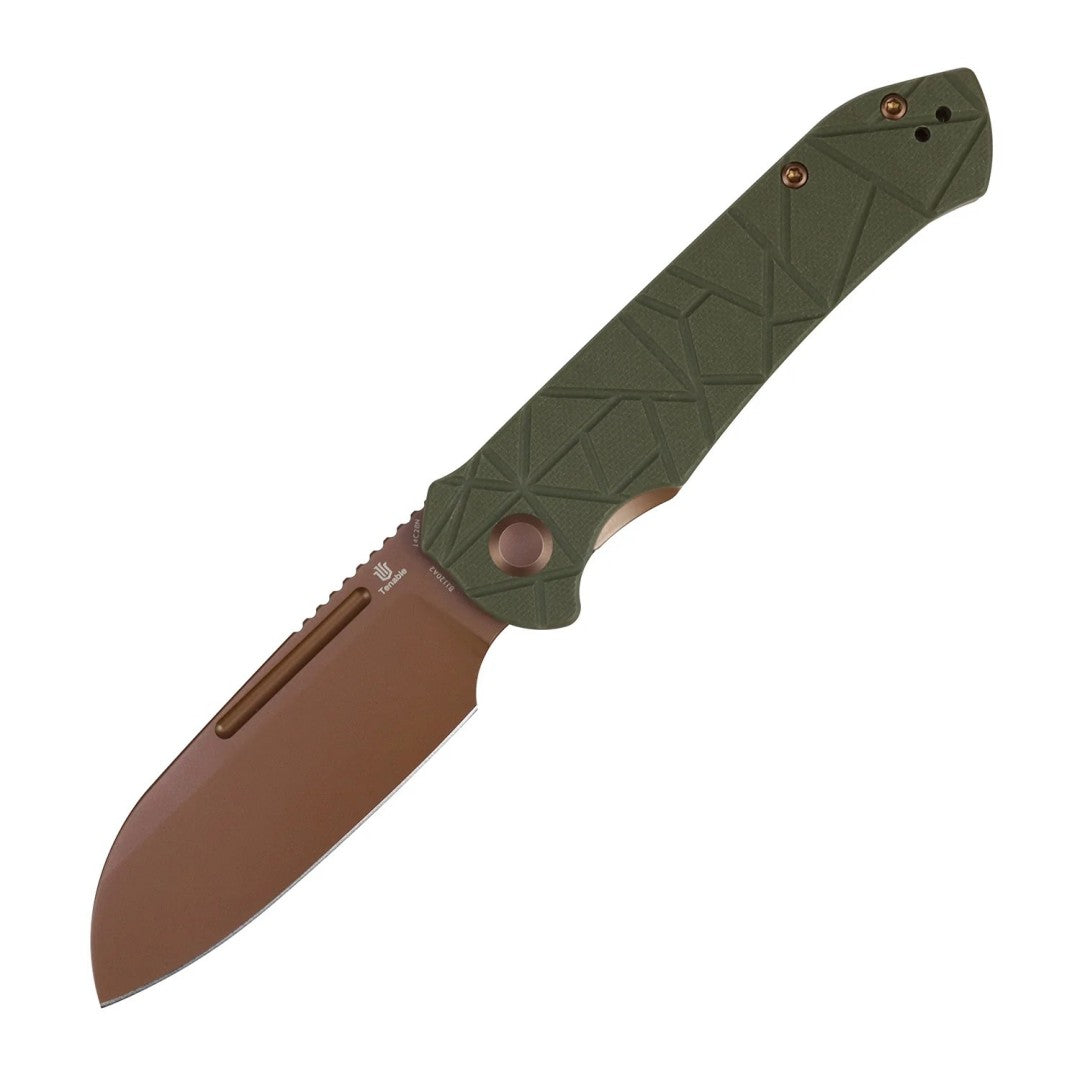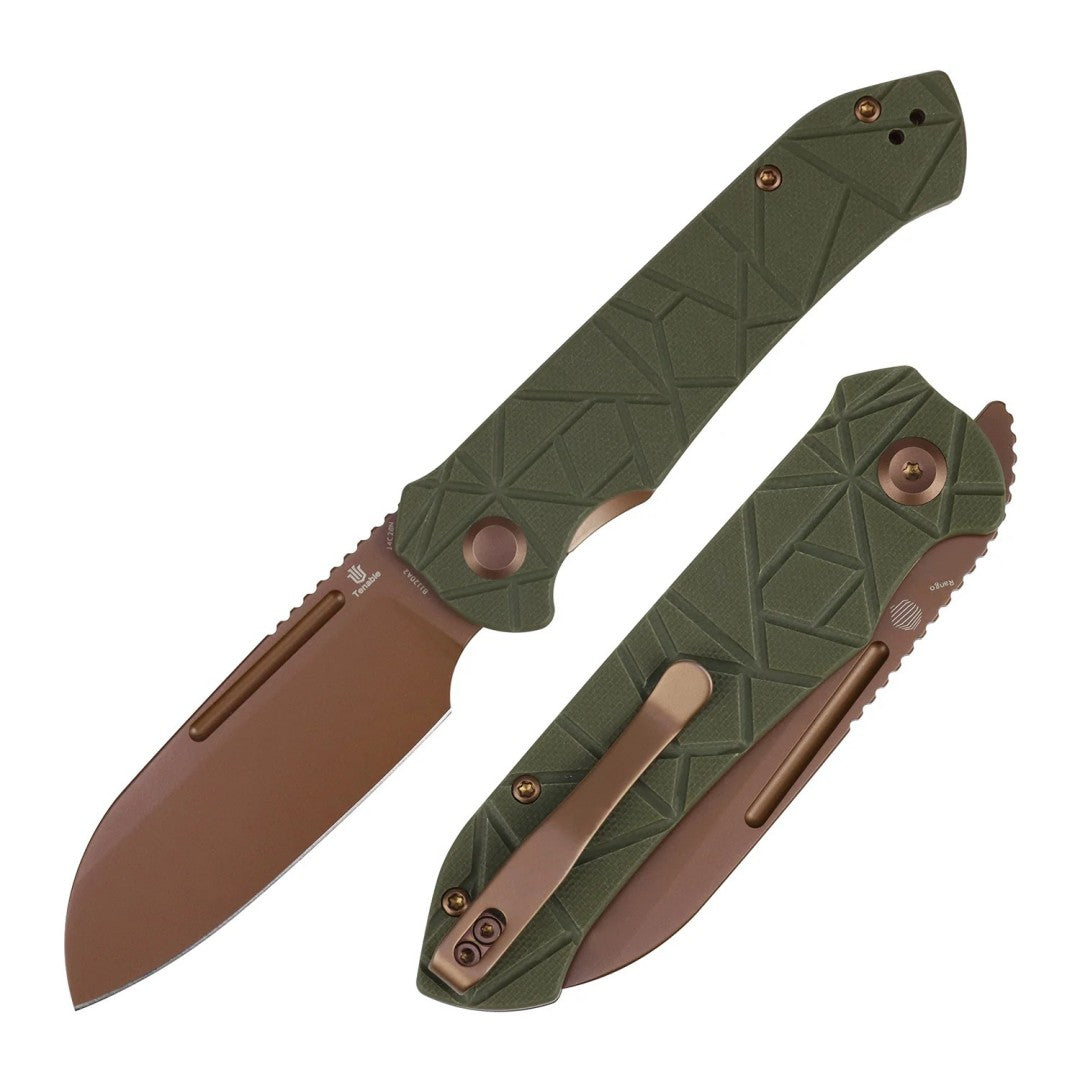

The mechanical relationship between a folder's locking system and its pivot assembly governs both operational efficiency and handling safety. When handling a heavy-duty cutting tool, a lock is far more than a stationary wedge; it actively determines the speed of blade deployment, detent retention in the pocket, and structural stability during high-torque cutting tasks. The Kansept Pretatout showcases this delicate engineering harmony, illustrating how deliberate lock geometry transforms a full-sized Folding Knife into a responsive, secure tool. Manufactured by Kansept with exacting structural tolerances, this versatile platform establishes a new benchmark among modern Folding Knives engineered for dependable EDC service.

Detent Physics and Deployment Velocity
The deployment cycle of the Pretatout begins well before the blade clears the handle scales, governed directly by internal detent dynamics. Conceived under the tactical design vision of Kmaxrom Design, the lockbar and liner springs house a high-hardness ceramic detent ball that seats firmly into a corresponding blade tang socket. This detent geometry creates calculated preload resistance: as the user applies index finger pressure to the low-profile flipper tab or sweeps the dual thumb studs, kinetic force builds until overcoming the detent threshold. Once broken, the stored energy propels the 3.5 mm thick blade instantly along its caged ceramic ball bearing path, delivering a fast, crisp deployment without requiring wrist assistance.
Tang Interface Angulation and Lockup Stability
Safety during intensive cutting depends on the exact contact angle between the lock face and the blade ramp. The Pretatout’s tang is milled with a precise radial taper that meets the lock face at a calibrated angle, achieving approximately 35% to 50% initial engagement upon opening. This angle prevents the lock from slipping off under heavy downward pressure while preventing deep over-wedging that could lead to stubborn lock stick. Whether paired with advanced powder-metallurgy CPM-S35VN stainless steel, artisanal pattern-welded Damascus billets, or workhorse 154CM alloy, the interface provides uniform contact distribution across the entire blade tang thickness, eliminating vertical play and pivot deflection.
 Technical Specifications and Lock Engineering Metrics
| Engineering Parameter | Titanium Frame Lock Specification | Nested Liner Lock Specification | Operational Impact |
| Lock Interface Type | Integral Monolock with Steel Insert | Nested Heat-Treated Stainless Leaf | Rigid blade stabilization under heavy loads |
| Lock Engagement Ratio | 35% – 50% Tang Surface Coverage | 35% – 50% Tang Surface Coverage | Optimal security without lock stick |
| Safety Over-Travel Stop | Integrated Steel Tab on Lock Insert | Internal Scale Pocket Boundary | Eliminates risk of over-flexing spring bars |
| Detent Ball Composition | Caged Ceramic Detent Ball | Caged Ceramic Detent Ball | Smooth detent break and low wear |
| Blade Tang Thickness | 3.5 mm (0.14 in) Solid Spine | 3.5 mm (0.14 in) Solid Spine | Broad mechanical contact area |
| Pivot Bearing System | Caged Ceramic Ball Bearings | Caged Ceramic Ball Bearings | Low-friction rotation and drop-shut action |
| Chassis Weight Range | ~127 g (4.48 oz) | ~116 – 122 g (4.09 – 4.30 oz) | Tailored balance between mass and agility |
Structural Safety Across Frame Lock and Liner Lock Architectures
The Pretatout lineup optimizes user safety across two distinct lock configurations tailored to different operational demands. On flagship models utilizing an integral titanium Frame Lock, the outer handle scale acts directly as the lockbar, allowing the user's natural grip to reinforce locking engagement during strenuous downward cuts. To eliminate metal galling, Kansept equips the titanium bar with a replaceable, hardened steel lockbar insert and a built-in over-travel stop that prevents spring bar hyperextension. On lightweight aluminum and composite models, a nested stainless steel Liner Lock provides positive leaf spring tension within rigid scale pockets, ensuring robust structural containment while shaving valuable carry mass.
 Safe Disengagement Dynamics and Controlled Closure
Closing a full-sized blade safely requires controlled mechanics that protect the operator's fingers throughout the disengagement arc. The Pretatout incorporates an asymmetrical relief cutout on the presentation scale, providing clean thumb clearance to push the locking leaf sideways without fumbling. Once cleared from the tang, a smooth detent ramp allows the ceramic ball to glide effortlessly onto the blade flat. The balanced blade weight and low-friction bearings enable a controlled, hydraulic drop-shut motion, allowing the user to guide the blade safely back into the chassis with a single hand. By harmonizing detent preload, precise tang geometry, redundant safety stops, and smooth disengagement pathways, the Kansept Pretatout delivers an uncompromising standard of operational safety and mechanical reliability for any cutting environment.