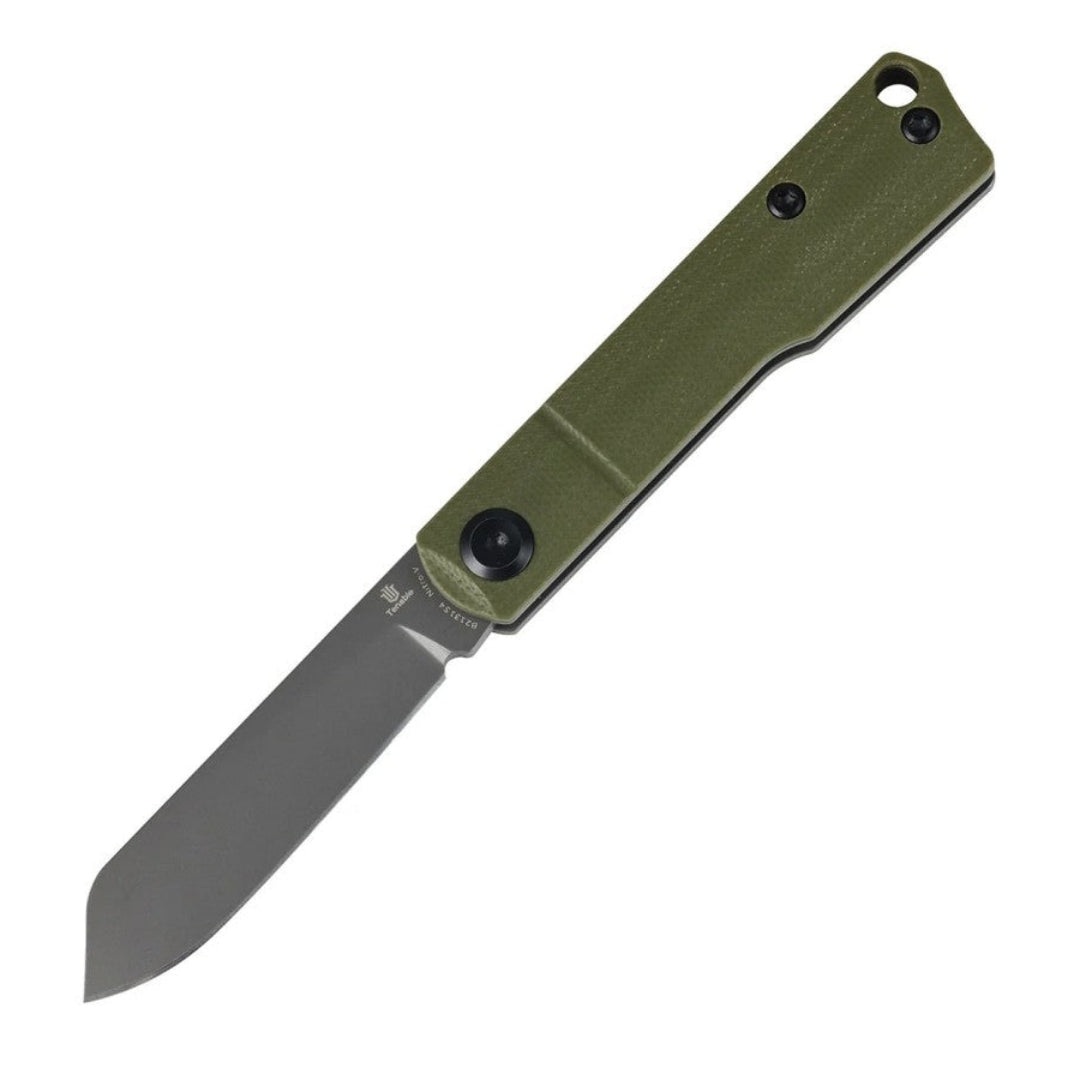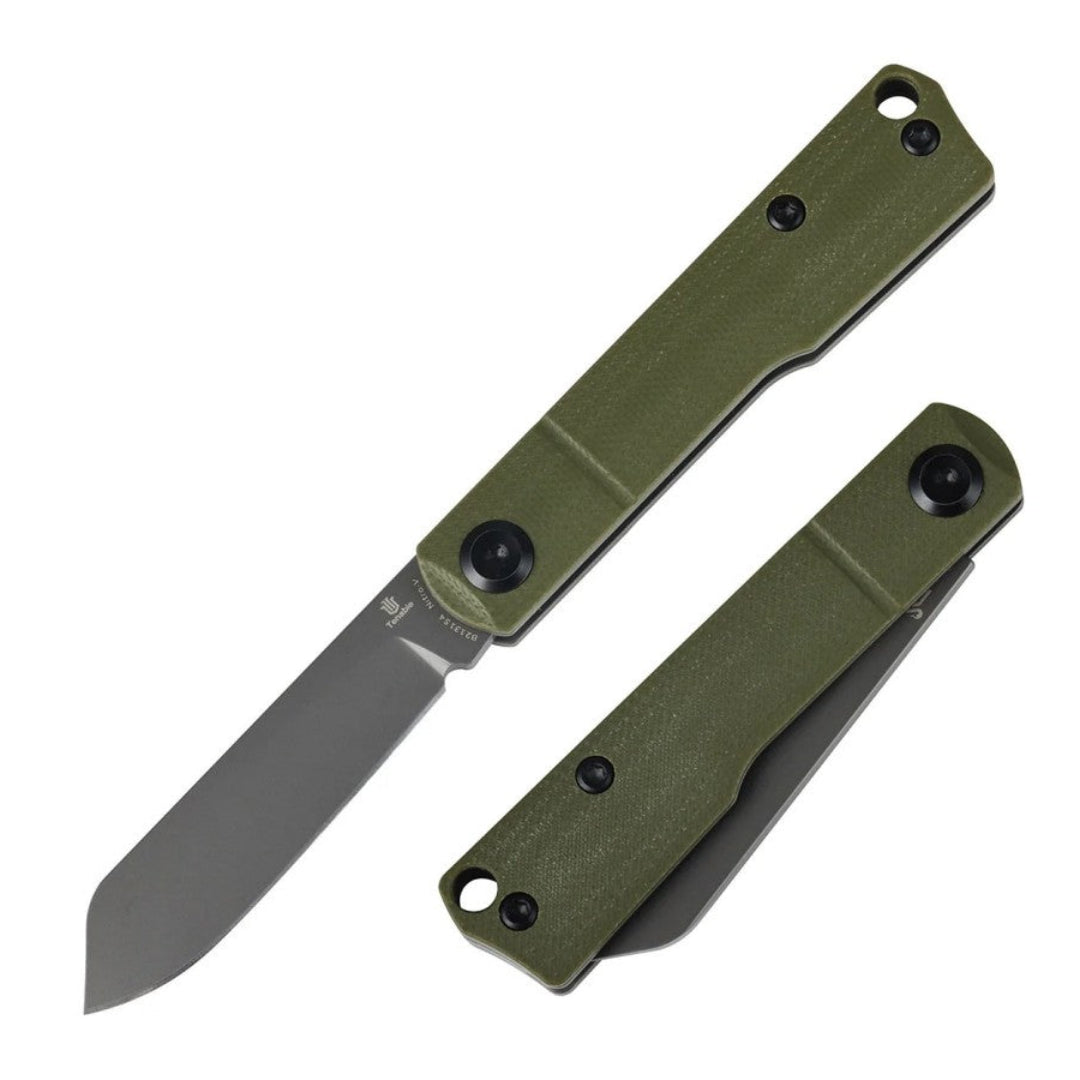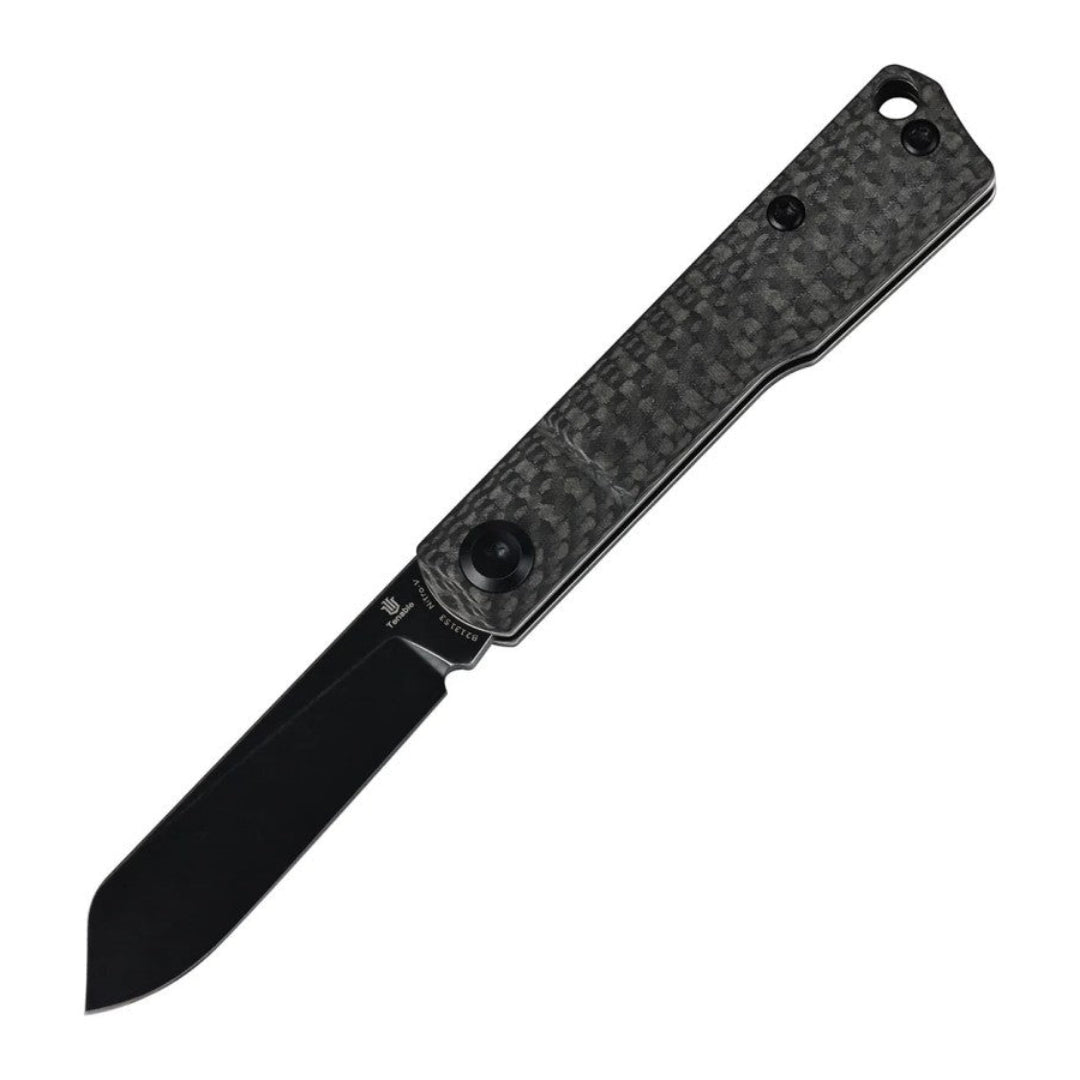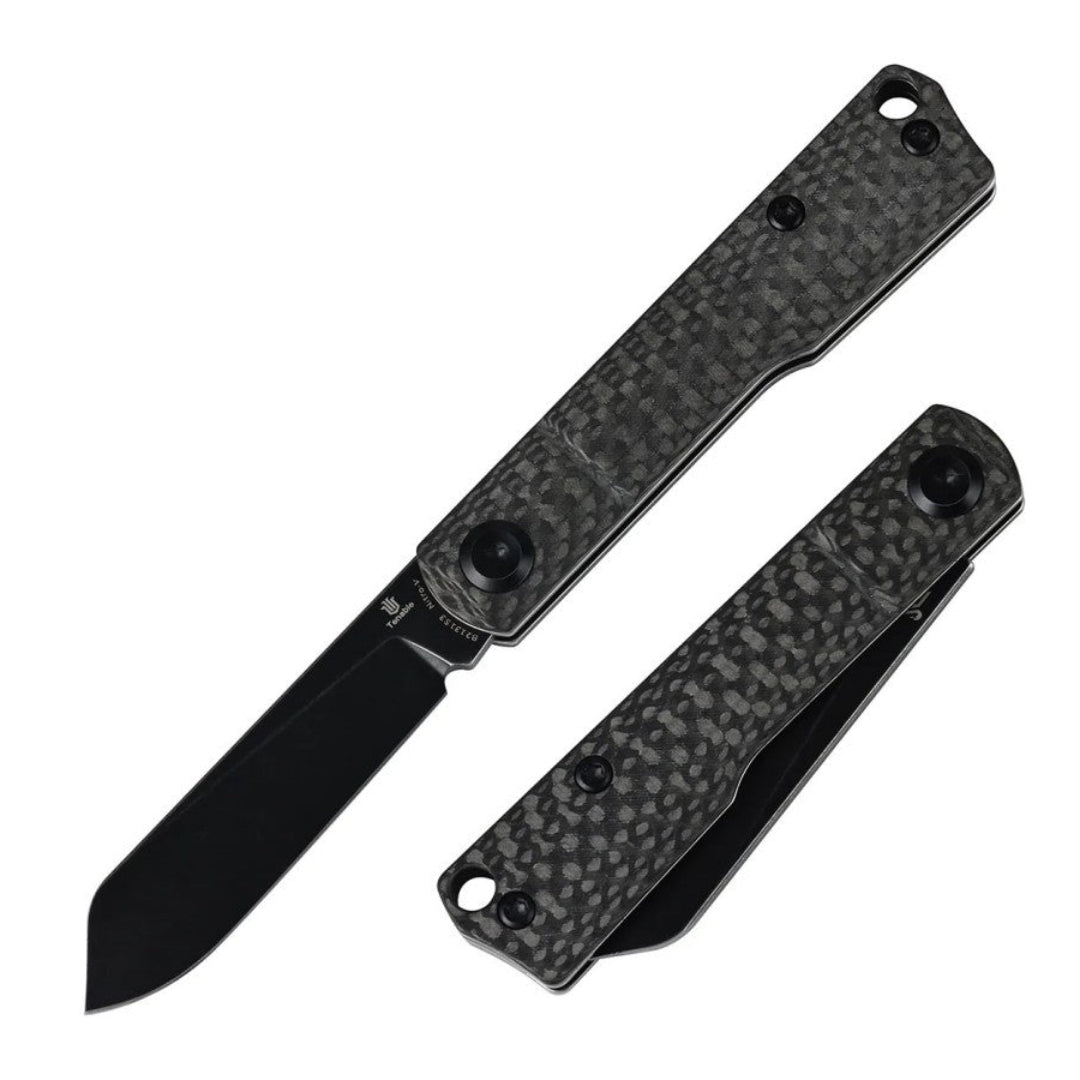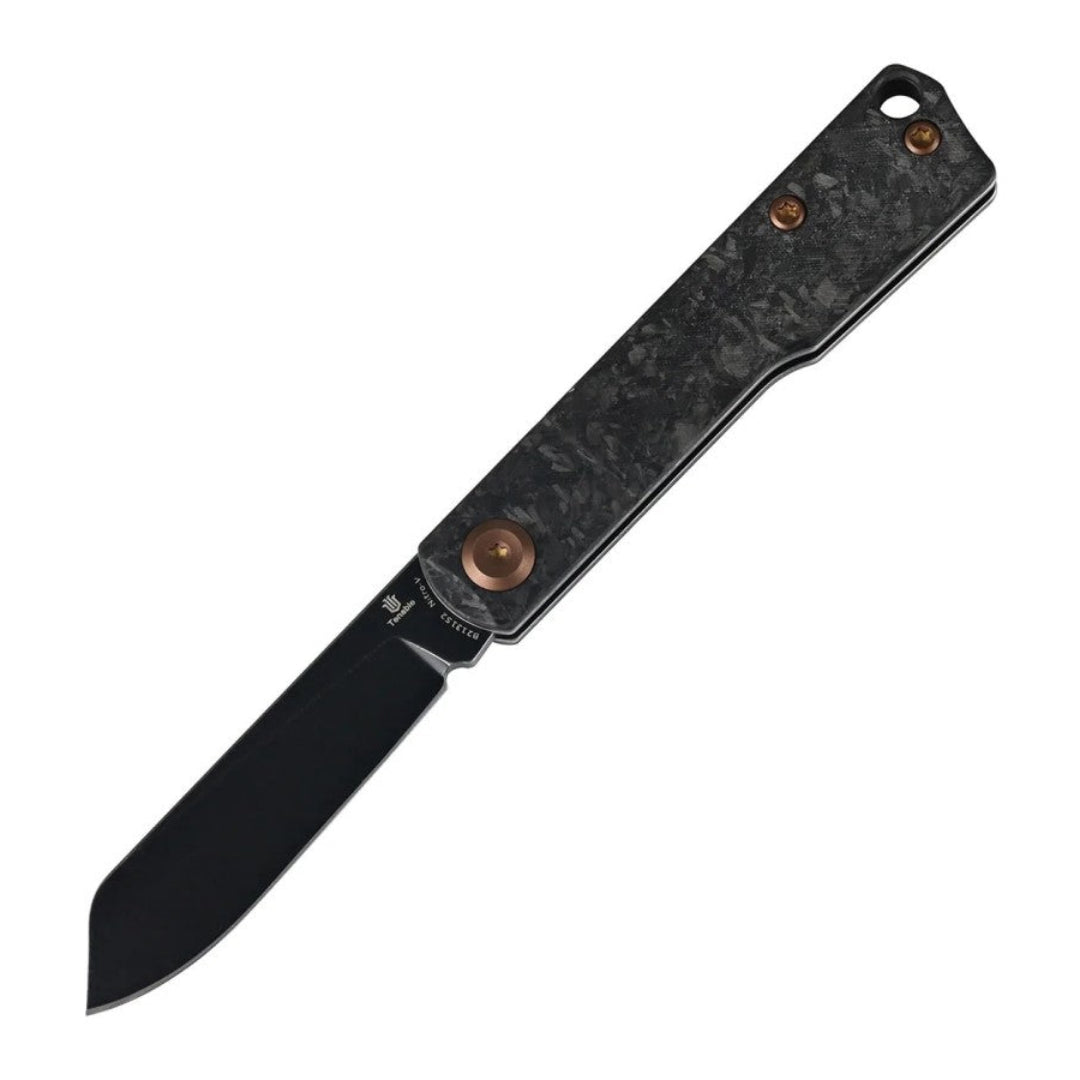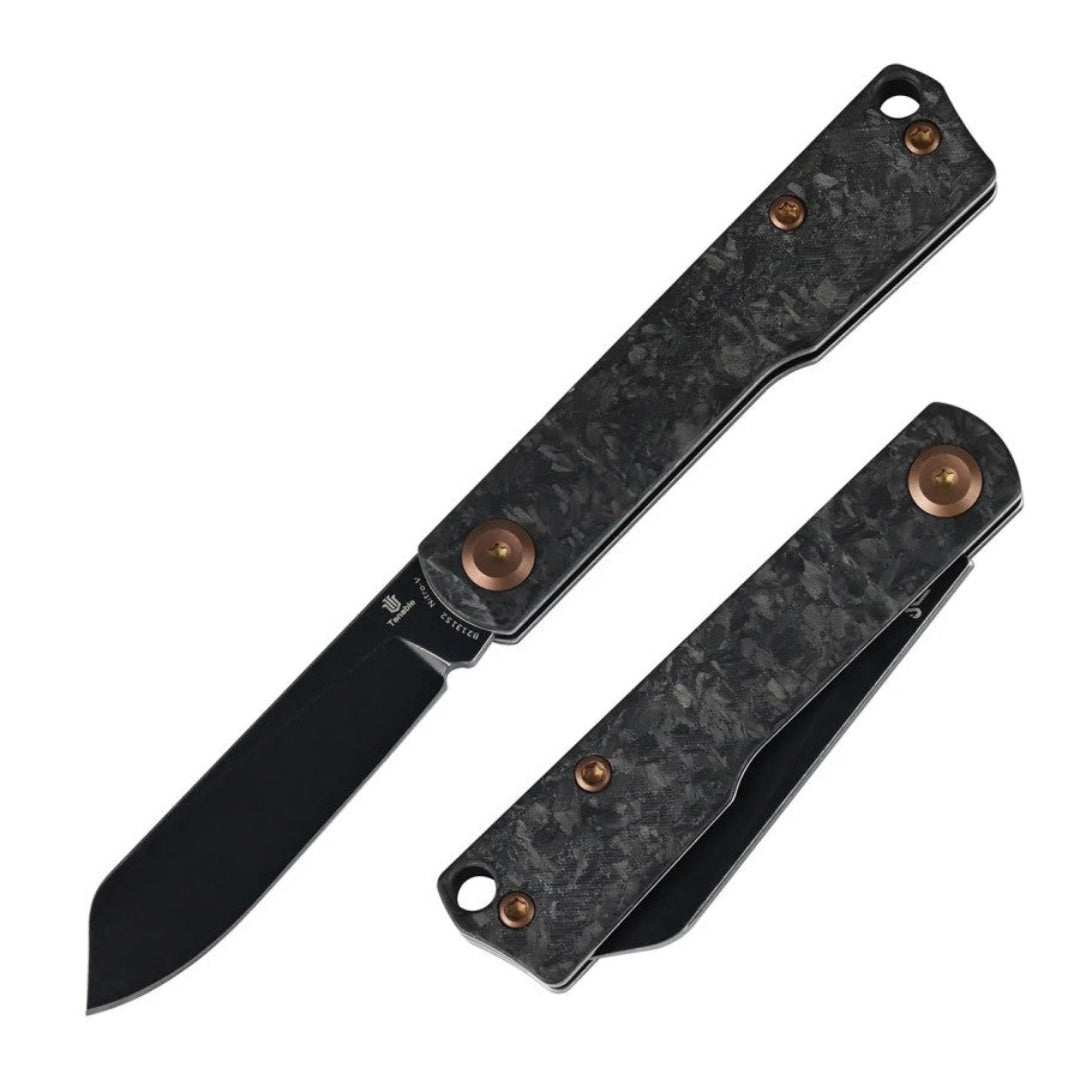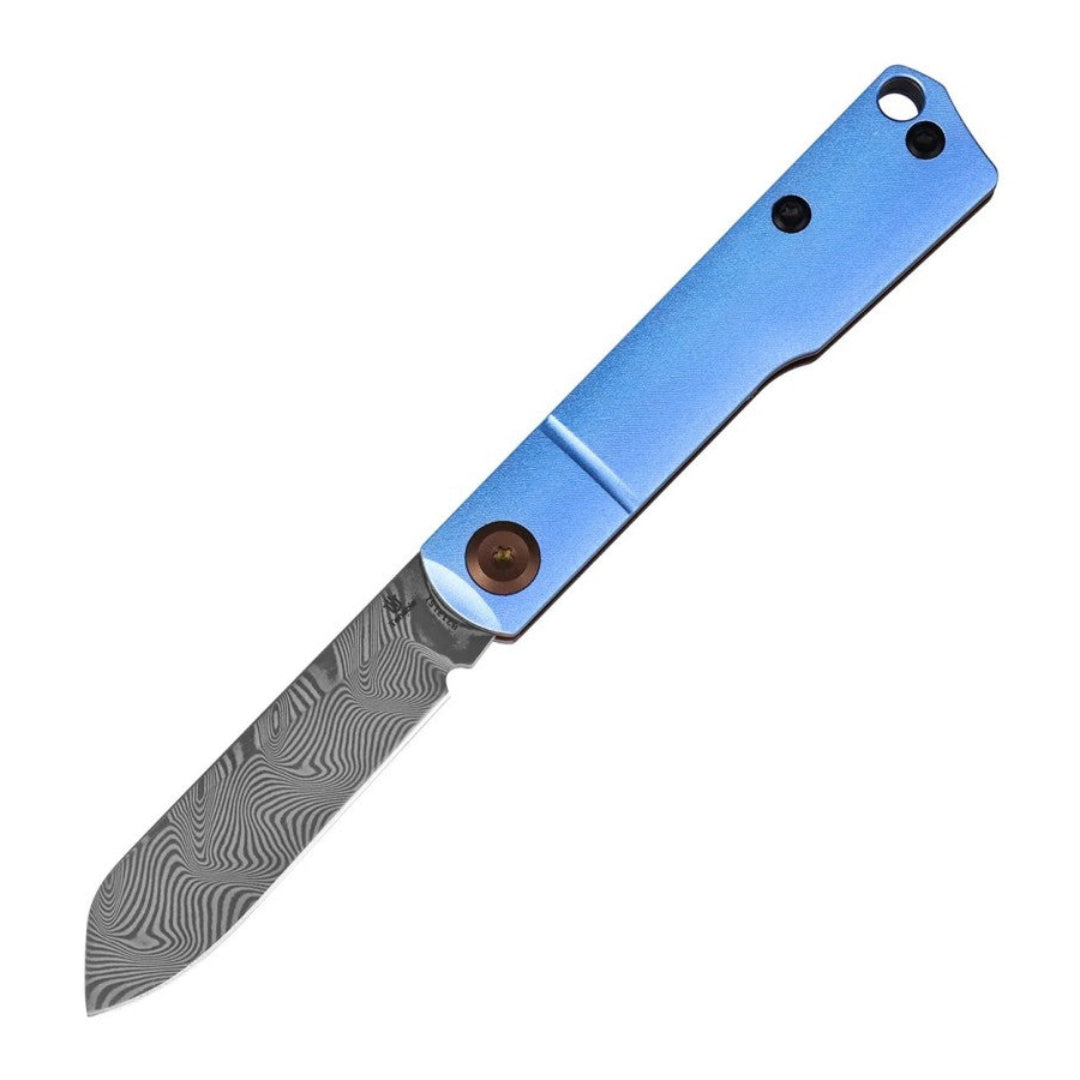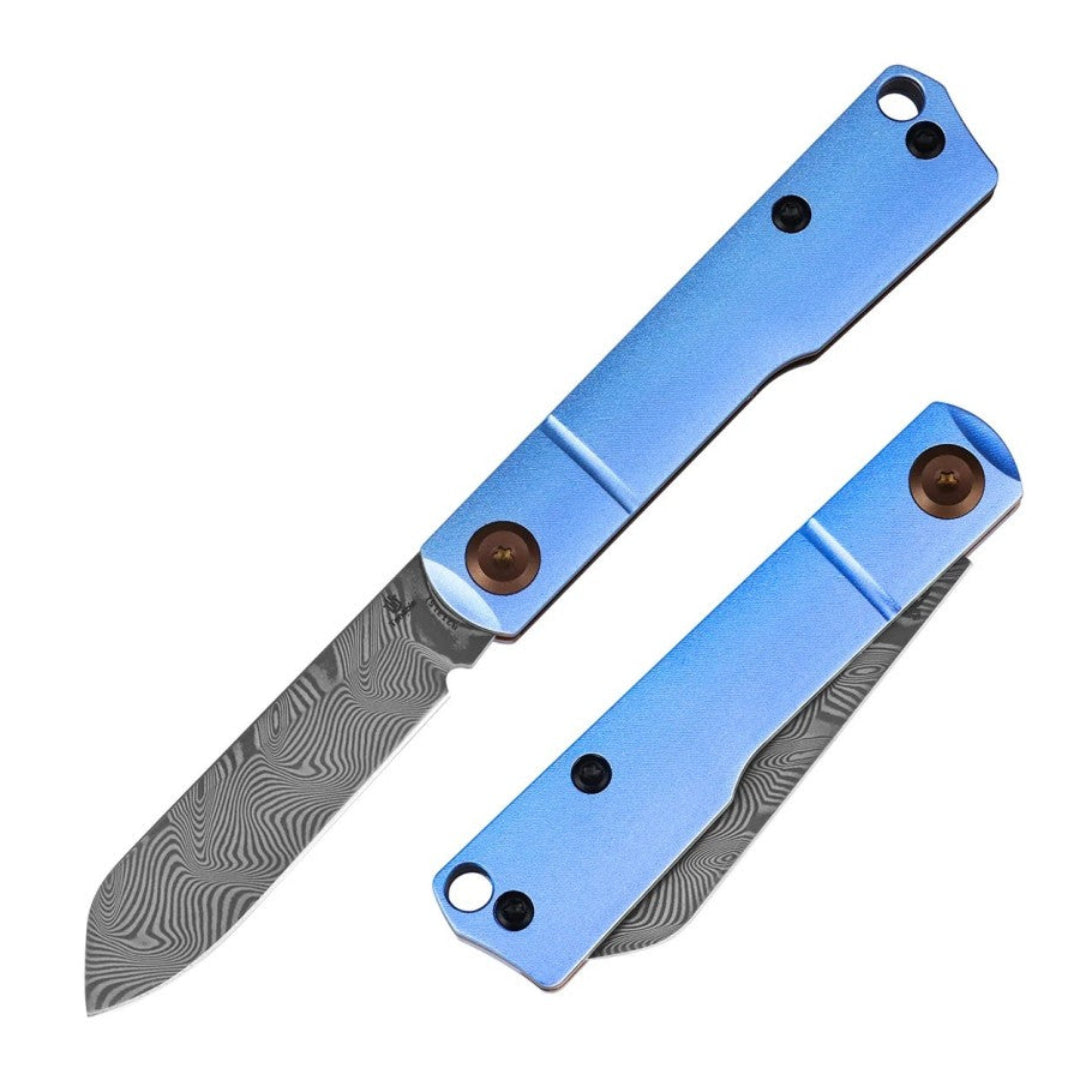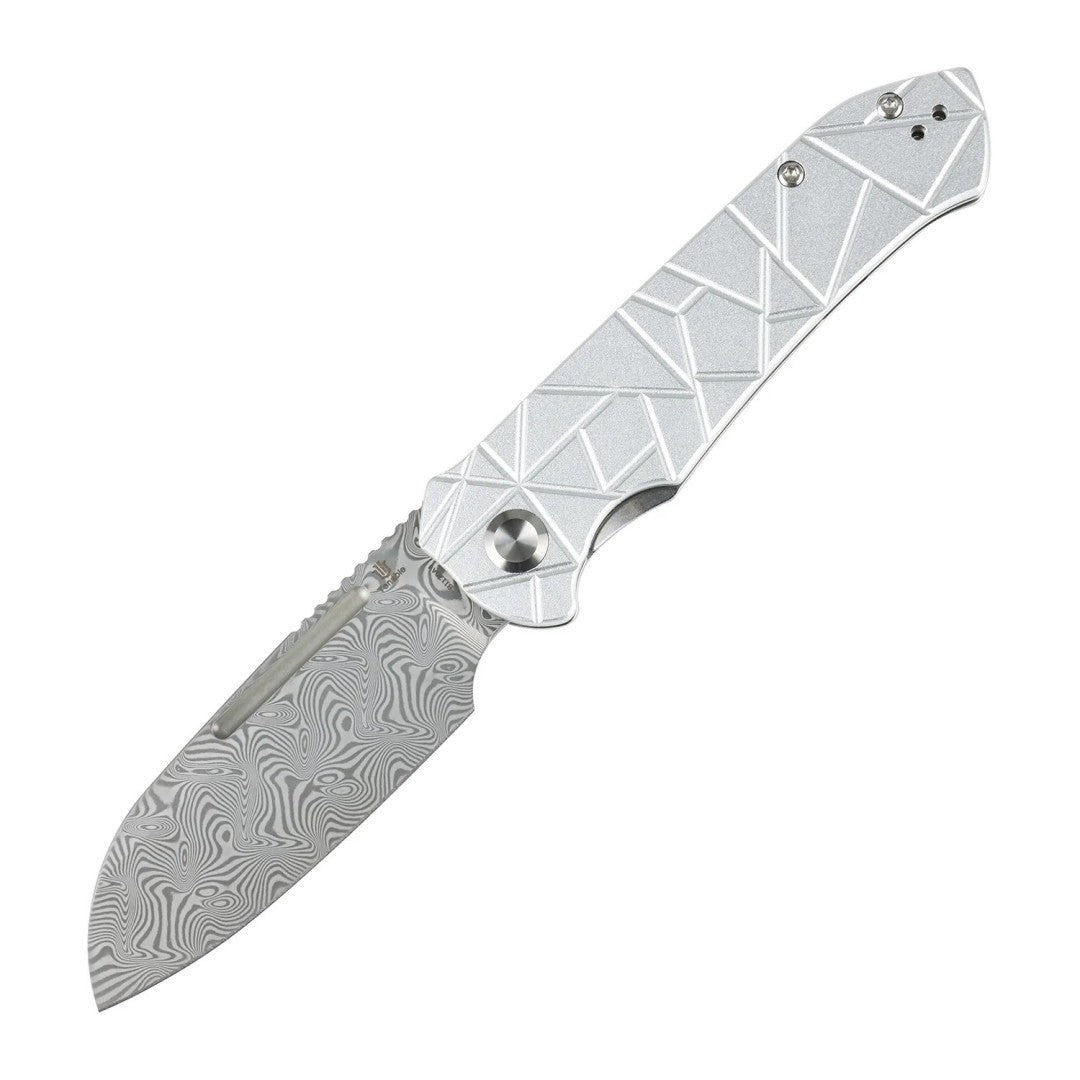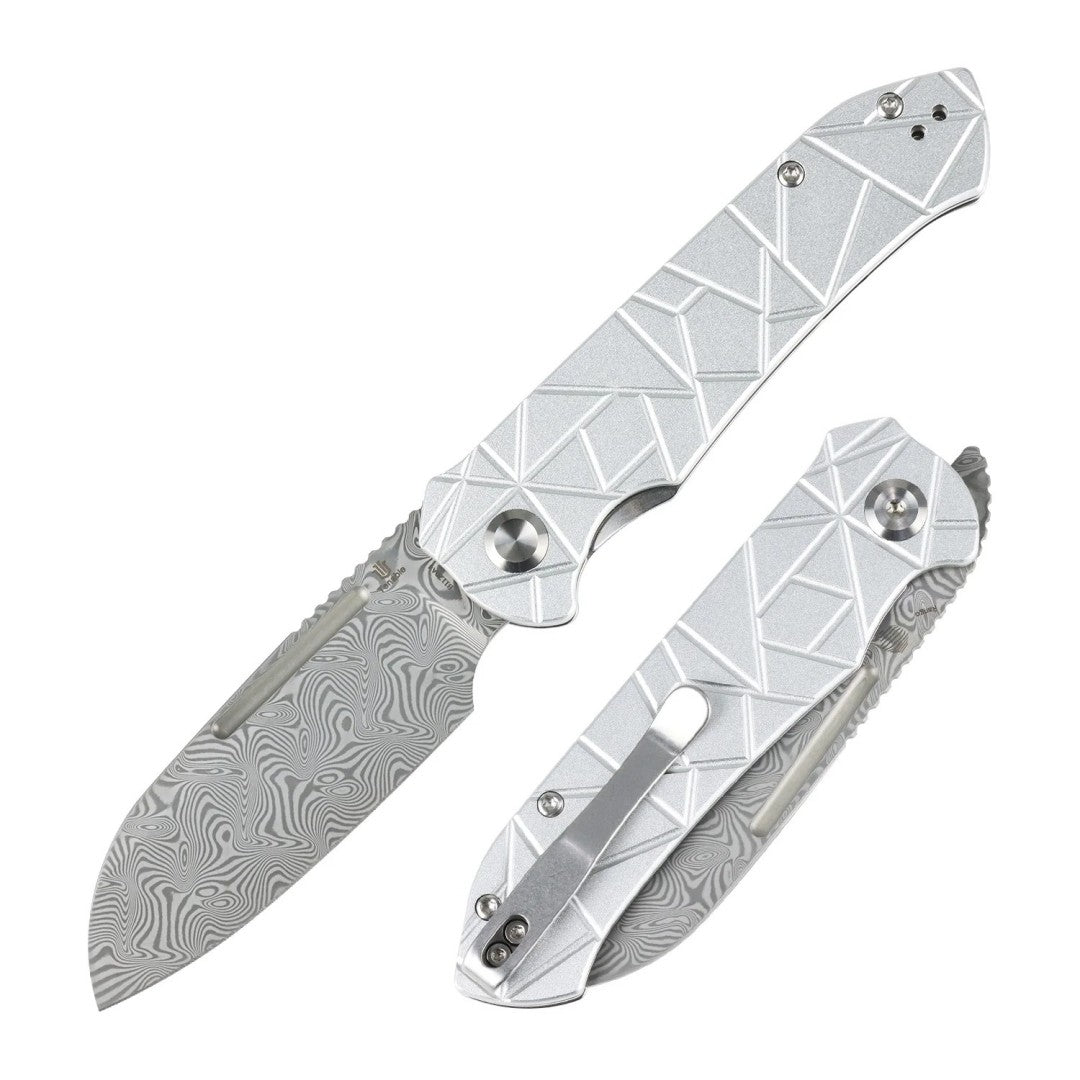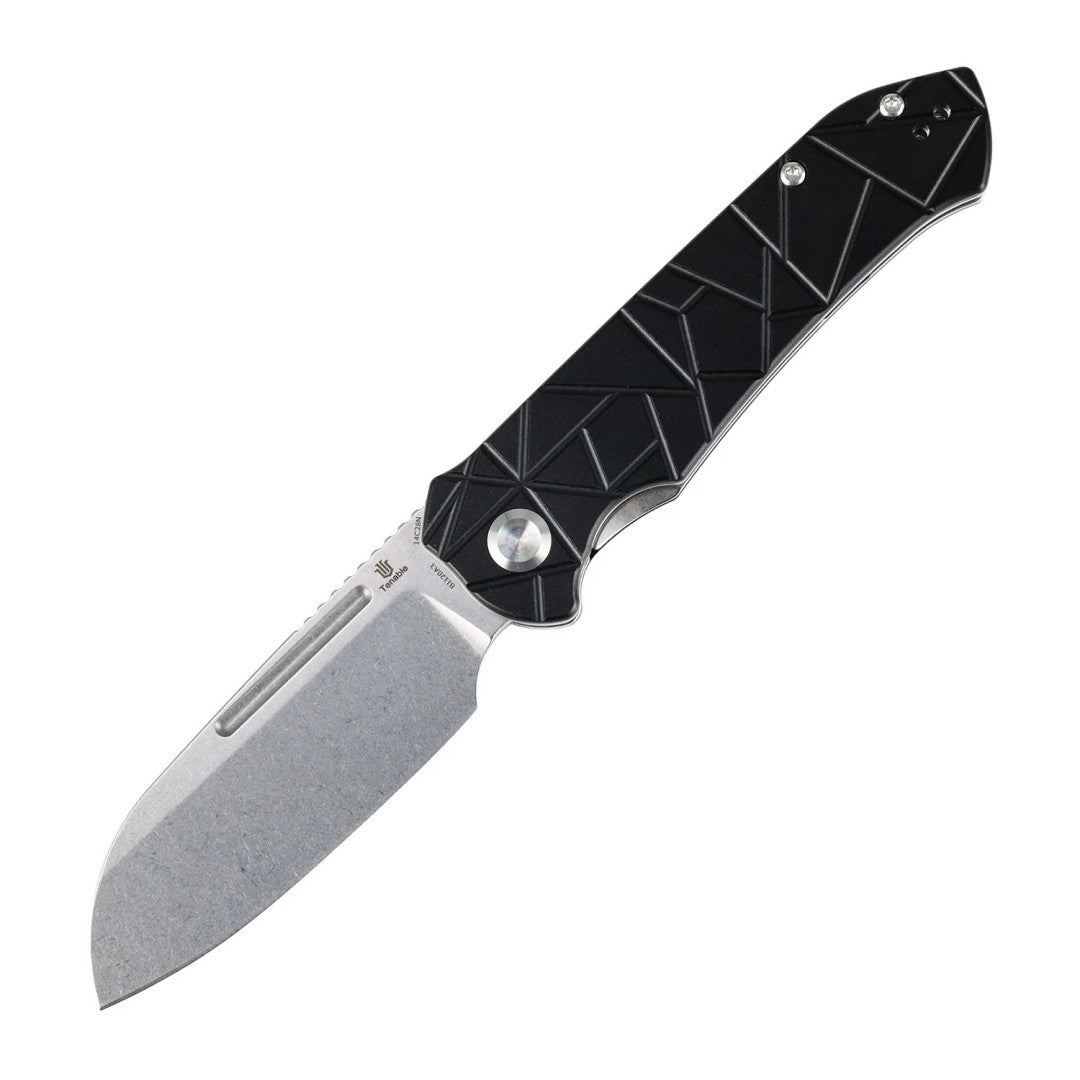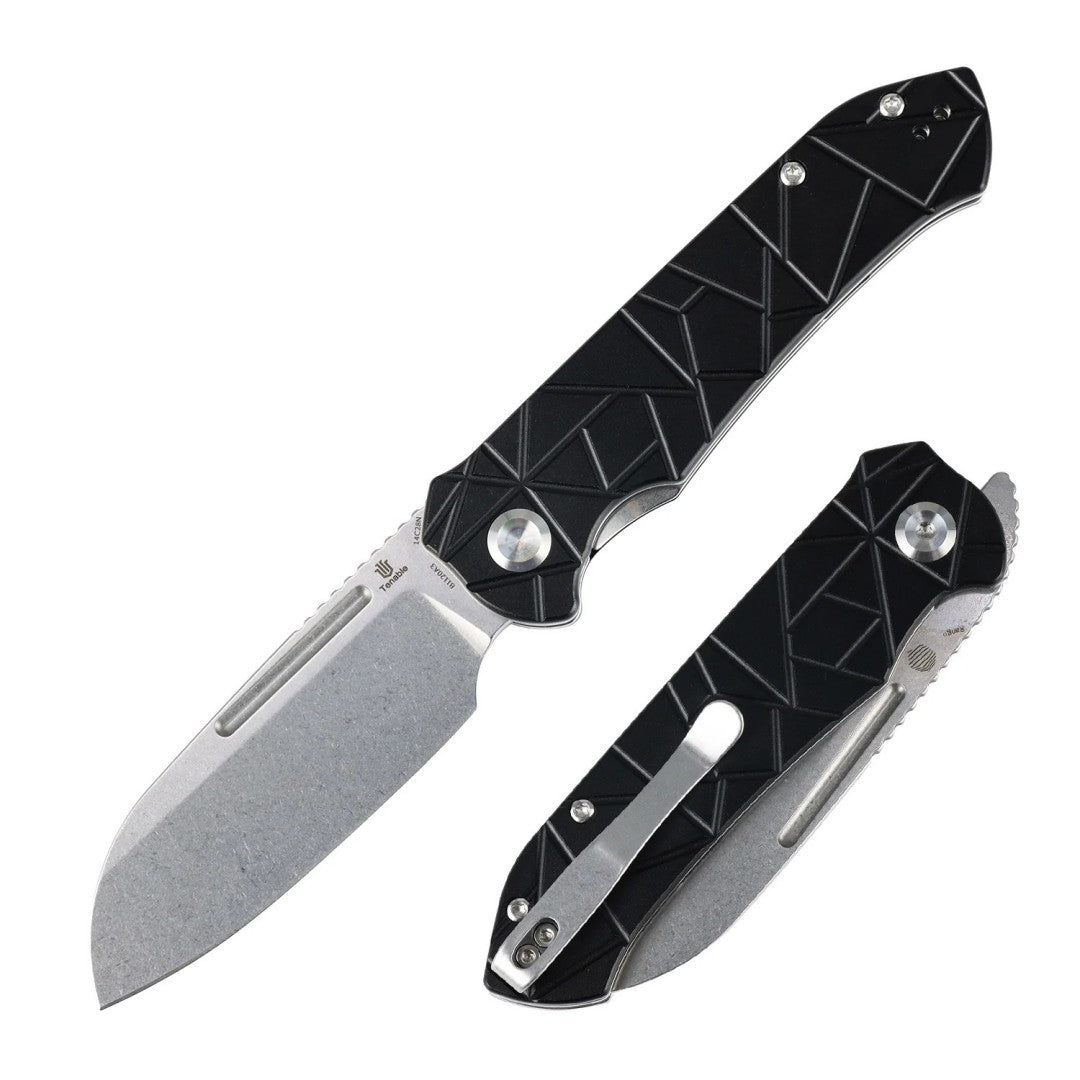

Mechanical reliability and safety are paramount when operating miniature cutting tools. While micro folders often rely on simple friction pivots or slipjoint detents, the Bestechman Turtle distinguishes itself by utilizing a true plunge-style locking system housed entirely within a lightweight titanium frame. Understanding how this intricate mechanism functions provides valuable insight into why this micro tool delivers exceptional safety and deployment control in such a small package.
Here is a technical deep dive into the engineering, internal components, and operational mechanics behind this innovative locking design.

Core Mechanical Specifications
Before examining the internal movement, let us look at the structural components that make up the lock assembly and overall frame.
| Component / Feature | Material / Specification | Functional Role |
| Lock Type | Spring-Loaded Plunger Lock | Primary blade retention and lockup mechanism |
| Handle Material | Solid Titanium (TA2/TC4) | Encloses internal spring and houses the lock button |
| Blade Steel | Sandvik 14C28N Stainless Steel | Features precision-machined lock cutout at tang |
| Release Button | Flush-Mounted Titanium / Steel | Disengages internal plunger upon pressure |
| Blade Tang Interface | Radius Locking Tang | Mates with lock plunger for zero-play lockup |
| Overall Weight | 24 g (0.85 oz) | Maintains lightweight profile despite mechanical lock |
The Internal Mechanics: Step-by-Step Operation
Engineered by Bestechman, the internal locking assembly relies on precise tolerances to ensure smooth rotation and rock-solid engagement. Here is how the mechanism operates during use:
Closed Position and Retention
When closed, the blade edge rests completely shielded inside the rounded titanium handles. An internal coil spring exerts constant pressure against the plunger button, maintaining sufficient tension to keep the blade securely closed inside the frame. This prevents accidental deployment while carried loose in pockets or attached to keyrings.
Manual Rotation and Deployment
To deploy the tool, the user manually rotates the blade outward using the blade spine. As the blade pivots around its central axis, the rounded tang slides smoothly against the internal lock plunger, compressing the internal coil spring slightly during rotation.
Positive Lock Engagement
Once the blade reaches its fully extended position (53 mm overall length), the internal spring forces the lock plunger into a precision-milled notch located on the blade tang. This physical interface creates a rigid mechanical bar behind the pivot, engaging the Button Lock with a crisp, audible click.
Single-Handed Disengagement and Closing
Closing the blade requires depressing the flush-mounted handle button. Pressing the button pushes the lock plunger out of the blade tang notch, clearing the pathway for the blade to pivot back freely into the titanium housing. Once folded shut, spring tension re-engages to hold the edge safely stored.
 Why a Plunger Lock Matters in Micro Gear
On larger folding pocket knives, locking mechanisms have ample room for heavy steel liners, frame lock bars, or crossbar axes. However, on micro blades with closed lengths under 35 mm, spatial constraints present a major design challenge.
Traditional slipjoint micro tools rely solely on spring pressure to keep the blade open, which risks accidental folding onto the user's fingers when applying downward force against tough packaging. By integrating an active locking mechanism directly into the titanium scale, the design achieves three crucial advantages:
-
Complete Structural Safety: Mechanical lockup prevents the short blade from collapsing during heavy pressure or accidental twisting during cuts.
-
Streamlined Exterior Profile: The button sits flush with the titanium handle, avoiding external snag hazards or protruding lock bars that can scratch nearby gear.
-
One-Touch Disengagement: Closing the tool is effortless and keeps fingers completely away from the blade path during operation.
Materials Supporting the Mechanism
A locking system is only as reliable as the materials surrounding it. The frame is constructed from high-strength titanium, offering superior rigidity to prevent frame flex under load. Titanium also resists rust and corrosion from pocket moisture, sweat, and outdoor elements, ensuring smooth button movement over years of daily carry.
Matching this robust handle is a blade forged from Swedish Sandvik steel, hardened to 58–61 HRC. The tough steel tang resists wear at the lock contact interface, preventing lock stick or loose tolerances over repeated opening cycles.
Practical Applications for Everyday Utility
Because safety and mechanical lockup are guaranteed, this coin-sized cutting tool handles everyday urban tasks far beyond what its size suggests within a modern EDC kit:
-
Heavy Corrugated Box Slicing: Push downward through double-wall shipping tape and cardboard with full confidence in lock stability.
-
Plastic Clamshell Opening: Puncture tough thermoformed blister packaging cleanly without worrying about blade deflection.
-
Utility Trimming: Snip nylon zip-ties, heavy thread, paracord, and tough clothing tags effortlessly.
 Engineering Excellence in a Micro Profile
The locking system featured on this micro folder proves that ultra-compact tools do not need to compromise on user safety. By combining solid titanium construction, high-purity Swedish steel, and a spring-loaded locking plunger into an 0.85-ounce footprint, the design delivers full-sized mechanical security in an ultra-portable profile.