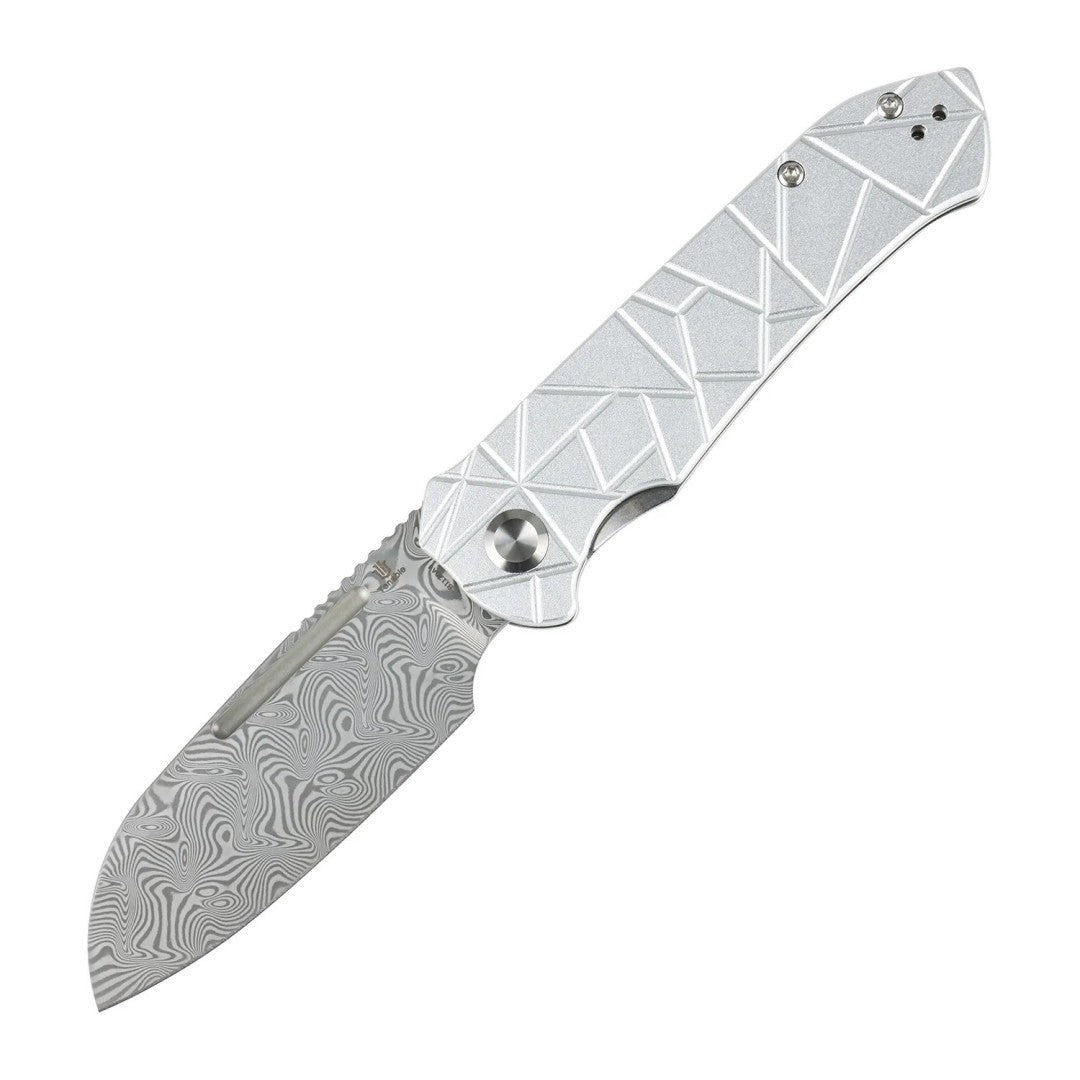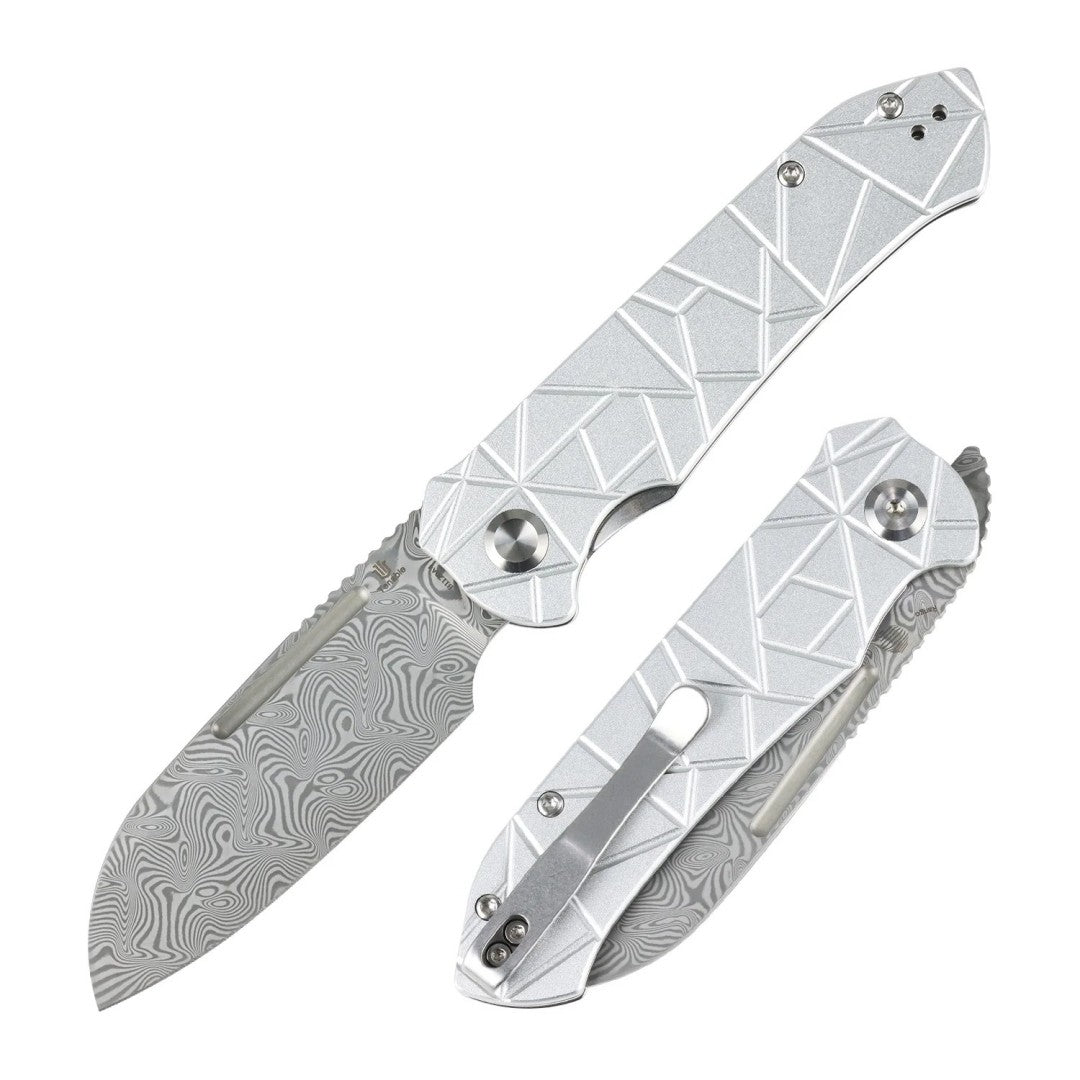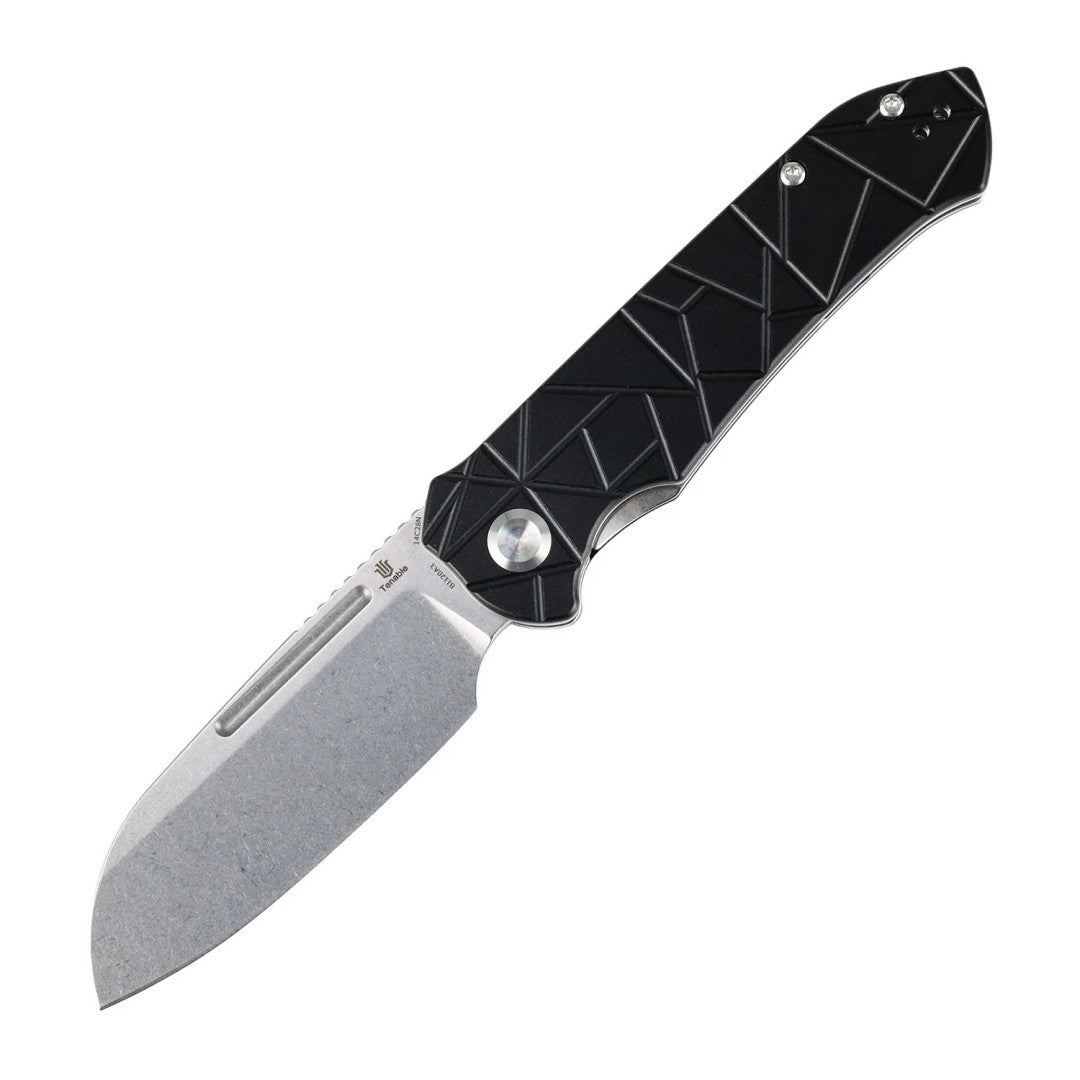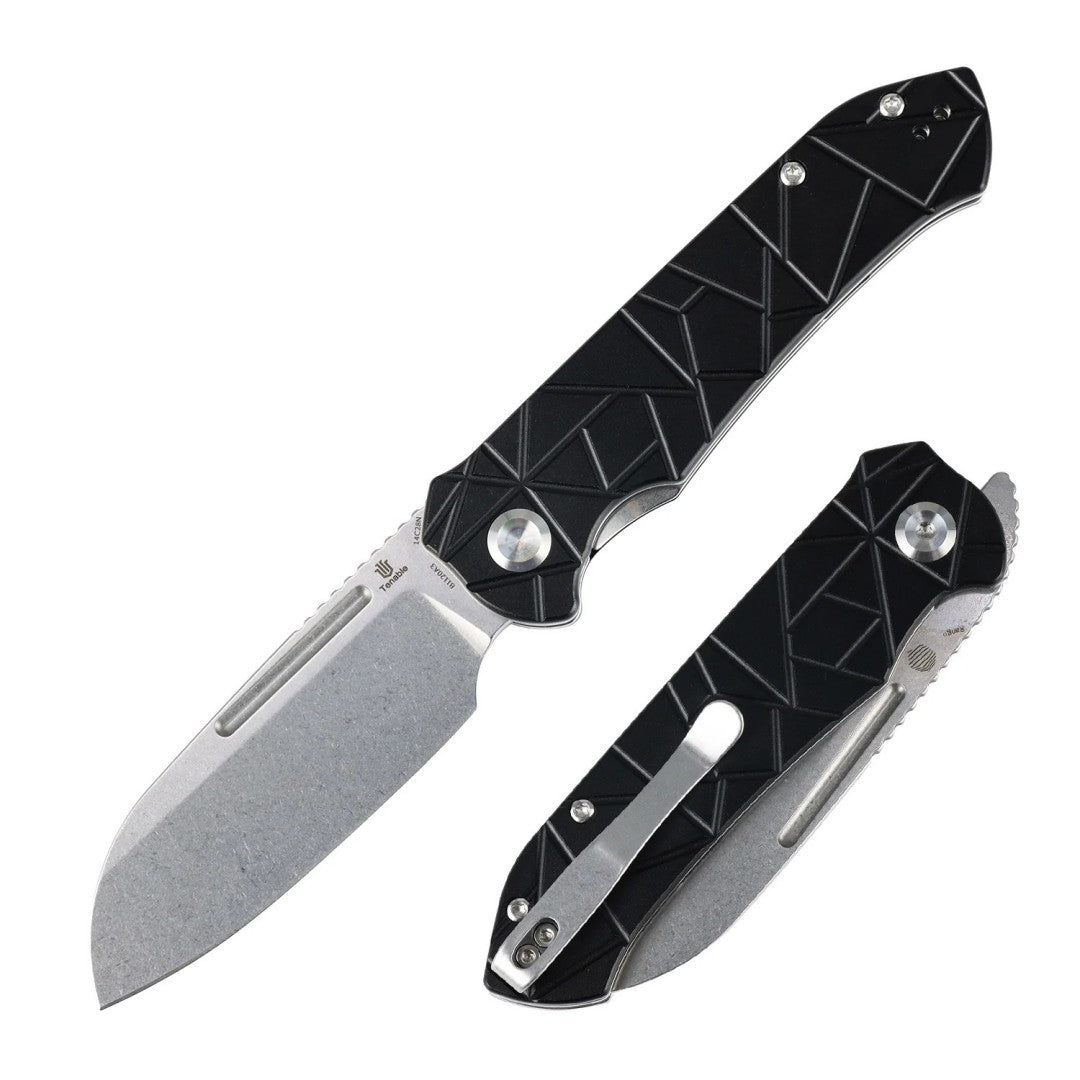
Evaluating a new addition to your pocket layout requires looking past sleek marketing pictures and analyzing raw material costs against everyday survival performance. When scanning high-value gear releases, budget-conscious knife buyers routinely cross paths with Bestechman, an innovative offshoot created specifically to bring elite factory tolerances down to earth. Standing at the epicenter of this market shakeup is the highly acclaimed Bestechman Firebird series. Hovering around an incredibly competitive mid-tier price point, this folder makes a bold promise to the EDC community: custom-level action and indestructible framing without the premium financial sting. To find out if this tool legitimately justifies its retail price tag, we dissect the internal mechanics, structural choices, and long-term durability to see if it delivers real value per dollar spent.

Material Economics: Analyzing the G10 Assembly
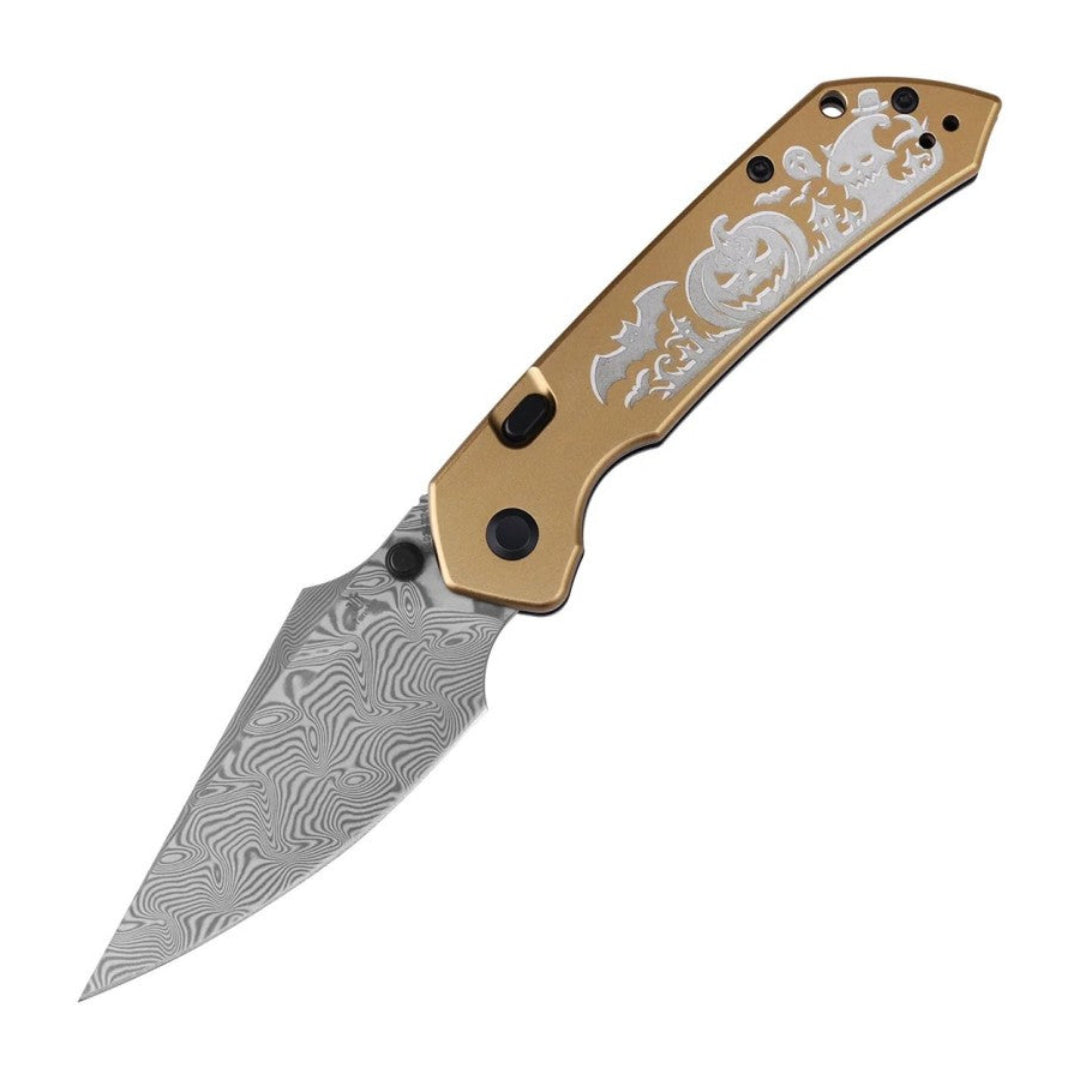
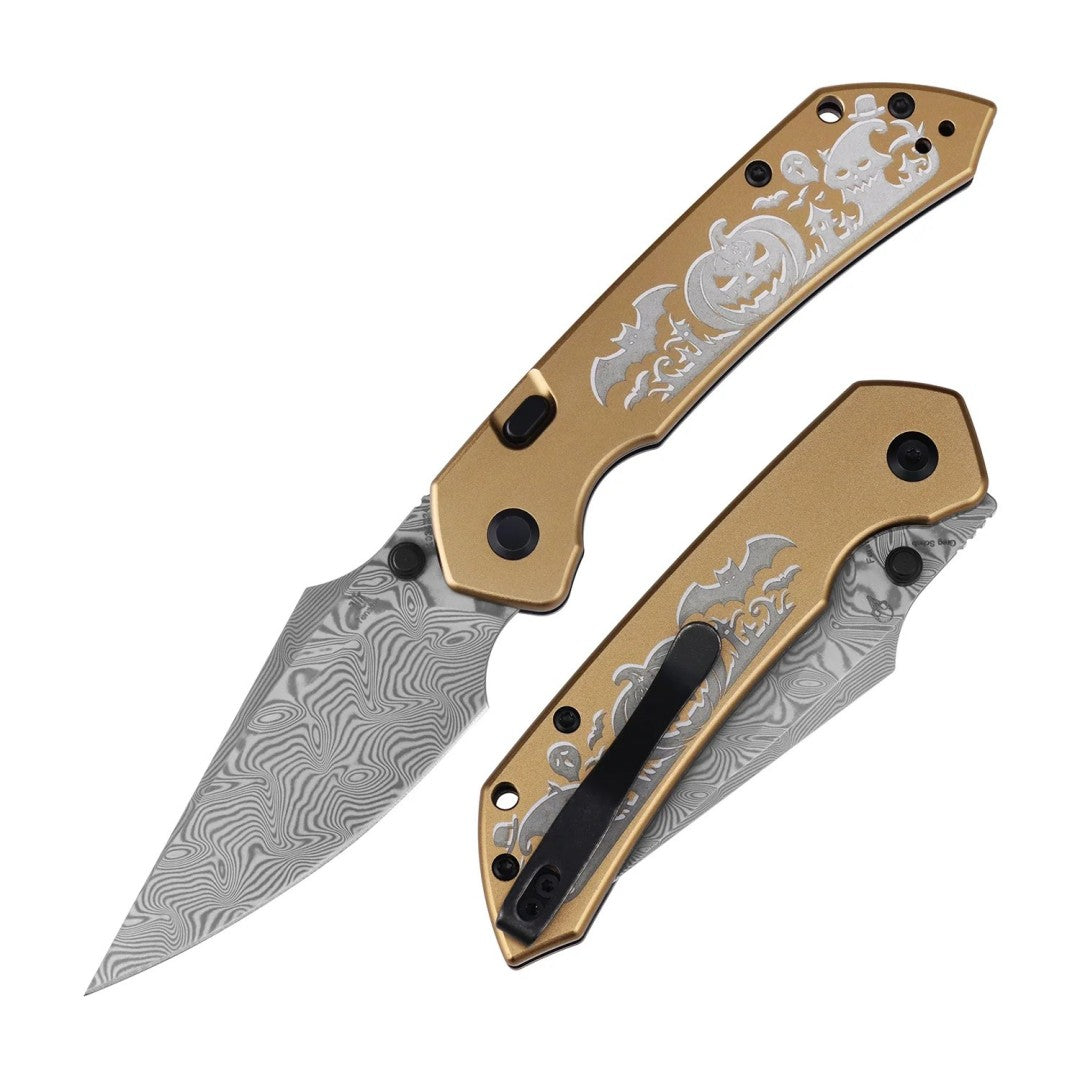
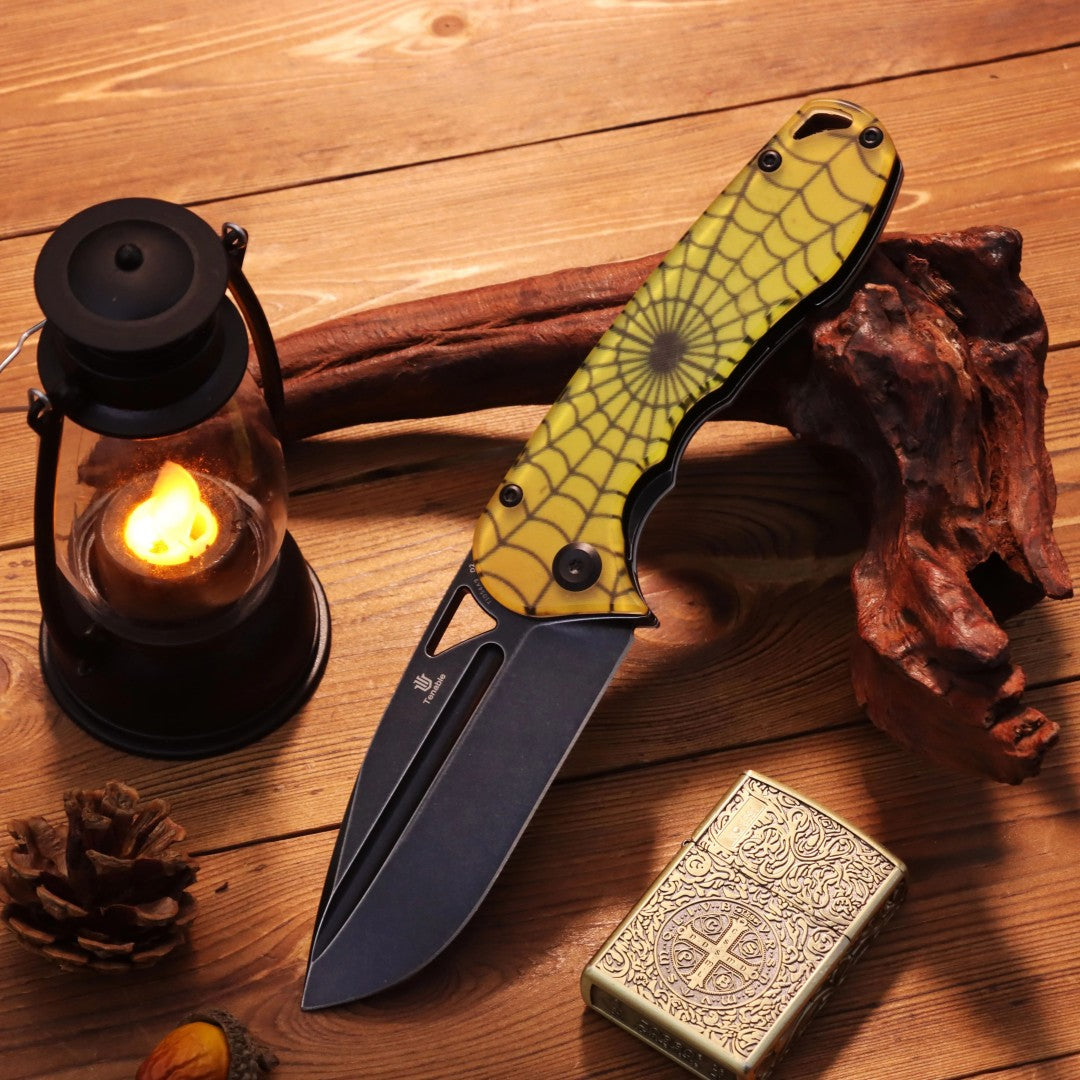
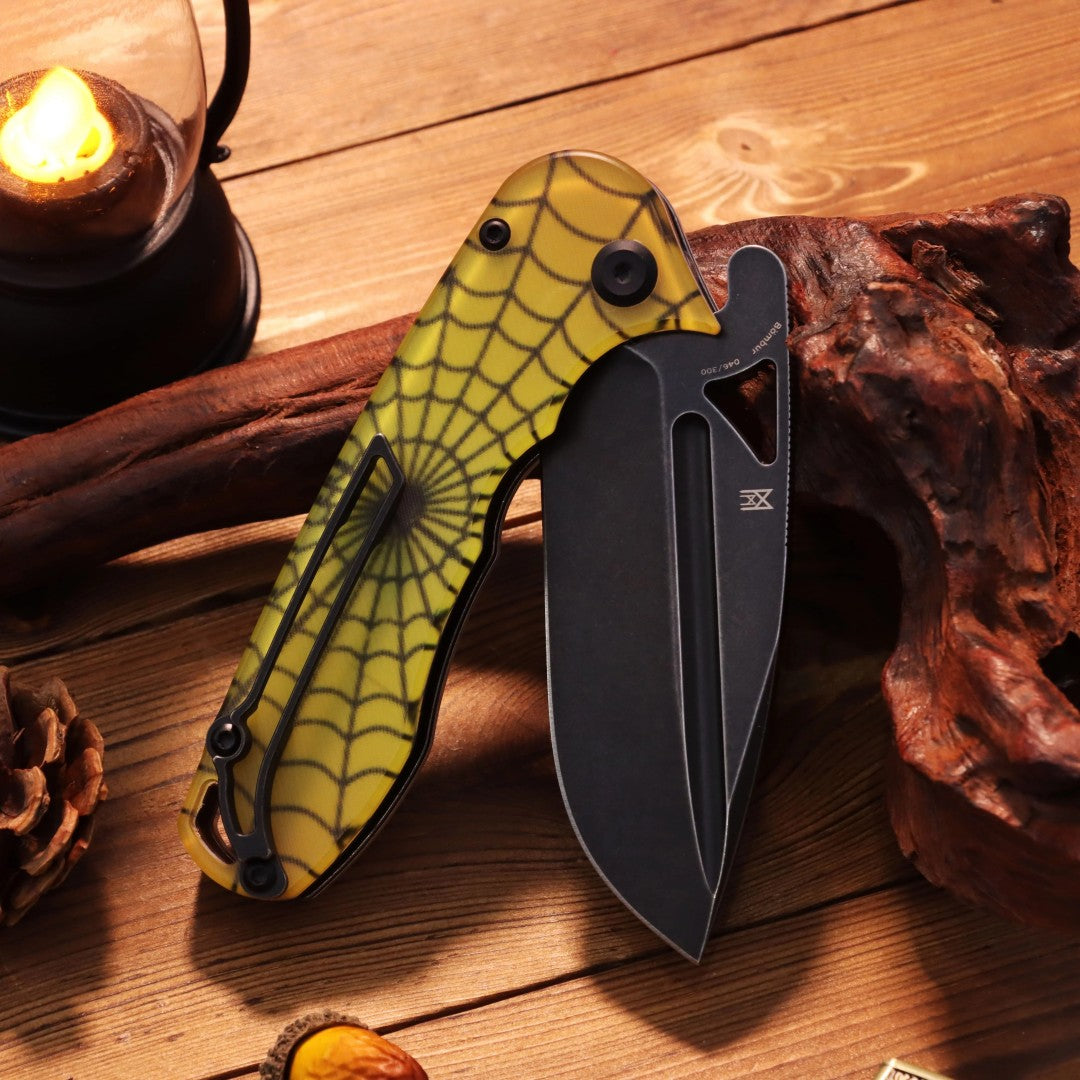
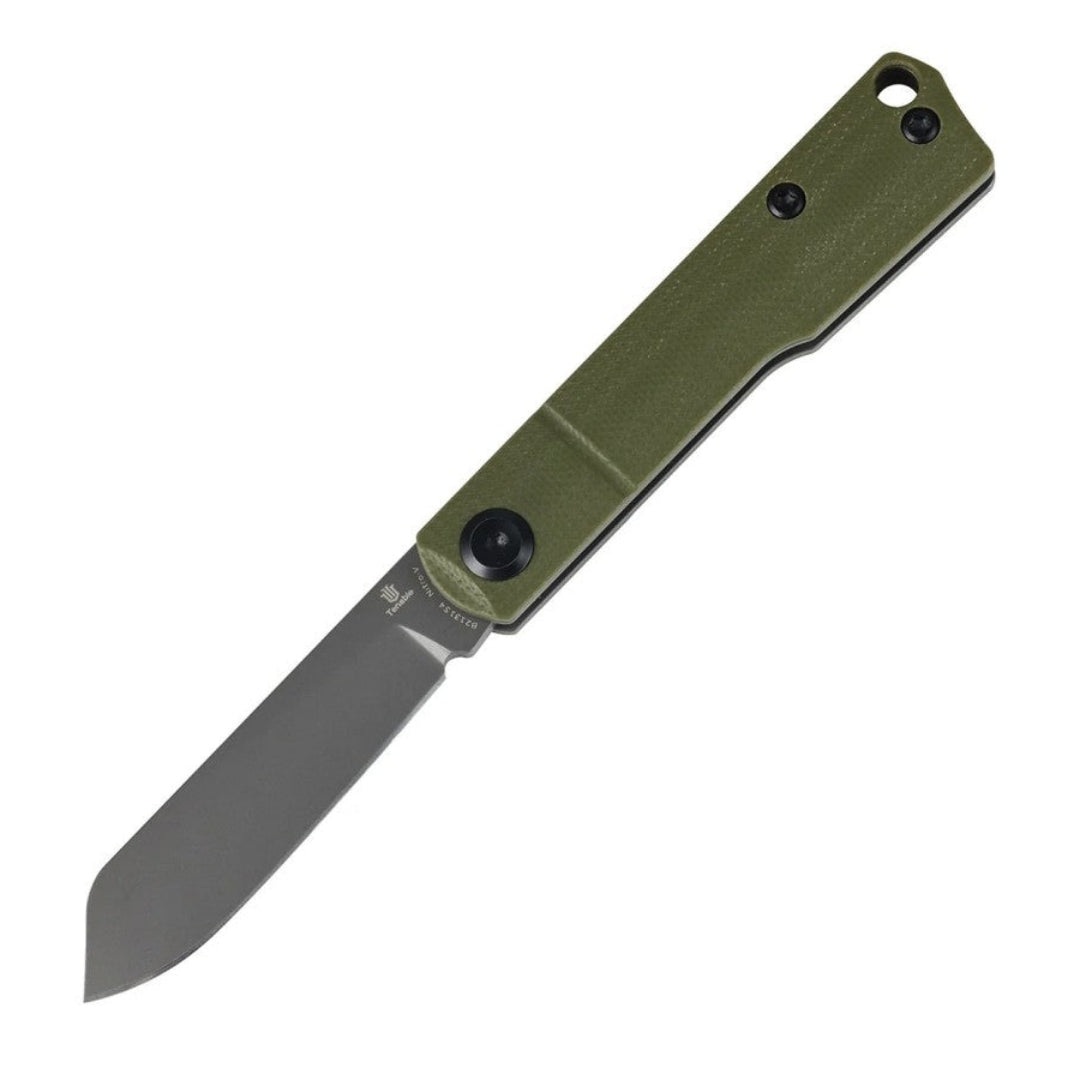
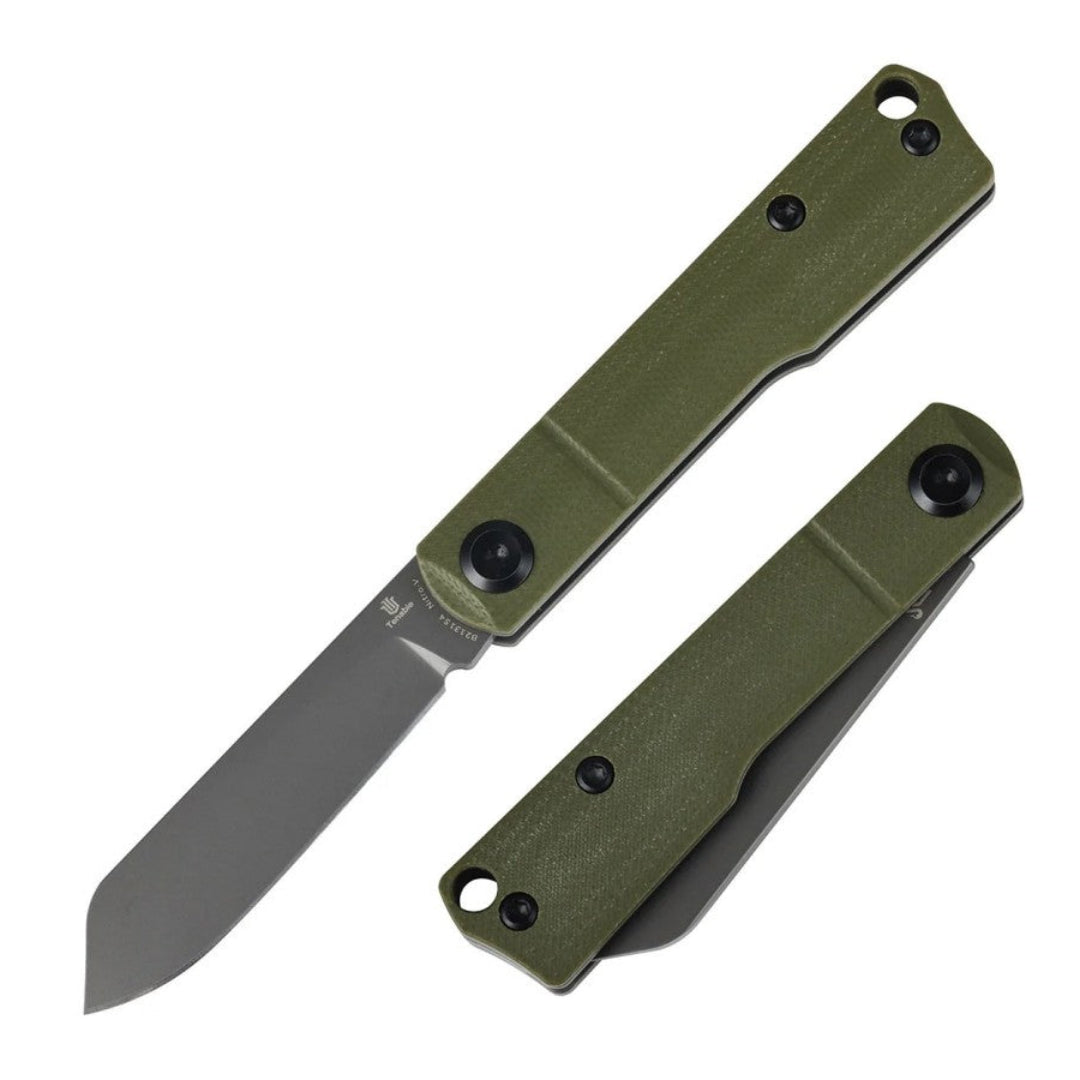
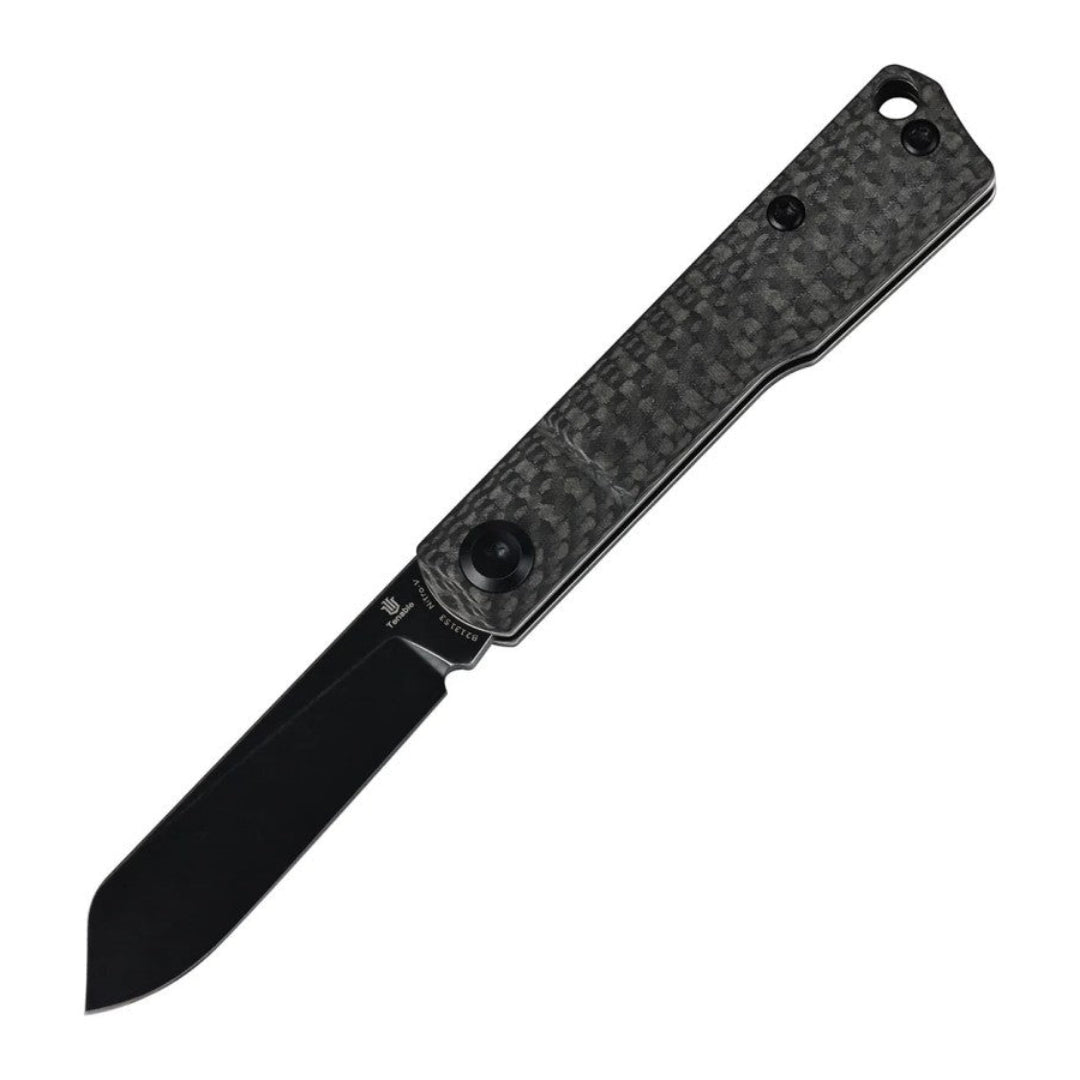
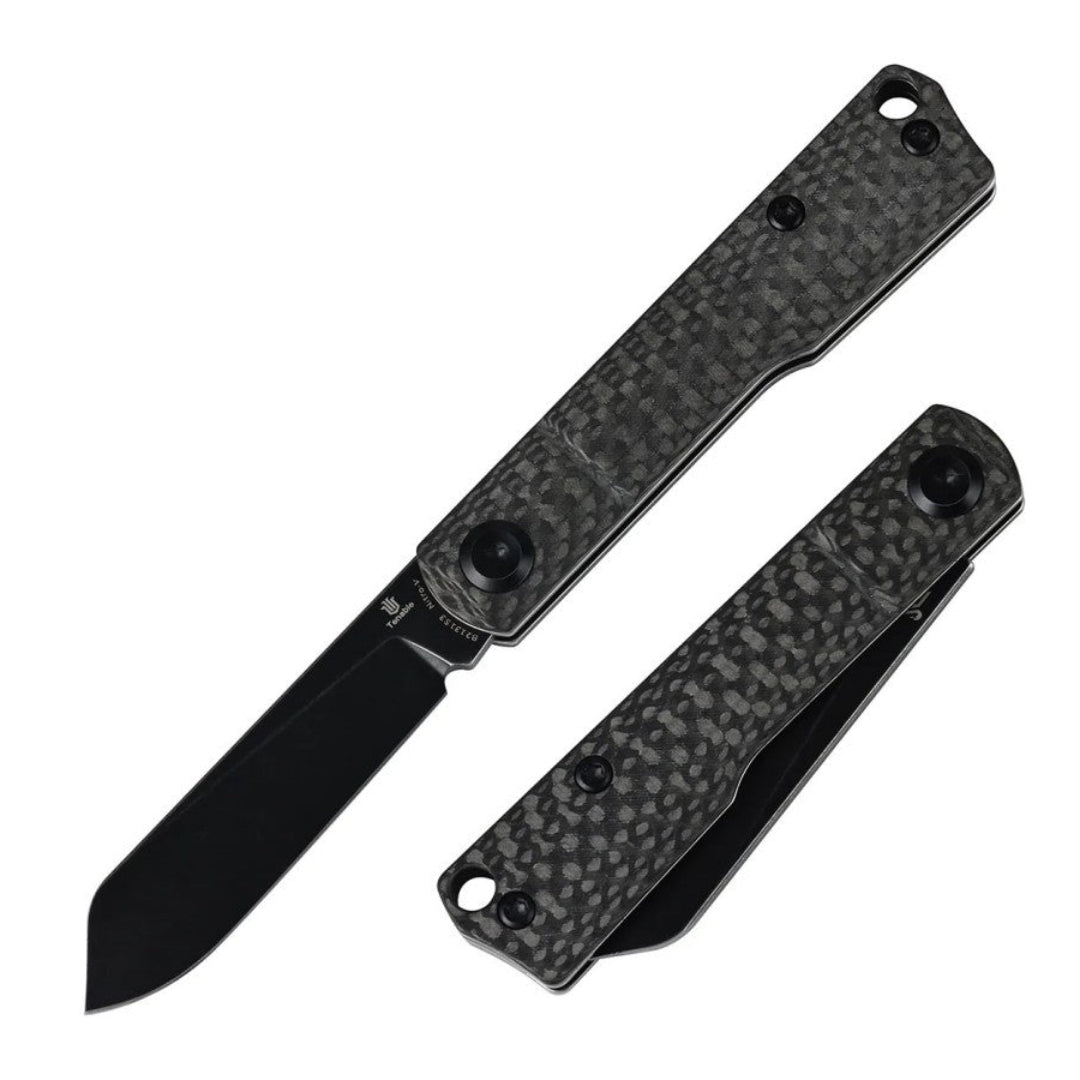
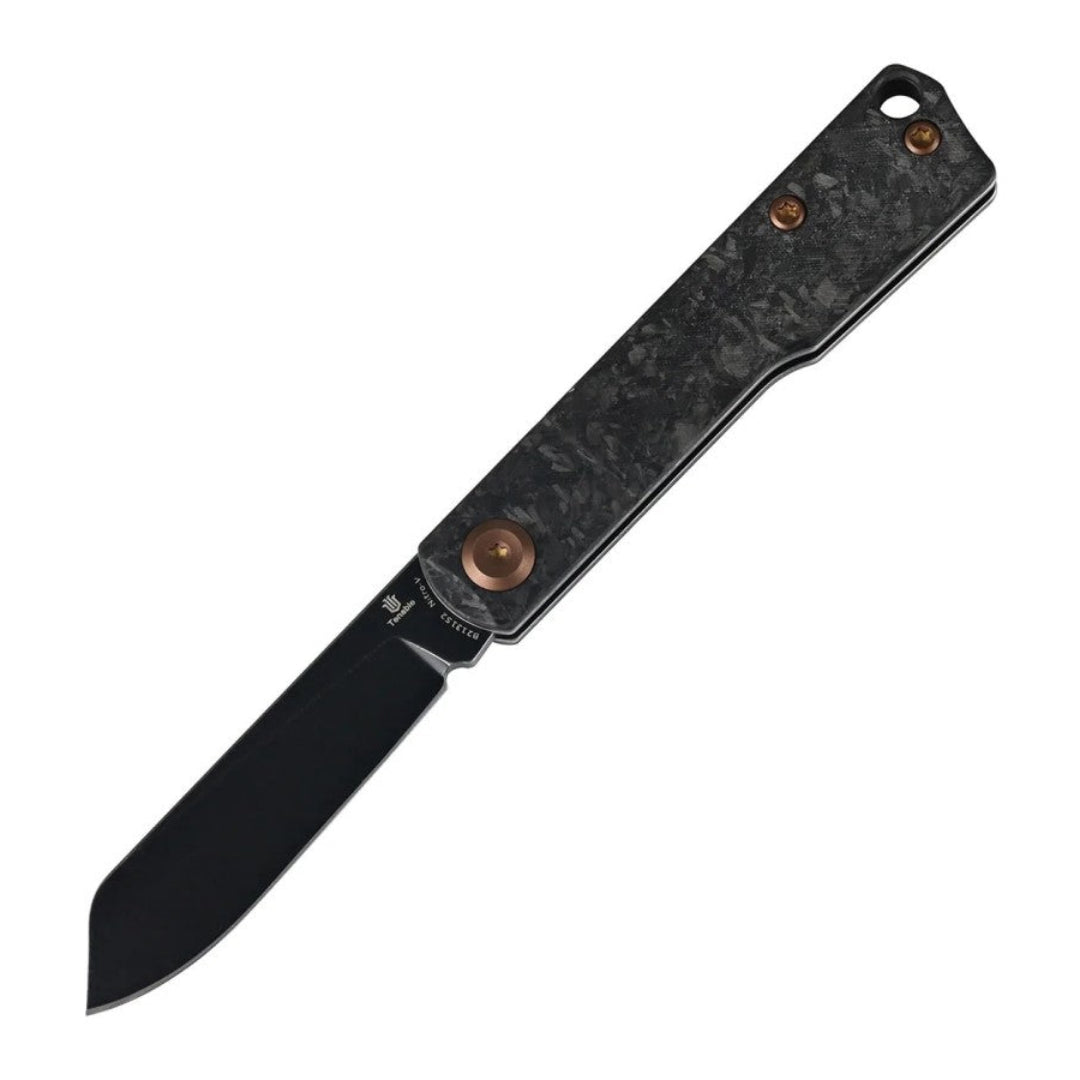
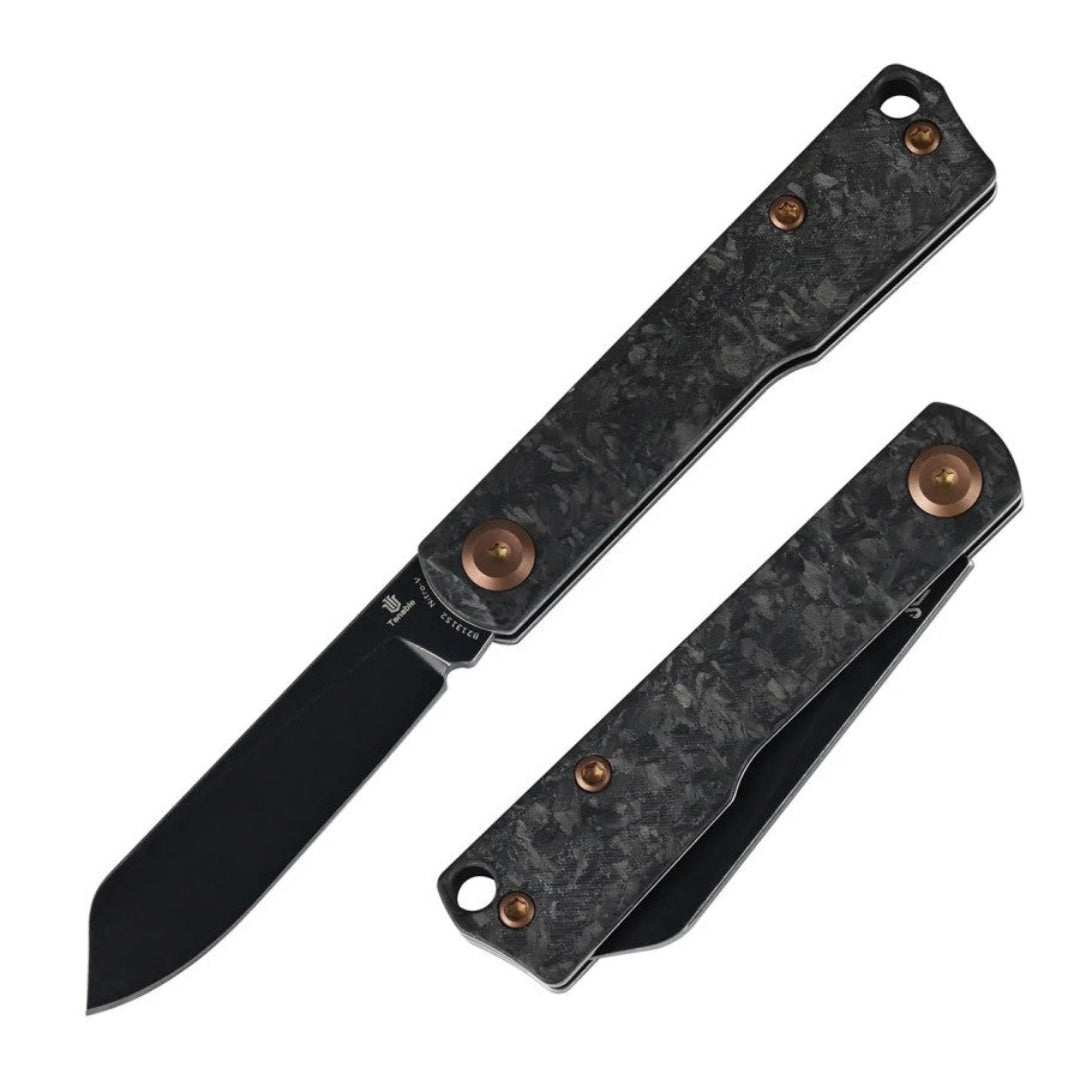
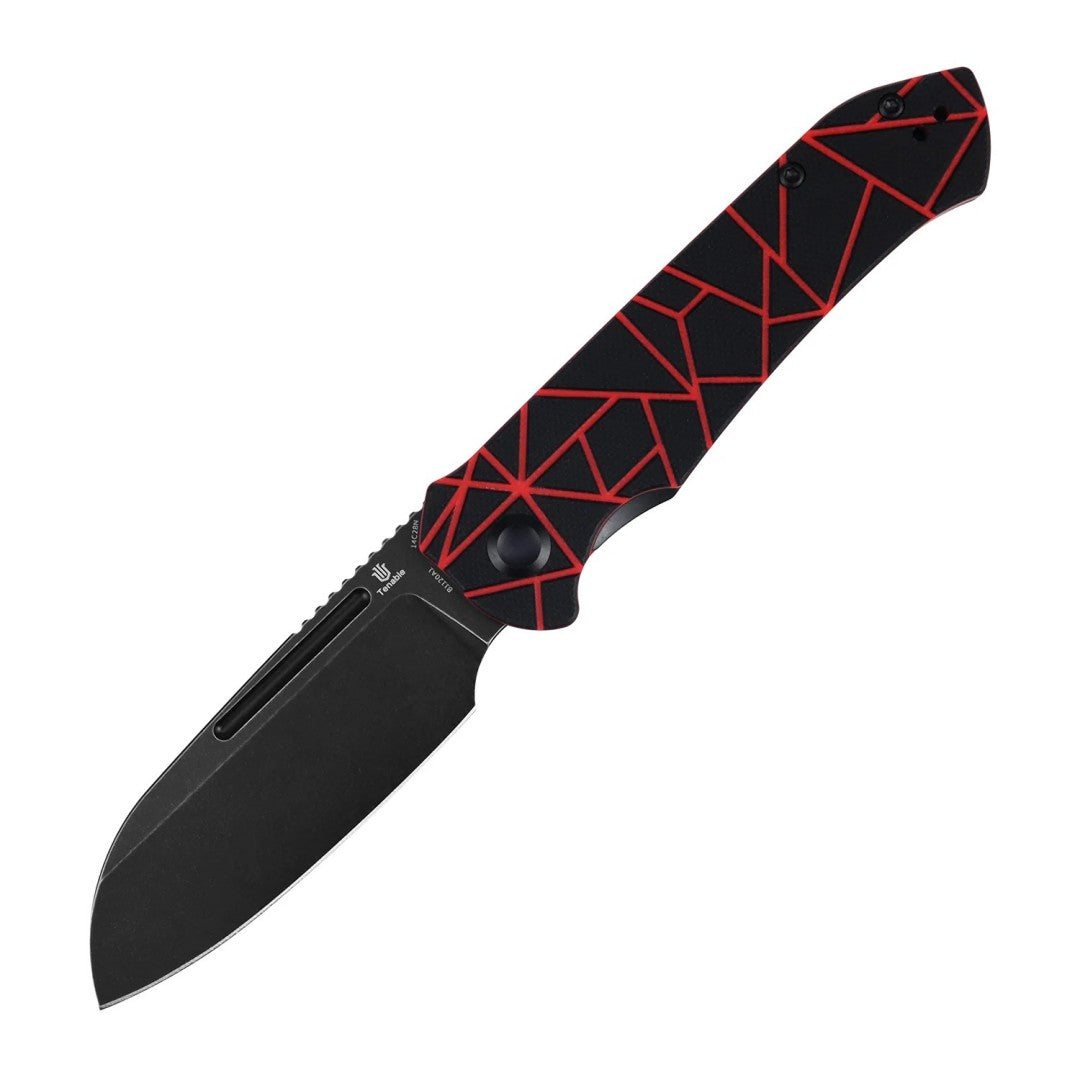
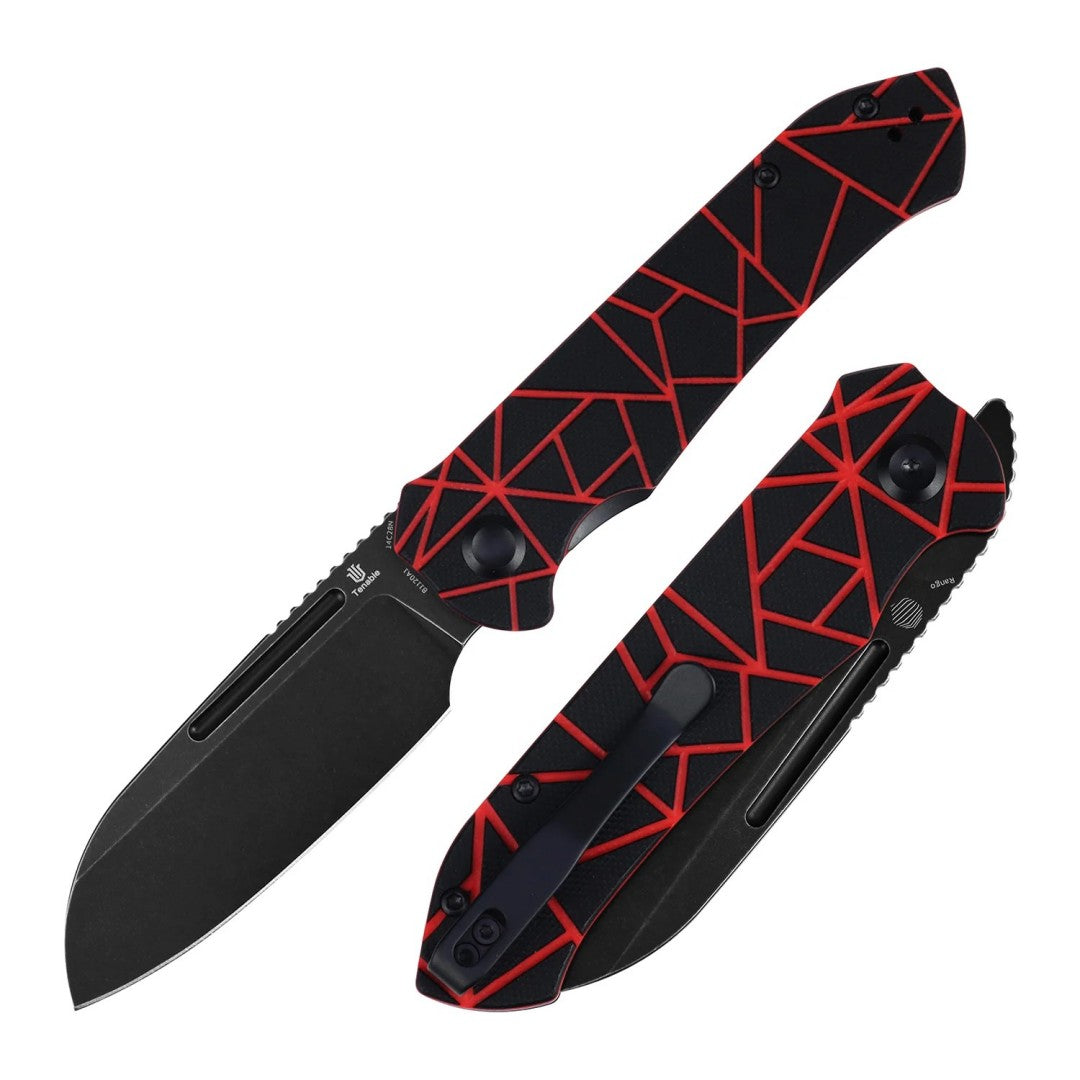
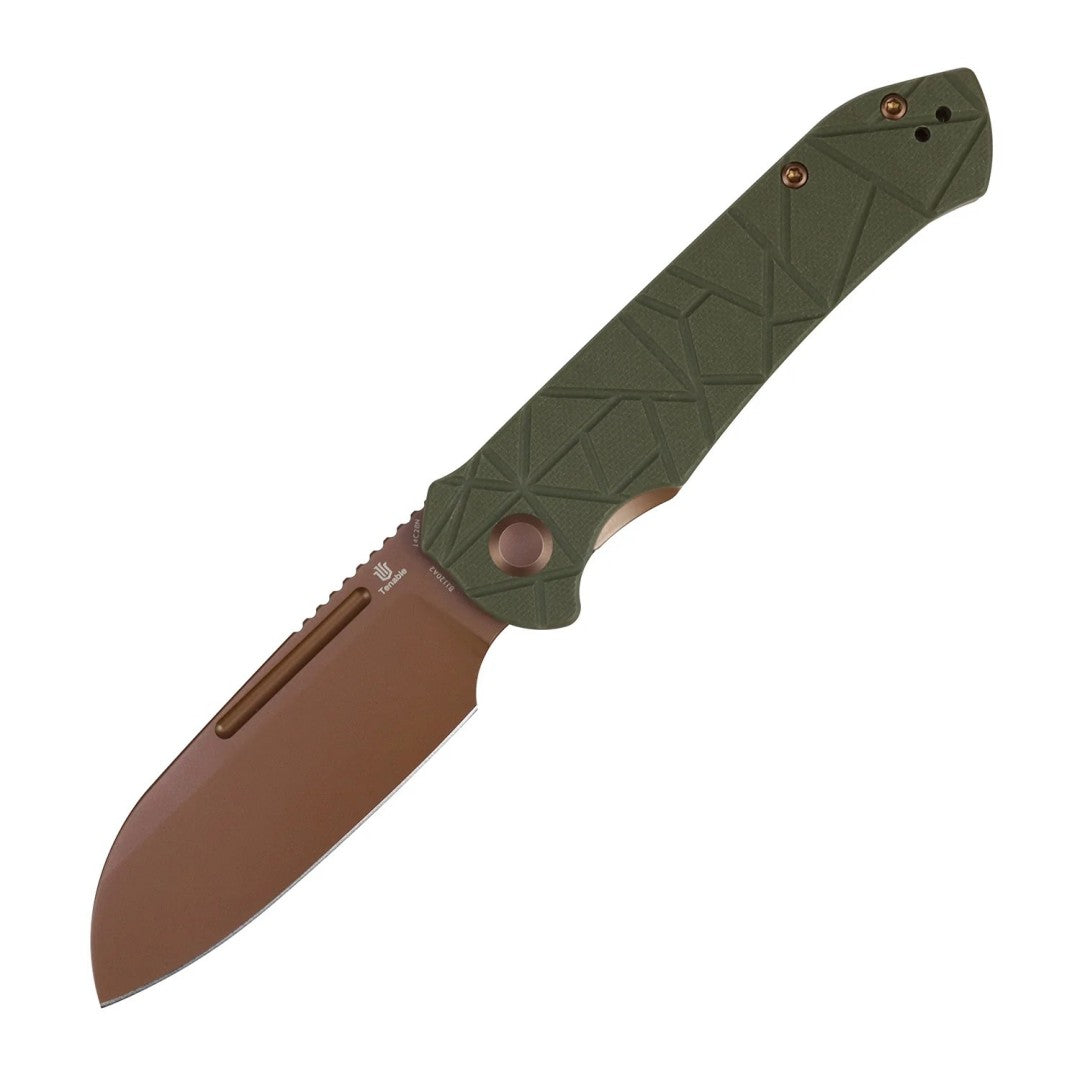
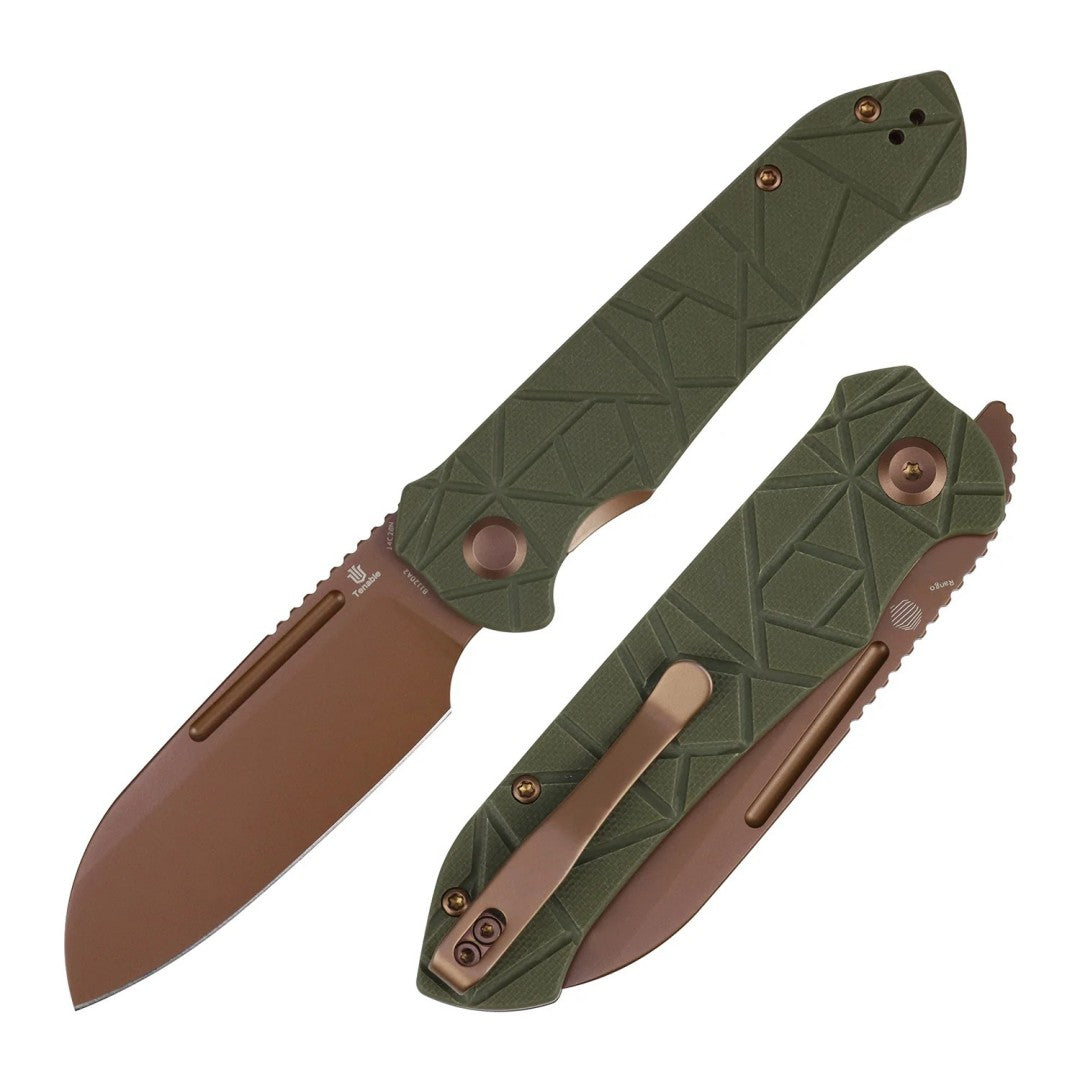
The most immediate touchpoint for evaluating retail justification is the handle material framing the internal chassis. This series aggressively rejects the cheap, flexible injection-molded plastics typically found in budget folders, opting instead for a premium G10 handle configuration.
G10 is a high-density, industrial-grade fiberglass laminate that undergoes intensive compression under immense thermal heat. From a financial standpoint, machining G10 scales via computer-guided CNC routing requires significantly higher factory overhead than stamping out cheap nylon pieces. The return on investment for the user is immense. The material provides absolute immunity to environmental moisture absorption, extreme structural impact resistance, and a textured, slip-resistant finish that preserves your grip in wet conditions. Finding this level of refined, chamfered scale texturing on a tool at this price tier immediately shifts the value scale in favor of the consumer.
The Bearing Premium: Smooth Action on a Budget
A primary area where cut-rate pocket knives compromise to save manufacturing capital is the pivot mechanism. Lesser brands typically pack their pivots with thin plastic shims or gritty brass washers that drag down deployment speeds and require extensive break-in periods.
The design team behind this folder completely flips that script by integrating a high-performance caged ceramic ball bearing pivot system. High-hardness ceramic bearings roll with far less coefficient friction than traditional steel components and are completely immune to interior rust or pocket lint pitting. Flicking the blade open via the machined thumb cutout or firing it via the flipper tab provides a snappy, liquid-smooth mechanical deployment. Experiencing this highly addictive, drop-shut action feels remarkably identical to operating custom production knives that demand triple-digit investments, making the entry-level retail price highly deceptive.

Defending the Edge: Vacuum Heat-Treated D2 Geometry
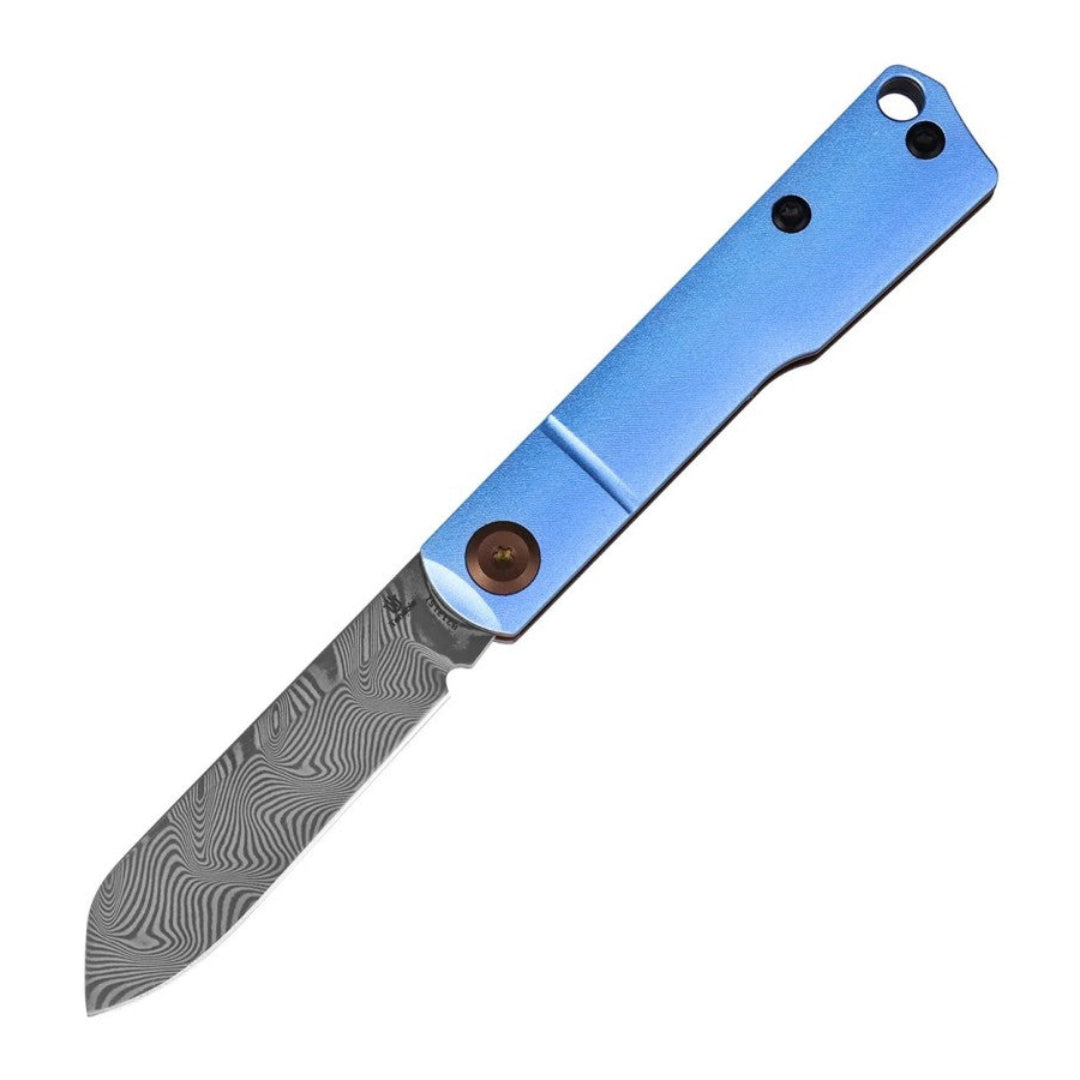
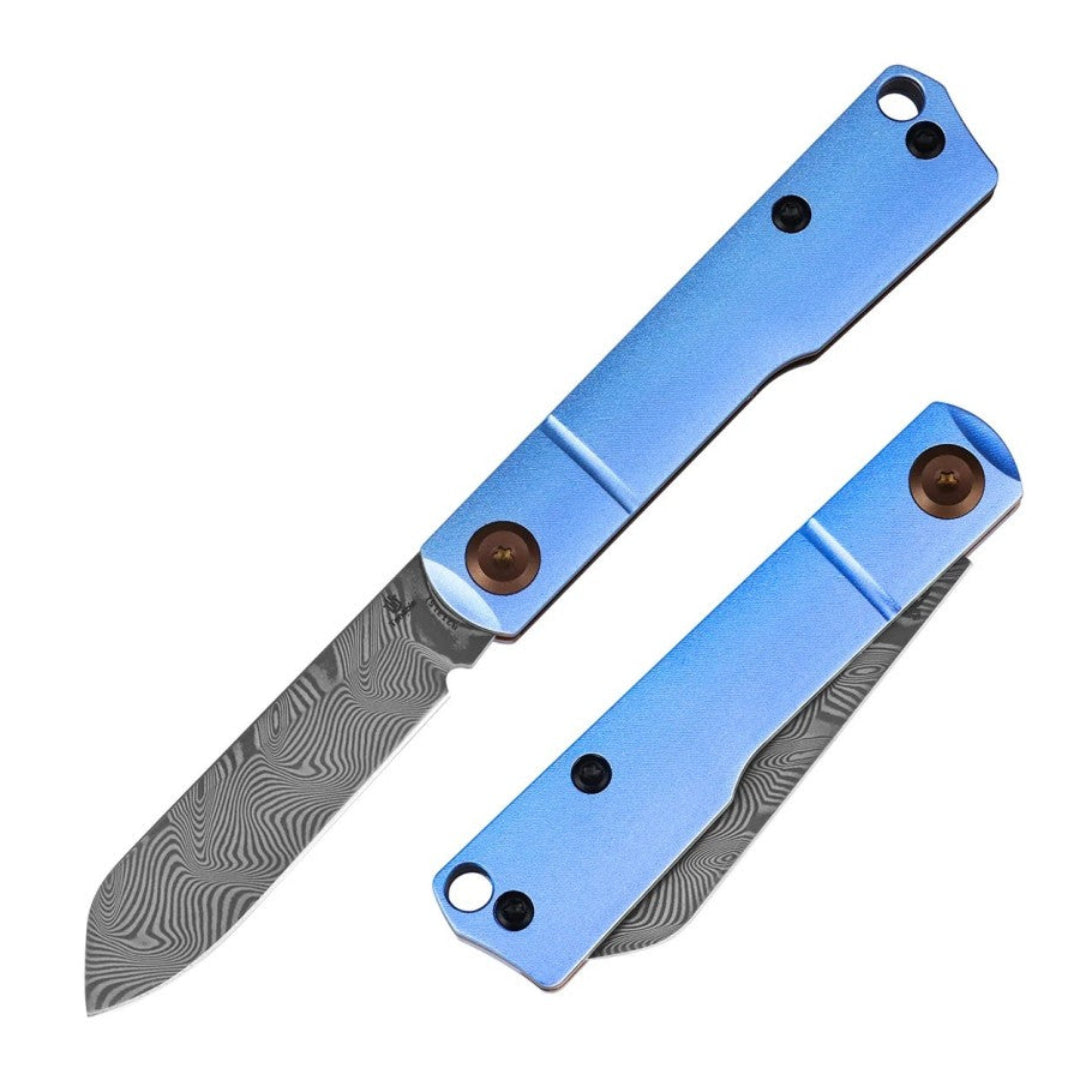
At the business end of the tool, the calculation shifts entirely to edge longevity and structural slicing dynamics. The folder leverages robust D2 tool steel machined into a versatile, high-utility spey or drop point profile featuring an incredibly clean flat grind.
While D2 is traditionally celebrated as a hard-working, wear-resistant steel choice for daily tasks, its real-world performance is entirely dependent on proper thermal execution. This lineup undergoes an advanced vacuum heat-treatment process that optimizes the steel's grain structure, pushing its hardness to a sweet spot that balances exceptional edge retention with real-world field sharpenability. It slices through miles of thick industrial cardboard, heavy ropes, and dense zip ties without rolling its apex or chipping out, ensuring you don't waste precious time constantly sitting at a sharpening bench.
Internal Rigid Security and Locking Alignment
True structural value is proven by how securely a folder holds together when subjected to severe lateral torque. Recessed completely flush inside the textured G10 scales are skeletonized stainless steel liners that create an unyielding, rigid internal backbone.
The integrated button lock or liner lock mechanism locks up early and securely against the blade tang with zero vertical blade play or horizontal pivot wobble. Achieving this level of precise mechanical lock alignment requires strict factory quality control tolerances. If a lock slips or develops play under pressure, the tool becomes an immediate safety hazard; here, the lockup inspires absolute fixed-blade confidence, proving that the internal assembly parameters mirror the standards of premium, duty-grade tactical gear.
 Final Financial Assessment: Is It Worth It?
When you add up the individual manufacturing components—the rugged, CNC-milled G10 handles, the glass-smooth ceramic bearing pivot, the meticulously heat-treated blade steel, and an ultra-secure deep-carry pocket clip—the economic reality becomes glaringly obvious. This collection doesn't just meet the baseline requirements of its price tier; it actively outclasses competitor models costing nearly double. It stands as an honest, hyper-capable everyday carry workhorse that yields immense tangible performance for every dollar invested, making its current retail price an absolute steal for any serious gear enthusiast.