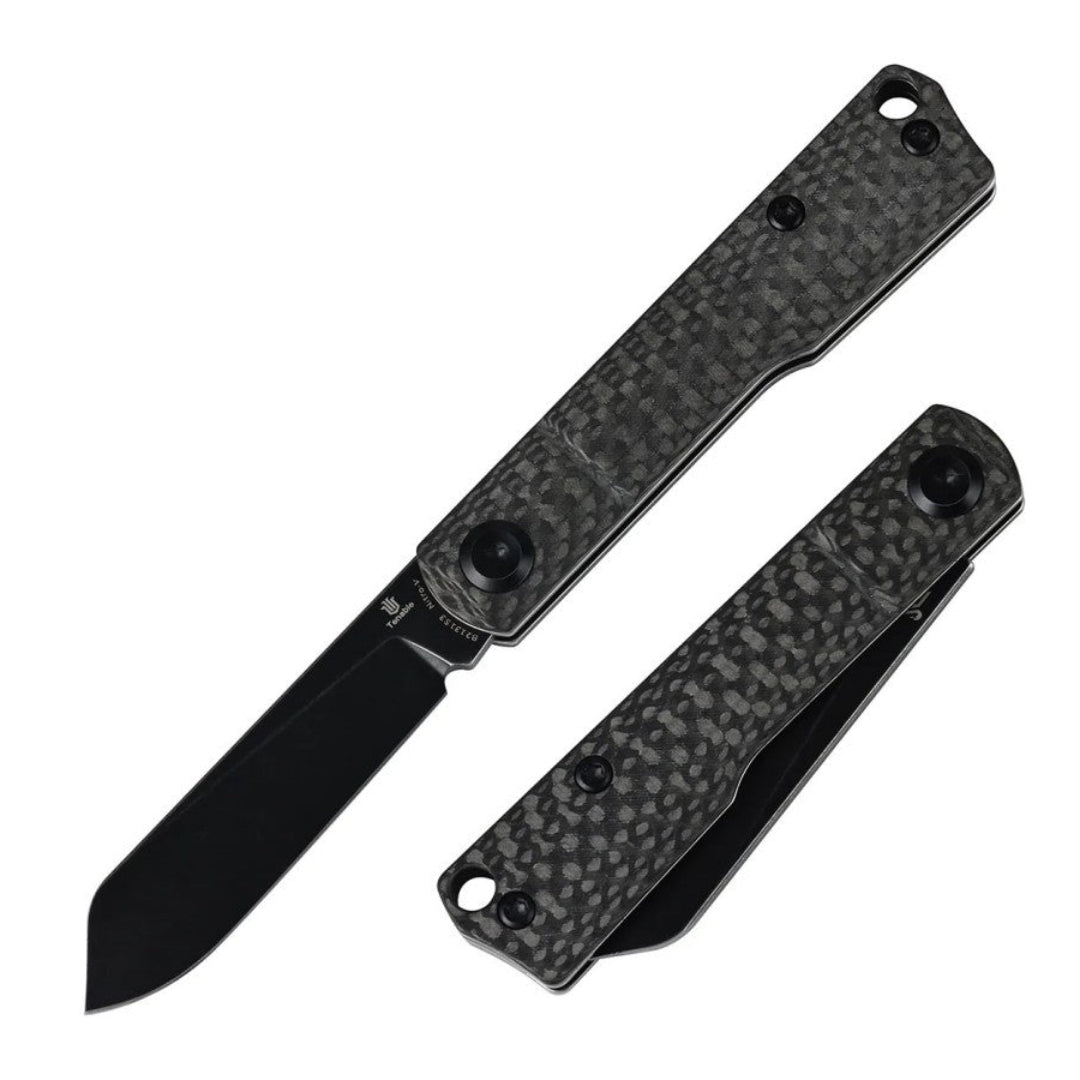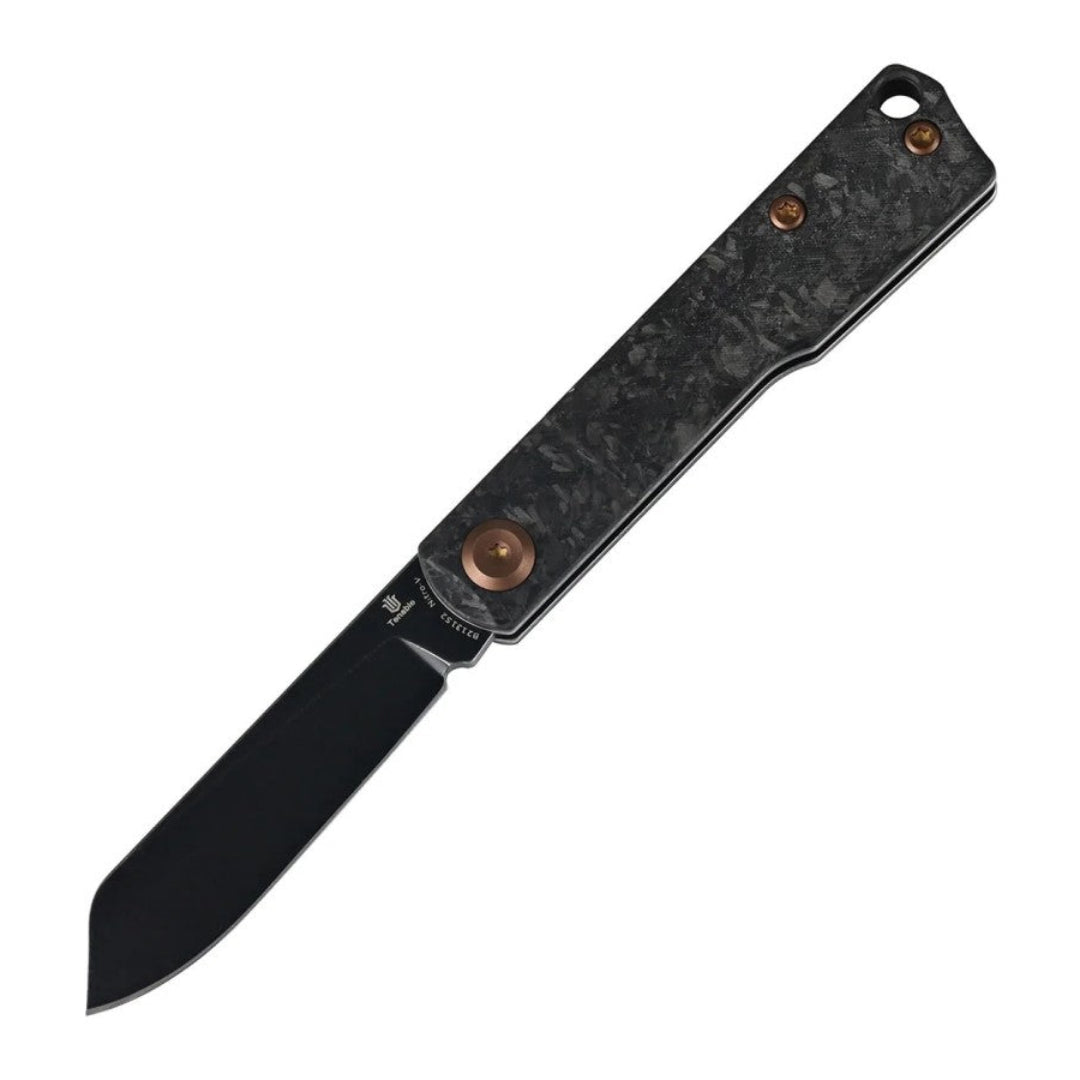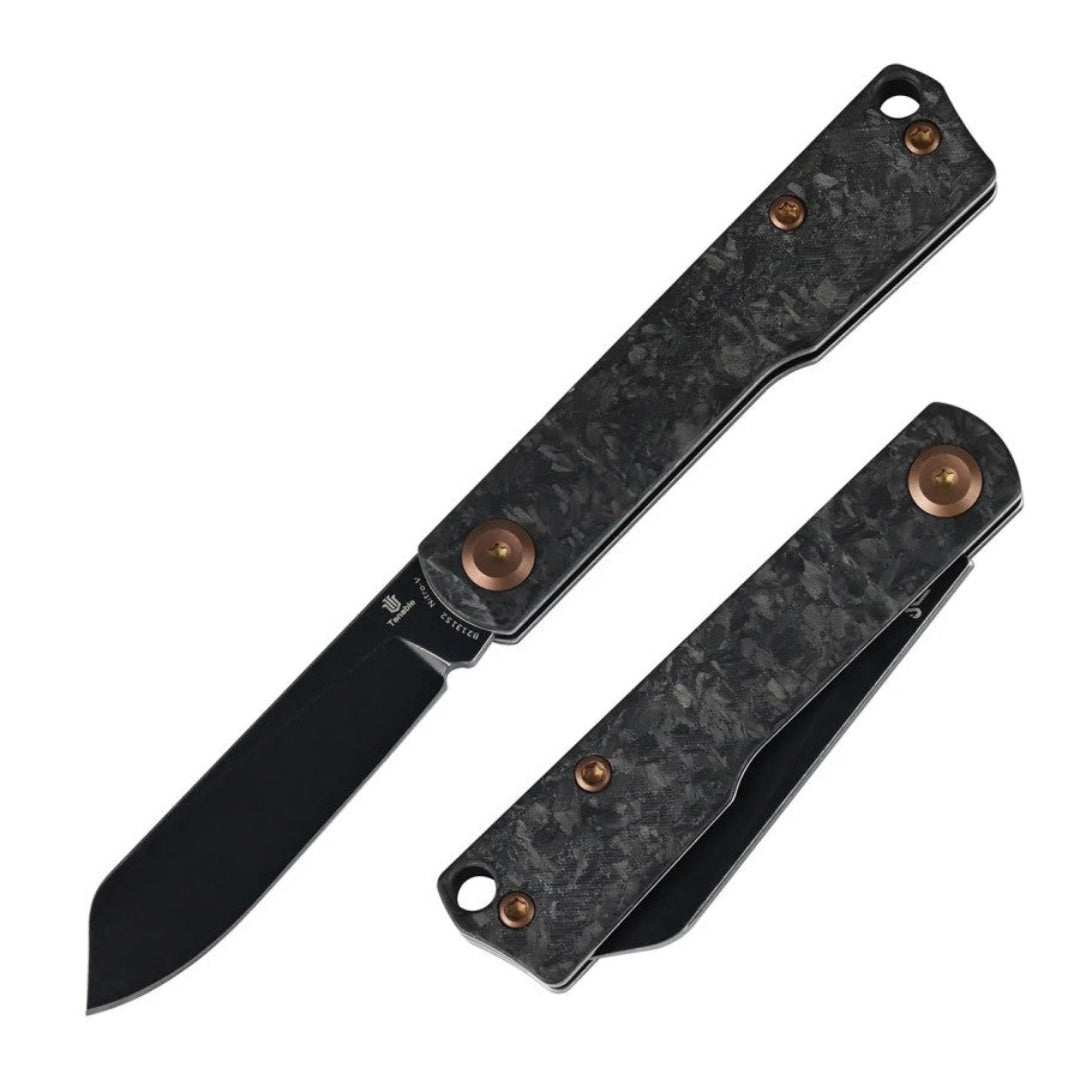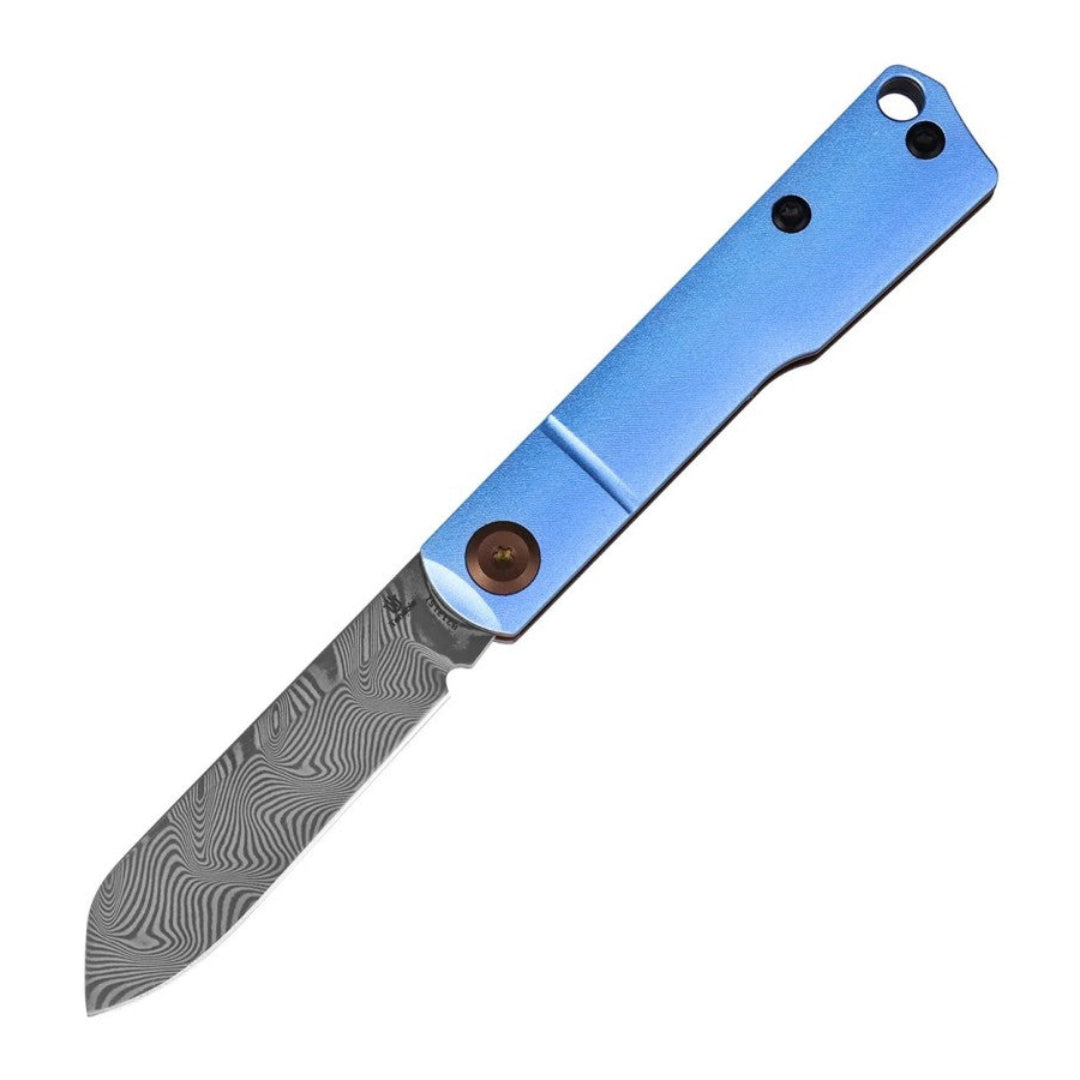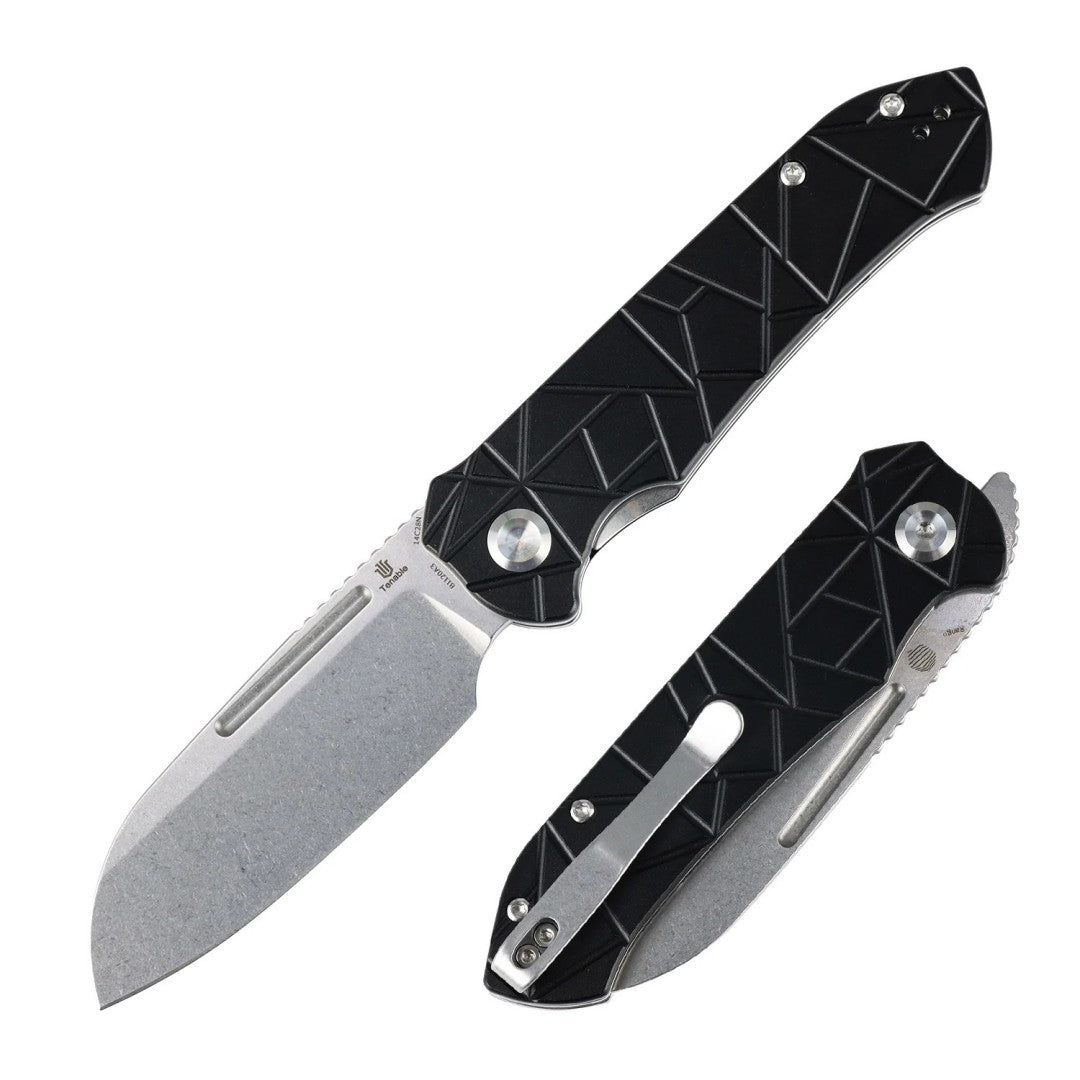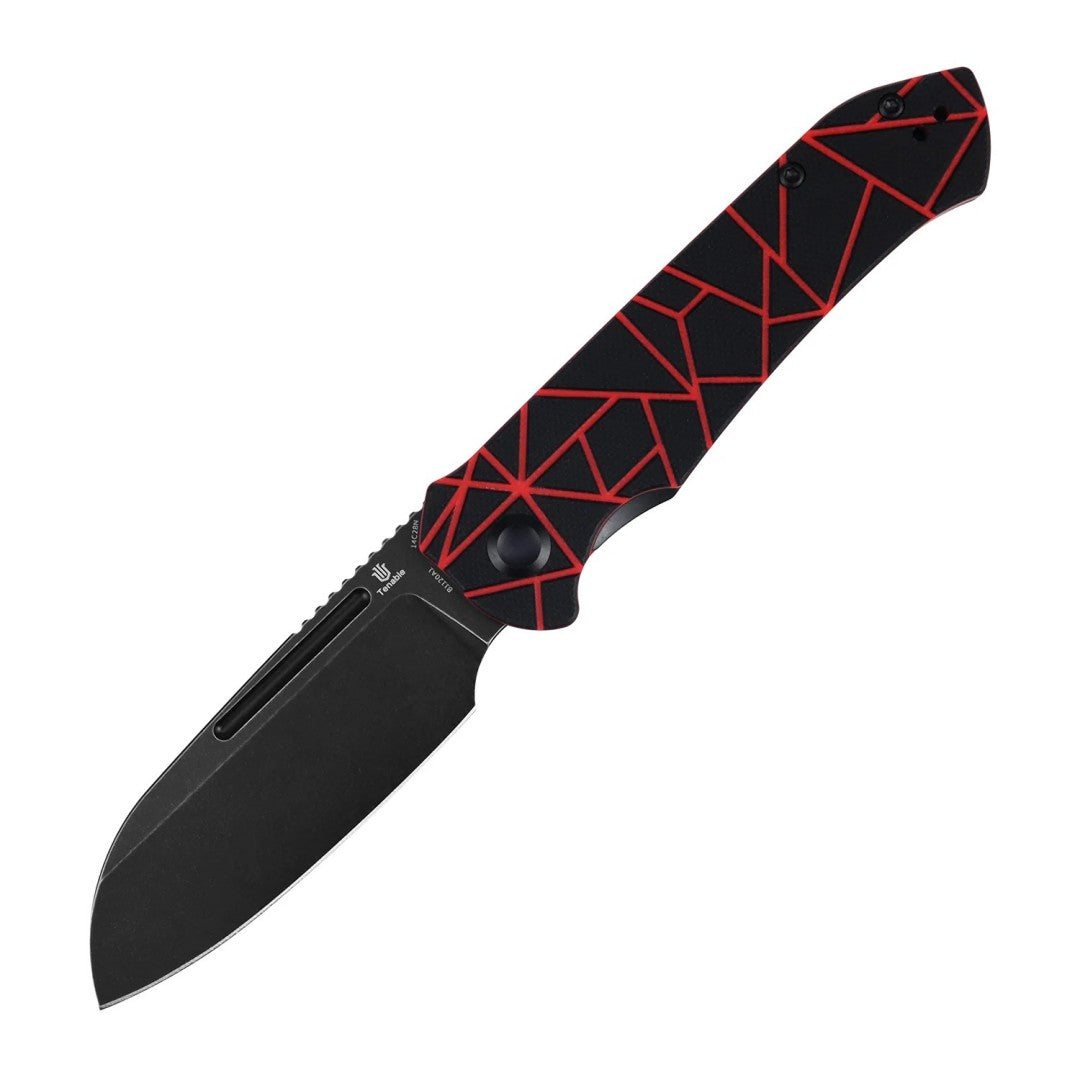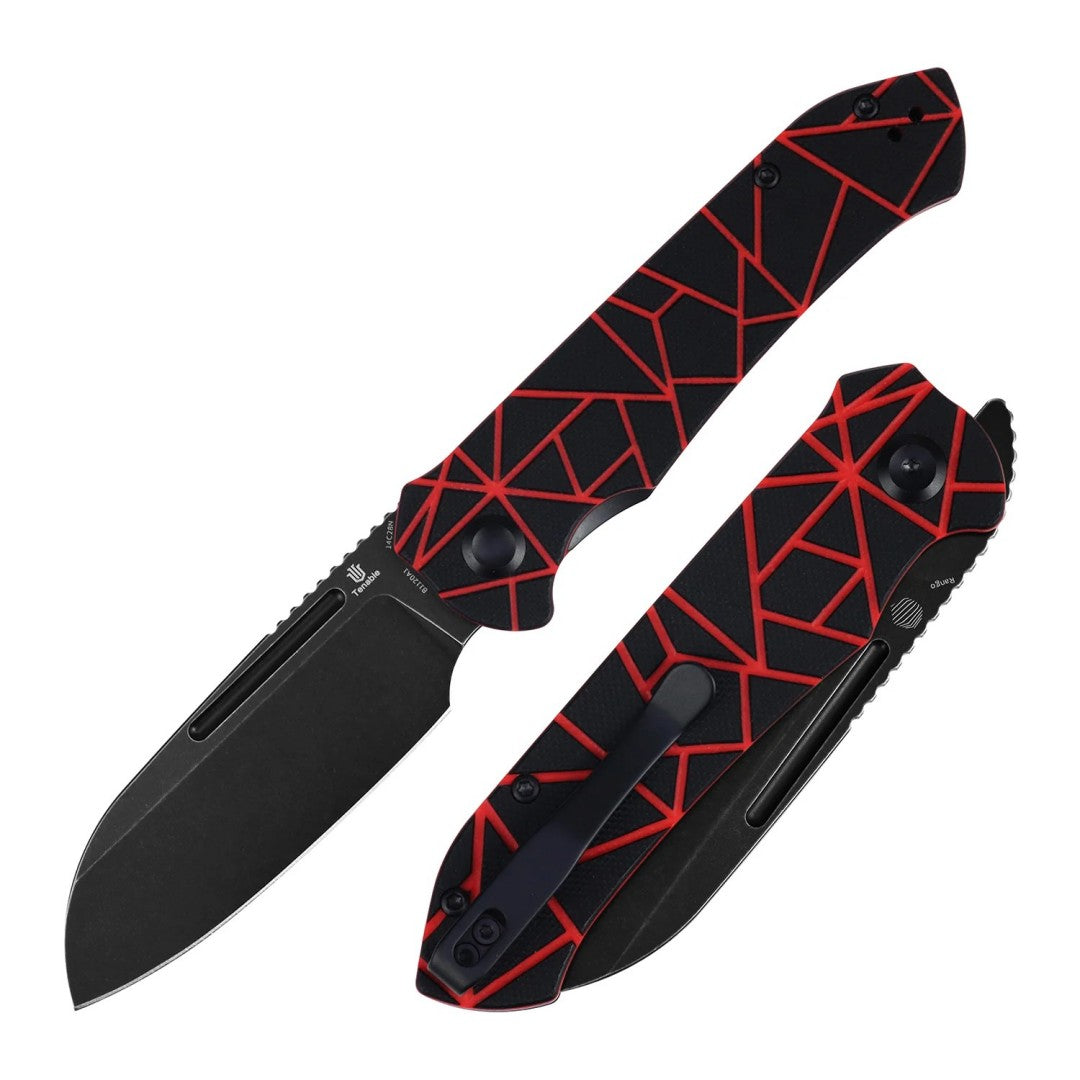
When assembling a high-caliber everyday carry (EDC) pocket setup, nothing impacts your long-term utility quite like blade metallurgy. The newly released Kansept Falk has taken the enthusiast community by storm, establishing itself as a premier hard-use cutting tool. Engineered by Kansept, a manufacturer renowned for executing custom knife profiles with extreme precision, this folder sets a benchmark for tactical performance. In this comprehensive breakdown, we dive deep into the edge retention, particle chemistry, and real-world field endurance of its premium Elmax steel variants to see how it redefines pocket tool performance.
Biomechanical Engineering: The Falcon Profile
The striking visual signature of this folder is the intellectual property of acclaimed French custom knifemaker Cédric Destombes. Drawing heavy architectural inspiration from the hunting falcon, Destombes focused on sweeping, organic lines that naturally integrate with human hand anatomy.
Many tactical folding knives rely on deep, forced finger grooves that look aggressive but create punishing hot spots during prolonged workloads. Destombes bypasses this issue by implementing a completely neutral underbelly along the handle scale. This ensures that whether you are doing fine wood shaving using a choked-up pinch grip or slicing thick rubber hoses with a heavy-duty hammer grip, your fingers find an unconstrained, fatiguing-free position.
This ergonomic security directly amplifies the blade’s cutting geometry. Featuring a modified drop-point shape paired with a distinct high flat grind, the blade tapers gradually from a robust 0.12-inch spine thickness down to a razor-thin apex behind the secondary bevel. By drastically reducing the physical amount of steel that must pass through a medium, the high flat grind minimizes mechanical wedging resistance, allowing the raw molecular properties of the underlying steel to slice with peak efficiency.
The Molecular Secret: Particle Metallurgy Evolution
To truly comprehend the elite edge retention of the Elmax variants, we must explore the advanced metallurgy behind powder-steel production. Traditional ingot steels are manufactured by pouring molten alloy into massive molds. As the metal slowly cools, heavier elements clump together, creating alloy segregation—microscopic clusters of chromium that form structural weak points.
Bohler-Uddeholm manufactures Elmax utilizing a third-generation powder metallurgy process. Molten steel is blasted through a high-pressure nozzle into a micro-fine mist of liquid droplets. These droplets freeze almost instantaneously, trapping a rich chemical recipe consisting of 1.70% Carbon, 18.00% Chromium, 3.00% Vanadium, and 1.00% Molybdenum in a completely uniform distribution.
The Carbide Advantage: This uniform structure allows for the heavy precipitation of vanadium and molybdenum carbides throughout the blade steel. On a microscopic level, these carbides act like microscopic diamonds embedded in a premium steel matrix. As friction slowly wears away the surrounding steel during hard use, these ultra-hard carbides remain exposed along the apex, keeping the cutting edge biting cleanly long after standard stainless steels have rolled flat or dulled out.
 Field Stress Testing: Real-World Performance
In actual daily utility, a pocket tool faces continuous abrasive wear. The Elmax blade is engineered to handle three primary destructive forces in the field:
-
Abrasive Scouring (Cardboard Breakdown): Slicing through thick, corrugated shipping boxes is notoriously brutal on sharp edges due to the abrasive recycled silicates embedded within the paper pulp. While budget alloys quickly lose their working edge under this friction, the high vanadium carbide count of this folder keeps its apex sharp through hundreds of feet of continuous slicing.
-
Tensile Resistance (Fibrous Cordage): Cutting through heavy nylon webbing or thick hemp rope requires an edge that retains microscopic toothiness. The highly refined grain boundaries of this powder steel ensure that individual teeth along the apex do not break loose under high tension, resulting in clean, effortless separation.
-
Lateral Impact Shock (Hidden Staples): High wear-resistance often comes at the cost of brittleness. However, because Elmax avoids alloy segregation, it possesses immense structural toughness. If you accidentally strike a hidden metal staple or a rock while working outdoors, the edge deforms elastically to absorb the shock rather than suffering catastrophic micro-chipping.
Handle Dynamics & Premium Variations
To complement this advanced powder steel, the manufacturer offers the design in several premium handle configurations optimized for diverse carrying environments:
-
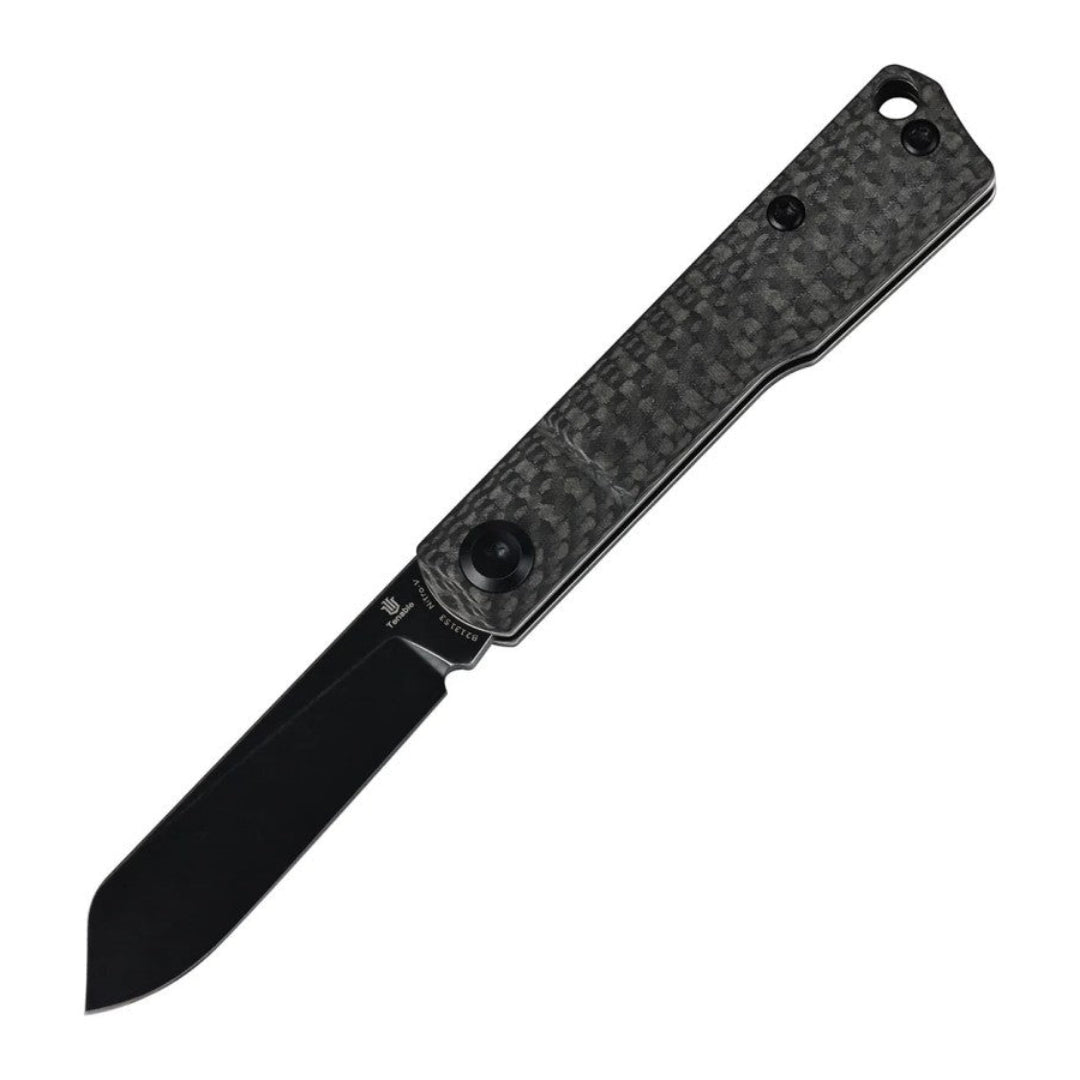
Tactical Camo Edition (K1142A2): Outfitted with high-performance Elmax steel and 80S Camo Carbon Fiber handle scales for a highly rigid, modern executive pocket footprint.
-
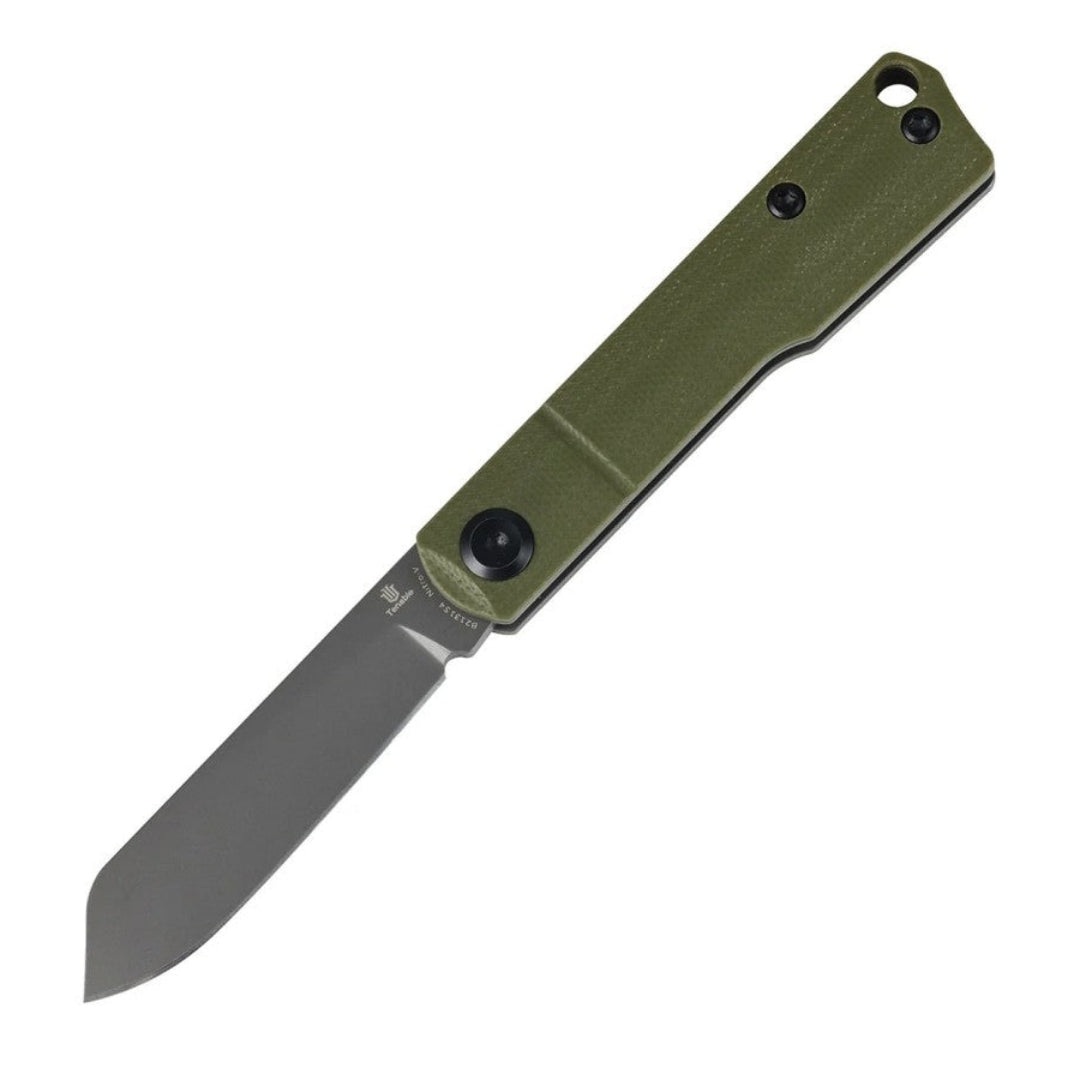
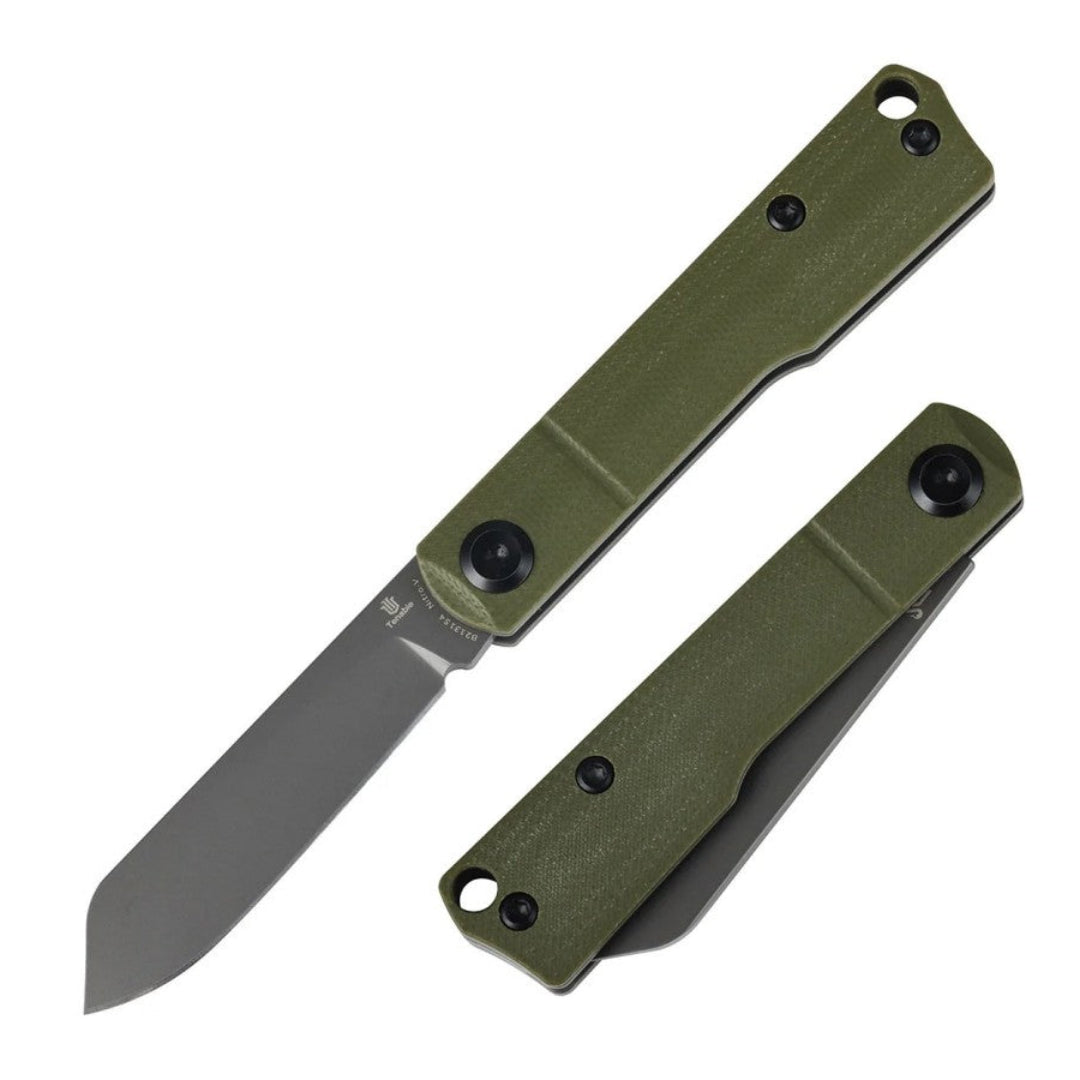
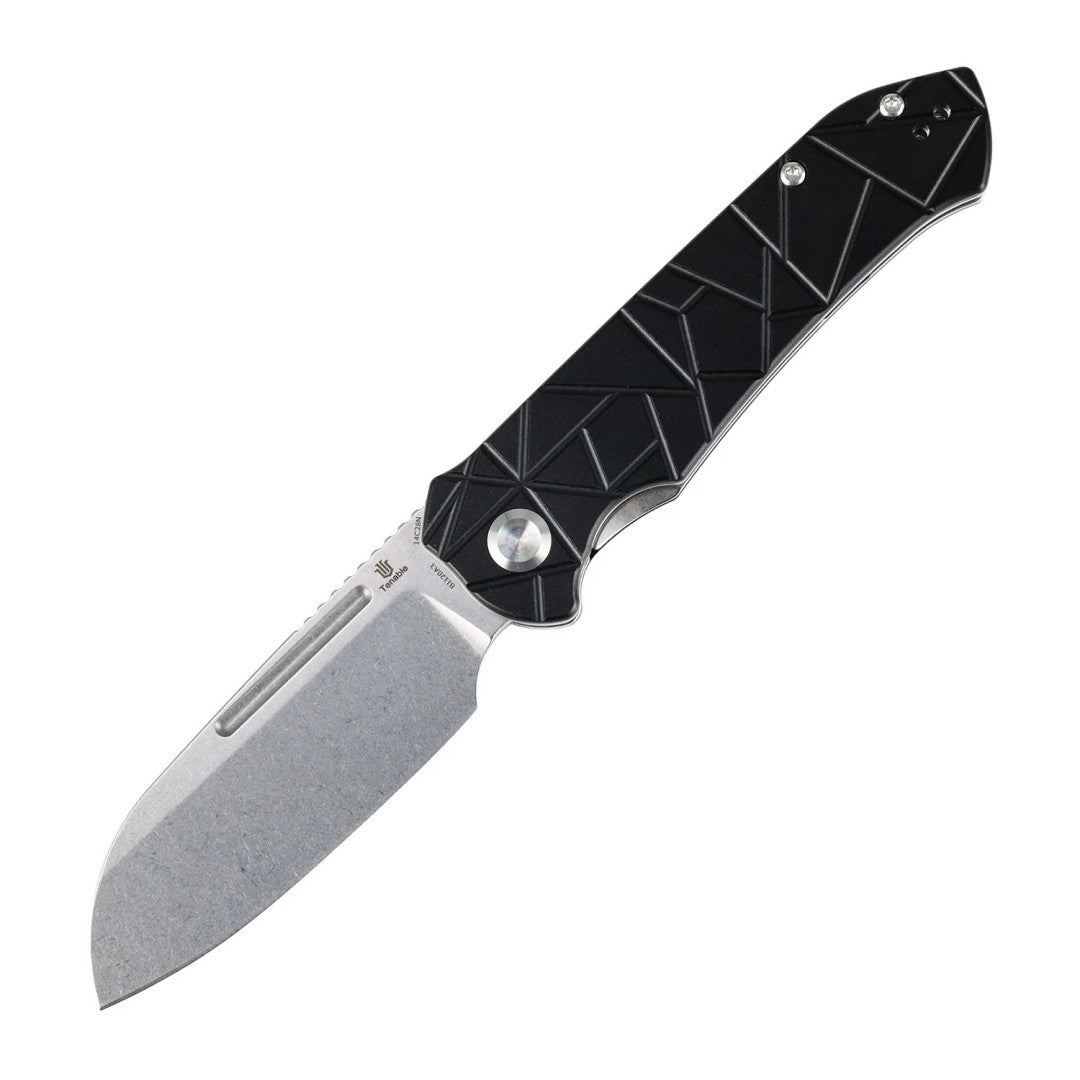
The Operator Workhorse (K1142A3): Combines the Elmax blade with rugged black canvas Micarta scales. The fibrous grain structure naturally absorbs skin oils and moisture, actually increasing your tactile traction in wet or muddy conditions.
-
The Limited Collectible (K1142A4): Features the Elmax super-steel paired with premium Green Rag Burl Micarta—a special serialized run limited to only 200 pieces worldwide.
-
The Presentation Alternative (K1142A1): Swaps the powder steel for an exquisite, high-contrast Damascus blade steel matched with shredded carbon fiber scales for ultimate collector appeal.
Kinetic Action and Structural Safety
Operating the knife provides a remarkably fluid, mechanical sensory experience. The blade runs on an enclosed, premium caged ceramic ball-bearing pivot assembly that reduces internal friction to near zero. A light press against the dual thumb studs easily bypasses the crisp factory detent, launching the blade open instantly with an authoritative hydraulic snap.
Once fully deployed, user safety is anchored by a heavy-duty, nested Liner Lock mechanism. The stainless steel liners are deeply skeletonized internally to keep the overall carry weight down to a pocket-friendly 3.73 ounces, yet the lock bar engages the thick blade tang early and flush at roughly 25%. This prevents horizontal blade rock or vertical play completely. When closing the blade, a cleanly chamfered relief cut on the scale allows for effortless, true one-handed operation.
 The Final Verdict
Ultimately, this series serves as a phenomenal masterclass in modern pocket hardware, showing that production manufacturing can perfectly preserve the soul, tight tolerances, and ergonomics of an elite custom creator. By combining Cédric Destombes’ organic human engineering with an unyielding powder metallurgy super-steel, they have delivered an elite pocket companion that thrives under heavy utility workloads while carrying with the sophisticated presence of a bespoke art piece. If you are ready to upgrade your daily carry with a tool built for lifetime edge retention, this model represents an incredibly smart investment.