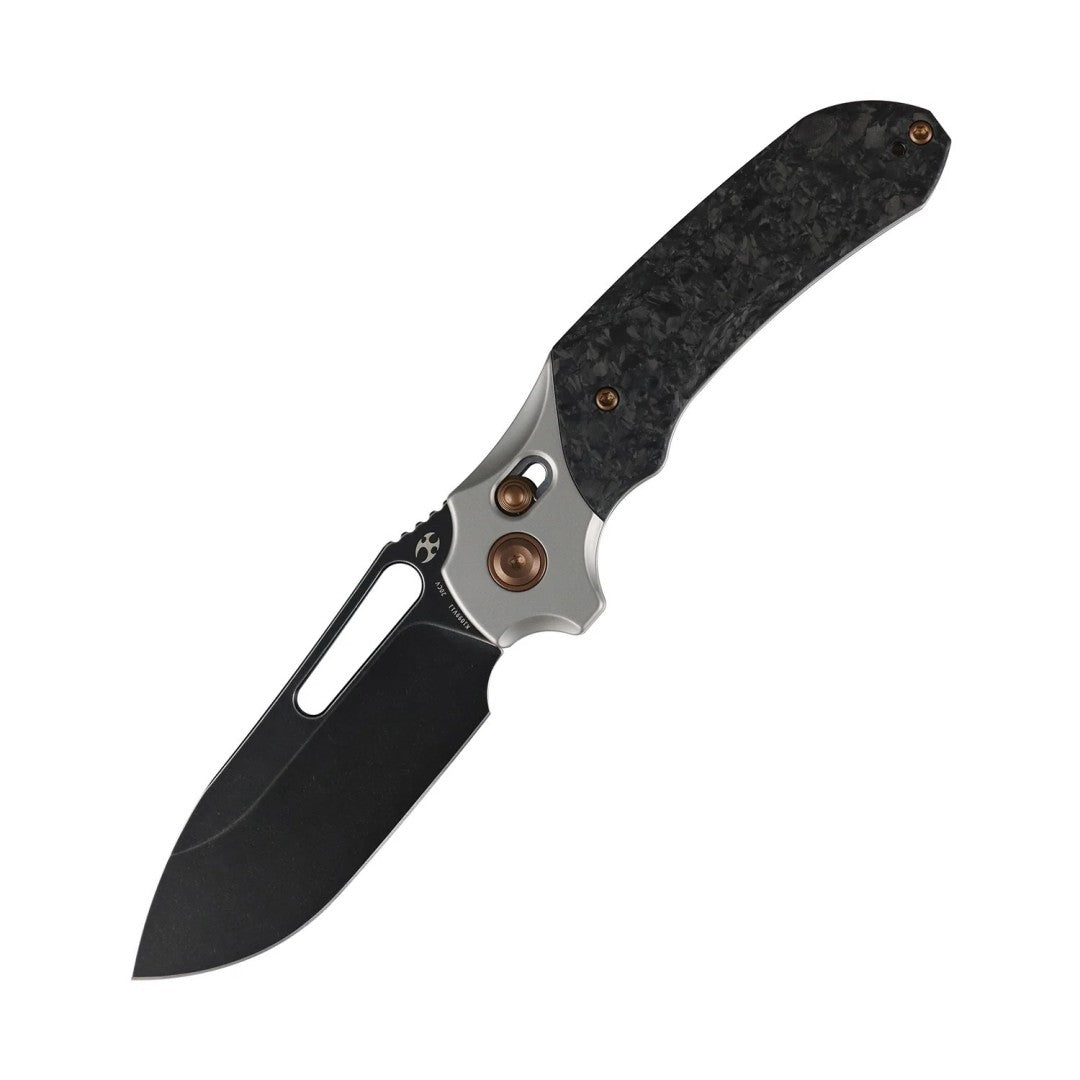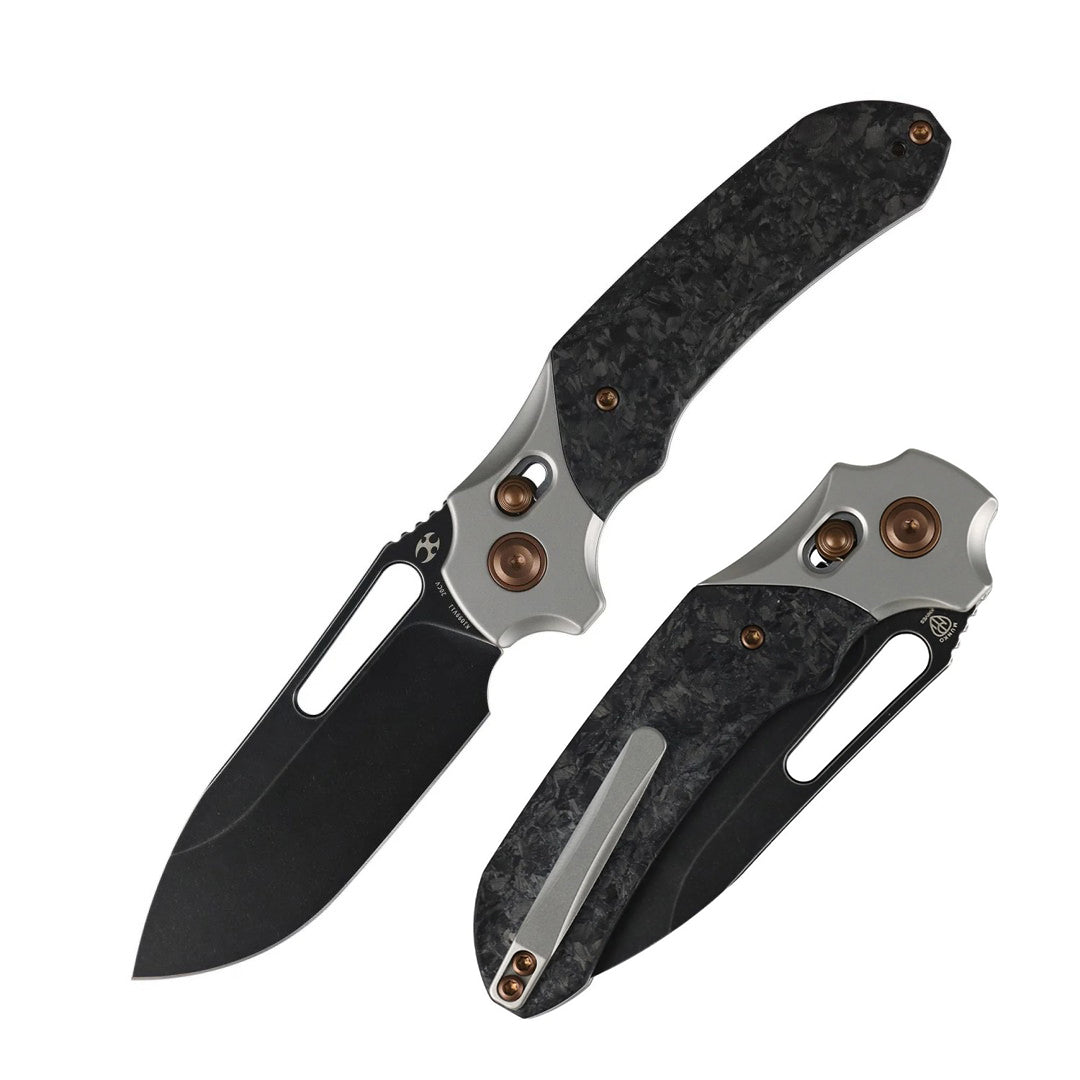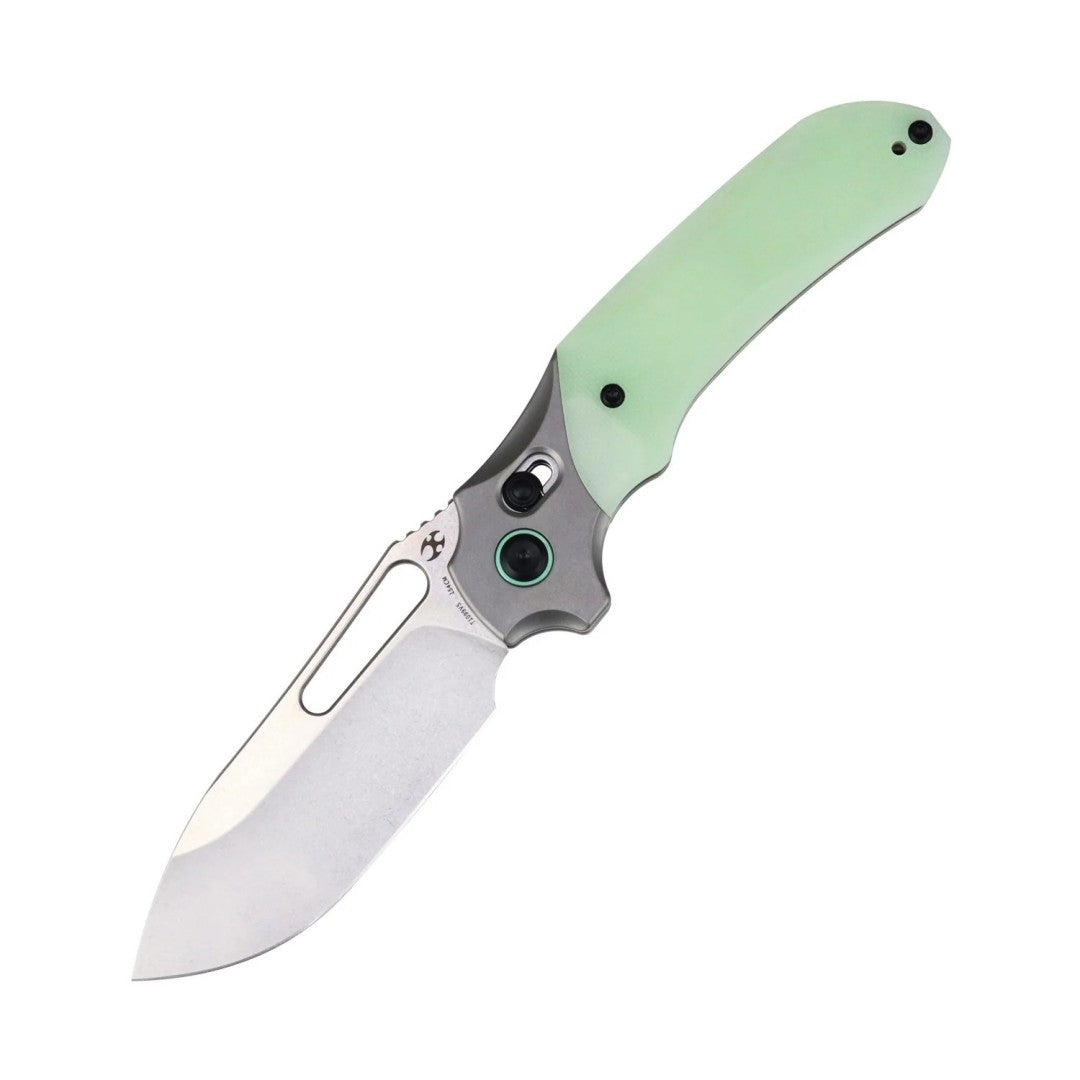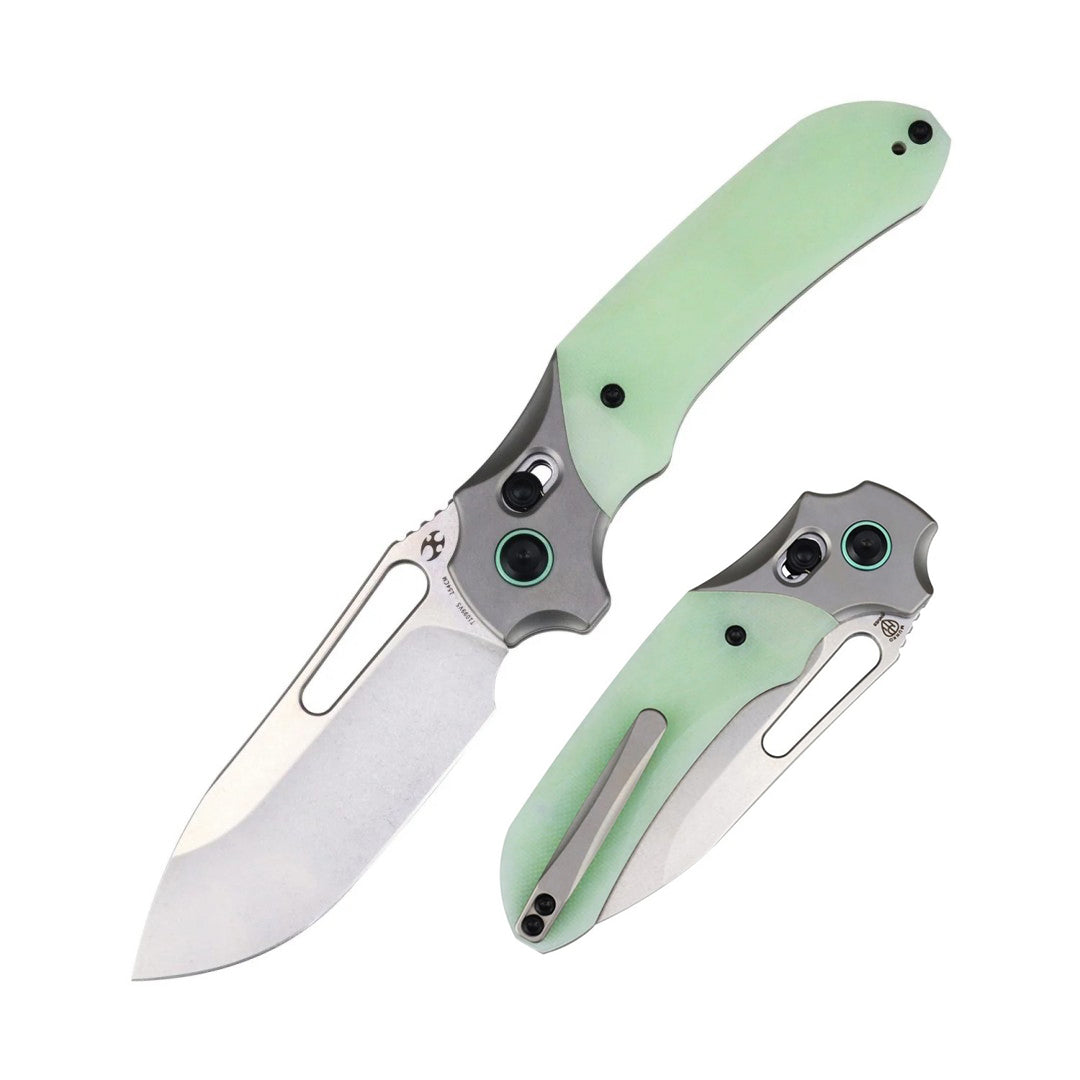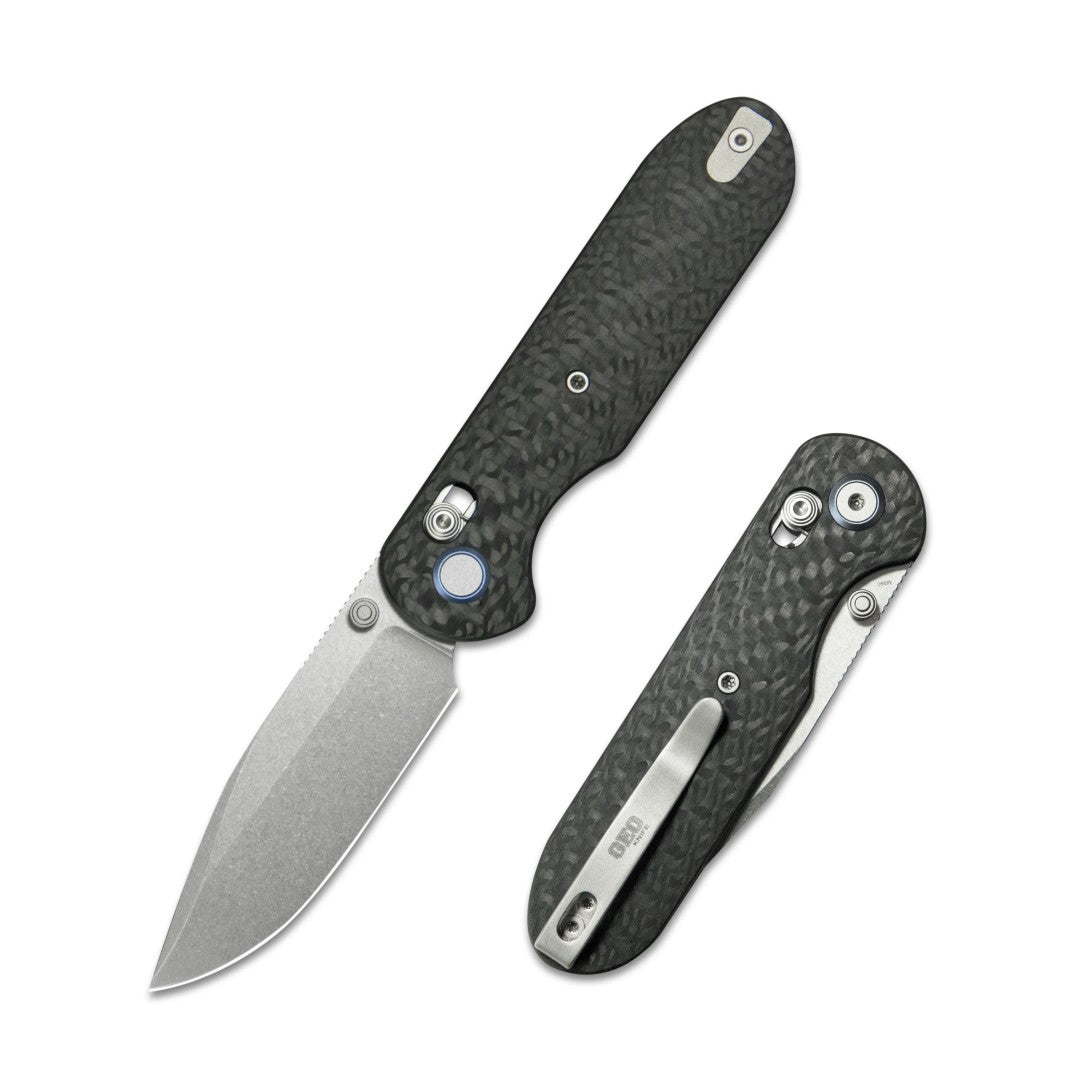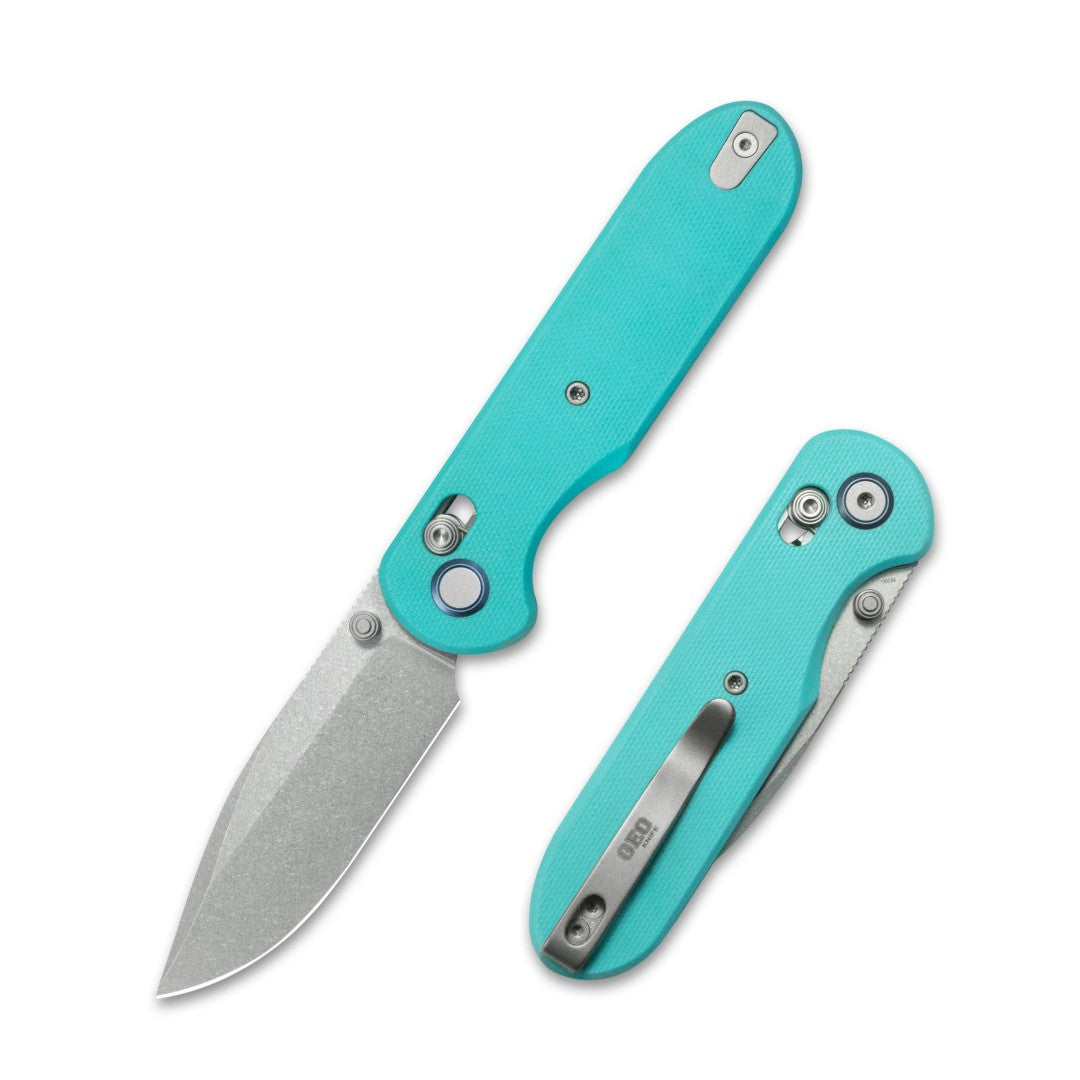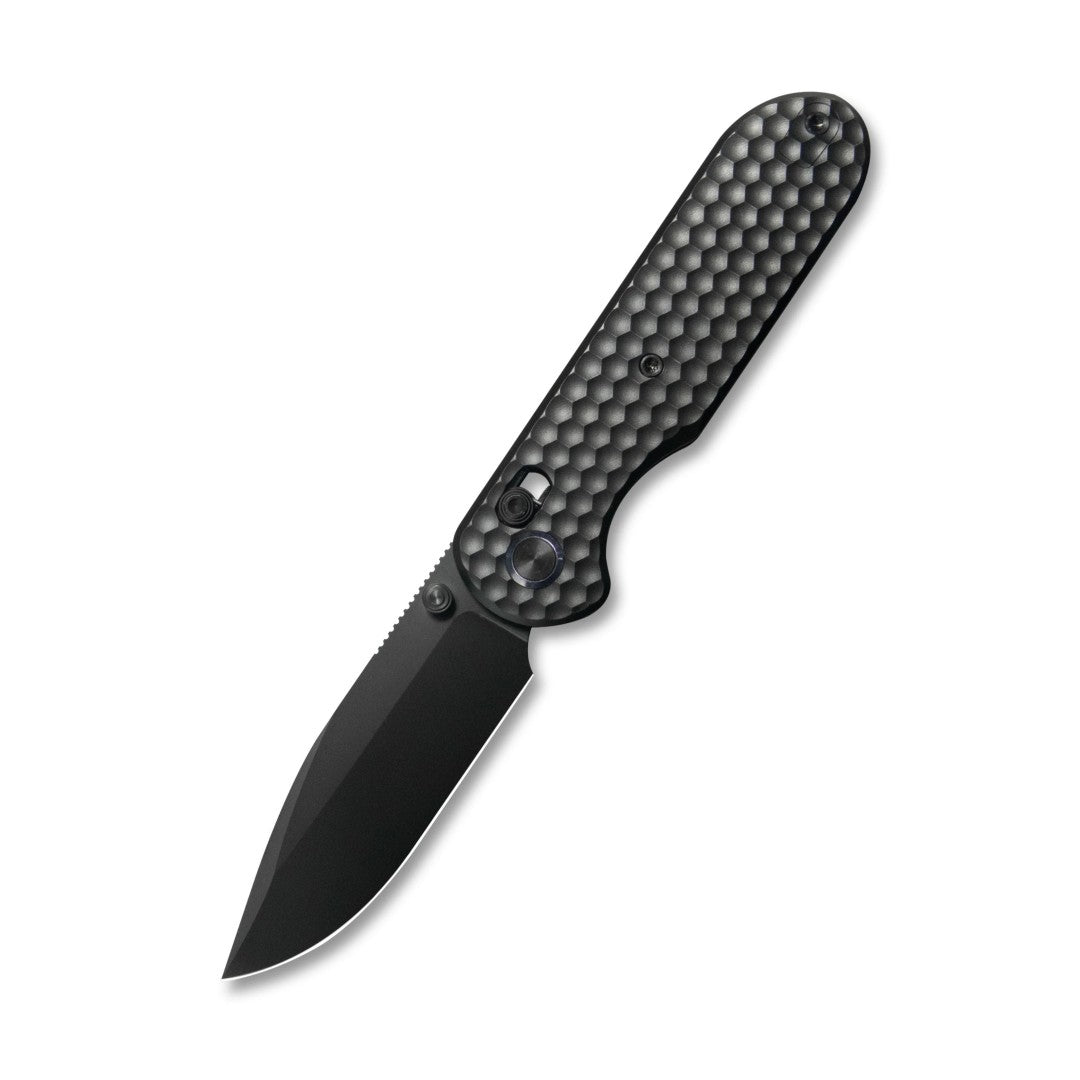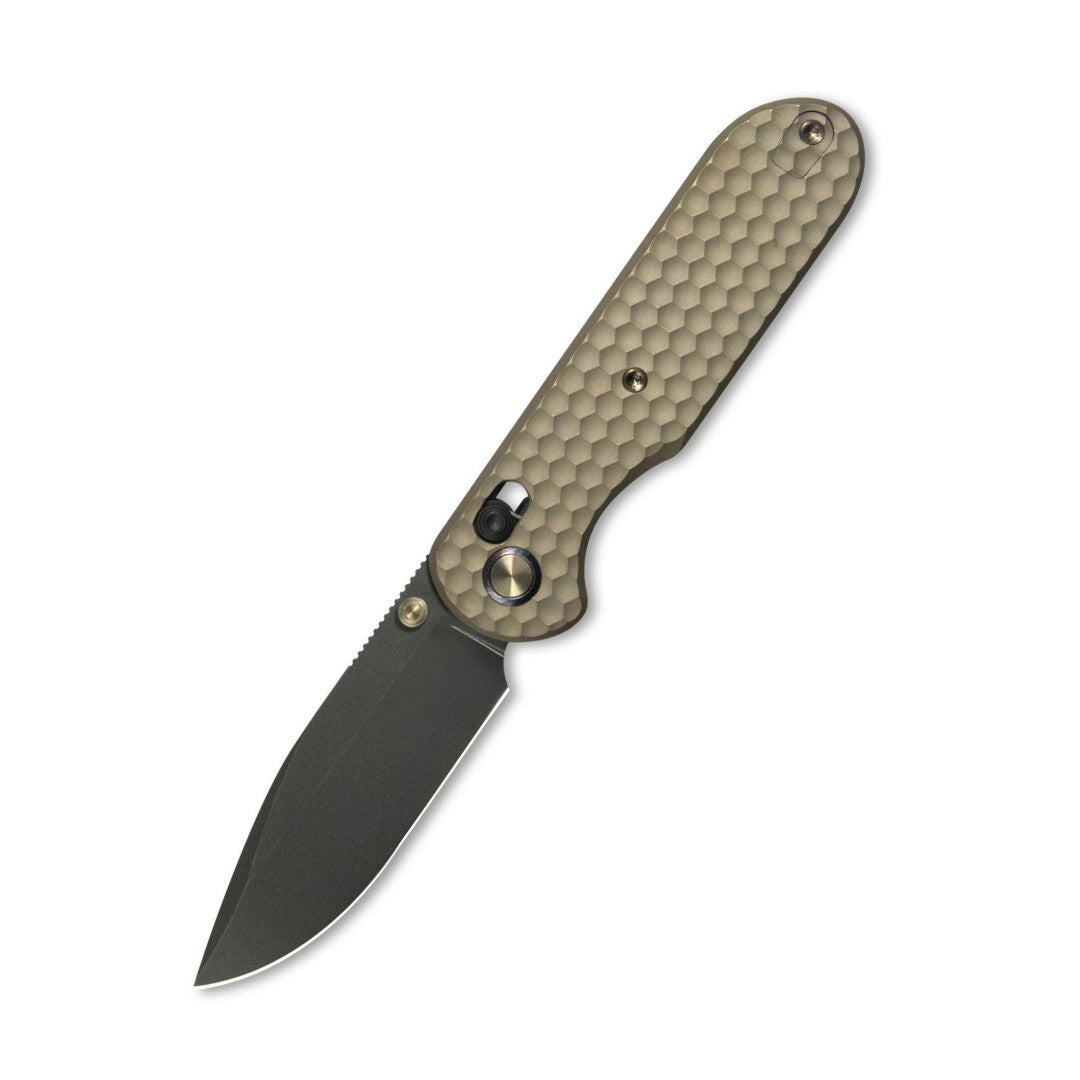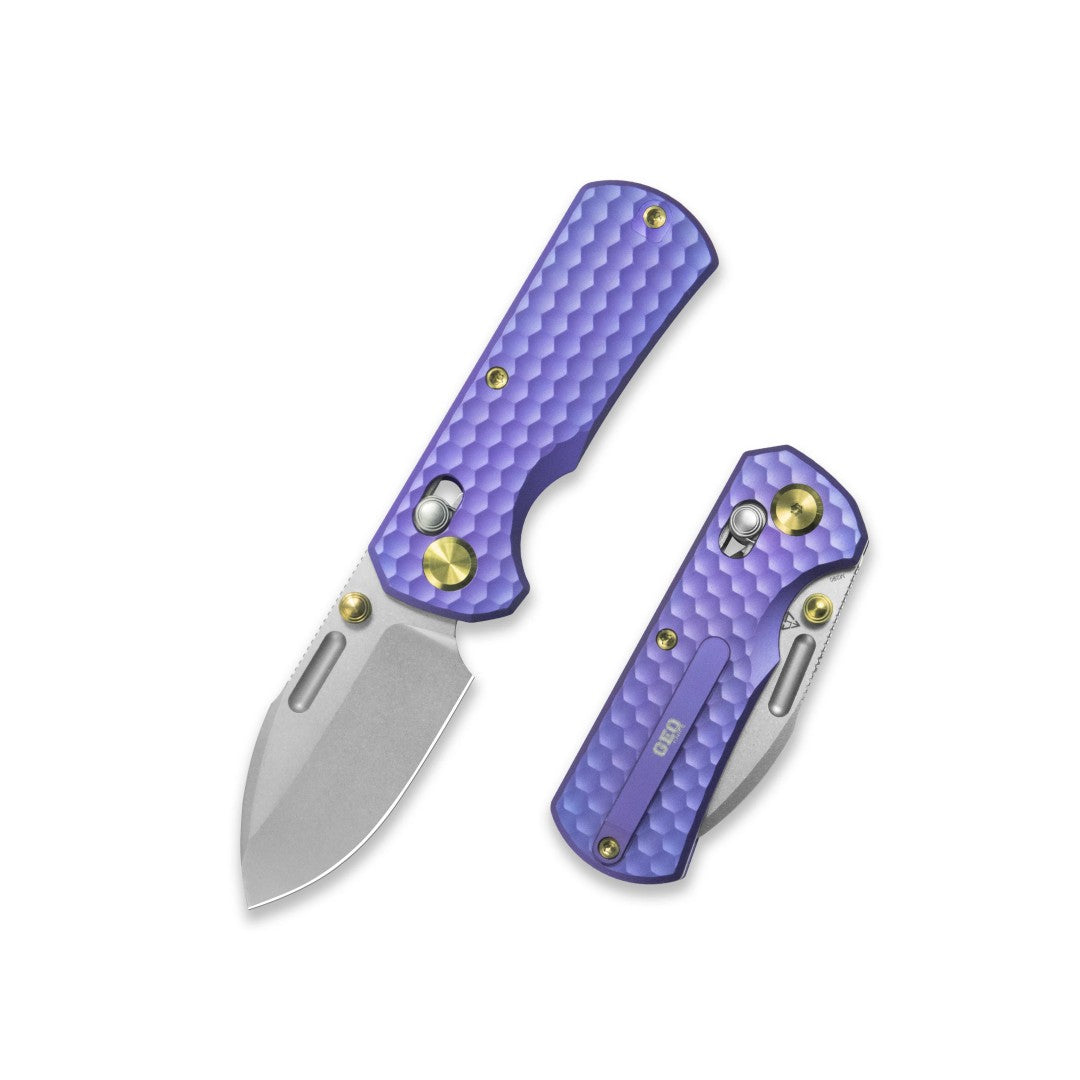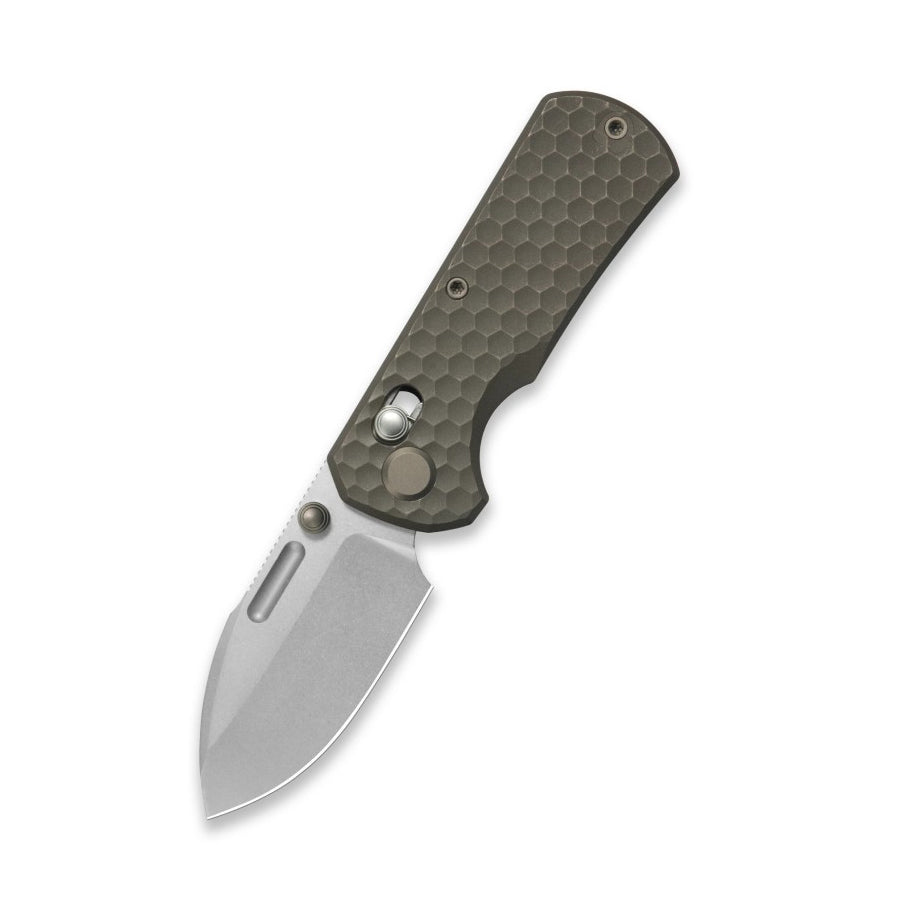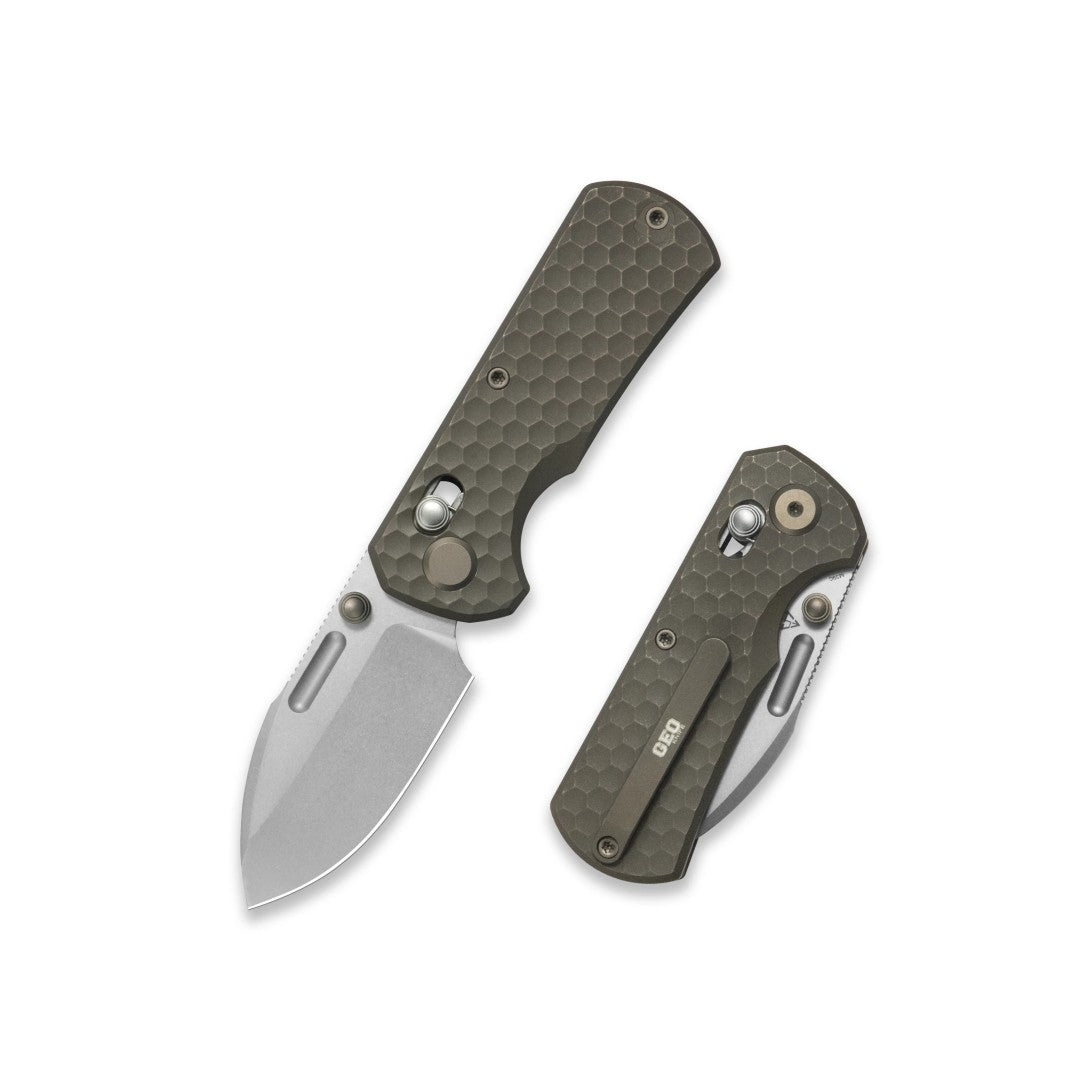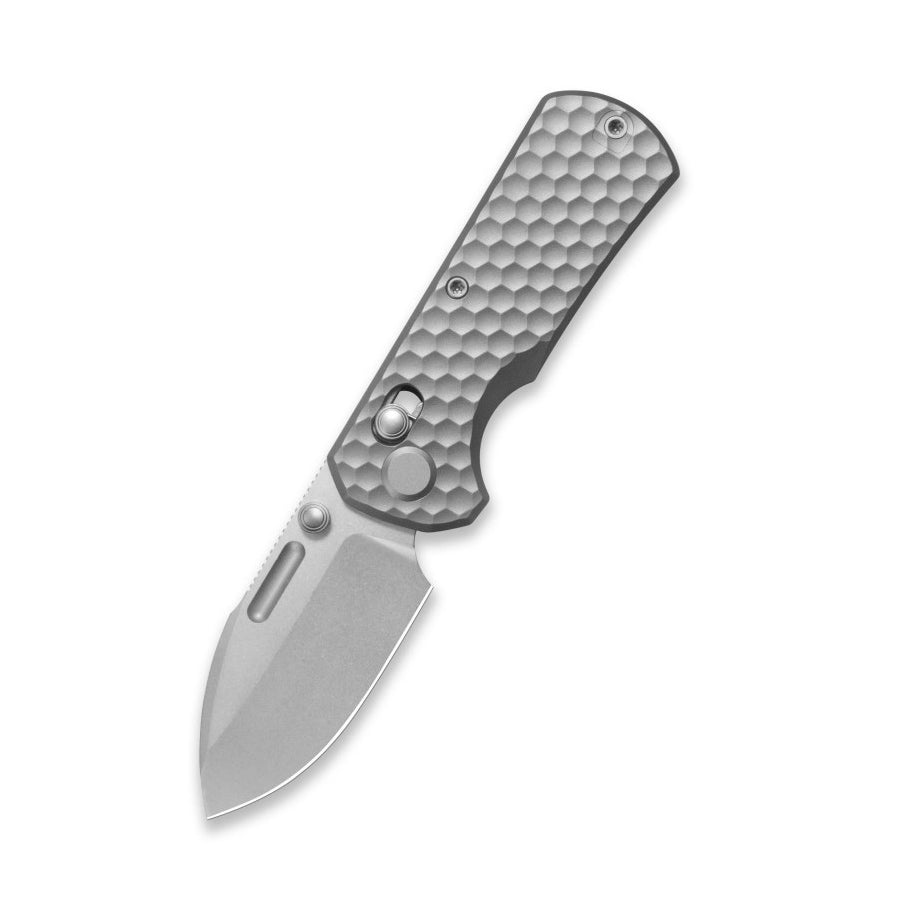
A la hora de elegir entre LC200N y ZDP 189, ambas son opciones de acero excepcionales que cumplen diferentes propósitos y preferencias. Comprender sus características te ayudará a tomar una decisión informada basada en tus necesidades específicas.
Descripción general del LC200N
El LC200N es un acero inoxidable enriquecido con nitrógeno que ofrece una impresionante resistencia a la corrosión combinada con una excelente retención del filo. Este acero es conocido por su capacidad para mantener un filo afilado durante períodos prolongados, a la vez que resiste el óxido y las manchas. Es especialmente valorado por su equilibrio entre tenacidad y rendimiento del filo, lo que lo convierte en una opción versátil para diversas aplicaciones.
El contenido de nitrógeno en el LC200N contribuye a su dureza y resistencia al desgaste sin sacrificar demasiada tenacidad. Esto lo hace indulgente a la hora de afilar y mantener, incluso para usuarios que prefieren rutinas de mantenimiento menos frecuentes.
Descripción general del ZDP 189
El ZDP 189 es un acero inoxidable japonés de primera calidad reconocido por su excepcional retención del filo y dureza. Contiene altos niveles de carbono y vanadio, que contribuyen a su rendimiento de corte superior. Este acero puede mantener un filo por más tiempo que la mayoría de las alternativas, lo que lo hace ideal para aquellos que priorizan la longevidad del filo por encima de todo.
Sin embargo, el ZDP 189 requiere un mantenimiento y una experiencia de afilado más cuidadosos. Es más frágil que algunas alternativas y exige una técnica adecuada para evitar que se astille o se rompa el filo.
Comparación: Retención del filo
El ZDP 189 toma la delantera en la retención del filo, manteniendo la agudeza durante un uso prolongado. El LC200N ofrece una retención del filo respetable que satisface a la mayoría de los usuarios sin requerir el mismo nivel de compromiso de mantenimiento.
Comparación: Resistencia a la corrosión
Ambos aceros ofrecen una fuerte resistencia a la corrosión, pero el contenido de nitrógeno del LC200N proporciona propiedades inoxidables ligeramente más fiables en entornos húmedos o mojados. El ZDP 189 también es resistente a la corrosión, pero requiere un cuidado más atento en condiciones difíciles.
Comparación: Facilidad de mantenimiento
El LC200N es significativamente más fácil de afilar y mantener. Su tenacidad permite técnicas de afilado más indulgentes. El ZDP 189 exige precisión y habilidad al afilar, lo que lo hace más adecuado para usuarios experimentados.
¿Cuál es mejor?
La respuesta depende de tus prioridades. Elige LC200N si valoras la facilidad de mantenimiento, la versatilidad y un perfil de rendimiento equilibrado. Elige ZDP 189 si estás dispuesto a invertir tiempo en un cuidado adecuado y deseas la máxima retención del filo para aplicaciones exigentes.