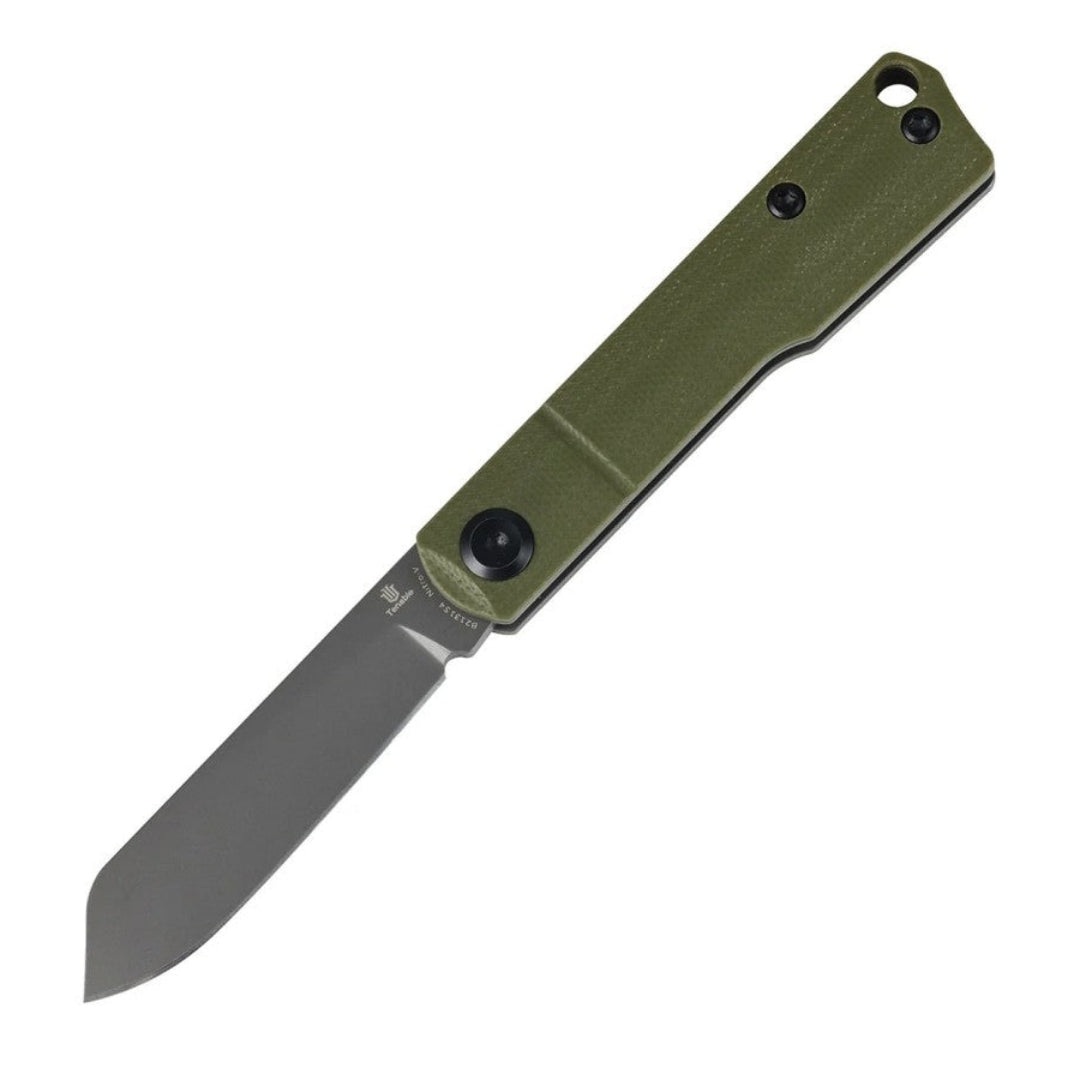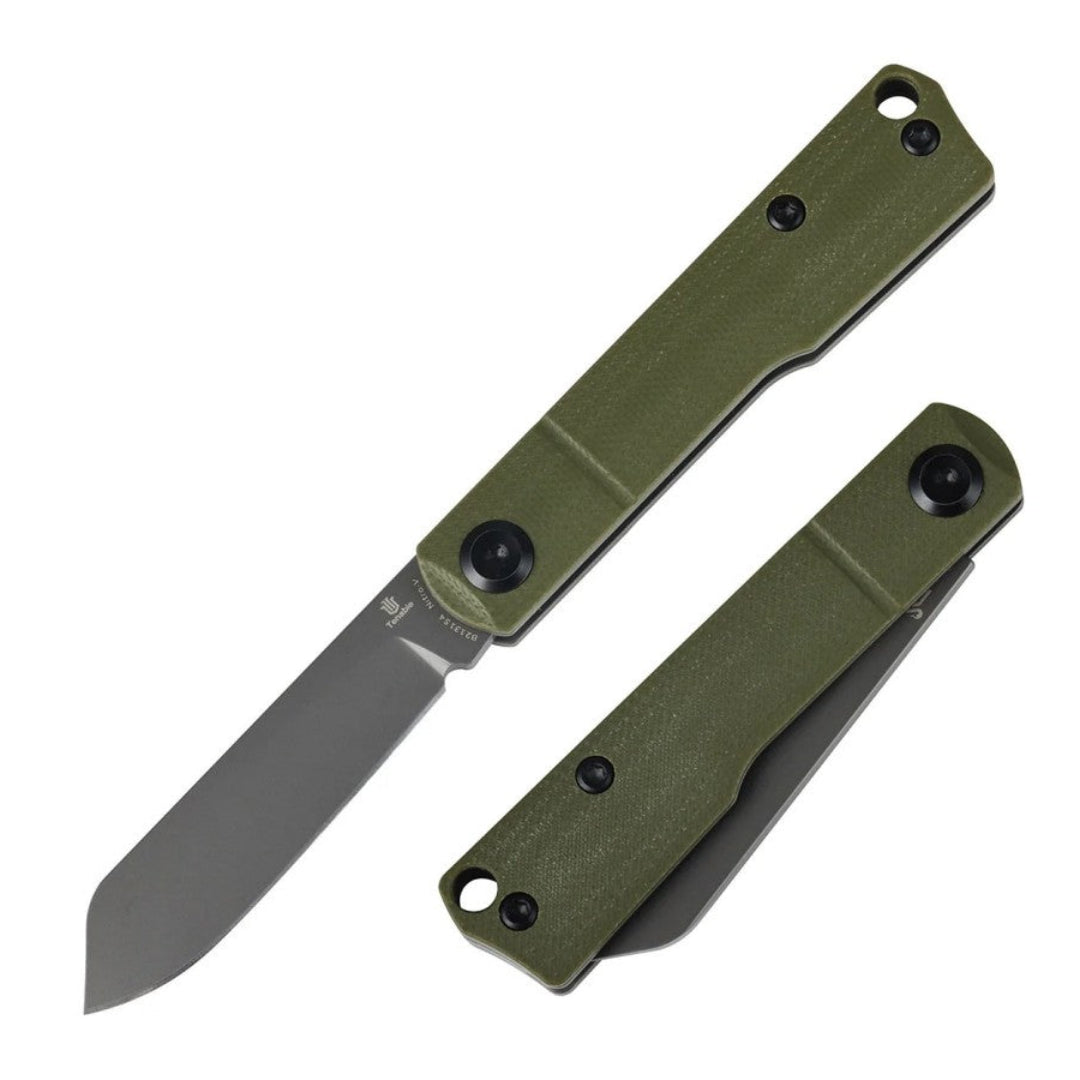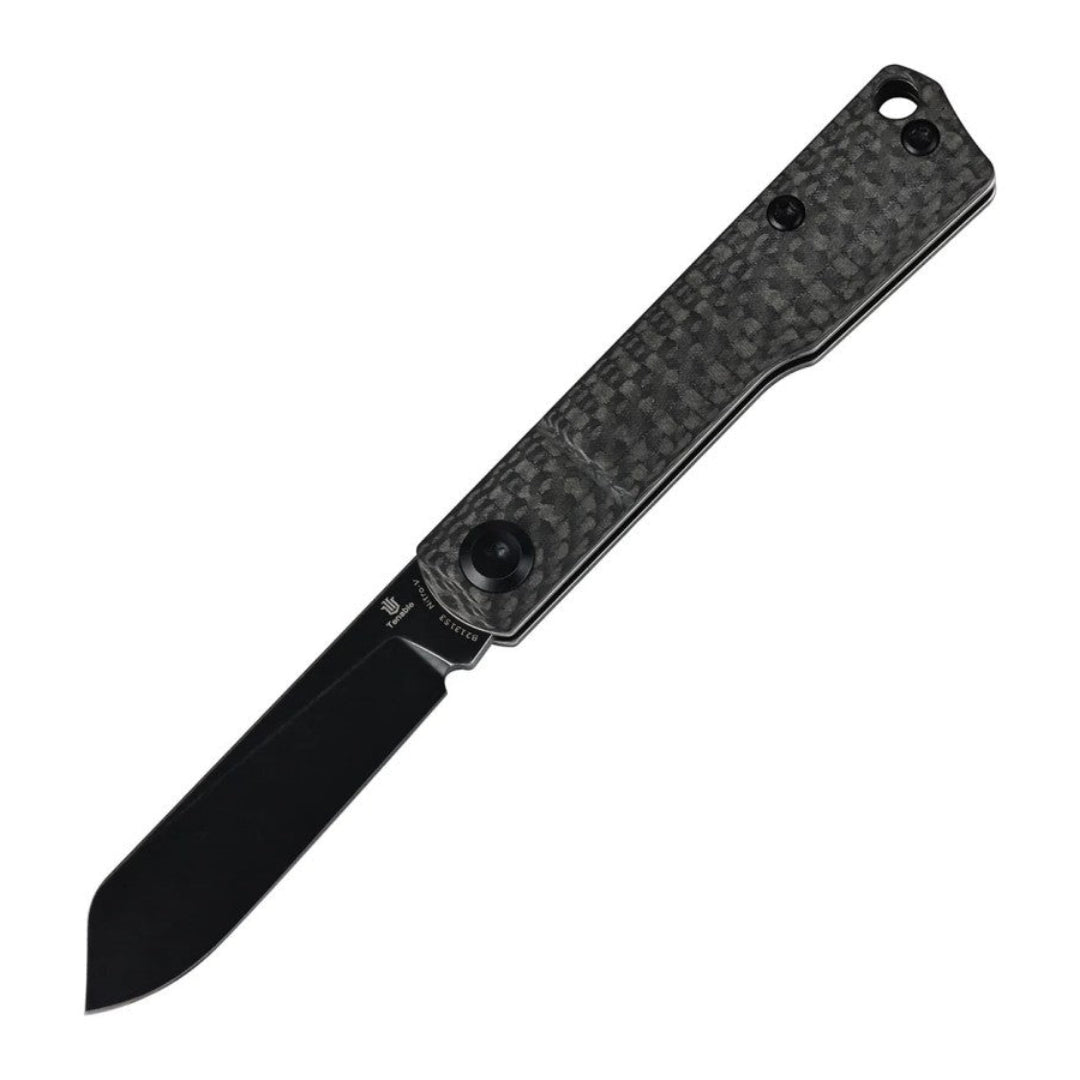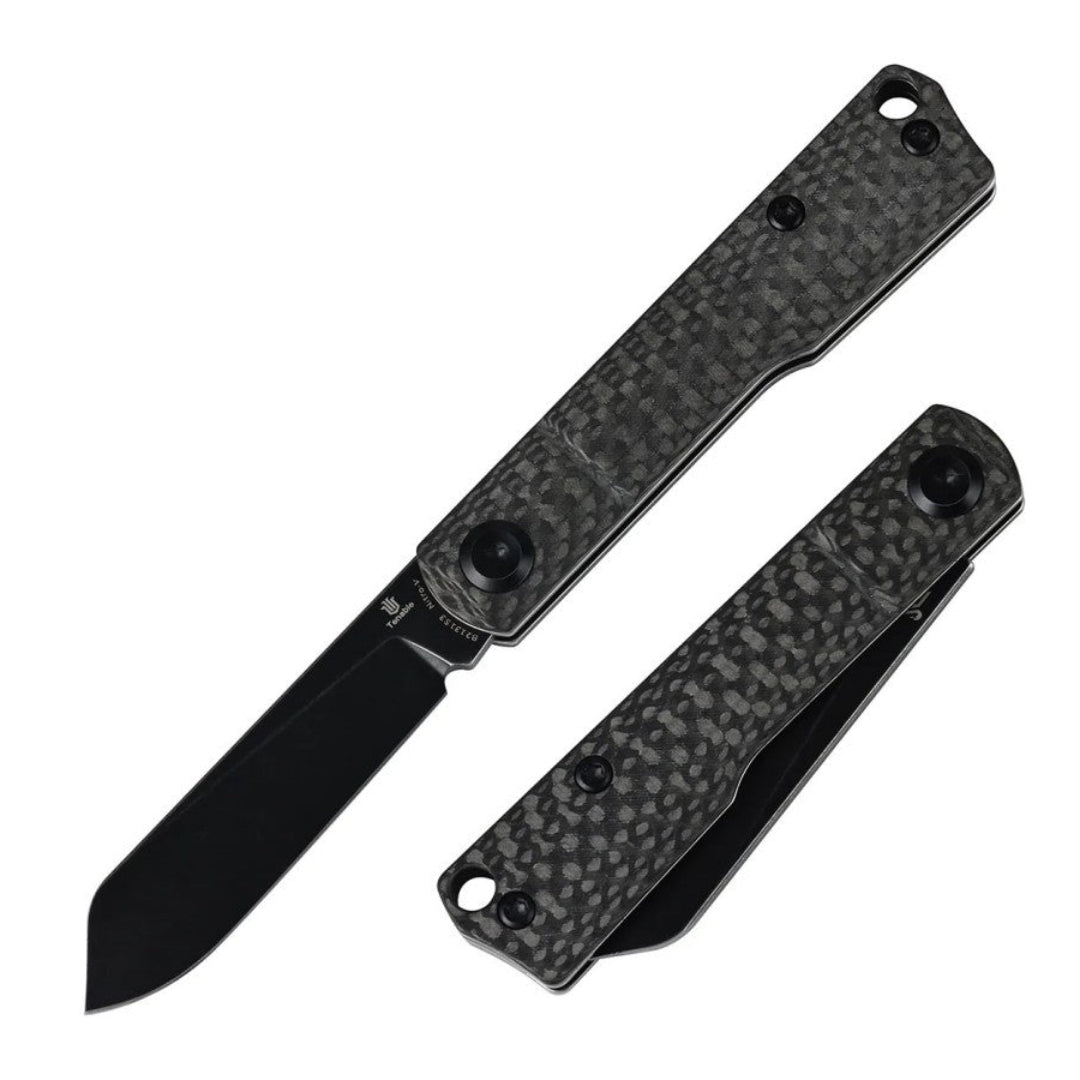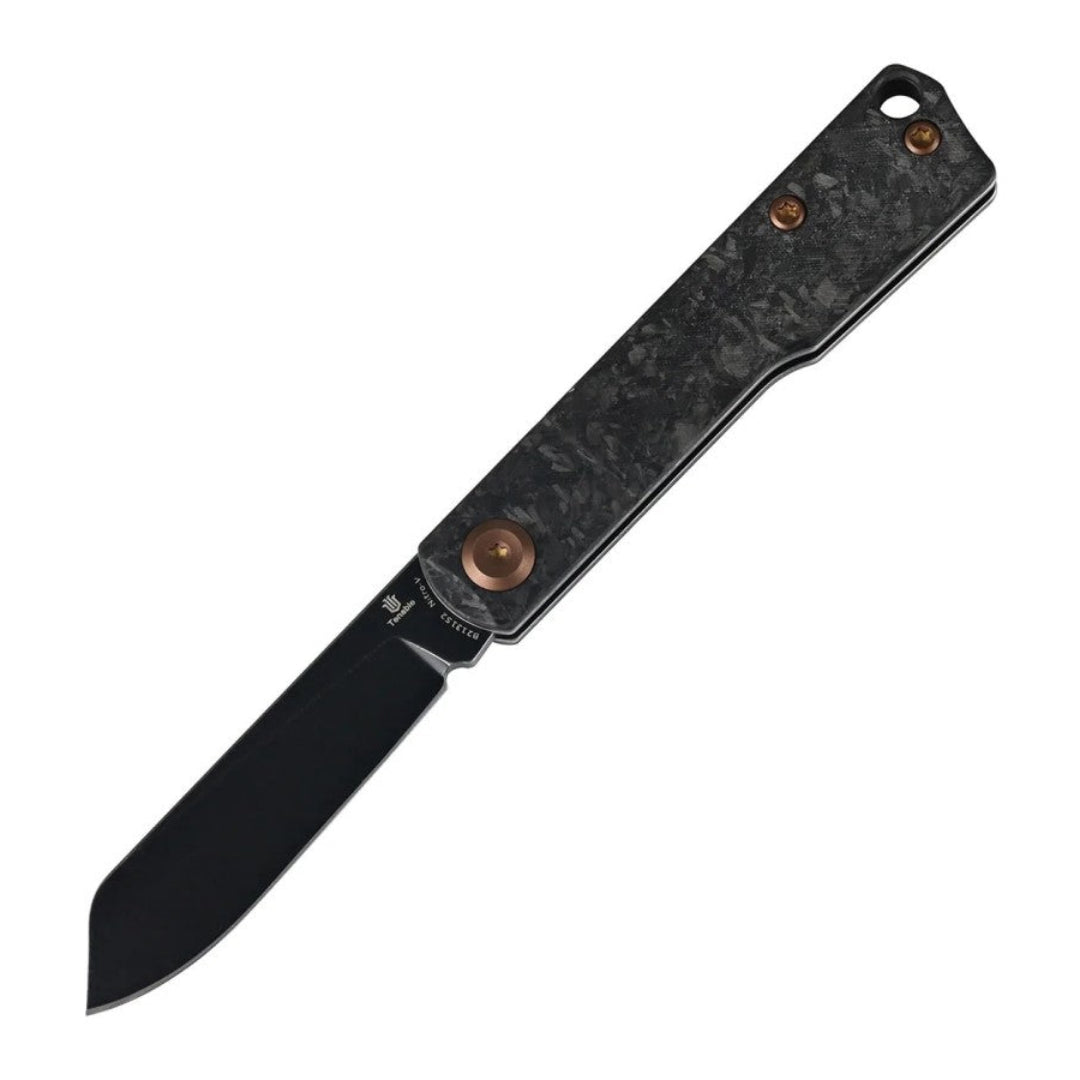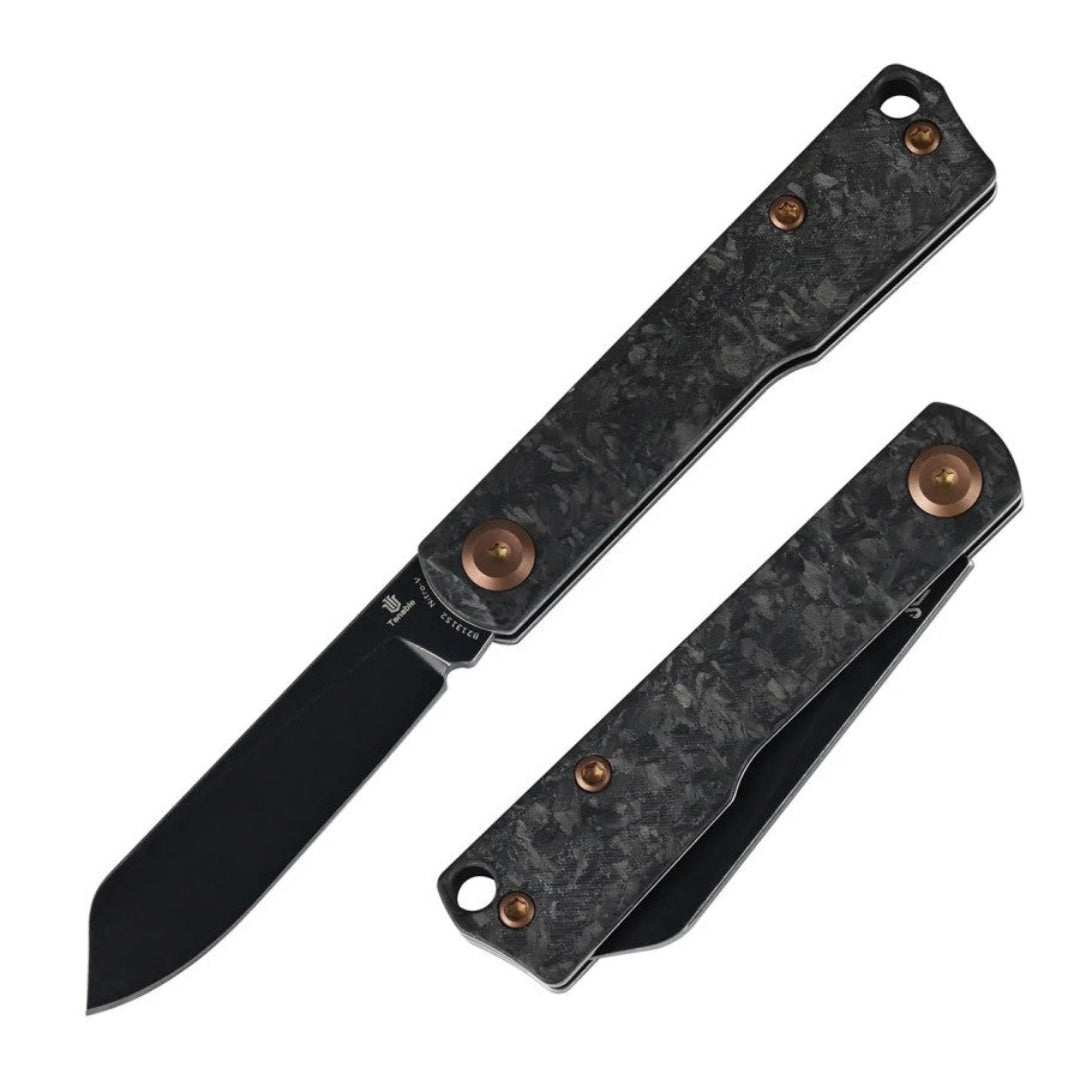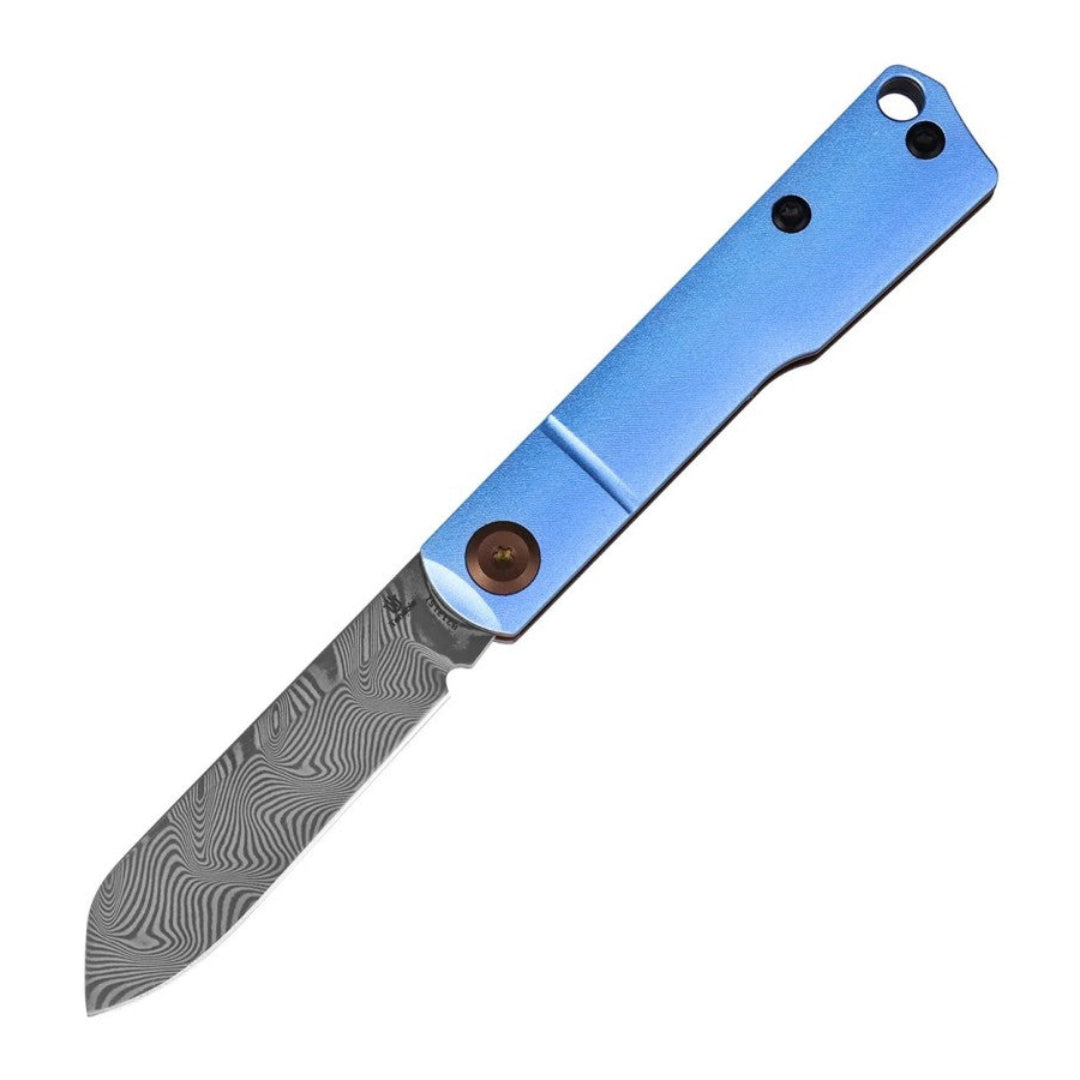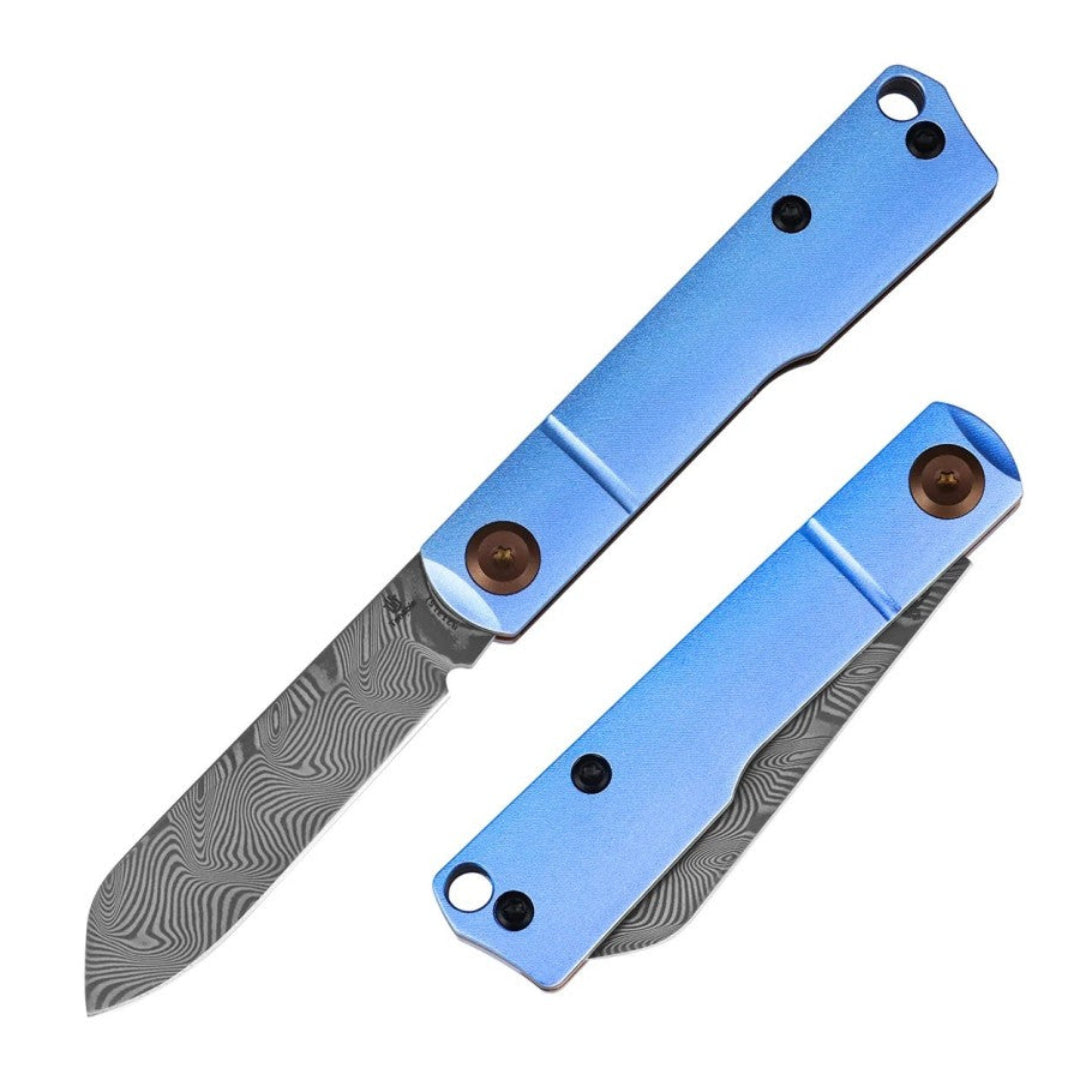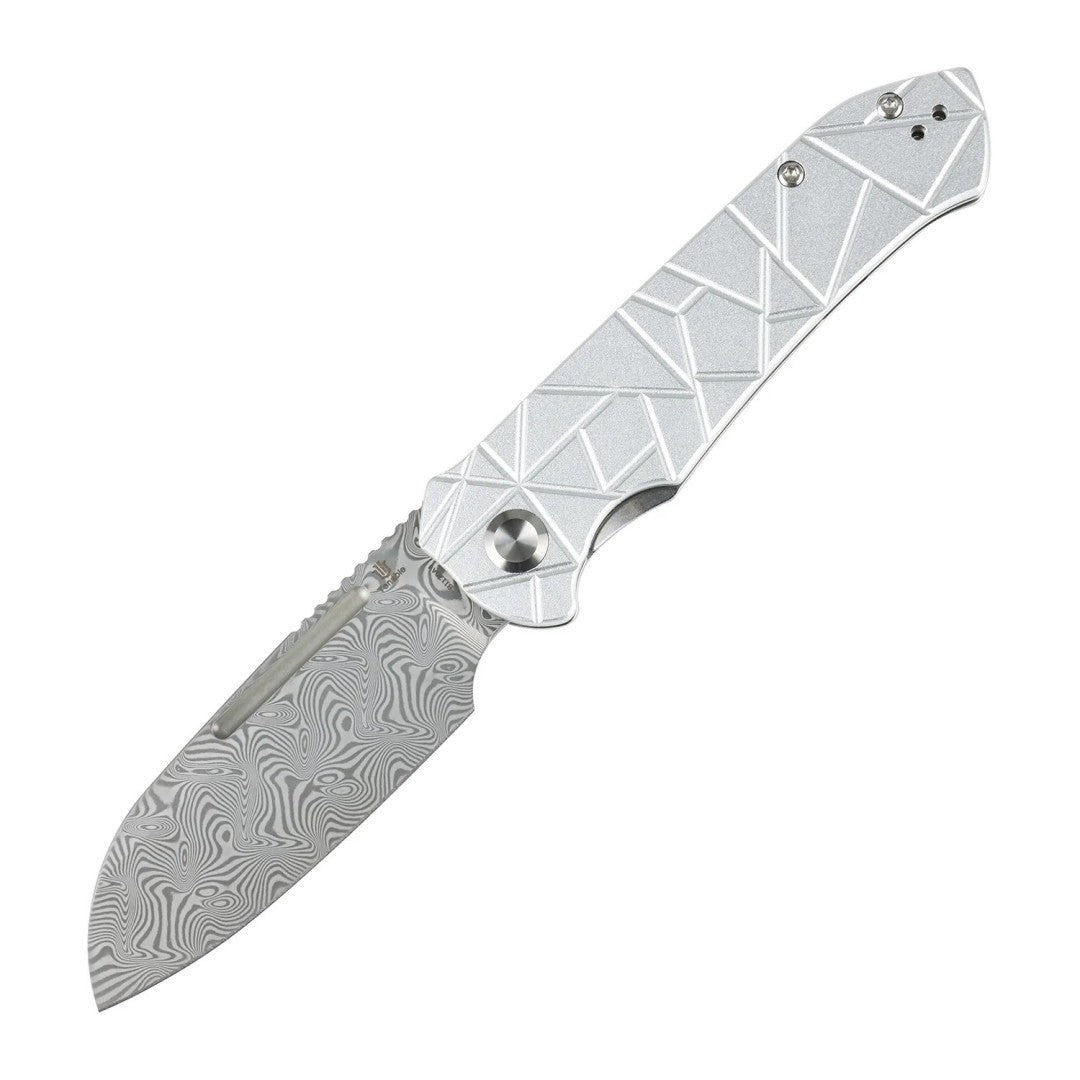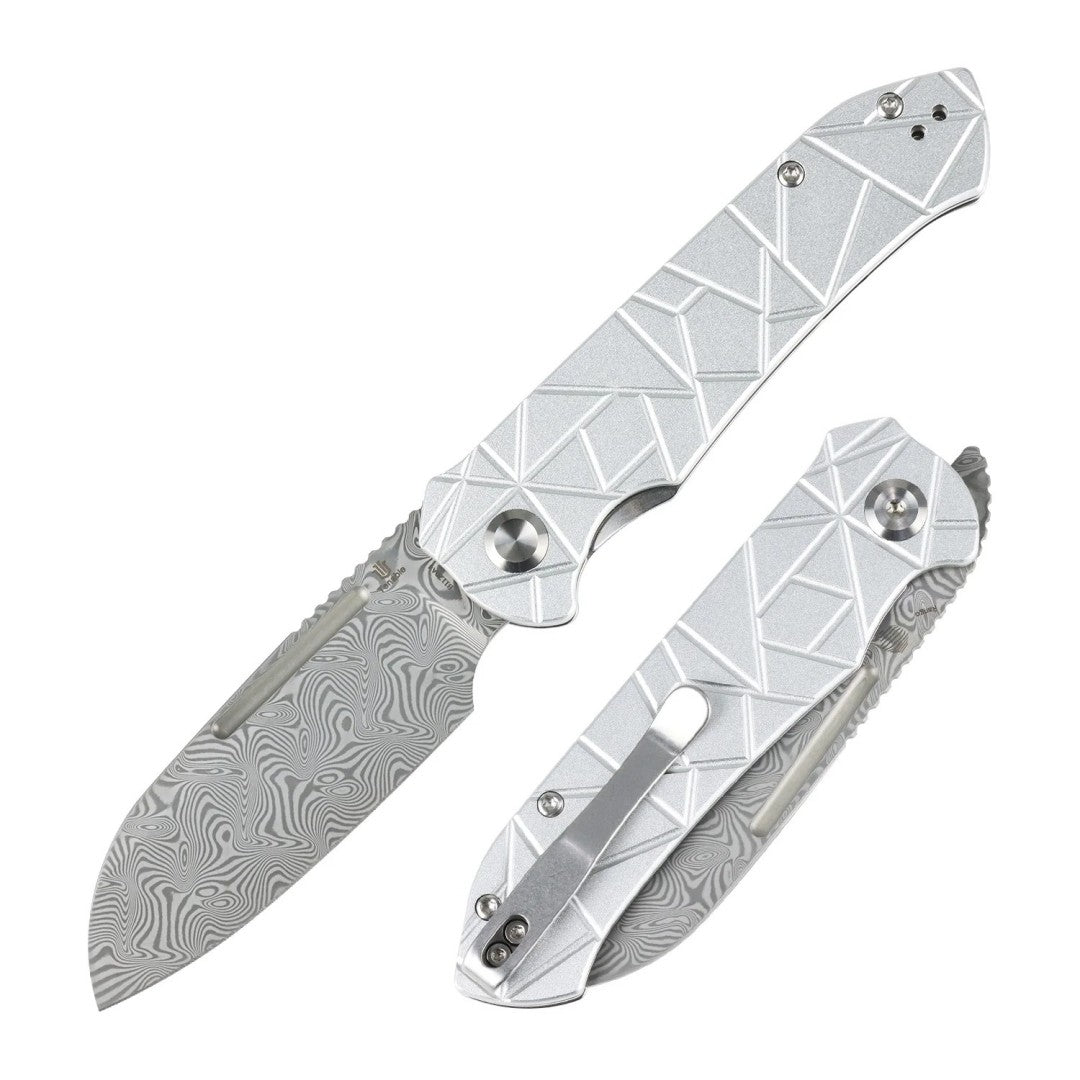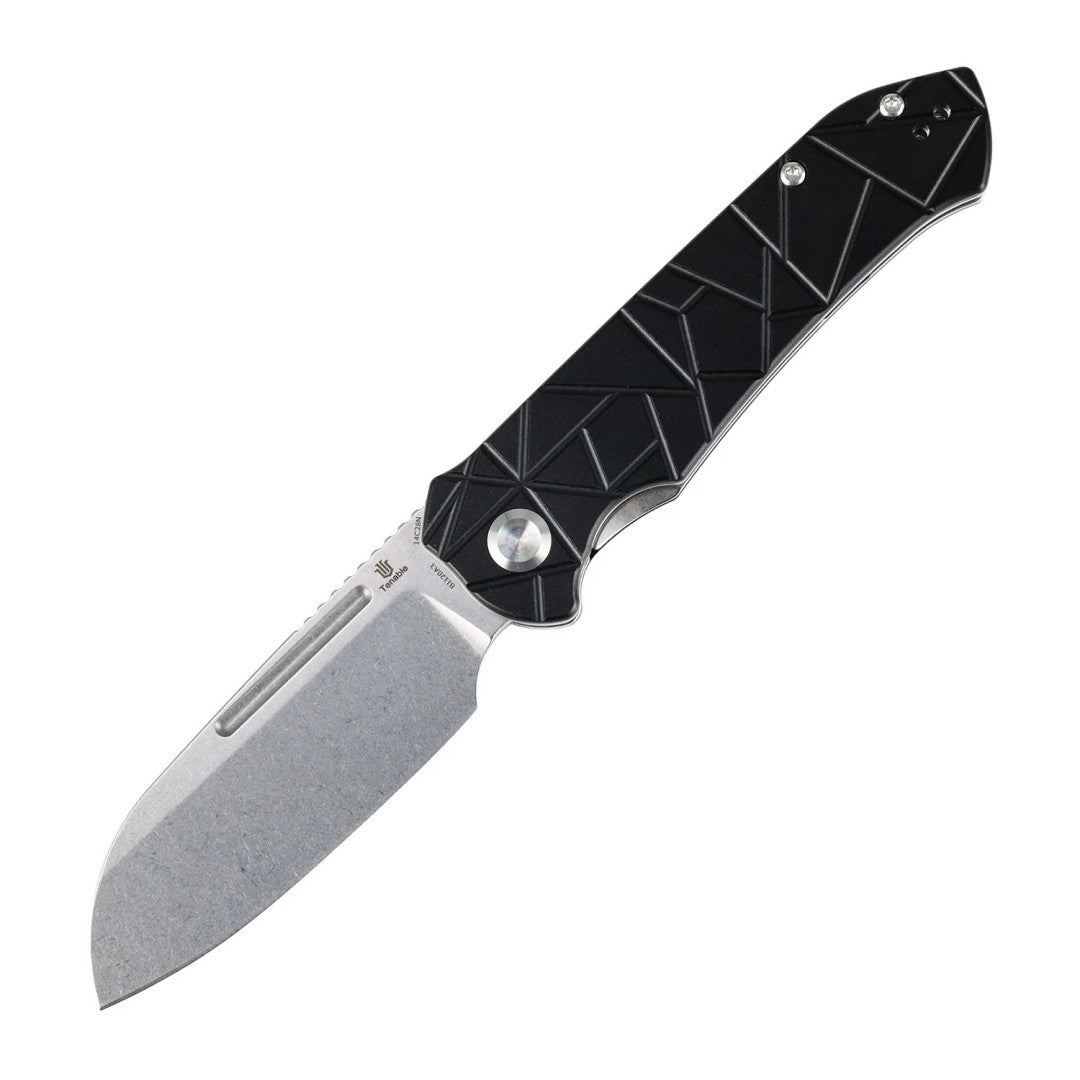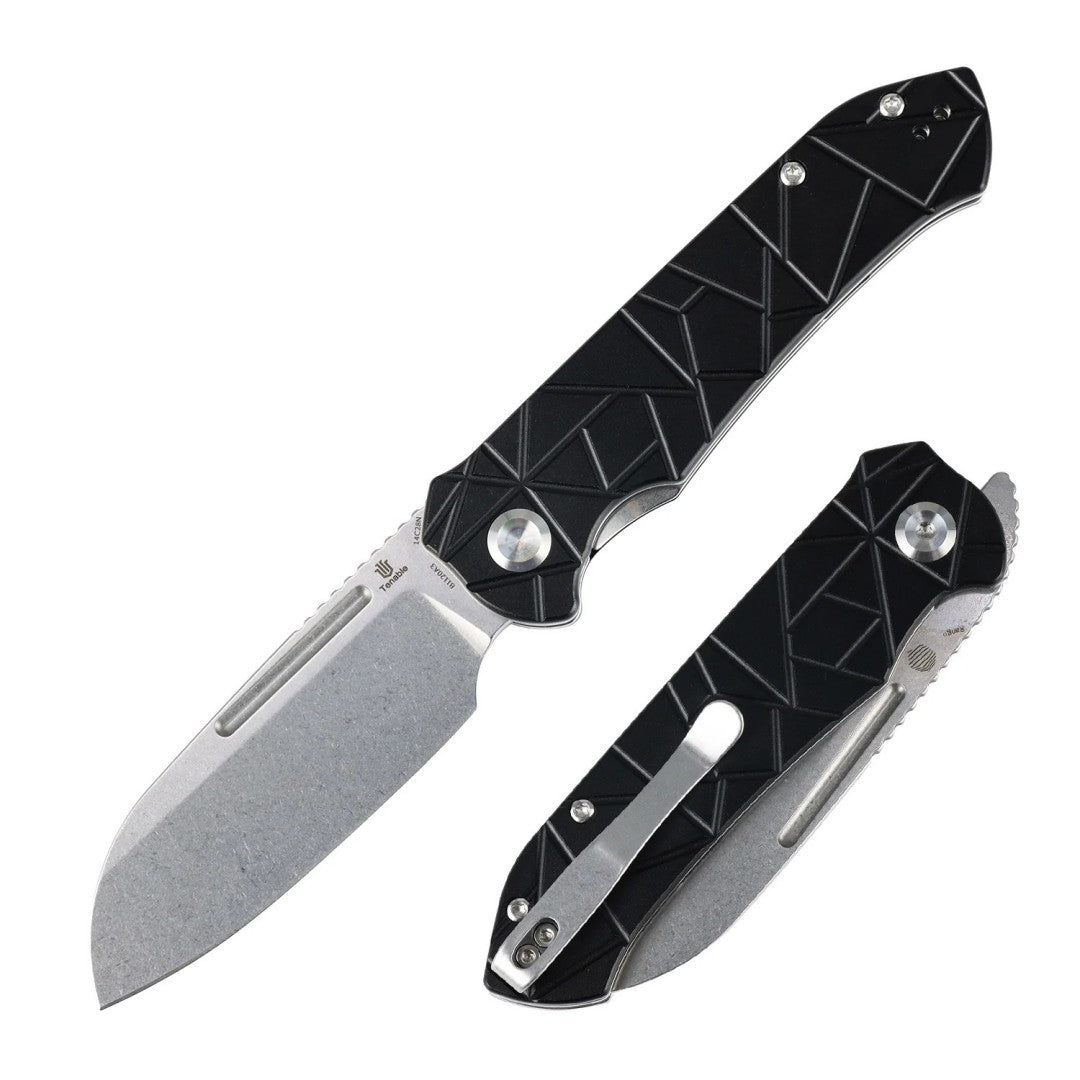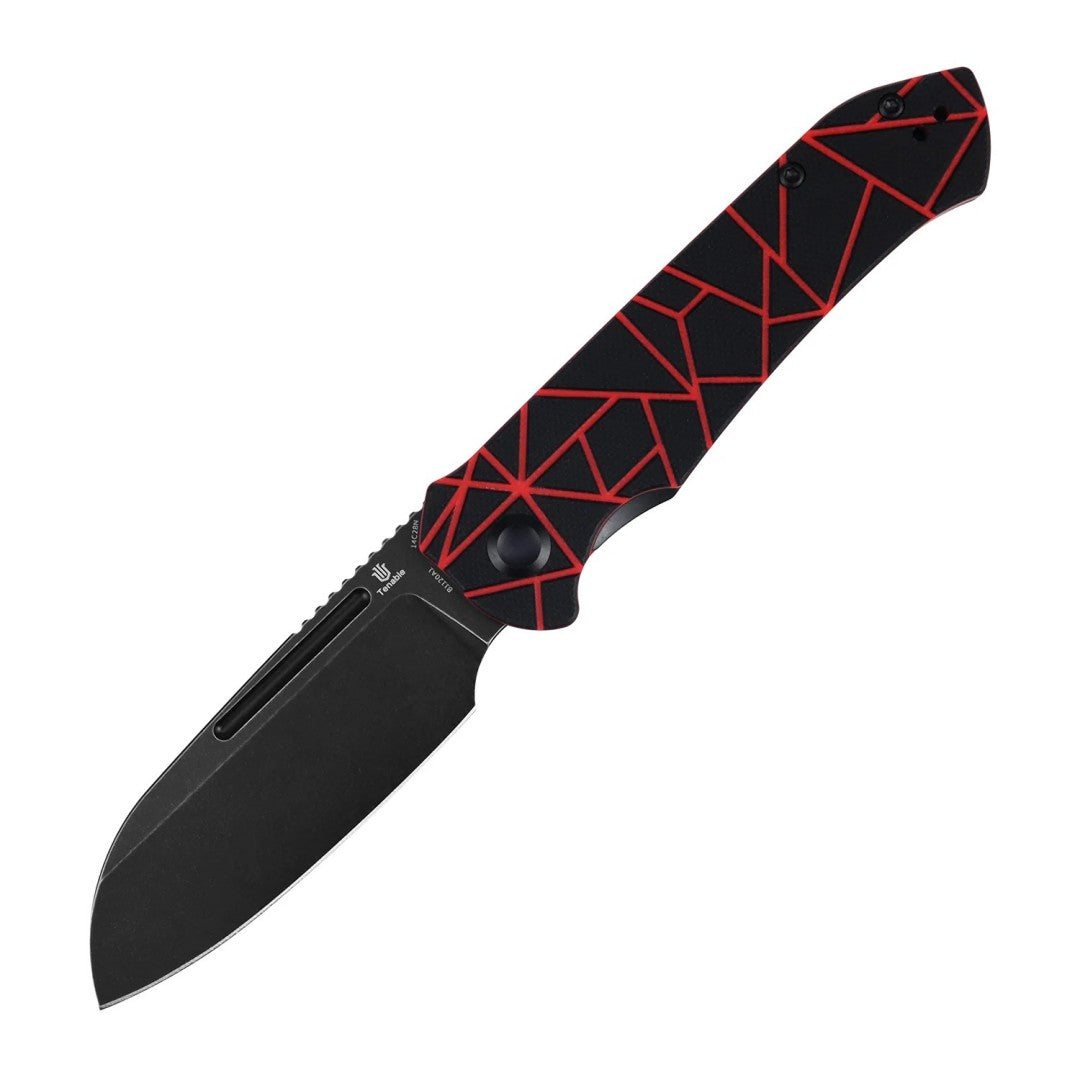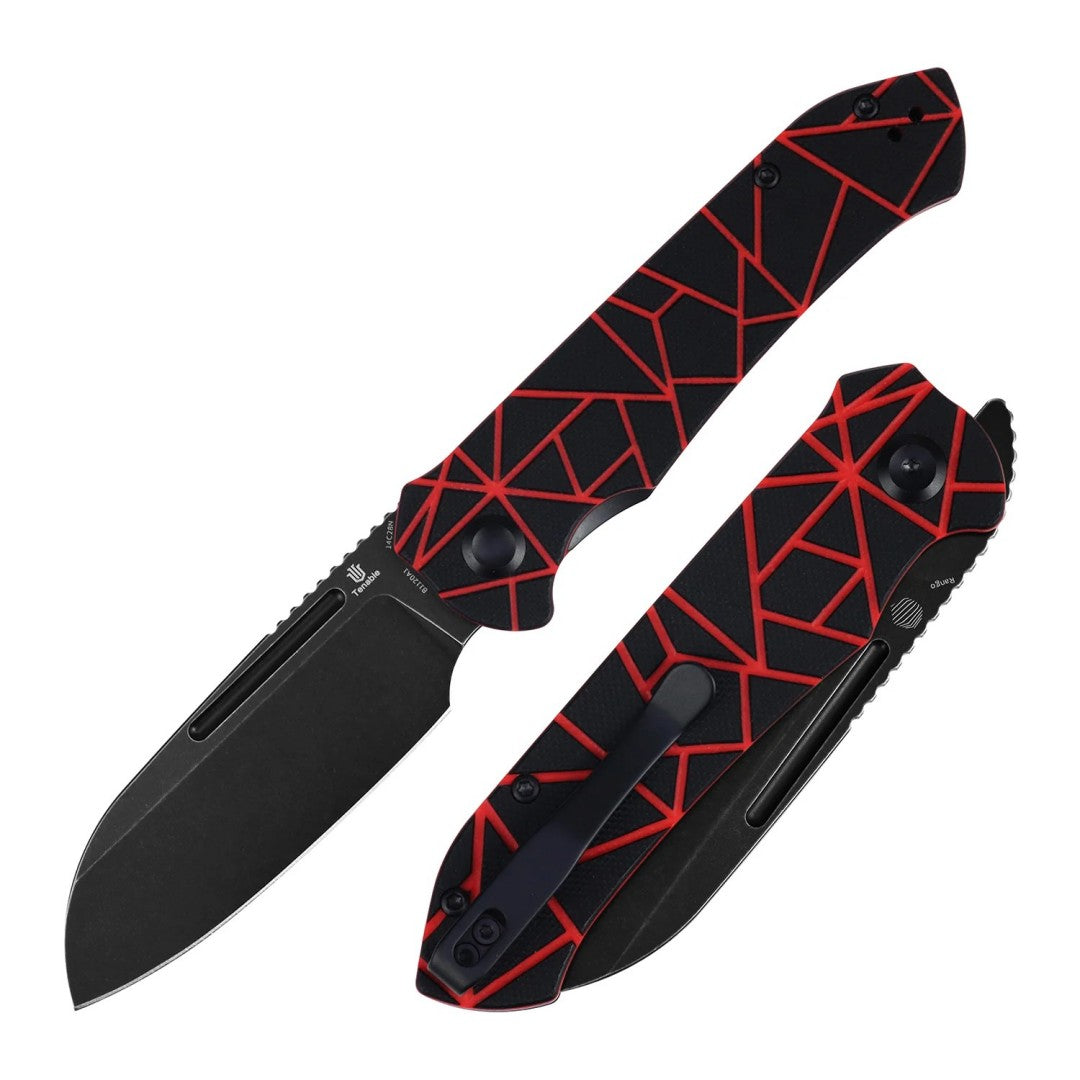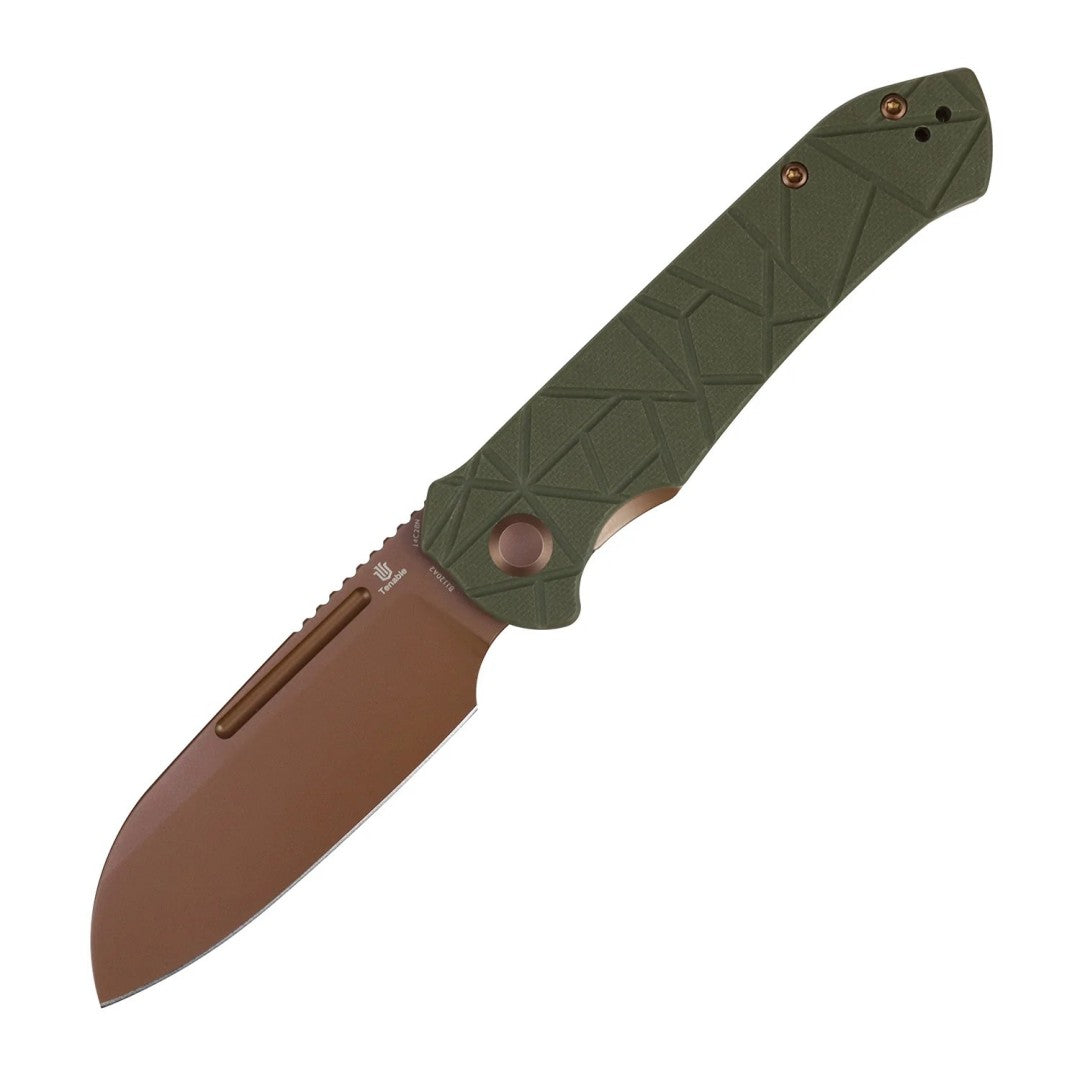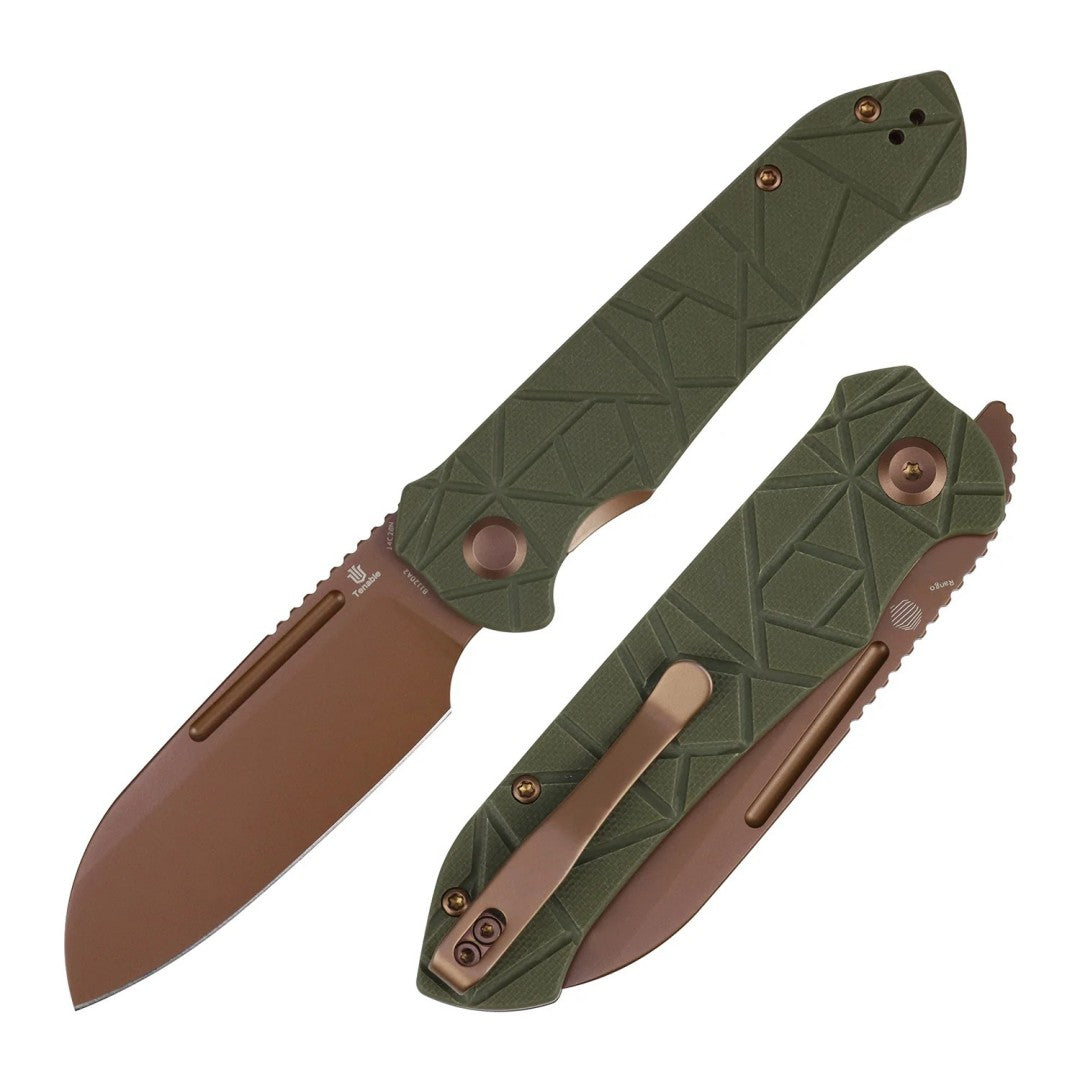
In the evaluation of modern pocket cutlery, aesthetic design and mechanical action often command initial attention, but blade steel performance remains the ultimate test of a knife's enduring value. A folder can boast flawless pivot dynamics and sculpted titanium scales, yet if the cutting edge dulls rapidly under daily utility tasks, its real-world practicality is compromised. The Bestech Nyrrdreki resolves this concern by pairing avant-garde custom styling with one of the most respected super-steels in metallurgical science, establishing an uncompromising standard for modern EDC carry.
Manufactured to exacting tolerances by Bestech in collaboration with celebrated Dutch custom maker Fabian Hobbelen, the Nyrrdreki utilizes an Austrian Böhler M390 microclean powder metallurgy blade, delivering an exceptional balance of edge retention, wear resistance, and corrosion immunity.
The Metallurgy Behind Böhler M390 Microclean
Böhler M390 is widely regarded as a benchmark "super-steel" within premium production cutlery. Developed using third-generation powder metallurgy sintering technology, M390 achieves a fine, uniform carbide distribution that conventional ingot-cast steels cannot replicate.
Alloy Composition and Carbide Structure
The chemical composition of M390 is tailored specifically for high wear resistance and corrosion resistance:
-
High Carbon Content (1.9%): Provides the foundational hardness necessary to support a keen cutting apex and achieve a Rockwell hardness rating of 60–61 HRC.
-
Elevated Chromium (20.0%): Ensures outstanding corrosion resistance by forming a passive chromium oxide surface layer, protecting the blade against sweat, moisture, and acidic food juices.
-
Vanadium (4.0%) & Molybdenum (1.0%): Forms an abundance of ultra-hard vanadium carbides dispersed uniformly throughout the matrix, directly driving the alloy's abrasive wear resistance.
-
Tungsten (0.6%): Enhances heat treatment stability and secondary hardness retention without compromising grain refinement.
Real-World Edge Retention and Wear Resistance
Edge degradation occurs primarily through abrasive wear (cutting friction eroding steel particles) and micro-chipping (brittle failure along the sharpened apex). The Nyrrdreki’s heat treatment and grain structure tackle both mechanisms effectively.
Abrasive Cutting Longevity
When slicing through abrasive media—such as corrugated shipping boxes loaded with recycled clay fillers, heavy cardboard tubes, or dense fibrous rope—standard steels like D2 or 14C28N experience rapid micro-dulling. The vanadium carbides in M390 act like microscopic armor plating along the cutting edge. This allows the Nyrrdreki to maintain working sharpness through extended cardboard breakdown sessions without developing flat spots or rolled edges.
Micro-Chipping Resistance at 60–61 HRC
Bestech targets an optimal hardness range of 60–61 HRC for the Nyrrdreki. This heat-treatment protocol avoids the extreme brittleness associated with pushing steels past 62 HRC, providing sufficient toughness to resist edge fracture when tackling dense plastic zip-ties, thick leather, or heavy-duty packaging straps.
 Slicing Geometry: The Synergy of M390 and Hollow Grinds
High-end metallurgy is only as effective as the blade grind behind it. A thick, blunt geometry wedges into materials, placing unnecessary stress on the apex regardless of steel quality.
Thin-Behind-the-Edge Architecture
Although the Nyrrdreki features a substantial 0.16-inch (4.0 mm) spine for lateral structural strength, Fabian Hobbelen implemented a deep, sweeping hollow grind across the 3.08-inch blade. This grind removes excess mass and creates a remarkably thin profile directly behind the sharpened edge.
-
Friction Reduction: Concave blade bevels minimize surface contact with the cut material, eliminating drag during deep pull-cuts.
-
Slicing Leverage: The slight belly along the edge focuses downward pressure at a concentrated contact point, allowing the M390 steel to slice cleanly rather than tearing through fibrous media.
Steel Comparison & Performance Matrix
The following table compares the metallurgical properties and performance benchmarks of Böhler M390 against other prominent pocket knife steels:
| Steel Grade | Edge Retention Benchmark | Corrosion Resistance | Toughness Profile | Recommended Application |
| Böhler M390 | Exceptional (Very High) | Outstanding | High | Premium daily carry, abrasive cutting |
| CPM-S35VN | High | Very Good | Very High | Heavy-duty utility, balanced use |
| CPM-20CV | Exceptional (Very High) | Outstanding | High | Premium daily carry, slicing tasks |
| D2 Tool Steel | Moderate to High | Low (Semi-Stainless) | Moderate | Budget utility, dry environments |
| 14C28N | Moderate | High | Exceptionally High | Easy field sharpening, light utility |
Mechanical Stability Supporting Edge Life
A cutting edge lasts significantly longer when the blade is supported by a rigid, play-free chassis. Any lateral deflection or lock instability during heavy push-cuts introduces micro-torsion along the apex, accelerating edge fatigue.
The Nyrrdreki incorporates a hybrid lock architecture that fuses the safety of a modern Button Lock with the structural integrity of a reinforced Frame Lock.
-
Hardened Lockbar Insert: A replaceable steel insert locks against the M390 blade tang, ensuring zero vertical or horizontal blade movement under heavy load.
-
Caged Ceramic Pivot: Ceramic bearings rolling on hardened steel race washers keep the blade strictly centered, preventing uneven edge contact or blade wobble during high-pressure cuts.
Technical Specifications Summary
| Specification Parameter | Dimension / Metric |
| Blade Steel | Austrian Böhler M390 Microclean |
| Hardness Rating | 60–61 HRC |
| Blade Grind | Performance Deep Hollow Grind |
| Blade Length | 3.08 in (78.4 mm) |
| Blade Thickness | 0.16 in (4.0 mm) |
| Overall Length | 7.04 in (178.9 mm) |
| Chassis Material | TC4 Grade 5 Titanium |
| Locking Mechanism | Button-Actuated Bolster / Frame Lock |
 Maintaining the M390 Edge
Because M390 possesses exceptional wear resistance, preserving its factory sharpness requires minimal but deliberate maintenance:
-
Regular Leather Stropping: Stropping the hollow-ground edge on a leather strop loaded with 1.0 or 0.5-micron diamond compound every few days will realign the micro-carbides and restore a shaving-sharp edge without removing valuable steel.
-
Guided Diamond Abrasives: When a full sharpening session is eventually needed, diamond or CBN sharpening stones are recommended over standard aluminum oxide stones to cleanly cut the hard vanadium carbides.
The Bestech Nyrrdreki demonstrates how high-performance powder metallurgy elevates an already striking custom design into an enduring, reliable cutting companion. By pairing Böhler M390 steel with a deep hollow grind and a rock-solid titanium chassis, it delivers superior edge retention and cutting performance across every everyday task.