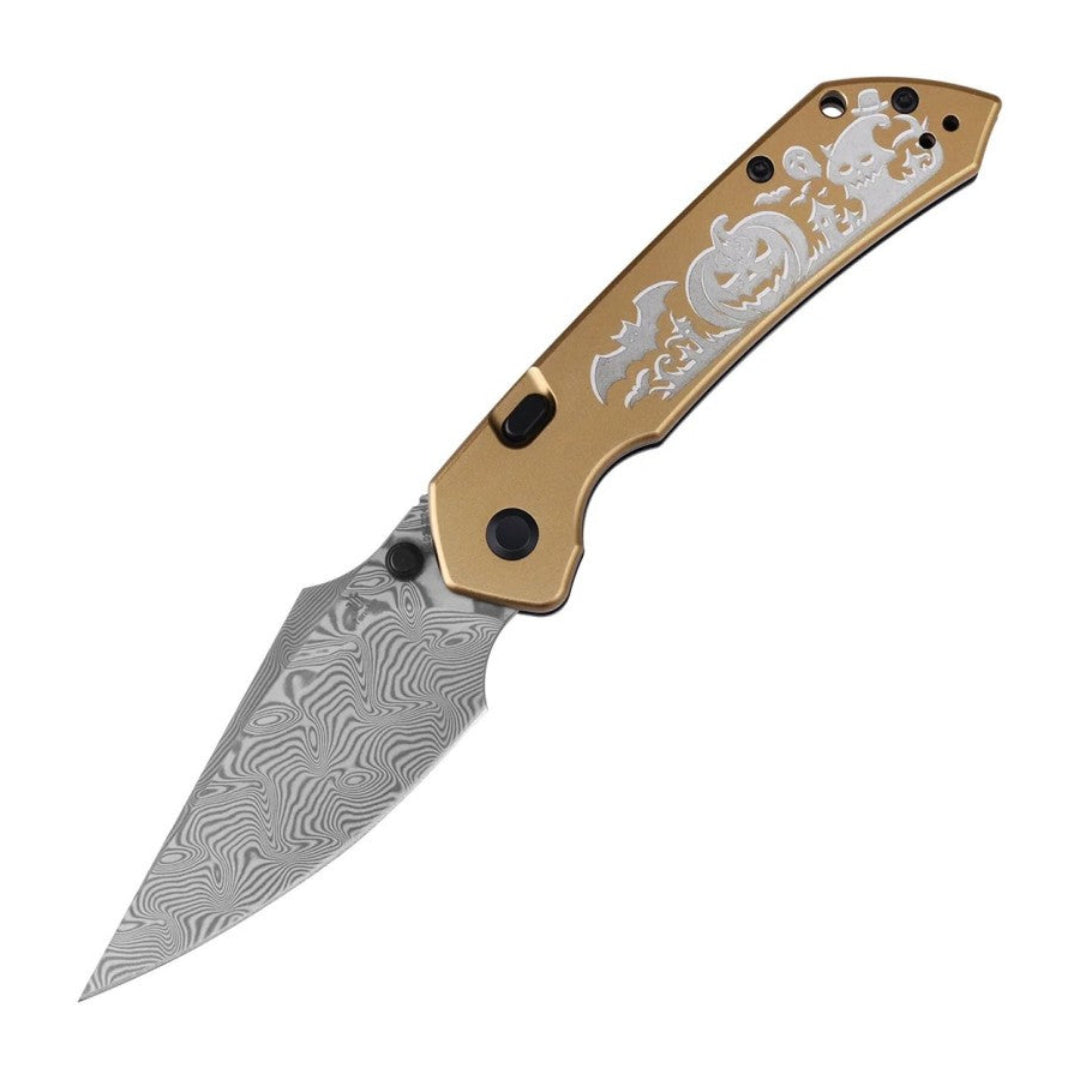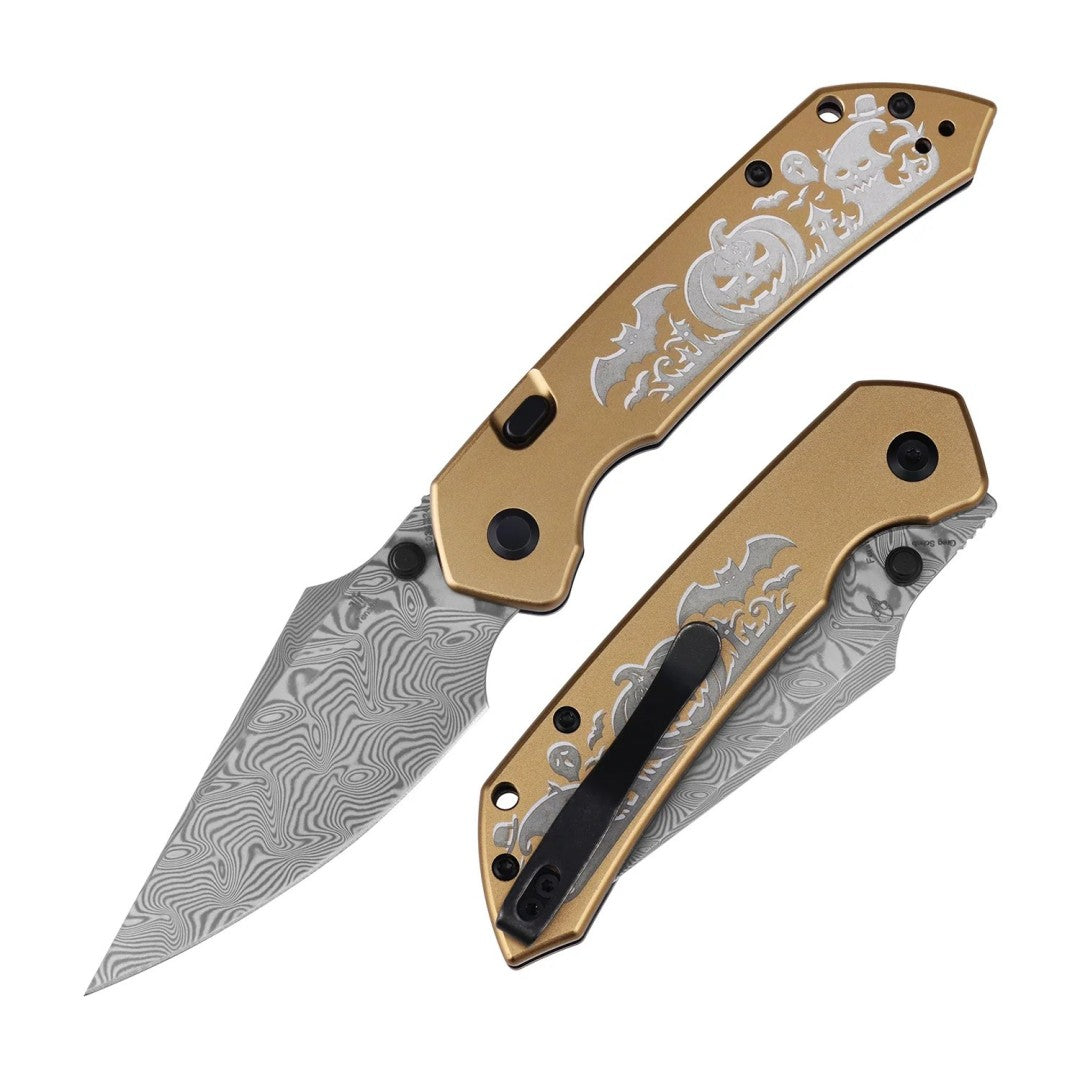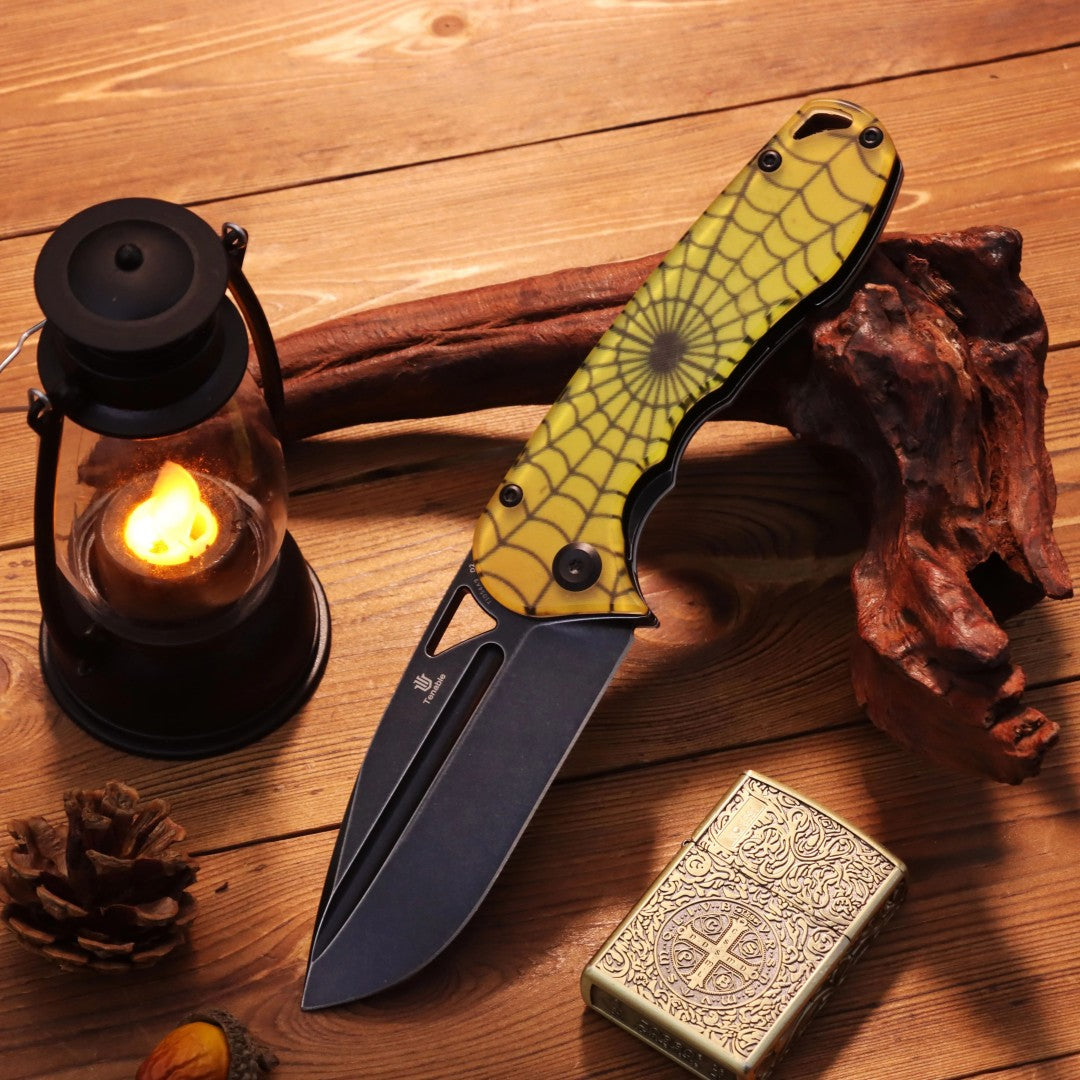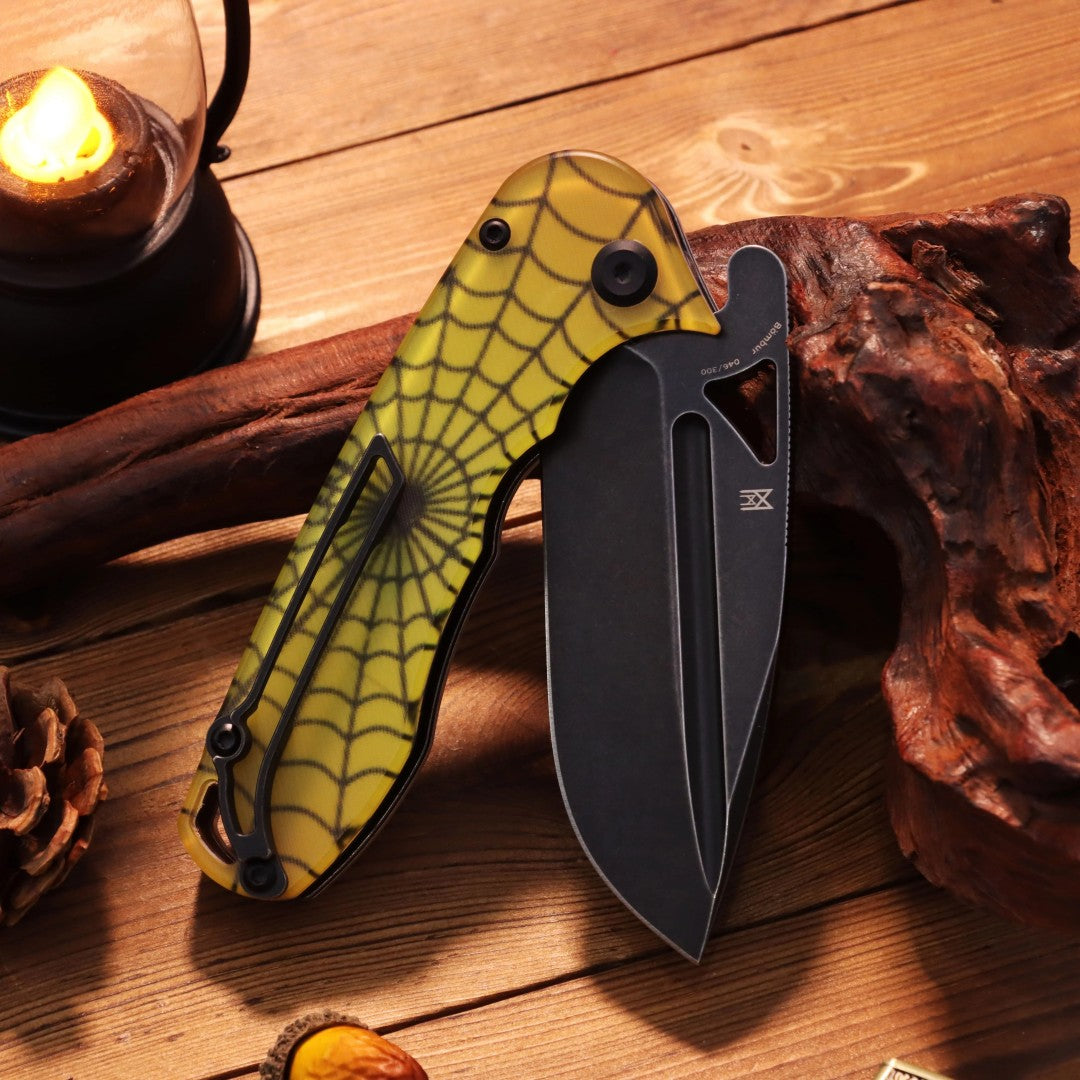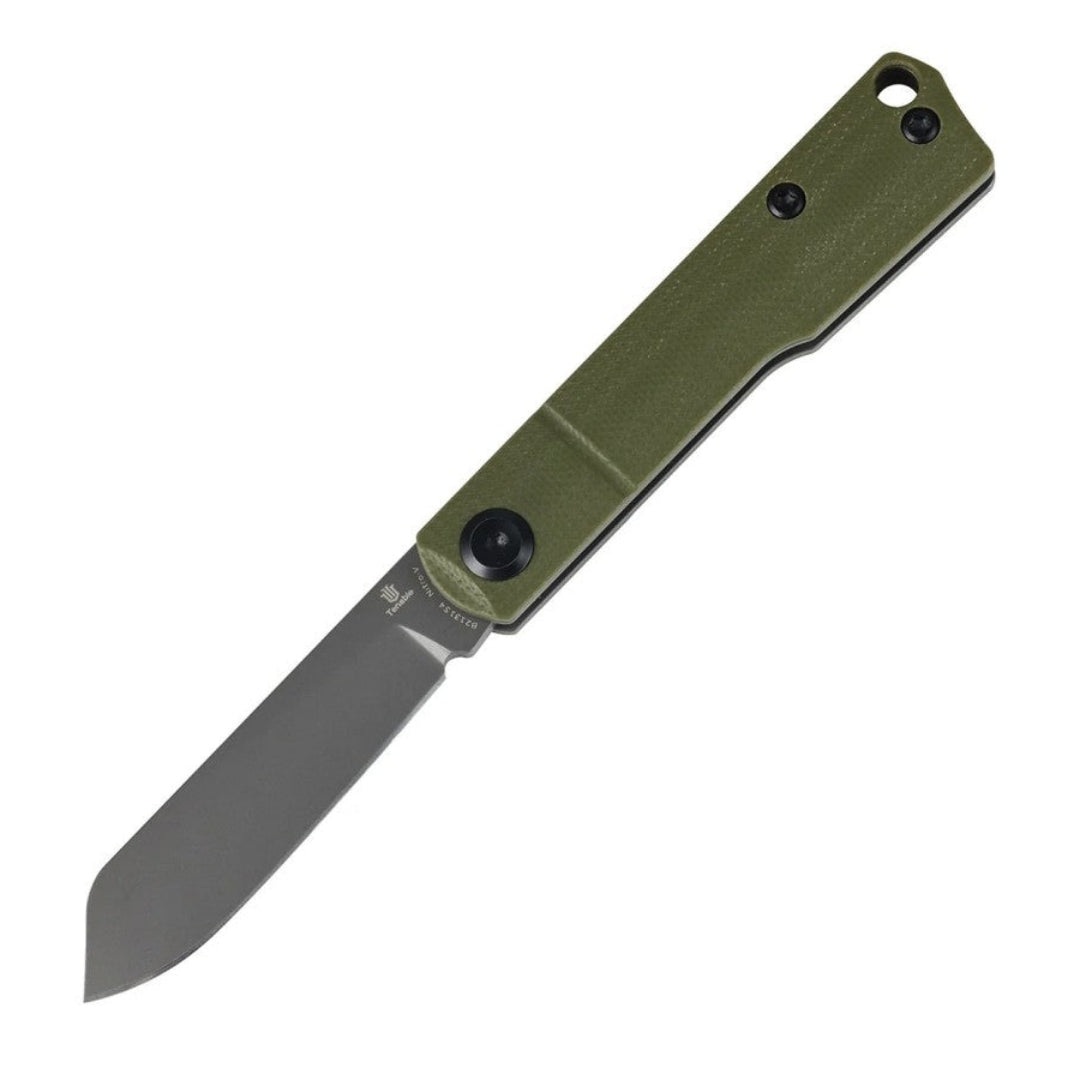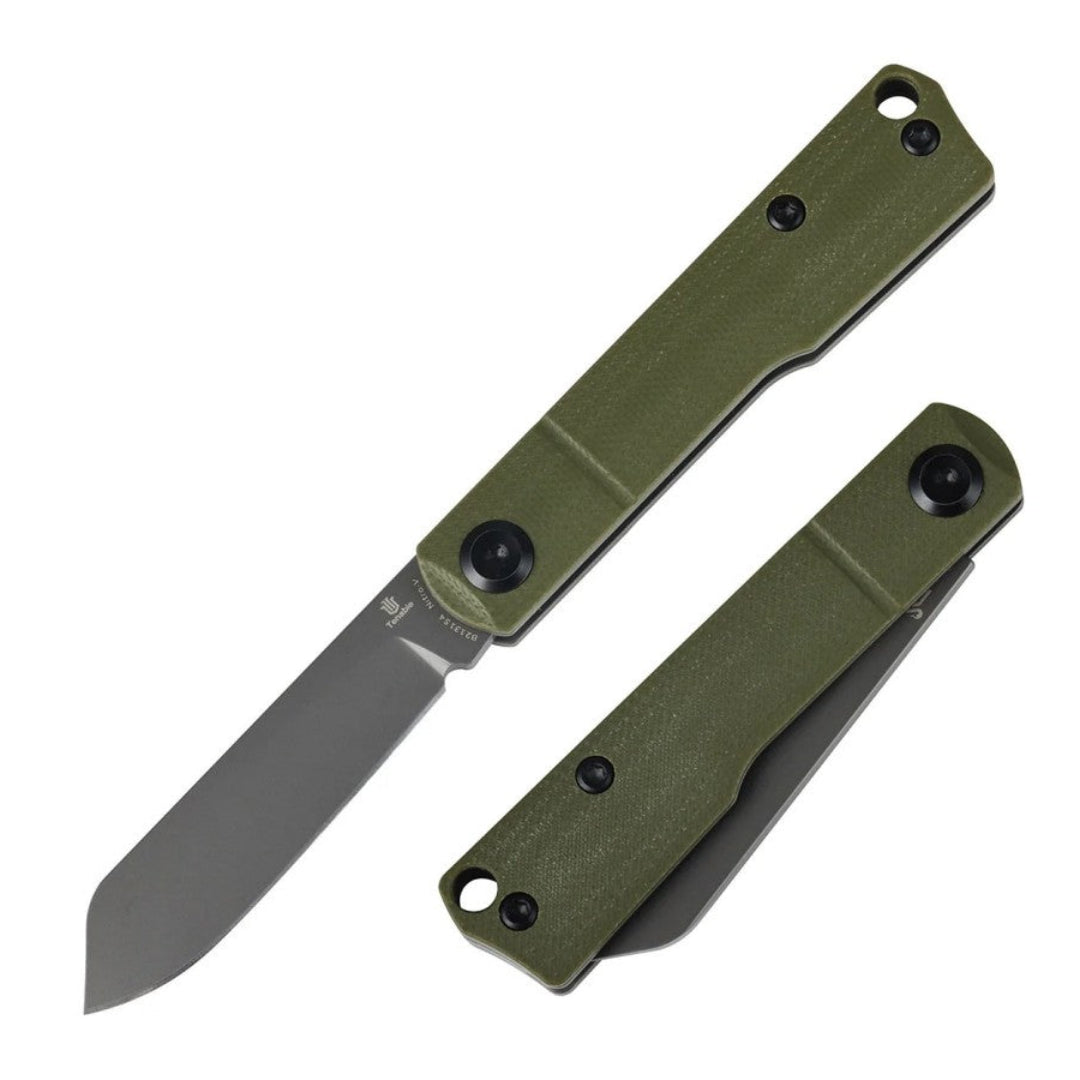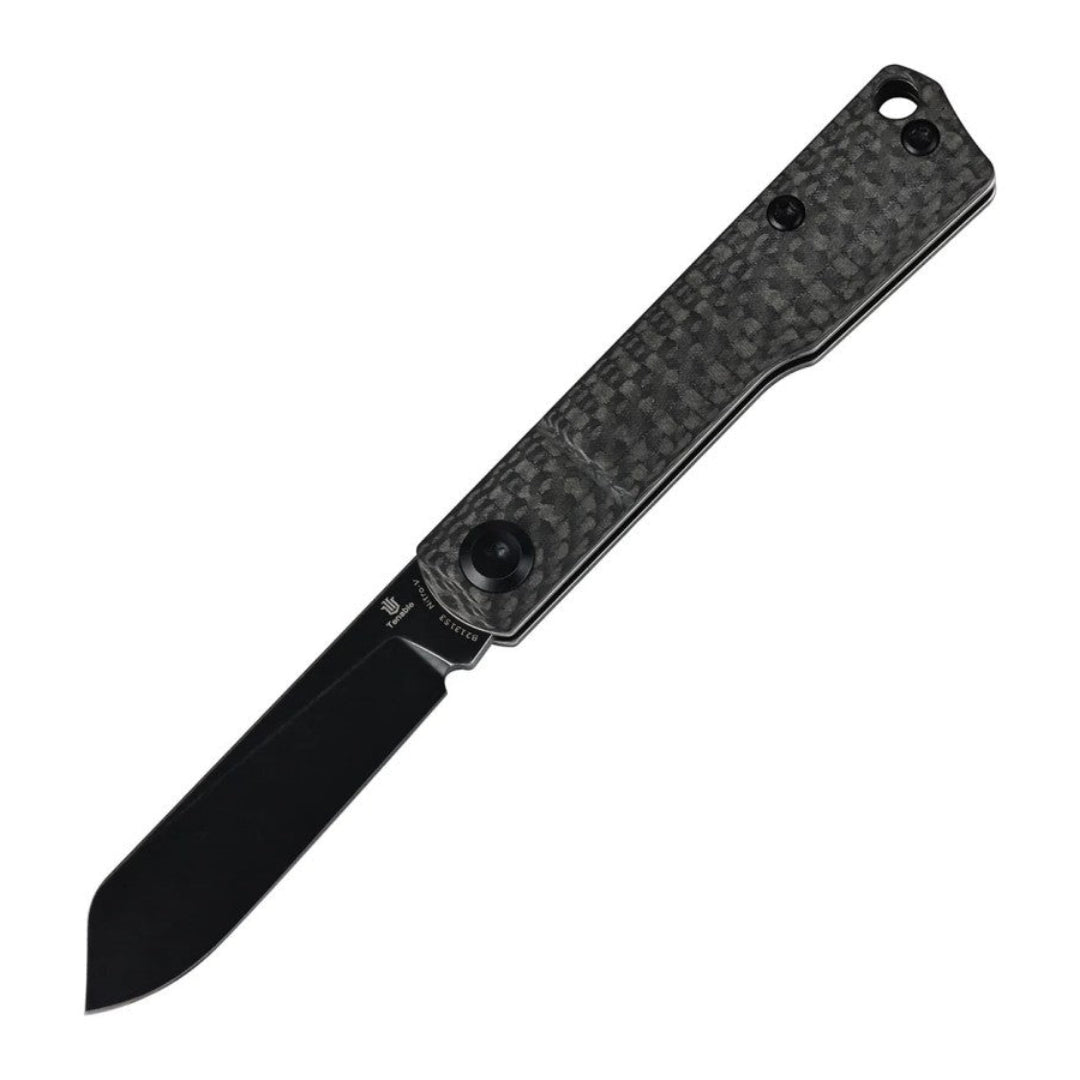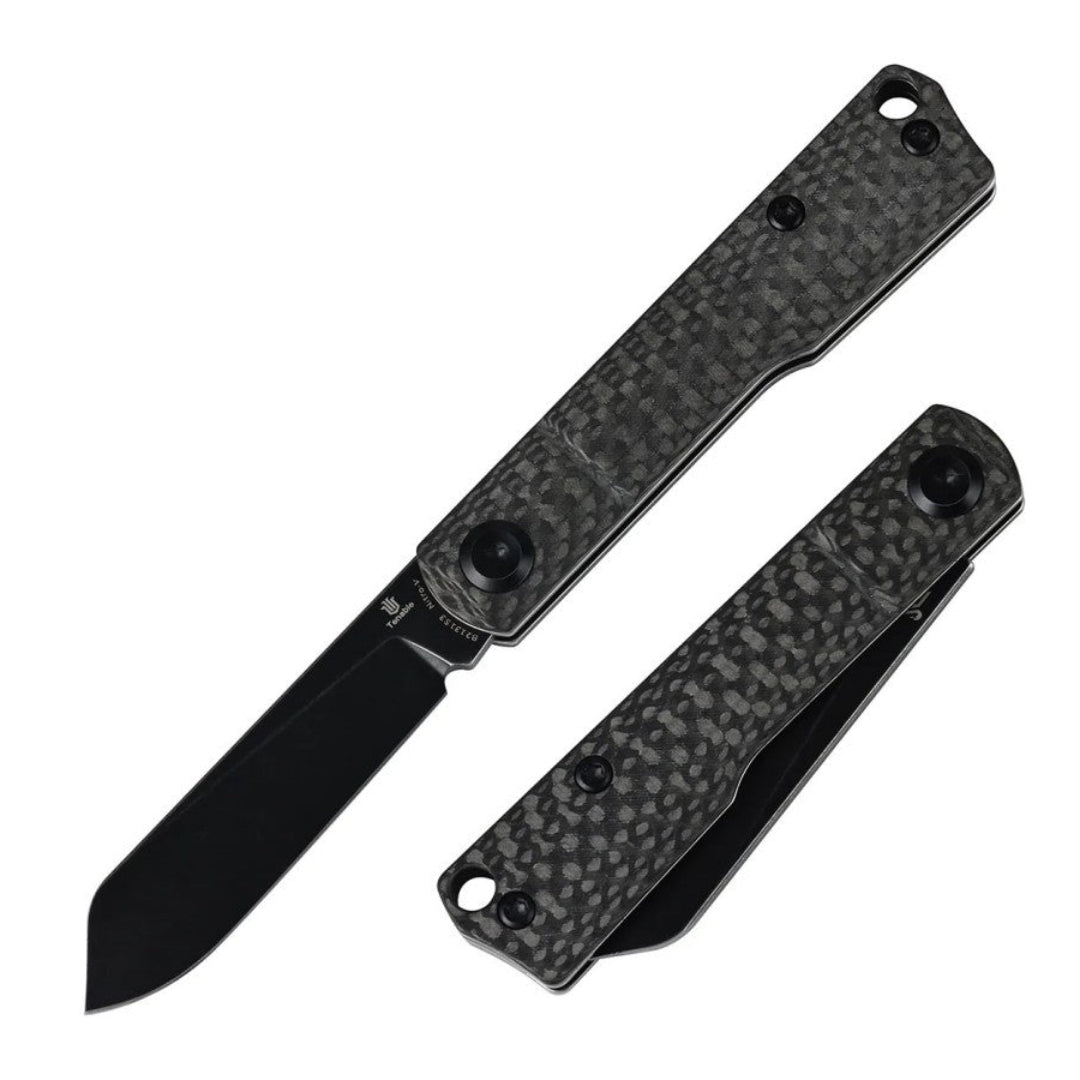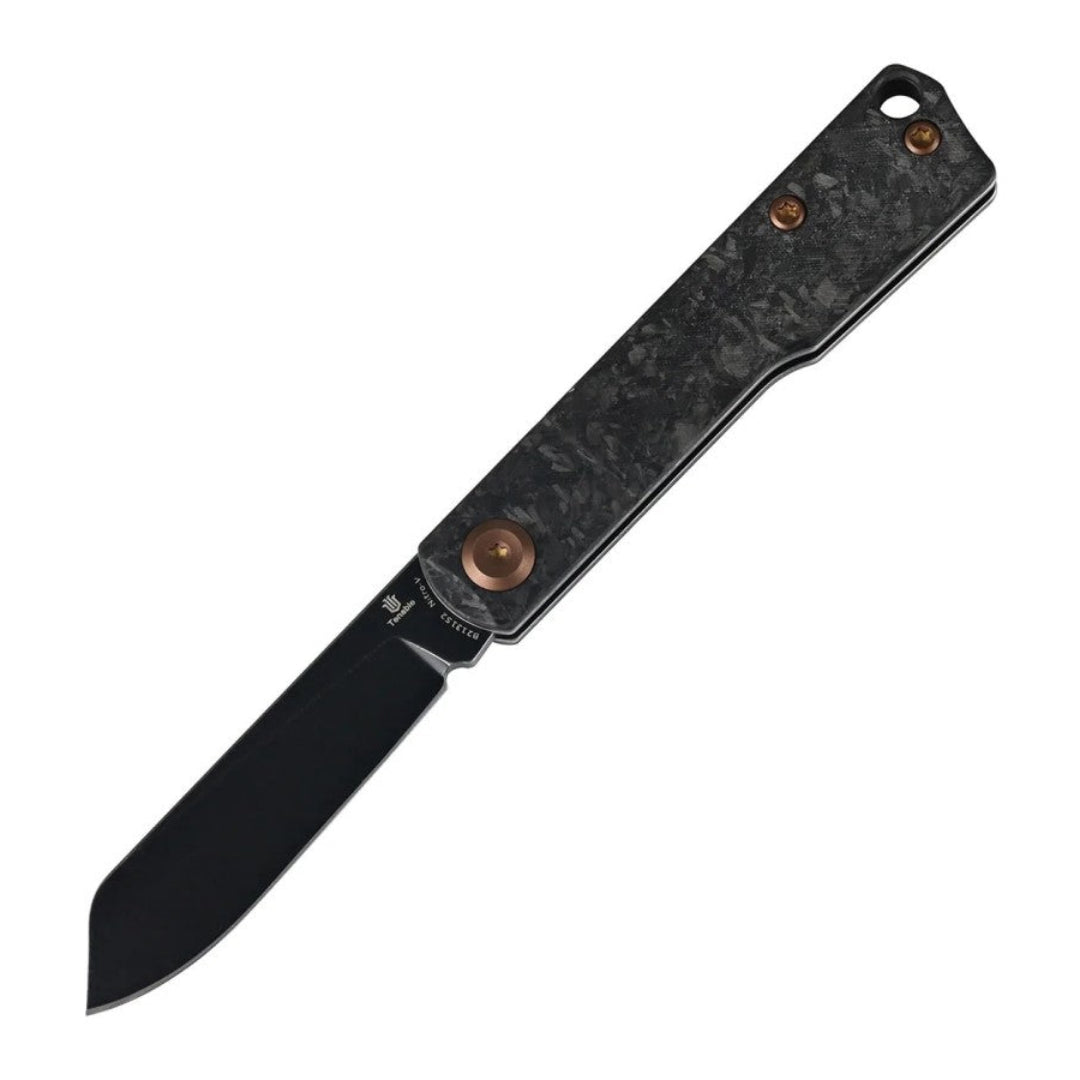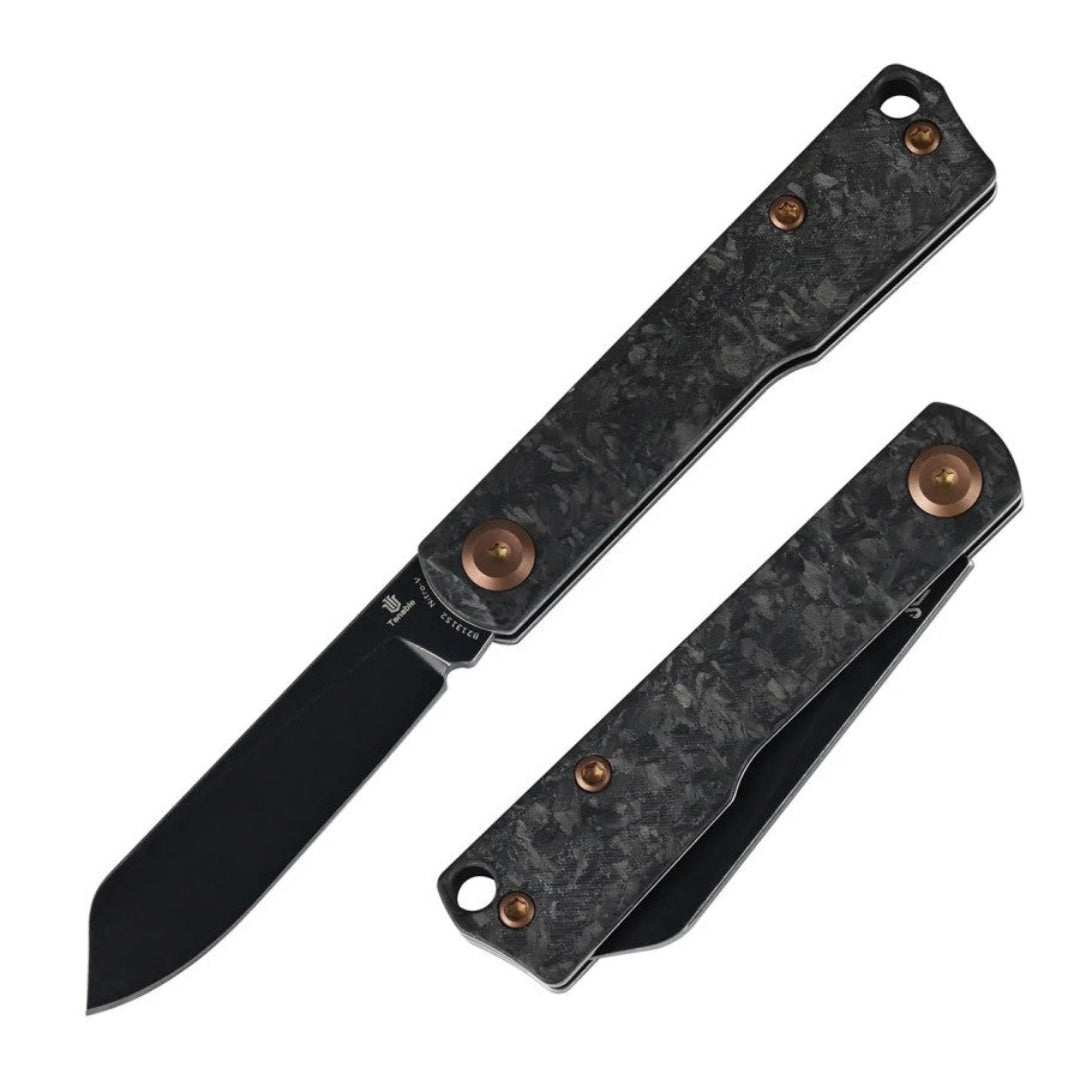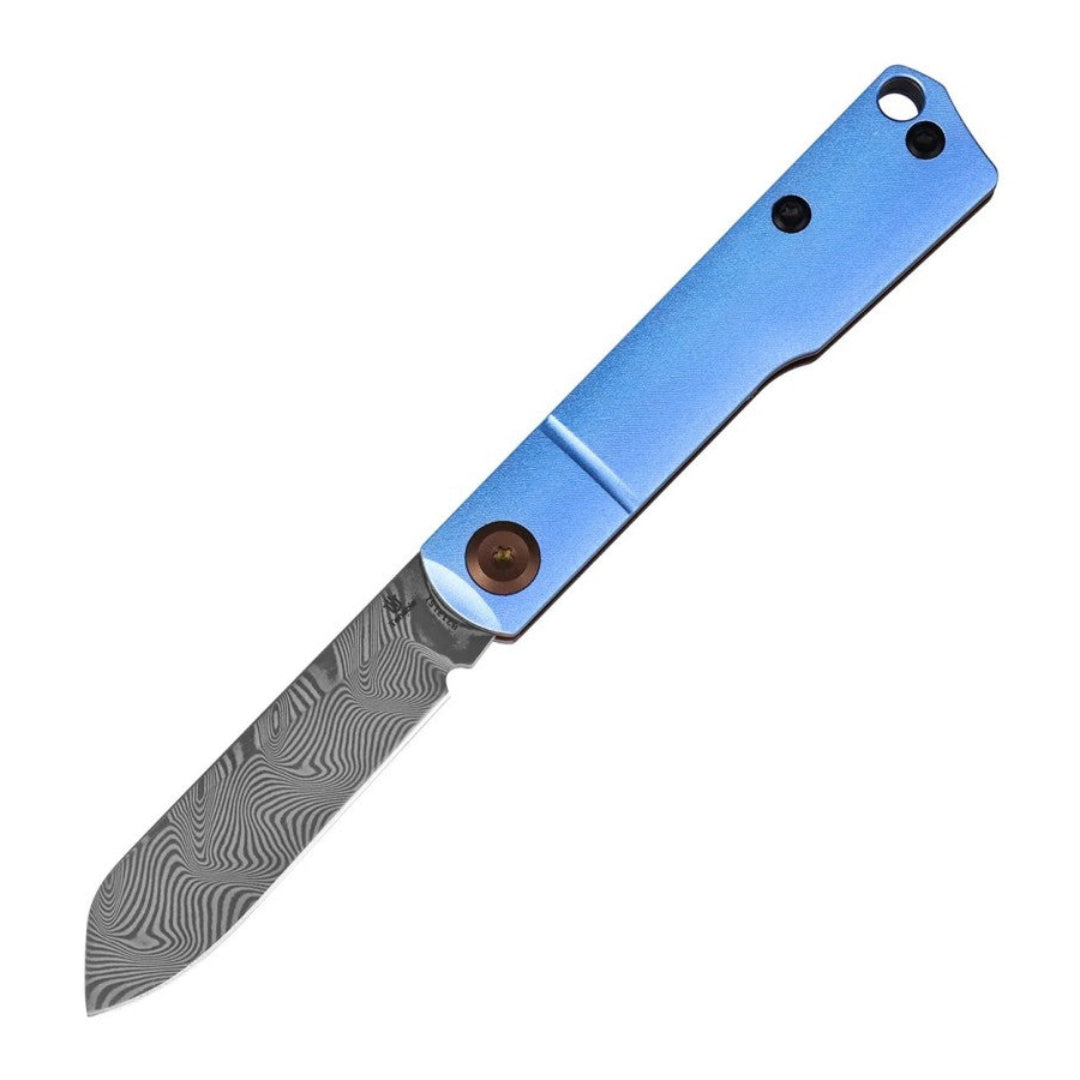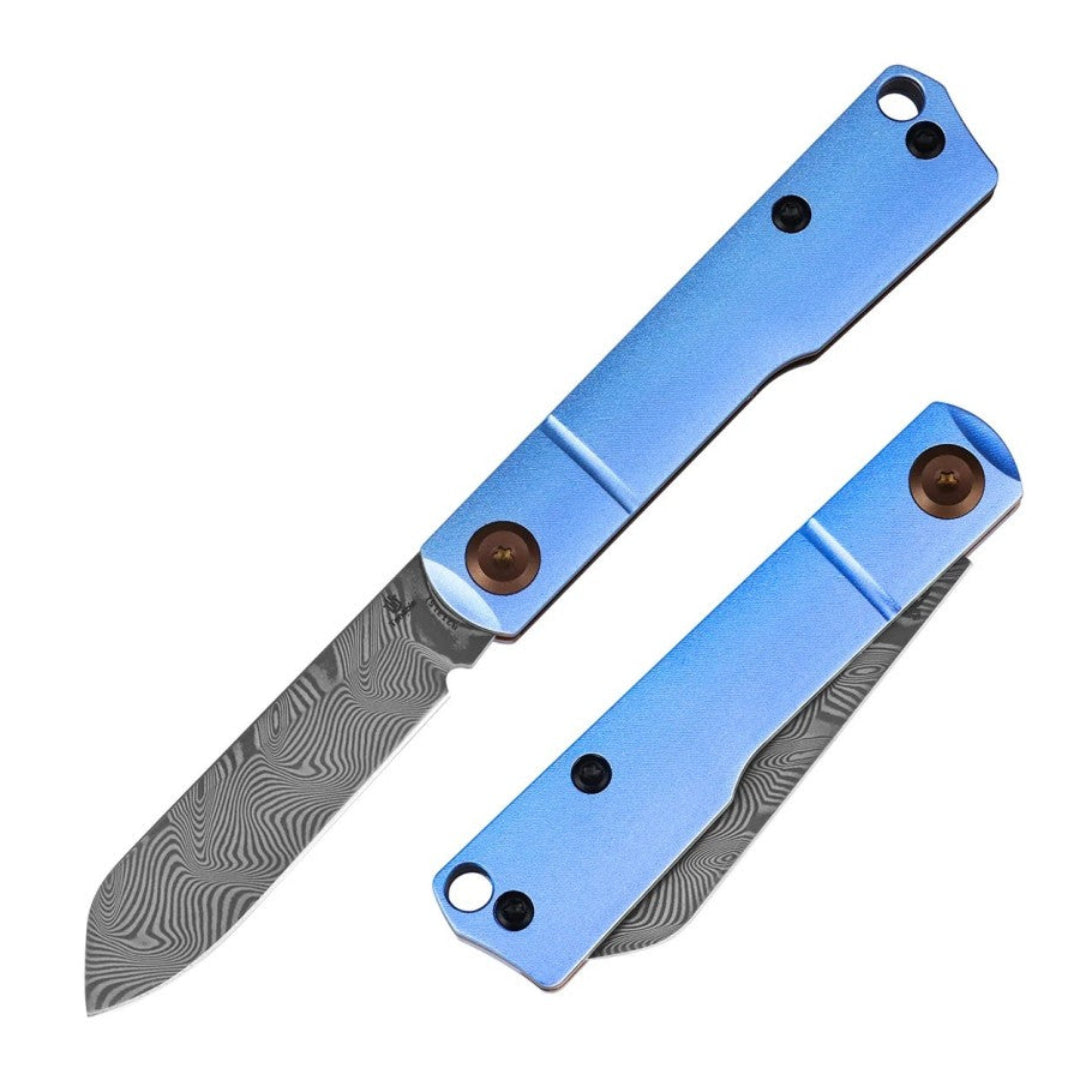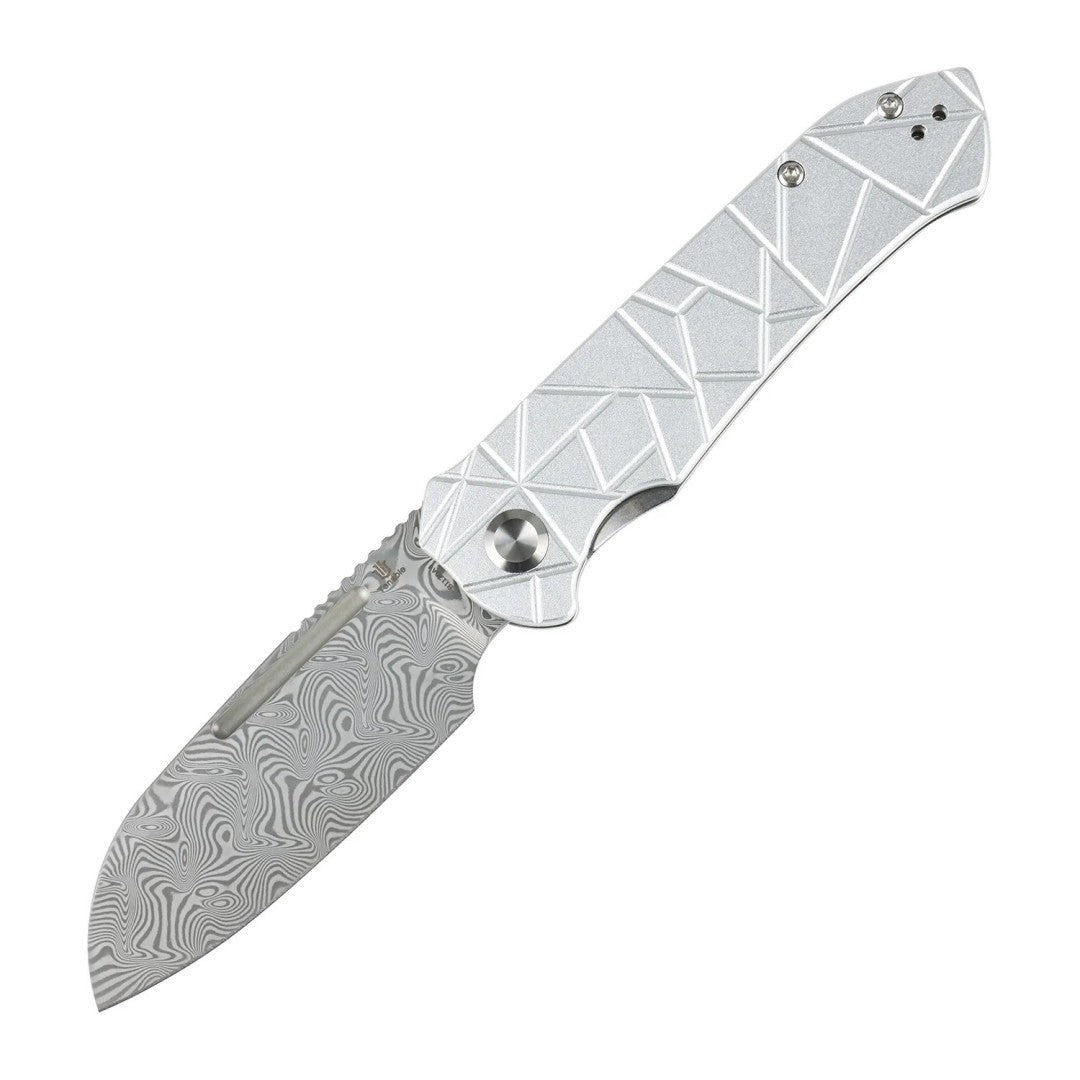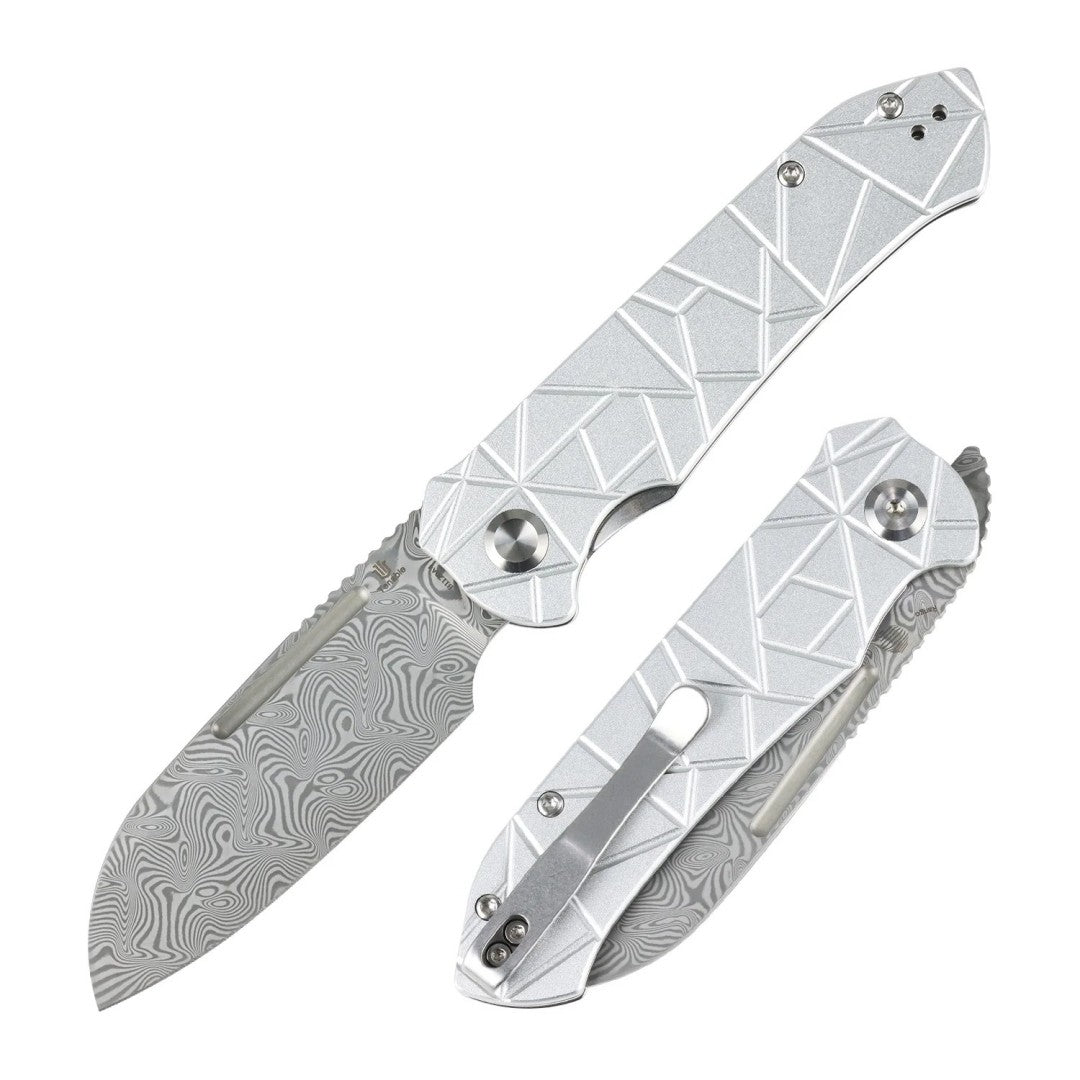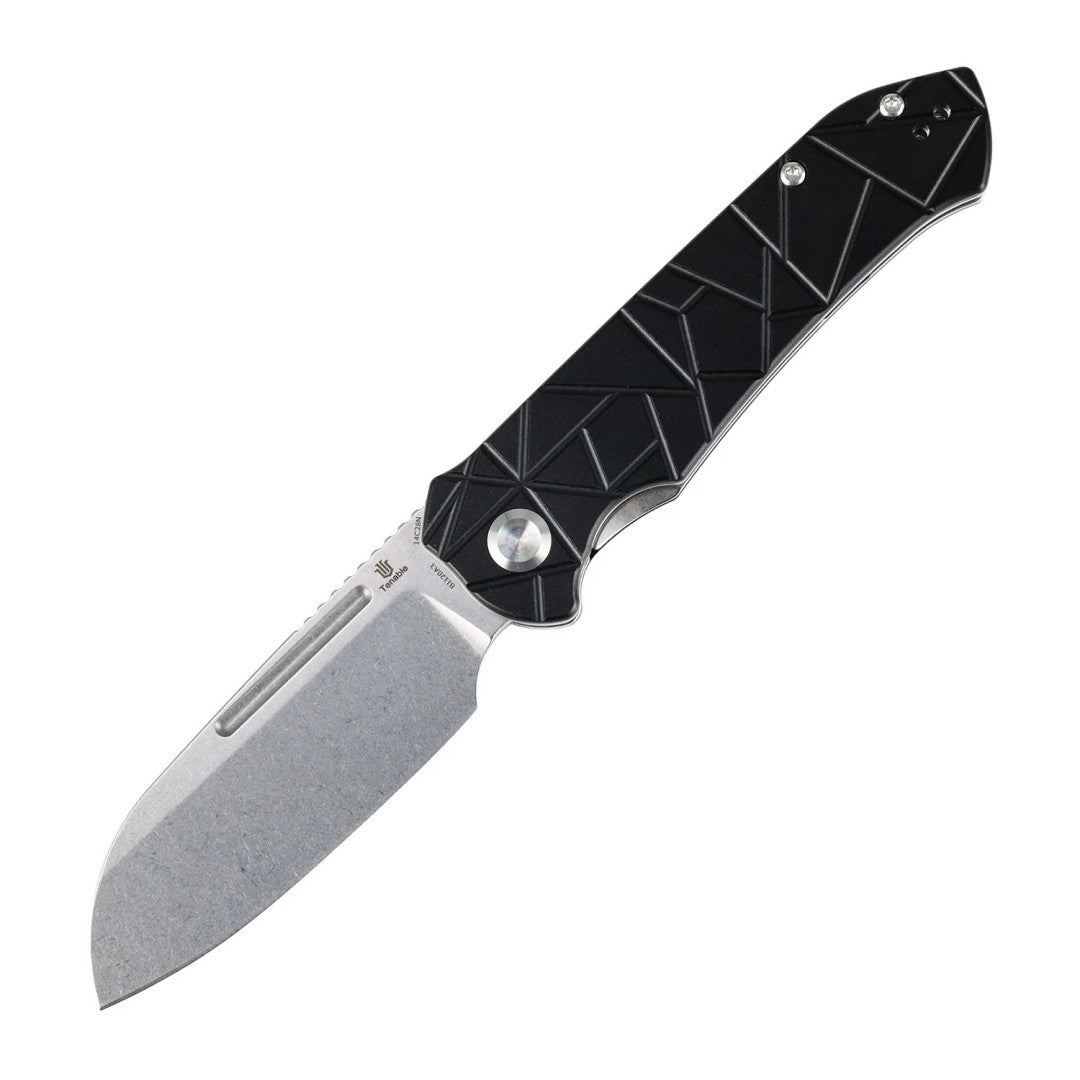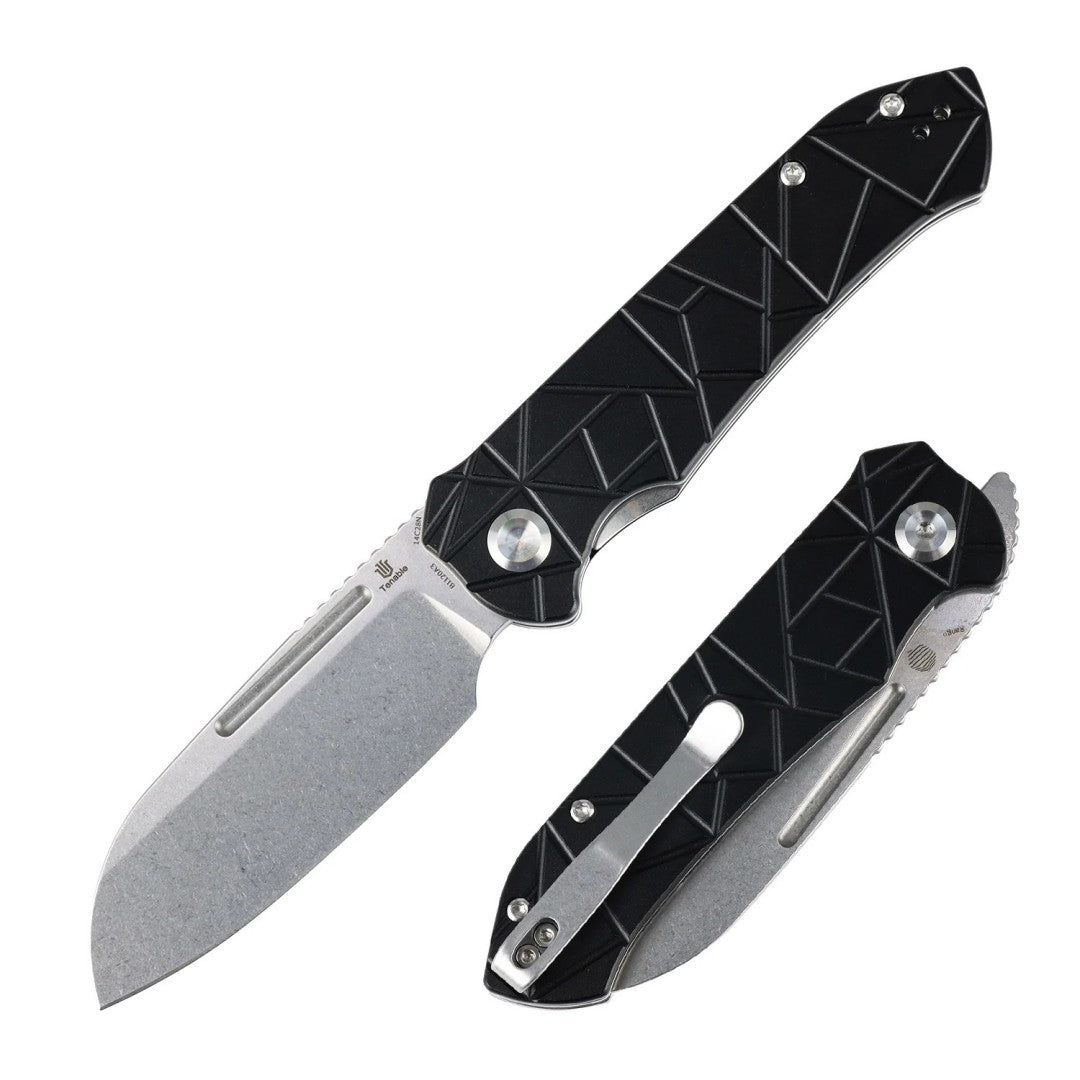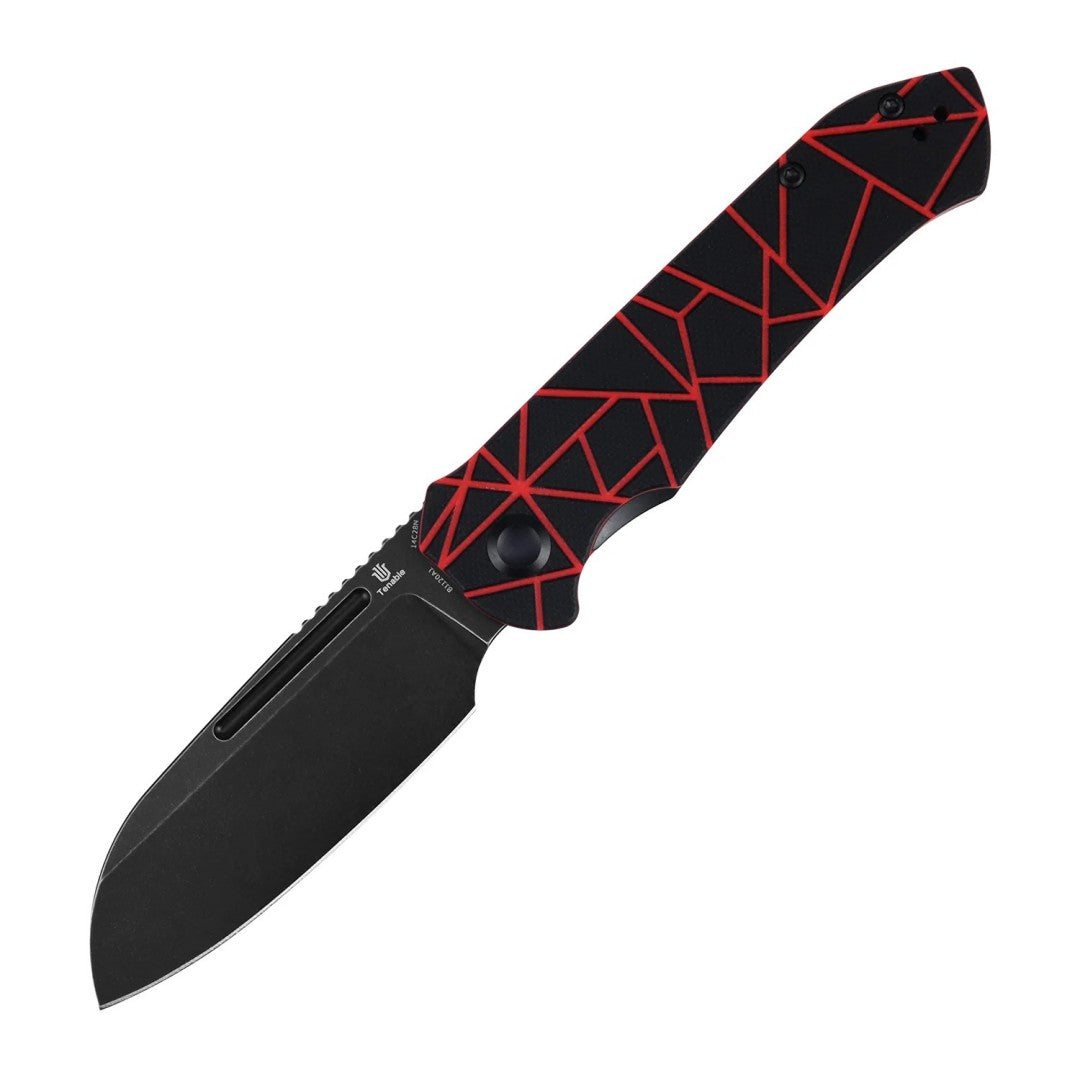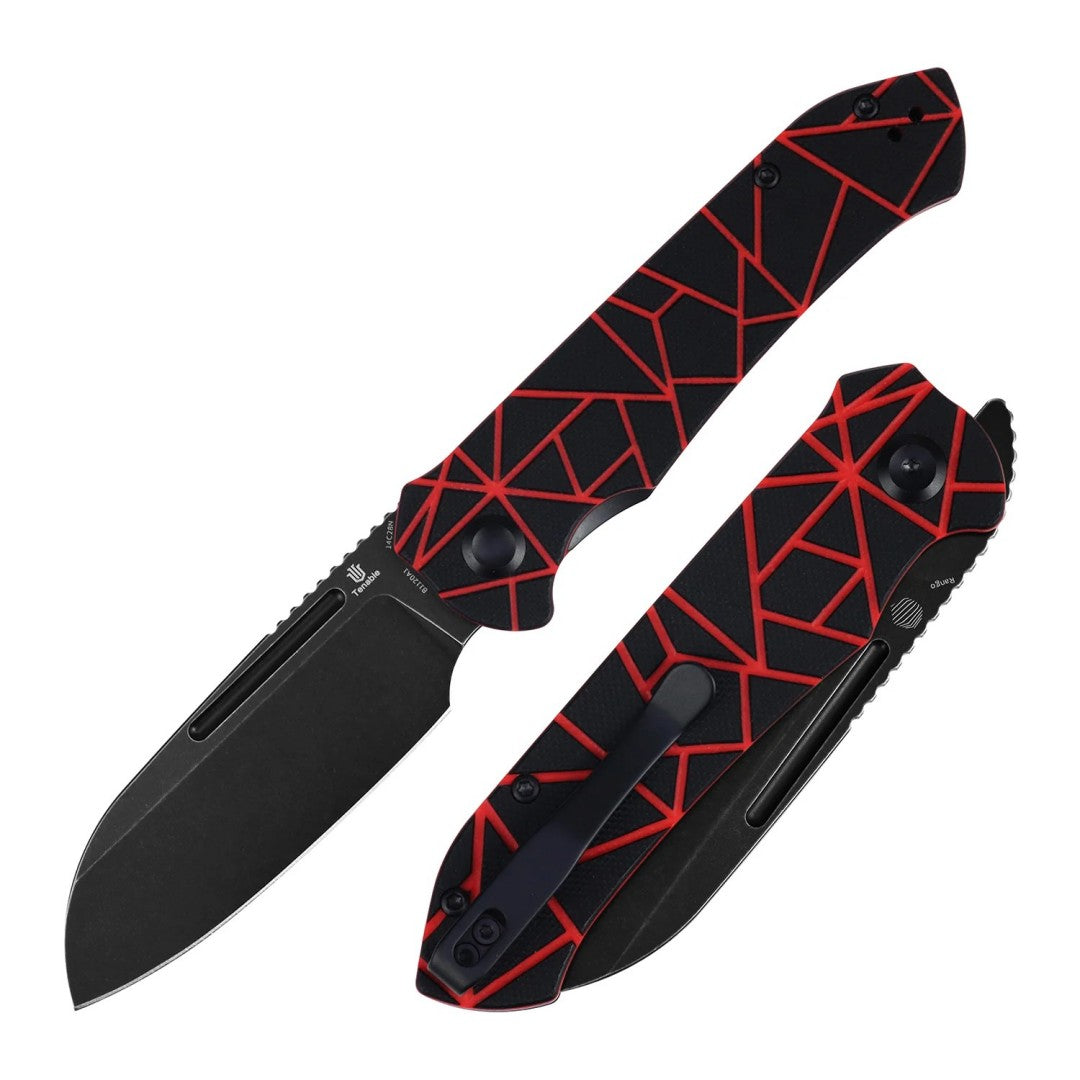
Preserving the smooth action, edge integrity, and structural reliability of a premium gentleman’s folder requires routine upkeep. Designed by custom maker Brandon Corbin and built by Kansept, the Kansept Mini Lanza utilizes high-end Grade 5 titanium, caged ceramic bearings, and premium blade steels. Applying proper cleaning, lubrication, sharpening, and storage practices ensures this everyday carry (EDC) tool maintains peak operational performance.
Cleaning and Pocket Debris Removal
Daily pocket carry exposes internal mechanisms to lint, dust, and tape residue. Accumulation around the pivot area slows deployment speed and can cause grittiness during opening.
Routine Surface Maintenance
-
Wipe down the blade stock after cutting tape, cardboard, or acidic foods using isopropyl alcohol and a microfiber cloth.
-
Use compressed air to blow out pocket lint trapped inside the handle cavity and around the caged ceramic bearing races.
-
Avoid abrasive scrubbing pads on anodized titanium or acid-etched Damascus surfaces to prevent dulling the finish.
Disassembly and Deep Cleaning
-
Use high-quality Torx drivers (typically T6 and T8) to prevent stripping custom hardware.
-
Remove the Grade 5 titanium scales to clean out the CNC-milled internal lock cavities housing the Nested Liner Lock.
-
Soak ceramic bearings and pivot hardware in isopropyl alcohol, drying all components thoroughly before reassembly.
Pivot Lubrication and Action Tuning
Proper lubrication maintains friction-free deployment while protecting internal steel contact points from wear.
| Maintenance Area | Recommended Lubricant / Compound | Application Method & Frequency |
| Caged Ceramic Bearings | Low-viscosity synthetic knife oil | Apply 1 micro-drop directly to each bearing race; reapply every 2–3 months |
| Detent Ball & Ramp | High-viscosity lubricant or grease | Place a pinpoint dab on the detent ball to maintain a crisp breaking detent |
| Blade Tang Interface | Dry alcohol wipe (Keep Dry) | Keep the lock-face contact area clean and free of oil to prevent lock slip |
| Hardware Threads | Medium-strength removable threadlocker | Apply 1 small drop to pivot and body screw threads during reassembly |
When tightening the main pivot screw, adjust incrementally until side-to-side blade play is eliminated while maintaining an effortless thumb-stud flick deployment.
 Blade Steel Care and Sharpening Protocols
Maintenance needs vary depending on whether the knife features modern powder metallurgy super steel or traditional pattern-welded Damascus steel.
| Maintenance Factor | Flagship CPM-20CV Super Steel | Collector Pattern-Welded Damascus Steel |
| Corrosion Resistance | Superior (20% Chromium); complete rust immunity | Moderate; requires periodic oiling to prevent spot oxidation |
| Recommended Abrasives | Diamond or Cubic Boron Nitride (CBN) stones | Fine Ceramic, Arkansas, or Diamond sharpening stones |
| Edge Maintenance | Frequent leather stropping; infrequent hone | Regular light stropping to maintain micro-serrated bite |
| Protective Coating | Unnecessary under standard conditions | Apply a light coat of mineral oil or food-grade wax |
Because CPM-20CV is hardened to 59–61 HRC with high volumes of hard vanadium carbides, diamond abrasives are strongly recommended over standard aluminum oxide stones to refresh the apex without rounding the edge.
Titanium Handle and Anodization Care
Grade 5 Titanium handle scales resist severe impact and corrosion, but surface treatments benefit from specific care to preserve their visual appeal.
Refreshing Anodized Finishes
Body oils from palm contact can temporarily dim the vibrancy of tiger-stripe or patterned titanium anodization. Wiping the scales with isopropyl alcohol or a mild glass cleaner removes surface oils, instantly restoring the original light-refracting colors.
Stonewashed and Timascus Upkeep
Stonewashed finishes naturally mask minor pocket scratches from keys and coins. For collector editions featuring Timascus inlays, avoid aggressive metal polishes that could strip the heat-anodized oxide layers.
 Environmental Storage and Long-Term Protection
When storing the folder outside of a daily pocket rotation, keep it in a low-humidity environment inside a microfiber pouch or padded display case. Storing the blade in a partially open position is unnecessary, as the internal nested leaf lock rests at equilibrium when closed, ensuring long-term spring tension reliability.