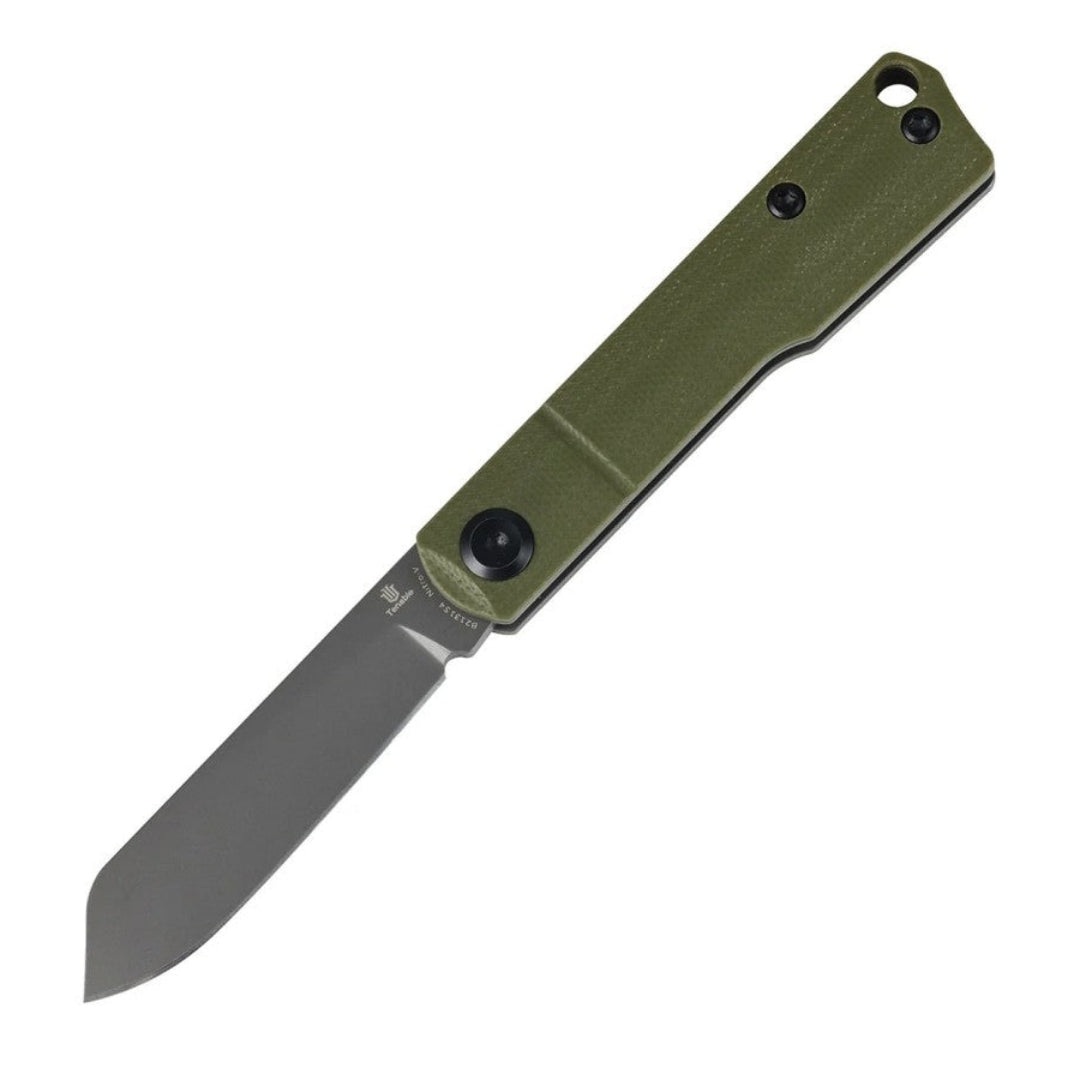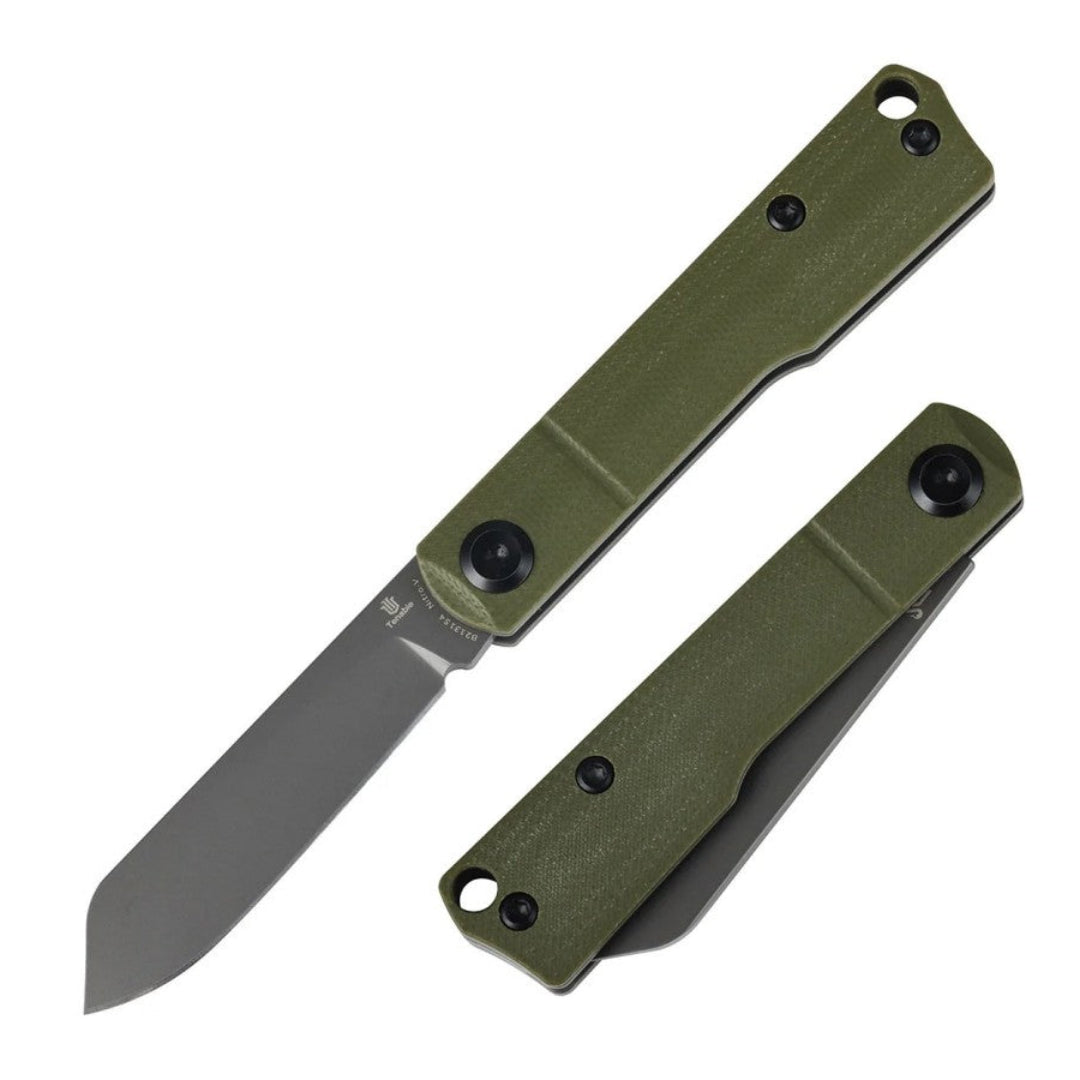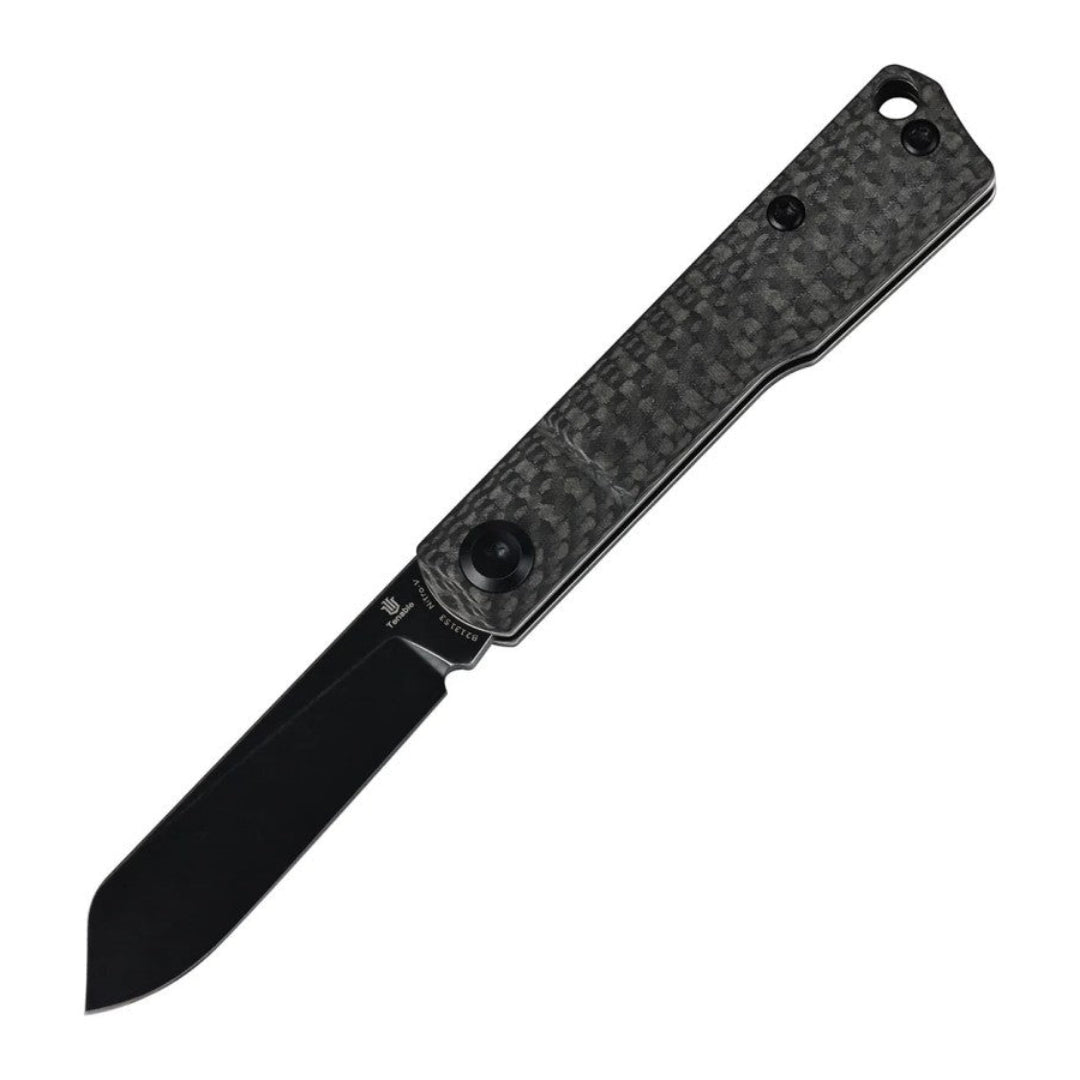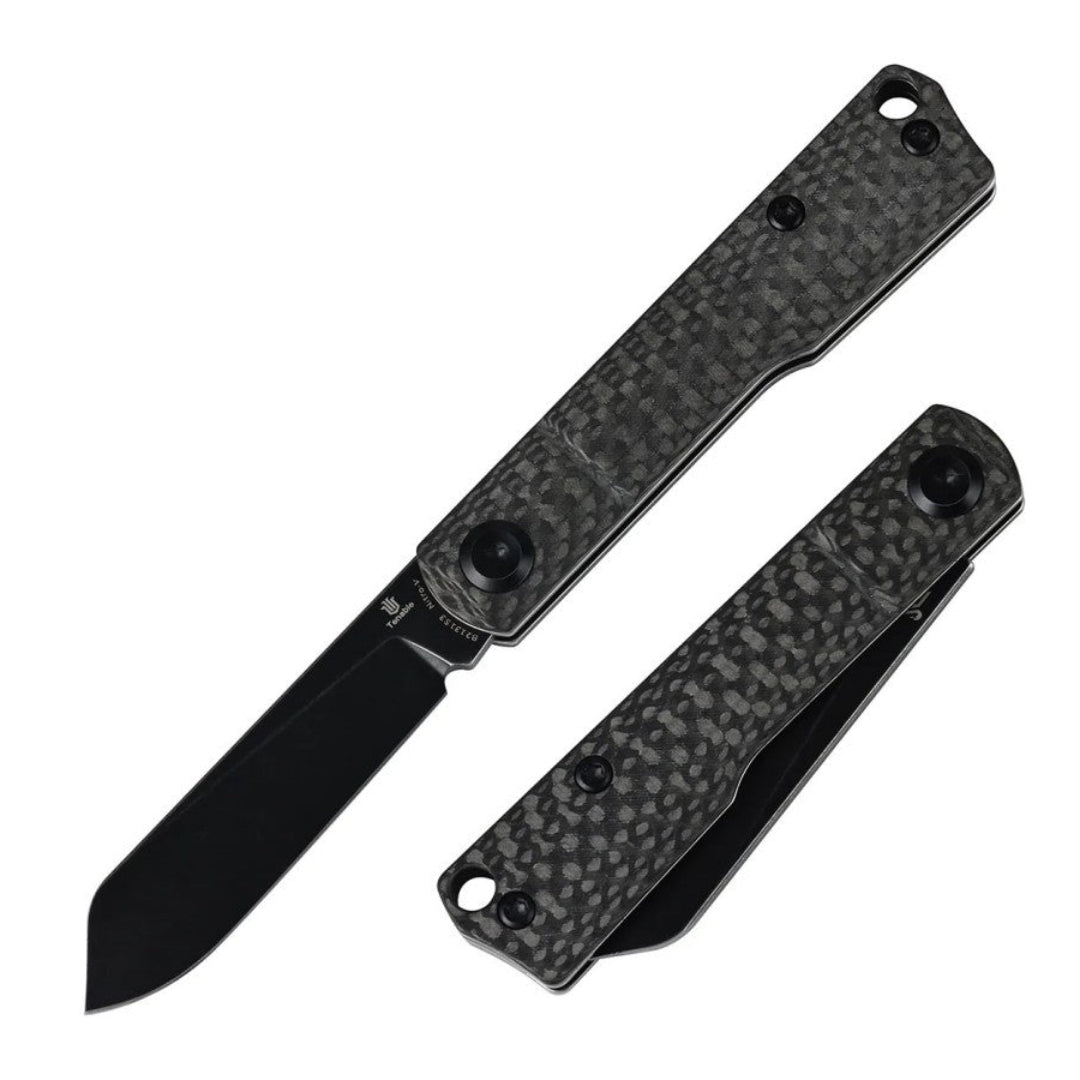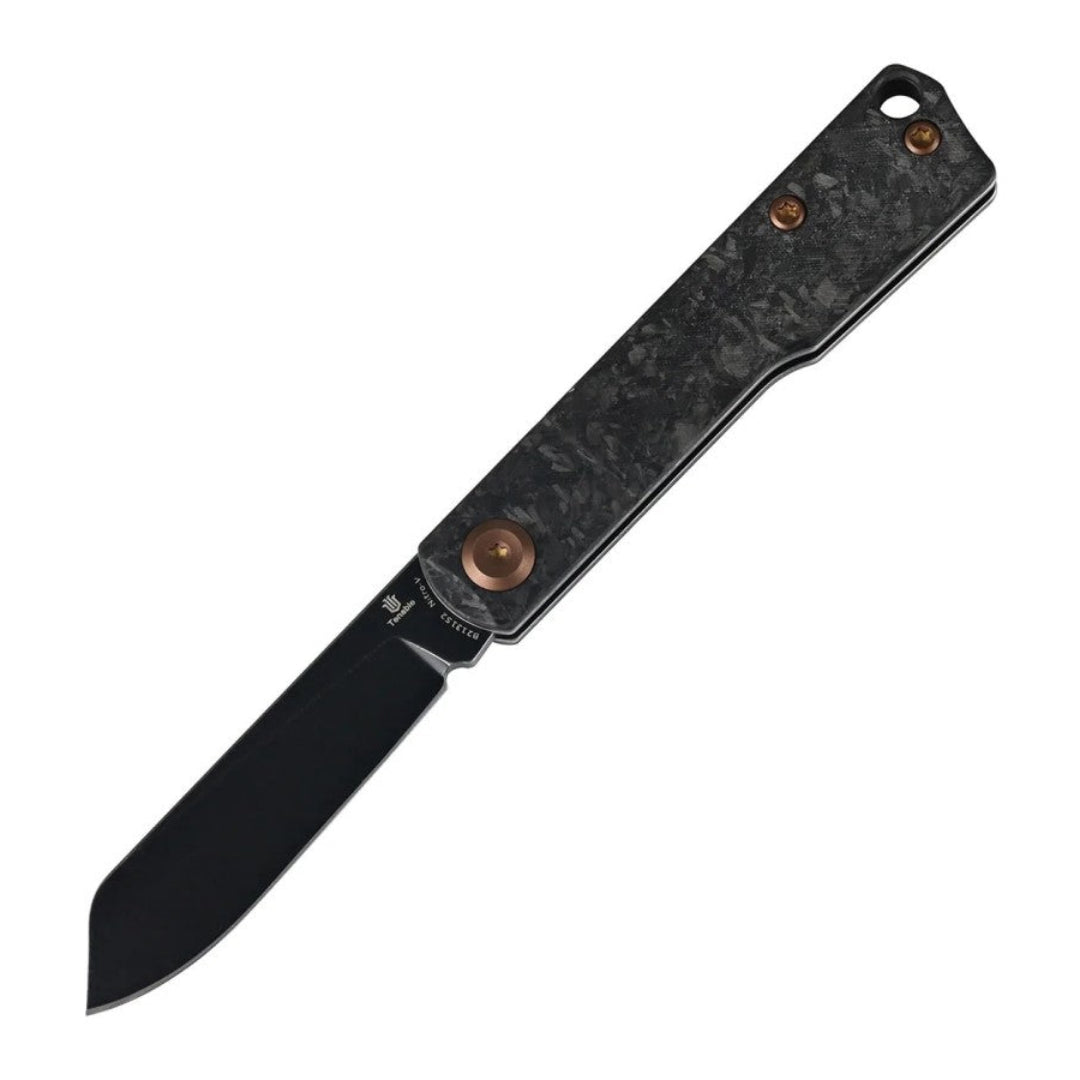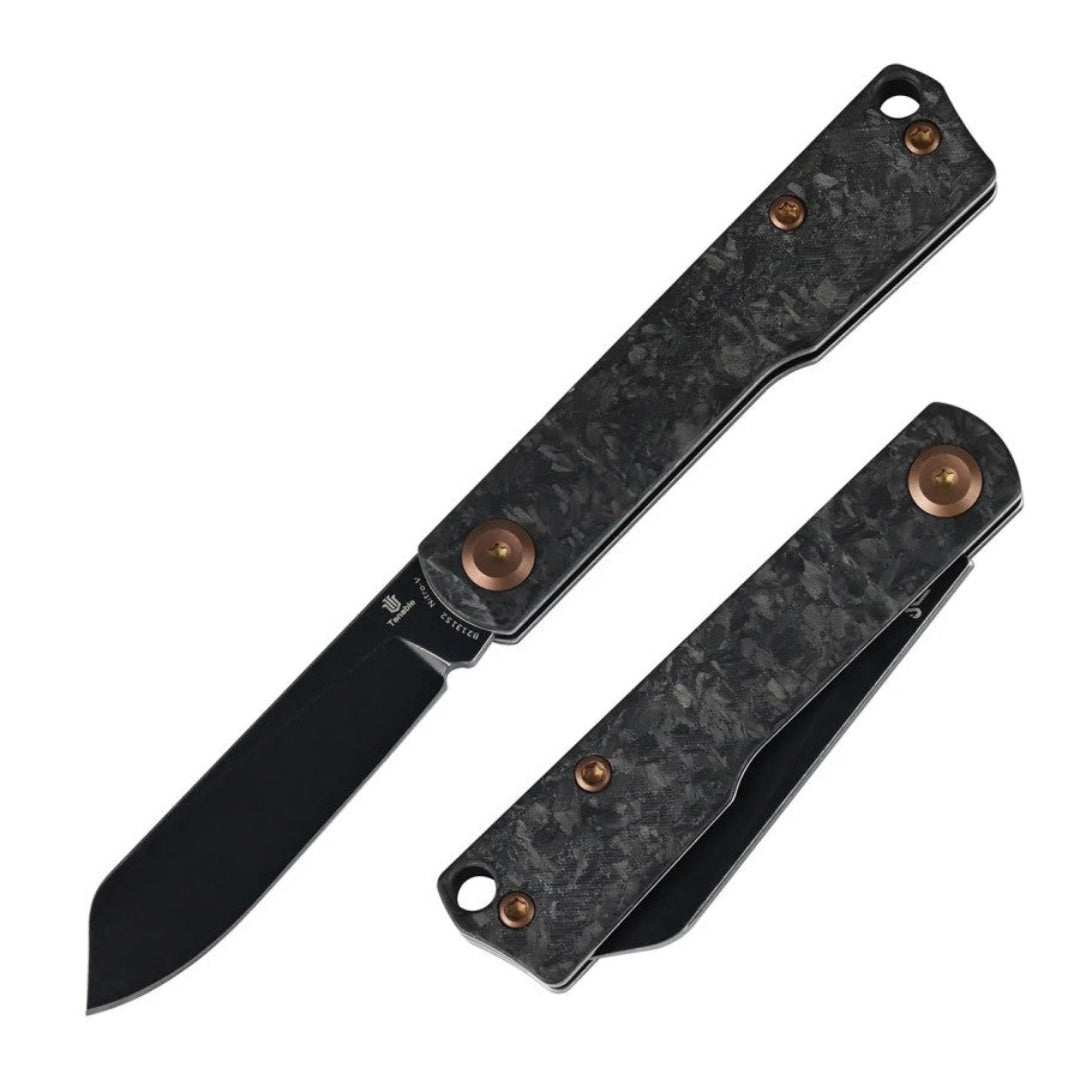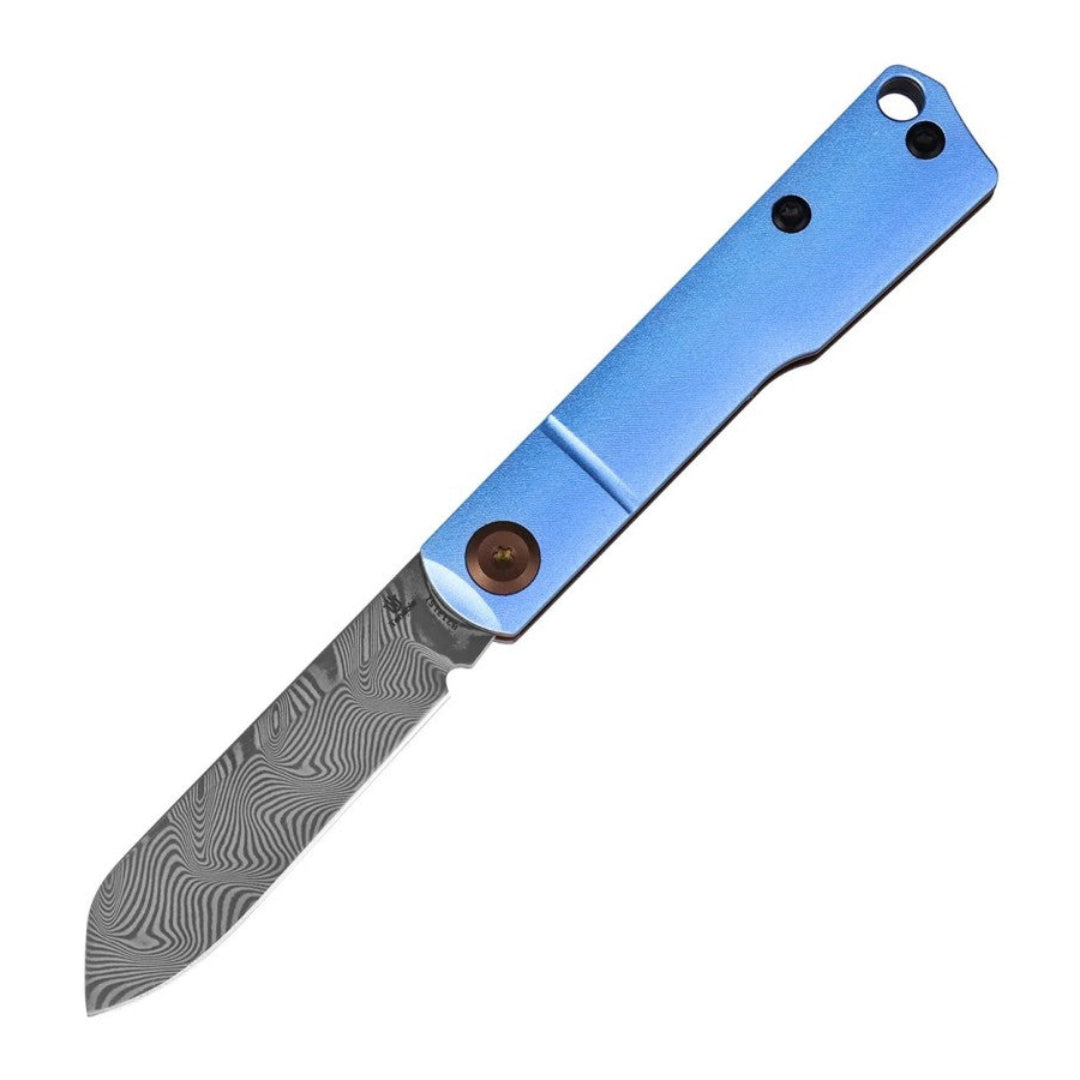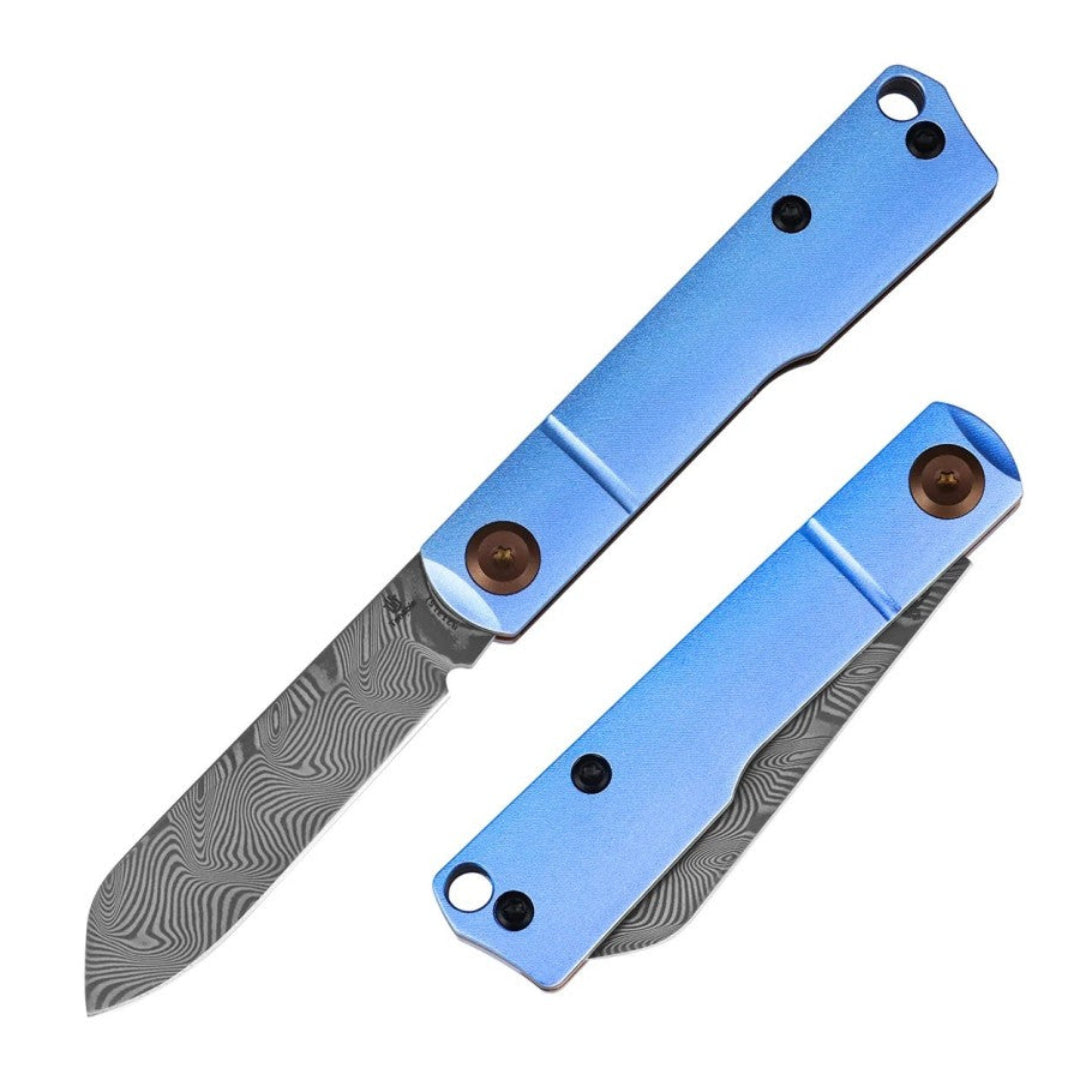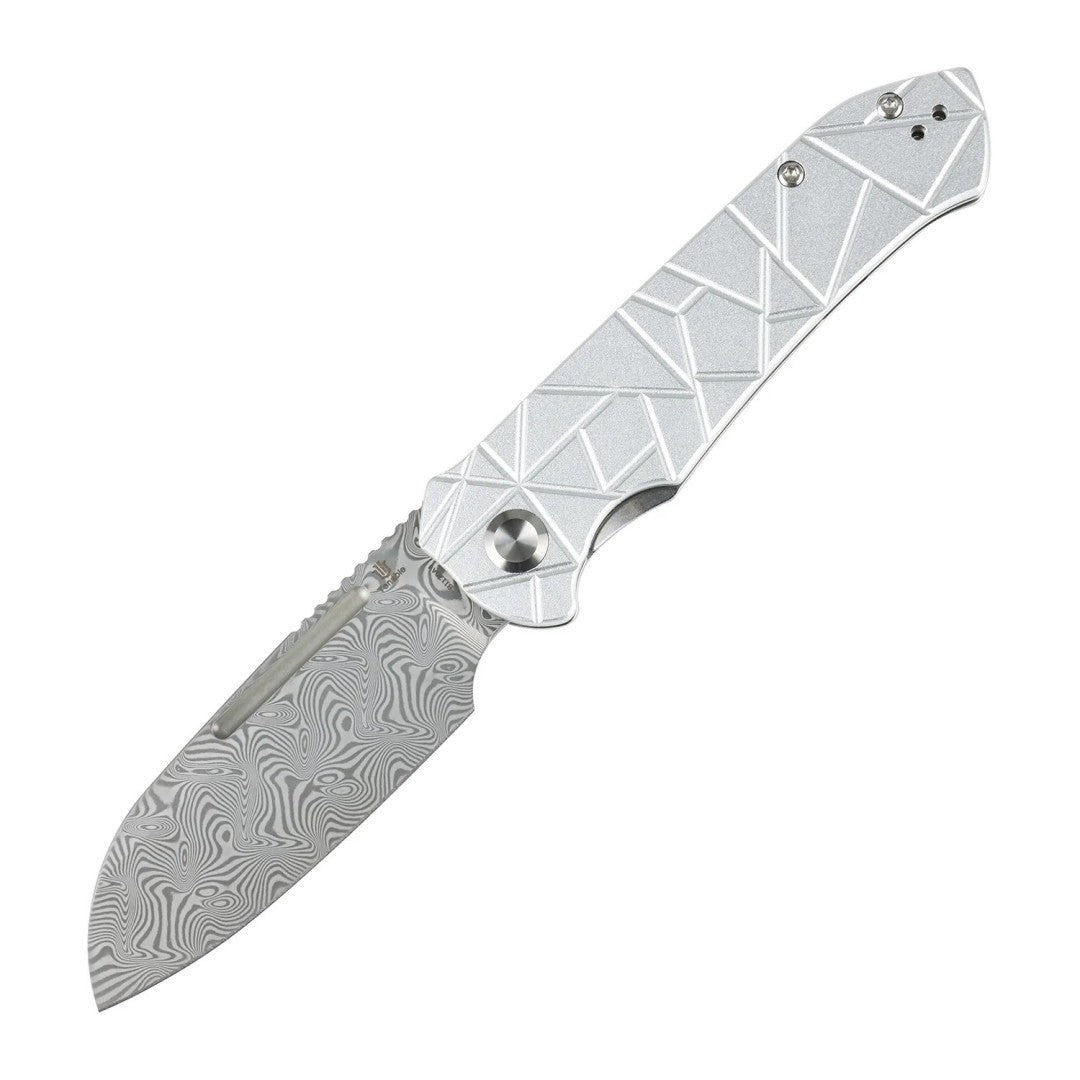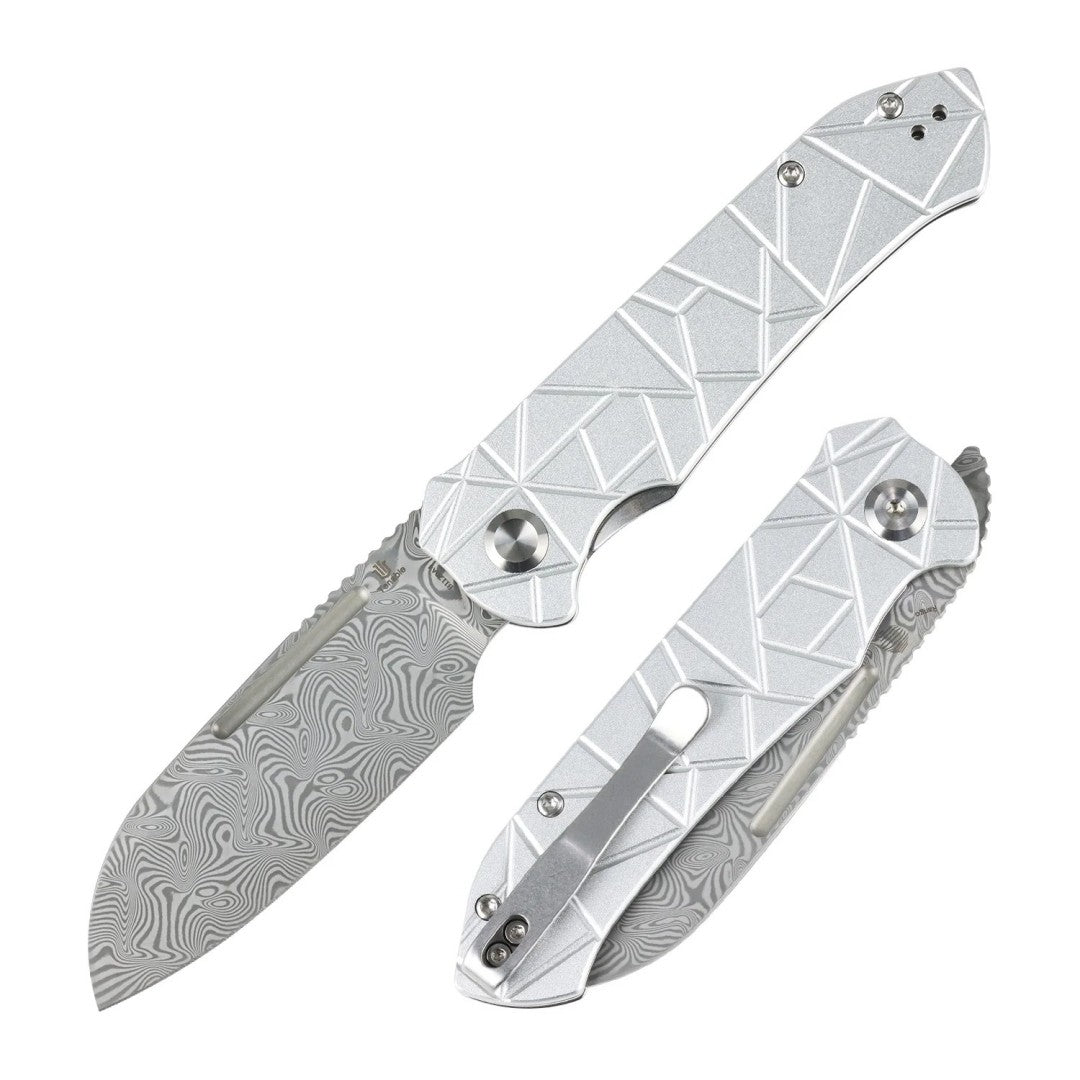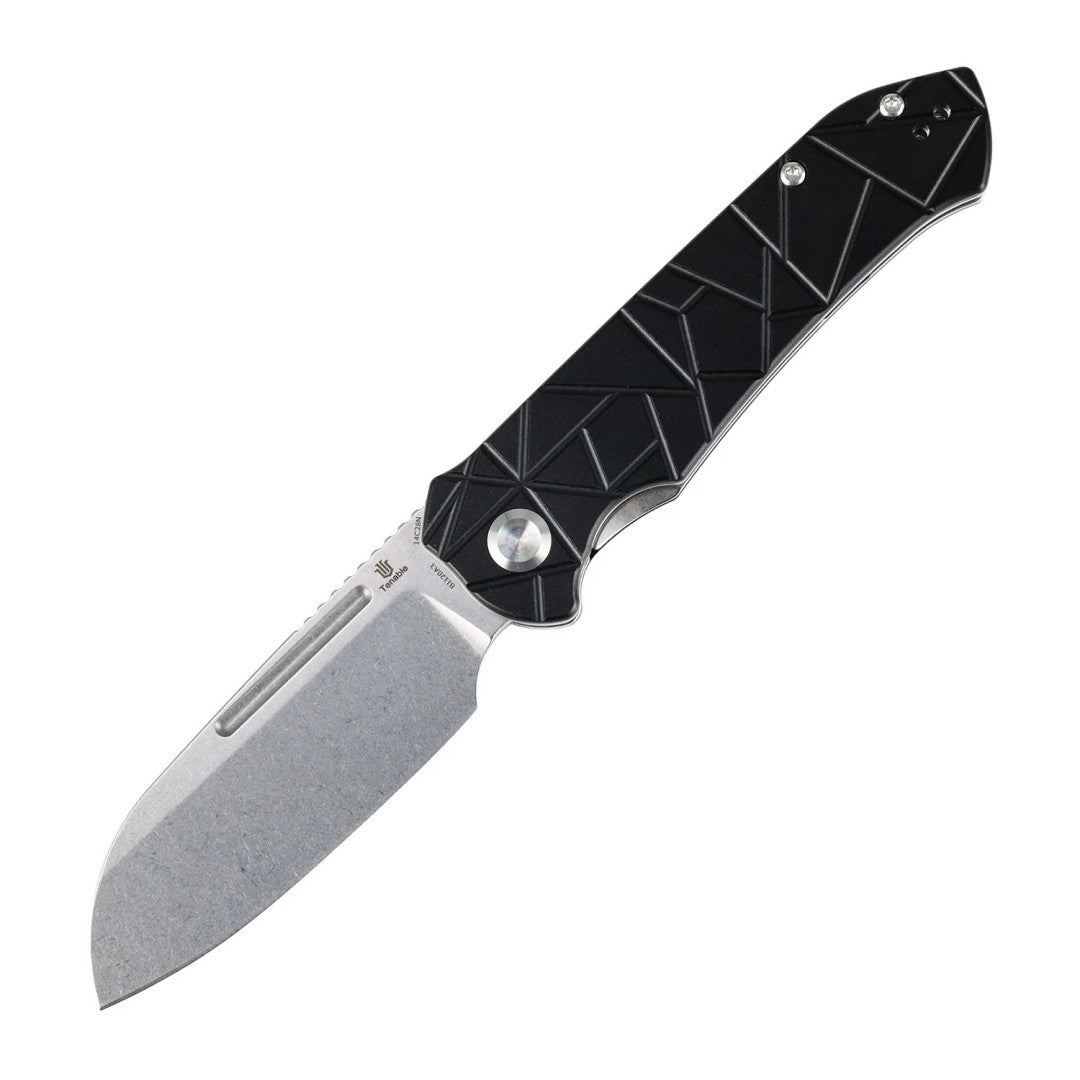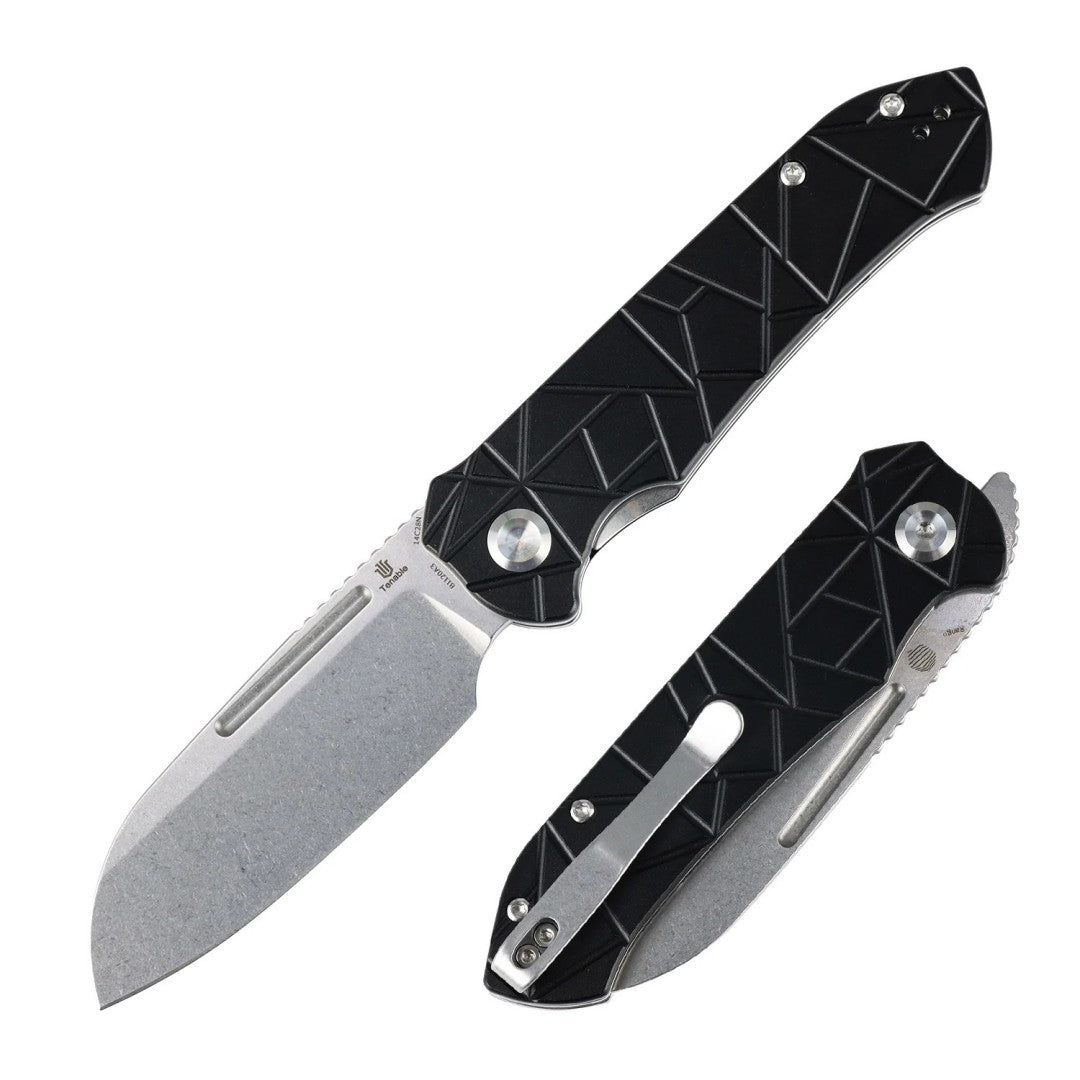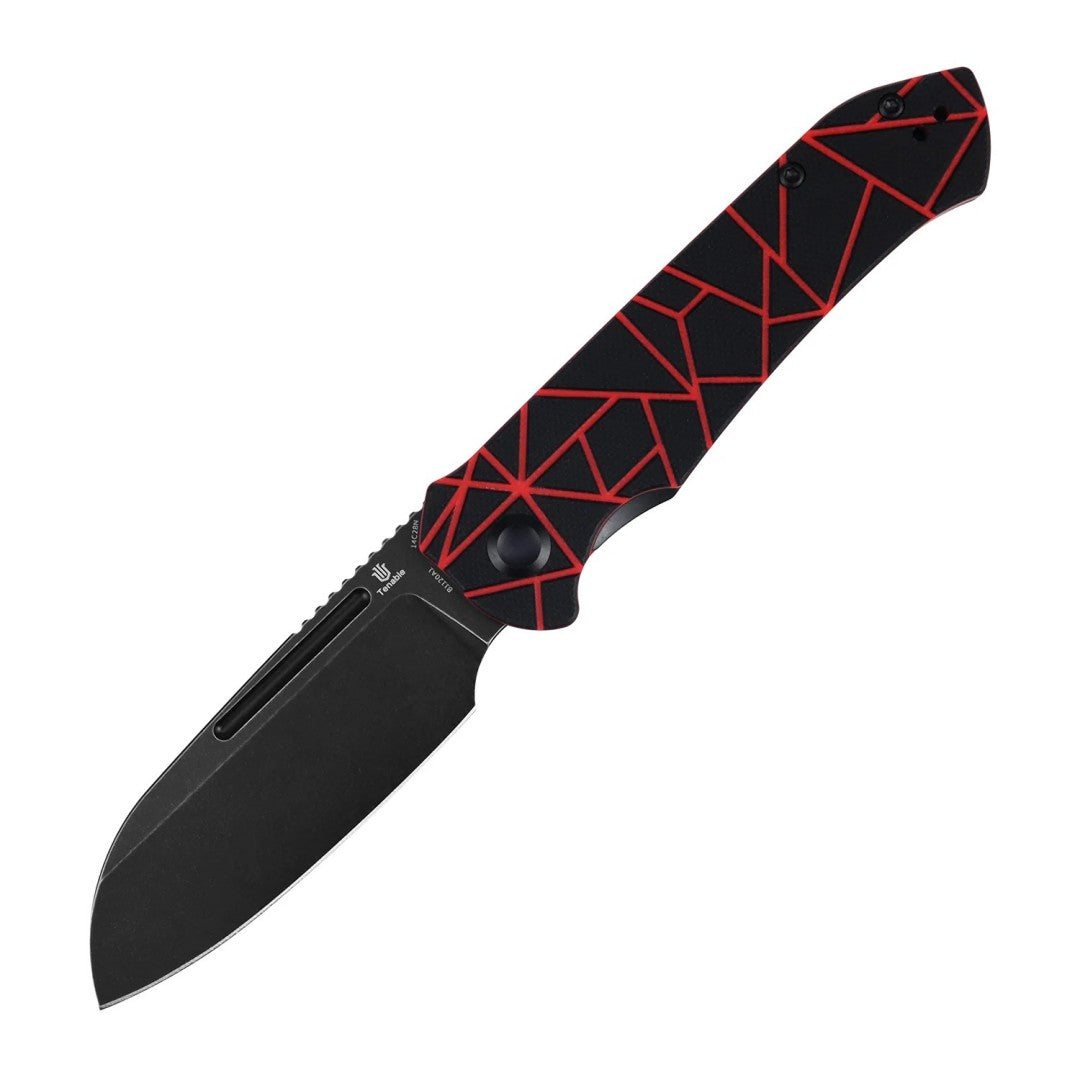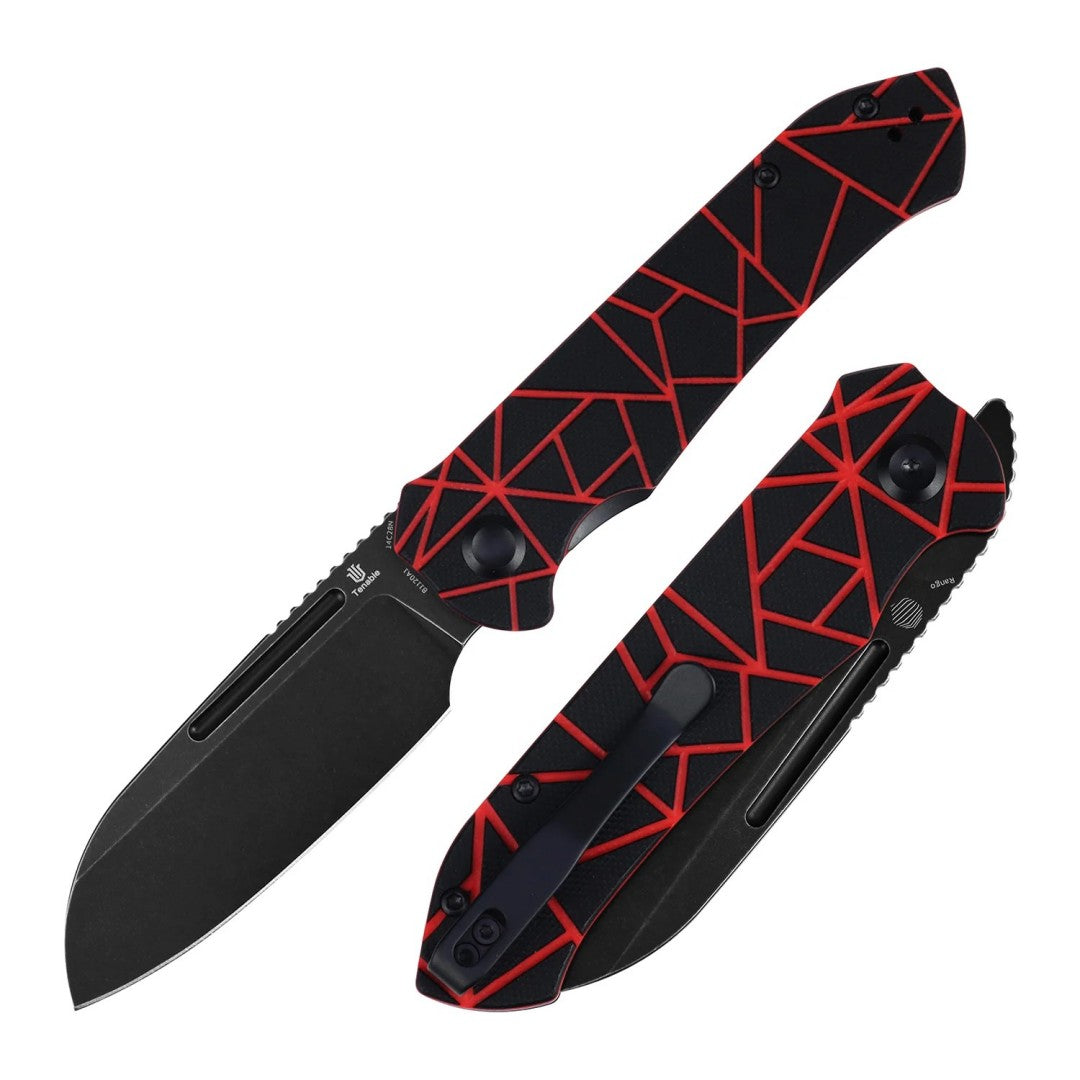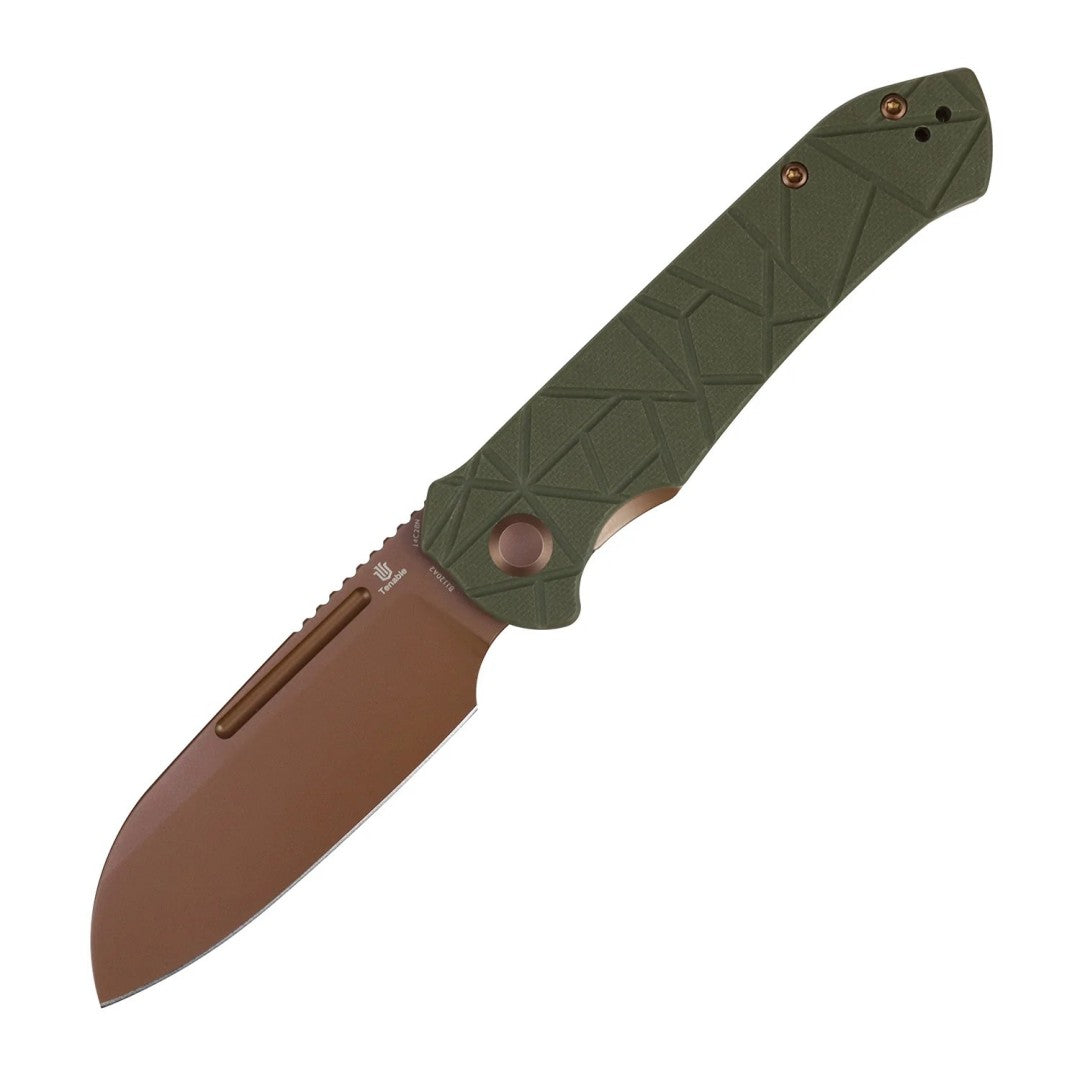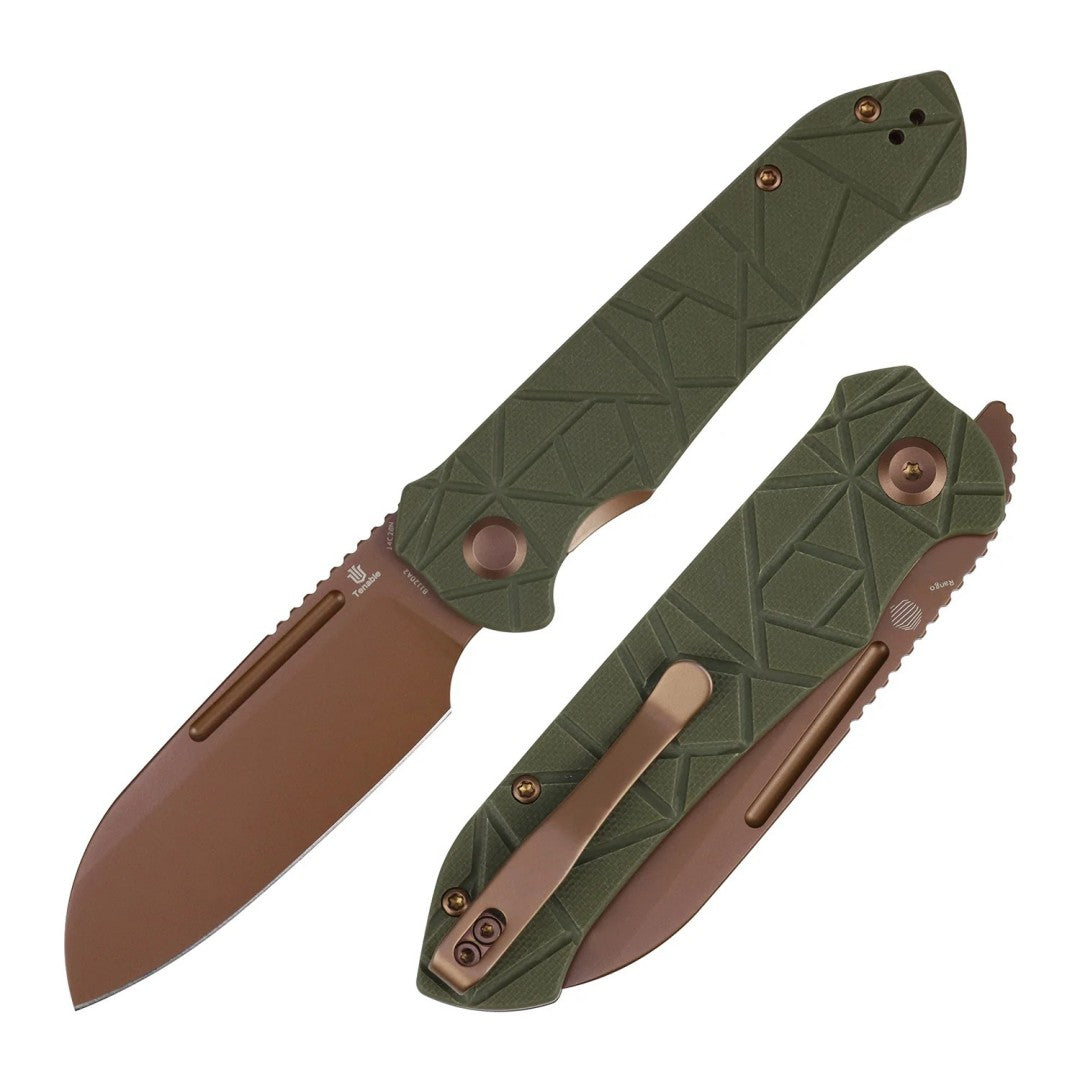
When choosing a modern cutting tool for your EDC setup, blade steel performance plays a central role in long-term satisfaction. Selecting the right alloy ensures your tool holds a sharp edge through tough cutting tasks while remaining easy to service in the field. In the Kansept Valk, custom knife maker Greg Schob of Sparrow Knife Co. opted for a highly specialized material: Nitro-V stainless steel. This article dives deep into the metallurgy, edge geometry, and real-world performance of this exceptional blade steel within the compact fixed blade platform engineered by Kansept.

Technical Specifications & Metallurgy Overview
To understand why this steel alloy excels in a compact fixed blade format, it helps to examine its technical foundation and dimensions:
| Attribute | Technical Detail |
| Blade Steel | Nitro-V Stainless Steel |
| Key Alloying Elements | Chromium, Nitrogen, Vanadium |
| Blade Length | 3.0 inches (76.2 mm) |
| Blade Thickness | 0.137 inches (3.5 mm) |
| Overall Length | 6.4 inches (162.6 mm) |
| Blade Grind | Full Flat Grind |
| Blade Profile | Reverse Tanto / Sheepsfoot |
Understanding Nitro-V Metallurgy
Developed as an enhancement to traditional AEB-L steel, this alloy incorporates precise additions of nitrogen and vanadium. This chemical composition produces specific structural benefits that directly impact everyday cutting performance:
1. Fine Carbide Structure and Grain Refinement
The addition of vanadium promotes exceptionally fine carbide formation during heat treatment. This micro-structure allows the blade to take an extremely keen, razor-sharp edge without micro-chipping under stress.
2. Enhanced Nitrogen Hardening & Corrosion Resistance
Nitrogen works alongside chromium to bolster stain resistance while increasing overall hardness. Carrying a blade close to the body in a front pocket exposes steel to sweat, humidity, and atmospheric moisture. This alloy resists pitting and surface oxidation exceptionally well under daily environmental exposure.
 Real-World Edge Retention and Cutting Efficiency
In everyday cutting scenarios—ranging from breaking down heavy corrugated boxes to trimming synthetic cordage—the blade shape and steel work in perfect synergy.
Key Performance Advantages in the Field:
Sustained Slicing Power: The full flat grind combined with fine grain steel glides smoothly through dense materials without binding or wedging.
Reinforced Tip Strength: The reverse tanto blade profile channels material stress along the thick spine, preventing tip damage during puncturing cuts.
Micro-Toughness: Resists edge rolling when encountering hidden staples, plastic bands, or outdoor grit.
Because the steel balances hardness with micro-level ductility, the edge maintains its working sharpness significantly longer than standard budget steels like 8Cr13MoV or 440C.
Sharpening and Maintenance in the Field
One common frustration with high-end super-steels (such as CPM-20CV or M390) is that they can be notoriously difficult to re-sharpen without specialized diamond hones.
This is where the chosen steel truly shines for regular users:
-
User-Friendly Touch-Ups: When the edge eventually dulls after heavy use, it responds quickly to standard ceramic sharpening rods or pocket stones.
-
Easy Stropping: A few light passes across a leather strop with polishing compound quickly restores a hair-shaving edge.
-
Low Maintenance Care: Thanks to its high stainless properties, simple cleaning and occasional wiping down with light oil keep the blade pristine.
Steel Comparison: Nitro-V vs. Common EDC Steels
How does this blade steel stack up against other popular choices found in pocket knives?
-
Vs. D2 Tool Steel: While D2 offers high wear resistance, it is semi-stainless and prone to rusting under sweaty conditions. The nitrogen-alloyed steel offers vastly superior corrosion resistance and higher impact toughness.
-
Vs. 154CM: This alloy matches 154CM in edge holding while offering finer grain structure, making it less brittle and easier to bring back to a razor-sharp finish.
-
Vs. VG-10: It provides noticeably better toughness and chip resistance, allowing for a thinner edge geometry without risking micro-chipping.
 Final Verdict on Blade Steel Performance
The choice of steel in a compact fixed blade can make or break its real-world utility. By combining fine-grained steel architecture with a rigid full-tang chassis, this tool delivers dependable slicing ability, outstanding corrosion resistance, and stress-free maintenance. Whether you need a low-profile cutting tool for city work or a tough backup blade for outdoor adventures, this steel platform proves its worth every single day.