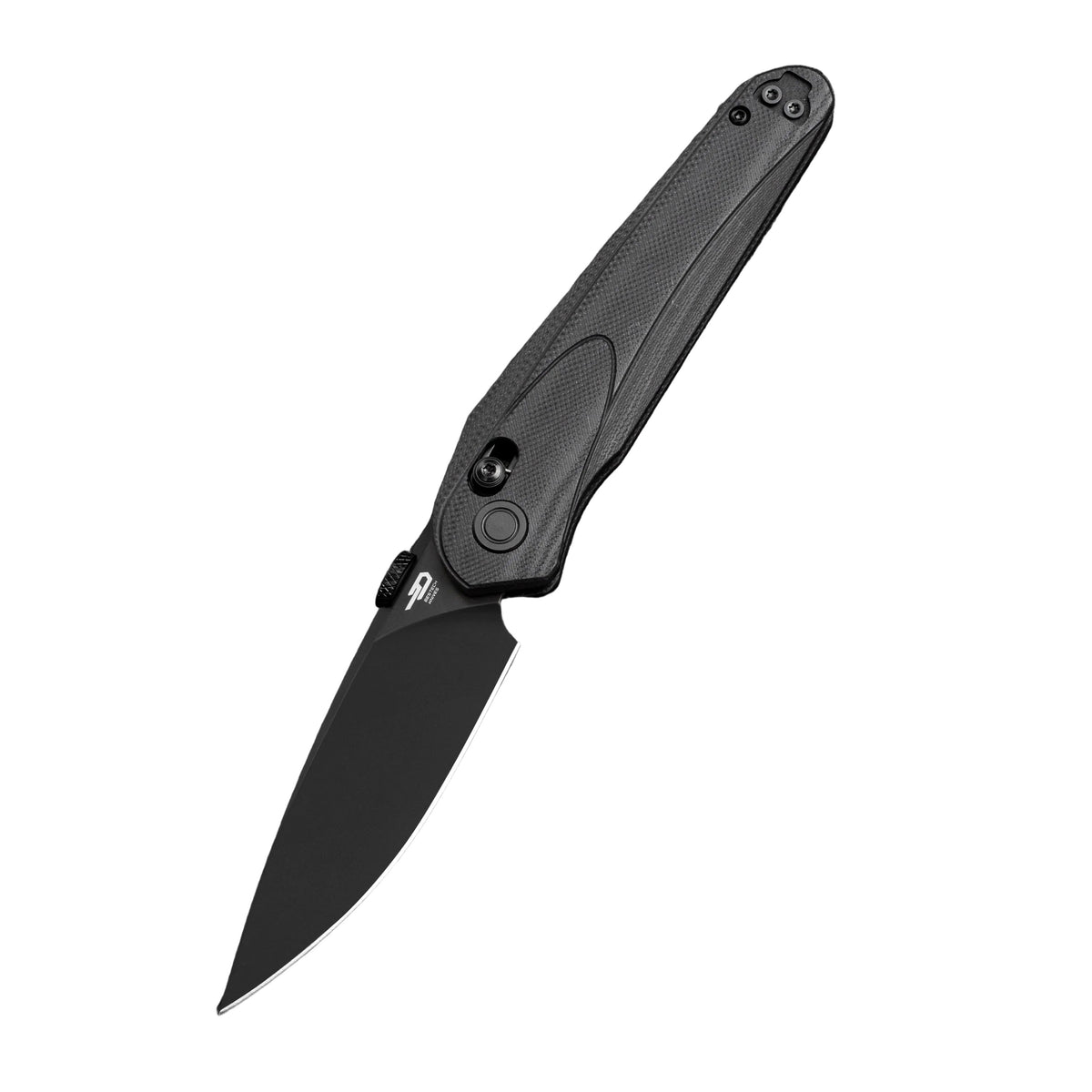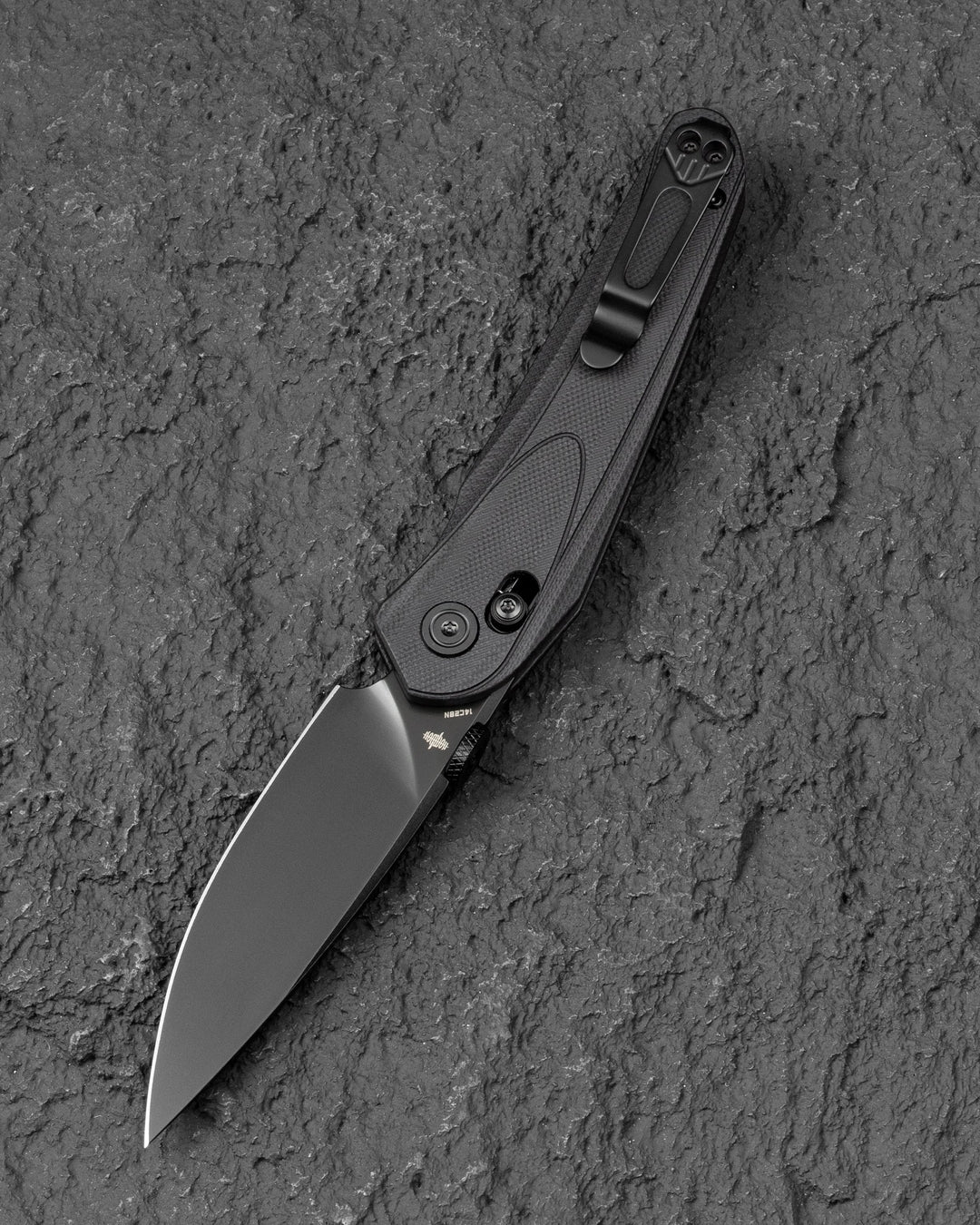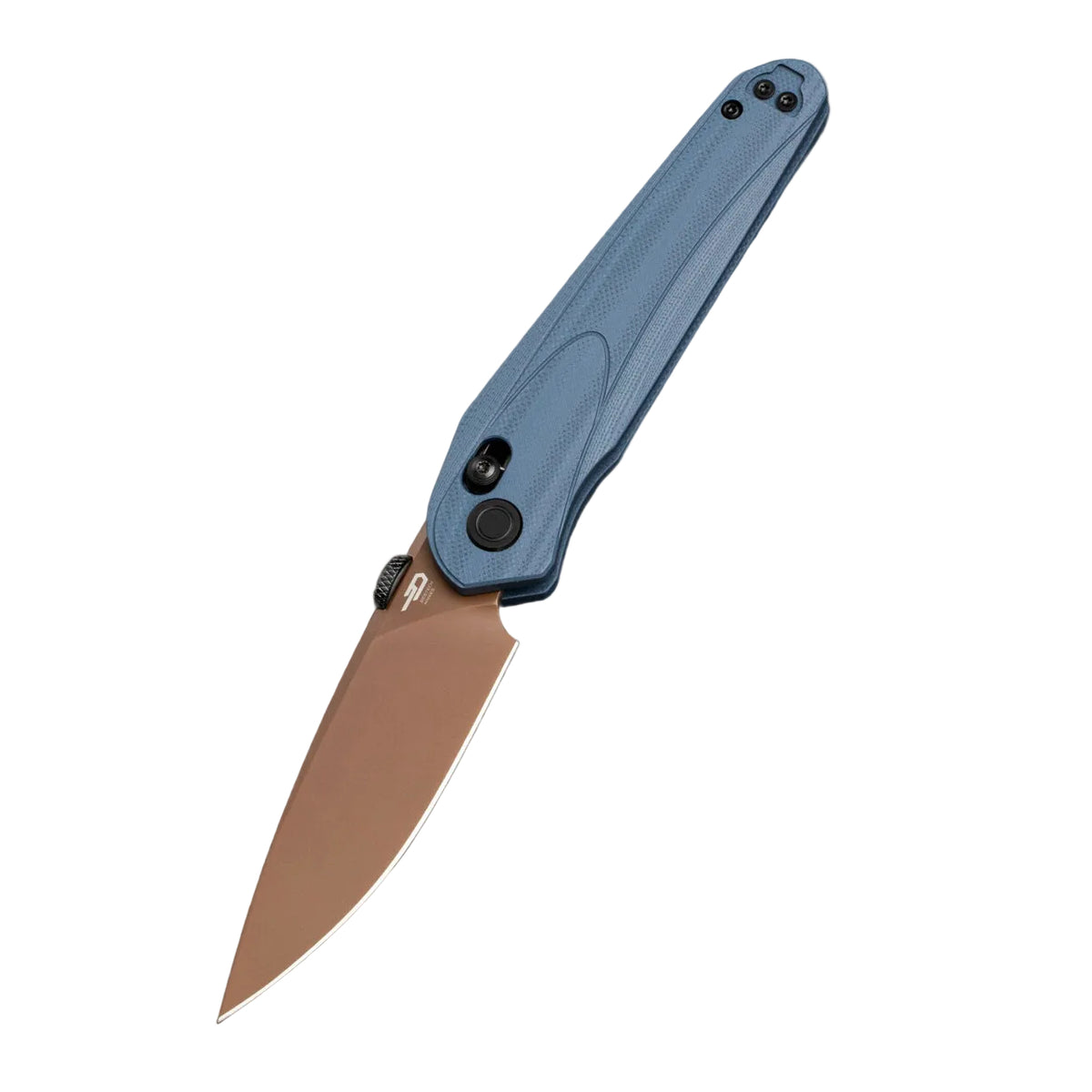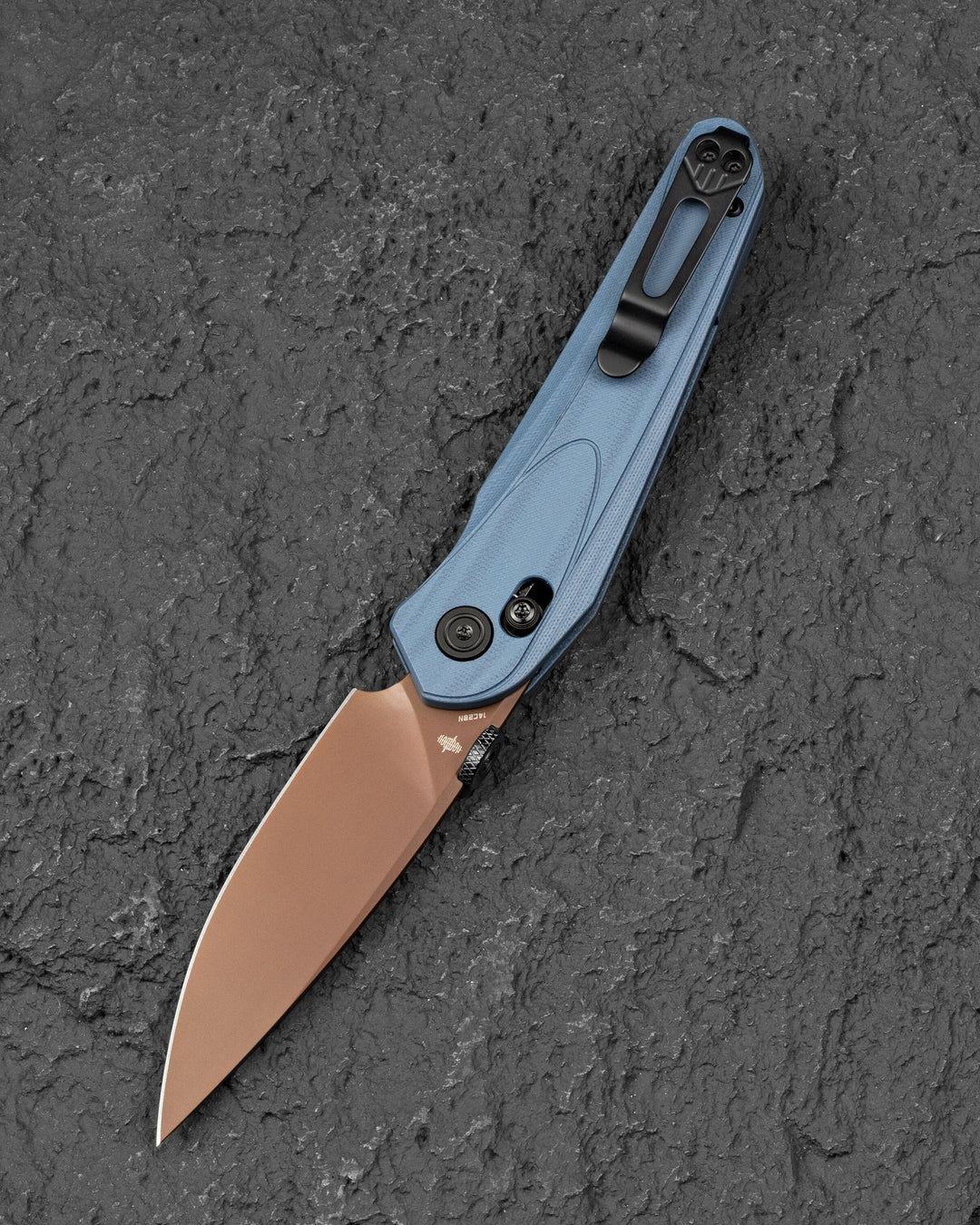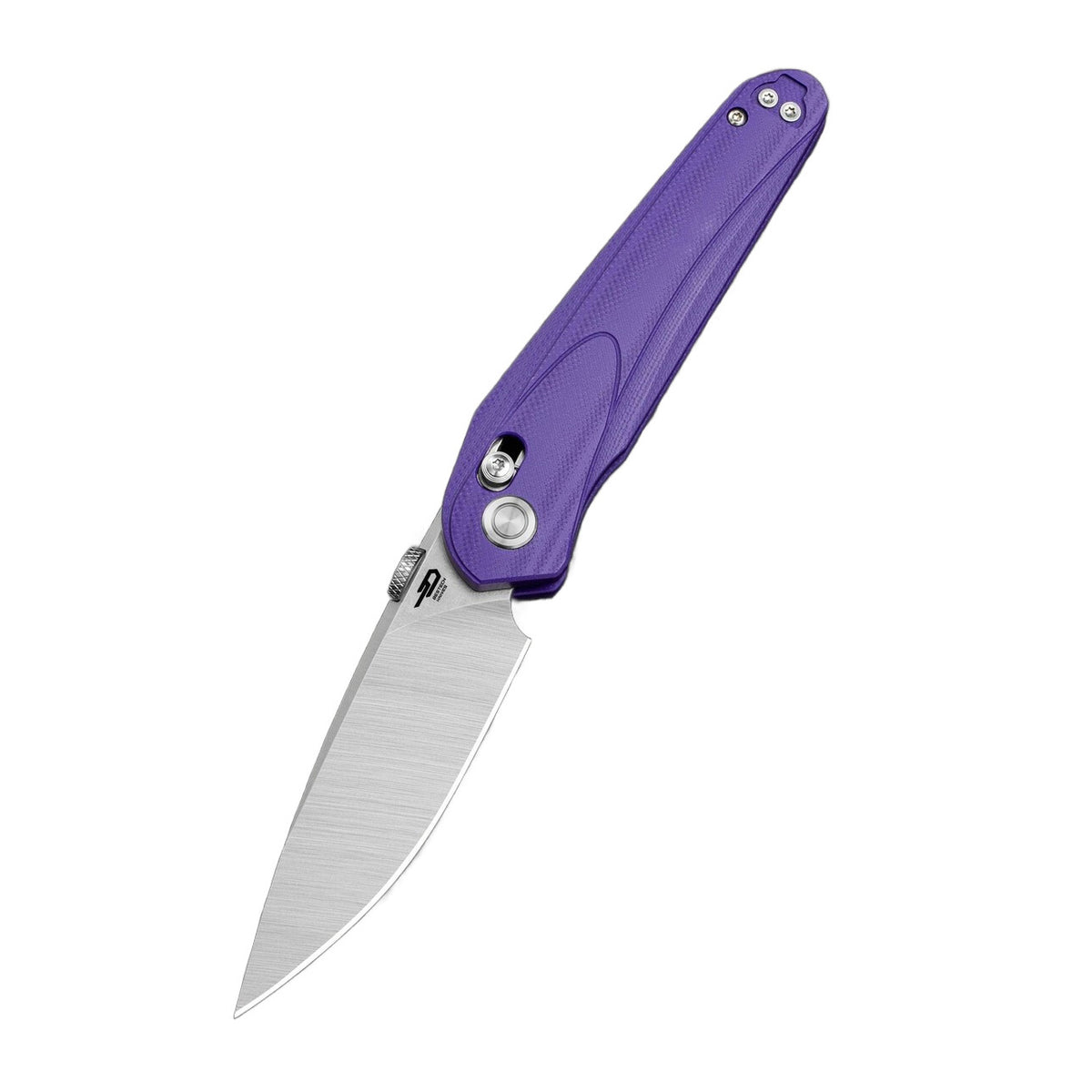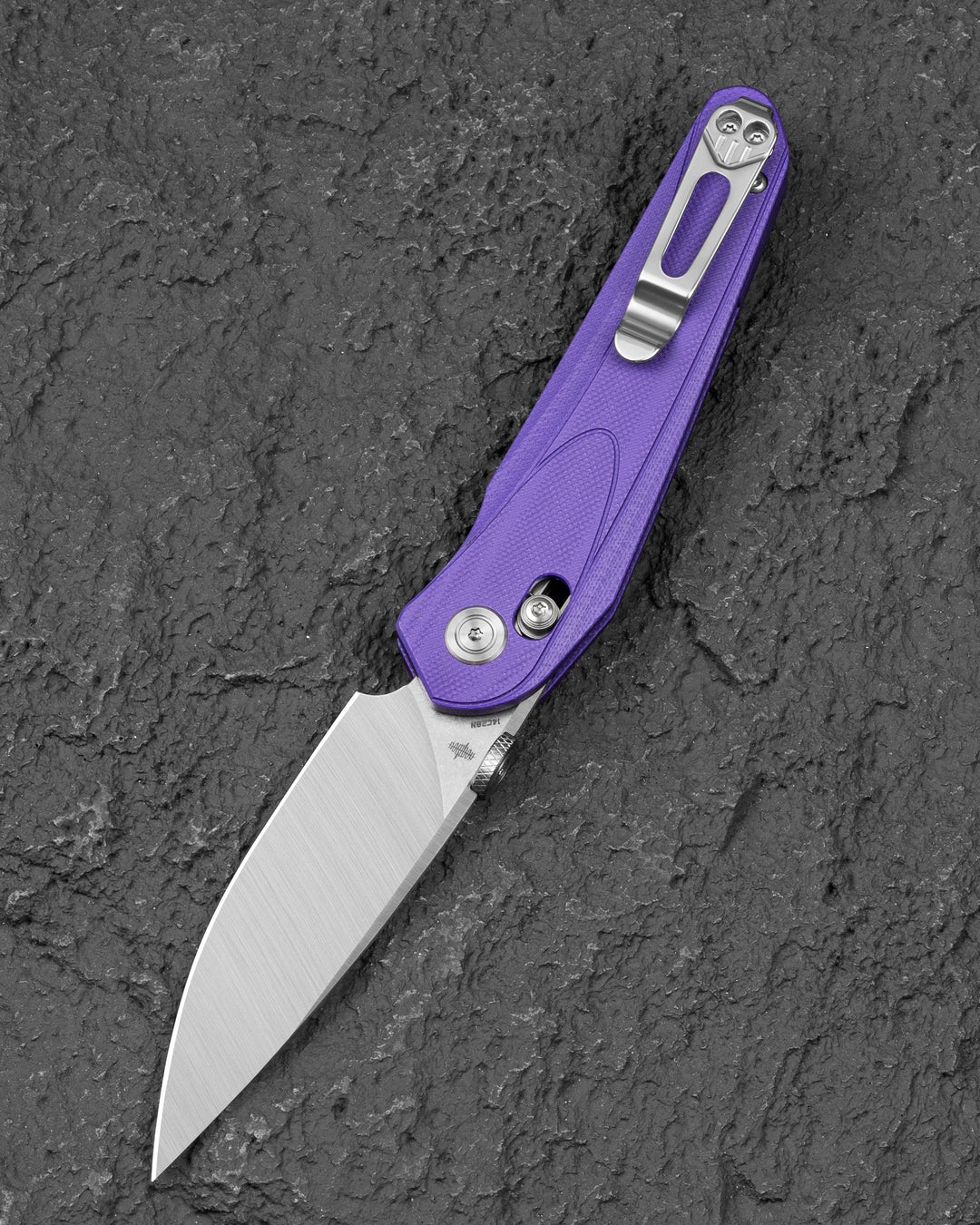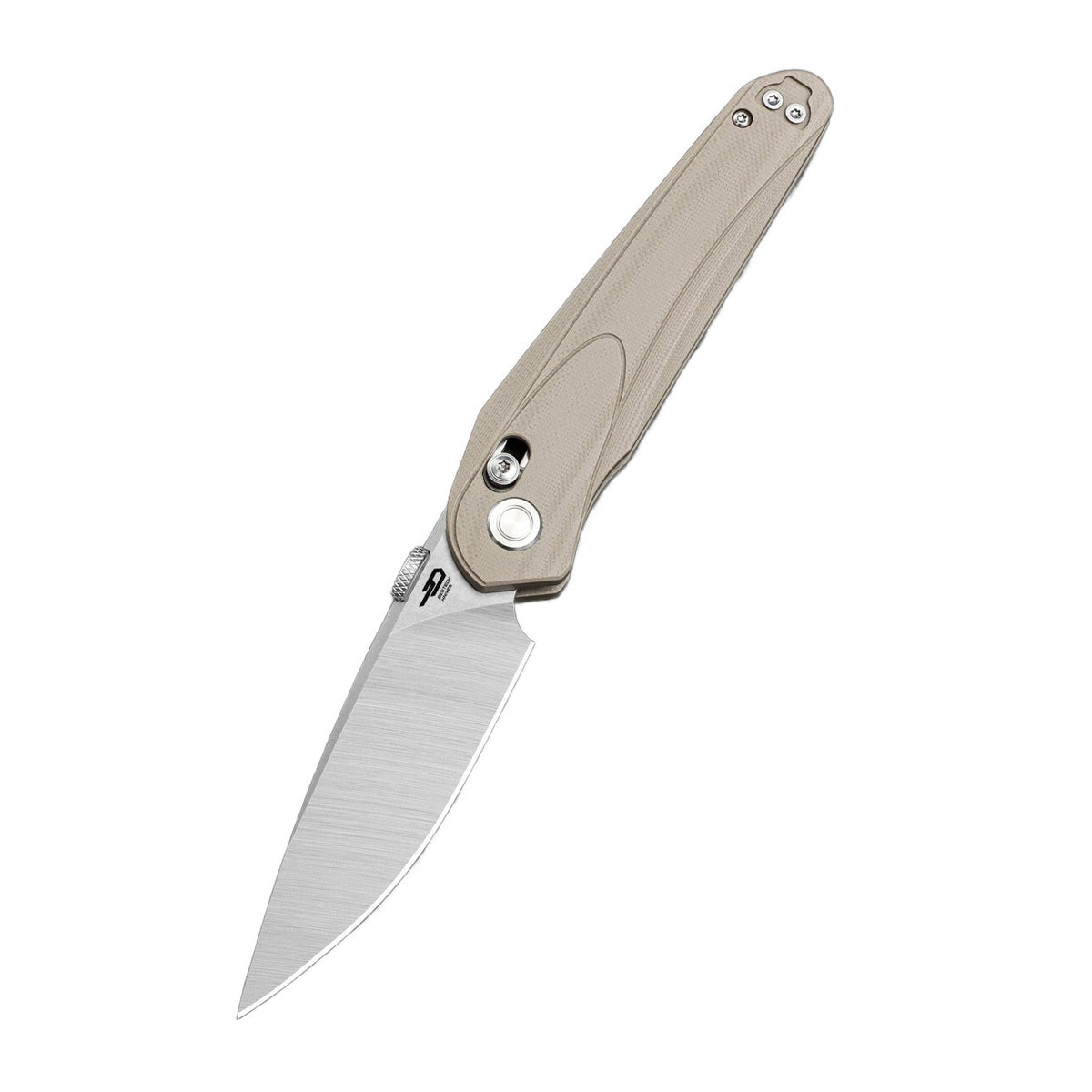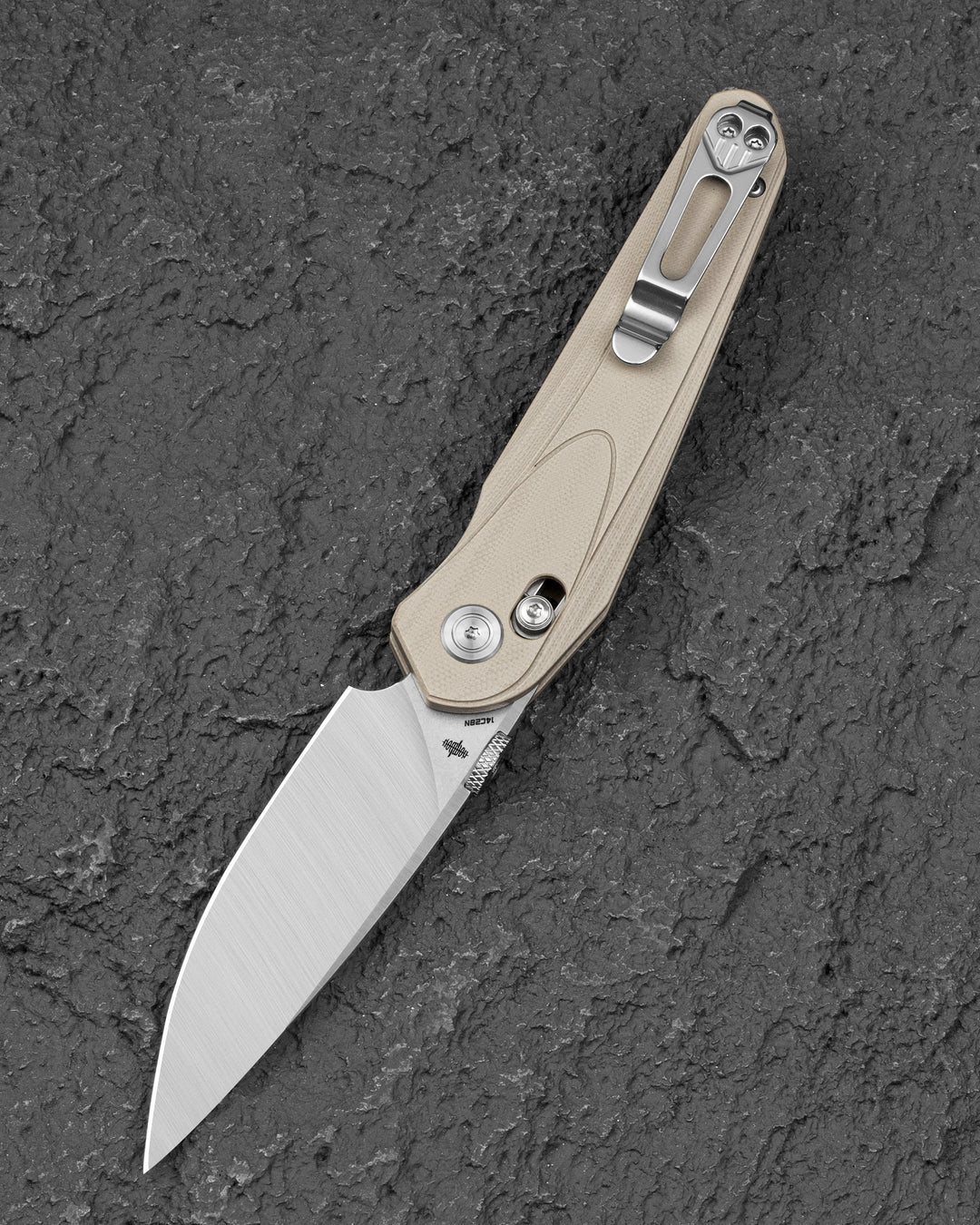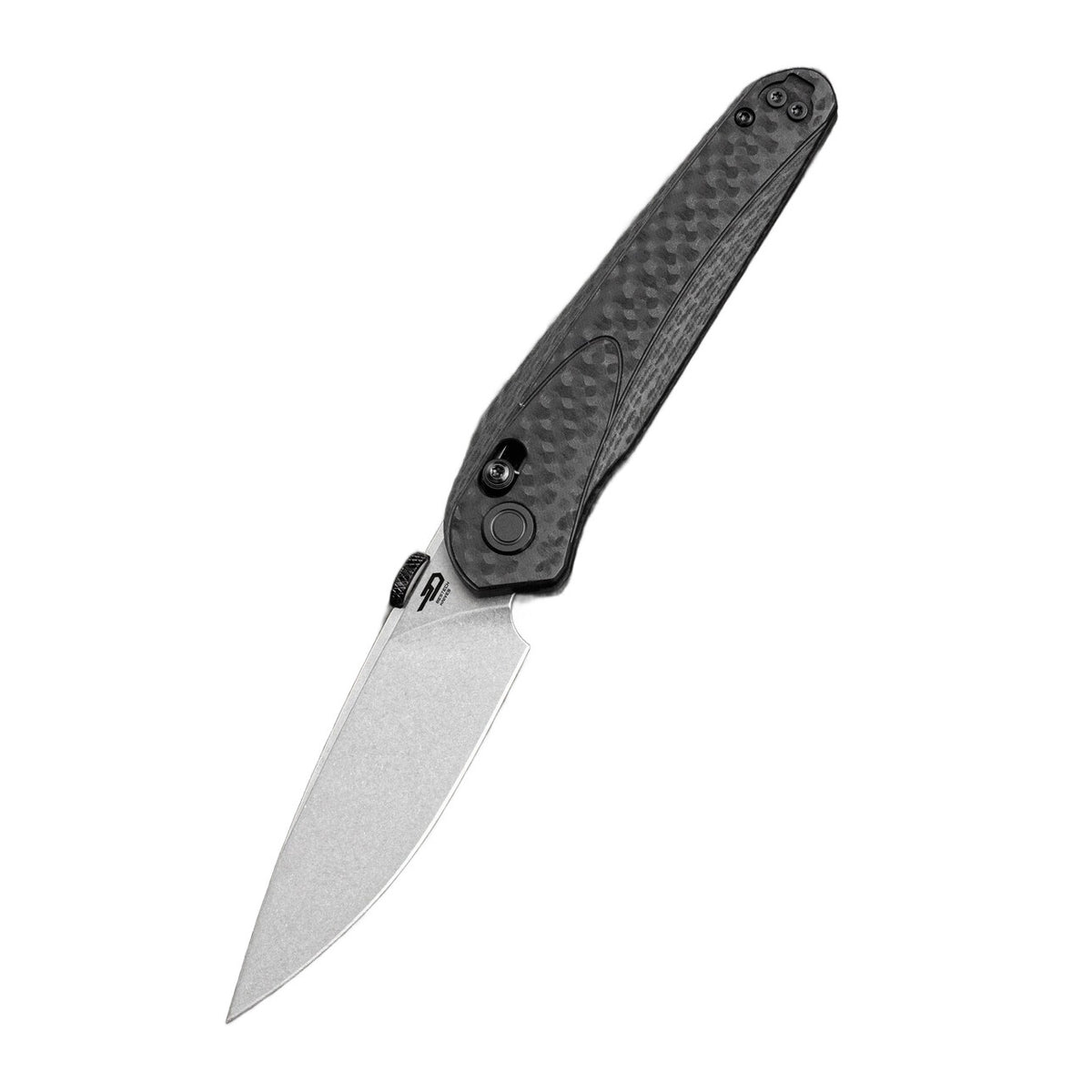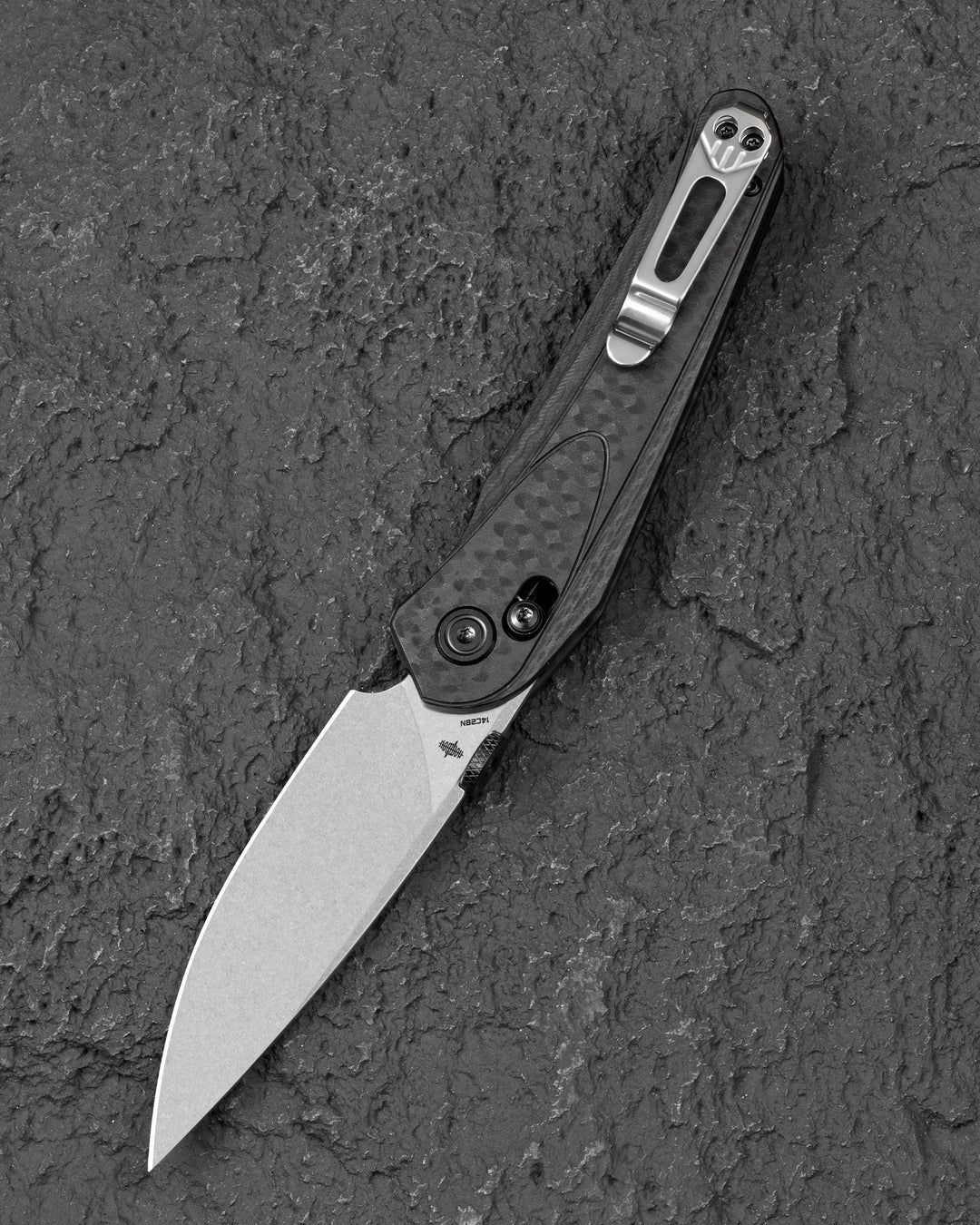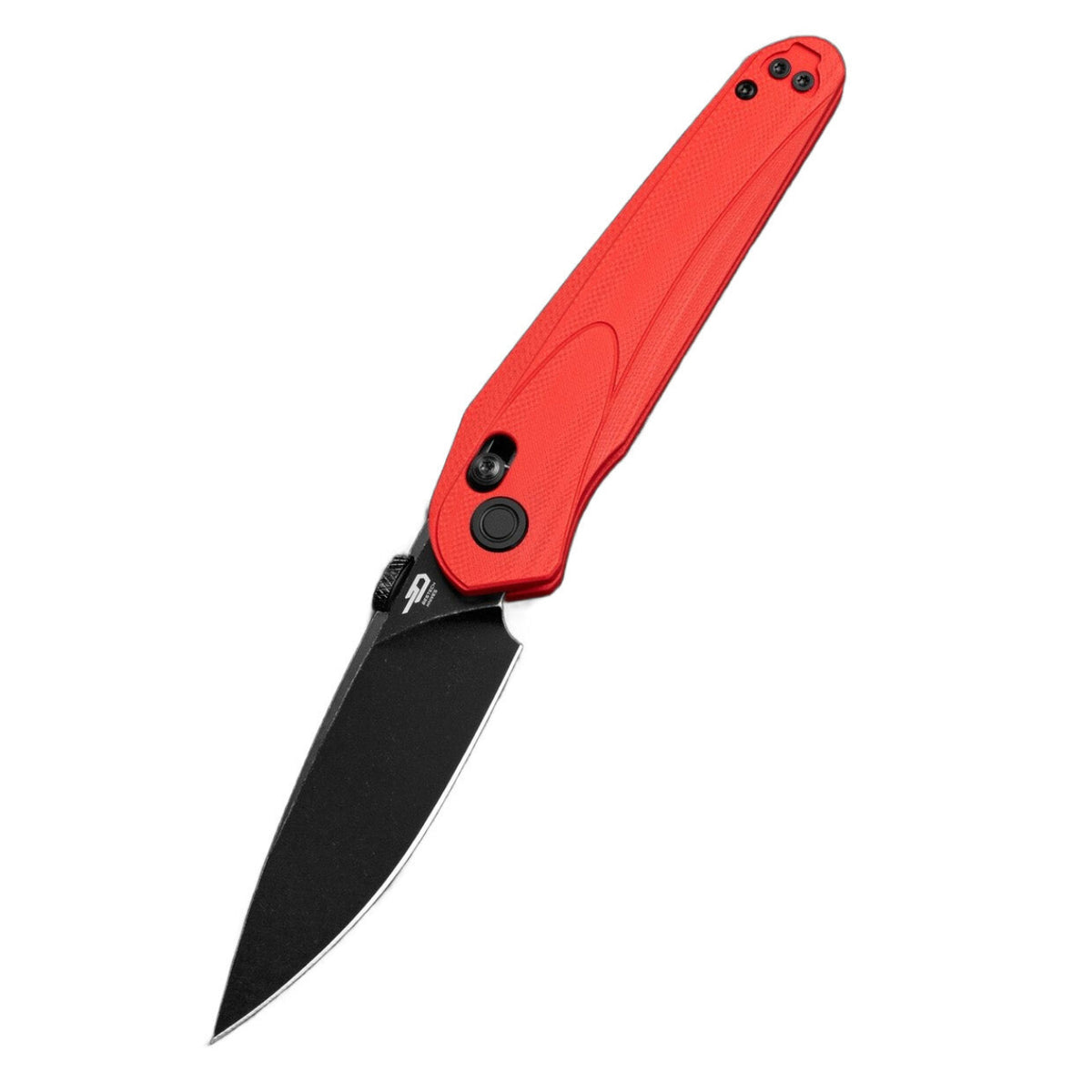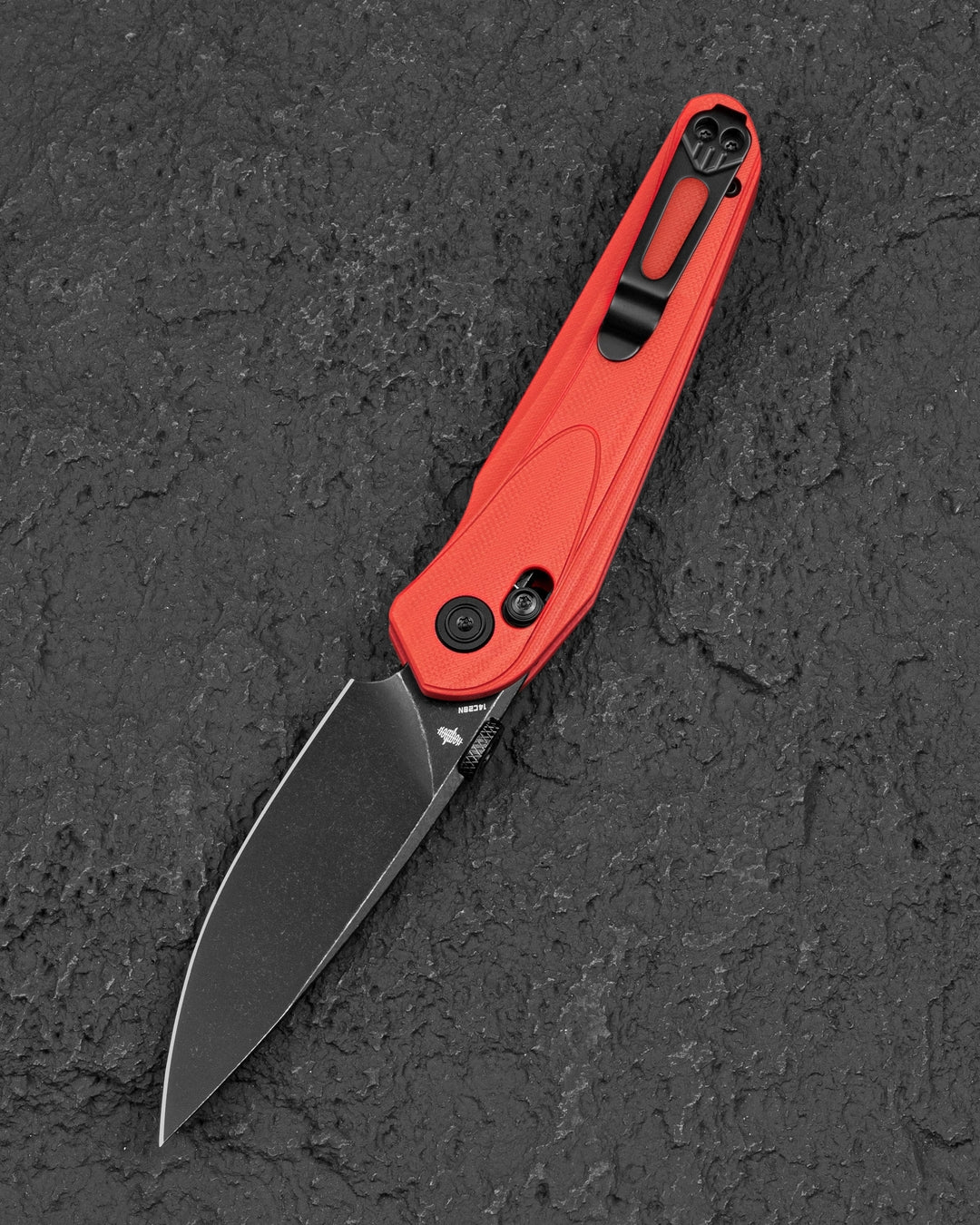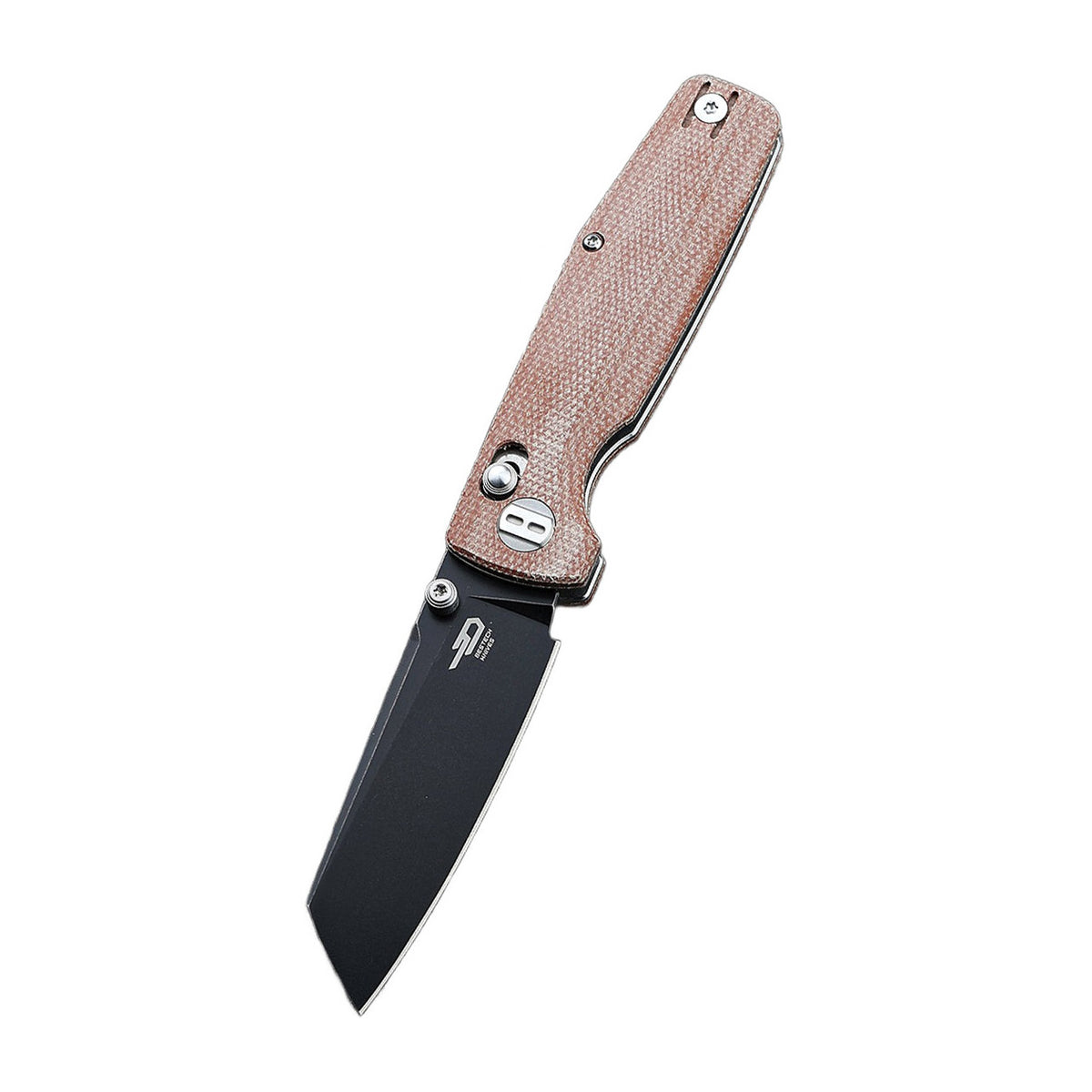

Overview / Key Features
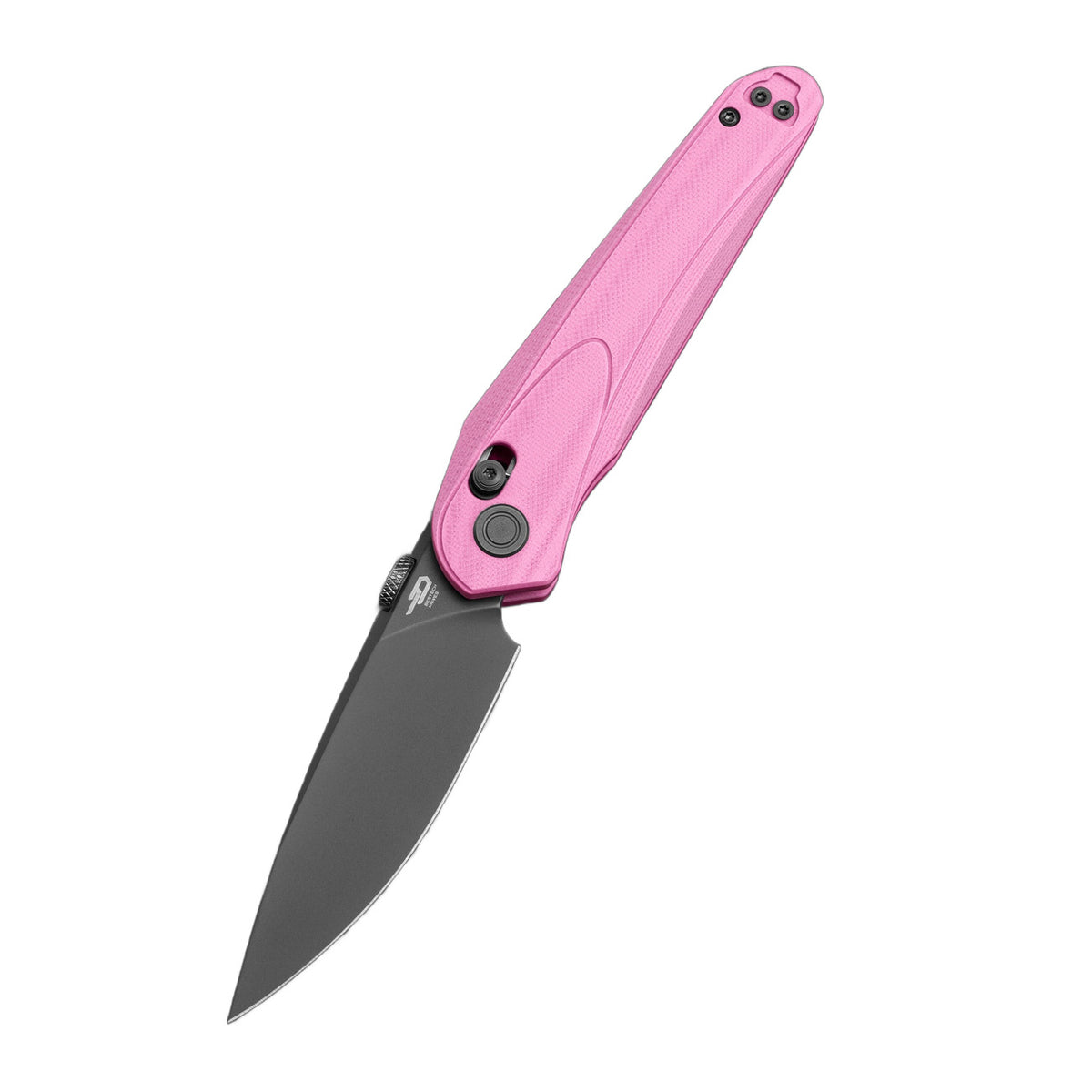
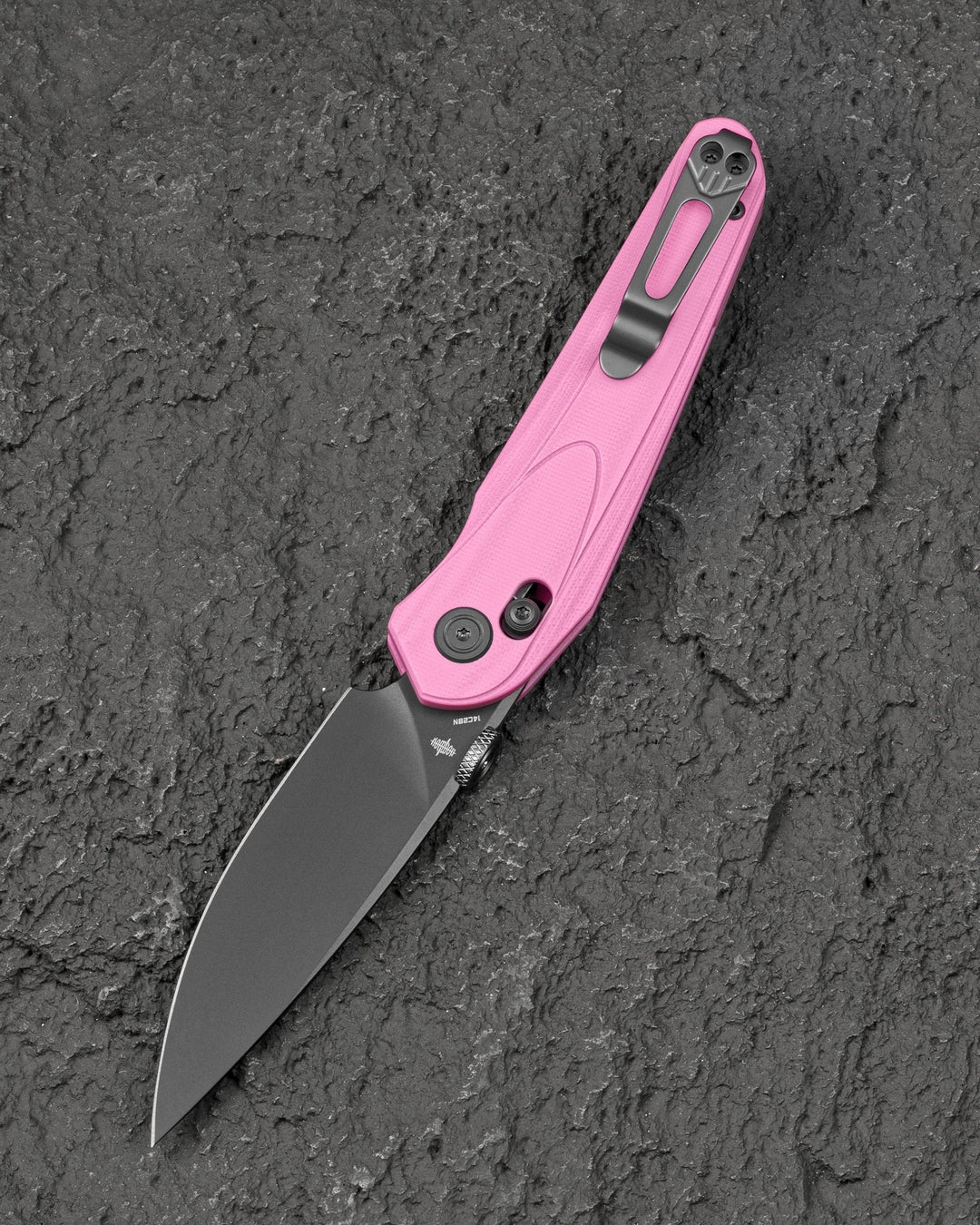
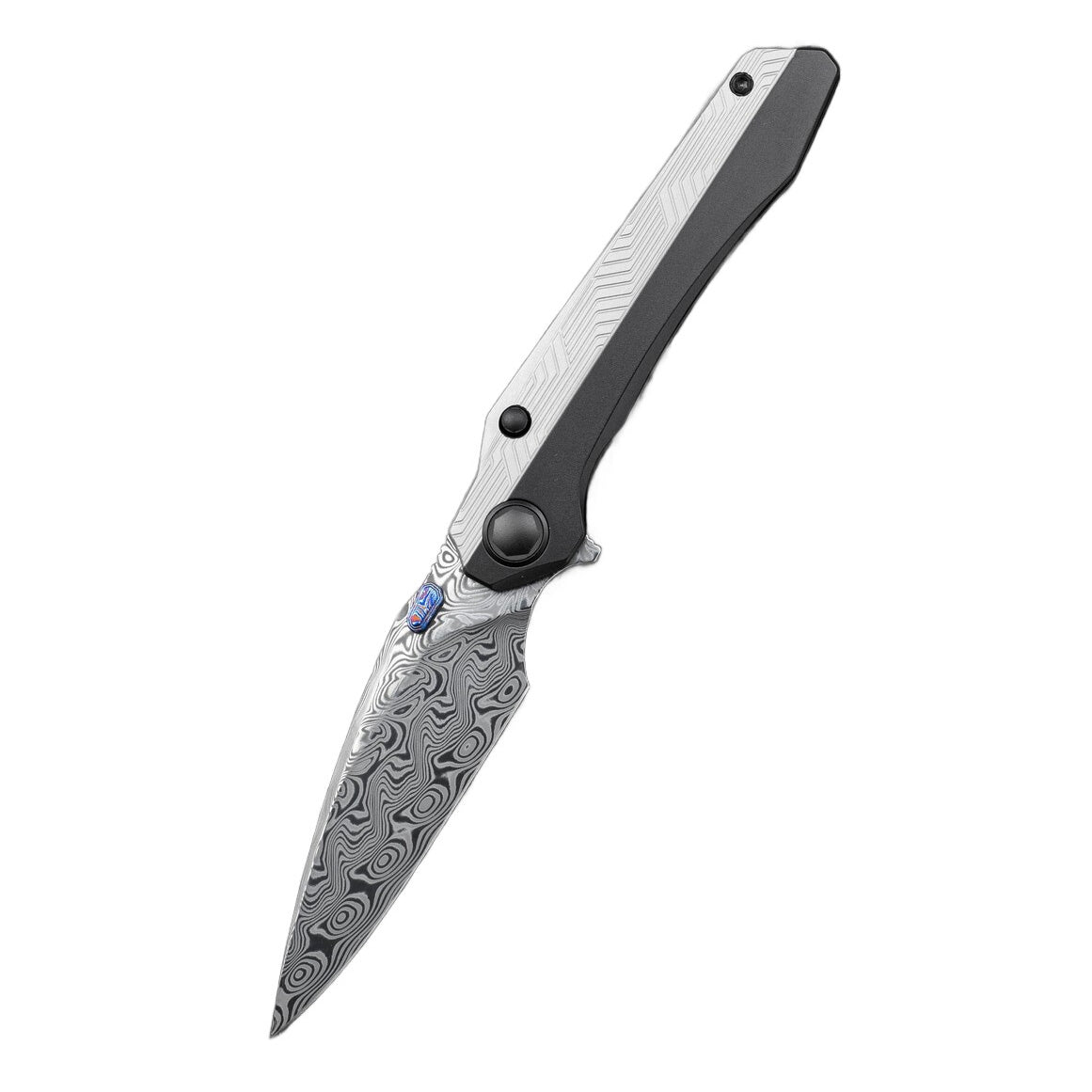
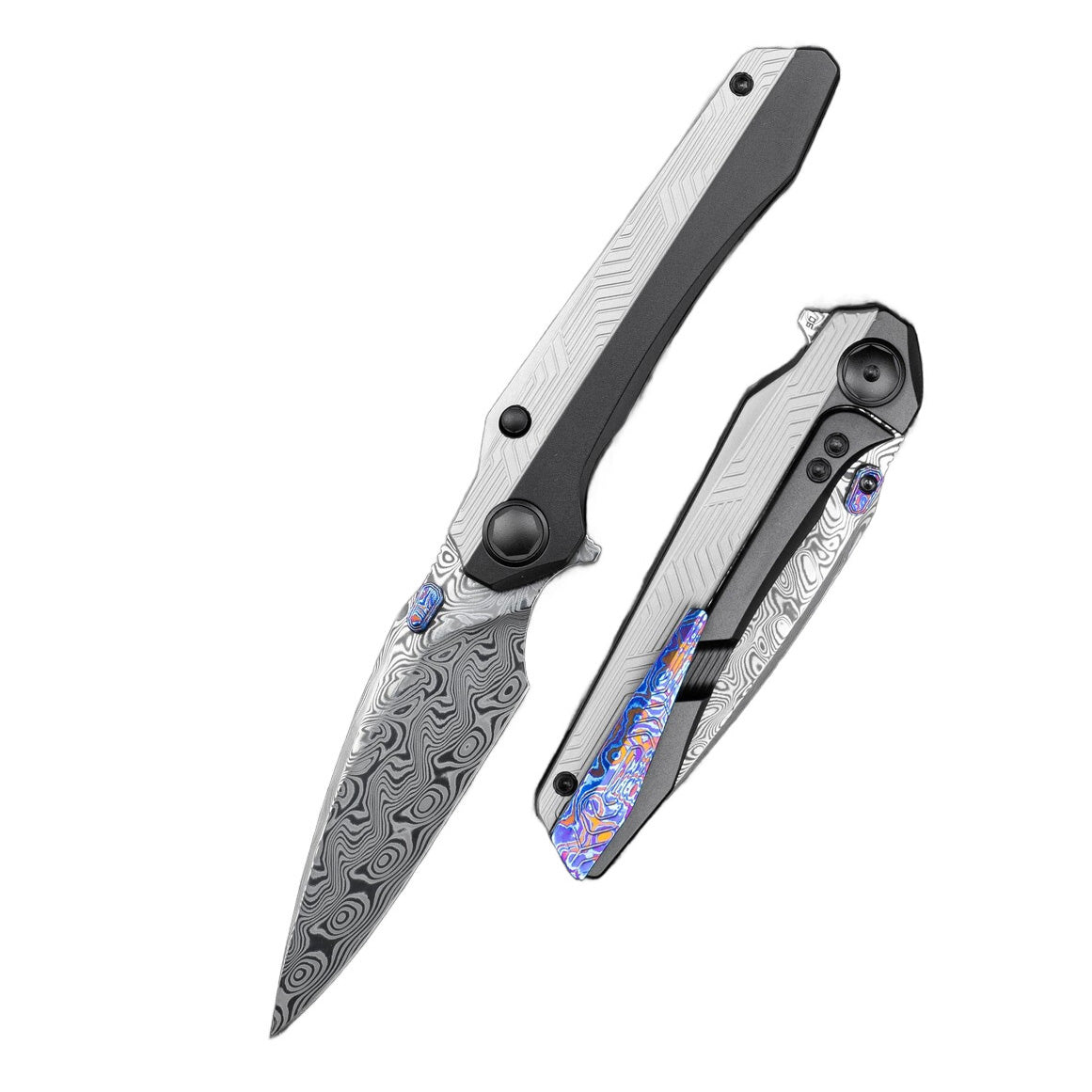
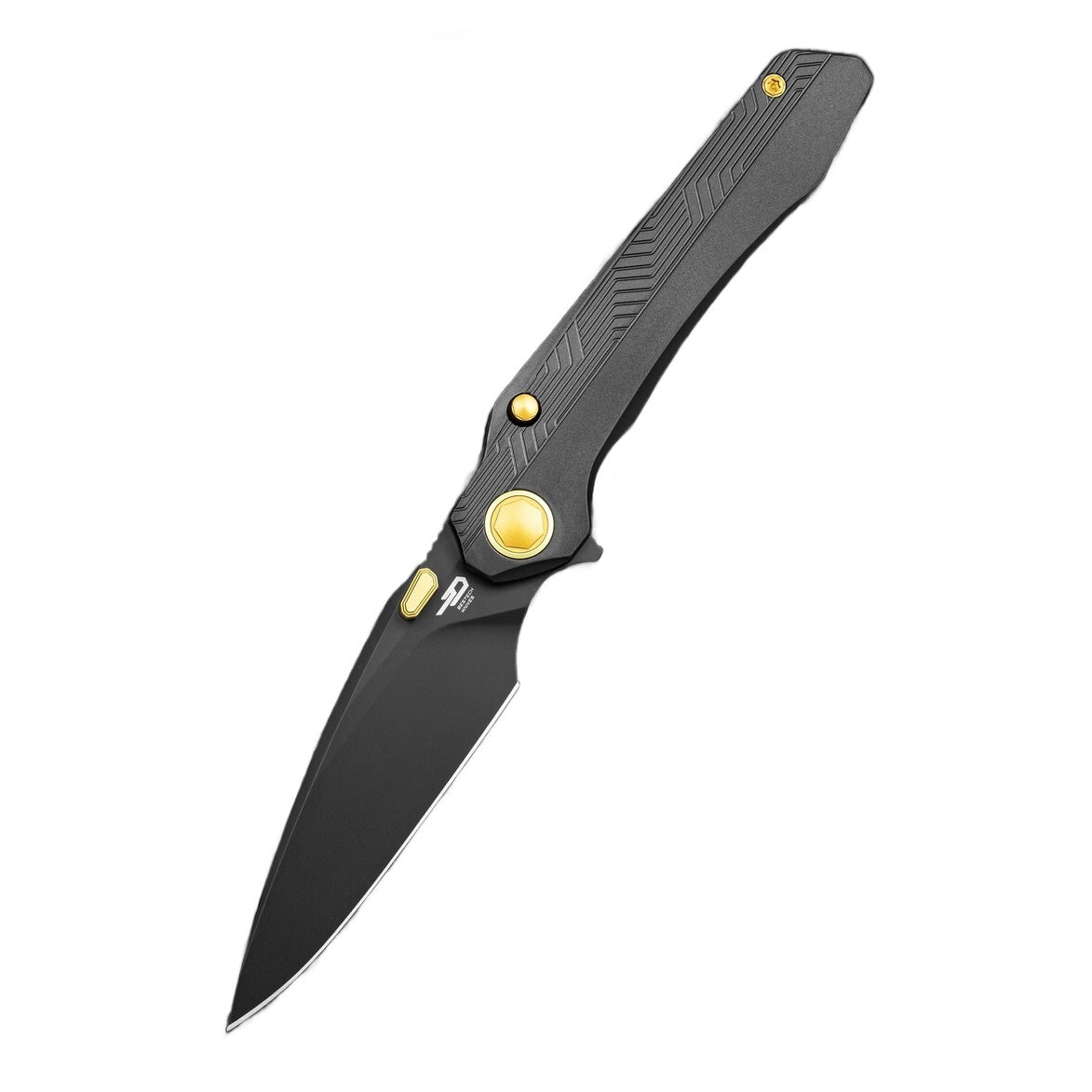
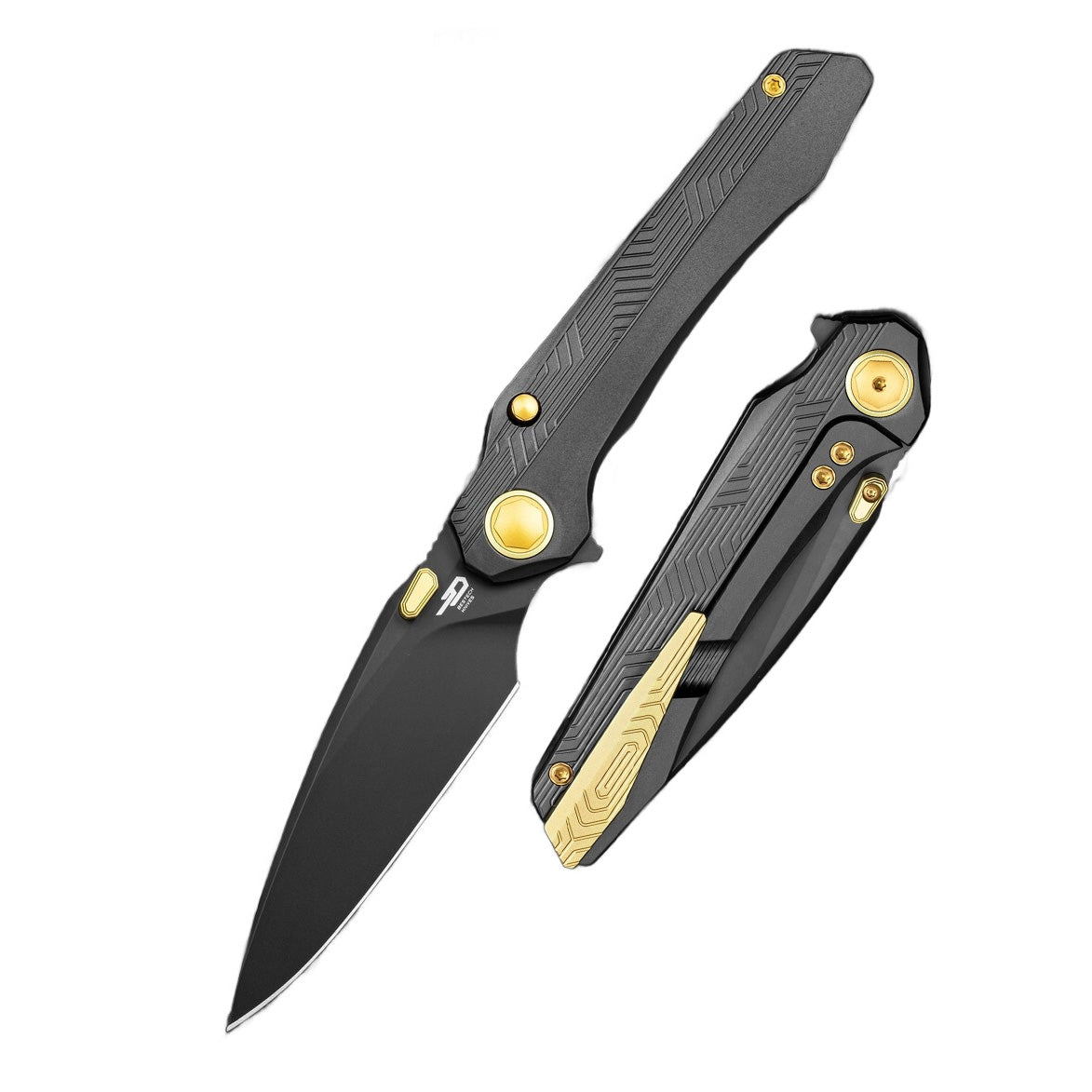
Physical vapor deposition, or PVD, is the reason so many modern folders arrive in black, gold, grey, or even rainbow finishes instead of bare steel. Bestech's new Mothus colorways lean on it heavily: the BG67G wears black PVD, the BG67F gold, and the BG67E dark grey, all over the same 14C28N blade. Understanding what that coating actually does, and what it does not, helps you pick finishes that match how you will treat the knife.

What PVD Actually Does
In a PVD process, the coating material vaporizes in a vacuum chamber and bonds to the steel surface at the molecular level, forming a thin ceramic-like layer. Unlike paint, it is not sitting on top as a separate film; it becomes part of the surface. The practical results are better scratch resistance, significantly improved corrosion resistance, reduced glare, and a finish that stays consistent over years of carry. Thickness is measured in microns, which is why edge geometry and cutting feel remain unchanged.
The Honest Limitations
PVD is hard but thin. Sharpening eventually removes it at the edge, leaving a bright line of bare steel along the bevel; some owners like this two-tone look, others find it untidy. Abrasive contact with concrete or grit can scratch through locally. And while PVD improves corrosion resistance, it protects the steel underneath rather than replacing good habits, so a saltwater dunk still demands a rinse and dry. None of this is a flaw so much as a boundary: coatings are cosmetic armor, not invincibility.

Choosing a Finish for Your Carry
Black PVD is the safest default: it matches everything, hides wear best, and suits office and tactical contexts alike. Gold and bronze tones, like the BG67F's, read warmer and more distinctive while behaving identically. Grey finishes split the difference and pair well with colorful scales. The steel under the coating matters just as much: a PVD-coated 14C28N steel blade is nearly maintenance-free, while premium steels like the M390 in Trivisa's higher-end models benefit from coatings mainly for glare control.
Final Verdict
PVD coatings let budget knives look premium and let premium knives stay discreet. The Bestech Mothus BG67G, BG67E, and BG67F demonstrate all three major finish directions at one price. Compare them within Bestech Knives, browse coating options across Trivisa knives, and pick from the full folding knives range with confidence.
Caring for a Coated Blade
Maintenance for PVD is mercifully simple. Wipe the blade after cutting acidic food or anything salty, because the coating protects the flats but the sharpened bevel is bare steel and will spot if ignored. A drop of oil at the pivot and along the lock keeps the mechanism smooth regardless of finish. Avoid dragging the blade through abrasive grit on purpose; PVD resists scratches far better than paint but is not scratch-proof, and deep gouges through the coating cannot be repaired without removing the entire layer. When it comes time to sharpen, use your normal stones and accept the bright bevel line, or re-darken it with a marker if uniformity matters to you. Stored dry, a PVD-coated folder will look essentially factory-fresh after years of honest use, which is more than can be said for bare stonewash in the same period.