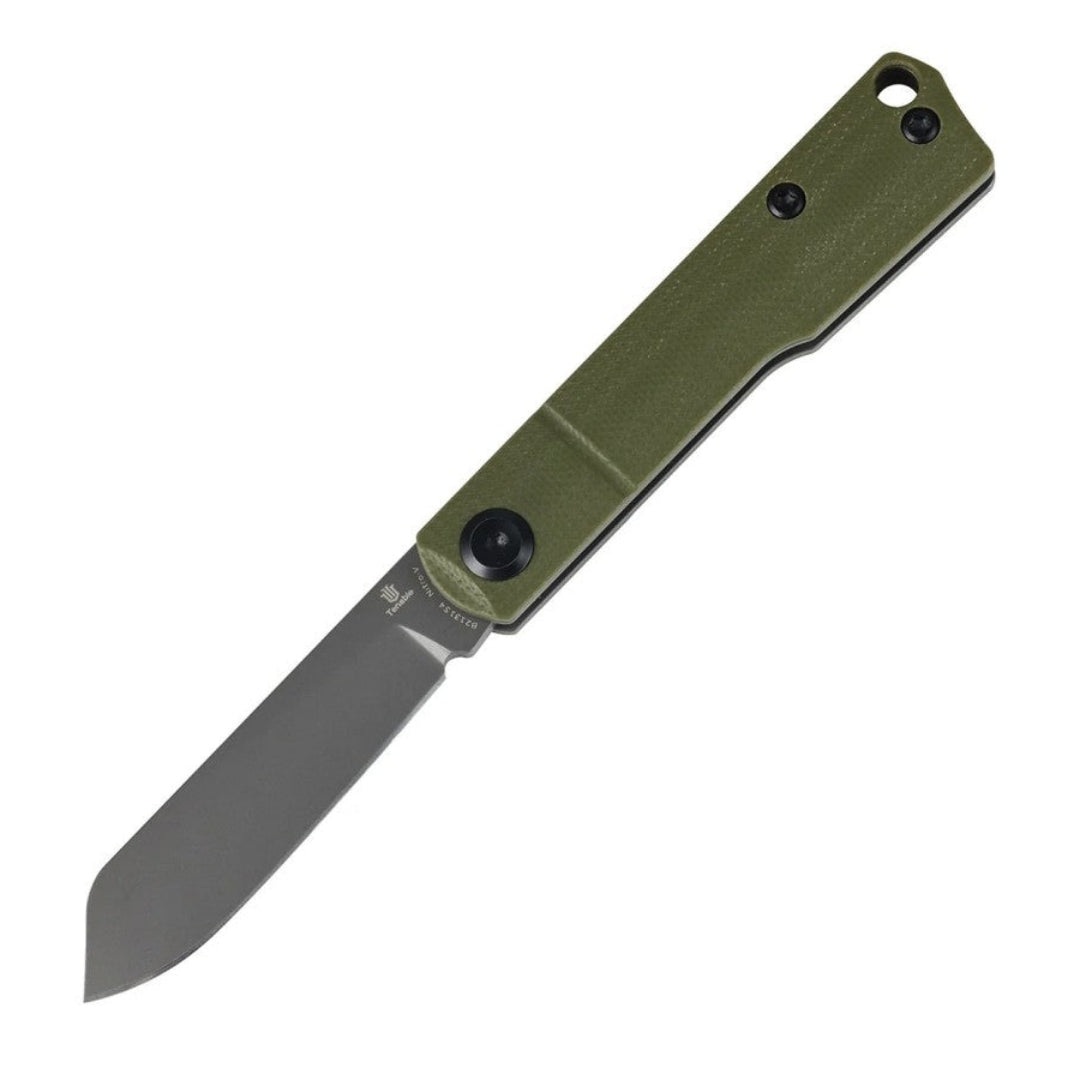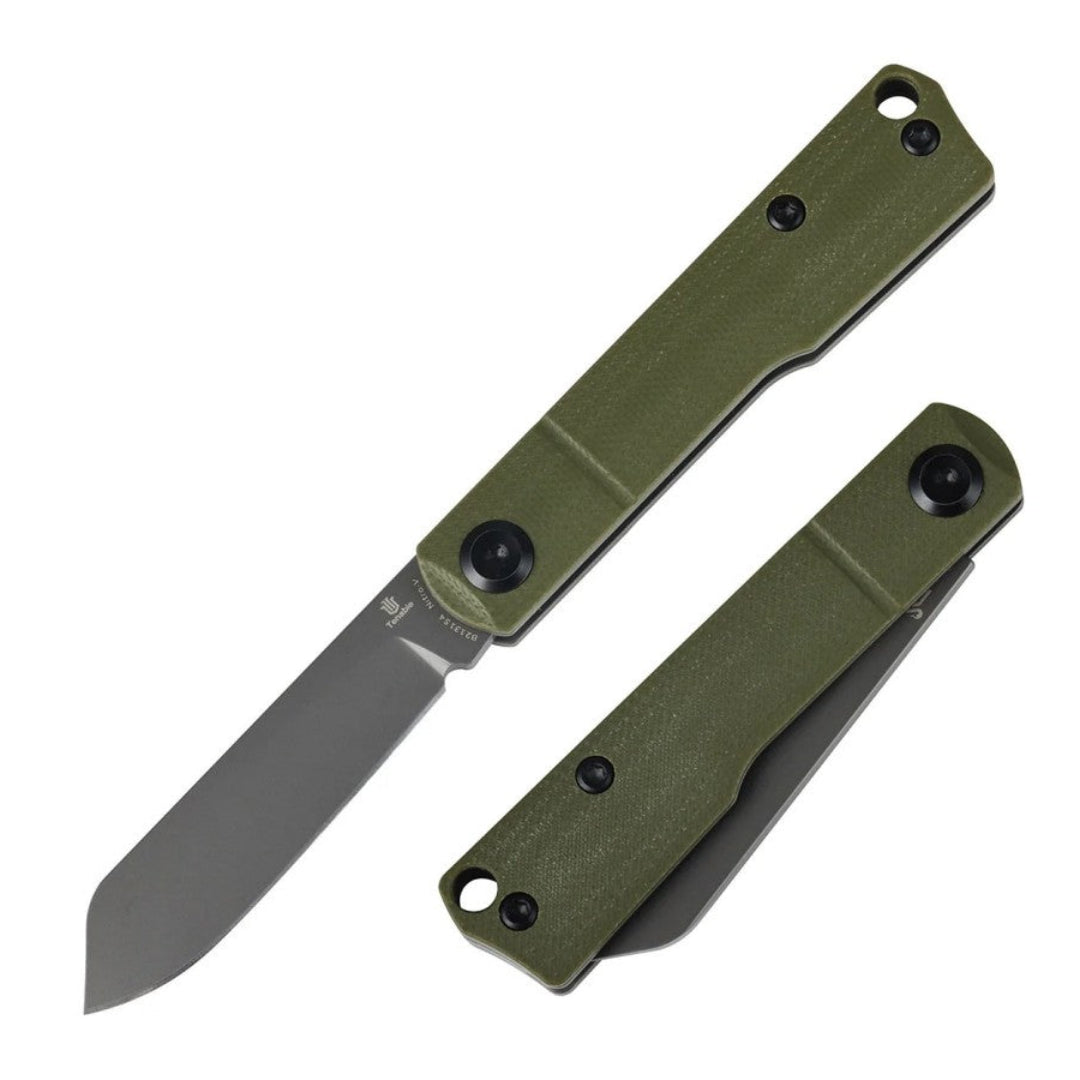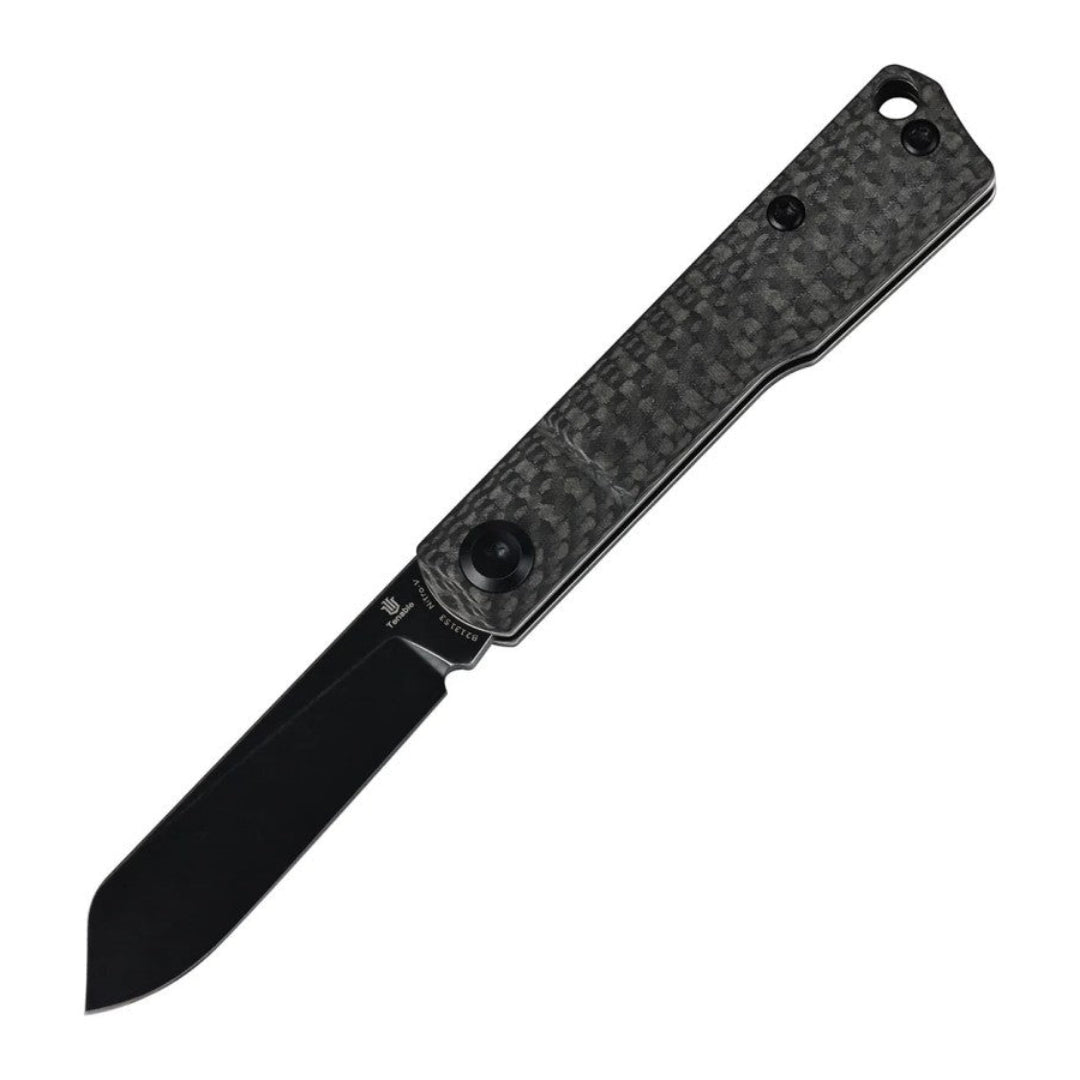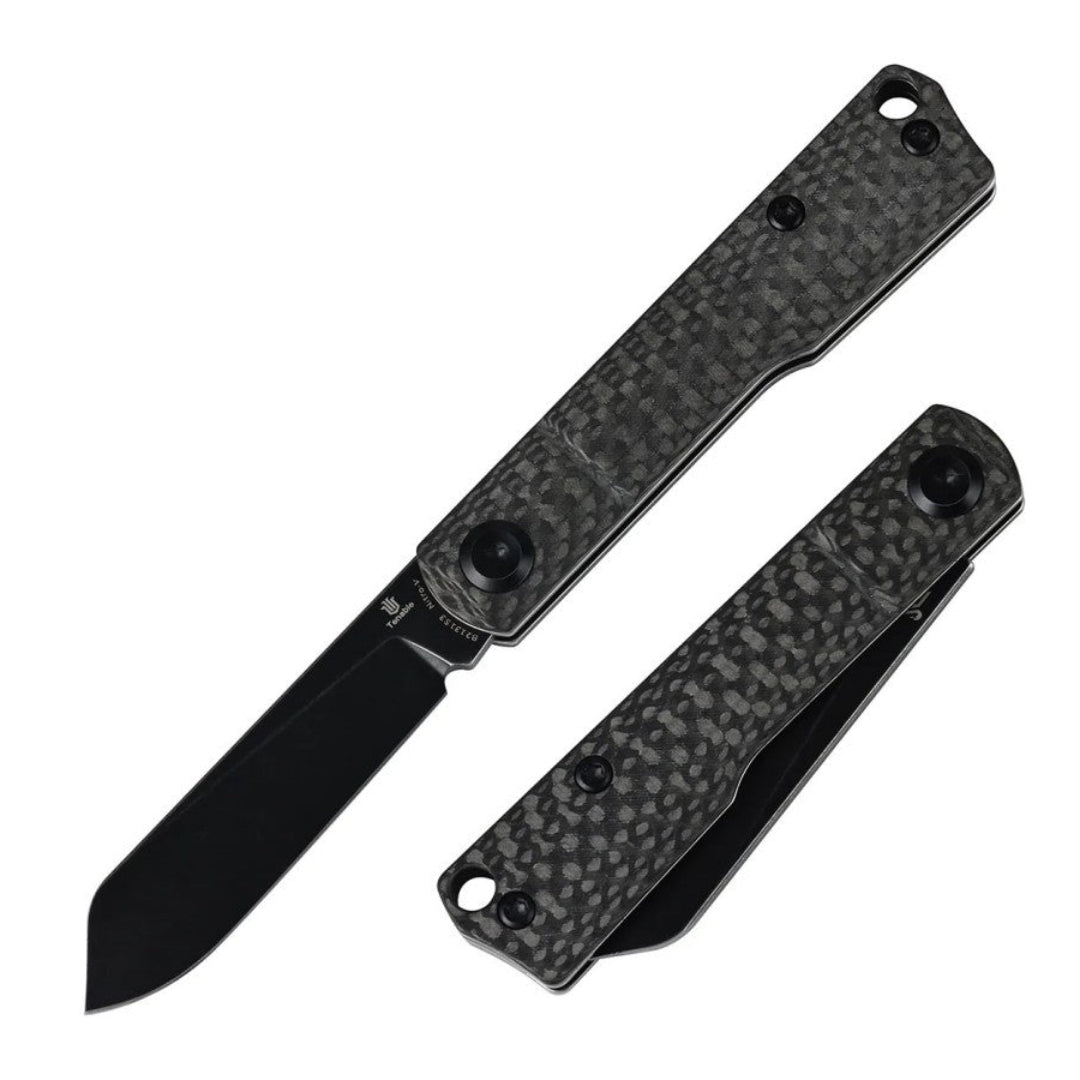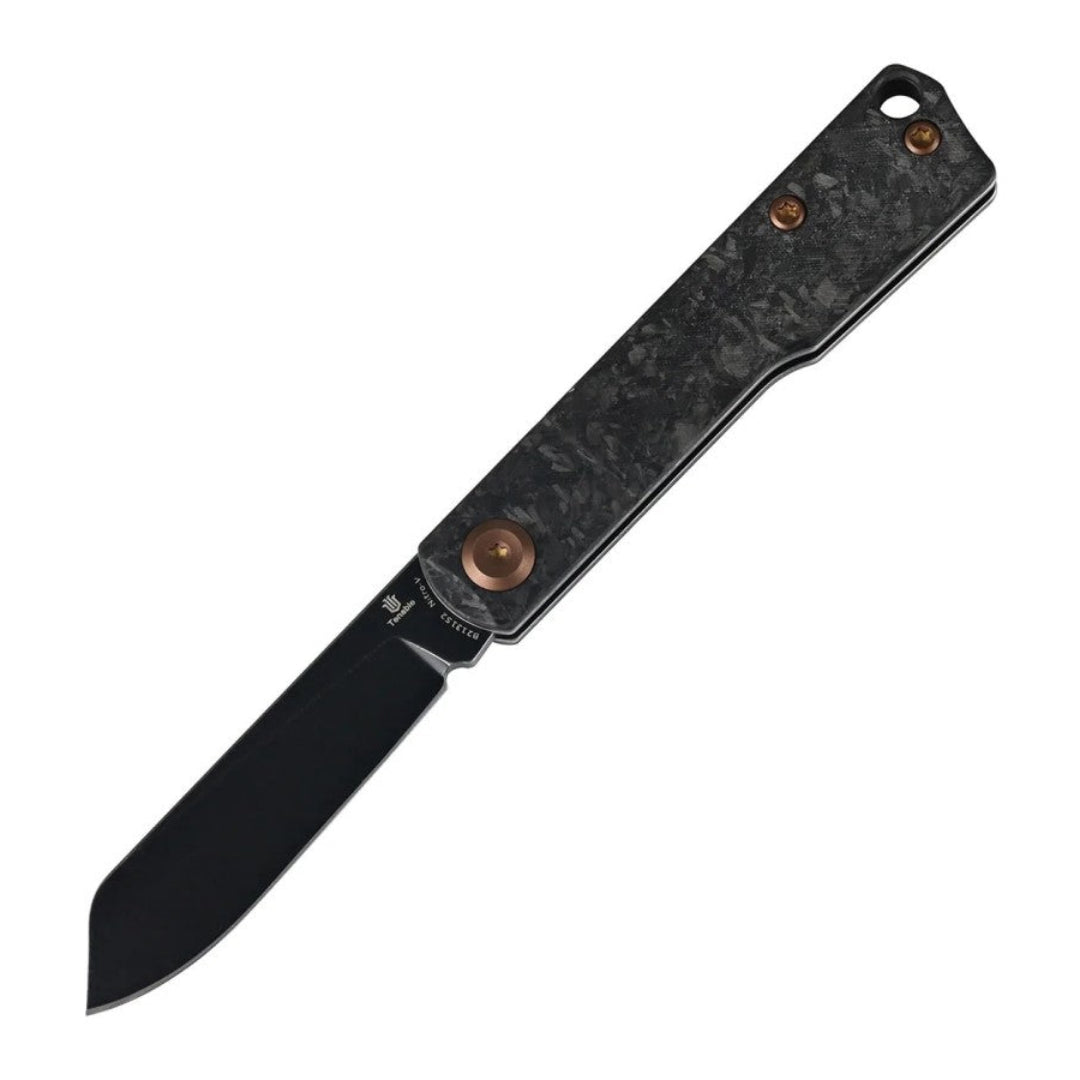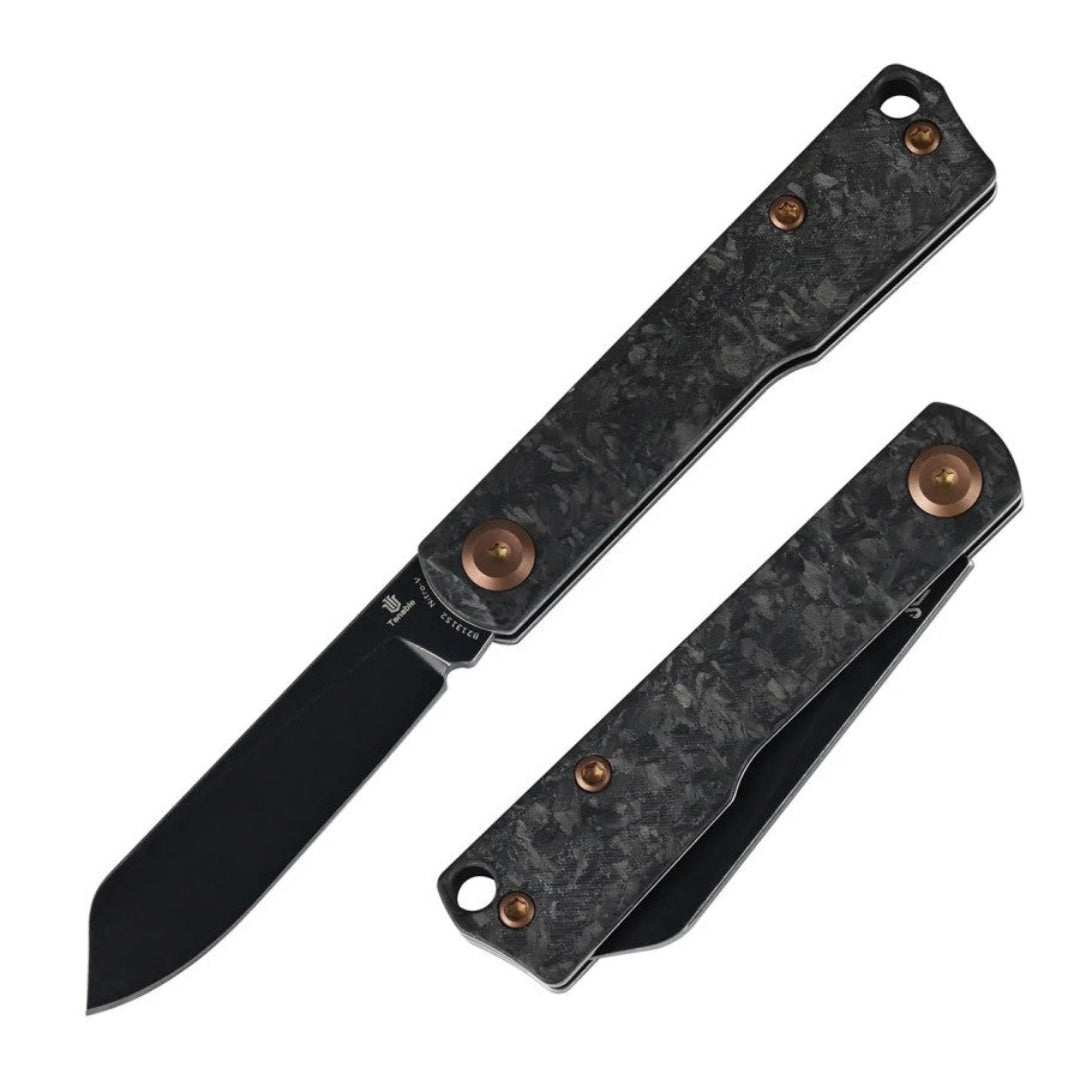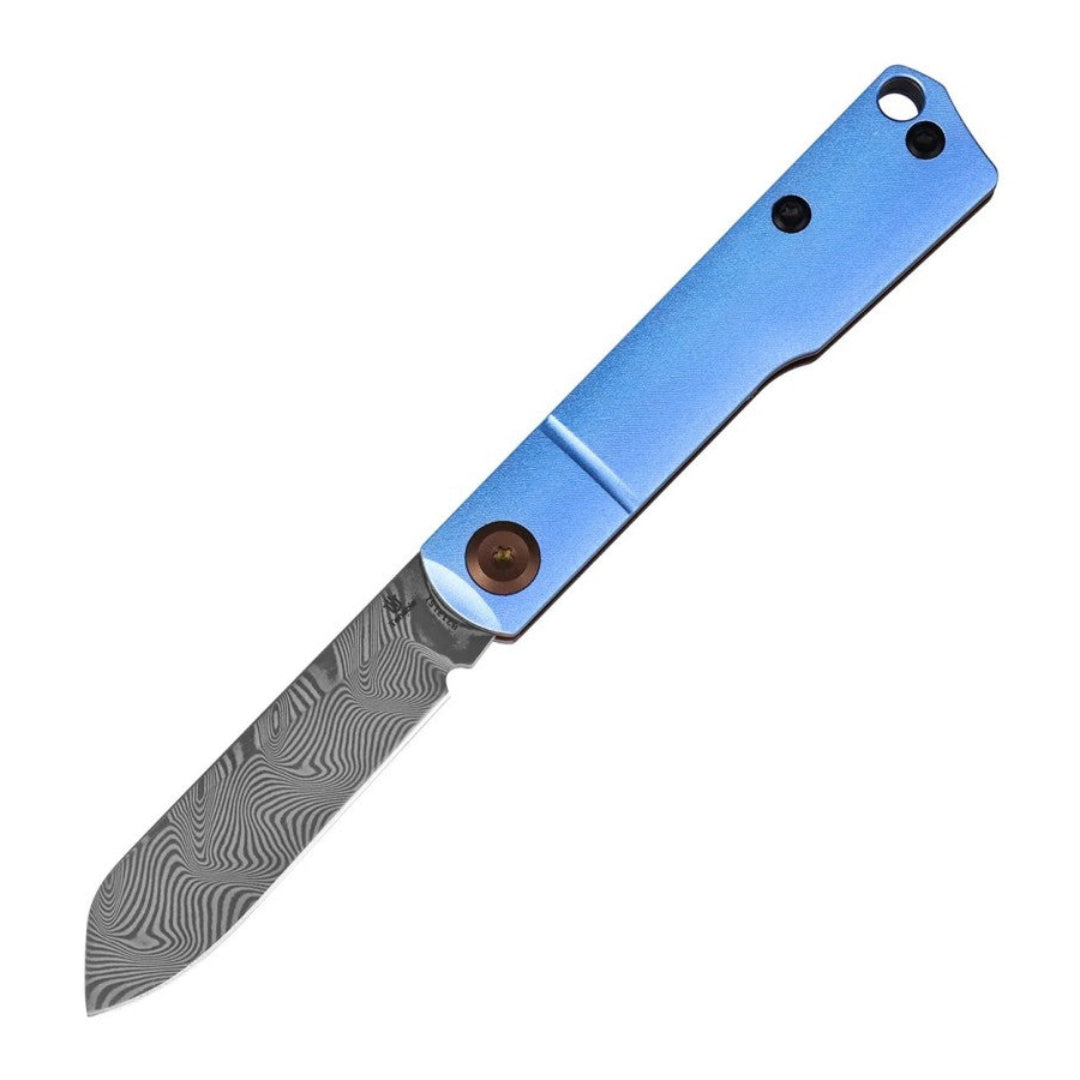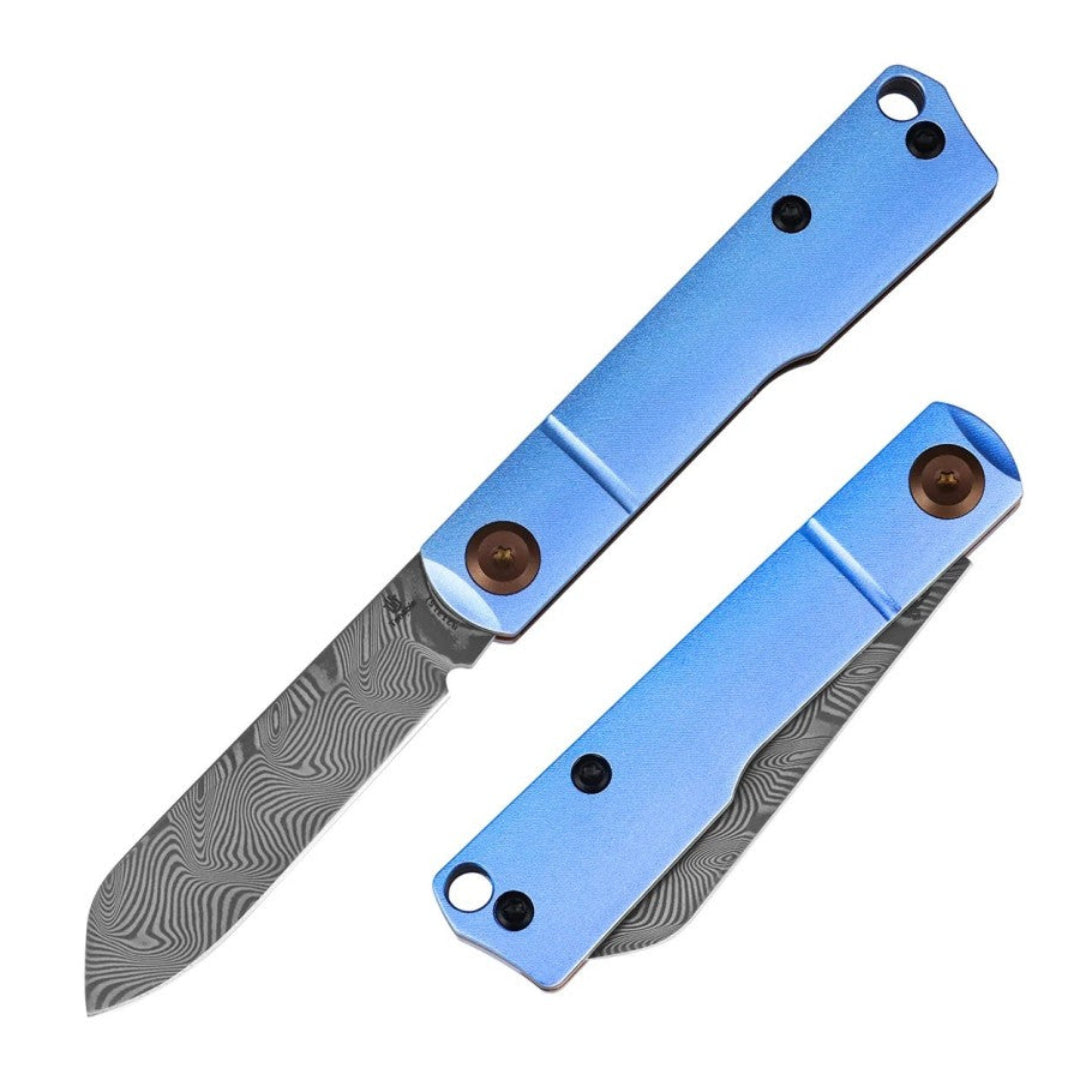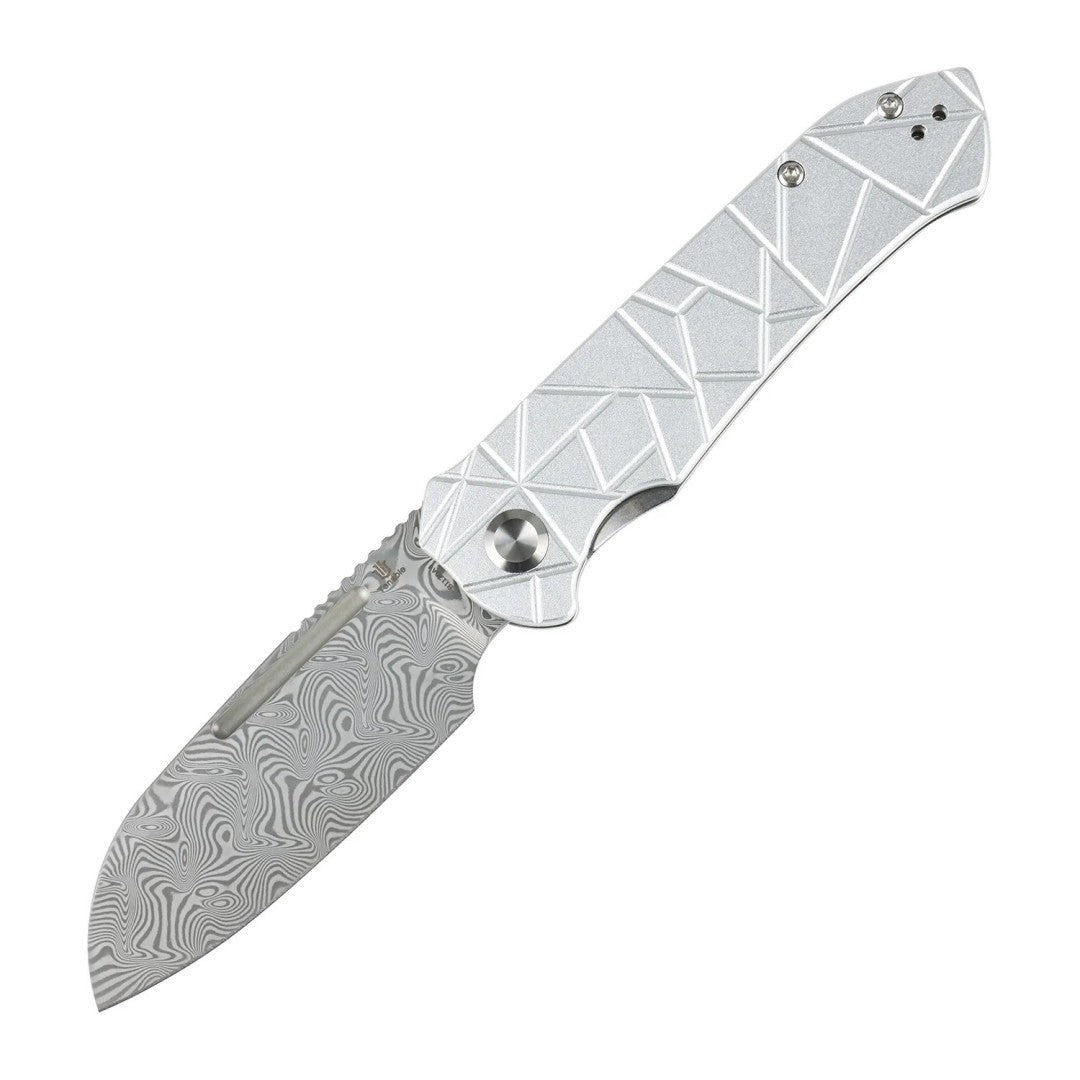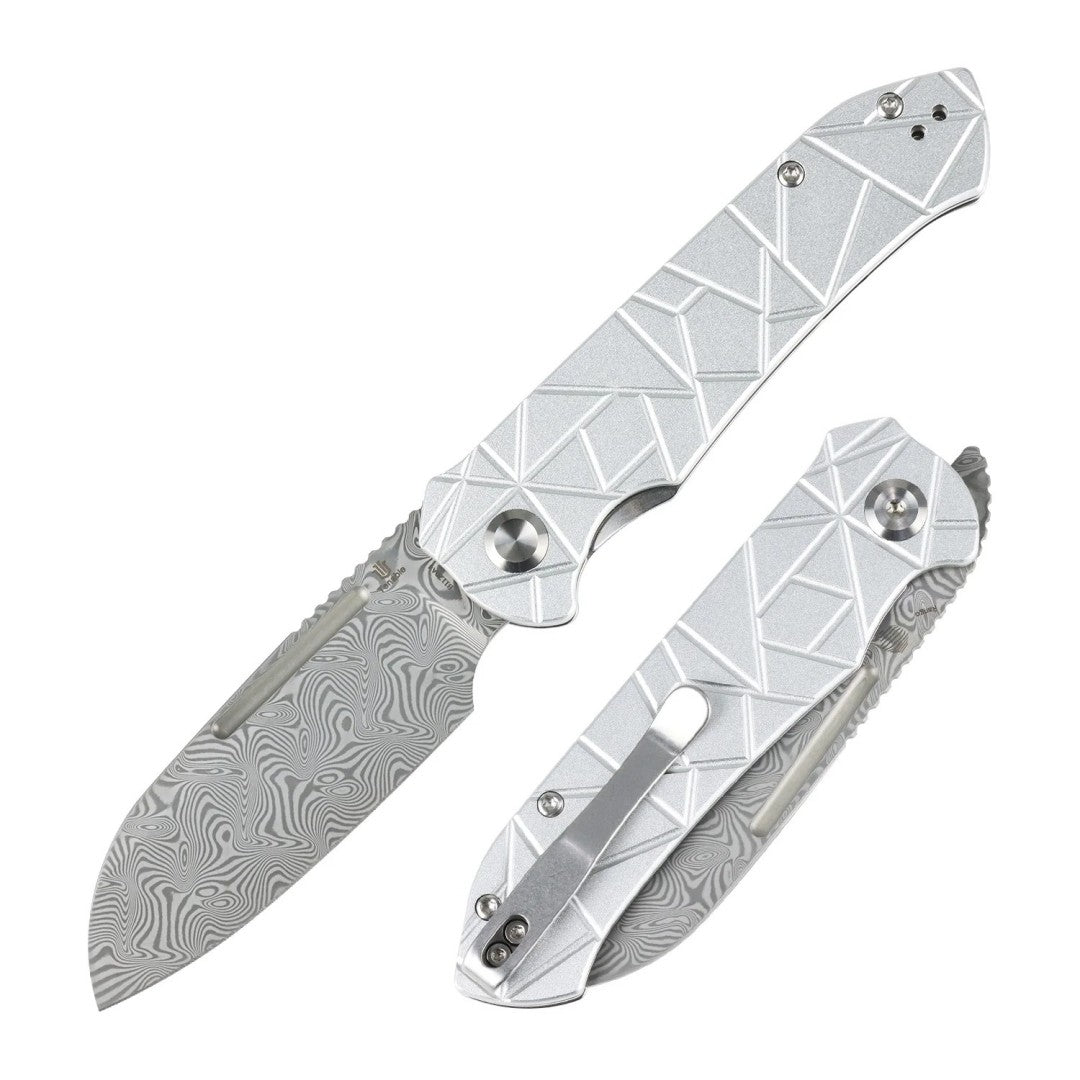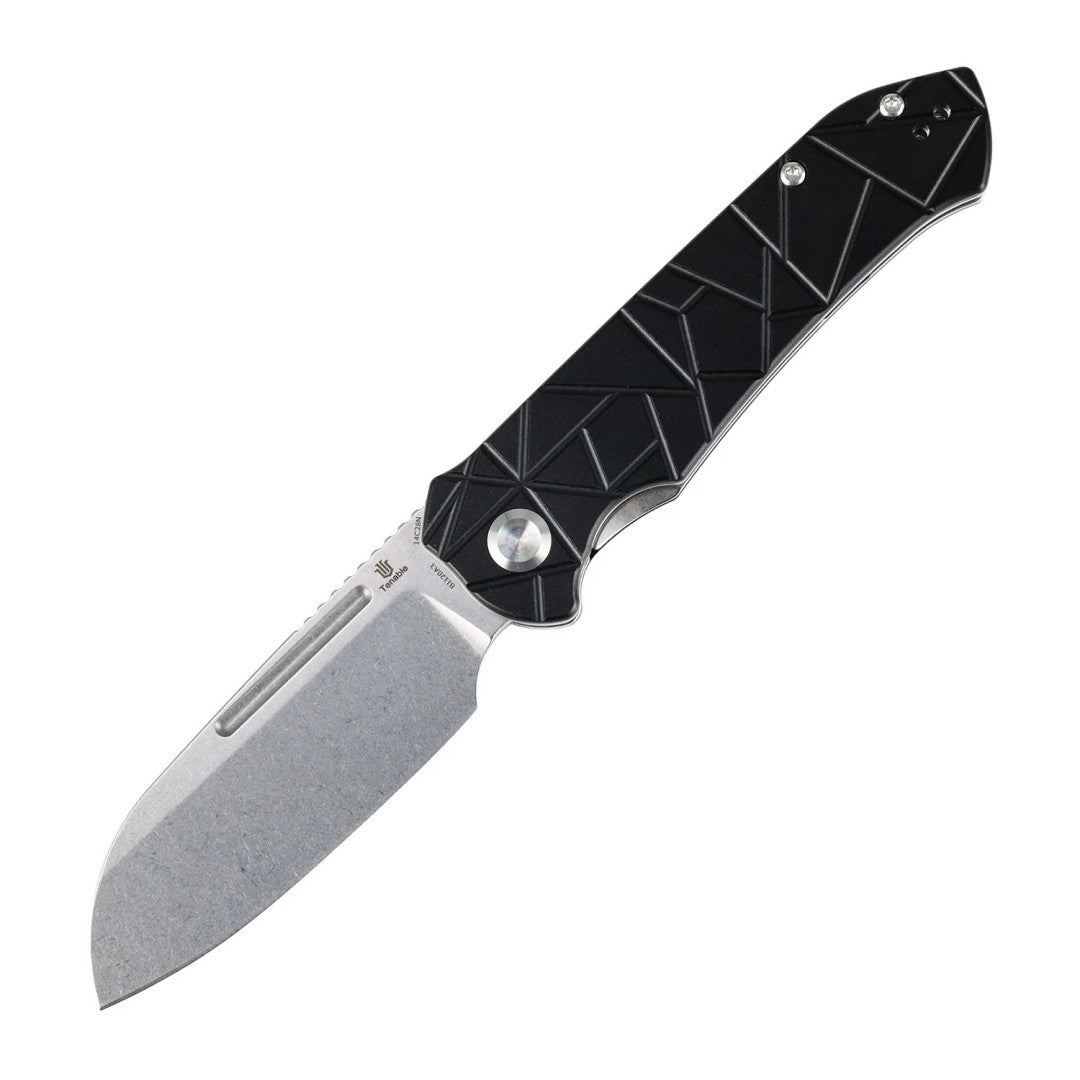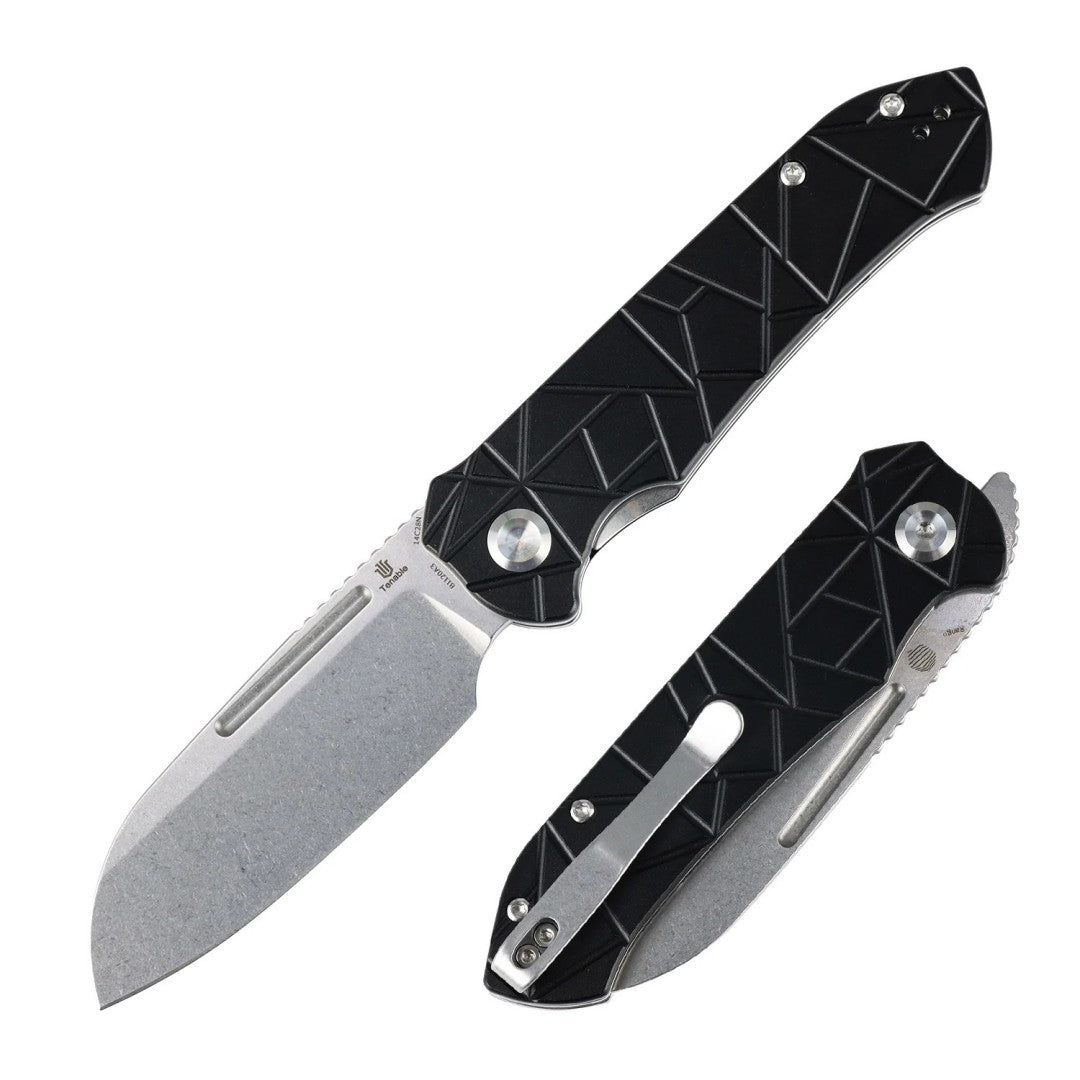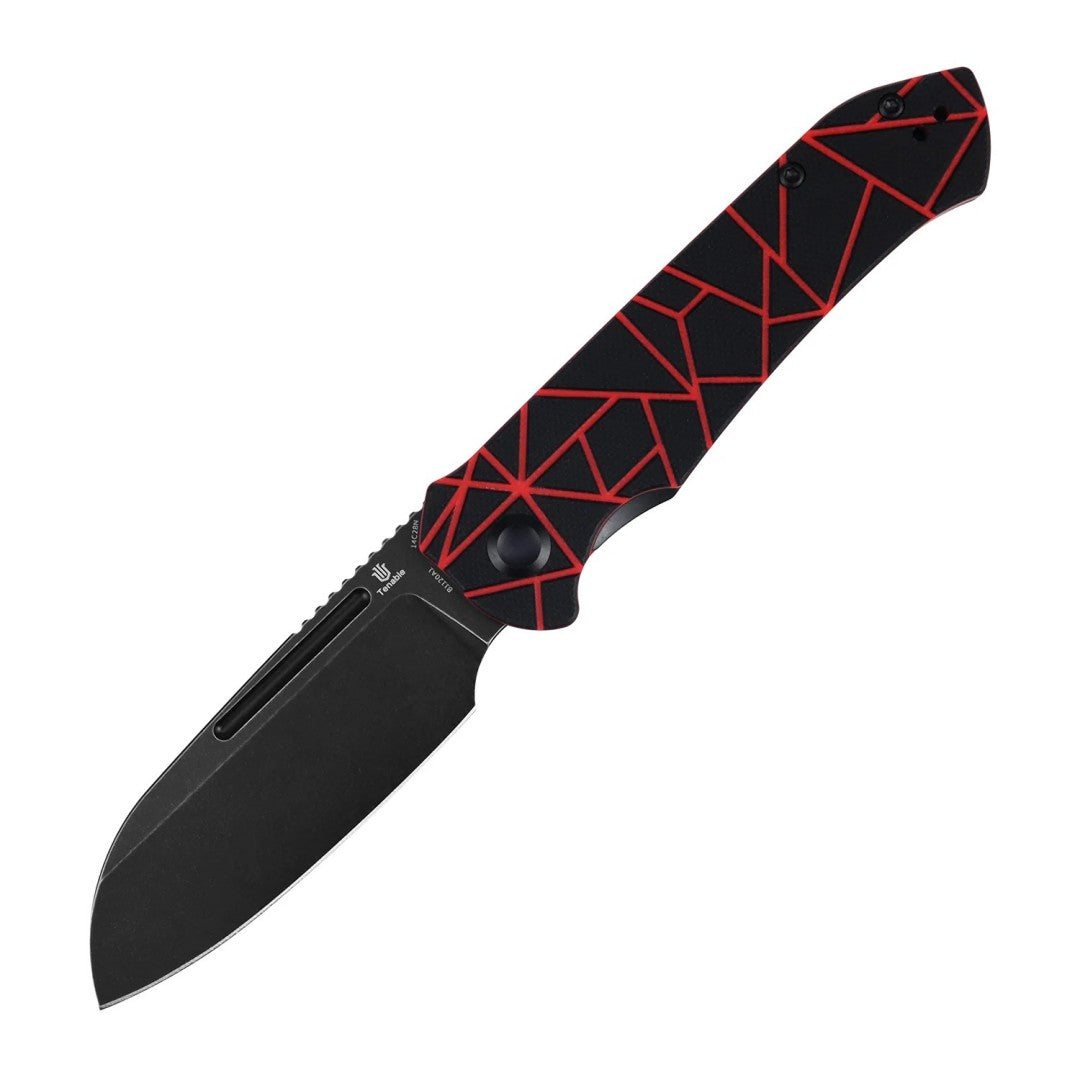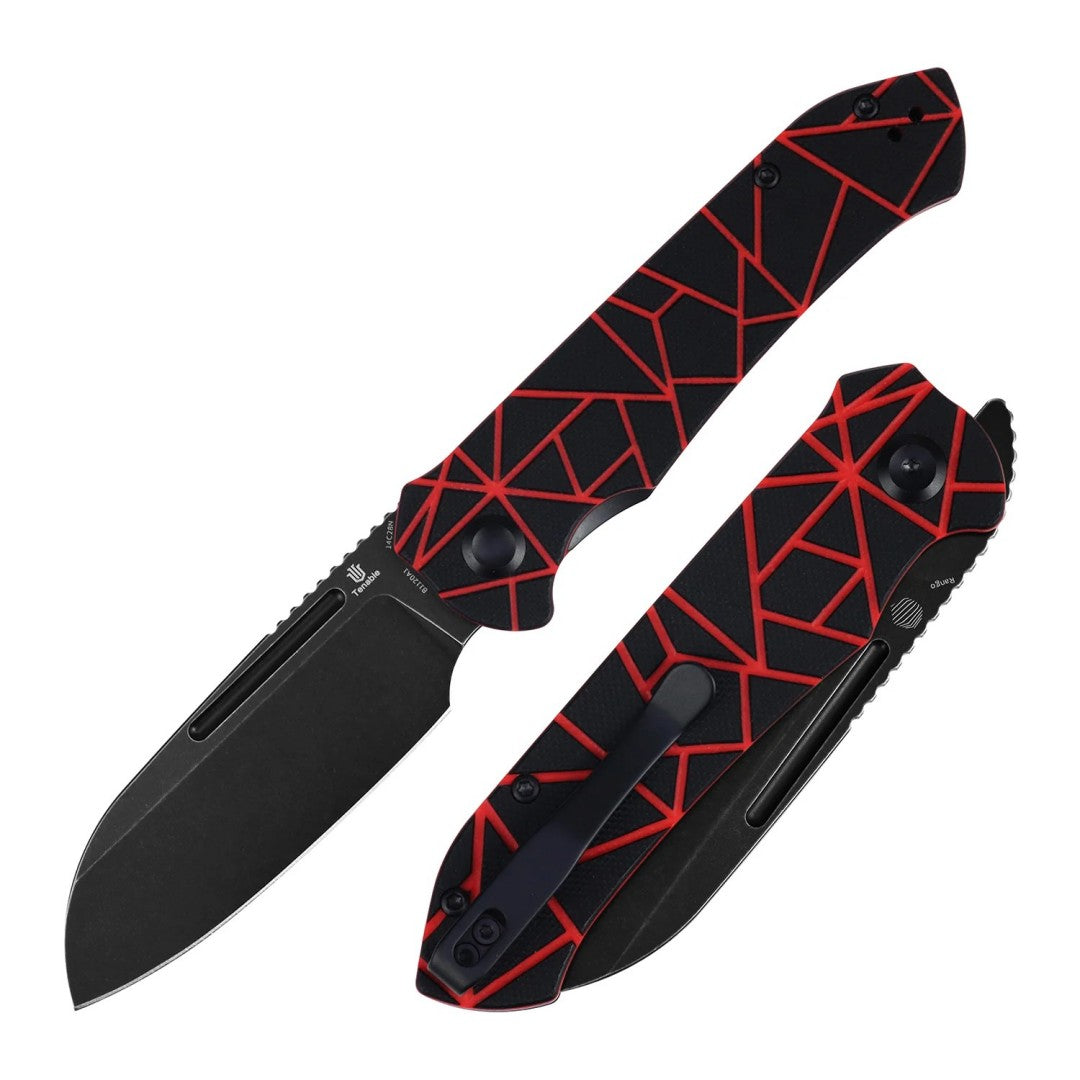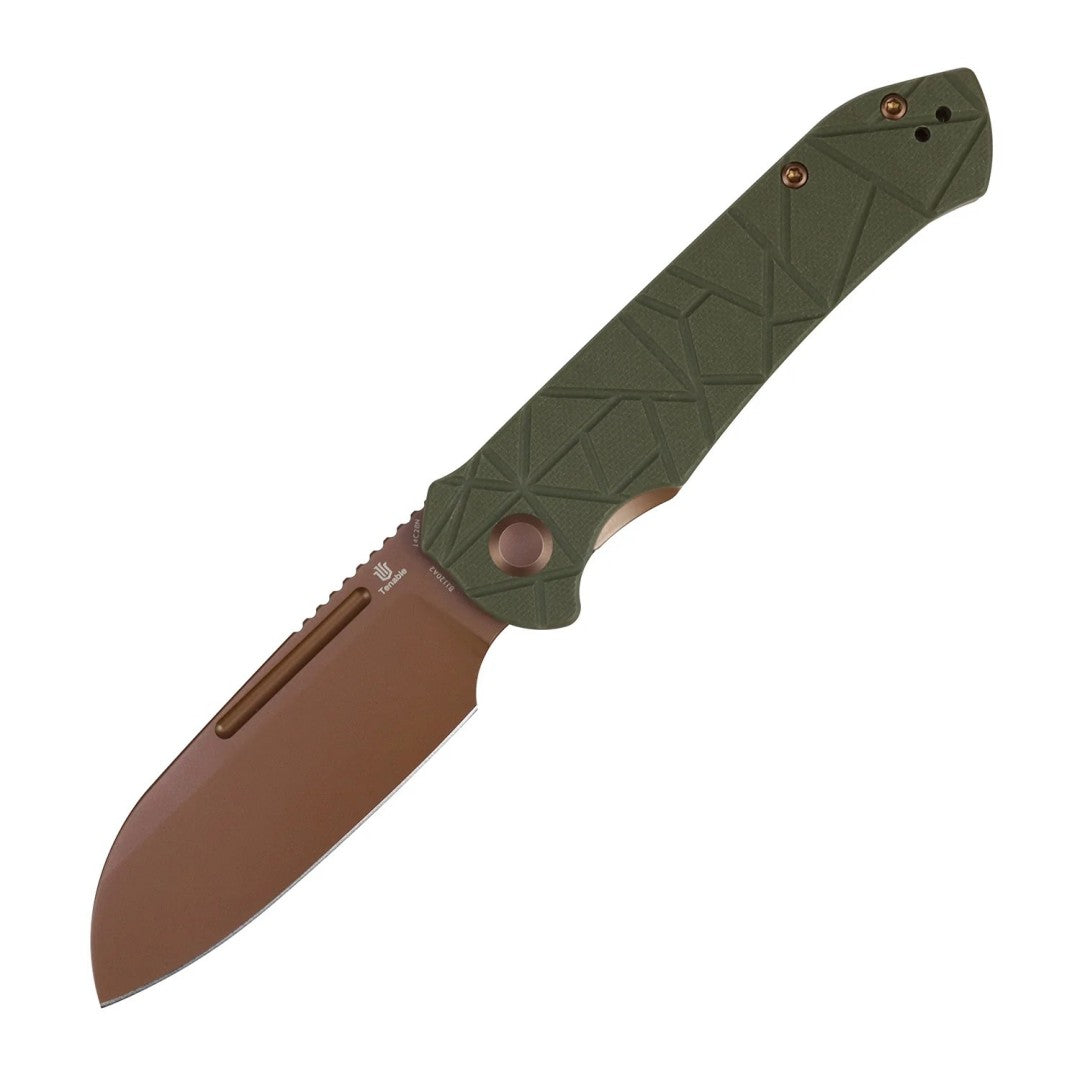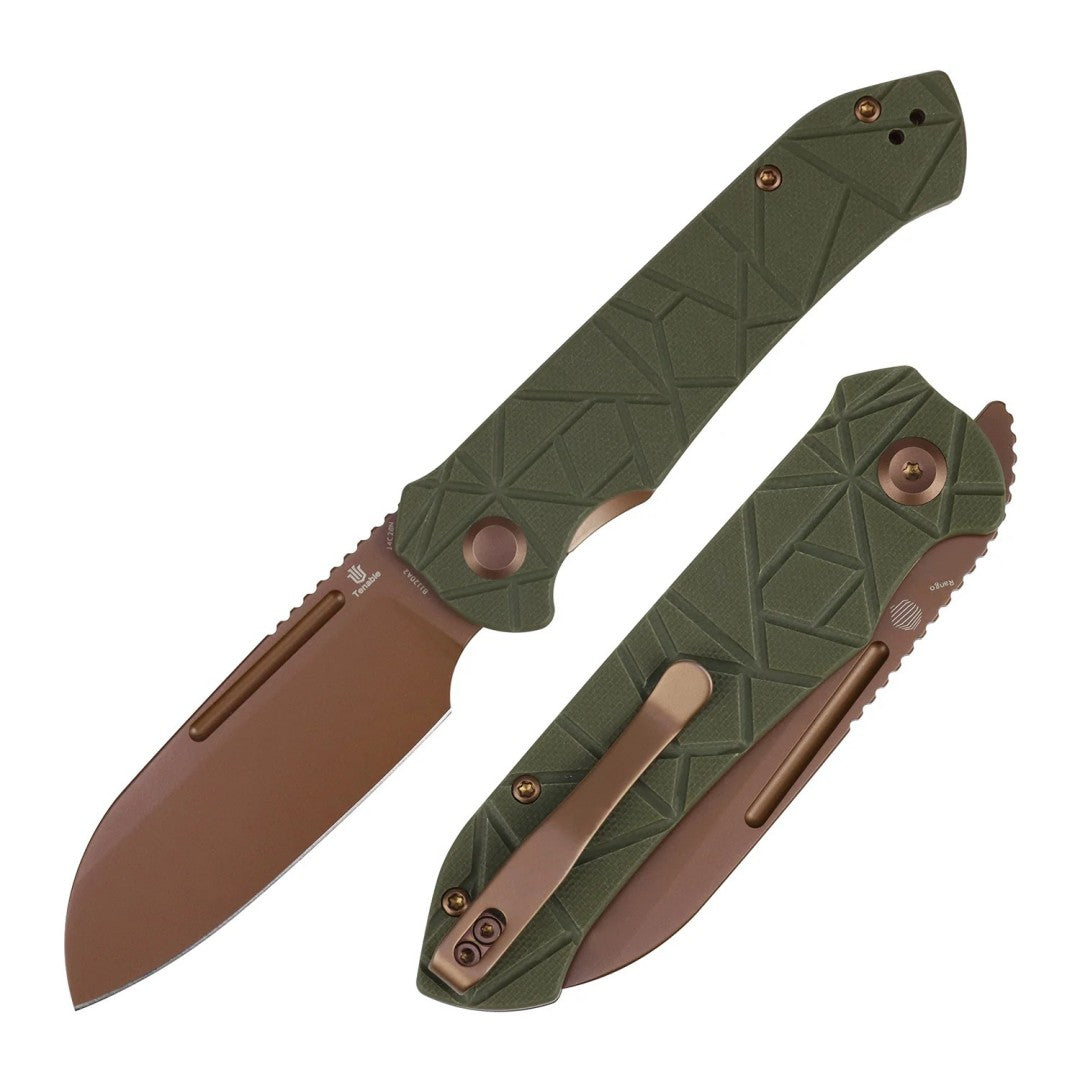
The QSP Penguin is an absolute titan in the everyday carry (EDC) community. Renowned for its utilitarian sheepsfoot blade, neutral ergonomics, and unbeatable budget price point, it has earned a permanent spot in the pockets of countless knife enthusiasts. However, as the trend toward minimalist carry and strict local knife laws grew, users began demanding smaller, more pocket-friendly versions.
QSP responded in a big way—perhaps a bit too confusingly for some. Today, the market features two distinctly compact variants: the QSP Baby Penguin and the QSP Penguin Mini (often listed interchangeably or treated as separate generations depending on the retailer).
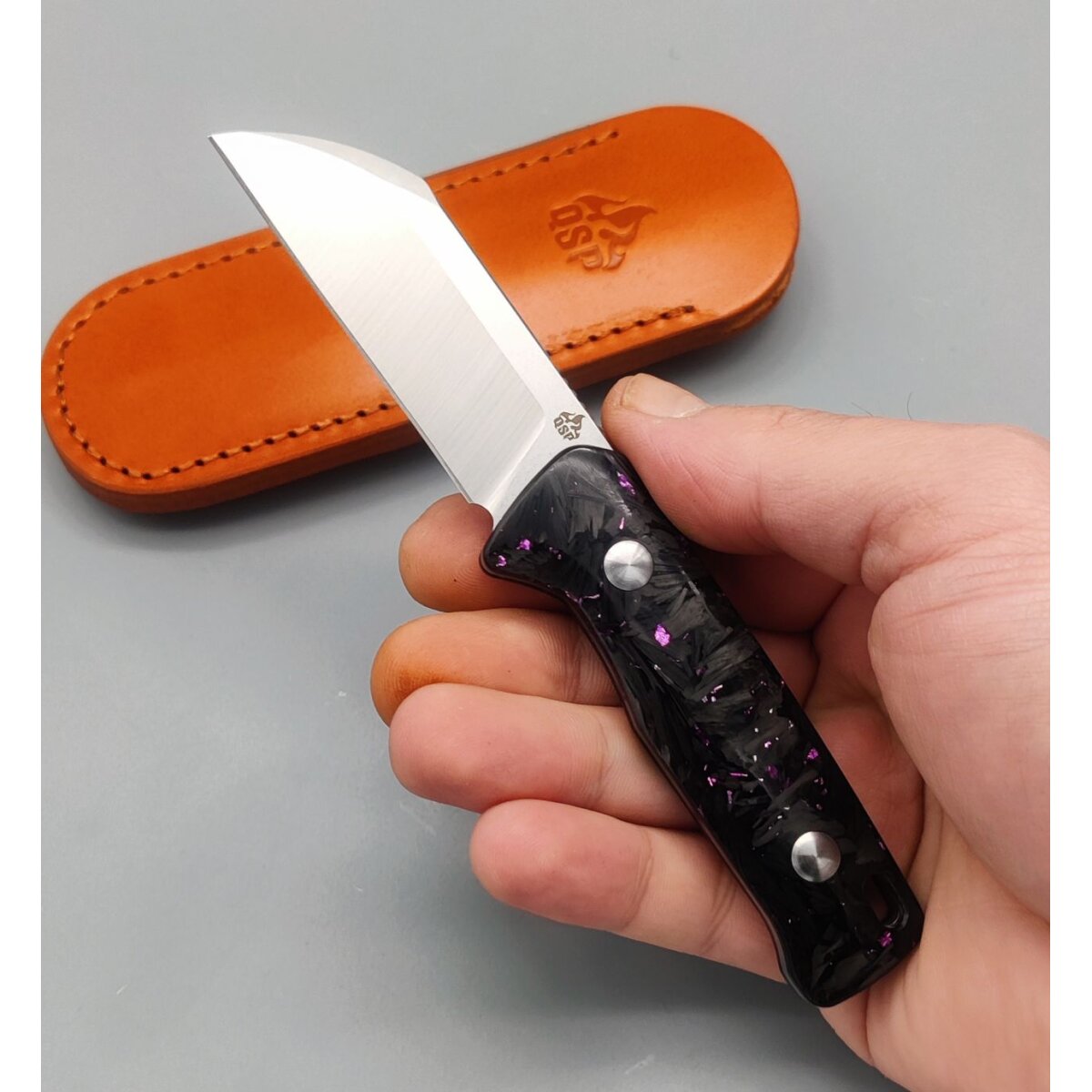
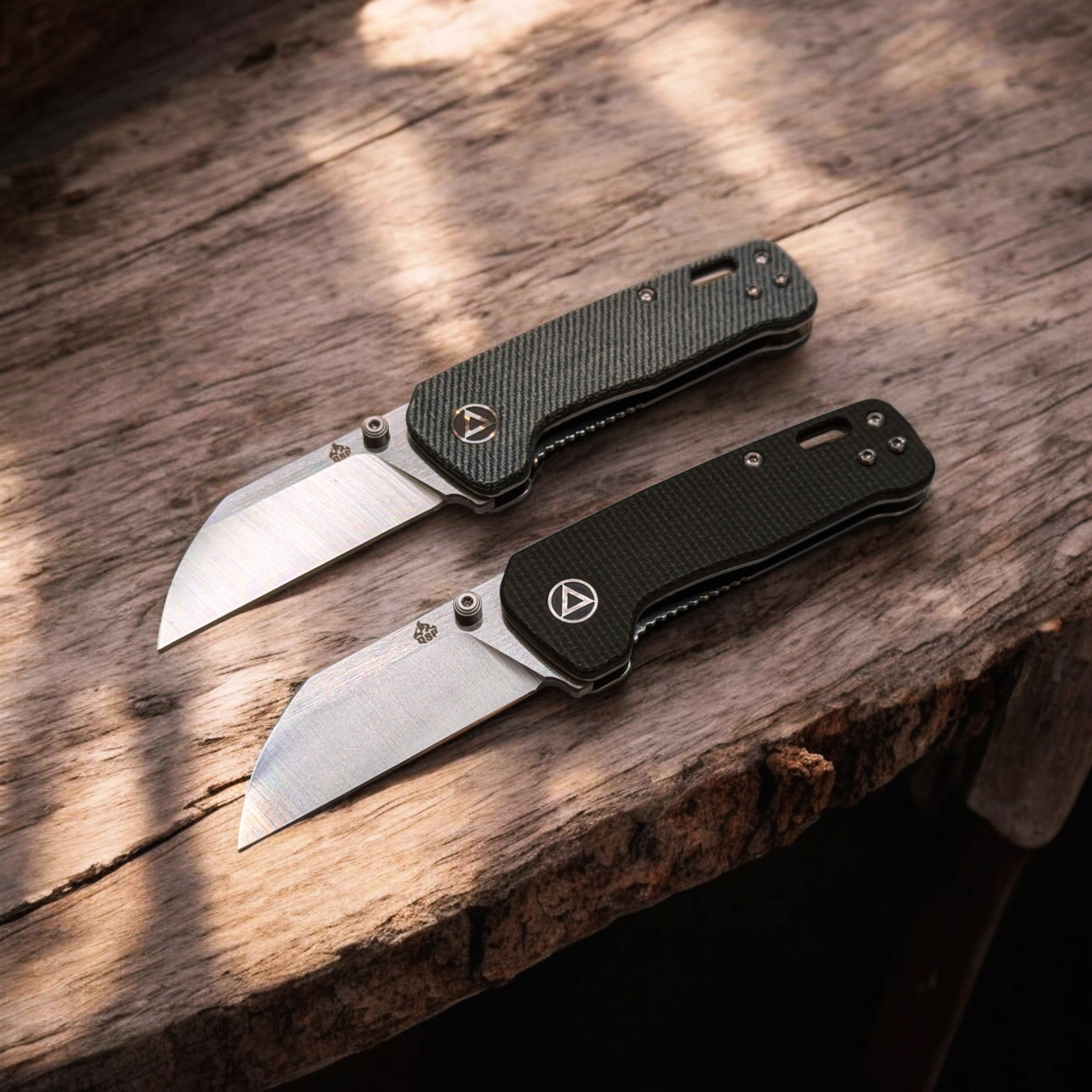
If you are looking to shrink your everyday carry down to a sub-3-inch blade, navigating the subtle differences between the Baby Penguin and the Penguin Mini can be tricky. In this comprehensive comparison guide, we will break down the materials, dimensions, and pocket performance of these two micro-folders so you can determine exactly which compact knife wins the battle for your pocket space.
The Spec Showdown: Side-by-Side Dimensions
To understand how these two compact knives differ mechanically and physically, let us look at their structural data side-by-side:
| Specification | QSP Baby Penguin | QSP Penguin Mini |
| Overall Length | 5.25 inches (13.3 cm) | 5.50 inches (14.0 cm) |
| Closed Length | 3.00 inches (7.6 cm) | 3.25 inches (8.3 cm) |
| Blade Length | 2.25 inches (5.7 cm) | 2.25 inches (5.7 cm) |
| Blade Thickness | 0.10 inches (2.5 mm) | 0.10 inches (2.5 mm) |
| Blade Steel | Sandvik 14C28N Stainless | Sandvik 14C28N Stainless |
| Pivot System | Ceramic Ball Bearings | Ceramic Ball Bearings |
| Average Weight | 2.0 oz (57 g) | 2.16 oz (61 g) |
| Locking Mechanism | Liner Lock | Liner Lock / Frame Lock |
Understanding the Lineup: Baby vs. Mini
Before diving into the performance metrics, it is vital to clear up a common point of confusion in the knife market. QSP originally introduced the Penguin Mini as a direct, scaled-down version of the original 3.125 inch Penguin. Shortly after, specialized dealer runs and refined production batches introduced the Baby Penguin.
While they share identical 2.25 inch blade lengths and identical high-performance Sandvik 14C28N stainless steel, the primary difference lies in the handle length and overall footprint. The Baby Penguin shaves off an extra quarter-inch from the handle scales, bringing the closed length down to a dead-flat 3.00 inches, making it the absolute smallest iteration in the entire Penguin lineage.
Action and Materials: Premium Micro Components
Many brands downgrade their materials when scaling a flagship design down to a budget pocket size. QSP did the exact opposite with both the Mini and Baby variants, loading them with premium attributes that outclass the original base-model Penguin.
-
The Upgraded Steel: Both knives ditch the semi-stainless D2 tool steel of the original full-sized model in favor of Swedish Sandvik 14C28N stainless steel. This steel offers world-class corrosion resistance and incredible toughness, meaning it won’t chip when cutting hard plastics or rust from pocket sweat.
-
The Snappy Pivot: Both knives abandon traditional copper washers for a modernized caged ceramic ball bearing pivot system. Coupled with a crisp detent, clicking open either knife via the dual thumb studs delivers a lightning-fast, satisfying deployment that makes them fantastic desk toys.
Pocket Footprint: Ultimate Concealability
When evaluating sub-3-inch pocket knives, how they ride in your clothing is paramount.
Both options utilize QSP's signature deep-carry wire pocket clip, ensuring the knife sits completely flush with the top of your pocket rim.
The Penguin Mini behaves like a traditional small pocket knife. It sits comfortably in the coin pocket of standard jeans or the front pocket of casual khakis without hogging space.
The QSP Baby Penguin takes minimalism to the extreme. By hitting the magic 3.00 inch closed mark and weighing exactly 2 ounces, it completely vanishes. It is light enough to be clipped into lightweight summer gym shorts, delicate linen trousers, or even tucked away into a formal business suit shirt pocket without dragging the fabric down.
Ergonomics and Grip: The Quarter-Inch Battle
This is where the winner is ultimately decided for most users. A quarter-inch difference on a spec sheet sounds negligible, but in the palm of your hand, it changes everything.
The Penguin Mini Grip
With a 3.25 inch handle length, the Penguin Mini manages to provide a surprisingly secure three-and-a-half finger grip for small to medium hands. Your index, middle, and ring fingers lock securely onto the textured Micarta or G10 handle scales, while your pinky catches the very edge of the pommel. It provides adequate leverage for continuous box cutting.
The Baby Penguin Grip
The Baby Penguin reduces the handle to exactly 3.00 inches. For almost all adult hands, this turns it into a strict three-finger knife. Your pinky finger will naturally wrap completely underneath the butt of the handle. While this reduces your total crushing leverage, the iconic sheepsfoot blade shape compensates beautifully. Because the blade edge is perfectly straight, you can place your thumb securely on the spine's jimping and execute highly precise, downward utility cuts with extreme control.
The Verdict: Which Compact Knife Wins?
The QSP Penguin Mini Wins If:
-
You want the absolute maximum amount of handle grip possible while still maintaining a sub-2.5-inch blade length.
-
You plan on using the knife for prolonged periods where a tiny three-finger handle might cause hand fatigue.
-
You prefer standard mini-folder proportions that match traditional EDC gear profiles.
The QSP Baby Penguin Wins If:
-
You are a true minimalist looking to shed every possible fraction of an ounce and millimeter from your pockets.
-
You regularly carry your knife in lightweight athletic gear, formal suit pants, or medical scrubs.
-
You want the most approachably sized, non-threatening utility tool to use in a strict corporate office environment.
Both knives are absolute home runs that showcase QSP's manufacturing prowess. However, if true everyday carry convenience is the goal, the QSP Baby Penguin wins by a hair for pushing the boundaries of extreme pocket comfort without sacrificing an ounce of cutting capability.
Frequently Asked Questions (FAQ)
1. Are the QSP Baby Penguin and Penguin Mini legal for UK carry?
No. Although both knives feature a highly compliant blade length of 2.25 inches, they both utilize a locking mechanism (liner lock). Under UK knife legislation, a public everyday carry knife must be both non-locking (slipjoint) and under 3 inches to be carried without a specific legal reason.
2. Can you open both of these knives easily with one hand?
Yes. Thanks to the smooth caged ceramic ball bearing pivots and identical dual thumb studs, both the Baby Penguin and the Penguin Mini can be easily deployed with a quick, one-handed flick of your thumb.
3. Which handle material provides the best pocket grip on these small knives?
If you want maximum traction on a knife this small, choose the Canvas Micarta options over G10 or carbon fiber overlay. Canvas micarta naturally develops a soft, rugged texture that becomes even grippier when exposed to the moisture or oils of your hand.