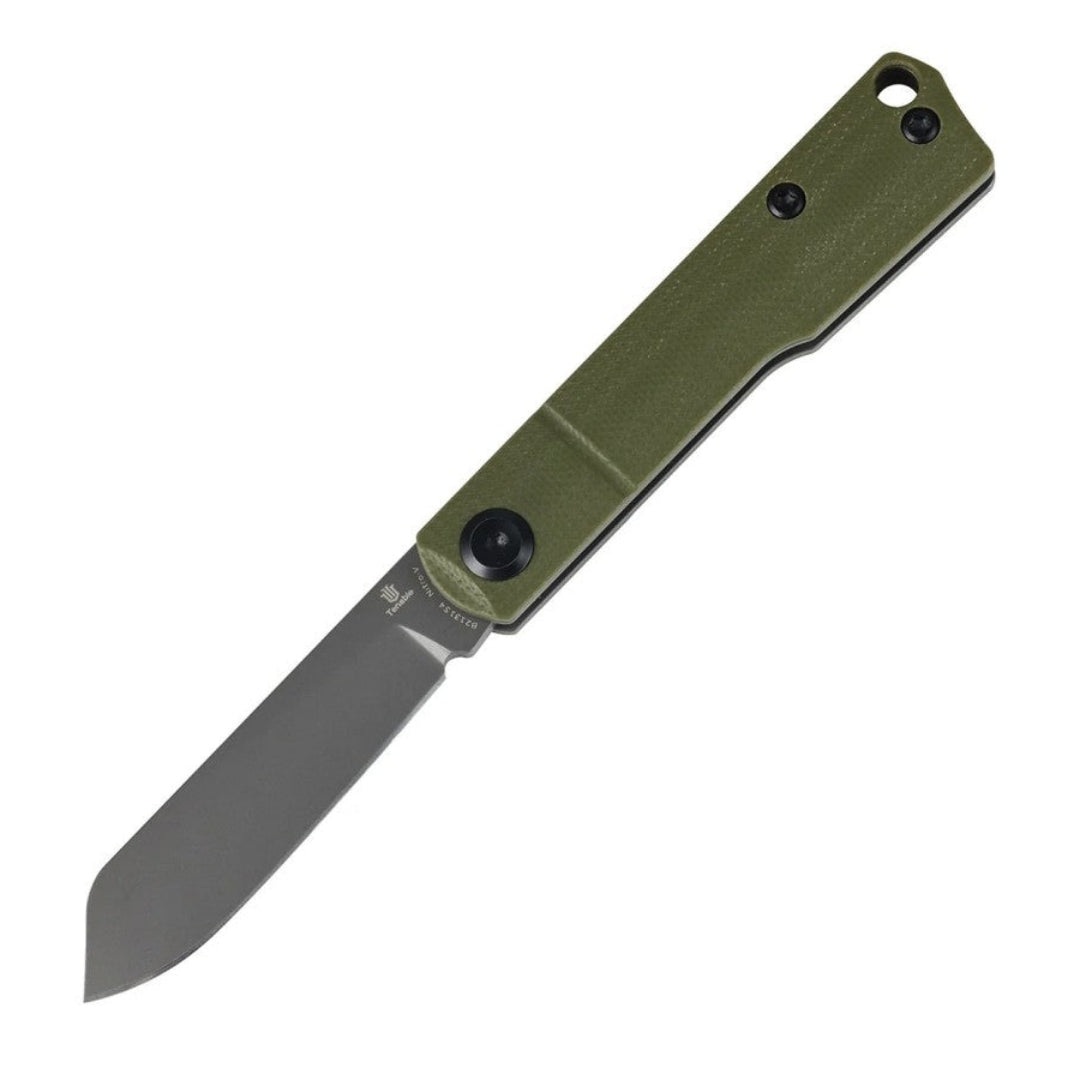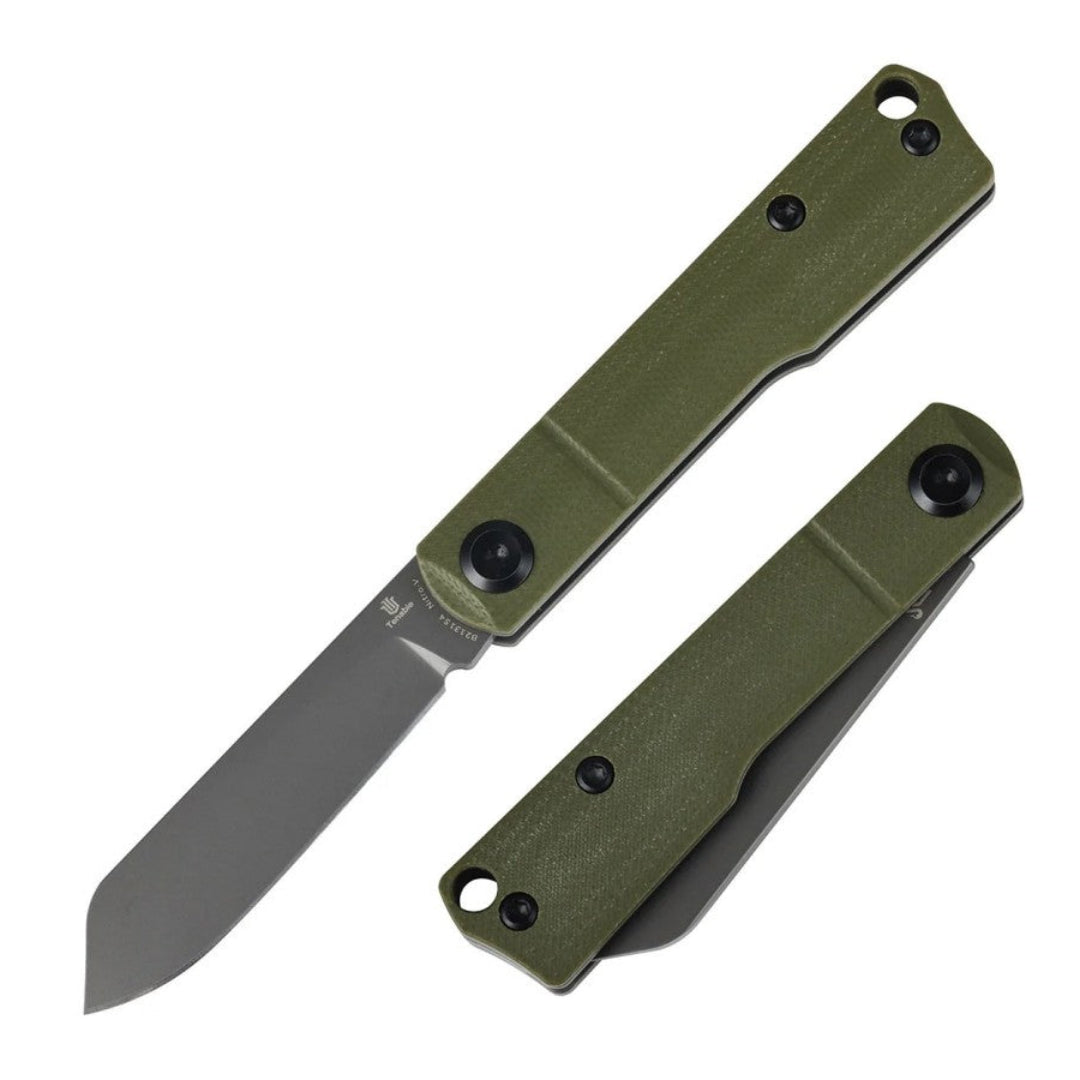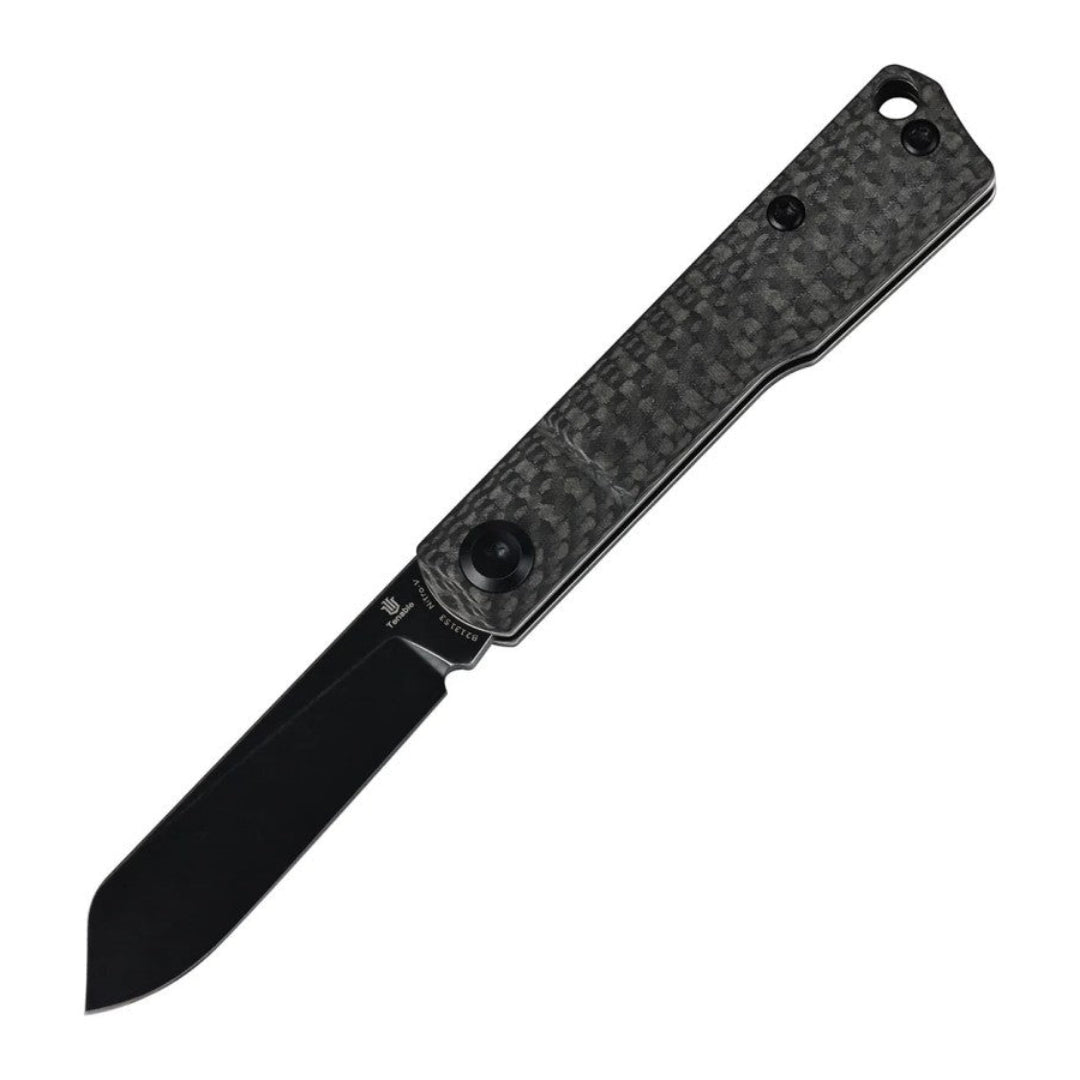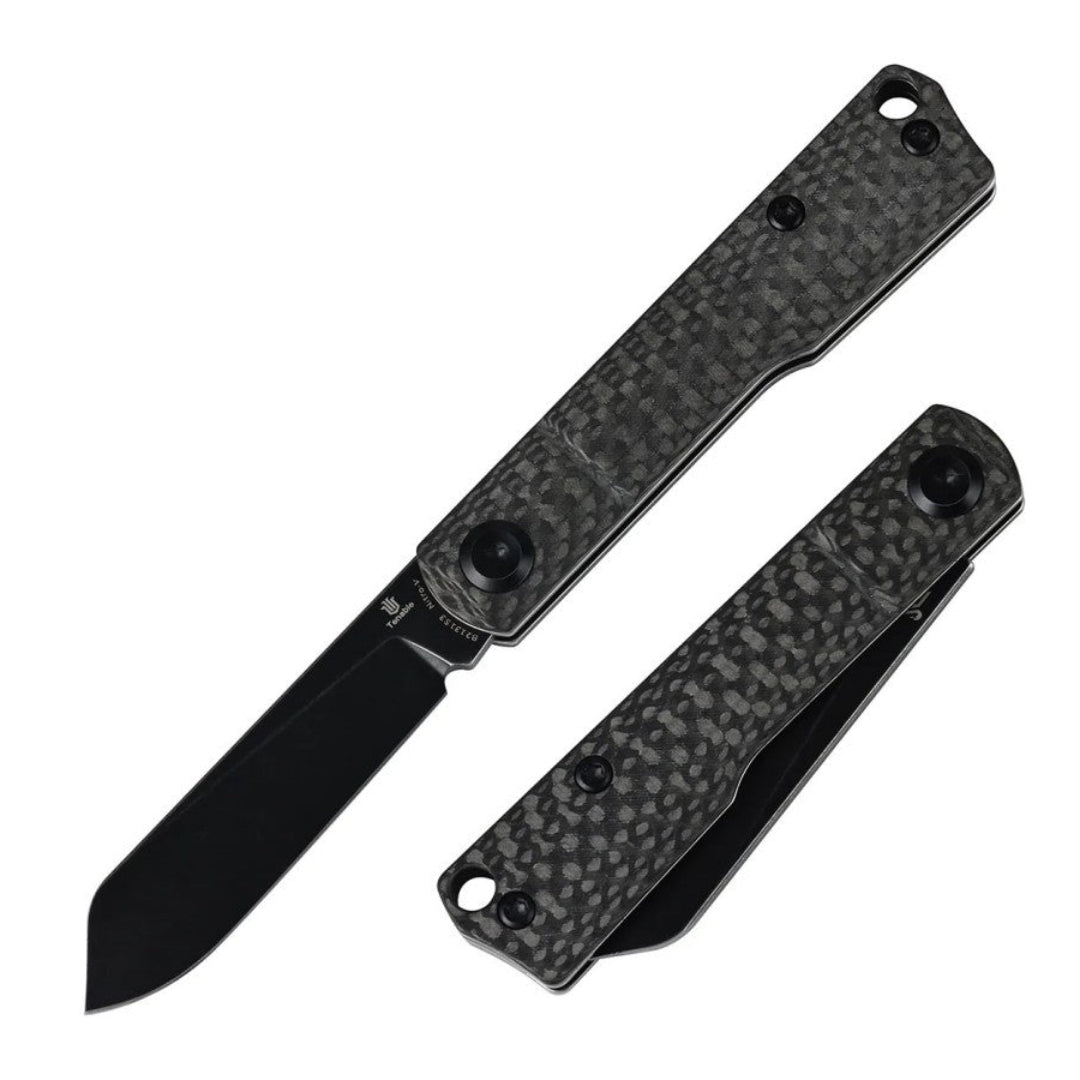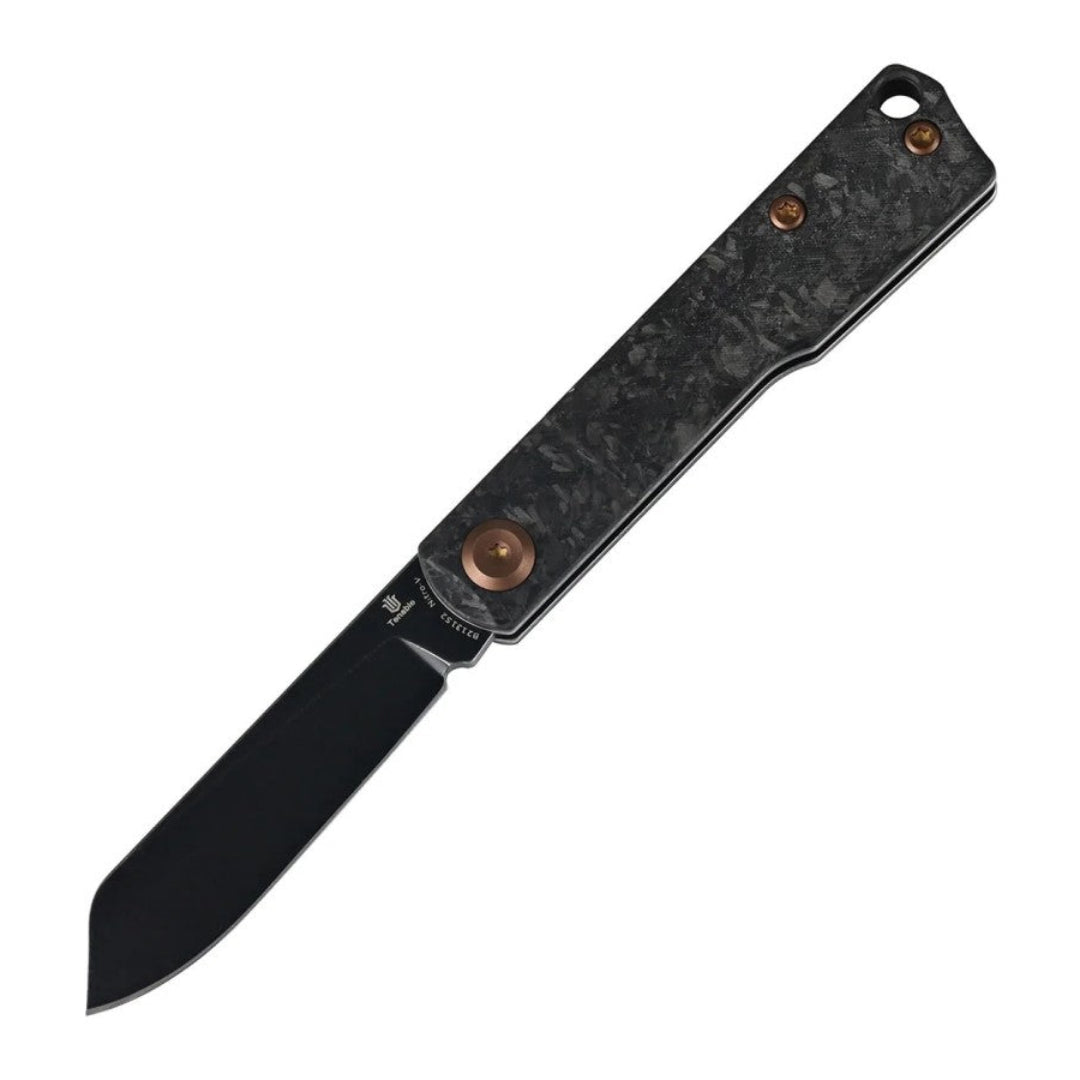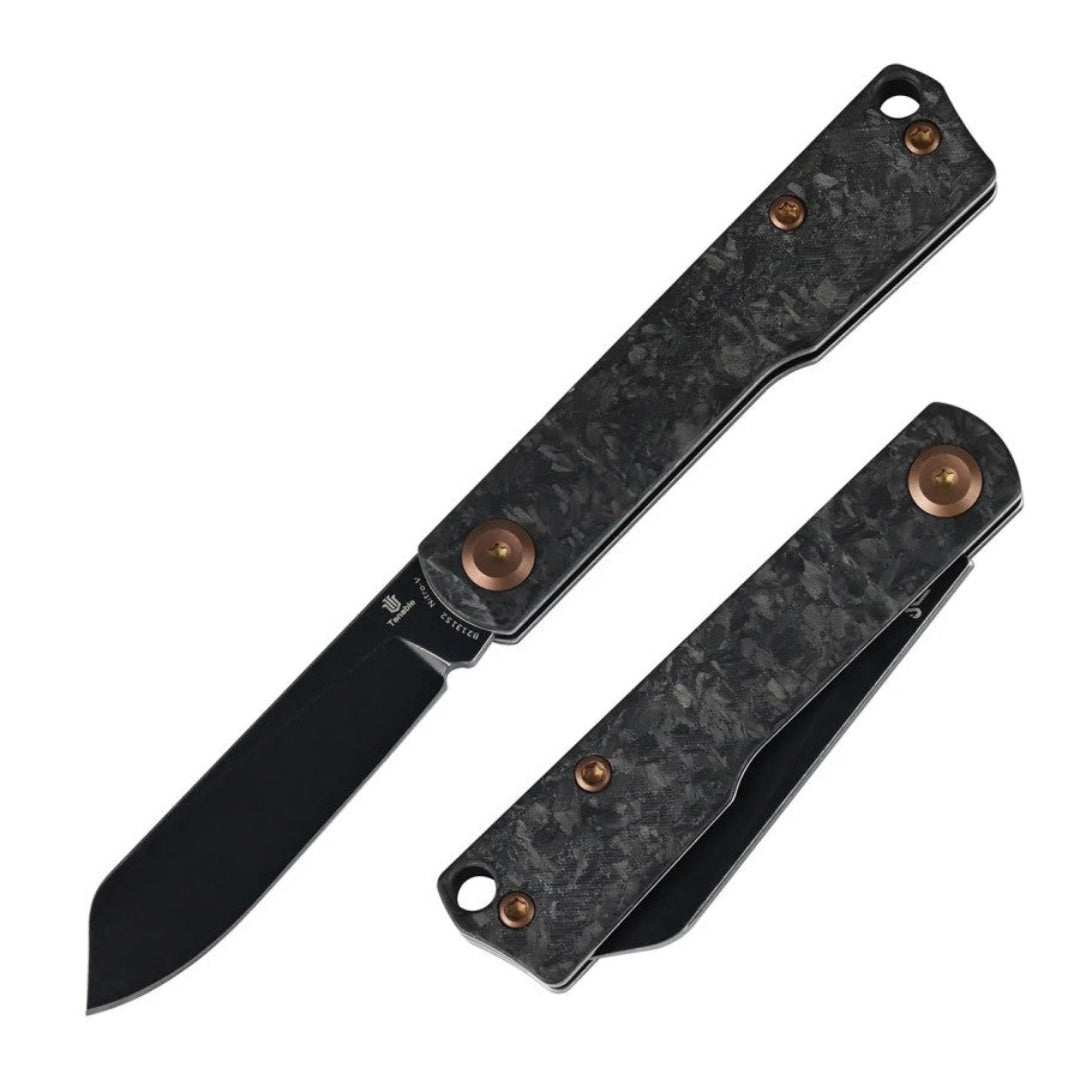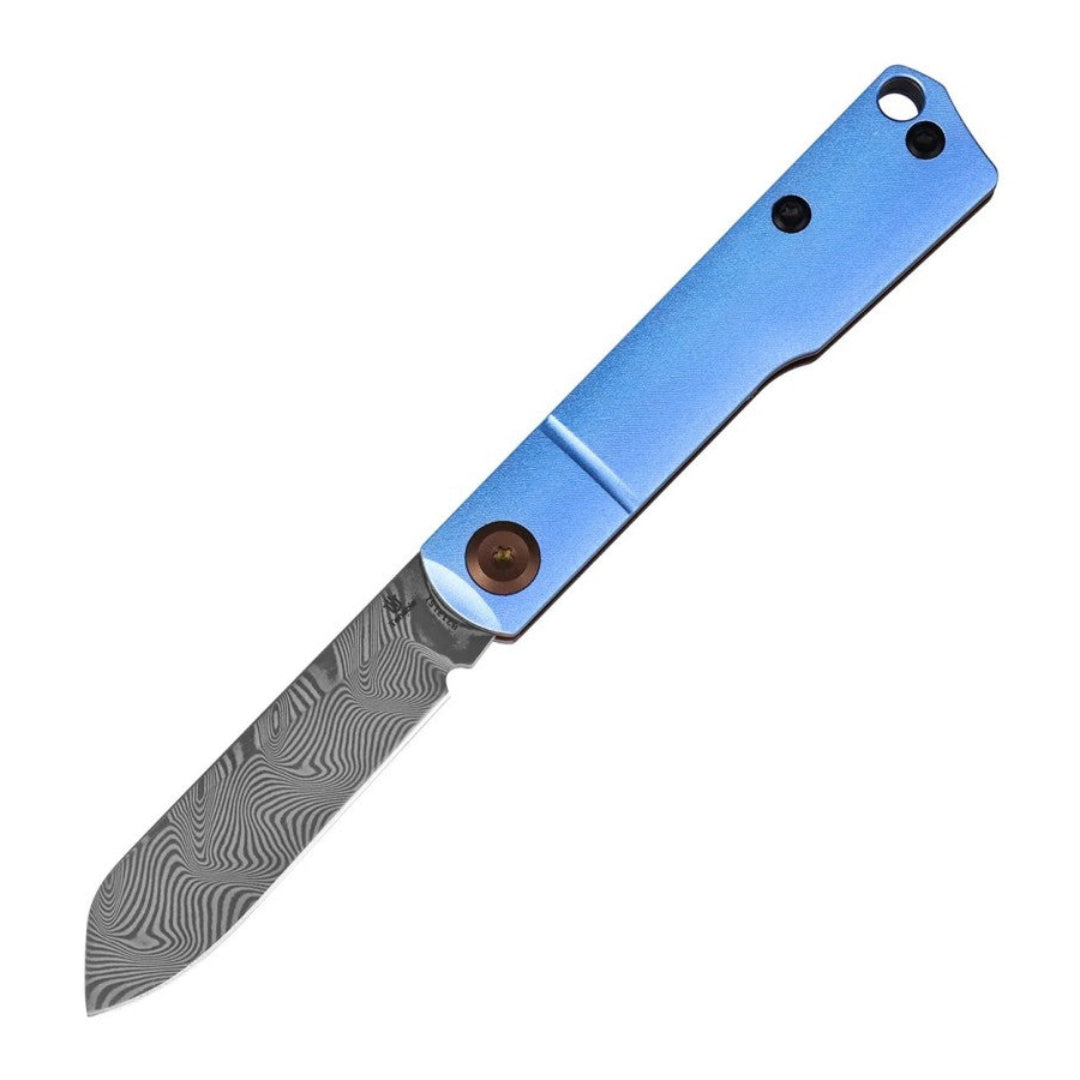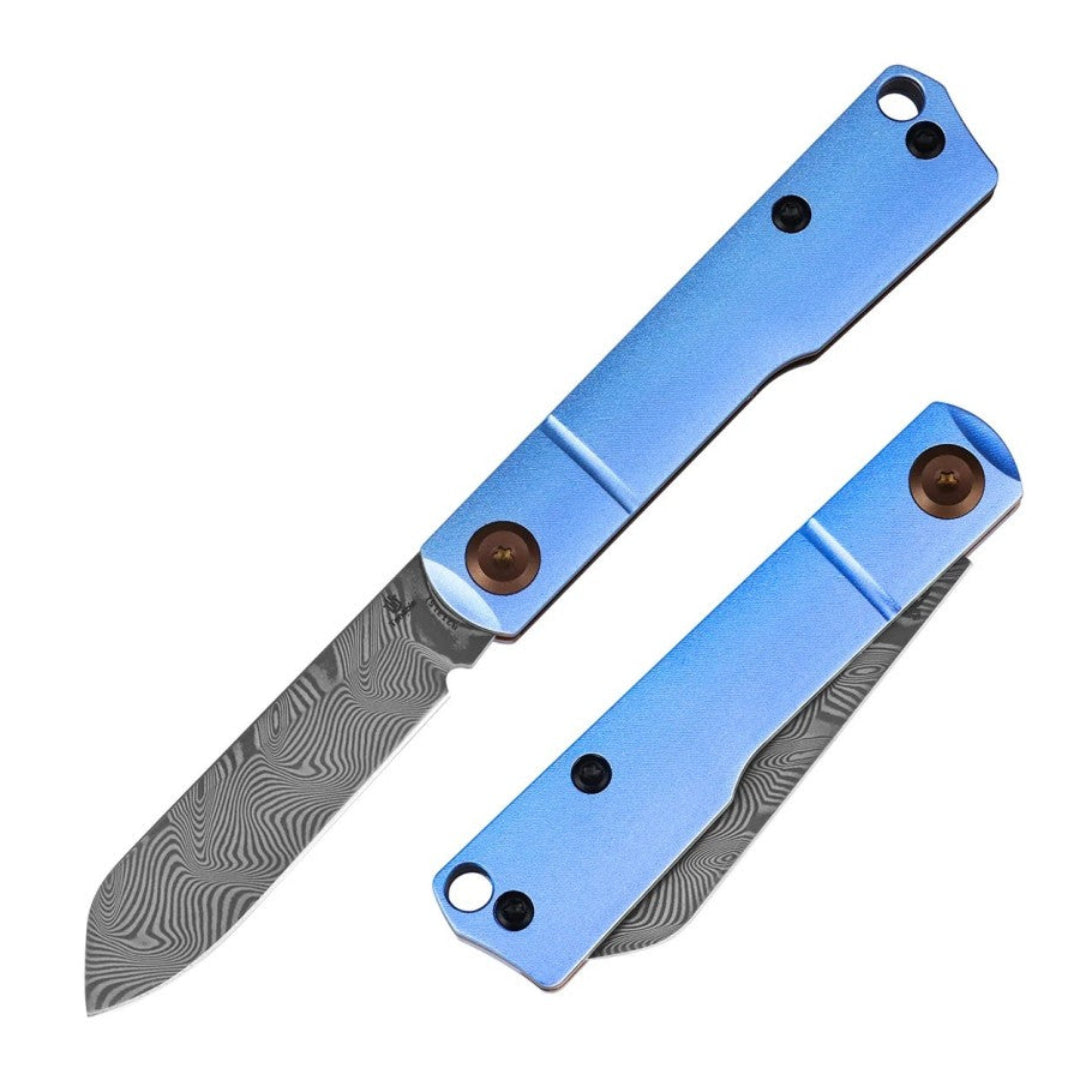
When choosing a folding knife for everyday carry (EDC), it is easy to get caught up in handle materials, locking mechanisms, or technical steel names. While those components matter, a pocket knife is ultimately a cutting tool. How it performs under real-world pressure depends entirely on two factors: blade geometry and grind.
The Tenable Deadite, designed by the highly respected custom knifemaker Geoff Blauvelt of TuffKnives, is widely praised for its distinct, futuristic visual identity. But behind those aggressive, angular geometric lines lies an incredibly thoughtful, highly engineered cutting profile.

In this comprehensive deep dive, we break down the blade geometry, grind dynamics, and real-world cutting performance of the Tenable Deadite's 3.52-inch blade to show you exactly how this tactical folder performs as a daily tool.
 1. The Anatomy of the Deadite Profile
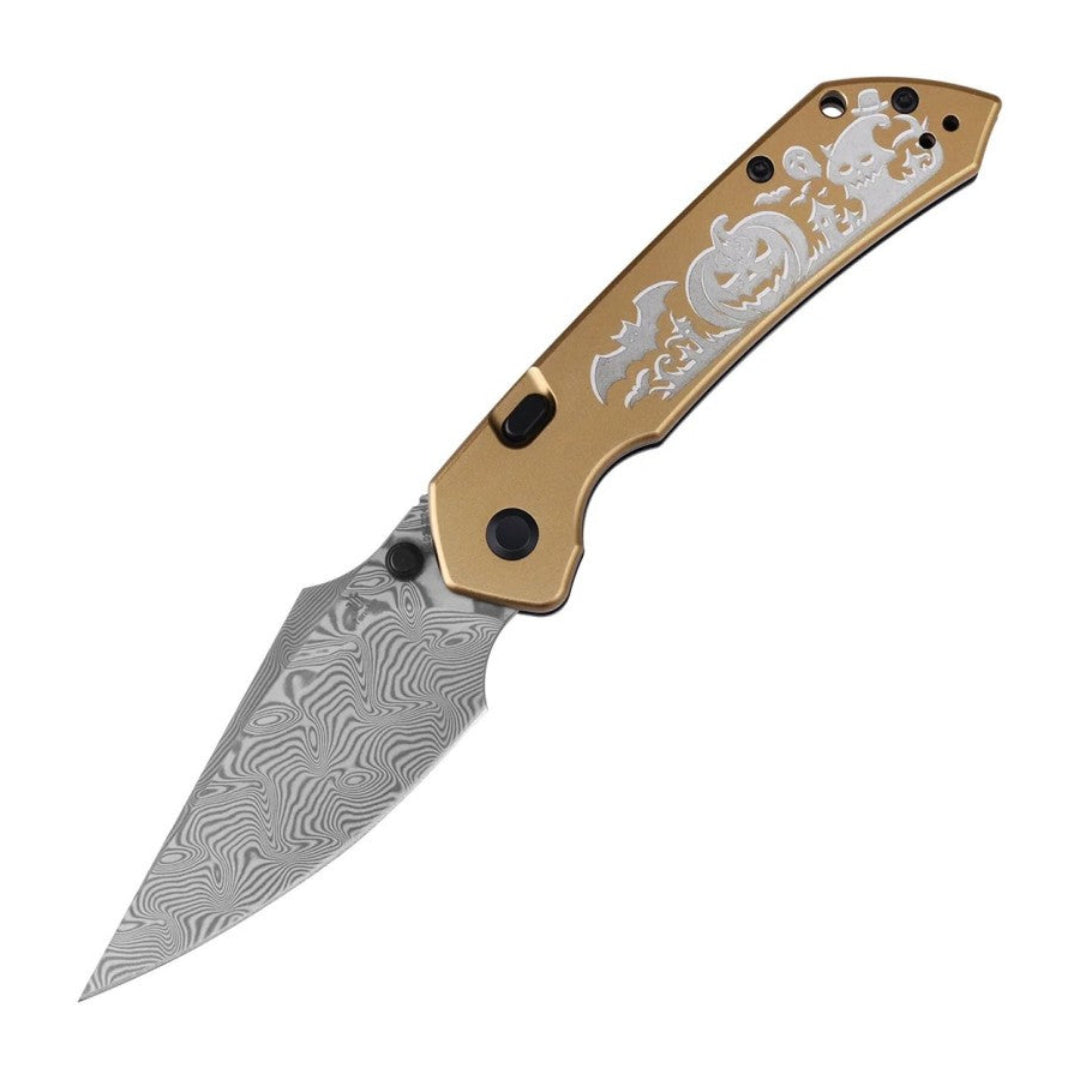
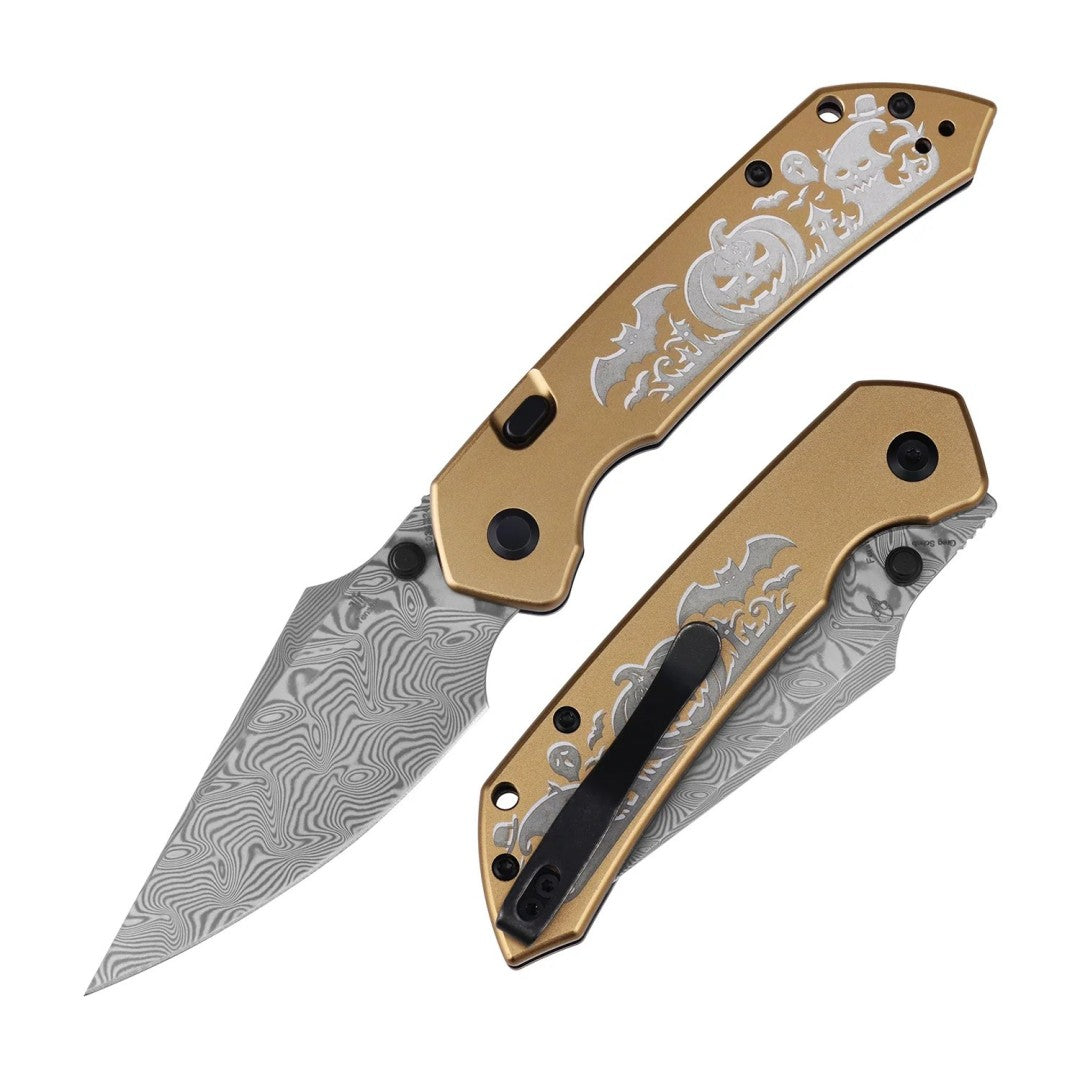
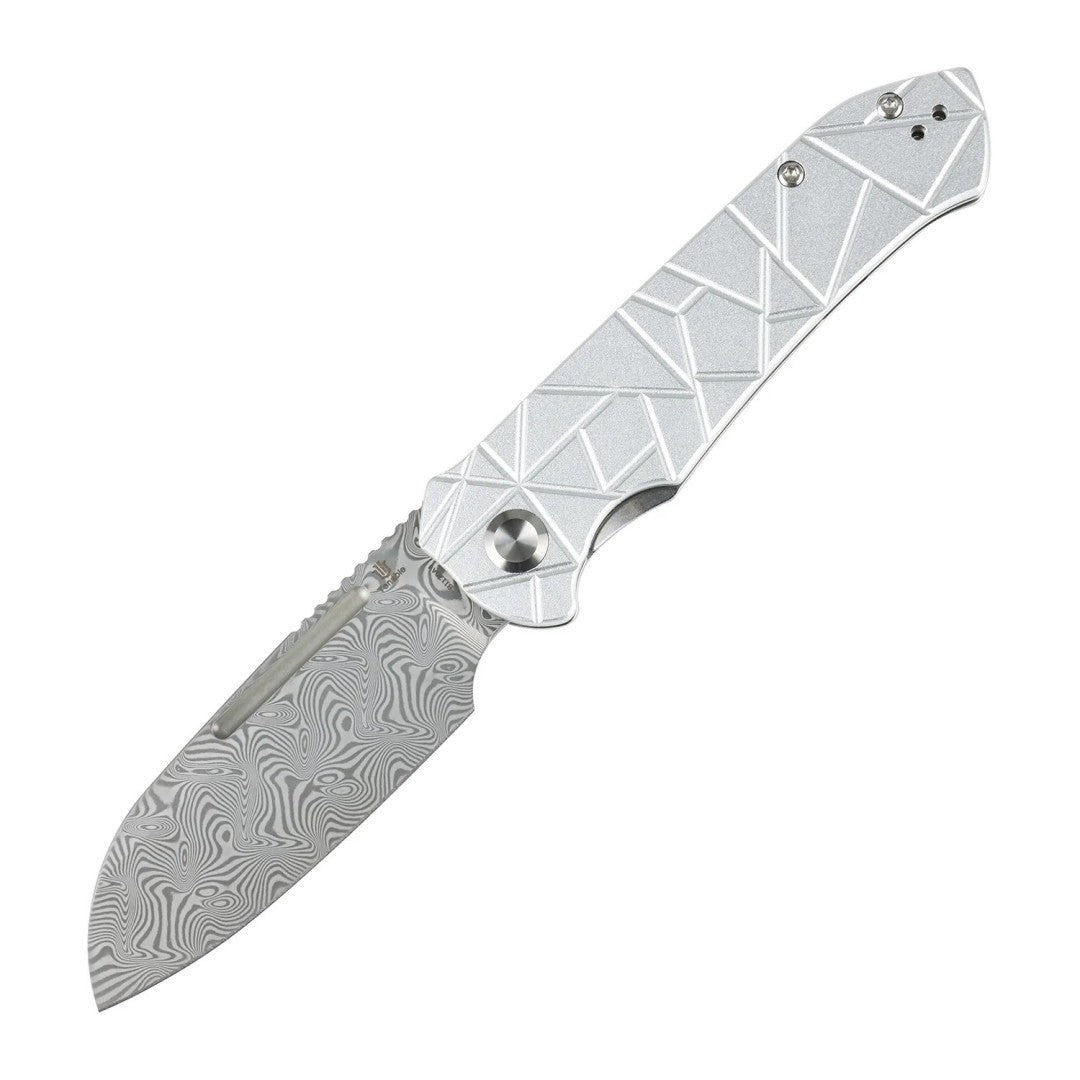
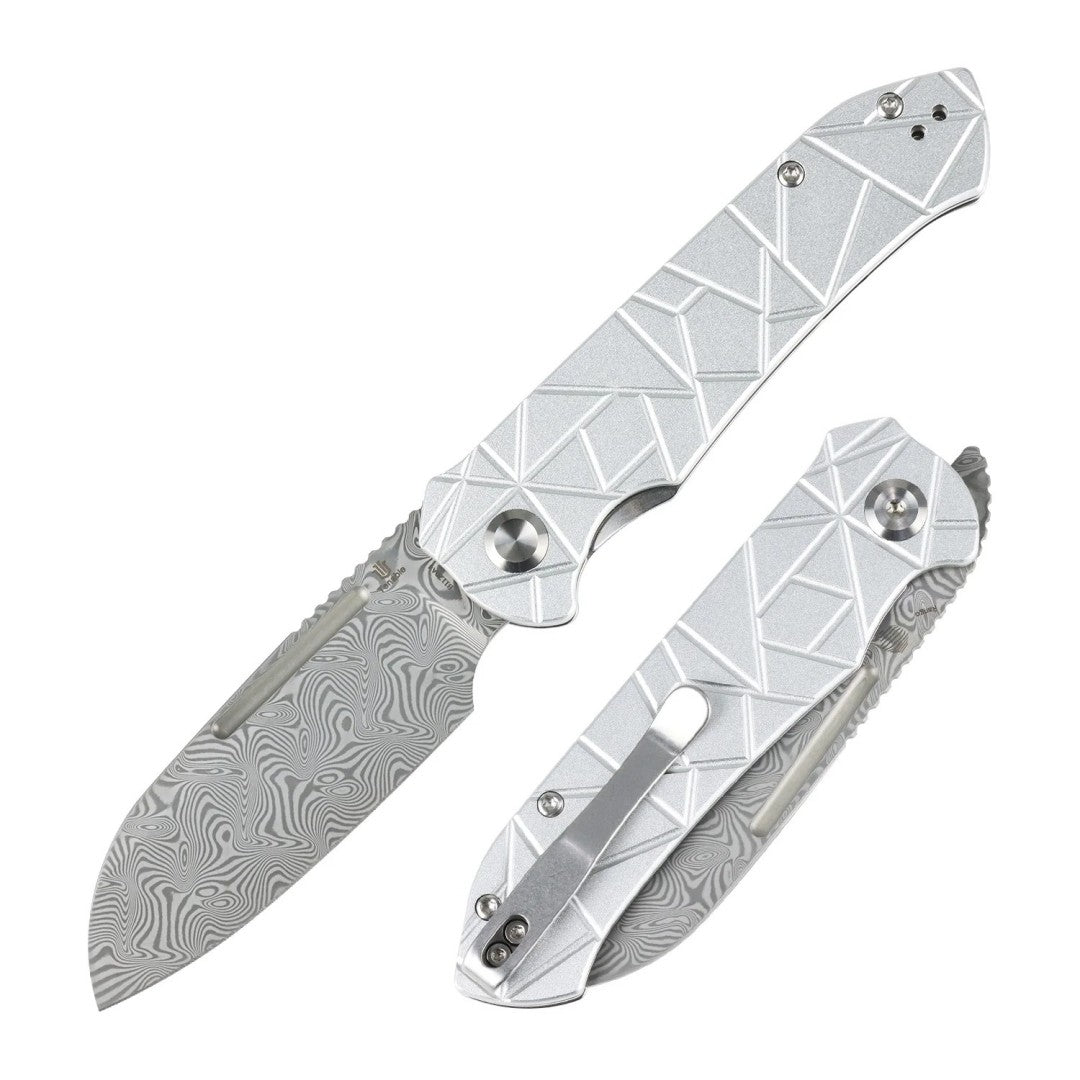
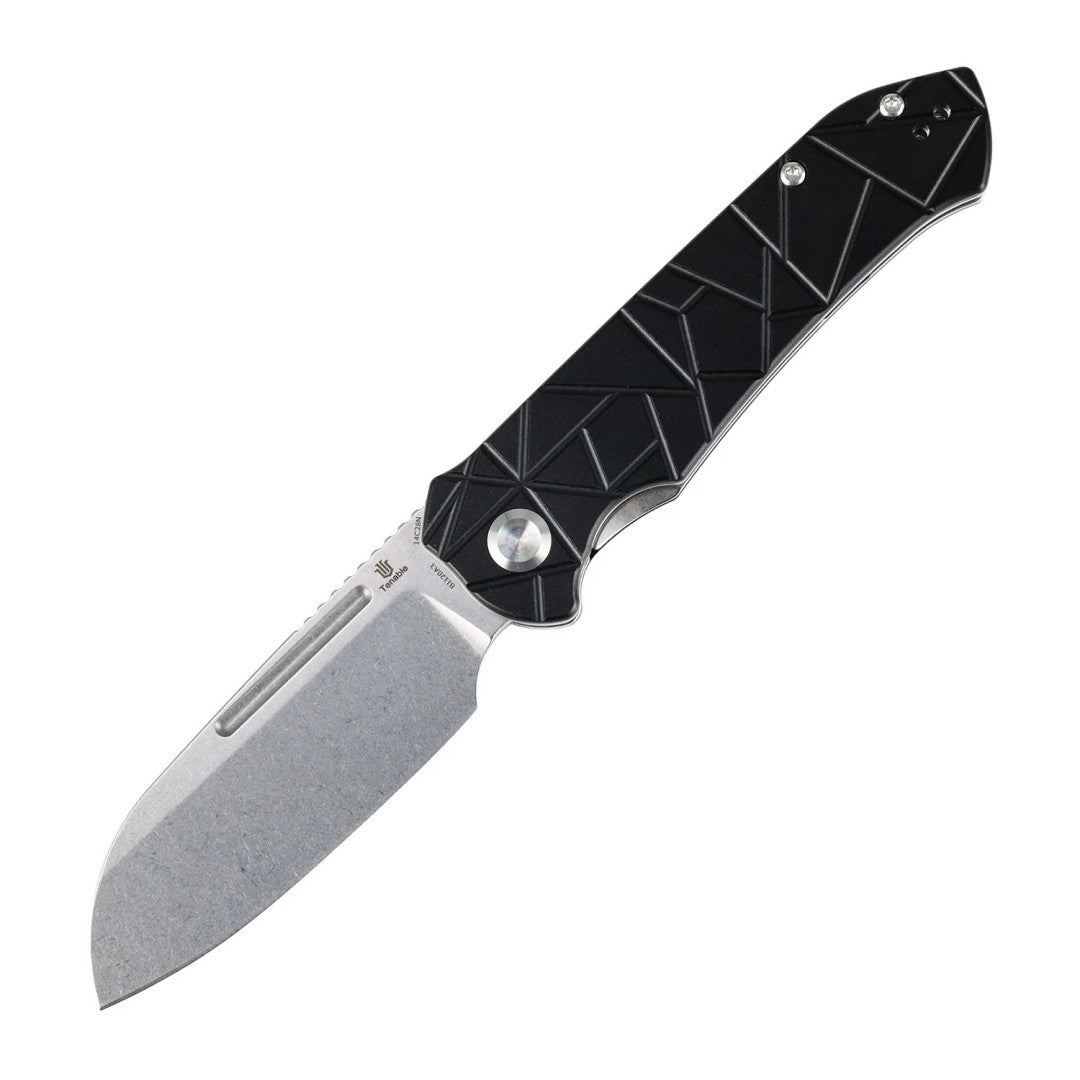
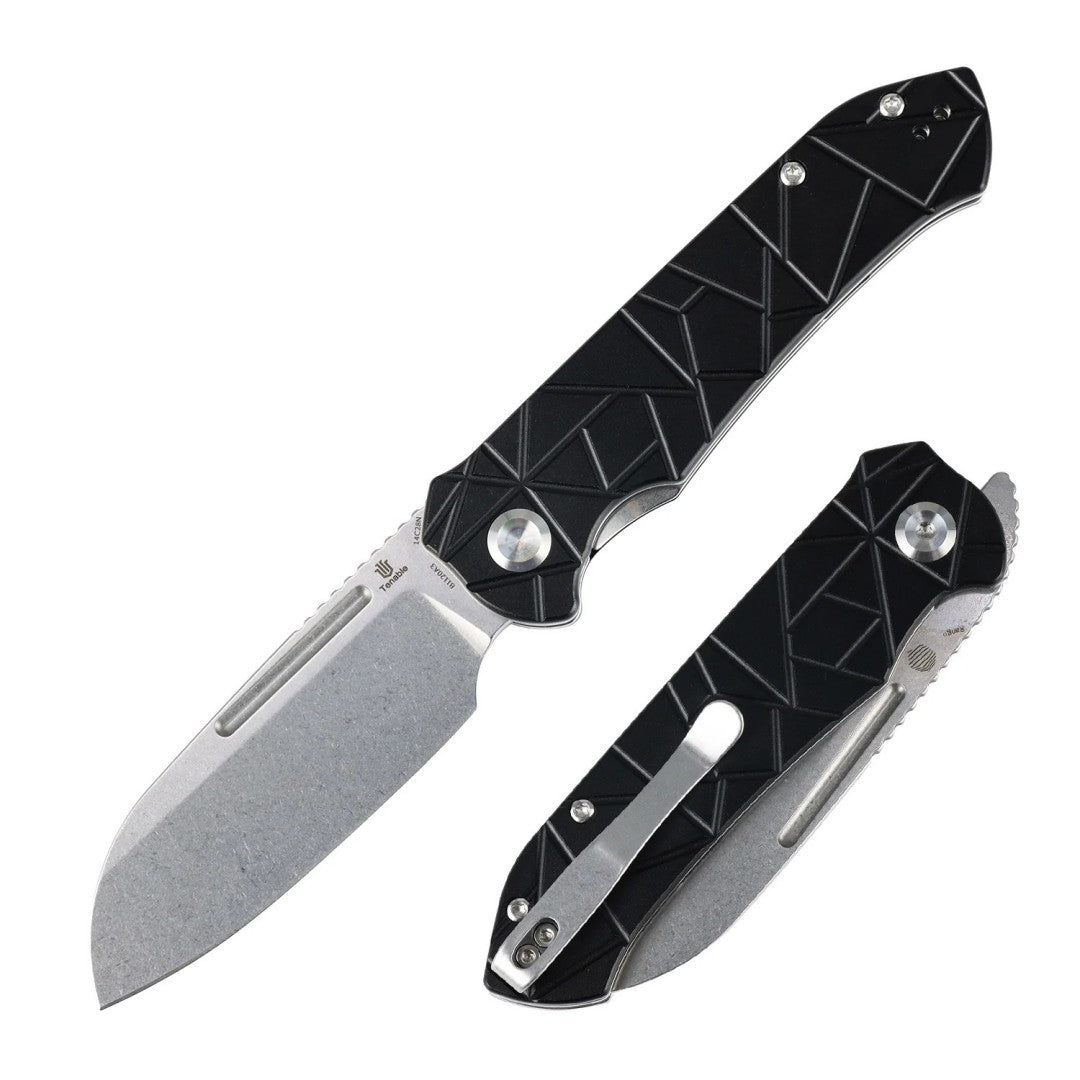
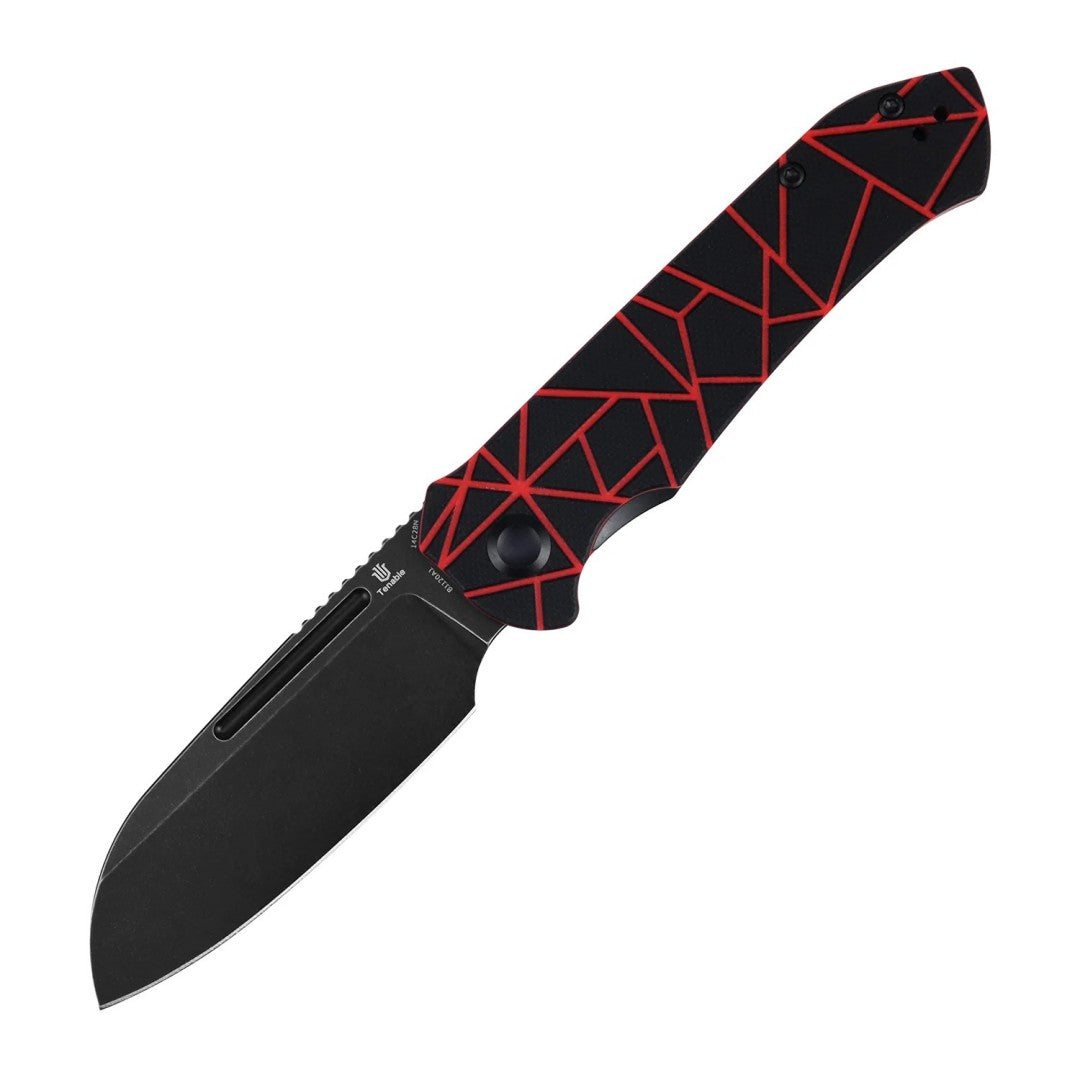
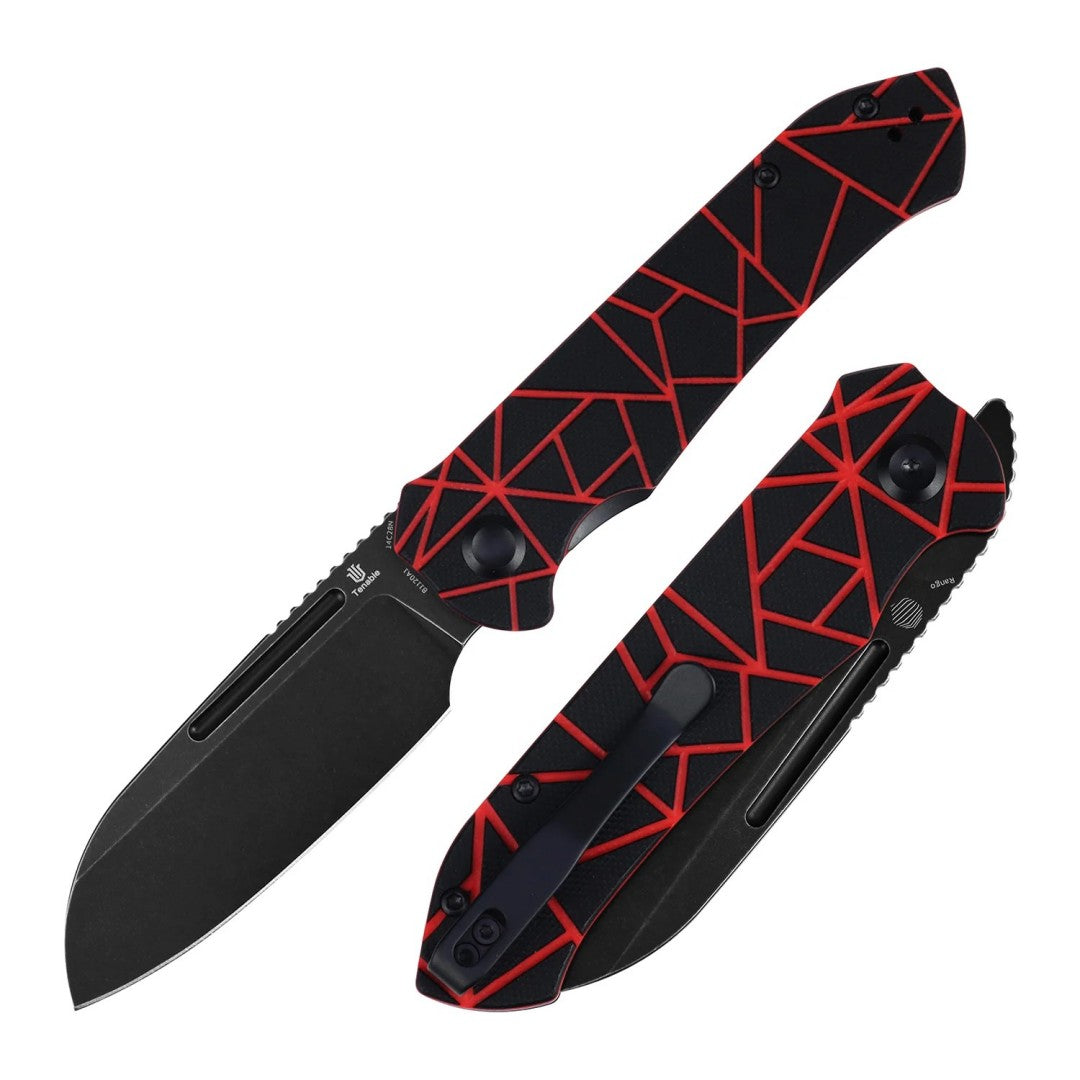
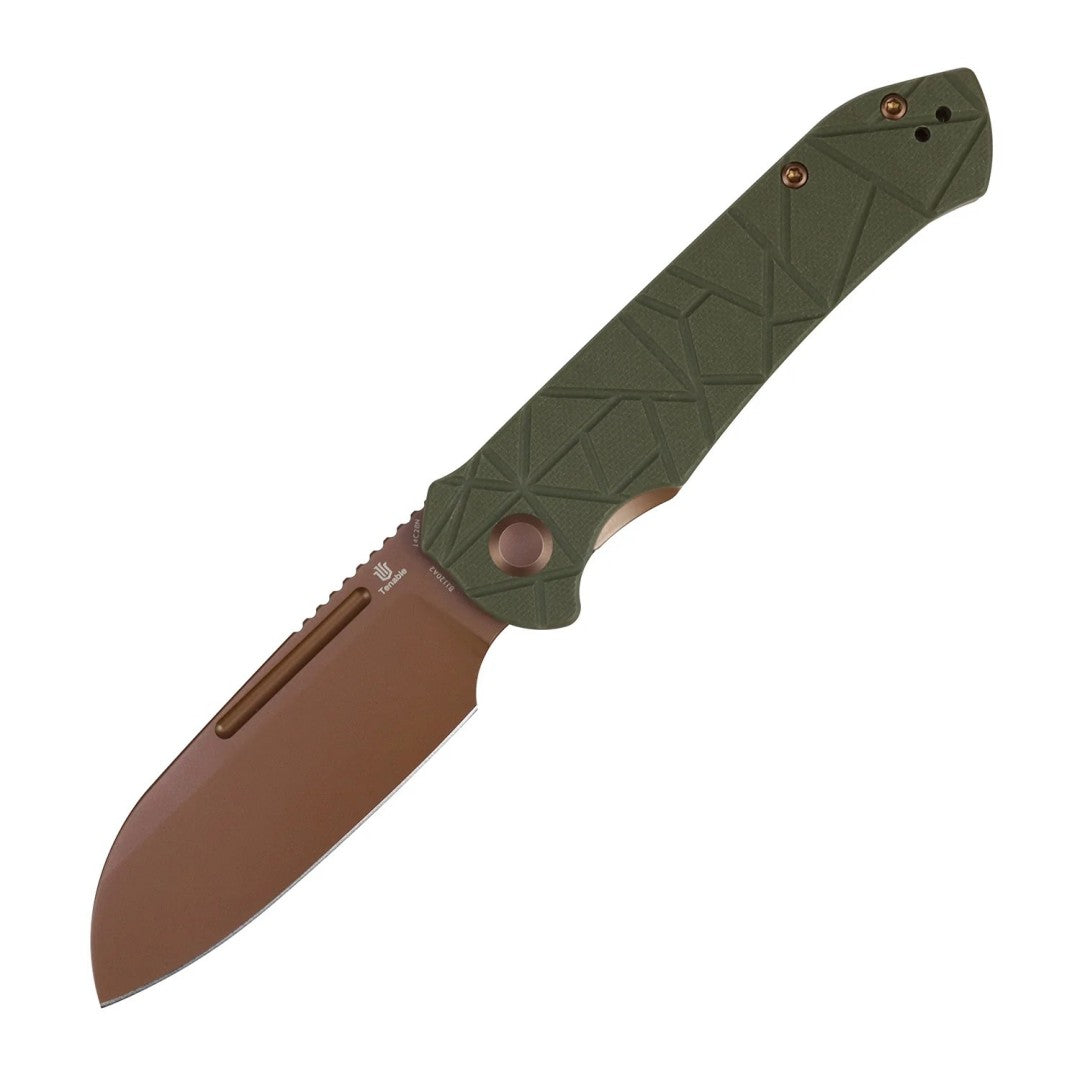
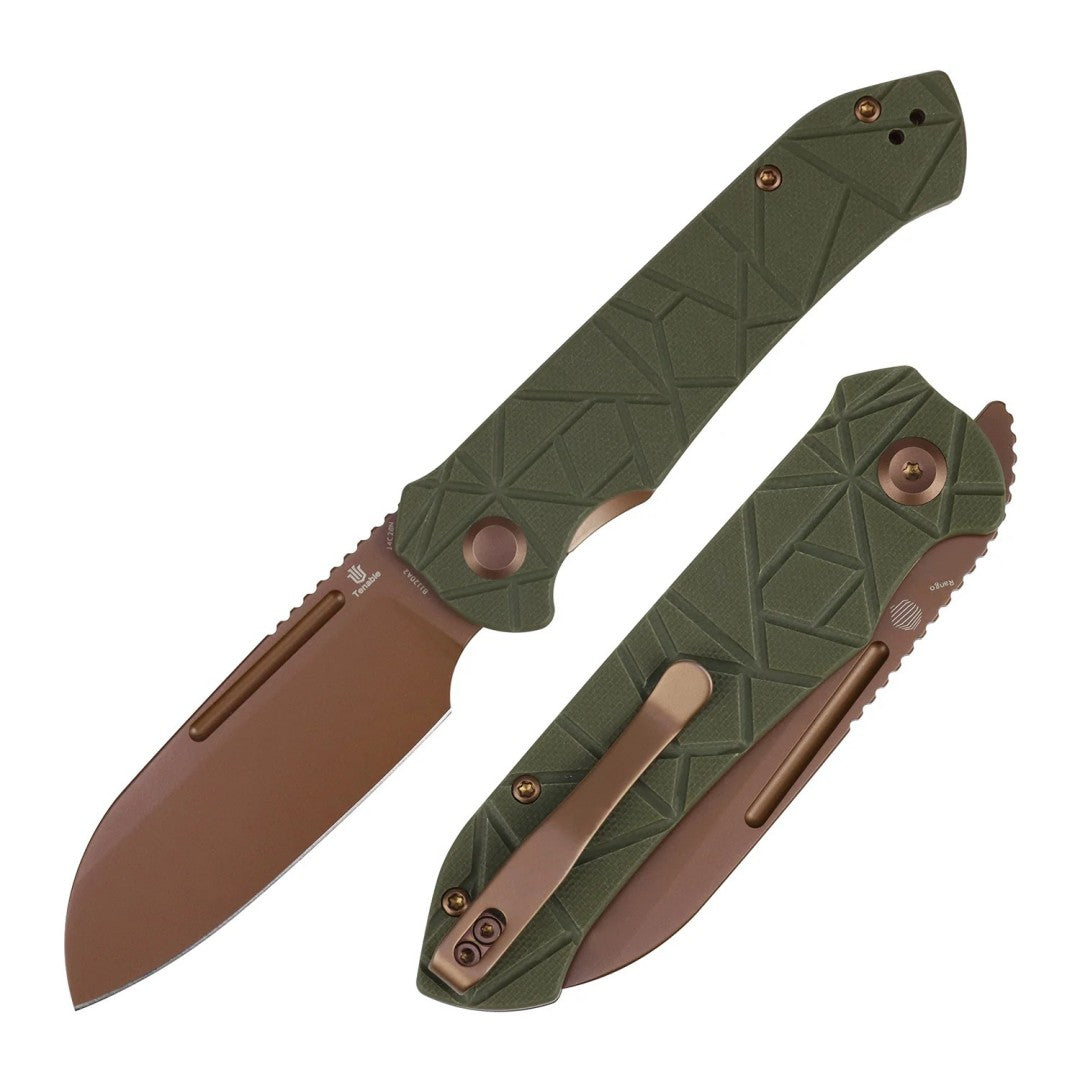
The Tenable Deadite features a versatile, modified drop-point profile with a modern reverse-tanto influence near the tip. This unique shape represents the hallmark design language of TuffKnives—combining clean, sweeping curves with hard, angular facets.
Specifications at a Glance
-
Blade Length: 3.52 inches
-
Blade Thickness at Spine: ~3.0 mm (0.12 inches)
-
Steel Options: Water Ripple Damascus or Sandvik 14C28N Stainless Steel
-
Deployment: Ambidextrous Dual Thumb Studs
The 3.52-inch blade length sits perfectly in the EDC "sweet spot." It is long enough to easily handle substantial tasks like slicing large ropes, breaking down thick cardboard boxes, or processing food, while remaining compact enough to carry comfortably and discreetly inside a standard front pocket.
2. Grind Profile and Edge Geometry
The secret to the Deadite's slicing ability lies in its grind configuration. TuffKnives utilized a high Flat Grind across the primary bevel of the blade.
Slicing Efficiency
A high flat grind means the blade tapers uniformly from its full 3.0 mm thickness at the spine down to a very fine, thin apex right behind the cutting edge. This minimizing of wedging force is critical. When cutting through deep materials like corrugated cardboard, the blade profile encounters very little friction, allowing it to glide through material rather than getting stuck.
Distal Taper and Tip Strength
As you move from the pivot toward the tip of the knife, the blade geometry features a subtle distal taper, meaning the spine gradually thins out. However, near the tip, the reverse-tanto style angle creates a robust structural apex.
This gives the Deadite excellent piercing capabilities without making the tip fragile. It easily punches through heavy-duty plastic packaging, leather, or drywall without the risk of snapping the tip under light lateral pressure.
3. Real-World Cutting Performance Testing
To evaluate how this geometry translates to actual use, we tested the different Tenable Deadite variants across common everyday scenarios.
Scenario A: Cardboard Breakdown (Abrasive Slicing)
Breaking down boxes is the most common task an EDC knife faces, and it tests both geometry and edge retention.
-
Performance: The high flat grind cuts cleanly without binding. On the Damascus versions (V1/V4), the alternating steel layers create natural micro-serrations along the edge that chew through cardboard fibers aggressively. On the 14C28N versions (V2/V3), the highly uniform Swedish steel takes an incredibly polished razor edge that pops paper and shears cardboard effortlessly.
Scenario B: Precision and Detail Work
For opening blister packs or stripping wire, you need fine control at the tip.
-
Performance: The Deadite features a distinct thumb ramp on the spine with well-placed, comfortable jimping (textured ridges). This allows you to place your thumb right above the pivot or choke up your index finger for precision utility cuts, putting the apex of the tip exactly where you need it with zero slip.
Scenario C: Fibrous Materials (Rope and Strapping)
Cutting thick nylon webbing or heavy rope requires a combination of downward force and slicing bite.
-
Performance: The belly of the blade—the curved portion of the cutting edge—is sweeping and generous. This profile naturally draws material into the sweet spot of the edge during a slicing motion, maximizing the cutting surface area and reducing hand fatigue during repetitive cuts.
4. How Blade Finishes Affect Performance
The Tenable Deadite lineup features multiple distinct finishes that subtly impact how the geometry behaves during cutting tasks:
-
Satin/Acid-Etched Damascus (V1 & V4): The etched texture of the Water Ripple Damascus acts almost like a matte finish, reducing the surface suction that can occur when slicing through wet materials or sticky tape.
-
Gray TiCn Coating (V2): The Titanium Carbo-Nitride coating provides a smooth, low-friction slick barrier that glides exceptionally fast through tightly packed fibers.
-
Rose Gold Finish (V3): Adds a durable, smooth physical coating that protects the underlying steel while looking incredibly custom.
The Verdict: Aggressive Looks, Workhorse Performance
The Tenable Deadite successfully dispels the myth that custom-designed geometric knives are built only for looks. Geoff Blauvelt (TuffKnives) has masterfully balanced striking aesthetics with highly functional blade geometry.
The combination of a tall flat grind, a robust tip, a generous belly, and premium steel options makes the Deadite a remarkably efficient, reliable, and high-performance cutting tool that is fully optimized for demanding daily carry.
Frequently Asked Questions (FAQ)
What type of grind does the Tenable Deadite have?
The Tenable Deadite features a high flat grind that tapers uniformly from the spine to the edge, optimizing the blade for clean, low-friction slicing while maintaining structural spine strength.
Is the tip of the Deadite blade durable enough for piercing hard materials?
Yes. The reverse-tanto geometry near the tip provides an reinforced structural apex, giving you excellent piercing power and tip durability without sacrificing slicing performance.
How does the blade geometry help with sharpening?
Because the primary bevel uses a straight flat grind rather than a complex recurve, the cutting edge is incredibly easy to maintain and sharpen uniformly on standard flat whetstones, guided systems, or ceramic rods.