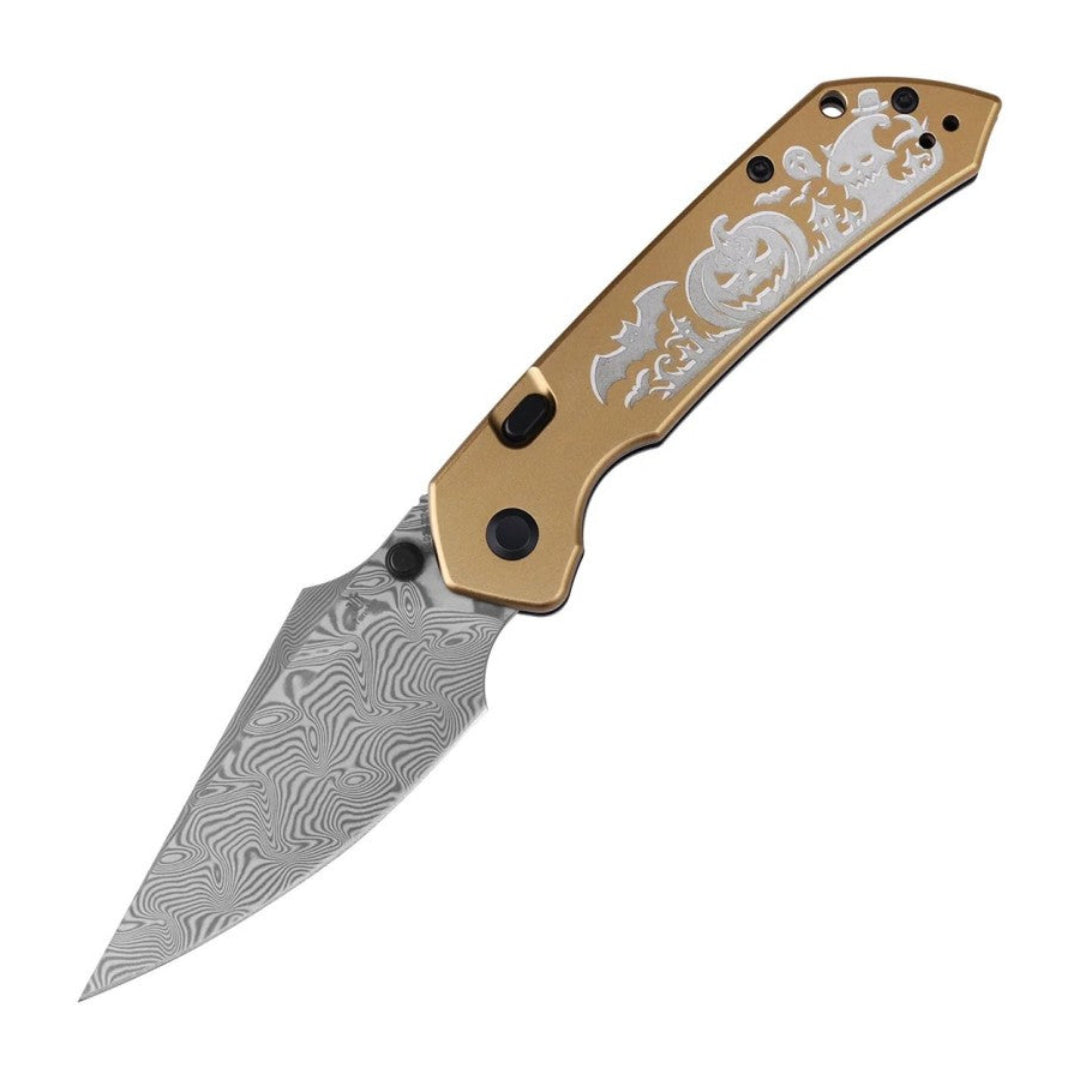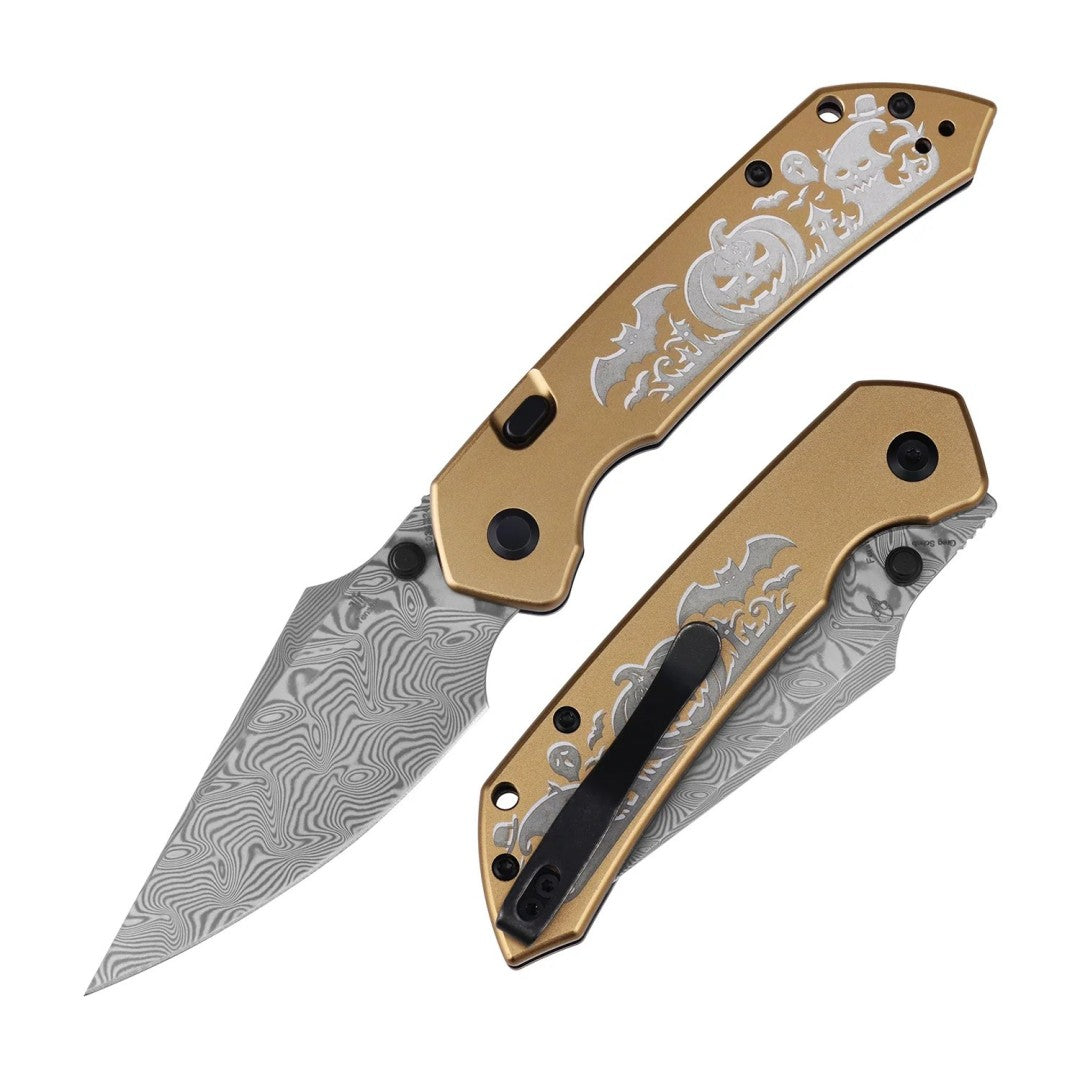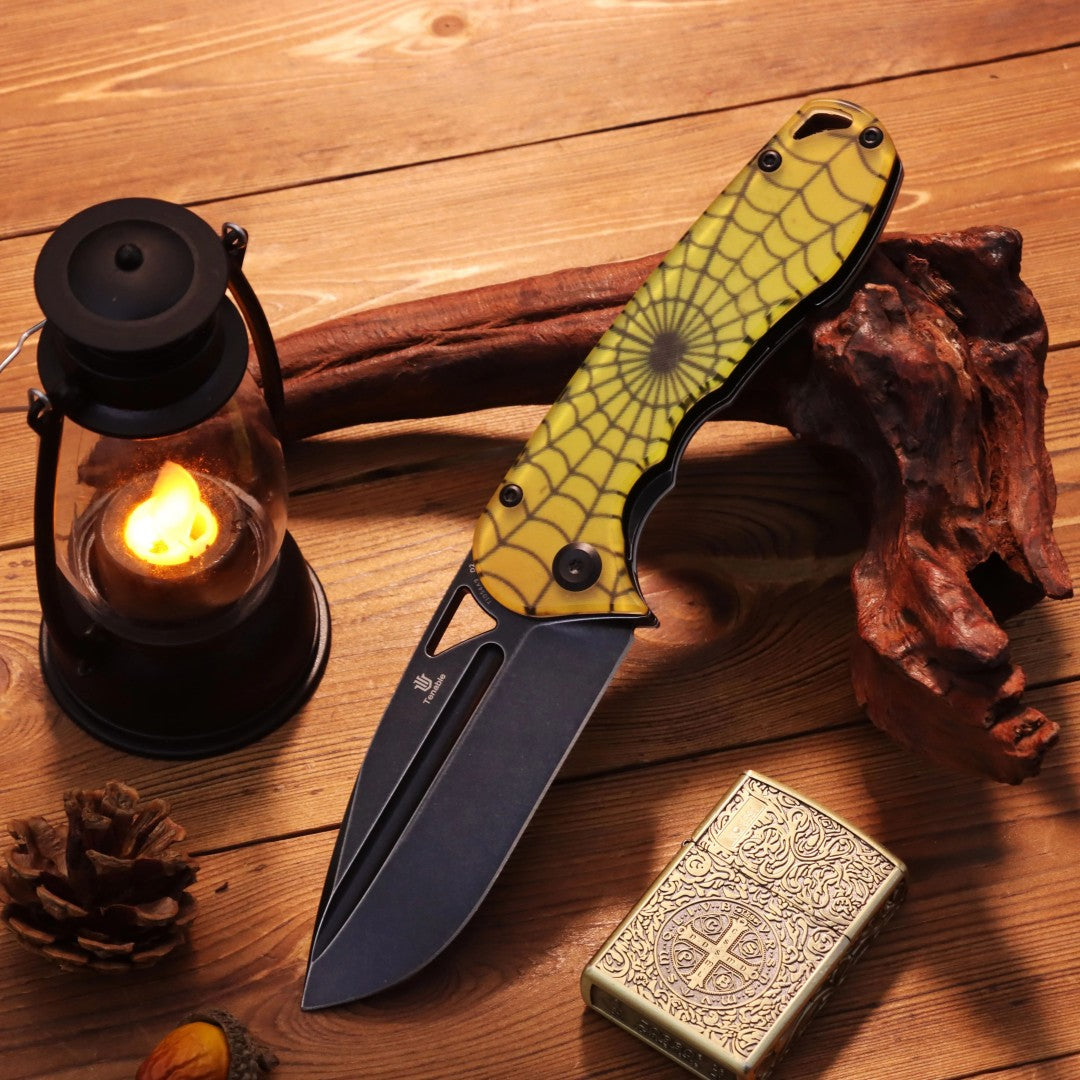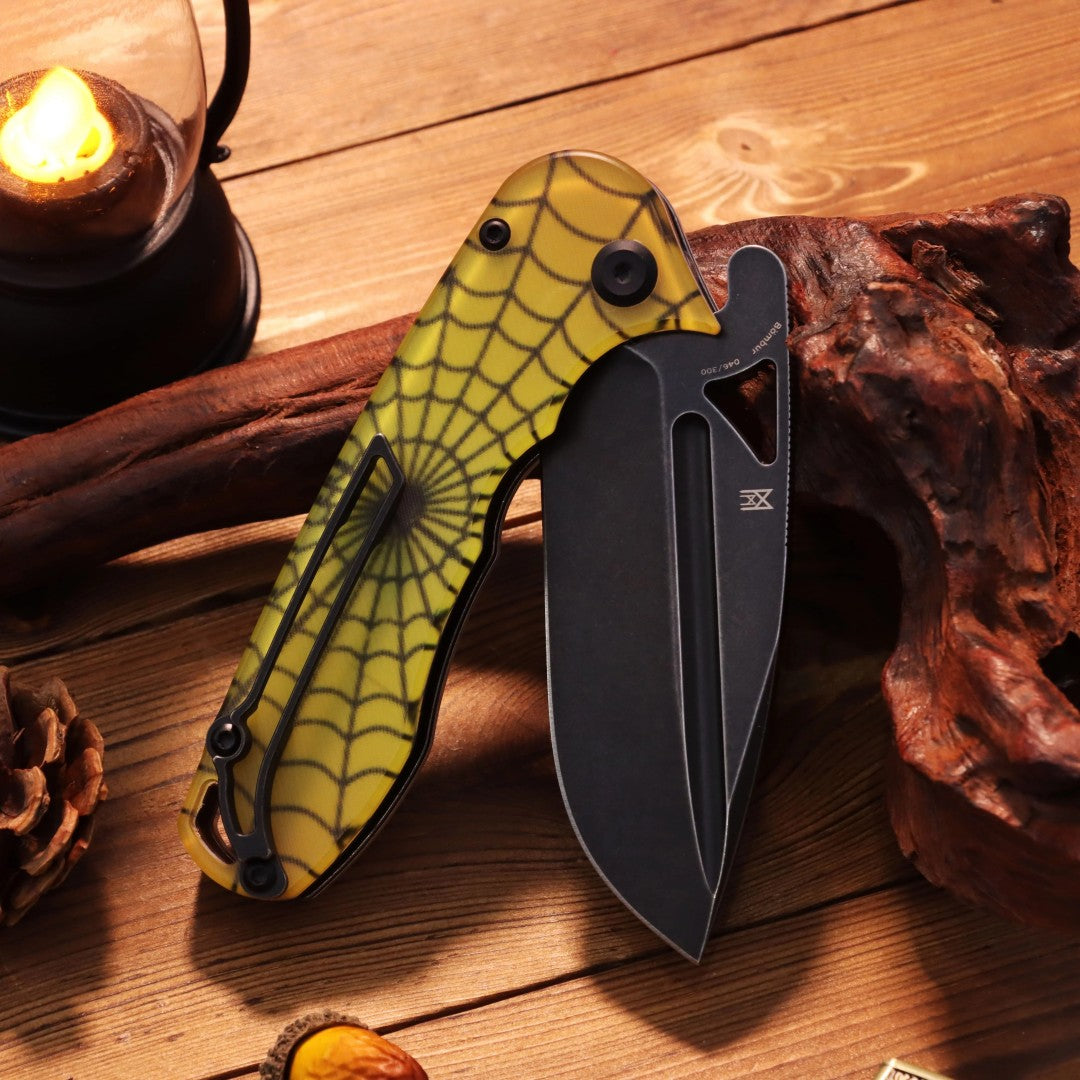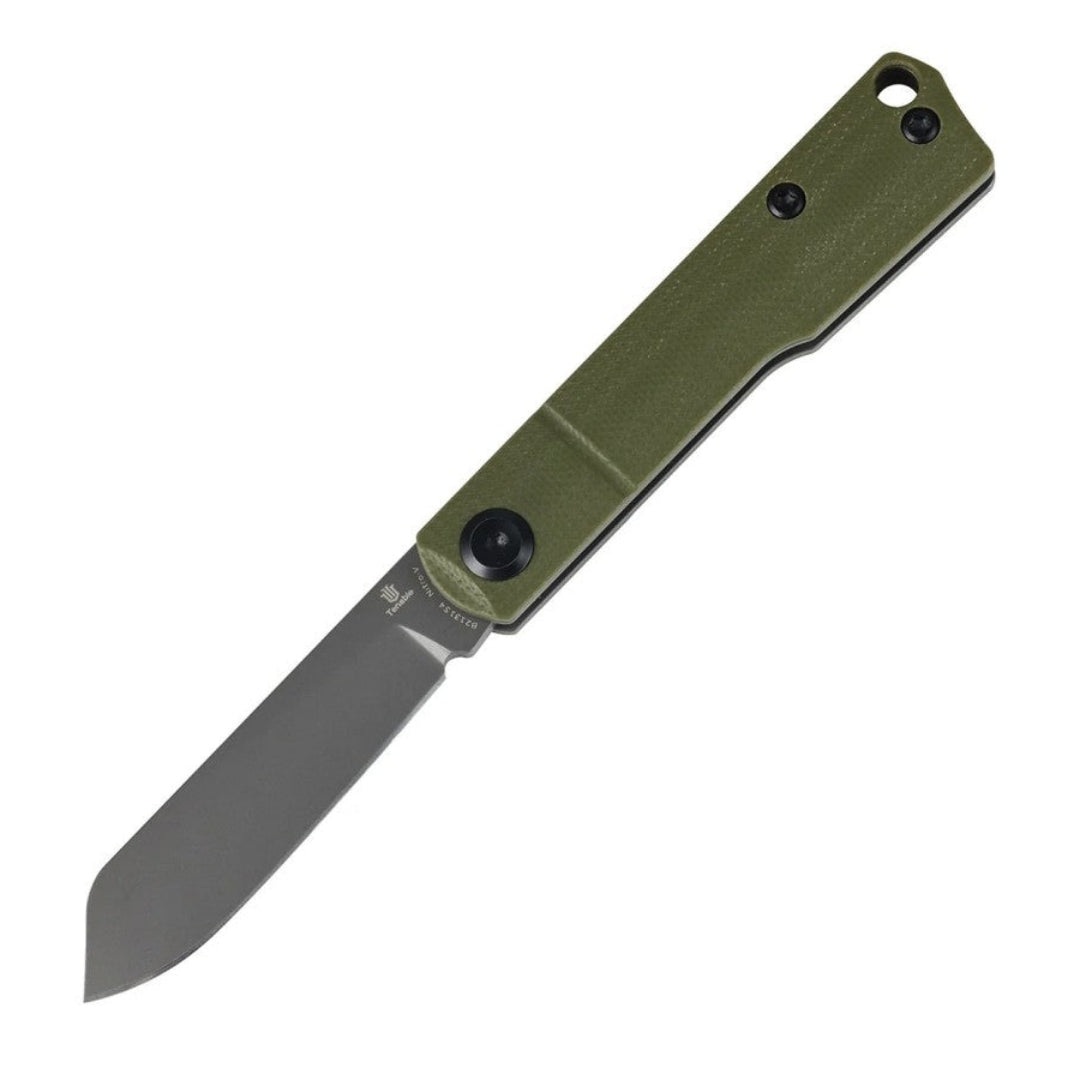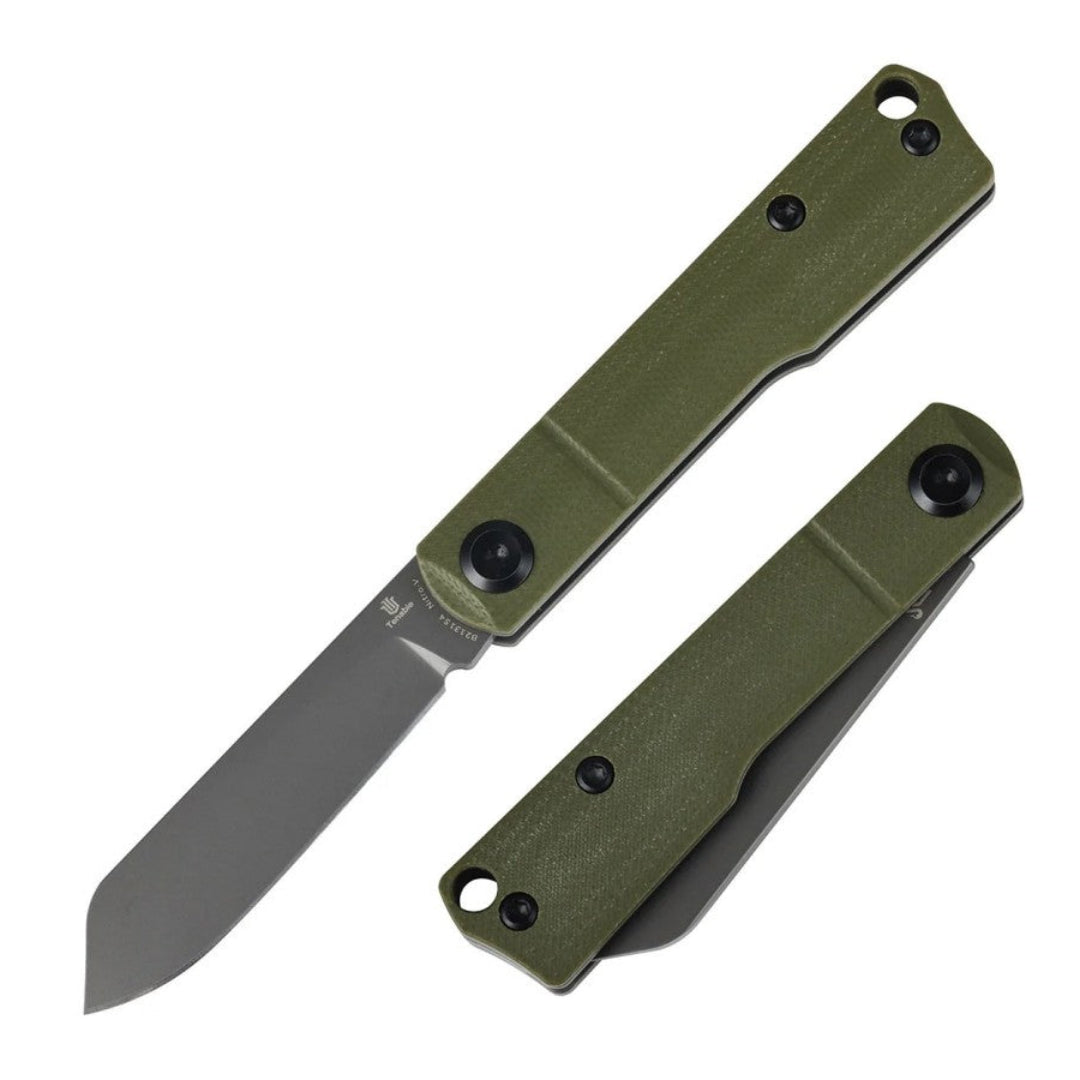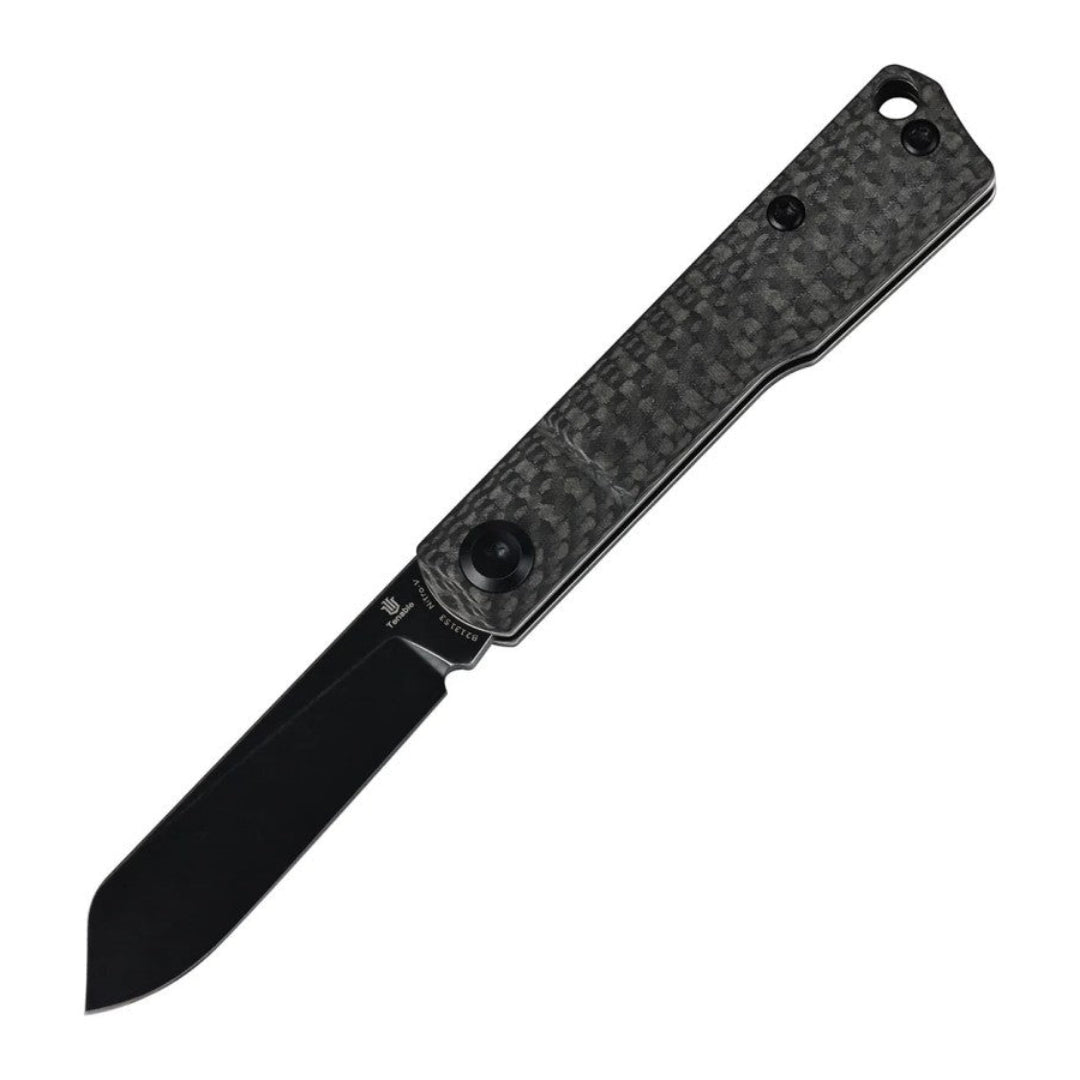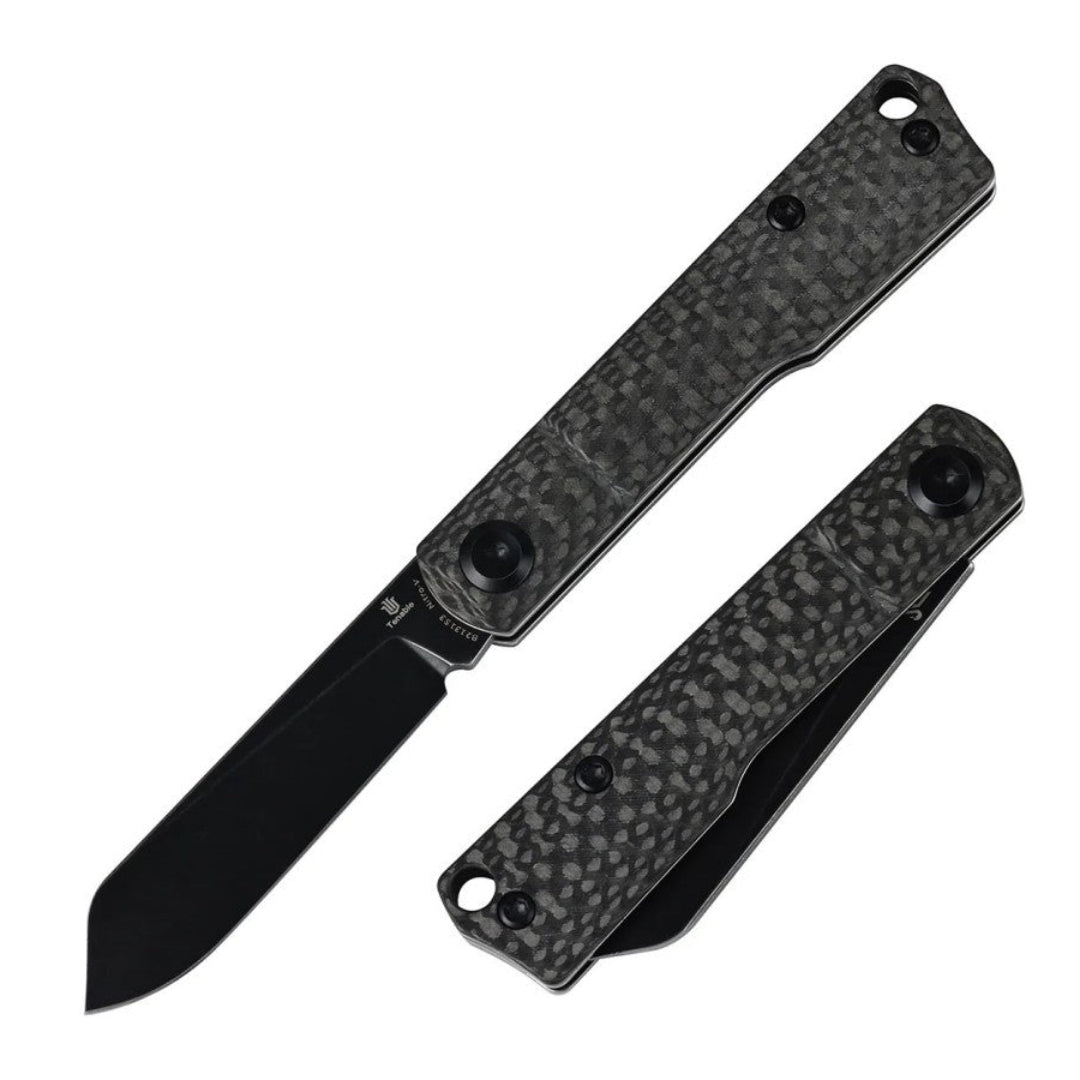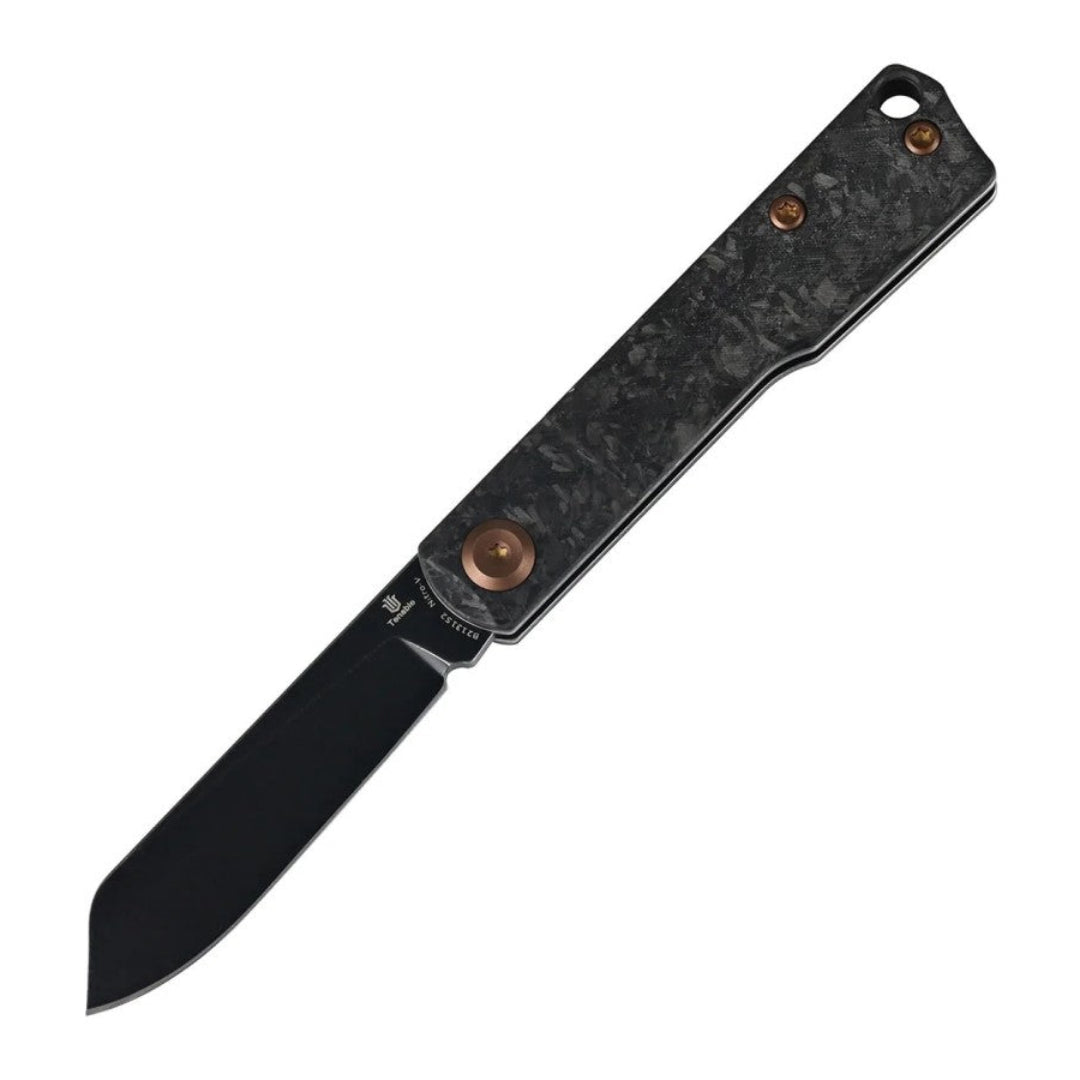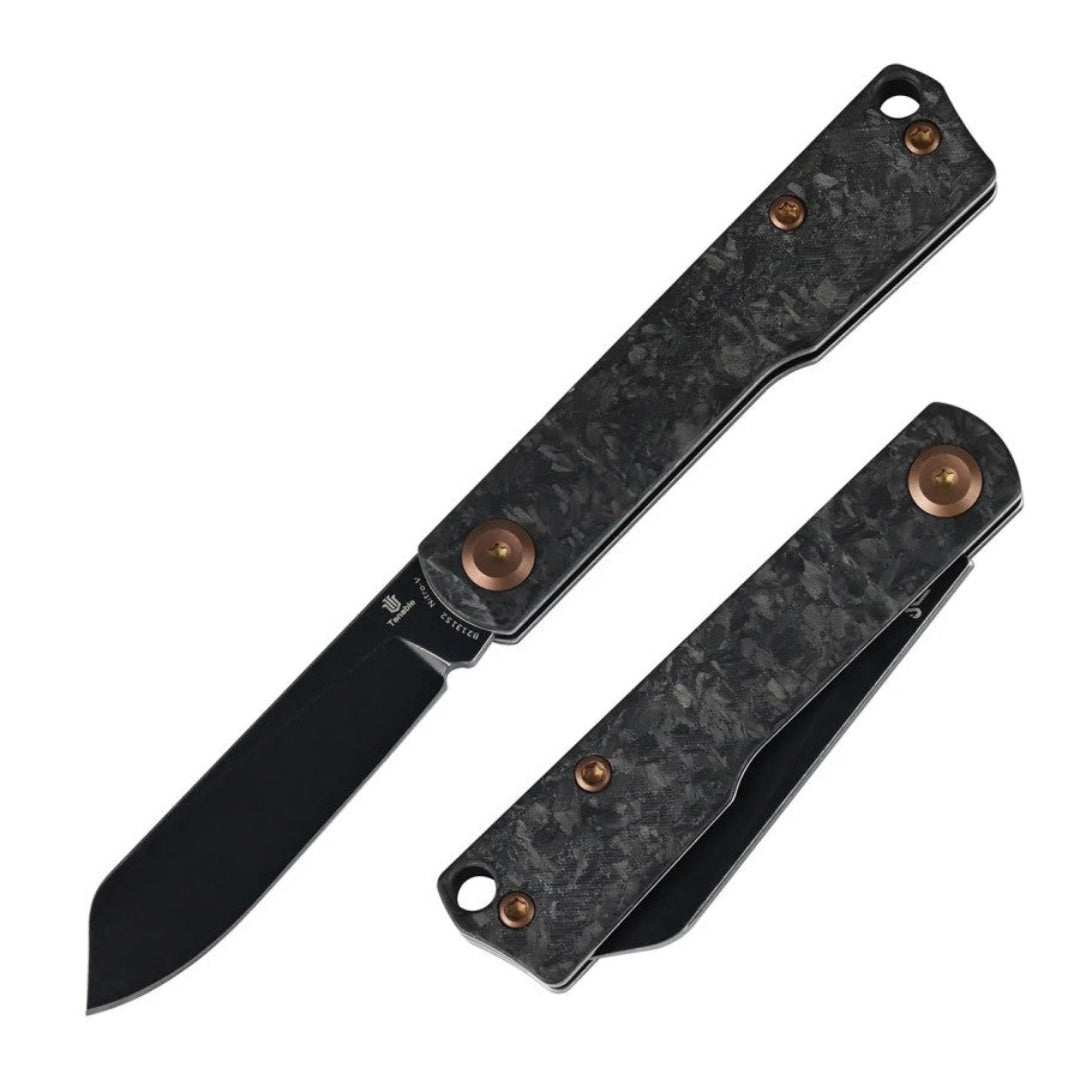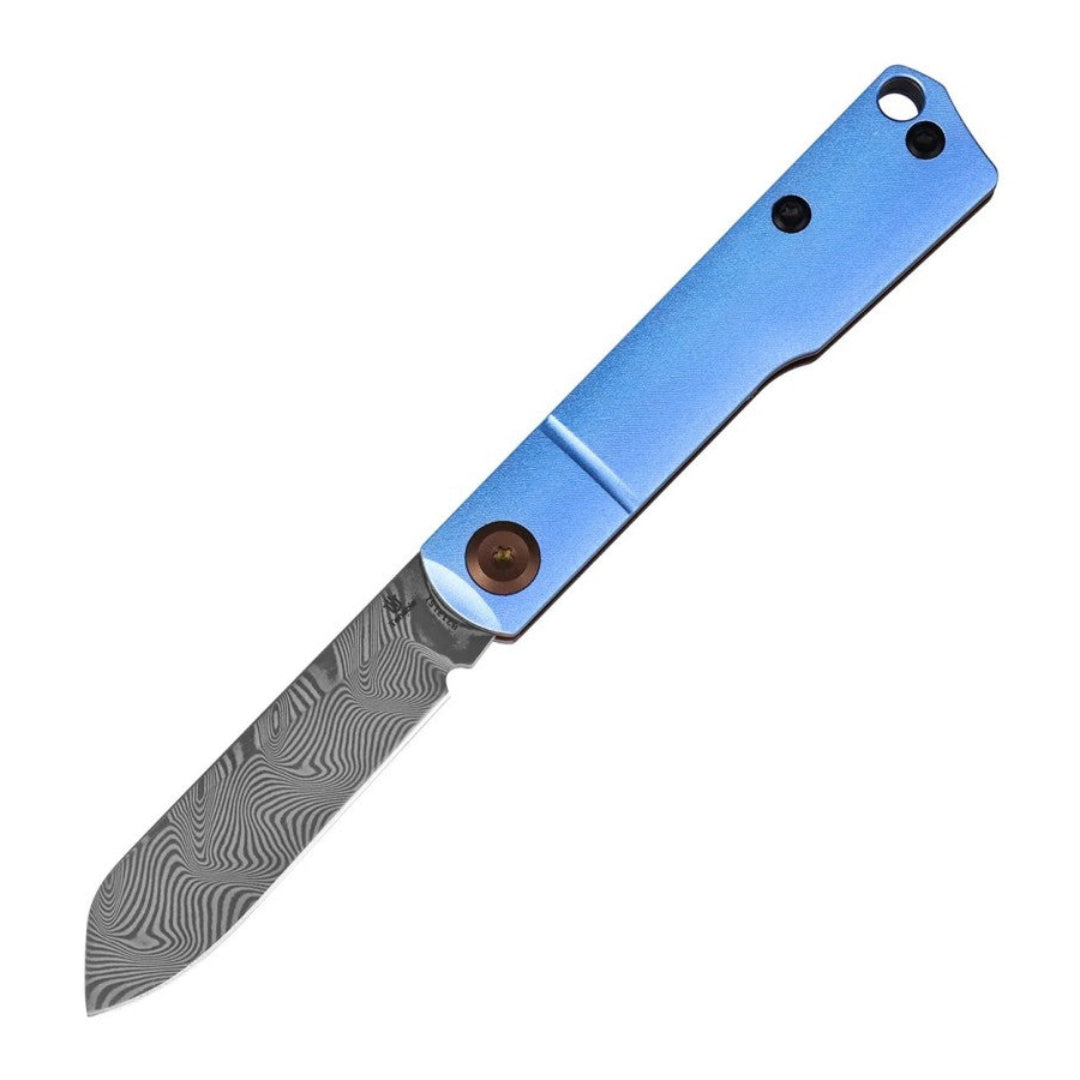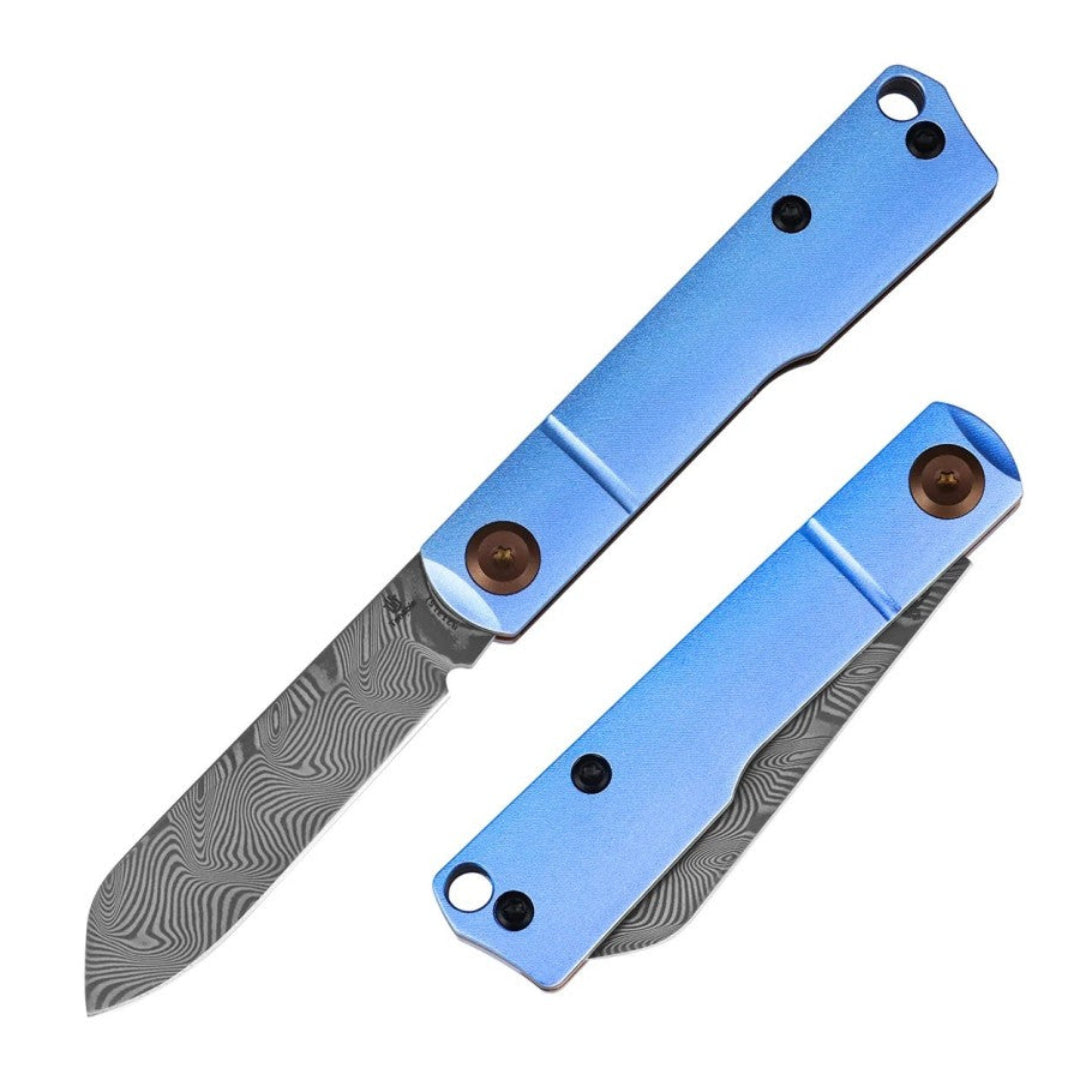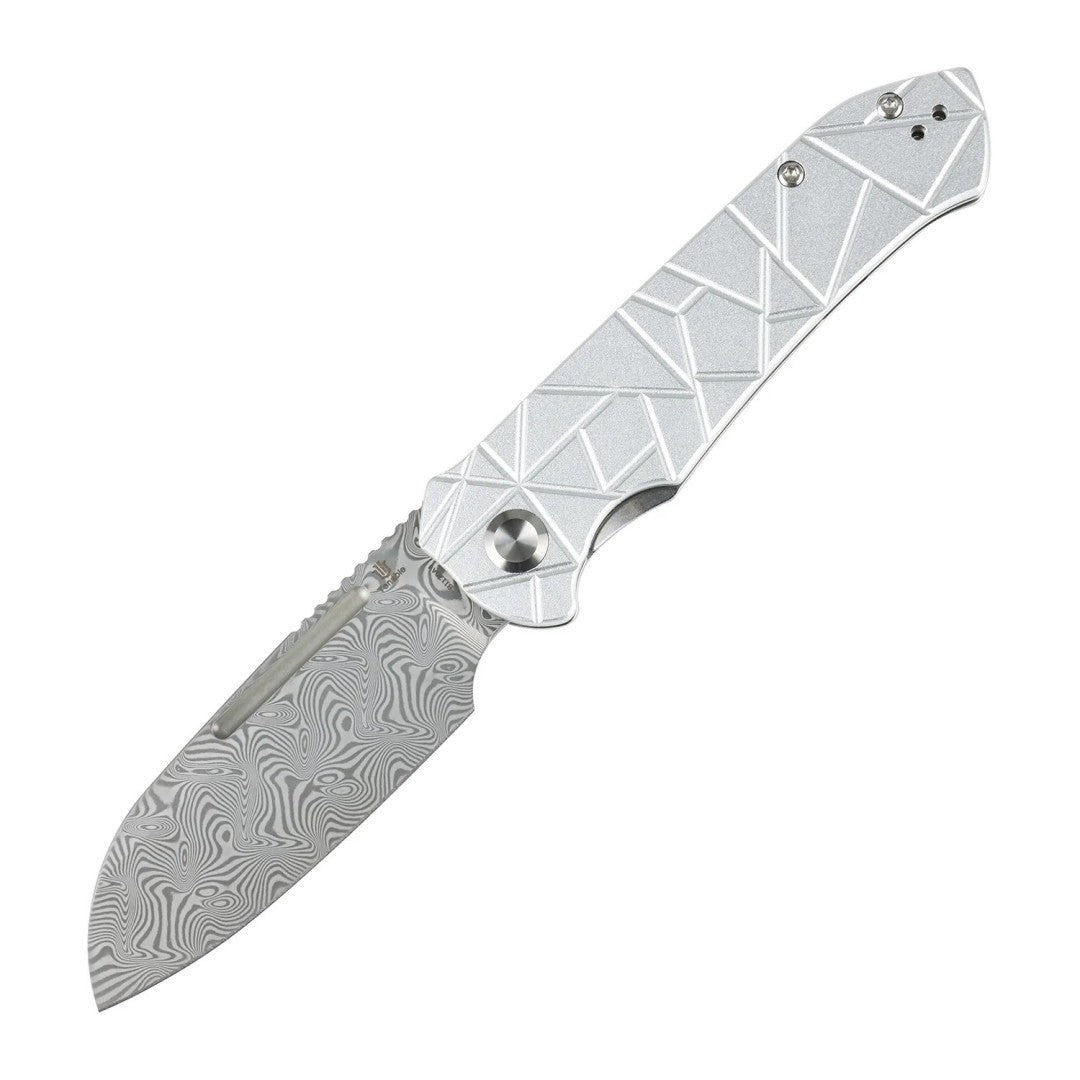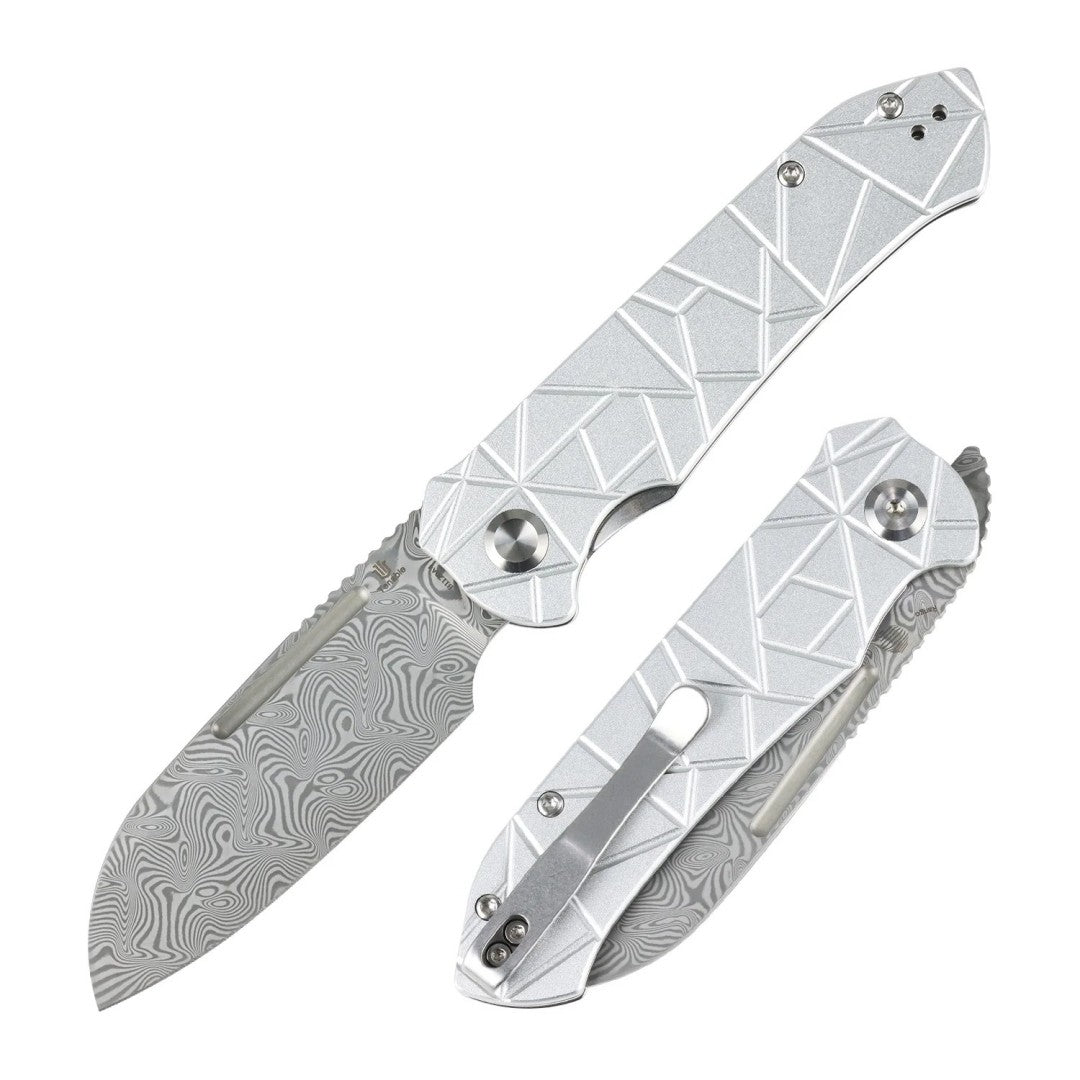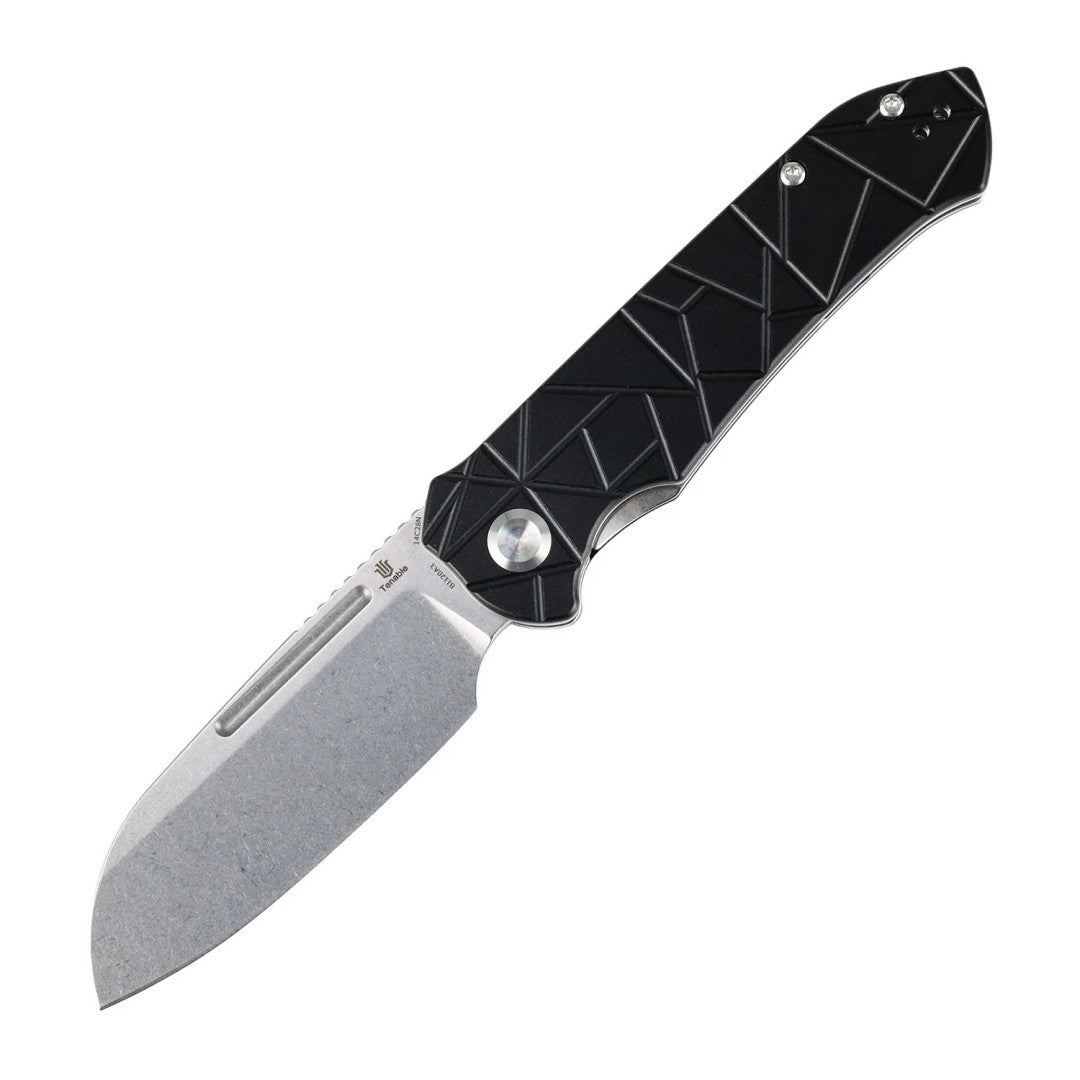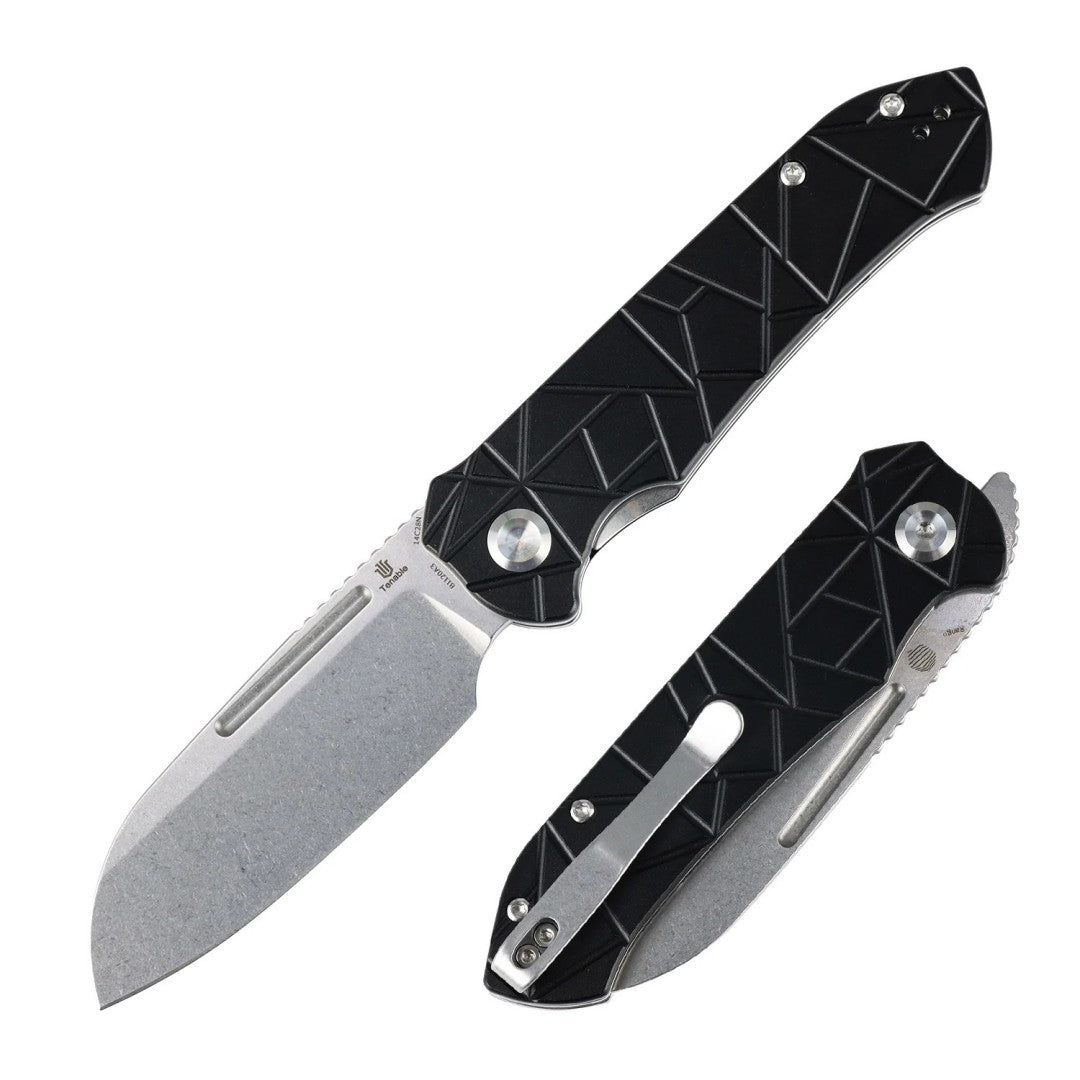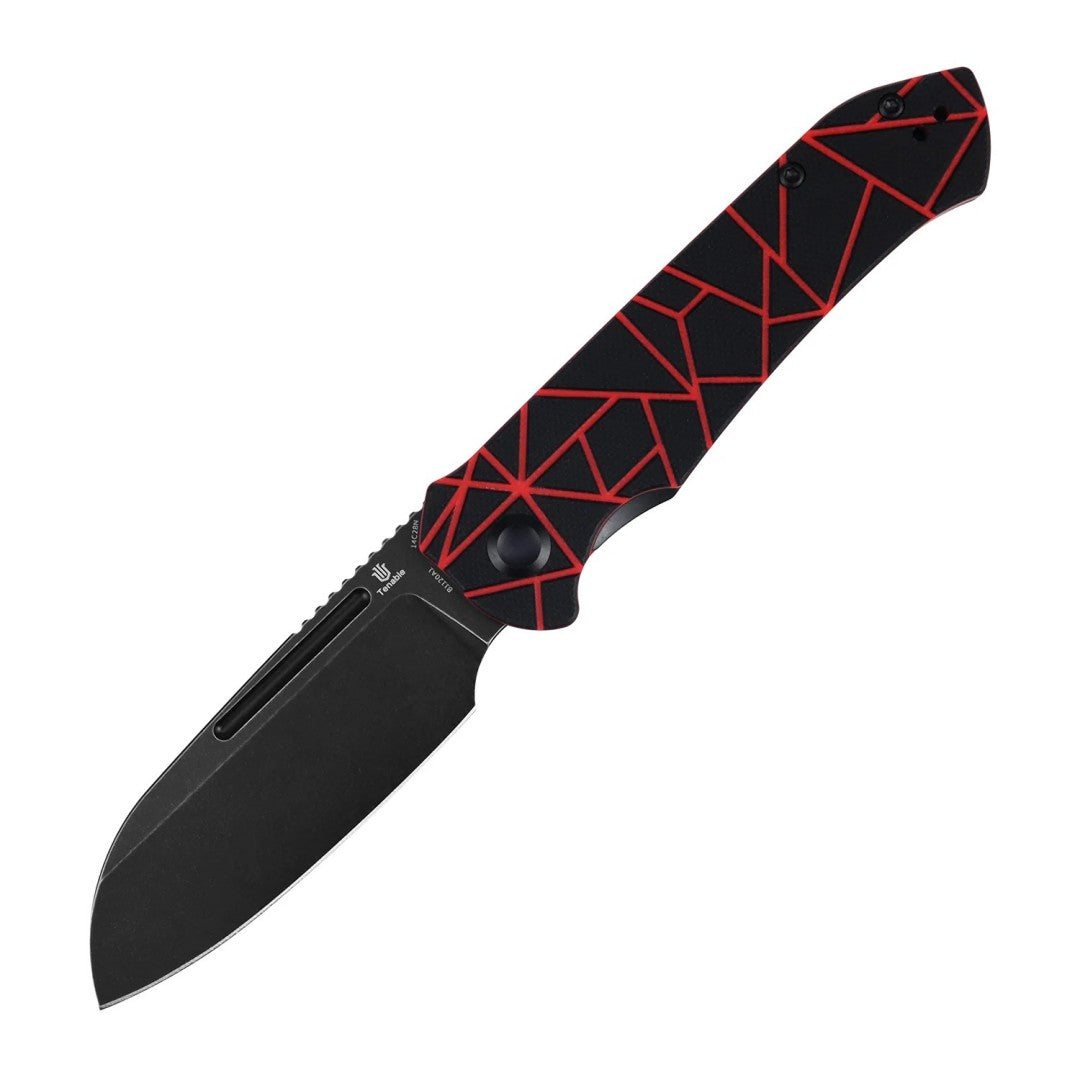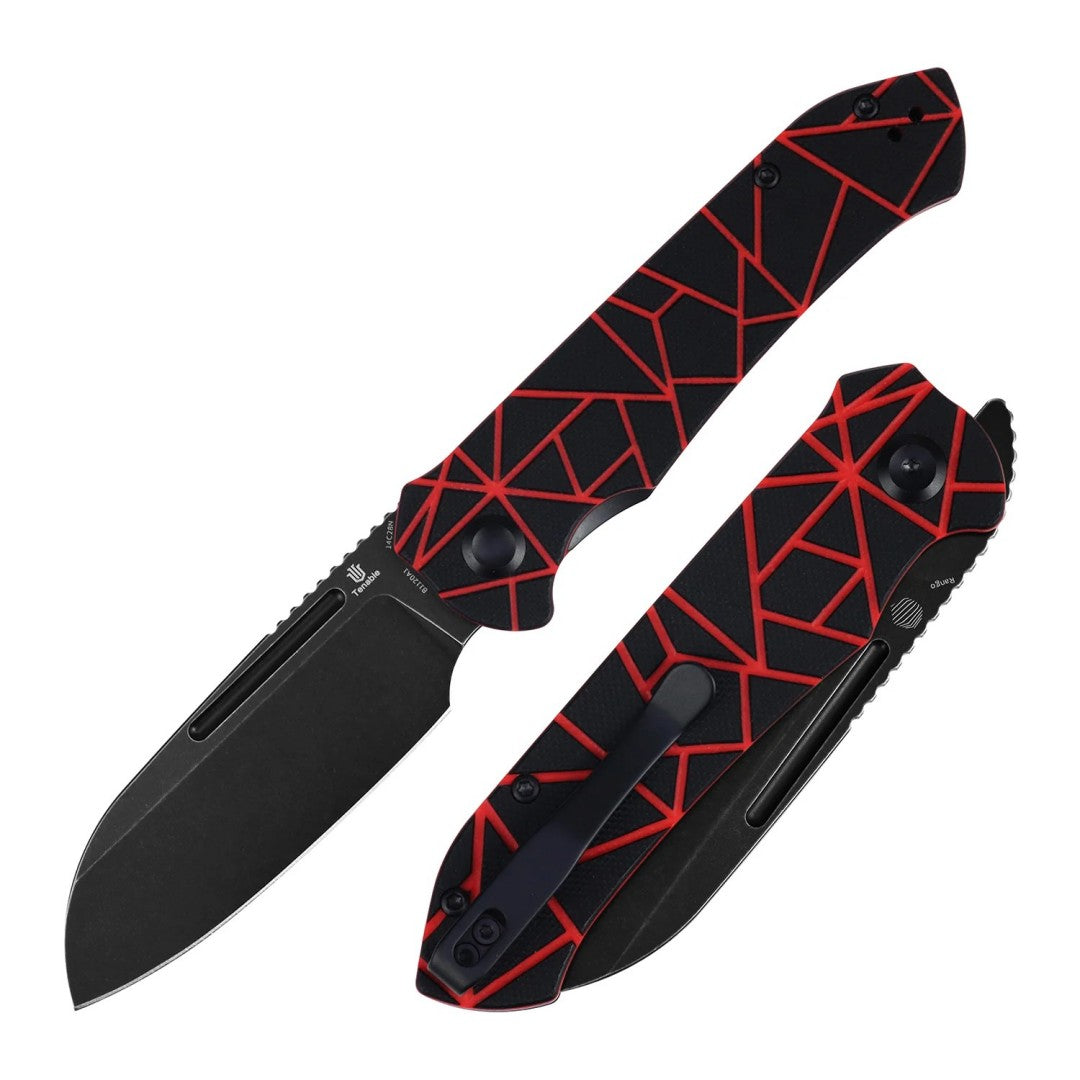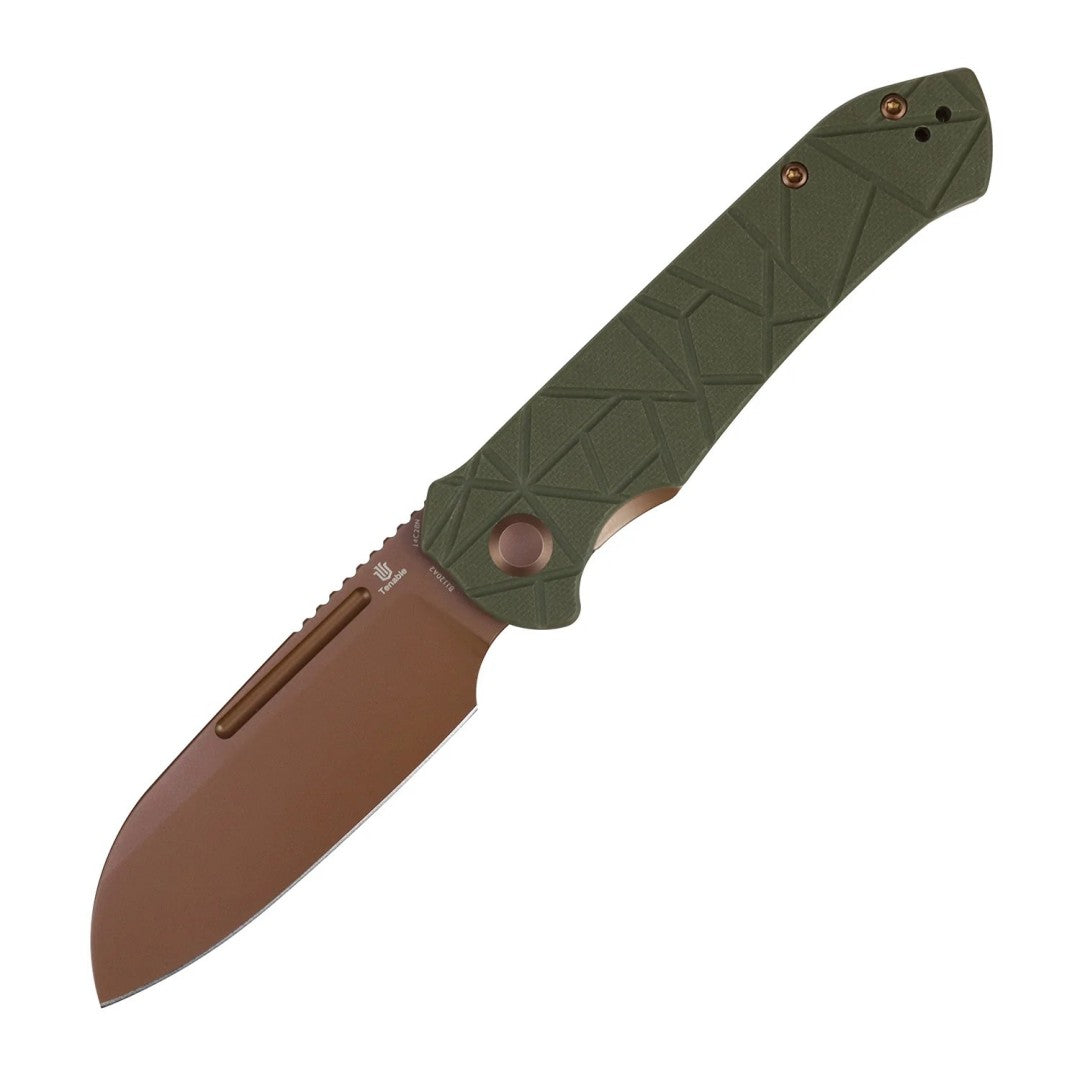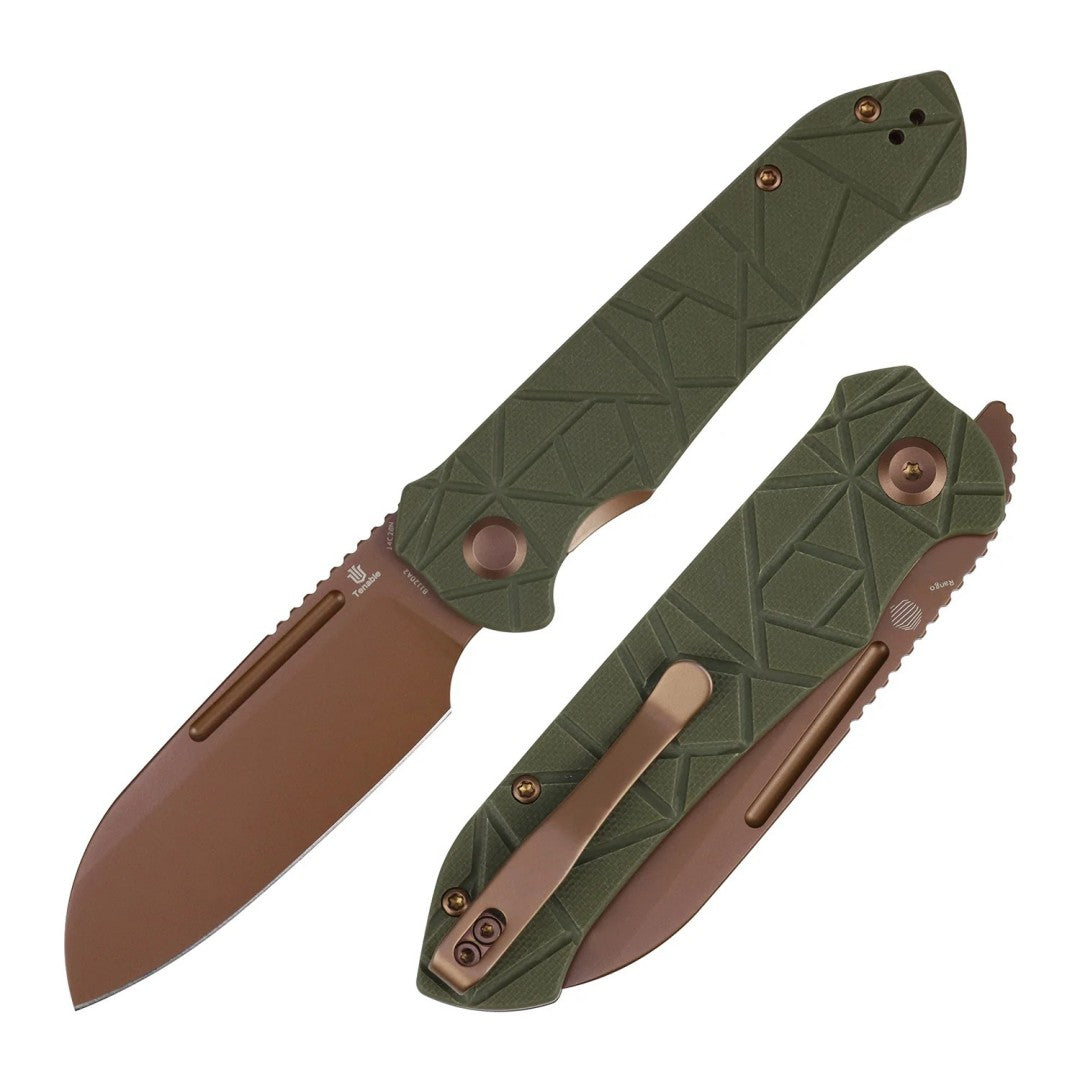

One of the main reasons the Tenable Deadite, custom-designed by TuffKnives, has become a favorite among everyday carry (EDC) enthusiasts is its incredibly snappy and smooth deployment. Driven by a precise Crossbar Lock mechanism, this 3.52-inch folder can effortlessly drop shut with a simple pull of the lock bar.

However, like any high-performance mechanical tool, a pocket knife requires regular maintenance to perform at its peak. Over time, pocket lint, dust, moisture, and cutting debris can migrate into the internal tracks and spring channels, making the action feel gritty or stiff.
In this comprehensive maintenance guide, we will walk you through the exact steps to clean, lubricate, and tune your Tenable Deadite Crossbar Lock to ensure it stays buttery smooth and completely reliable for years to come.
The Essential Maintenance Toolkit
Before you begin, gather the proper tools to avoid damaging the precision hardware on your knife. The Tenable Deadite uses standard Torx fasteners, so a basic knife maintenance kit will cover everything you need:
-
Torx Screwdrivers: High-quality T6 and T8 bits (to prevent stripping the screw heads).
-
Cleaning Solvent: Isopropyl alcohol (91% or higher) or a dedicated knife cleaner.
-
Lubricant: A premium, low-viscosity knife oil (such as KPL - Knife Pivot Lube) or a high-grade mineral oil.
-
Applicators: Cotton swabs (Q-tips), a clean microfiber cloth, and a toothpick.
-
Compressed Air: A can of compressed air to quickly blow out loose debris.
Step 1: Routine Cleaning (No Disassembly Required)
You don’t need to completely take your knife apart every time it gets a little dirty. In fact, doing a quick blowout once a week will drastically extend the life of your crossbar springs and pivot assembly.
-
Blow it Out: Open the blade halfway so the crossbar track is exposed. Use a can of compressed air to blow out the internal liner tracks, the pivot pocket, and the open-back body spacer channel. This easily dislodges pocket lint and dust.
-
Swab the Tracks: Dip a cotton swab in isopropyl alcohol and run it along the machined steel tracks where the crossbar slides back and forth. You will likely see the cotton turn black from a mixture of old oil and fine pocket debris.
-
Clean the Tang: Wipe down the flat tang notch of the blade where the crossbar interfaces. A clean lock face prevents "lock stick" and ensures a crisp, safe lockup every time you flick the blade open.
Step 2: Deep Cleaning and Lubrication
If your Deadite has been exposed to heavy mud, sand, or moisture, or if the action feels consistently gritty after a basic cleaning, it is time for a targeted deep clean and fresh lubrication.
1. Dissolving Hidden Grime
Apply a few drops of isopropyl alcohol directly into the pivot area and into the crossbar spring pockets on both sides of the handle. Cycle the action of the knife twenty to thirty times to allow the alcohol to break up gummed-up factory grease or dried-out oil. Use your microfiber cloth to wipe away the dissolved residue as it seeps out of the scales.
2. Precise Lubrication is Key
When it comes to lubricating a crossbar lock folder, less is more. Applying too much oil will turn your pocket knife into a magnet for pocket lint, accelerating the buildup of grime.
Using a fine needle applicator, apply precisely:
-
One drop on each side of the blade pivot (where the washers meet the blade).
-
One tiny drop directly onto each internal omega spring pocket inside the handle liners.
-
One drop along the length of the crossbar sliding track on both sides.
3. Break-In the Oil
Flick the knife open and closed using the dual thumb studs or by pulling back on the crossbar lock bar. This distributes the lubricant evenly across the internal metal surfaces, leaving a microscopic protective film that reduces friction and prevents rust.
Step 3: Tuning the Pivot Tension
The balance between a rock-solid lockup and a free-dropping blade comes down to your pivot screw tension. If your blade doesn't drop shut cleanly when you pull back the crossbar lock, your pivot might be slightly too tight.
-
Insert your T8 Torx bit into the main pivot screw.
-
Loosen the screw counter-clockwise a tiny fraction (roughly 2 to 5 degrees at a time).
-
Check the blade action. Does it drop freely?
-
Check for blade play. Gently wiggle the tip of the blade side-to-side while it is locked open. If you feel any clicking or shifting, the pivot is too loose. Tighten it slightly clockwise until the side-to-side play disappears completely while maintaining a smooth swing.
Specialized Care for Blade Variations
Because the Tenable Deadite comes in multiple high-end configurations, remember to adapt your cleaning based on your specific model:
-
Damascus Steel Blades (V1 & V4): After cleaning the blade with alcohol, always apply a thin layer of mineral oil or knife wax across the entire etched surface to prevent ambient humidity from causing rust spots on the layered steel.
-
Coated 14C28N Blades (V2 & V3): The gray TiCn and rose gold finishes are incredibly resilient, but ensure you clean the exposed steel on the cutting edge and the un-coated lock interface regularly to keep them performing flawlessly.
By following this simple maintenance routine, the TuffKnives custom geometry and rock-solid crossbar lock on your Tenable Deadite will continue to deliver one of the most satisfying, smooth, and dependable deployment actions in the EDC world.
Frequently Asked Questions (FAQ)
What type of oil should I use to lubricate my Tenable Deadite?
Use a dedicated light knife oil (like KPL) or standard food-safe mineral oil. Avoid heavy lubricants like WD-40, motor oil, or vegetable oil, as they break down quickly, become gummy, and attract massive amounts of dirt.
How often should I perform maintenance on my crossbar lock knife?
A quick blast of compressed air to clear out pocket lint should be done every week or two. A deeper cleaning and fresh lubrication are typically only required every 3 to 6 months, or immediately after the knife is exposed to heavy water, dirt, or sand.
Will taking the knife apart void the warranty or break the springs?
Standard cleaning and lubrication do not require full disassembly. While the Deadite uses standard Torx hardware that allows you to remove the scales, we recommend keeping the internal omega springs in place unless a replacement is required, as they can be tricky to re-seat without specialized tweezers.