
A cutting tool’s real-world capability is only as effective as the physical connection between the user's hand and the blade. While steel selection and edge geometry dictate cutting longevity, handle design and surface grip determine user safety, mechanical leverage, and fatigue resistance during prolonged cutting chores. Many compact fixed utility knives compromise on ergonomics by drastically shortening the grip to save space, leaving users with awkward two- or three-finger holds that slip under high pressure. The QSP Tiny TOT, engineered by QSP in collaboration with custom designer Maciej Torbe, tackles this challenge directly. By pairing a stout full-tang fixed blade forged from 10Cr15MoV stainless steel with sculpted, high-traction G10 handle scales, this tool sets a high benchmark for ergonomic control in the modern EDC landscape.
Material Durability of G10 Composite
The handle scales on this compact workhorse are constructed from high-pressure fiberglass laminate, commonly known as G10. Manufactured by layering continuous filament glass cloth soaked in epoxy resin and curing it under extreme heat and pressure, G10 is recognized across the cutlery industry for its exceptional mechanical resilience.
Unlike traditional wood or bone handles that swell, warp, or crack when exposed to atmospheric moisture and temperature swings, G10 exhibits near-zero water absorption. It remains completely impervious to sweat, automotive fluids, industrial solvents, and acidic food juices. Furthermore, G10 provides natural thermal insulation, ensuring the handle does not become painfully cold in sub-zero winter environments or scorching hot when left in direct sunlight on a jobsite.
3D Surface Texturing and Mechanical Traction
Traction is essential when wielding a knife under adverse conditions. Smooth handle materials can become dangerously slick when coated in rainwater, engine oil, or perspiration, increasing the risk of hand slippage toward the sharpened edge.
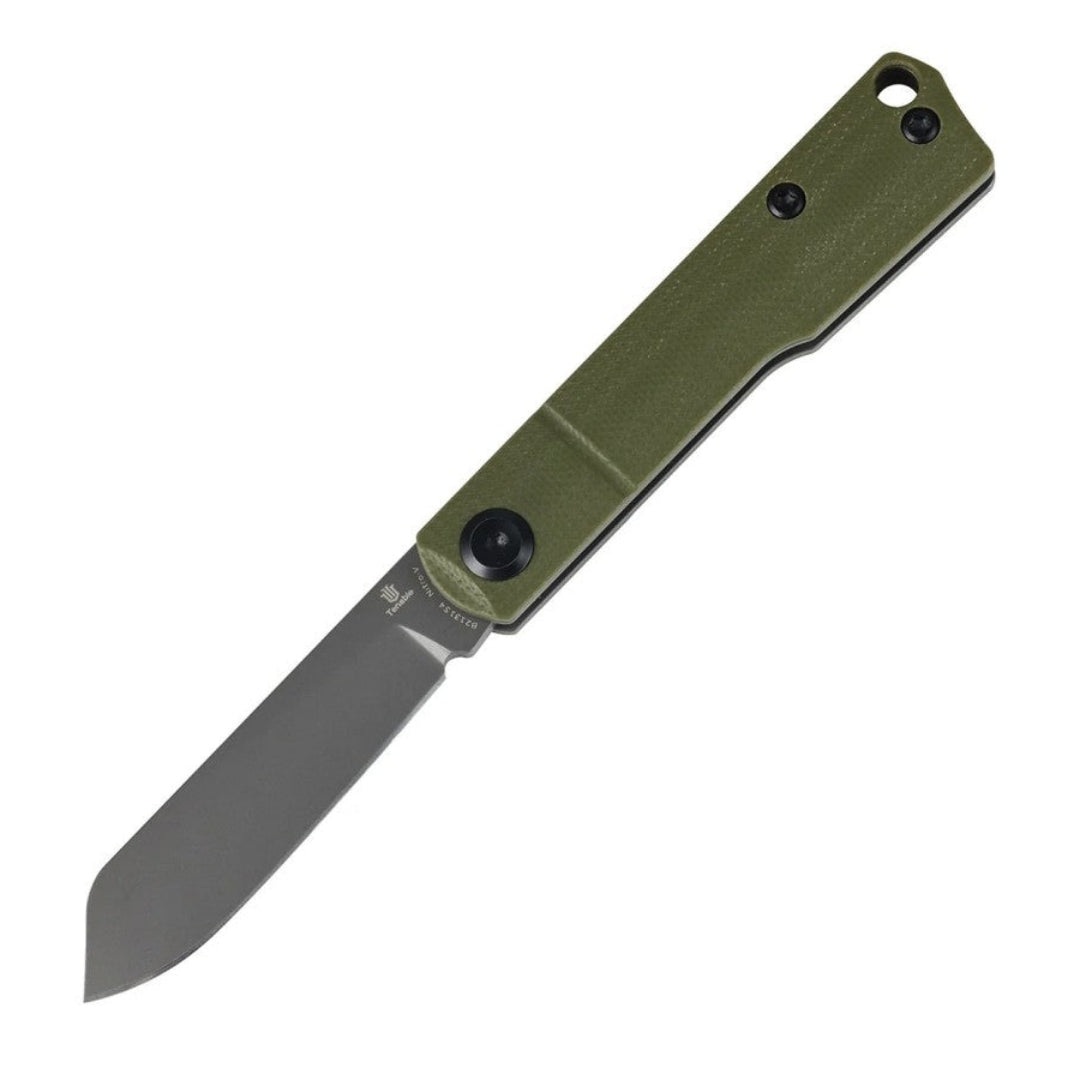
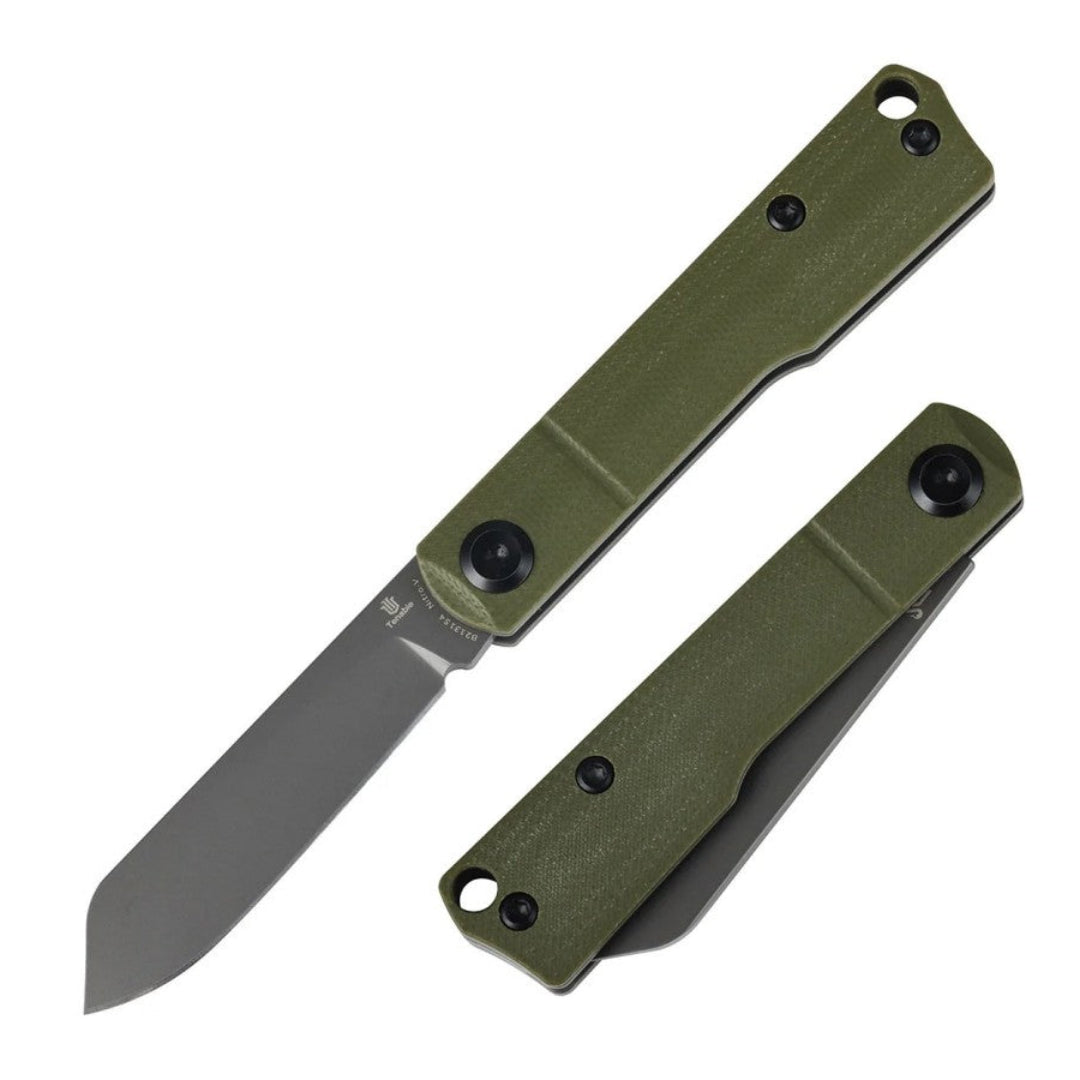
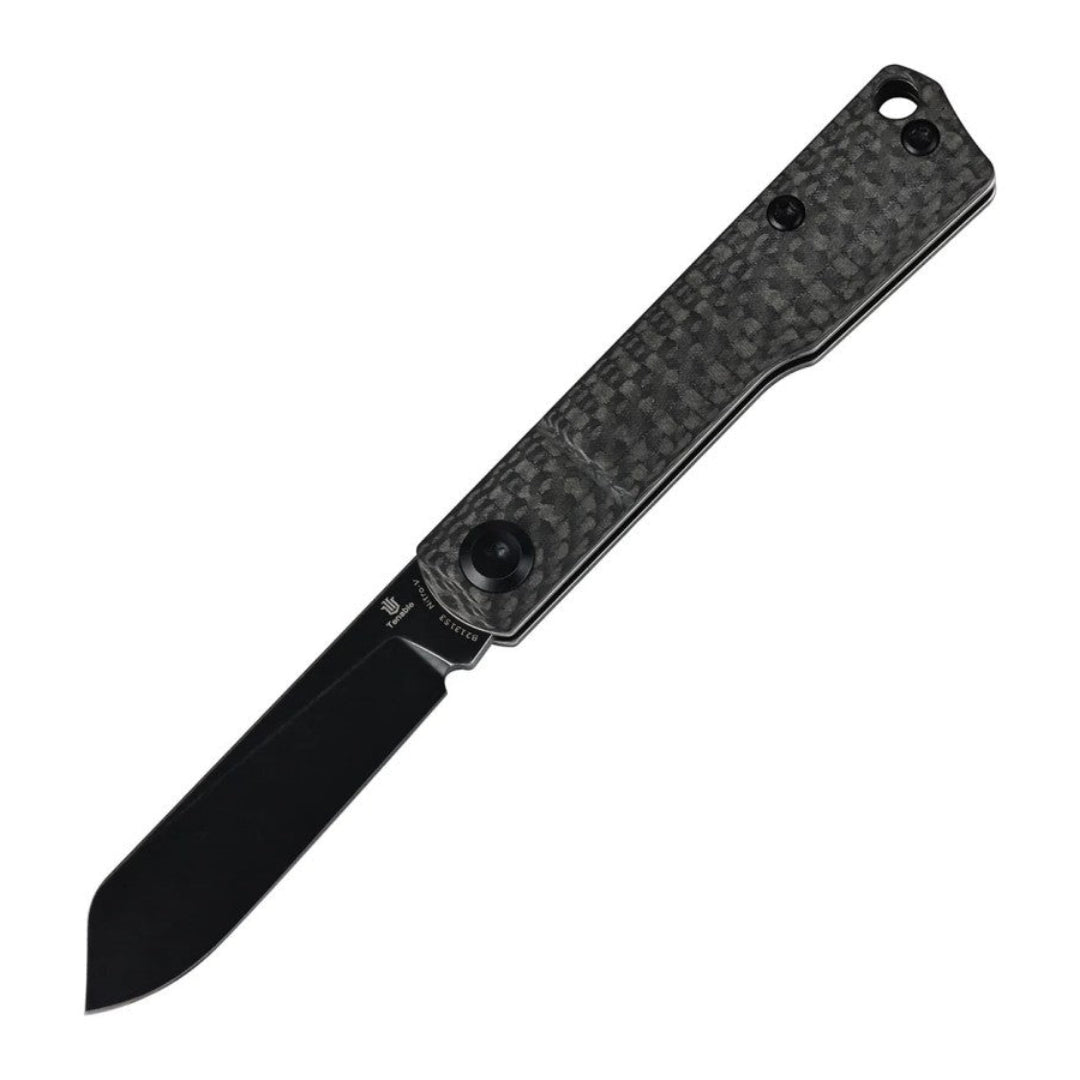
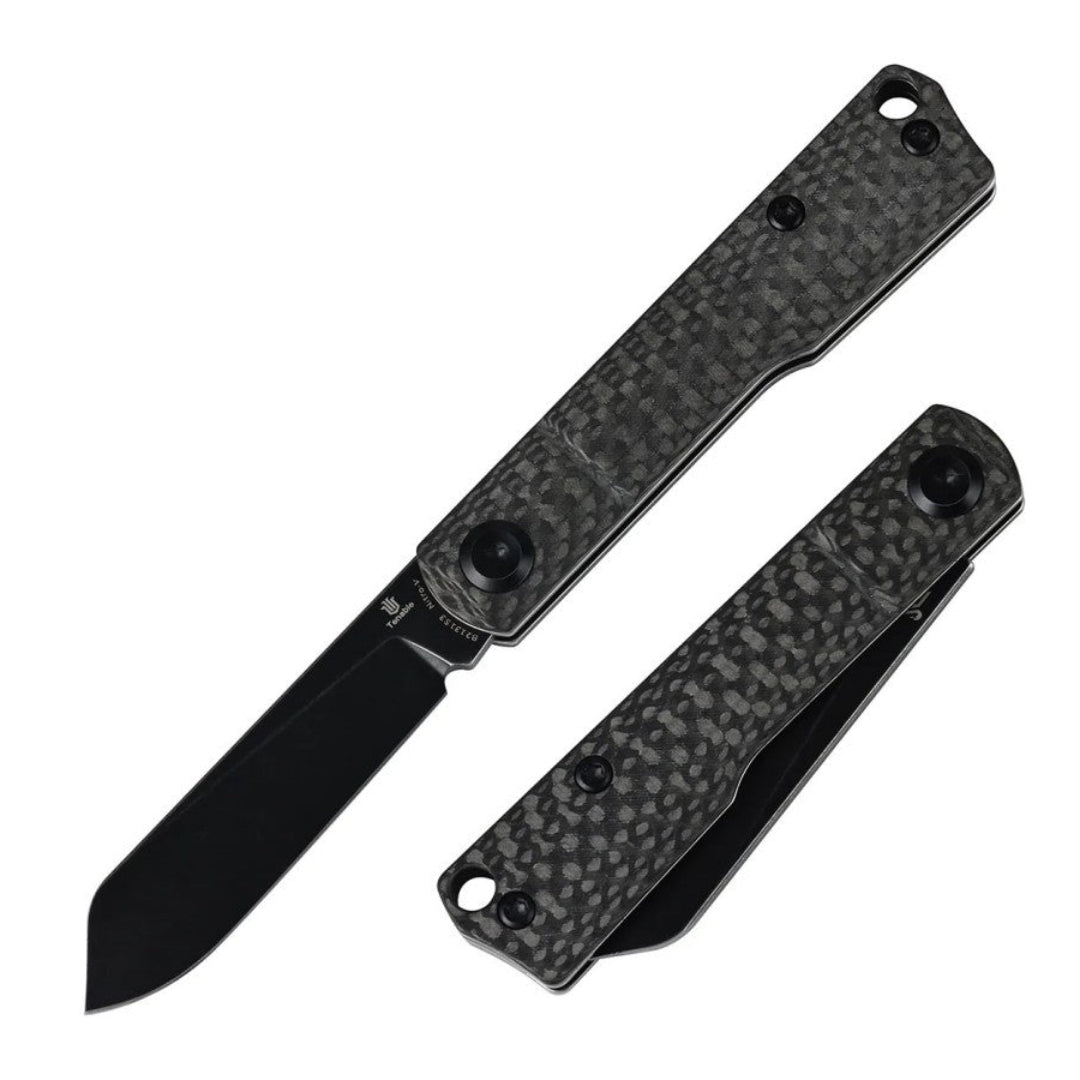
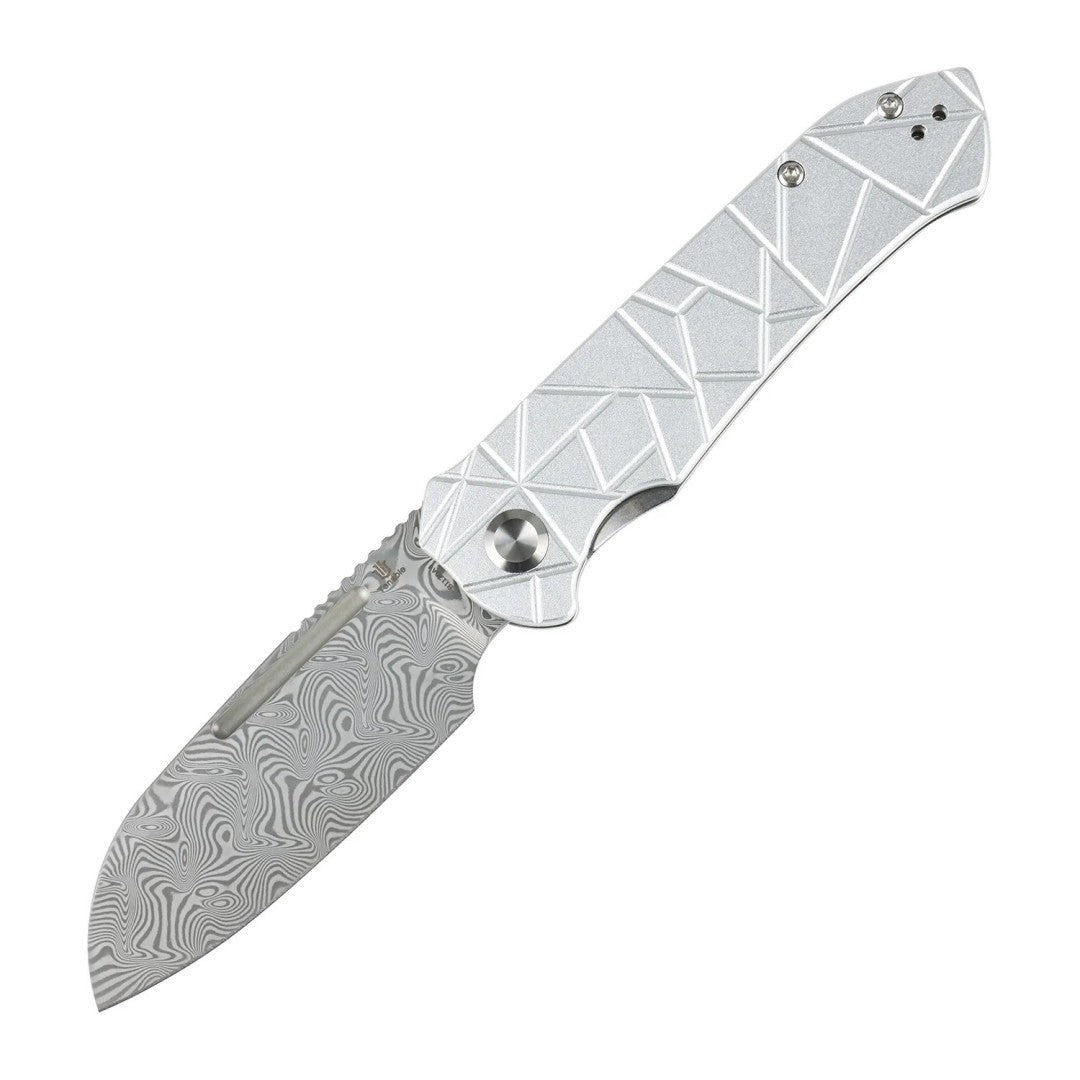
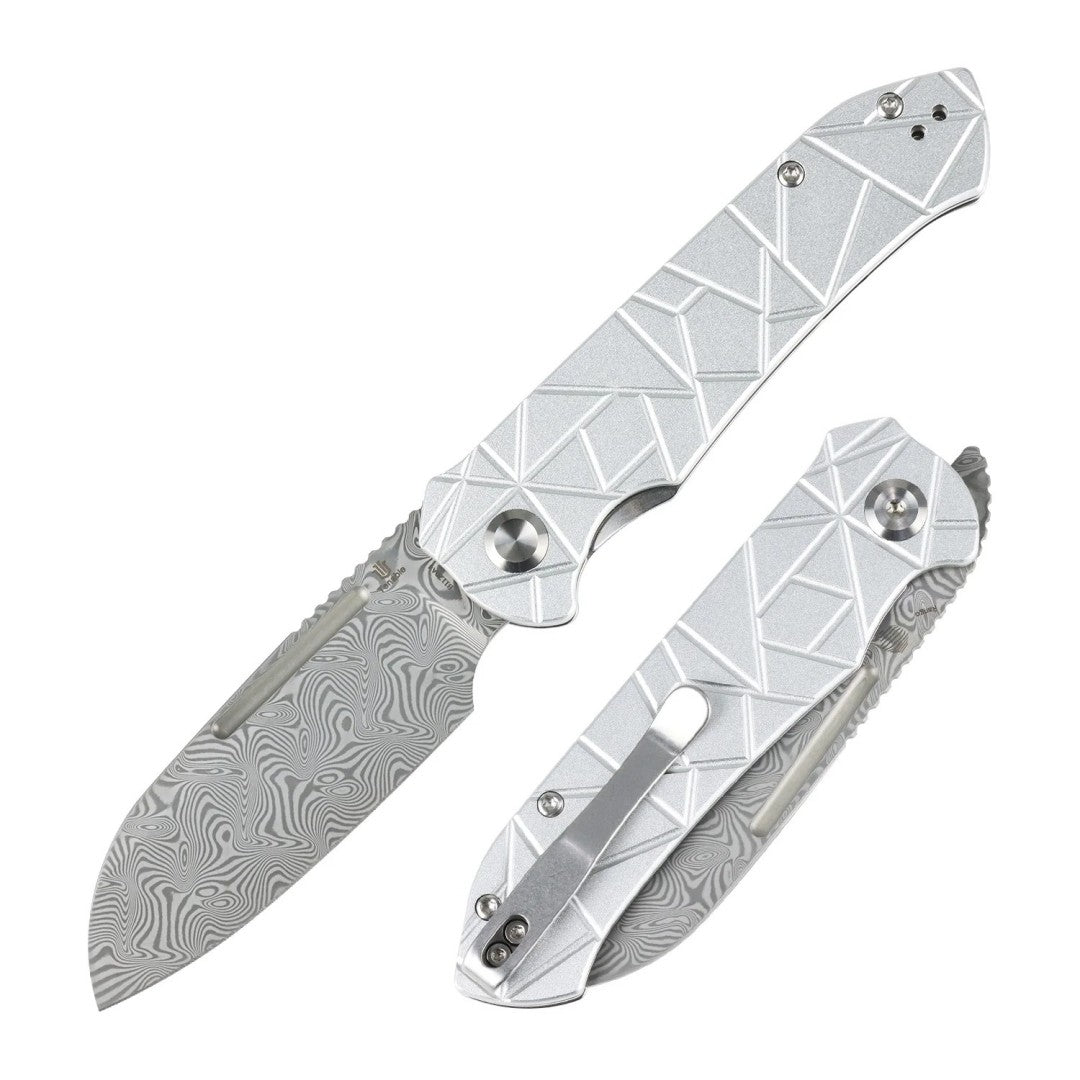
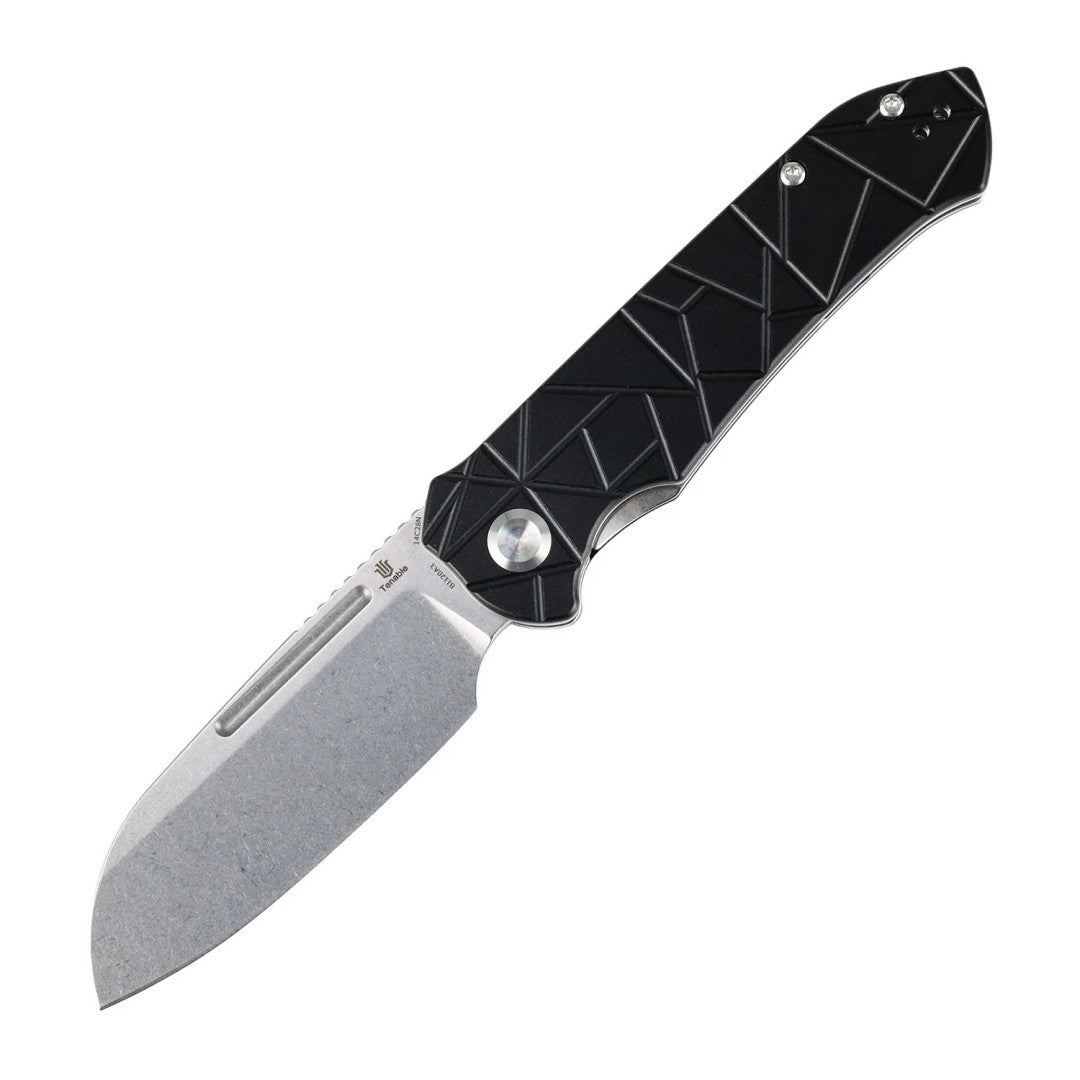
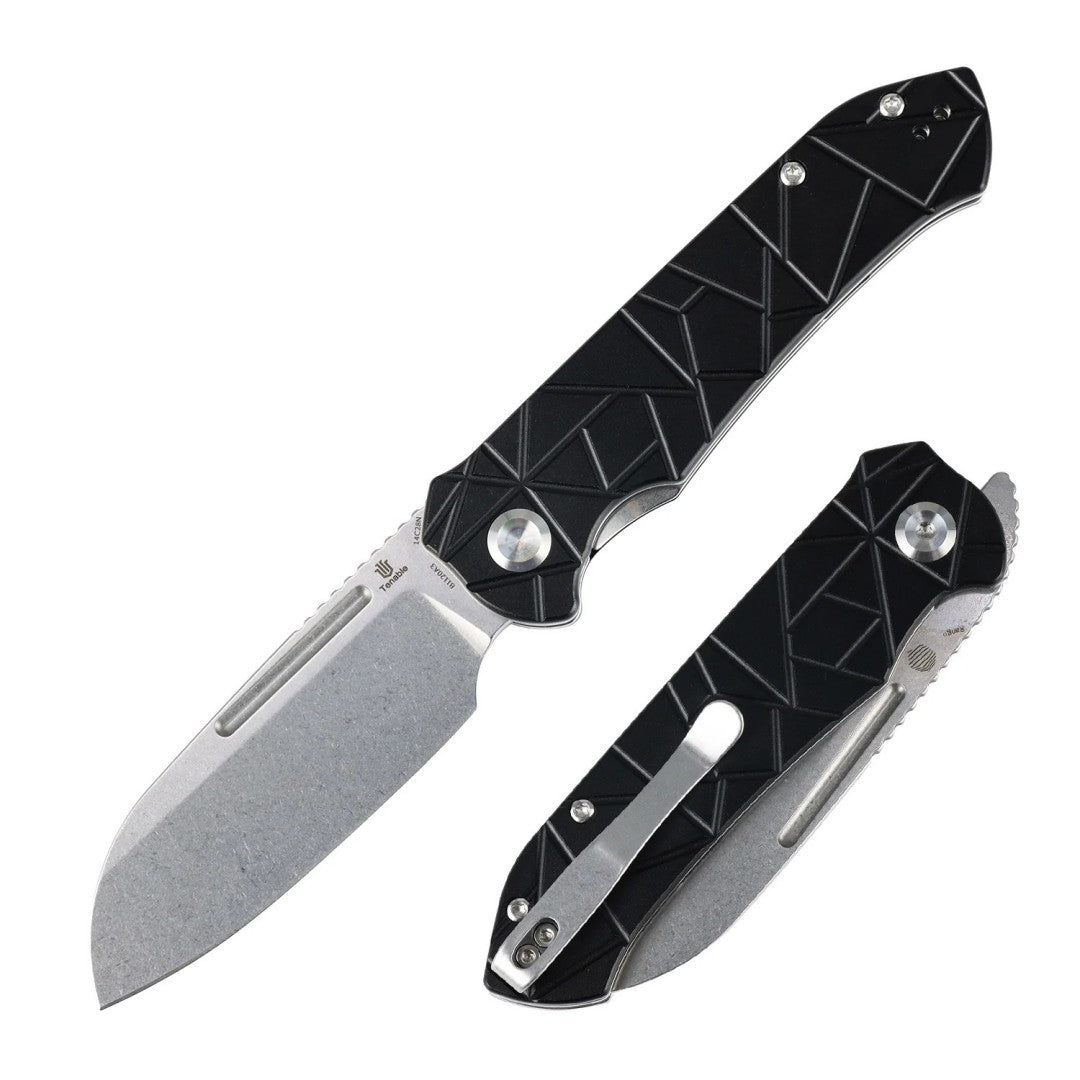
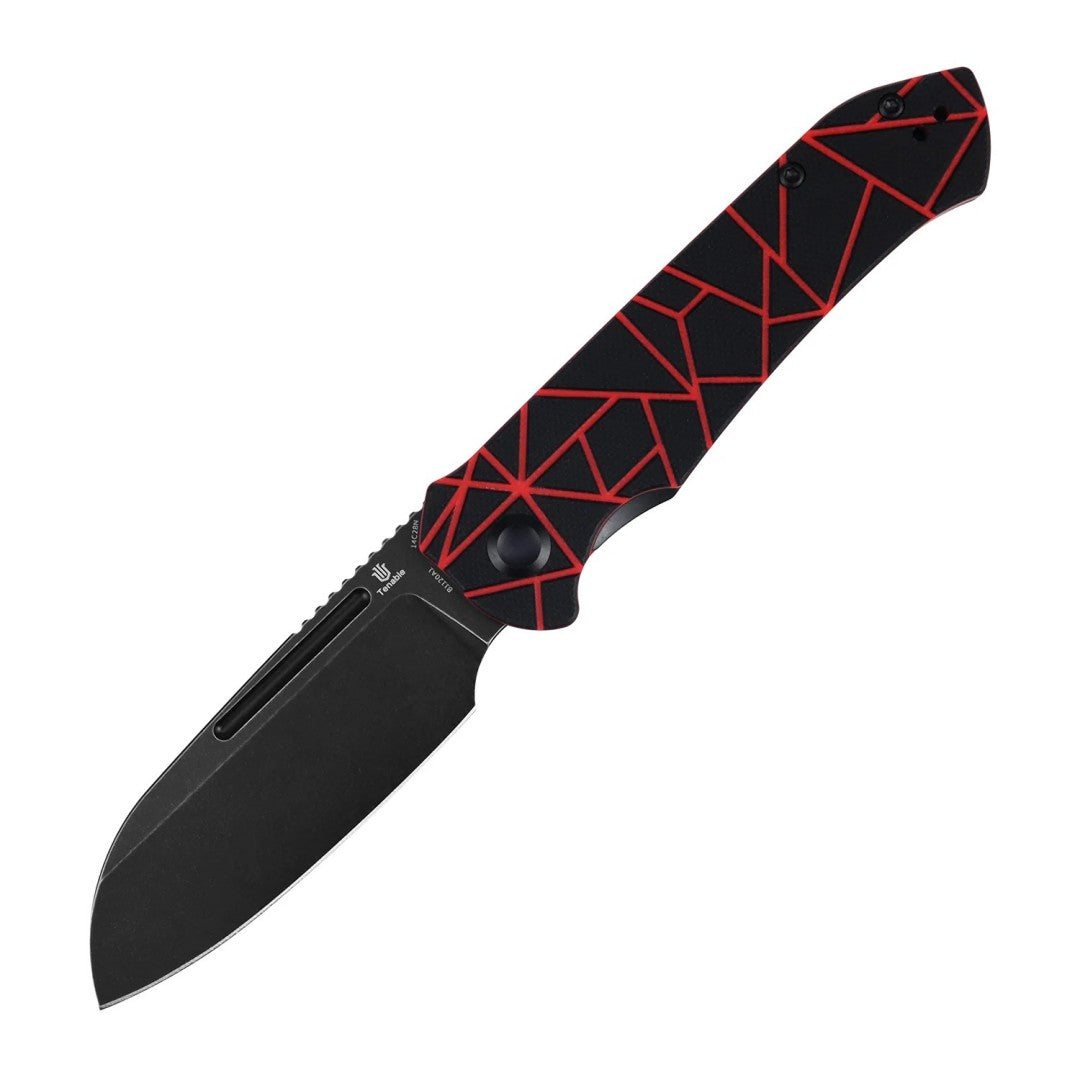
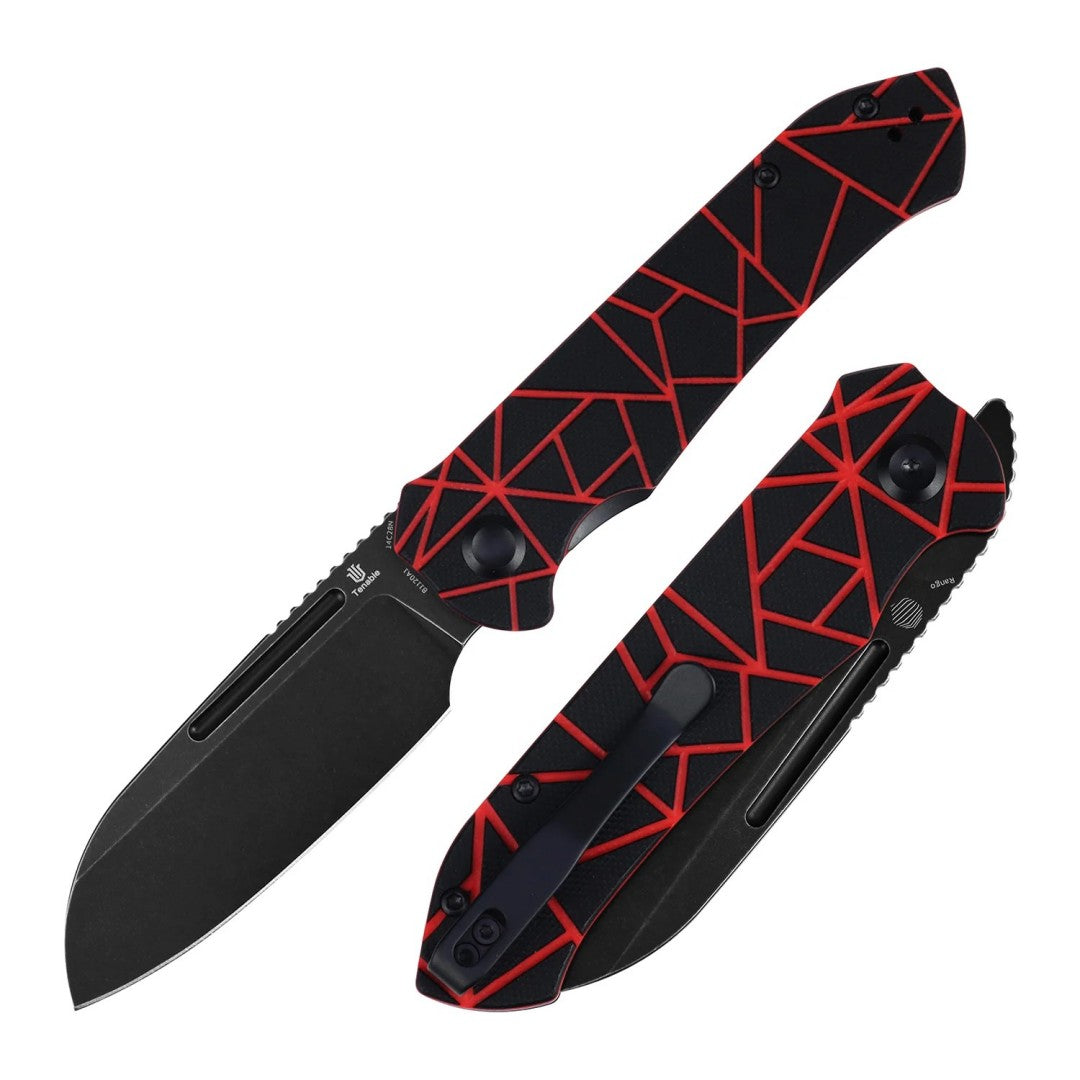
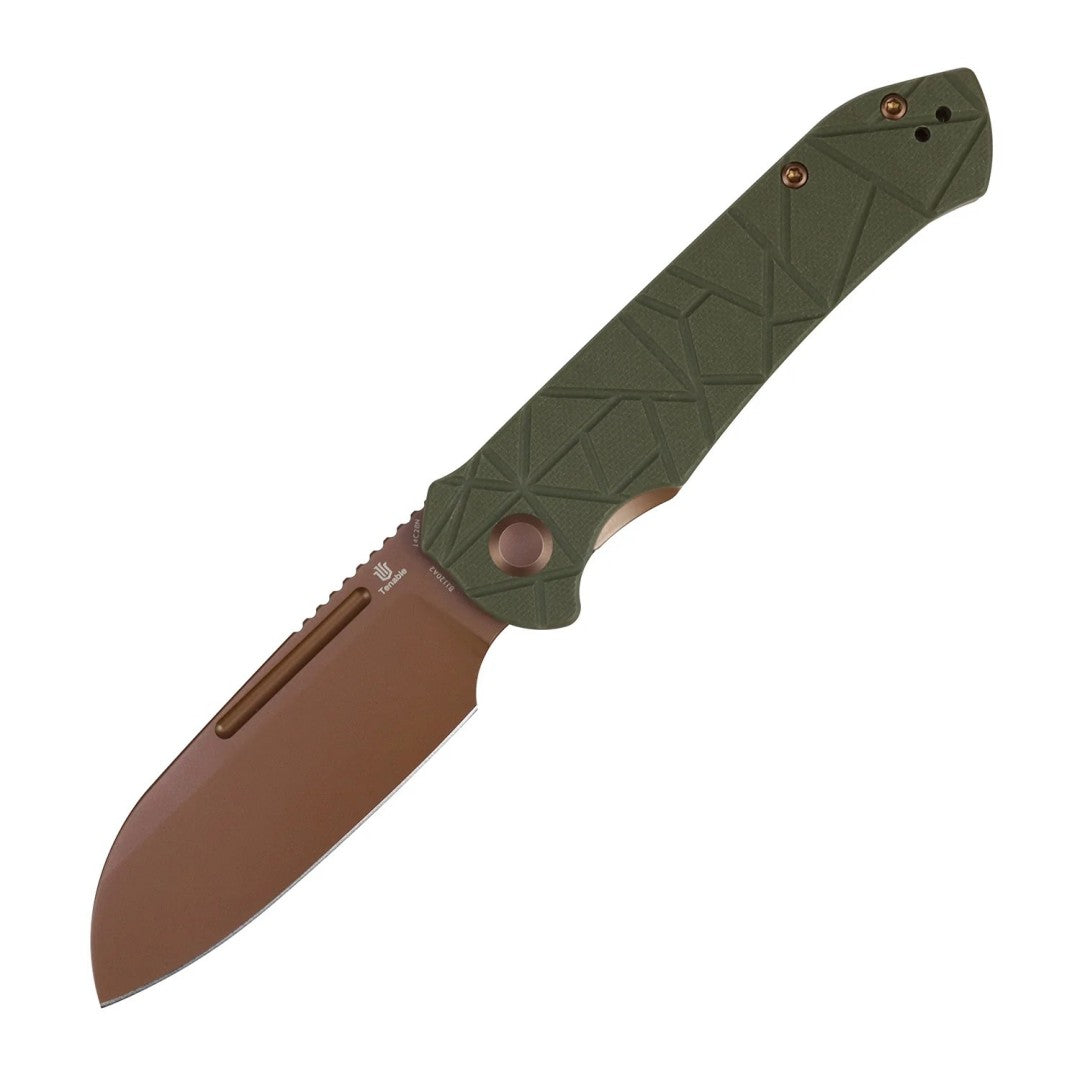
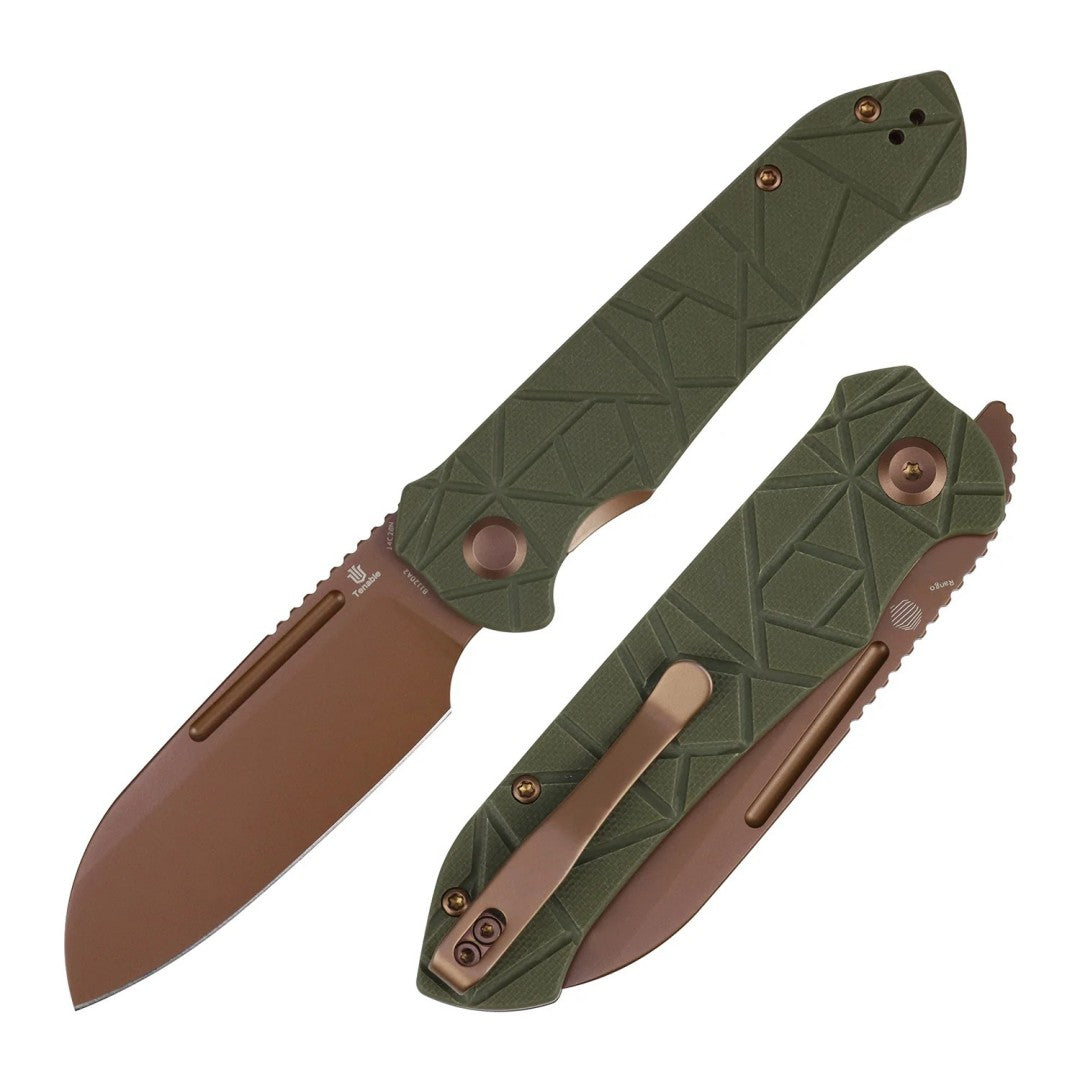
The handle scales feature precision 3D CNC-machined geometric milling across the outer surfaces. This textured pattern provides positive mechanical traction without utilizing overly sharp checkering that can cause skin abrasions during hard use. When gripped, the textured channels bite gently into the skin of the palm and fingers, providing a locked-in purchase that resists rotational torque during heavy carving, scoring, and push-cutting tasks. The scales are available in versatile color variations, including classic Black, tactical OD Green, and desert Sand, allowing users to match their preferred gear aesthetics.
 Full-Hand Contours and Palm Geometry
A defining attribute of the knife's ergonomics is its generous 4.80-inch (122 mm) handle length. While the blade remains a nimble 3.50 inches, the handle provides sufficient length for users with medium to extra-large hands to achieve a complete, four-finger grip.
The profile is sculpted with purposeful palm swells and smooth radial chamfering along every outer edge. This three-dimensional contouring fills the natural hollow of the closed fist, distributing downward cutting pressure across the entire palm rather than concentrating force along narrow contact points. By eliminating localized pressure zones, the handle prevents hot spots and reduces hand fatigue during repetitive industrial tasks like breaking down heavy cardboard or stripping thick wire insulation.
Integrated Safety and Control Elements
Deep Index Finger Choil
Positioned immediately behind the cutting edge, a pronounced finger choil acts as a built-in guard. This deep contour anchors the index finger firmly in place, physically preventing the hand from sliding forward onto the sharp primary bevel when executing heavy forward thrusts or penetrating cuts.
Extended Pommel and Lanyard Integration
At the base of the handle, the solid full-tang steel extends past the G10 scales to form an exposed steel pommel. This feature serves as a functional striking surface for light impact chores and incorporates a dedicated lanyard hole, allowing users to attach paracord fobs for faster sheath extraction or added wrist retention.
Chamfered Spine Transition
The transition from the textured G10 scales to the 4.2 mm steel spine is smoothly contoured, providing a comfortable rest point for the thumb when applying direct downward force during heavy push cuts.
Handle Specifications and Material Properties
| Parameter | Specification Metric | Specification Imperial |
| Handle Length | 122 mm | 4.80 in |
| Handle Thickness | ~16 mm | ~0.63 in |
| Grip Construction | 3D-Machined Textured G10 | 3D-Machined Textured G10 |
| Tang Configuration | Exposed Full-Tang Architecture | Exposed Full-Tang Architecture |
| Available Colorways | Black / OD Green / Sand | Black / OD Green / Sand |
| Water Absorption Rate | < 0.1% (Non-Porous) | < 0.1% (Non-Porous) |
| Impact Resistance | High Tensile / Flexural Strength | High Tensile / Flexural Strength |
| Integrated Hardware | Torx Fasteners & Lanyard Hole | Torx Fasteners & Lanyard Hole |
 Versatile Grip Dynamics in the Field
Saber and Hammer Grip
For high-force utility slicing and wood carving, wrapping all four fingers around the G10 scales while locking the thumb along the spine provides maximum downward leverage and stable blade tracking through dense materials.
Pinch and Detail Grip
When executing delicate craft cuts, scoring stencils, or opening shallow packages, the user can choke up on the broad blade flats. The tapered forward section of the G10 scales provides a natural resting groove for the thumb and index finger, giving users surgical tip control.
Reverse Tactical Grip
When pulling ropes or slicing strapping downward in confined spaces, the symmetrical handle curvature seats comfortably in an inverted grip, with the palm resting naturally over the rounded pommel.
By combining the environmental resilience of high-grade G10 with intelligent 3D texturing and an expansive four-finger handle profile, this tool delivers the secure grip, safety, and comfort required to tackle heavy daily cutting with absolute confidence.