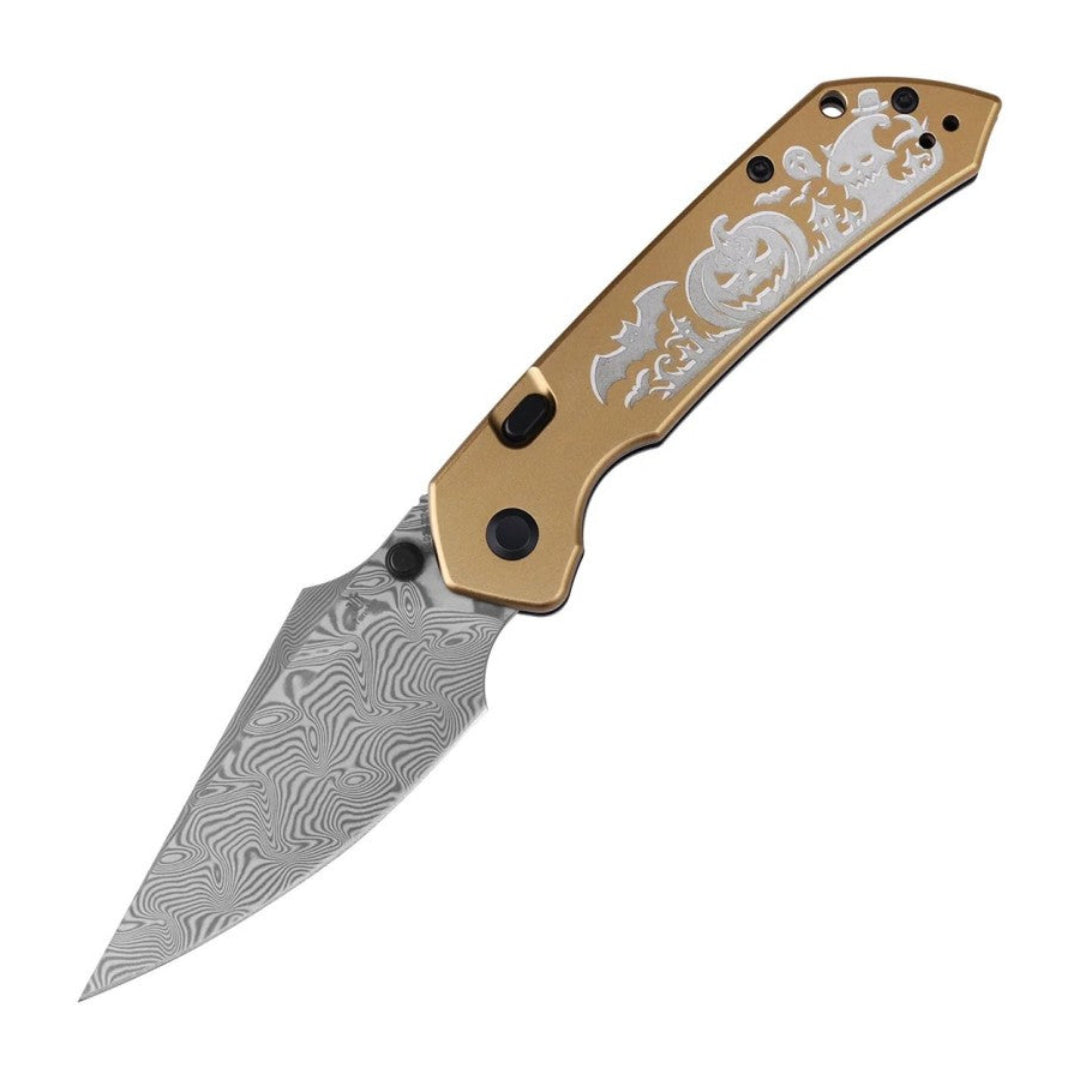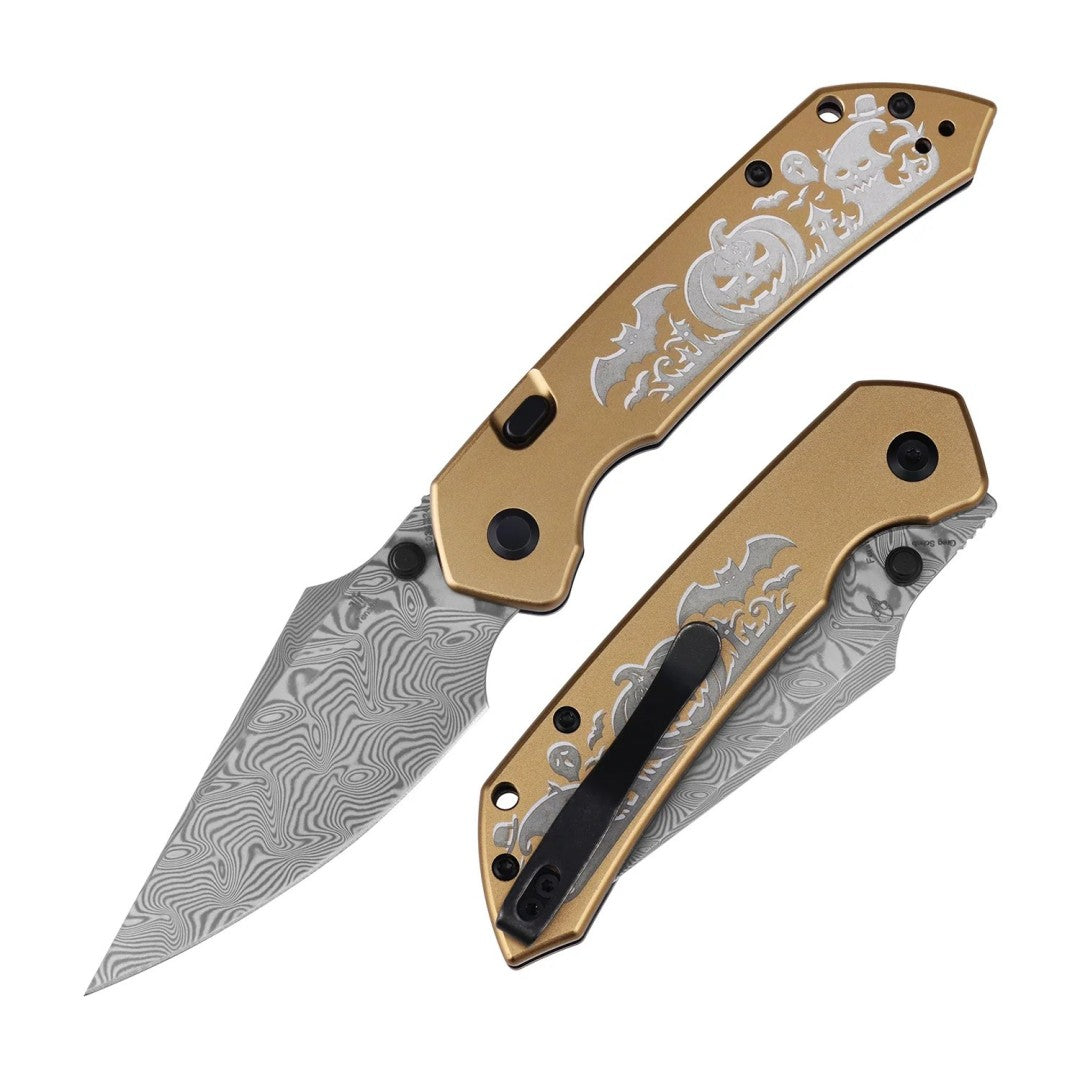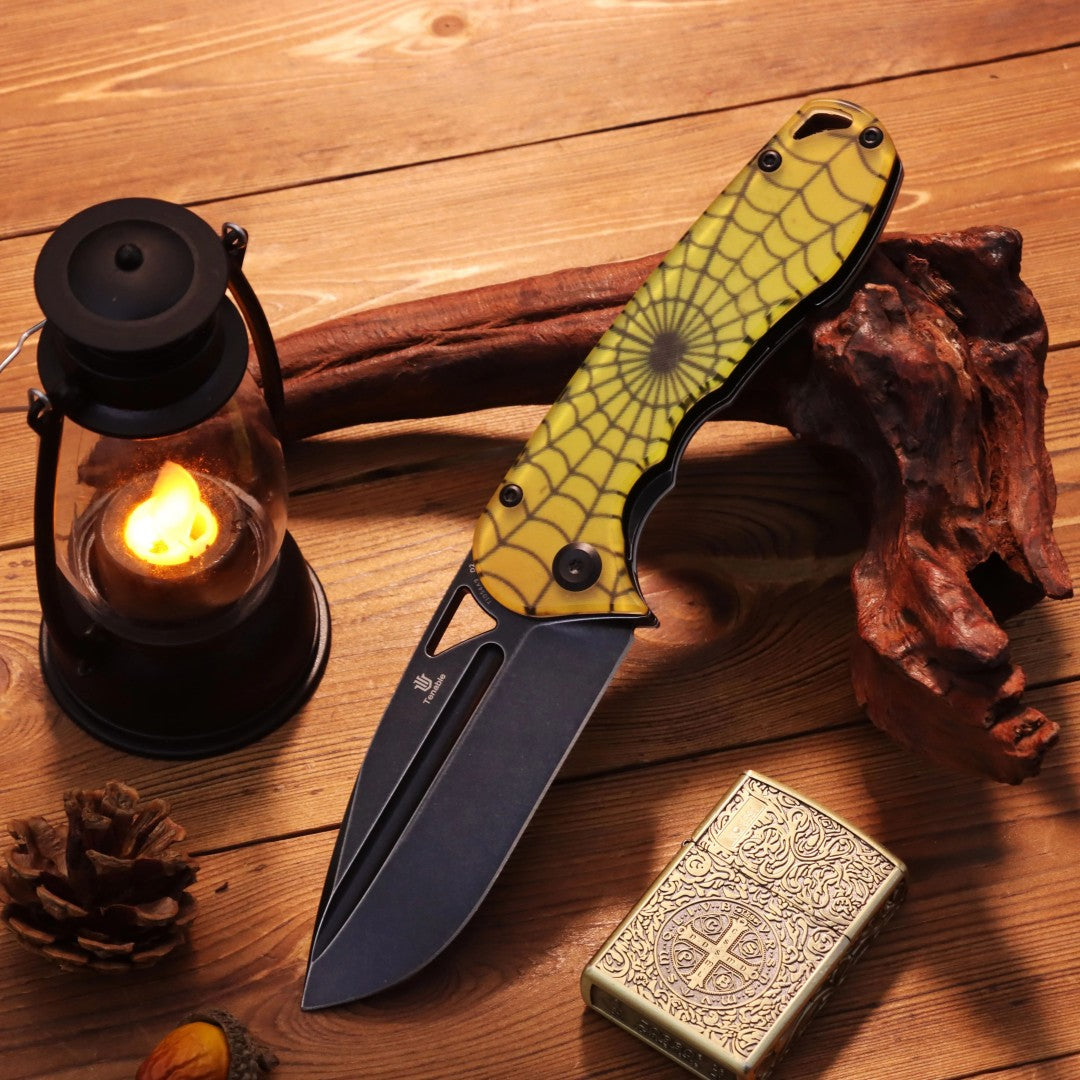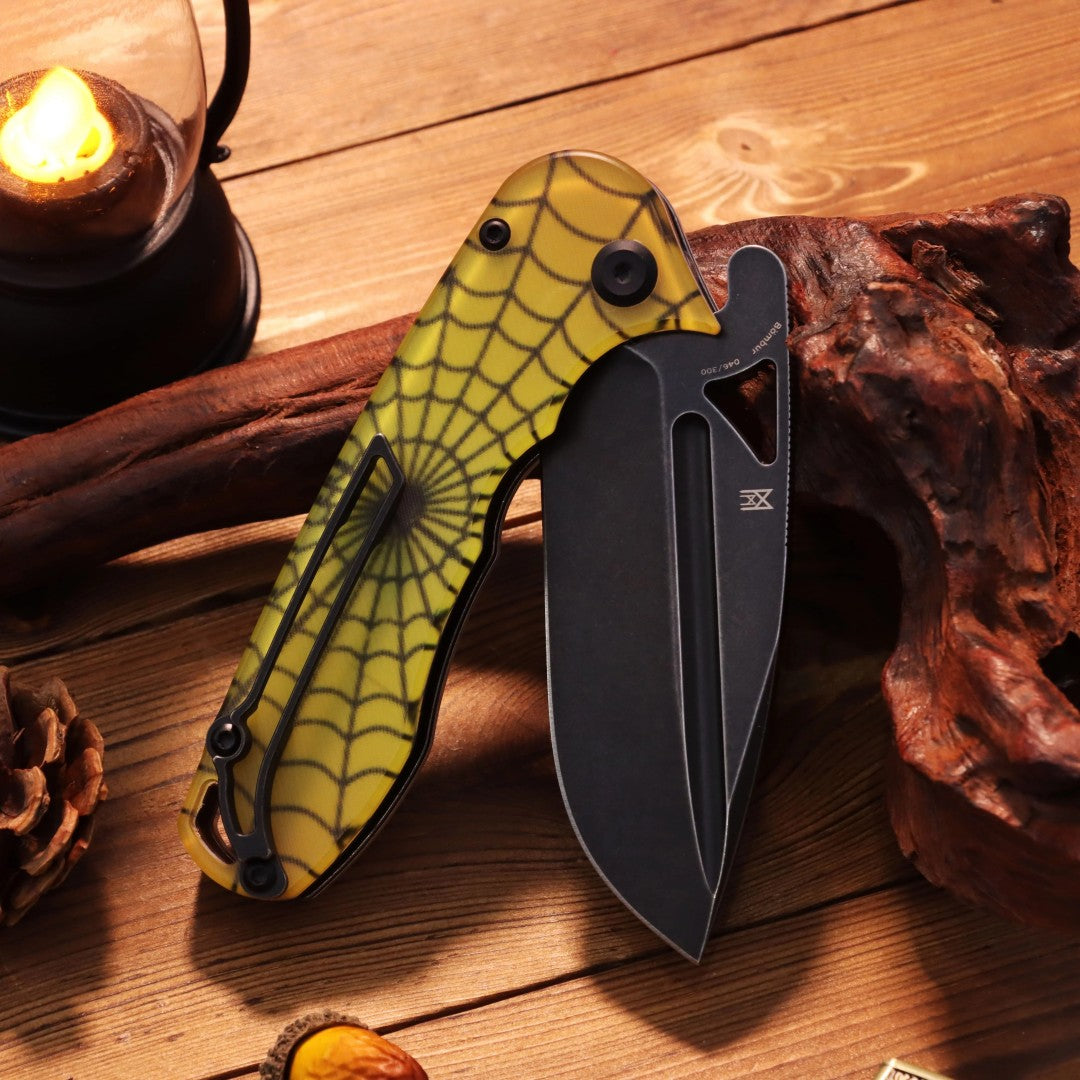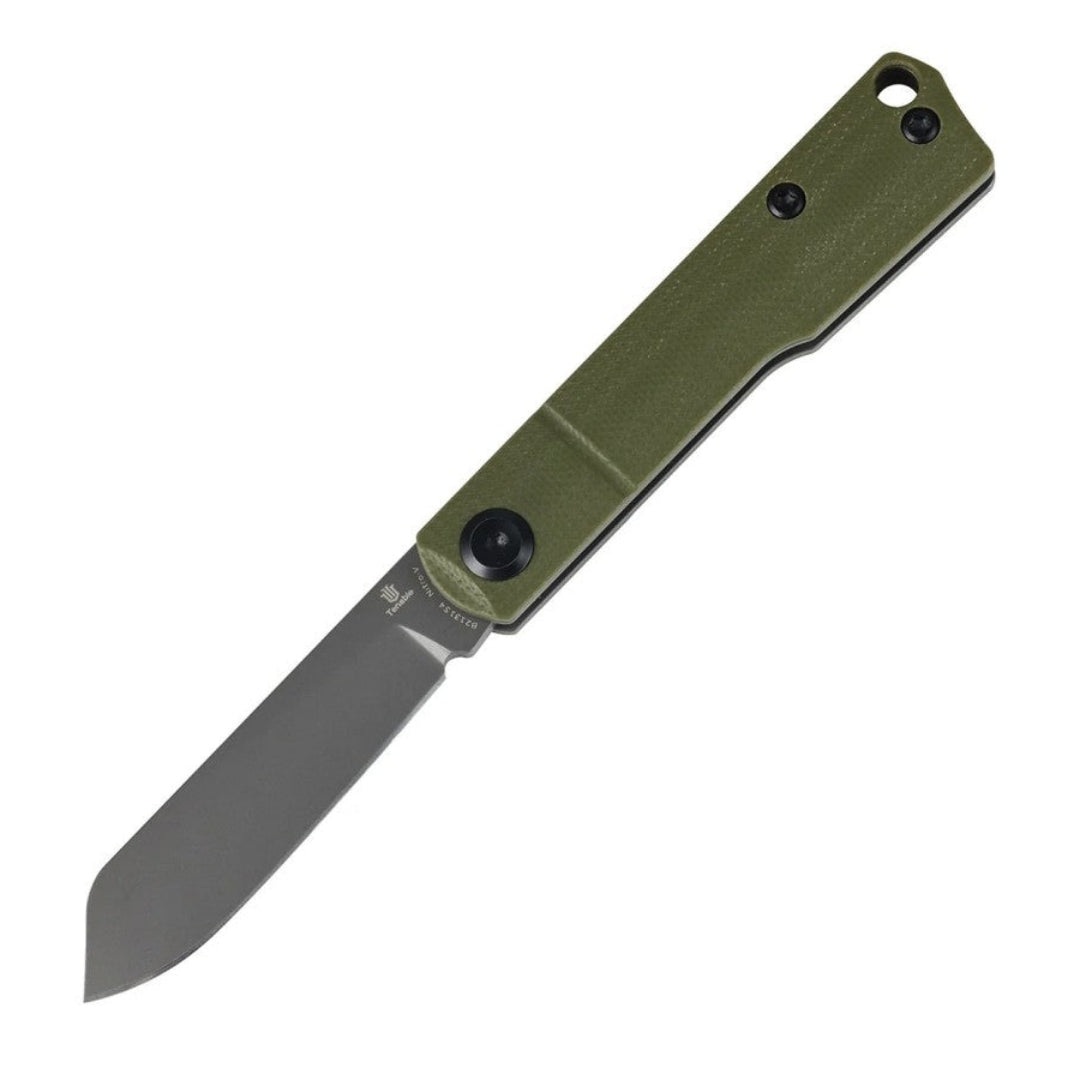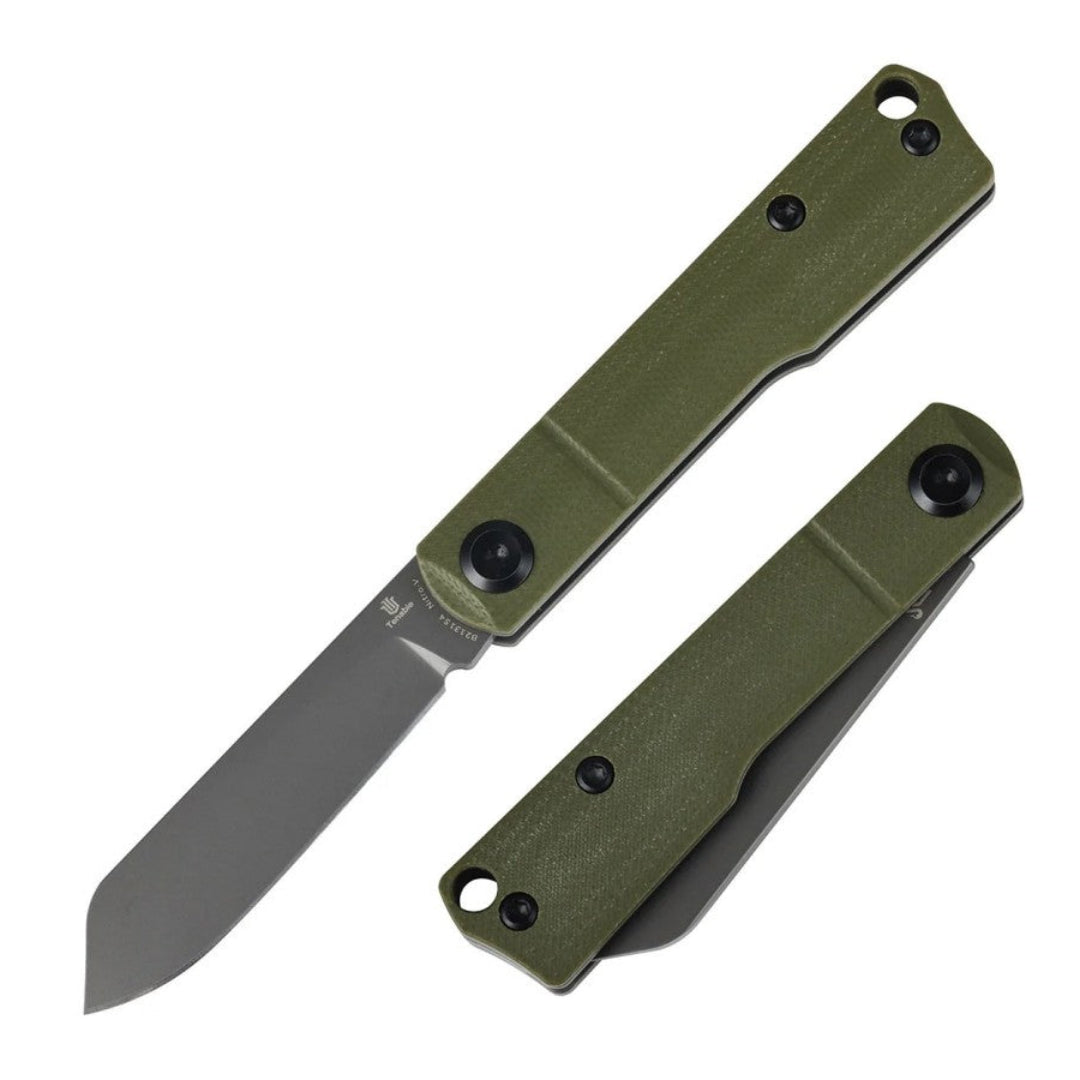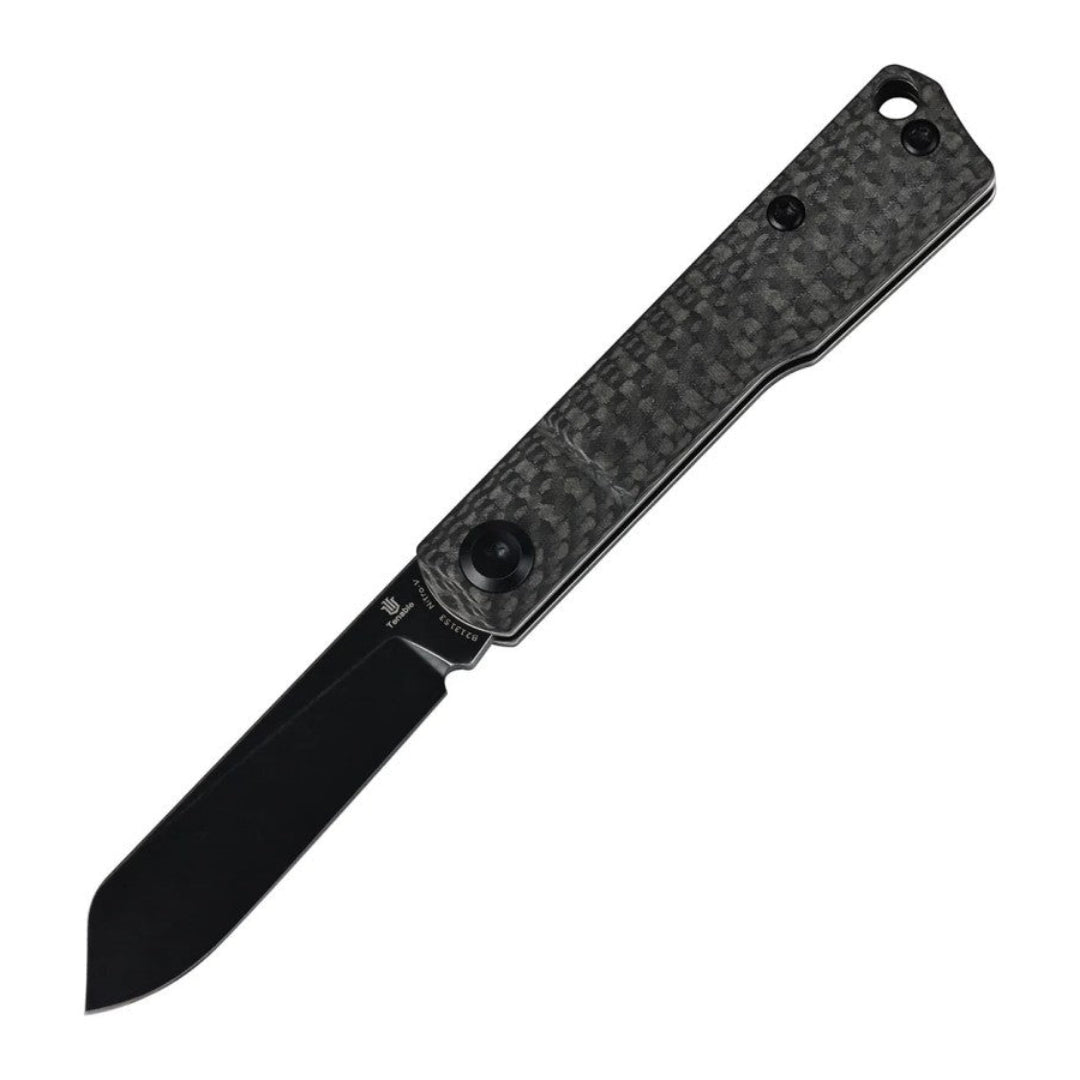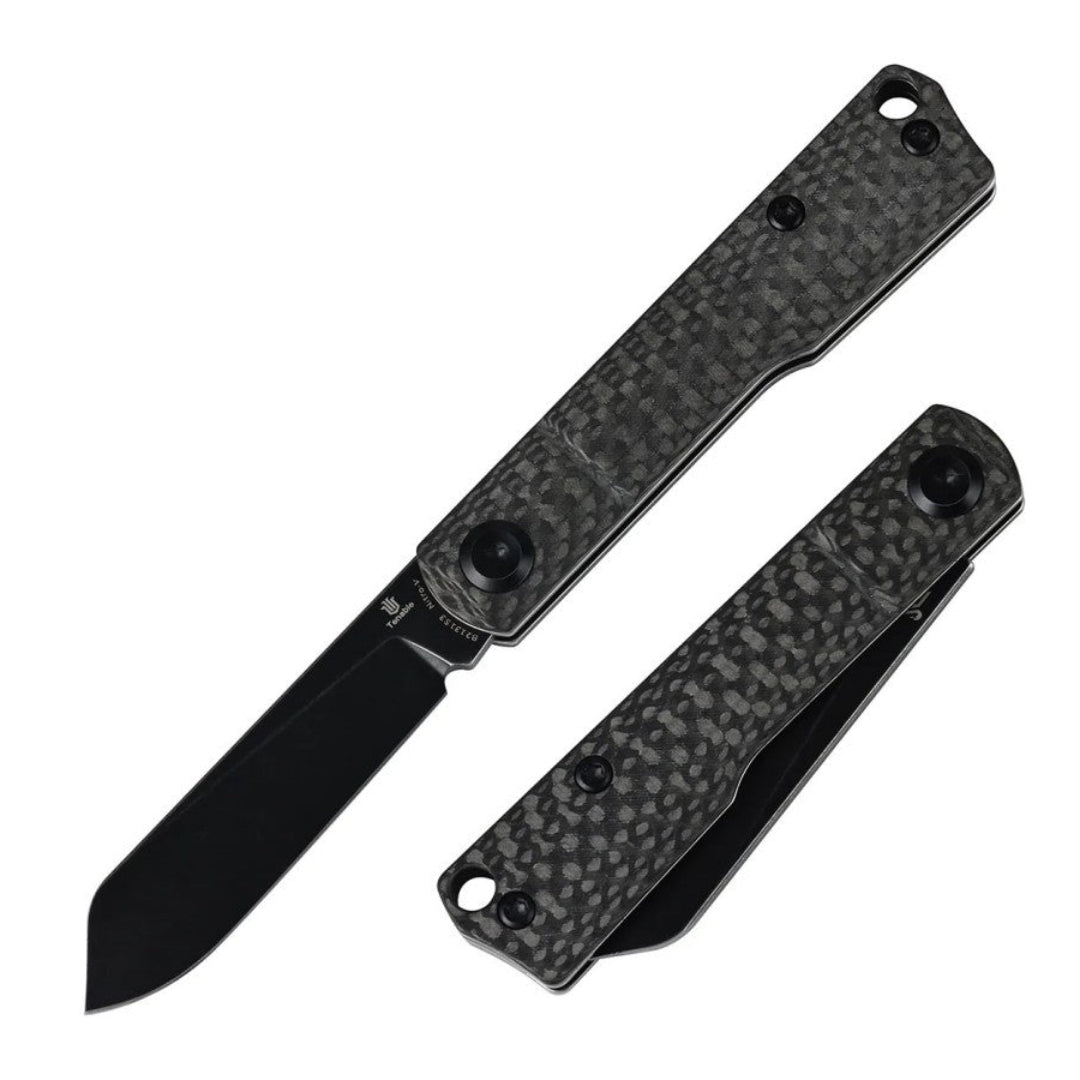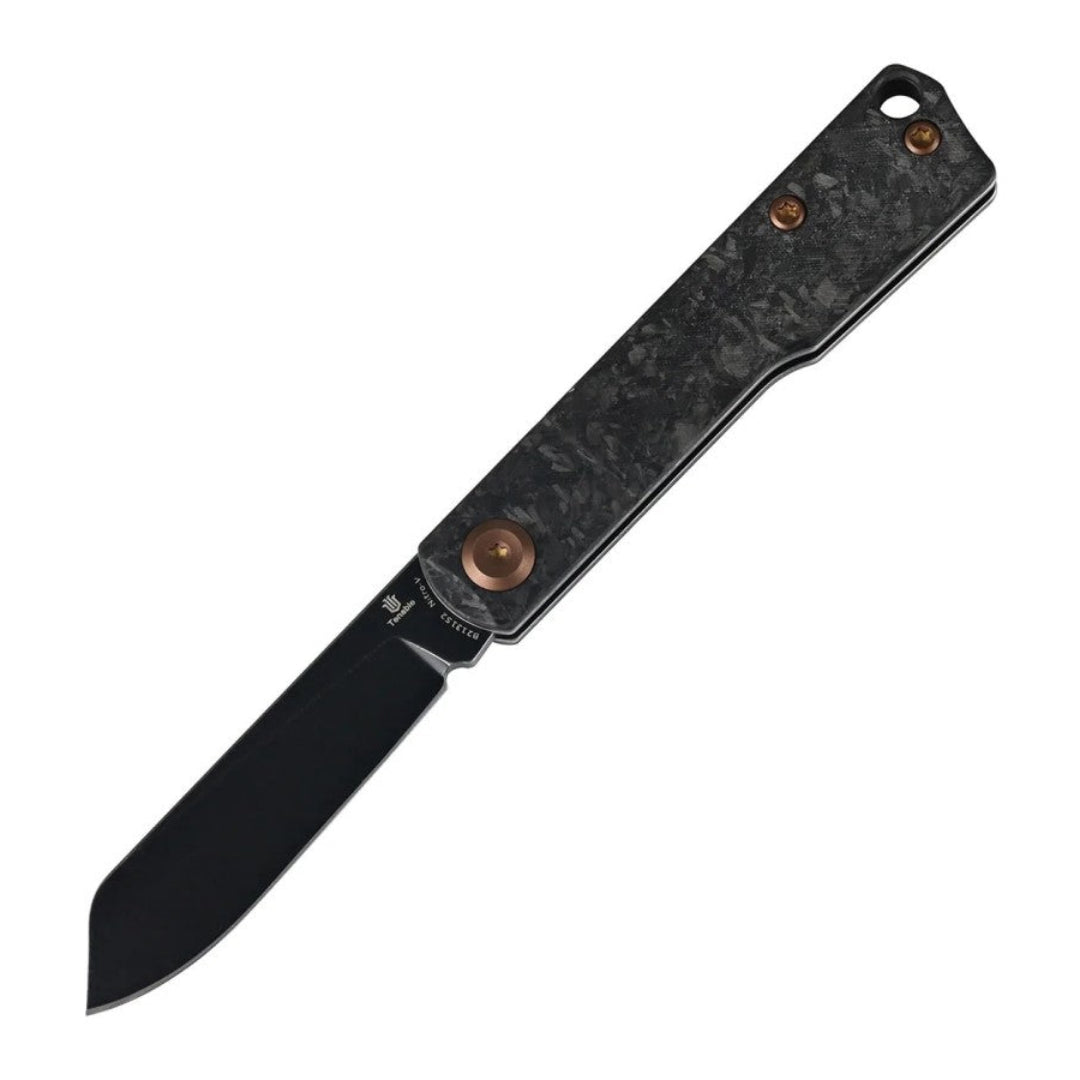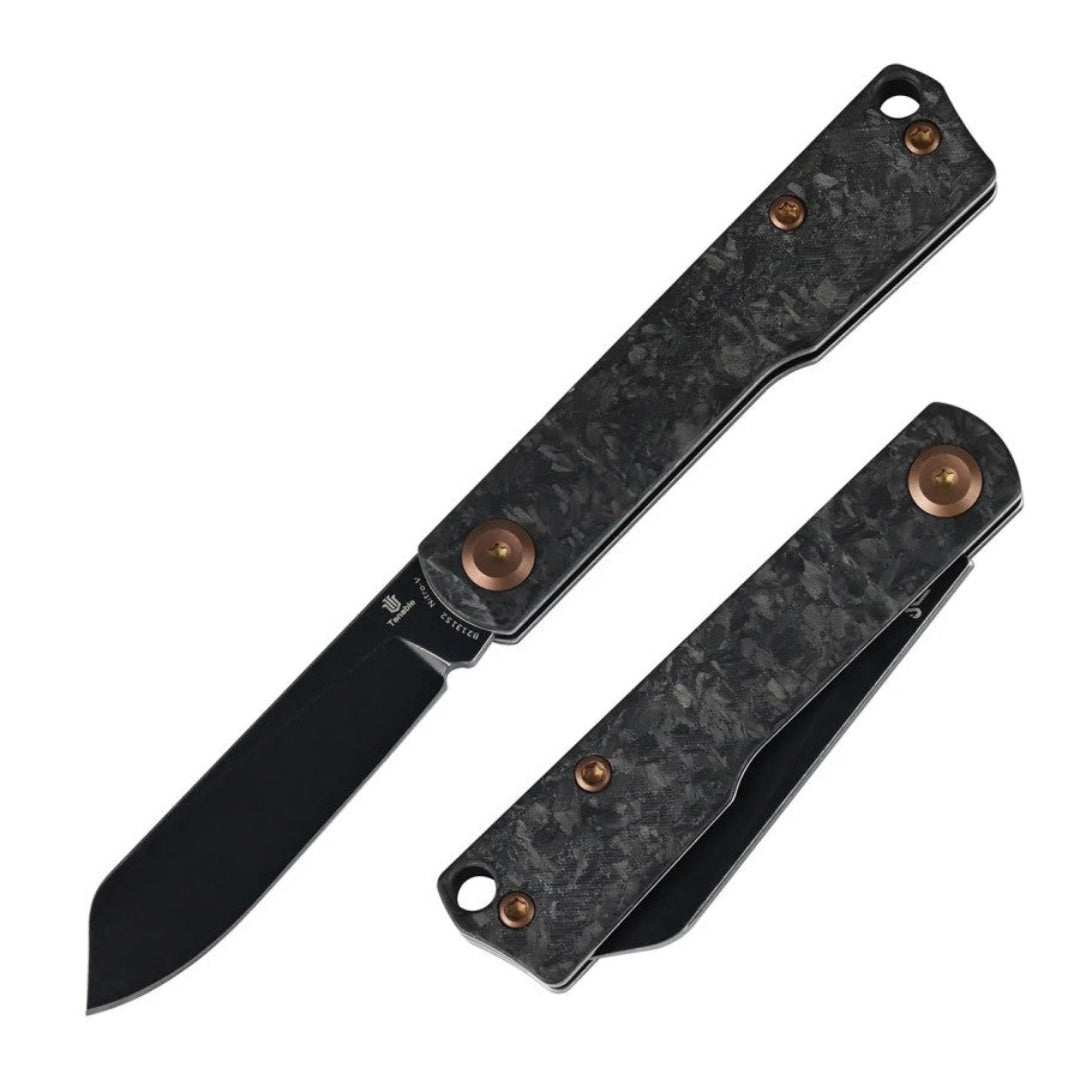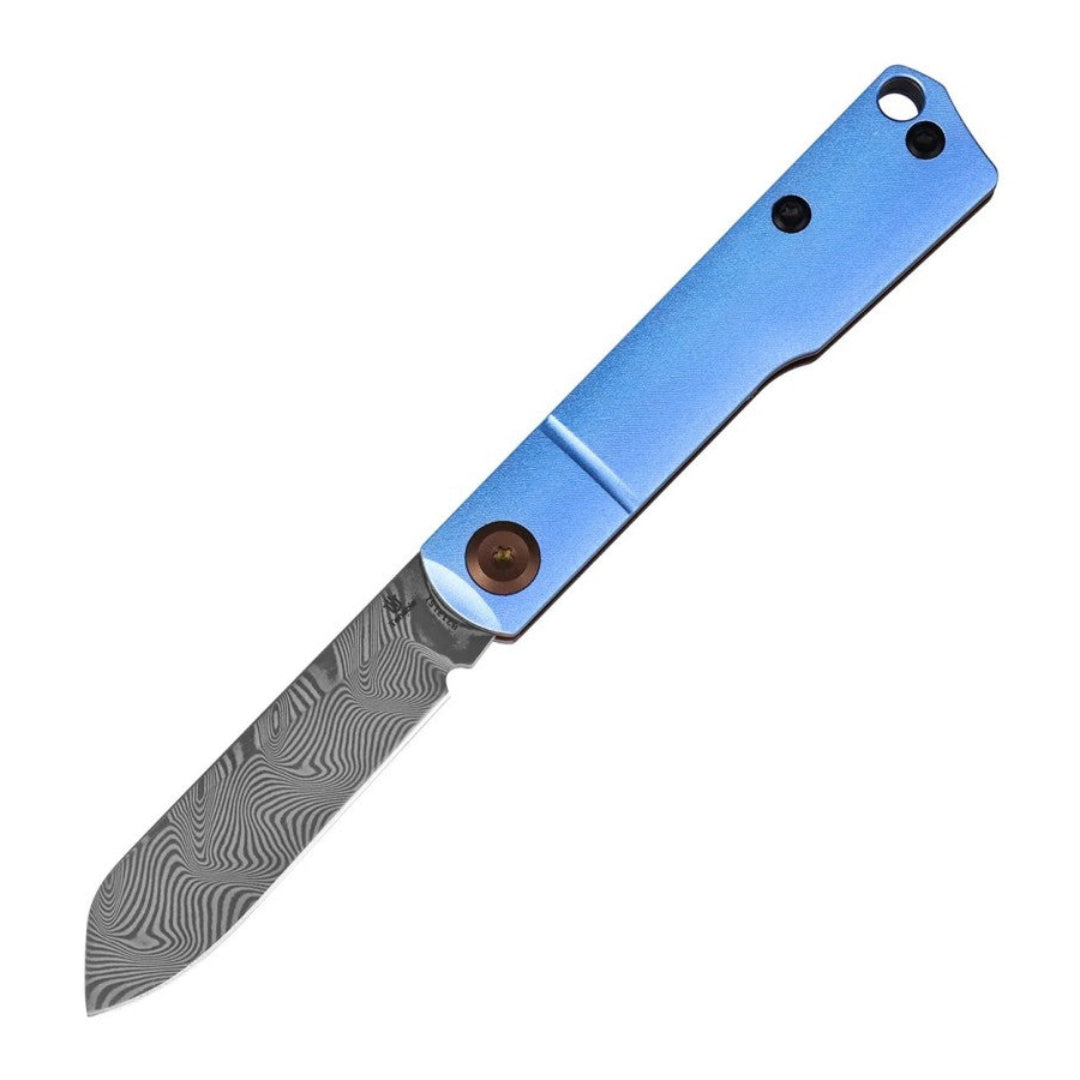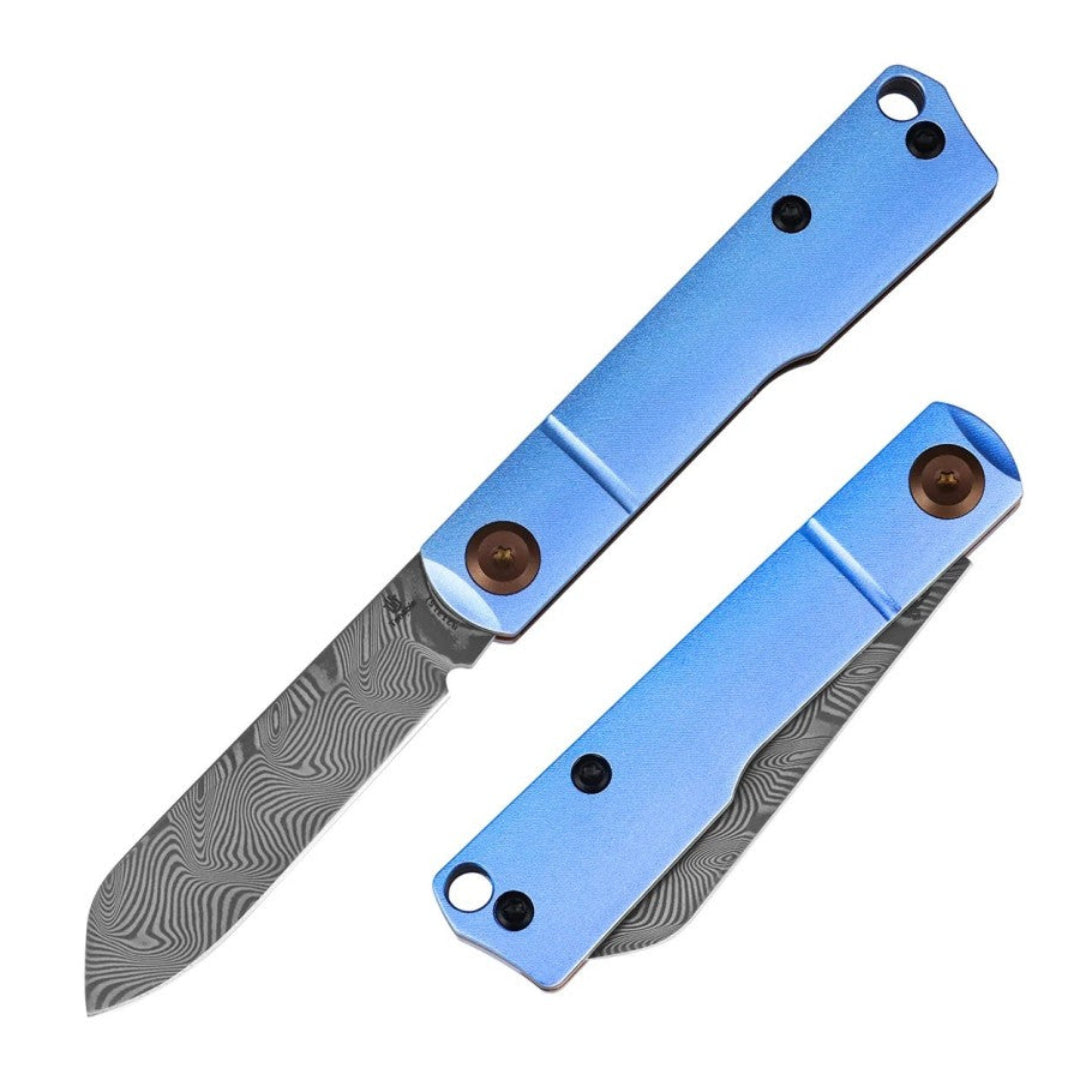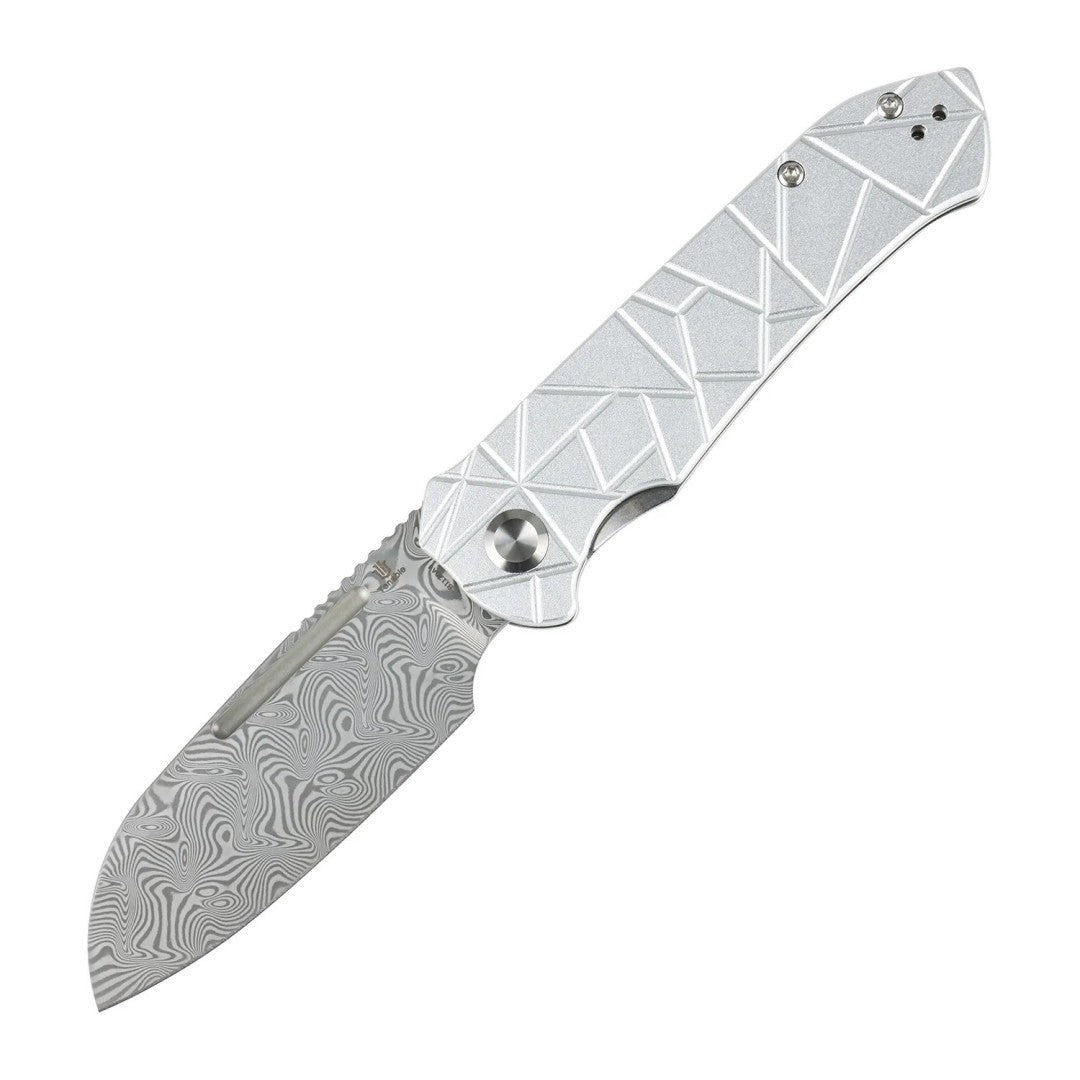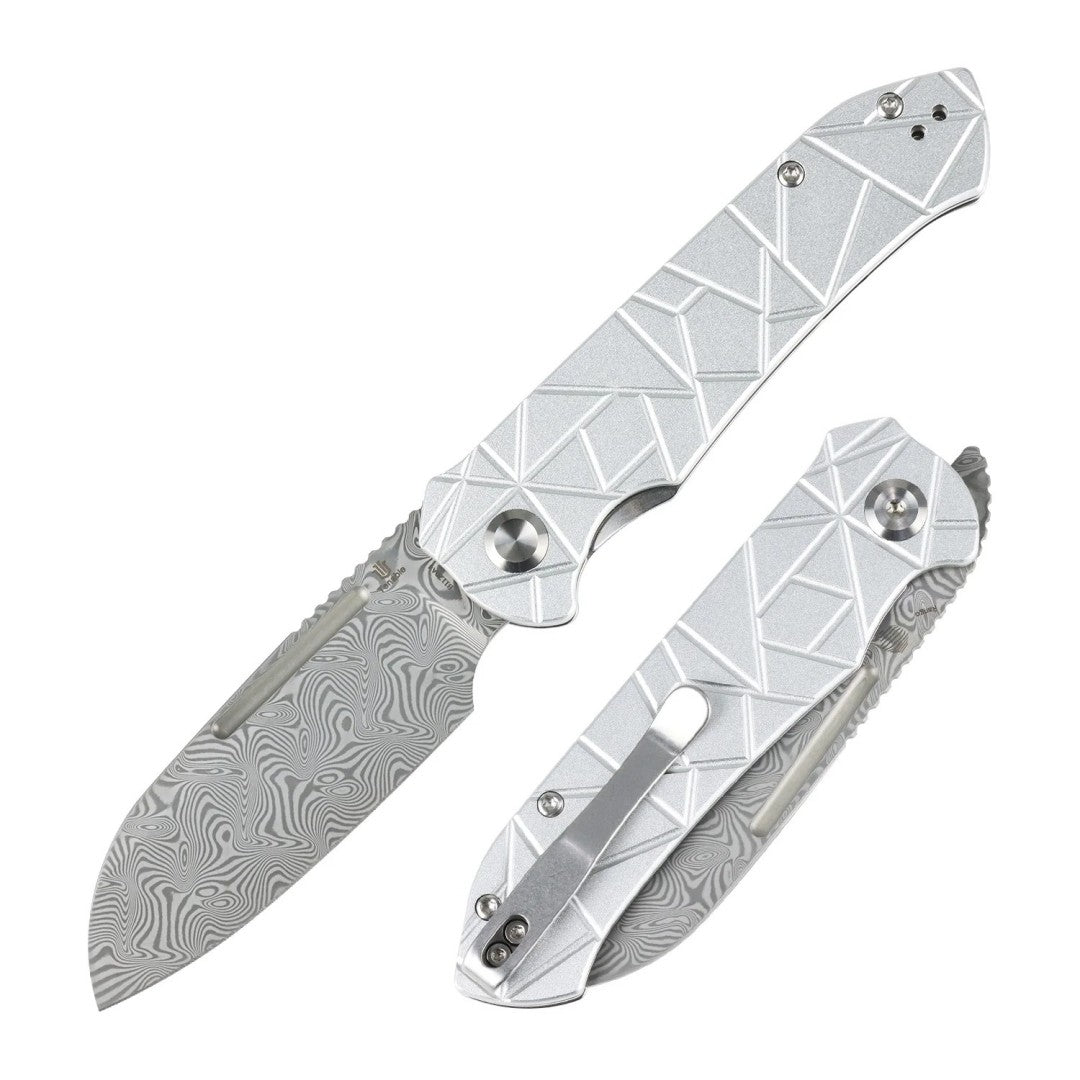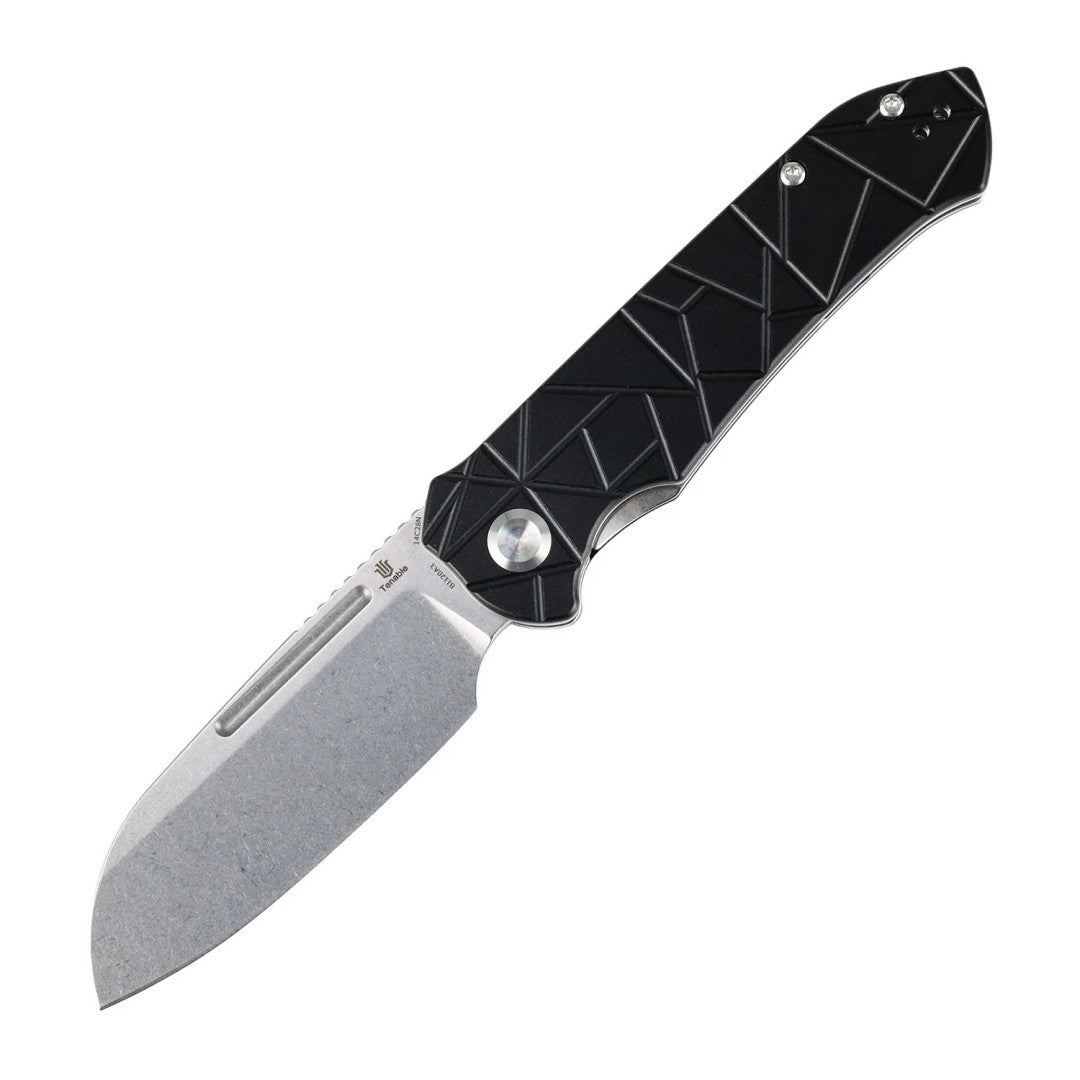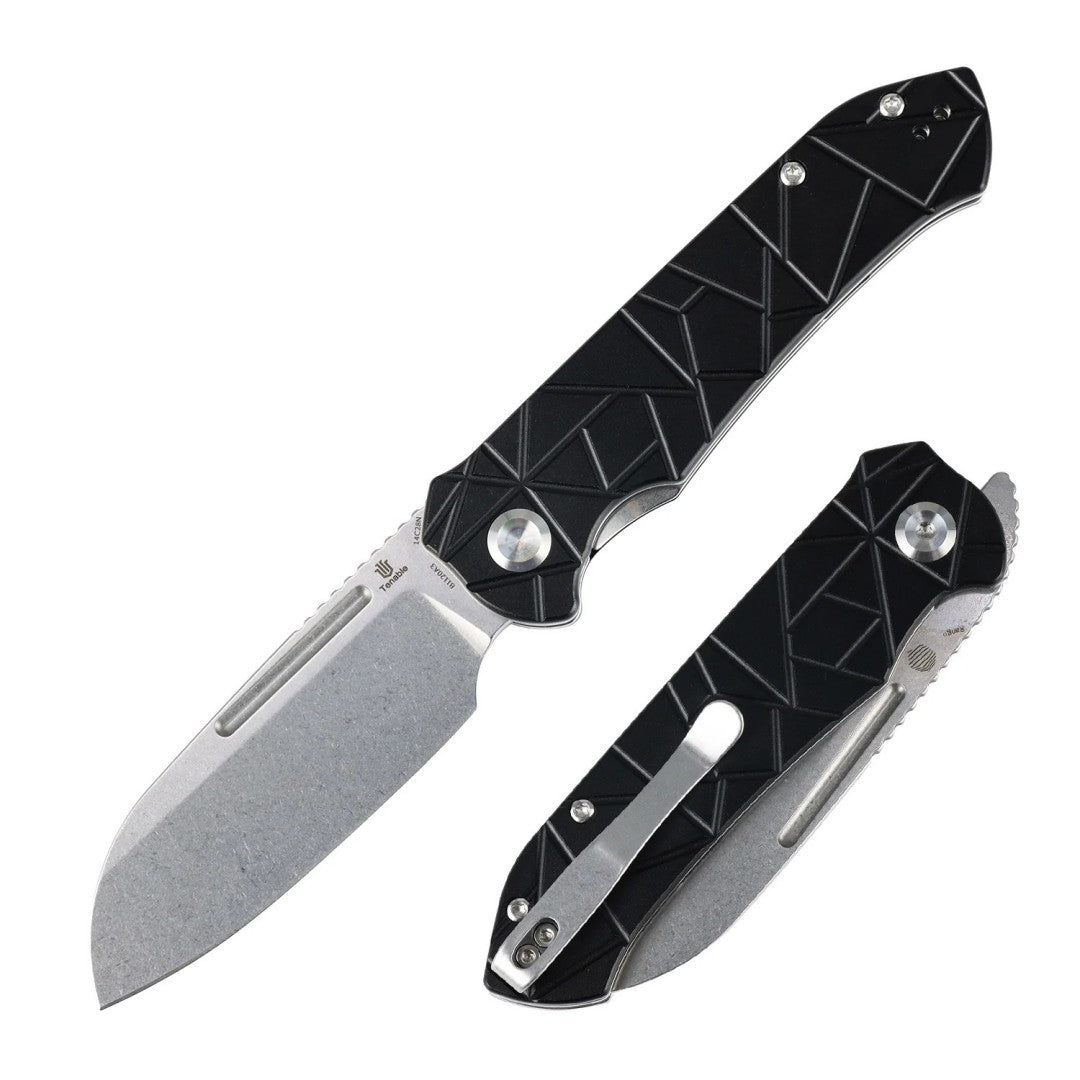
When analyzing modern folding knife architecture, the locking mechanism often dictates both the structural integrity of the frame and the overall aesthetic footprint. While conventional frame locks and standard liner locks have dominated the market for decades, both bring engineering compromises in weight, scale continuity, or handle thickness. The Kansept Mini Lanza solves these challenges through a precision-engineered internal lock system.
Designed in collaboration with custom craftsman Brandon Corbin, this model showcases how a Nested Liner Lock elevates mechanical efficiency while delivering an ultra-sleek handle profile. Whether paired with high-wear CPM-20CV steel or pattern-welded Damascus, this structural setup represents a major highlight for any modern EDC setup from Kansept.
Architectural Comparison of Locking Mechanics
| Engineering Attribute | Nested Liner Lock | Traditional Frame Lock | Standard Full Liner Lock |
| Pocket Footprint | Ultra-Slim & Compact | Variable (Requires Thicker Stock) | Thick & Bulky |
| Scale Integrity | 100% Unbroken Exterior | Interrupted by Lockbar Cutout | Covered by Overlay Scales |
| Lockbar Protection | Shielded Inside Titanium | Fully Exposed to External Impacts | Internal but Stacked |
| Hand Pressure Impact | Zero Effect on Engagement | Can Cause Lock Binding | Zero Effect on Engagement |
| Visual Symmetry | Completely Symmetrical | Asymmetrical Sides | Symmetrical |
Recessed Interior Cavities and Precision Milling
Traditional liner lock folders rely on full-length steel or titanium plates sandwiched between exterior handle scales, significantly increasing overall handle thickness and pocket bulk.
The engineering behind this nested system utilizes multi-axis CNC milling to carve precision channels inside the grade 6Al4V titanium scales. The stainless steel locking leaf is seated flush inside these internal pockets. By recessing the leaf spring directly into the titanium wall rather than stacking full-length plates, the handle achieves a remarkably thin width without sacrificing structural rigidity.
 Scale Continuity and Hand Pressure Shielding
Exposed frame locks require a deep cutout on the show side scale to allow the lockbar to flex inward. This cutout creates visual interruptions and leaves the locking spring vulnerable to external pressure.
Shielding the stainless steel locking spring inside internal pockets ensures that firm hand pressure during heavy push cuts cannot flex or bind the lockbar inward, preserving consistent lock engagement and effortless disengagement.
Furthermore, housing the spring within solid titanium scale walls protects the lock leaf from taking direct impact force if the folder is dropped onto concrete or hard terrain.
Tolerances, Detent Tuning, and Interface Longevity
A critical element of any bearing-pivot folder is the relationship between lock engagement, detent pressure, and blade alignment.
-
Ceramic Detent Ball: A hardened ceramic detent ball pressed into the locking spring provides smooth engagement against the blade tang, creating a crisp, tactile opening action via dual thumb studs.
-
Interface Geometry: The locking face meets the hardened blade tang at an exact angle, ensuring rock-solid engagement that eliminates both vertical and horizontal play.
-
Debris Reduction: Because the internal locking leaf sits recessed within machined titanium walls, pocket lint and grit have fewer direct access routes to disrupt the lock interface compared to open-frame alternatives.
 Combining Modern Engineering with Refined Utility
By internalizing the lock mechanics within precision-machined titanium scales, this design achieves an exceptional balance of mechanical strength, ergonomic comfort, and visual elegance. The result is an ultra-slim, lightweight folding knife built to handle demanding daily cutting tasks while maintaining clean, unbroken lines in hand and in pocket.