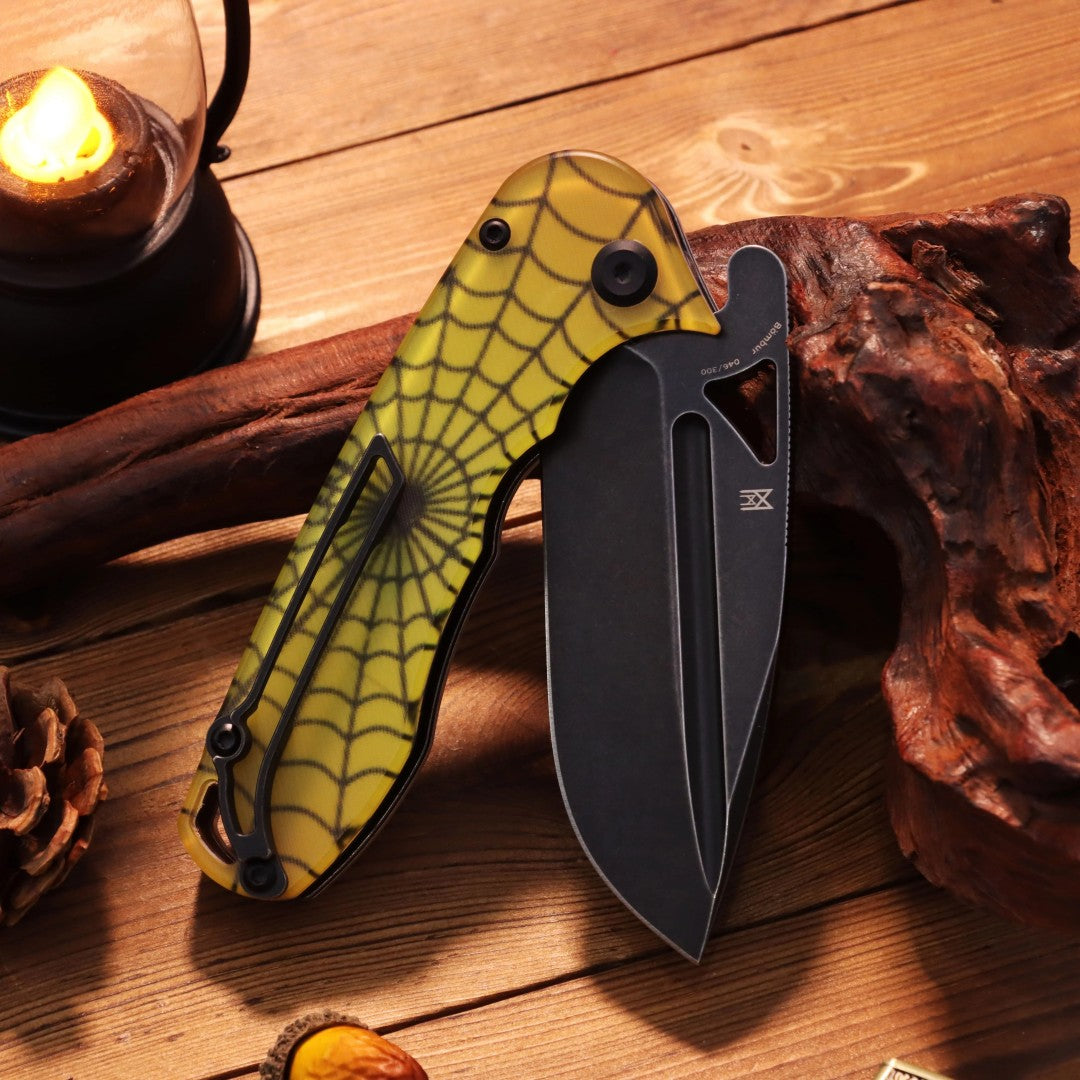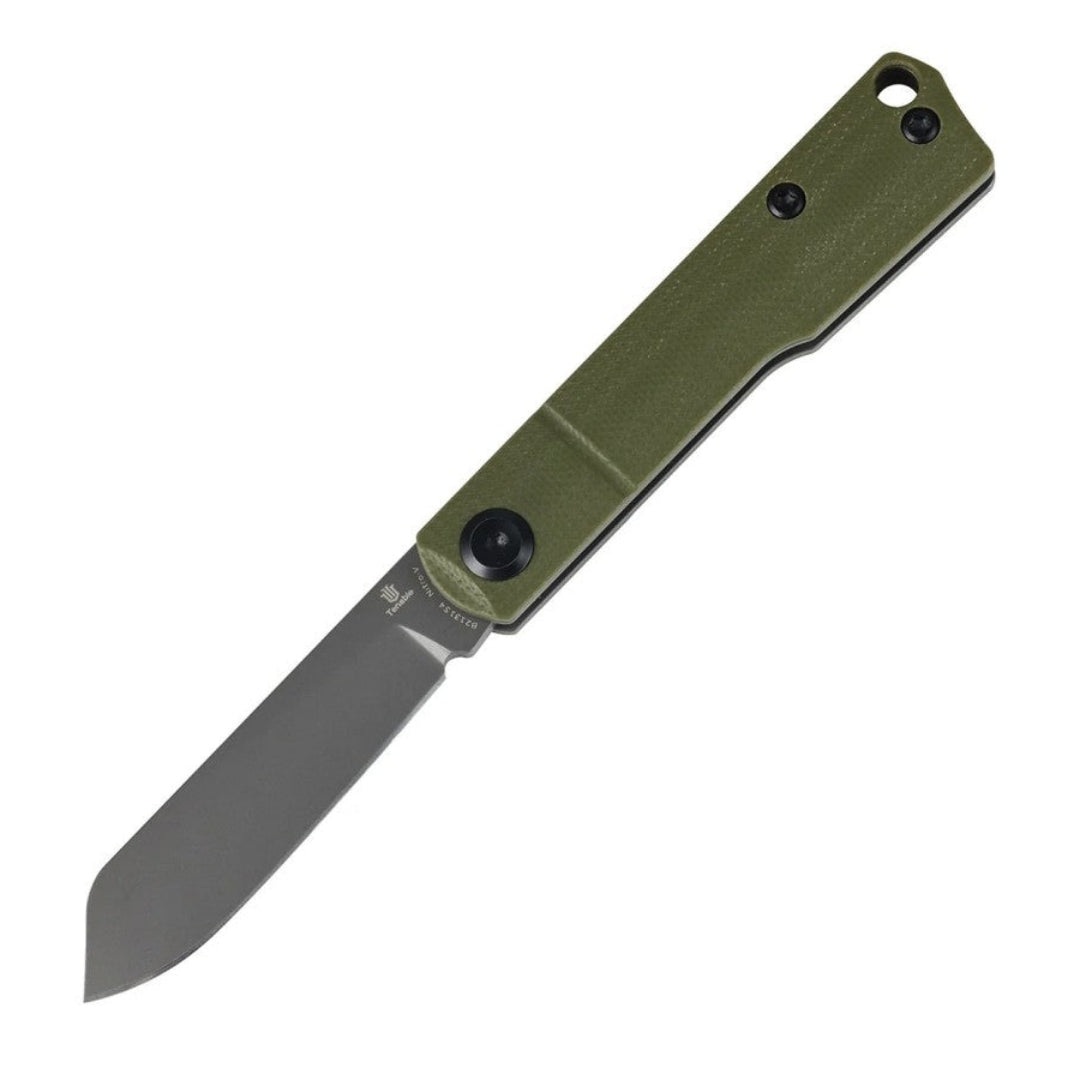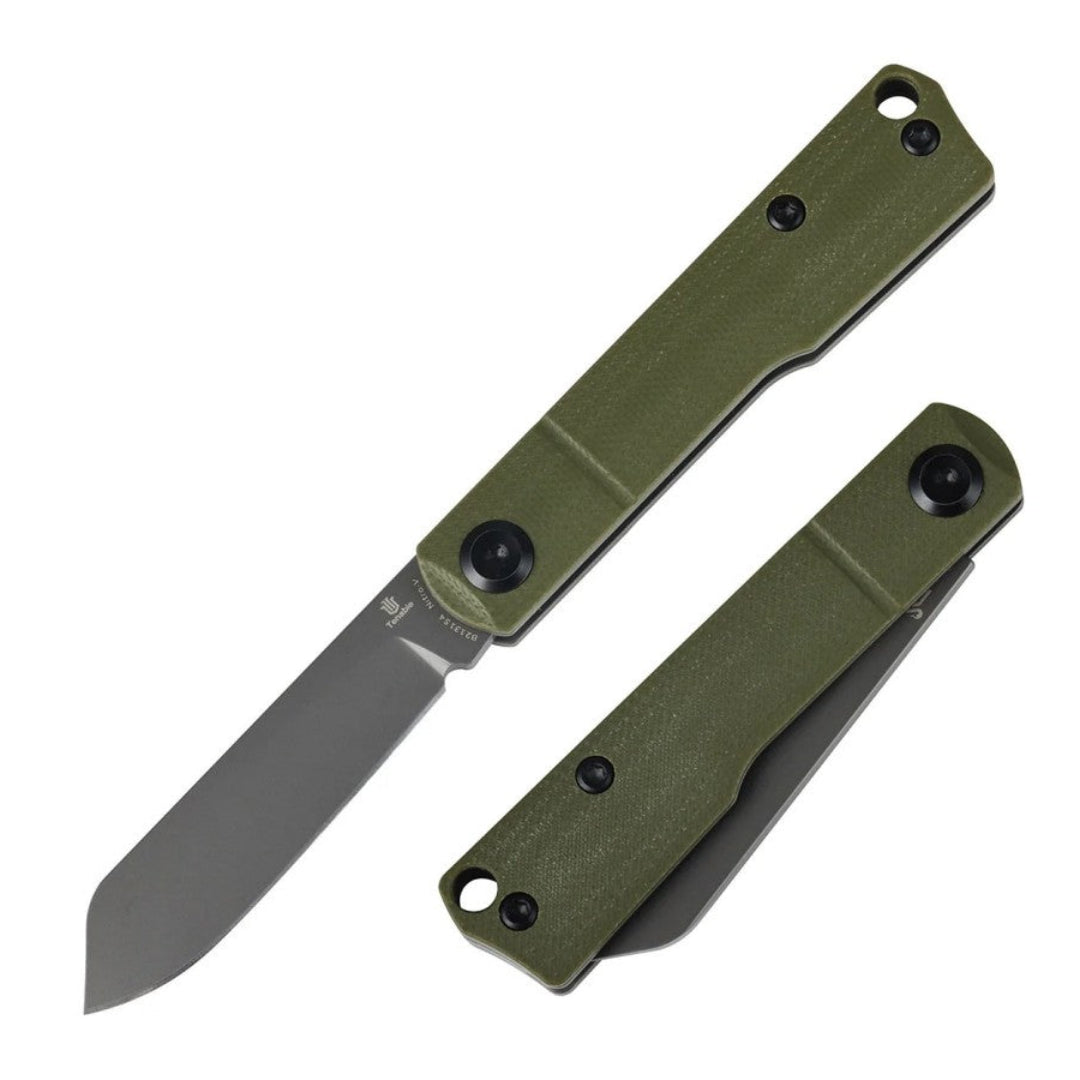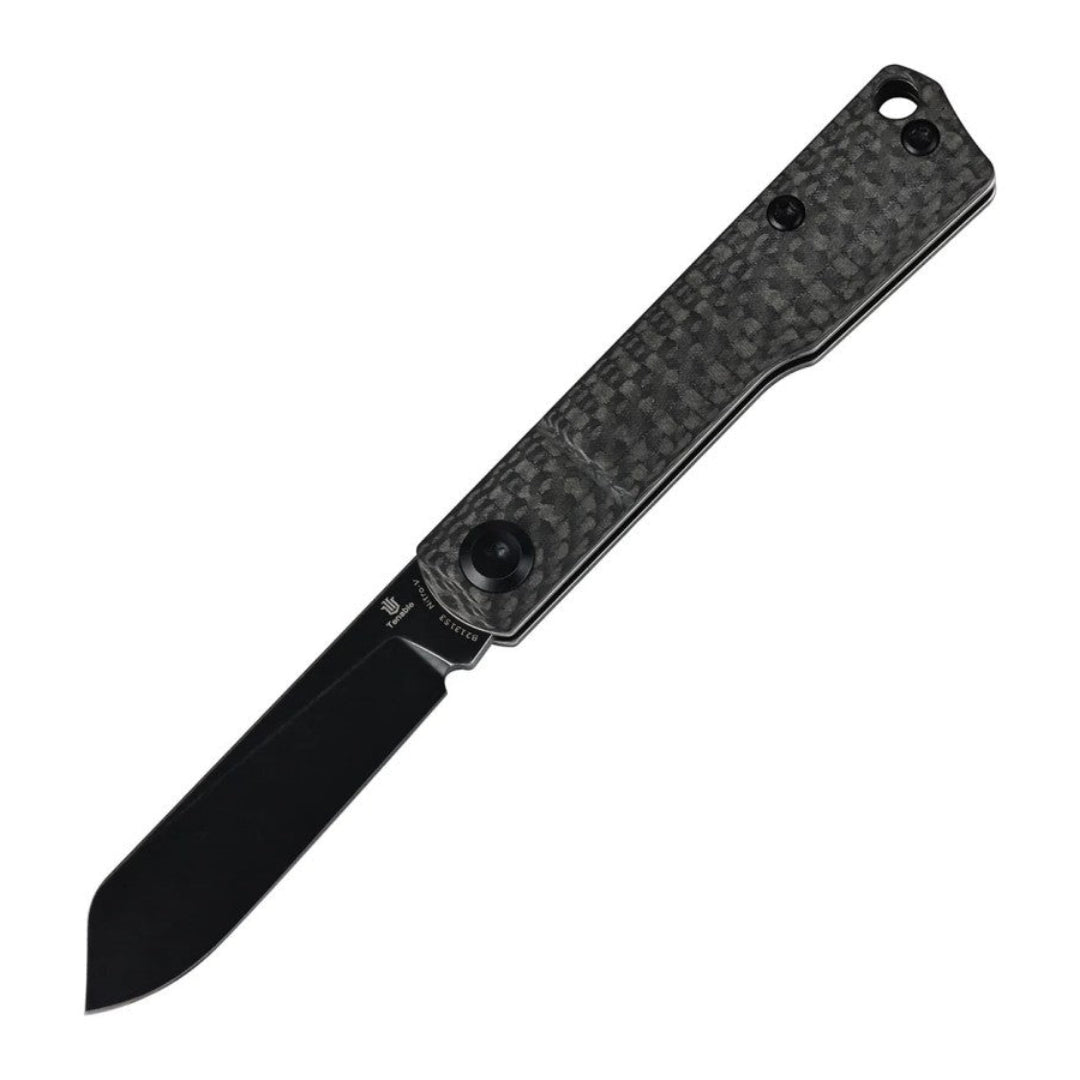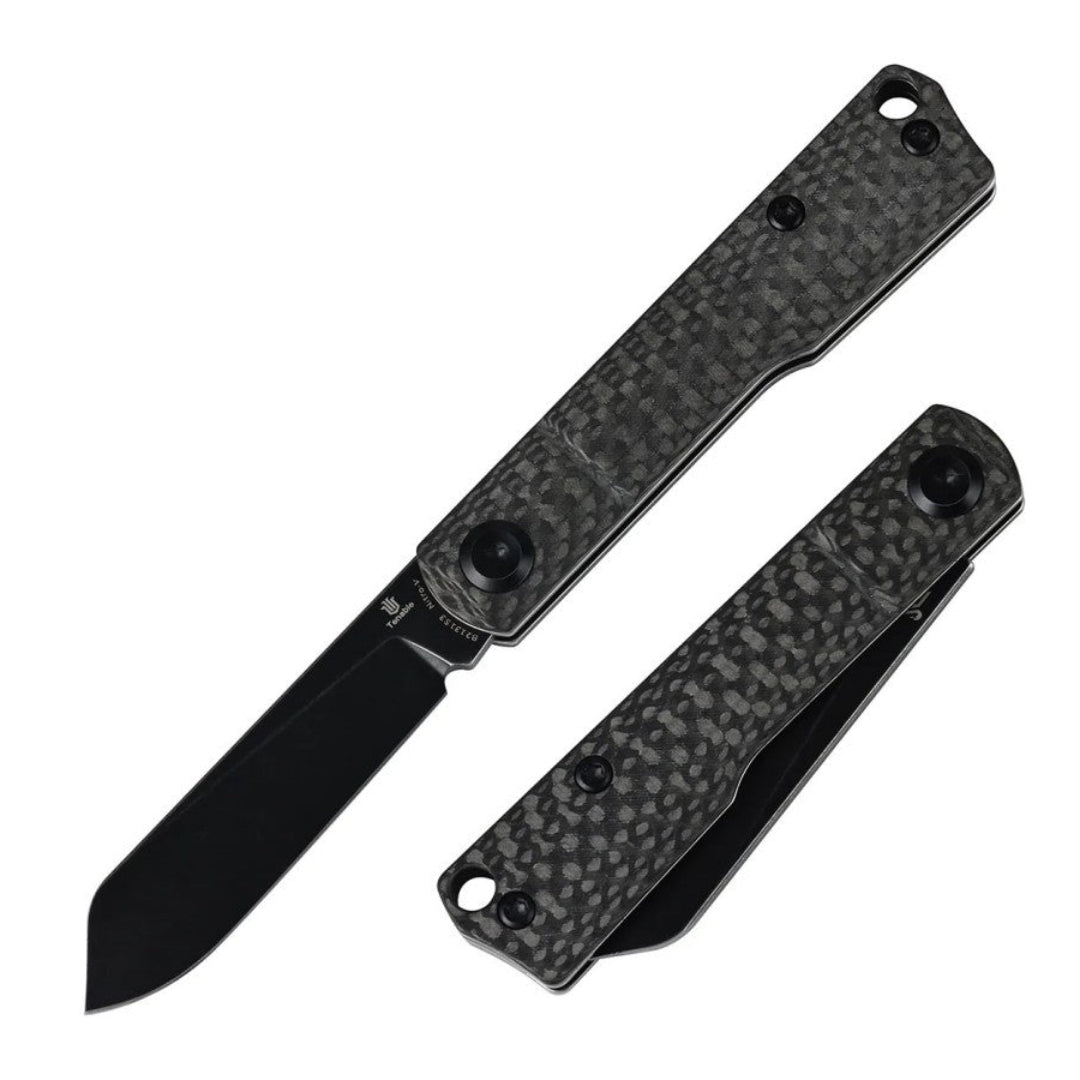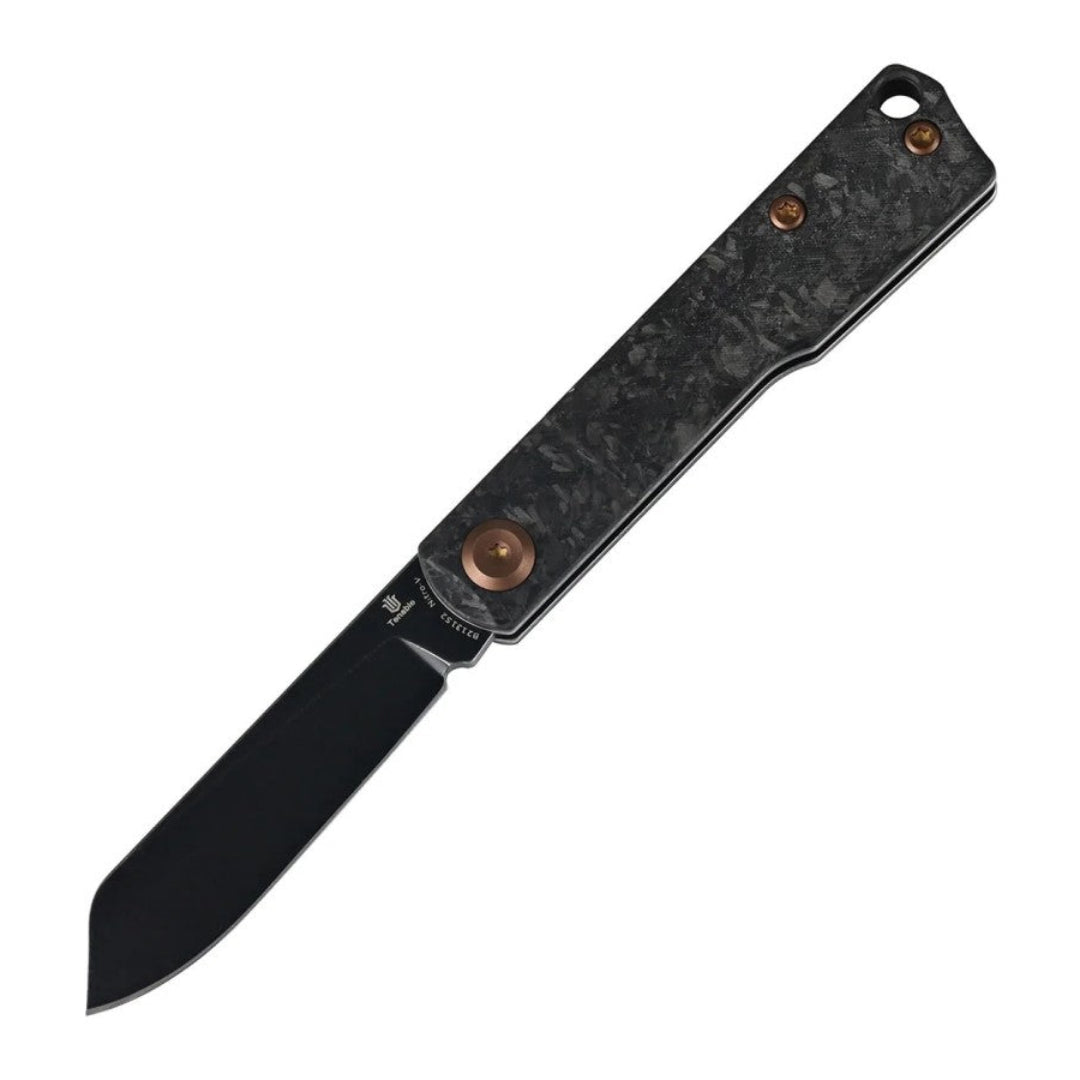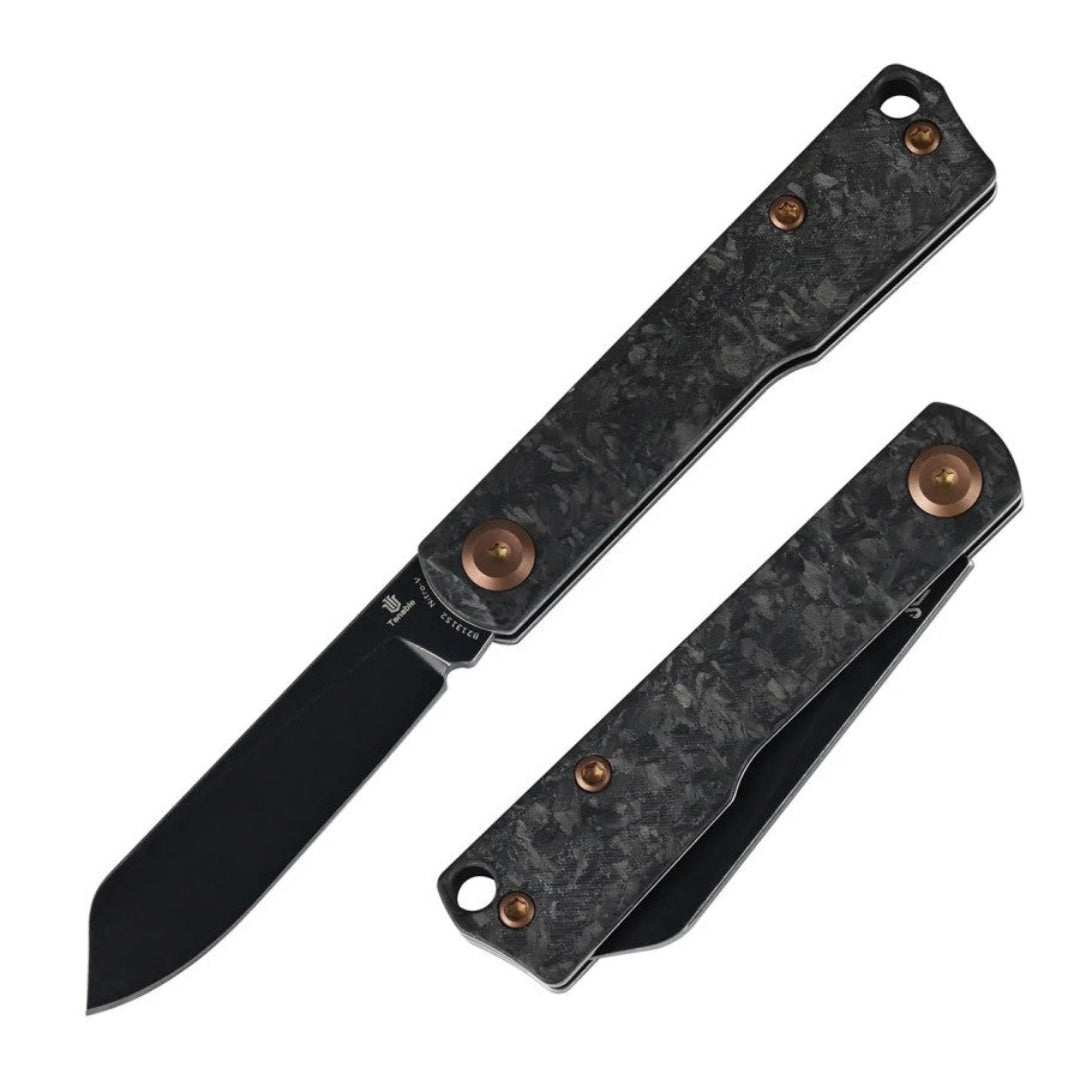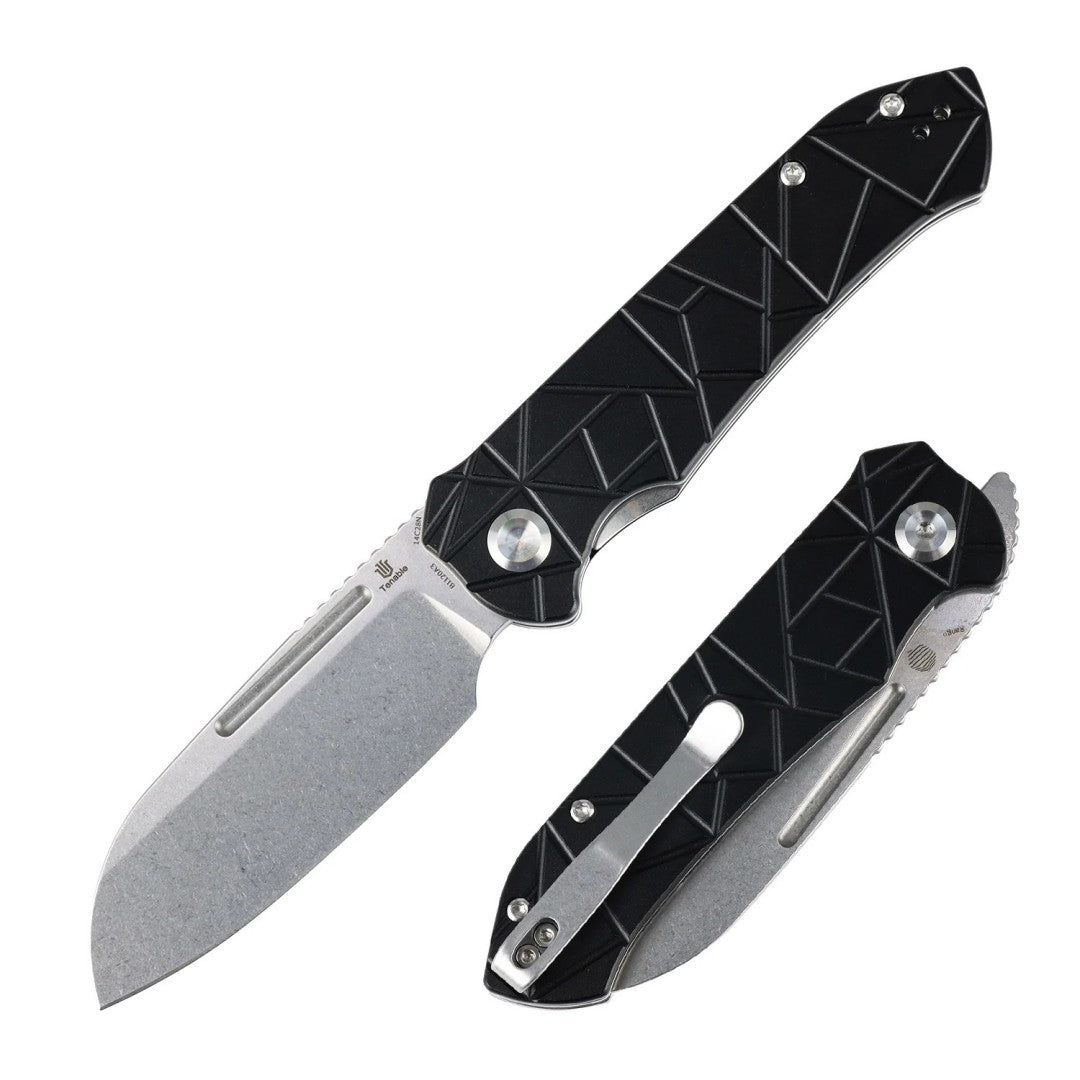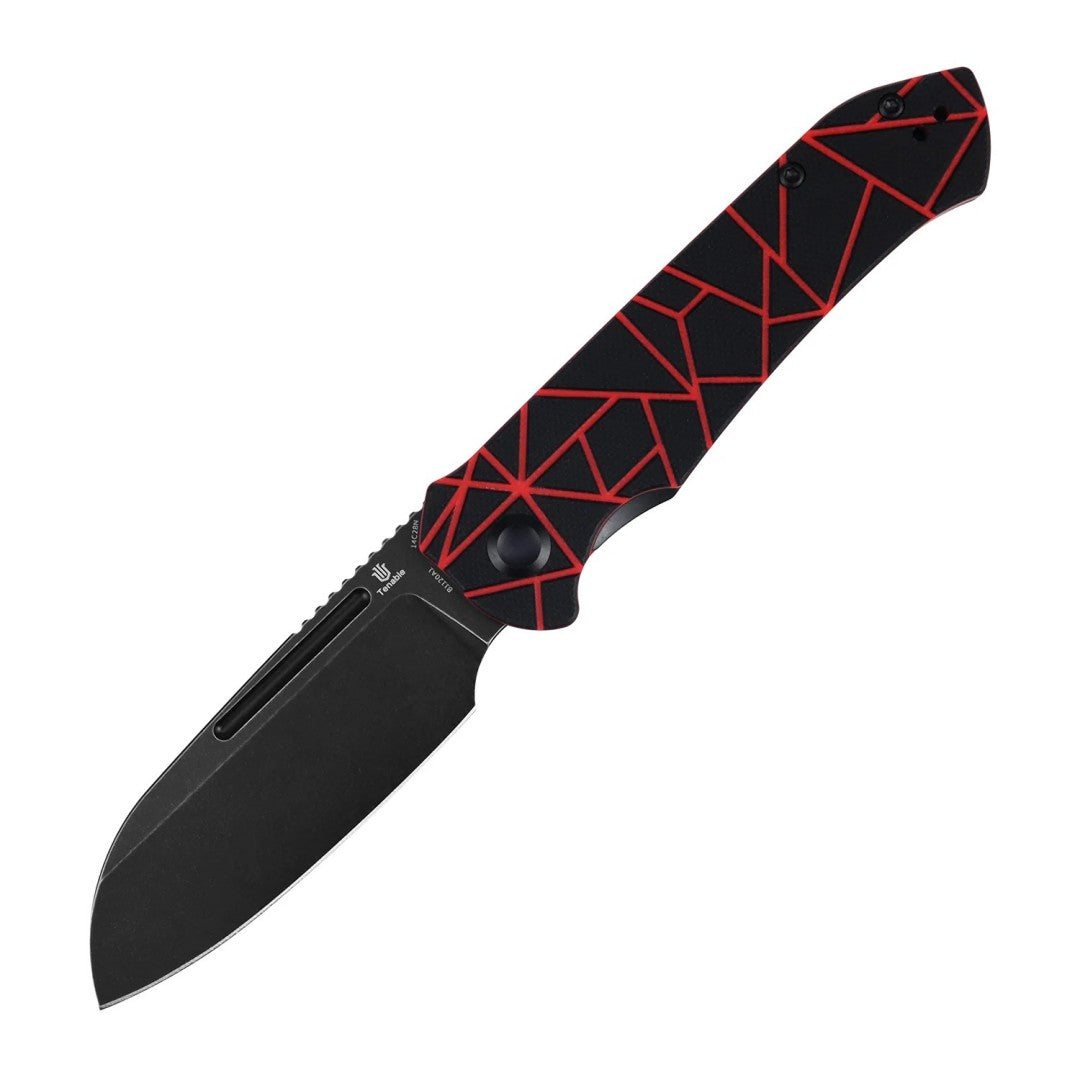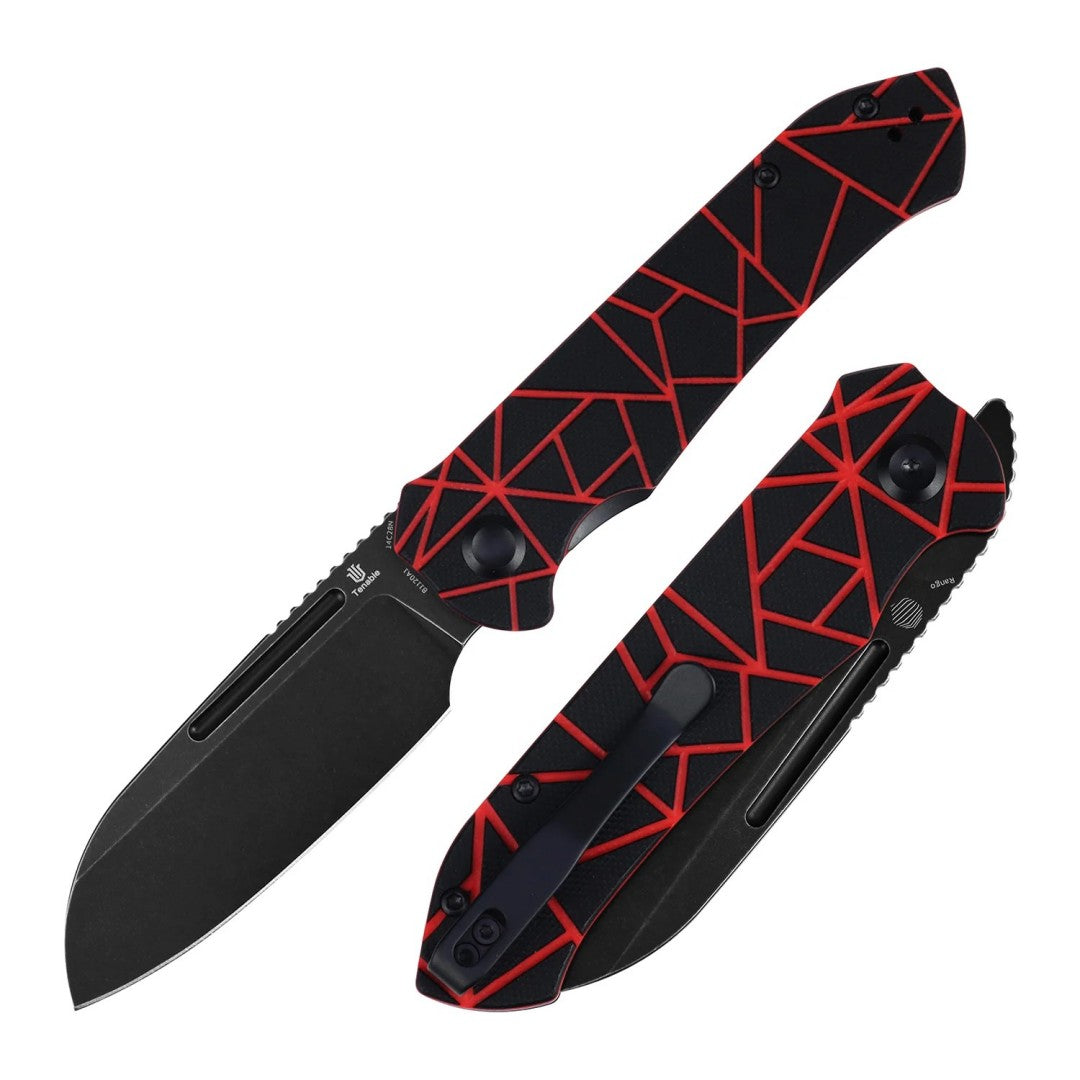
When investing in a high-performance everyday carry (EDC) folder, mechanical stability is just as critical as blade steel or handle geometry. The locking mechanism is the literal backbone of your pocket knife. It controls how safely the tool handles heavy cutting pressure, how quickly you can deploy the blade with one hand, and how comfortably the chassis sits inside your pocket. If a lock is too complex, it becomes a maintenance hassle; if it is poorly positioned, it becomes a safety hazard.
The celebrated Kansept Main Street, designed by custom knife legend Dirk Pinkerton, has earned a loyal global following thanks to its incredibly efficient, straight-edged Wharncliffe blade shape. To accommodate different legal restrictions, muscle memories, and work environments, Kansept produces this iconic workhorse in three distinct lock configurations. This analytical comparison breaks down each lock type to help conscious buyers make an informed, practical choice.
The Three Locking Paths: A Detailed Breakdown

1. The Classic Liner Lock
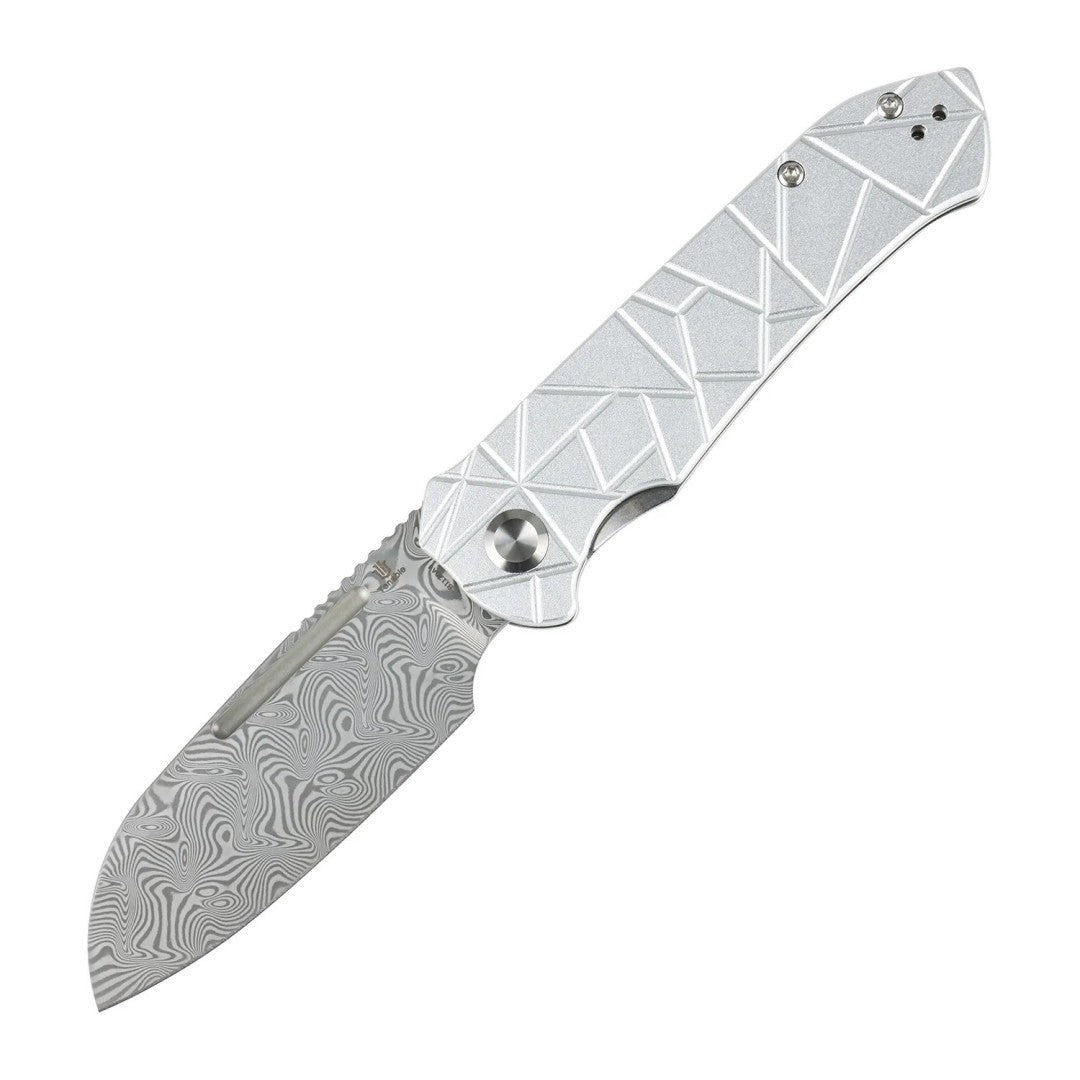
The leaf-spring liner lock is the most time-tested mechanism in modern cutlery. It utilizes a pre-tensioned stainless steel leaf spring nestled inside the handle scales. When you deploy the blade, this spring snaps outward, wedging itself firmly against the flat rear heel of the blade tang.
-
The Pocket Profile: Because the locking spring is tucked entirely inside the handle liners, the scales remain flat and incredibly slim.
-
The User Experience: Highly familiar and intuitive, but it is inherently right-handed and requires you to put your thumb momentarily in the path of the closing blade.
-
Best For: Minimalists who prioritize a lightweight, ultra-thin carry that disappears into formal wear or light pockets.

2. The Ambidextrous Crossbar Lock
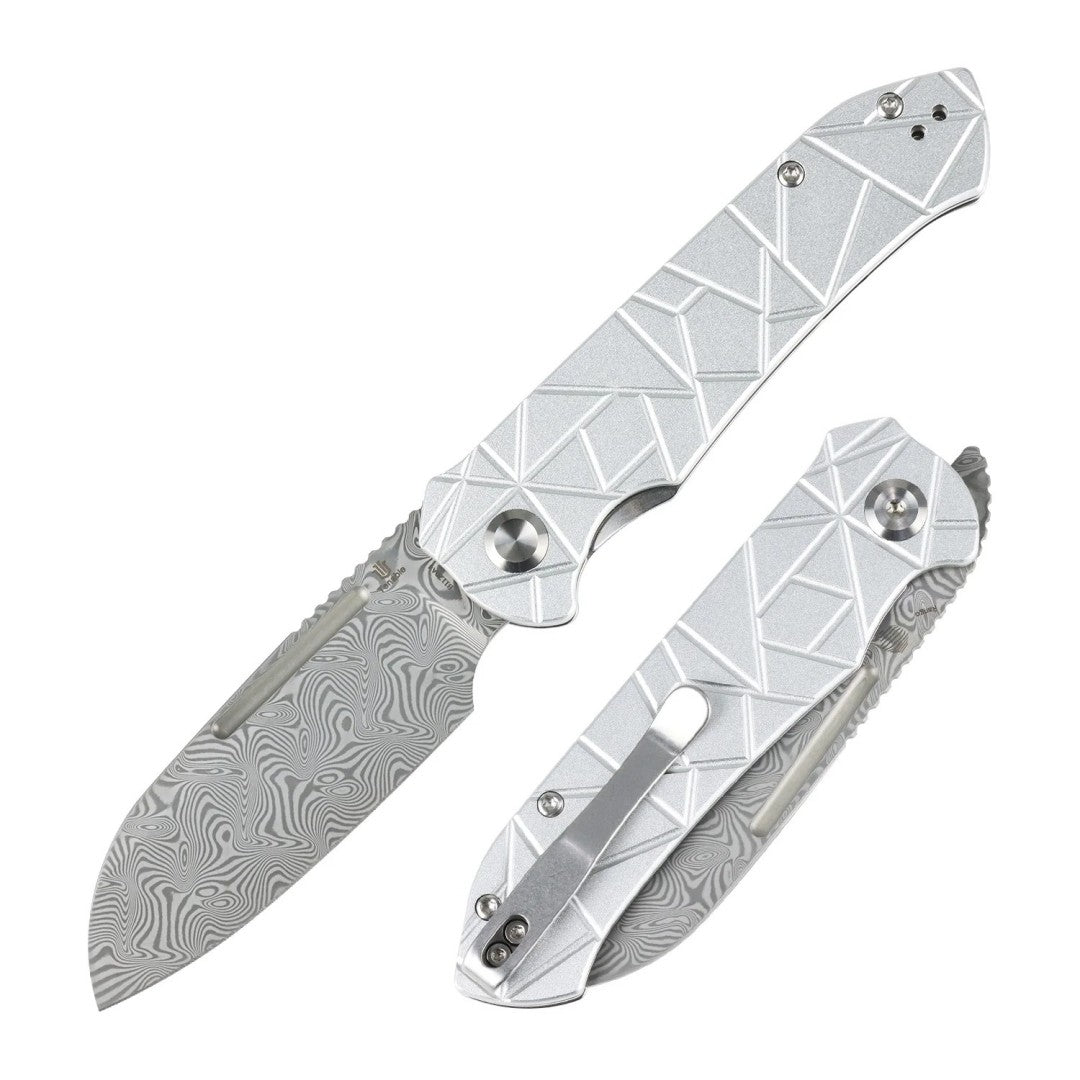
For those who value speed and safety above all else, the Crossbar Lock variant is a modern engineering masterpiece. This system features a solid steel bar that passes completely through machined arcs in both sides of the handle, kept under constant forward pressure by dual omega-shaped springs.
-
The Pocket Profile: Slightly wider due to the external slide buttons, but highly symmetrical.
-
The User Experience: 100% ambidextrous. Pulling the bar back allows the blade to swing freely on its ceramic bearings, letting you drop the knife shut one-handed without ever placing your fingers near the sharp edge.
-
Best For: Left-handed operators, tactical users, and anyone who values rapid-fire, zero-danger closing kinetics.
3. The Innovative Top Liner Lock
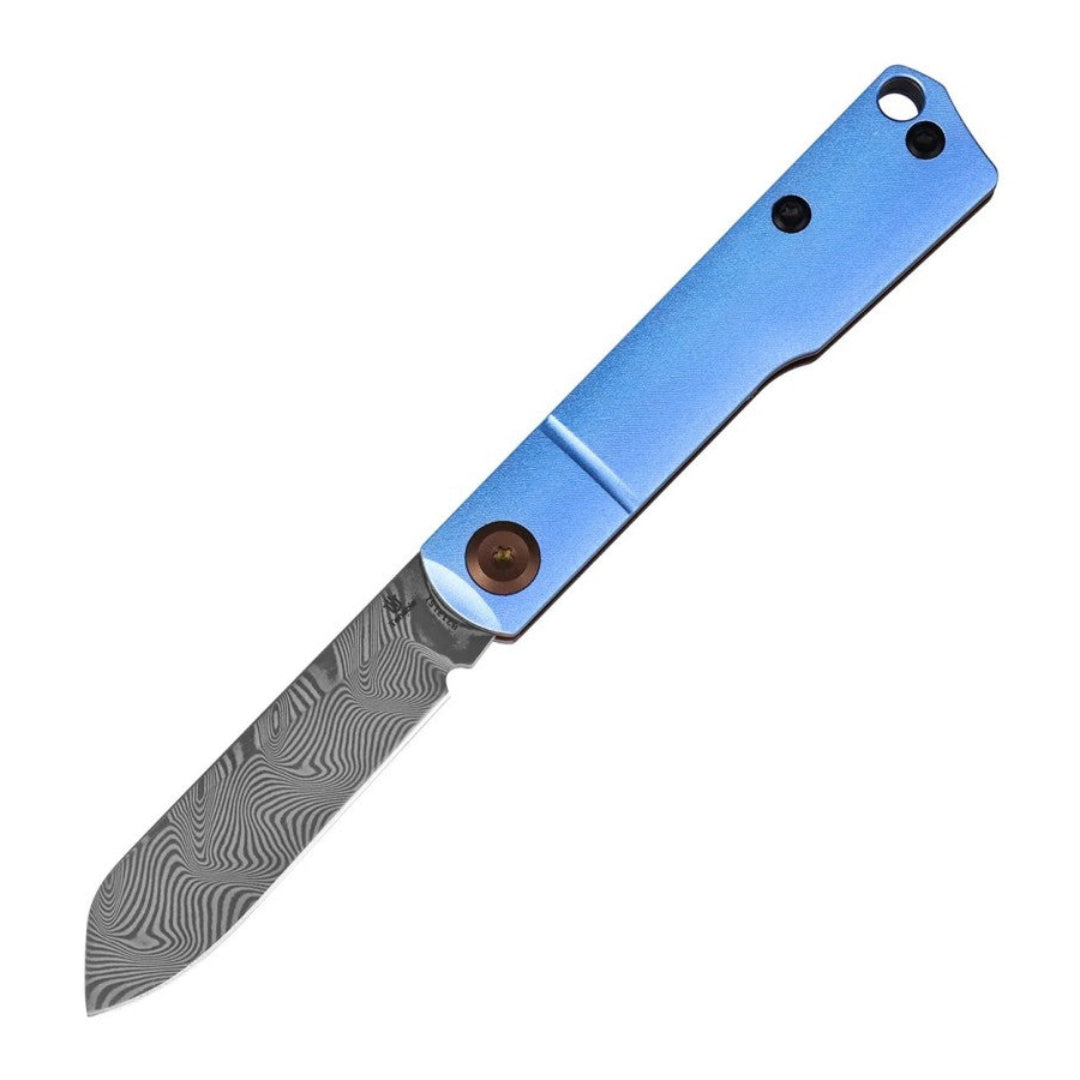
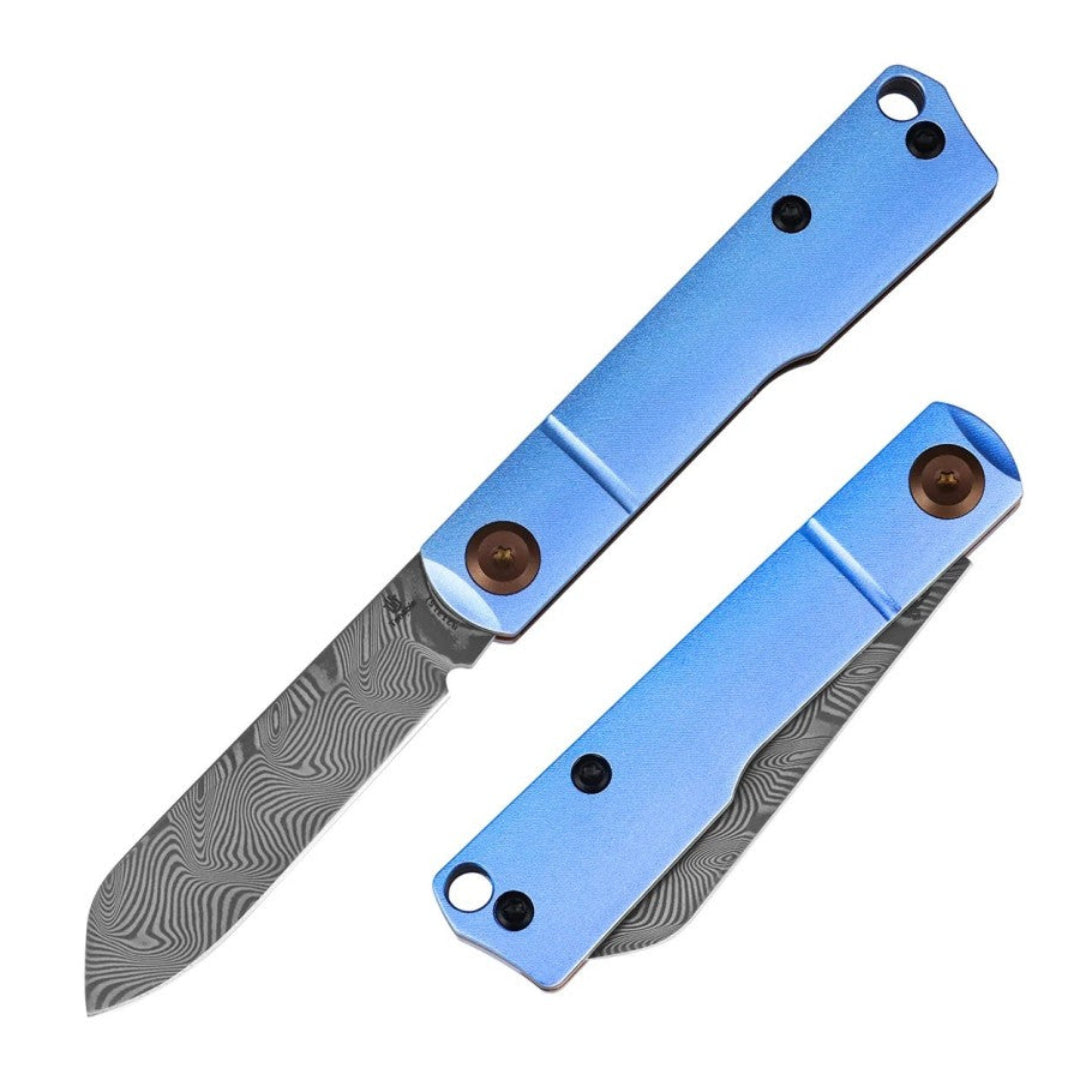
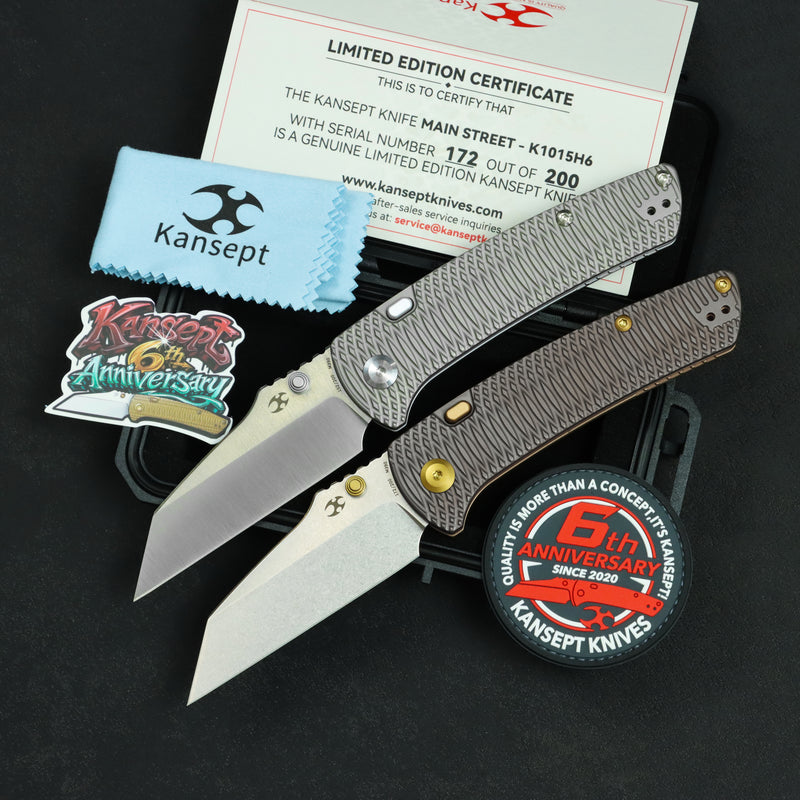
The specialized Top Liner Lock configuration is Kansept's custom-tier innovation. This system relocates the release bar of a traditional liner lock to the top spine of the handle.
-
The Pocket Profile: Unbelievably clean. Because the lock release is moved to the spine, the side scales remain completely unbroken, which allows premium materials like titanium to showcase their milled textures.
-
The User Experience: Offers the extreme structural security of a liner lock with the finger-safe closing benefits of a spine release. You press down on the spine tab, keeping your fingers safely on the sides of the handle as the blade folds shut.
-
Best For: Discerning collectors, executive carry, and buyers who want a premium aesthetic combined with state-of-the-art mechanical safety.
Side-by-Side Lock Metric Comparison
| Performance Metric | Liner Lock Configuration | Crossbar Lock Configuration | Top Liner Lock Configuration |
| Ambidextrous Use | Right-hand biased | Fully Ambidextrous | Neutral / Symmetrical |
| Finger Safety | Moderate (Thumb crosses path) | Maximum (Fingers stay clear) | Maximum (Fingers stay clear) |
| Pocket Footprint | Ultra-Slim & Minimalist | Moderate (External buttons) | Sleek & Unbroken |
| Fidget Factor | Classic tactile click | Lightning-fast gravity drop | Smooth, deliberate flipper action |
| Primary Appeal | Affordable, proven utility | High-speed active work | Premium materials & custom design |
Geometric Synergy: Dirk Pinkerton's Slicing Engine
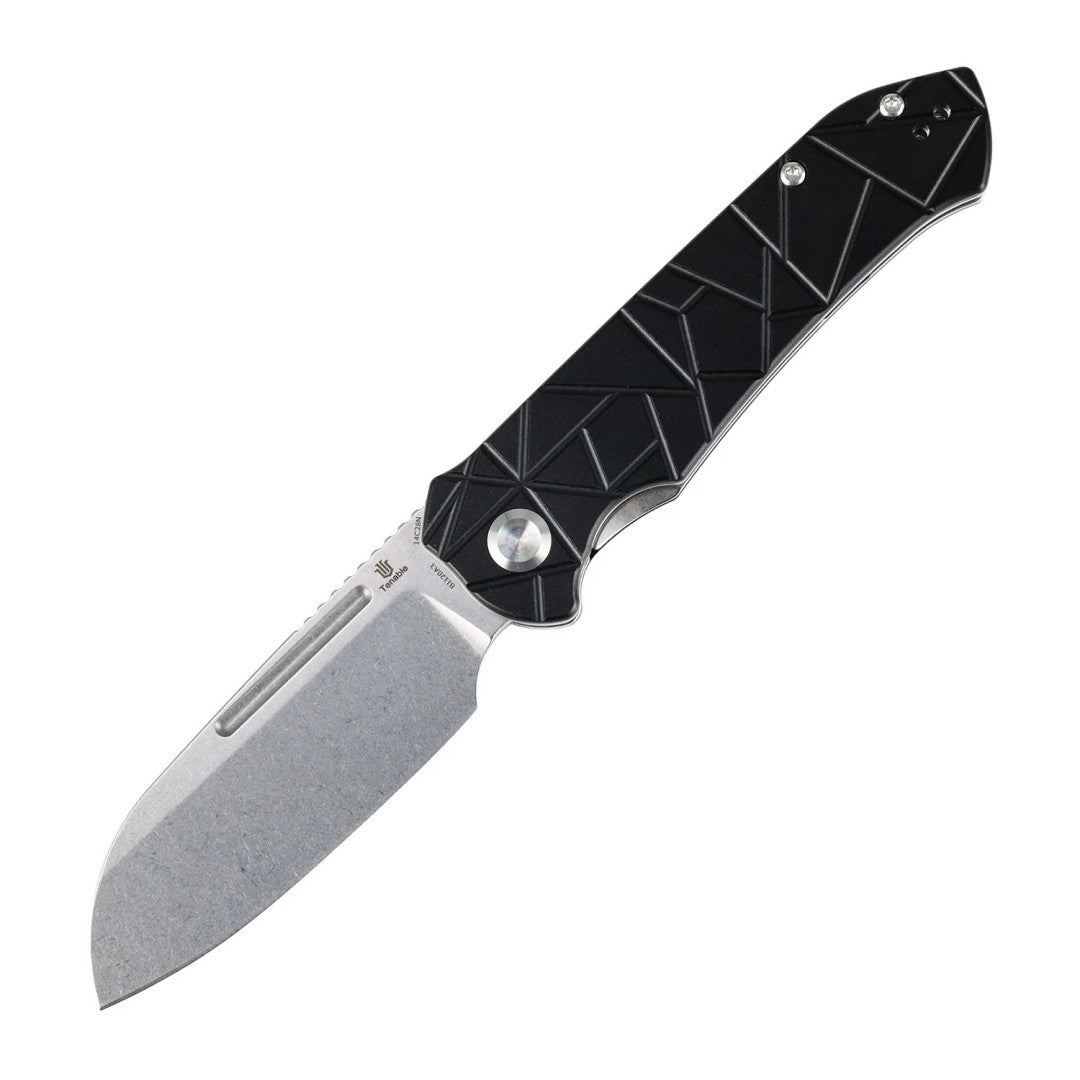
No matter which lock type aligns with your personal style, each mechanical chassis is built around Pinkerton's hyper-functional Wharncliffe blade geometry. Traditional curved pocket knives rely on a swept belly that naturally pushes target materials away from the cutting apex. Pinkerton's perfectly flat cutting plane traps the medium flat against the steel from start to finish.
As you apply heavy downward pressure to slice through thick corrugated boxes, industrial zip-ties, or heavy cordage, 100% of your hand's force is directed straight into the cut. This flat-plane design places high demands on a lock. Under intense downward force, any play or flex in the locking mechanism will cause the lockup to feel unstable. Thankfully, whether you choose the simple reliability of the liner lock, the dual-spring tension of the crossbar, or the robust spine-bracing of the top liner, Kansept's precision CNC tolerances ensure a rock-solid lockup with absolutely zero vertical or horizontal blade play.
The Final Verdict: Finding Your Perfect Lock
-
If you want a classic, streamlined pocket tool that keeps weight to an absolute minimum for daily office tasks, choose the Liner Lock.
-
If you demand lightning-fast, ambidextrous deployment and want to be able to open and close your knife instantly on a wet job site without looking, choose the Crossbar Lock.
-
If you appreciate custom-tier engineering, premium titanium scales, and want a safe, finger-clear spine release for an executive setting, choose the Top Liner Lock.