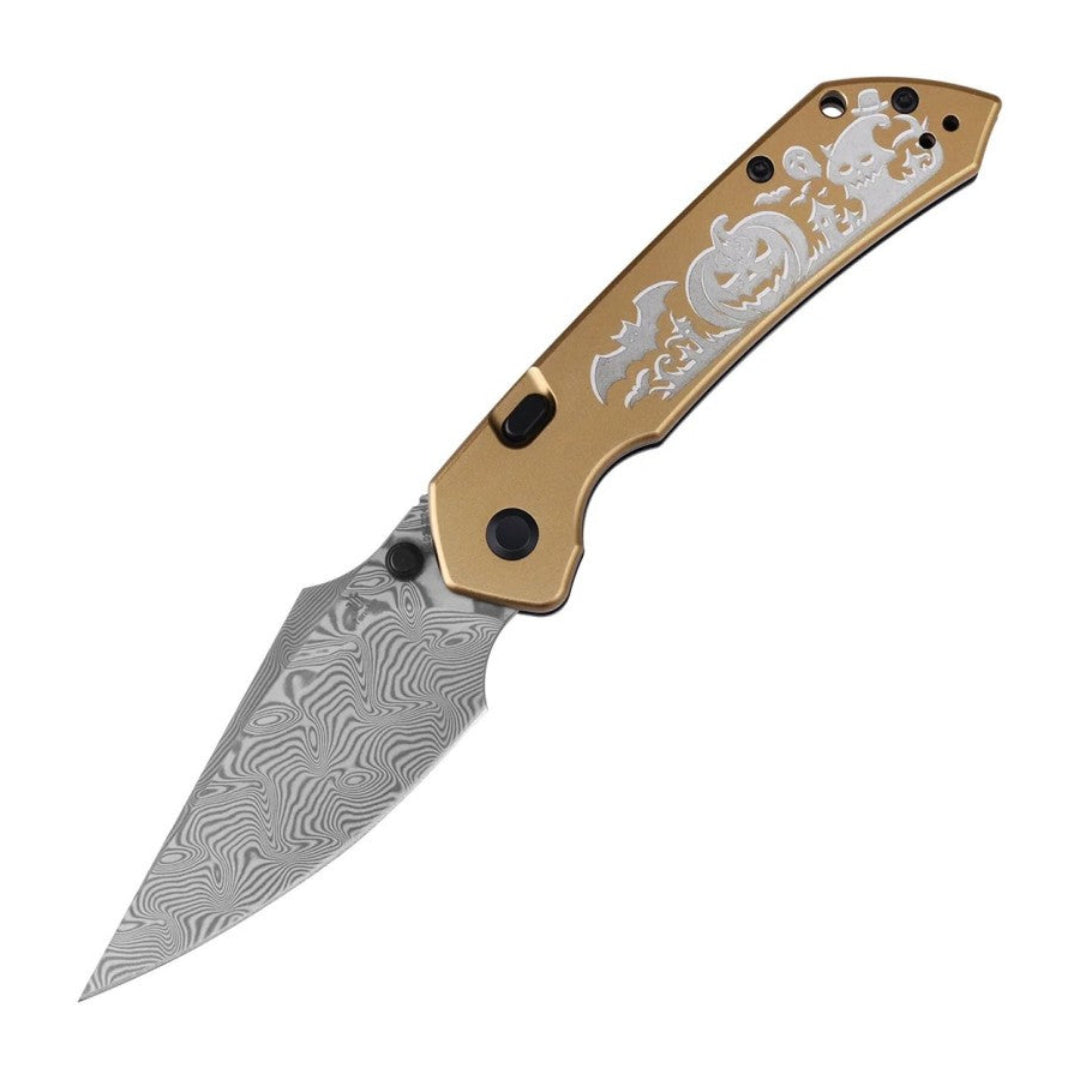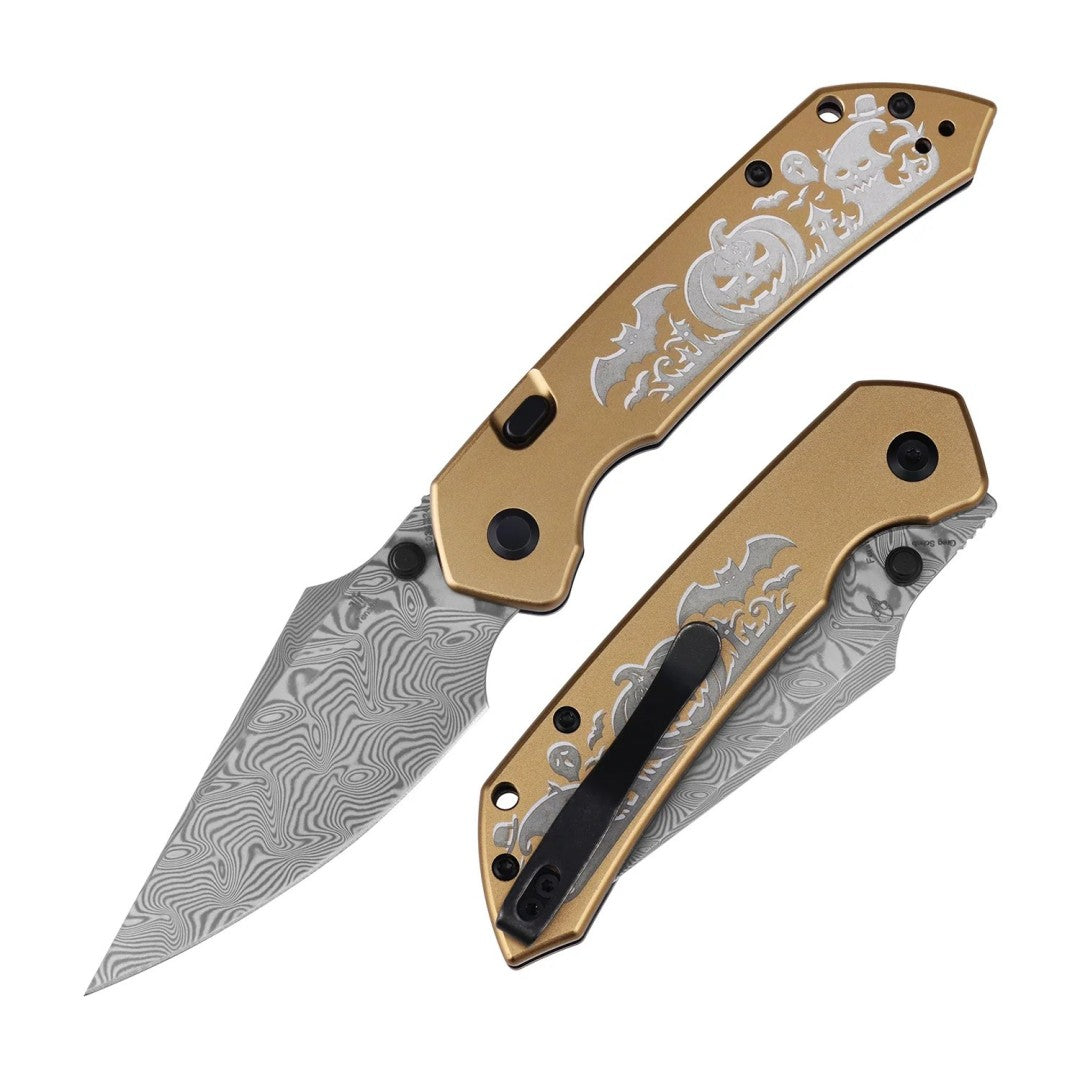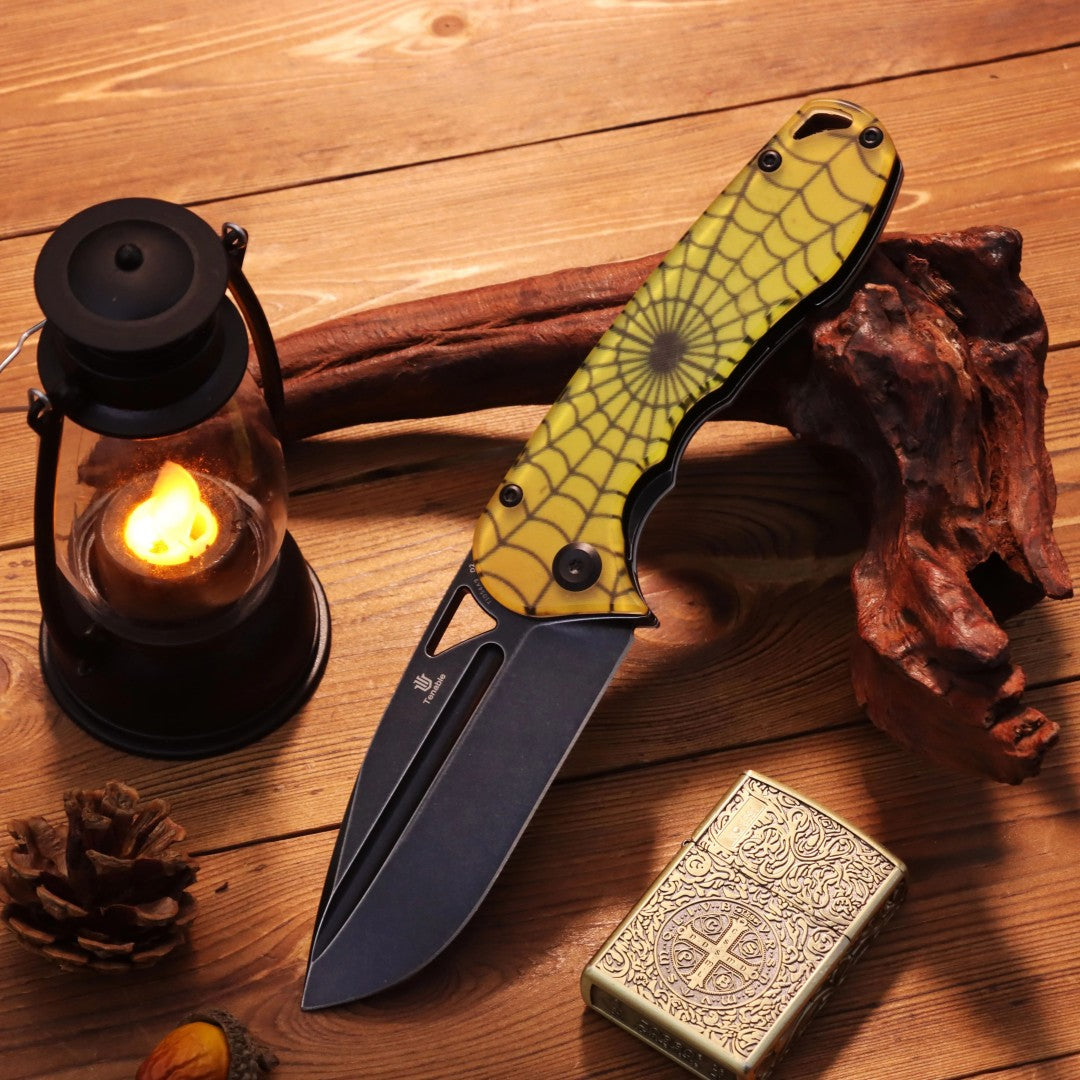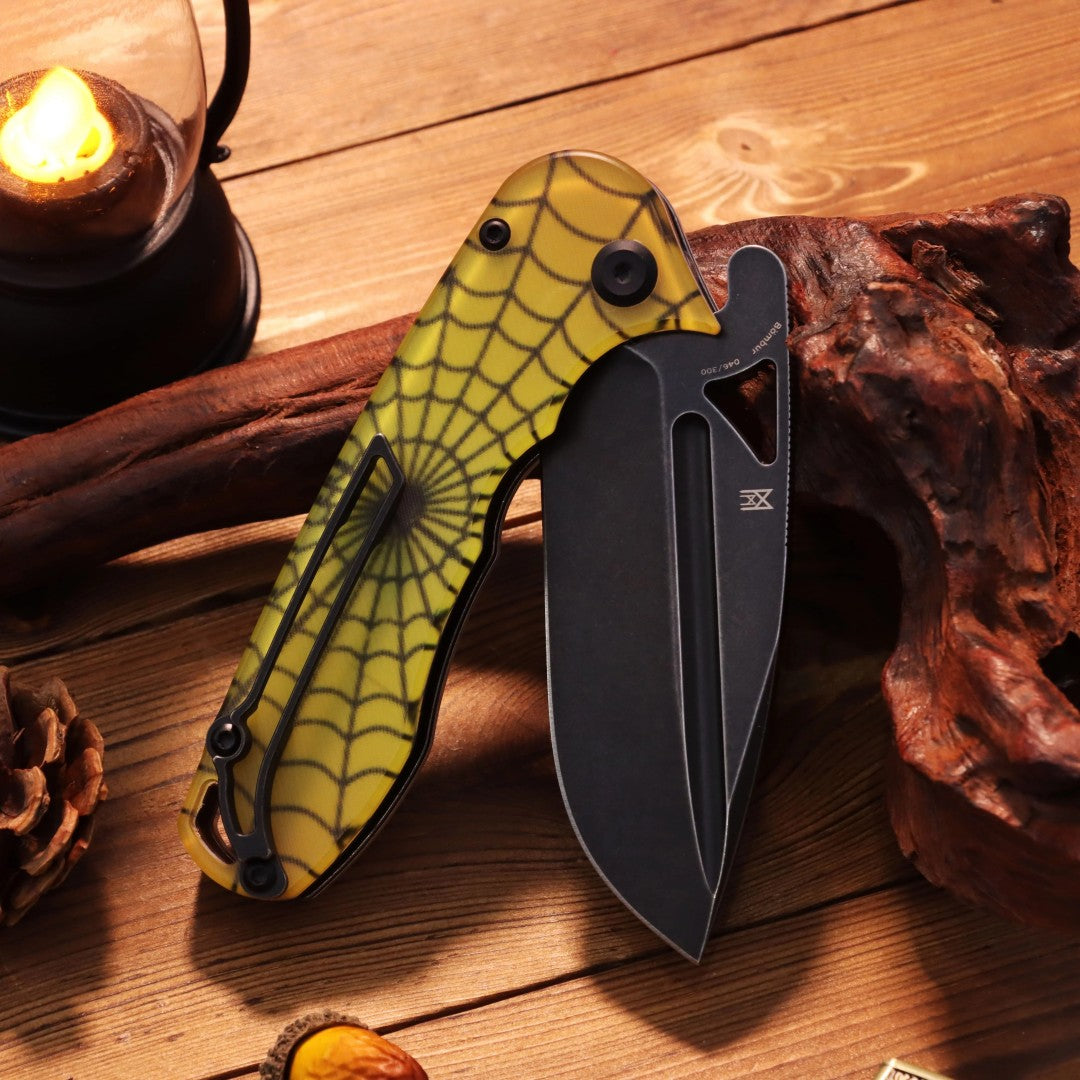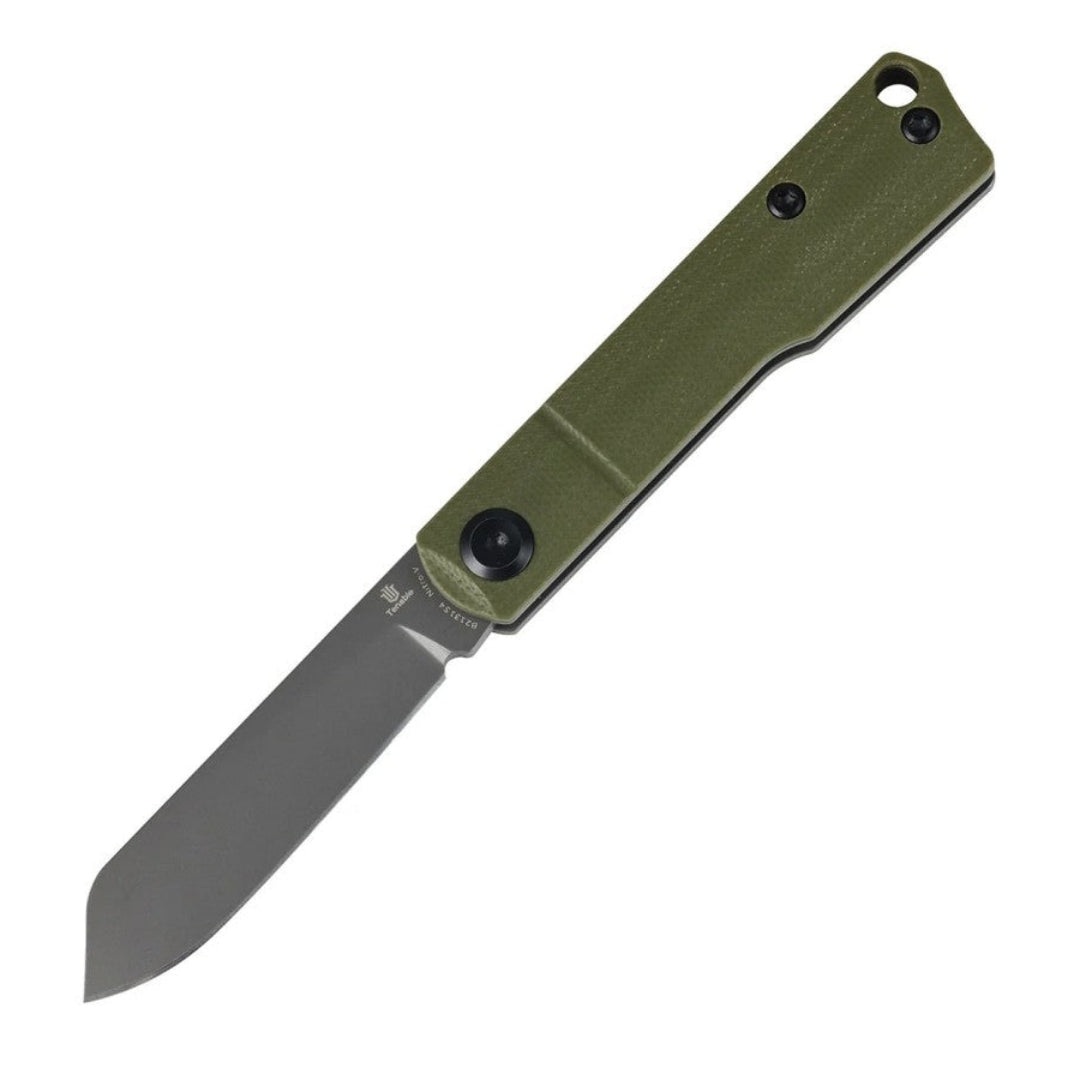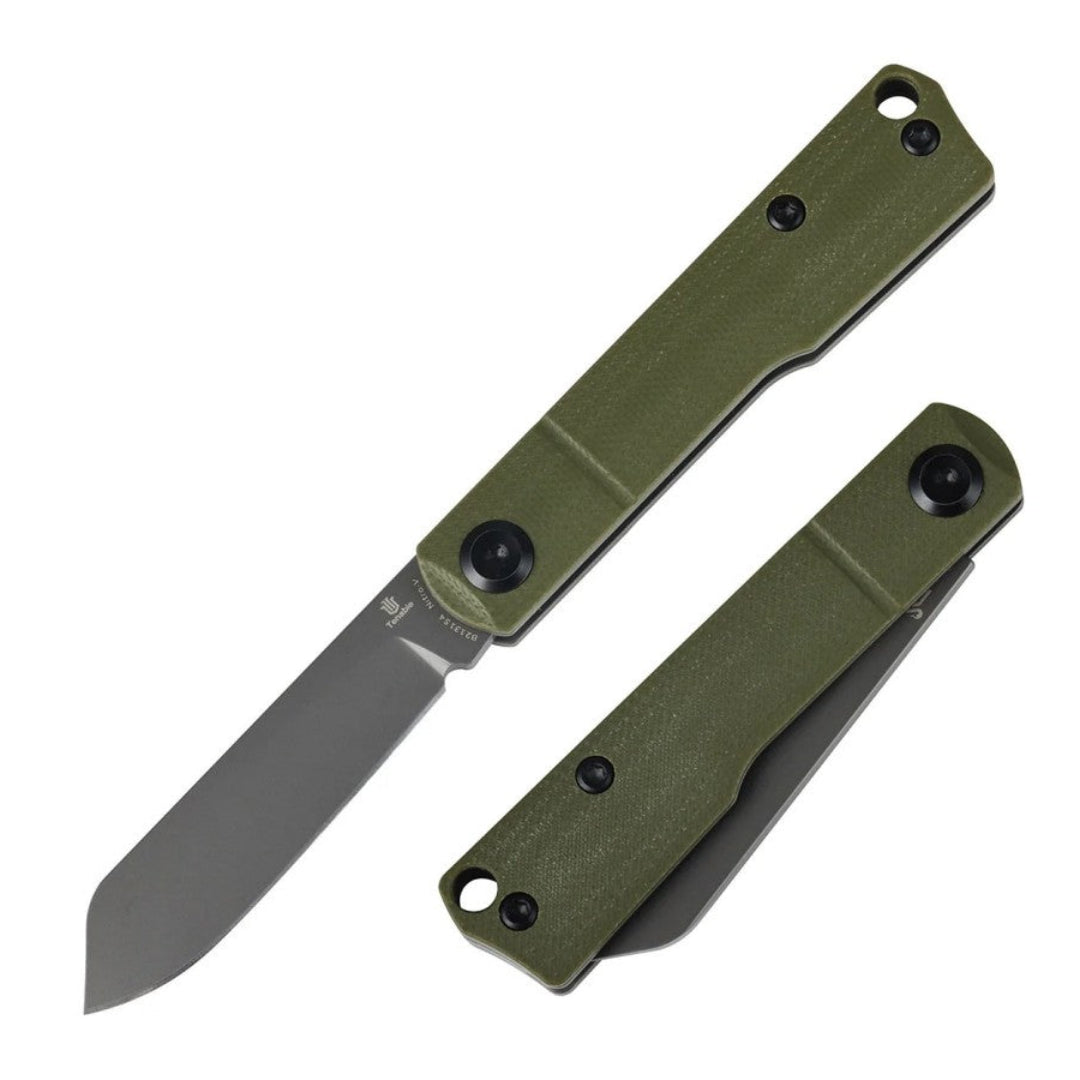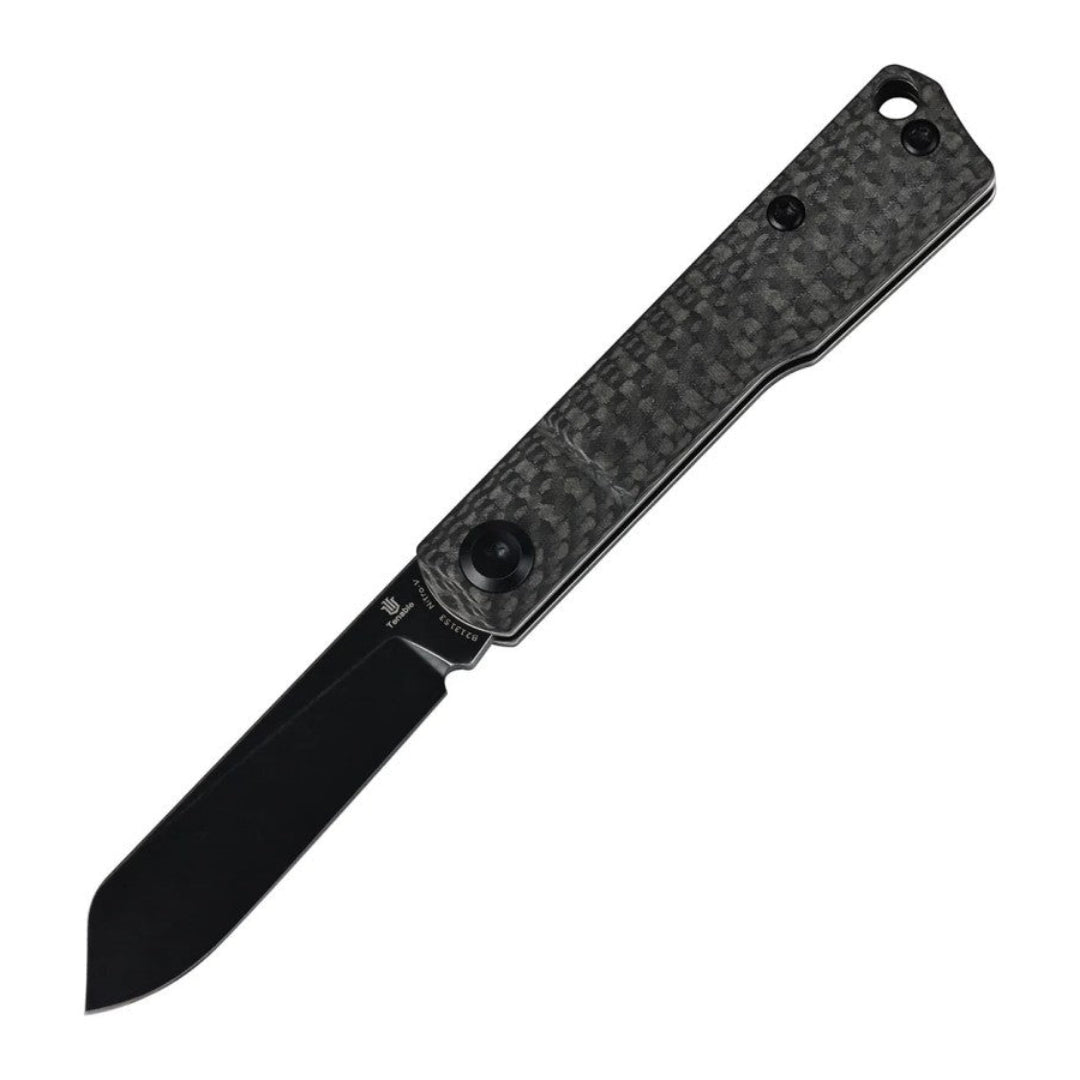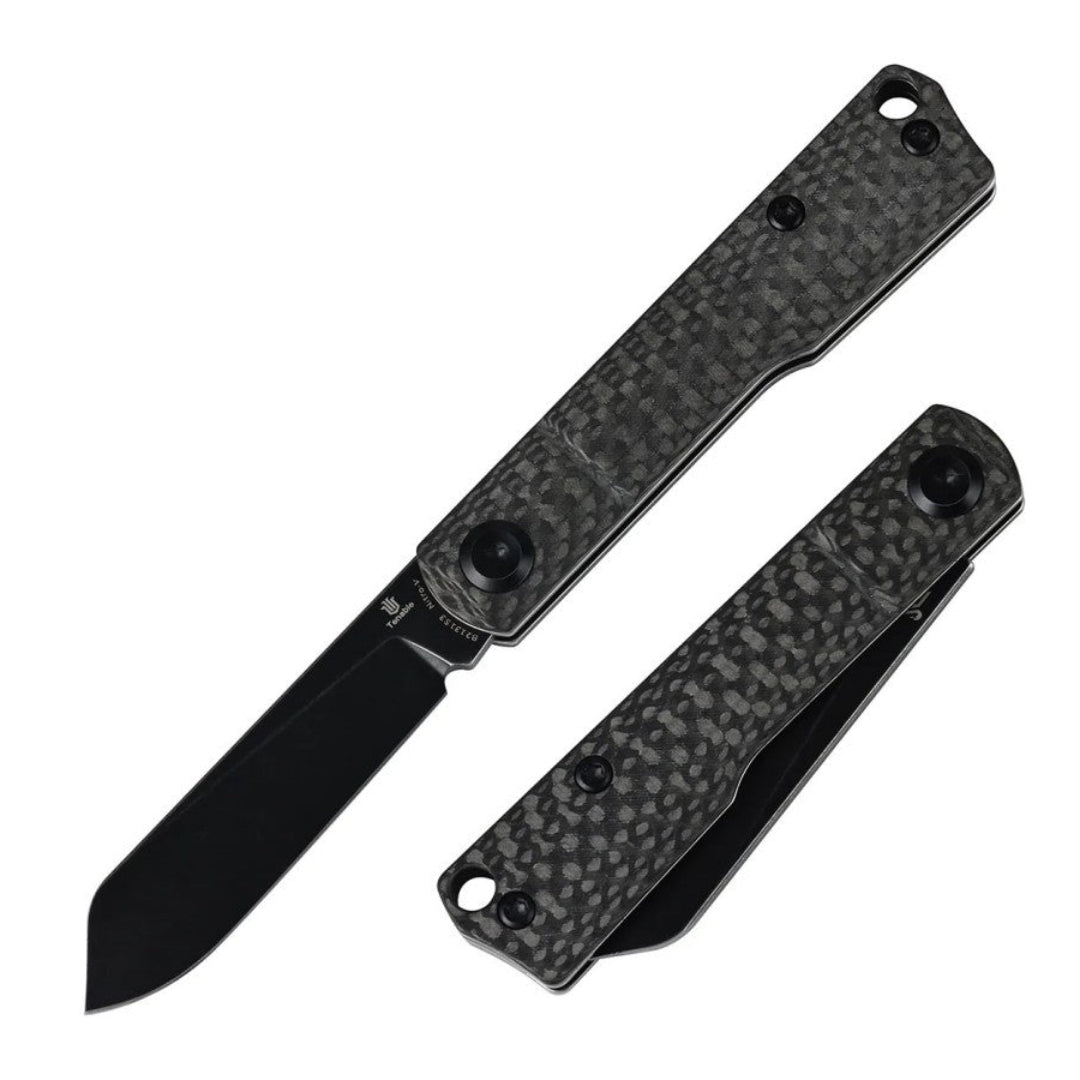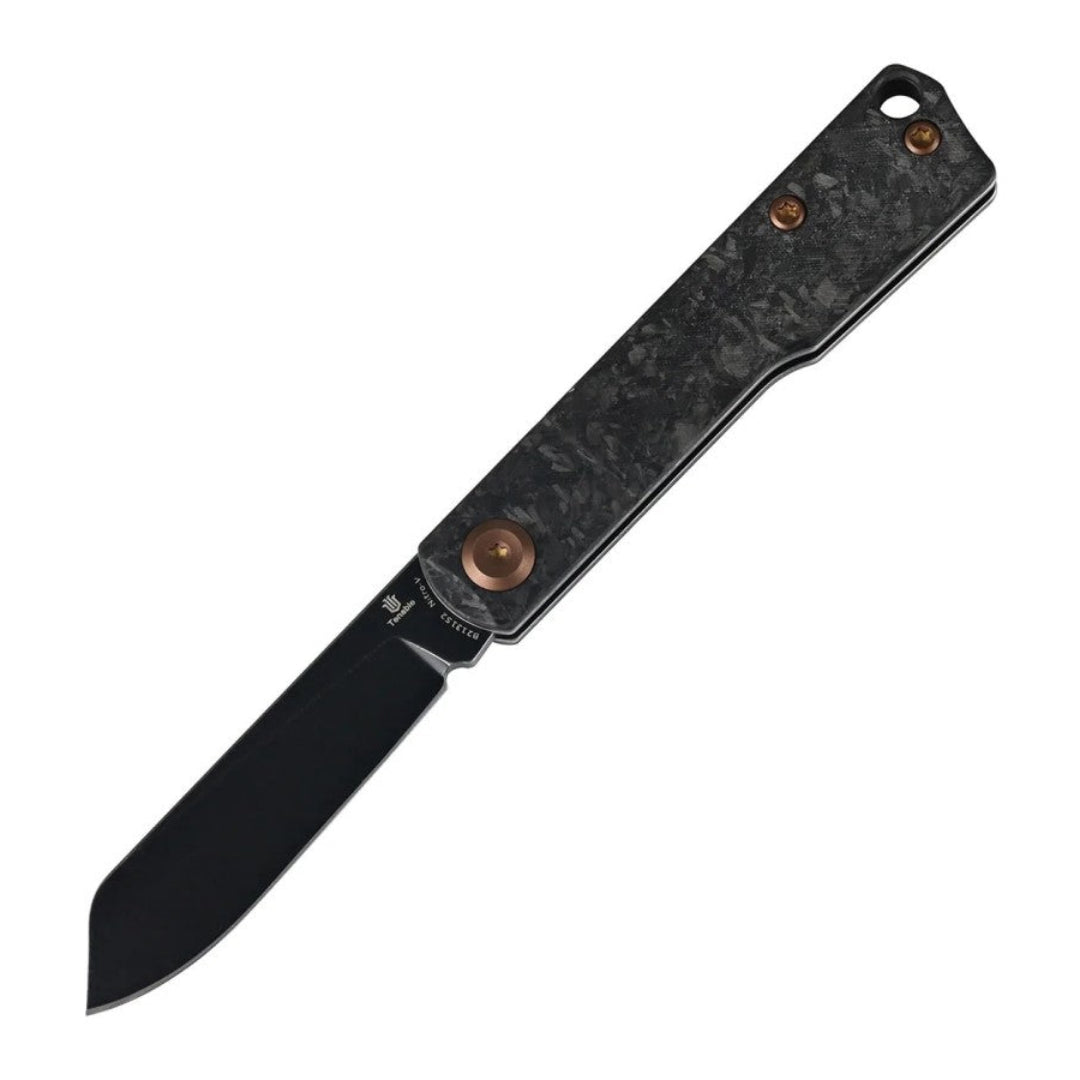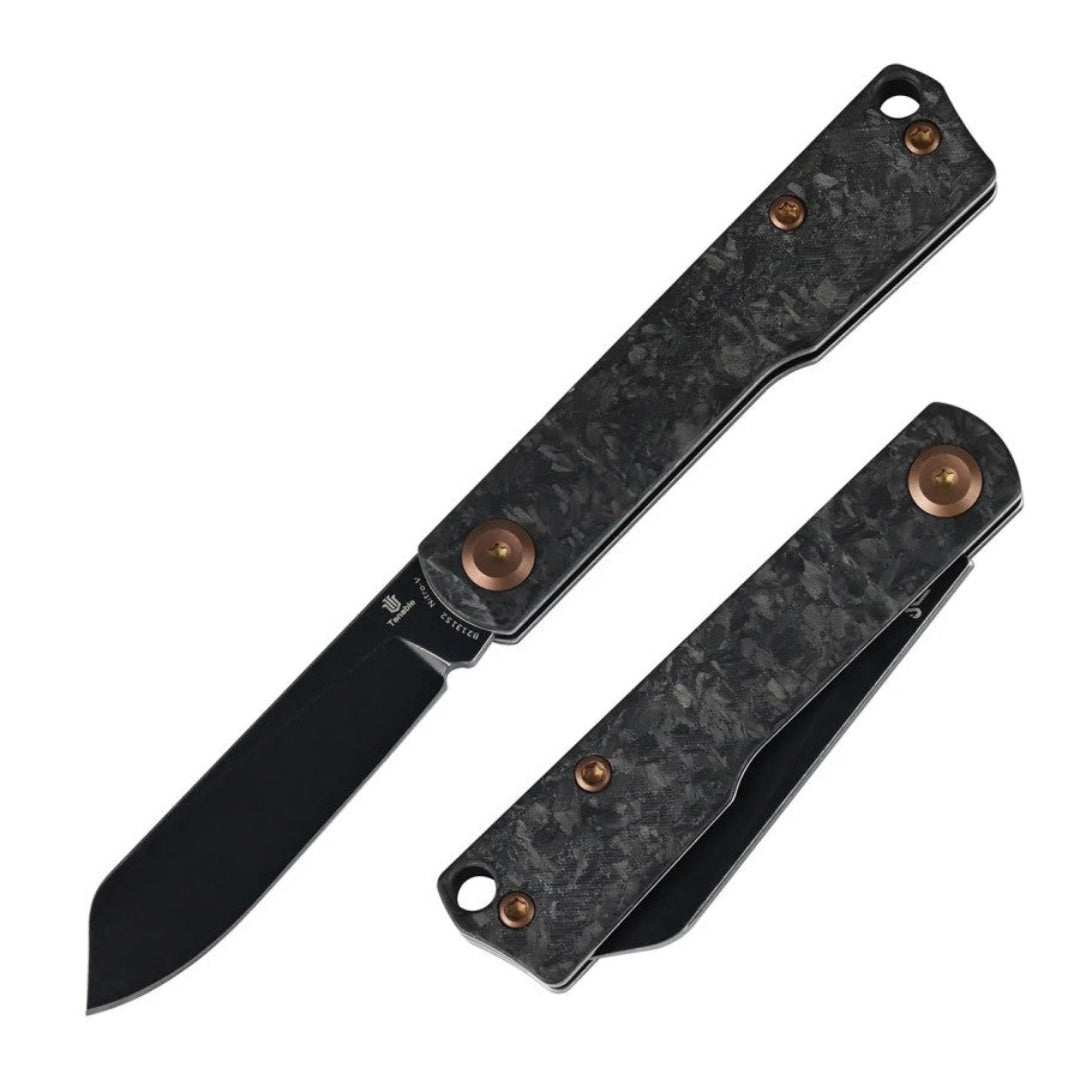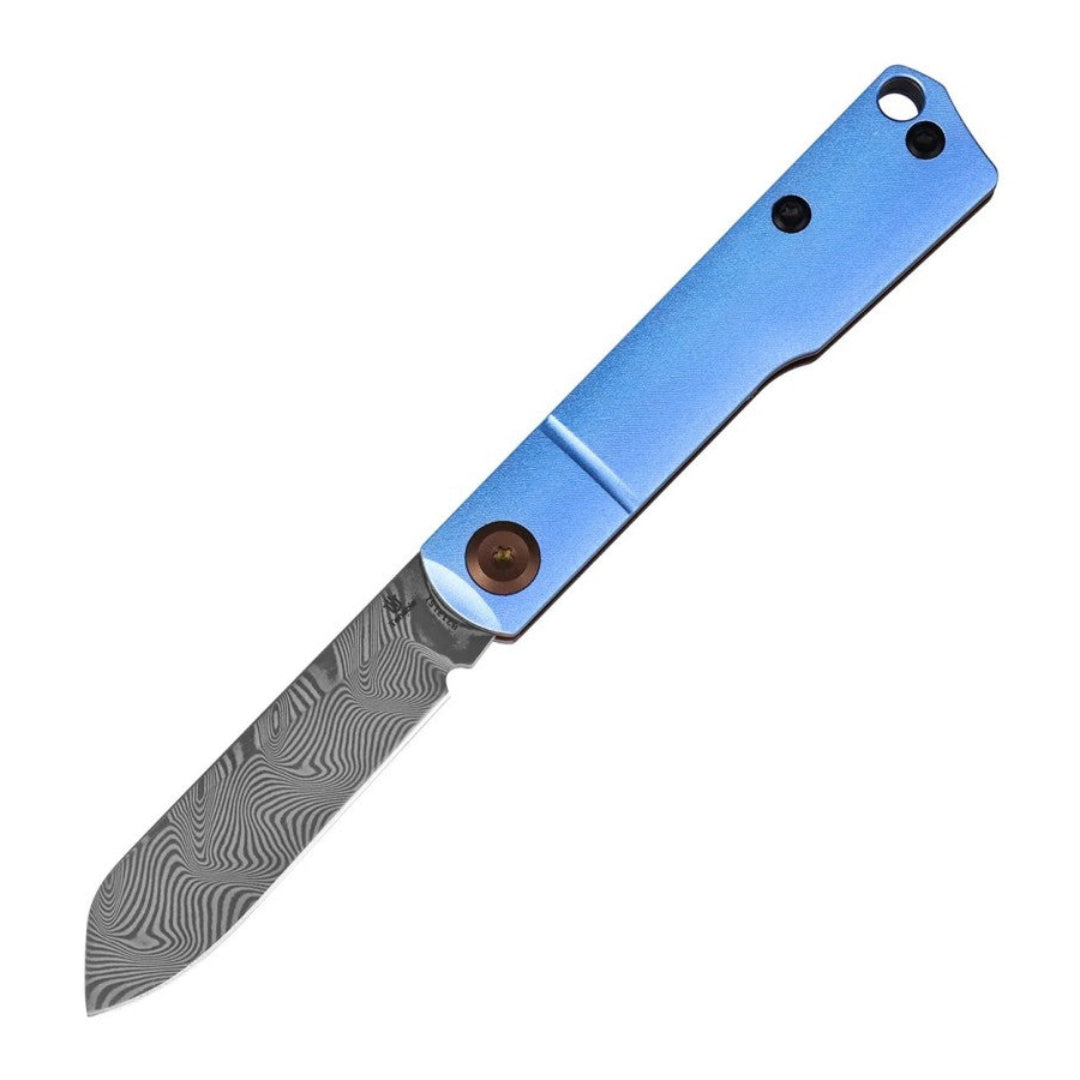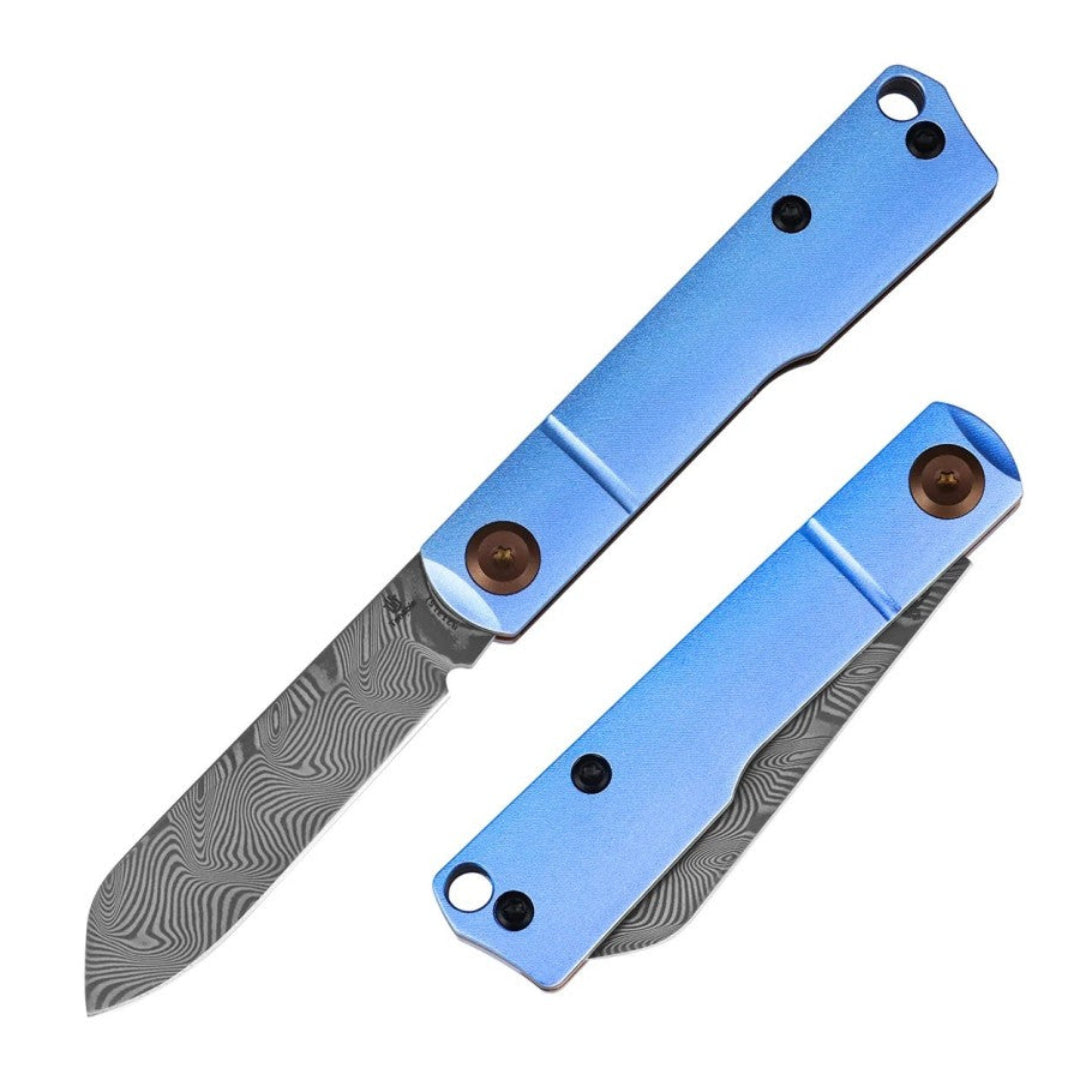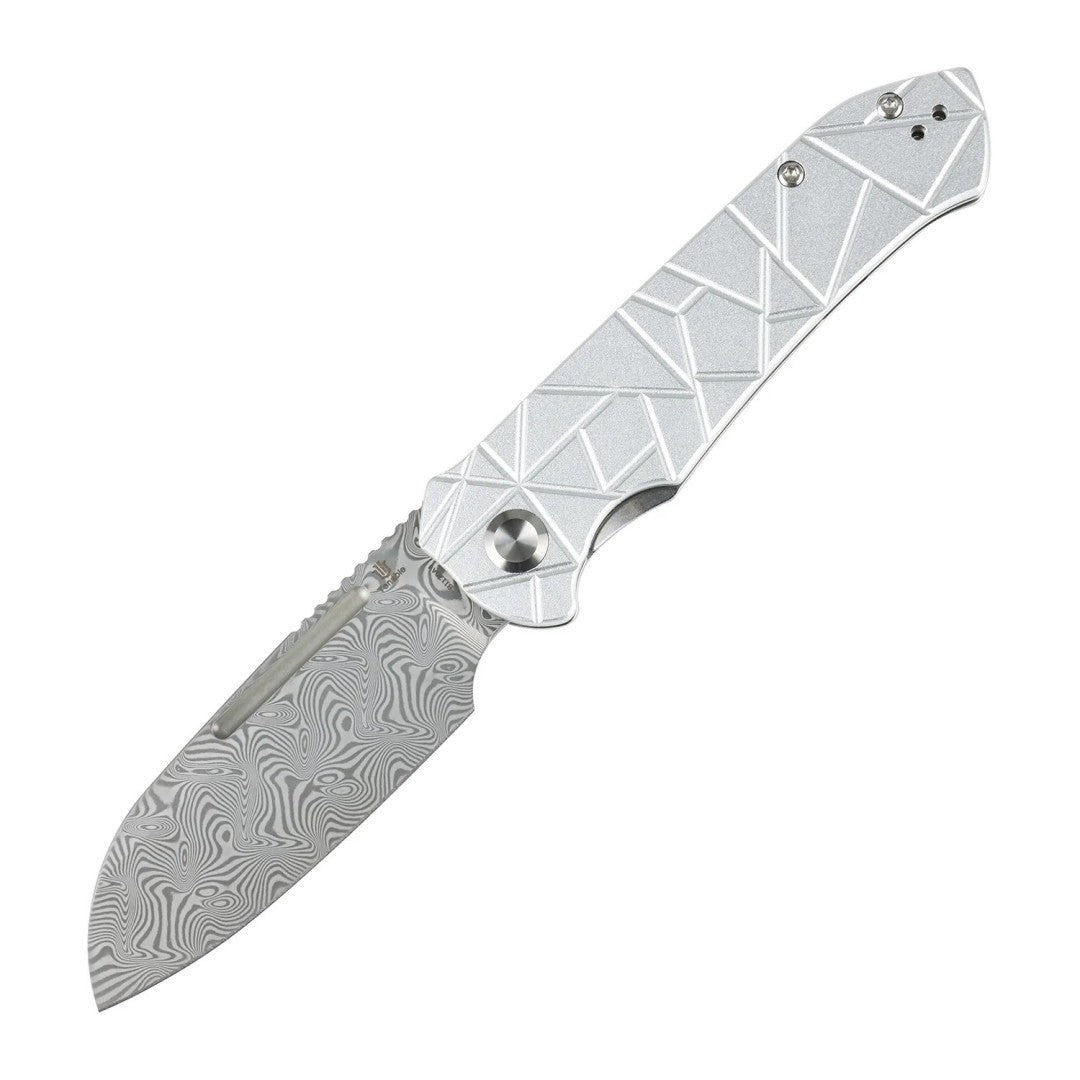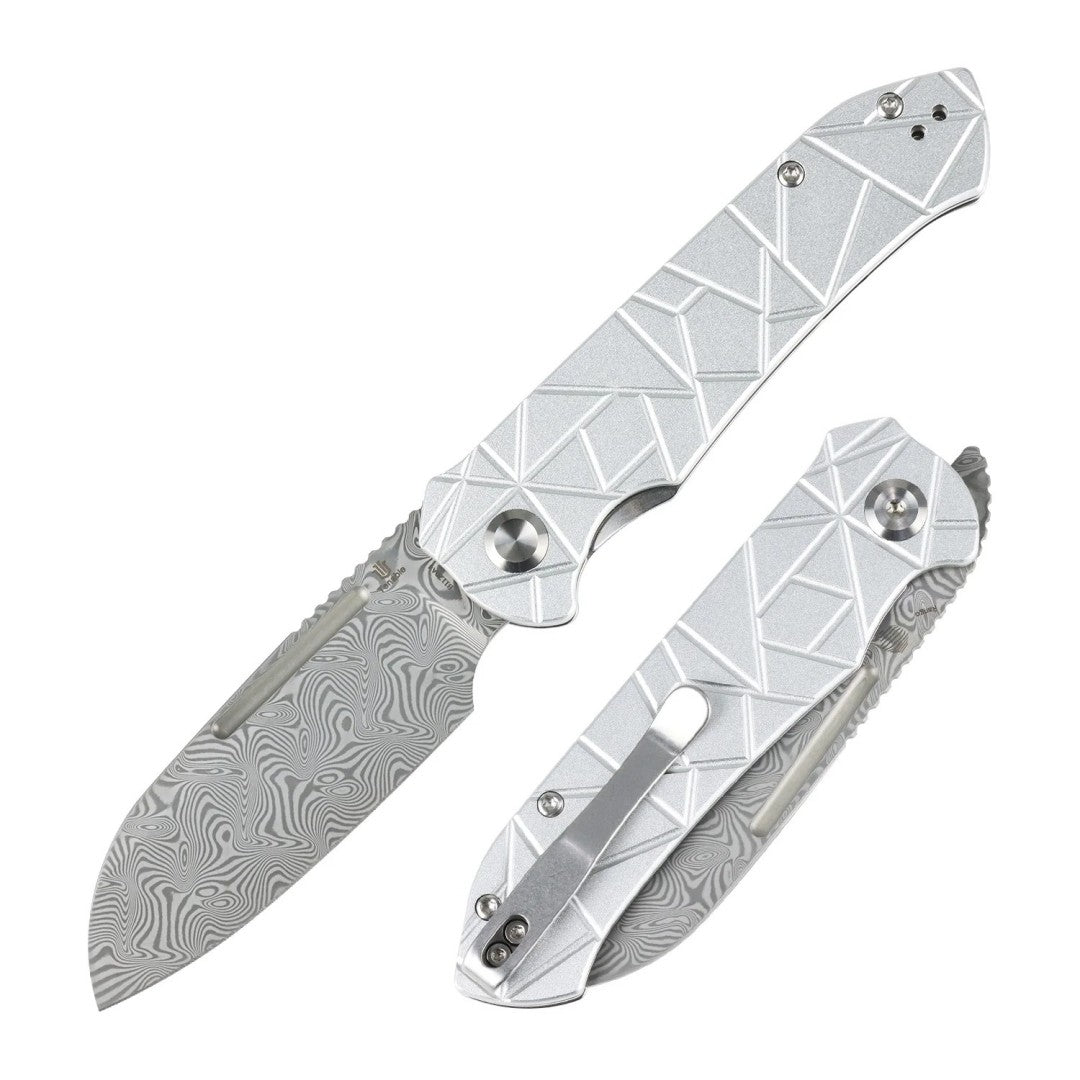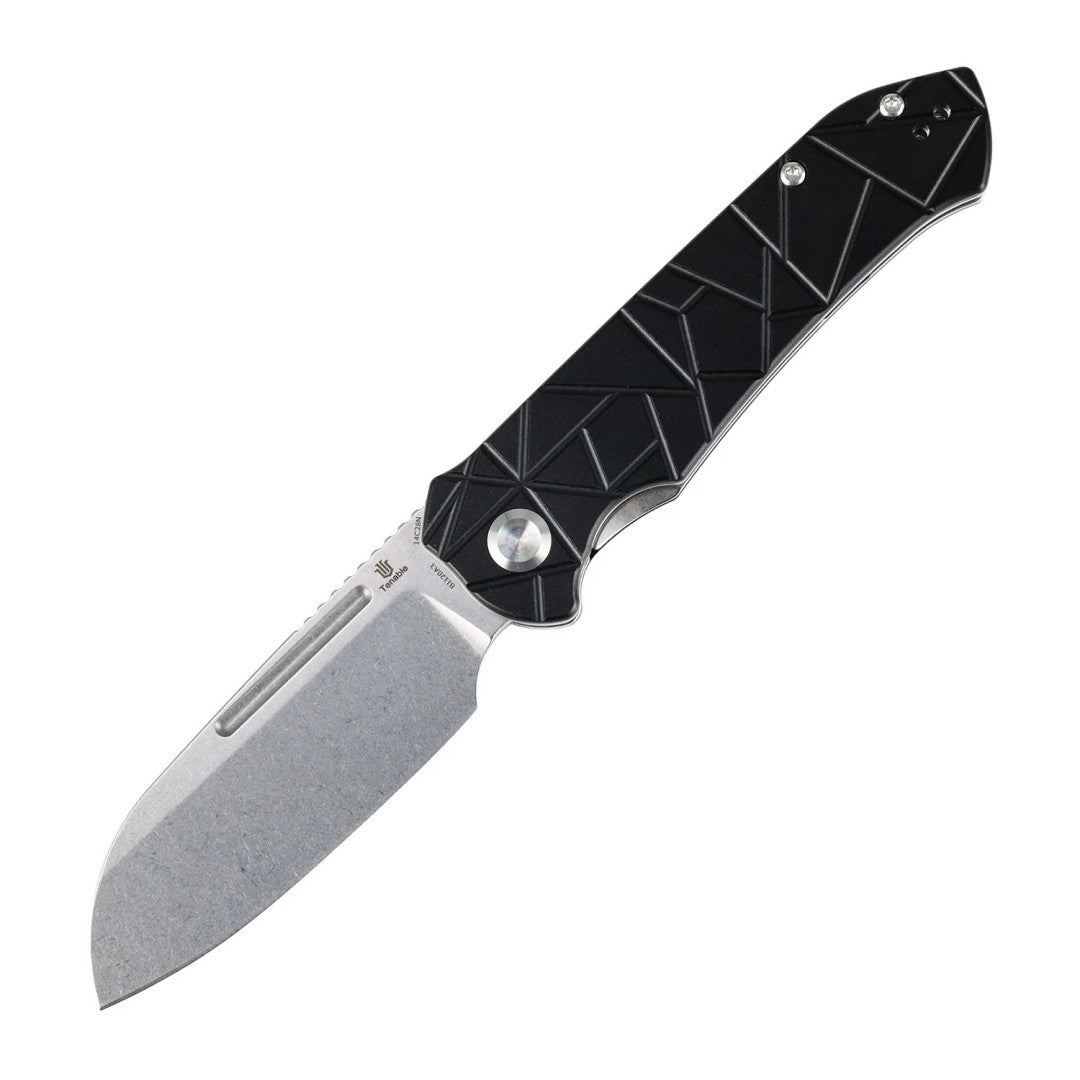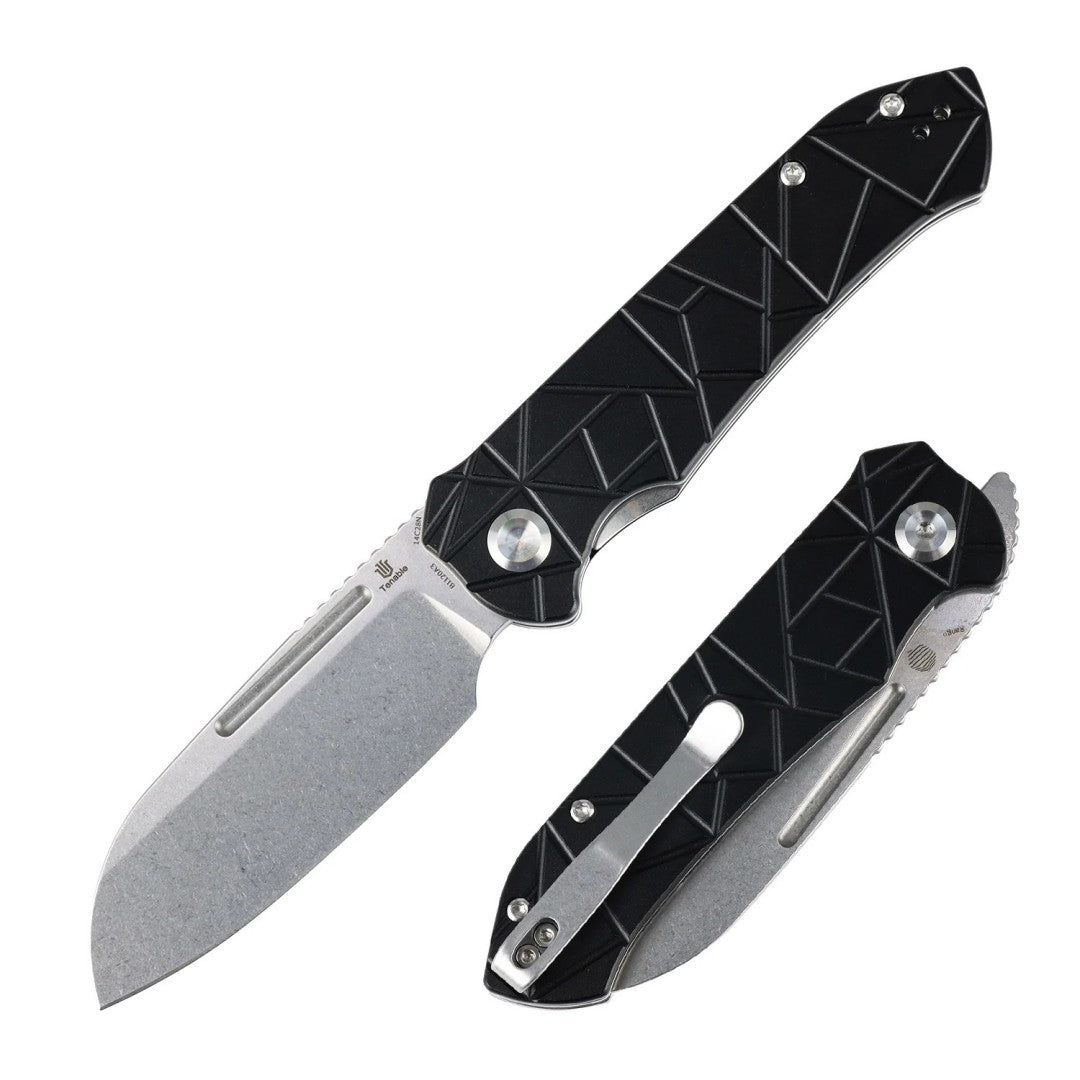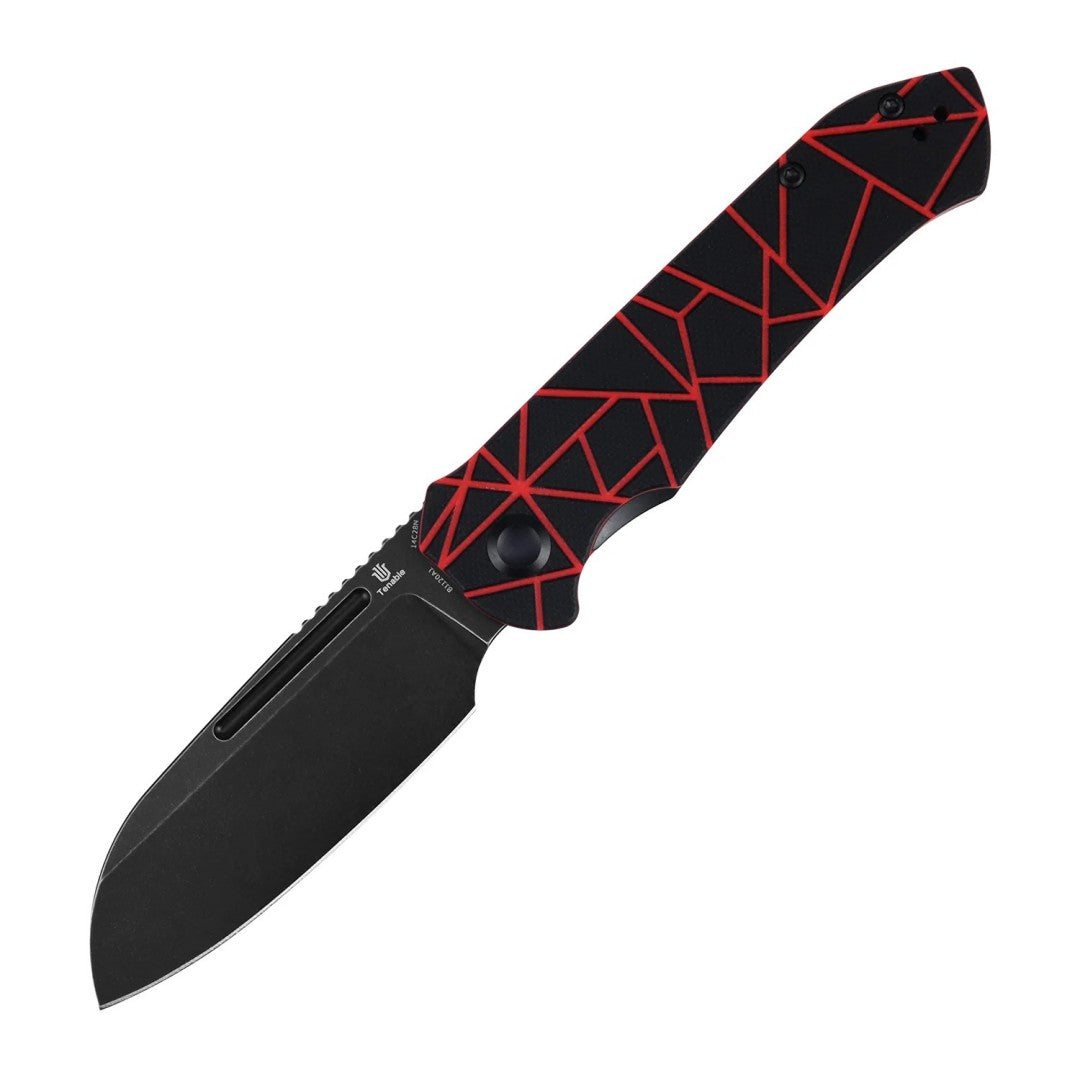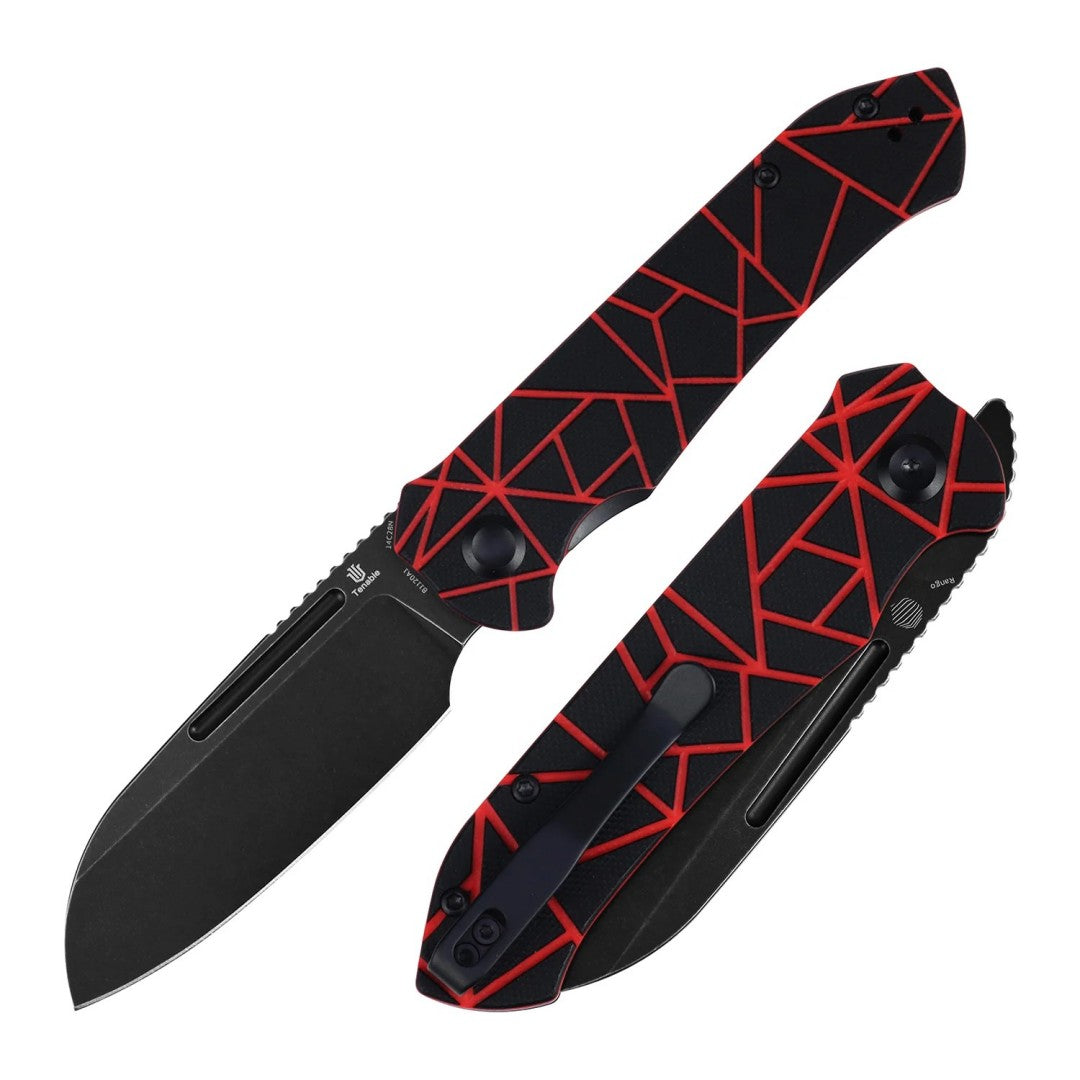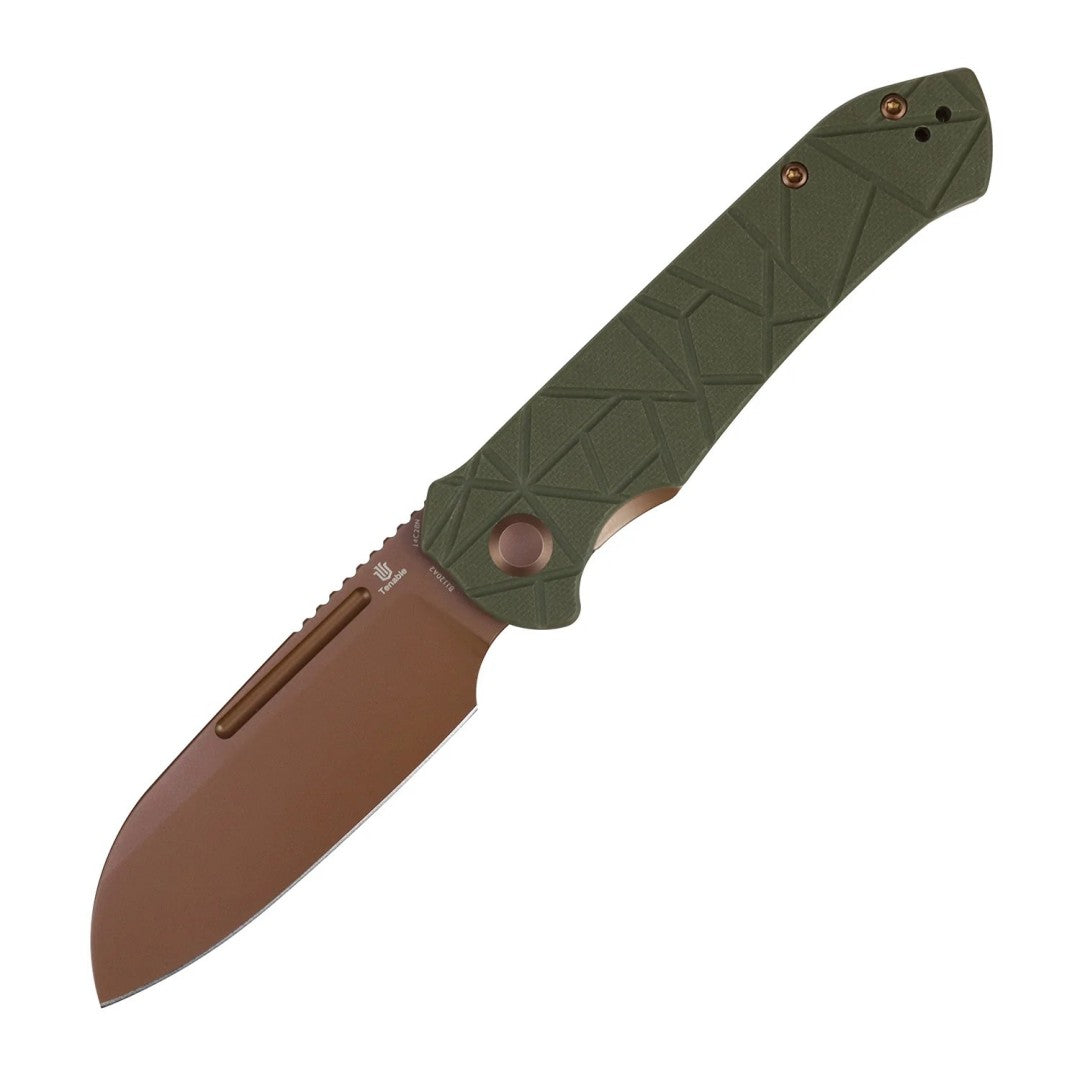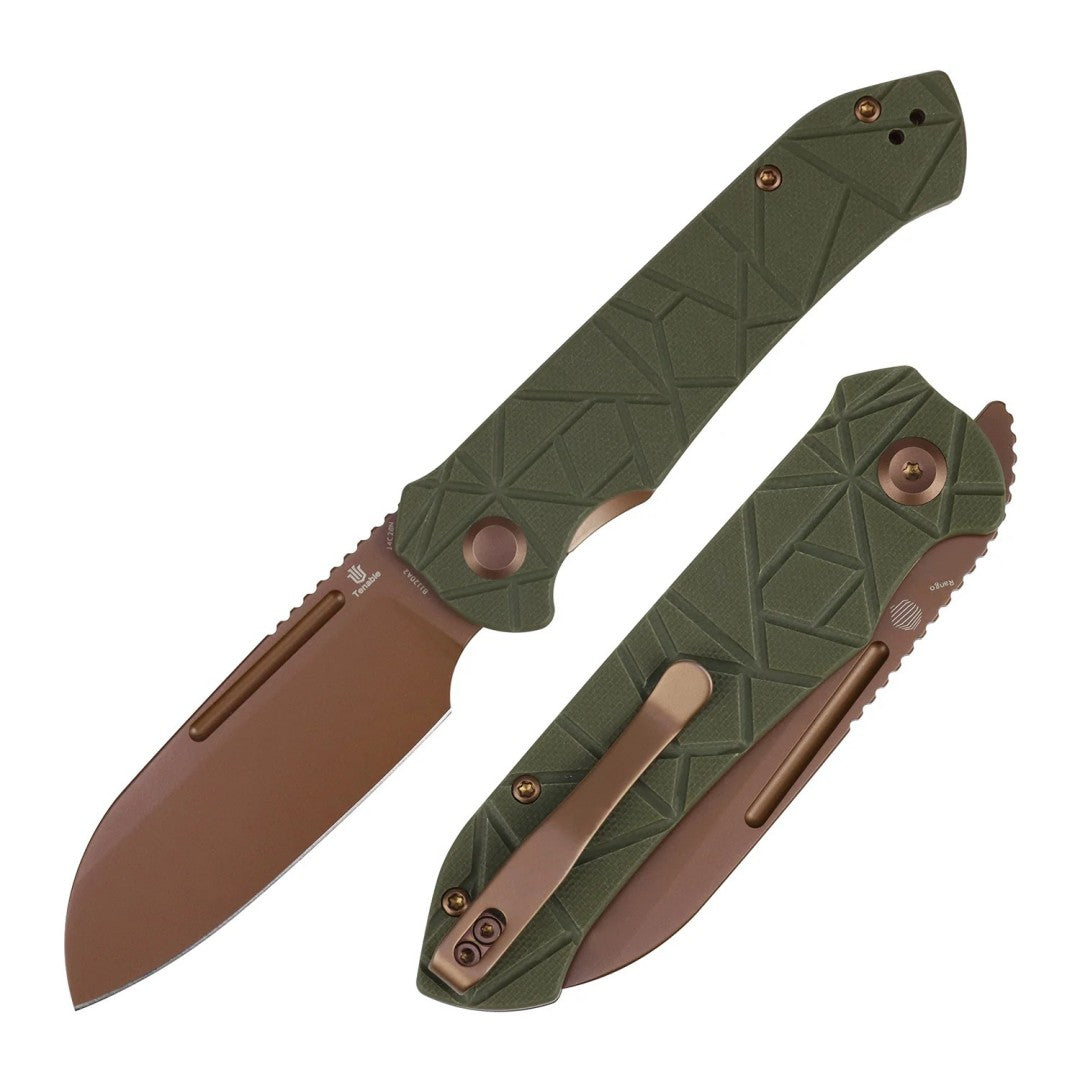
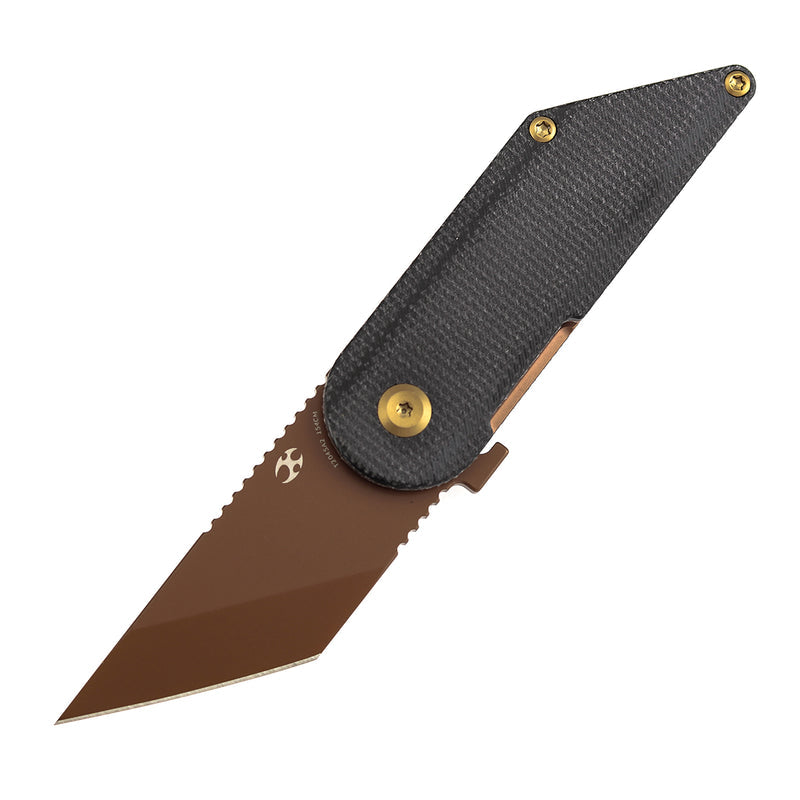
Every knife has a story, but some are born from a radical rethinking of pocket utility. The Kansept Dash is a prime example of what happens when tradition meets modern tactical design. Manufactured by Kansept, a brand globally revered for turning custom knife concepts into high-tolerance production realities, this particular series has taken the EDC world by storm. It represents a brilliant design synergy between Kansept's advanced manufacturing and the minimalist philosophy of custom knifemaker Dirk Pinkerton. To truly appreciate this pocket powerhouse, one must understand the unique historical and tactical narrative that shaped its creation.
 The Historic Root: Reimagining the Japanese Kiridashi
To understand the profile of the knife, you have to look back centuries into Japanese woodworking history. The design is deeply rooted in the traditional Kiridashi—a small, chisel-ground utility knife used for carving wood, cutting bamboo, and performing precise leatherwork.
Dirk Pinkerton recognized that the core mechanics of the ancient Kiridashi—its straight edge, acute point, and compact handling—made it the absolute perfect blueprint for a modern everyday carry tool. However, traditional Kiridashis are fixed blades, often carried in wooden sheaths. Pinkerton's mission was clear: translate this historic, raw utility into a highly safe, rapidly deploying folding mechanism without losing the original soul of the tool.
The Pinkerton Philosophy: "Big Knife Capability, Small Pocket Footprint"
Dirk Pinkerton’s approach to custom knife design focuses on ergonomics and efficiency. He rejects unnecessary bulk. When designing the folder, Pinkerton engineered the handle around the concept of mechanical leverage.
By placing a deep, sweeping finger choil right underneath the pivot, he allowed the user's hand to choke up directly behind the cutting edge. This means that even though the closed footprint of the knife is incredibly small, your index finger locks into a solid structural pocket, giving you the leverage of a knife twice its size. Pinkerton proved that a knife doesn't need a four-inch handle to provide a secure, heavy-duty grip.
"A knife should only be as big as the job requires. If you optimize the geometry, a tiny blade can easily out-cut a large, poorly designed tactical folder."
— The core ethos behind Dirk Pinkerton Designs.

Merging Artistic Vision with Kansept’s Engineering
An incredible custom design is nothing without precision execution, and that is where Kansept Knives enters the story. Kansept took Pinkerton’s tight, angular lines and applied their industry-leading manufacturing capabilities to the project.
The Evolution of Materials and Finishes
Kansept didn't just release a single version; they treated Pinkerton's design as a canvas for premium material exploration. Over the lifespan of the series, they matched the high-performance 154CM steel blade with an array of handle configurations.
-
The Tactical Standard: Blacked-out G10 handles with black stonewashed blades for a low-profile, non-reflective tool.
-
The Collector's Aesthetic: Striking Blue and Yellow Vortex Micarta, which adds a swirling, organic contrast to Pinkerton’s geometric lines.
-
The Modern Tech: High-strength twill Carbon Fiber layered over G10 for the ultimate lightweight pocket experience.
Every curve was flawlessly CNC-machined, and the internal skeletonized stainless steel liners were recessed perfectly to ensure the knife remained incredibly slim in the pocket.
Form Follows Function: Why the Straight Spine Works
Look closely at the silhouette of the folder. The straight, unyielding spine slopes downward sharply to meet the cutting edge at an aggressive, acute angle. Pinkerton purposely eliminated the "belly" (the curved portion found on standard drop-point knives).
In daily application, a curved belly causes the material being cut to slide away from the blade as you pull. By utilizing a completely flat edge, Pinkerton ensured that 100% of the blade's surface area bites into the material simultaneously. Whether you are scoring drywall, stripping wire, or slicing open tough corrugated packaging, the force of your hand transfers directly down into the tip, maximizing cutting efficiency while minimizing hand fatigue.

A Lasting Impact on the EDC Community
The legacy of this collaboration lies in how it changed the perception of sub-two-inch pocket knives. Before this model, tiny knives were often treated as novelties or fragile keychain accessories. The Kansept Dash changed the narrative by proving that a compact tool could be overbuilt, smooth-operating, and tactically sound. It stands as a testament to Dirk Pinkerton's visionary design style and Kansept's commitment to flawless execution—a true modern classic born from ancient roots.