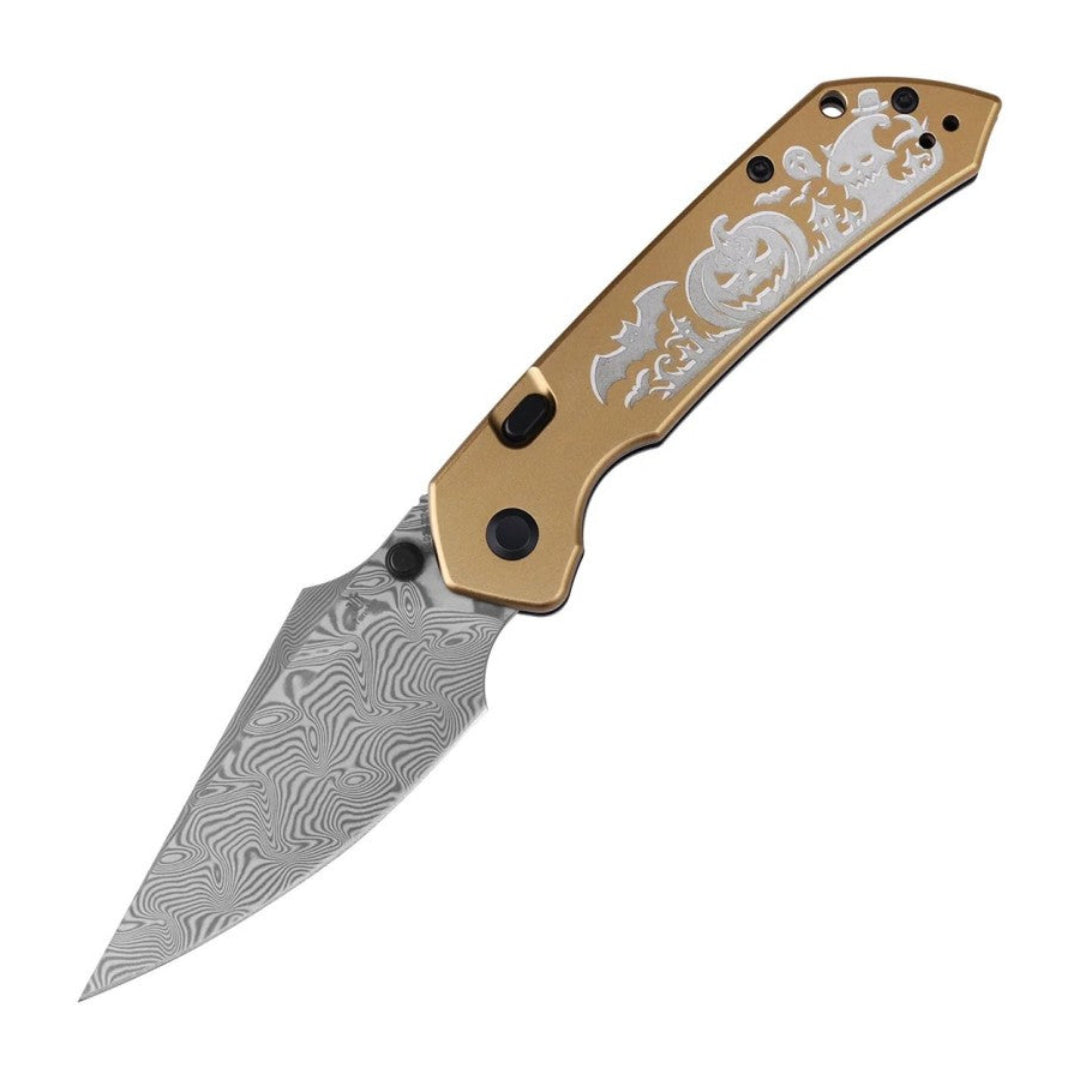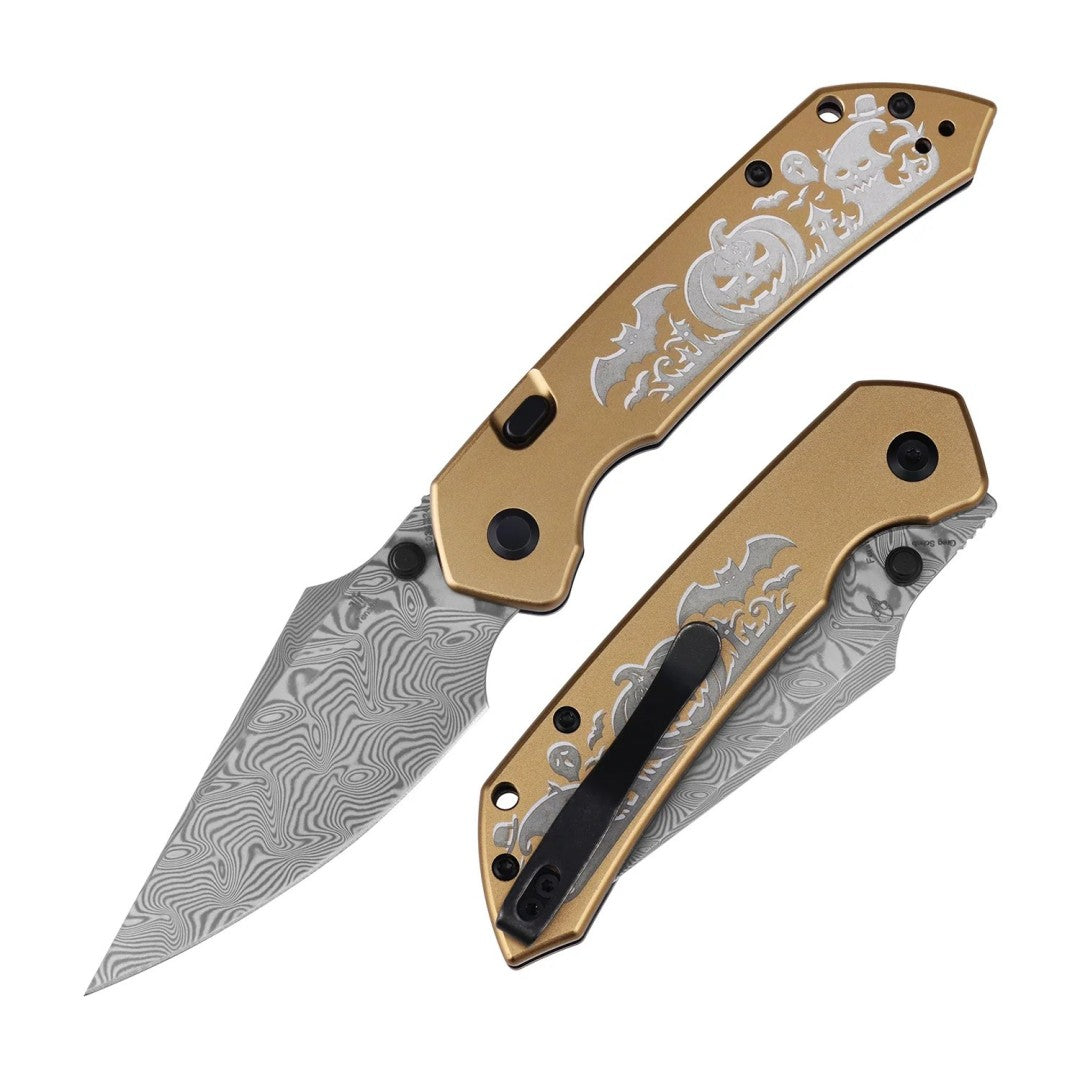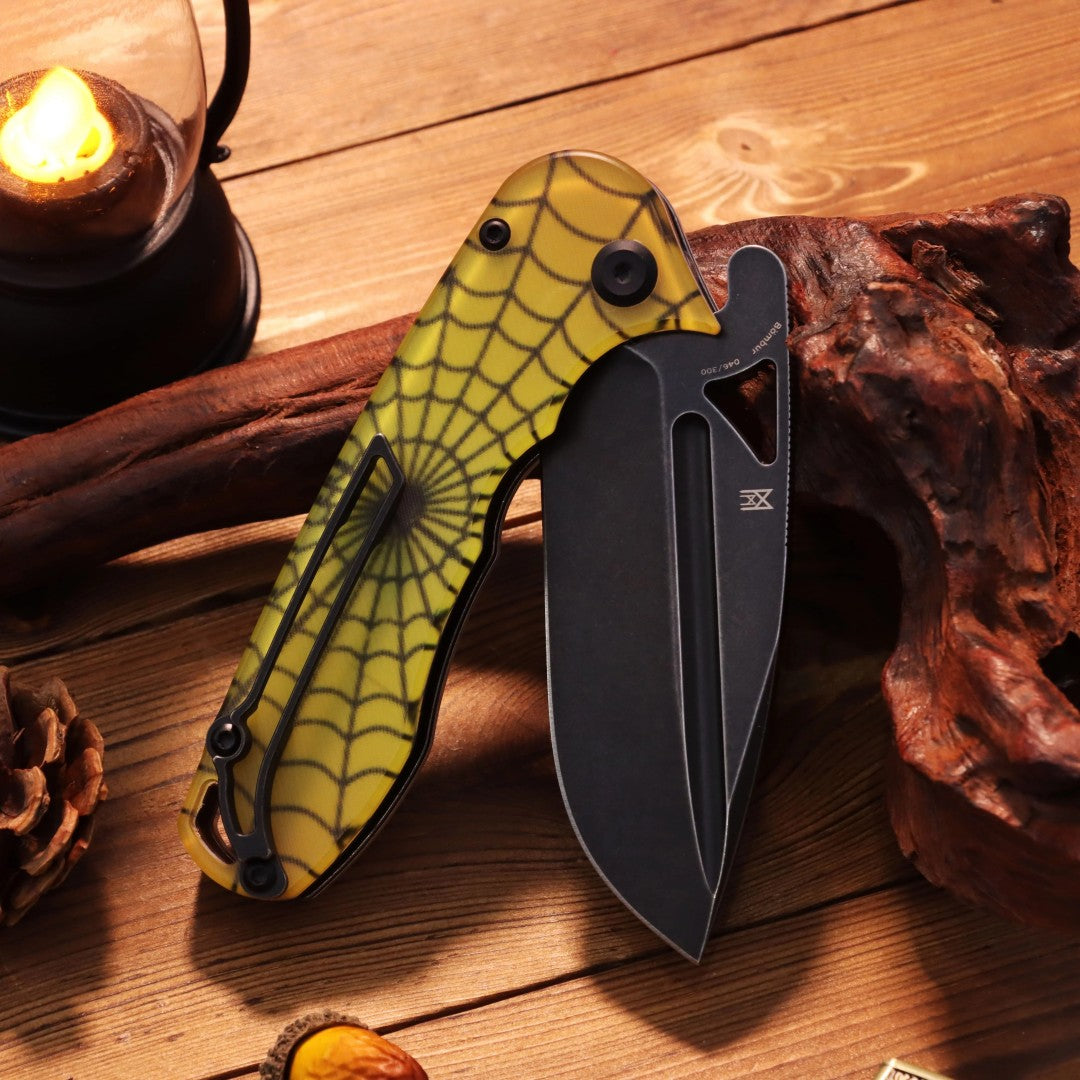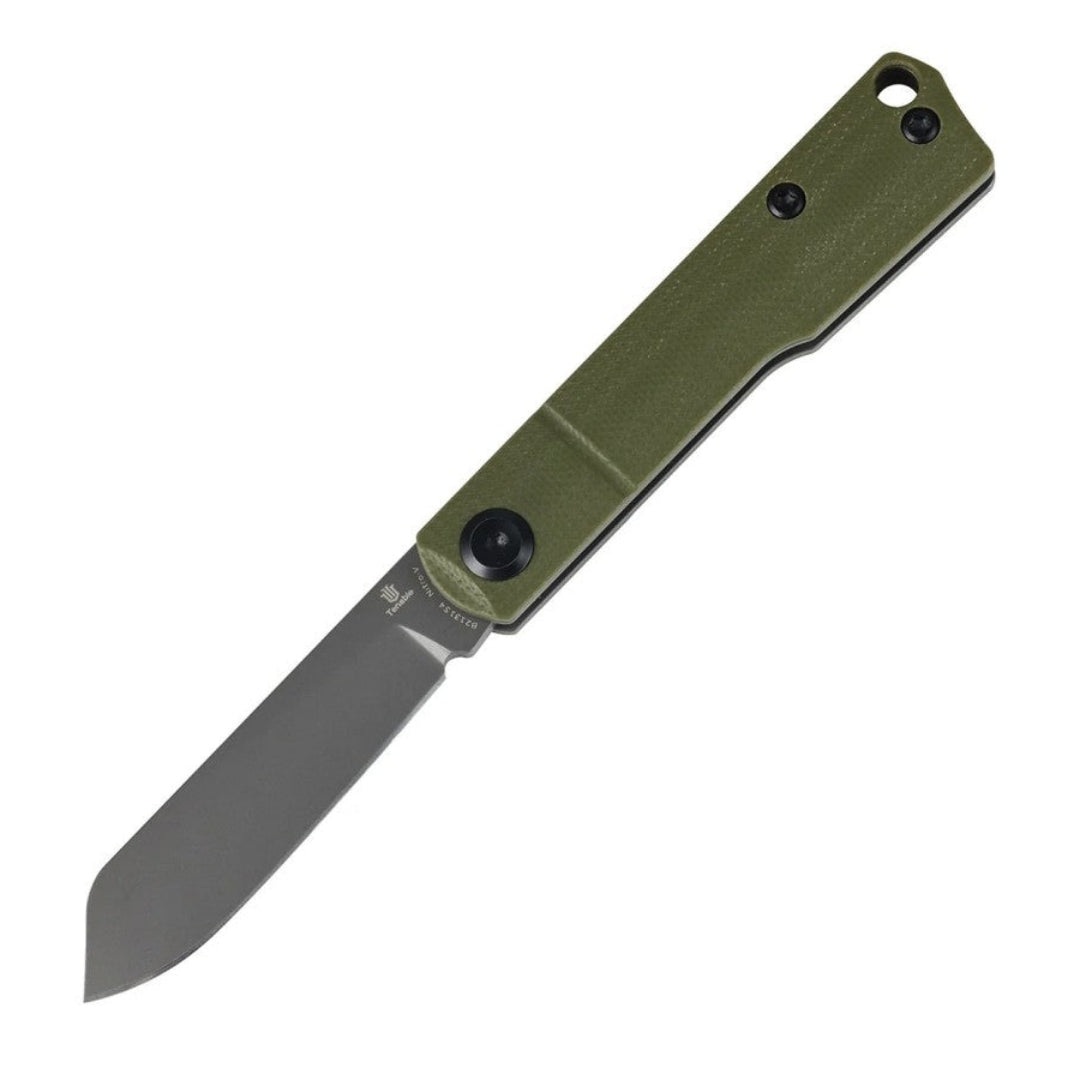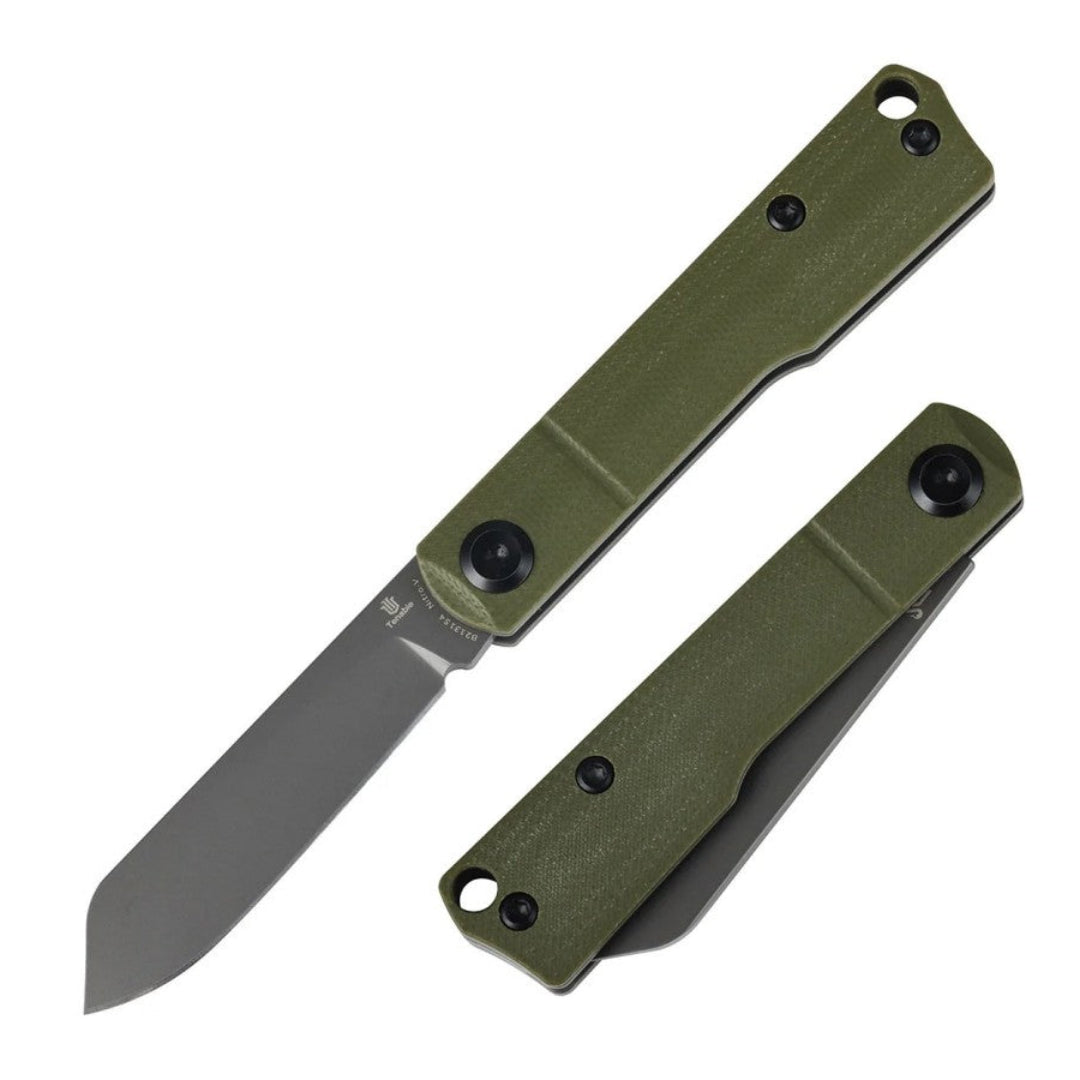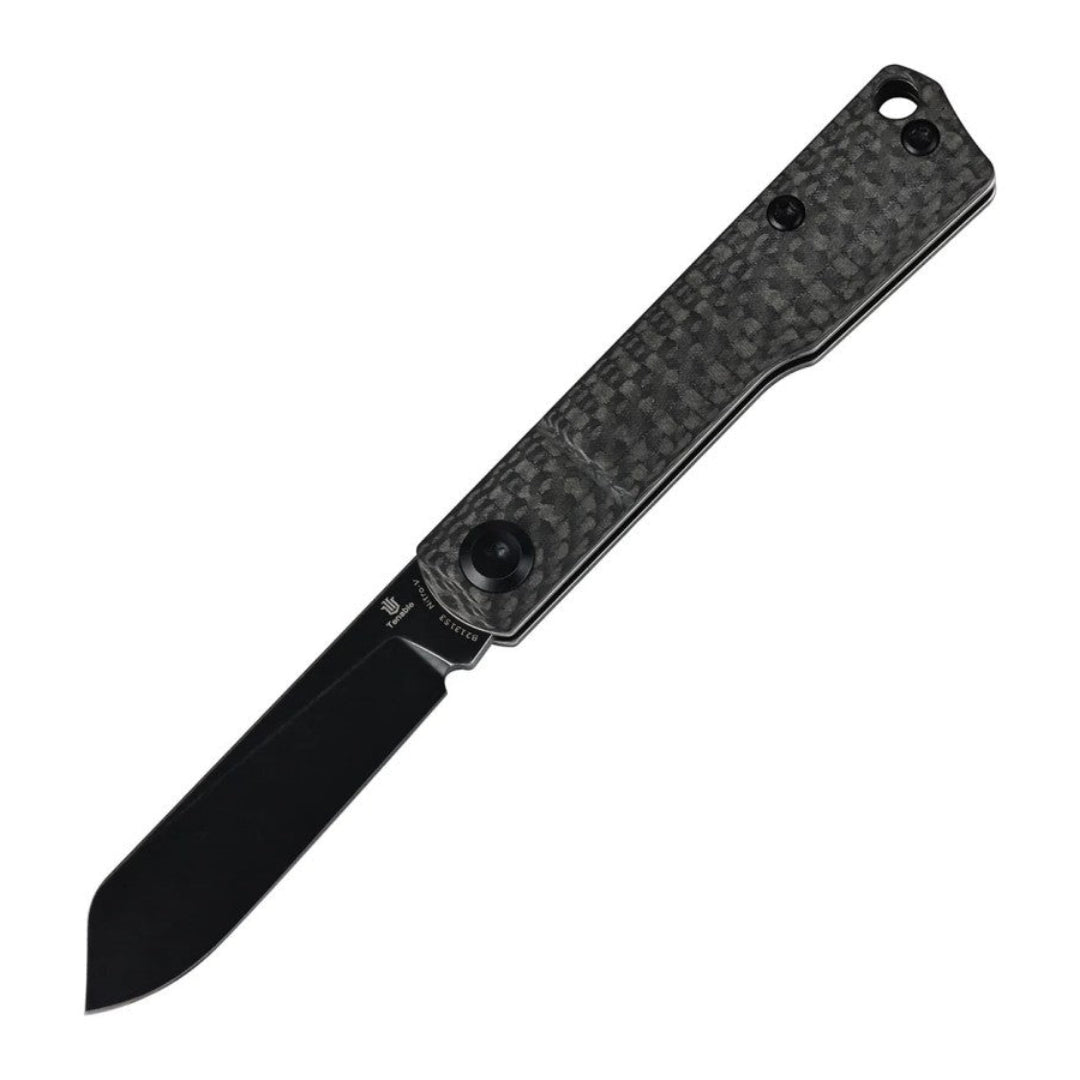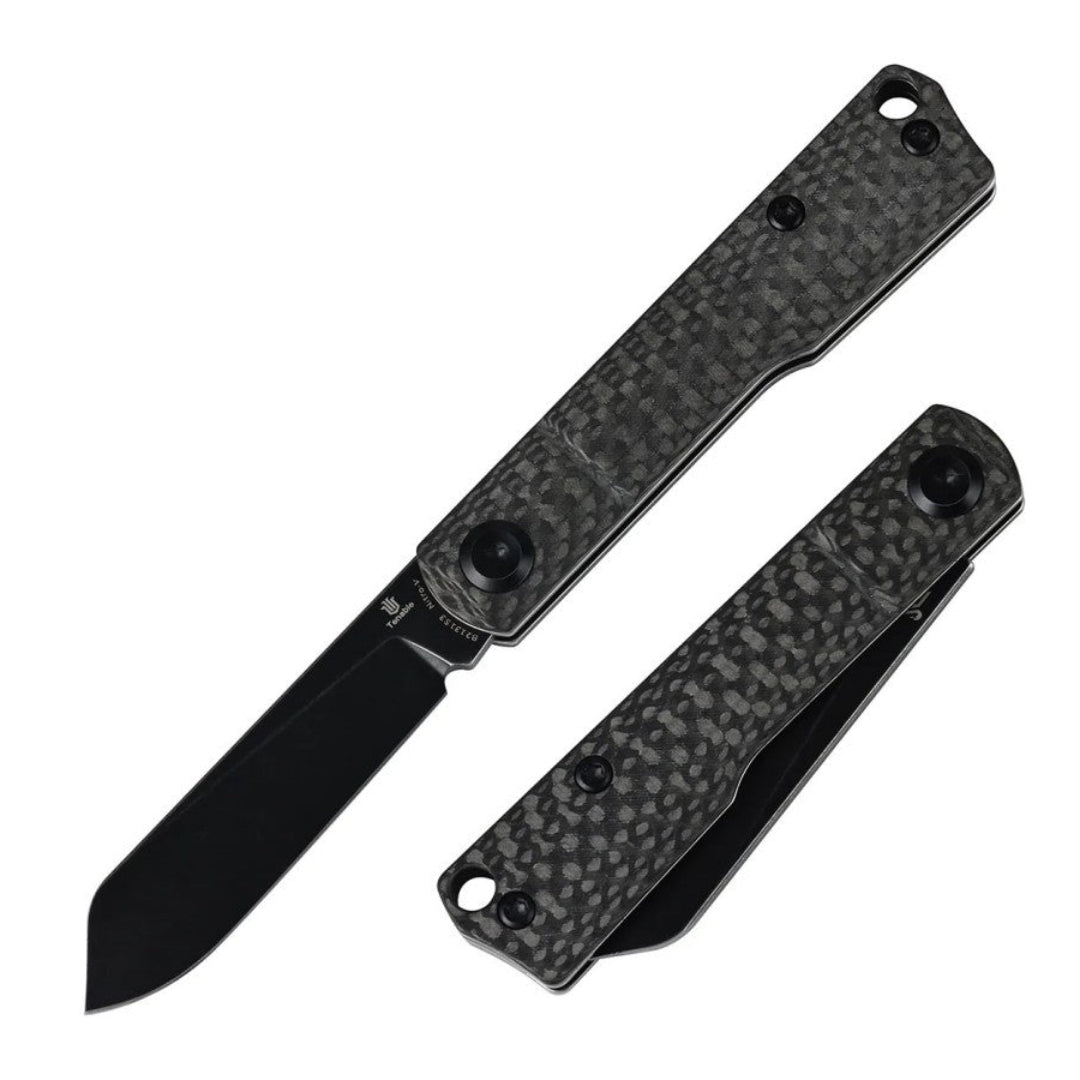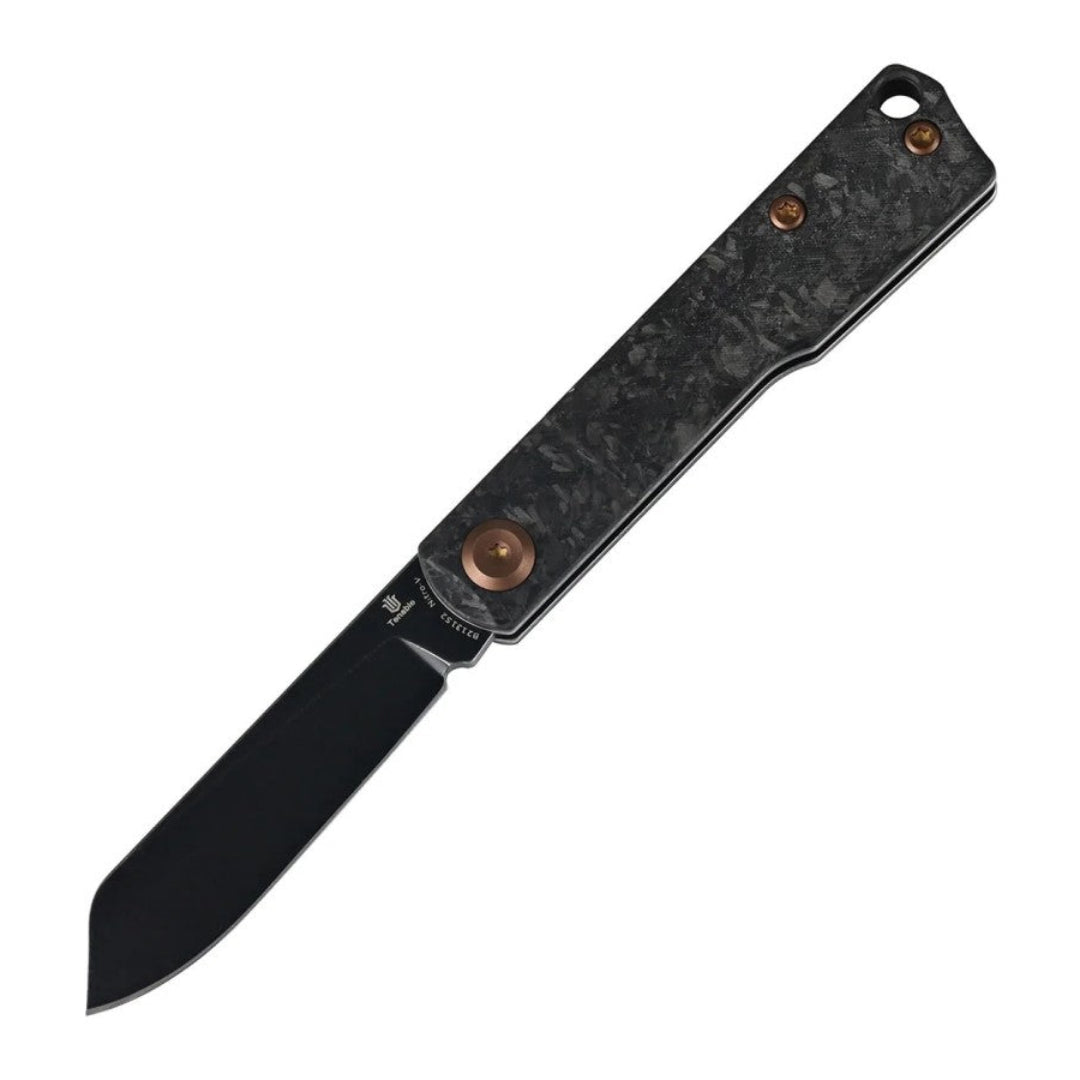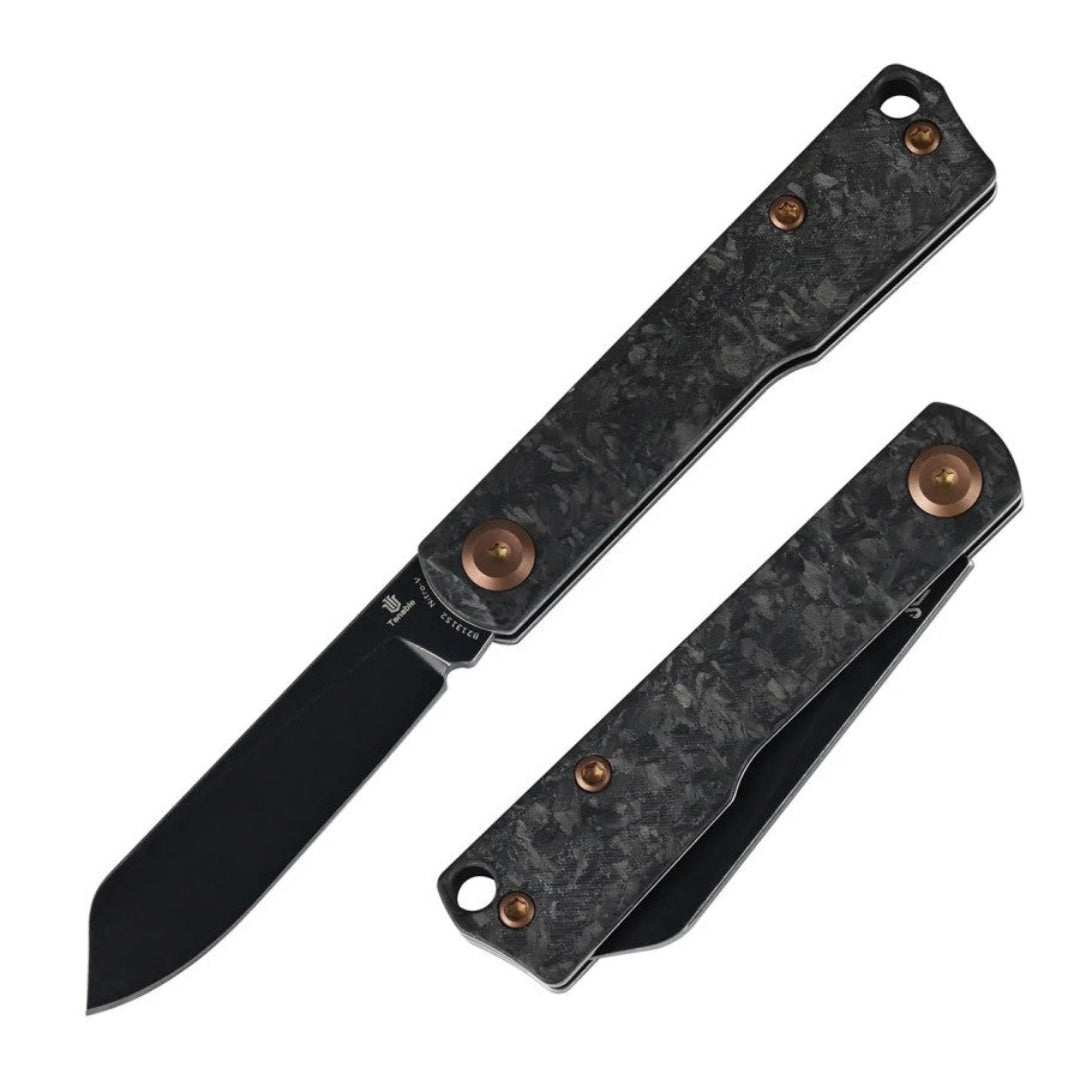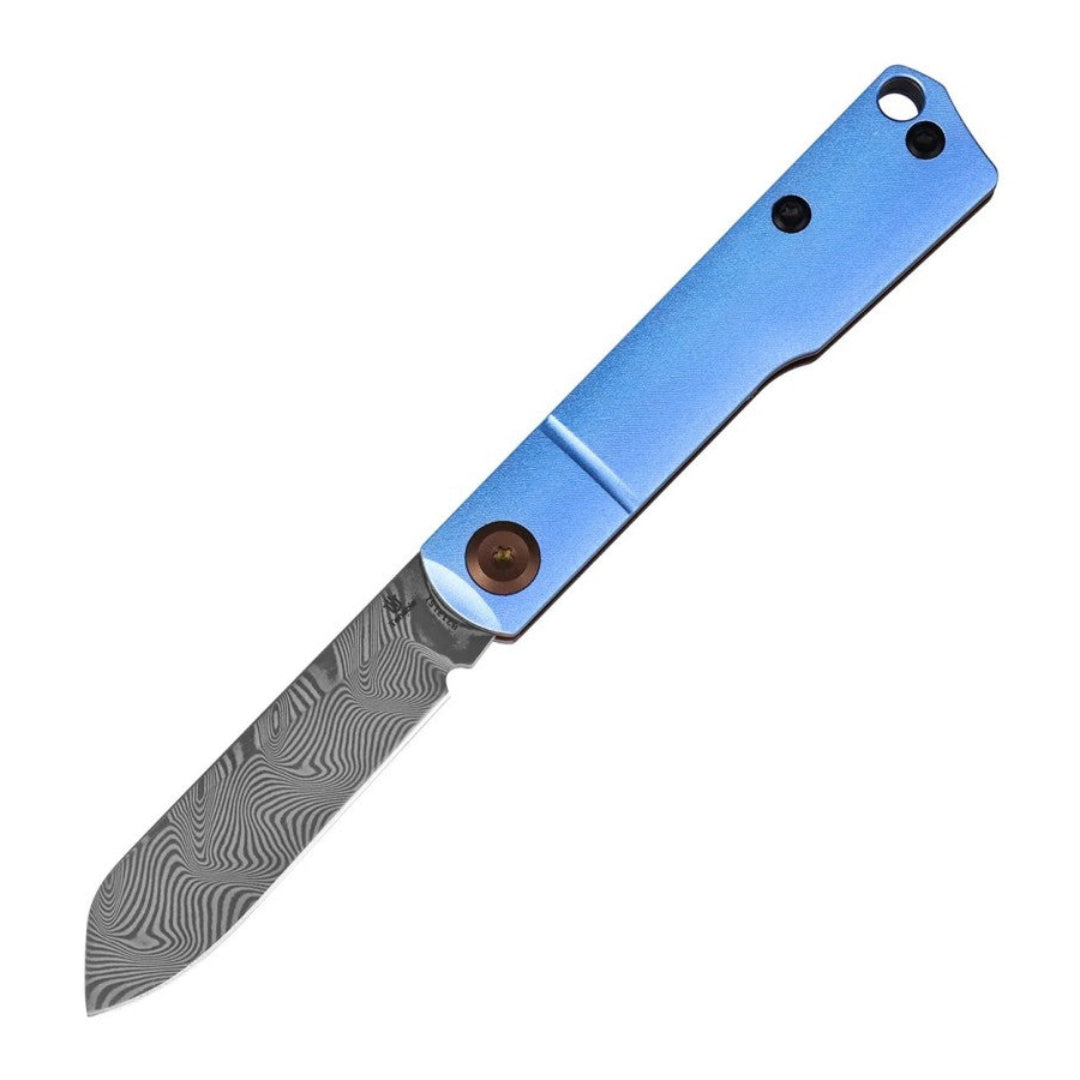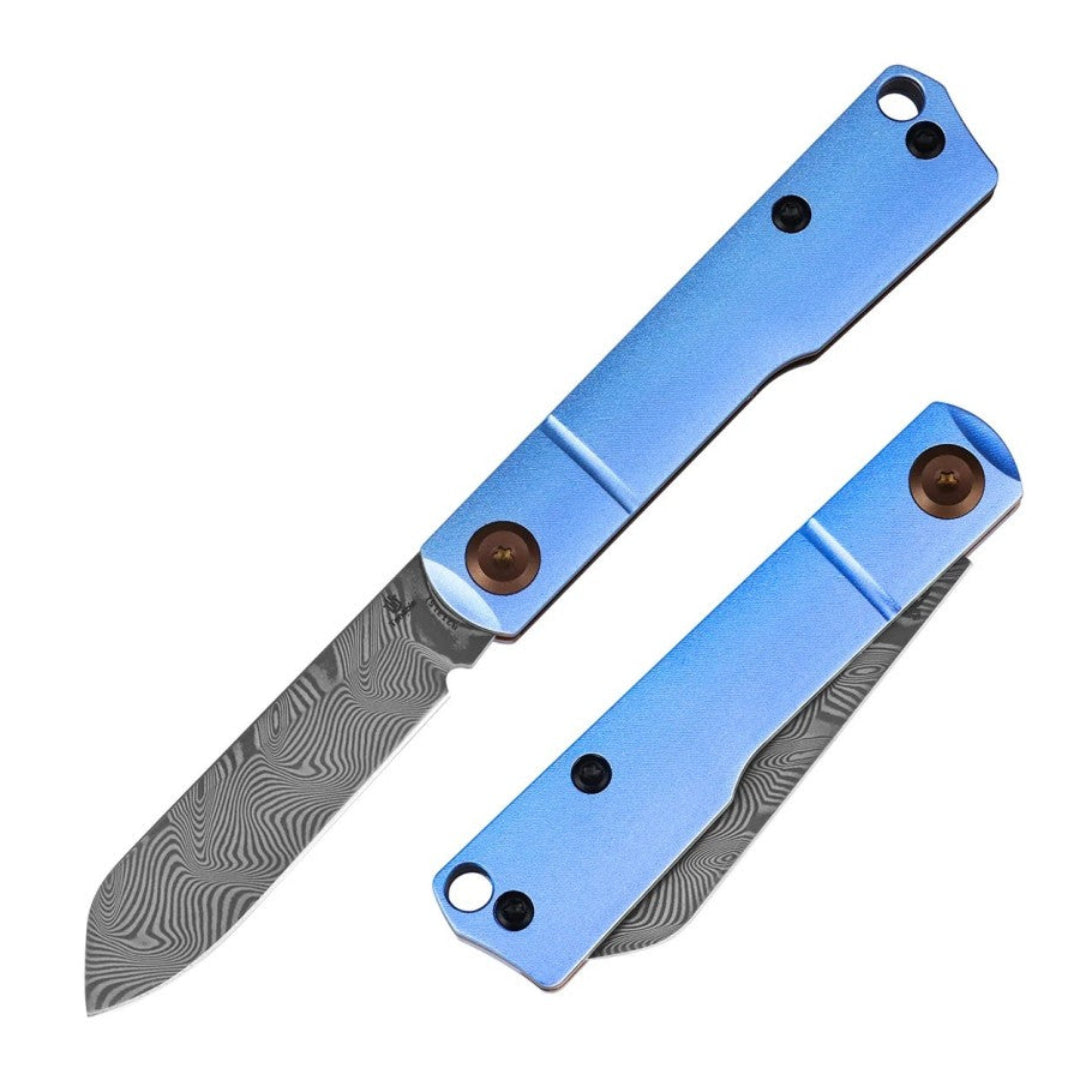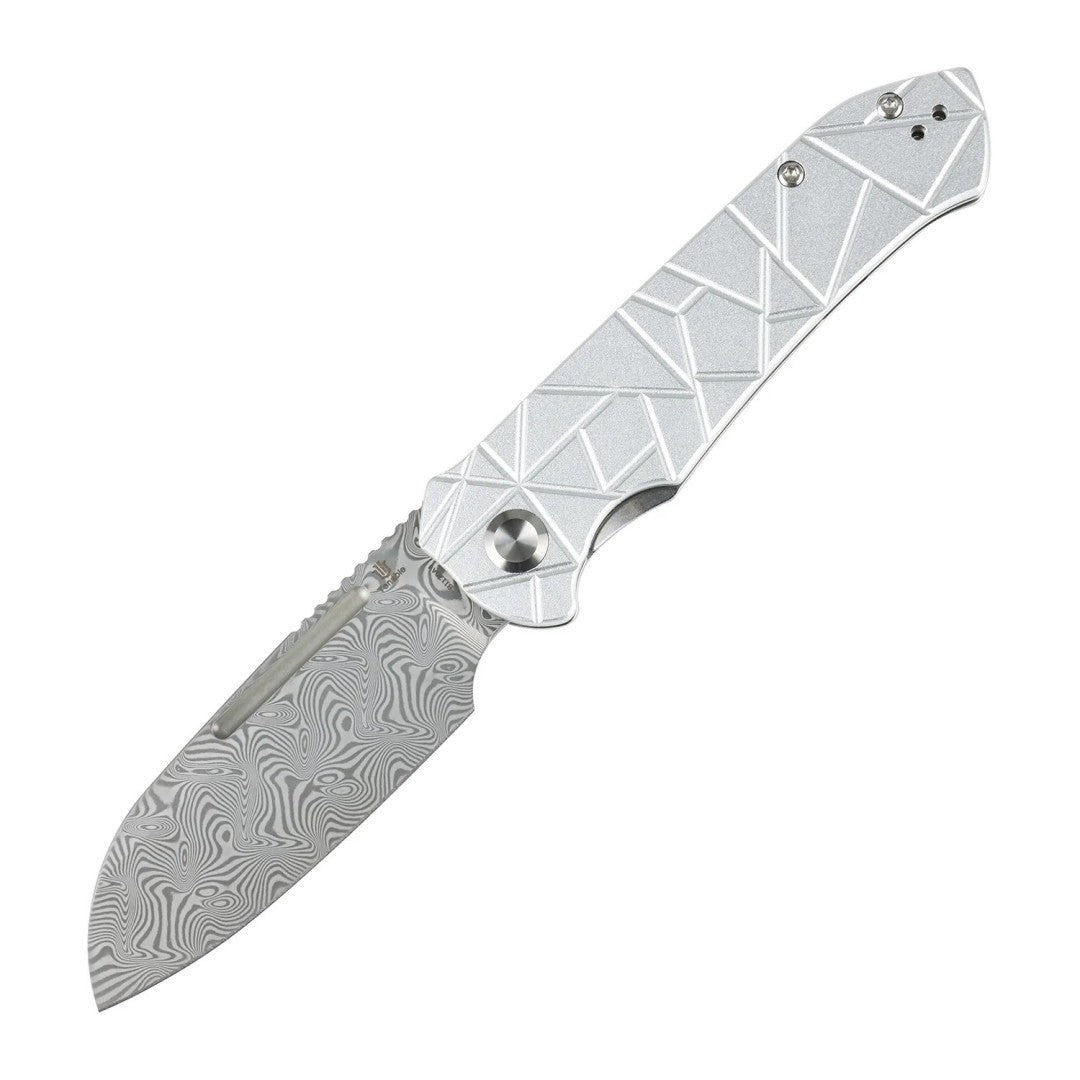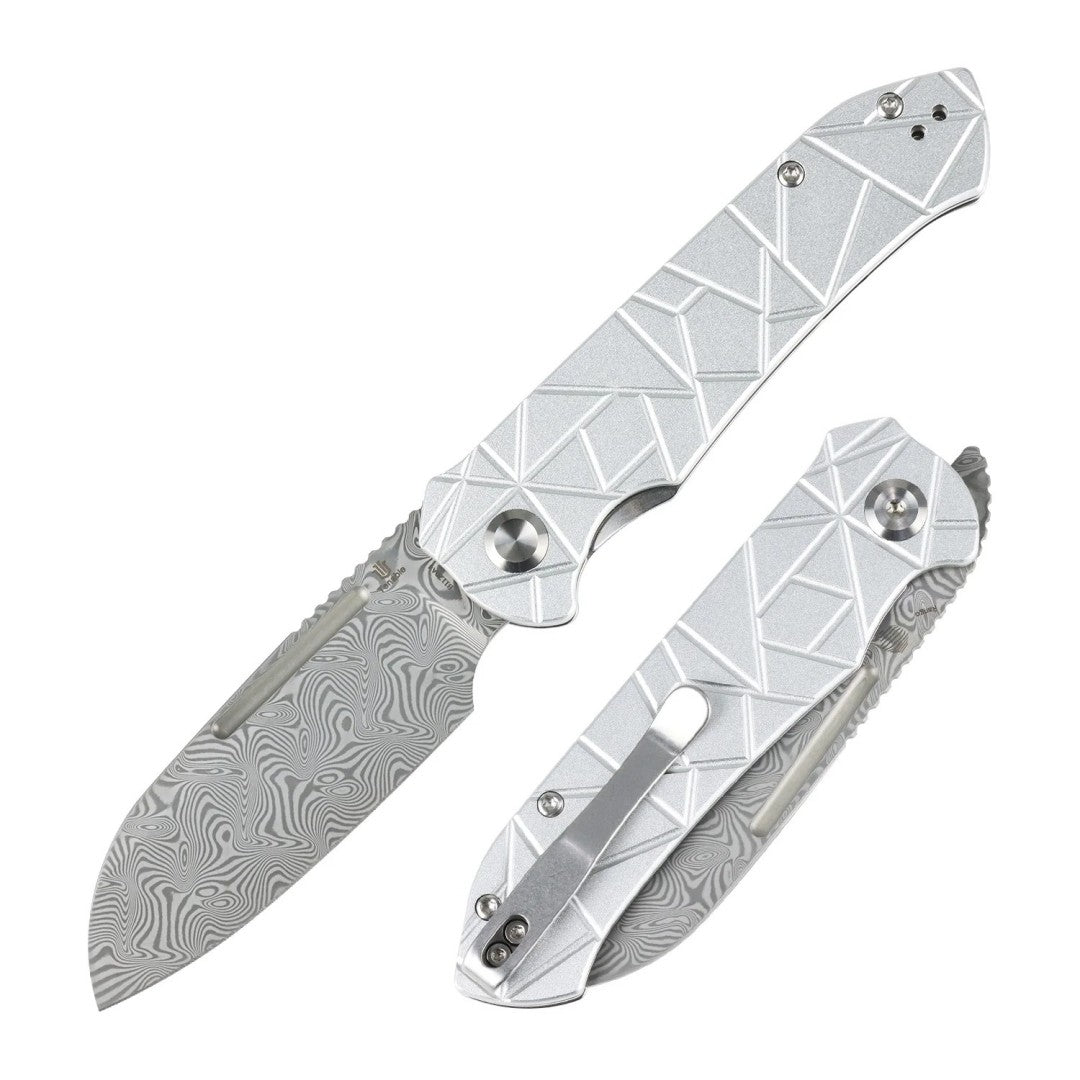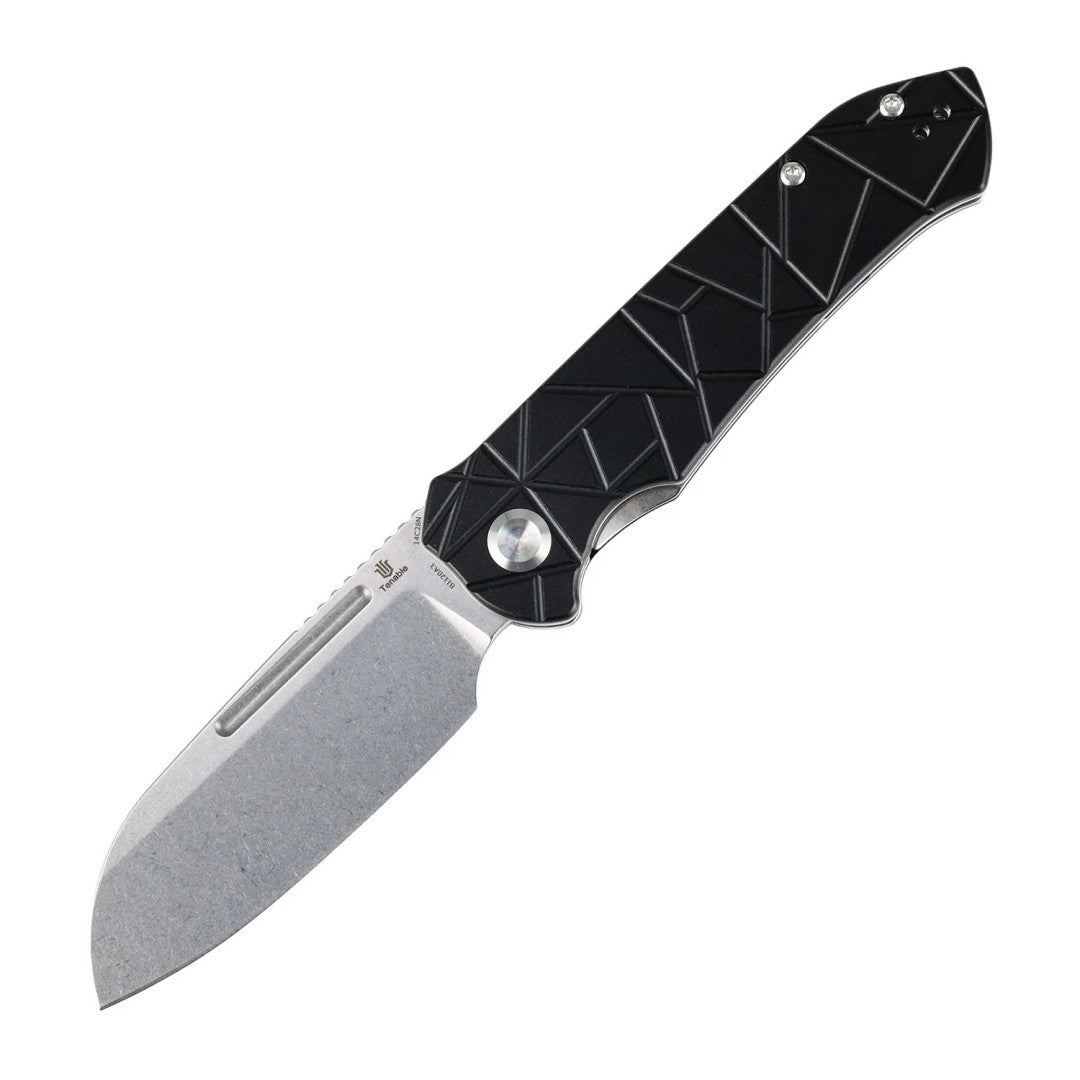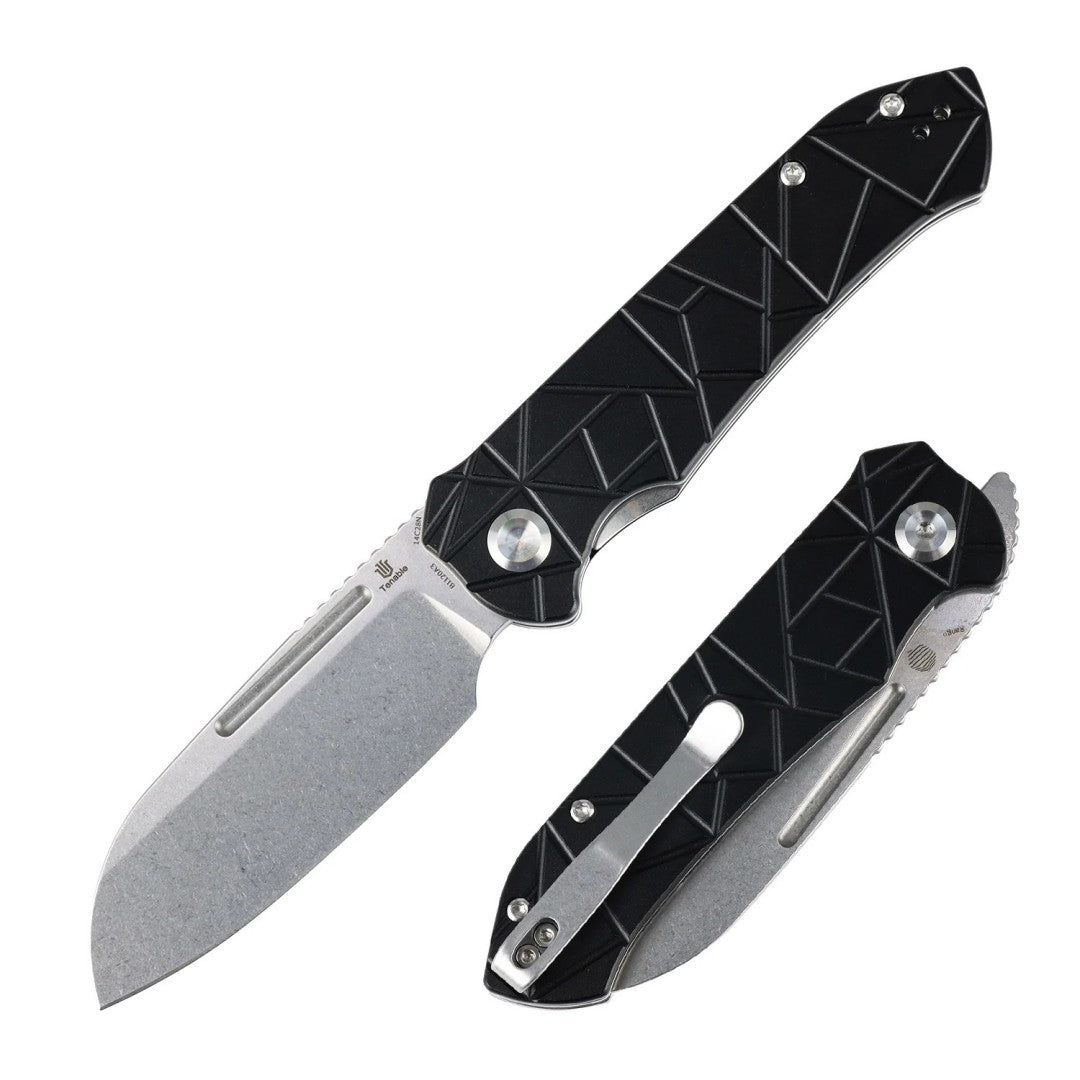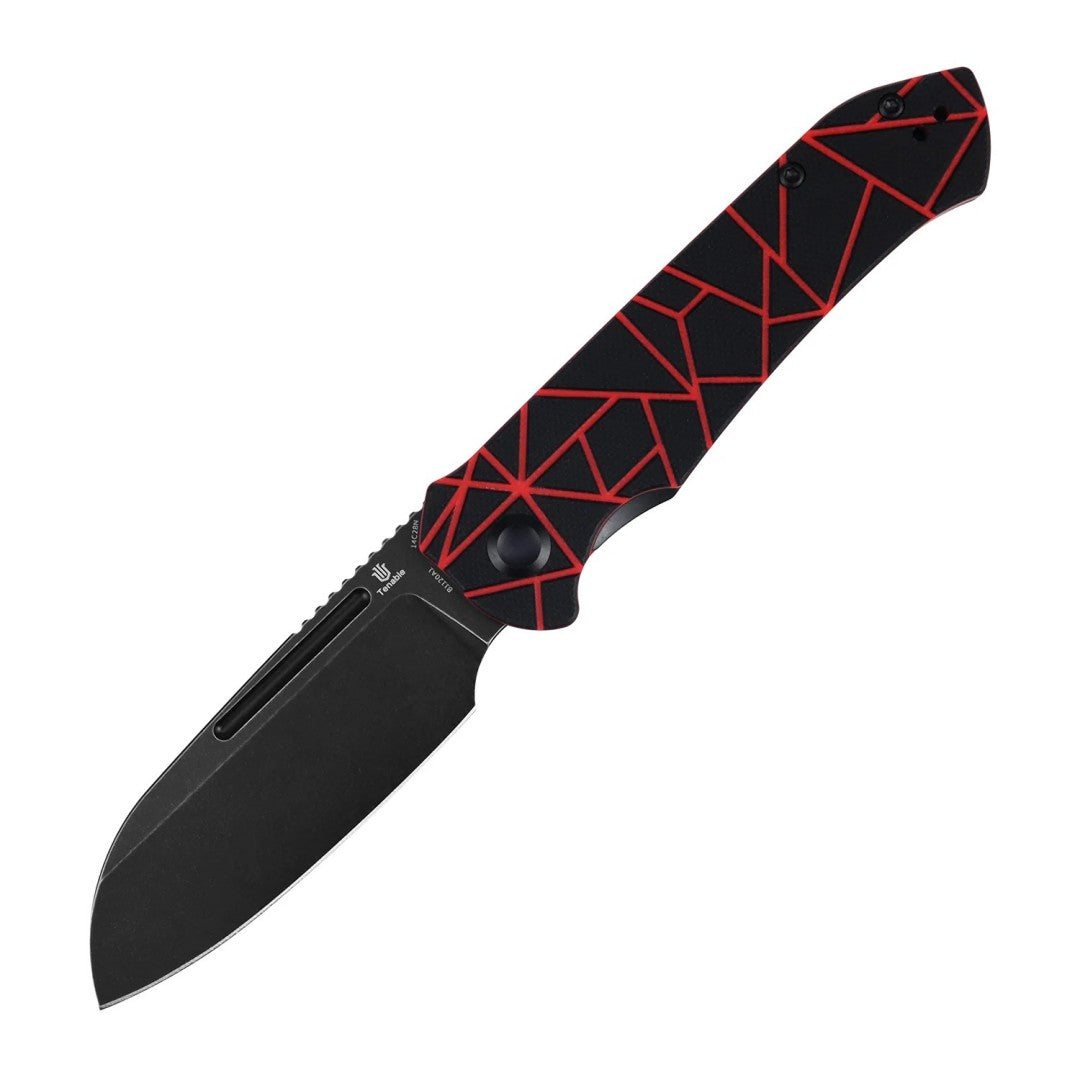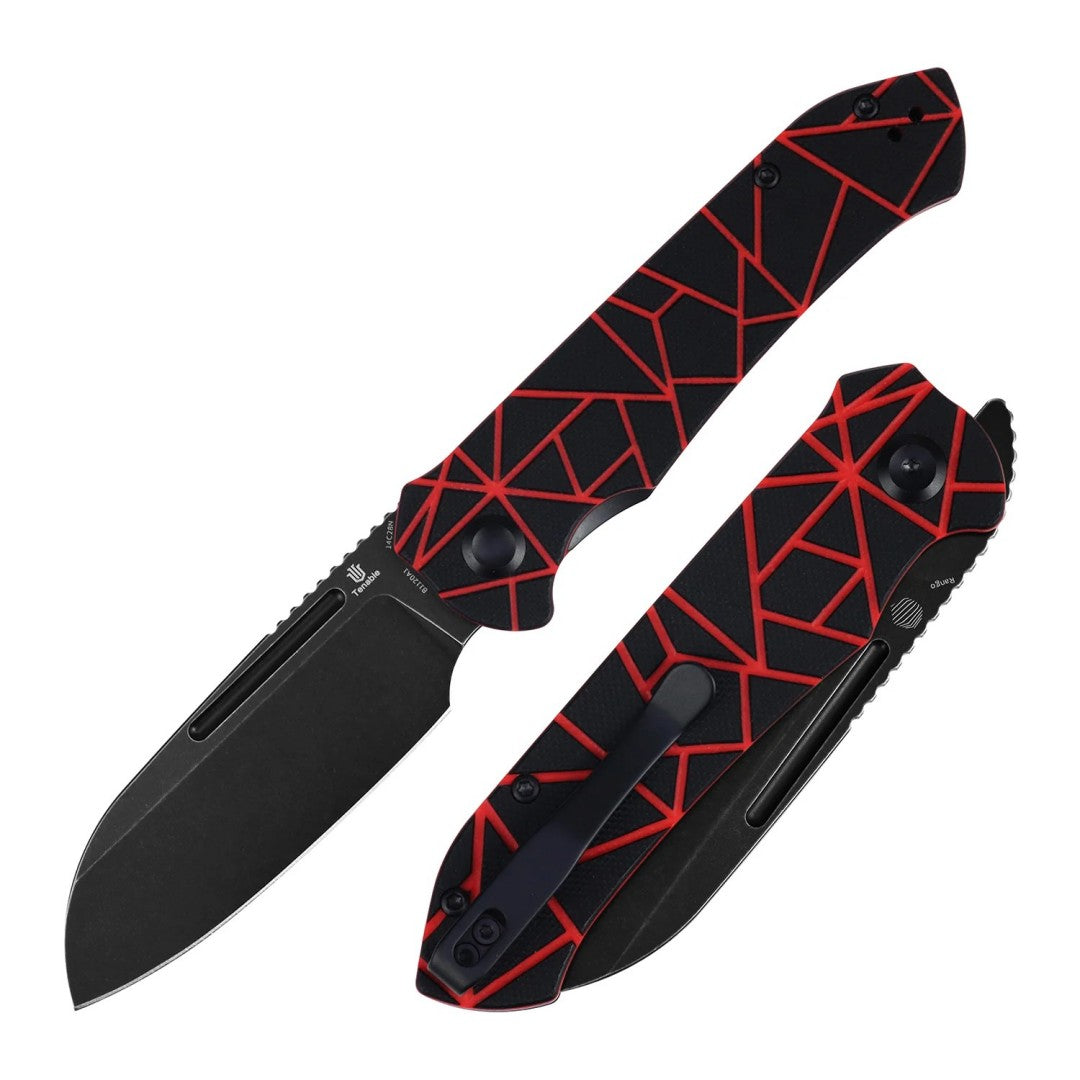
Evaluating a folding knife for daily carry involves looking beyond blade geometry to understand how its locking mechanism impacts safety, chassis rigidity, and single-handed operation. Designed by custom knifemaker Dirk Pinkerton, the practical Wharncliffe profile from Kansept serves as a versatile chassis featuring multiple distinct lock architectures. While budget-conscious models built with reliable alloys like 154CM emphasize classic mechanical simplicity, flagship versions incorporating super steels such as Uddeholm Elmax introduce advanced locking setups that transform user interaction.
Understanding the engineering differences across the Kansept Main Street series clarifies how each mechanism performs during demanding utility tasks.

Engineering Mechanics Across the Lock Options
Every locking system on this platform utilizes a hardened steel interface to secure the blade tang during open deployment, but their release dynamics and internal mechanics vary significantly.
Traditional Standard Liner Lock
The foundational mechanism across the lineup relies on a internal leaf spring cut directly into the stainless steel frame liner. When the blade deploys, the spring flexes inward to brace firmly against the rear tang of the blade. Disengaging the mechanism requires using your thumb to push the exposed lock leaf sideways from inside the handle cavity, requiring conscious care to move your fingers out of the blade's closing path.
Spine-Mounted Top Liner Lock
The flagship mechanical option shifts the disengagement release to the upper spine of the handle scale. Operating a low-profile button along the top frame disengages a top-braced internal spring without requiring your fingers to reach inside the blade channel. This architecture allows for smooth gravity closing on ceramic ball bearings while keeping your hand completely clear of the cutting apex.
Ambidextrous Crossbar Lock
Featured on select utility variants, the crossbar mechanism uses a hardened steel bar that spans entirely through the handle scales, powered by dual internal omega springs. Depressing the ambidextrous slide tabs backward clears the blade tang for rapid opening and closing cycles.
 Mechanical and Performance Comparison
Comparing the primary mechanical attributes across all three locking systems illustrates how frame construction and lock placement influence everyday carry usability.
| Performance Attribute | Traditional Liner Lock | Flagship Top Liner Lock | Ambidextrous Crossbar Lock |
| Lock Release Location | Inside Handle Channel (Side) | Top Spine of Handle Chassis | Lateral Slide Slots (Both Sides) |
| Closing Finger Safety | Moderate (Requires Finger Clearance) | Maximum (Zero Path Crossing) | High (External Dual Slide) |
| Handle Scale Continuity | Relief Cutout Required on Side | Unbroken, Solid Scale Face | Machined Horizontal Slots |
| Ambidextrous Usability | Right-Hand Dominant Design | Right-Hand Optimized / Easy Neutral | Fully Ambidextrous Operation |
| Primary Blade Steels Offered | 154CM / CPM-S35VN | Uddeholm Elmax / 154CM | 154CM / CPM-20CV |
| Ideal Application Profile | Budget Everyday Carry | High-Performance EDC | Tactical & Speed Slicing |
Safety Dynamics, Ergonomics, and Operating Control
Evaluating how these mechanisms operate during repetitive daily work highlights clear functional trade-offs in finger protection and handle integrity.
Operational Safety During Closure
The primary functional distinction among these designs is finger placement during disengagement. Traditional side-locking springs require pushing the leaf sideways inside the blade path, which increases the risk of accidental contact during rapid one-handed closure. Both the spine-mounted release and crossbar slides allow complete single-handed control while keeping all fingers wrapped safely around the exterior handle scales.
Chassis Rigidity and Scale Aesthetics
Standard side locks require a relief cutout along the main handle scale to grant thumb access to the locking leaf, slightly reducing chassis stiffness. In contrast, the top-mounted release operates entirely from the upper spine, allowing the side scales to remain continuous and unbroken. On models with CNC-machined anodized aluminum or textured Micarta handles, this unbroken layout enhances structural frame rigidity under heavy downward draw cuts while preserving seamless pattern lines.
Structural Durability and Maintenance Requirements
Each locking system offers robust lockup strength during straight-edge slicing, as Dirk Pinkerton's Wharncliffe geometry drives cutting forces straight into the pivot assembly rather than stressing the lock release.
In terms of long-term maintenance, leaf-spring mechanisms like the standard and top-mounted systems offer exceptional reliability with minimal moving parts. They resist pocket lint and debris accumulation effectively. Crossbar configurations deliver smooth spring-driven action, but their small internal omega springs benefit from occasional cleaning to maintain consistent spring tension over years of active pocket carry.
 Final Recommendation: Selecting the Right Lock Architecture
Choosing the ideal locking system across this series depends on your operating priorities and carry style:
-
Choose the Standard Liner Lock if: You prefer a time-tested, budget-conscious daily folder with straightforward mechanical operation.
-
Choose the Crossbar Lock if: You require fully ambidextrous controls and favor rapid, spring-assisted disengagement.
-
Choose the Top Liner Lock if: You demand maximum finger safety, clean handle ergonomics, and premium super steel pairings for heavy utility work.
Each locking configuration enhances the functional Wharncliffe design, ensuring a reliable, high-performing cutting tool tailored to your exact daily carry needs.