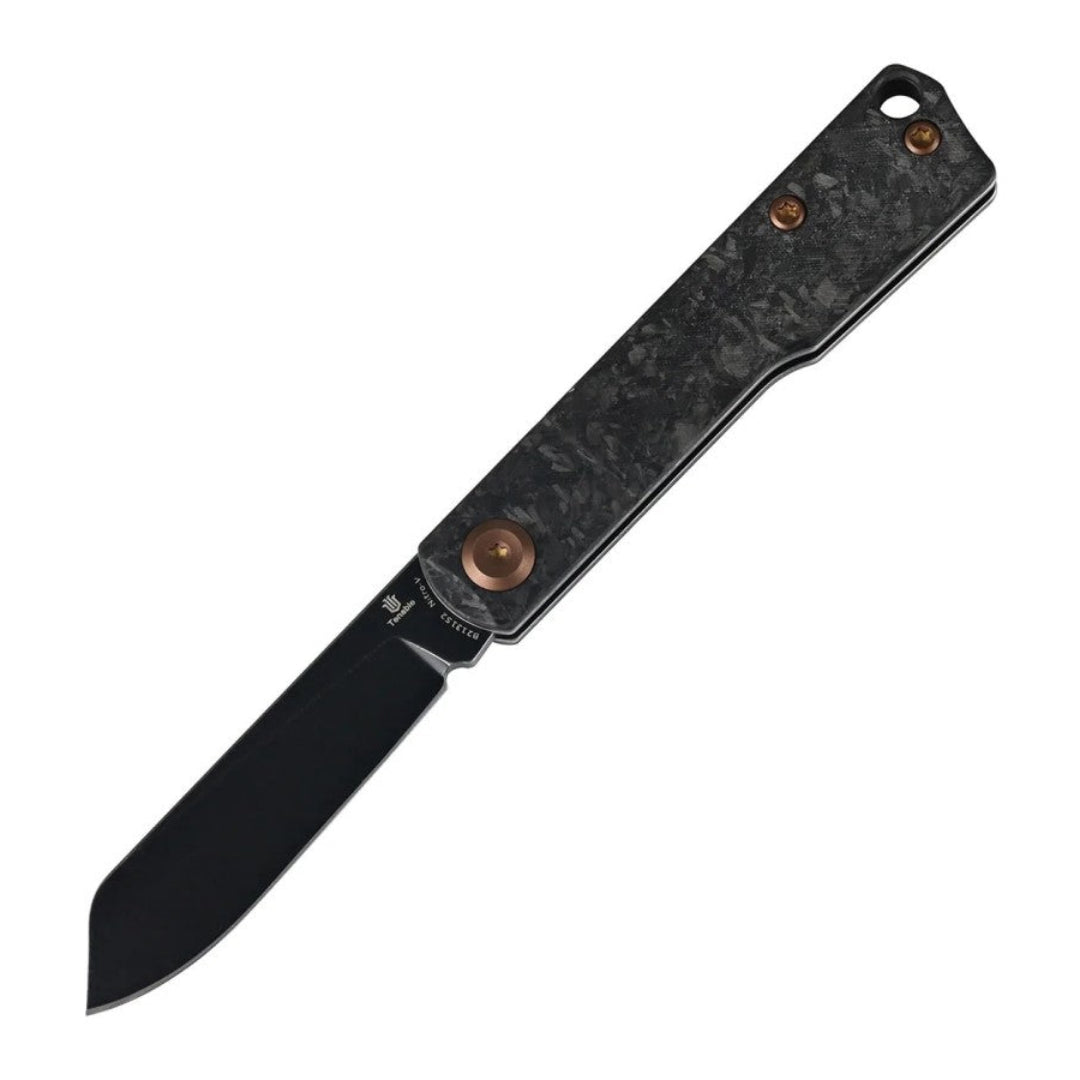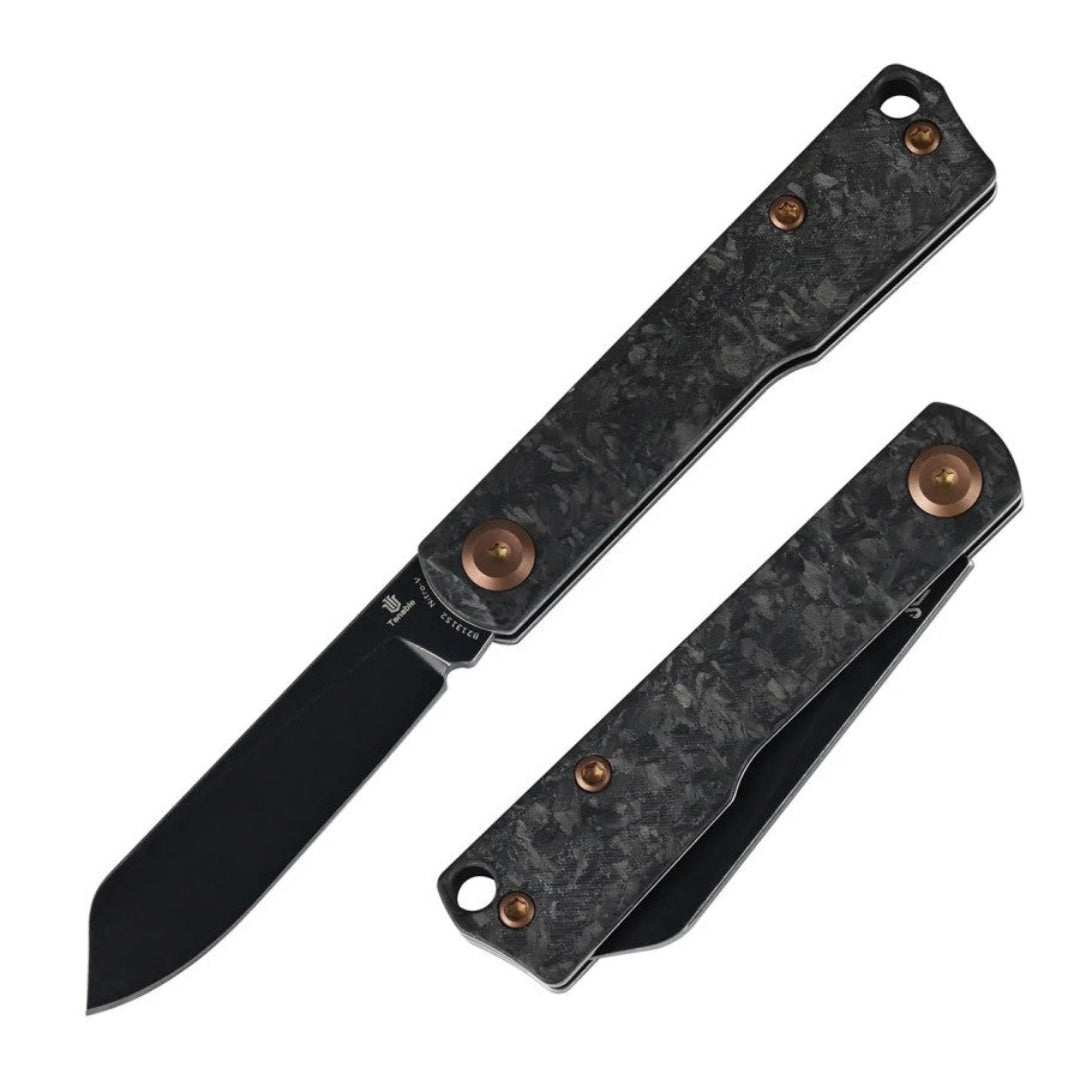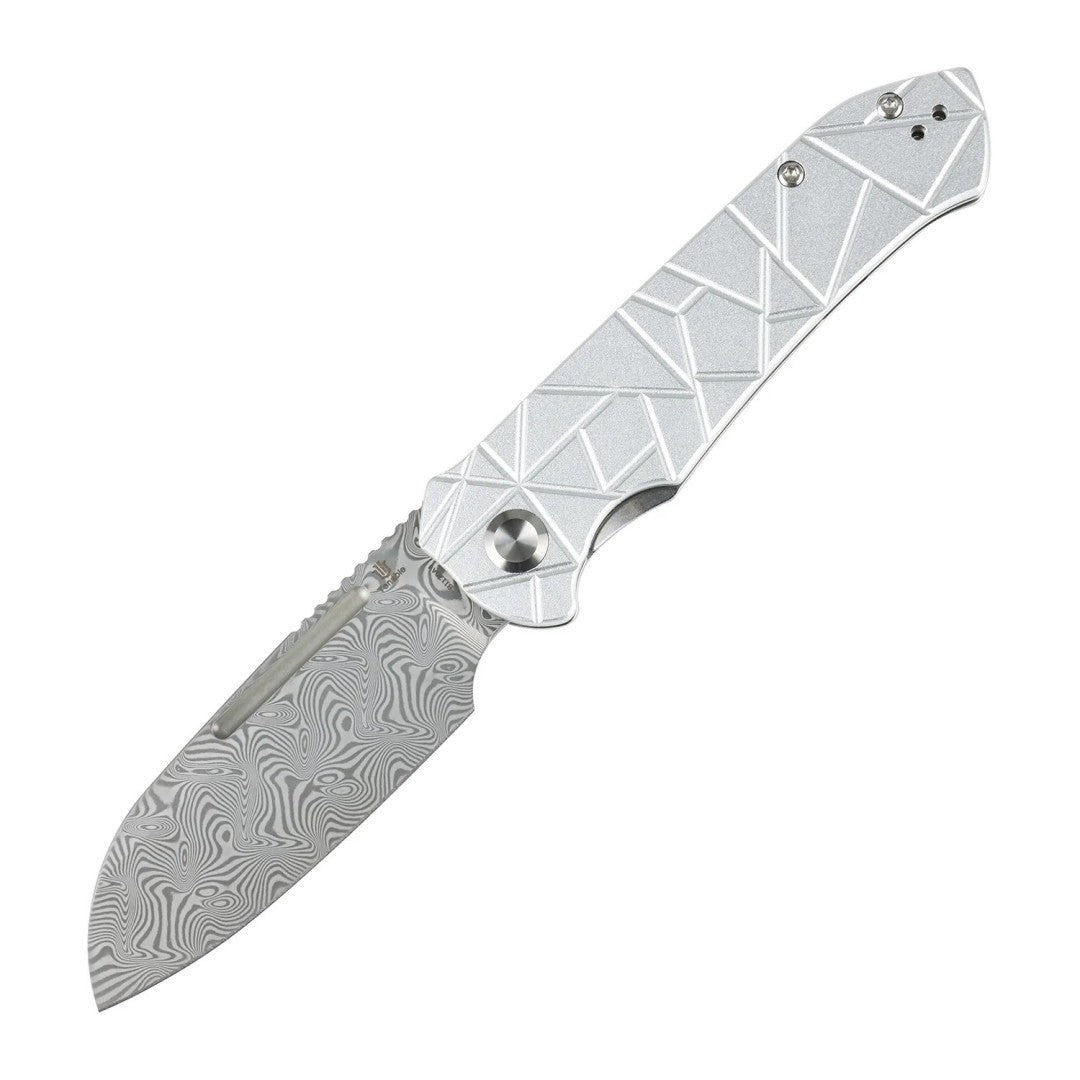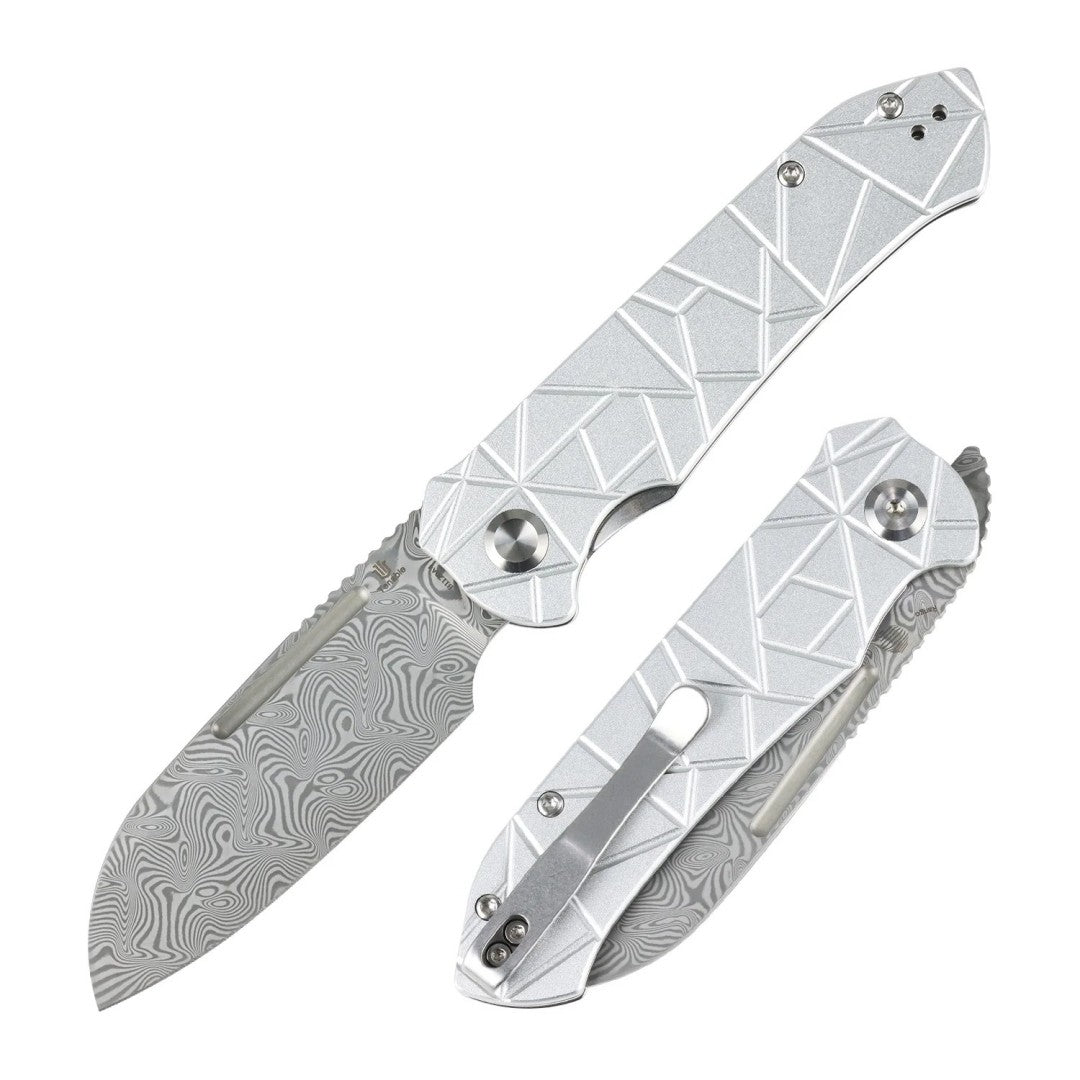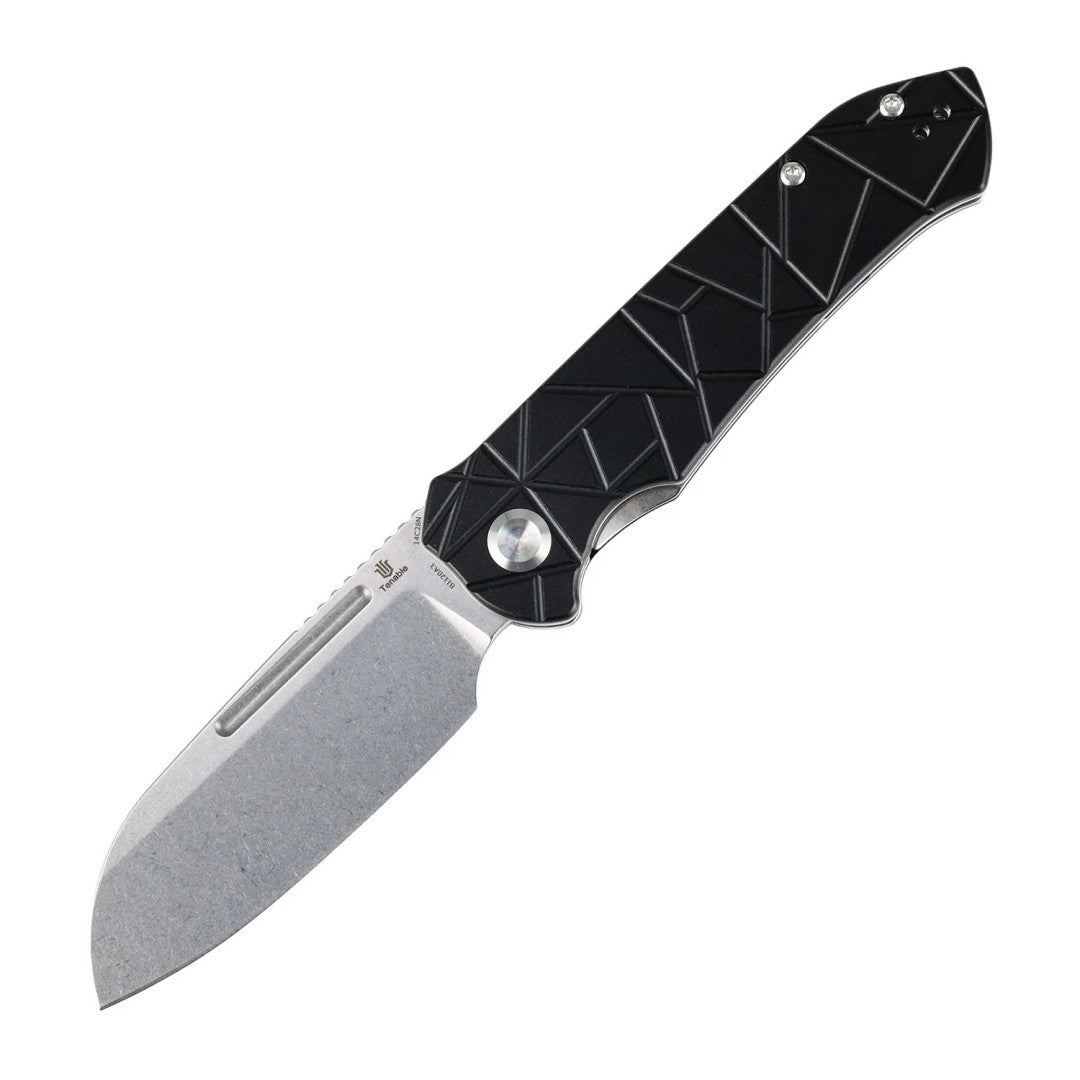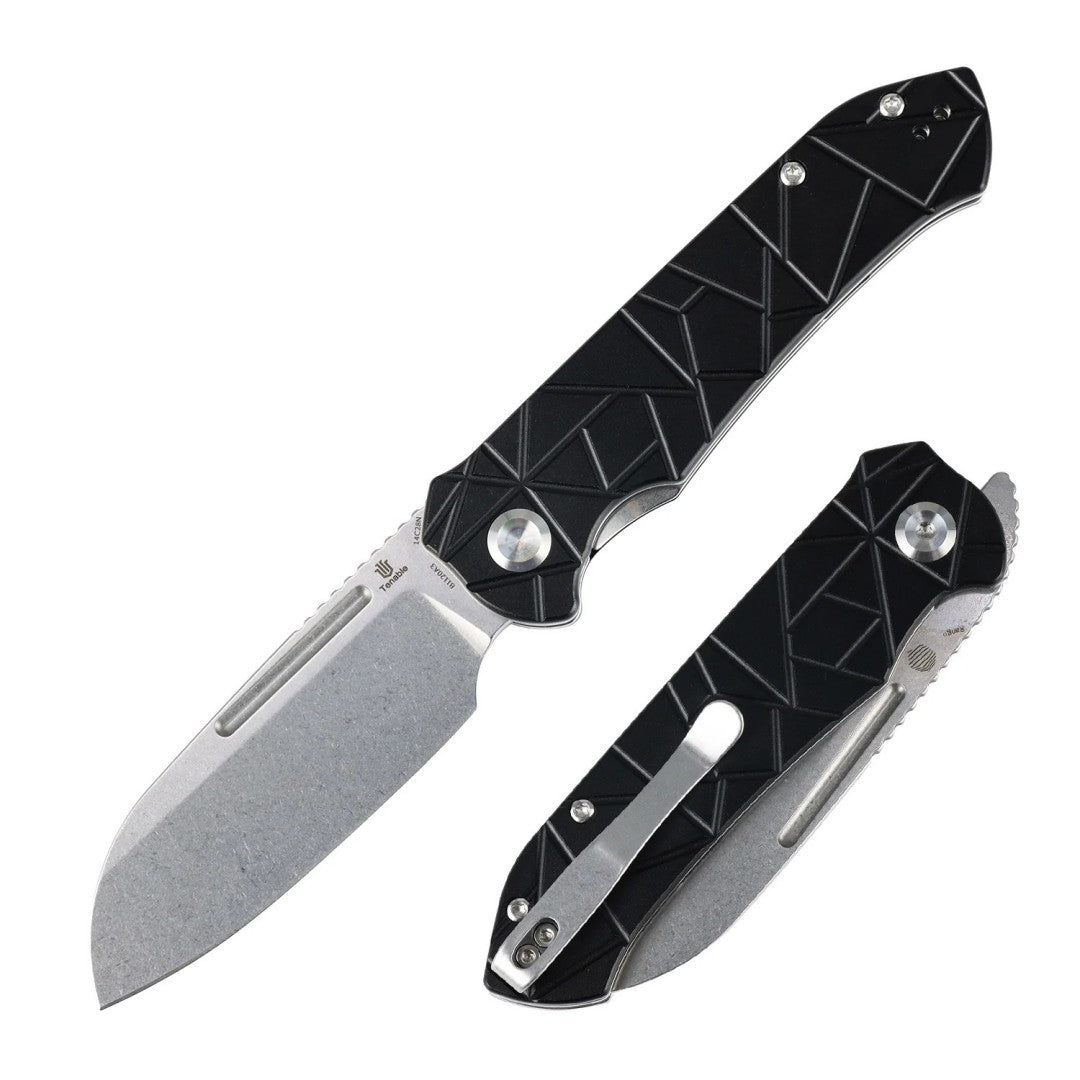

The security, ergonomics, and aesthetic refinement of a folding knife depend heavily on its internal locking mechanism. While traditional liner locks and frame locks have dominated the pocket knife market for decades, they often force a compromise between structural utility and external visual continuity. Standard lock cutouts disrupt outer handle scales and introduce sharp edges that can cause hand discomfort during extended cutting tasks.
To solve this design challenge on the Kansept Mini Lanza, custom maker Brandon Corbin and the manufacturing team at Kansept implemented an internal Nested Liner Lock. Examining the internal geometry and mechanical interaction of this system reveals why it represents a major step forward for modern gentleman folders and everyday carry (EDC) tools.
Architectural Overview: Internal Nesting vs. Standard Locking Systems
Understanding how the internal locking leaf operates requires contrasting its structural architecture against conventional folder layouts.
| Mechanical Attribute | Traditional External Frame Lock | Standard Exposed Liner Lock | Internal Nested Locking Leaf |
| Lock Bar Location | Outer Handle Scale Cutout | Sandwiched Between Full Liners | Recessed Inside CNC Interior Pockets |
| Exterior Scale Surface | Interrupted by Relief Cut | Interrupted by Thumb Access Relief | Continuous & Unbroken Titanium Lines |
| Palm Ergonomics | Susceptible to Hand Pressure Flex | Occasional Sharp Hotspots | Completely Smooth Surface Profile |
| Debris Protection | Fully Exposed to Pocket Lint | Partially Exposed Around Scale Cutout | Shielded Inside Precision Milled Pocket |
Instead of mounting a full-length steel liner across the entire inner face of the handle scale, precision CNC milling creates an internal pocket directly within the solid Grade 5 titanium handle shell. A hardened stainless steel locking leaf is then nested precisely into this cavity, securing the lock mechanism entirely within the handle framework.
Blade Engagement and Force Distribution
When the blade transitions from the closed position to fully open, the internal locking leaf undergoes a precise sequence of mechanical movements:
Tension and Spring Bias
The nested steel leaf is pre-bent with calculated spring tension. As the blade pivots around the ceramic ball-bearing assembly, the tang of the blade holds the lock leaf compressed inside its titanium pocket.
Detent Interface
A precision ceramic detent ball pressed into the locking leaf rides along the blade tang. This detent provides smooth opening resistance, holding the blade safely closed until deployed via the dual thumb studs.
Solid Lockup
As the blade reaches full 180-degree rotation, the angled tang interface clears the lock bar. The nested leaf snaps inward, engaging the ricasso with a crisp tactile click. The interface is cut with a slight angle matching the lock face, creating a self-adjusting wedge that prevents vertical blade play while maintaining easy disengagement.
 Premium Material Integration: CPM-20CV and Damascus Precision
A locking mechanism is only as reliable as the blade steel it holds in place. The series combines advanced lock geometry with high-performance blade materials to handle real-world slicing workloads.
| Configuration Tier | Blade Steel Choice | Performance Characteristics | Structural Advantage |
| Performance Production | CPM-20CV Stainless | Extreme Edge Retention & High Wear Resistance | Resists Deformity Under Lock Engagement |
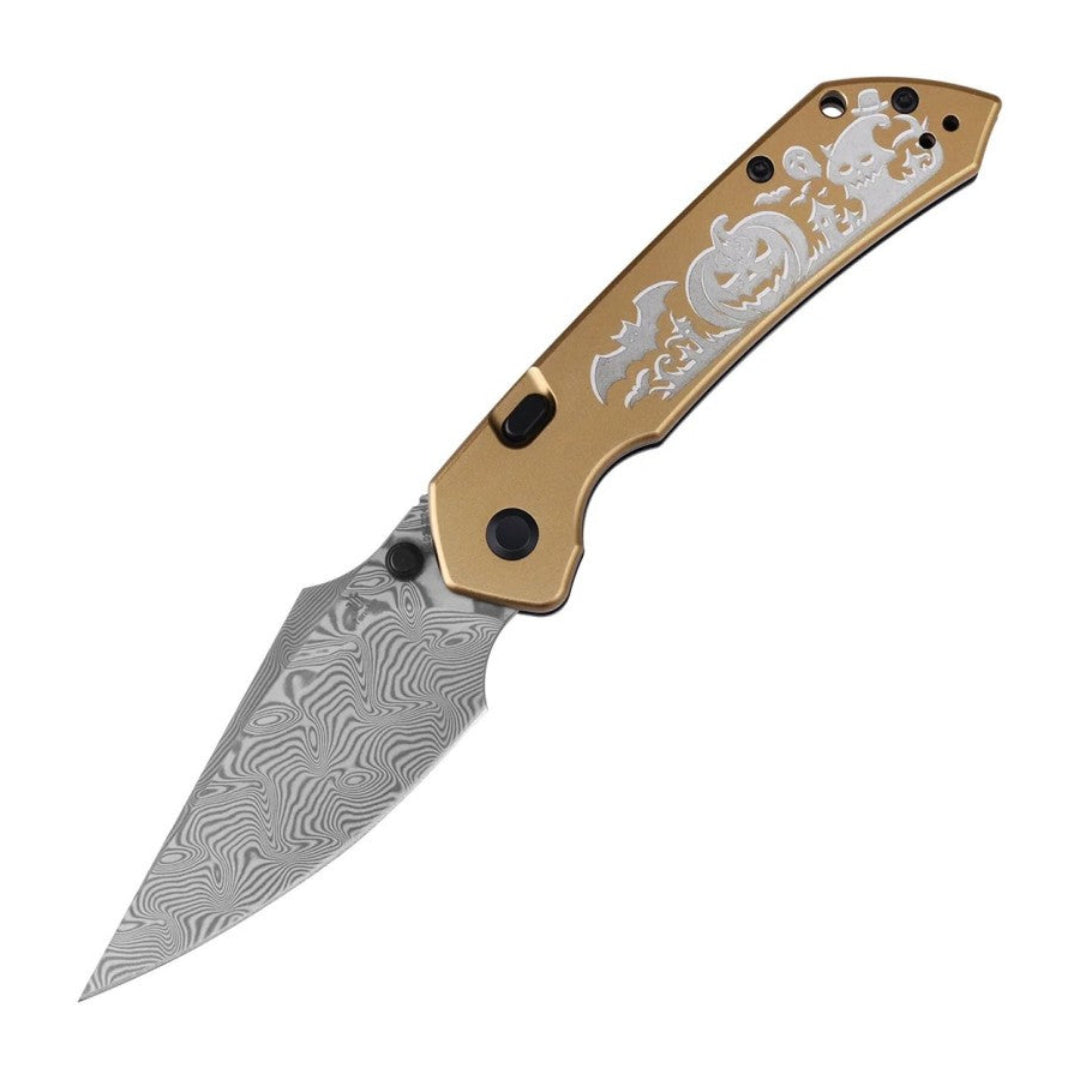
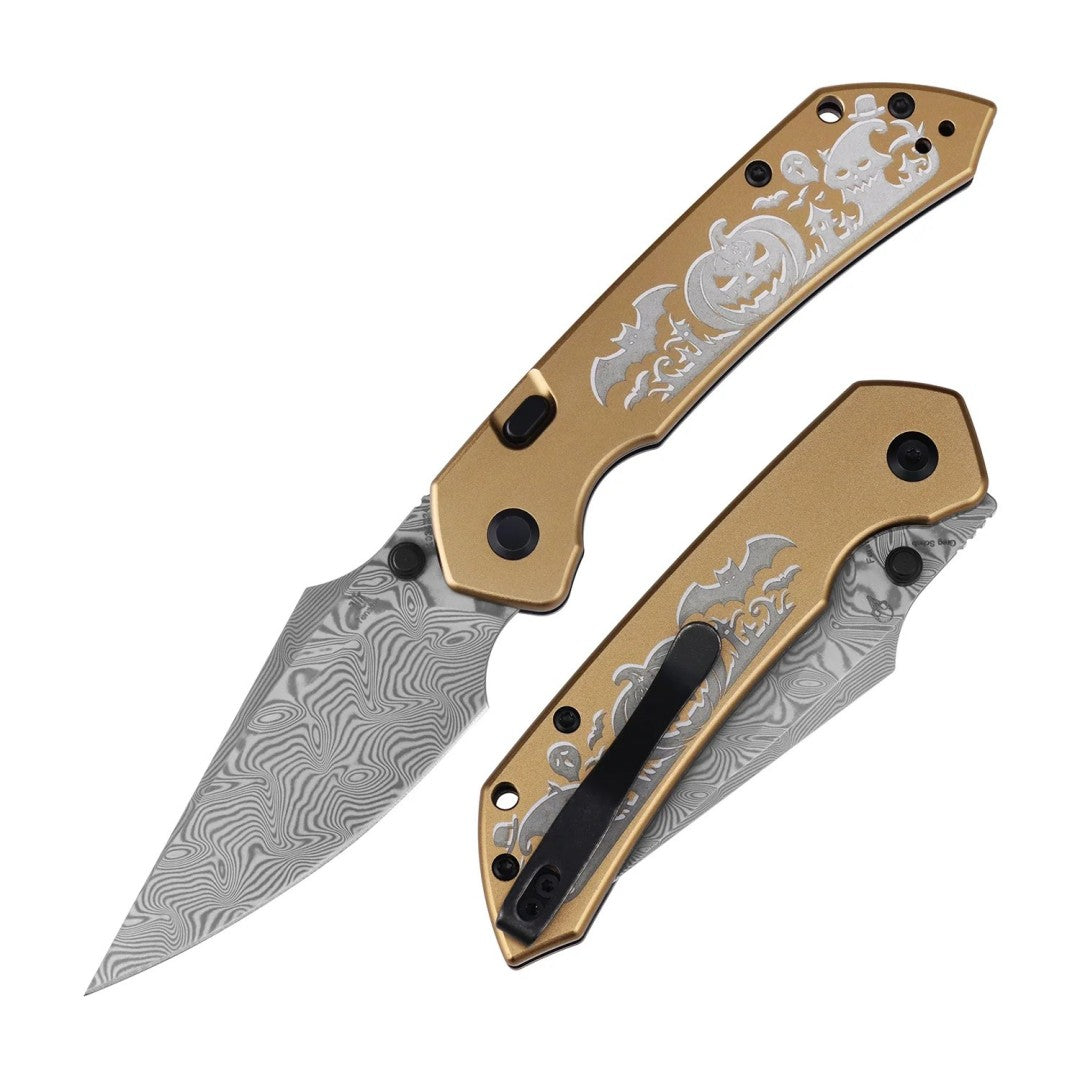
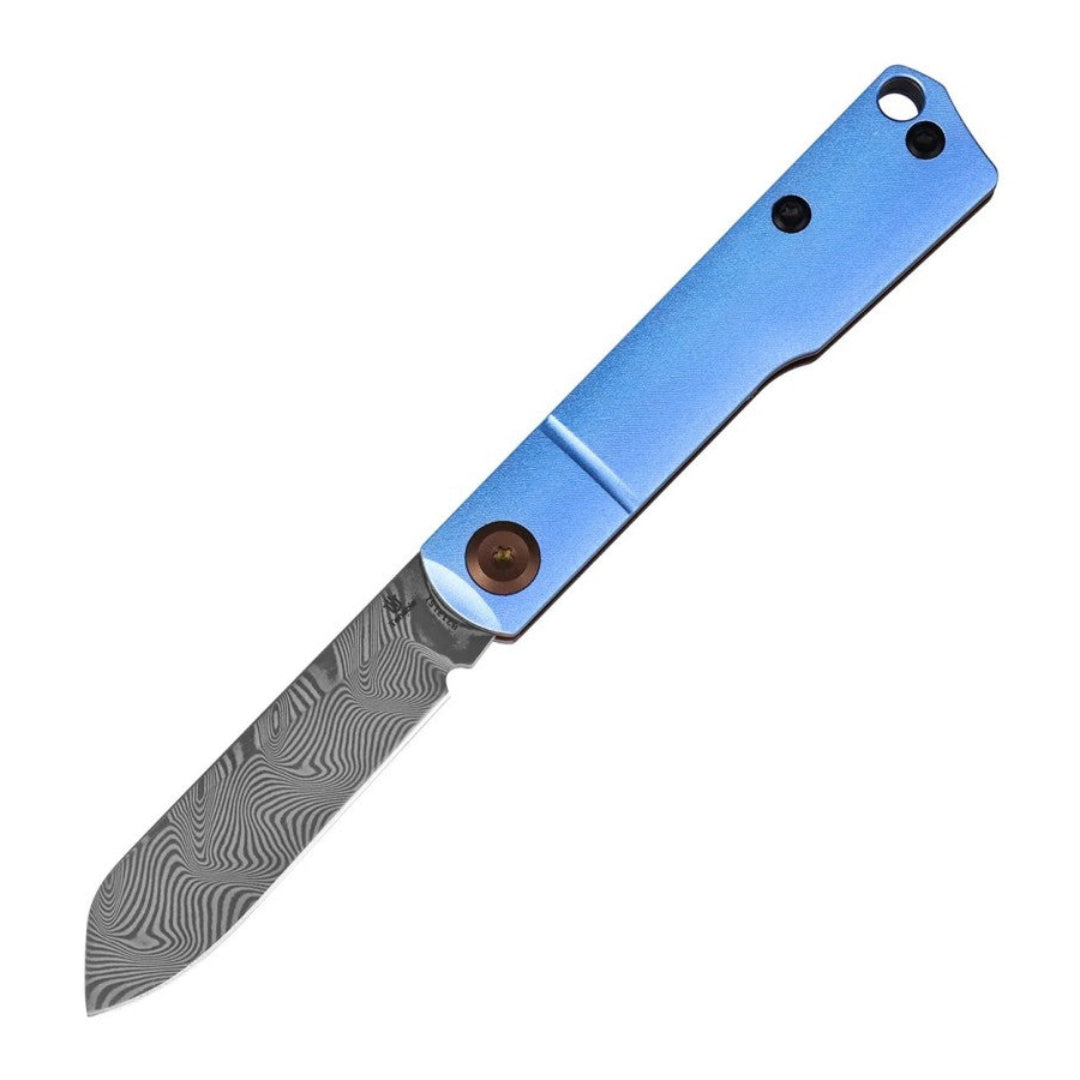
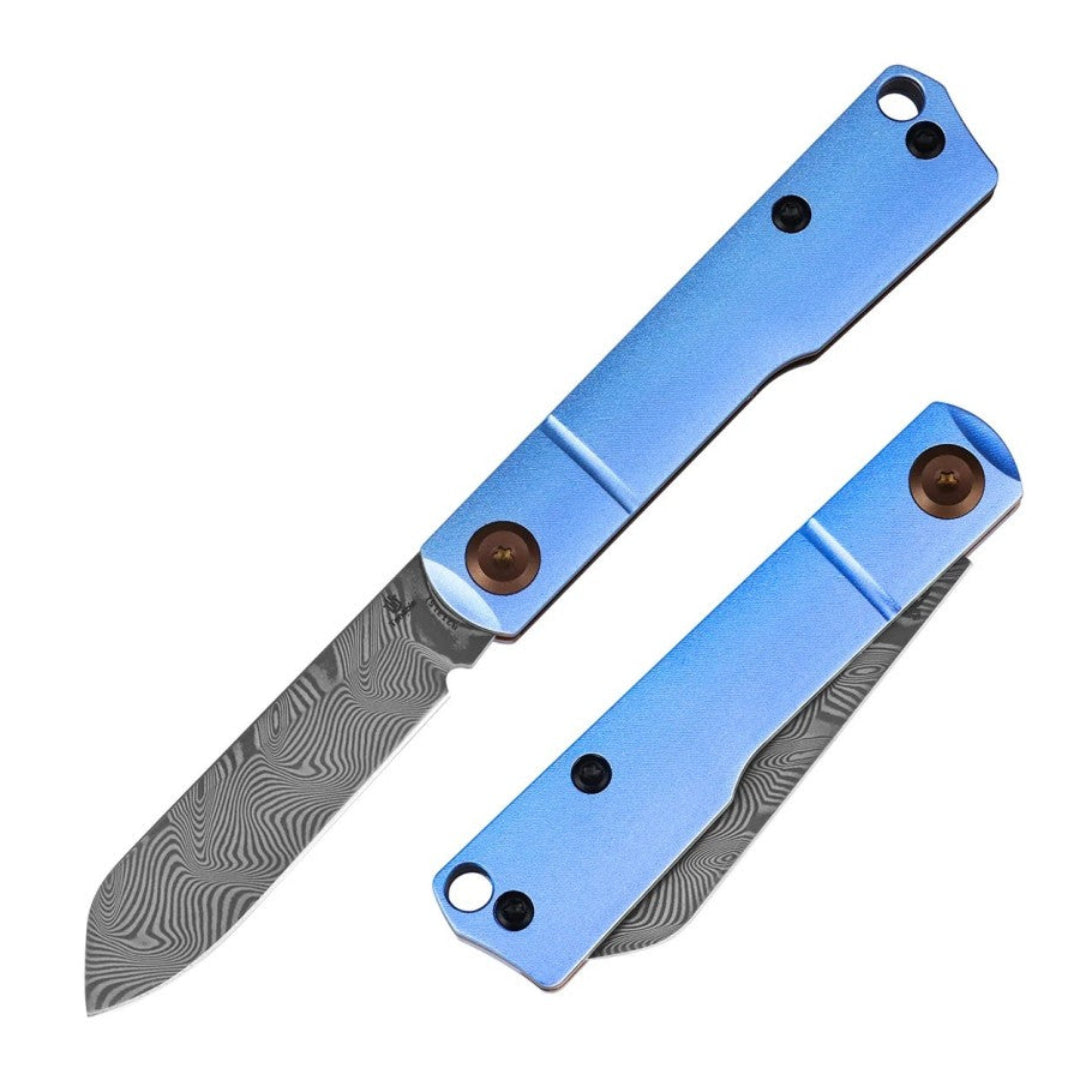
| Custom Collector Edition | Pattern-Welded Damascus | High Contrast Visual Grain & Heritage Craft | Carefully Heat-Treated Lock Interface Tang |
Because CPM-20CV is hardened to 59-61 HRC, the blade tang resists wear from repeated lock engagement over years of use, preventing lock slip or sticky disengagement.
Dimensional and Mechanical Specifications
| Parameter | Measurement & Structural Detail |
| Overall Length | 190.5 mm / 7.50 in |
| Blade Length | 81.1 mm / 3.19 in |
| Blade Thickness | 3.0 mm / 0.118 in |
| Handle Material | Precision 3D-Milled Grade 5 Titanium |
| Lock Leaf Material | Hardened Stainless Steel |
| Pivot Assembly | Caged Ceramic Ball Bearings |
| Overall Weight | 127.3 g / 4.49 oz |
Ergonomic Benefits for Daily Pocket Carry
Beyond its mechanical reliability, the internal lock construction directly improves everyday usability:
-
Elimination of Grip Pressure Interference: On frame lock folders, squeezing the handle too tightly can press the user's fingers directly against the lock bar, increasing pivot friction during opening. Because the nested leaf sits entirely inside the titanium scales, external hand pressure has zero impact on blade deployment or lock disengagement.
-
Hotspot-Free Palm Relief: Traditional scale cutouts create thin, hard edges along the belly of the handle. By keeping the outer titanium scales intact, the handle fills the hand naturally, distributing pressure evenly across the palm during prolonged cutting tasks.
-
Clean Aesthetic Profile: The unbroken titanium handles highlight intricate surface finishes—such as stone-washed textures, anodized lightning patterns, or Timascus inlays—without visual interruptions.
 Engineering Excellence in a Gentleman's Knife
The internal locking system demonstrates how thoughtful engineering elevates a gentleman's folding knife from a standard cutting tool into a refined piece of mechanical art. By nesting a hardened steel locking leaf discreetly within lightweight titanium scales, the folder delivers uncompromising lockup security, superior hand ergonomics, and an elegant, uninterrupted silhouette.