
When tackling a grueling 100-mile ultramarathon or navigating technical singletrack at 2:00 AM, gear failure is not an option. Ultra-endurance trail runners subject their equipment to relentless vibration, torrential downpours, extreme temperature swings, and prolonged hours of continuous operation. In these high-stakes environments, standard lighting tools quickly reveal their shortcomings. Heavy battery packs cause frustrating forehead bounce, narrow beams create tunnel vision and nausea, and complicated controls are impossible to manipulate with frozen, fatigued fingers. Elite ultra-runners have gravitated toward specialized engineering, placing their trust in the ultra-lightweight rechargeable headlamp series developed by Nitecore.
The War on Grams: Eliminating Headlamp Bounce
In ultra-distance athletics, every single gram translates into cumulative physical fatigue over twenty or thirty hours of non-stop movement. Traditional headlamps relying on bulky triple-A battery trays or massive rear-mounted battery cages create significant rotational inertia. As a runner’s foot strikes the ground, that extra weight translates into vertical bounce, constantly pulling the beam out of alignment and straining the neck muscles.
Nitecore solved this mechanical challenge by redesigning headlamp architecture from the ground up:
-
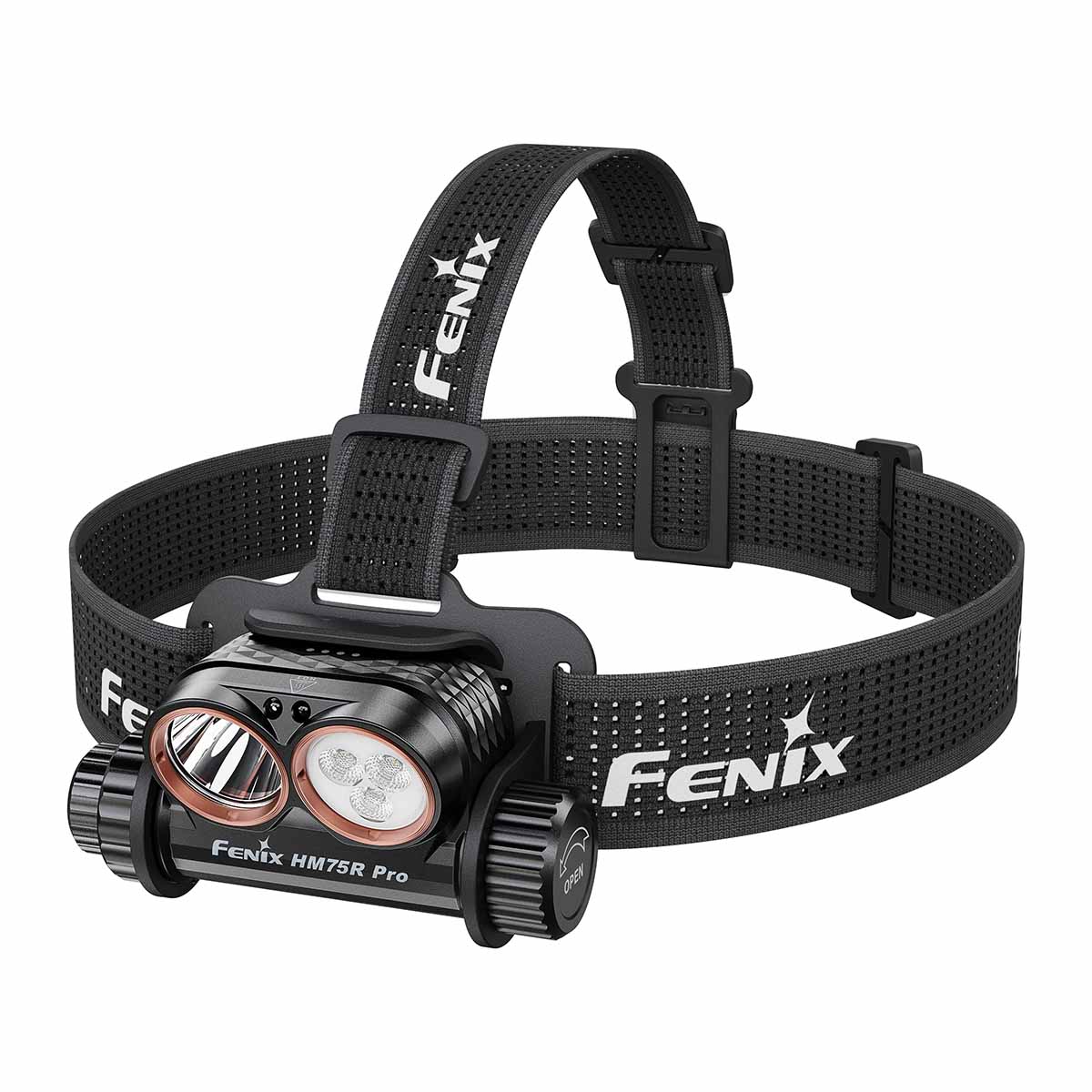
Carbon Fiber Composite Brackets: Utilizing ultra-stiff, impact-resistant carbon composite materials reduces frame weight to fractions of an ounce while stabilizing the light unit against the forehead.
-
Streamlined Unibody Housing: Integrating custom high-density lithium-ion power cells directly into a low-profile polycarbonate shell keeps the center of gravity extraordinarily close to the skull.
-
Hollowed-Out Elastic Headbands: Specially woven, breathable headbands feature reflective markings and silicone sweat-diverting channels, shedding unnecessary fabric weight while preventing moisture from dripping into the eyes.
Dual-Beam Optics: Eliminating Nighttime Motion Sickness
Running at speed in complete darkness requires both broad situational awareness and long-range obstacle identification. A narrow spotlight forces the runner’s neck to constantly pivot back and forth to scan the trail, inducing rapid eye strain and vestibular fatigue. Conversely, a pure floodlight leaves runners blind to upcoming terrain hazards twenty yards ahead.
TrueVision Compound Light Distribution
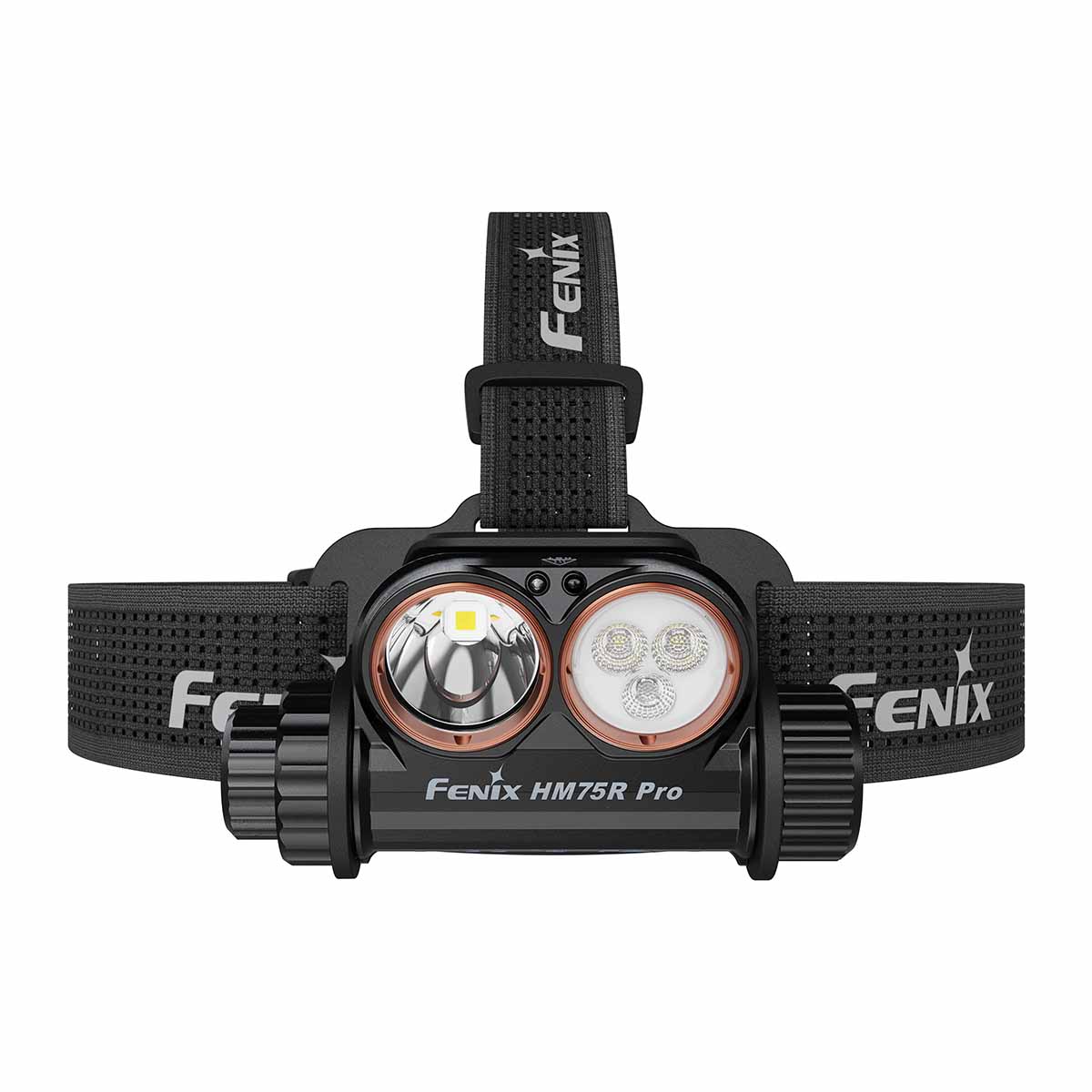
Modern endurance headlamps deploy an engineered dual-beam matrix combining a wide-range flood beam with a high-penetration spot beam. The flood optic provides a smooth, 100-degree-plus wall of warm light that illuminates the immediate foot-strike zone and peripheral trail boundaries. Simultaneously, the focused center beam punches down the path, allowing athletes to spot route markers, descending switchbacks, and low-hanging tree branches well in advance.
Headlamp Architectural Comparison for Endurance Athletes
| Performance Spec | Traditional Modular Headlamp | Nitecore Trail Running Series |
| Total Running Weight | 120g – 180g (heavy and unwieldy) | Sub-50g to 75g (featherweight) |
| Center of Gravity | Extended far outward from forehead | Flush, ultra-low profile chassis |
| Power Source | Replaceable alkaline / heavy 18650 | Integrated fast-charge Li-ion with pass-through |
| Beam Architecture | Single beam with sharp, harsh cutoff | Mixed TrueVision flood + spot matrix |
| Stability Under Pace | Prone to continuous vertical oscillation | Zero-bounce ergonomic stability |
Continuous Power Management and USB-C Pass-Through
Running through an entire night—or across multiple nights—demands an uninterrupted power strategy. Stopping on a freezing ridgeline in pitch darkness to fumble with tiny disposable batteries inside an open compartment risks dropping critical components into the brush.
The inclusion of intelligent USB-C pass-through charging fundamentally alters nighttime race strategy. Athletes can run a lightweight cable from the headlamp directly into an external power bank stashed in their hydration vest. This setup allows continuous illumination at high outputs without removing the headlamp or cutting the beam. Real-time battery indicator arrays give clear, instant feedback, enabling runners to modulate power levels strategically between uphill climbs and technical downhill descents.
Intuitive Dual-Button Tactical Control
When hypothermia or extreme exhaustion sets in, fine motor dexterity deteriorates quickly. Overly complex multi-click single-button interfaces often lead to accidental mode changes or unintended blackouts. Dedicated dual-switch layouts separate primary power activation from mode selection. Runners can instantly switch between high-intensity navigation modes, energy-saving climb modes, and specialized red-light auxiliary channels without taking off running gloves.
 Complementing Your Comprehensive Outdoor Lighting System
While dedicated trail running headlamps represent the pinnacle of hands-free ergonomics on technical terrain, comprehensive outdoor readiness requires a tiered illumination strategy. For fixed basecamp security, search operations, or vehicle support, professionals frequently pair featherweight headlamps with a rugged handheld flashlight.
While manufacturers like Nextorch and Klarus lead the tactical domain with instantaneous self-defense strobes and heavy-duty duty bodies, and artisanal makers like Jetbeam craft exquisite machined titanium pieces, Nitecore's relentless optimization of weight-to-lumen ratios has cemented their dominance in endurance athletics. Carrying an ultralight setup ensures that your outdoor EDC loadout remains lean, efficient, and ready for extreme wilderness miles.
The Ultimate Trail Running Illumination Choice
Professional runners choose their equipment based on ruthless pragmatism: gear must perform under pressure and disappear from notice during movement. By mastering the delicate balance between featherweight construction, dynamic dual-beam clarity, and non-stop rechargeable stamina, modern ultra-light headlamps ensure that the only thing athletes have to focus on is the trail ahead.