
When looking for the ultimate everyday carry (EDC) folding knife, enthusiasts often get bogged down in technical steel specifications, handle materials, and pocket clip configurations. While those factors matter, the soul of any pocket knife lies entirely in its geometry. A knife can feature the most advanced metallurgy available, but if the blade silhouette fails to align with your actual day-to-day routine, it becomes a beautiful but frustrating tool to use.
This brings us directly to the QSP Ferret. Known within the community for its compact ergonomics and exceptional build quality relative to its price point, the standout feature of this folder is arguably its masterfully executed drop point profile. It balances piercing capability, slice geometry, and structural integrity into a highly compact footprint.

Here is a deep dive into why the geometry of the QSP Ferret blade shape makes it an absolute powerhouse for your daily carry checklist.
The Geometry: Breaking Down the Profile
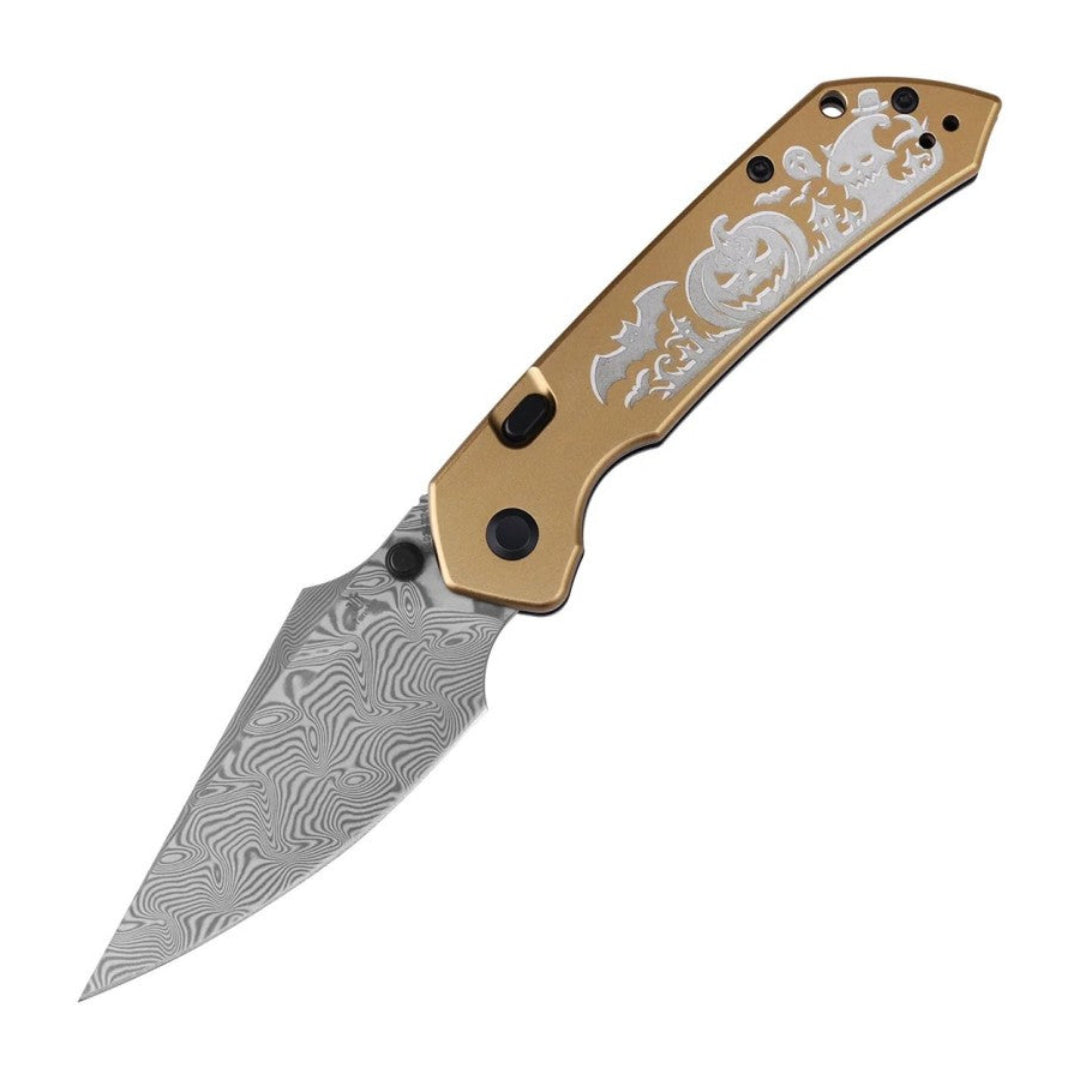
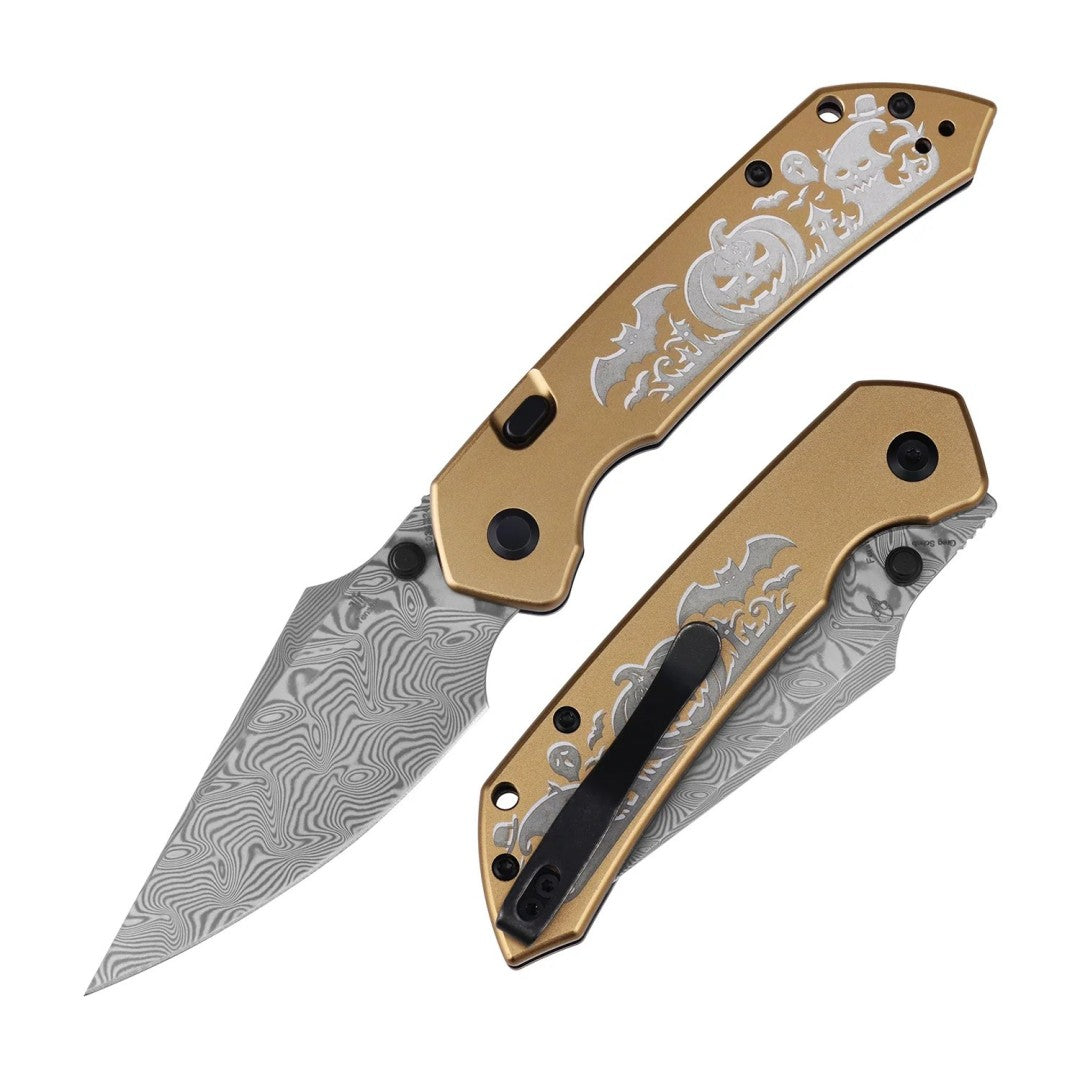
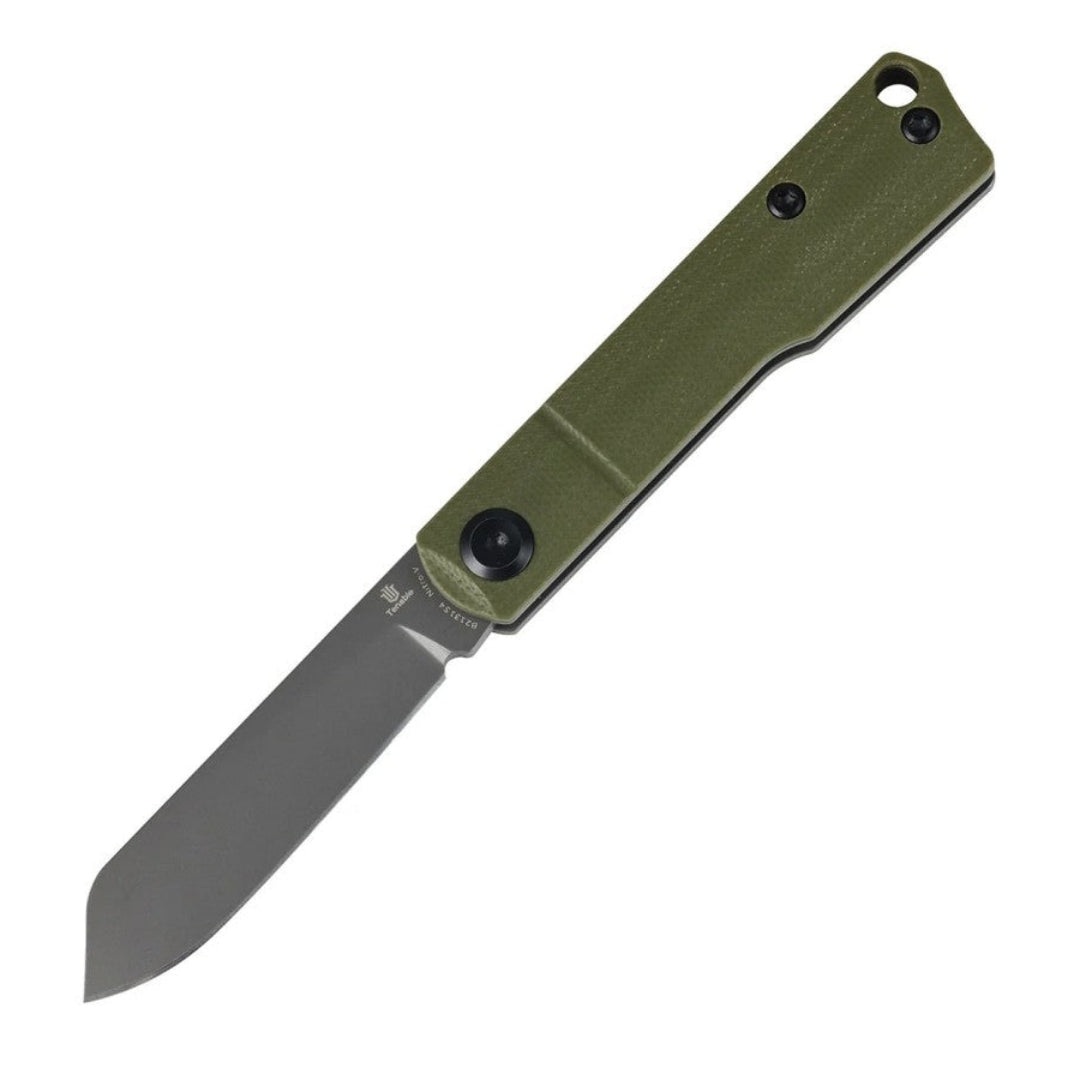
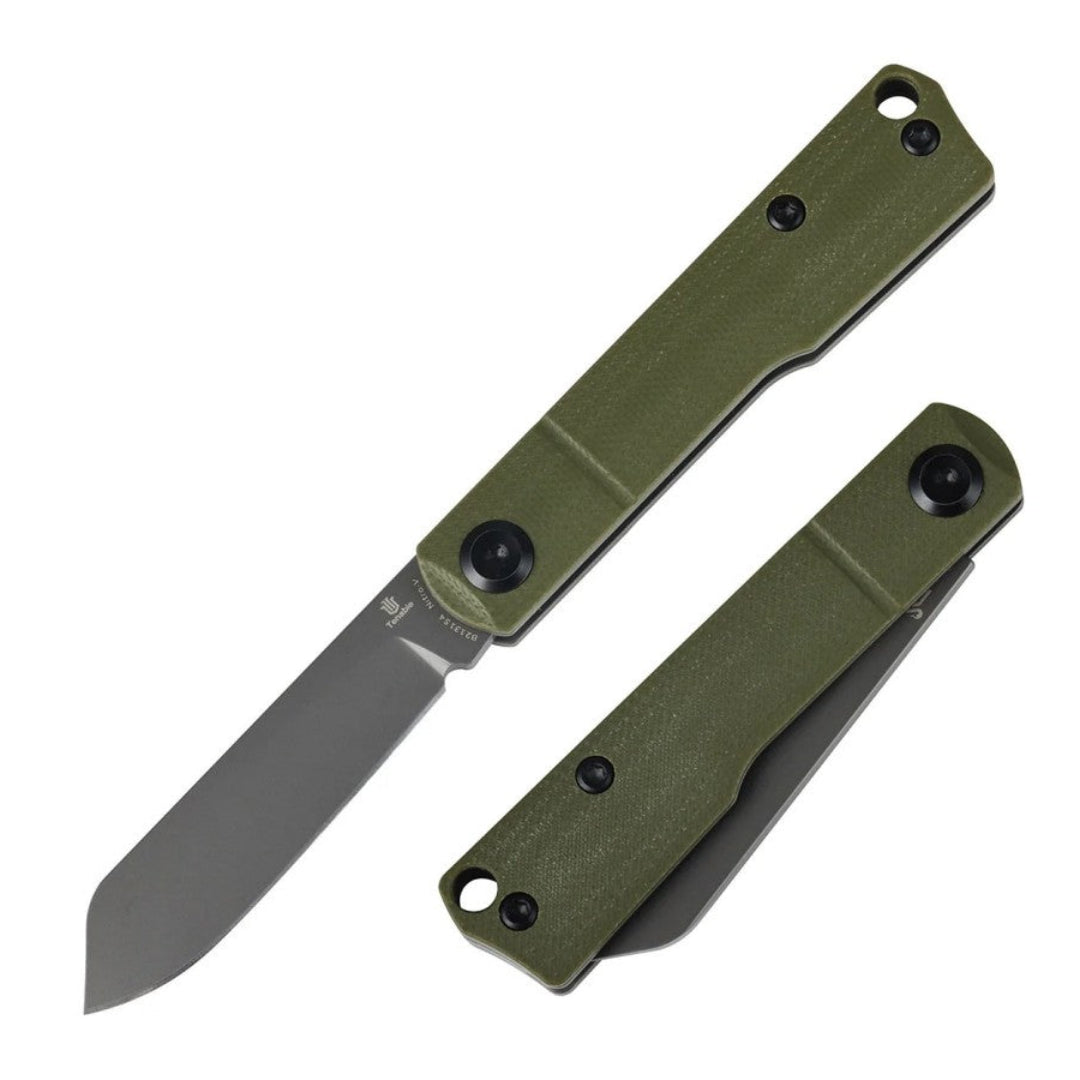
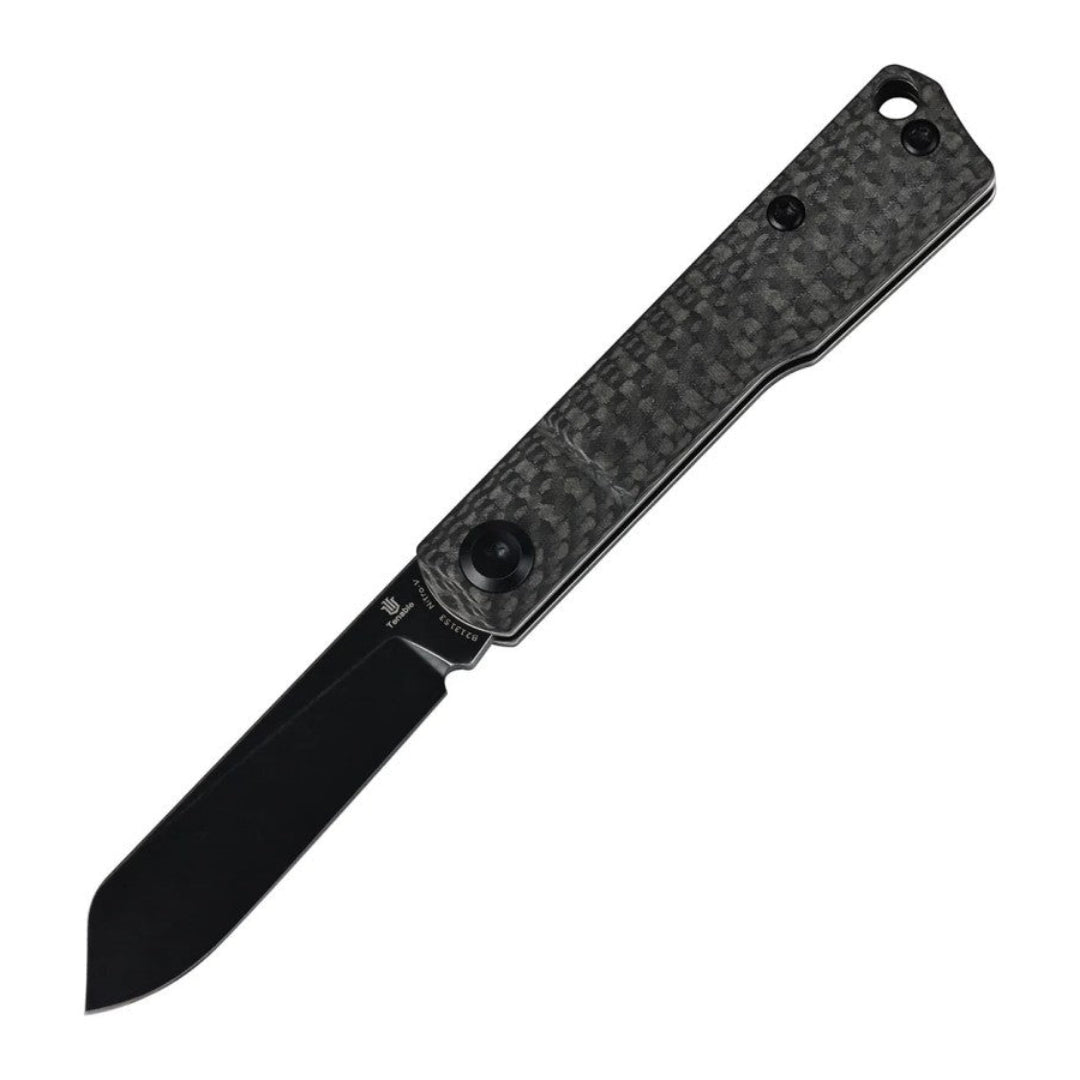
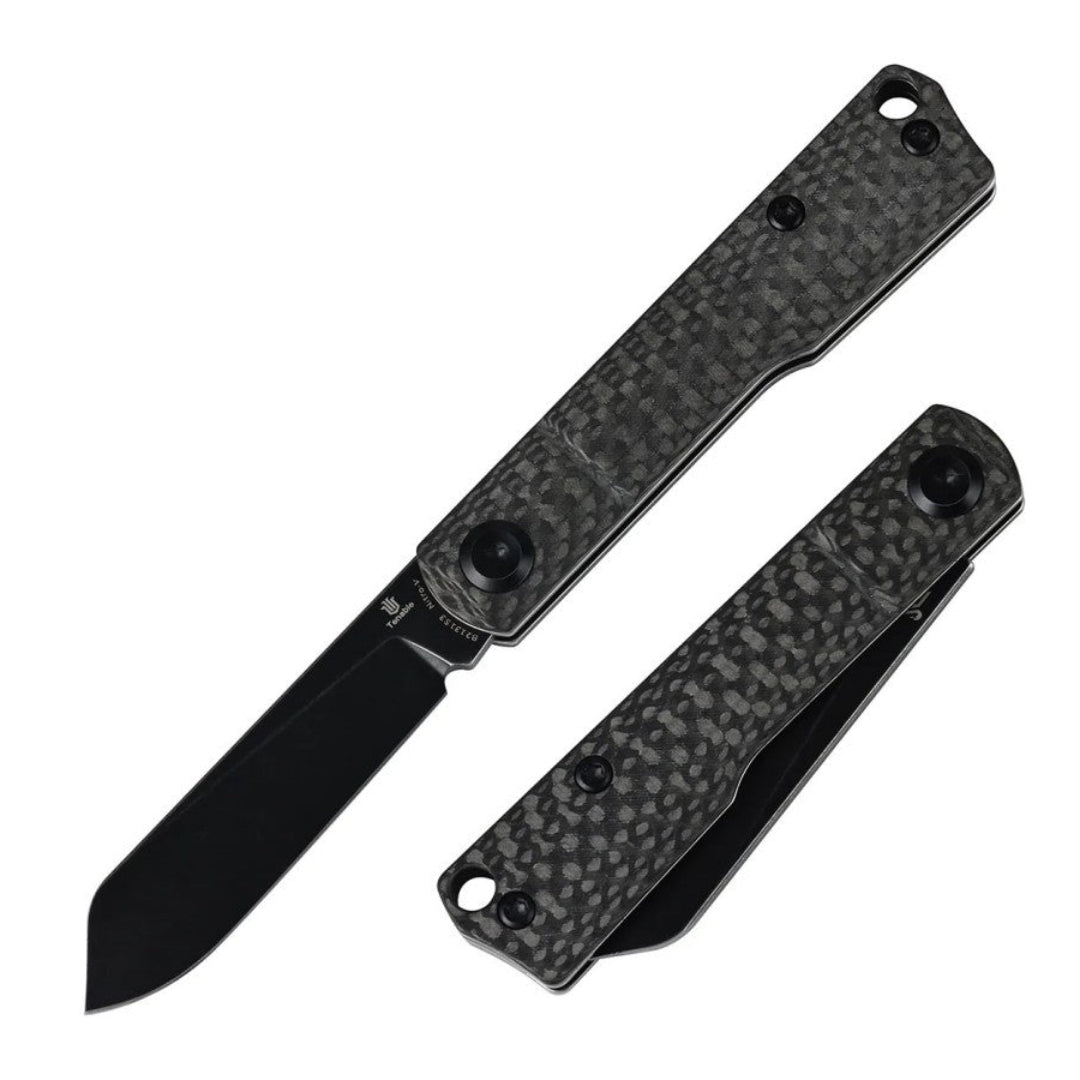
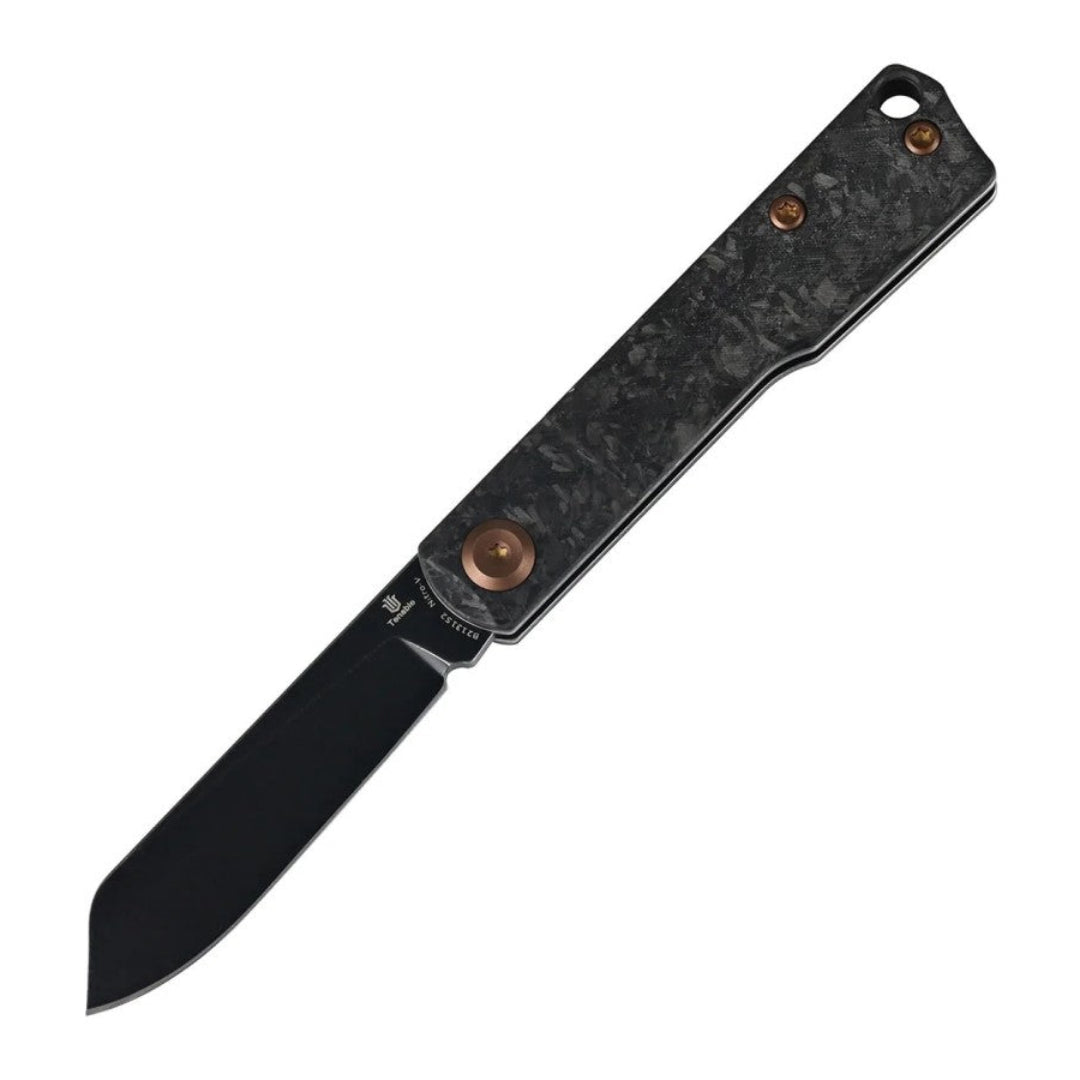
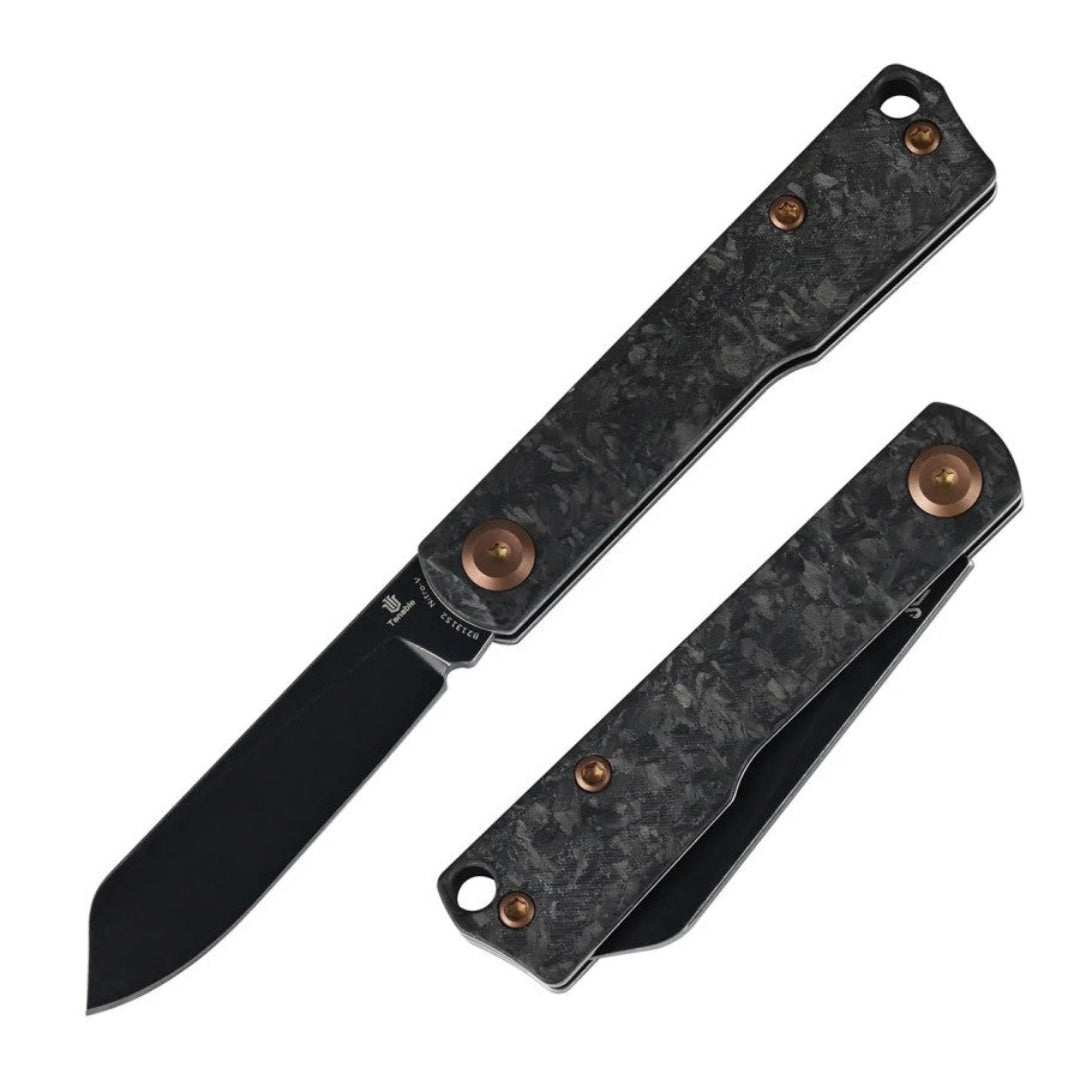
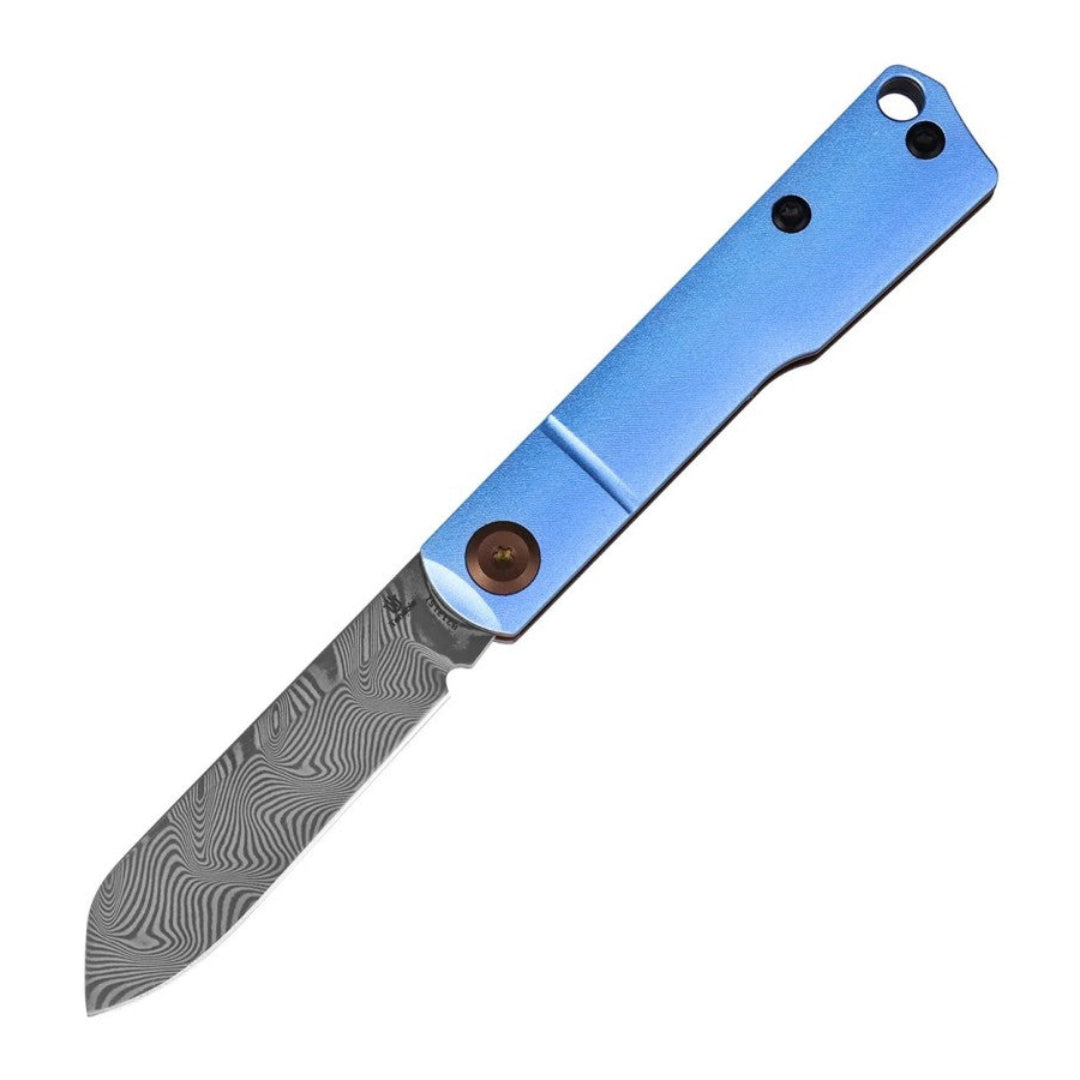
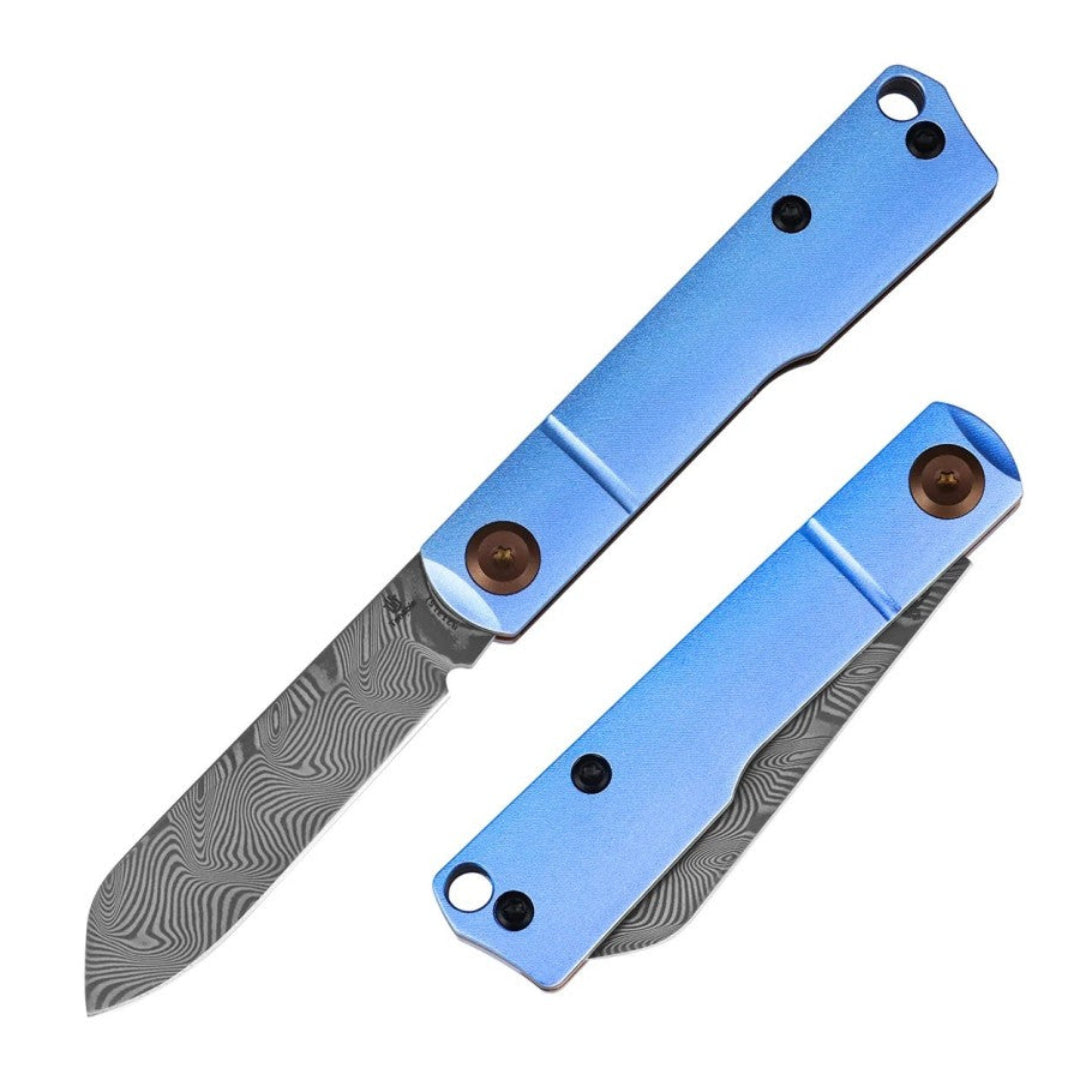
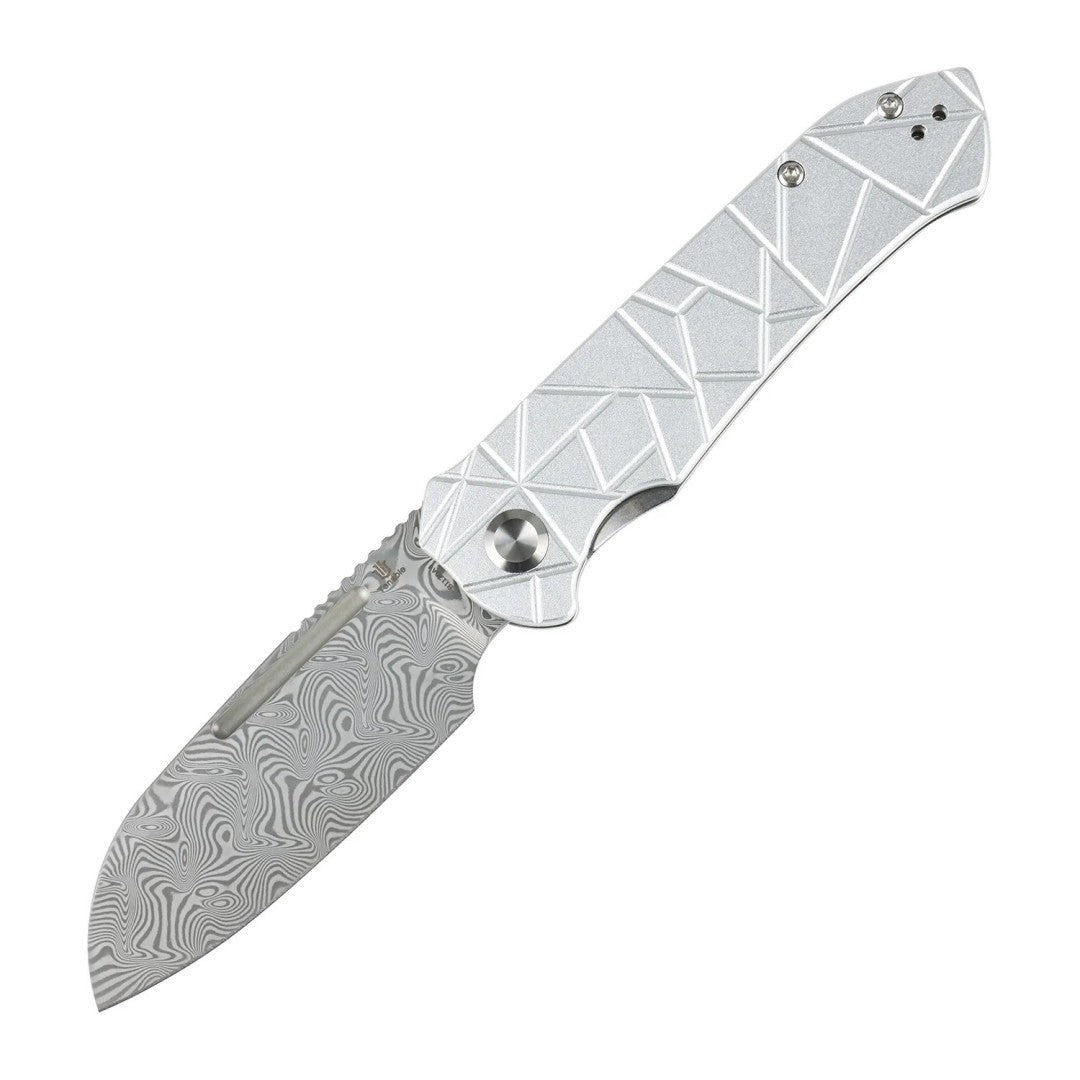
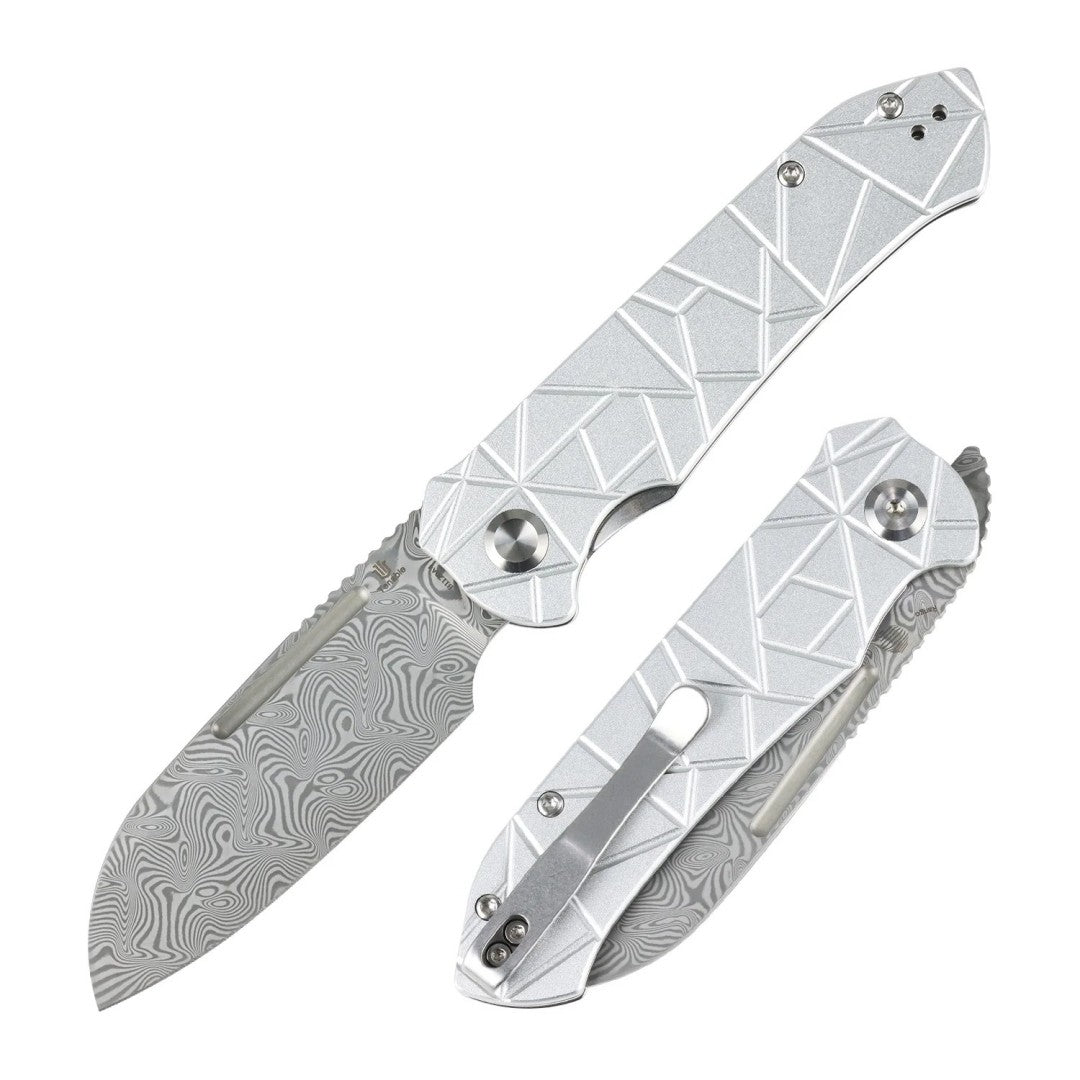
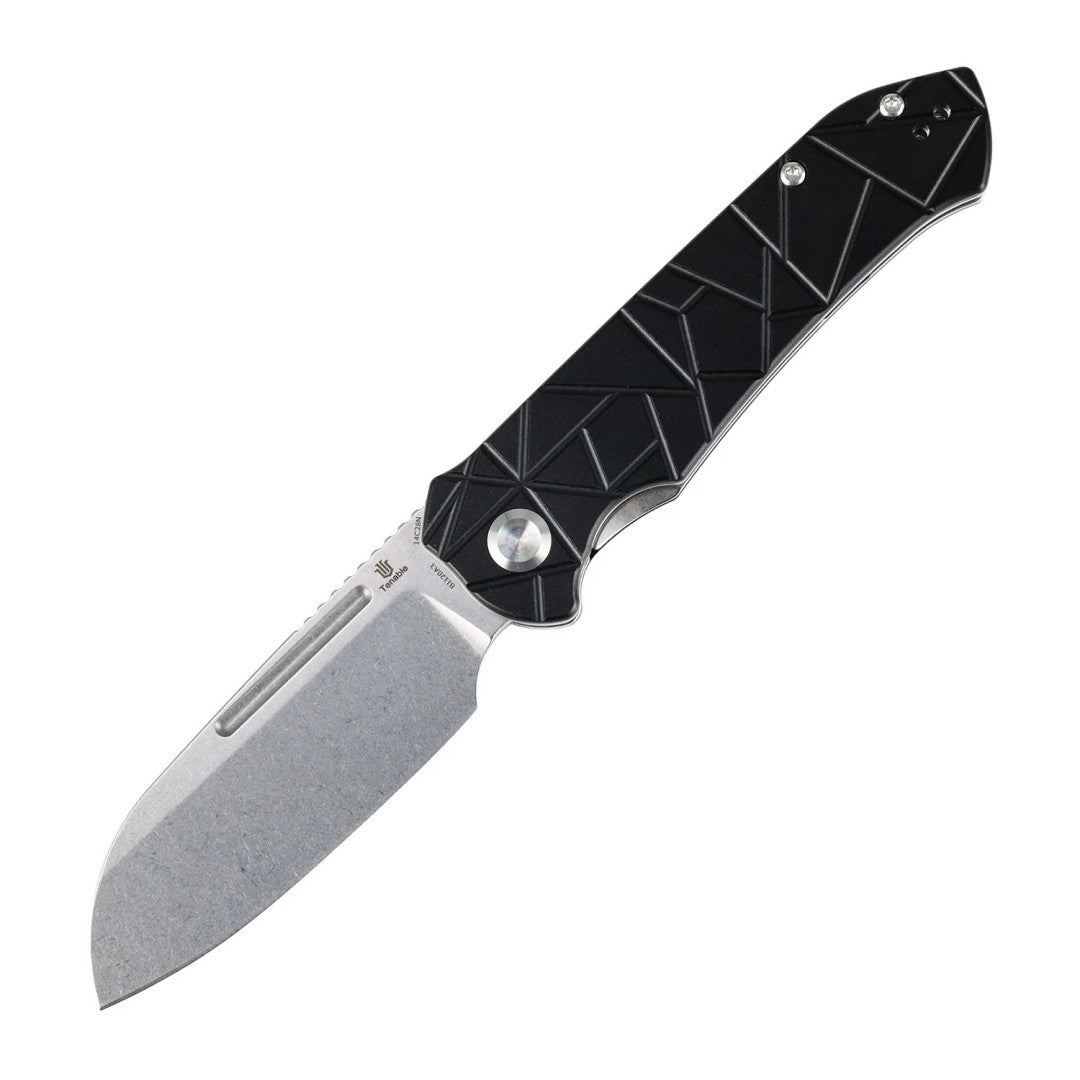
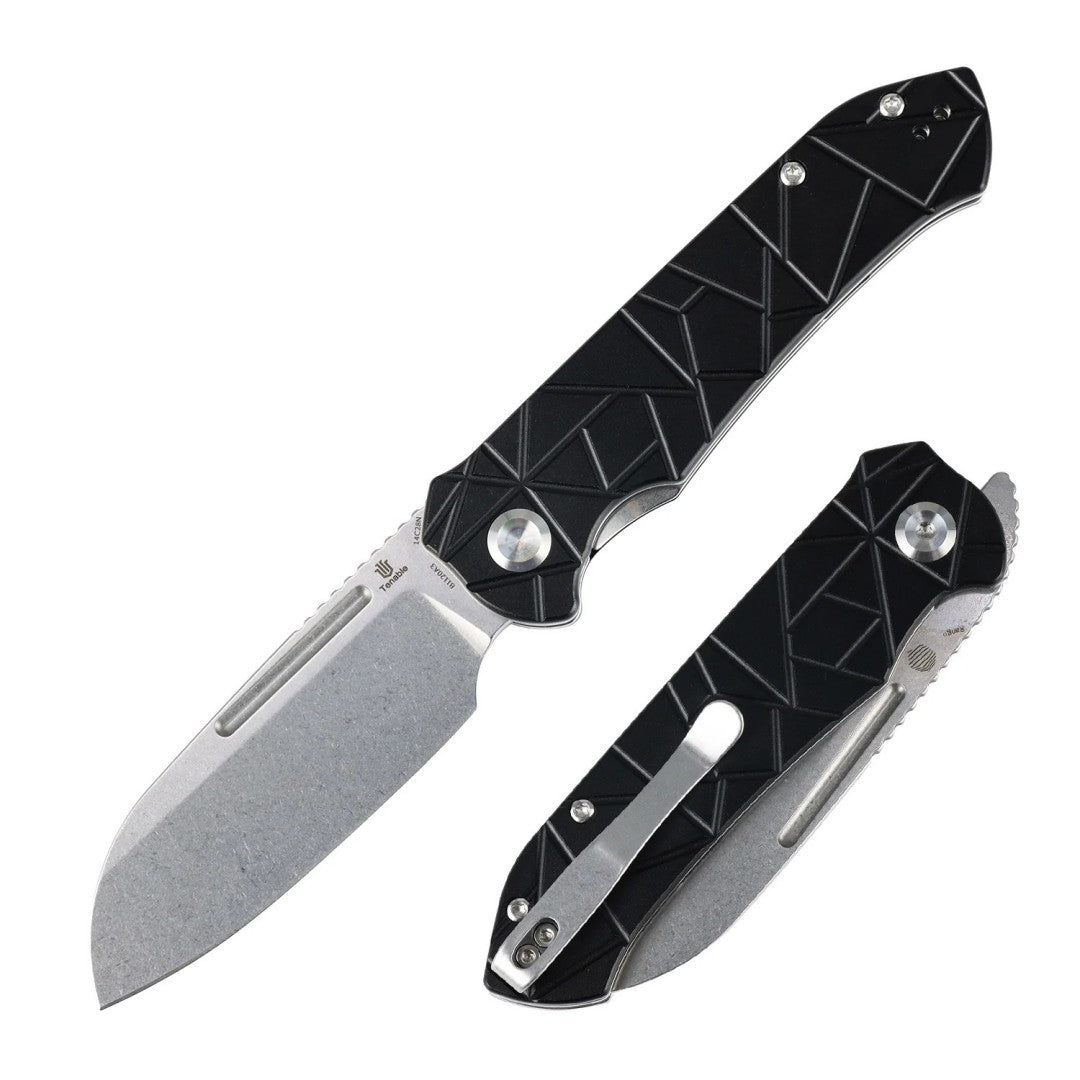
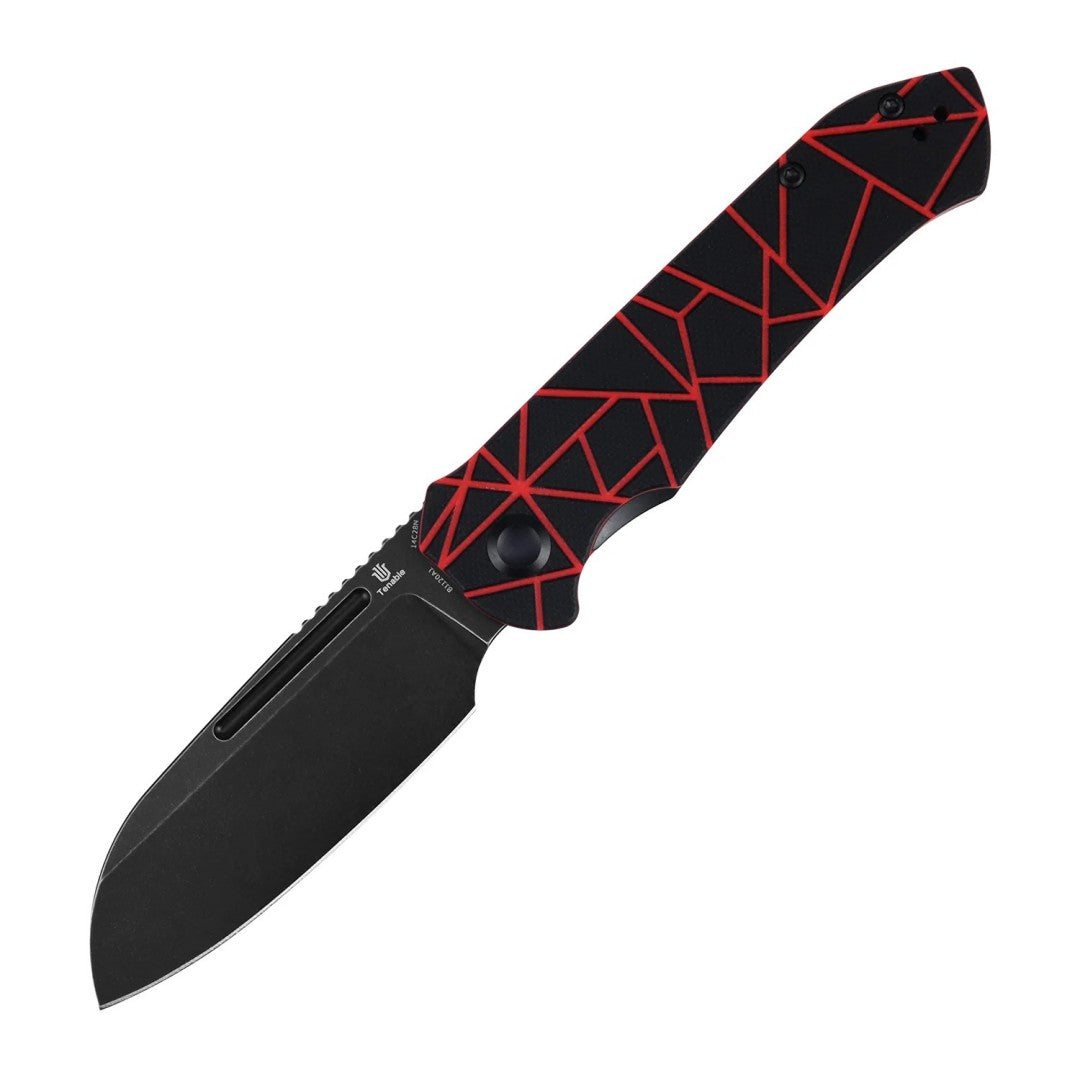
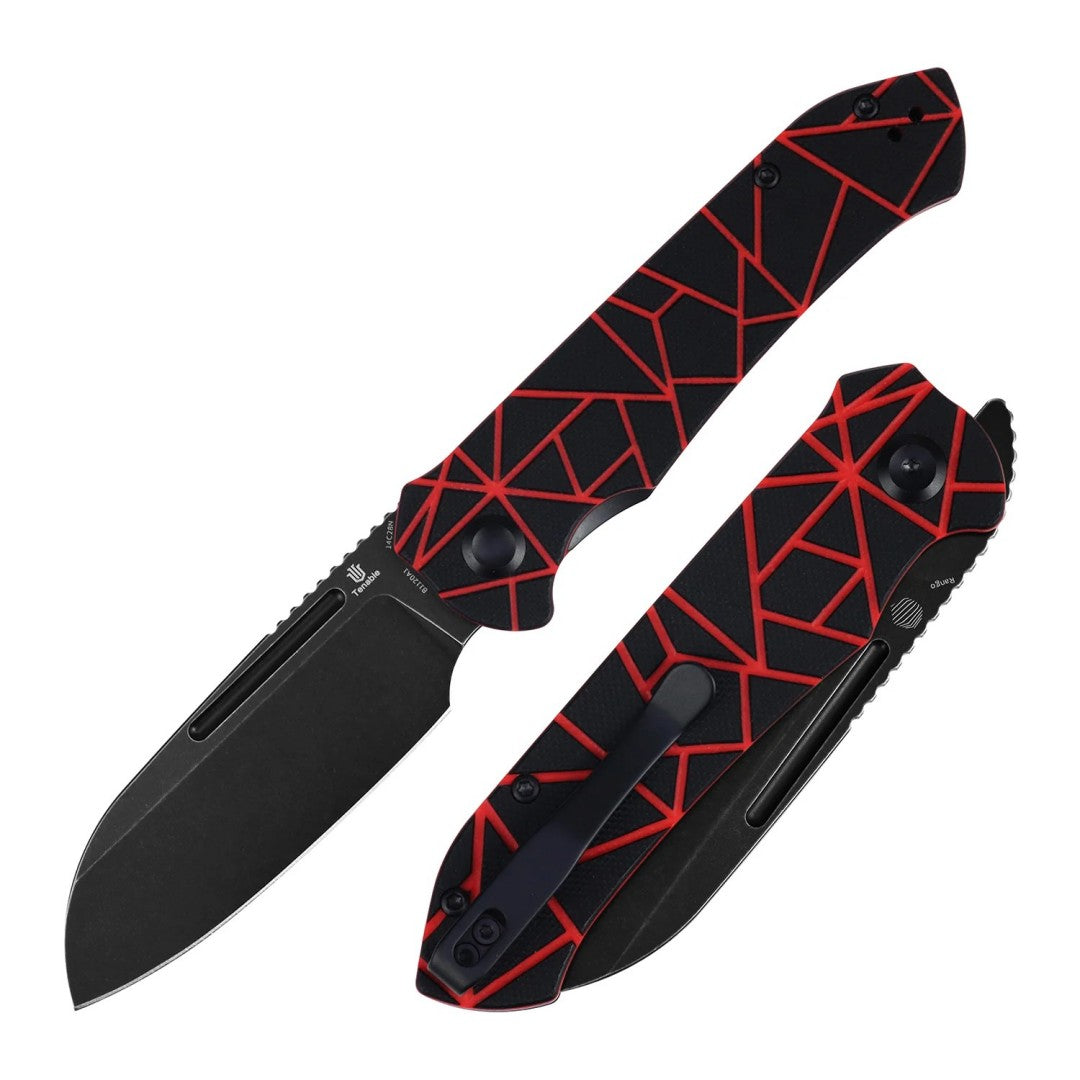
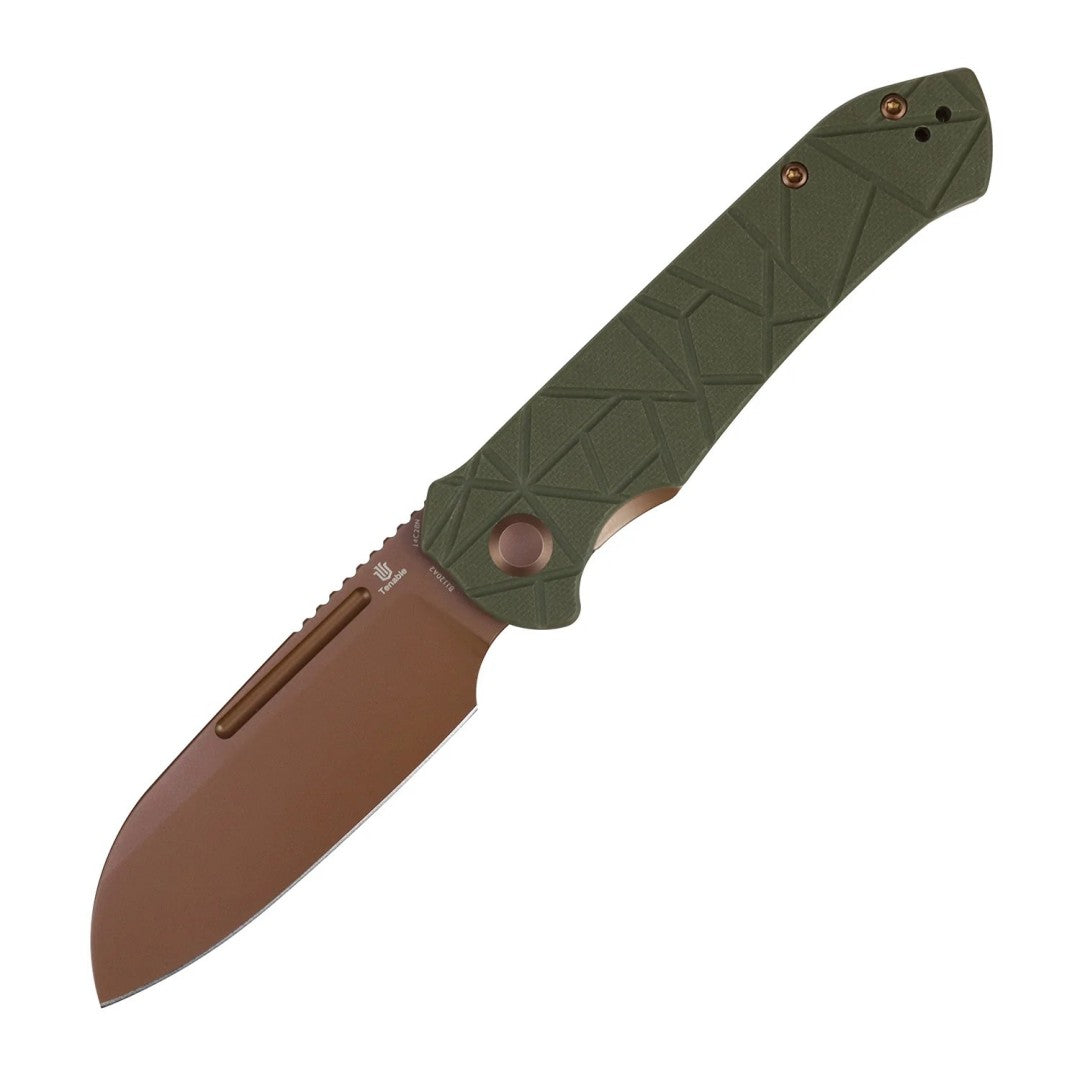
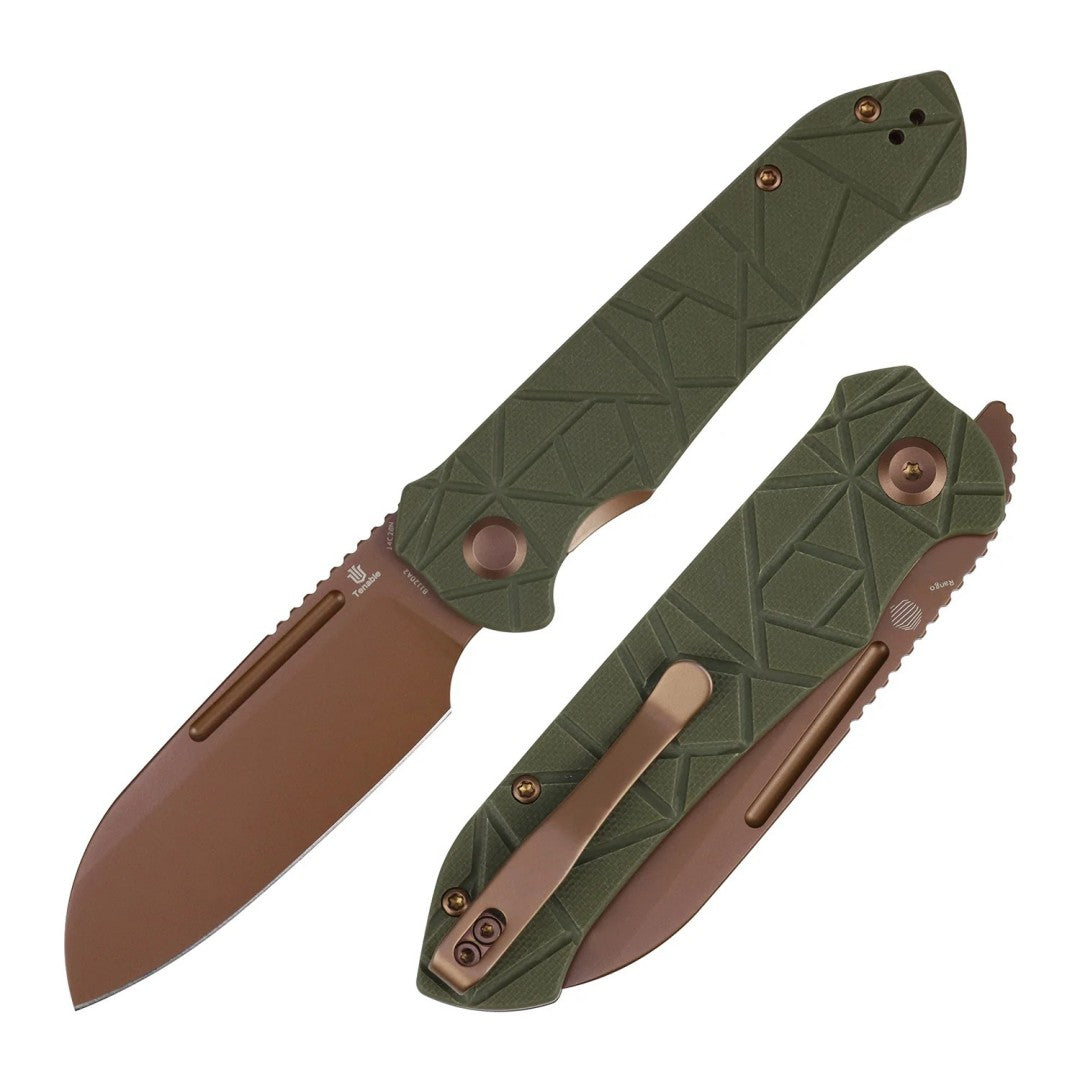
The QSP Ferret utilizes a modified drop point silhouette characterized by a spine that slopes gradually downward toward the tip, meeting a curved cutting edge (the belly) that rises up to meet it.
This specific configuration shifts the balance point of the knife forward, ensuring that the tip remains structurally robust while keeping the point low enough to offer maximum control during precision cuts. Unlike deep clip points or aggressive sheepsfoot blades which prioritize either piercing or slicing exclusively, this hybrid approach aims straight for the middle ground.
1. Controlled Piercing Capability Without Fragility
A common pitfall of hyper-focused EDC pocket knives is tip fragility. Traditional clip points provide an ultra-sharp, thin point that is excellent for puncturing, but they are highly susceptible to snapping if you accidentally hit a hard staple in a cardboard box.
The drop point on the Ferret thickens progressively as it moves back toward the spine. This creates a reinforced triangular wedge at the point. When you need to puncture heavy plastic strapping, score thick leather, or pierce through clamshell packaging, the tip bites effectively into the material without giving you that lingering anxiety that the apex is going to break off.
2. A Generous Belly for Effortless Slicing
Slicing relies on continuous contact with the edge, which is facilitated by a curved "belly." If a blade is too straight (like a traditional Wharncliffe), slicing on flat surfaces forces your wrist into an unnatural upward angle.
The QSP Ferret provides a smooth, sweeping curve along the forward half of its cutting edge. This belly allows the user to utilize natural rolling motions during a cut. Whether you are slicing an apple at your desk, prepping a piece of cordage, or breaking down shipping boxes, the belly ensures the material stays trapped against the sharp edge throughout the entire motion rather than slipping off the front.
3. The Flat Grind Advantage
The blade shape works hand-in-hand with its primary grind. The Ferret sports a high flat grind, meaning the blade tapers uniformly from the spine down to the secondary cutting bevel.
Because the drop point shape retains full spine thickness across most of its length, the flat grind has plenty of vertical space to thin down gradually. This produces an edge that acts as an efficient wedge when splitting thicker mediums, ensuring the knife glides cleanly through fibrous materials like corrugated cardboard without jamming or binding up halfway through the stroke.

Real-World Performance: EDC Tasks Demystified
To understand why this geometry excels, we have to look at what people actually do with an everyday carry folder. True EDC rarely involves survival shelters or tactical defensive scenarios; it consists of mundane, repetitive tasks that require speed, control, and cleanliness.
-
Package Opening & Box Breaking: The low tip placement means you don't have to raise your elbow excessively high to score the top tape of a package. You can rest your thumb securely on the jimping (the small ridges along the spine) and pull back smoothly.
-
Utility Scoring: For precision hobby work, cutting out stencils, or trimming loose threads, the point is easily guided by your index finger along the spine. The proximity of the tip to the centerline of the pivot translates directly into higher spatial accuracy.
-
Food Prep on the Fly: While small, the sweeping belly ensures that the knife can slice through cured meats, cheeses, or fruit without tearing the food apart. The drop point also prevents the tip from accidentally digging deep into your cutting surface.
Technical Specifications Overview
While the shape dictates how it cuts, the materials dictate how long it keeps cutting. Below is a snapshot of the foundational specs that support this exceptional geometry:
| Attribute | Specification | Benefit for Daily Carry |
| Blade Material | CPM 20CV / 14C28N (Depending on variant) | High corrosion resistance paired with excellent edge retention. |
| Blade Length | Approximately 2.56 inches (65mm) | Highly pocketable and legal in a vast majority of jurisdictions. |
| Blade Thickness | 0.12 inches (3.0mm) | Provides a sturdy backbone that won't flex under lateral pressure. |
| Lock Type | Liner Lock | Proven reliability that is intuitive to operate one-handed. |
Final Thoughts: The No-Nonsense Workhorse
Ultimately, the QSP Ferret does not try to reinvent the wheel—instead, it refines a classic. By choosing a drop point silhouette with a balanced belly and a reinforced tip, QSP created a pocket knife that handles 95% of typical daily cutting tasks with absolute confidence. It is a compact, utilitarian geometry designed to work hard, sharpen easily, and stay out of your way until it is needed.
Frequently Asked Questions
Q: Is the QSP Ferret blade shape legal for everyday carry everywhere?
A: With a blade length of around 2.56 inches, the Ferret complies with many strict local knife laws regarding length. However, because it is a locking, one-hand-opening folder, always verify your specific state, regional, or international laws before carrying.
Q: How easy is it to maintain and sharpen this specific blade profile?
A: Very straightforward. The continuous, predictable curve of the drop point belly makes it an ideal shape for beginners and veterans alike on flat whetstones, guided systems, or ceramic rods, as there are no sharp recurves or complex angles to manage.
Q: Does the tip shape allow for detailed, fine-point work?
A: Yes. Because the spine drops down to meet the edge along the knife's center axis, it provides an intuitive point of aim. This allows you to perform highly detailed tasks, like splinter removal or precision utility scoring, with excellent control.