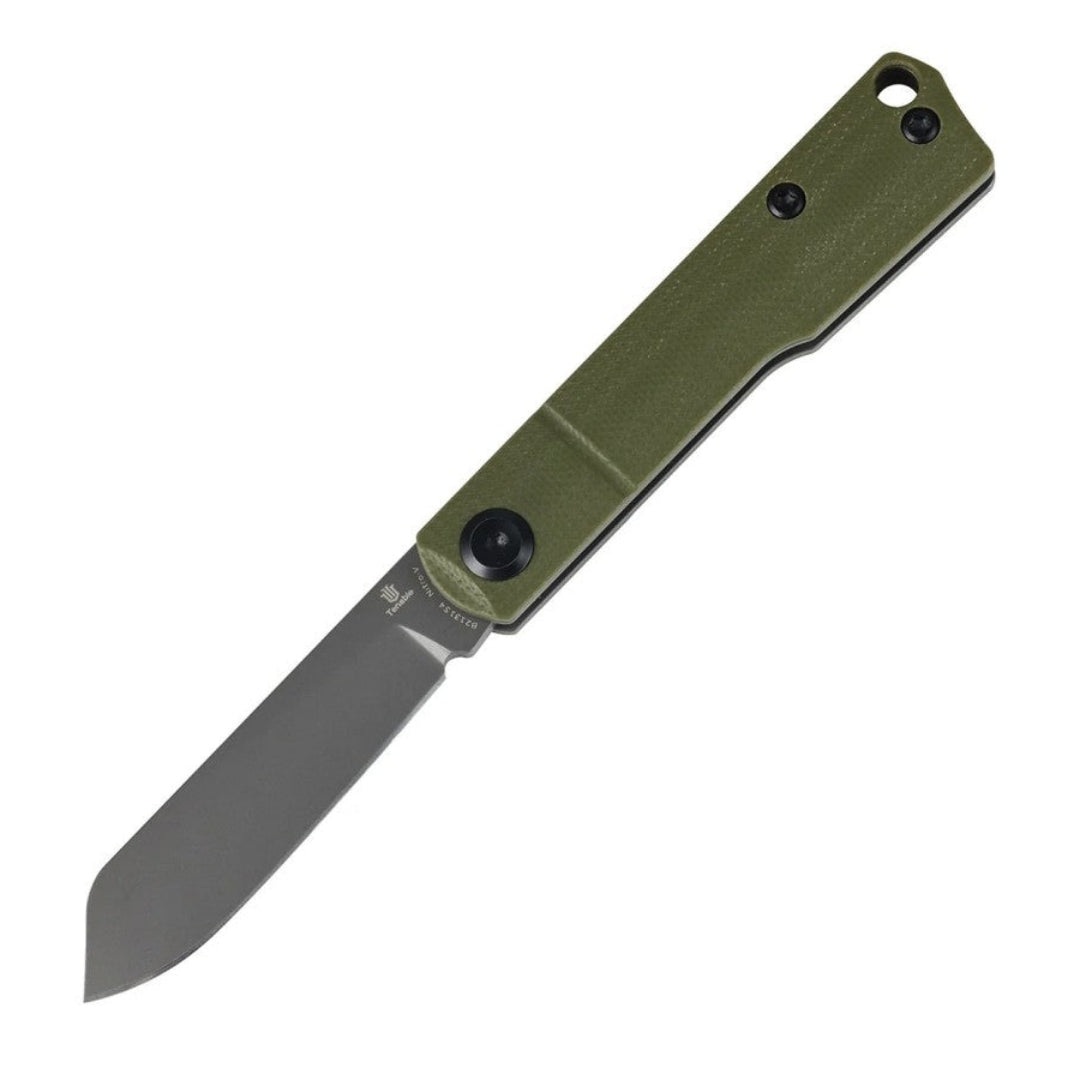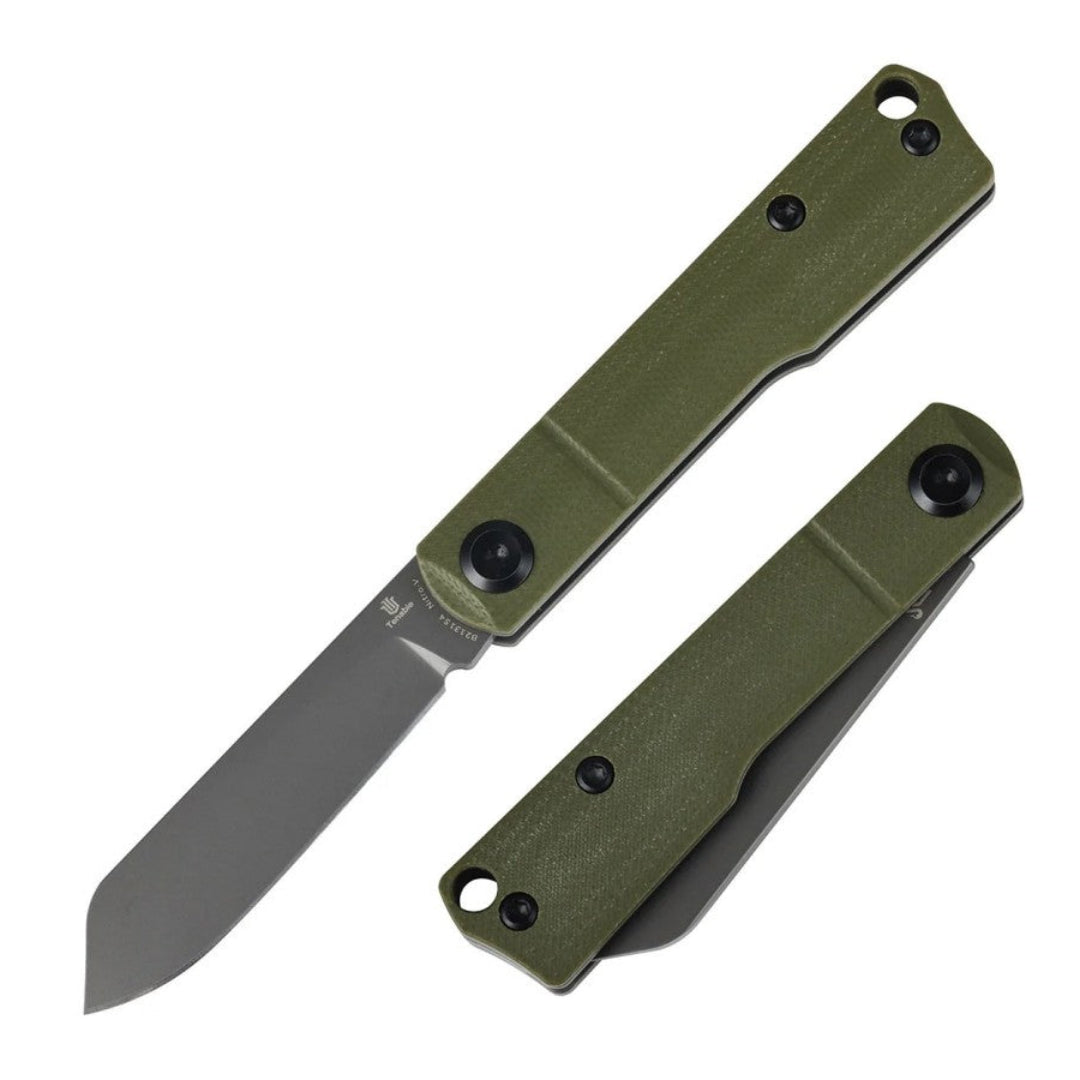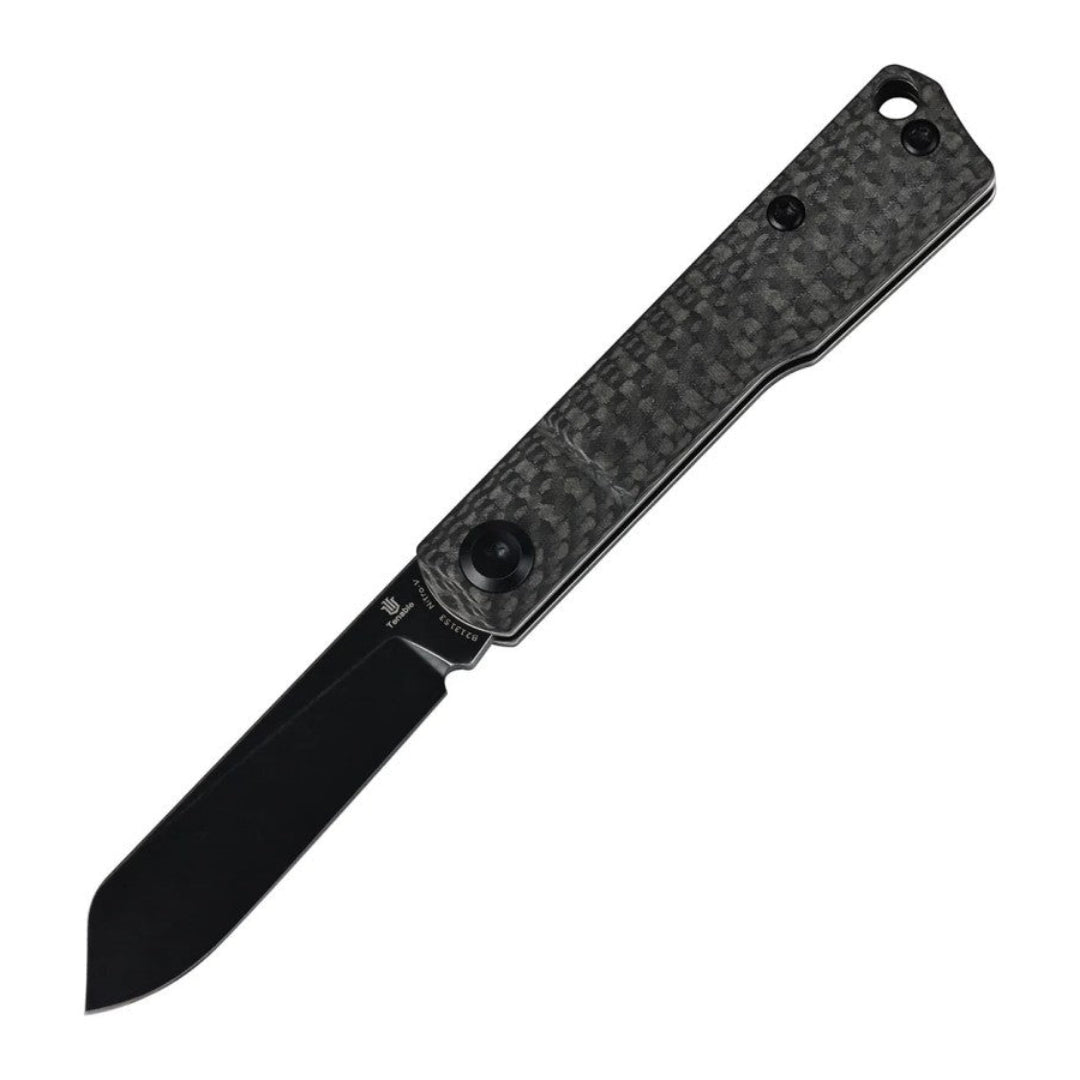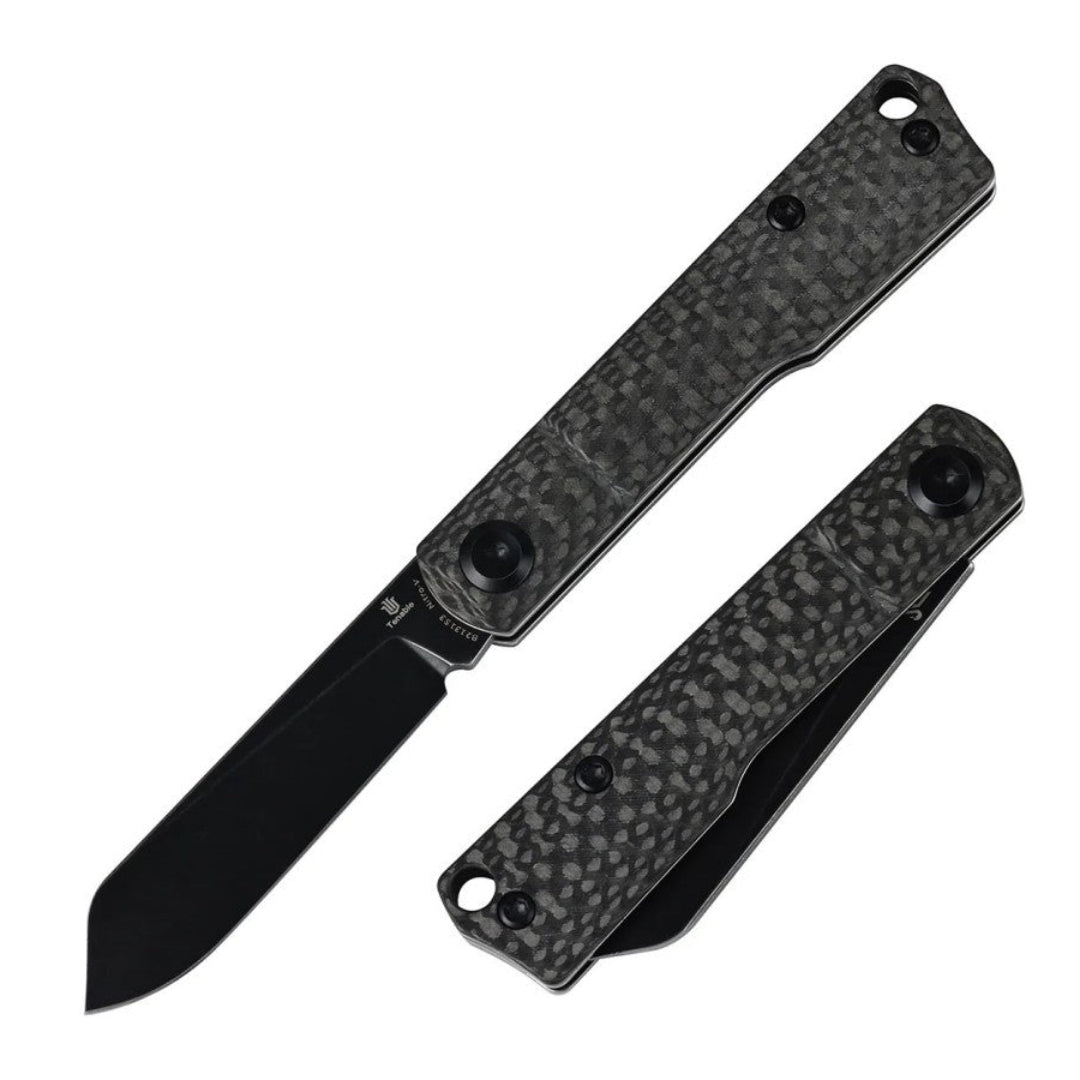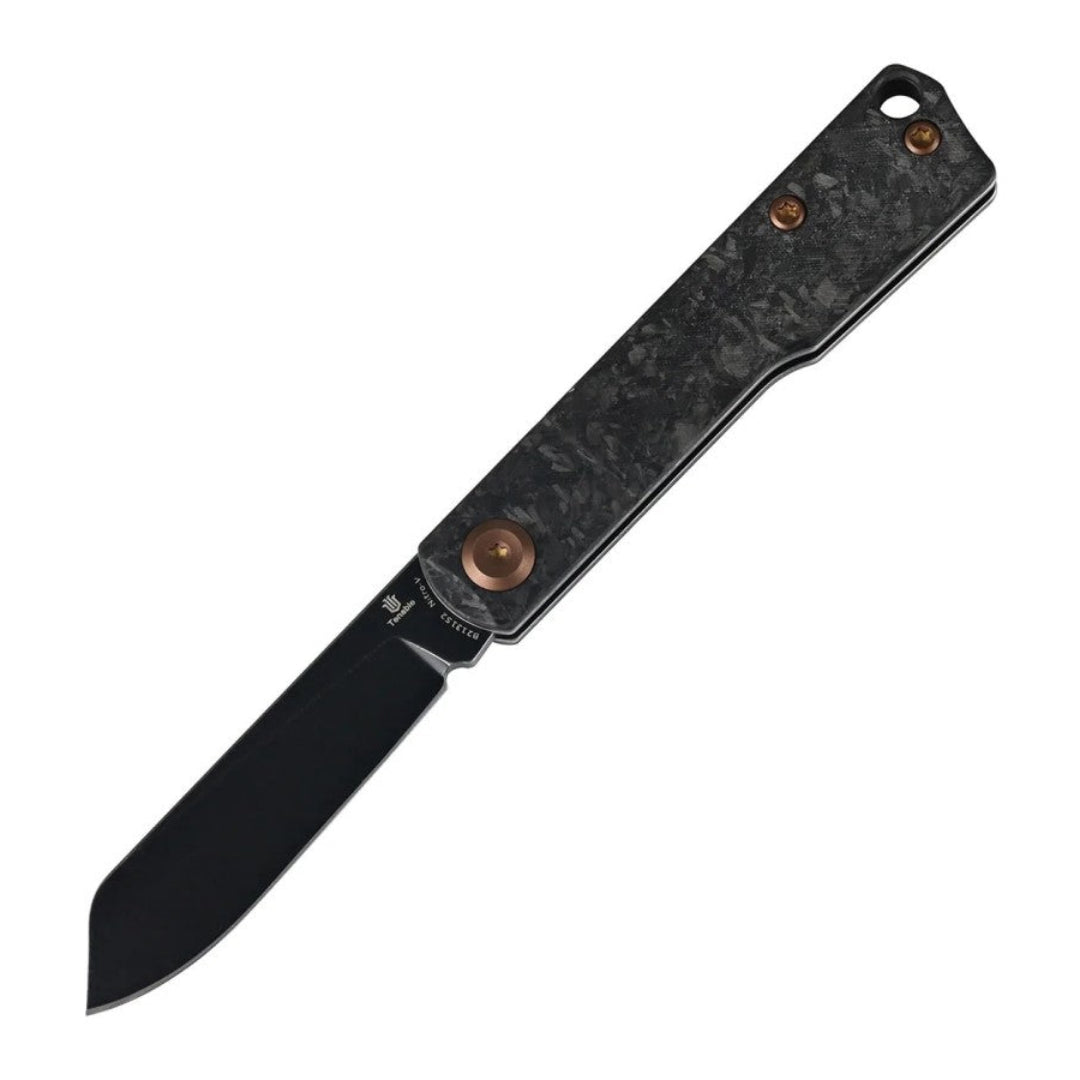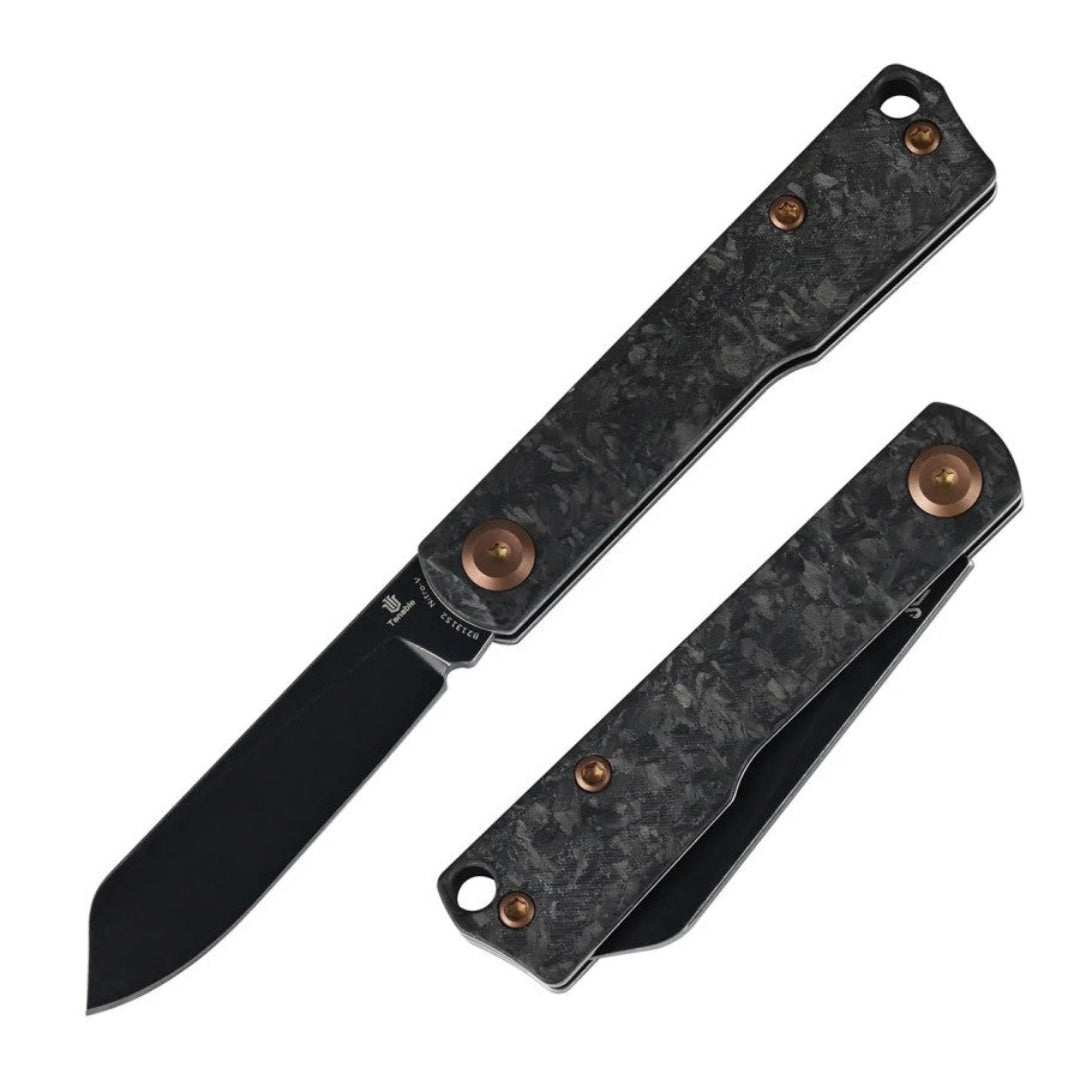
For the casual everyday carry (EDC) enthusiast, a pocket knife is evaluated by simple utility—how easily it opens a cardboard box or cuts through a piece of paracord. But for the true knife collector, the evaluation criteria shift into an entirely different realm. A collector-grade knife is judged as a functional sculpture, a masterclass in tight machining tolerances, and an exhibition of elite metallurgy.
While the standard production runs of the Bestech Senu have earned widespread praise for their high-performance CPM S90V steel and clean lines, the flagship Bestech Senu Damascus Limited Edition (BT2601E) has ascended to a coveted "must-have" status among serious gear investors. Designed by the highly acclaimed custom knife maker Grzegorz Grabarski (known as Kombou), this limited variant represents the absolute pinnacle of Bestech’s manufacturing capabilities.
Let’s explore the structural art, exotic material composition, and mechanical details that make true collectors fall in love with the Damascus Senu.
1. Ancient Artistry Meets Modern CNC Tolerance
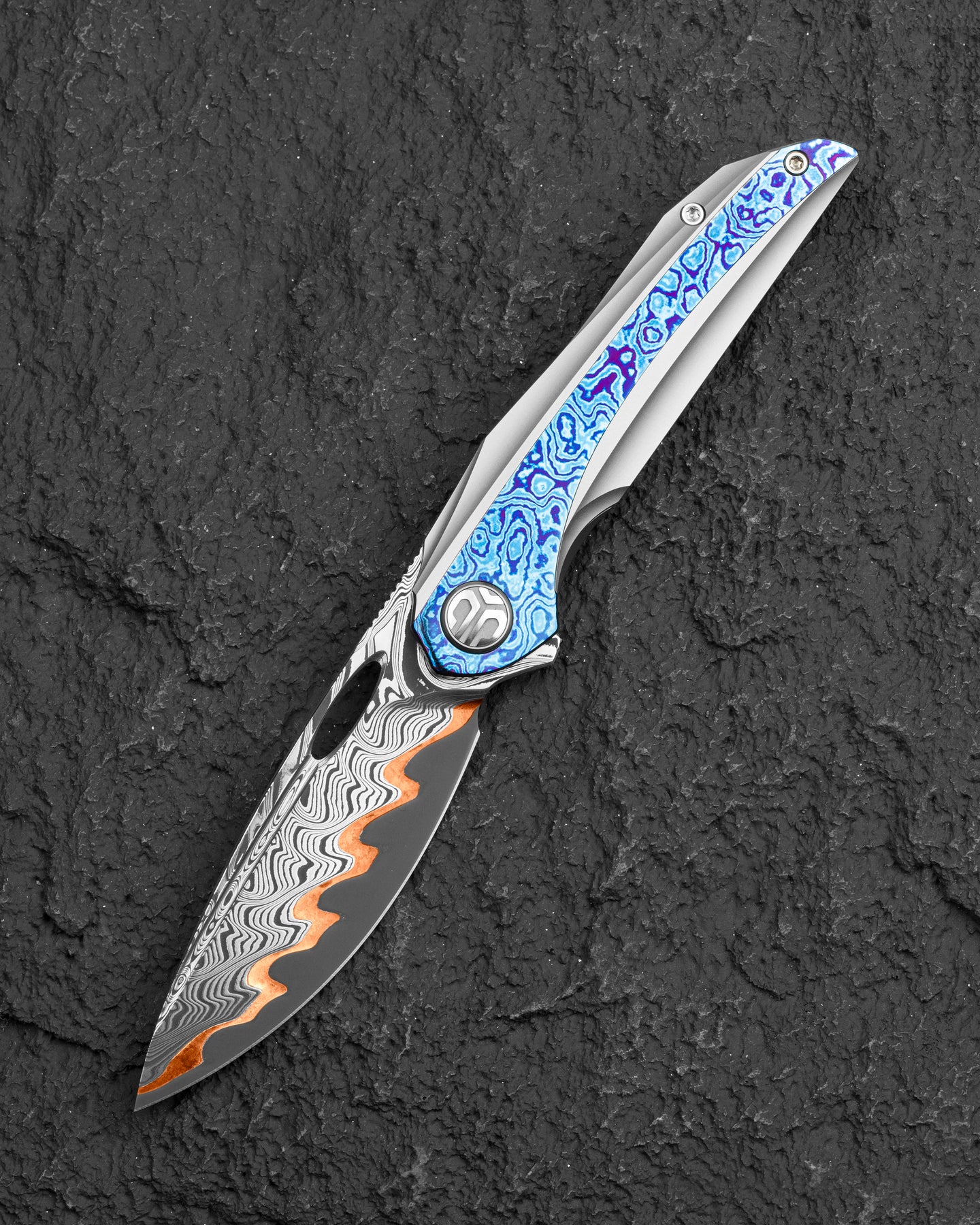
At the heart of the Damascus Senu’s appeal is the striking juxtaposition of ancient metalwork and 21st-century manufacturing. Grabarski’s design language is highly futuristic, characterized by sweeping aerodynamic curves inspired by a soaring eagle, accented by angular facets and precision geometry.
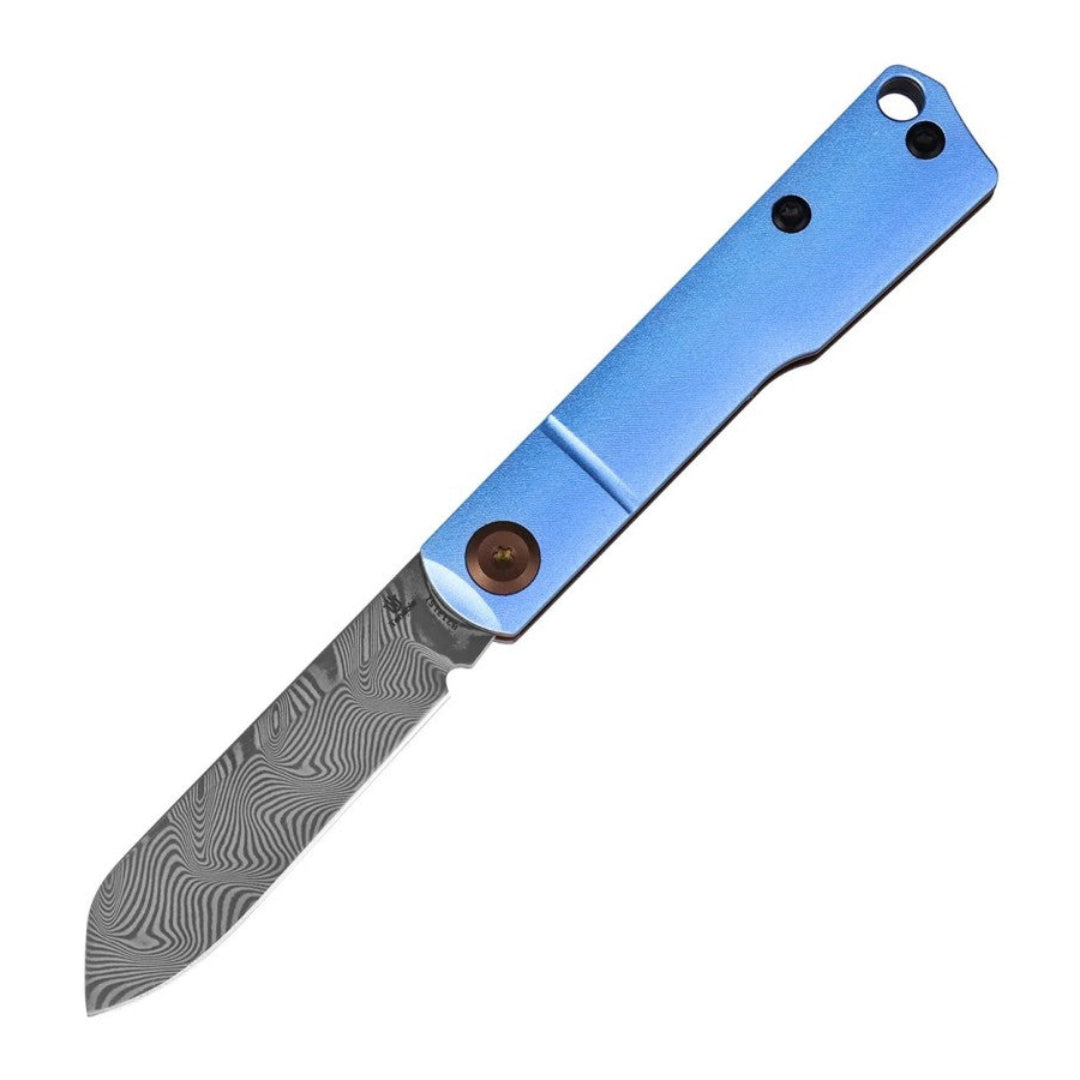
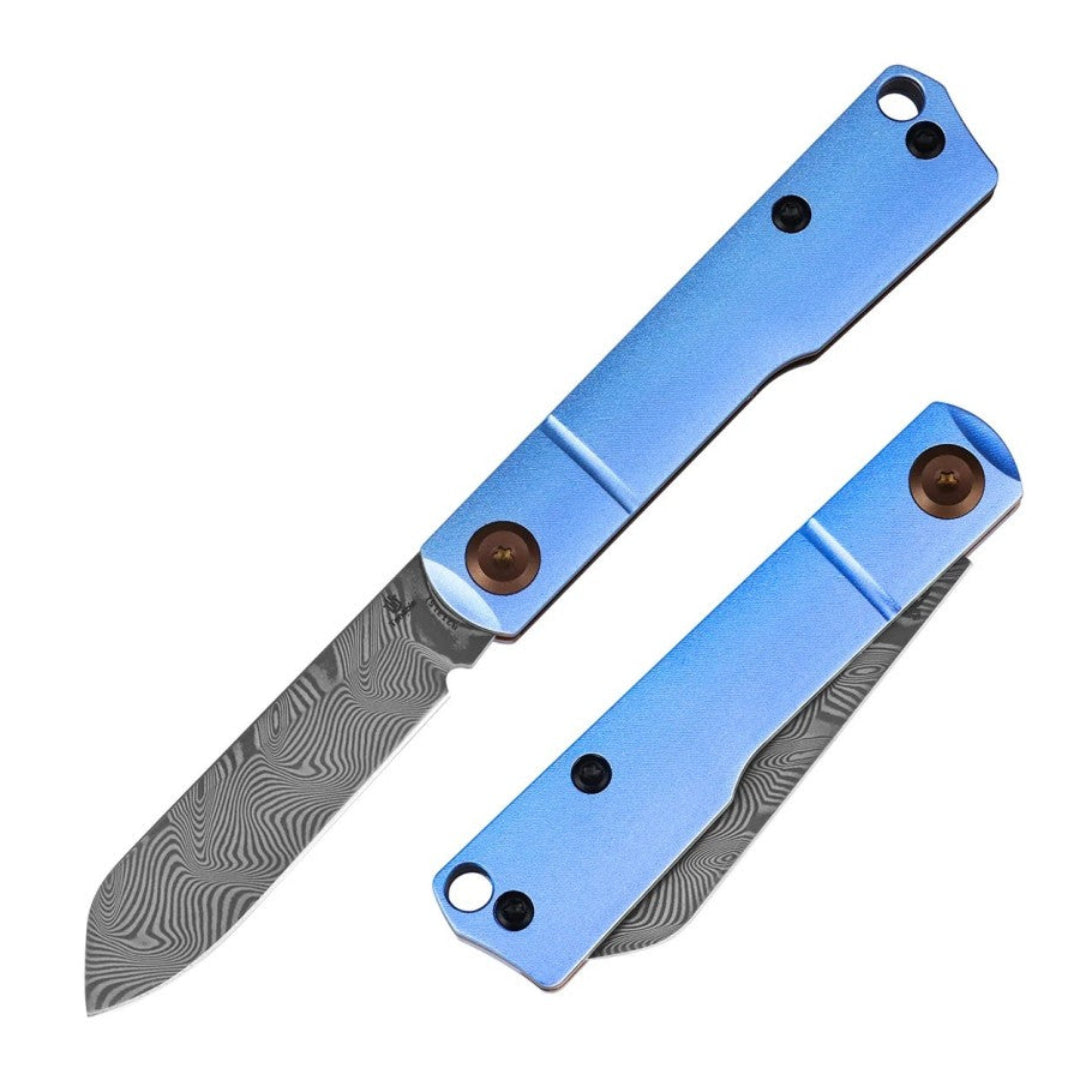
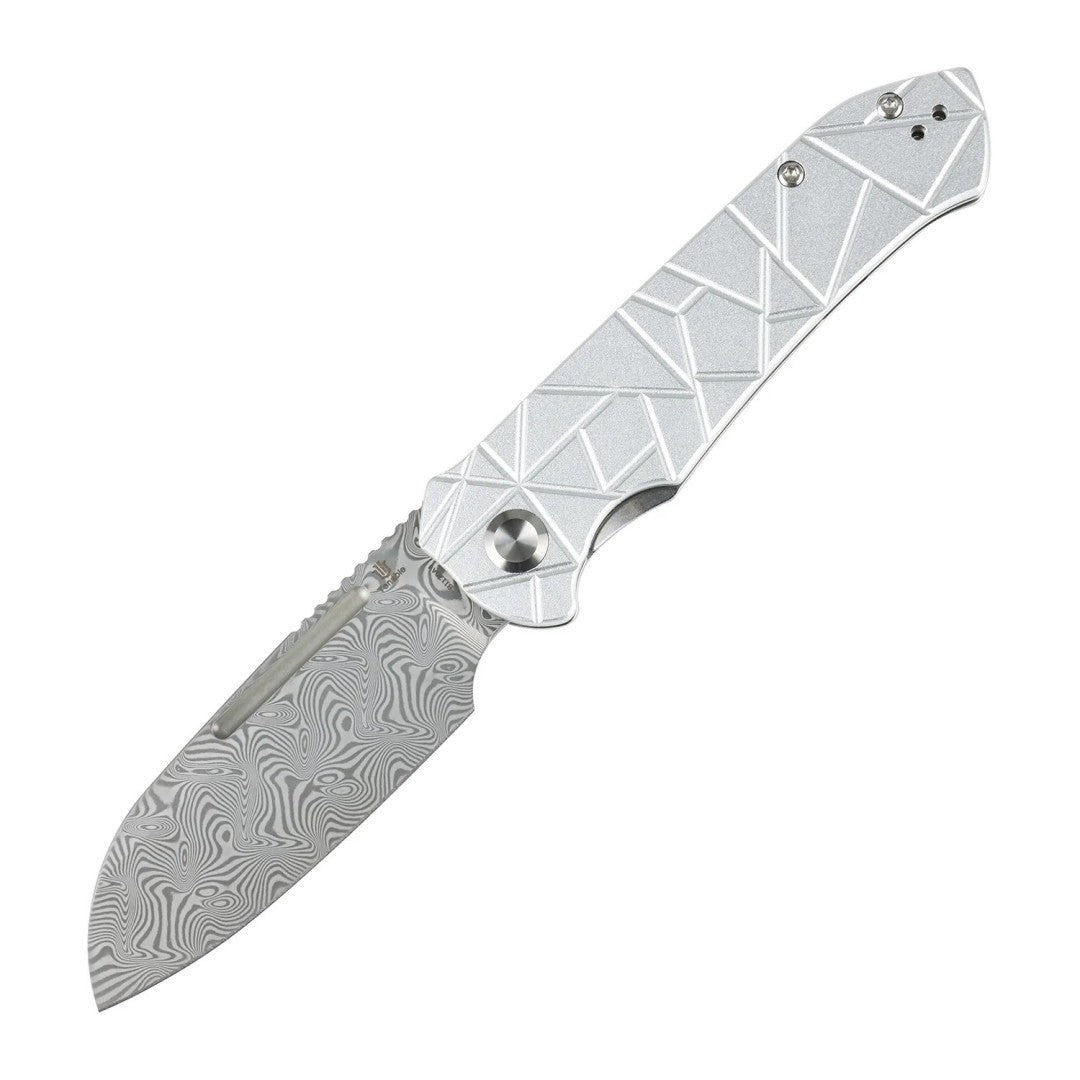
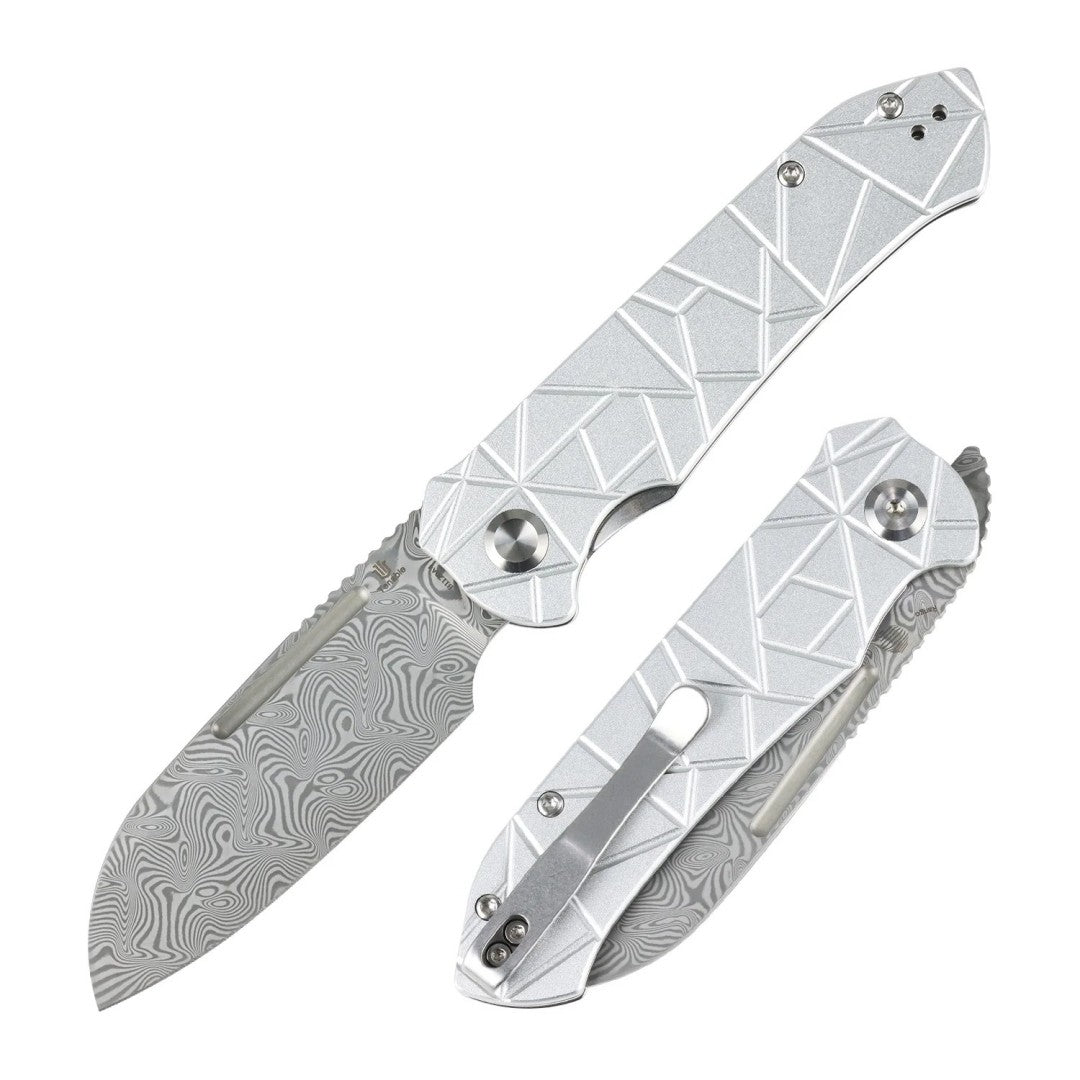
By imposing the organic, flowing visual waves of high-contrast Layered Damascus steel onto a precision-milled, hyper-modern titanium handle frame, Bestech has created a breathtaking piece of mechanical art. Collectors look for this visual tension—it elevates the folder far beyond a generic factory tool.
2. True Forge-Welded Damascus Steel
In an era where budget knives often feature laser-etched faux patterns over standard steels, true collectors demand authenticity. The Senu Limited Edition delivers genuine layered Damascus steel.
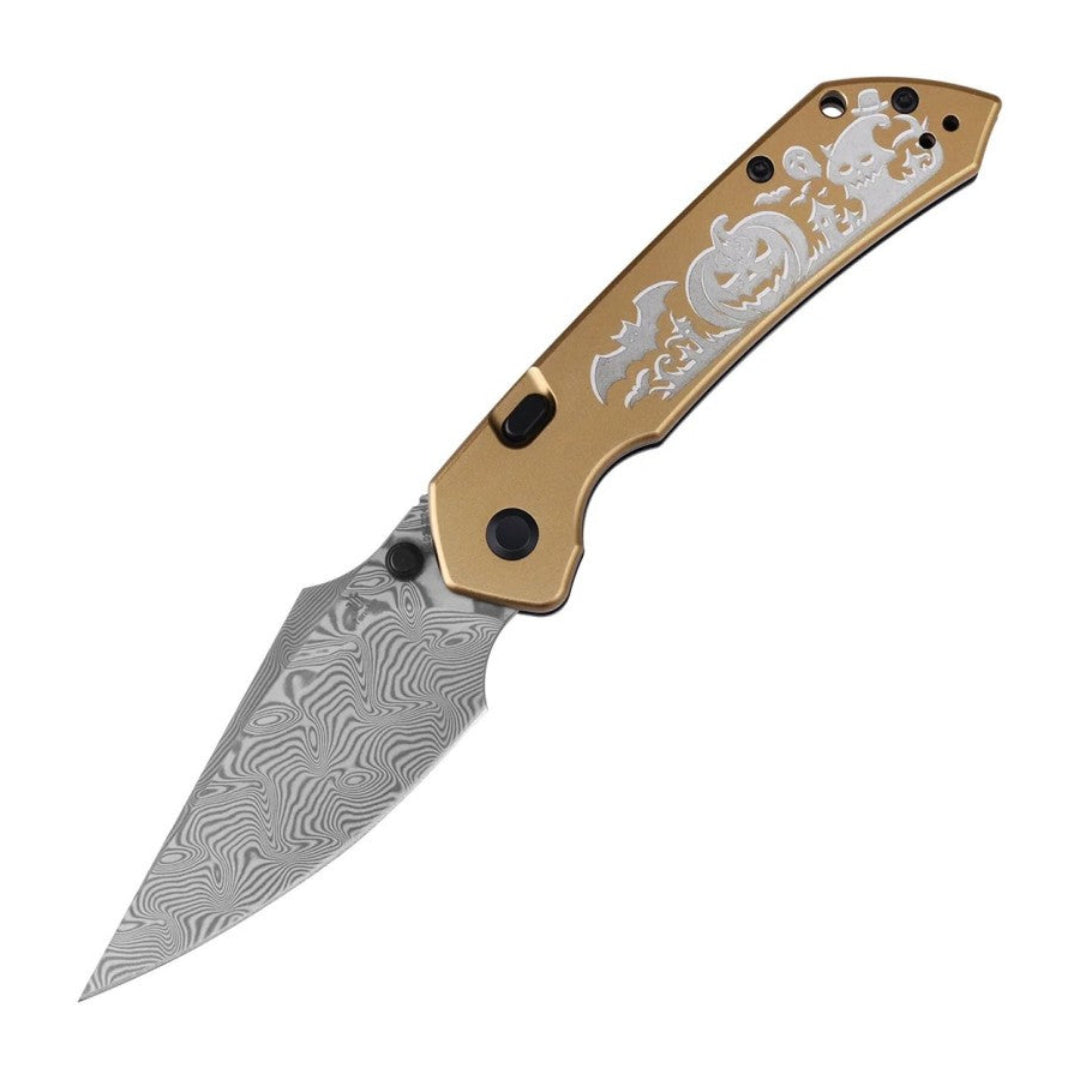
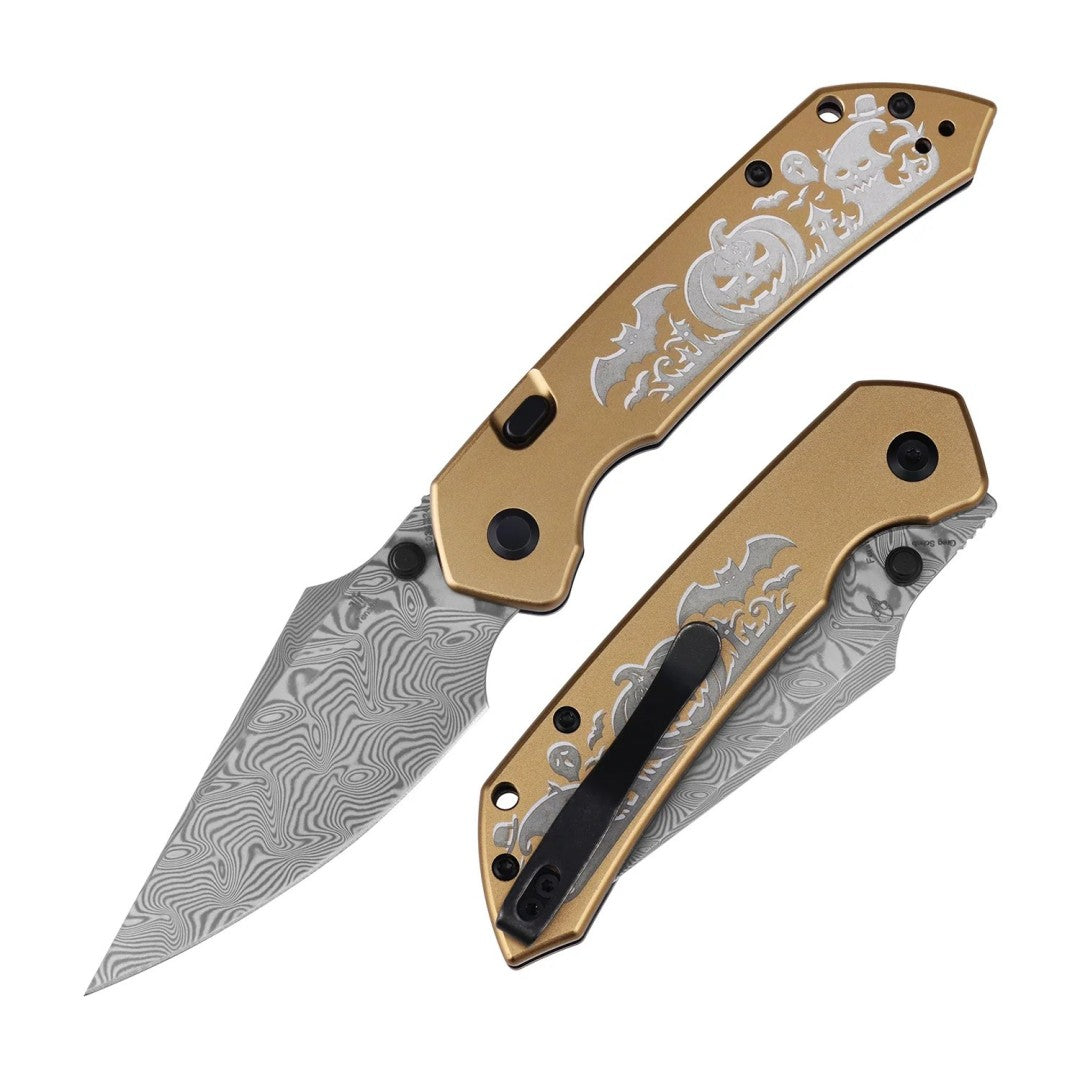
To achieve this striking look, multiple strata of contrasting steel alloys are forge-welded together, folded, and twisted by master bladesmiths before being milled into the final 3.48-inch drop-point profile.
The blade then undergoes a specialized acid-etching bath. The acid eats away at the softer steel layers while leaving the harder, nickel-rich layers intact, resulting in a rich, undulating topography across the full flat grind. No two Damascus Senu blades are identical; each piece features its own unique fingerprint.
3. Exotic Timascus & Mosaic Titanium Inlays
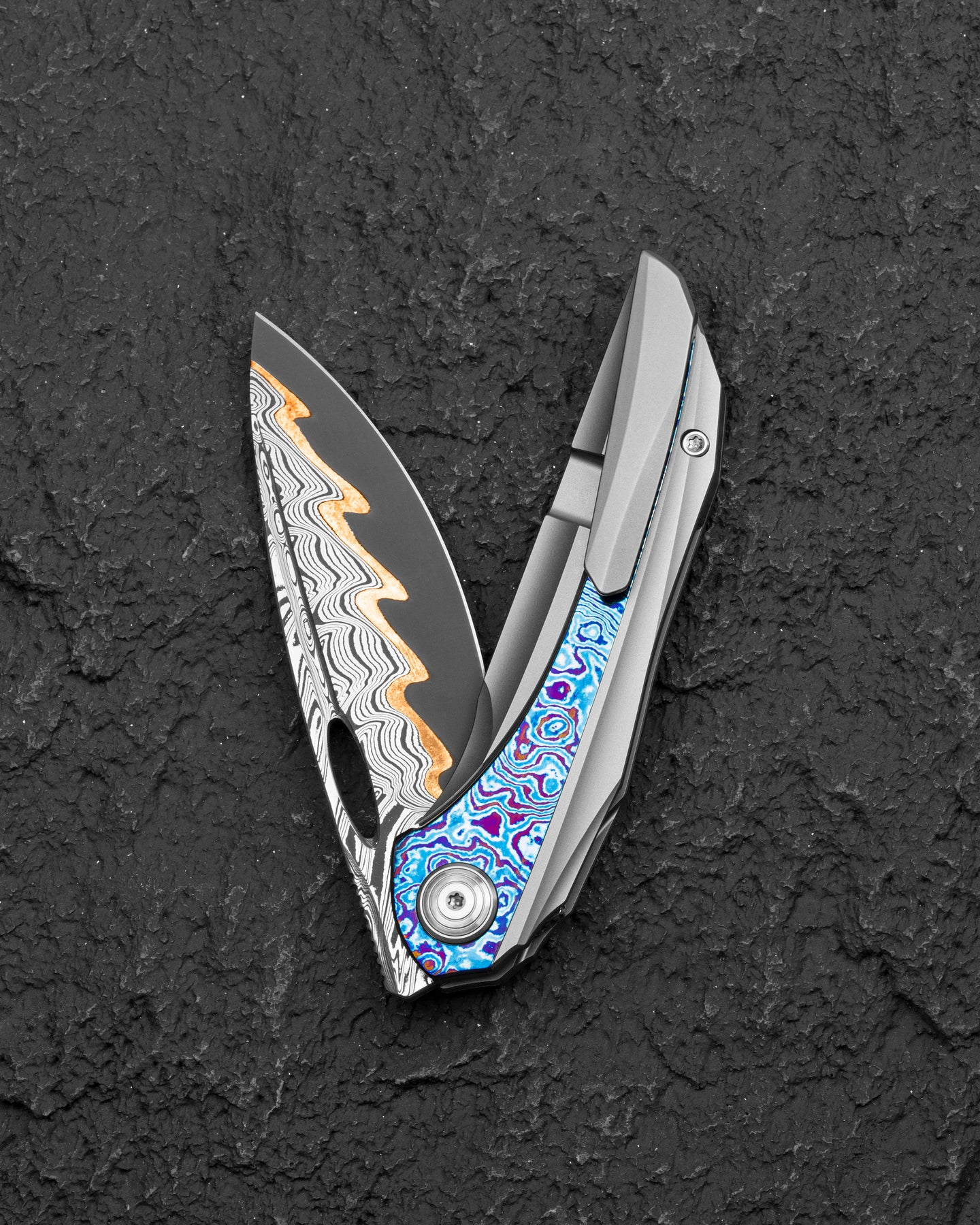
A true collector's piece cannot stop at a premium blade steel; the handle architecture must match that elite execution. The Senu's chassis is sculpted from 6AL4V Titanium, which is meticulously bead-blasted to a clean, silky-matte gray finish.
Embedded flawlessly into the titanium scales are exotic Timascus (Titanium Damascus) or Mosaic Titanium inlays. Timascus is a luxury material made by forge-welding different titanium alloys together. When subjected to precise heat-anodization, the varying alloys react at different temperatures, bringing out vibrant streaks of electric blue, royal purple, and shimmering gold.
What separates Bestech from lower-tier factories is their zero-tolerance fit and finish. Every single Timascus insert is machined to sit entirely flush with the titanium housing. Running your fingers across the handle scales reveals a completely seamless transition with absolutely no palpable gaps or raw seams.
4. The Tactile Symphony: Glassy Ceramic Bearings
Knife collecting is a deeply tactile hobby. A true enthusiast can tell the quality of a folder blindfolded simply by breaking the detent and feeling the blade rotate.
The Damascus Senu runs on a premium caged ceramic ball bearing pivot system. Ceramic bearings are exponentially harder than traditional steel, completely rust-proof, and impervious to flat-spotting over time.
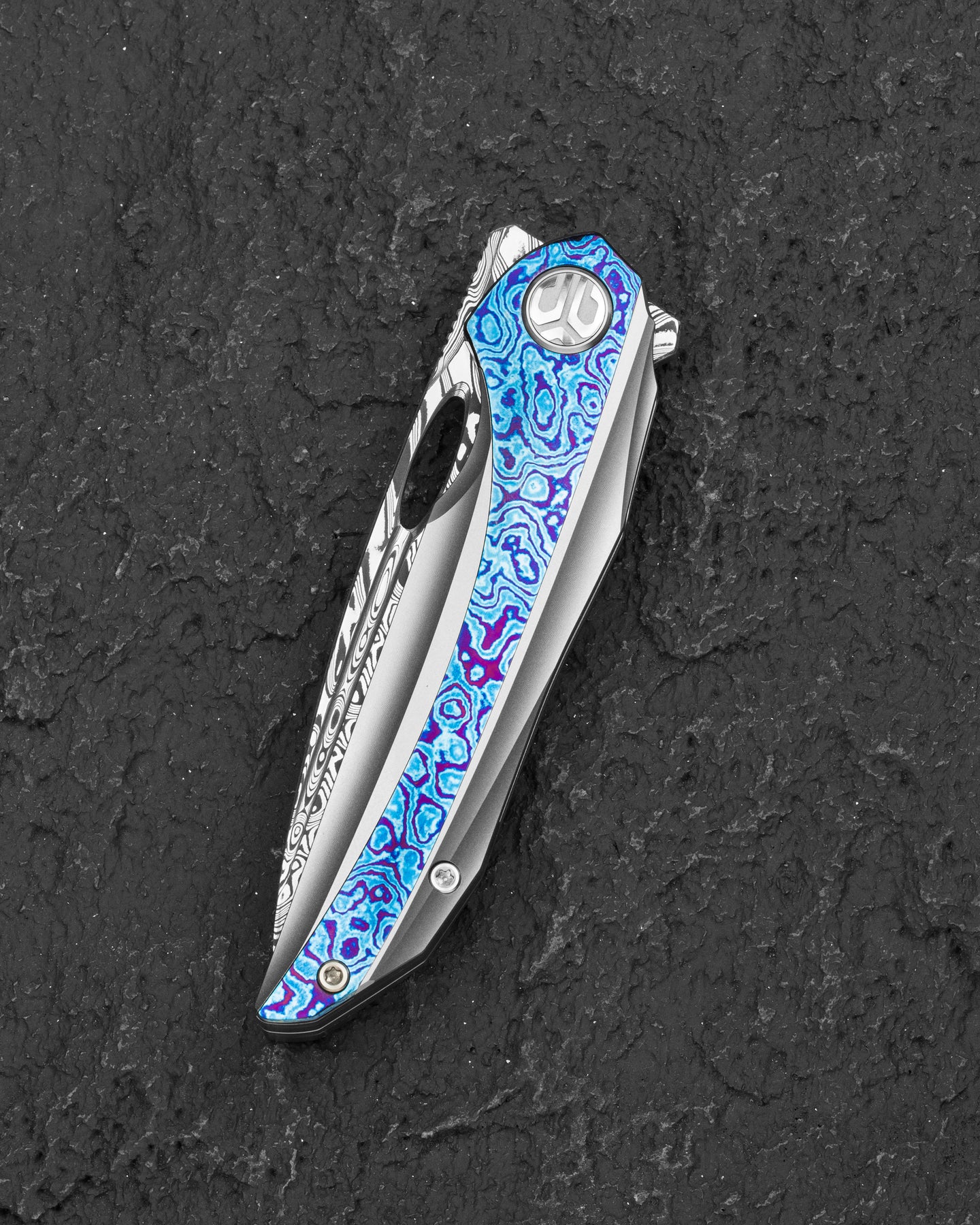
The detent on the Senu is tuned to absolute perfection. Pressing down on the low-profile flipper tab releases a crisp snap that rocks the blade open instantly, locking out with a clear, bell-like metallic "clack." For alternative deployment, the elongated thumb hole cutout allows for an elegant manual rollout or a highly satisfying reverse middle-finger flick.
5. Built-In Vault Security for Peace of Mind
True collectors care about long-term mechanical survival. The Senu relies on an integral titanium frame lock to secure the blade. Because titanium faces can stick or wear thin against steel over time, Bestech integrates a hardened steel lockbar insert.
This creates a non-sticky, reliable steel-on-steel interface that preserves the factory lockup geometry for thousands of cycles. The insert also houses an overtravel stop, a safety tab that physically blocks the lockbar from being flexed too far outward when closing the blade, preserving the crucial spring tension.
Is the Senu Damascus Edition Worth It?
| Evaluation Metric | The Senu Damascus Limited Edition | Standard Production Folders |
| Blade Appeal | Genuine Acid-Etched Layered Damascus | Uniform Satin Monolithic Steel |
| Inlay Materials | Heat-Anodized Timascus / Exotic Ti | Carbon Fiber / Basic Polymers |
| Fit & Finish | Zero-Tolerance Flush-Milled Alignment | Standard Factory Seam Lines |
| Collectibility | Highly Limited, Investment-Grade Runs | Mass Production Availability |
The Ultimate Verdict
For a casual user looking for a basic tool to toss into a toolbox, the Damascus Senu is undoubtedly more knife than necessary. But for the serious connoisseur, the Bestech Senu Damascus Limited Edition represents an incredible value proposition.
By taking an extraordinary custom layout by Grzegorz Grabarski and executing it with rare materials like Timascus and layered Damascus steel, Bestech provides custom-tier art knife aesthetics at a fraction of true custom price points. It stands out not just as a tool, but as a highly collectible masterpiece that commands immediate attention in any premium showcase.