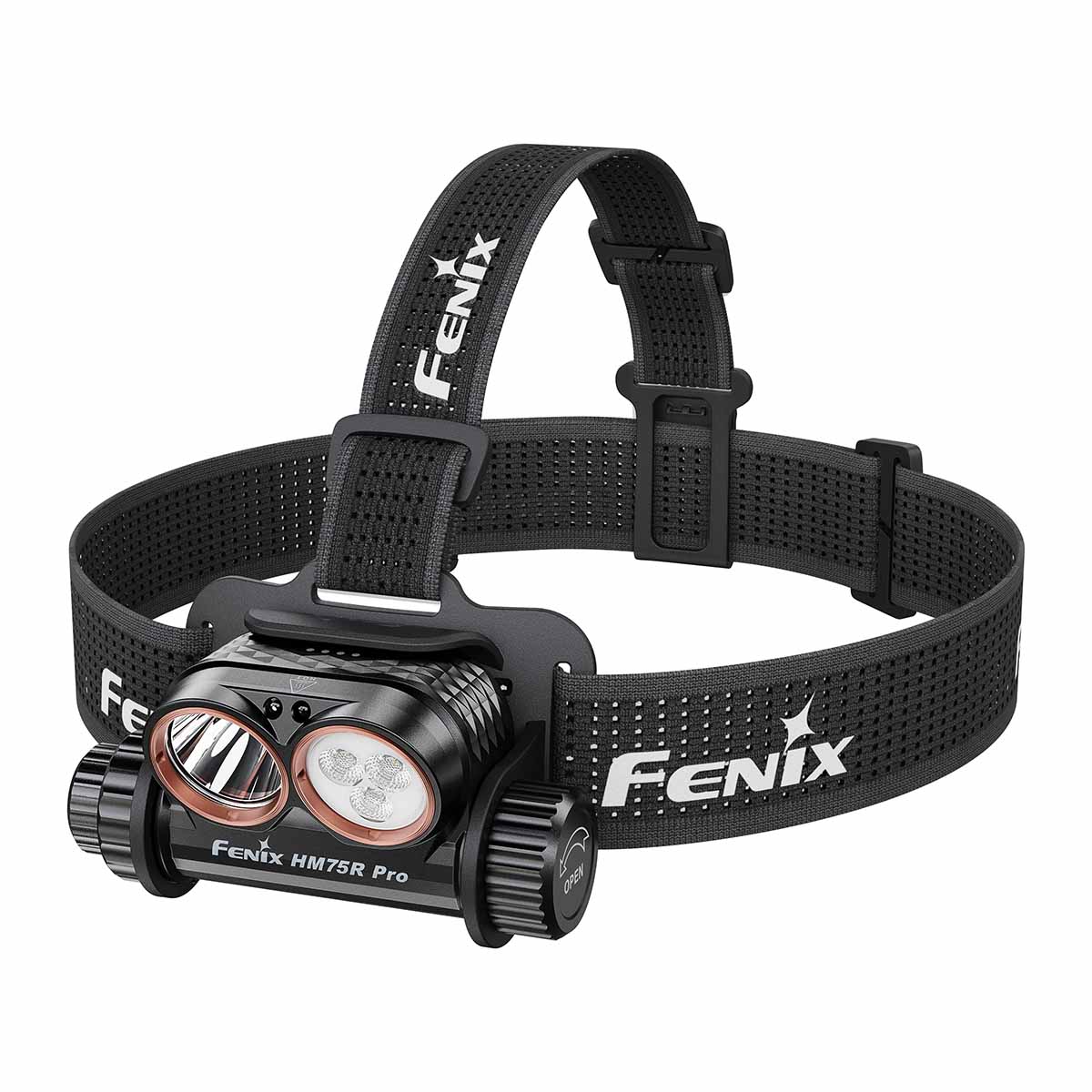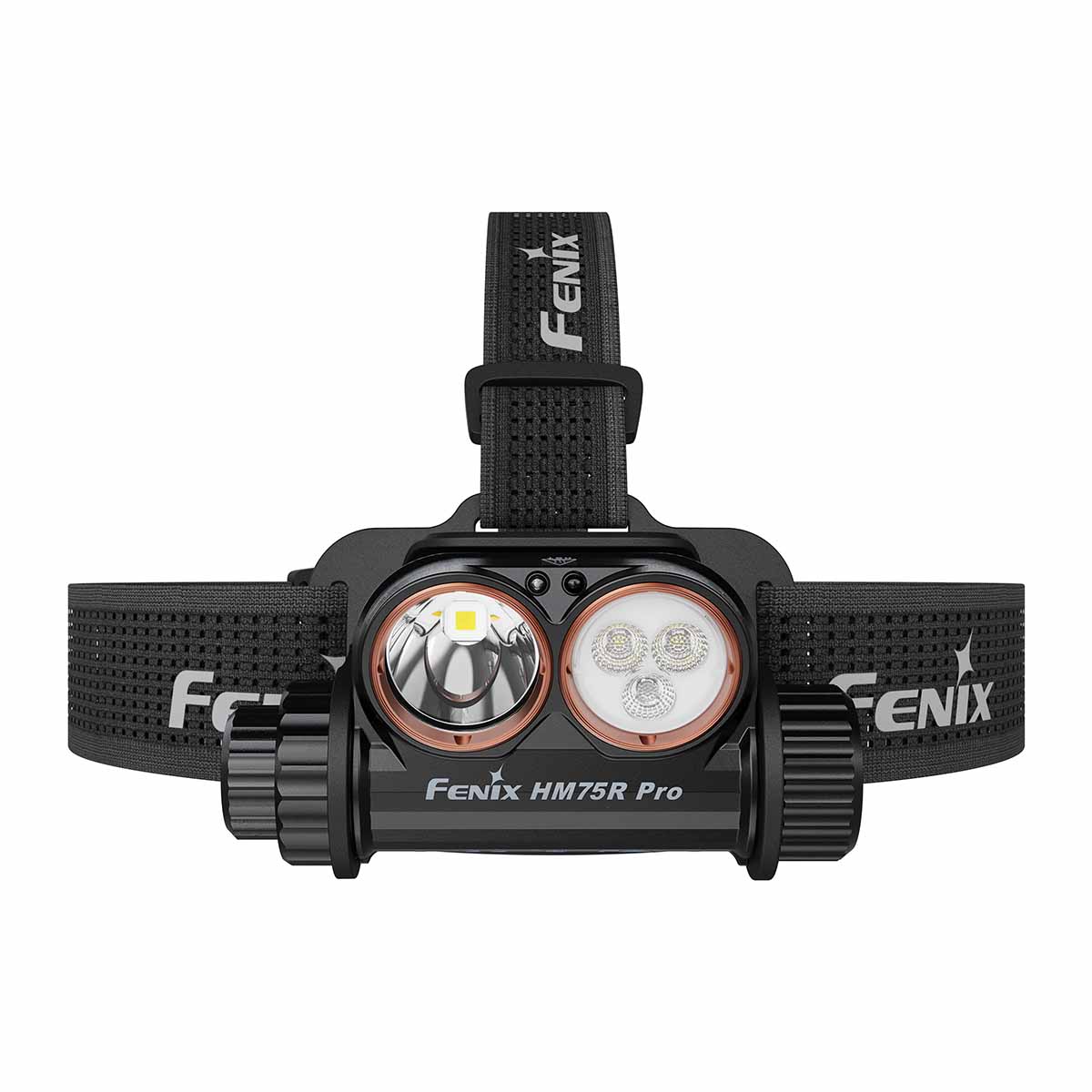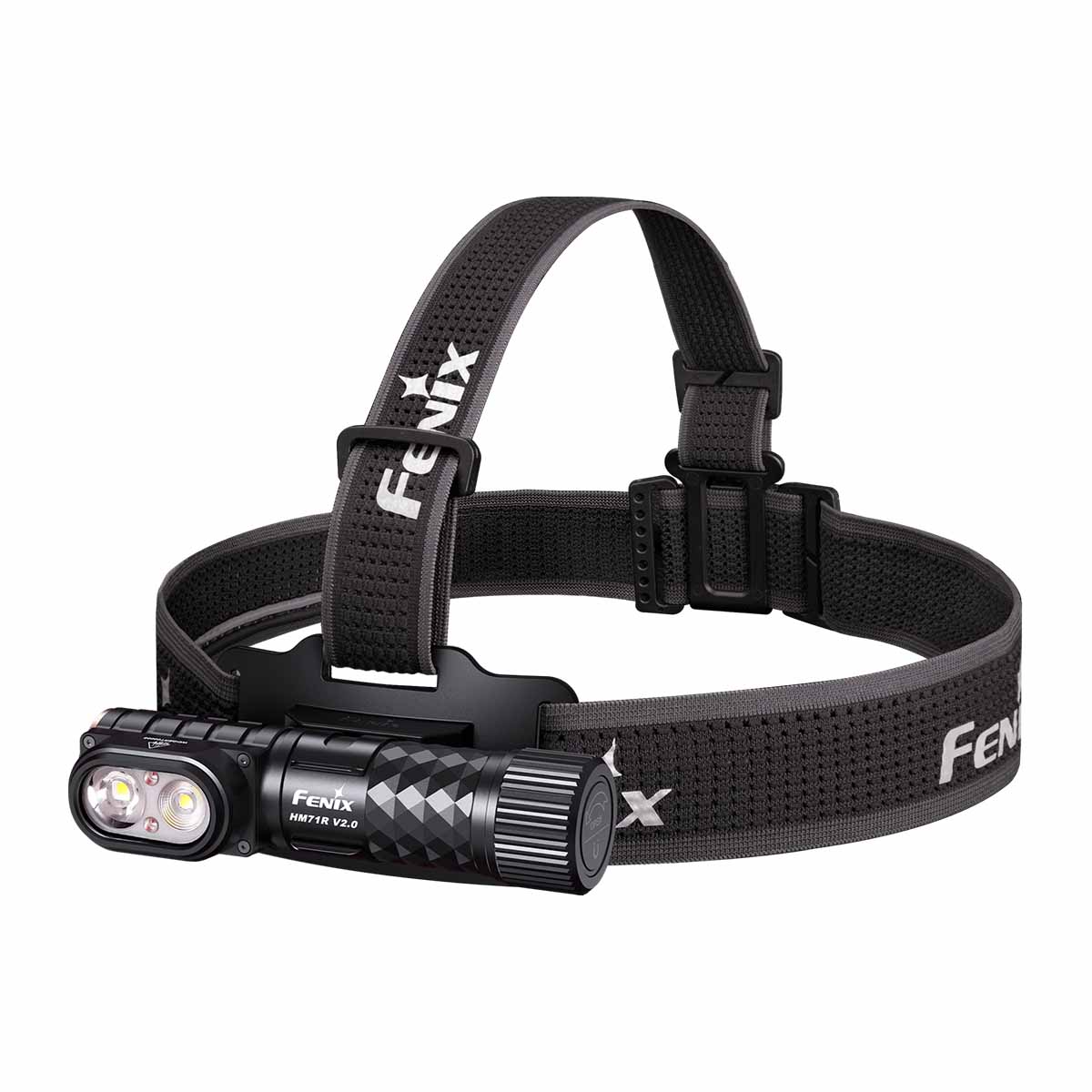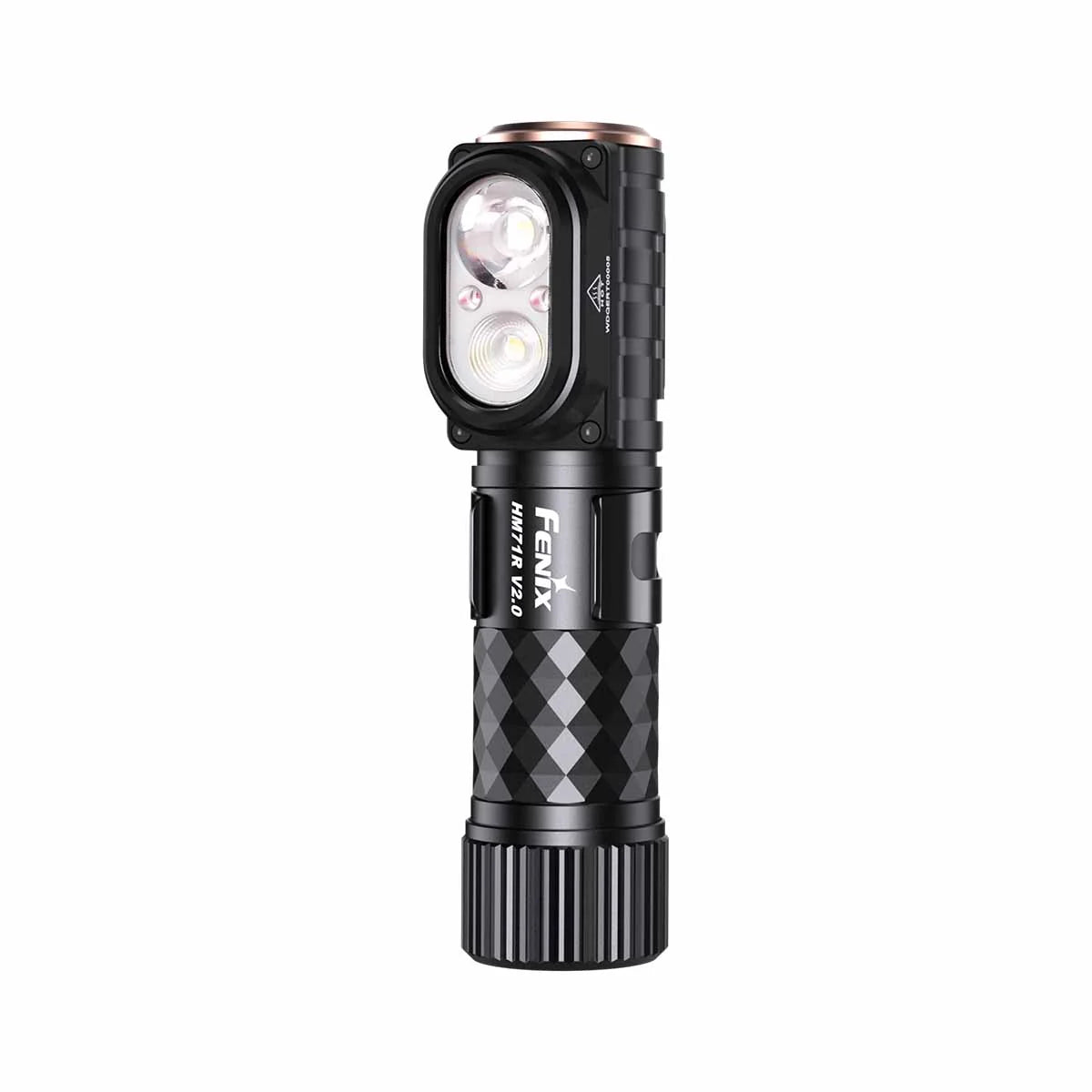

Selecting the right hands-free lighting system can make the difference between setting a personal best on midnight singletrack and suffering a race-ending ankle roll. In the demanding realm of ultra-trail marathons, standard camping headlamps fall short. They bounce aggressively, produce tunnel-vision beams, and shut down mid-stride due to poor thermal or battery management. The specialized trail running lineup from Nitecore has become the gold standard for endurance athletes worldwide. Whether preparing for your first 50K night stage or navigating a technical 100-mile mountain loop, this comprehensive buying guide breaks down the essential performance specs, optical features, and battery architectures you need to choose the ideal ultra-lightweight running headlamp.

Critical Evaluation Criteria for Trail Running Headlamps
When evaluating hands-free illumination for sustained movement in the dark, four core technical pillars dictate on-trail success:
-
Mass and Gravitational Balance: Total weight must remain below 80 grams, with the housing sitting flush against your forehead to eliminate vertical bounce during downhill sprints.
-
Compound Beam Optics: A true running light must blend wide-angle flood illumination (over 100 degrees) to light the immediate foot-strike zone with a focused spotlight that punches down the trail.
-
Intelligent Power Architecture: Regulated output circuits that prevent sudden dimming, paired with USB-C direct fast-charging and external pass-through capabilities.
-
Intuitive Dual-Switch UI: Dedicated buttons separating spotlight, floodlight, and auxiliary modes to allow instant mode changes without taking off running gloves.
2026 Trail Running Headlamp Comparison Matrix
| Model Tier & Focus | Optimal Race Distance | Total Weight (w/ Strap) | Max Lumen Output | Optical Setup | Battery System |
| Featherweight Speed | 5K to 21K Night Trail | 45g – 55g | 400 – 500 Lumens | Wide Flood + Spot Mix | Built-in Li-ion (Fast USB-C) |
| Ultra Endurance Pro | 50K to 100 Miles | 65g – 75g | 500 – 800 Lumens | Dual-Source TrueVision | Hybrid Li-ion + AAA / Pass-through |
| All-Weather Heavy Duty | Alpine Expeditions | 80g – 110g | 1,000+ Lumens | Quad-Core Long-Throw | High-Capacity Modular Cell |
Choosing the Right Optical Configuration for Your Terrain
Different trail environments demand distinct lighting profiles to maintain situational awareness while minimizing eye strain.
Technical Forest Singletrack
In dense woodlands, excessive reflection from nearby leaves and tree trunks can cause glare. An optical setup with high color rendering (CRI) and a wide, warm flood beam provides accurate depth perception, helping you differentiate between wet roots, slick mud, and loose rocks.
Open Alpine Ridges and Fast Descents
High-speed downhill running requires maximum forward visibility. Look for models featuring dual-beam matrix lenses that throw a penetrating beam 80 to 120 meters ahead. This extended throw allows you to spot upcoming switchbacks, route markers, and trail hazards long before your foot touches the ground.
Power Strategies for All-Night Racing
A dead headlamp on a freezing ridgeline is a serious safety hazard. When planning your race nutrition and gear checklist, incorporate a structured power strategy based on your expected moving time.
Hybrid Power vs. USB-C Pass-Through
Many advanced running models offer hybrid power compartments that accept both custom high-density lithium-ion packs and standard backup AAA batteries. For elite racers aiming to minimize pack weight, USB-C pass-through charging allows you to plug a lightweight charging cable directly into an external power bank stashed inside your running vest, delivering virtually endless illumination without stopping to swap batteries.

Integrating Headlamps Into a Complete Illumination System
While an ultra-lightweight headlamp serves as your primary navigation tool on the trail, seasoned outdoor adventurers maintain a multi-tiered lighting strategy. Keeping a compact handheld flashlight in your hydration vest or drop bag provides a critical failsafe in case of severe alpine weather or search-and-rescue signaling.
For vehicle support, heavy-duty basecamp utility, and self-defense, rugged tactical lights manufactured by Nextorch and Klarus offer instant-access strobes and ceramic strike bezels that excel in high-impact scenarios. For collectors who value mechanical sophistication and custom titanium finishes, brands like Jetbeam deliver exquisite rotary magnetic controls. Integrating these specialized tools into your overall EDC and trail kit guarantees complete preparedness across every outdoor discipline.
Frequently Asked Questions
Can I use a trail running headlamp while it is plugged into a power bank?
Yes. High-performance endurance headlamps feature intelligent USB-C pass-through circuitry, allowing continuous high-output illumination while drawing power directly from an external battery pack stored in your pack or running vest.
Why is a dual-beam system better than a single high-lumen spotlight for running?
A narrow spotlight forces your neck to constantly swing back and forth to inspect peripheral foot placement, causing rapid neck fatigue and vestibular disorientation. A dual-beam system projects a broad, smooth flood across your immediate steps while simultaneously casting a focused beam far ahead.
How do ultralight headlamps perform in sub-zero alpine conditions?
Modern unibody running headlamps are built with temperature-regulating circuits that capture heat from the LED emitters to keep the internal lithium battery warm, minimizing the severe voltage drops commonly experienced in freezing weather.