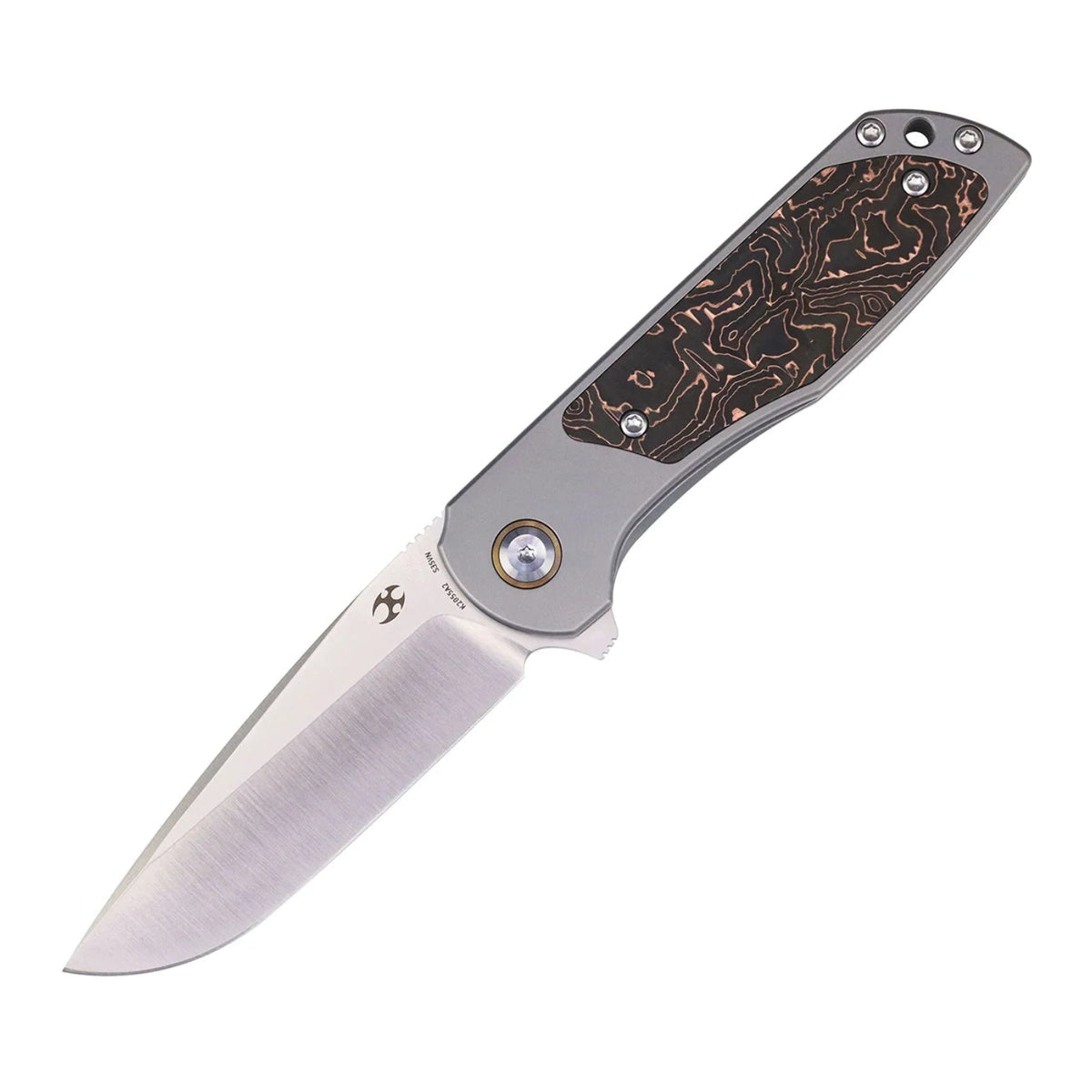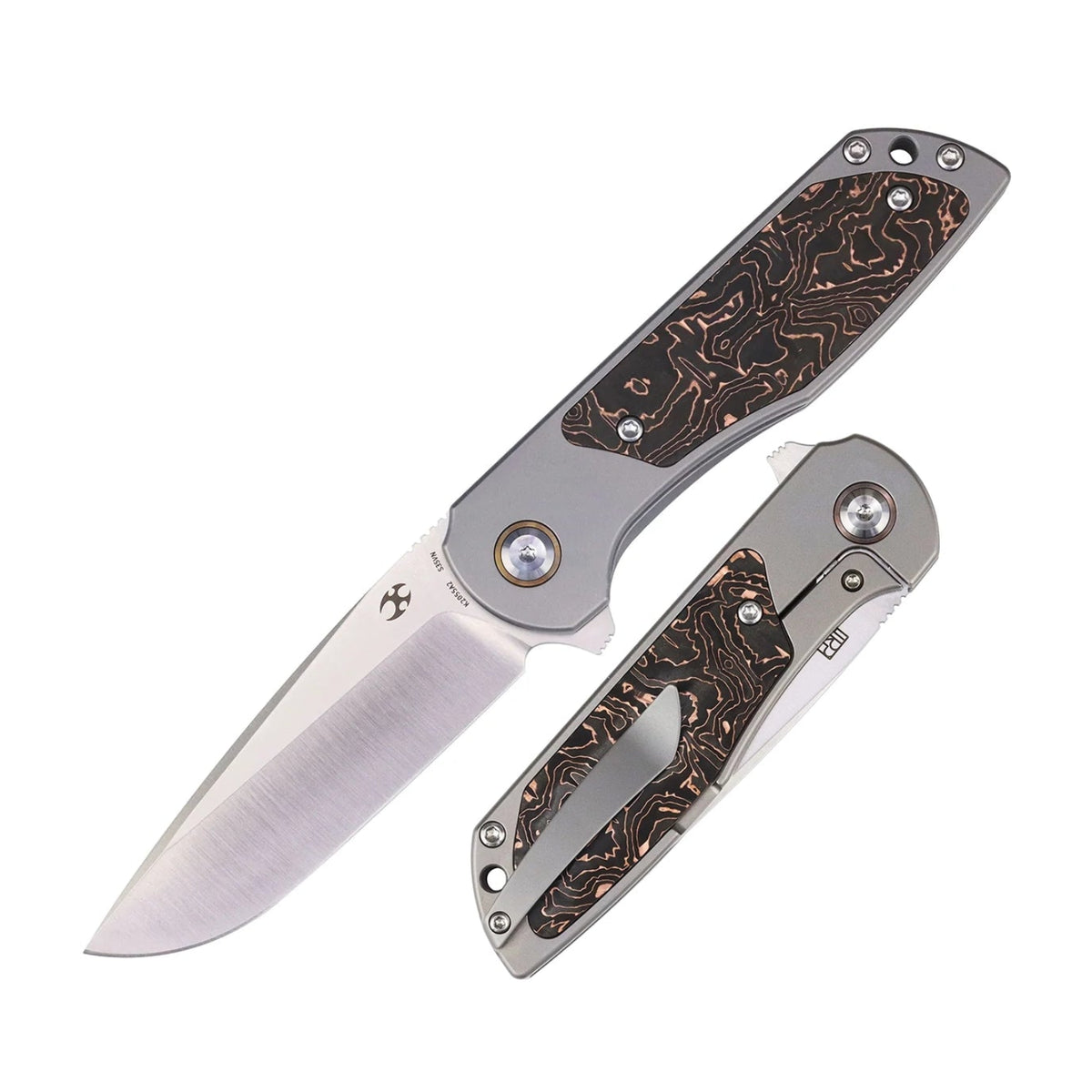


Overview & First Impressions
A pipe reed is three pieces of cane, two staples and about forty minutes of scraping, and it lives or dies on how cleanly the cane is split. Reed makers start with a tube of Arundo donax, score it along the grain, and split it into four blades that must be identical in width to a tenth of a millimetre. Every step after that is subtractive: you cannot add cane back. That is why the knife on the bench matters more than the brand of bagpipe it will eventually sit in.
Materials & Construction
Cane is abrasive in a way wood is not. Silica in the epidermis polishes an edge round, and a blade that skates on the first scrape will crush fibres on the tenth. 10Cr15MoV is a sensible answer: enough carbon for a keen apex, enough chromium to resist the humidity of a practice room, and a microstructure that takes a polished bevel without chipping at fifteen degrees per side. Bestechman knives ship this steel in thin stock, and thin stock is what scraping wants.

Design & Details
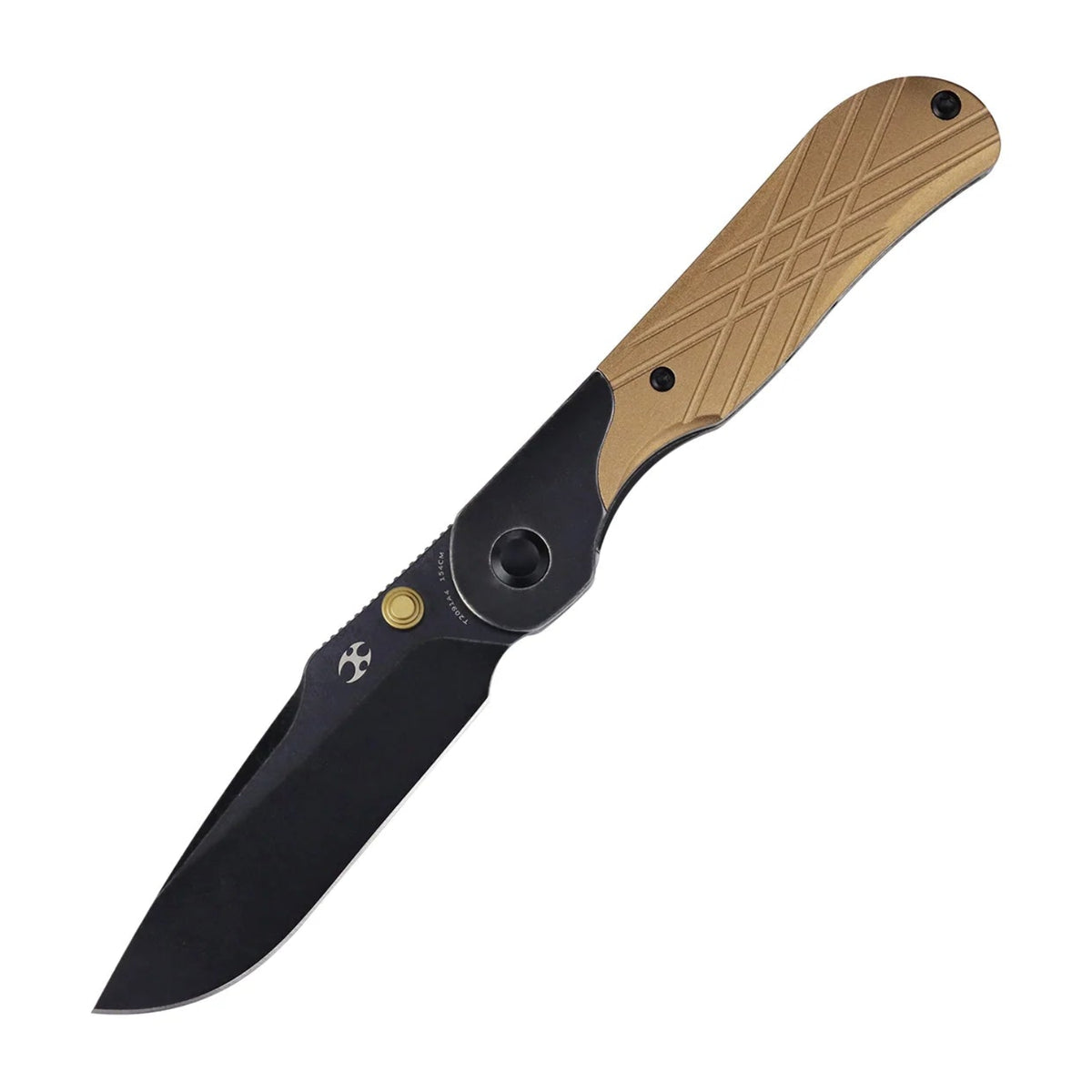
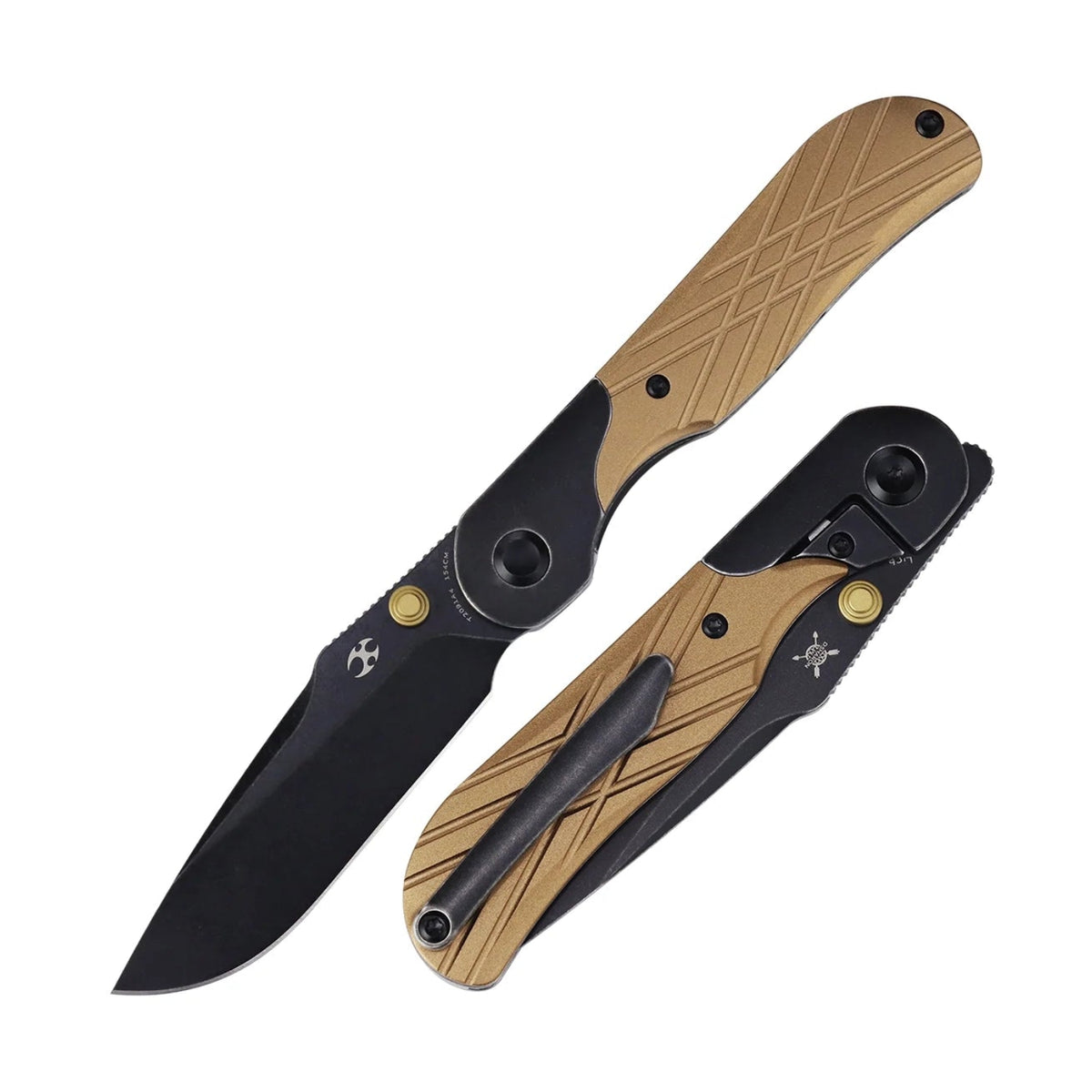
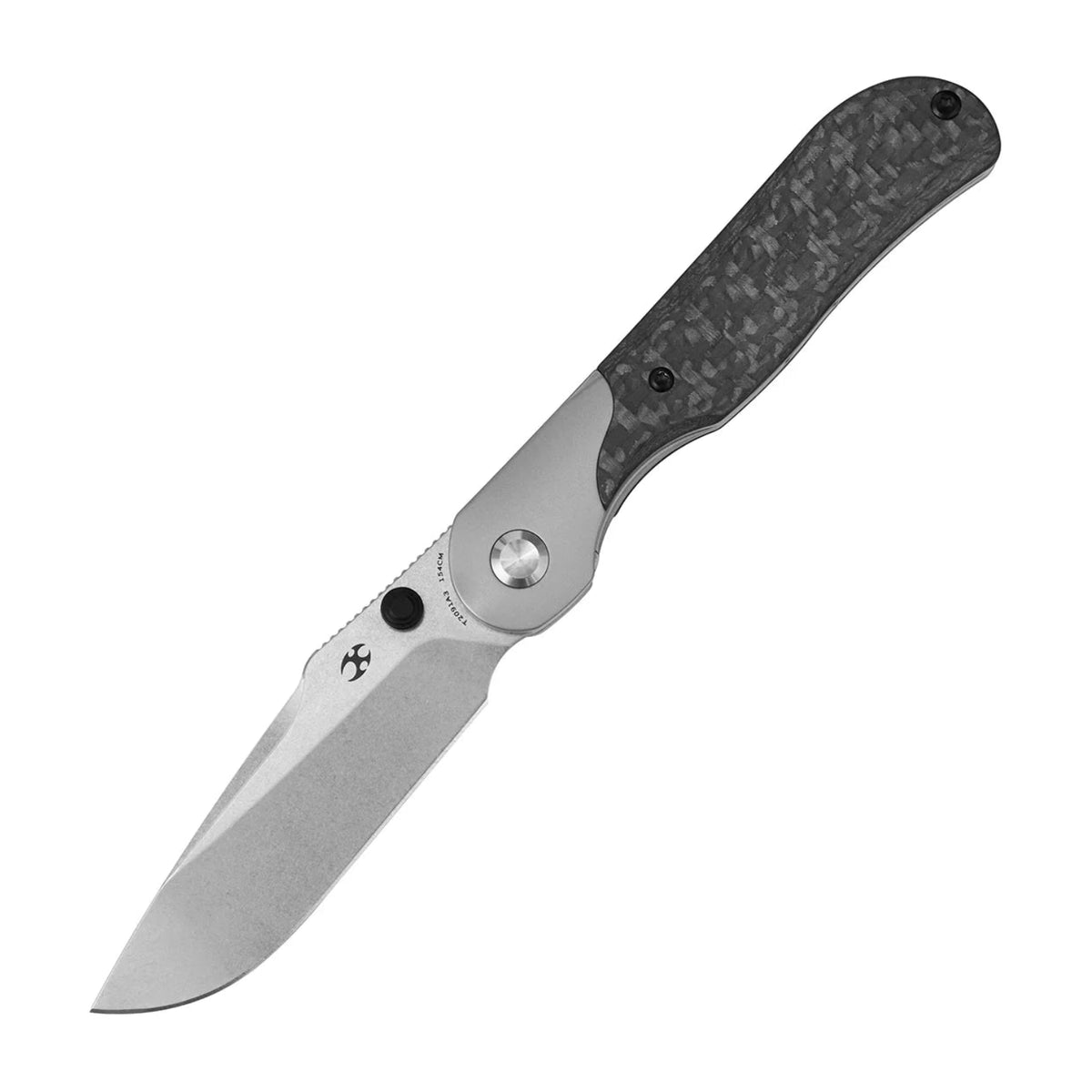
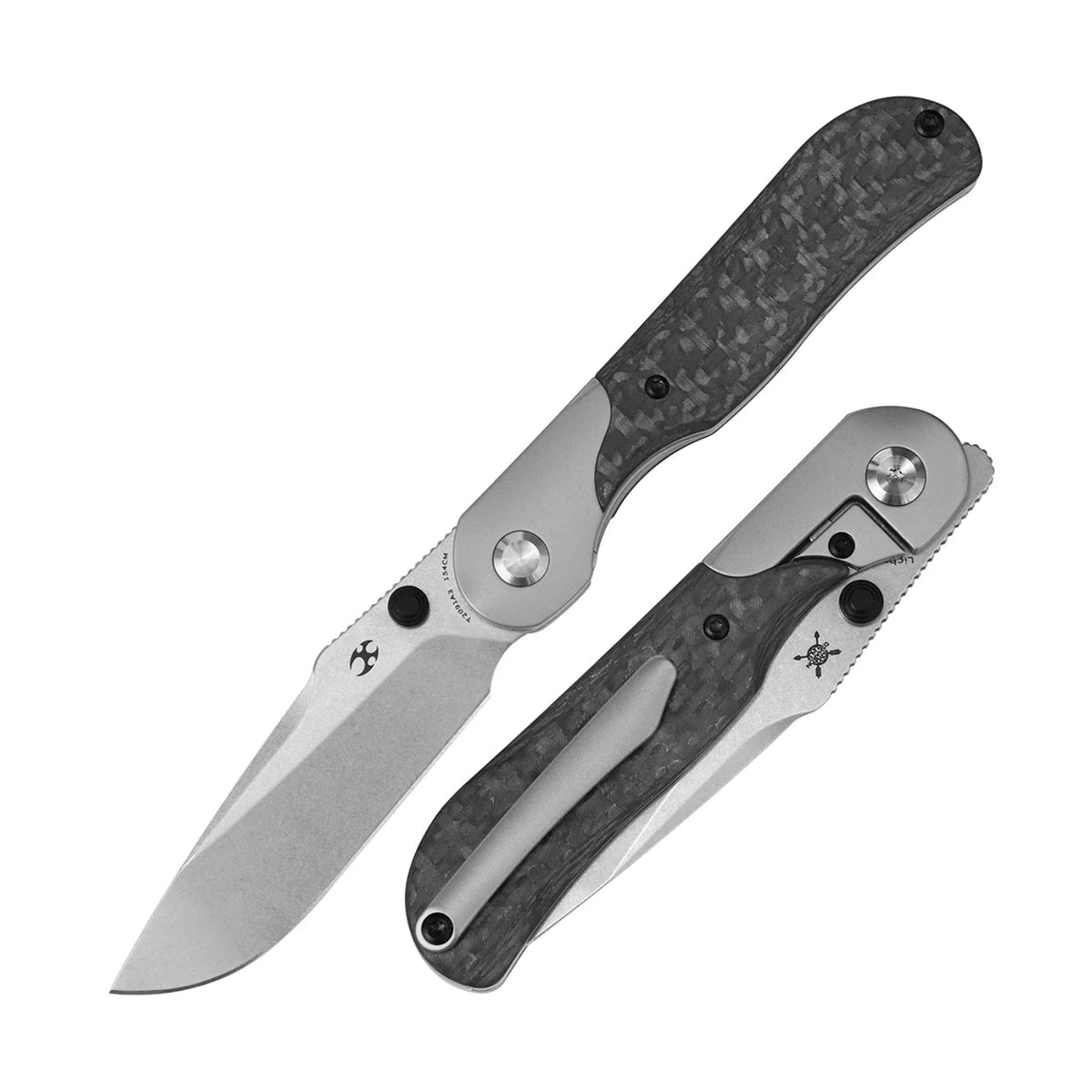
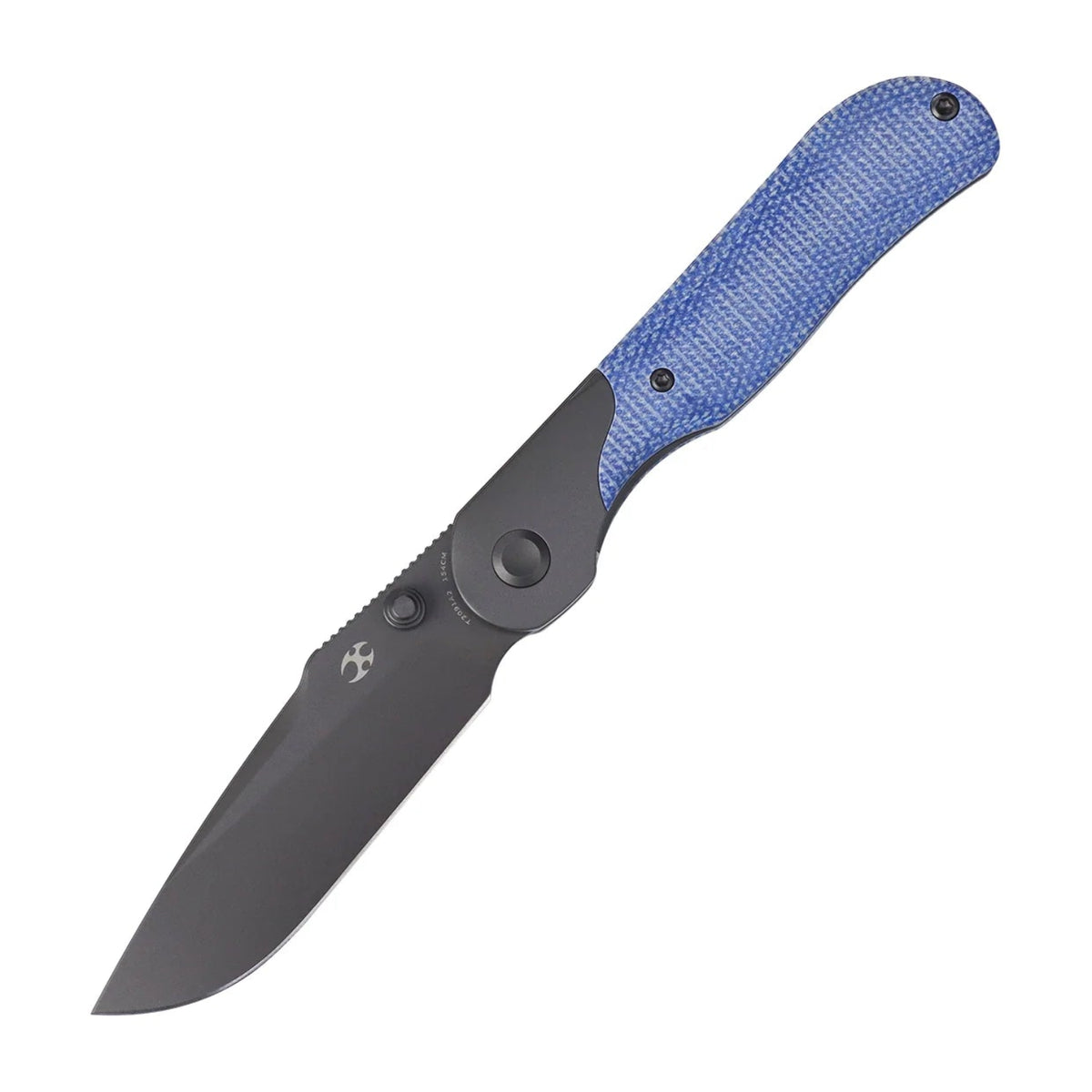
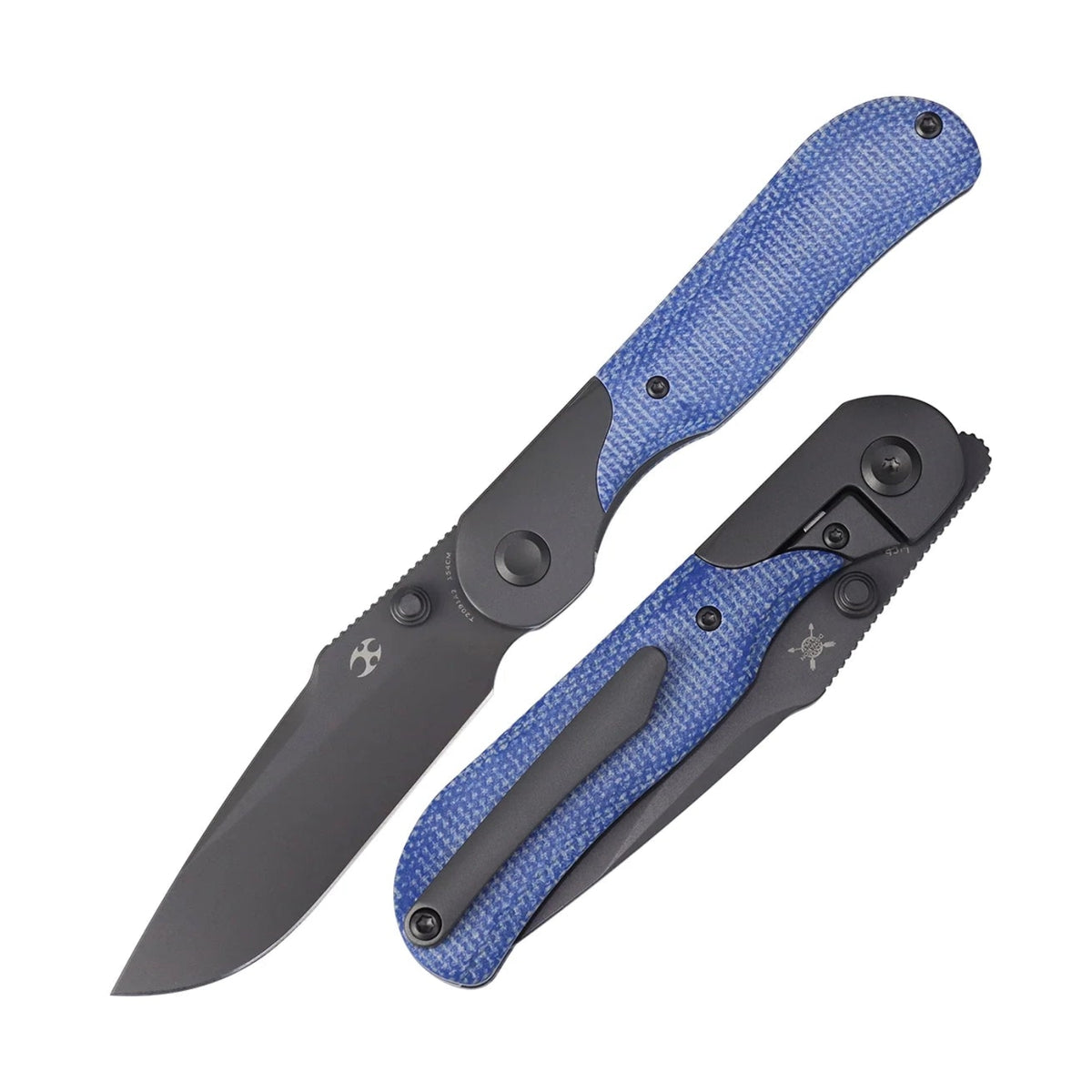
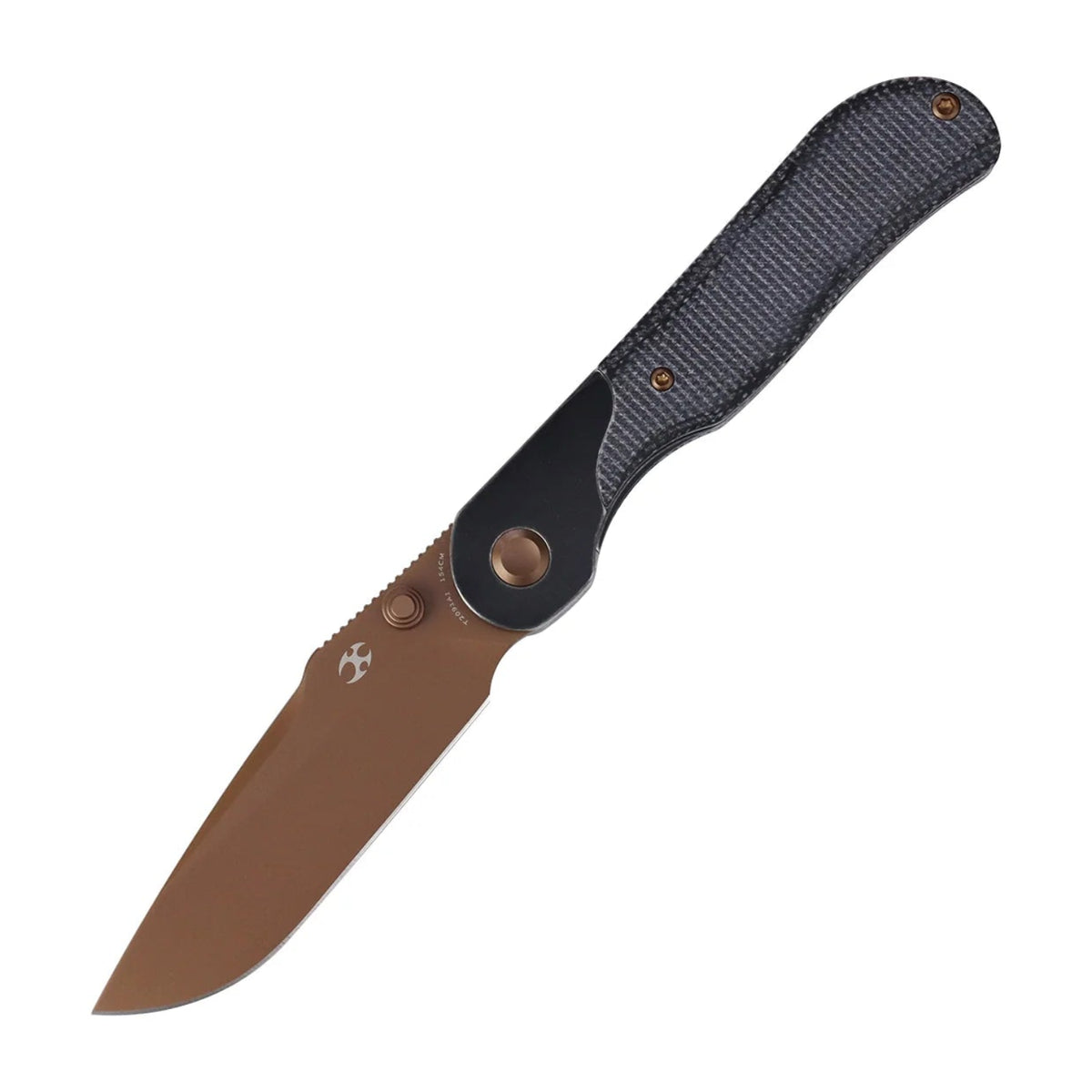
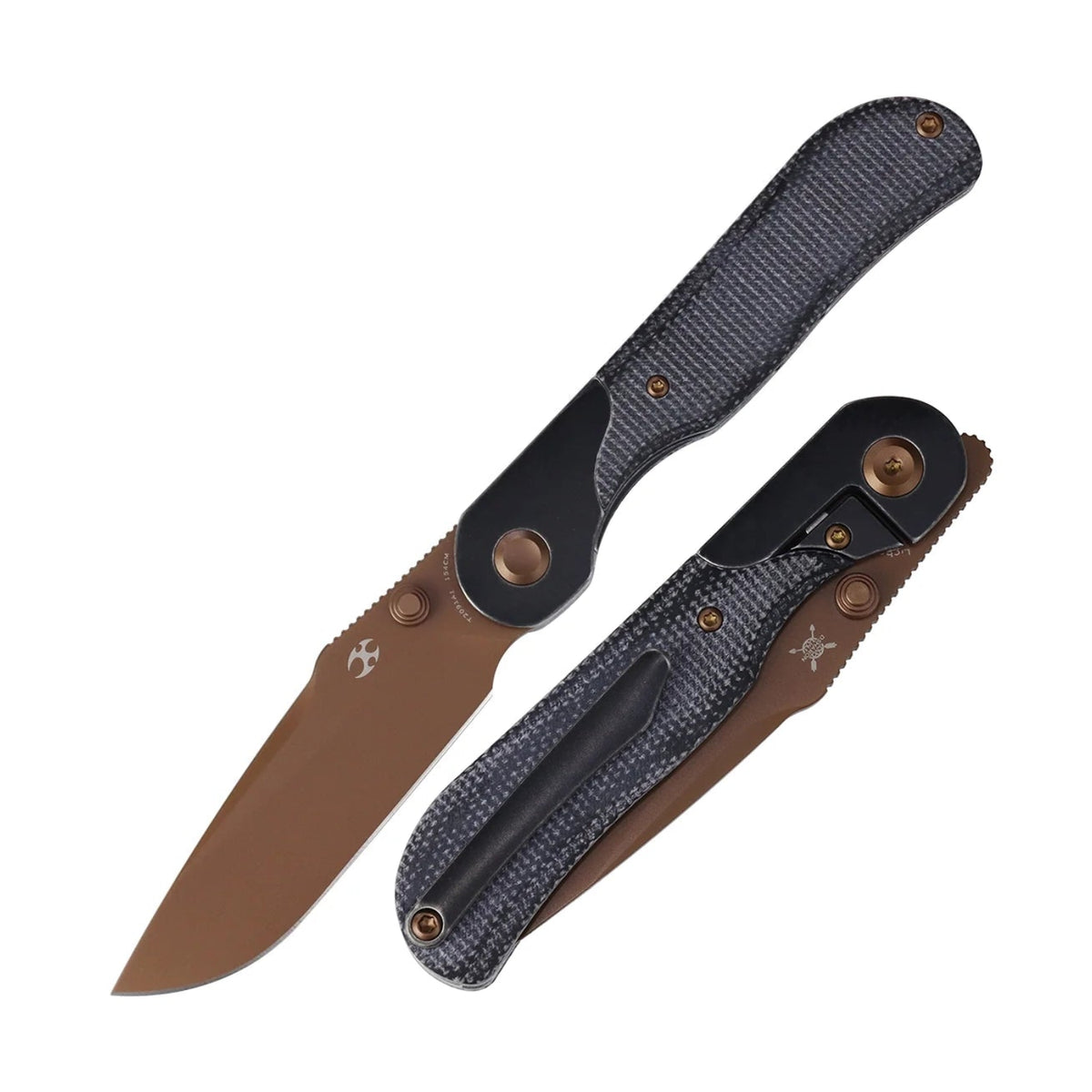
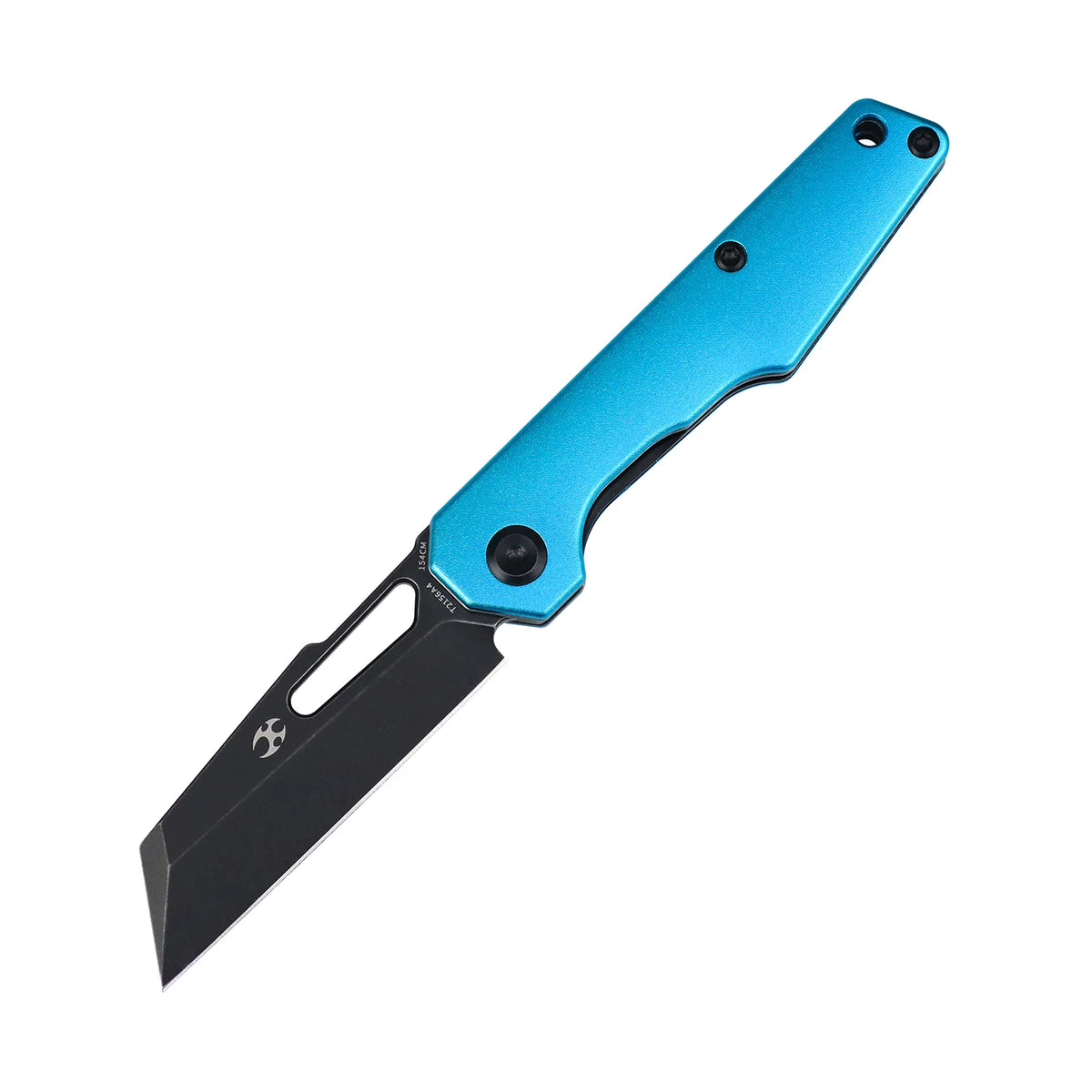
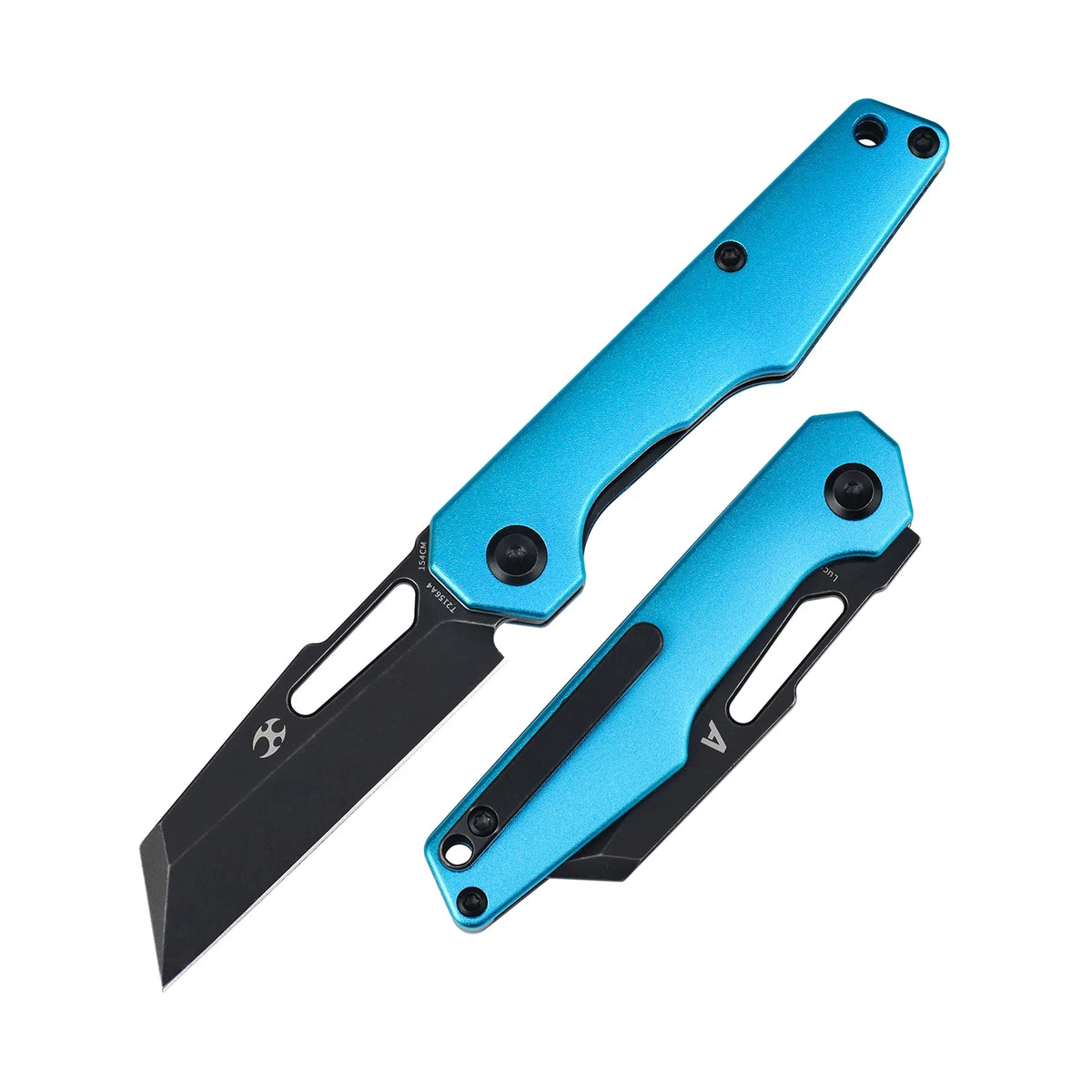
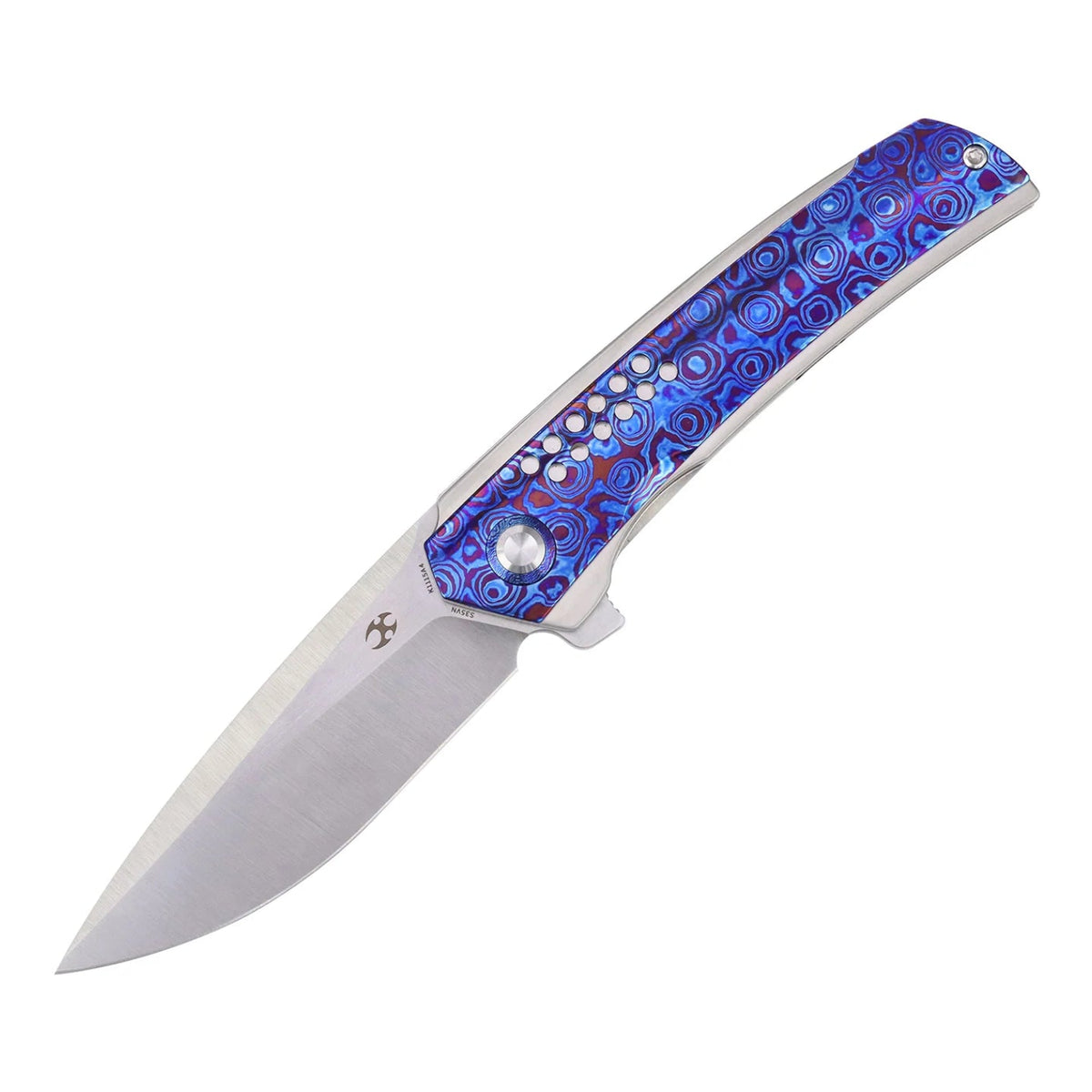
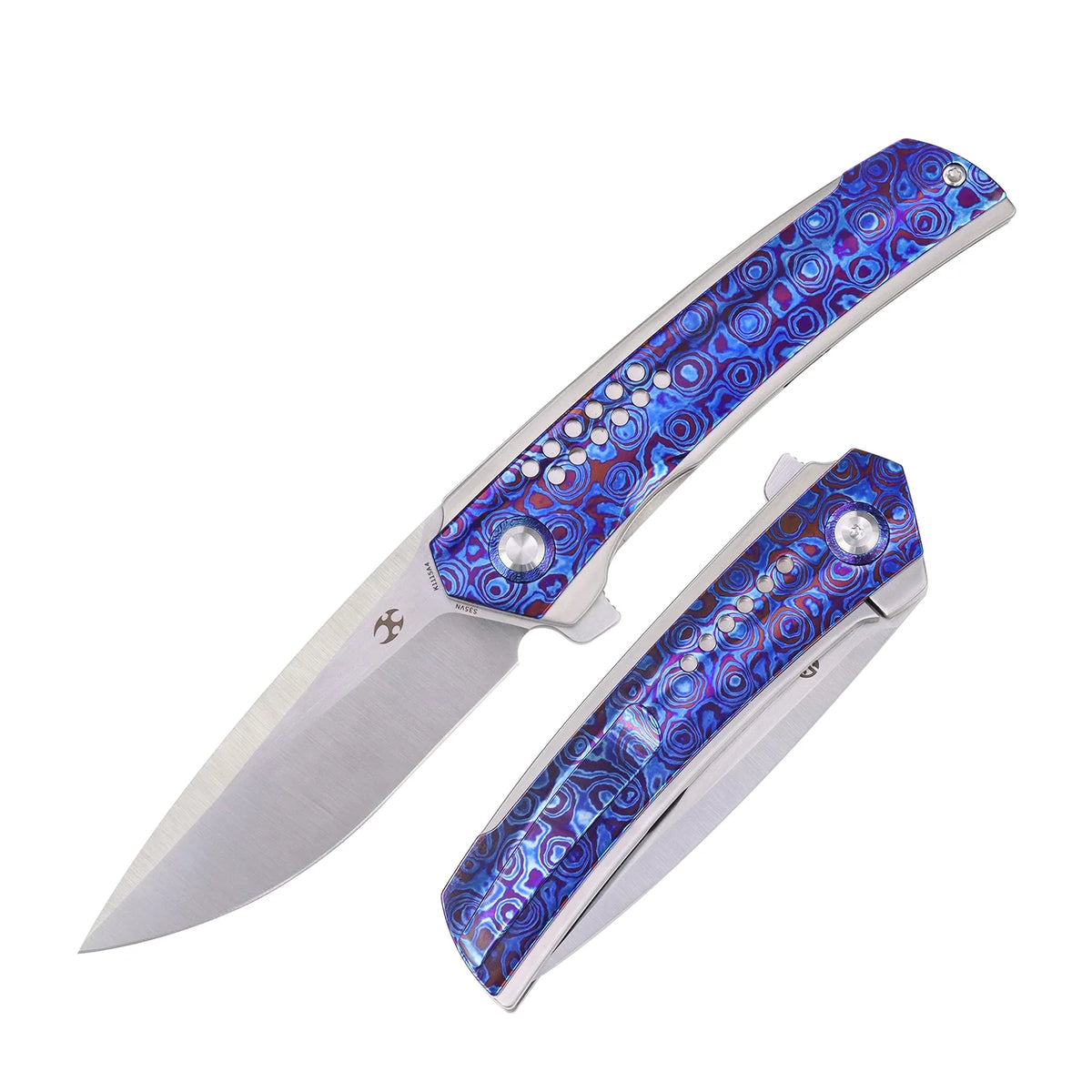
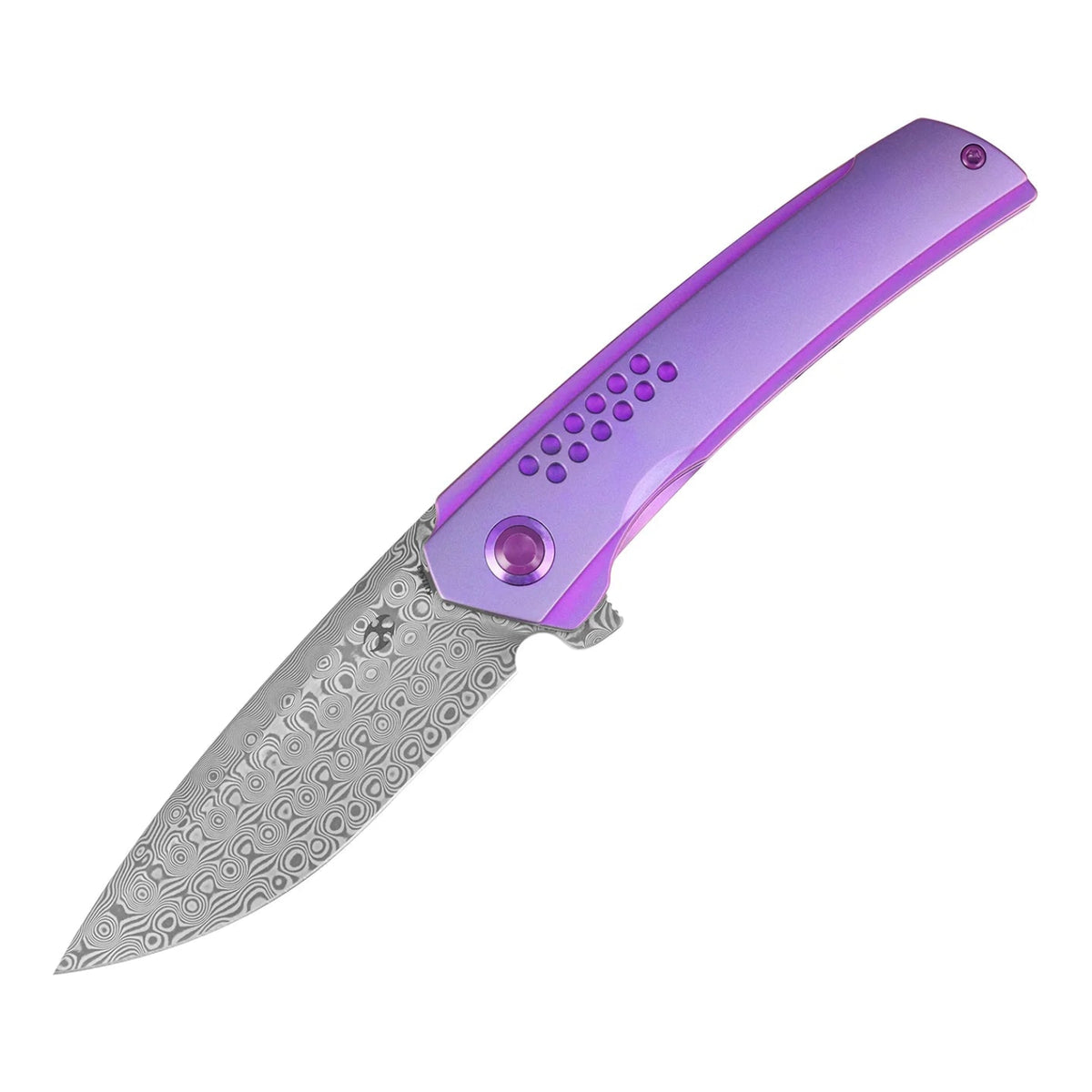
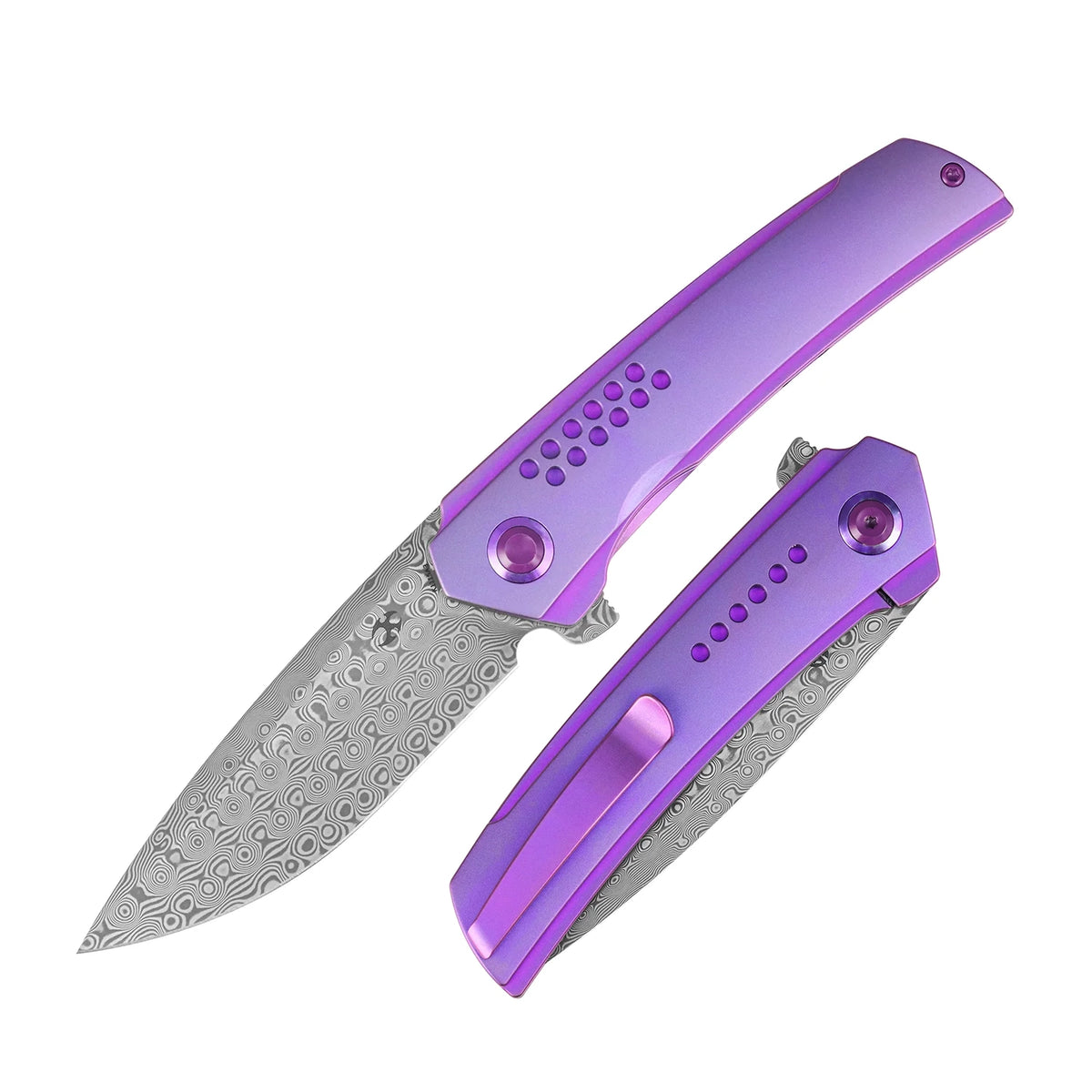
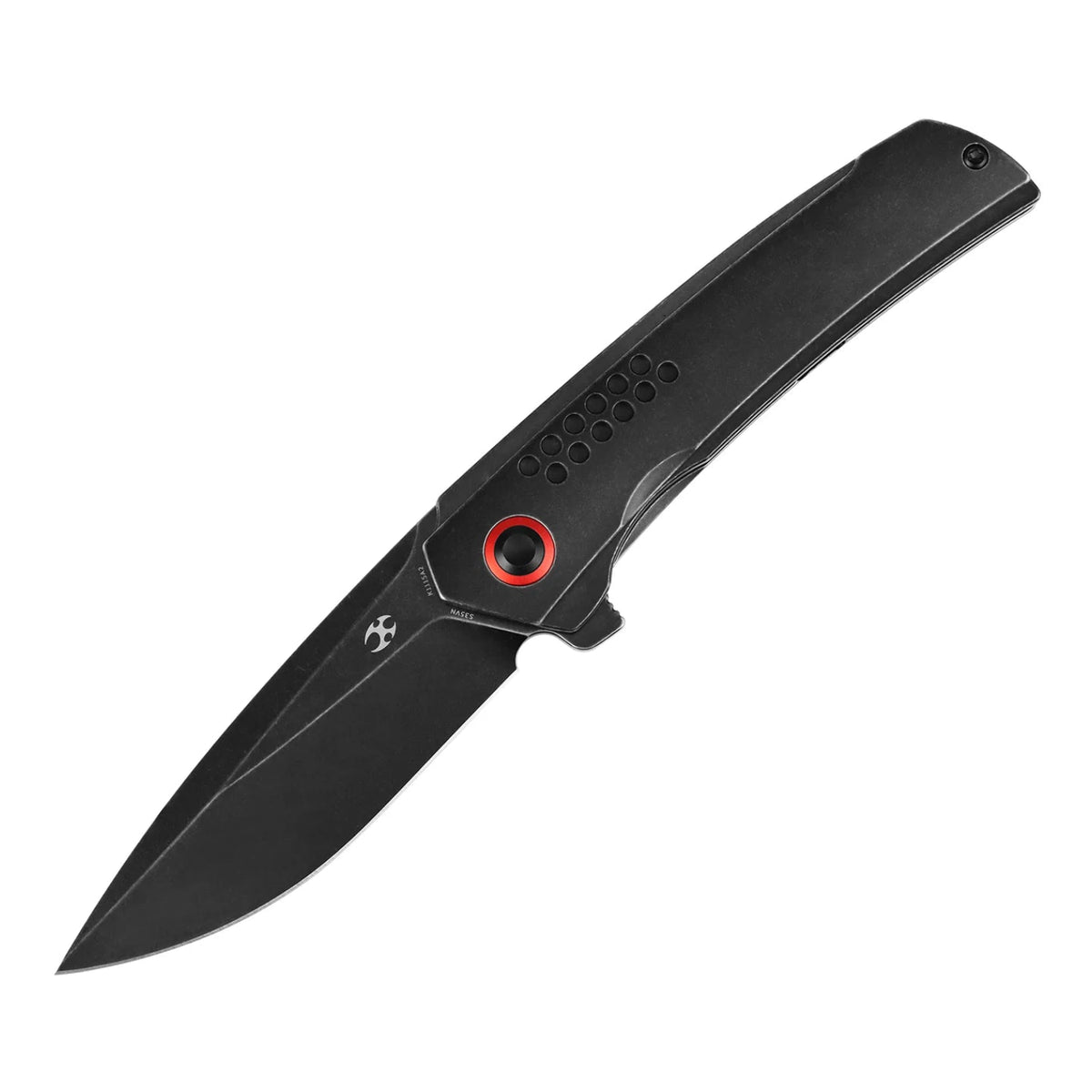
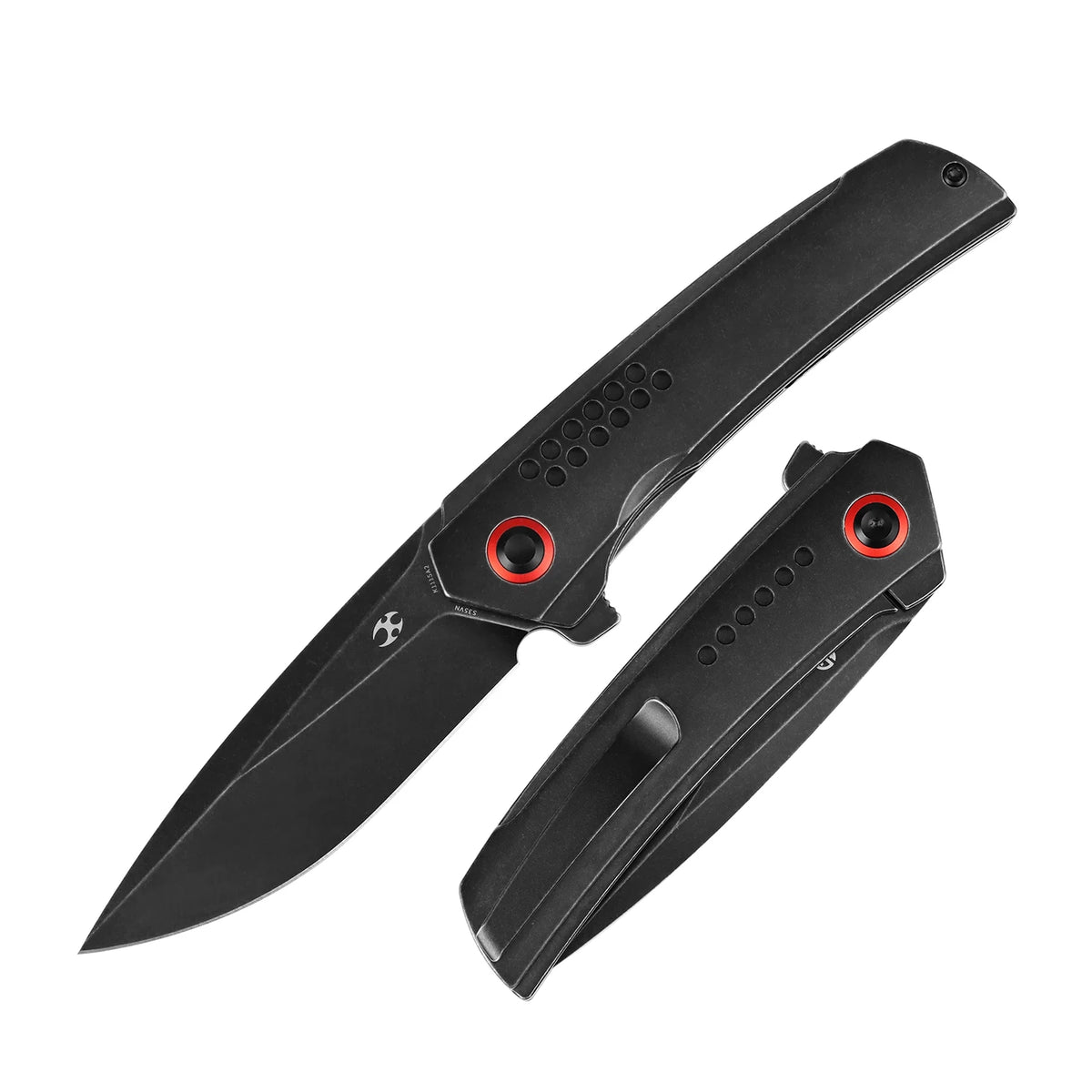
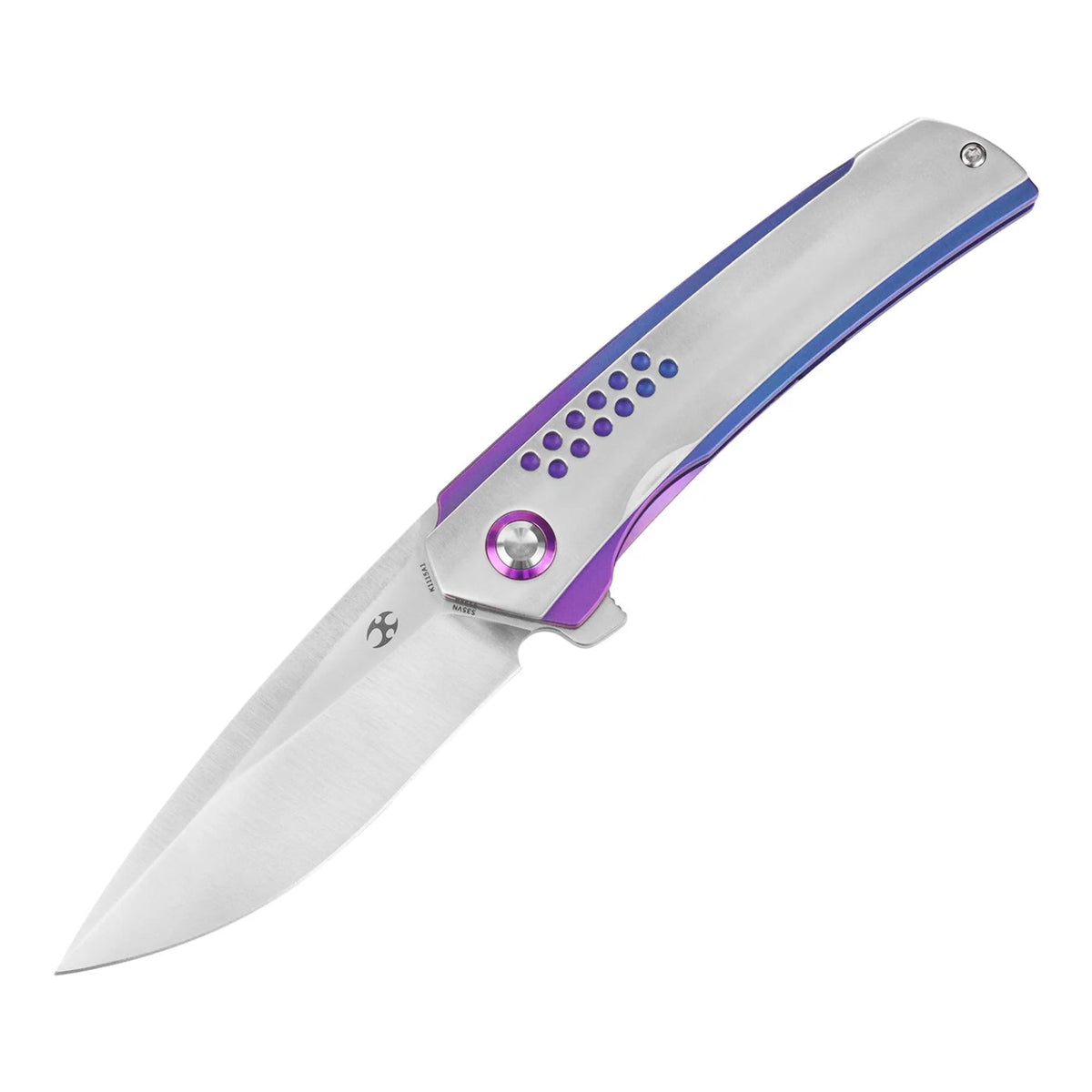
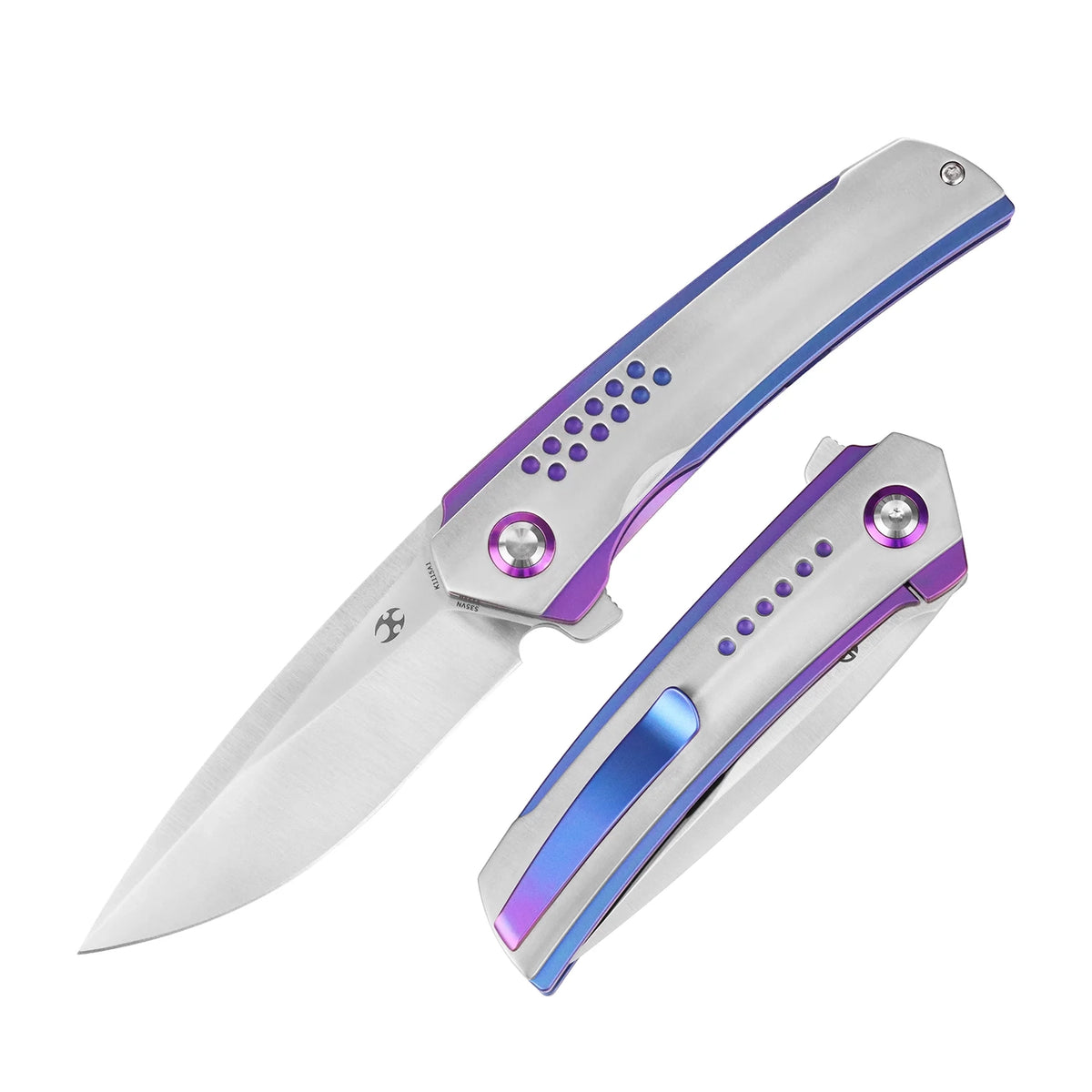
The Cicada's Wing-TL uses a top liner lock, which keeps the lock bar on the spine side of the handle and leaves the presentation side flat against a bench. For reed work that geometry is genuinely useful: the knife can lie on its side while you sight a scrape line, and the lock is nowhere near your thumb when the blade is nearly closed. The G10 handle wipes clean of cane dust, and the fuller gives a thumb purchase for controlled short strokes.
Real-World Use
Three operations dominate. Splitting a tube needs a blade that will start a score line without wandering. Profiling a tip needs long, light passes where the edge does the work and the hand only steers. Adjusting a staple seat needs a sharp tip used with almost no pressure at all. A folding knife that stays locked and has no play in the pivot handles all three; a wobbly one turns a delicate scrape into a gouge and wastes a blade blank.

Ownership Notes
Reed makers are obsessive about consistency, which is why they keep one knife for cane and one for everything else. Dulling an edge on tape or cardboard is a slow tax on every reed you make afterwards. Bestechman knives are cheap enough to dedicate one to the bench, which is exactly what most makers do. EdcMall carries the Cicada's Wing family with the full spread of handle colours, so matching a bench knife to a set is easy. Most reed makers end up with two EDC knives on the bench: one for cane and one for the tape, the foam and the packaging that would otherwise ruin a good edge.
Who Is This For?
Buy it if you make or adjust double reeds, work with bamboo, or cut any silica-rich material that ruins softer steels. It suits pipers who reed their own instruments, oboe and bassoon players, and crafters who want a dedicated bench knife that closes. Skip it if you need a heavy-use work knife; a thin-ground scraper is a precision instrument and will not enjoy being used as a pry bar or a screwdriver.
Final Verdict
For reed work the winning combination is simple: thin stock, a stable lock, and steel that resists humidity without going brittle. The Cicada's Wing-TL delivers all three at a price that makes a dedicated bench knife realistic rather than precious. Keep it sharp with a fine stone, strop it after every session, and it will outlast a shelf of disposable blades while cutting cleaner than any of them.