
Overview & First Impressions
A cymbal begins as a disc of B20 bronze, eighty percent copper and twenty percent tin, and ends as an instrument that either blooms or dies depending on a few thousand hammer strikes and a lathe cut measured in microns. The smith works by ear and by hand, and the hand is holding tools that have to be sharp: a scraper for the lathe tear, a knife for the felt and leather that cushions every test mount, and a blade for trimming the tape that marks harmonic zones.
Materials & Construction
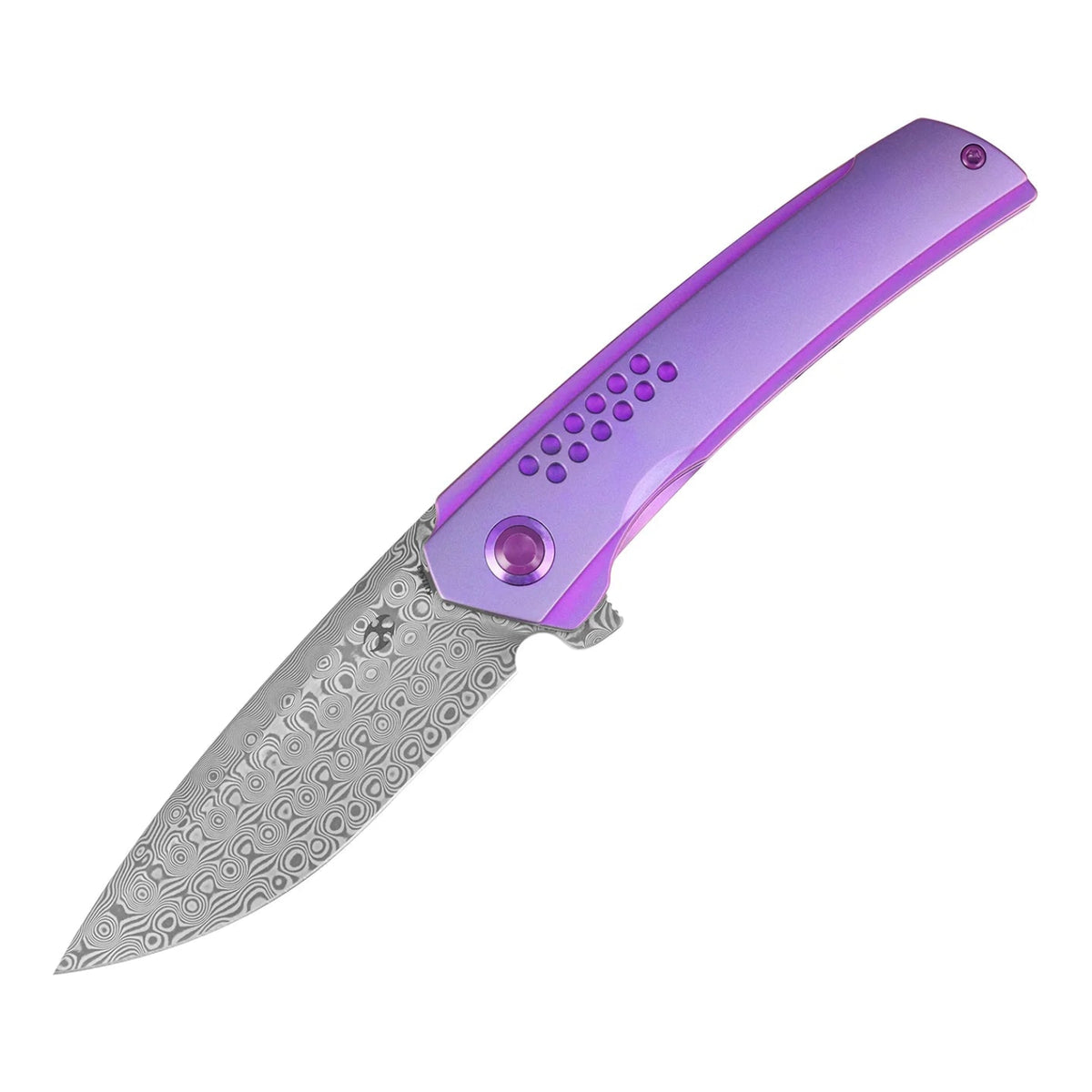
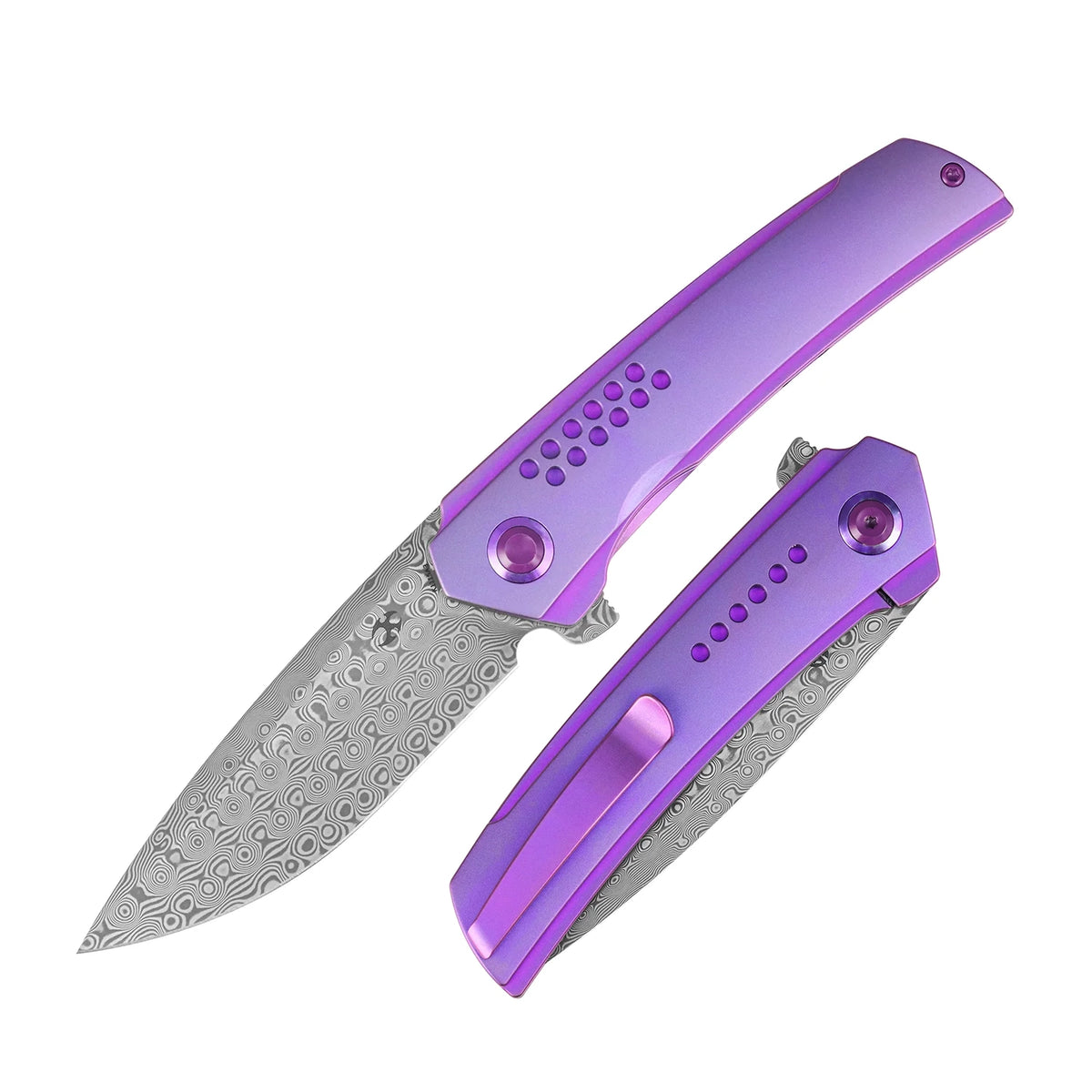
B20 bronze is soft enough to gall and hard enough to ruin a coarse edge on contact. Damascus steel is not the obvious choice for a shop knife until you have watched a pattern-welded blade shave a bronze burr without chipping: the layered structure spreads impact along the weld lines instead of concentrating it at one apex. Tenable knives run their Damascus in the mid-sixties on the Rockwell scale, hard enough to hold a polished bevel through a long lathe session.

Design & Details
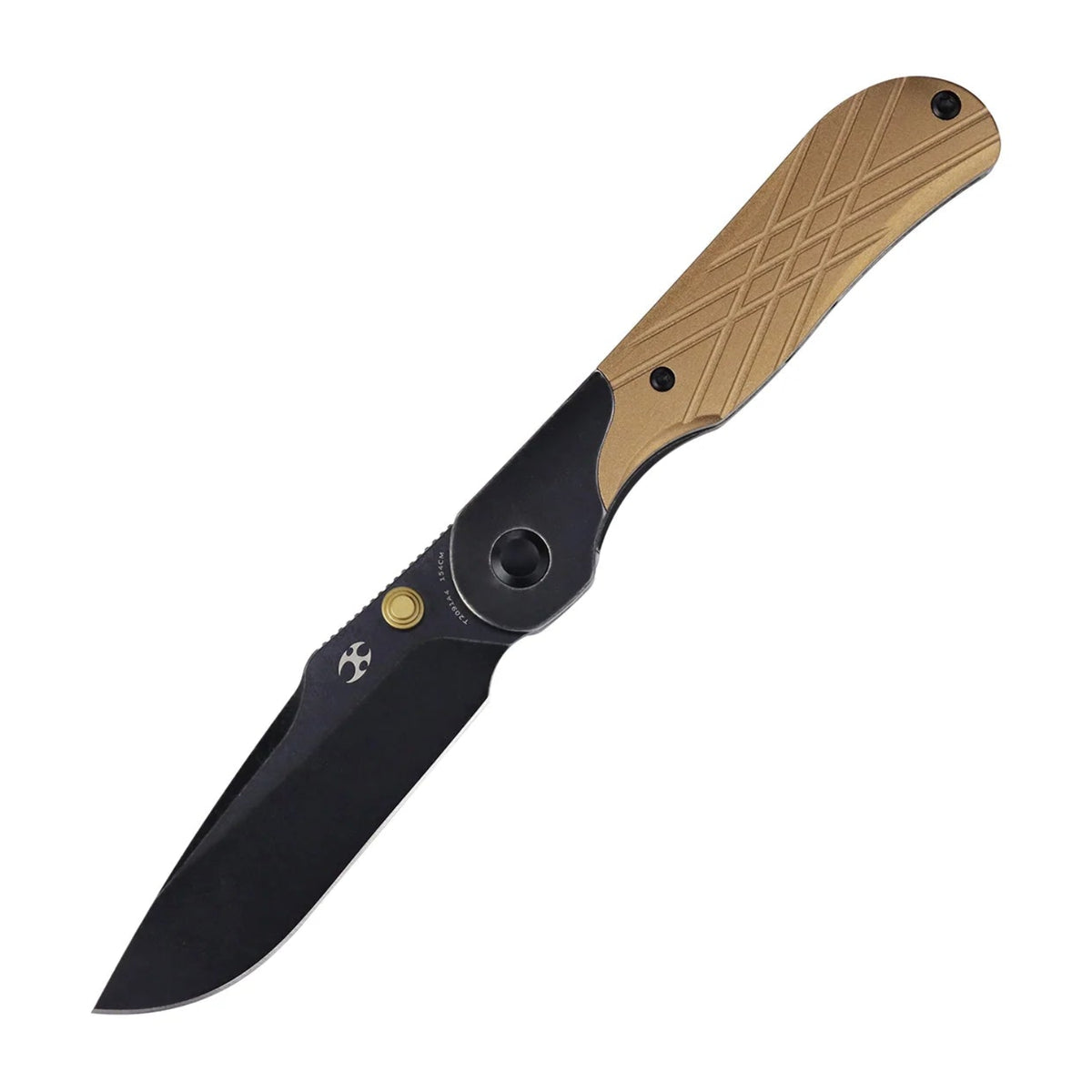
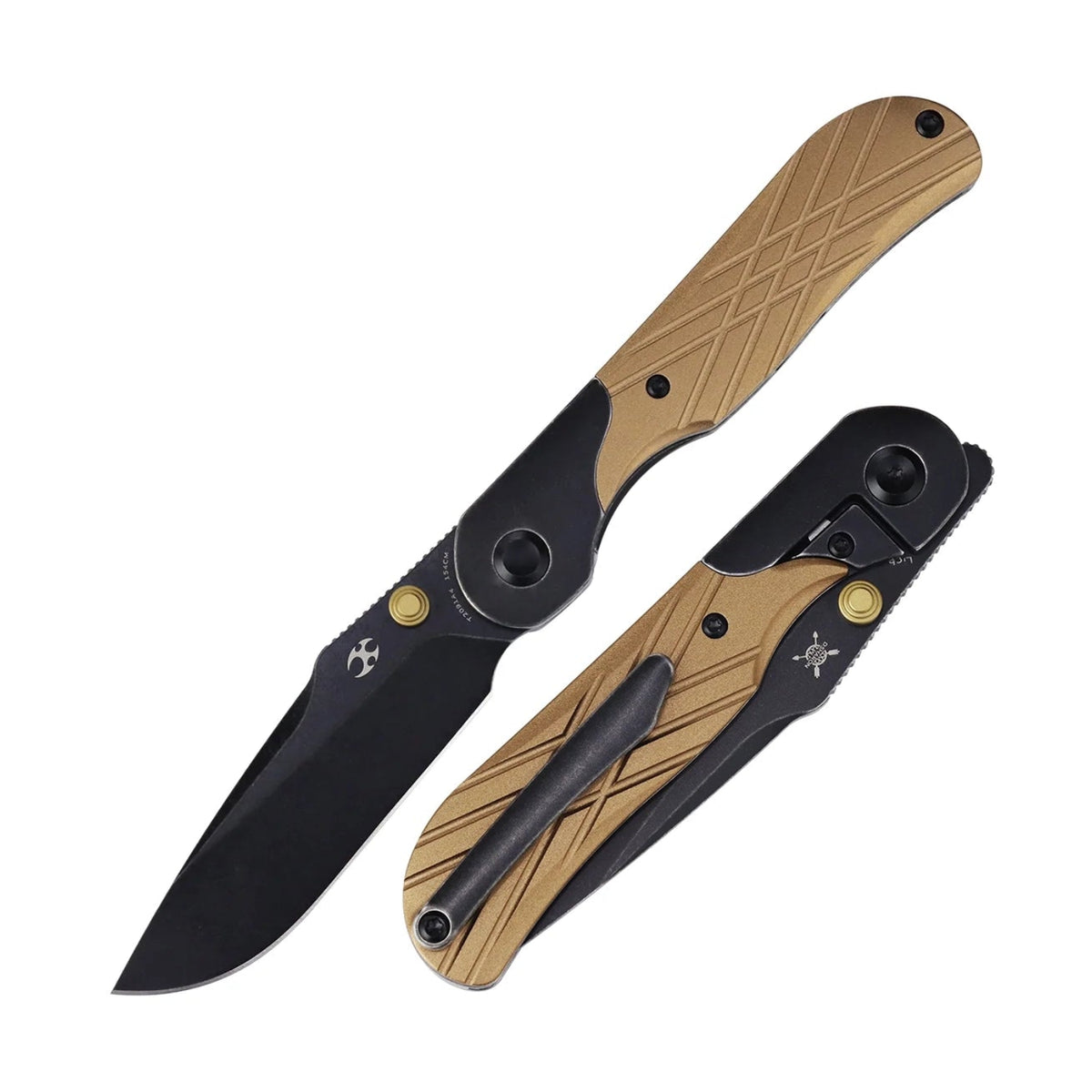
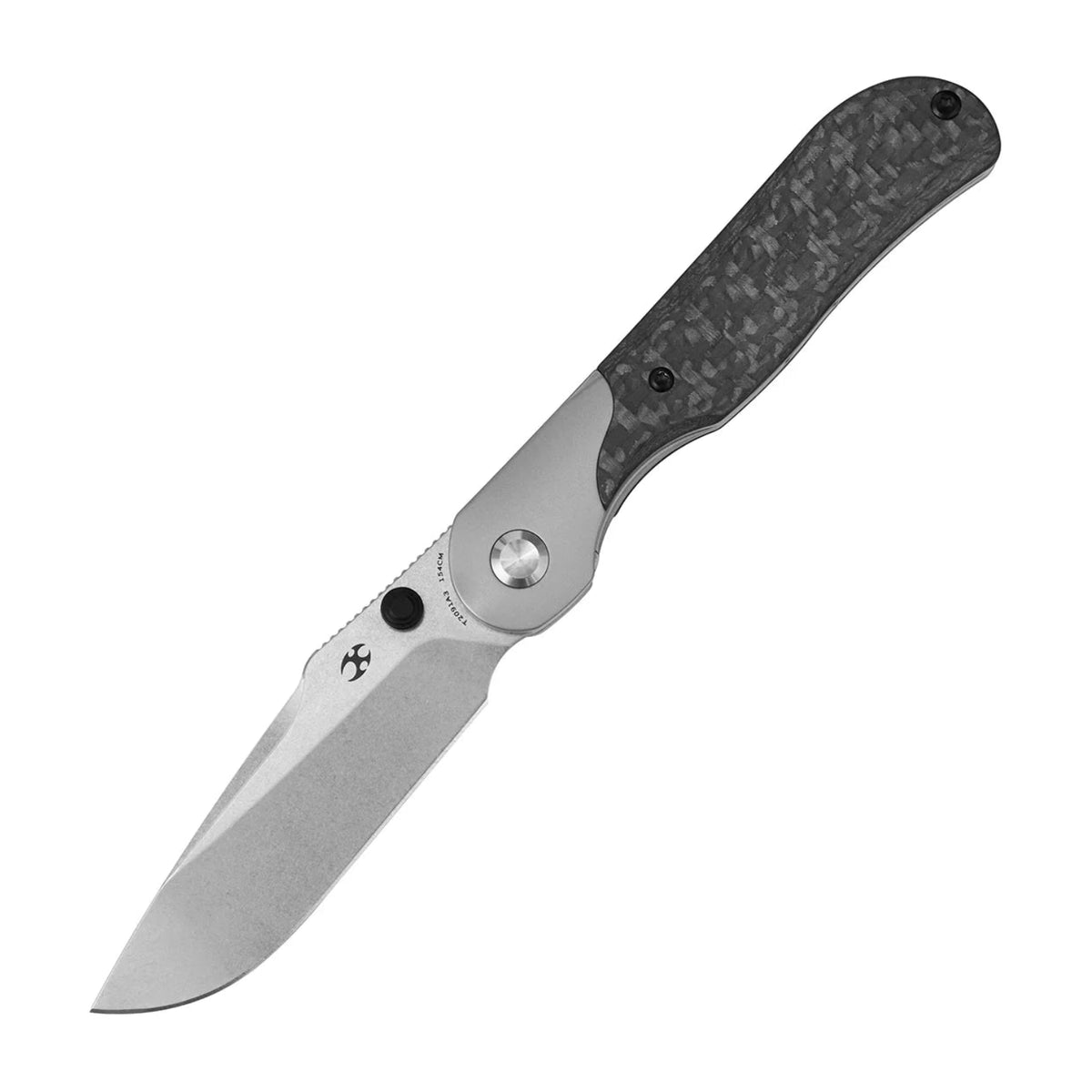
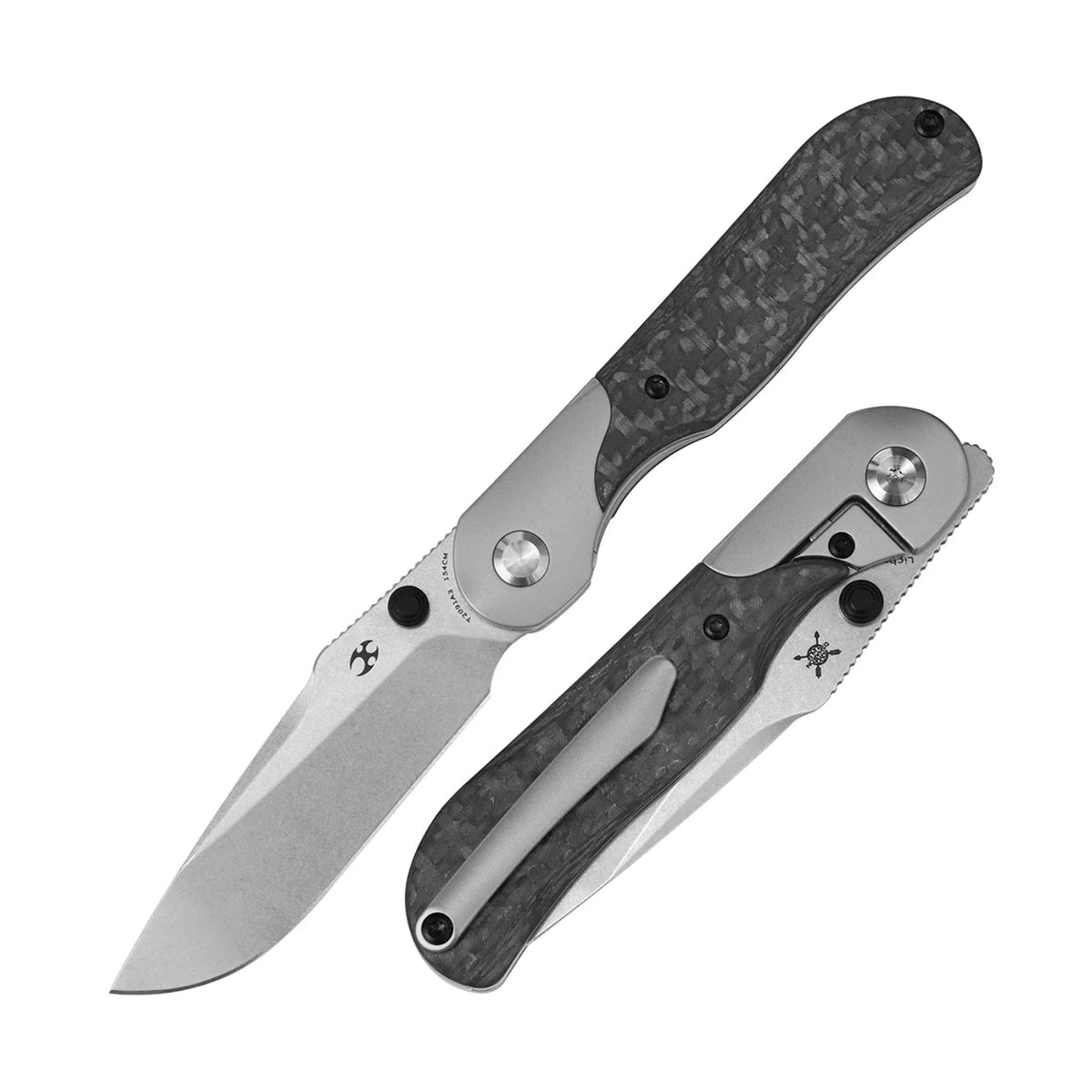
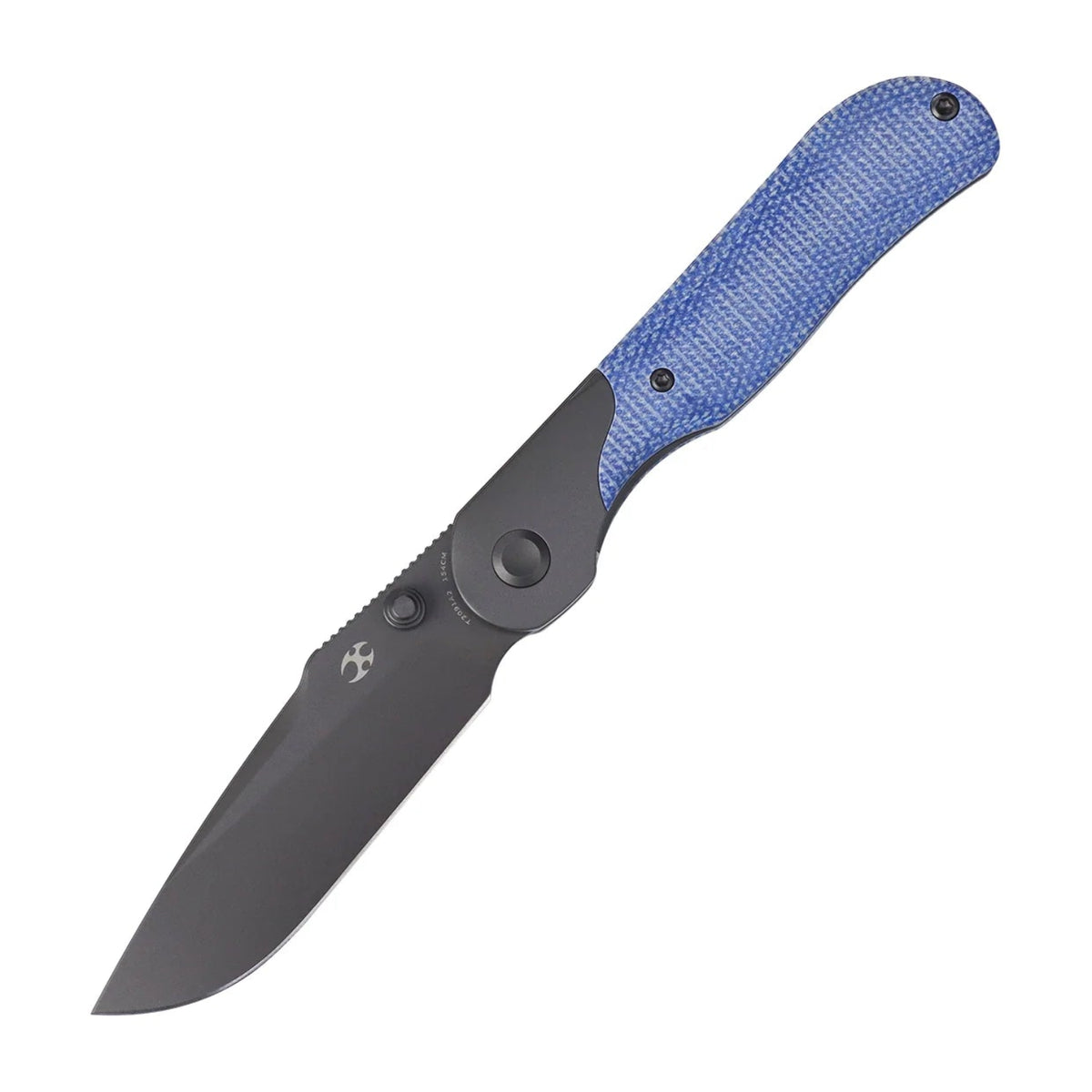
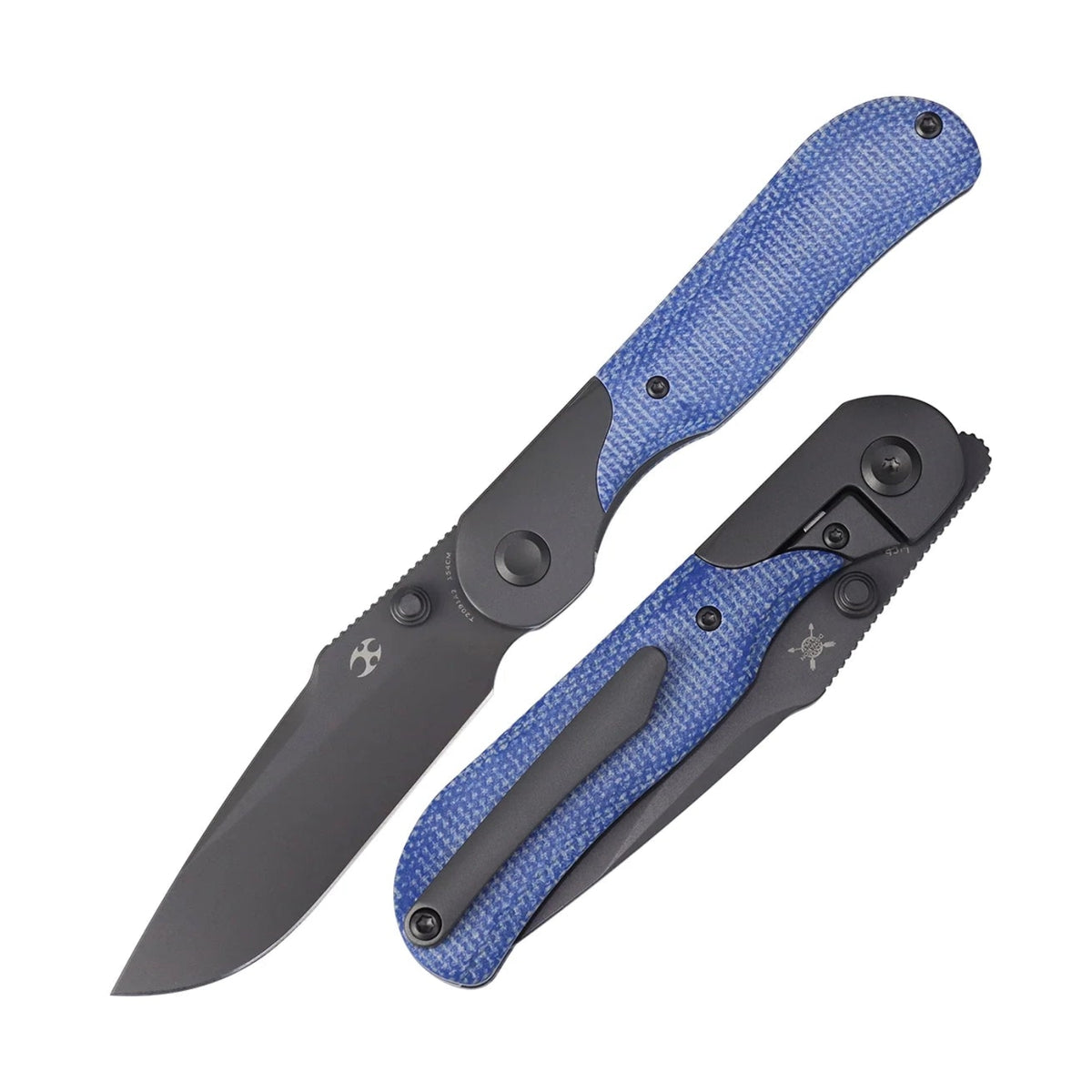
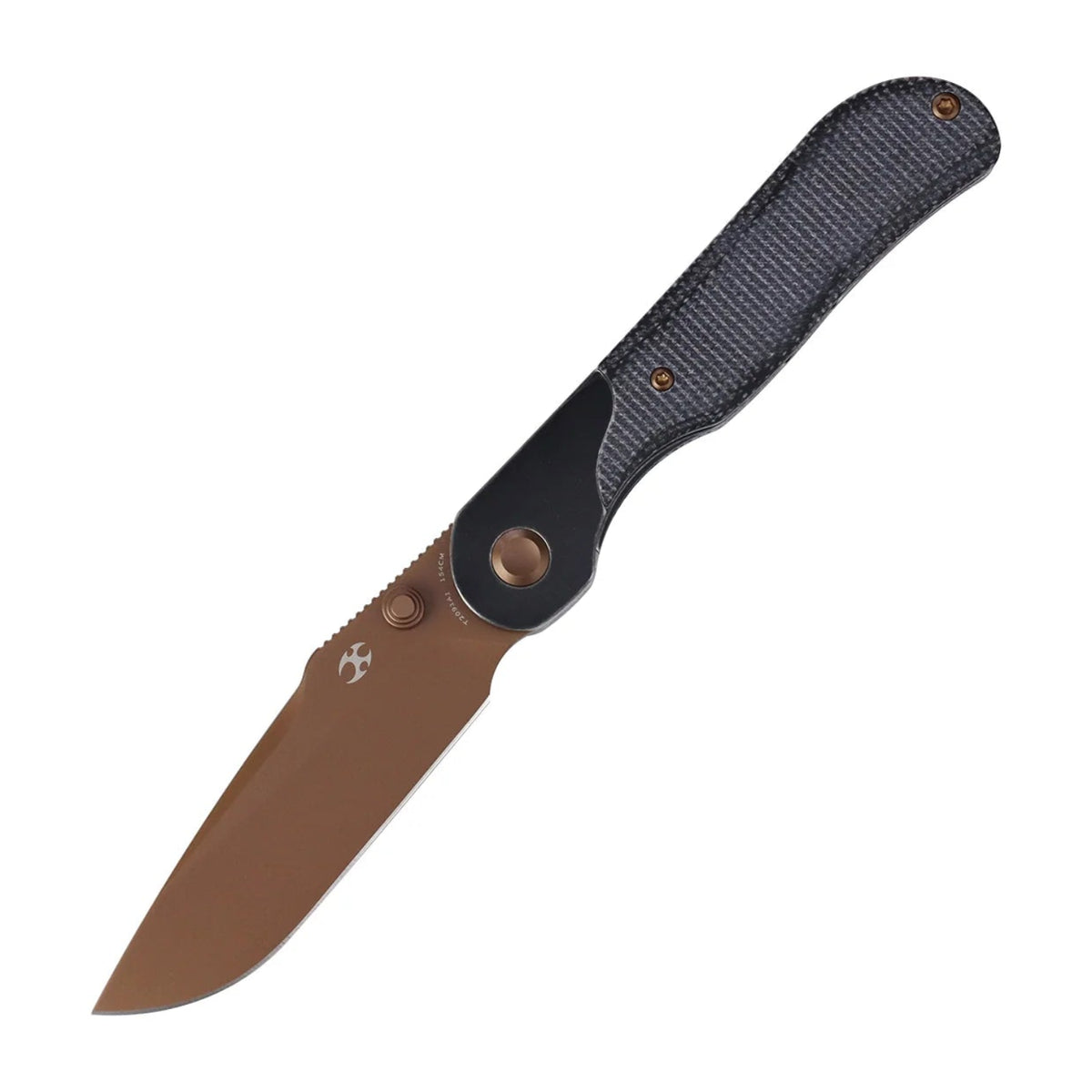
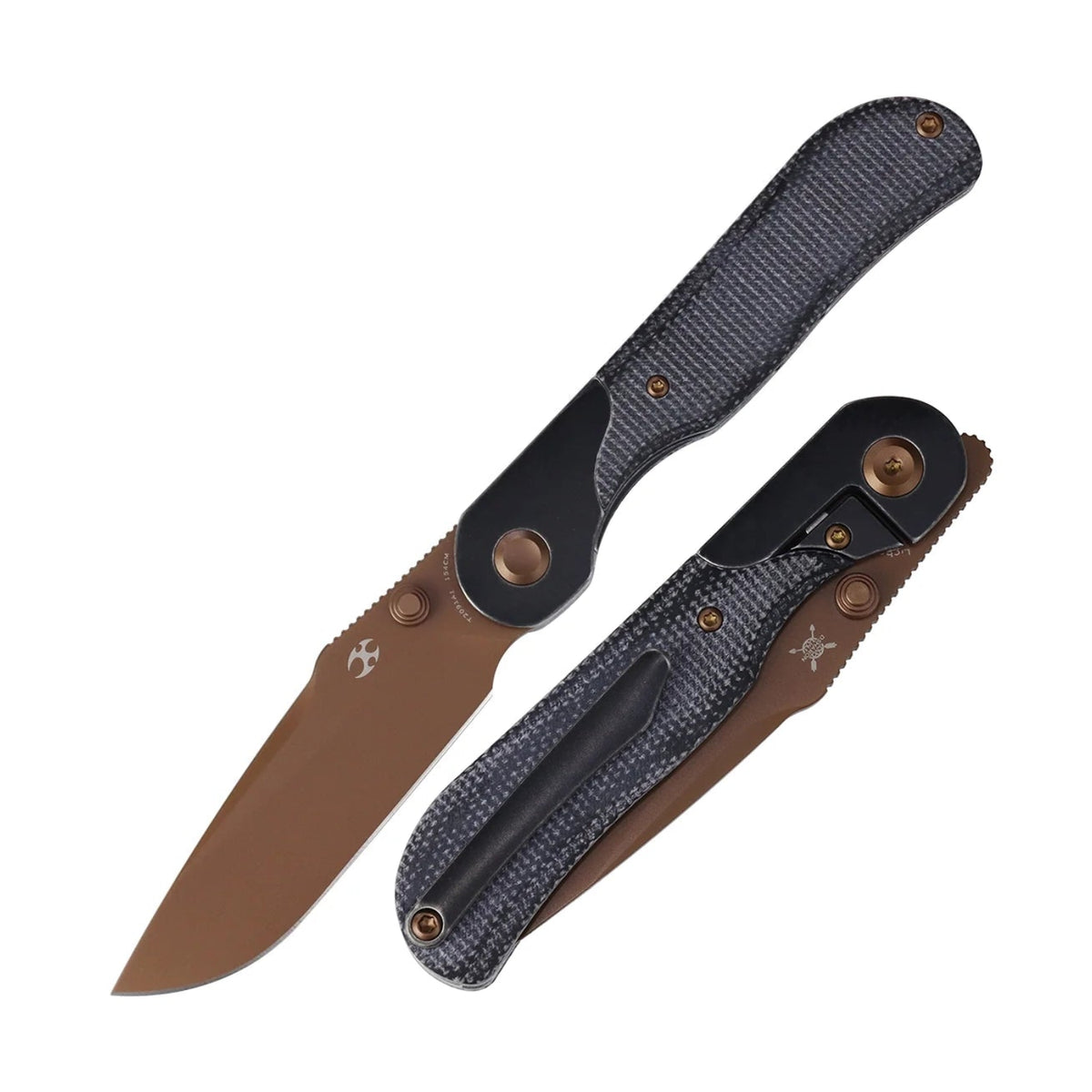
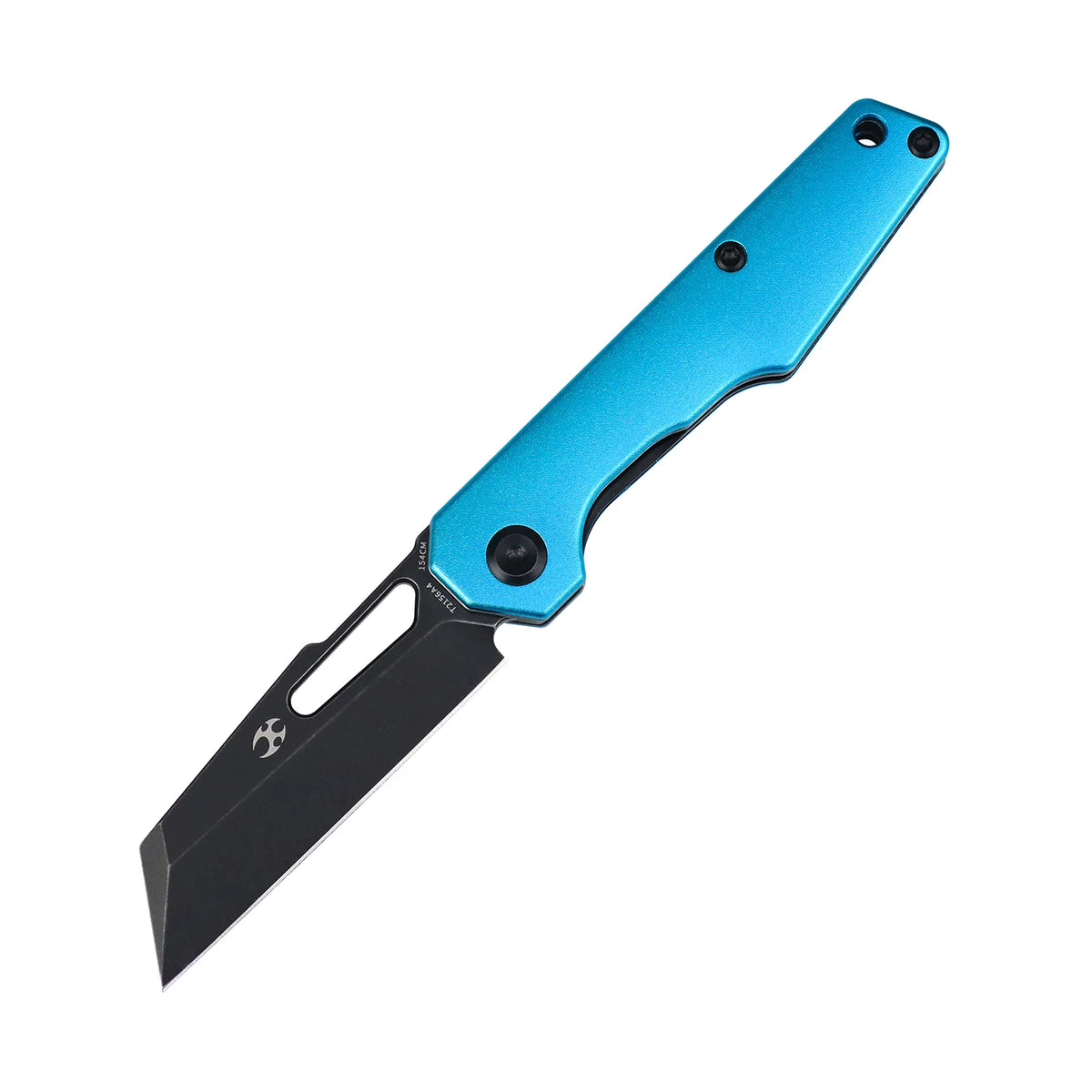
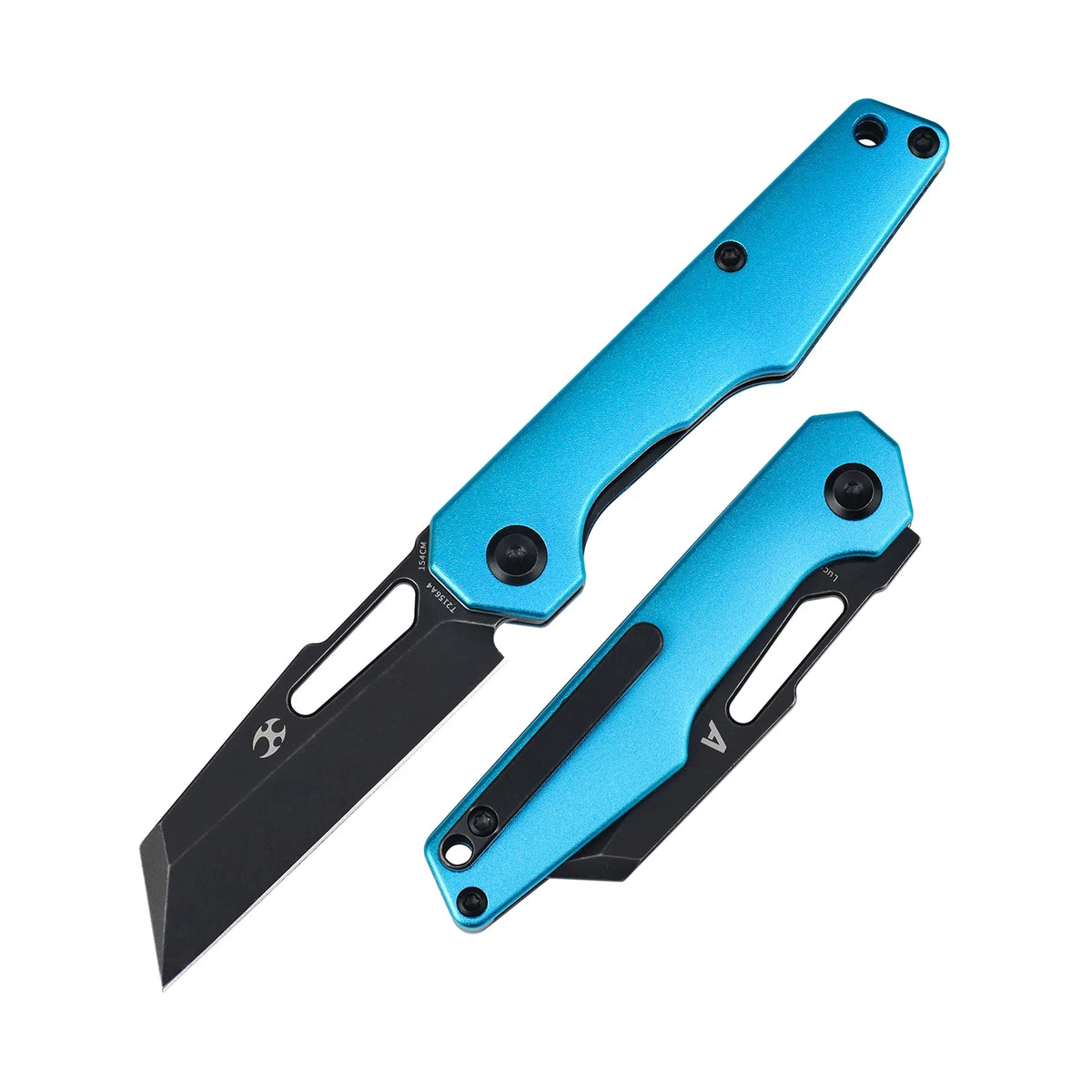
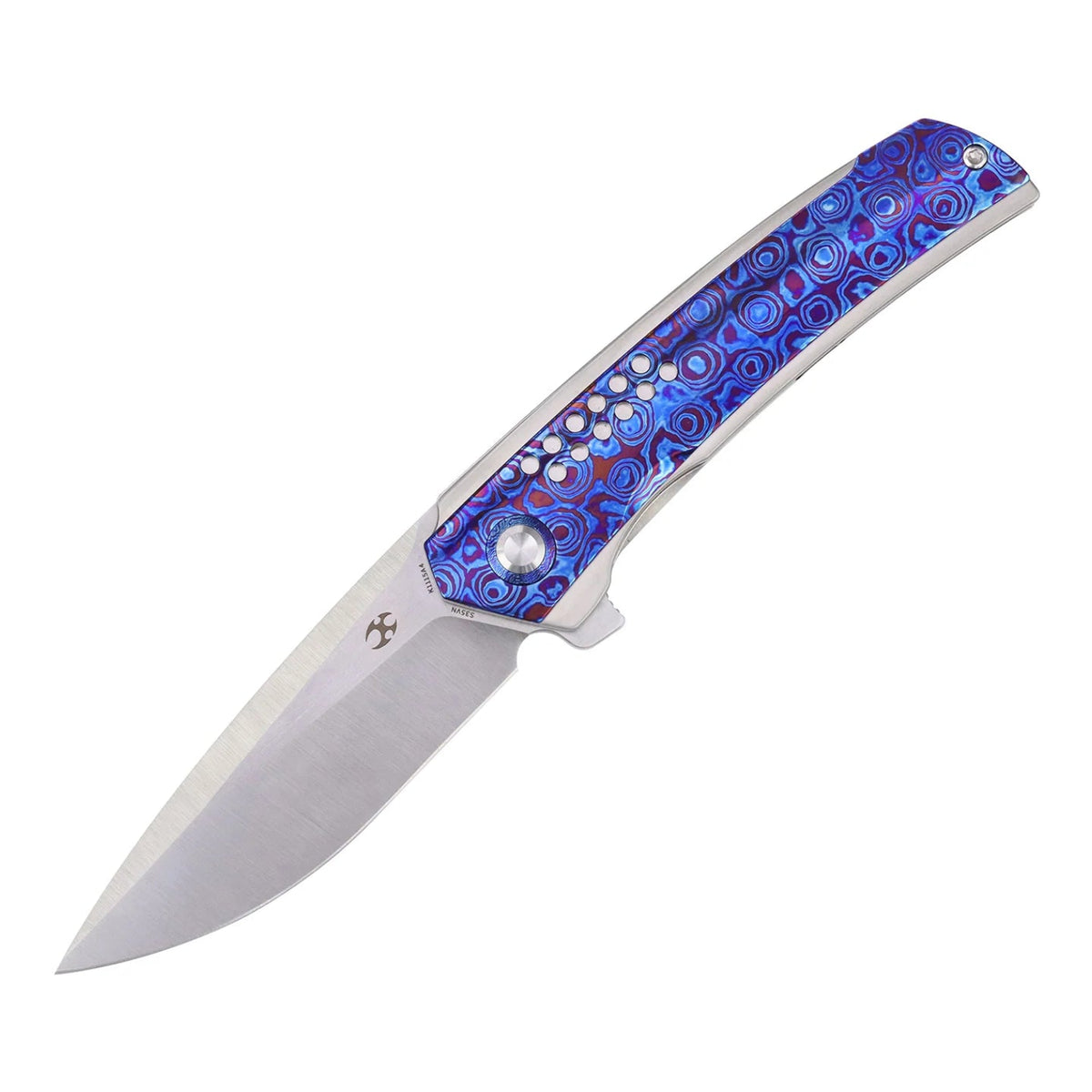
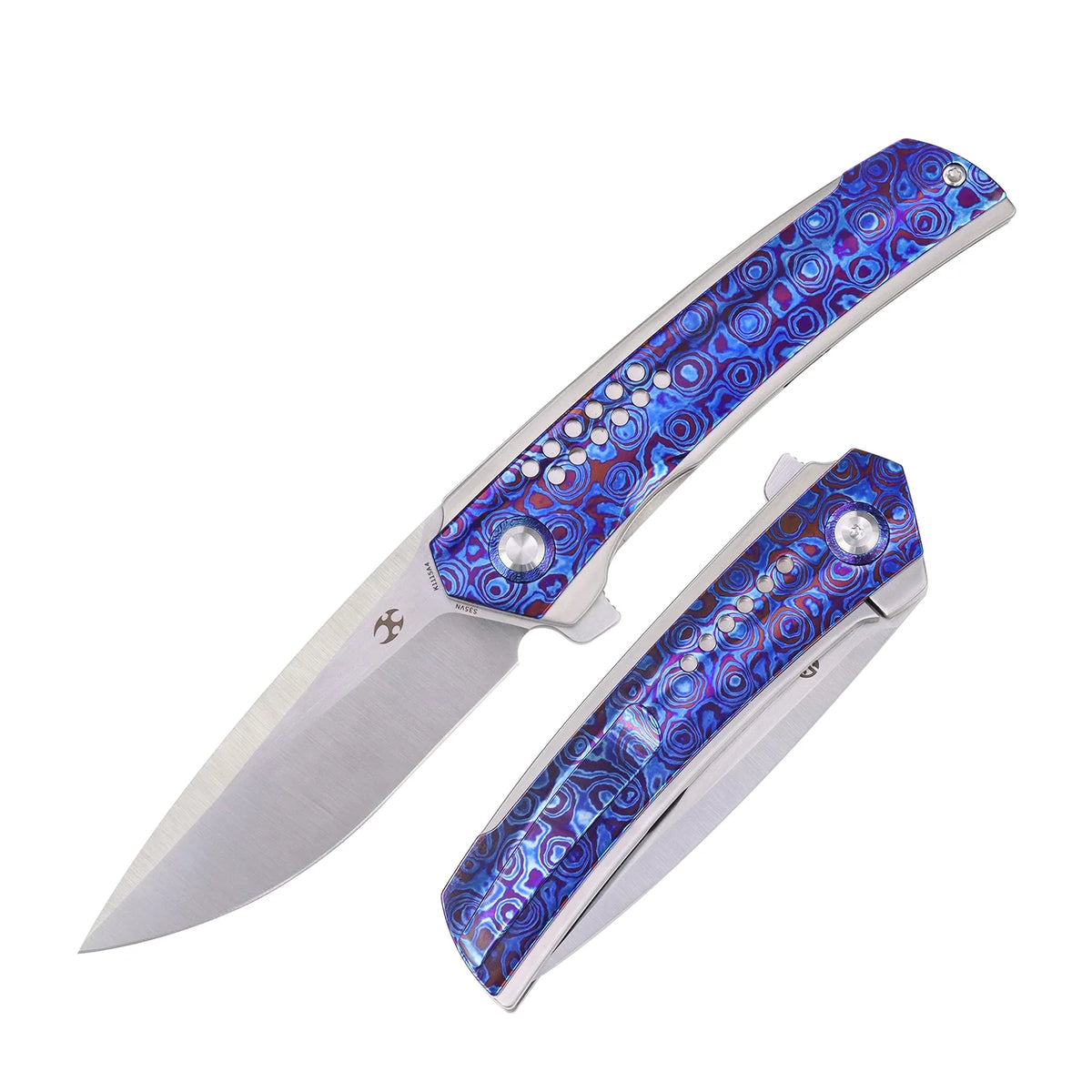
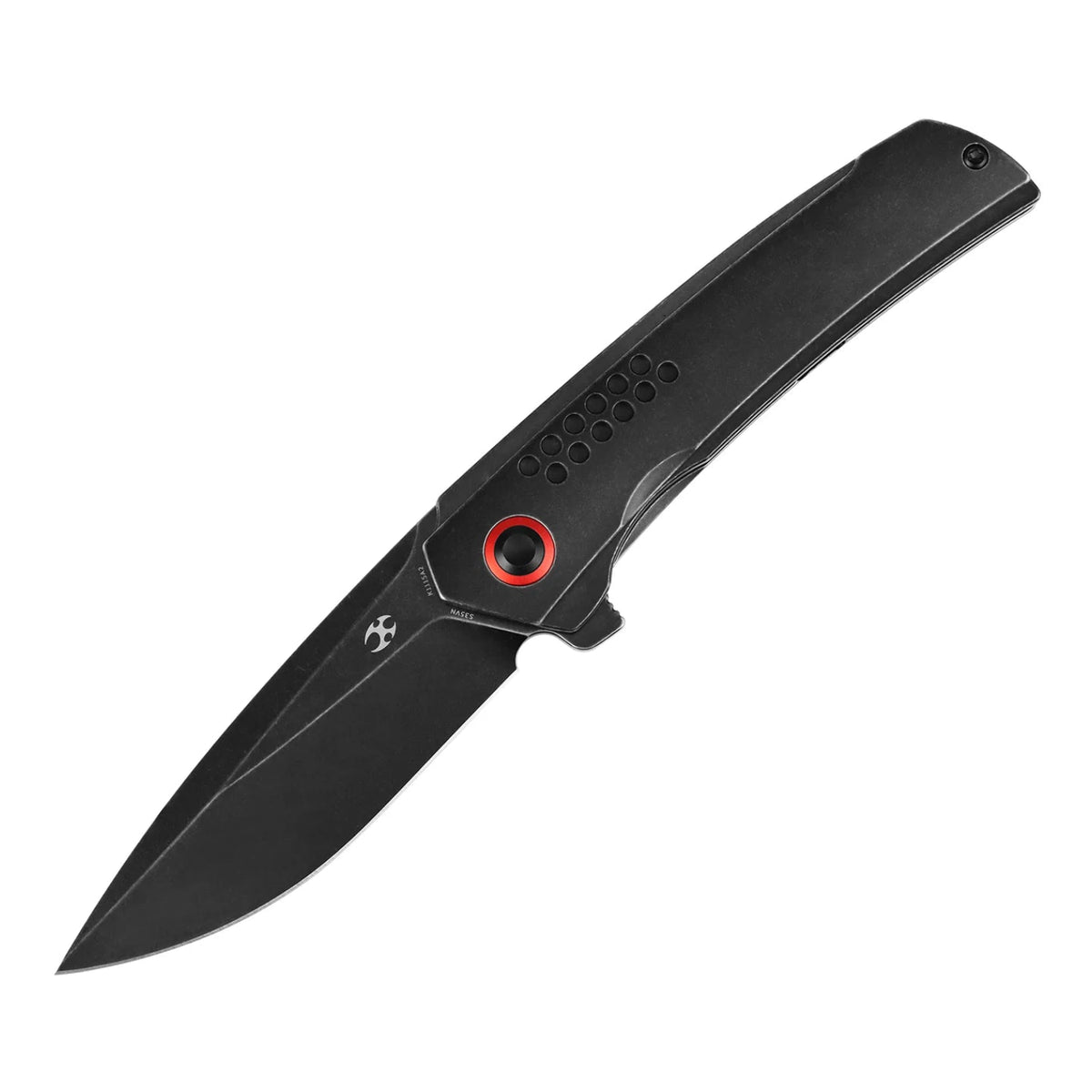
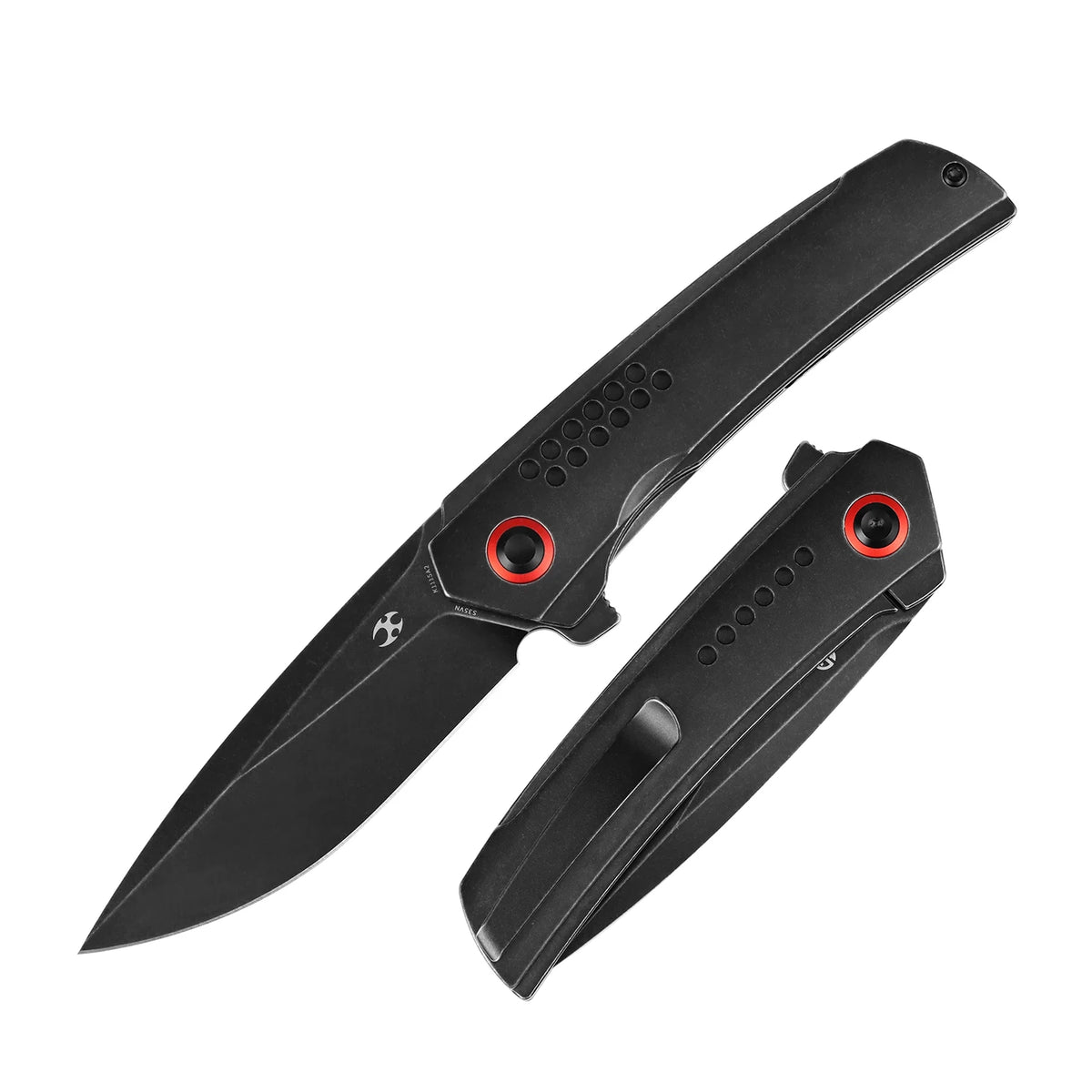
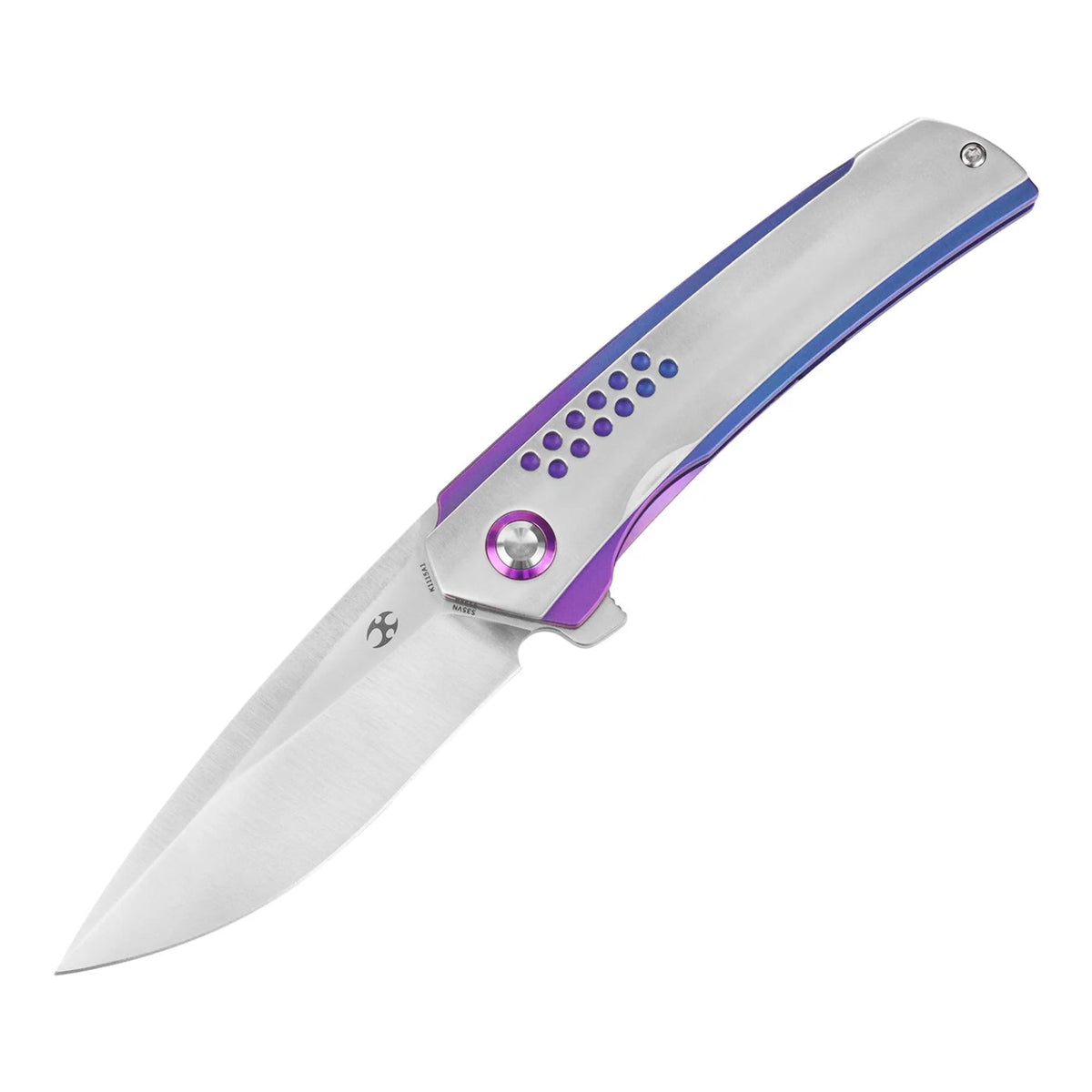
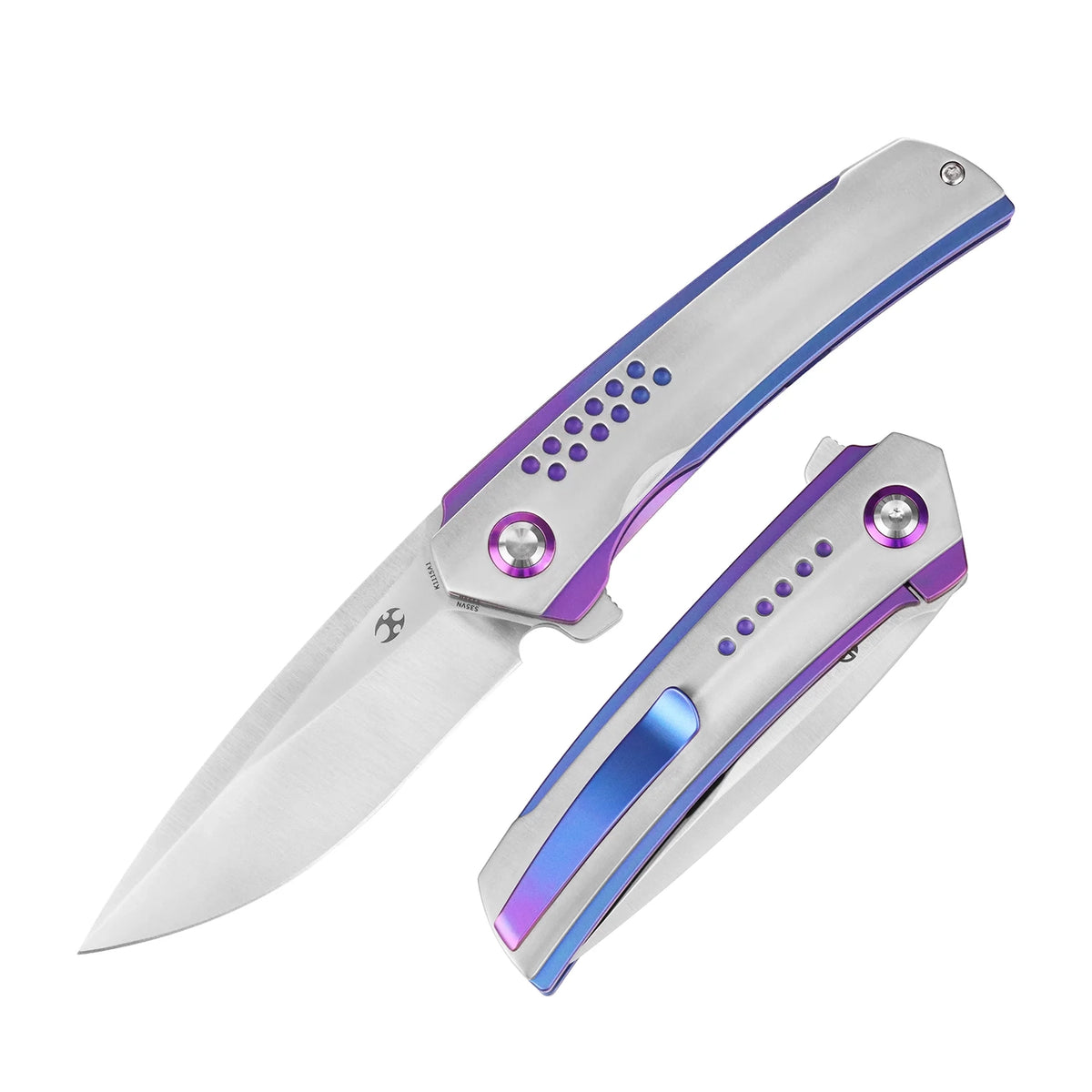
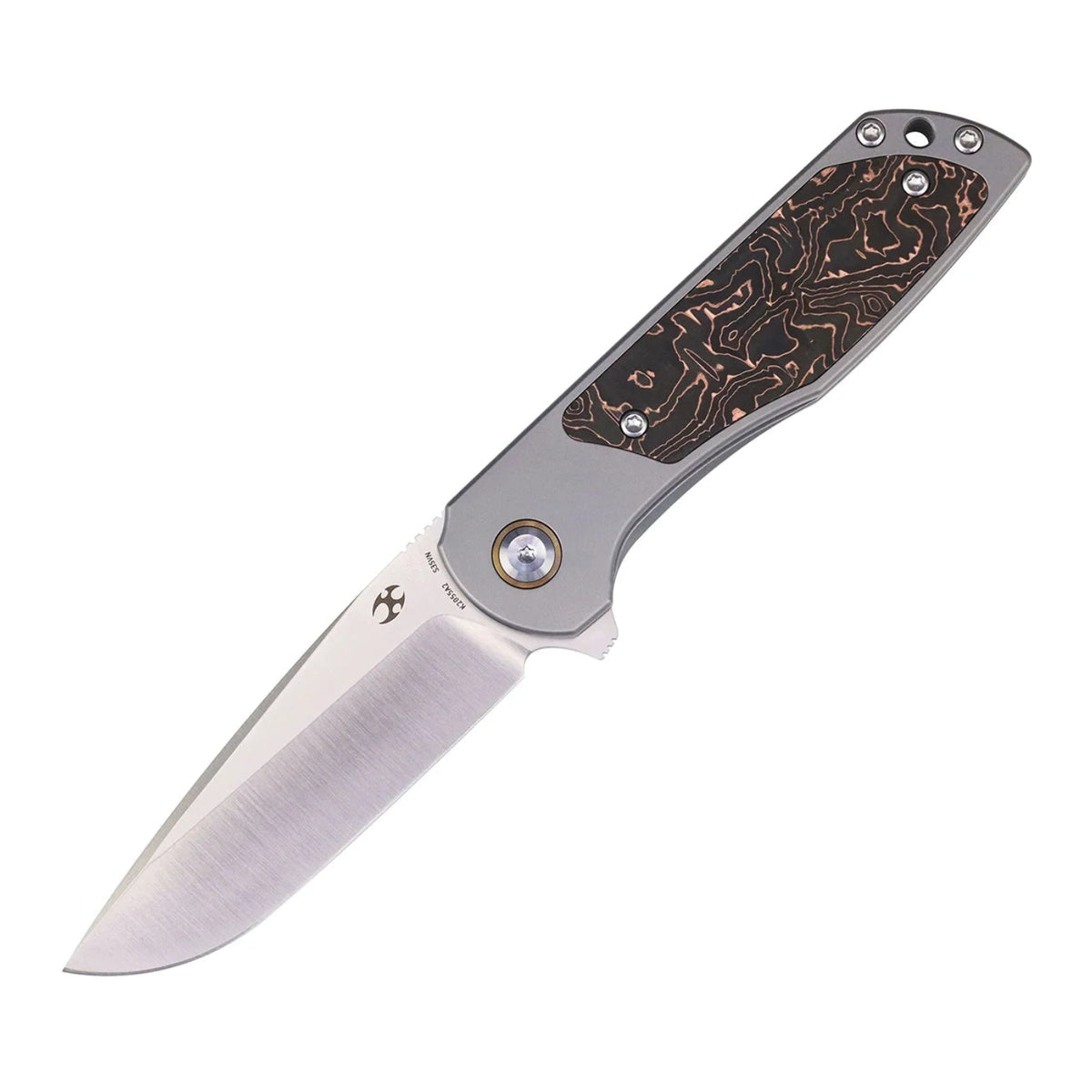
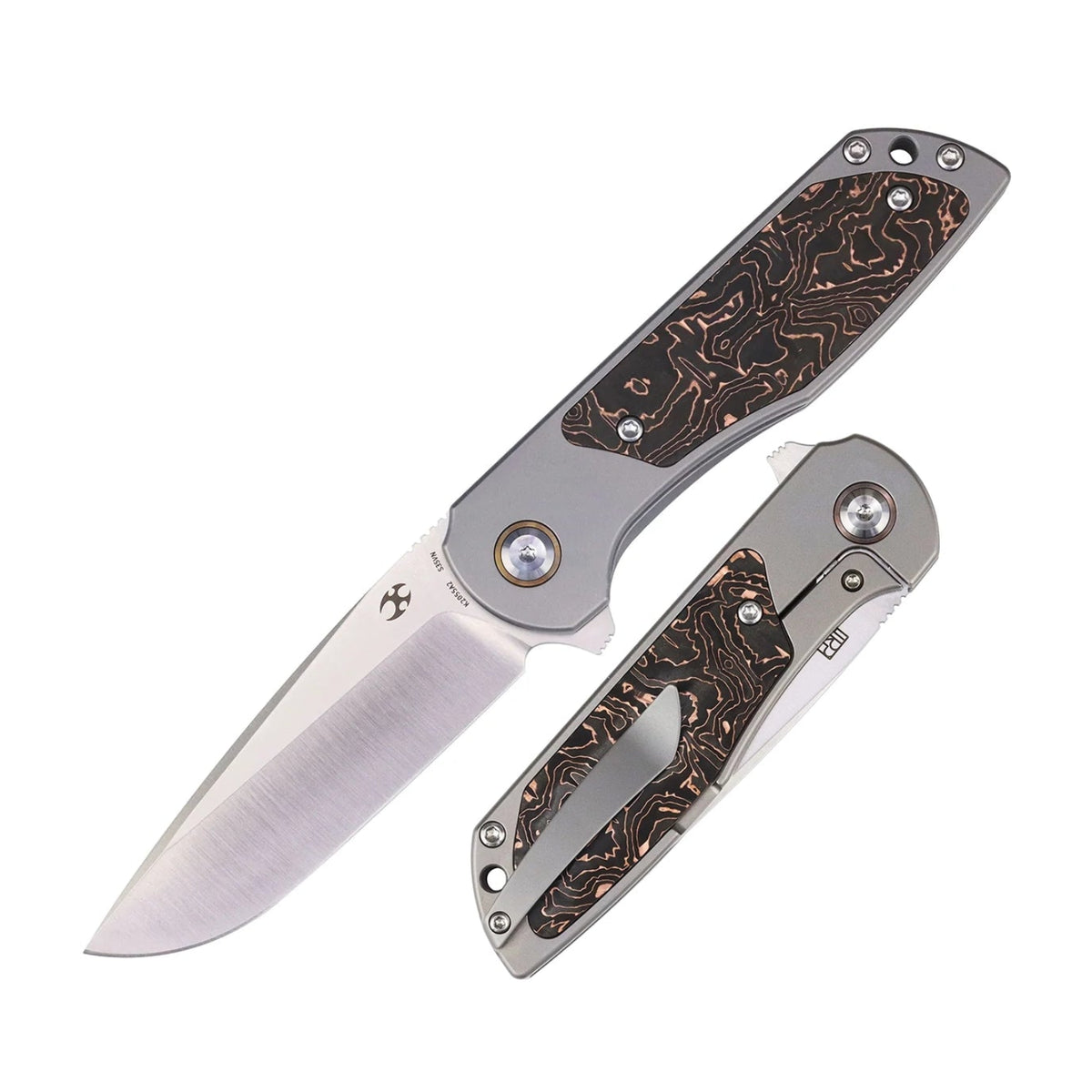
The Fenrir is a compact folder with a top liner lock, an aluminium handle and a blade that is ground thin behind the edge. That thinness is the point: bronze work needs a low-included-angle edge that slices rather than pushes. The lock sits on the spine side, so the knife lies flat on a bench without the bar pressing into the work surface, and the aluminium handle does not mind the oil film that ends up on everything in a metalworking shop.
Real-World Use
Three jobs repeat all day. Trimming masking tape around a bell's bow without scratching the bronze. Cutting felt washers to shim a mounting post. Shaving a burr off a lathe tear before polishing. None of these need force; all of them punish a dull edge by skating and then biting. The knife also earns its place on the road, cutting gaffer tape off stands and trimming foam in a flight case at eleven at night.

Ownership Notes
Shop knives live hard lives and get sharpened badly, which is why a hard, thin blade is a better long-term bet than a soft one that rolls instead of wearing. Folding knives with a closed pivot keep bronze dust out of the action, and bronze dust is abrasive enough to turn a smooth folder into a crunchy one within a month. EdcMall lists the Fenrir alongside Tenable's other patterns if you want to compare blade shapes before committing to a bench knife. Drummers who maintain their own kit tend to carry folding knives for exactly this reason: a cymbal bag, a flight case and a roll of gaffer tape all need cutting, and EDC knives that live in a stick bag get used every show.
Who Is This For?
Buy it if you work non-ferrous metal, do instrument repair, or want a folder that stays sharp through tape, felt and bronze. It suits cymbal smiths, brass technicians and drummers who maintain their own kit. Skip it if your daily cutting is cardboard and strapping; a hard Damascus blade is overqualified there, and a softer stainless working knife will survive being used as a scraper with far less drama.
Final Verdict
The Fenrir is the rare folder that behaves like a bench tool. The Damascus blade holds a polished edge long enough to finish a lathe session, the top liner lock keeps the spine flat on the bench, and the aluminium handle shrugs off the oil that finds every surface in a metal shop. If you maintain instruments for a living, this is a sensible place to spend money.