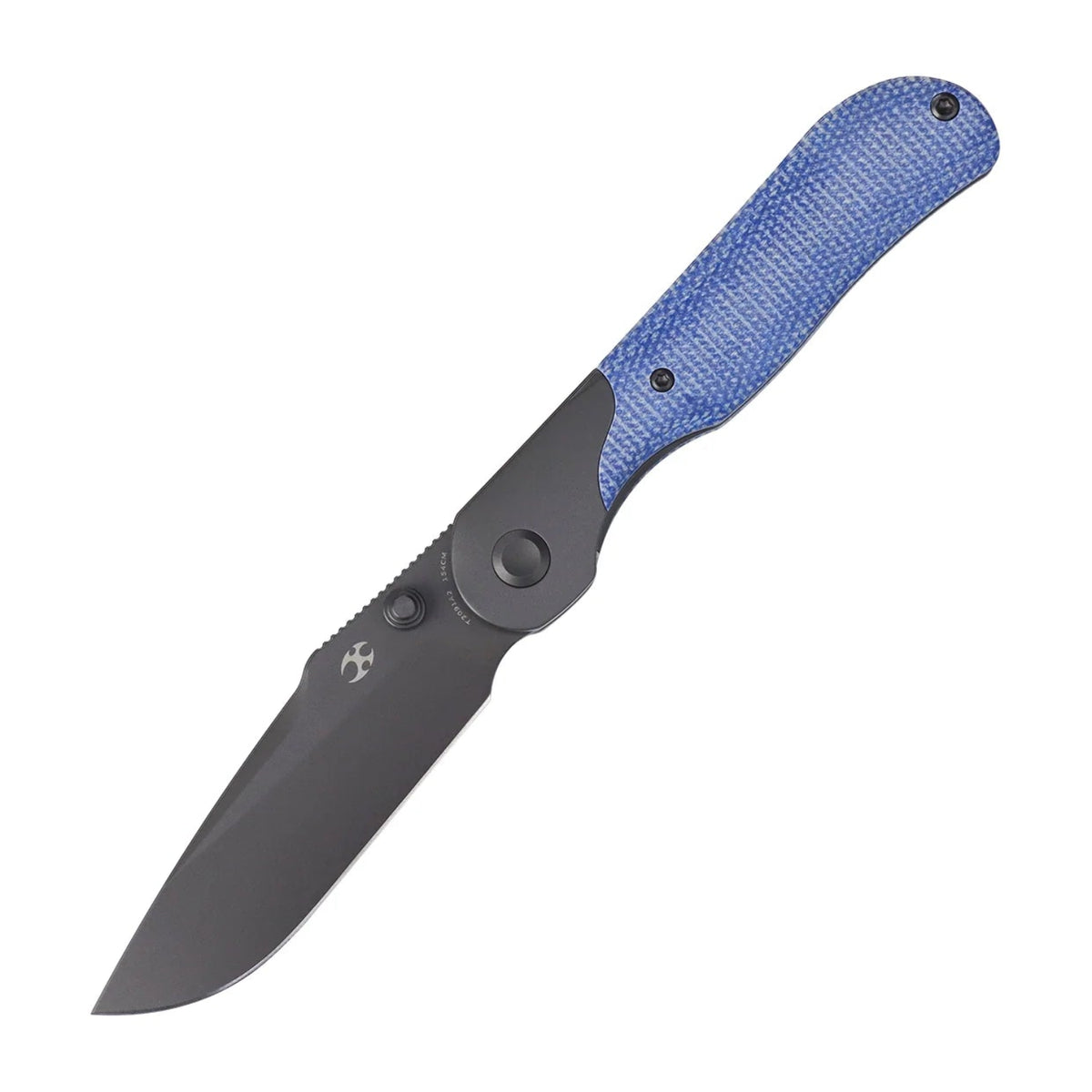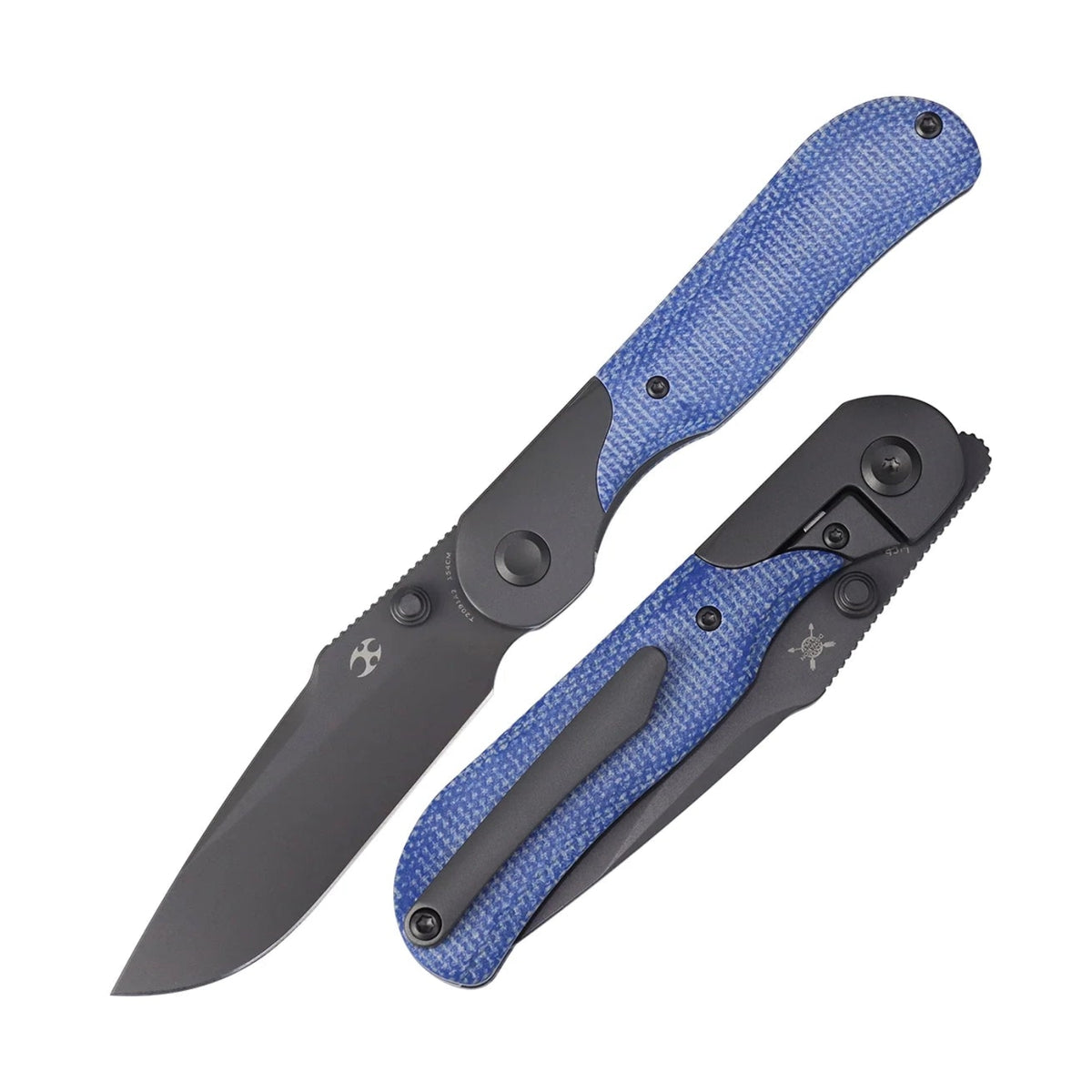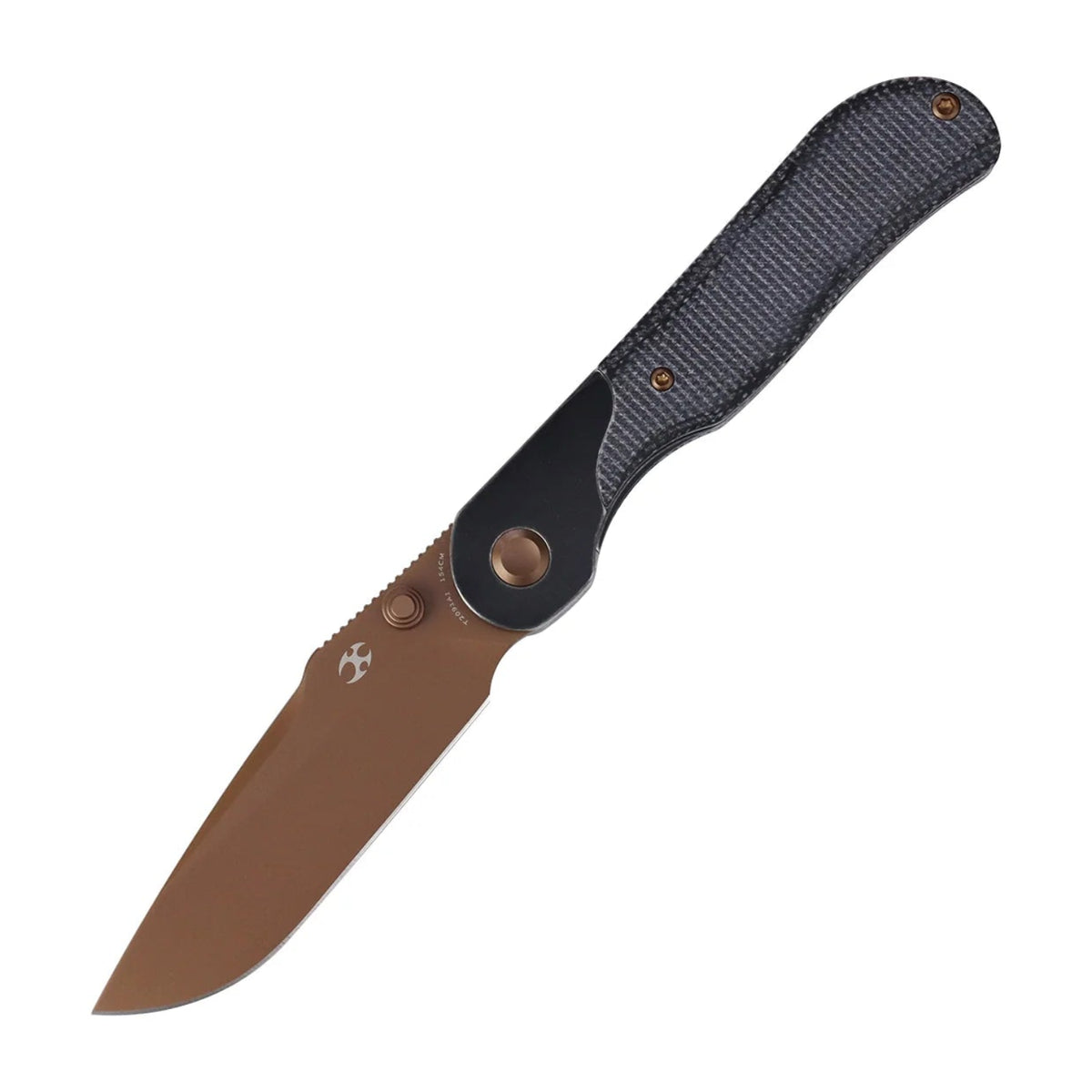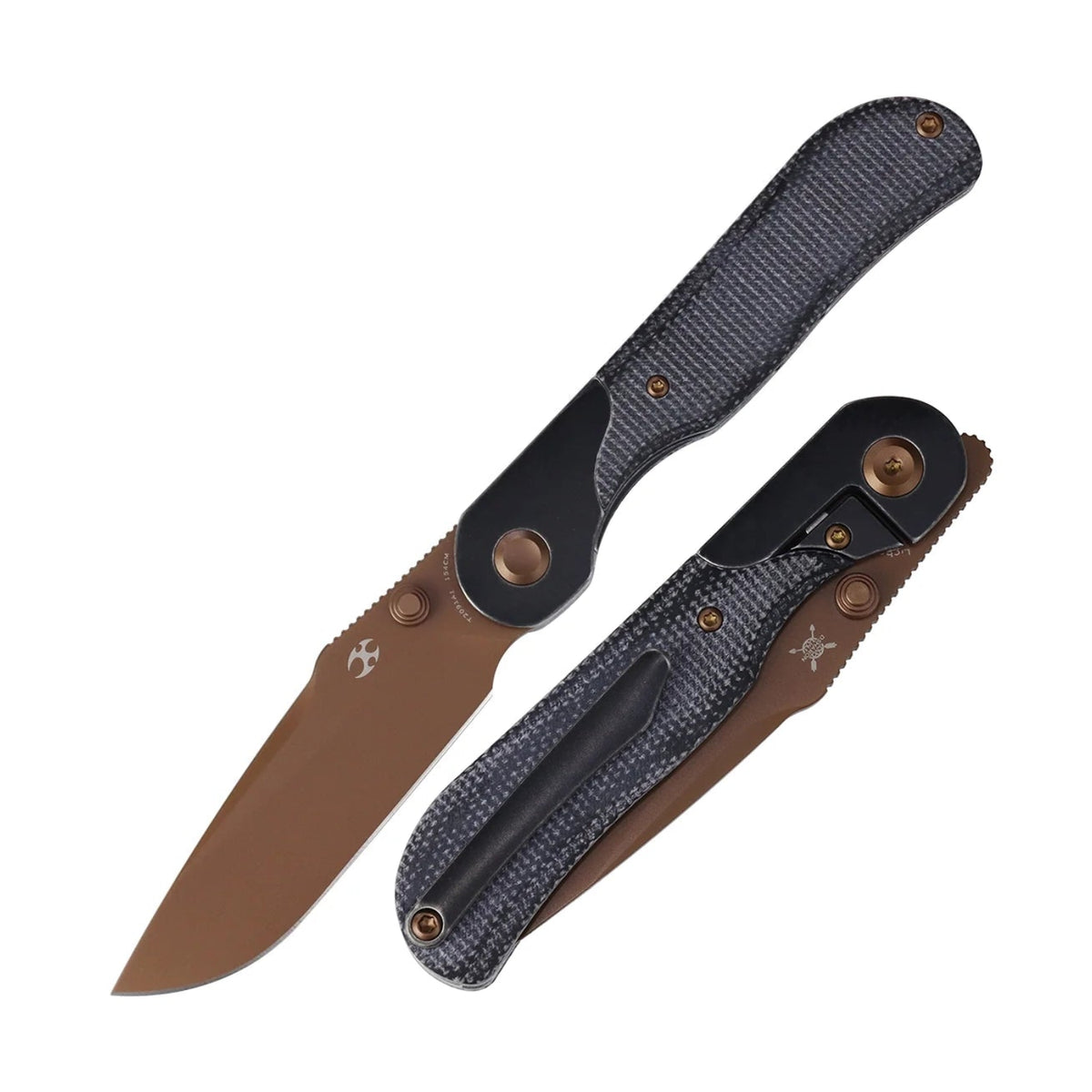

Overview & First Impressions
A sundial is a geometry problem wearing a piece of metal. The gnomon has to sit at the site latitude, its edge has to be straight to within a few thousandths across its whole length, and its shadow edge has to be thin enough that the penumbra does not swallow the hour line. Fabricating one means filing, scraping and scribing a hard material by hand, and every one of those operations is decided by what the cutting edge is made of.
Materials & Construction
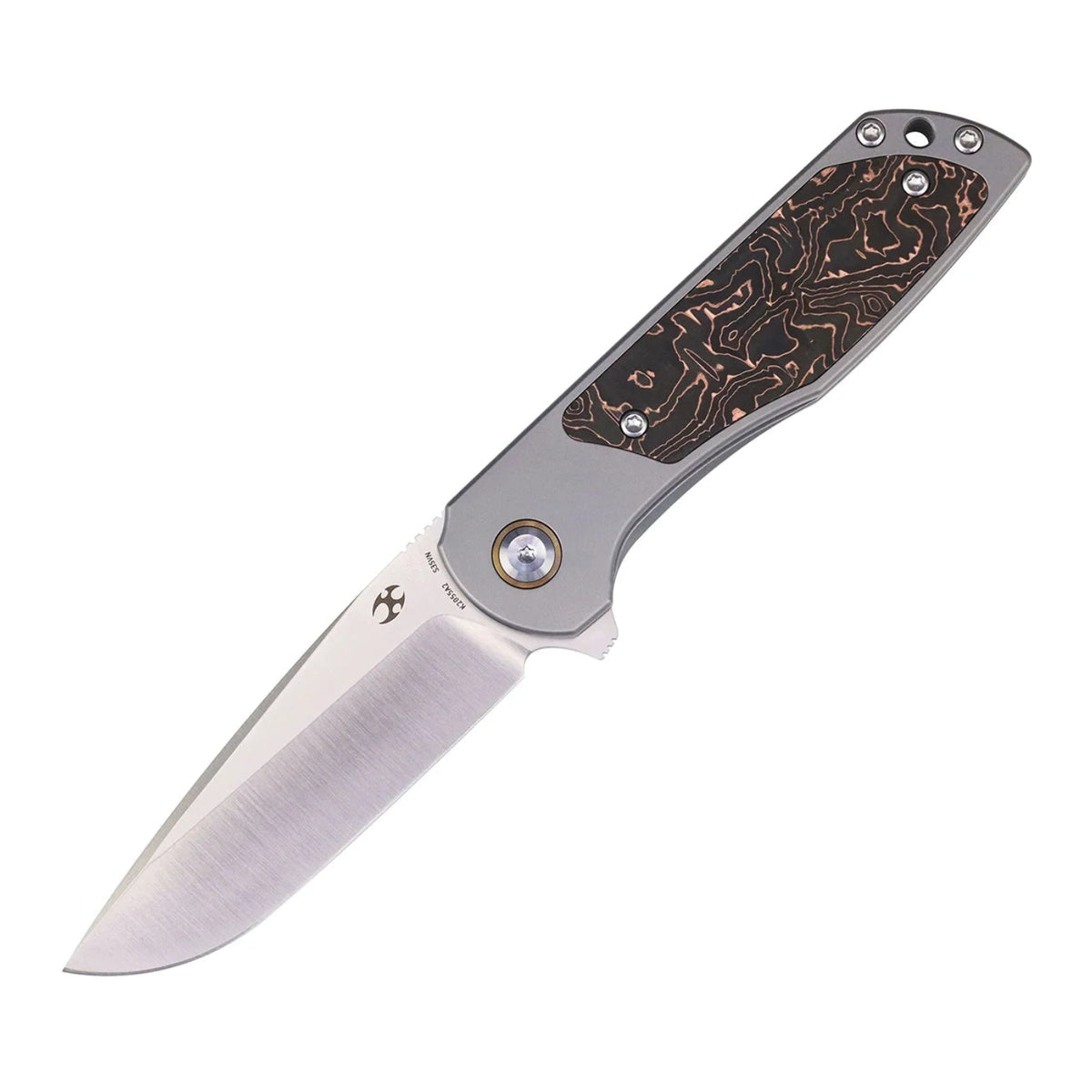
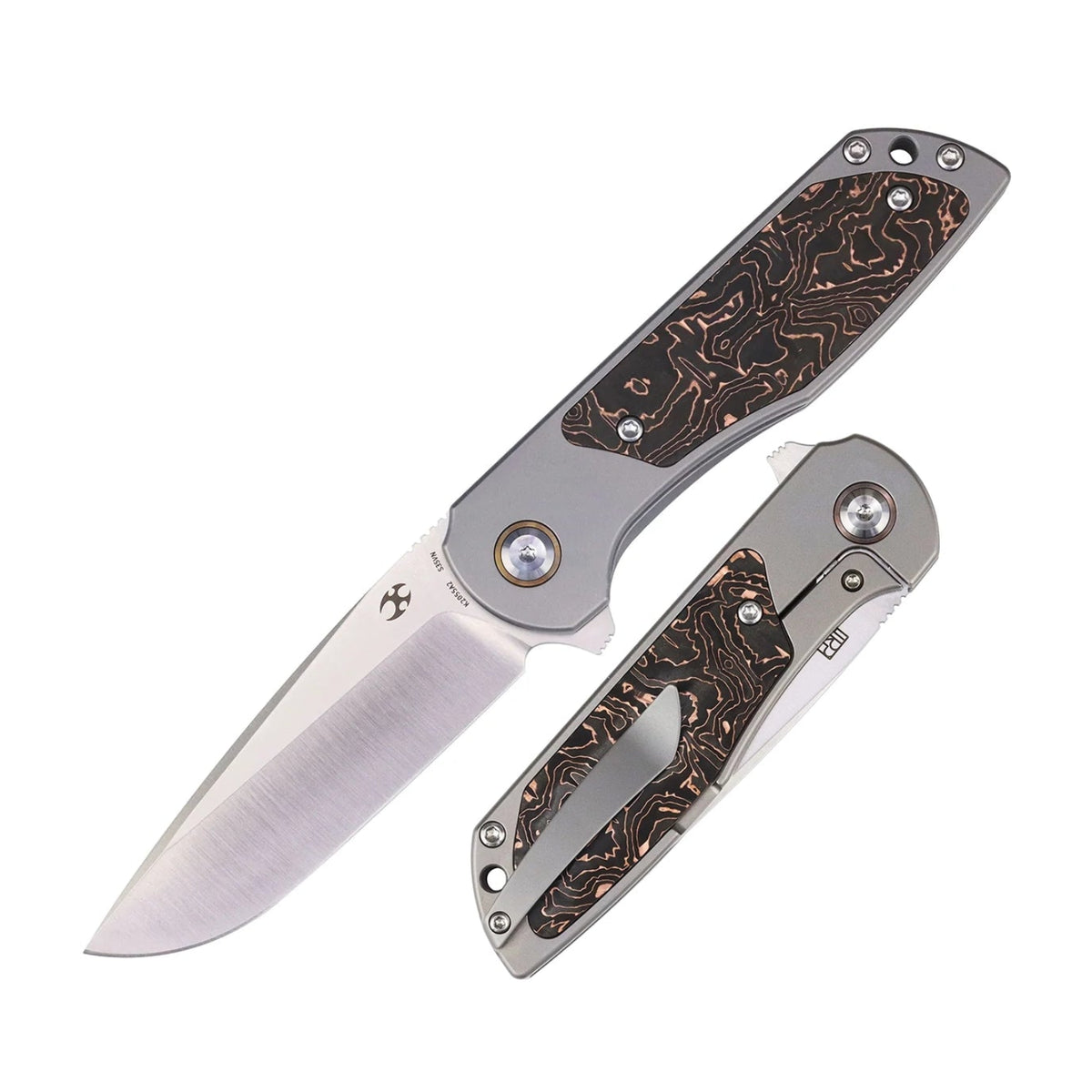
M390 is a powder-metallurgy stainless with about twenty percent chromium and a vanadium carbide load that refuses to wear out on abrasive work. For gnomon work that translates into an edge that can scribe brass without rolling and can scrape a filed face flat without needing to be reset every five minutes. GEO Knife runs it hard, and hard is what you want when the tool is being dragged along a straightedge hundreds of times in a single afternoon.

Design & Details
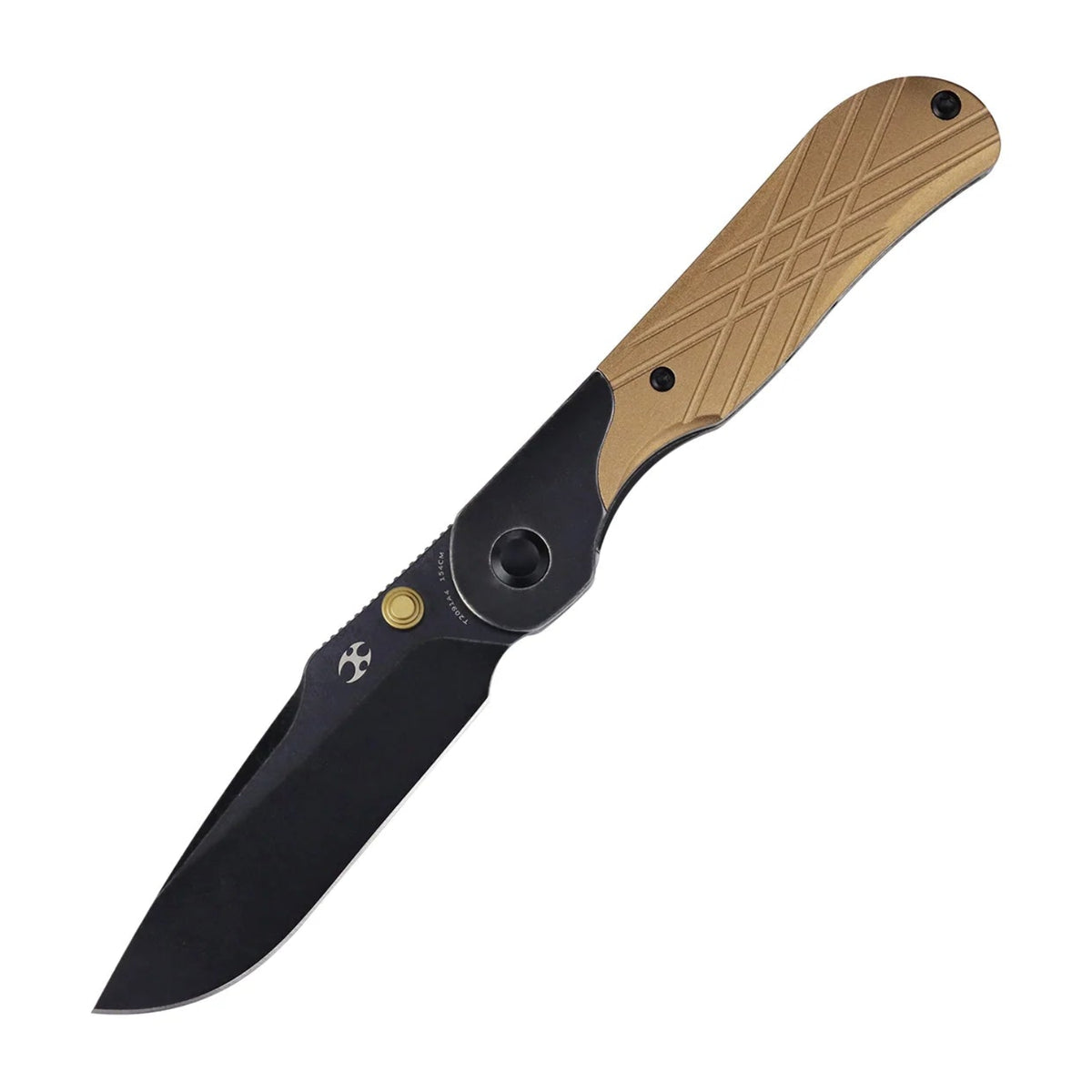
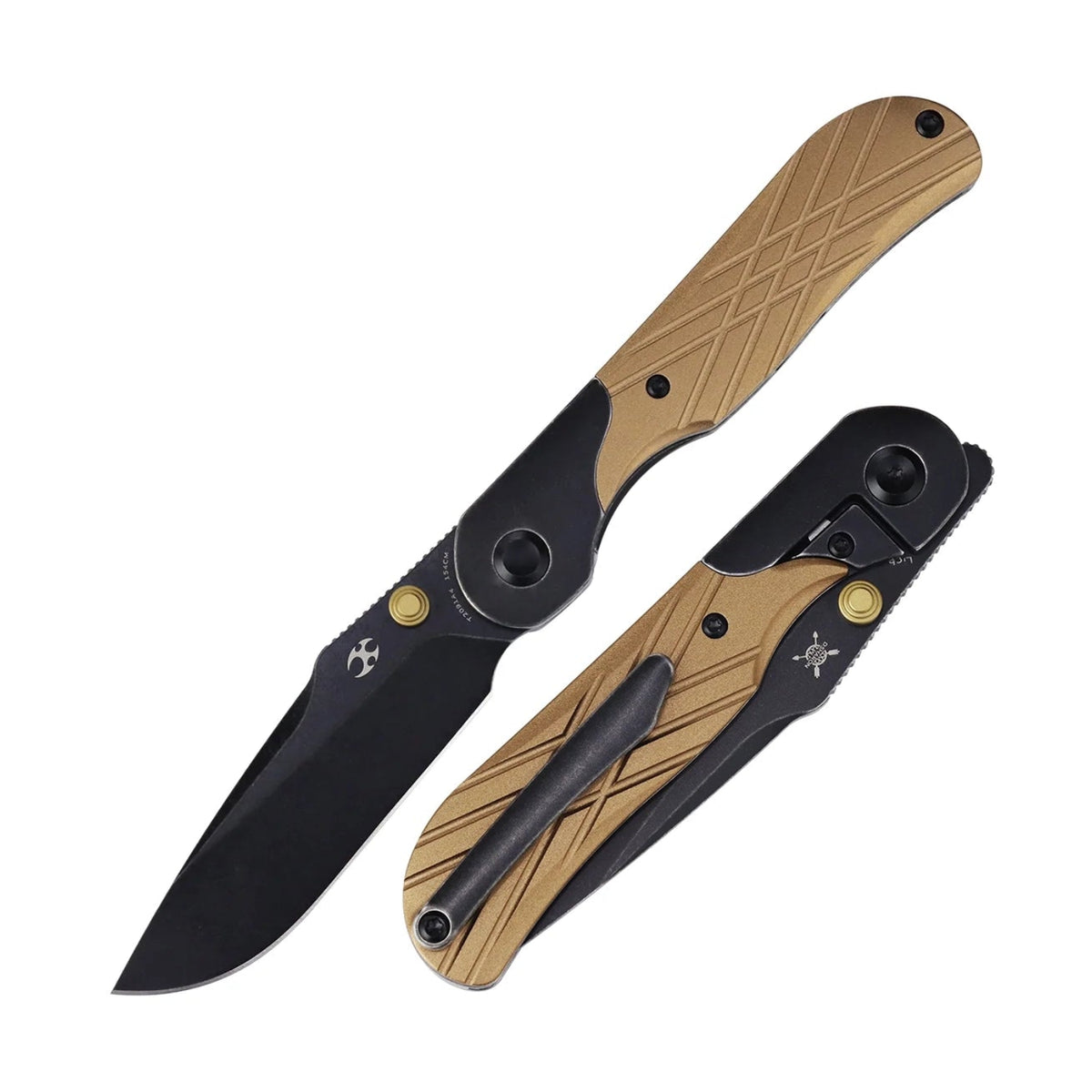
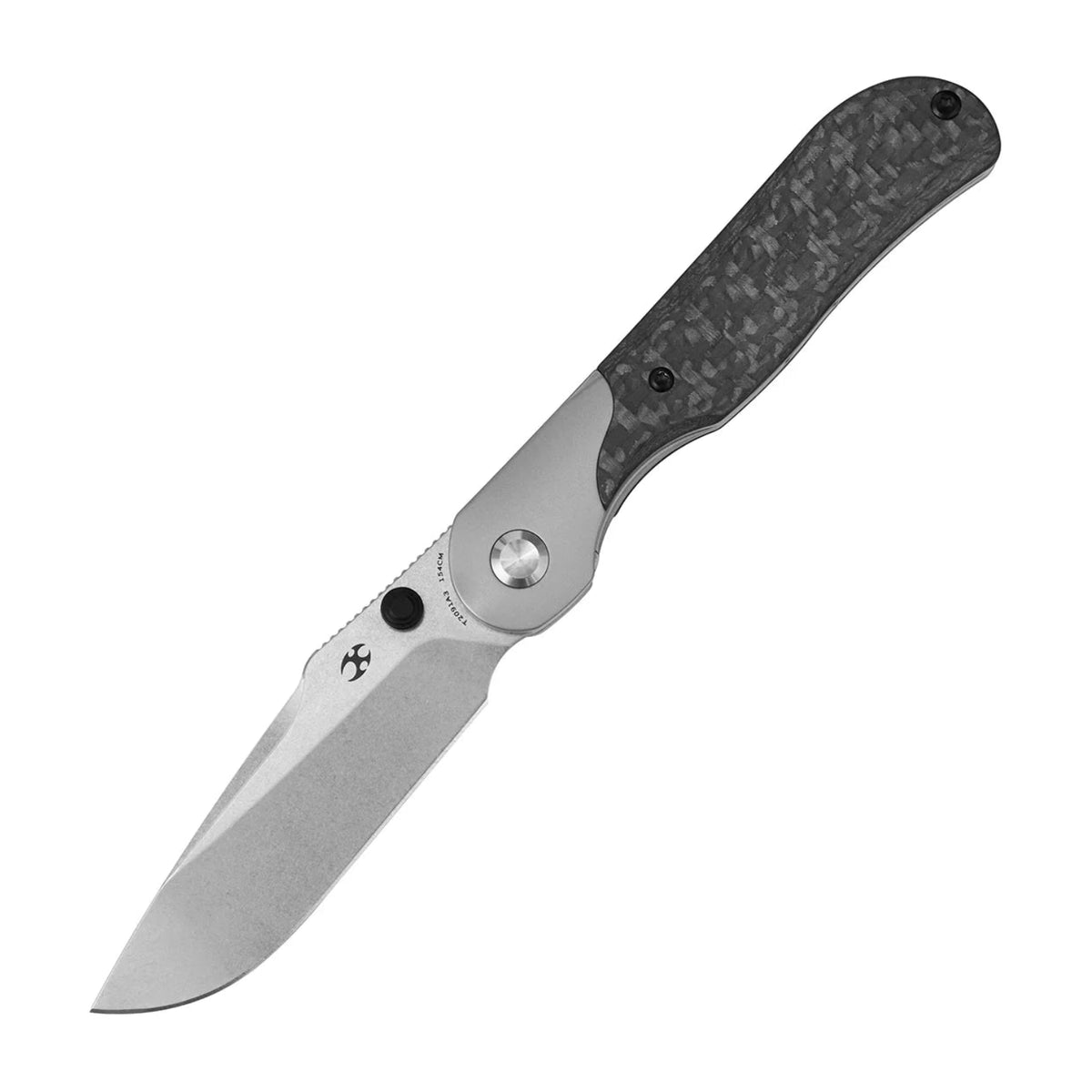
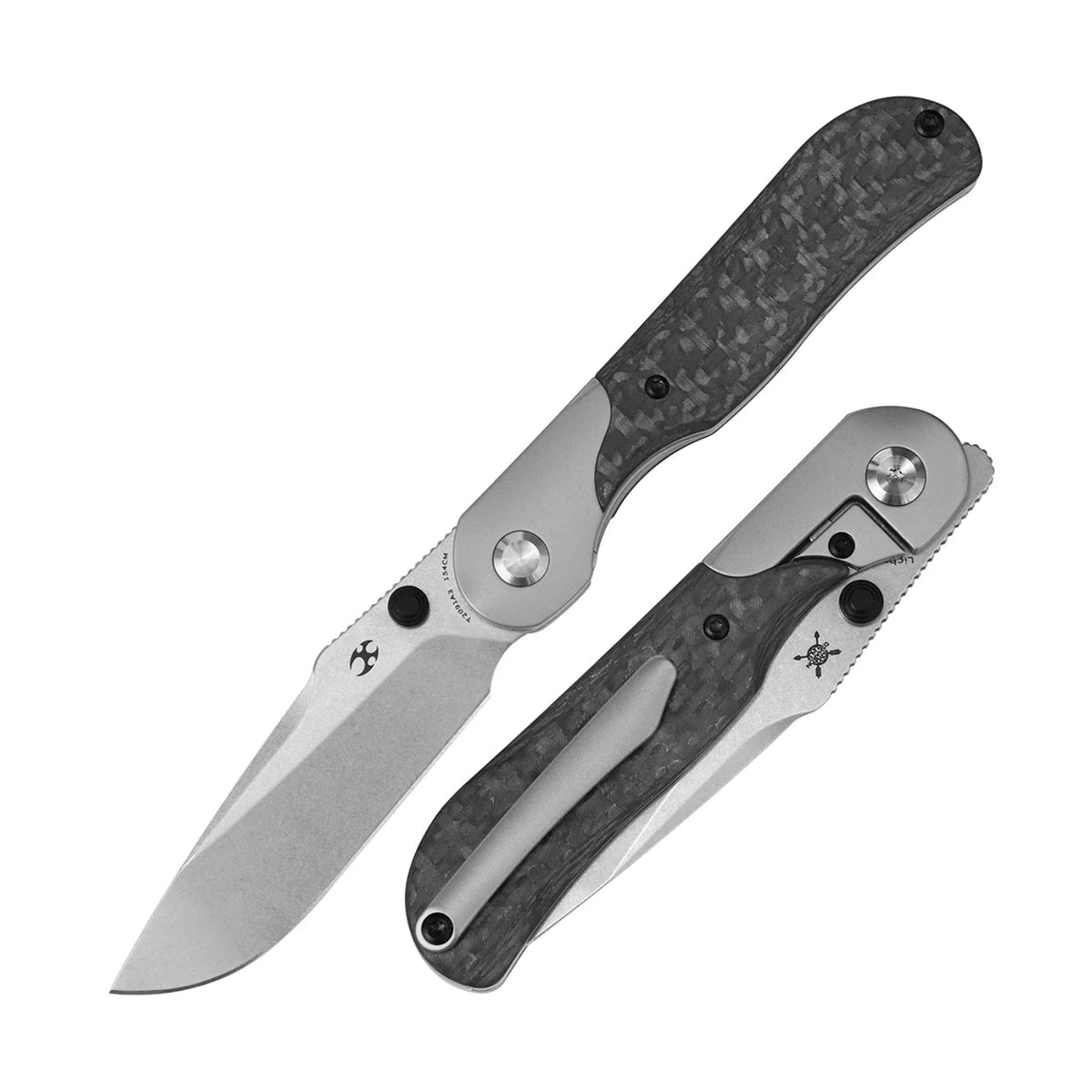
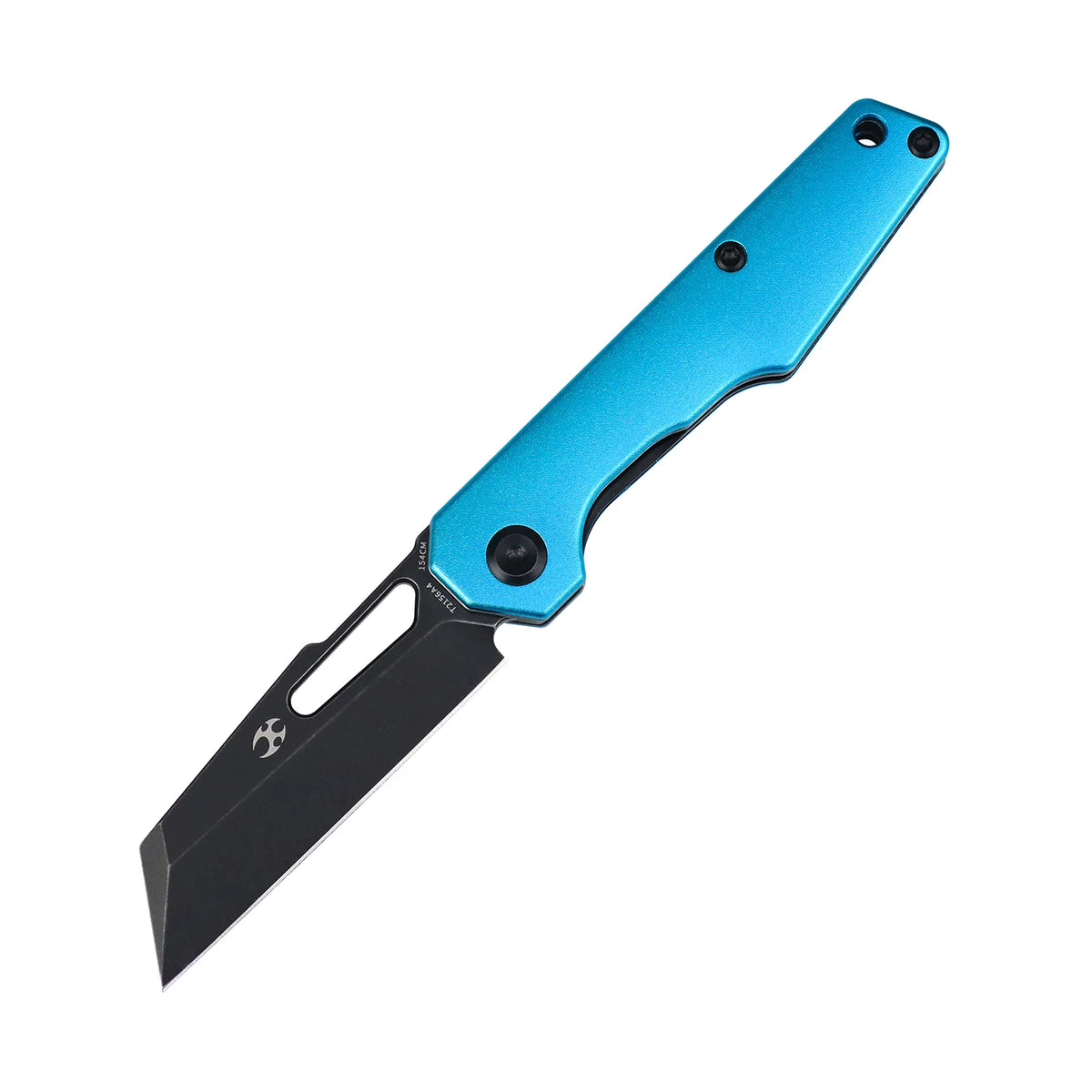
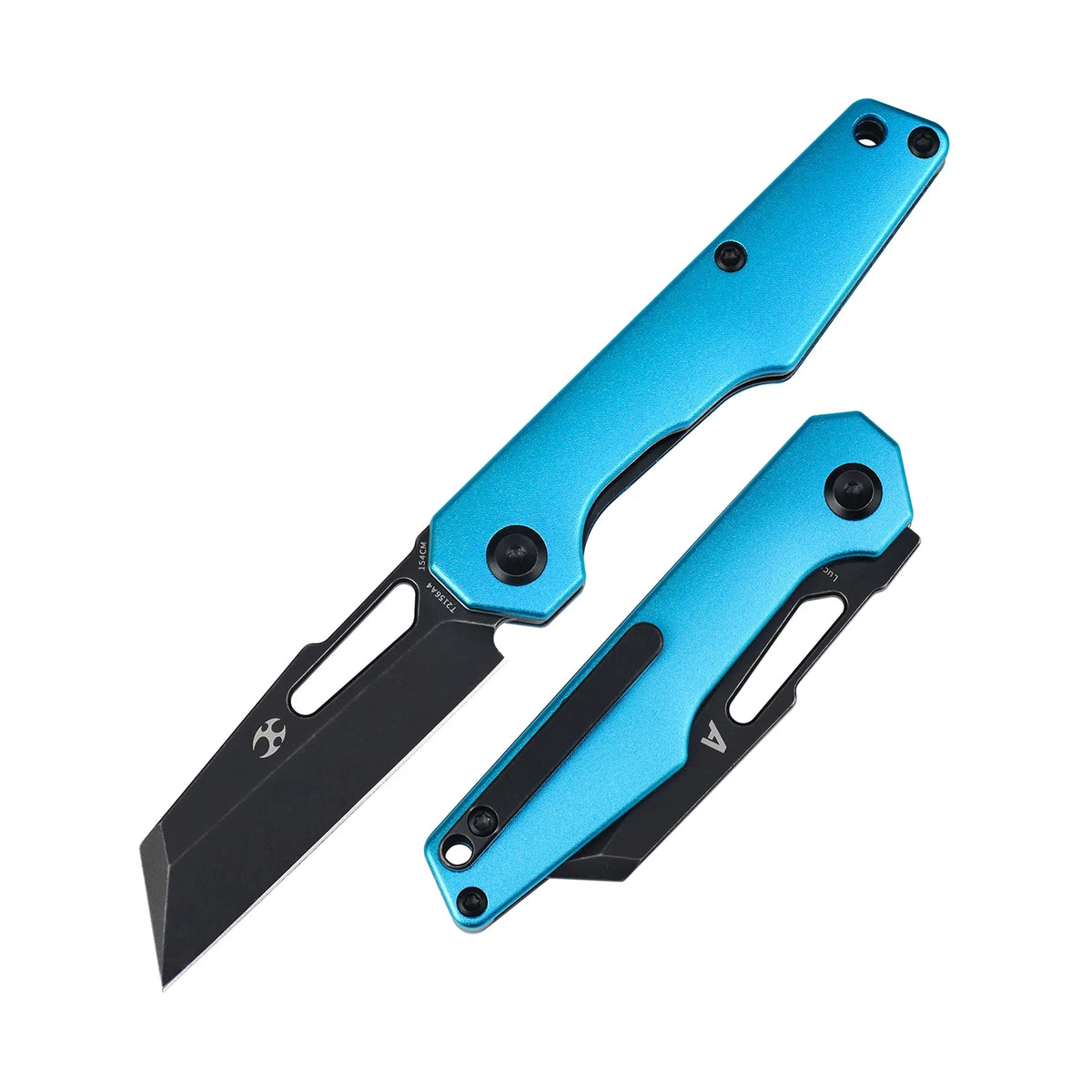
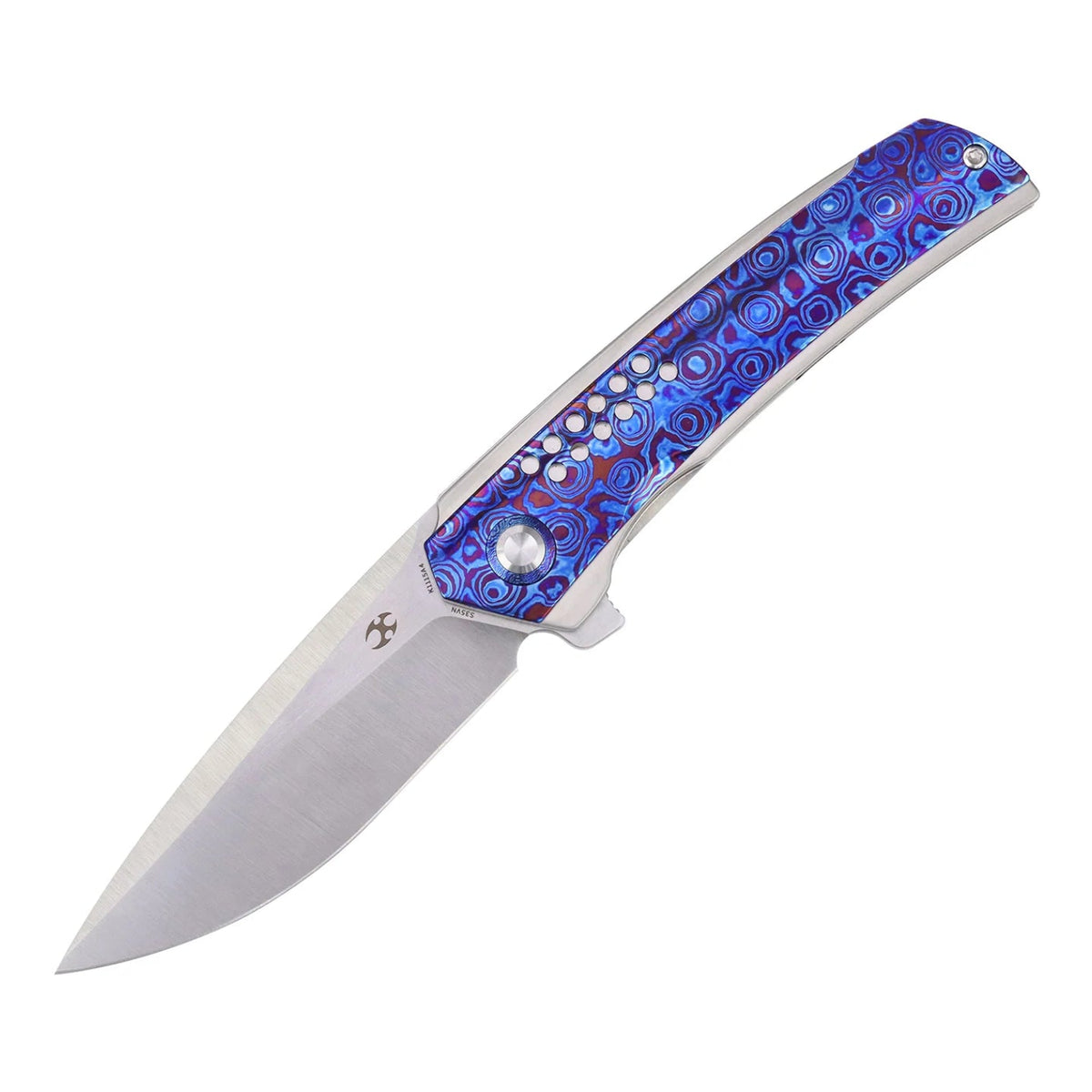
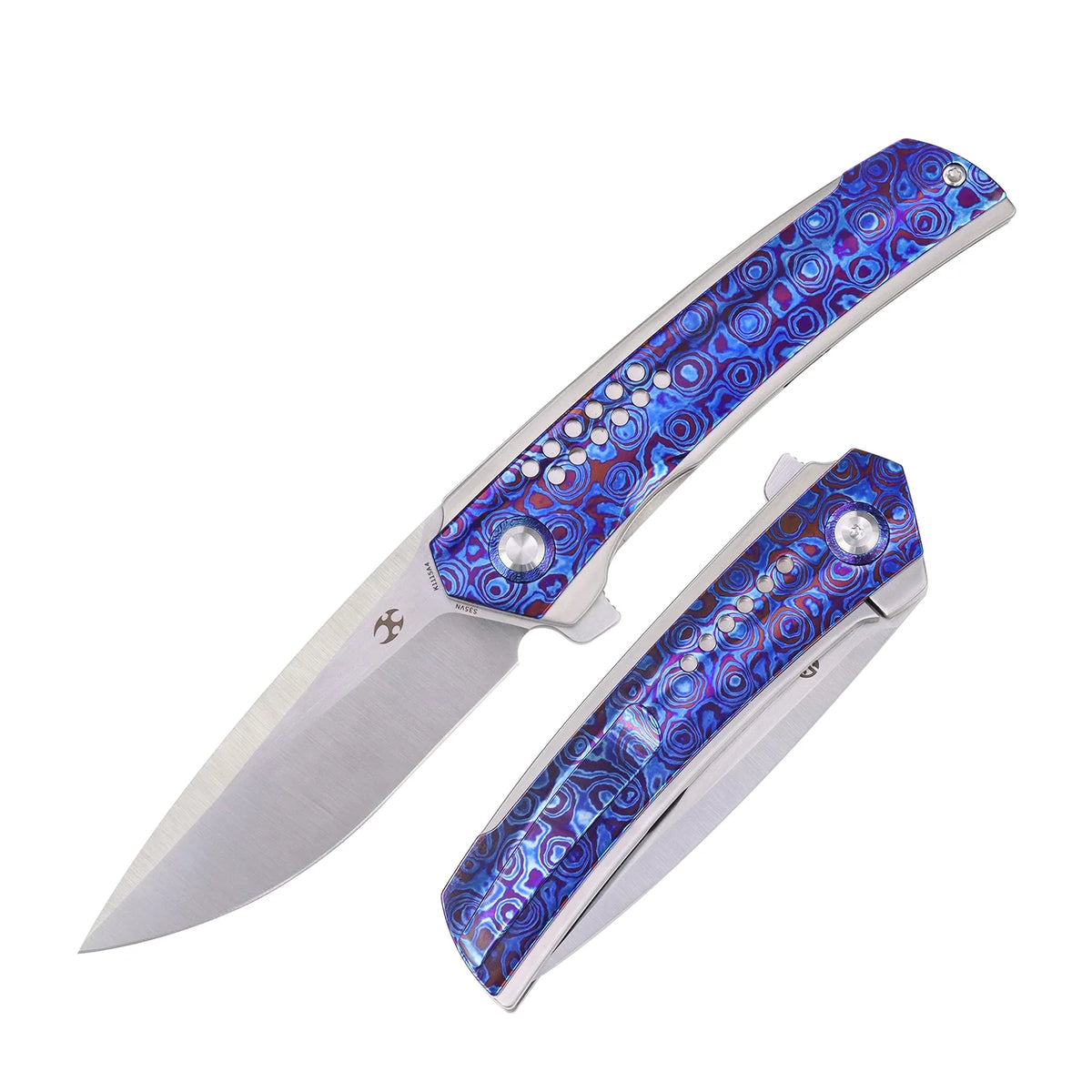
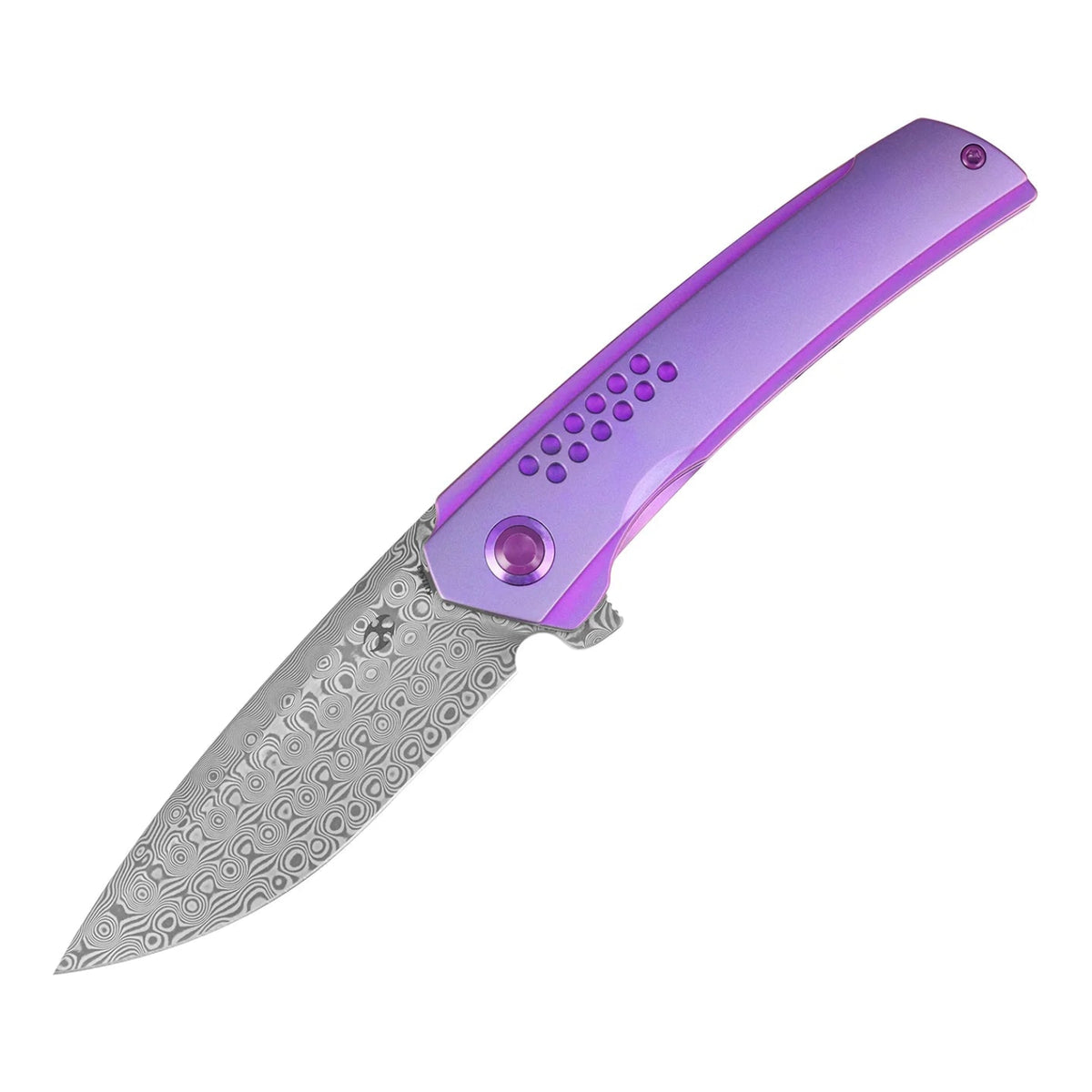
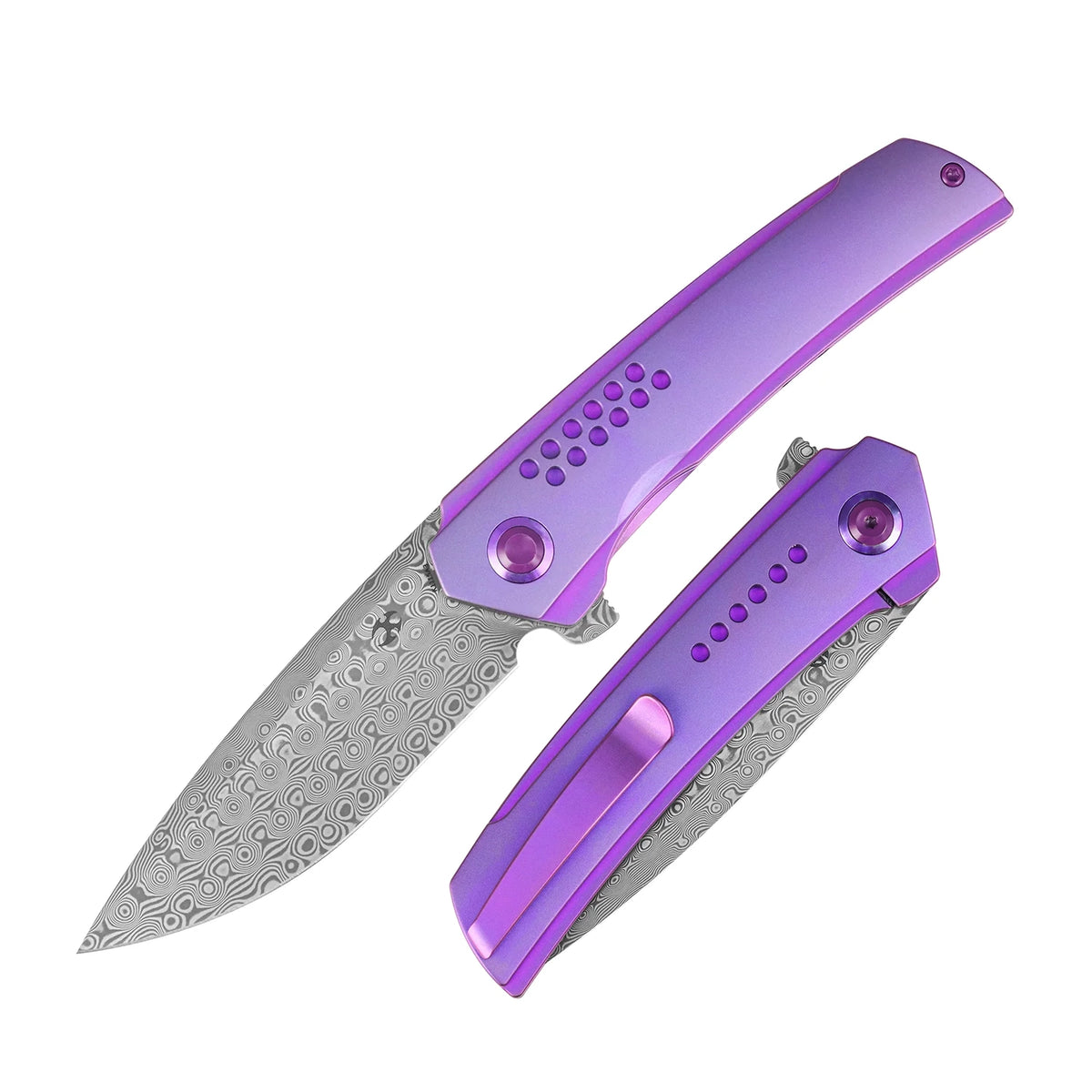
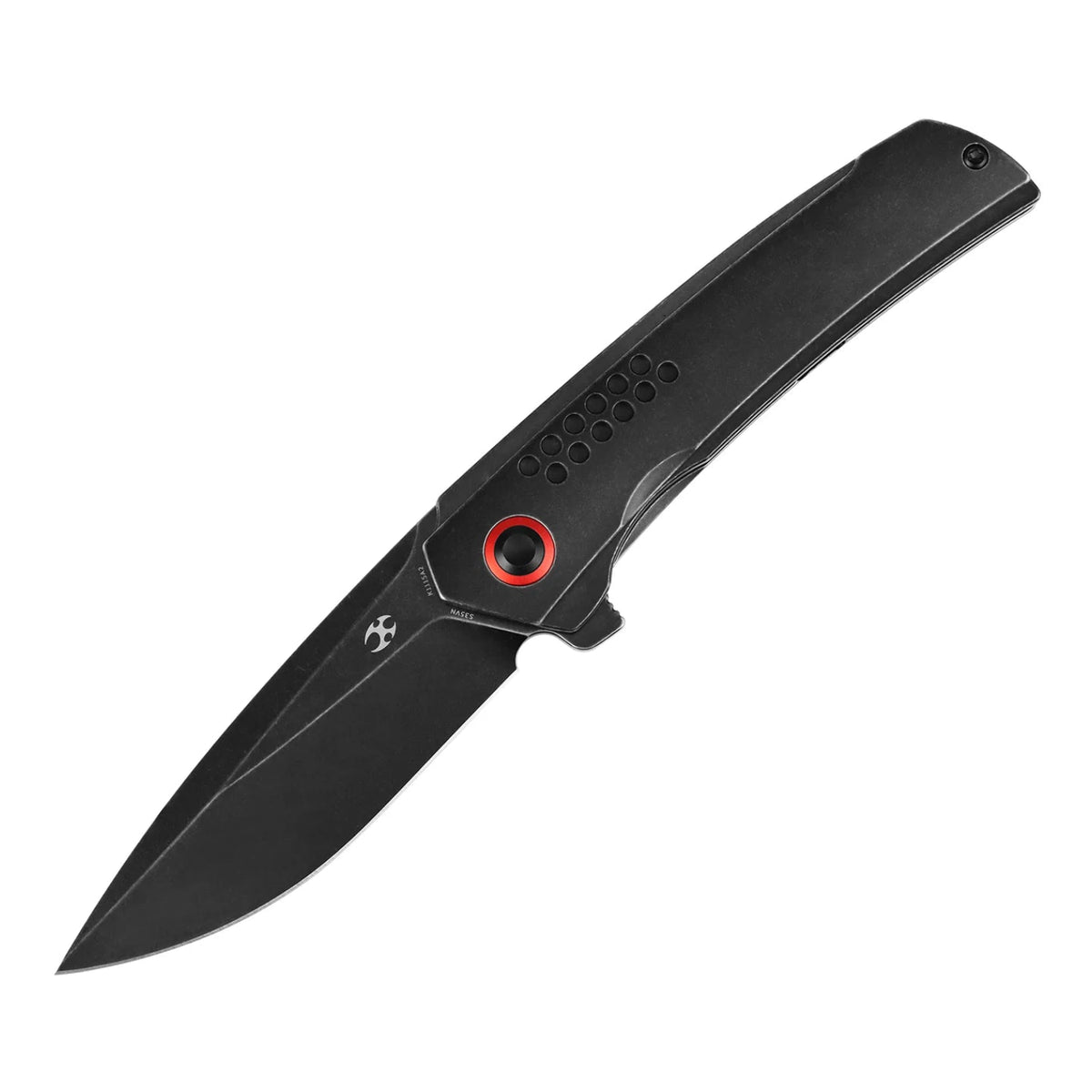
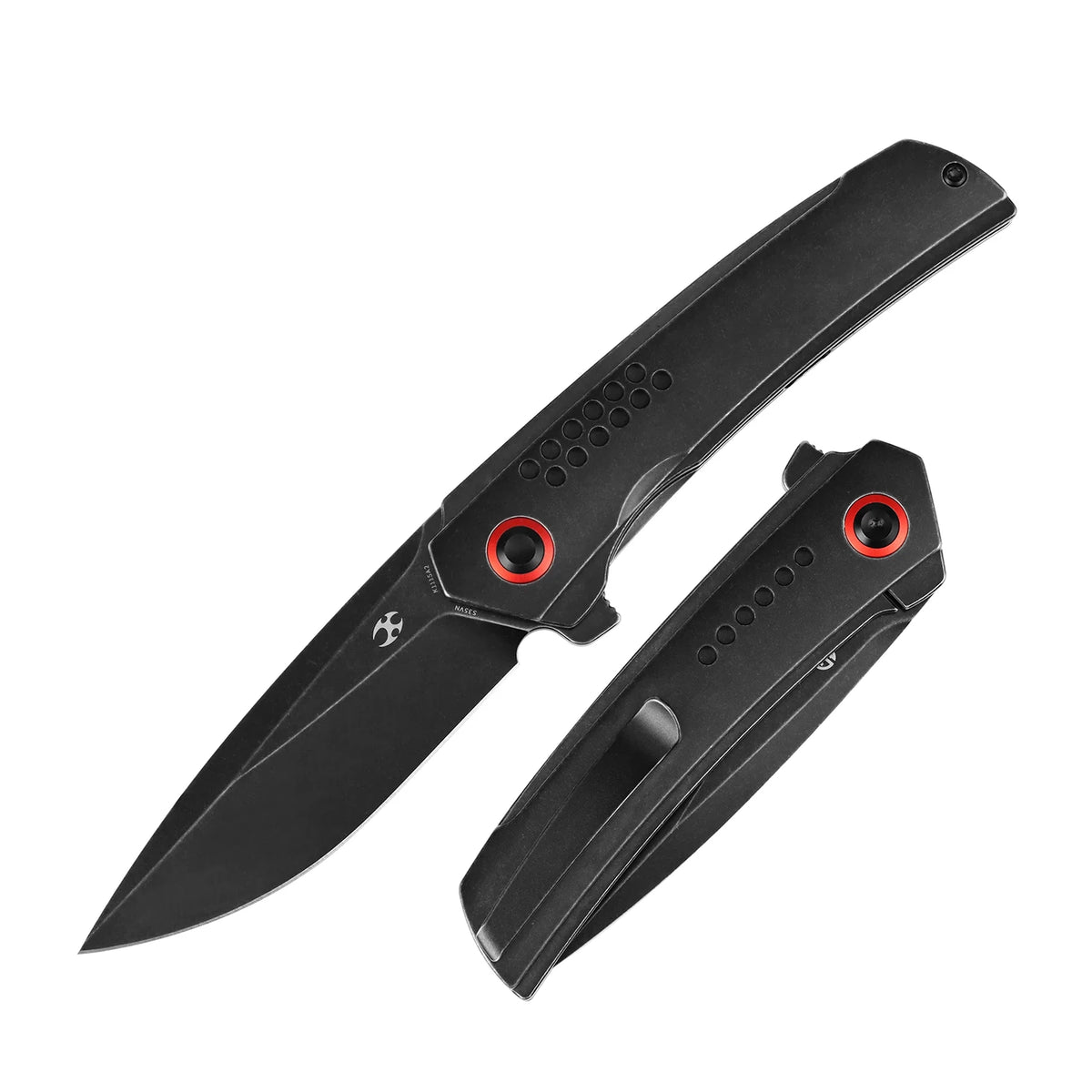
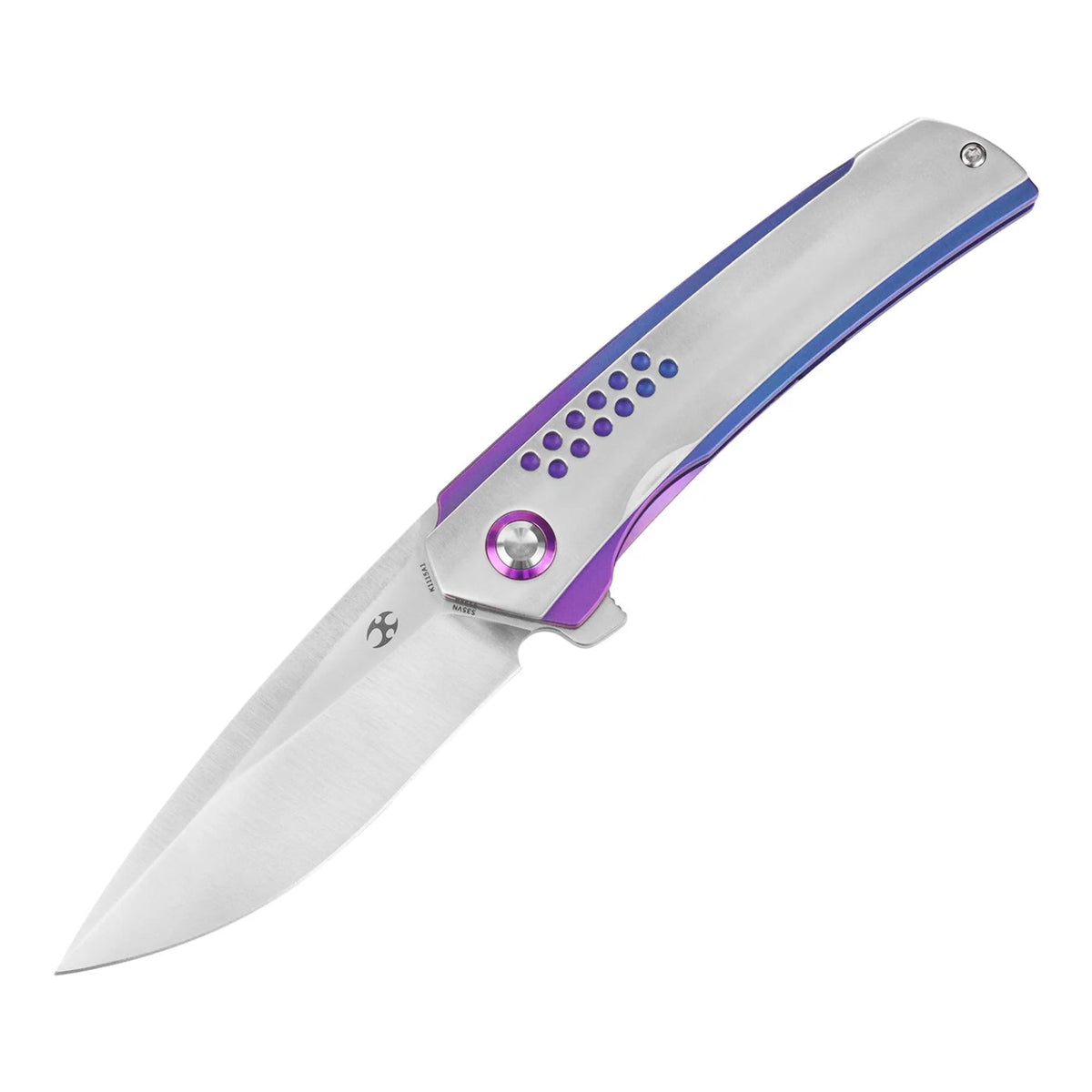
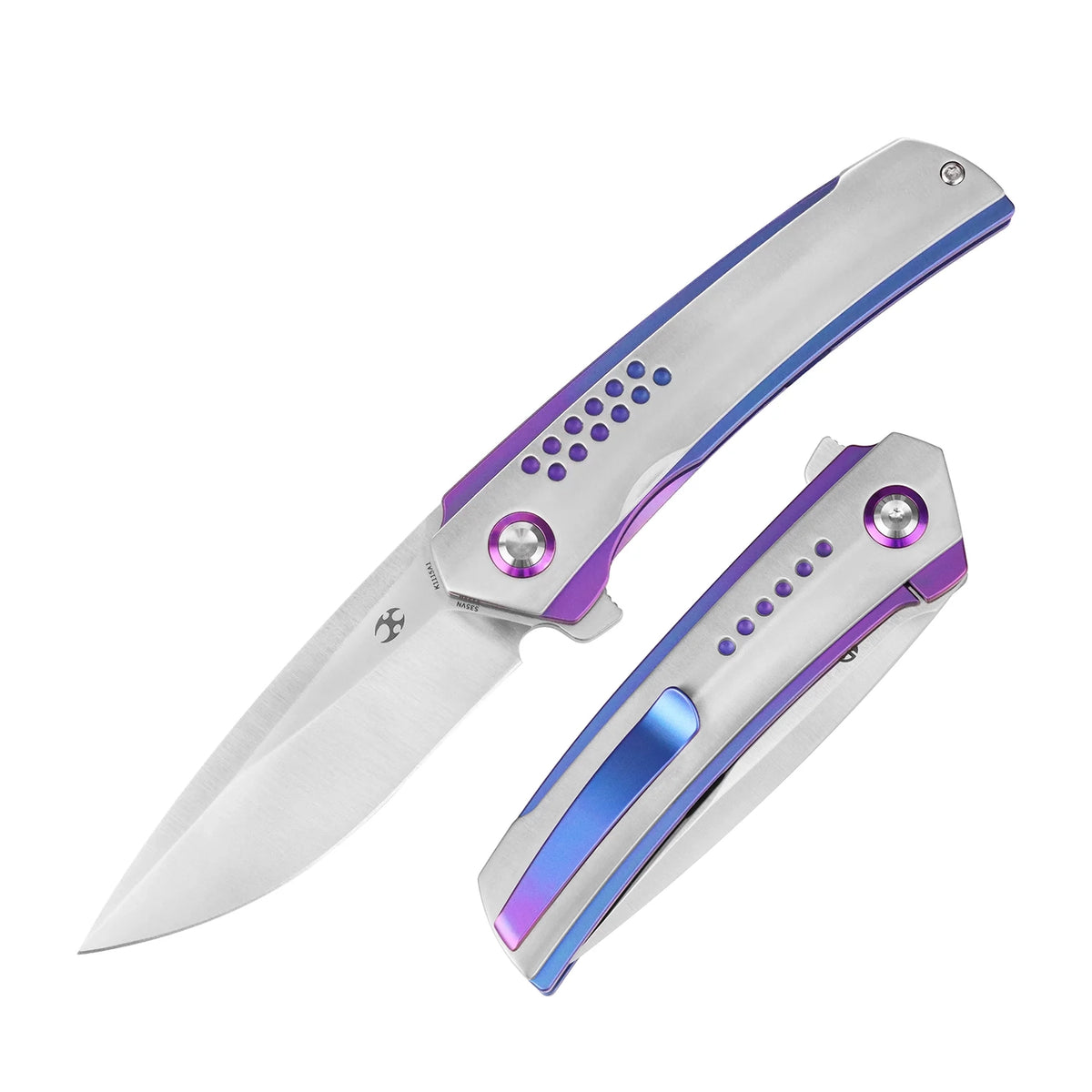
The Strix pairs a crossbar lock with a titanium handle, which gives a strong, ambidextrous action and a very rigid open position. That rigidity is the useful part: scribe lines have to be straight, and a knife with vertical play will wander off a straightedge no matter how carefully you hold it. The blade is a drop point with a fine tip, so the same tool that scribes can also start a hole for a mounting pin.
Real-World Use
The work sequence is unglamorous. Mark the latitude angle on a brass plate, saw it rough, file to the line, then scrape the face until a straightedge shows no light. Then mount the gnomon, check it against a calculated hour line, and adjust by scraping thousandths off the base. A knife does the scribing, the scraping and the final de-burring, and it has to do all three without scratching the finished face beside the cut.

Ownership Notes
Dial makers tend to work in small batches and small spaces, so a folder that closes and disappears into an apron pocket beats a fixed blade left on a bench. Folding knives also travel well to installation sites, where a dial is levelled on a wall and the last adjustments happen on a ladder. EdcMall stocks the GEO Knife range with the full titanium and G10 handle options, which is useful when a customer wants a matched pair for a workshop. Dial makers and model engineers converge on the same conclusion: folding knives that close and travel are worth more than a fixed blade that never leaves the bench.
Who Is This For?
Buy it if you do precision hand work in brass, copper or aluminium and you are tired of resharpening softer blades mid-job. It suits instrument makers, dialists, model engineers and anyone who scribes metal. Skip it if your work is wood or rope; M390 is wasted there, and the high carbide volume makes it slower to sharpen than a simple carbon steel that would do the job just as well.
Final Verdict
The Strix is a precision tool that happens to fold. The crossbar lock gives a rigid open knife, the M390 blade holds a scribing edge through a full day of brass work, and the titanium handle keeps the whole thing light enough to forget in an apron. For gnomon fabrication, or any job where straight lines are checked with a straightedge, it is the right kind of overkill.