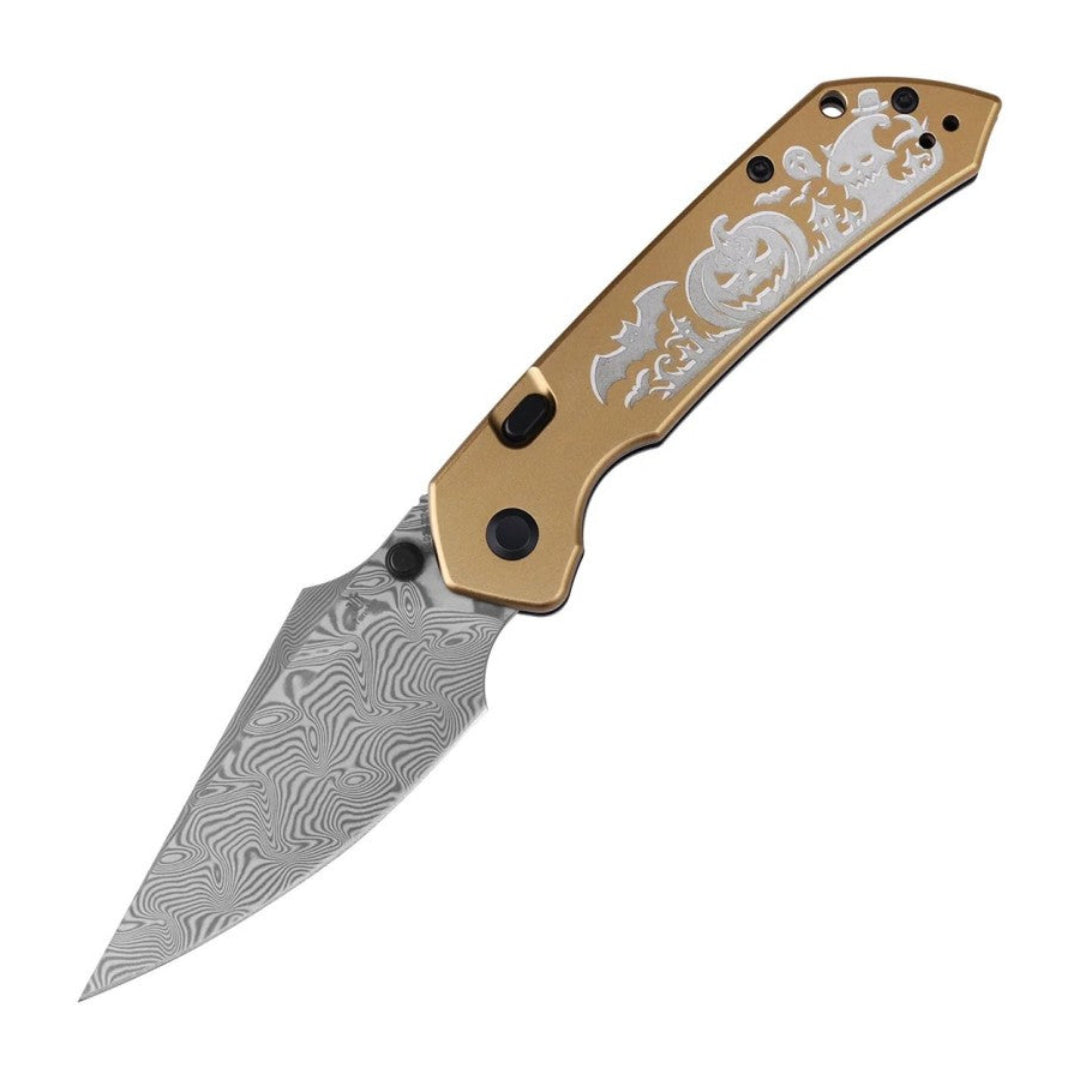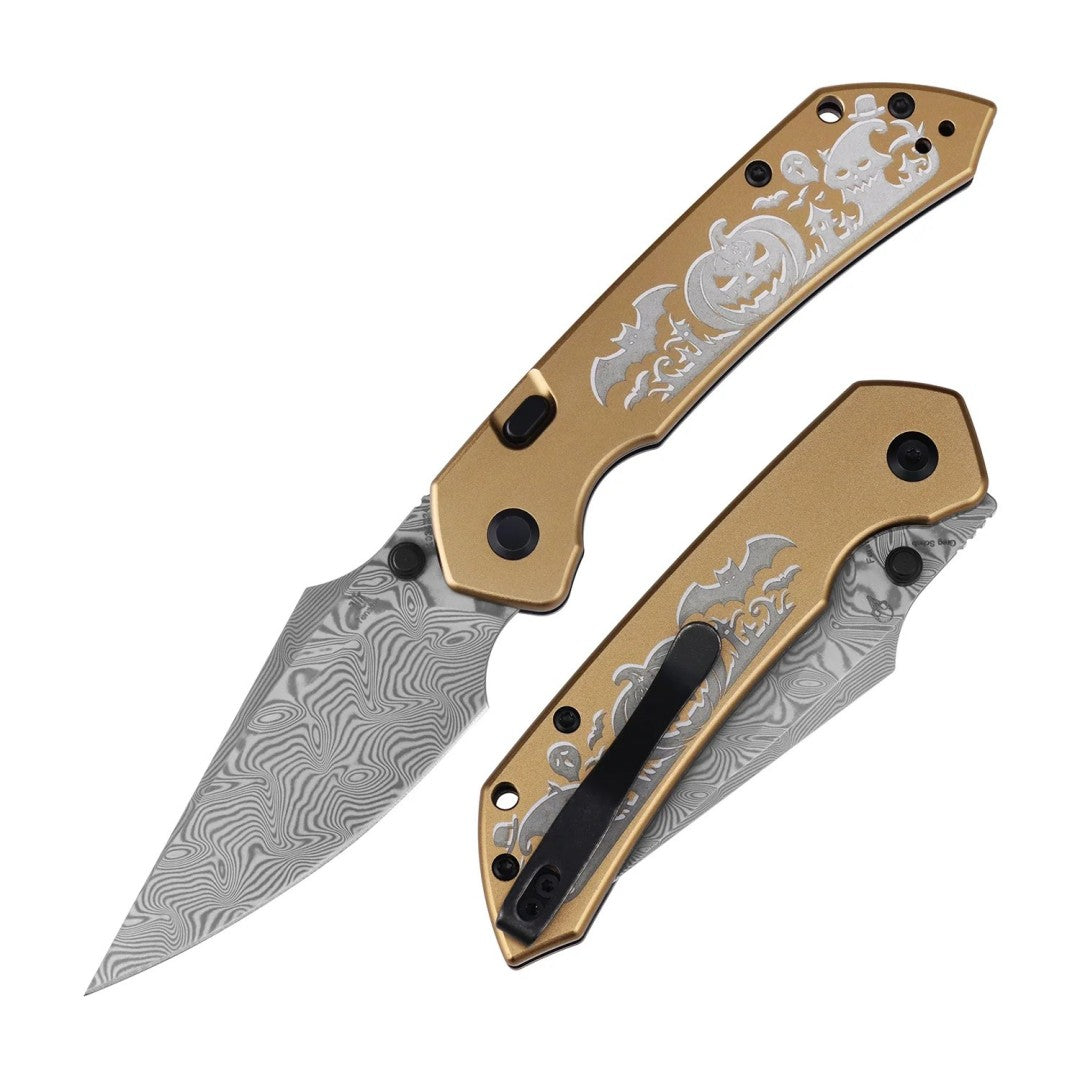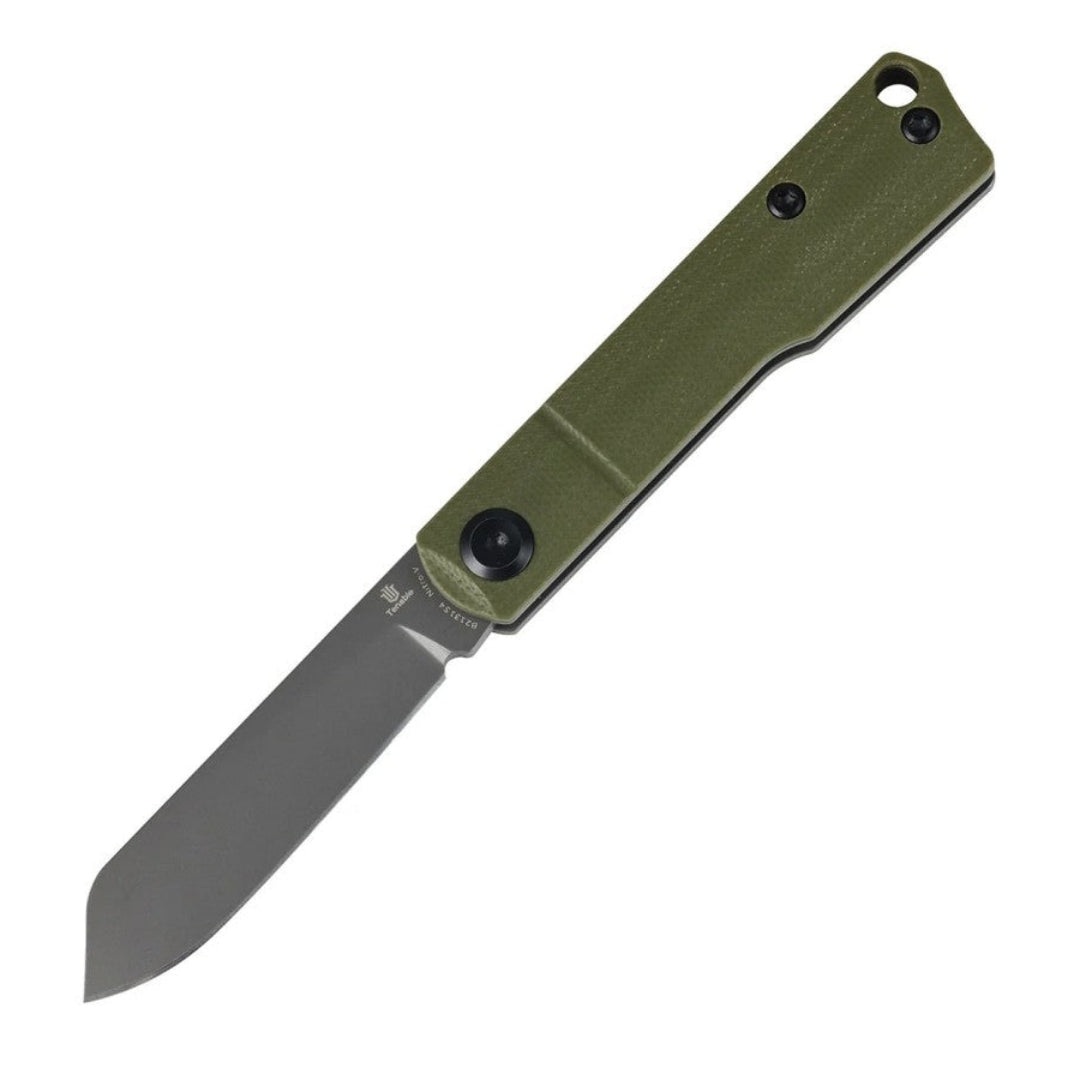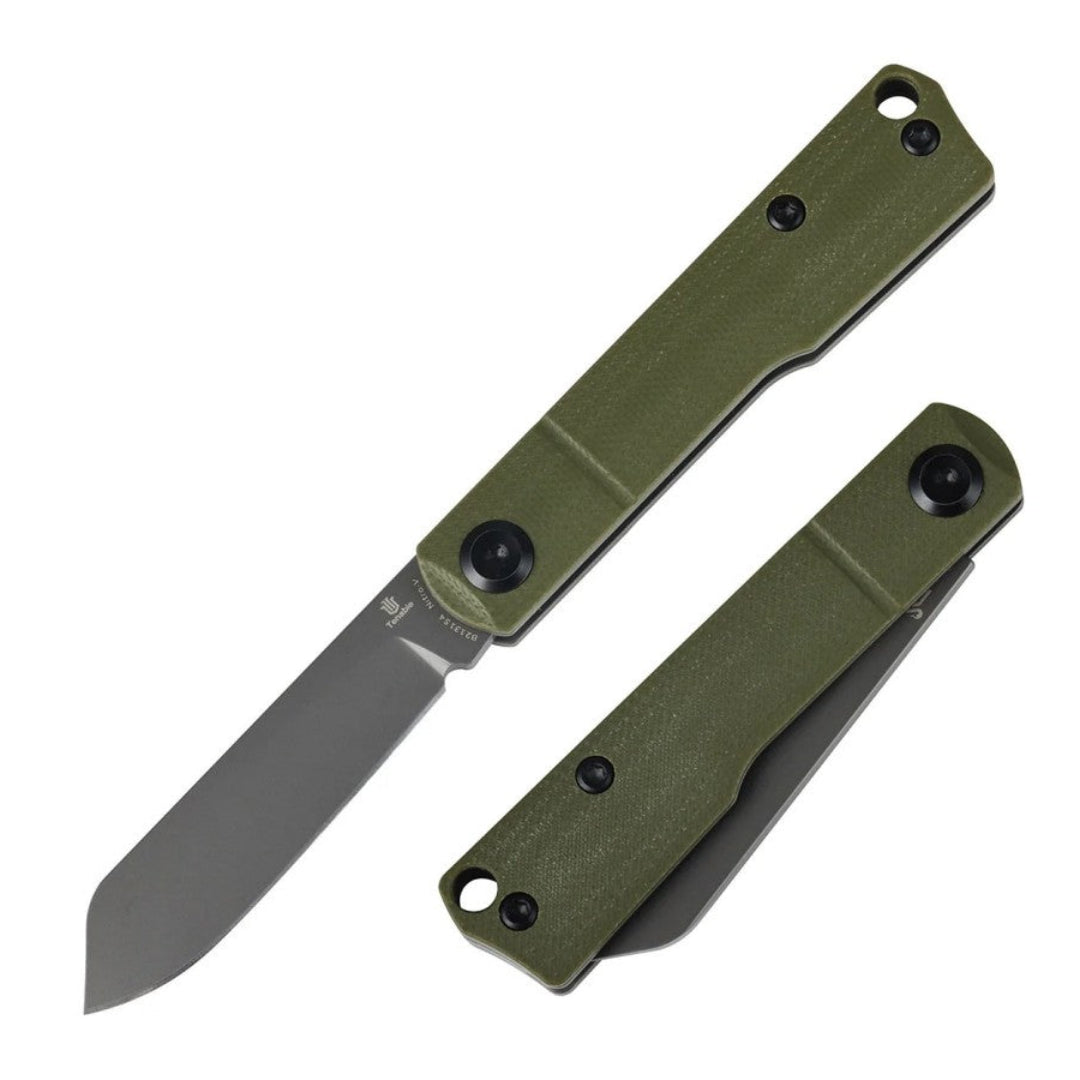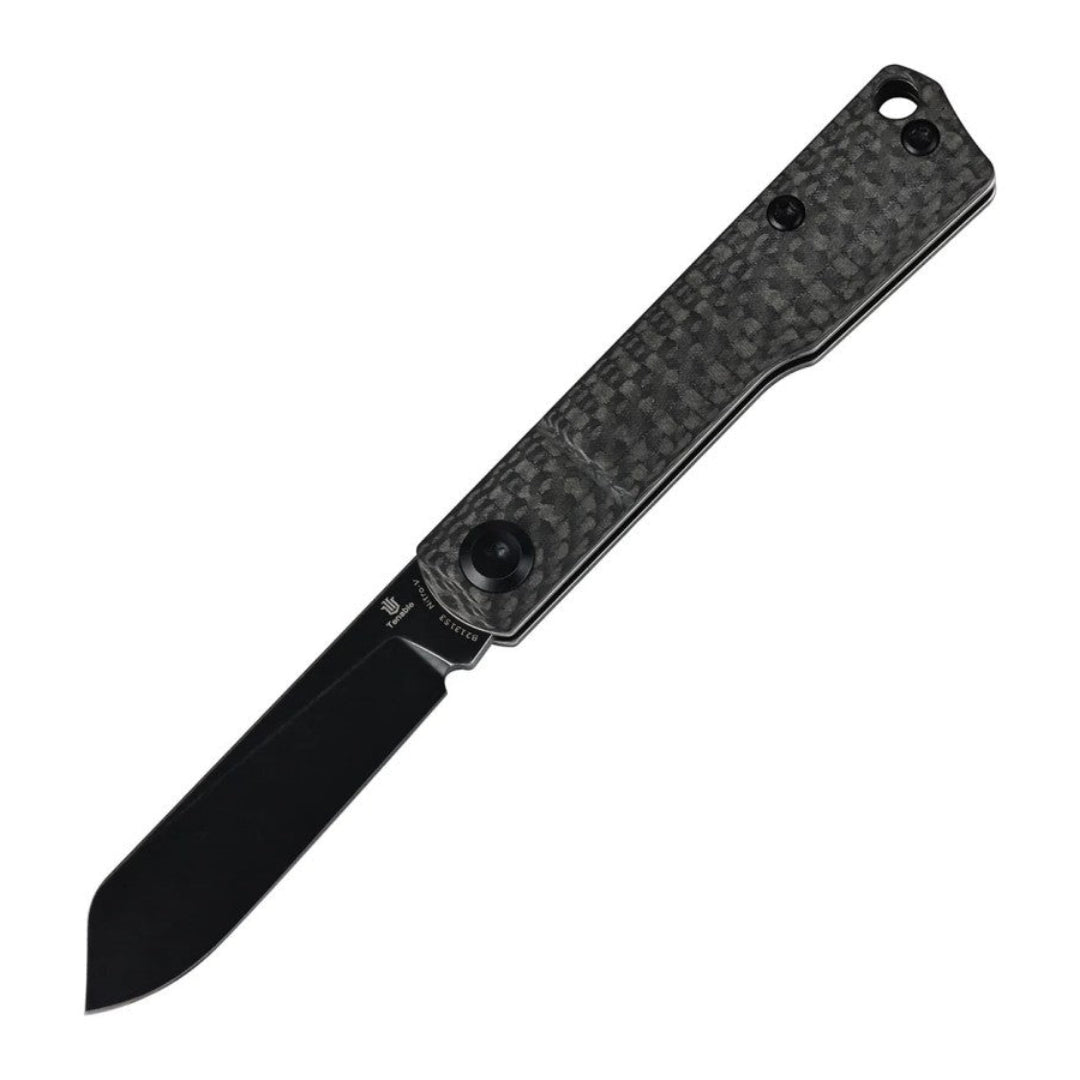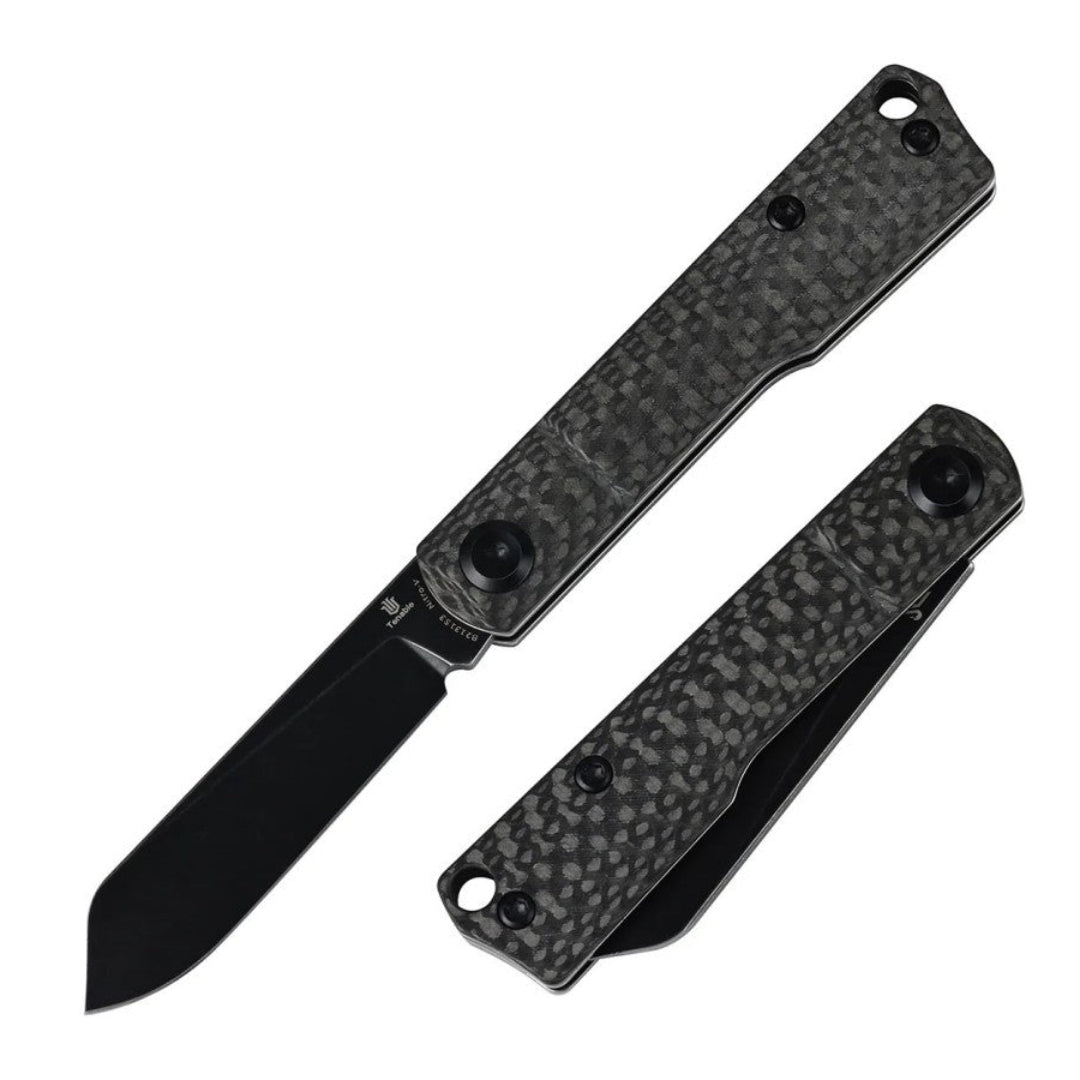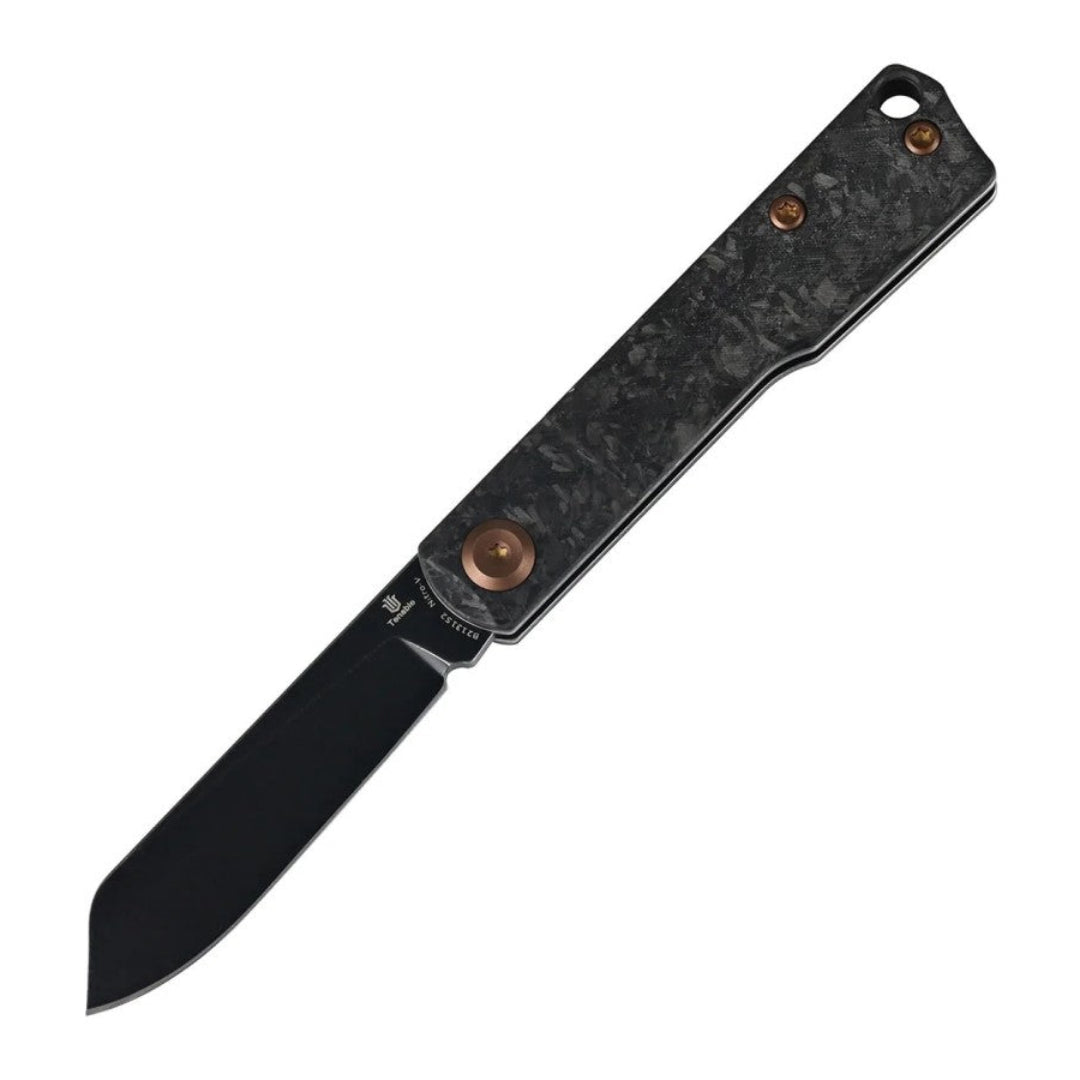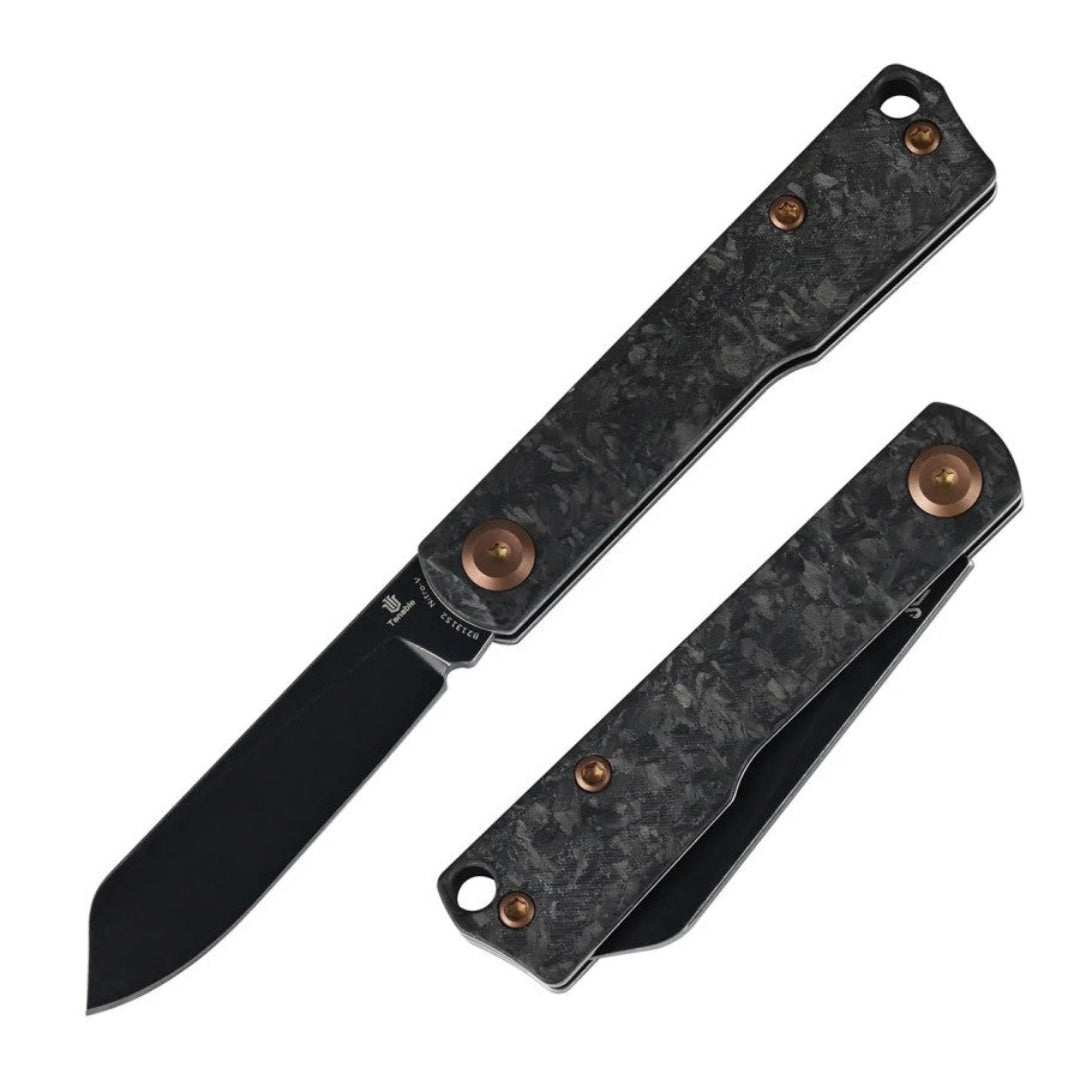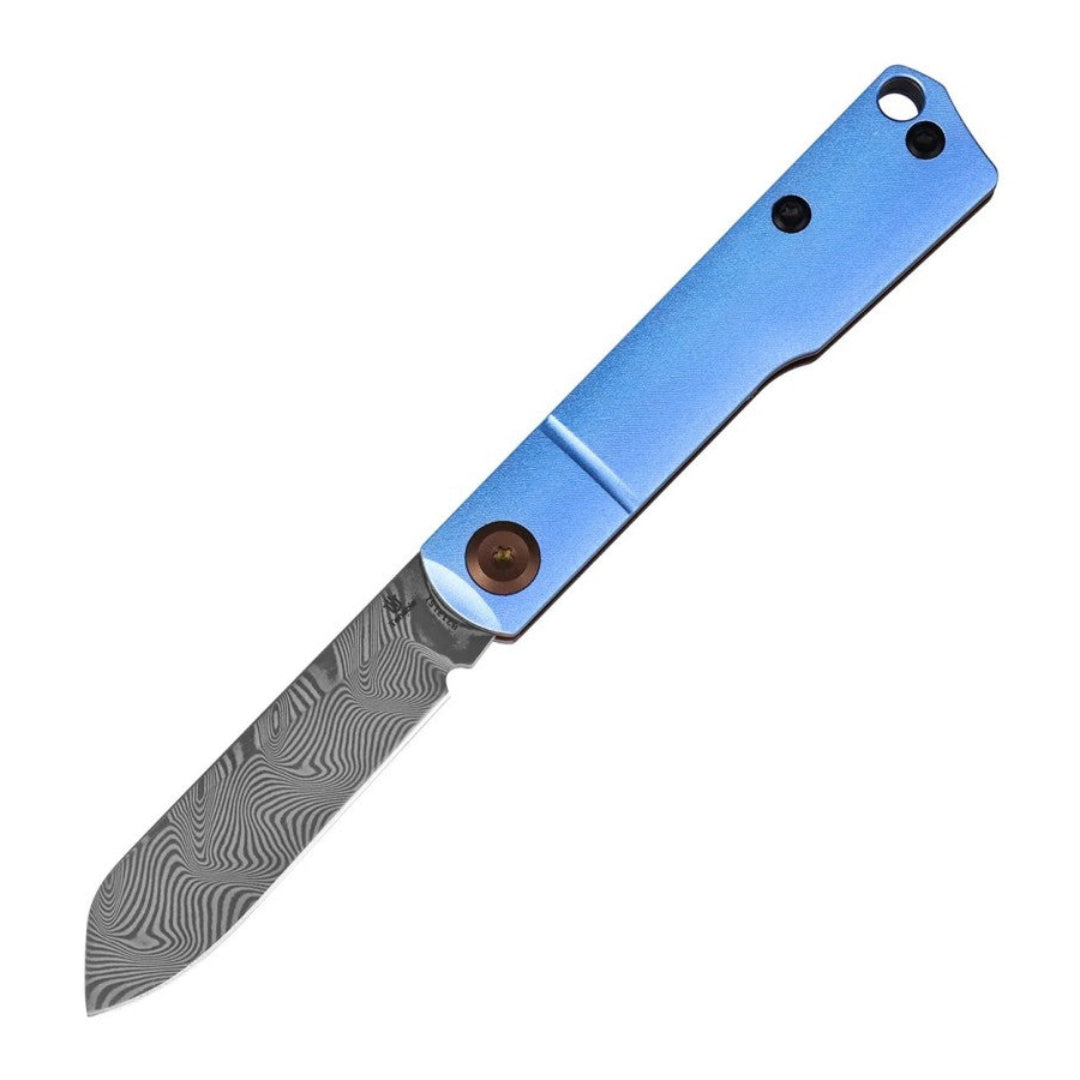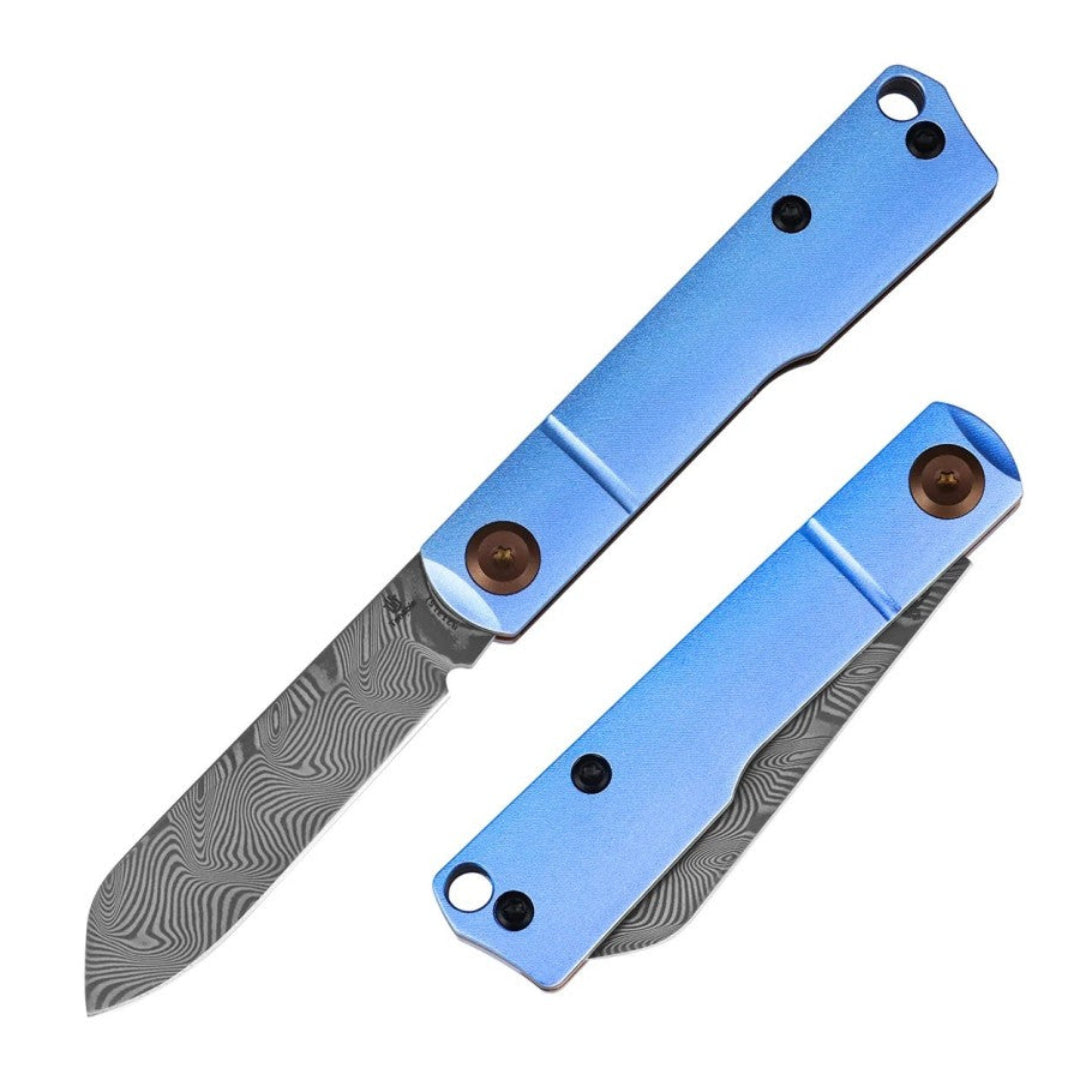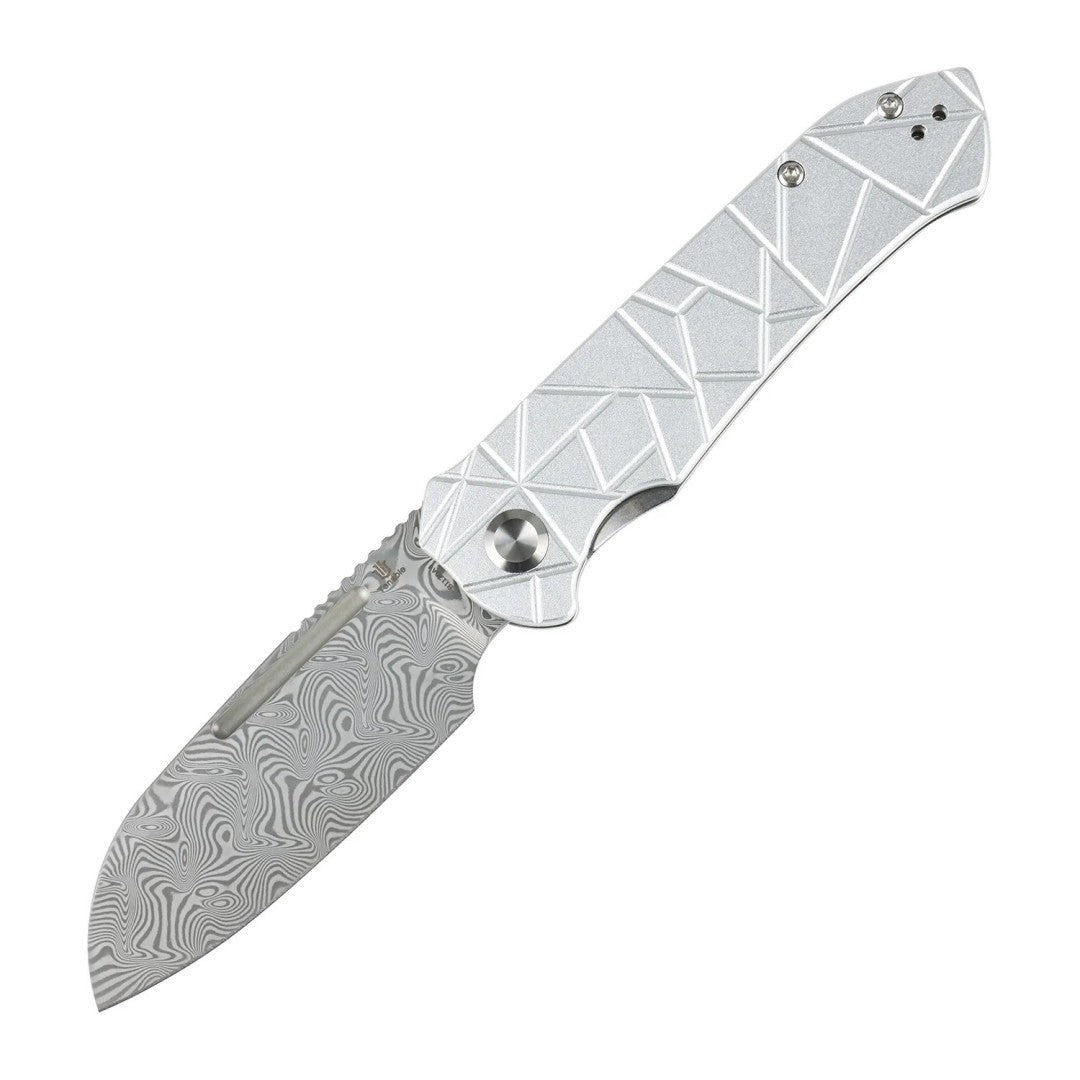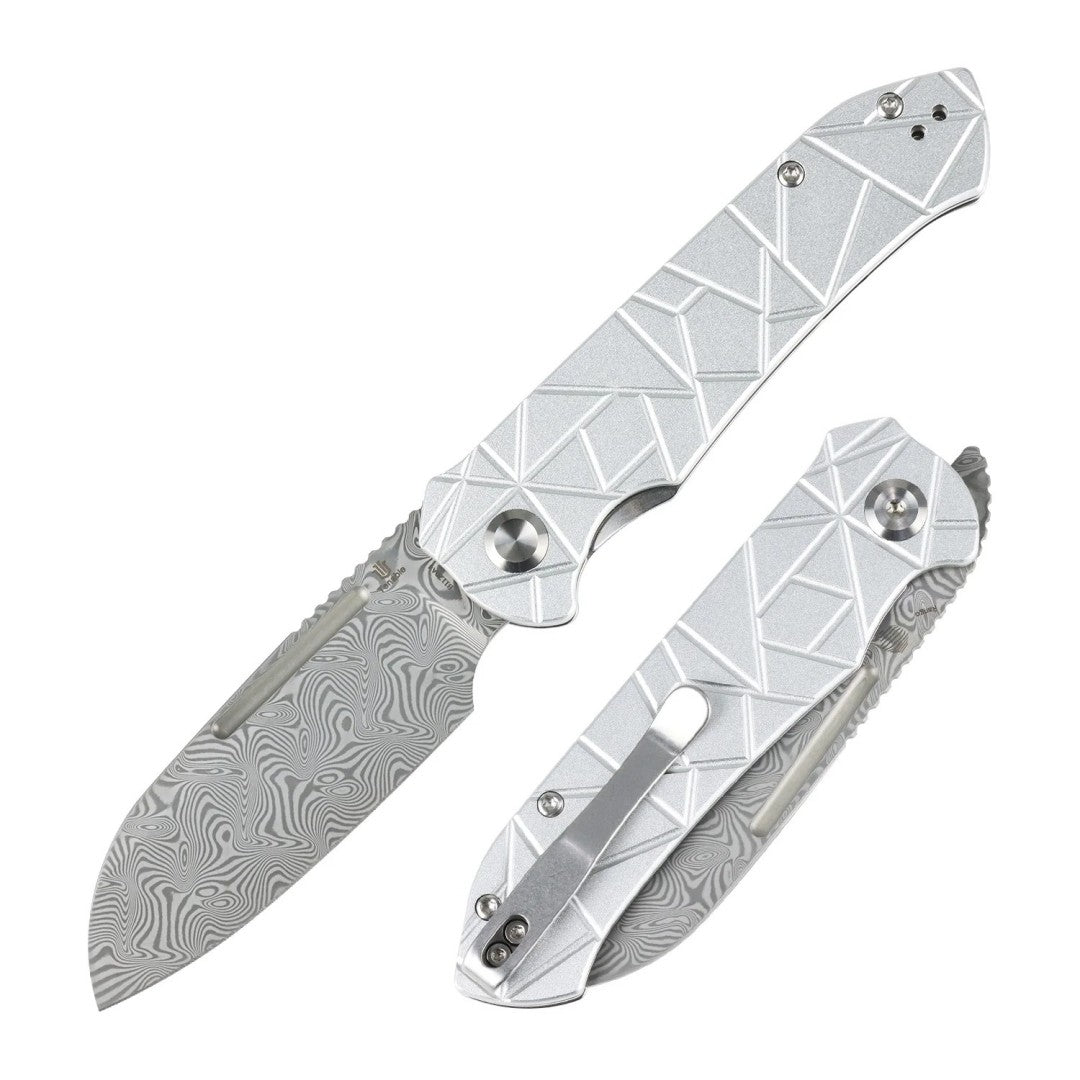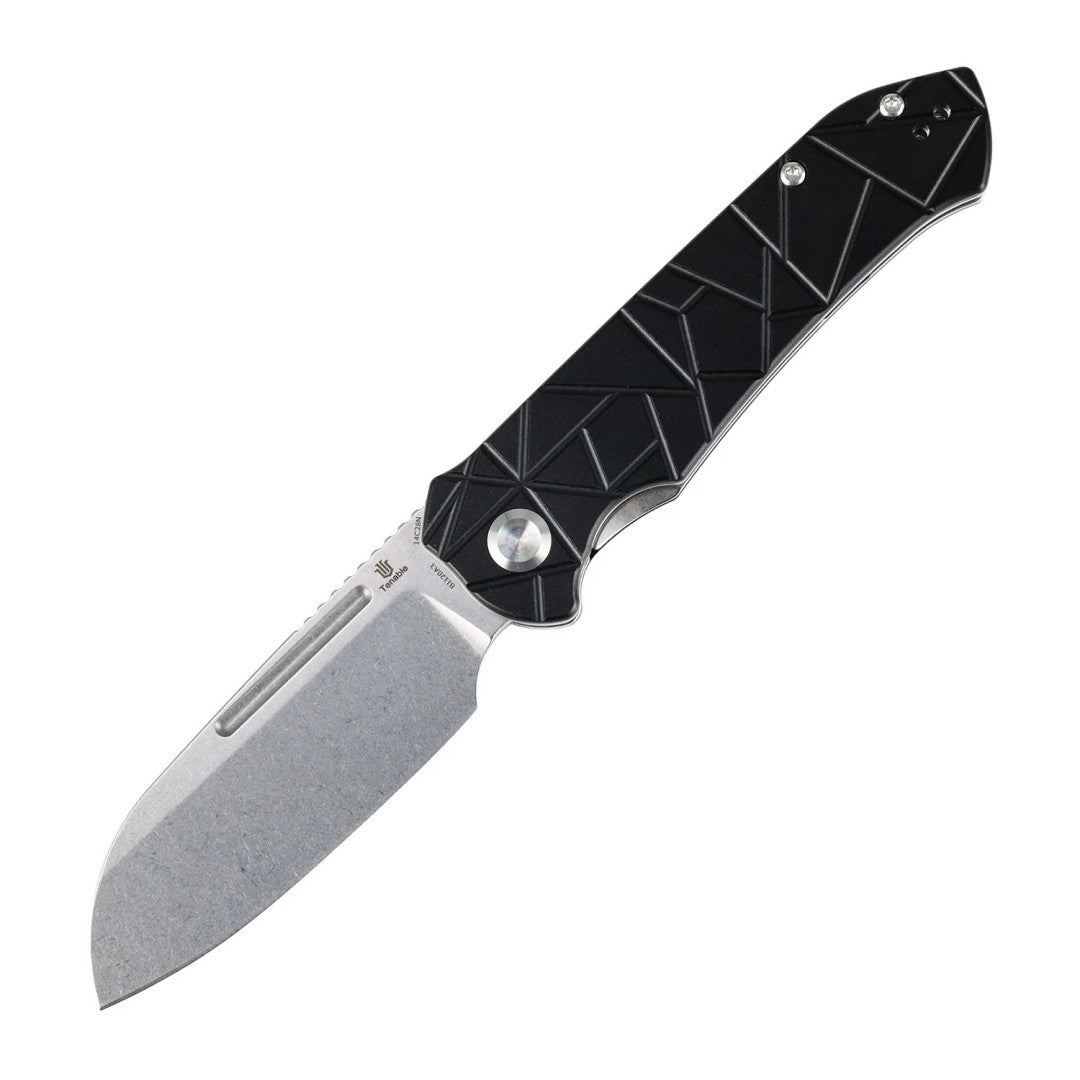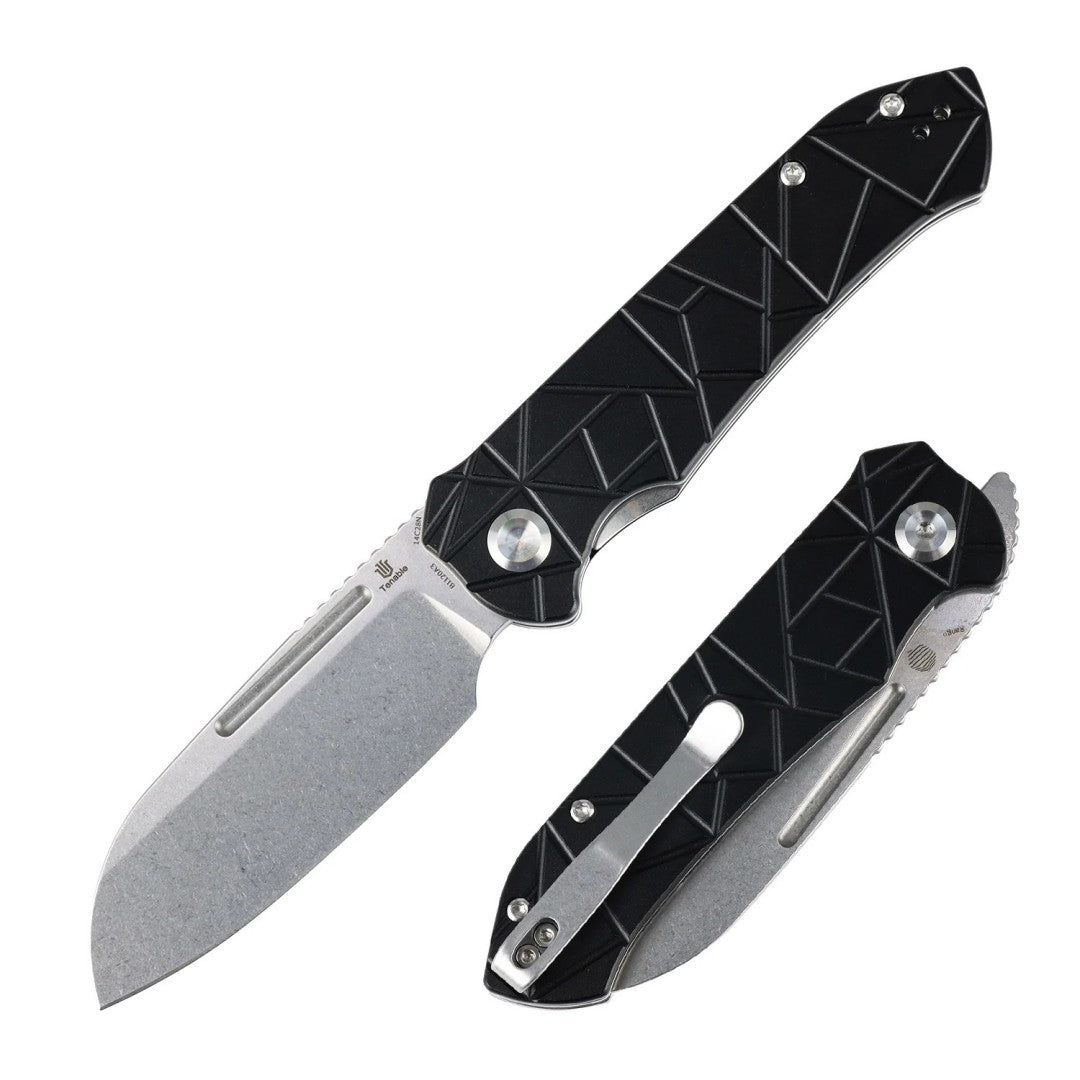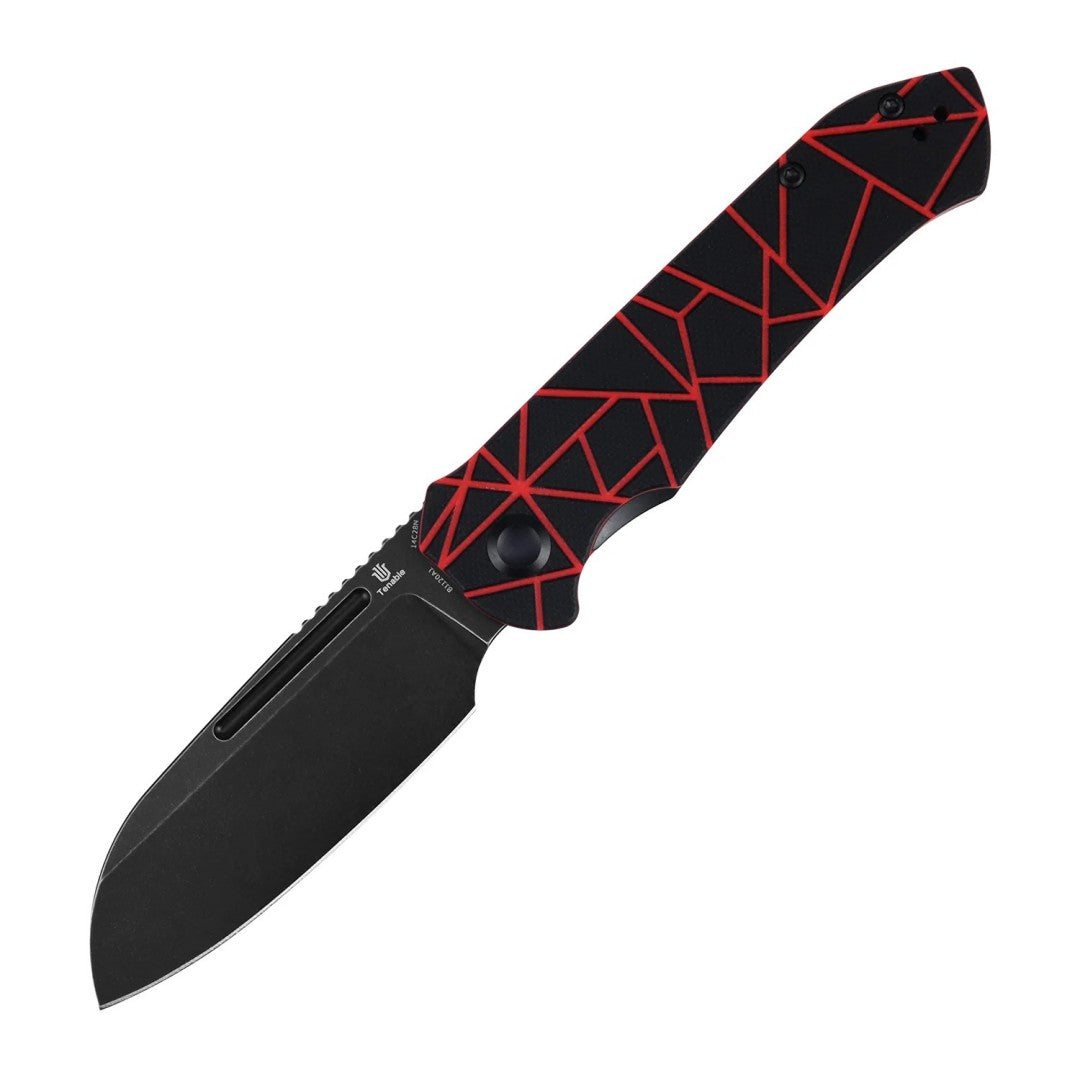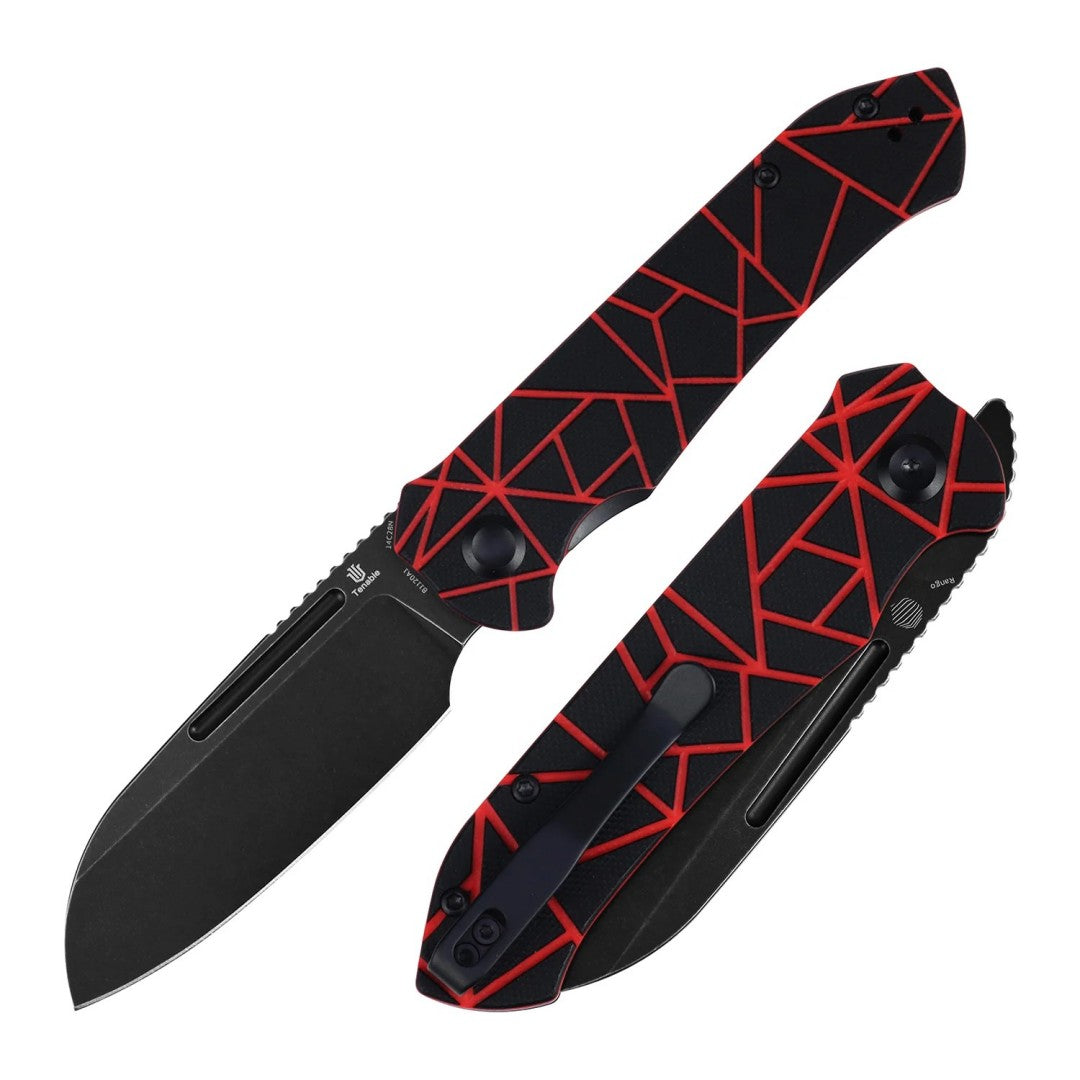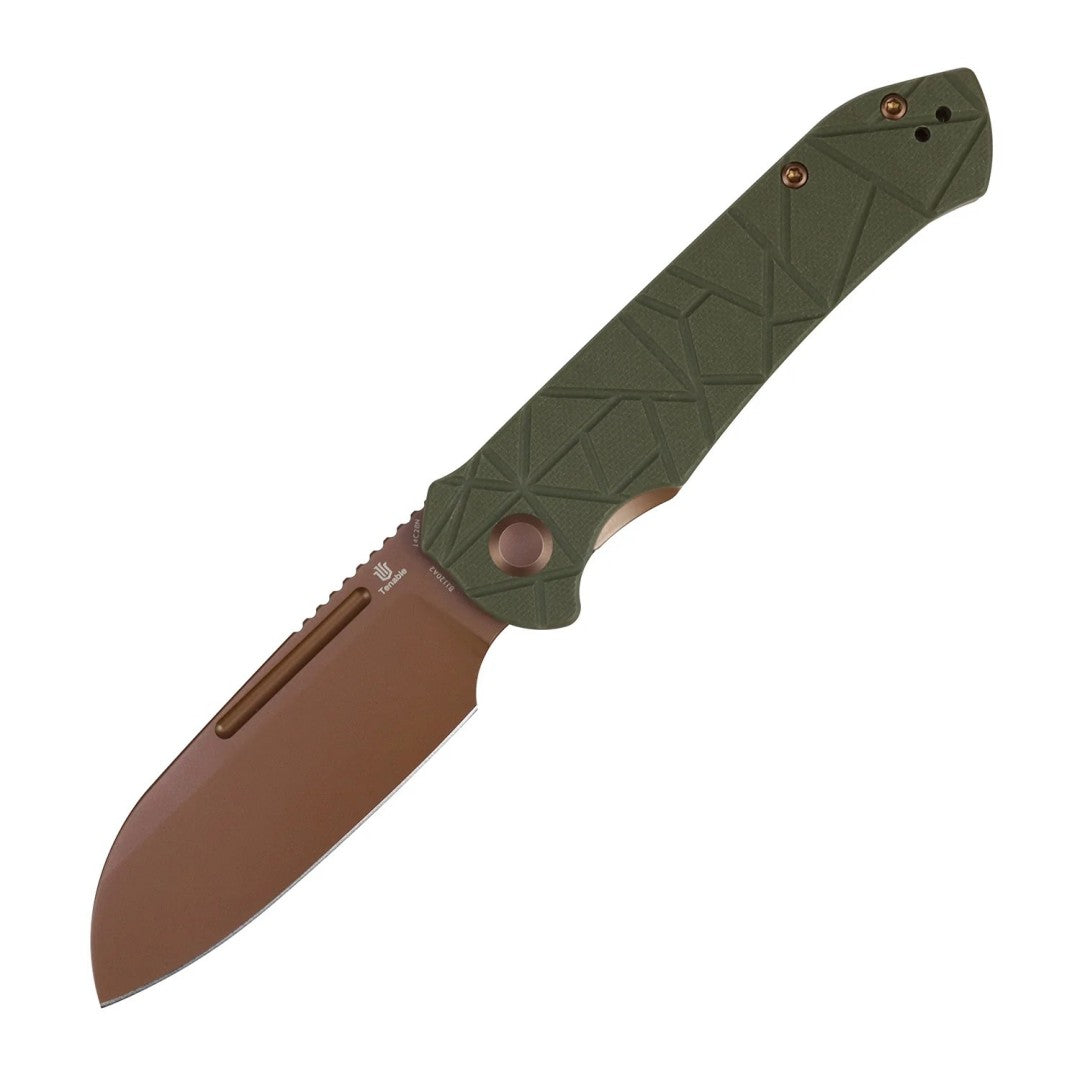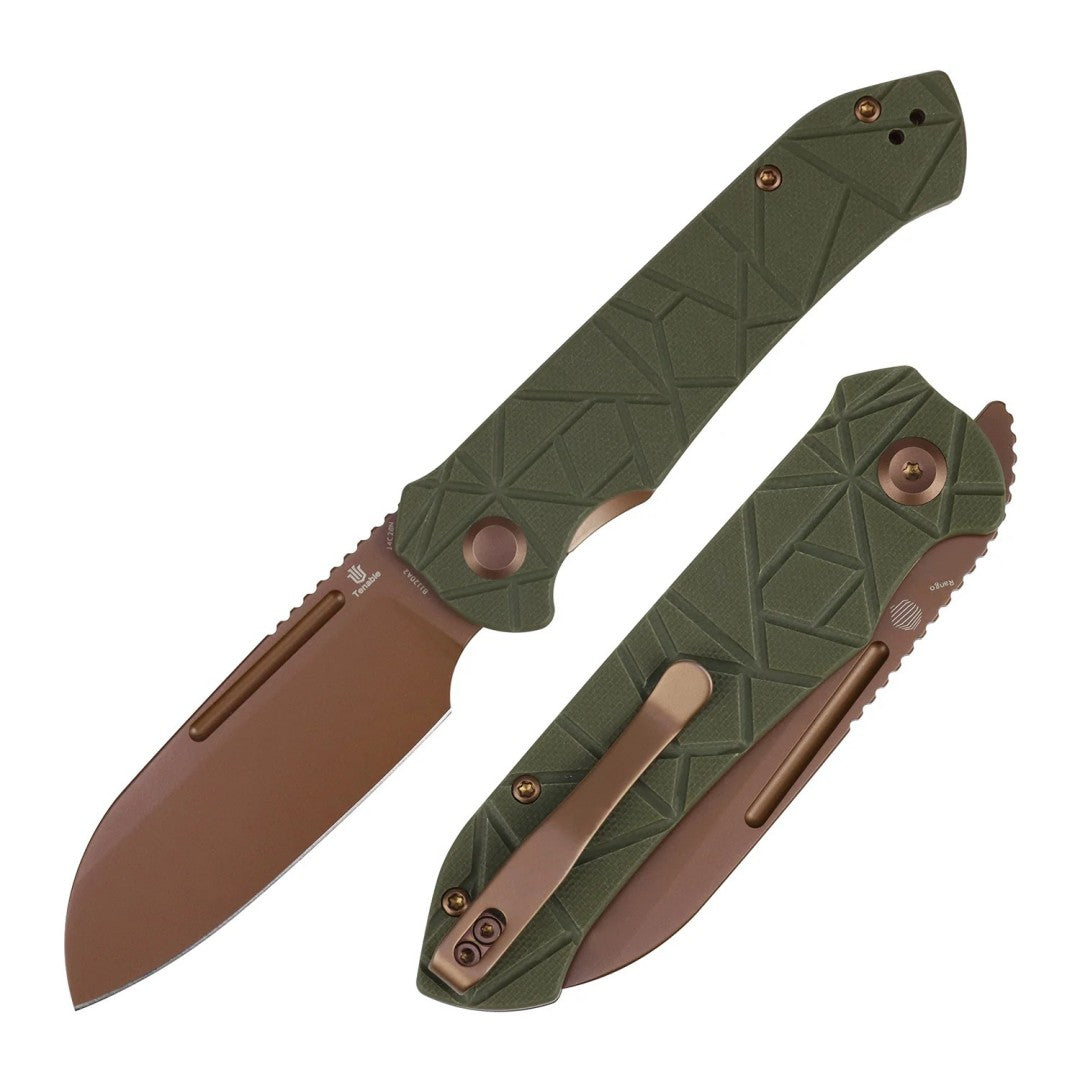
When selecting a high-end folding knife for everyday tasks, the debate often centers on which super steel delivers the optimal balance of edge holding, toughness, and practical maintenance. Designed by renowned custom maker Dirk Pinkerton, the modified Wharncliffe profile from Kansept has become a flagship silhouette in the modern pocket knife community. While budget versions built with standard alloys like 154CM offer great accessibility, the premium tier elevates performance by offering advanced powder metallurgy choices. Comparing Uddeholm Elmax against Bohler M390 on the Kansept Main Street chassis showcases a true battle of premium steels, where subtle chemical compositions dictate real-world cutting efficiency.
Metallurgical Composition and Powder Steel Chemistry
Both Elmax and M390 belong to the elite category of third-generation powder metallurgy steels, manufactured by atomizing liquid alloy into fine droplets to eliminate carbide segregation. This process ensures a uniform distribution of elements throughout the blade matrix, preventing microscopic weak points often found in conventionally cast steels. However, their chemical formulations target slightly different performance characteristics. Swedish Uddeholm Elmax utilizes a balanced blend of high chromium, vanadium, and molybdenum, creating a dense array of vanadium carbides that provide outstanding wear resistance coupled with high structural toughness. Austrian Bohler M390 pushes carbon and chromium levels even higher while incorporating tungsten, forming hard primary carbides aimed at maximizing raw edge retention during continuous abrasive slicing.
Technical Specifications and Hardware Architecture
Examining the core specifications and hardware elements of these flagship iterations provides a clear picture of how materials impact performance and everyday utility.
| Feature / Metric | Uddeholm Elmax Version | Bohler M390 Version |
| Primary Metallurgy | 3rd-Gen Powder Stainless Steel | 3rd-Gen Powder Stainless Steel |
| Target Hardness Range | 60–62 HRC | 60–62 HRC |
| Edge Retention Profile | High / Extended Working Edge | Maximum / Extreme Abrasive Retention |
| Impact & Chipping Resistance | Superior Structural Toughness | Moderate / Fine Slicing Focus |
| Standard Locking Mechanism | Safety-Oriented Top Liner Lock | Safety-Oriented Top Liner Lock |
| Primary Handle Options | Precision CNC Anodized Aluminum / Micarta | Machined Titanium / Anodized Aluminum |
| Primary Use Case | Heavy Utility & Daily EDC | Precision Slicing & Collector Grade |
Real-World Cutting Dynamics and Maintenance
Deploying these two super steels on the straight Wharncliffe cutting edge highlights functional trade-offs during heavy daily tasks. In continuous slicing through abrasive corrugated cardboard or fibrous cordage, M390 retains its razor-sharp factory apex slightly longer due to its dense concentration of hard tungsten and chromium carbides. However, when tasks demand downward pressure against rigid plastics, wood, or hidden metallic fasteners, Elmax exhibits far superior apex stability. The higher toughness of Elmax prevents micro-chipping and edge rolling, ensuring the blade maintains a workable edge without developing tiny nicks along the apex bevel. Furthermore, while both alloys benefit from diamond sharpening stones, Elmax responds noticeably faster during touch-ups, making field maintenance less time-consuming compared to the stubborn wear resistance of M390.
Mechanical Safety and Handle Ergonomics
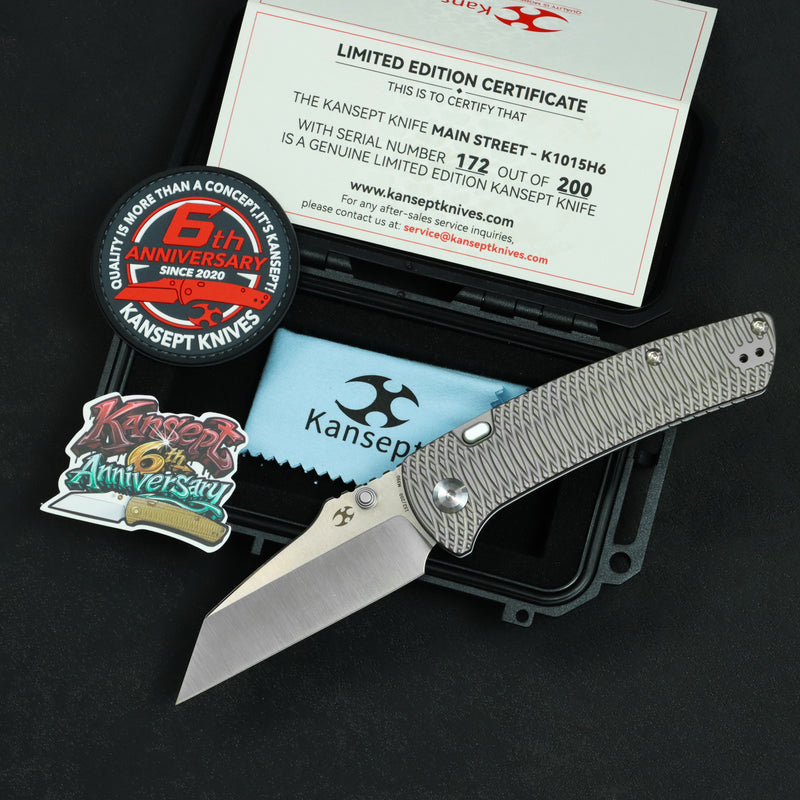
A premium blade steel requires an equally sophisticated mechanical foundation. The flagship Kansept Main Street replaces traditional side mechanisms—such as the basic Liner Lock or titanium Frame Lock—with an innovative Top Liner Lock. By placing the disengagement release along the top spine of the handle scale, users can smoothly close the folder without placing fingers in the closing path of the blade. Paired with low-friction ceramic ball bearings and dual thumb studs, blade deployment is snappy, crisp, and safe. The ergonomic handle chassis, available in textured Micarta or CNC-machined 6061-T6 aluminum with decorative pattern grooves, provides complete structural rigidity and zero hot spots during extended cutting sessions.
 The Final Verdict: Which Steel Wins?
Choosing between these two legendary alloys ultimately depends on your daily cutting environment. Bohler M390 stands as the ultimate choice for users who prioritize maximum edge longevity during clean, repetitive slicing of cardboard and paper. However, for a versatile everyday carry tool that encounters varied, unpredictable utility work, Uddeholm Elmax emerges as the overall victor on this platform. Its superior toughness, high corrosion resistance, and chip-resistant edge geometry perfectly match Dirk Pinkerton’s functional design, creating a flagship cutting tool built for dependable long-term performance.