When you’re miles from civilization and your gear is all you have, you need a knife that will not quit. For those who push their equipment to the limit—whether you’re a hunter, a survivalist, a bushcraft enthusiast, or simply someone who demands the best from their blade—A2 tool steel deserves your serious attention.
Fixed blade knives made from A2 have earned a legendary reputation among outdoor professionals. They’re tough enough to baton firewood, resilient enough to take a beating without chipping, and field-friendly enough to sharpen without a workshop full of equipment. In this guide, we’ll break down what makes A2 so special and highlight three exceptional fixed blade knives that showcase this remarkable steel at its best.
What Makes A2 Tool Steel Special?
A2 is an air-hardening tool steel that has been trusted by custom knifemakers and serious outdoorsmen for decades. Its chemical composition—roughly 1% carbon, 5% chromium, plus molybdenum and vanadium—delivers a unique balance of properties that few other steels can match.
Let’s look at the numbers. A2 typically heat treats to 57–62 HRC, the sweet spot where edge retention meets durability. Its wear resistance sits between O1 oil-hardening steel and D2 high-carbon chromium steel, giving you a blade that holds a working edge without becoming brittle.
But the real headline is toughness. A2 is known for its excellent impact toughness and ability to absorb shock without cracking. Where some high-carbide stainless steels chip or roll under lateral stress, A2 flexes and endures. This makes it the go‑to steel for knives that will see heavy woodwork, batoning, and other abusive tasks.
A2 also sharpens easily compared to many high‑alloy steels. Because its carbides are relatively fine and well‑distributed, you can bring a dull A2 blade back to shaving sharp with just a few passes on a strop or a pocket stone. For anyone working in the field, that’s a massive advantage.
The trade‑off? A2 is not stainless. With about 5% chromium, it has moderate corrosion resistance—better than simple carbon steels like 1095, but not as high as true stainless alloys. A light coat of mineral oil after use is usually all it takes to keep your blade in great shape. Over time, many users find the patina that develops adds character and tells the story of honest work.
Three Outstanding A2 Steel Fixed Blade Knives
1. Bark River Bravo 1 – The All‑Around Outdoor Powerhouse
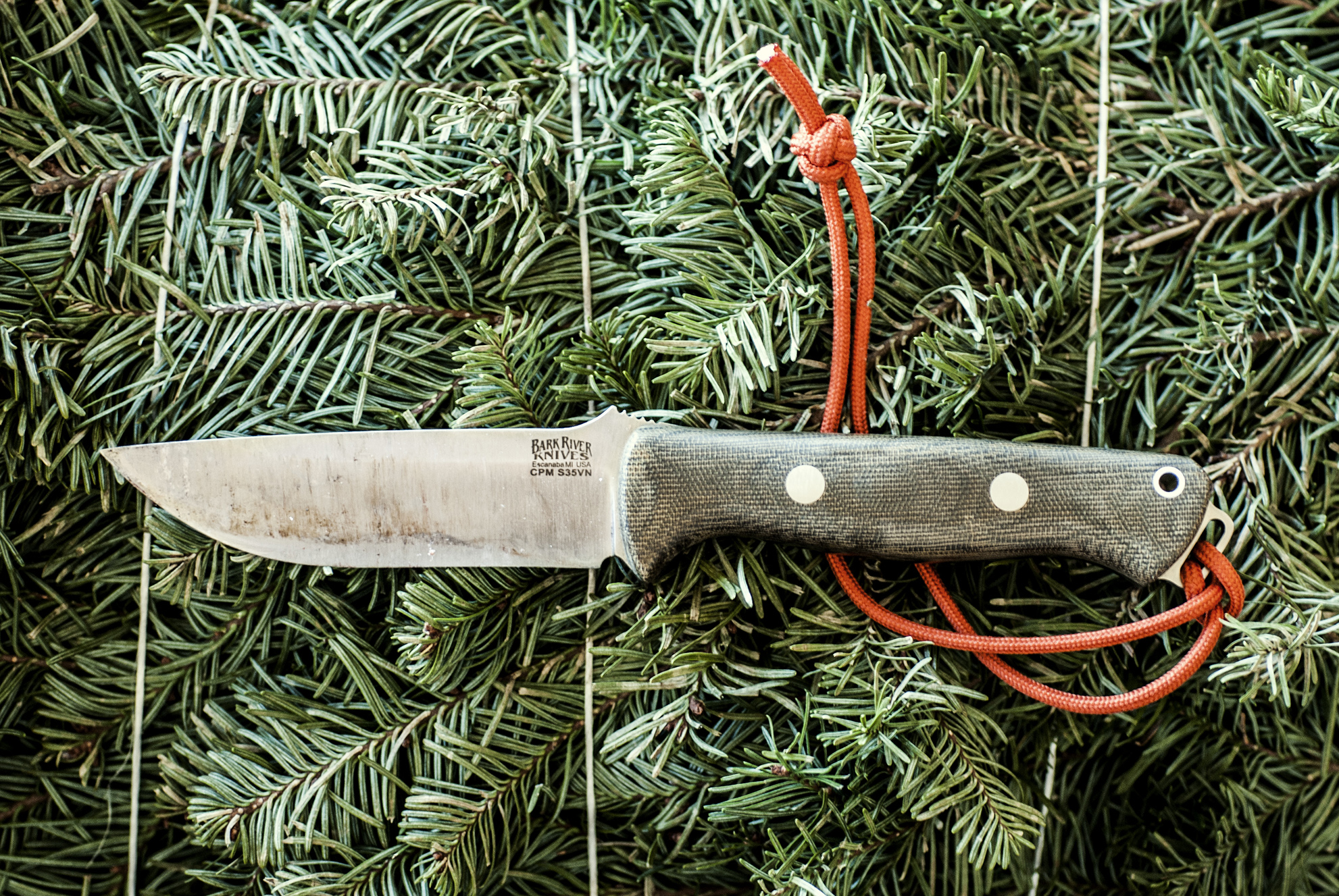
The Bark River Bravo 1 is widely regarded as a modern classic in the fixed‑blade world, and for good reason. Manufactured in the USA, this full‑tang knife features a 4.25‑inch drop point blade made from A2 tool steel. With an overall length of just over 9 inches, the Bravo 1 is large enough for serious camp chores yet balanced enough for fine work.
The convex grind on the Bravo 1 is a standout feature. Unlike flat or hollow grinds, a convex edge rolls smoothly into the blade, creating an exceptionally strong cutting geometry that excels at everything from feather‑sticking to field dressing game. The blade thickness inspires confidence for heavy‑duty tasks, while the shape provides a strong, controllable tip for precision work.
Handle options abound, with canvas Micarta being a favorite among users. The material provides a secure grip even when wet, and the ergonomic contour fits comfortably in the hand for extended sessions. The Bravo 1 comes with a premium leather belt sheath, and its fit and finish are consistently praised for exceptional craftsmanship.
Who it’s for: Hunters, bushcrafters, and outdoor adventurers who need one knife that can handle nearly any camp or field task with confidence. The Bravo 1 is a true “do‑everything” blade that refuses to quit.
2. LT Wright Genesis – The Bushcraft Specialist
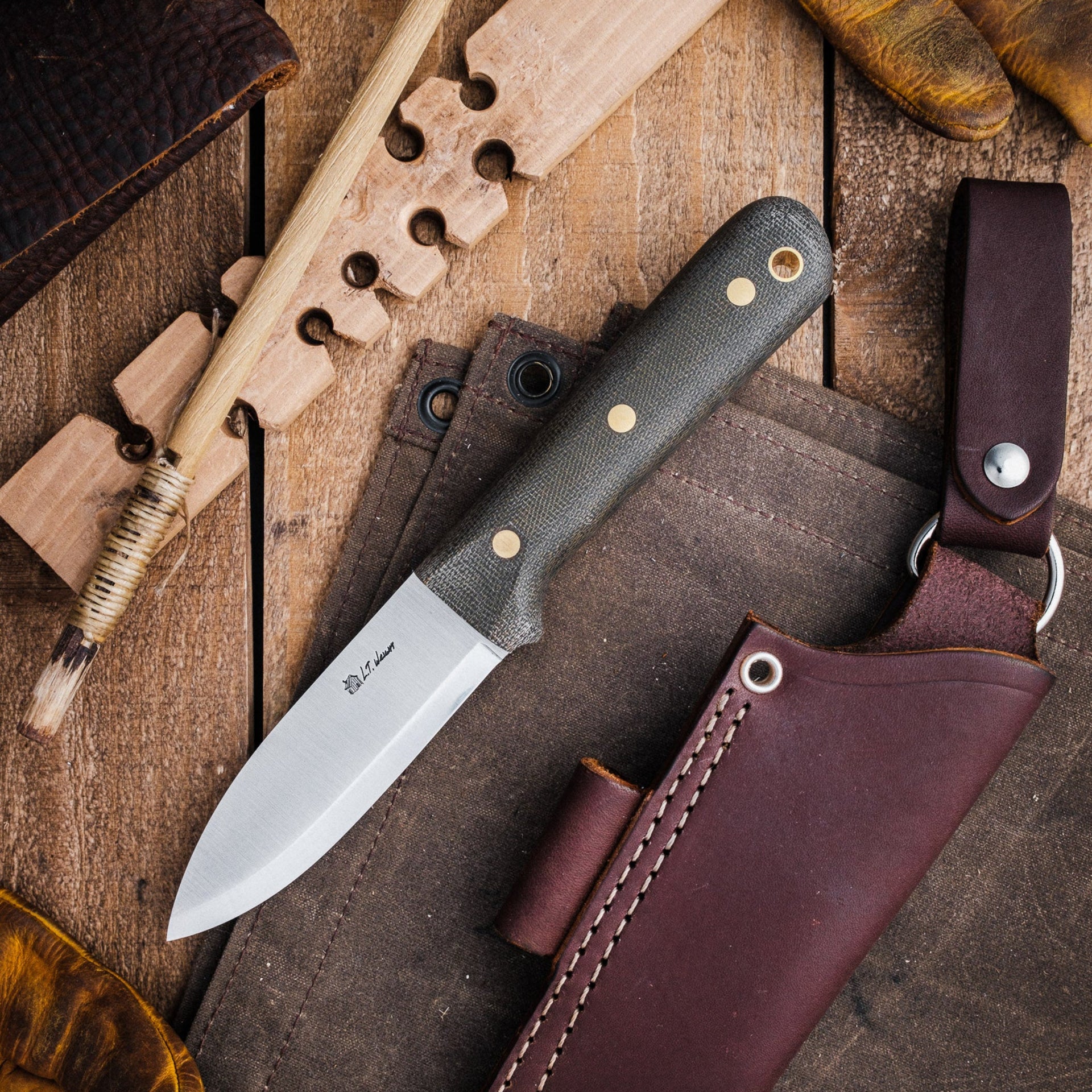
The LT Wright Genesis has earned a cult‑like following among serious outdoorsmen—and for good reason. This is the knife that appeared on the History Channel’s Alone, one of the most demanding survival shows ever filmed. When contestants trust their lives to a blade in the wilderness, you know it’s something special.
The Genesis features a full‑tang A2 blade heat‑treated by LT Wright to 57–59 HRC, a range that brings out the best in this versatile steel. The defining feature of the Genesis is its Scandi grind—a wedge‑shaped edge profile that produces an incredibly strong cutting edge with a thick blade cross‑section. This geometry is purpose‑built for woodworking: carving notches, batoning firewood, making feather sticks, and other bushcraft tasks.
The handle is often described as a “broomstick” design—simple but effective. Whether you’re choking up for fine carving or gripping the back for heavy chopping, the Genesis provides excellent control. The 90‑degree spine is sharp enough to strike a ferro rod reliably, and the knife is available in a flat‑grind version for those who prefer a more slice‑oriented blade.
Who it’s for: Bushcraft practitioners, survivalists, and anyone who spends serious time in the backcountry. The Genesis is not the prettiest knife on the block, but its performance is absolutely superb.
3. ESEE Sencillo – The Compact EDC Powerhouse
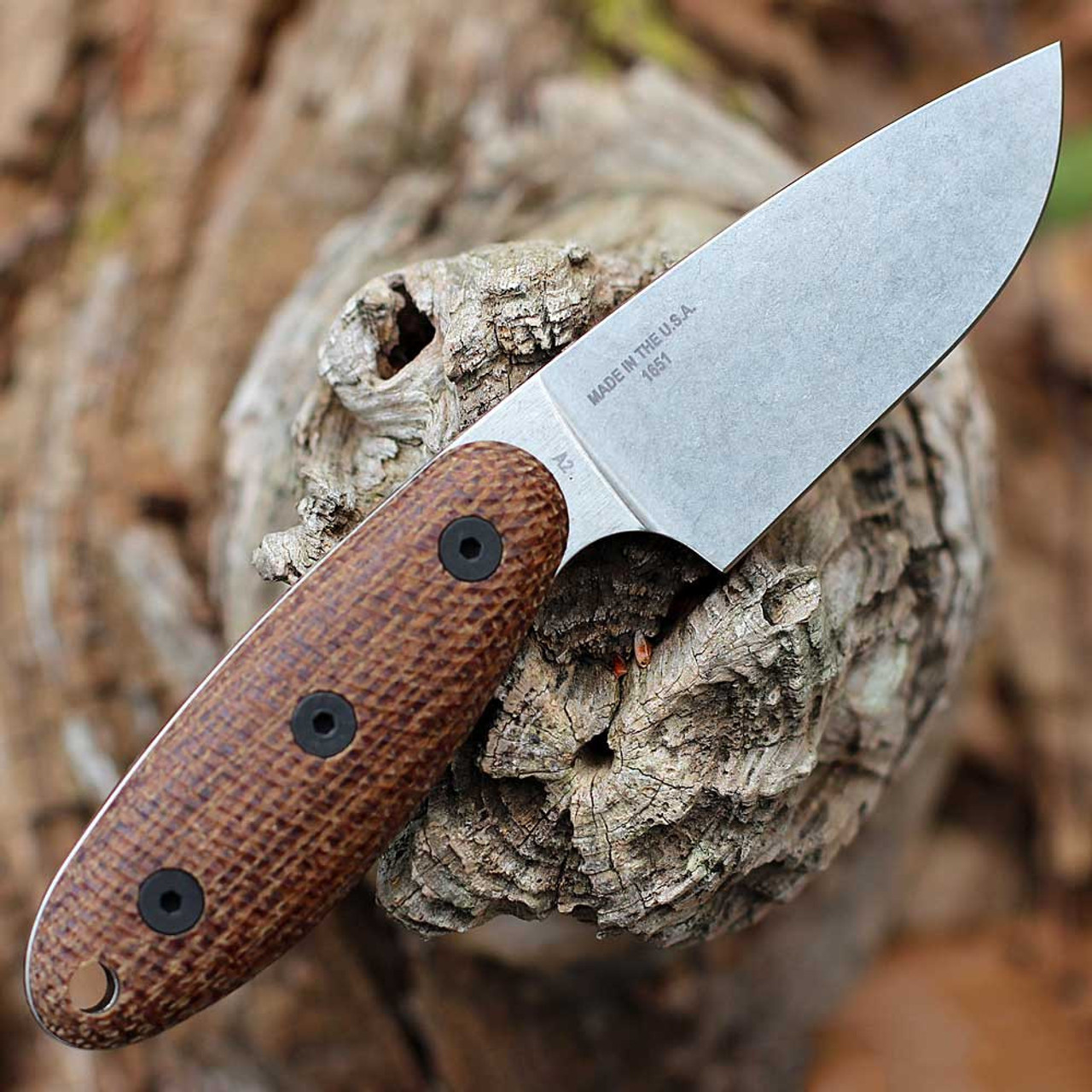
The ESEE Sencillo represents something new for the legendary knifemaker. ESEE built its reputation on 1095 carbon steel knives like the Izula and Junglas—tough, simple, and brutally effective. When customers started asking for a “super steel” option, Jeff Randall went to his shop and knocked out a prototype from A2—a steel he knew had proven its worth in the field time and again.
The result is the Sencillo: a 3‑inch A2 drop point blade with a full‑tang skeletonized construction. At just 7.25 inches overall length and weighing only 3.88 ounces, this knife is remarkably lightweight for its capability. The stonewashed finish helps hide scratches and wear from daily use, and the 3D machined brown burlap Micarta handle offers a secure, ergonomic grip that feels much larger than the knife’s compact size suggests.
The included ambidextrous Kydex sheath provides secure retention and multiple carry options—whether around the neck, on a belt, or packed in a bag. The full‑flat grind makes the Sencillo an excellent slicer for food prep, while the 0.125‑inch blade thickness provides ample strength for outdoor tasks.
Who it’s for: Everyday carry enthusiasts, ultralight backpackers, and anyone who wants a tough little fixed blade that disappears in the pack until it’s needed. The Sencillo is also available in MagnaCut for those who want stainless performance, but the A2 version remains Randall’s personal favorite for its proven reliability.
Caring for Your A2 Fixed Blade Knife
A2 is tough, but it does require basic care to perform at its best. After each use, clean the blade with warm water and mild soap, then dry it thoroughly. Apply a light coat of mineral oil, food‑safe oil, or a dedicated knife protectant to prevent corrosion. Avoid storing the knife in a leather sheath for extended periods, as leather can retain moisture and promote rust. With simple maintenance, an A2 blade will develop a beautiful patina over time—a mark of honest use that actually adds a layer of corrosion resistance.
Final Thoughts
A2 steel represents a philosophy: toughness and field‑maintainability over absolute wear resistance or stainlessness. It’s the steel you want when you’re miles from a sharpening stone and need an edge that can be brought back with just a few passes on a strop. Whether you choose the versatile Bark River Bravo 1, the bushcraft‑specialized LT Wright Genesis, or the compact ESEE Sencillo, you’re getting a fixed blade knife built to last—and built to work.
Check out our full collection of A2 steel fixed blade knives and find the one that’s right for your next adventure.