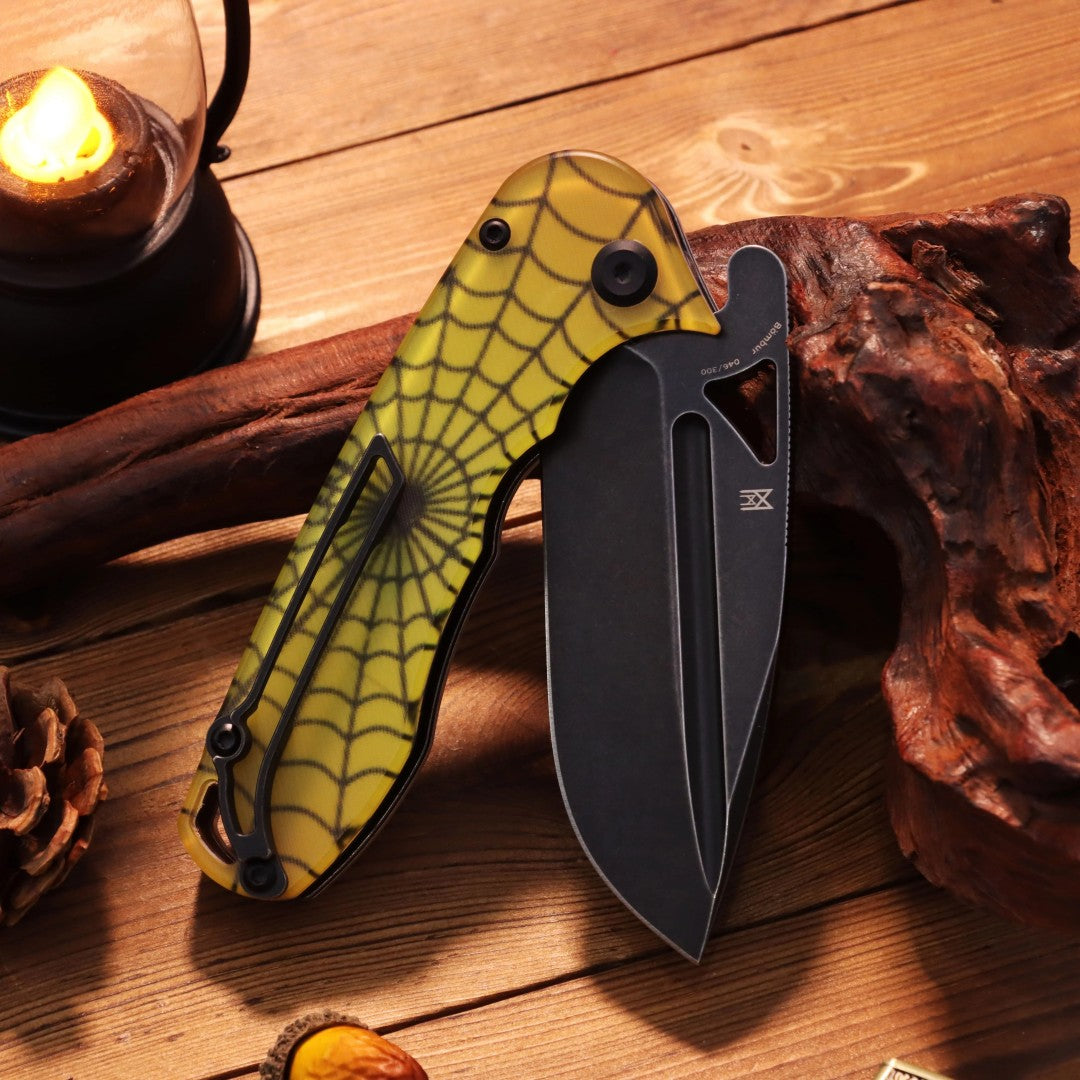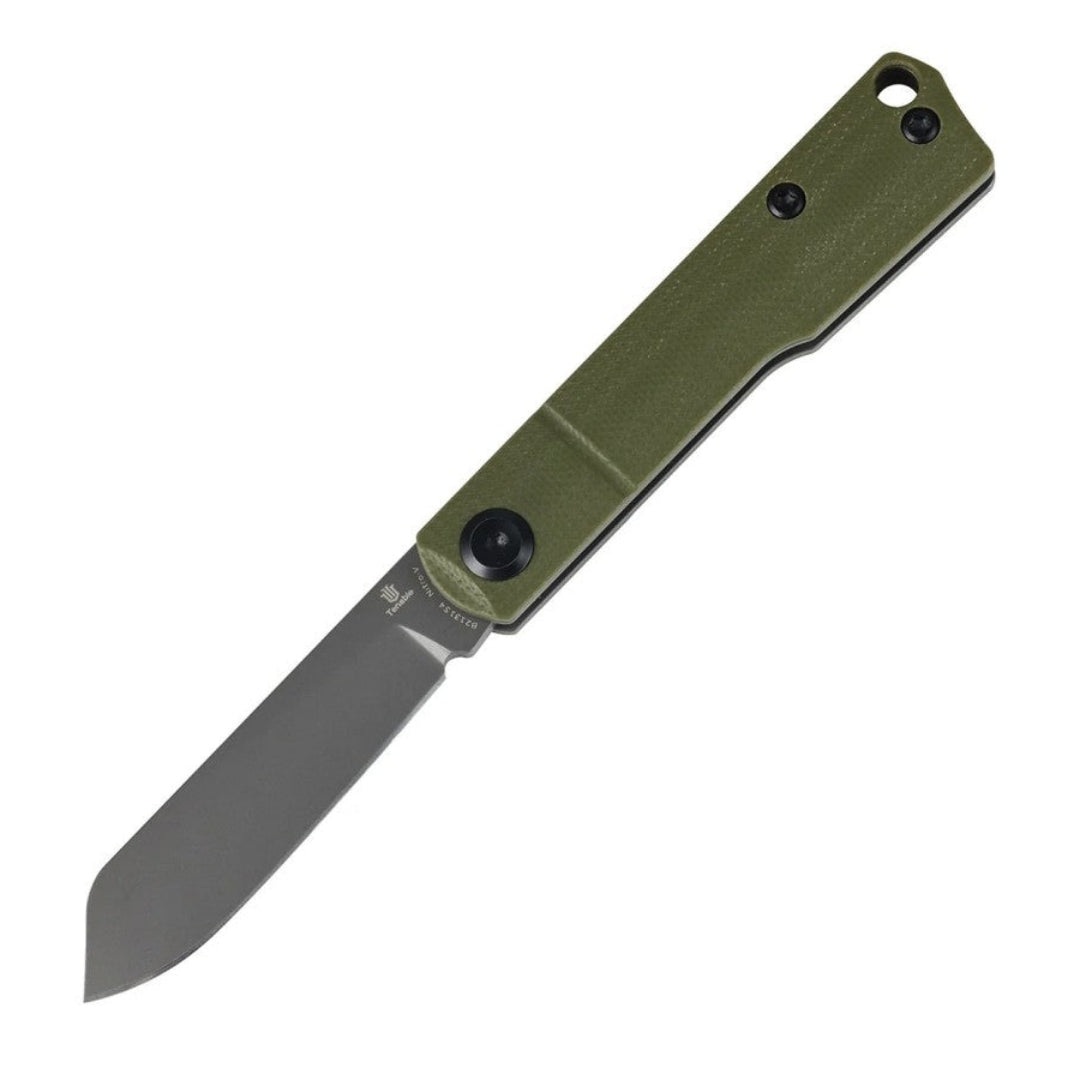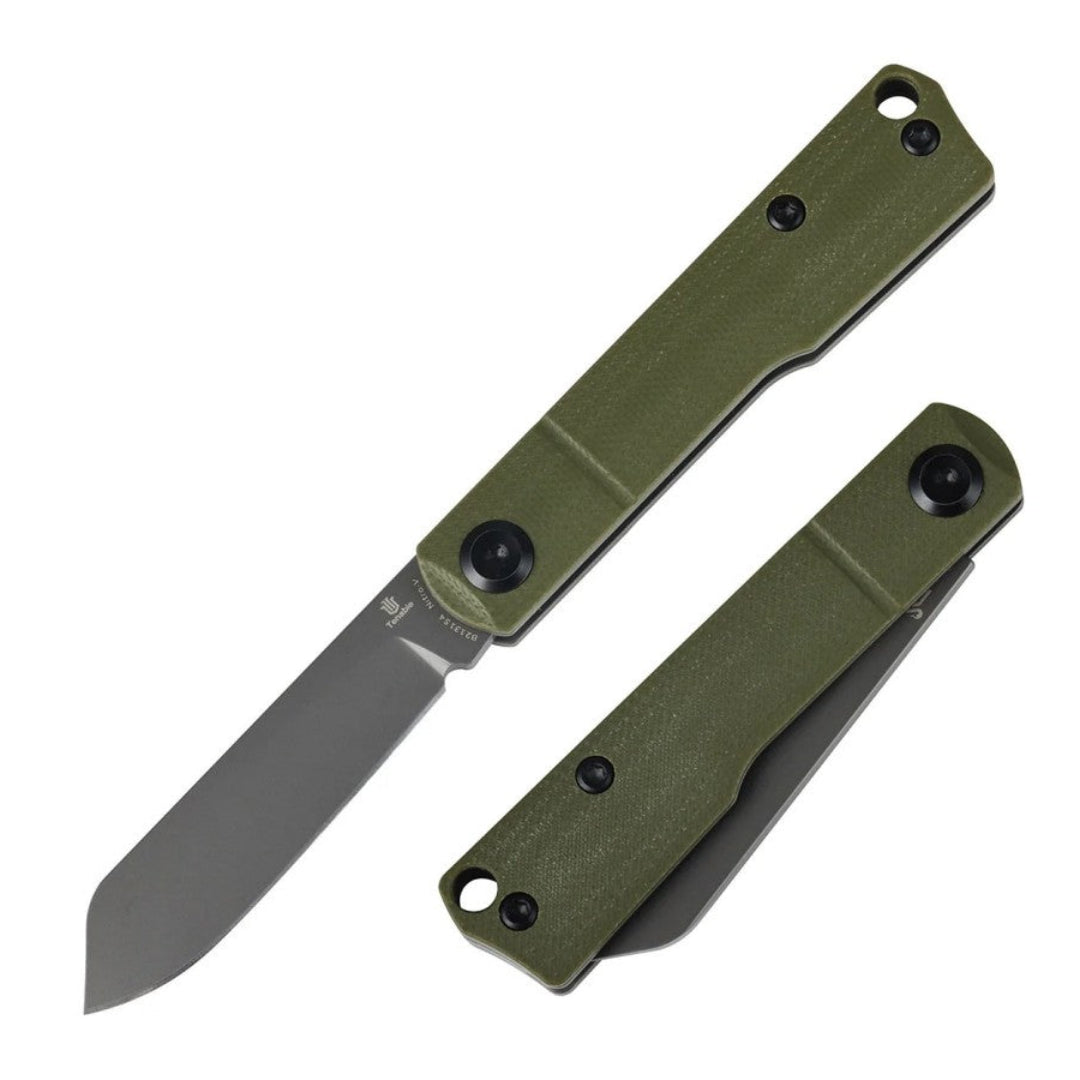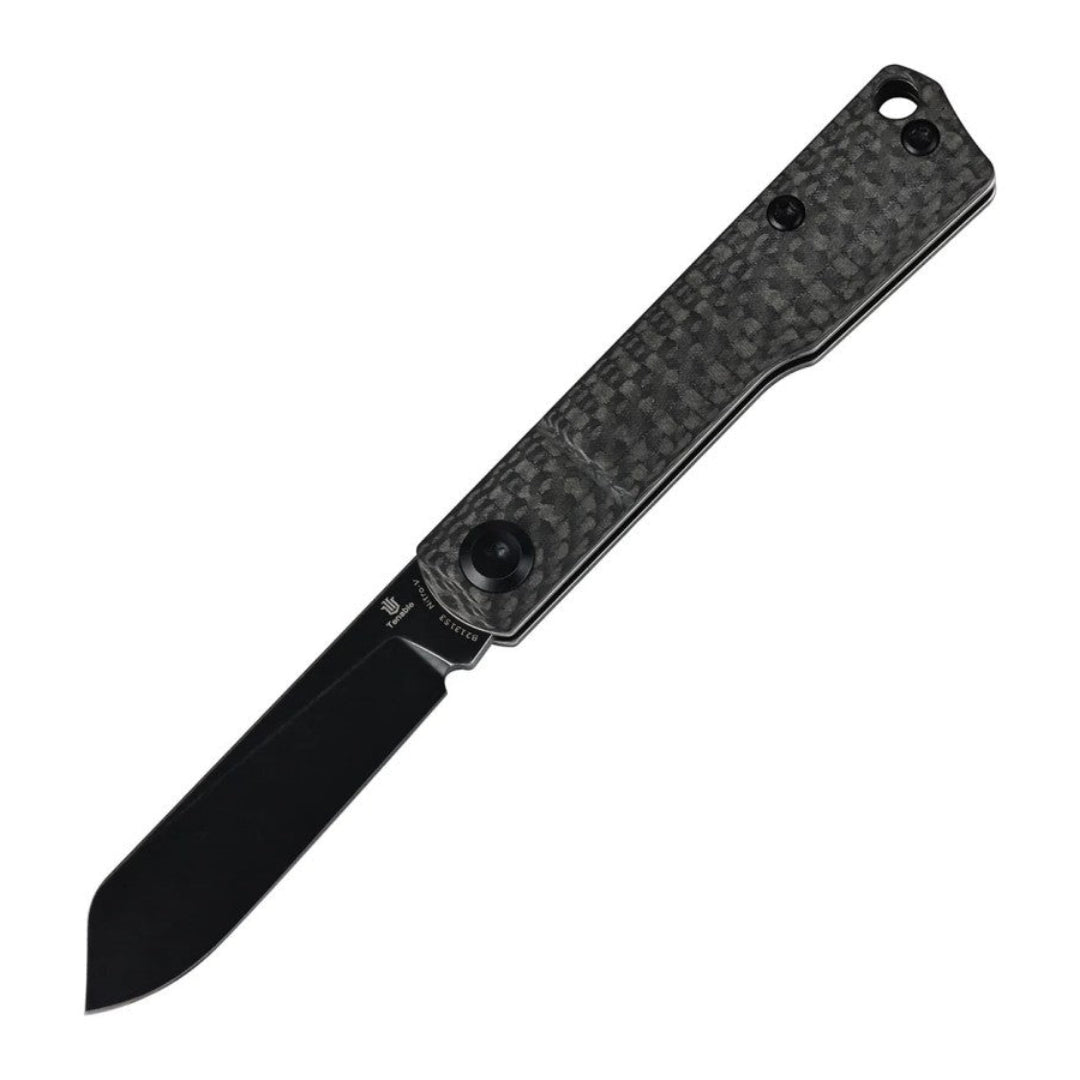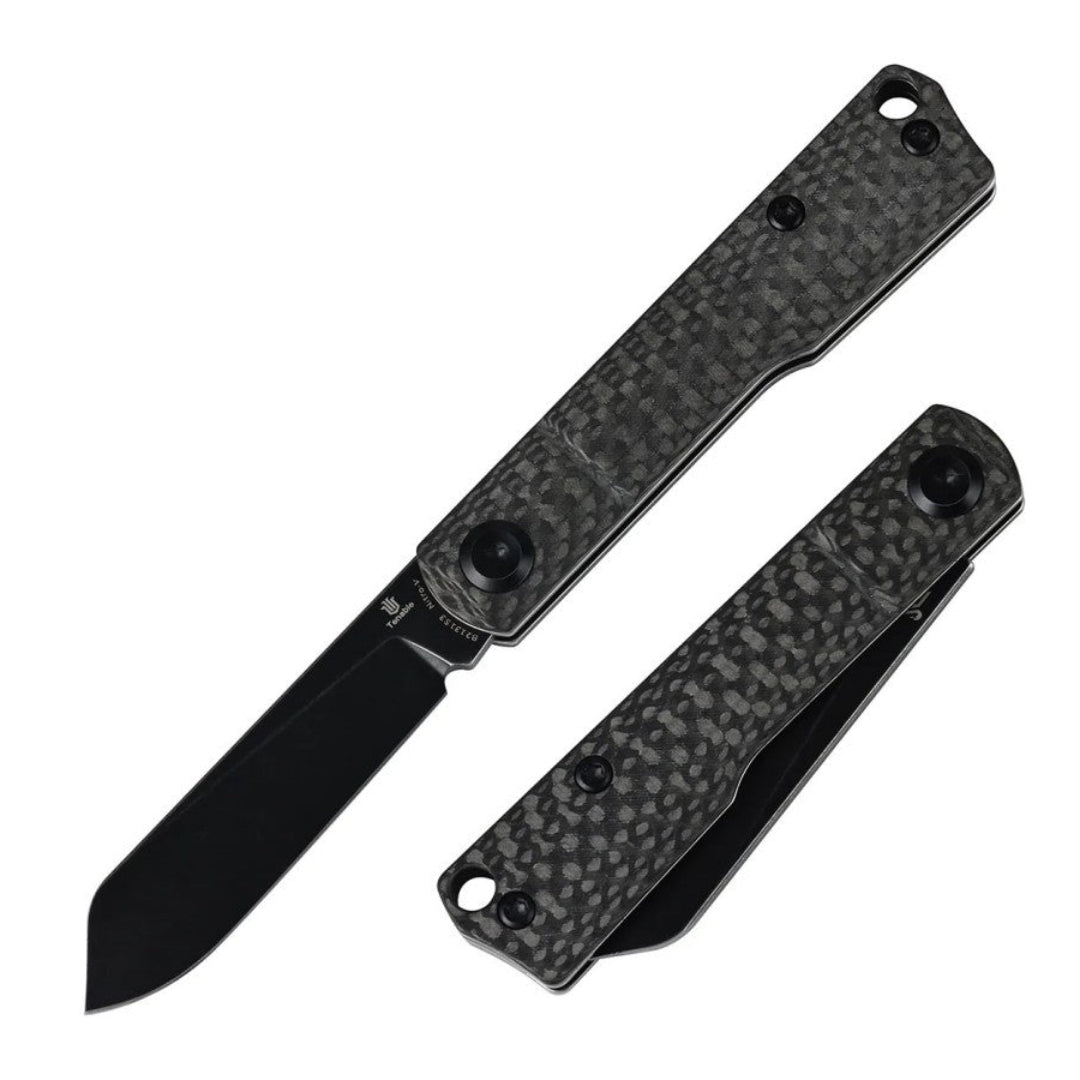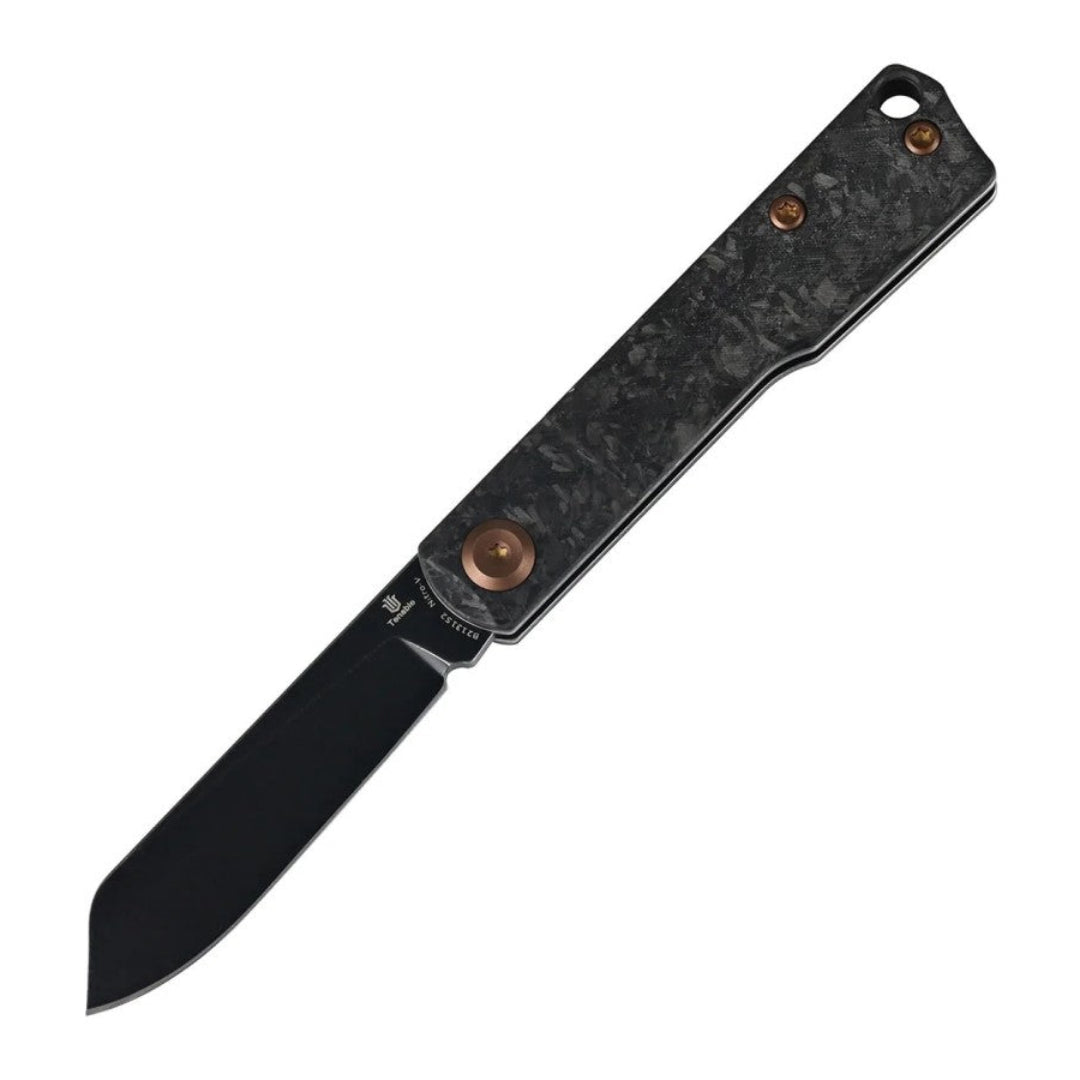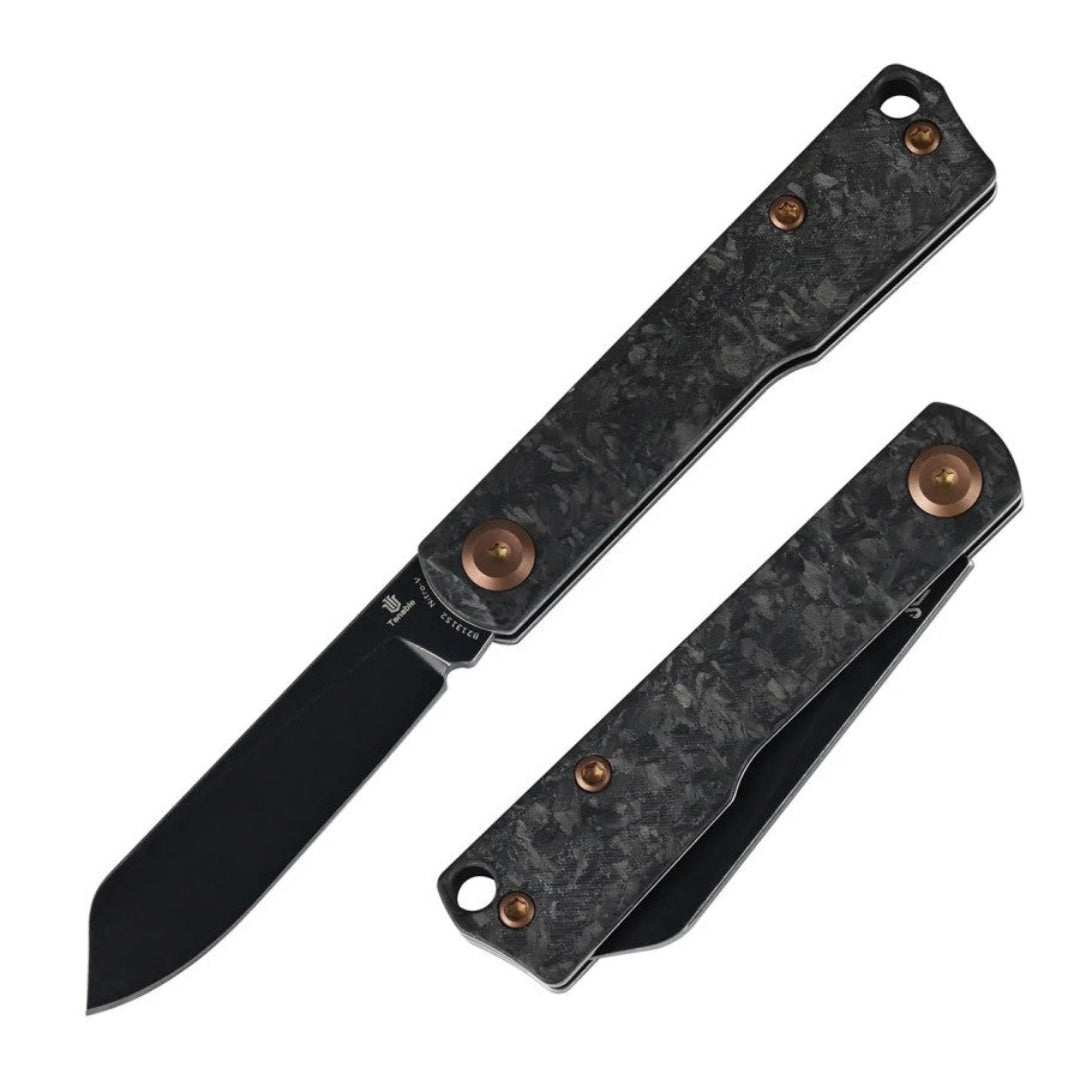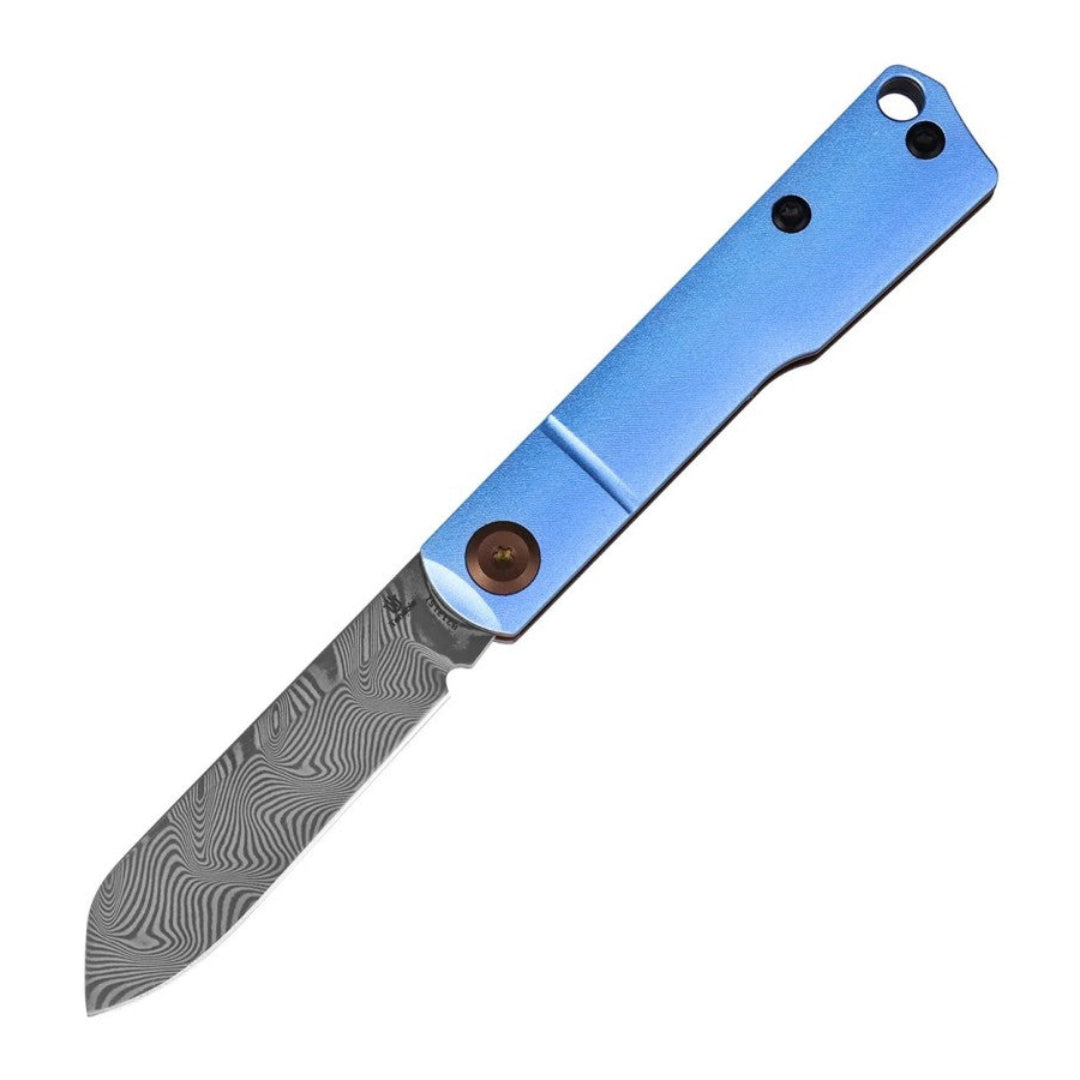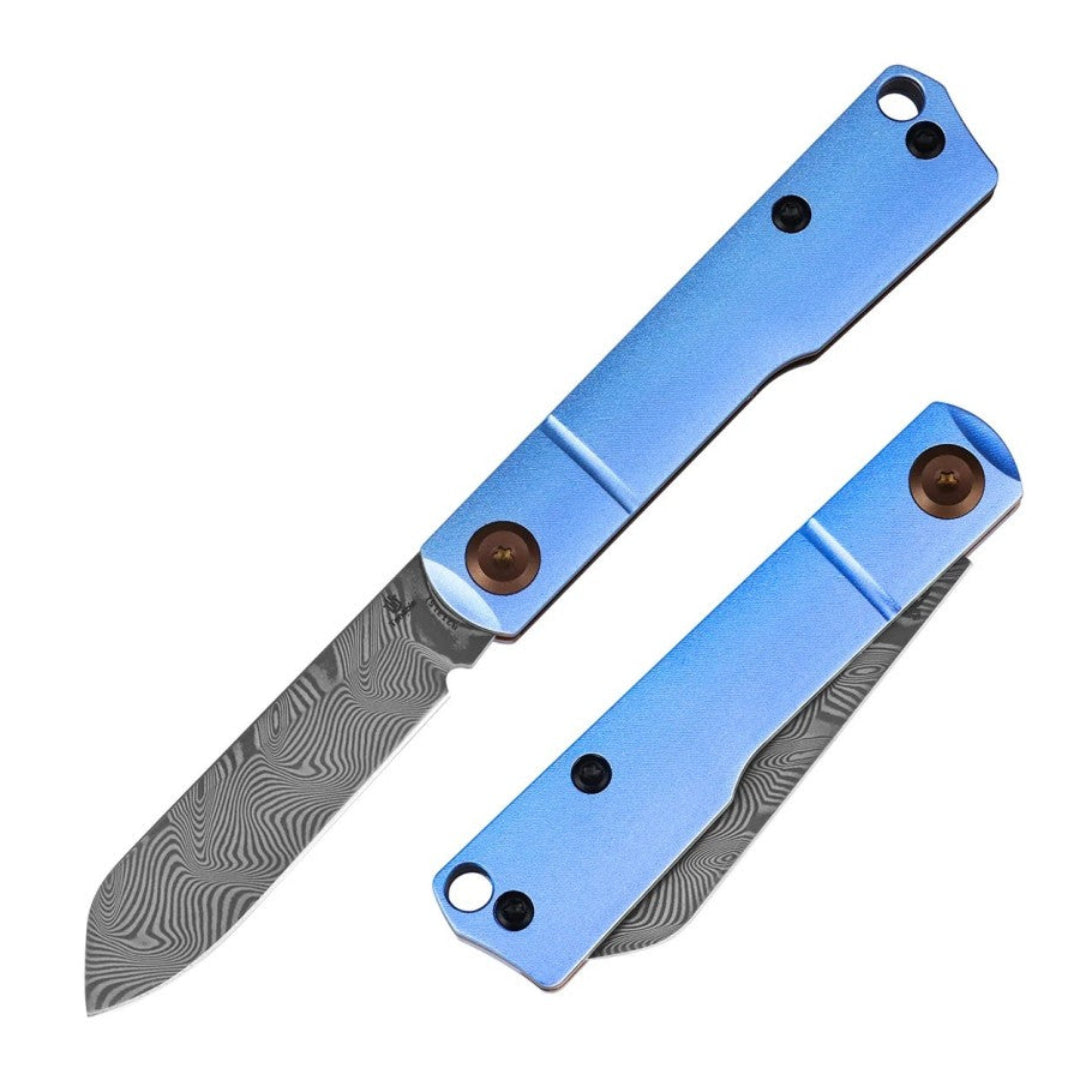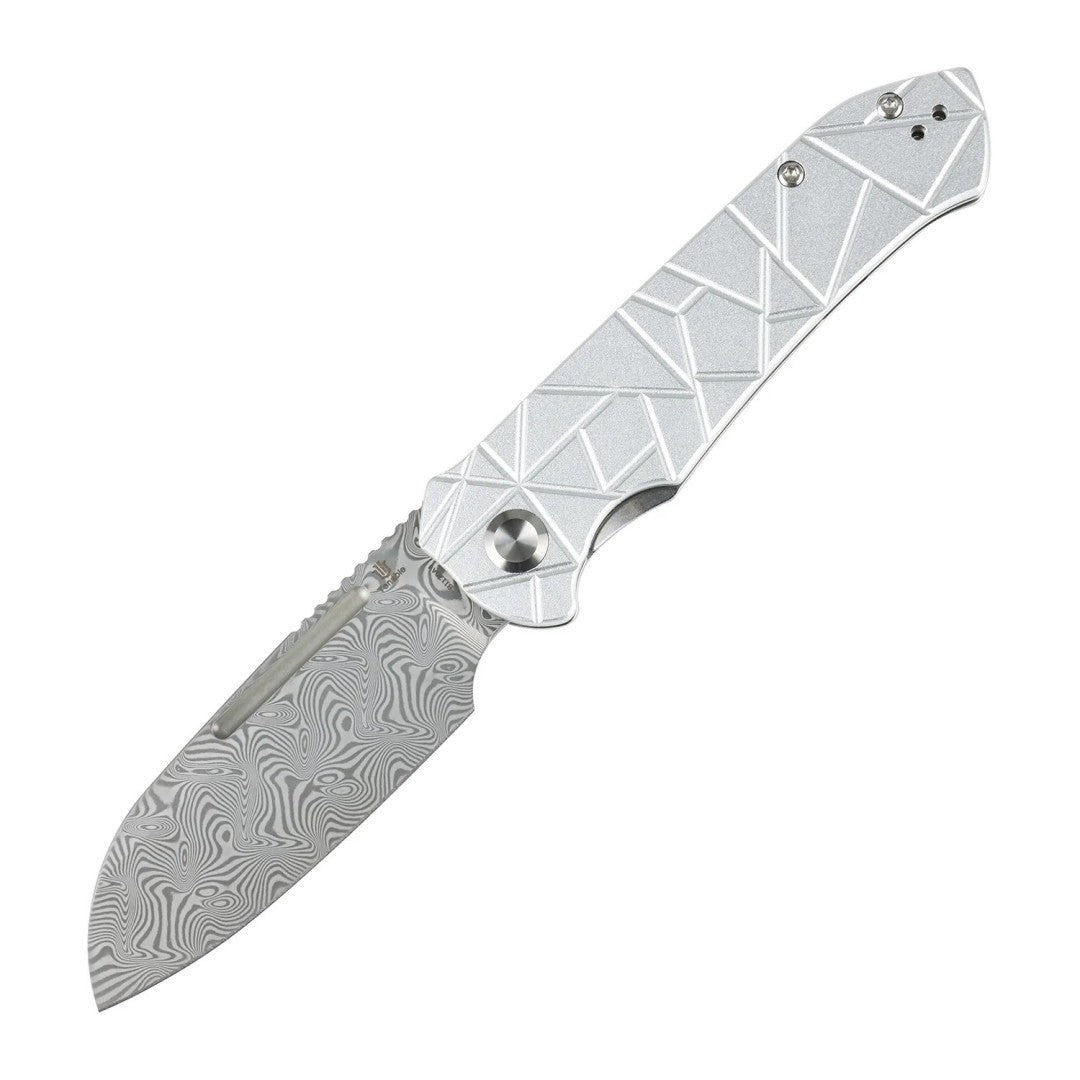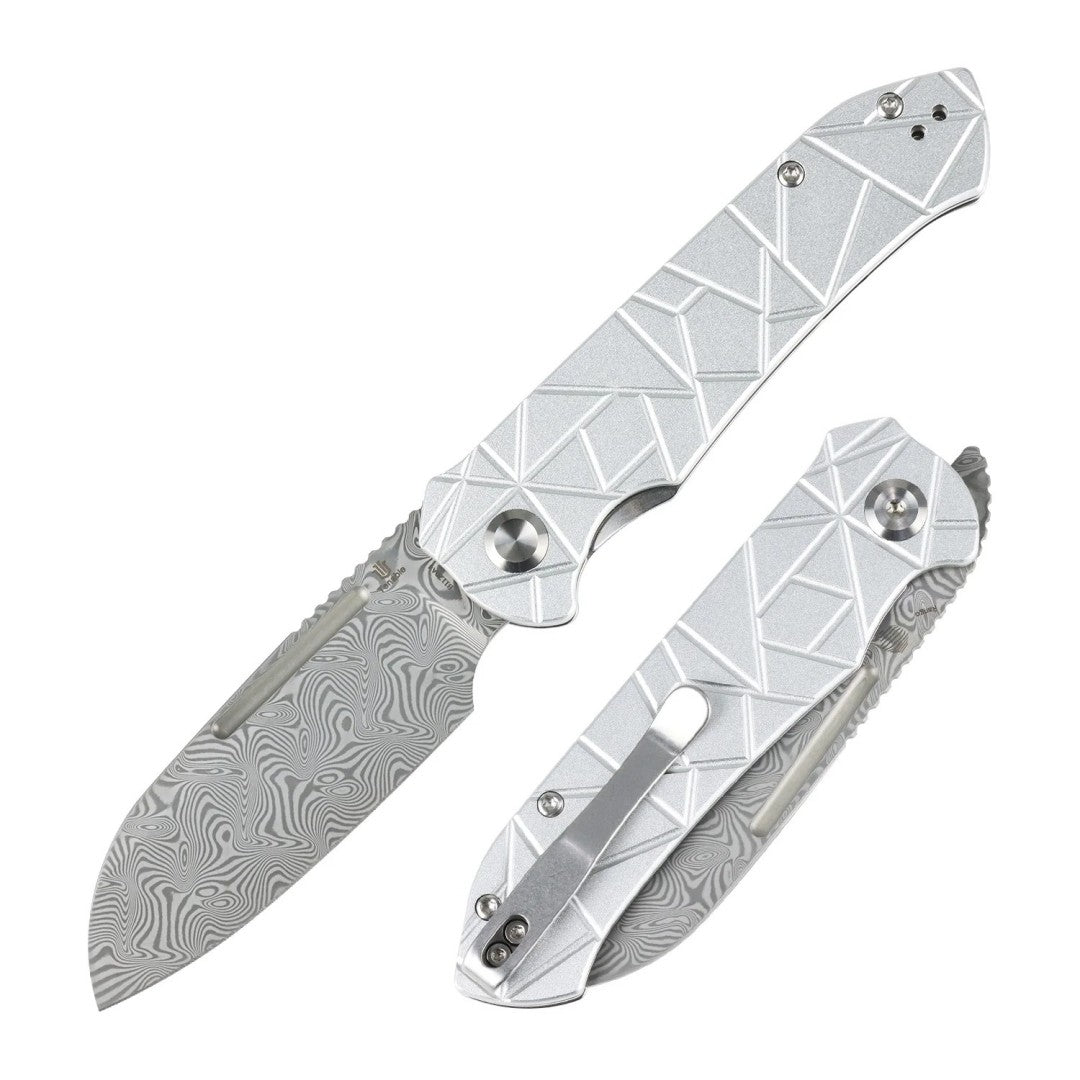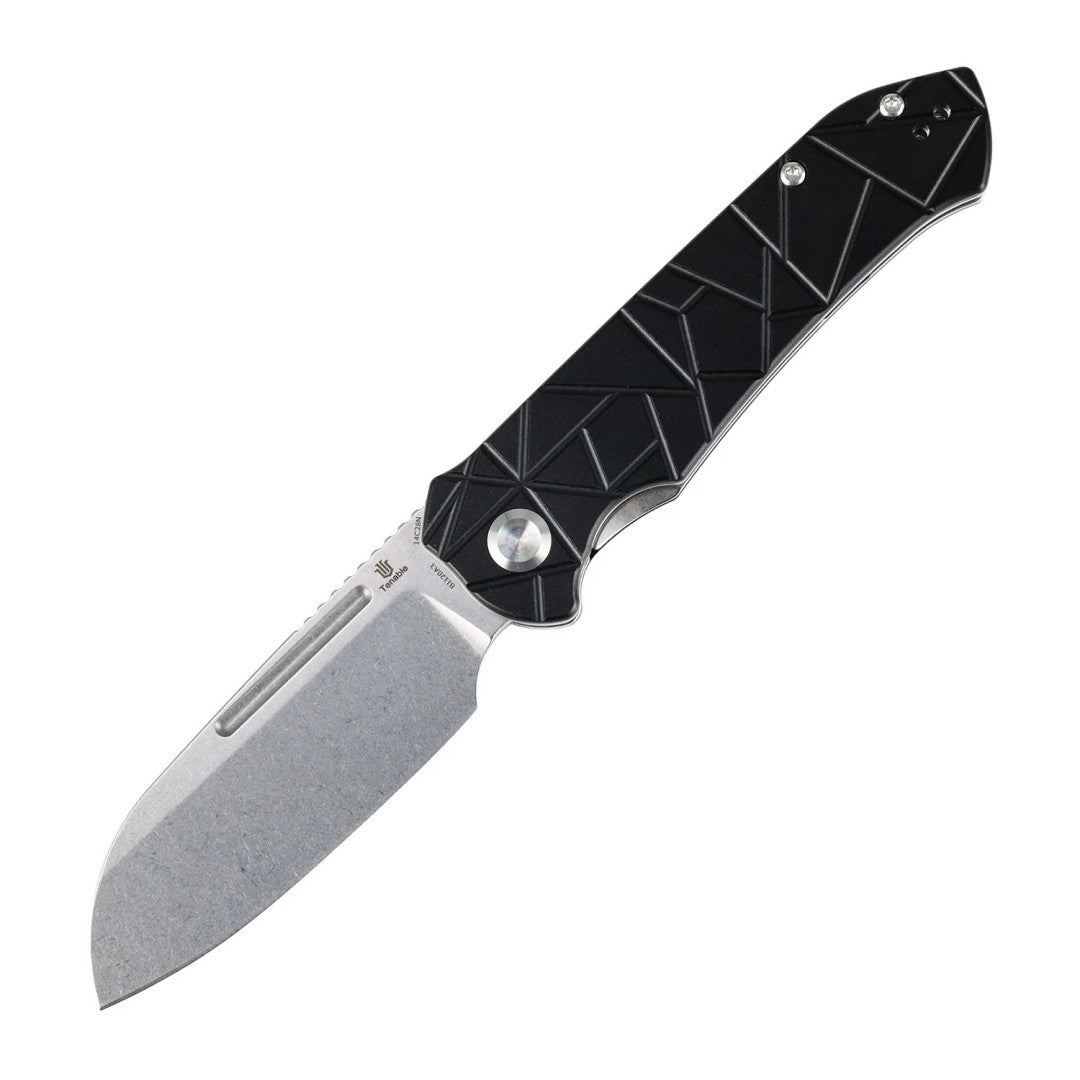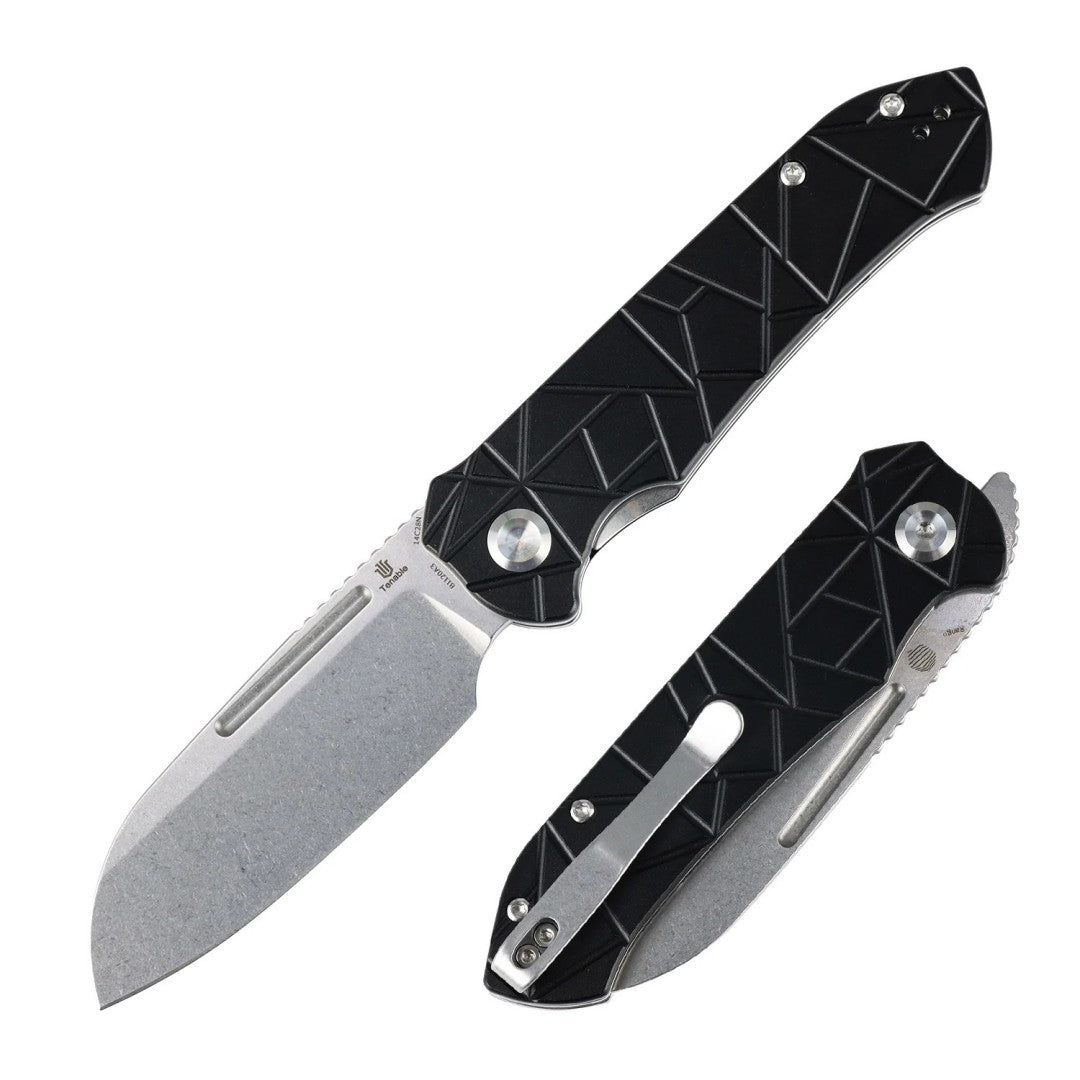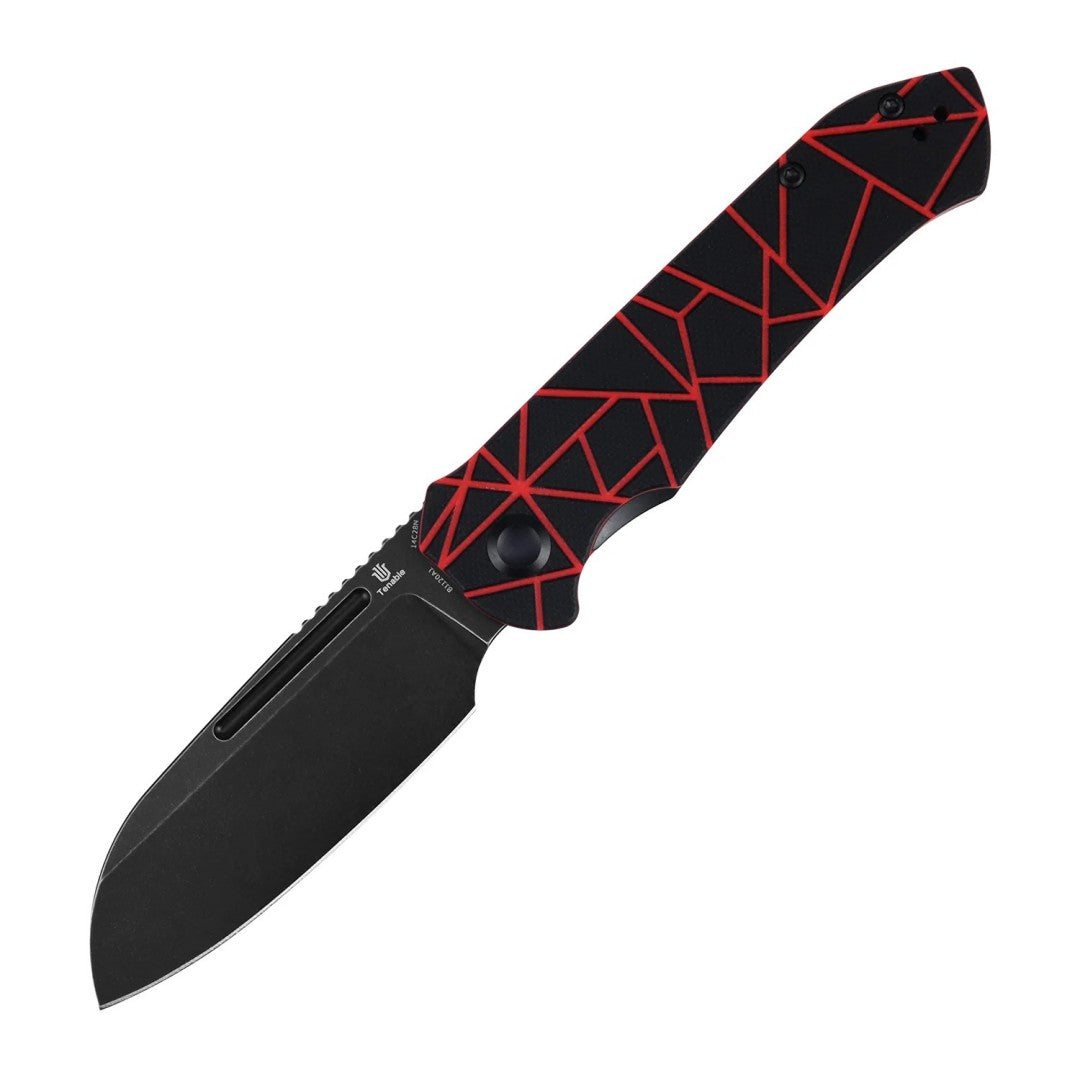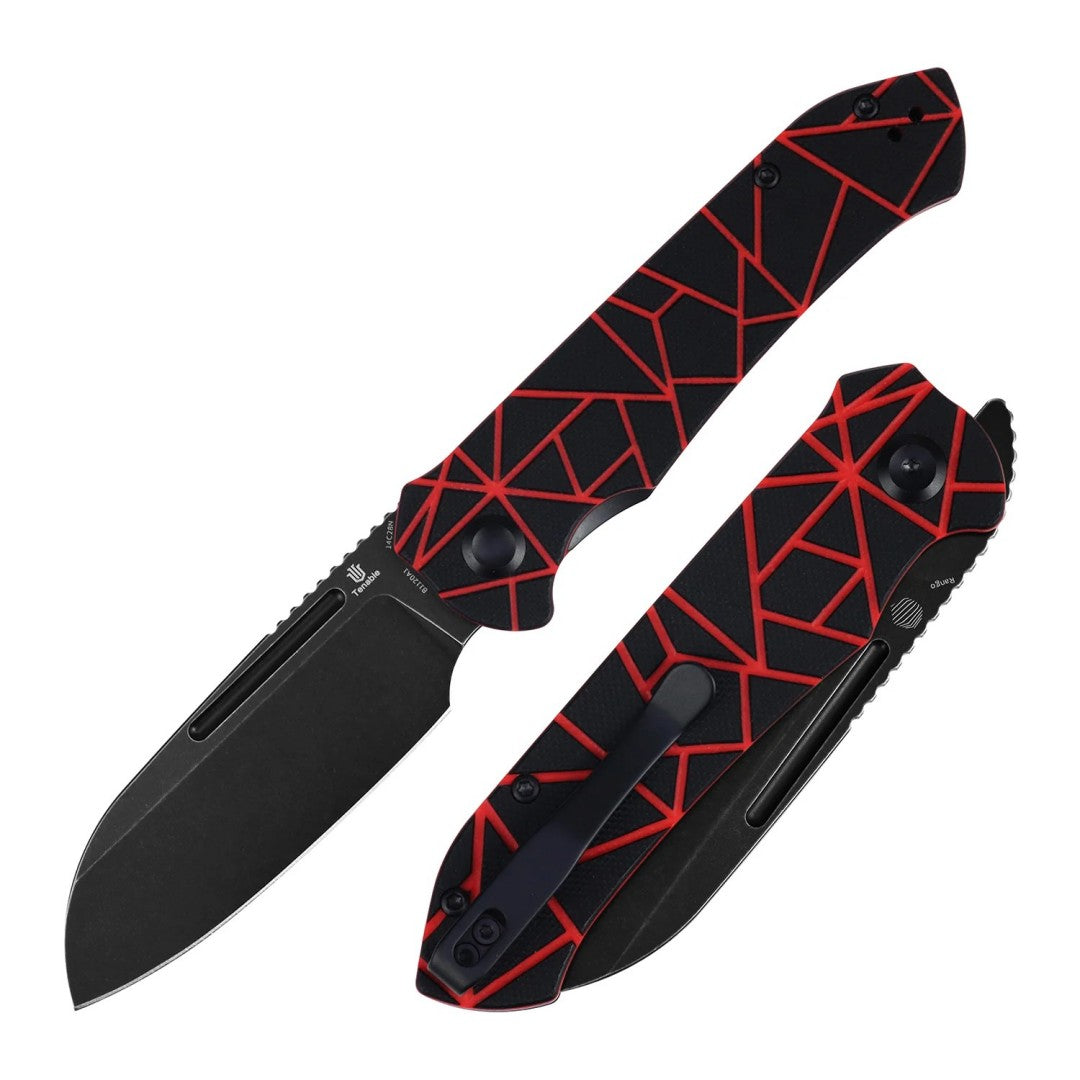
Choosing the right pocket folder for your everyday carry (EDC) rotation often comes down to a direct comparison of blade geometries, lock security, and overall ergonomic execution. The QSP Emu has made a significant impact among tool enthusiasts looking for a versatile, feature-loaded cutting tool, while the famous QSP Penguin remains an enduring favorite across the pocket gear community. Engineered by QSP, a maker celebrated for precision machining tolerances and exceptional build value, both of these folders deliver outstanding real-world performance. In this specifications and design guide, we analyze how these two models differ across engineering parameters, steel metallurgy, and daily usability.

Technical Specifications Matrix
Evaluating physical specs side-by-side provides a clear visual overview of how these two tools differ in materials and mechanical architecture:
| Component / Metric | QSP Emu Platform | QSP Penguin Platform |
| Blade Geometry | Reverse Tanto / Modified Wharncliffe | Classic Straight Sheepsfoot |
| Blade Metallurgy | Swedish Sandvik 14C28N Stainless | D2 Tool Steel (Base Version) |
| Lock Architecture | Dual-Sided Glyde Lock Crossbar | Traditional Steel Liner Lock |
| Pivot Mechanics | Caged Ceramic Ball Bearings | Smooth Bronze Washers |
| Deployment Methods | Rear Flipper Tab + Spine Cutout | Dual Ambidextrous Thumb Studs |
| Overall Weight | Approximately 3.92 oz (111 g) | Approximately 3.14 oz (89 g) |
| Corrosion Resistance | Exceptional (Nitrogen-Boosted Stainless) | Moderate (Semi-Stainless Tool Steel) |
| Pocket Hardware | Reversible Deep-Carry Clip | Reversible Deep-Carry Clip |
Steel Selection and Blade Architecture
The primary functional distinction between these tools starts with edge shape and steel composition.
Sandvik 14C28N Stainless Performance: The Reverse Tanto blade utilizes Swedish stainless steel alloyed with nitrogen, providing exceptional rust immunity and micro-chipping resistance. The spine slopes downward to meet a straight cutting edge, creating a reinforced point that handles scoring, piercing, and drag cuts without risking tip damage.
D2 Tool Steel Edge Retention: The Penguin employs high-carbon D2 tool steel in its classic configuration, prized for long-lasting edge retention during repetitive slicing. Its flat Sheepsfoot profile places the entire cutting edge in direct contact with flat surfaces, making it great for box breakdown. However, D2 requires routine cleaning and oiling to prevent spot corrosion in humid conditions.
 Locking Mechanics and Deployment Fluidity
A folder's lock system and pivot action dictate both operational speed and user safety during heavy cutting tasks.
-
Crossbar Safety Mechanics: The dual-sided crossbar lock uses a solid steel bar that wedges tightly into the blade tang cutout. As downward force increases, the lock seats firmer against the stop pin. Disengaging the mechanism requires pulling back on external handle sliders, keeping your fingers completely clear of the blade path when closing the knife.
-
Low-Friction Bearing Pivot: Internal caged ceramic ball bearings deliver a frictionless opening sweep via the index flipper tab or the elongated thumb cutout running along the spine.
-
Classic Washer and Liner Lock System: The Penguin relies on a time-tested liner lock paired with smooth bronze washers. Opening the blade requires a firm thumb flick on the dual studs, yielding a smooth, hydraulic feel. Closing the liner lock requires placing your thumb inside the blade sweep area.
Handle Ergonomics and Carry Real Estate
Both knives maintain slim handle profiles under 0.5 inches thick, riding low in denim or jacket pockets via deep-carry pocket clips.
The handle design on the newer model features subtle finger choils and chamfered scale perimeters that prevent palm hot spots during heavy push cuts. Users can choose between soft-touch Canvas Micarta scales that darkens over time into a unique patina, or non-porous Coarse G10 scales that provide high-traction grip in wet or oily environments.
Summary of Design Strengths
Choose the QSP Emu if: You prioritize an ultra-smooth bearing action, complete rust resistance, ambidextrous crossbar lock safety, and a reinforced tip engineered for tough scoring and slicing duties.
Choose the QSP Penguin if: You prefer a lightweight carry footprint, classic thumb-stud opening, long-wearing D2 edge retention, and the straightforward simplicity of a traditional liner lock.