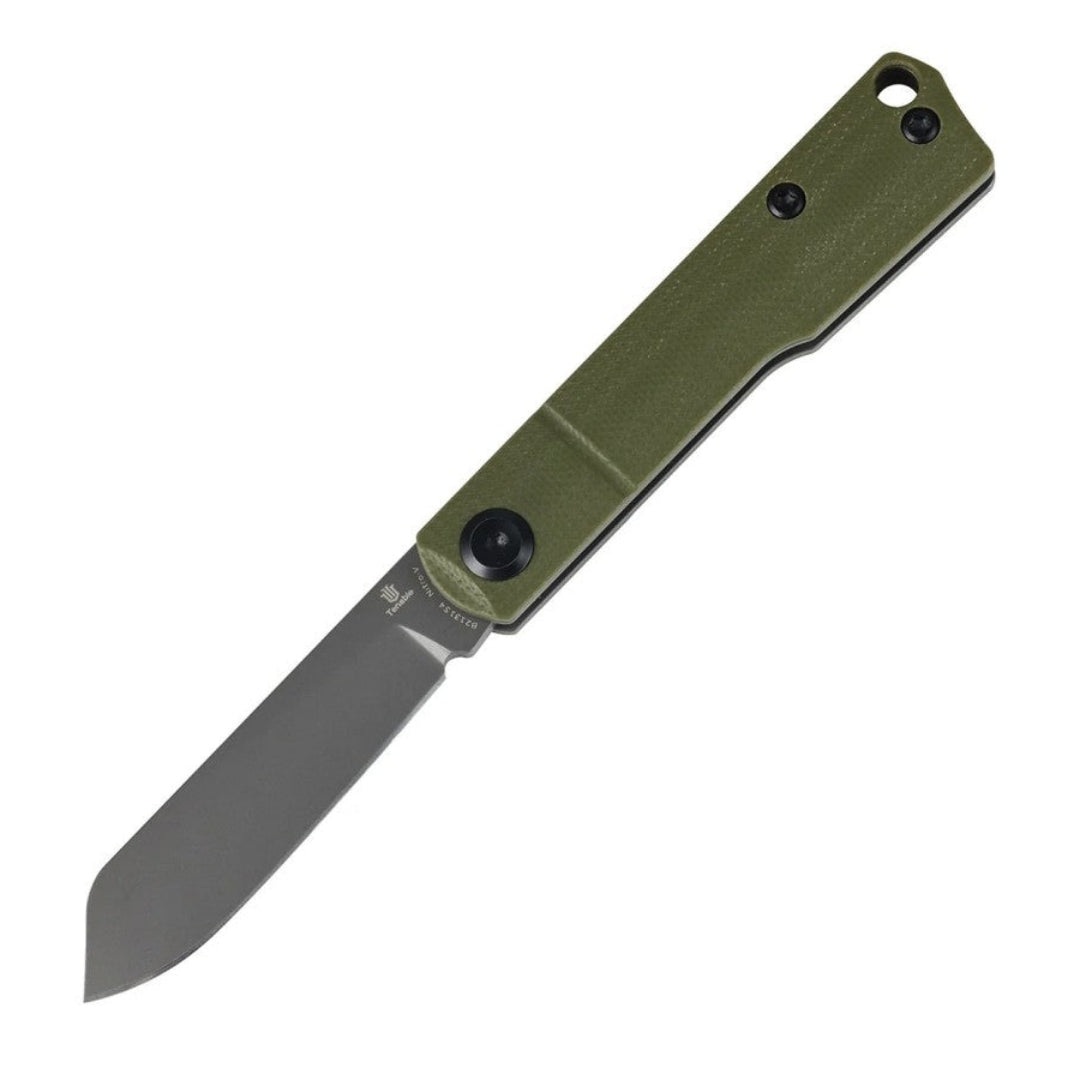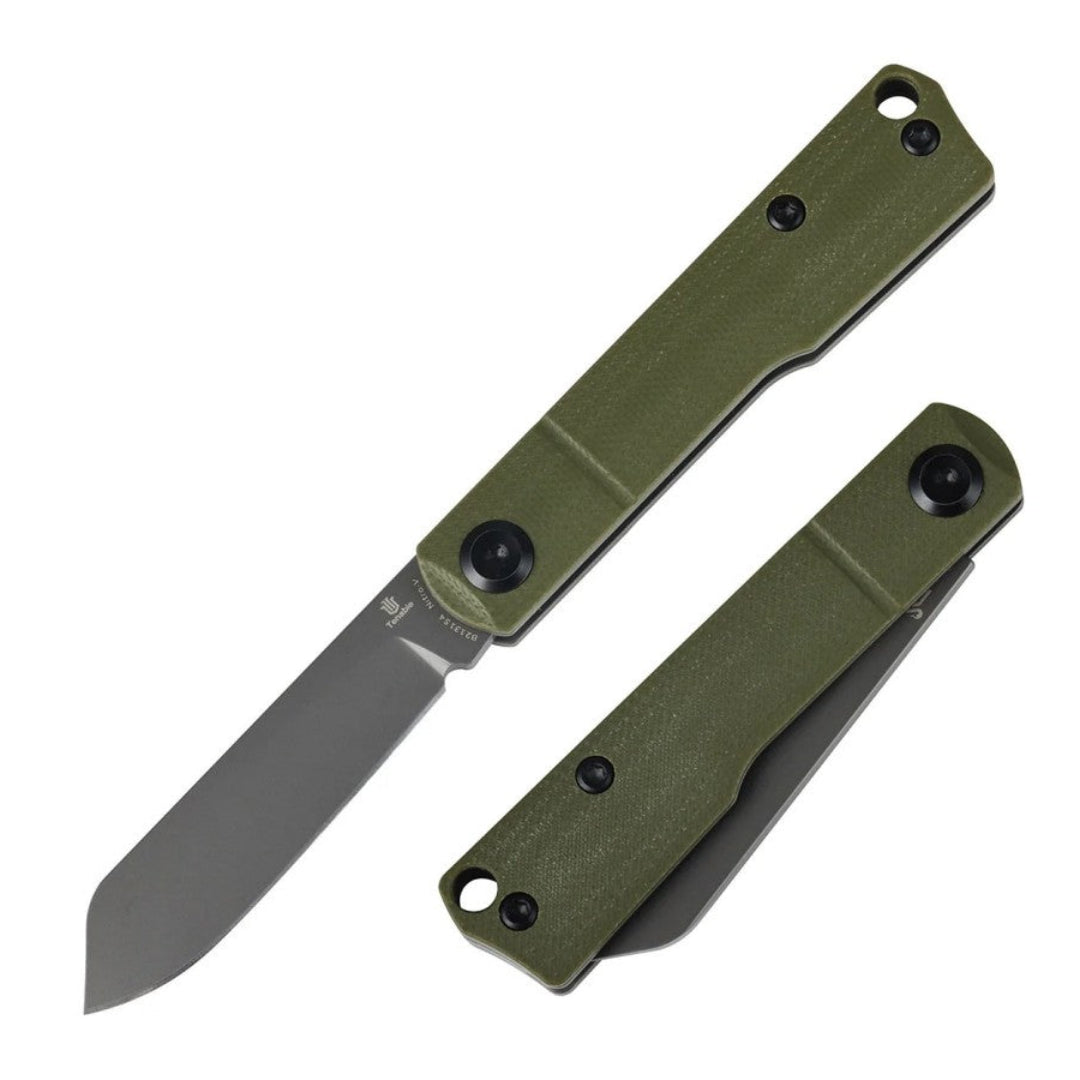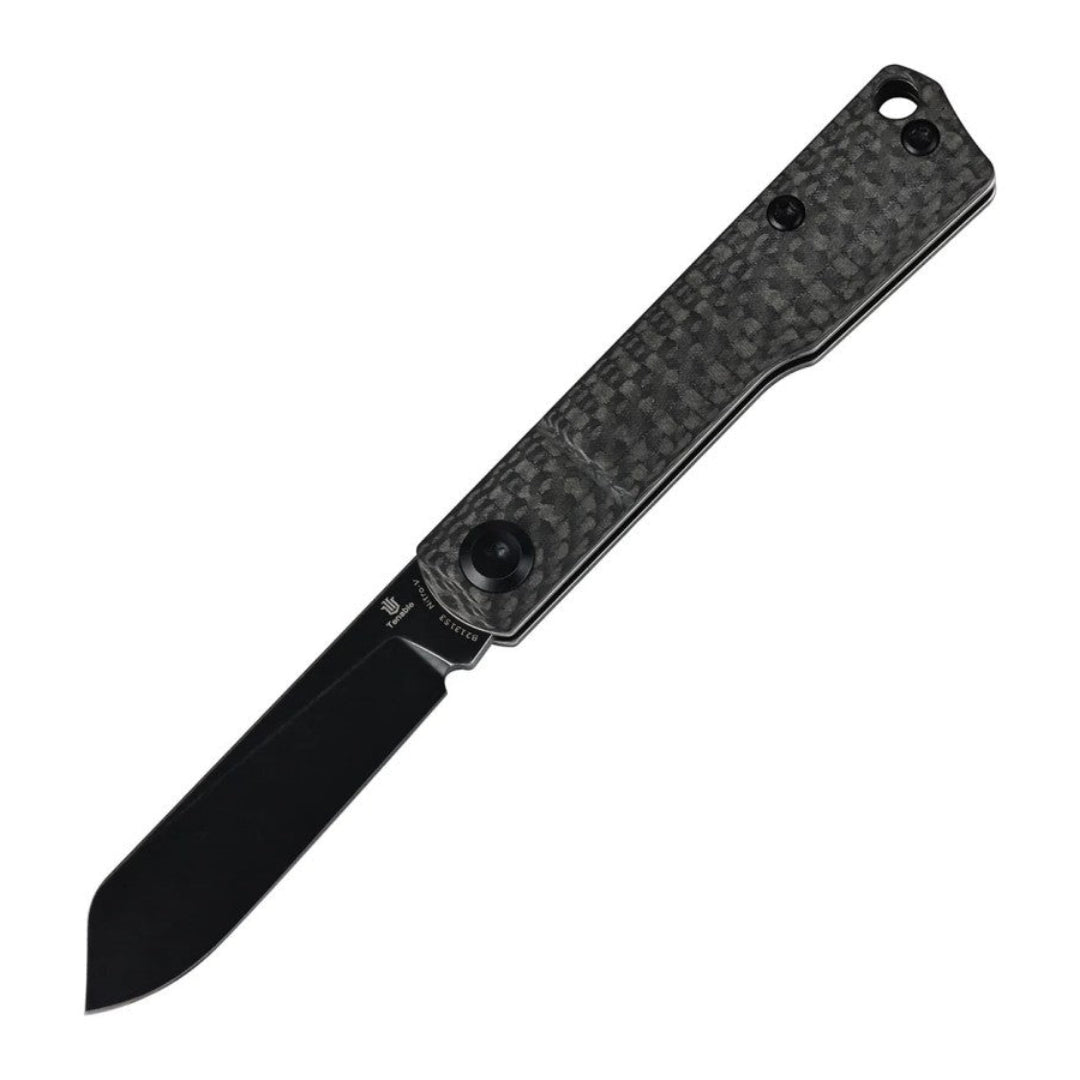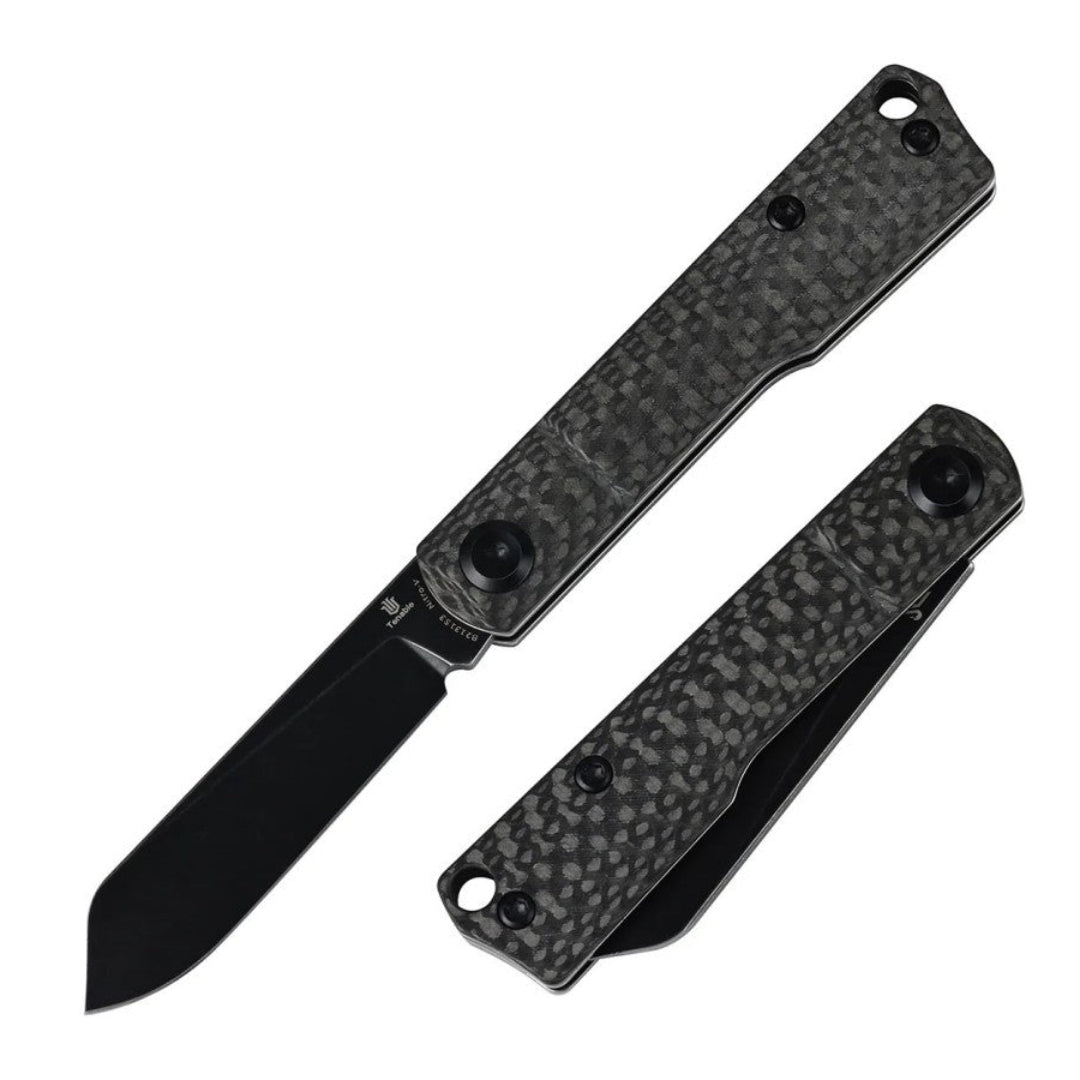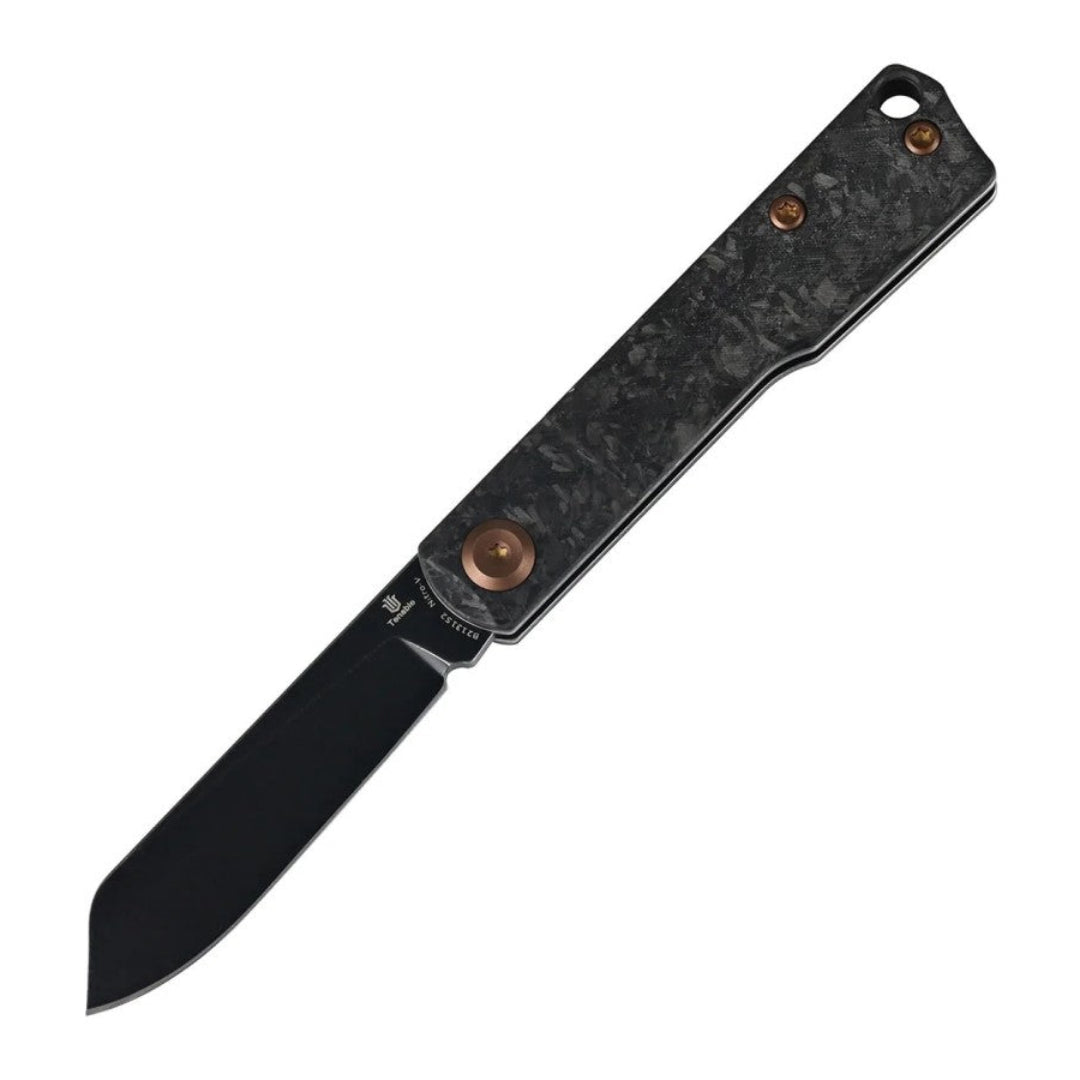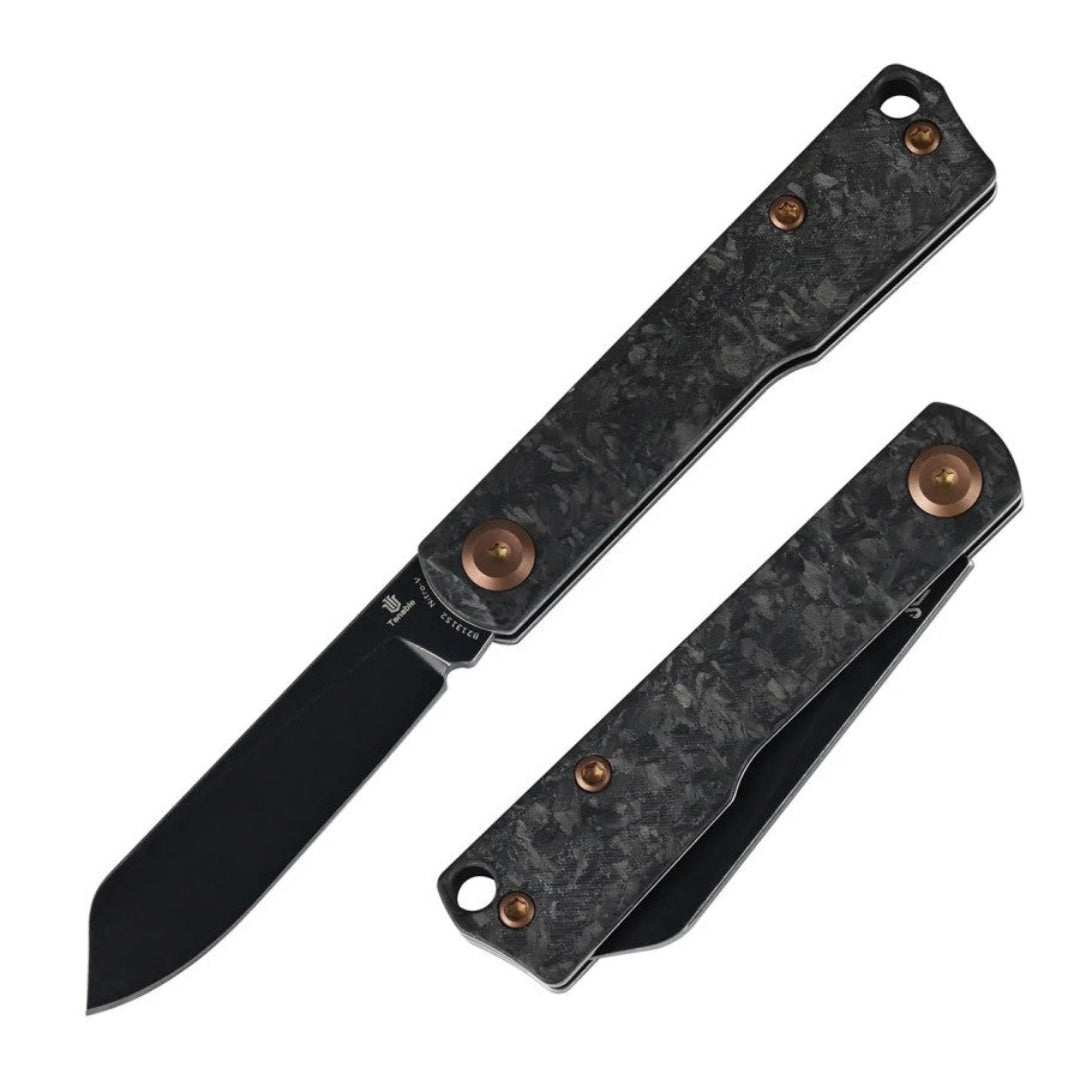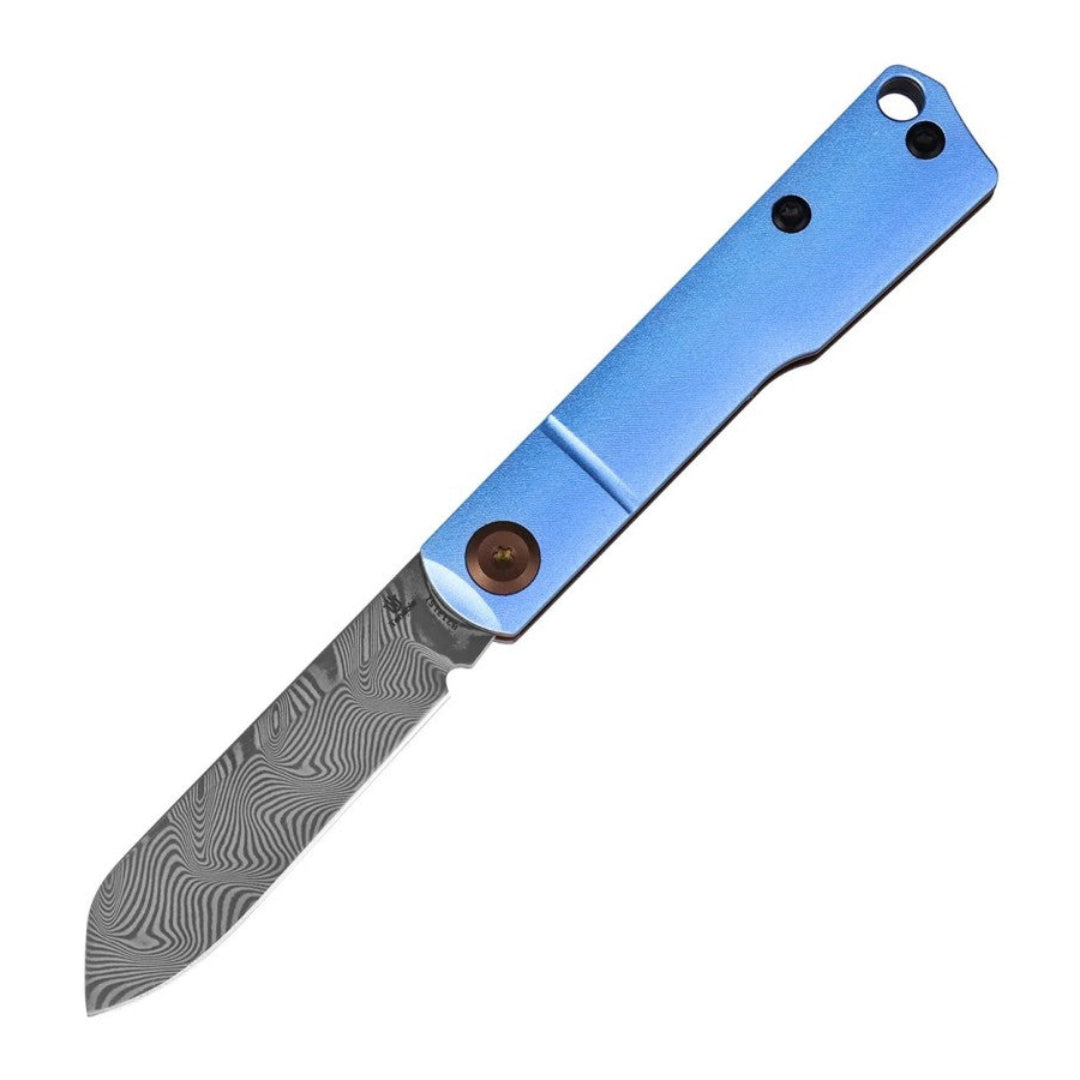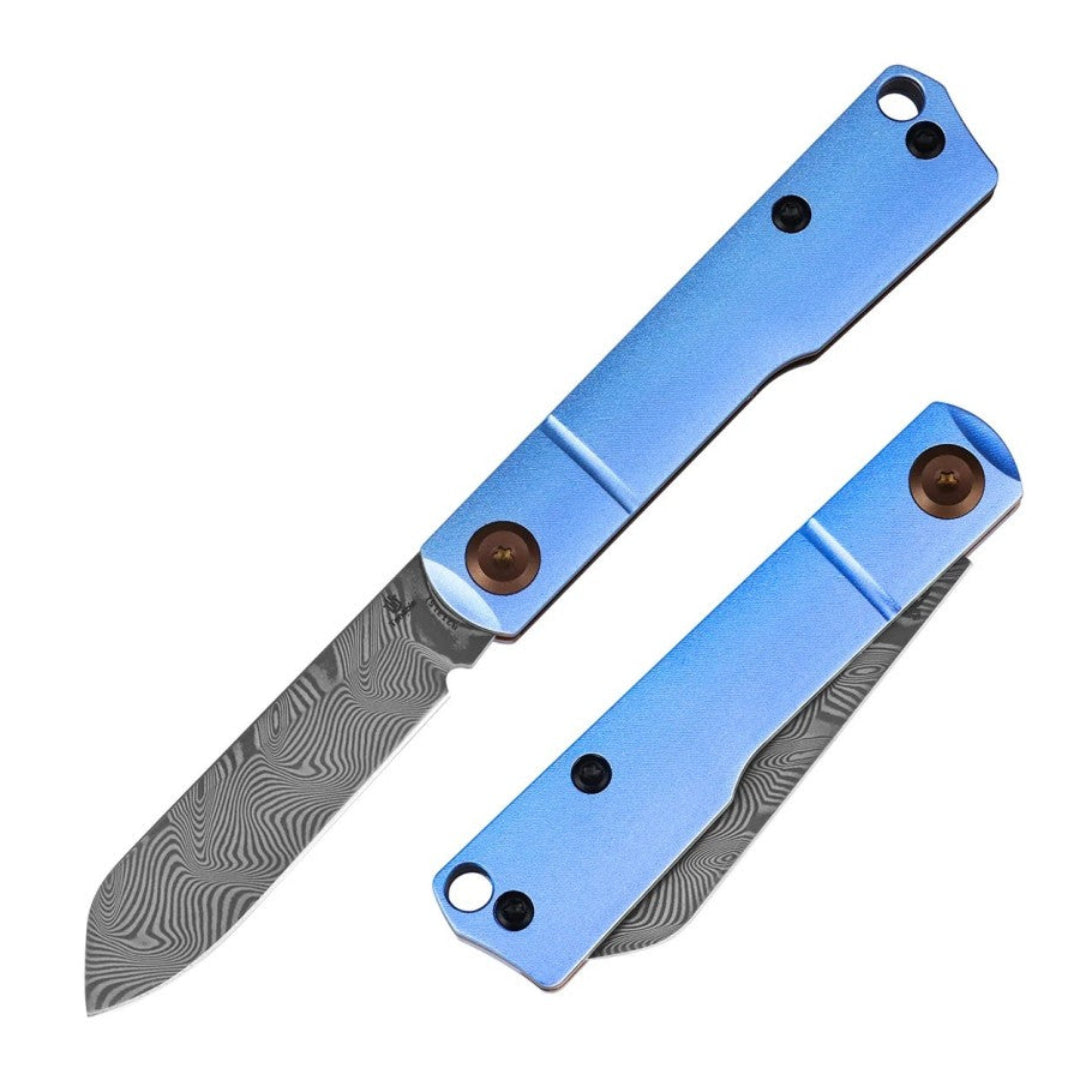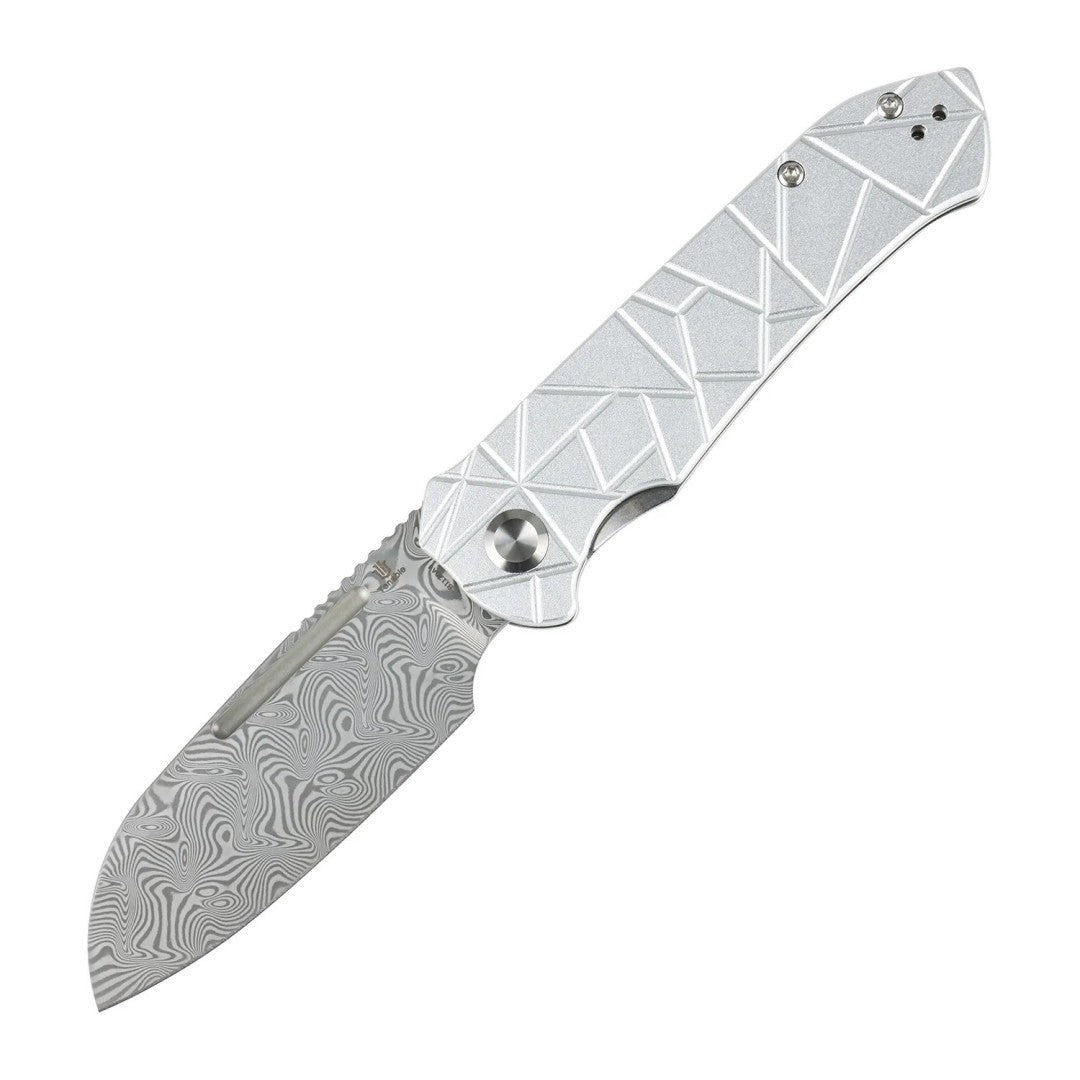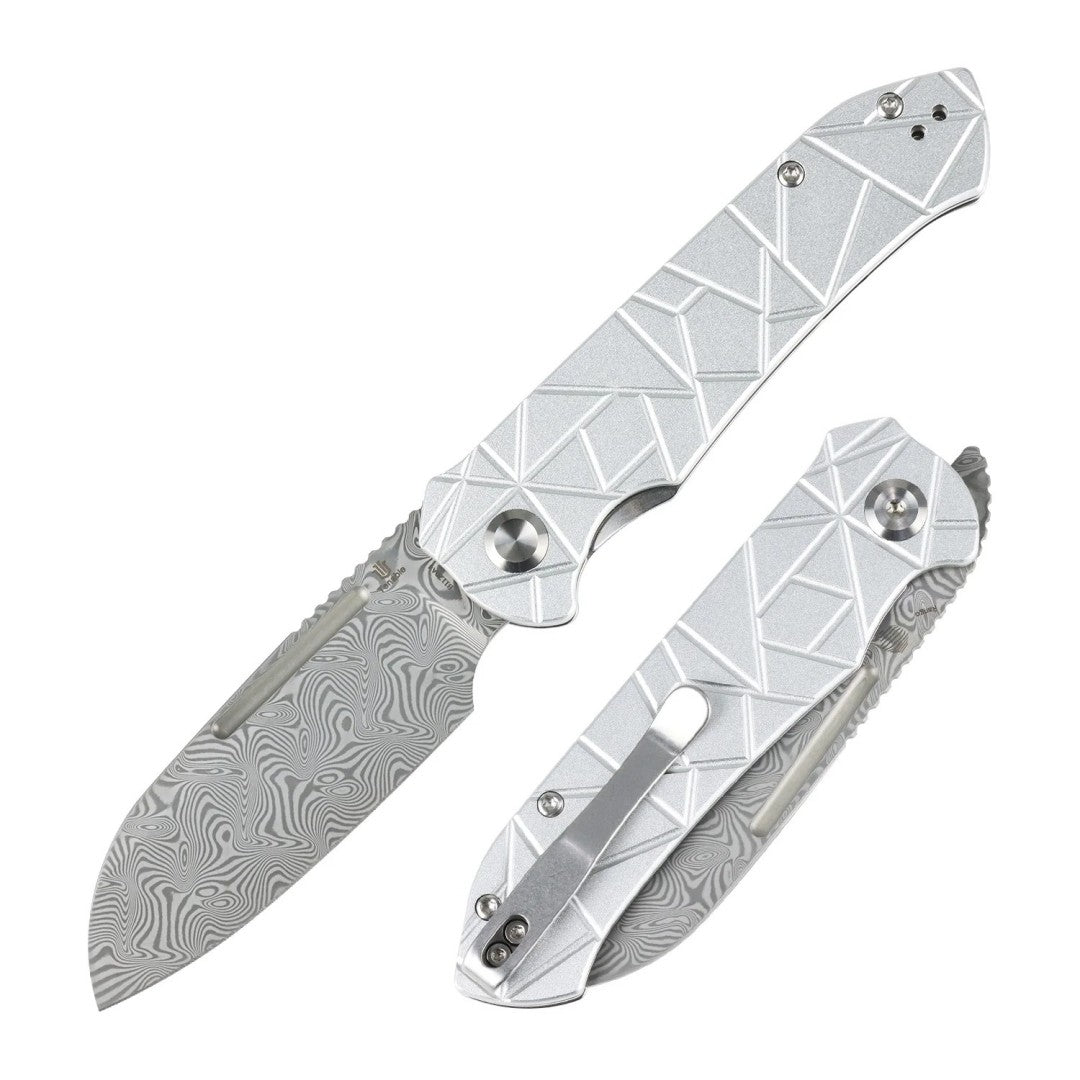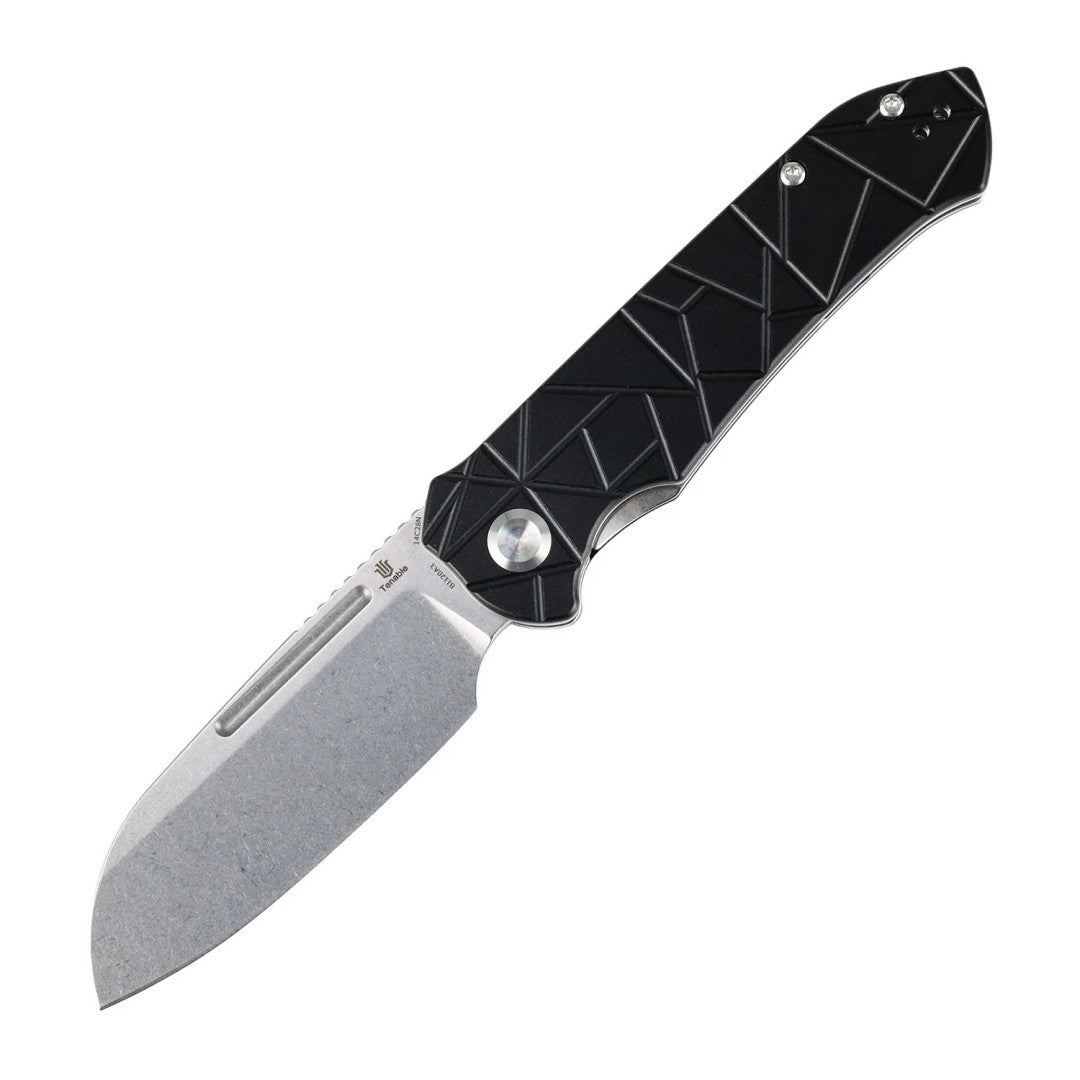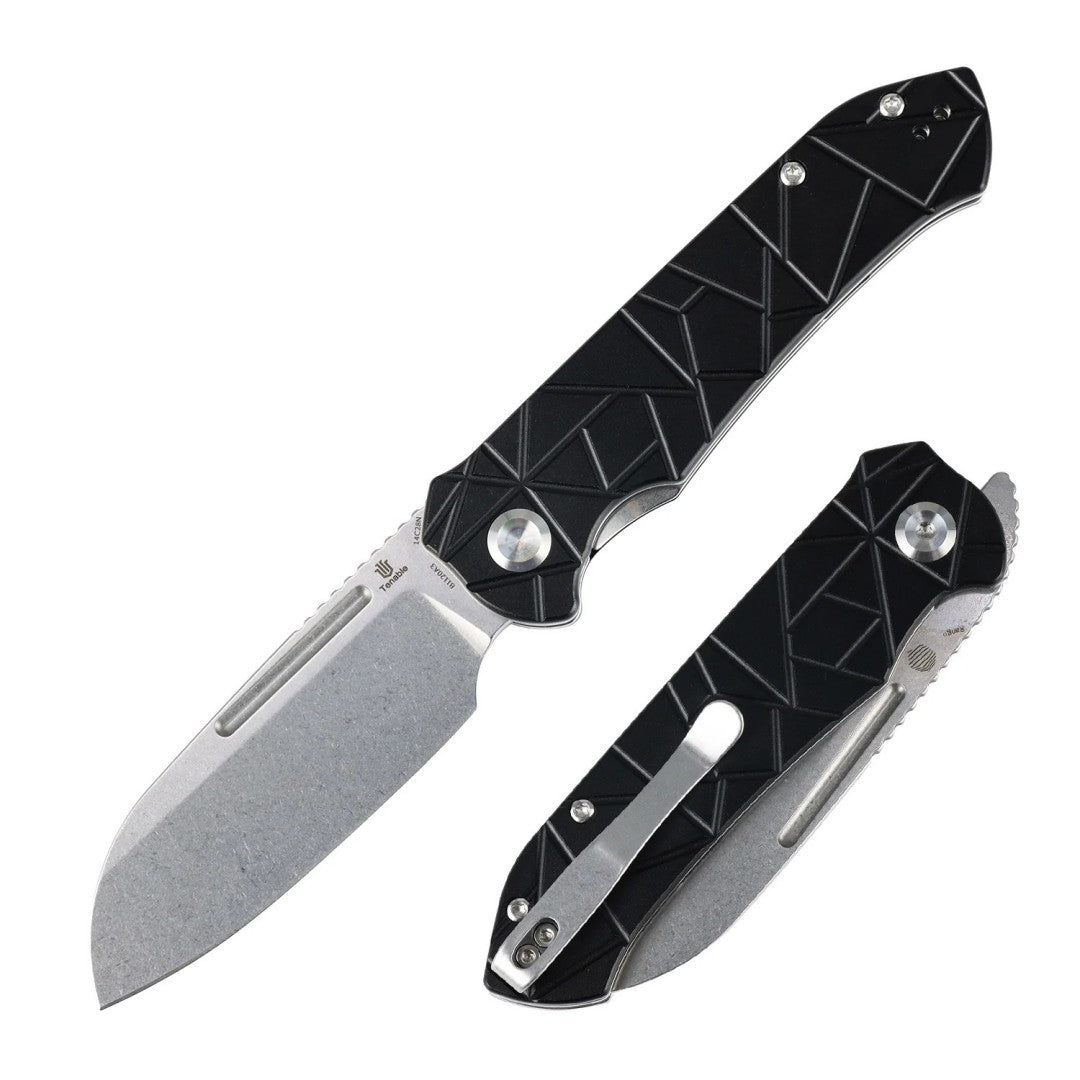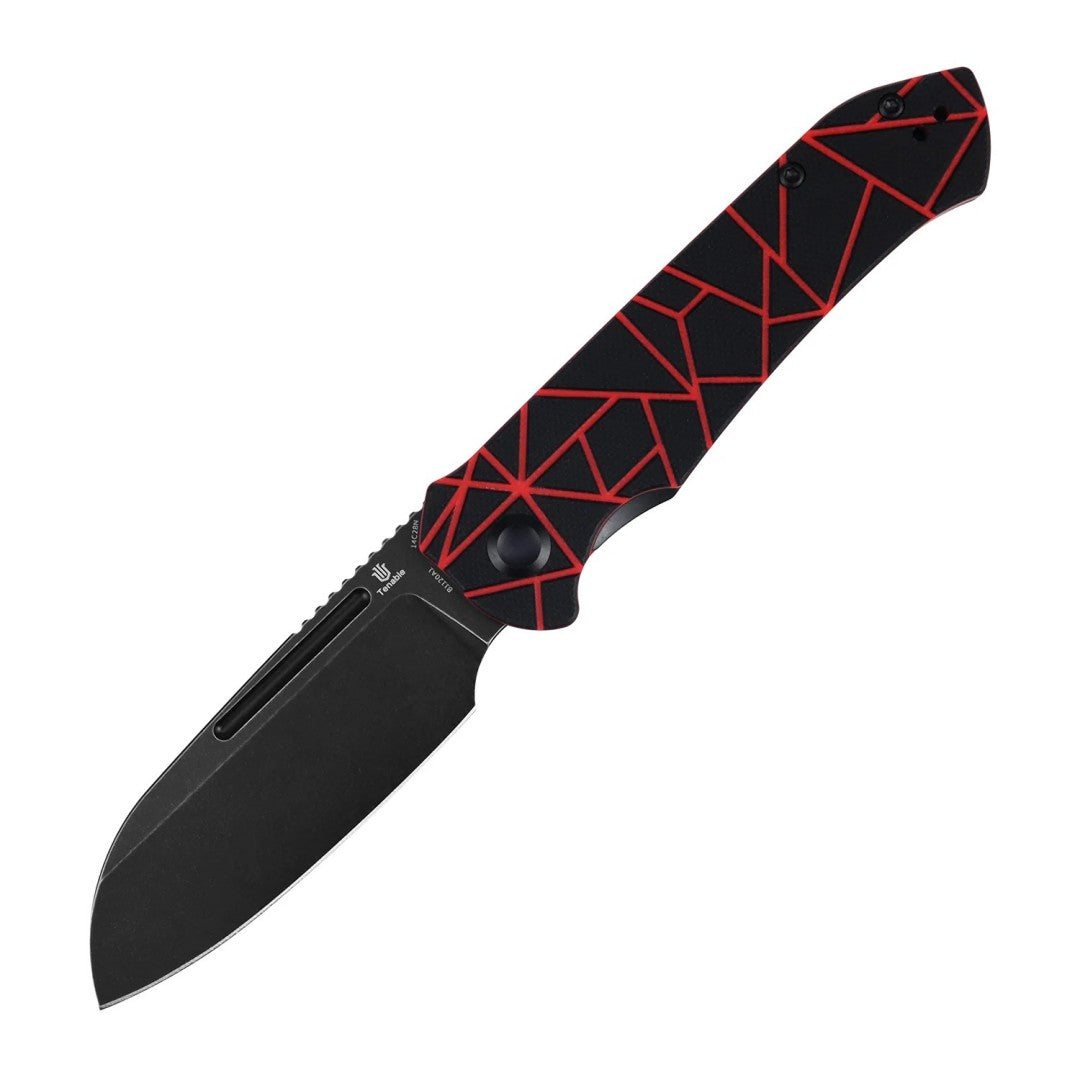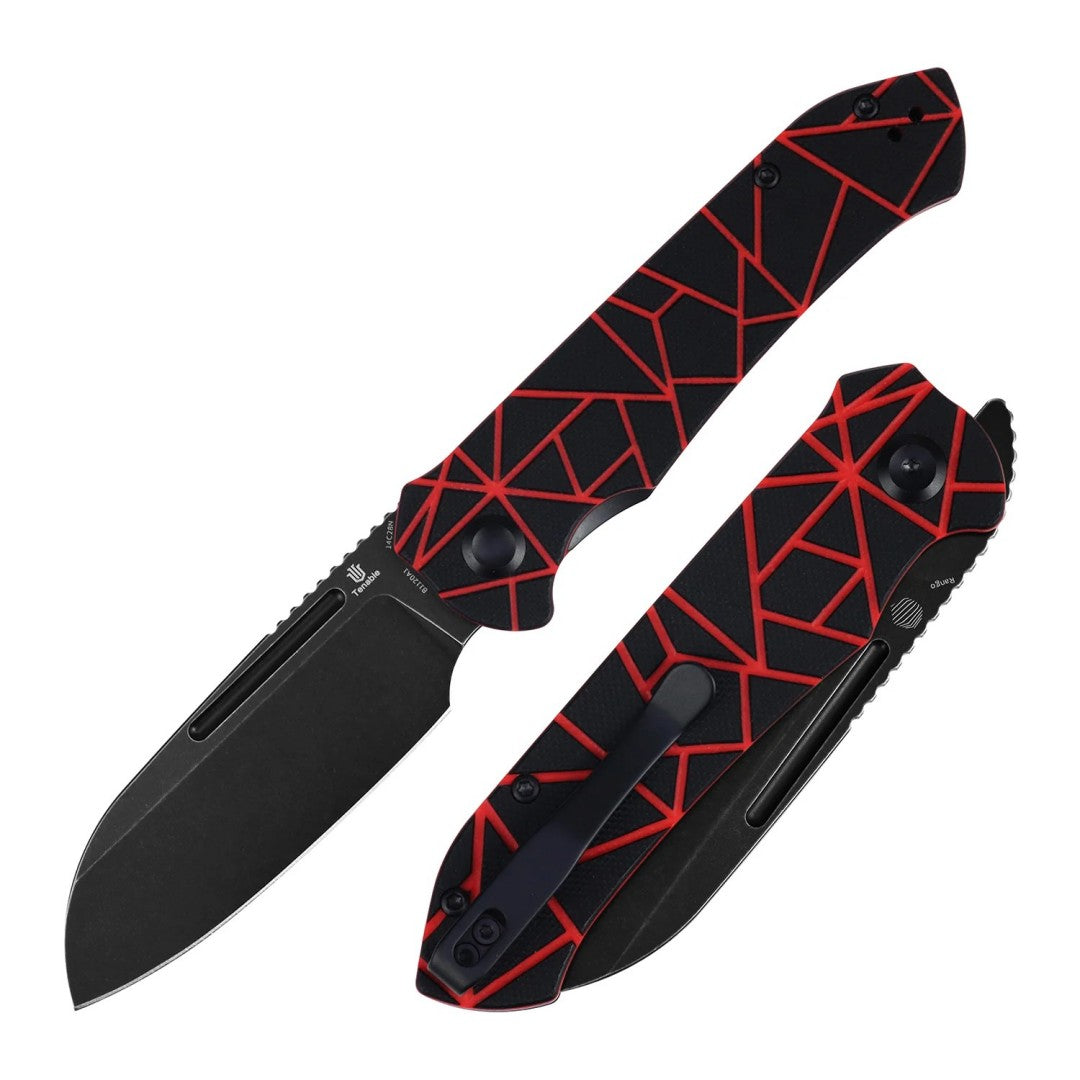

Whether you are deep in the backcountry or managing heavy-duty utility tasks around the homestead, a reliable cutting tool is your most critical asset. Tenable has established itself as a premier manufacturer of hard-use tactical and outdoor gear, with the Tenable Loki fixed blade collection standing out as a pinnacle of rugged engineering. While many enthusiasts transition from a standard folding EDC pocket knife to a dedicated fixed blade for the added structural strength, the immense cutting power of a full-tang tool requires a refined understanding of operational safety. Utilizing the Tenable Loki Fixed Blade Knives series to its full potential means mastering proper handling, deployable safety, and field maintenance to ensure your tool remains a safe, effective extension of your hand.

Safe Extraction and Sheath Mechanics
Safety with a fixed blade knife begins before the edge ever touches a piece of material. The Loki series comes equipped with a custom-molded, high-retention Kydex sheath designed to lock the steel firmly in place. Accidentally pulling the knife with improper hand placement is a primary cause of field injuries.
To extract the knife safely, always establish a solid grip on the handle with your dominant hand while your thumb rests firmly against the flared thumb-ramp of the Kydex sheath. Push off against the ramp with your thumb while pulling the handle in the opposite direction. This controlled leverage breaks the friction lock smoothly, preventing the knife from jerking free unexpectedly and swinging toward your body or your support hand. When returning the knife to the sheath, guide the tip in slowly, ensuring your fingers are completely clear of the sheath opening until you hear the audible "click" that confirms the blade is fully secure.
The Dynamics of a Secure Grip
Designer Steven Dunnuck specifically engineered the Loki handle with a deep forward finger choil and contoured scales to maximize ergonomic safety. When using the knife for heavy cutting, your index finger should sit securely within this choil, which acts as a physical barrier preventing your hand from sliding forward onto the sharp D2 tool steel edge if you strike a hard object like a hidden knot in a log.
Maintain a wrap-around hammer grip for forceful tasks like chopping or clearing brush. For fine detail work, such as making feather sticks or carving notches, choke up on the blade by placing your thumb on the jimping—the ridged notches along the spine of the blade. This distribution of pressure dramatically increases control and reduces the likelihood of the blade glancing or slipping off the material.

Managing the Cutting Zone
Because a fixed blade does not fold, the cutting edge is always live when drawn. Establishing a safe workspace, often referred to in survival training as the "Blood Bubble," is paramount:
-
Establish a Clearance Radius: Before initiating a cut, ensure that no other person or pet is within an arm's length plus the length of the blade in any direction.
-
Cut Away From the Body: Always direct your cutting strokes away from your torso, legs, and support hand. If the blade slips through the material unexpectedly, its momentum should carry it into open air, not into your limbs.
-
Mind Your Support Hand: Never place your non-dominant hand directly in the path of the blade to hold a piece of wood or rope. Secure the material behind or well to the side of the cutting path.
Safety Through Proper Sharpness
A common misconception among novice knife users is that a razor-sharp blade is more dangerous than a dull one. In reality, a dull knife is infinitely more hazardous. When a blade loses its biting edge, you are forced to apply excessive downward and lateral pressure to force the steel through the material. This extra exertion reduces your fine motor control, causing the knife to bounce or slip violently.
The high-carbon D2 steel on the Loki fixed blade retains its edge exceptionally well, but regular maintenance is required to keep it operating safely. Spend a few minutes after each use running the blade along a leather strop or fine ceramic rod. Keeping the edge fine and true ensures that the knife bites cleanly into wood, rope, or cardboard with minimal effort, allowing you to maintain complete control over the tool's trajectory.

Operational Longevity and Care
A safe knife is a clean, well-maintained knife. After exposing your Loki to moisture, sap, or soil during outdoor tasks, wipe the blade completely clean before re-sheathing it. While finishes like gray TiCn or blackwash provide robust surface protection, the underlying D2 steel thrives when given a light coat of mineral oil to prevent micro-oxidation. By respecting the mechanical design of your Tenable Loki and committing to disciplined handling habits, you ensure that your fixed blade remains a safe, dependable, and high-yielding asset for every adventure.