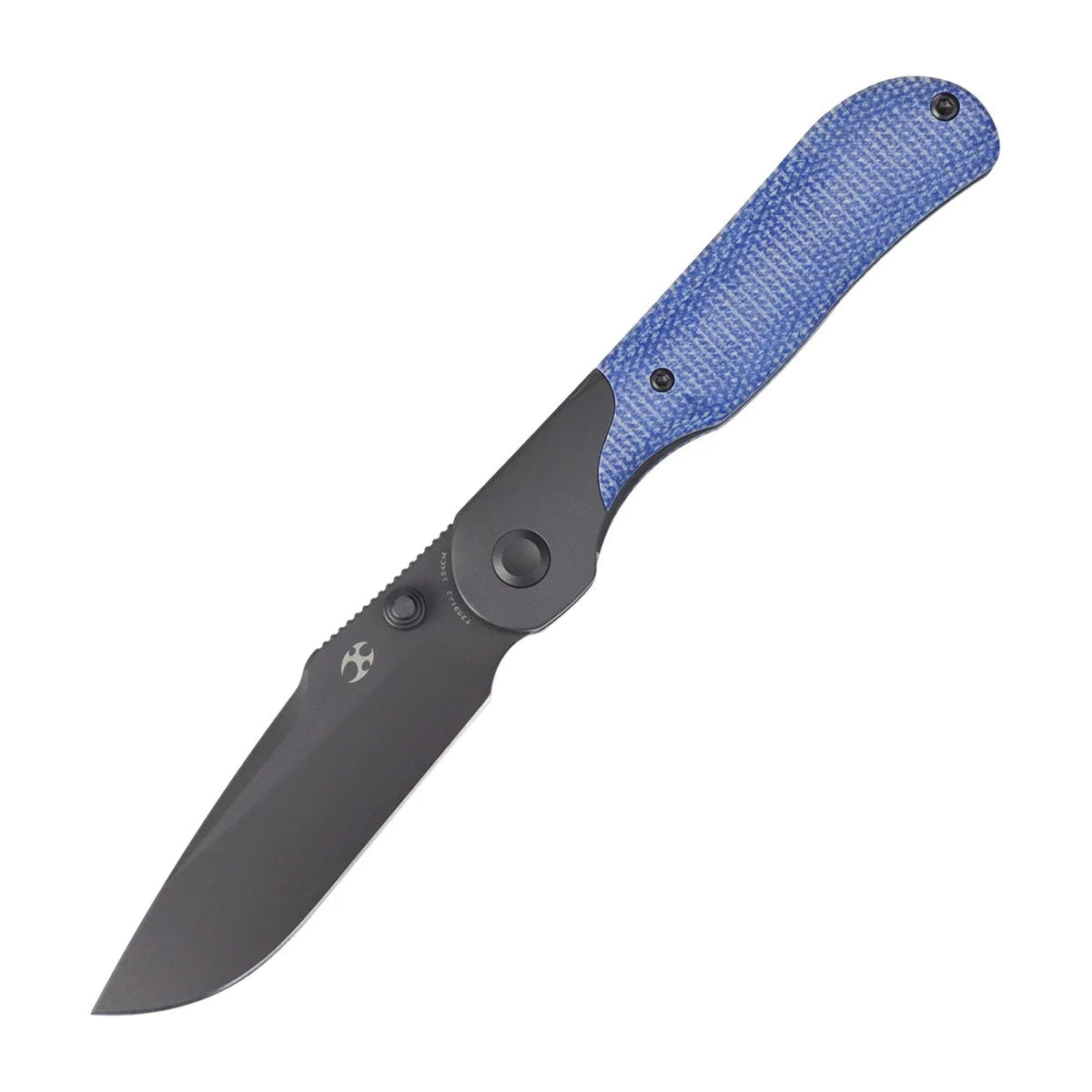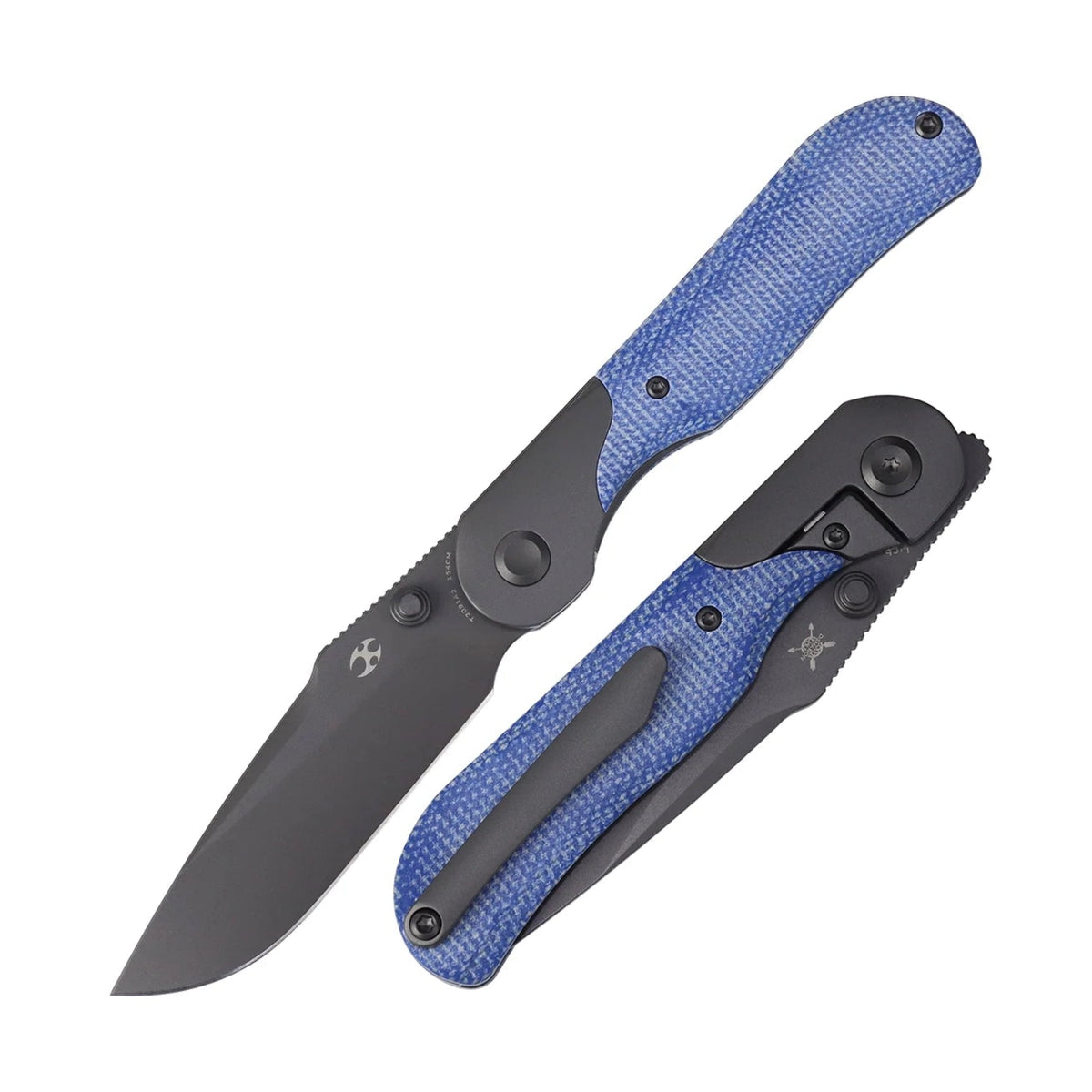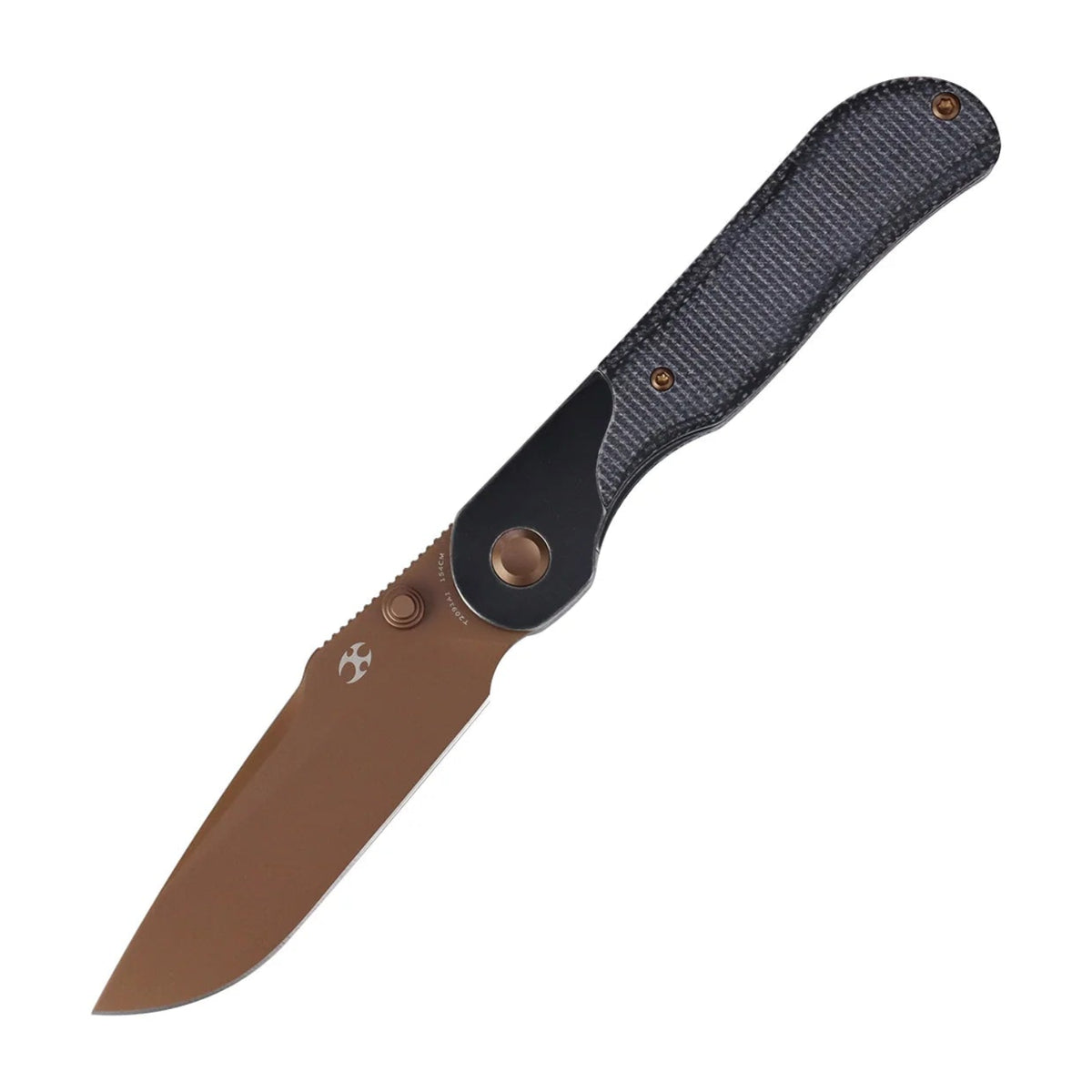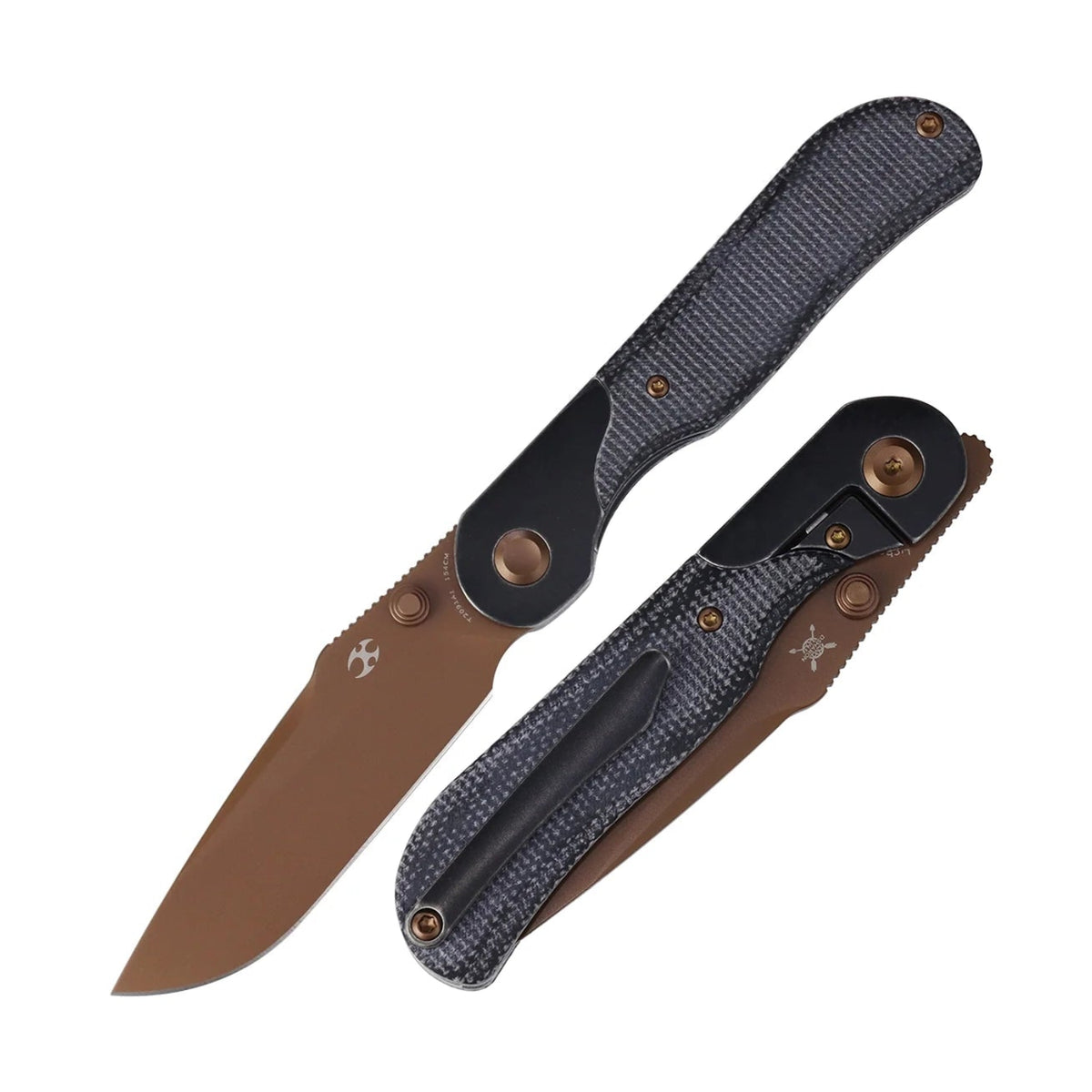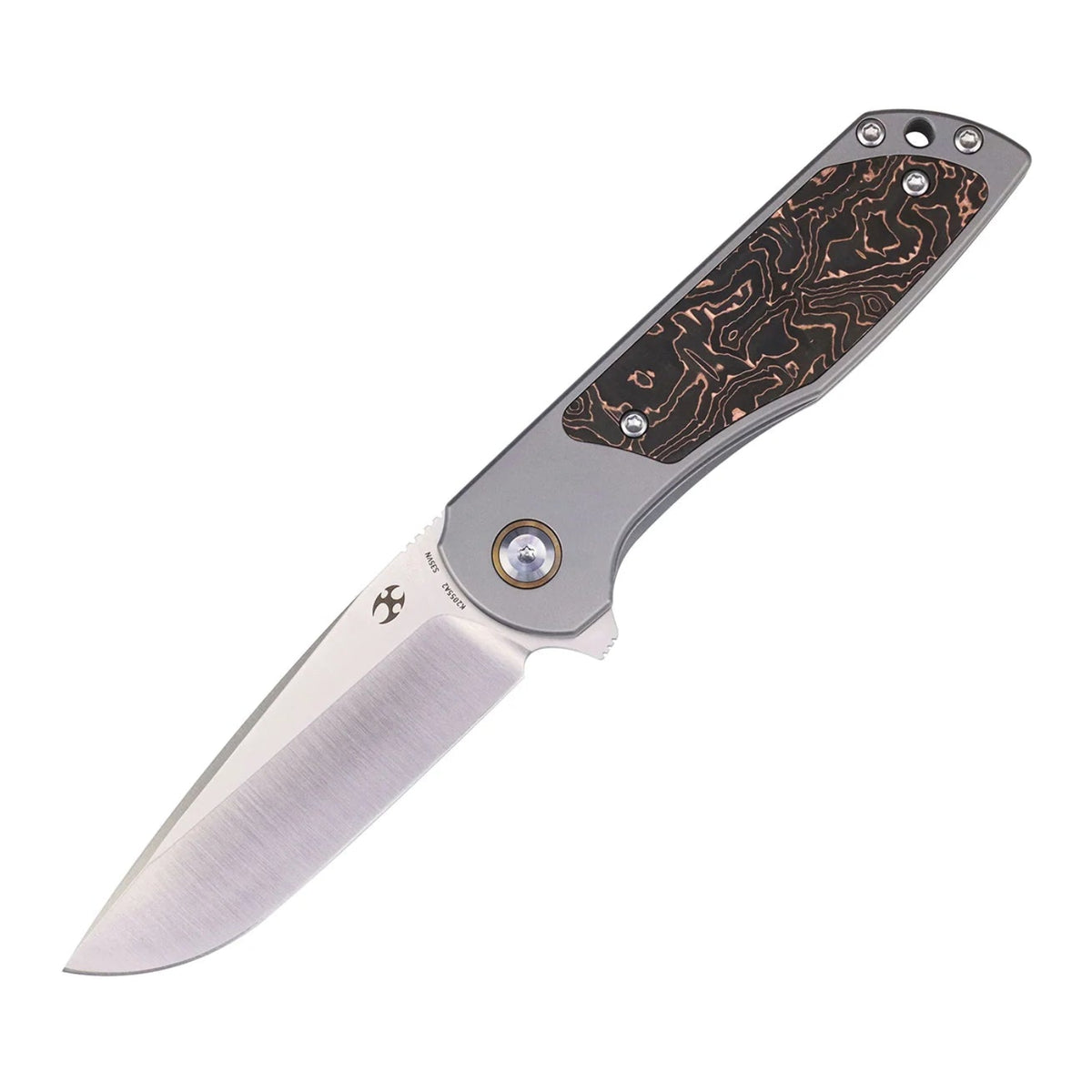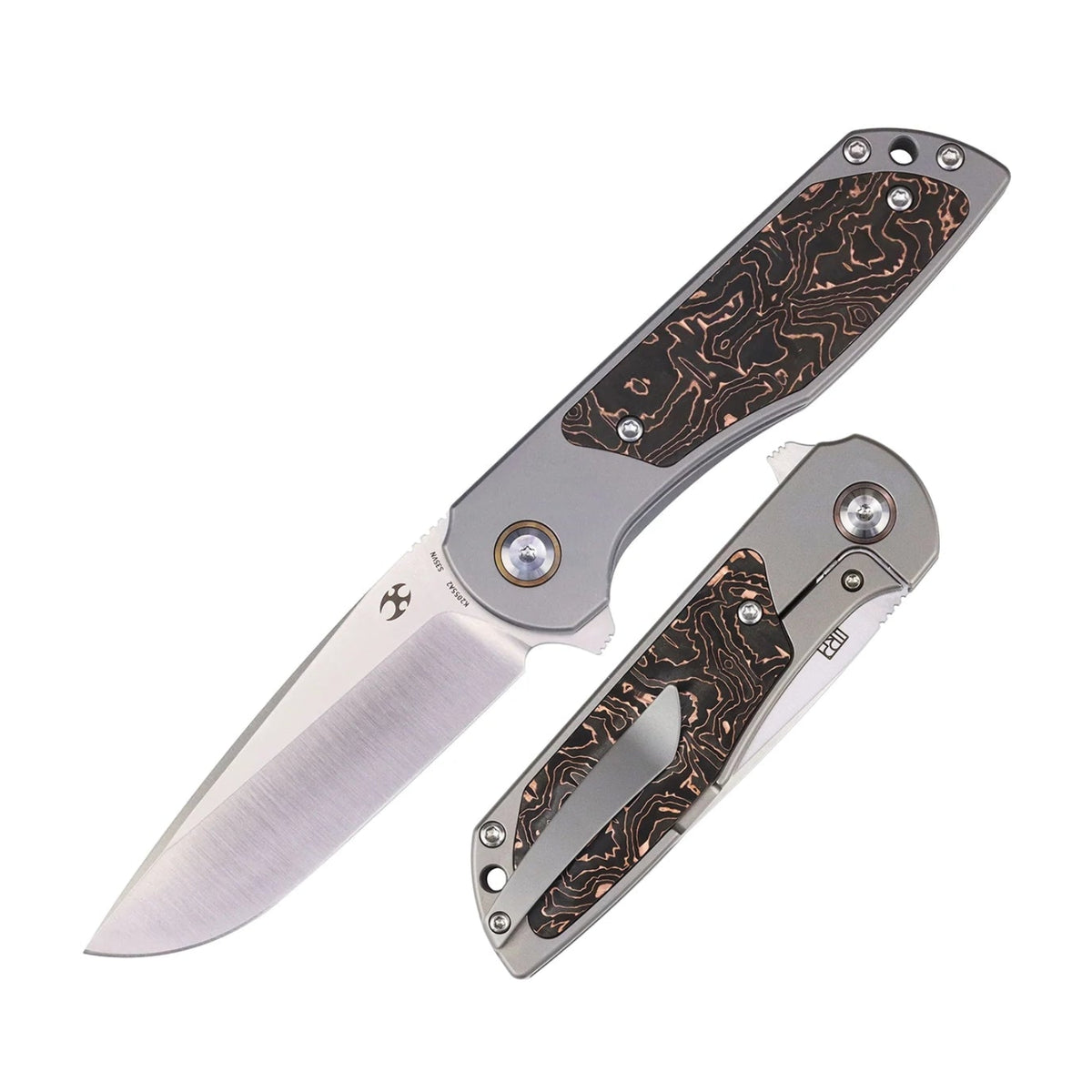
When it comes to choosing between CTS BD1N and N690 steel, the decision depends on your specific needs and use case. Both are popular stainless steel options used in knife blades and cutting tools, but they have distinct characteristics that set them apart.
Understanding CTS BD1N
CTS BD1N is a premium stainless steel known for its excellent edge retention and corrosion resistance. It offers a good balance between hardness and toughness, making it a reliable choice for everyday cutting tasks. The steel maintains its sharpness well over extended use and is relatively easy to sharpen when needed. Its composition makes it resistant to rust and staining, which is particularly valuable in humid environments or when exposed to moisture regularly.
Understanding N690
N690 is another high-quality stainless steel that emphasizes corrosion resistance and ease of maintenance. It's known for being extremely resistant to rust and oxidation, making it ideal for harsh environments or situations where frequent cleaning isn't possible. N690 holds an edge reasonably well, though it may not match the edge retention of some premium alternatives. The steel is straightforward to sharpen and maintain, requiring minimal special care.
Key Differences
Edge Retention: CTS BD1N generally outperforms N690 in edge retention, staying sharp longer between sharpenings. If you prioritize cutting performance and don't mind regular maintenance, CTS BD1N is the better choice.
Corrosion Resistance: N690 excels in corrosion resistance and is better suited for wet or salty environments. If you work in challenging conditions or prefer minimal upkeep, N690 is the superior option.
Ease of Sharpening: Both steels are relatively easy to sharpen, but N690 is slightly more forgiving for those new to blade maintenance.
Which Should You Choose?
Choose CTS BD1N if you want superior edge retention and are willing to maintain your blade regularly. Choose N690 if corrosion resistance and low-maintenance performance are your top priorities. Your final decision should align with your intended use, environment, and maintenance preferences.