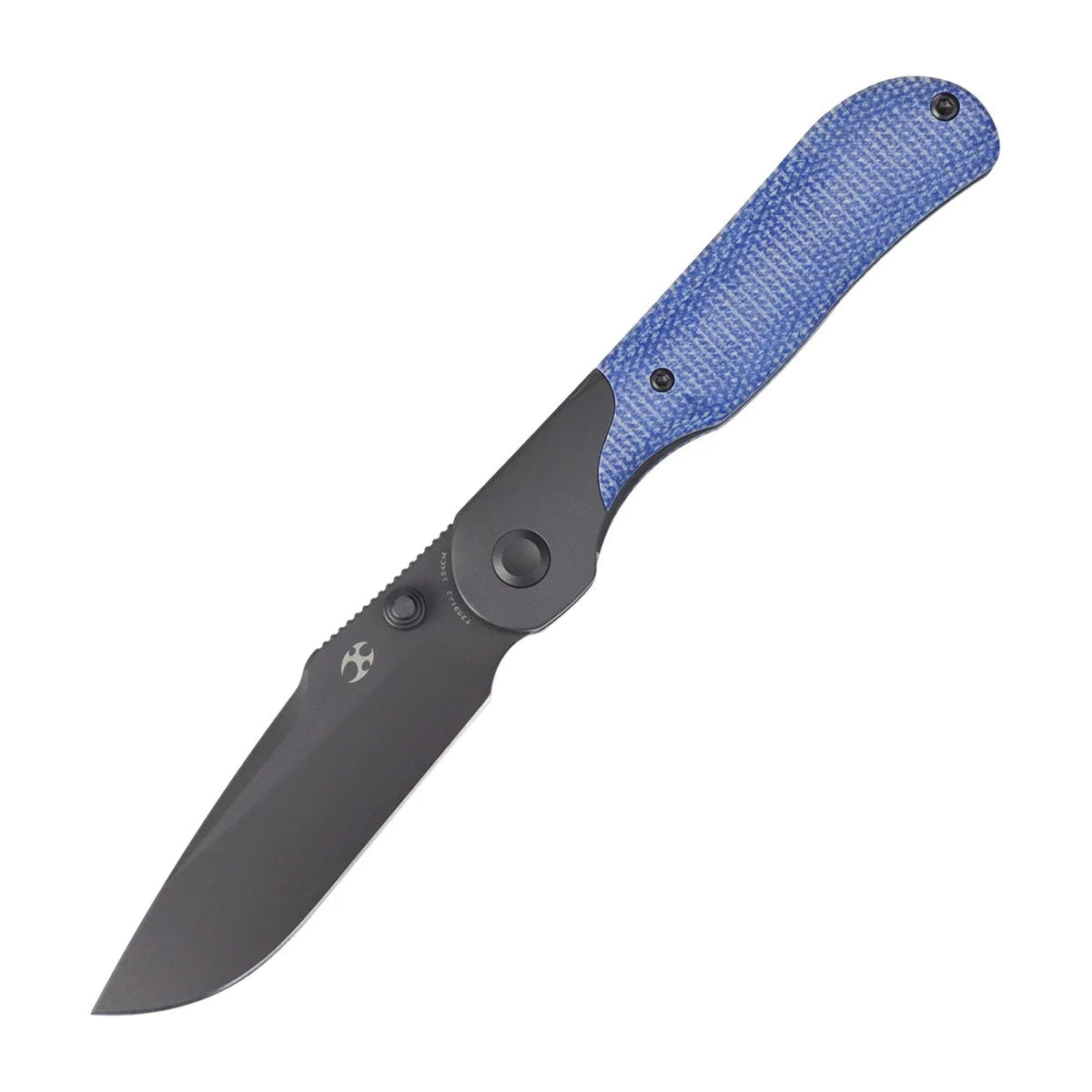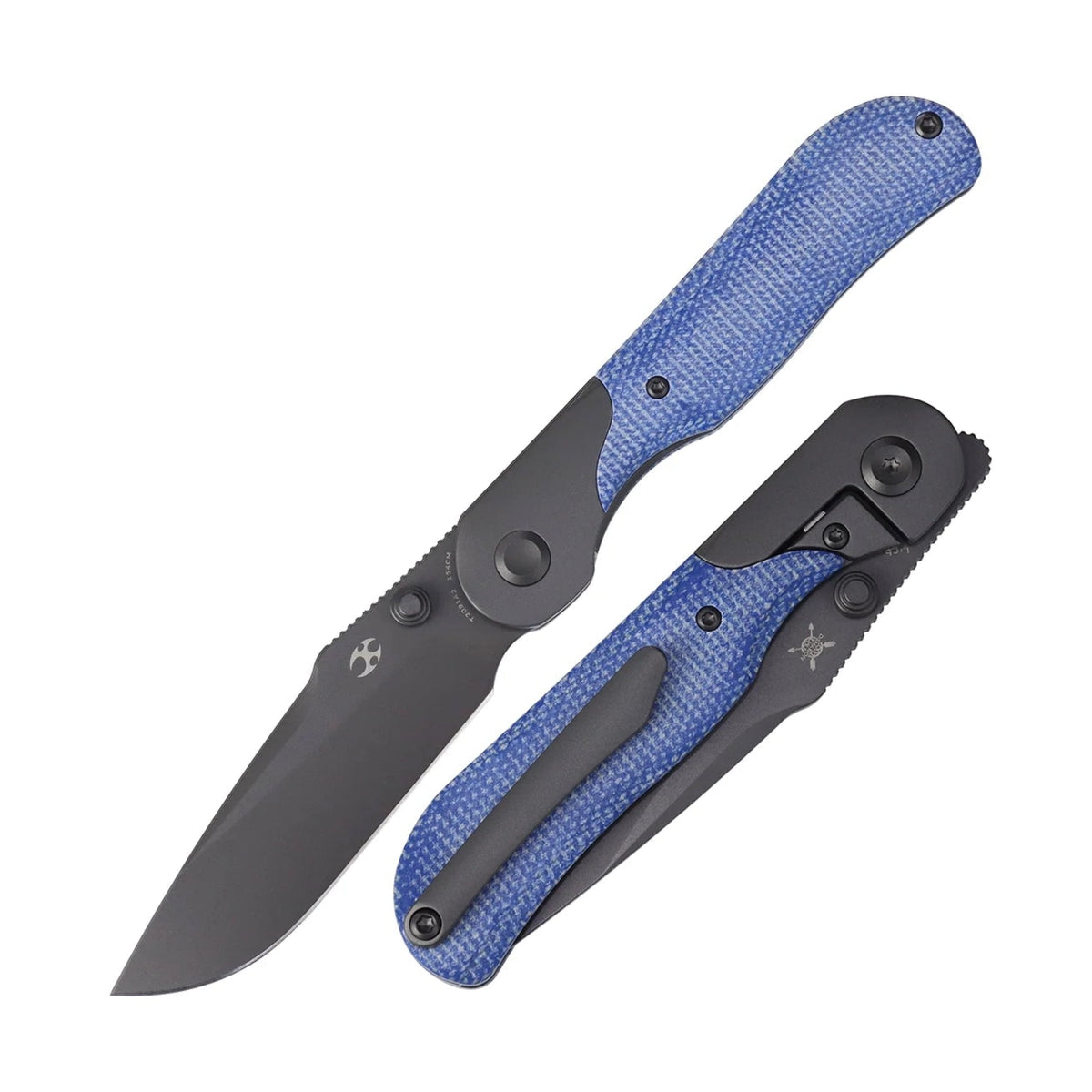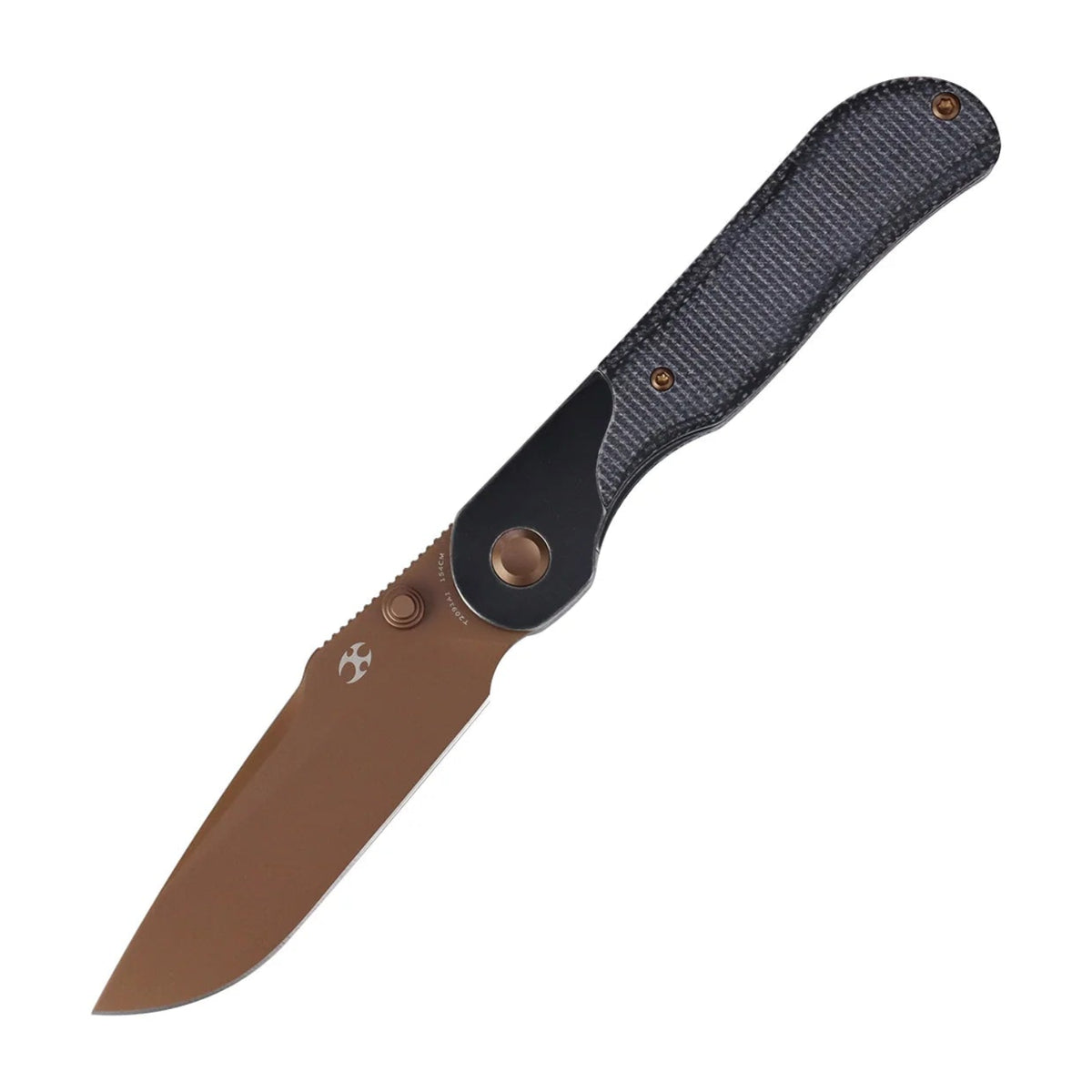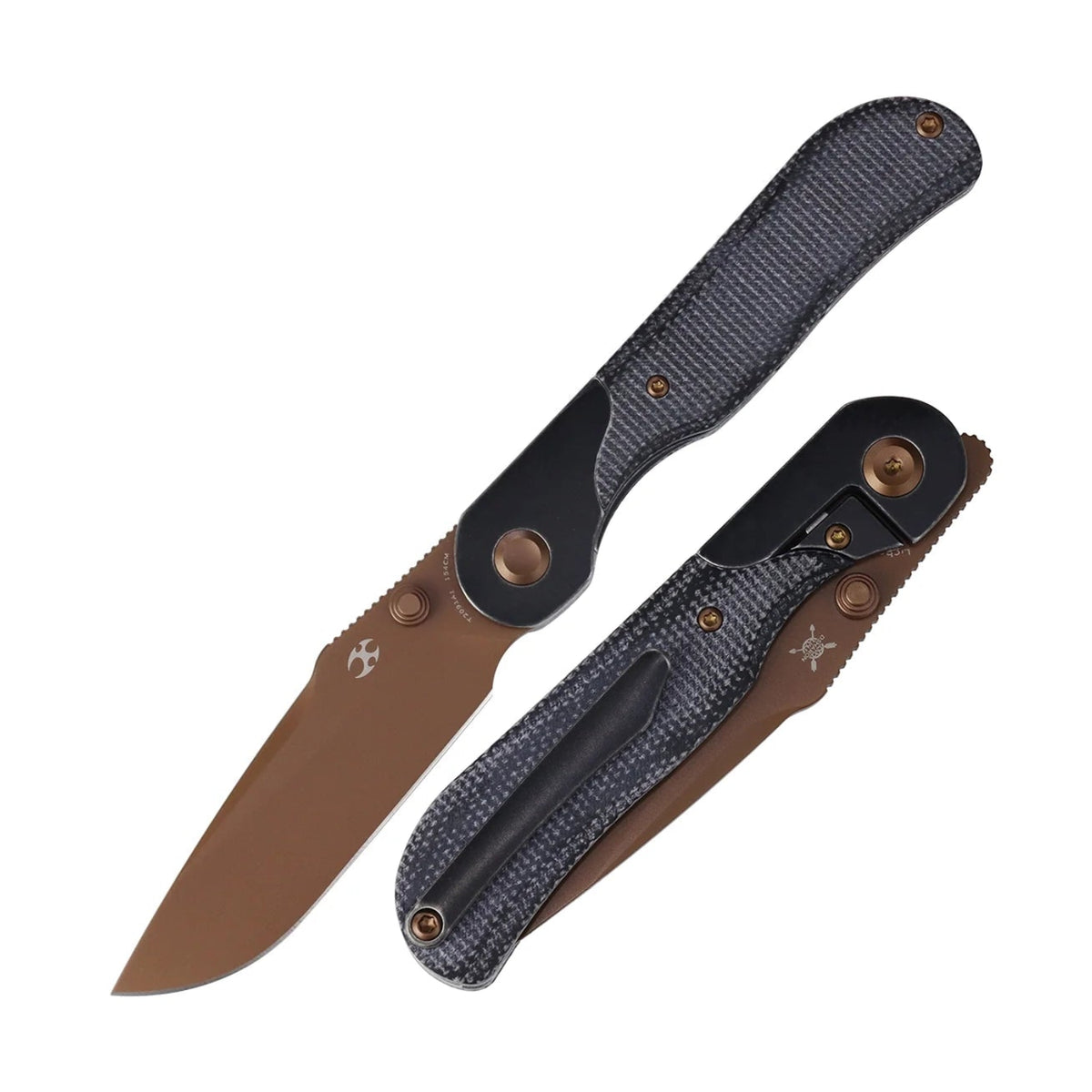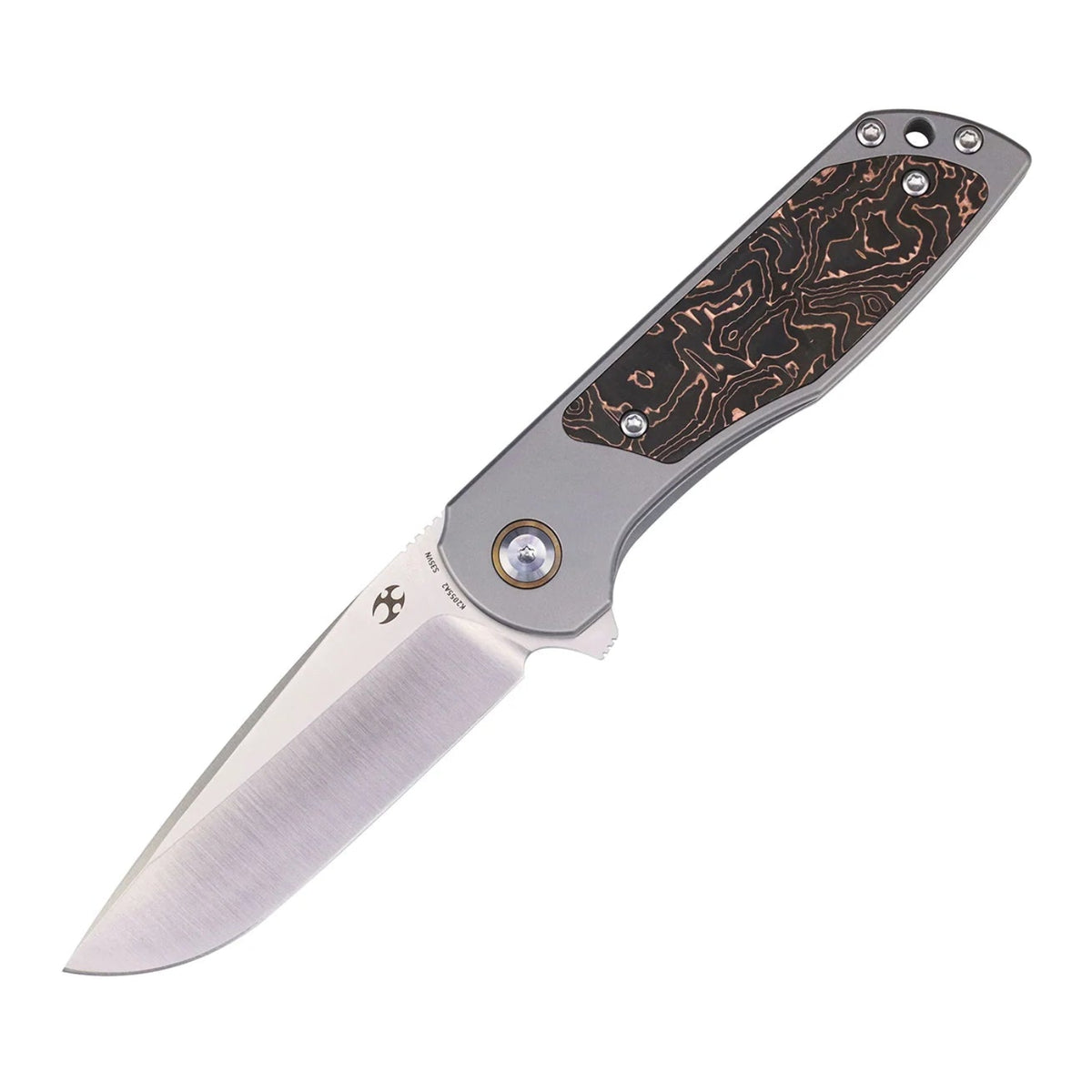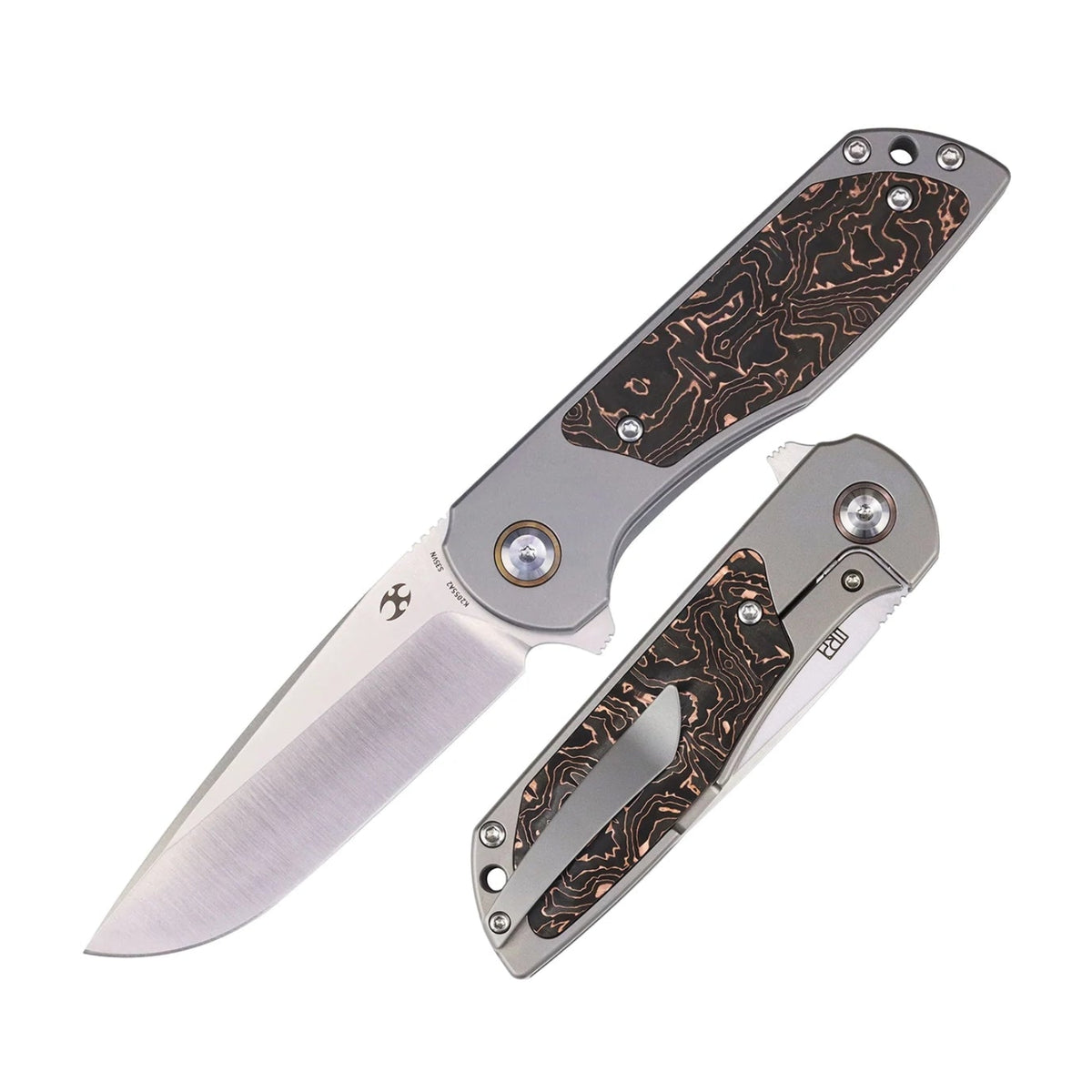
When comparing two popular knife steels, the choice between CTS BD1N and O1 depends on your specific needs and how you plan to use your blade. Both are respected options in the knife community, but they excel in different areas.
CTS BD1N: Modern Performance
CTS BD1N is a modern stainless steel developed for demanding cutting applications. It offers excellent edge retention and maintains a sharp edge through extended use. The steel resists corrosion well, making it ideal if you want minimal maintenance and don't want to worry about rust. CTS BD1N also provides good toughness, meaning it can handle impacts and stress without chipping easily. This makes it a versatile choice for everyday carry and general-purpose cutting tasks.
O1: Classic Reliability
O1 is a traditional carbon steel that has been trusted by craftspeople for generations. It's known for exceptional edge retention—many users find it holds a sharper edge longer than stainless alternatives. O1 is also easier to sharpen, which appeals to those who enjoy maintaining their tools. However, it requires more care since it's prone to rust and staining if not properly maintained. O1 works best for users who don't mind regular upkeep in exchange for superior edge performance.
Which Should You Choose?
Choose CTS BD1N if: You want a low-maintenance blade that resists corrosion, prefer stainless steel properties, and value convenience over frequent sharpening.
Choose O1 if: You're willing to maintain your blade regularly, prioritize maximum edge retention, enjoy the traditional feel of carbon steel, and appreciate easier sharpening.
Both steels are capable and reliable. Your decision ultimately comes down to your lifestyle, maintenance preferences, and what matters most in your cutting experience.