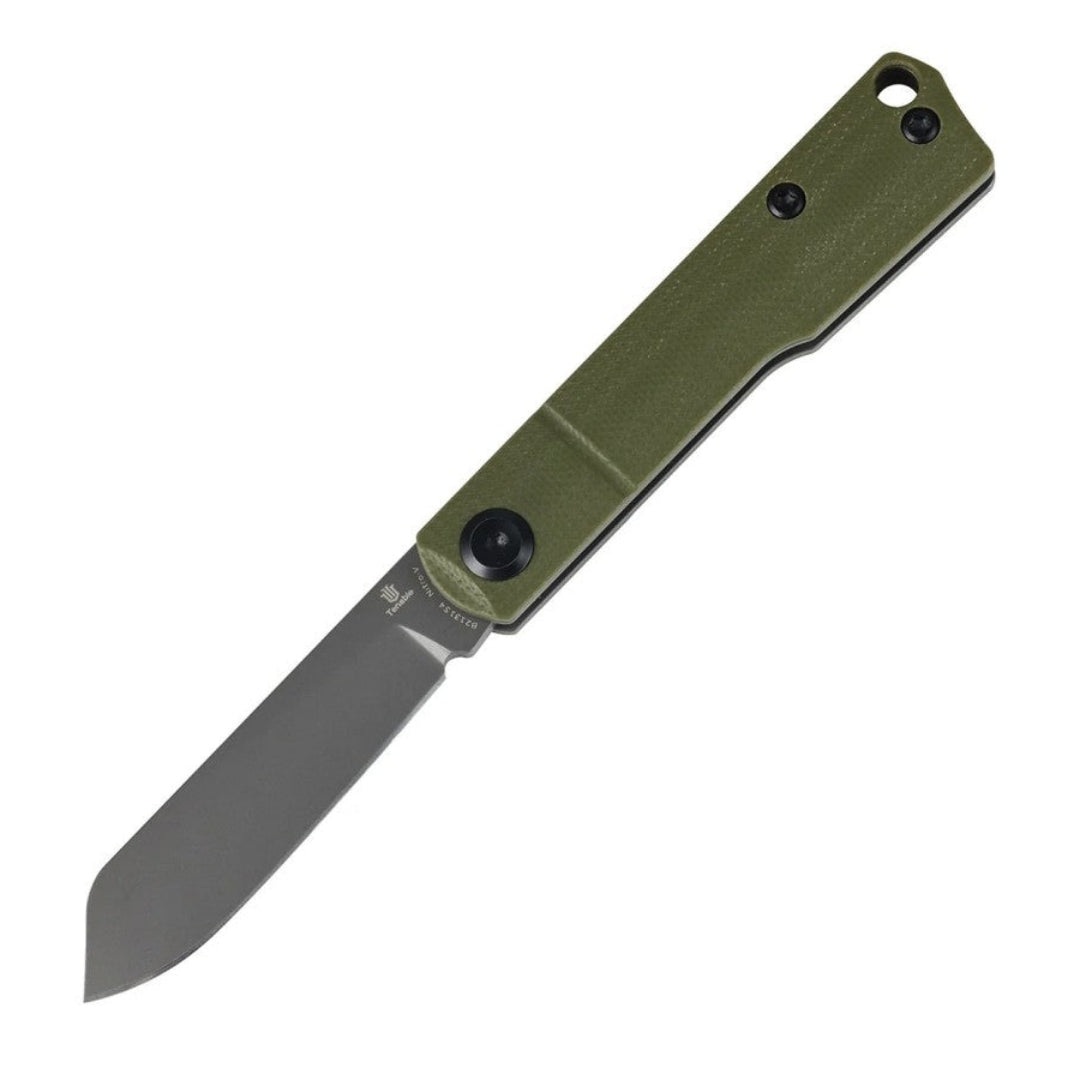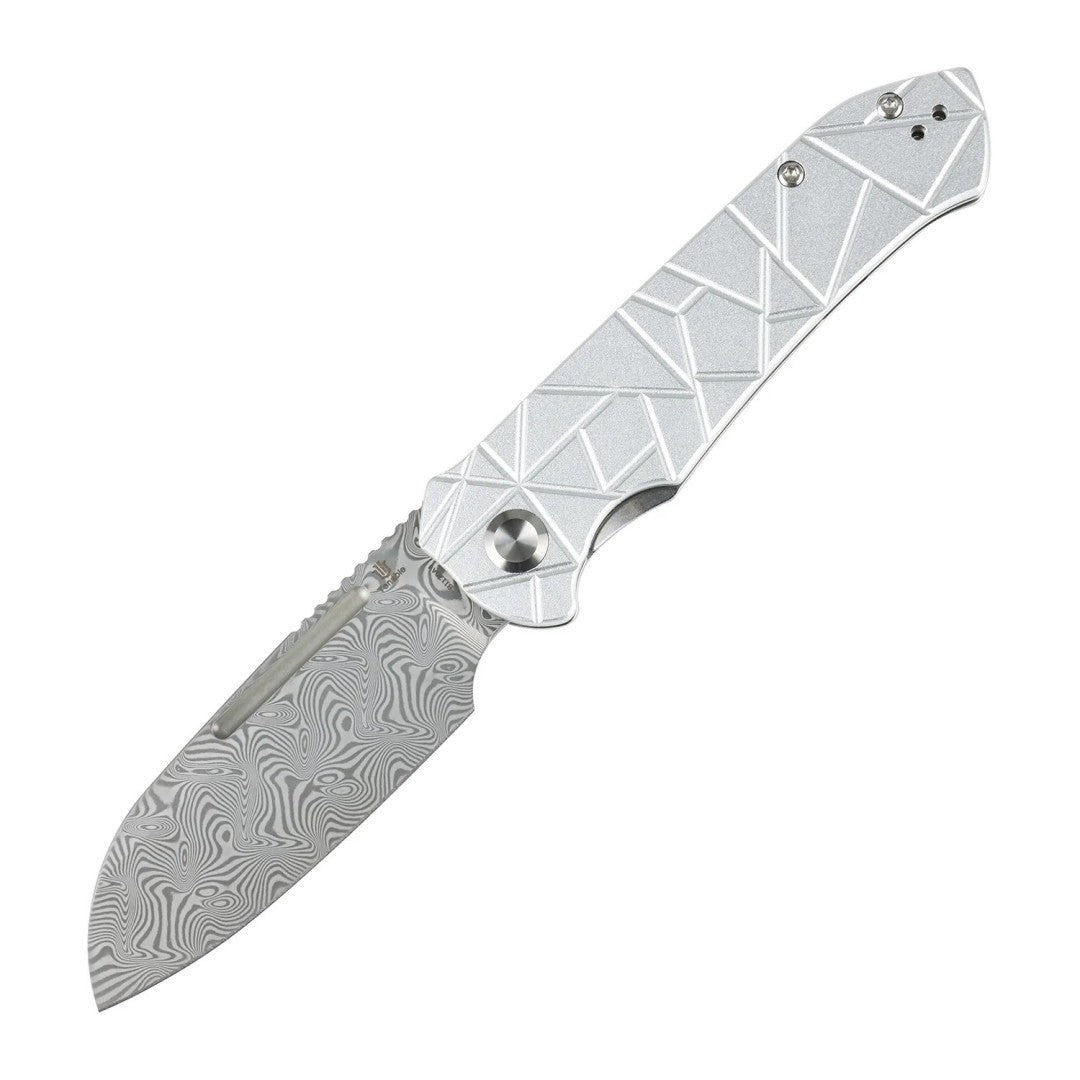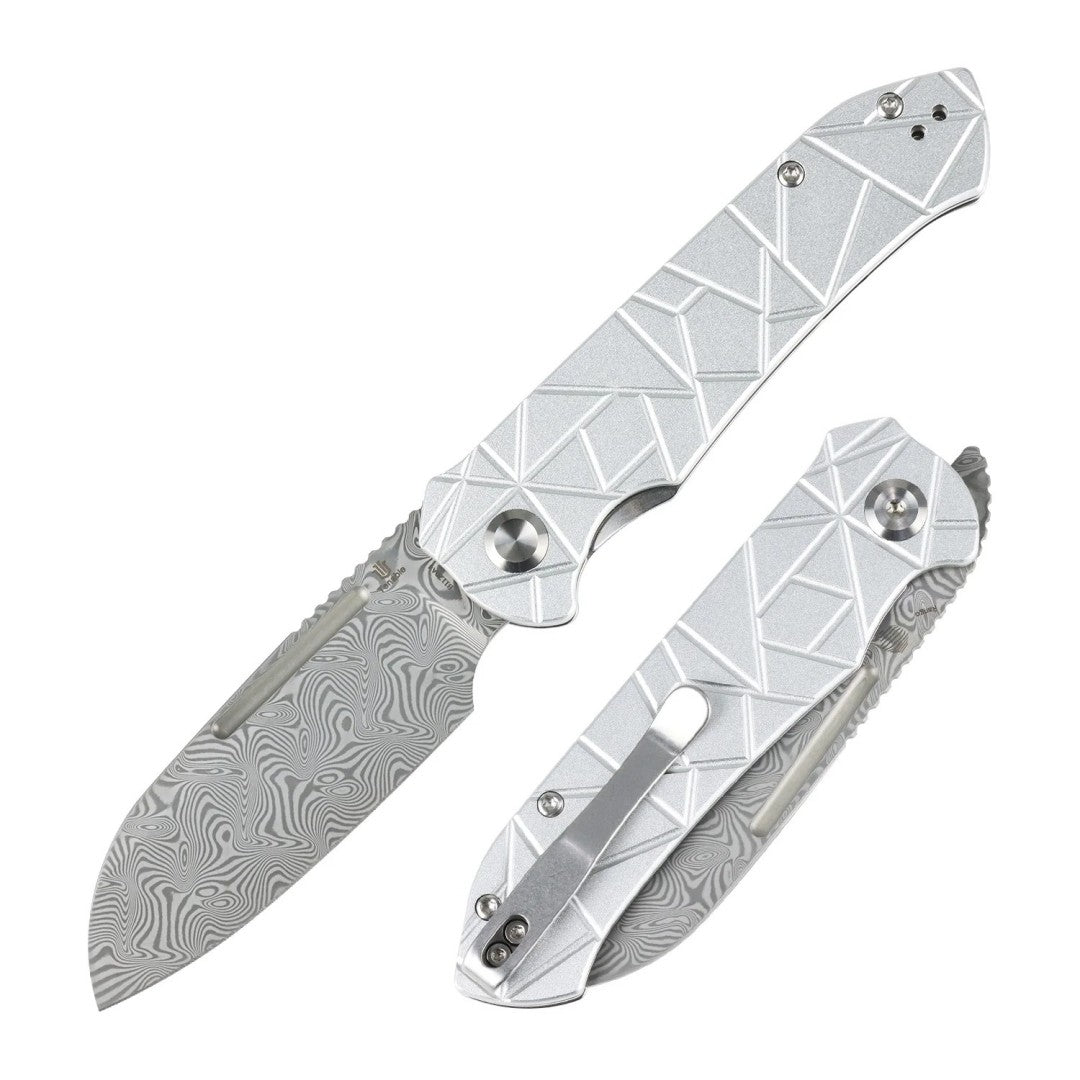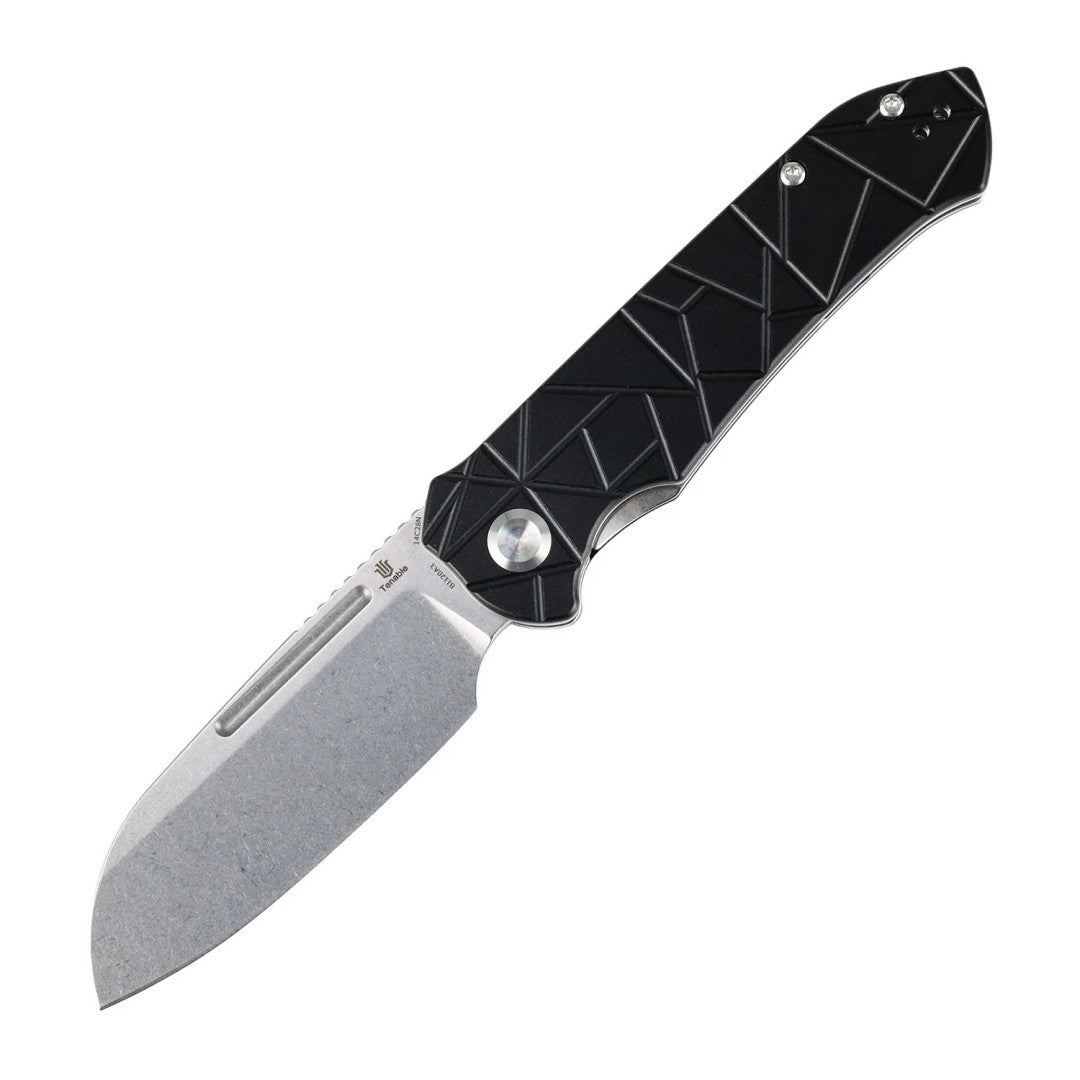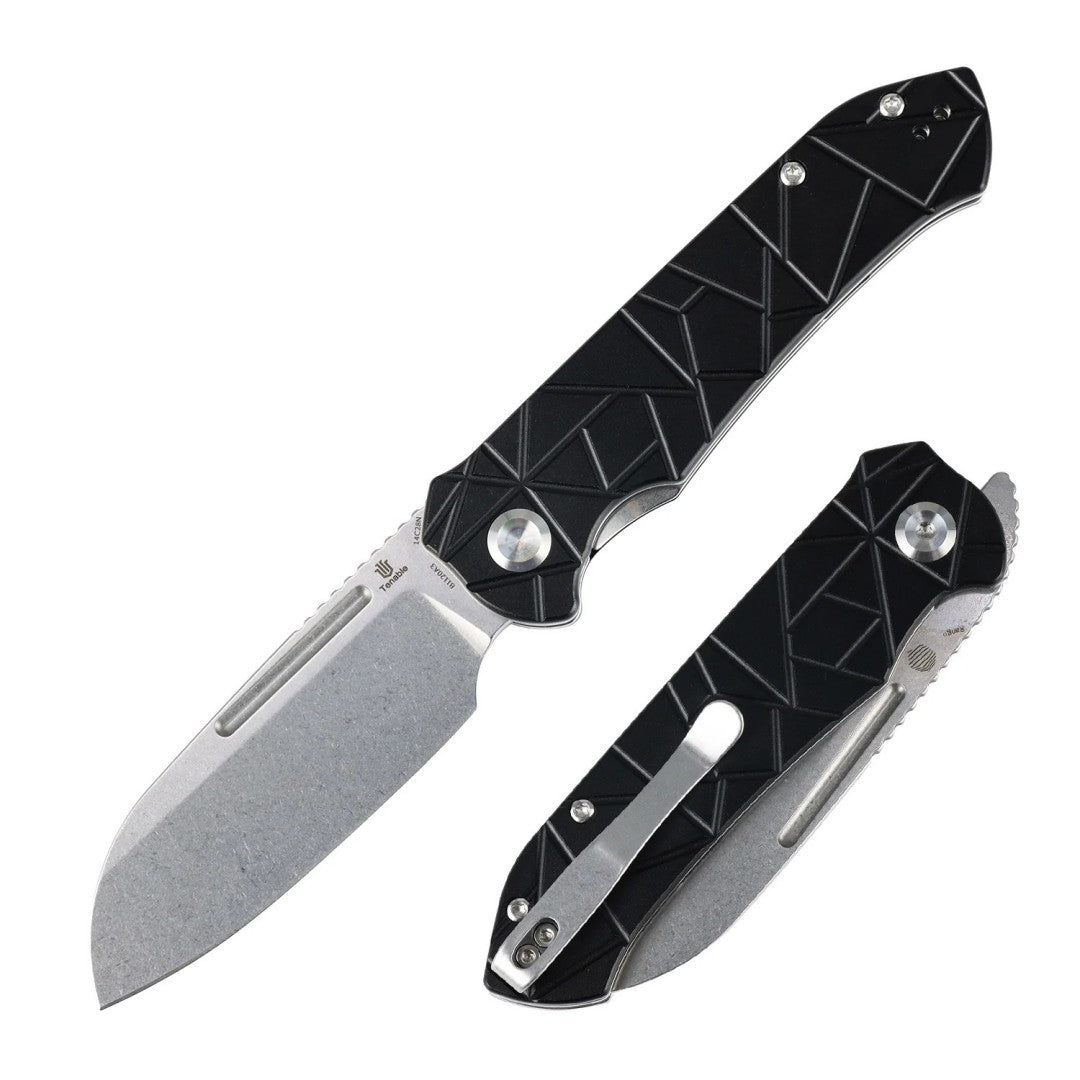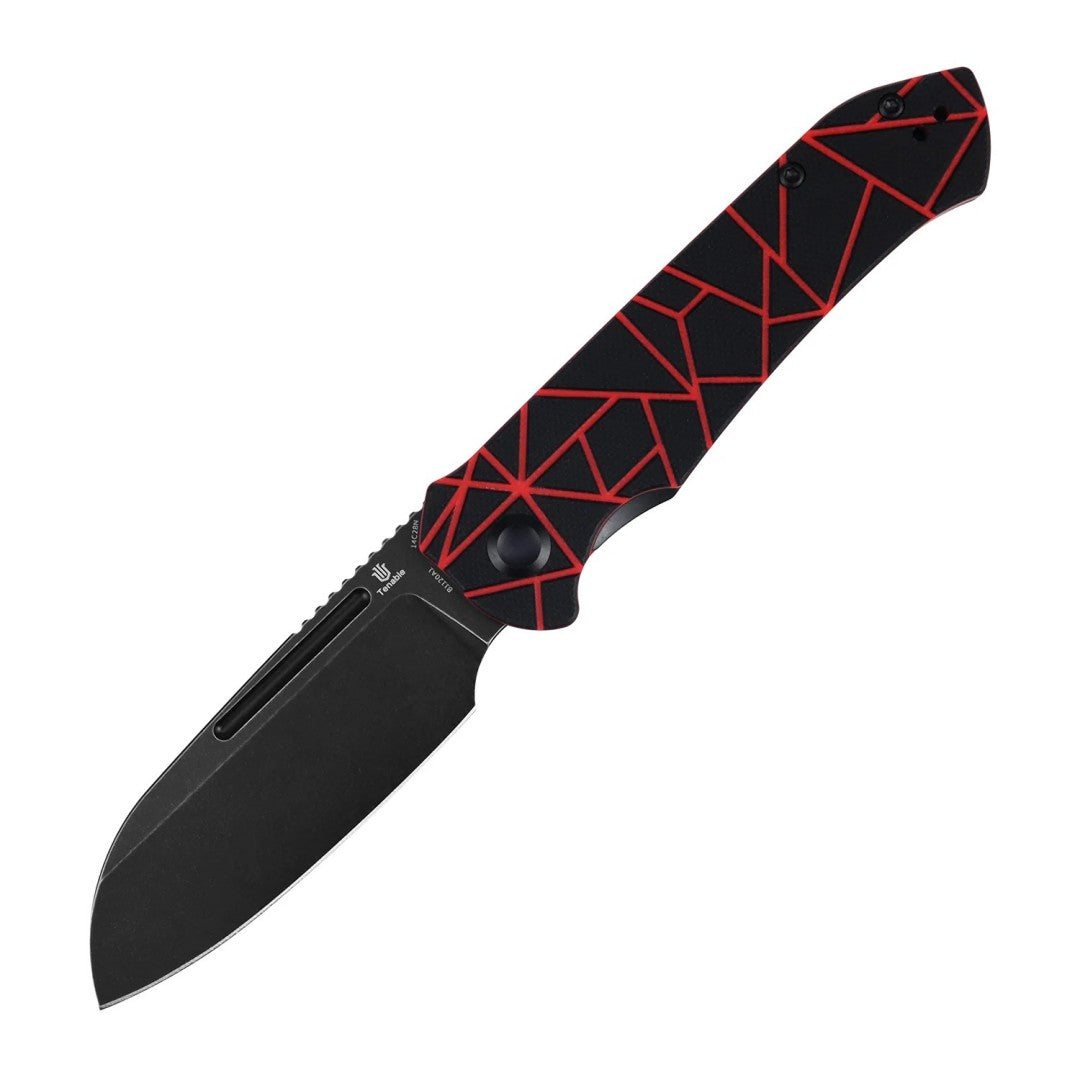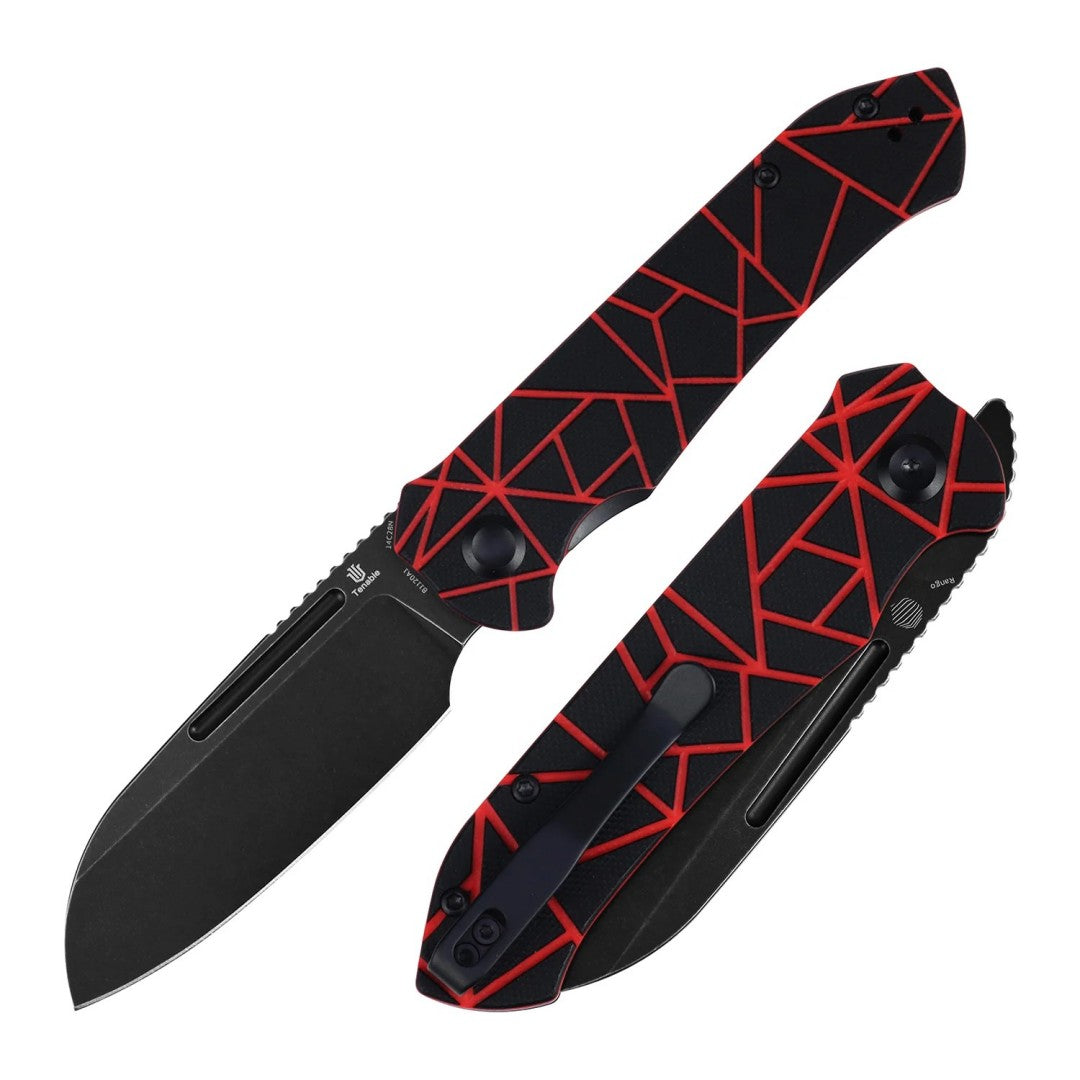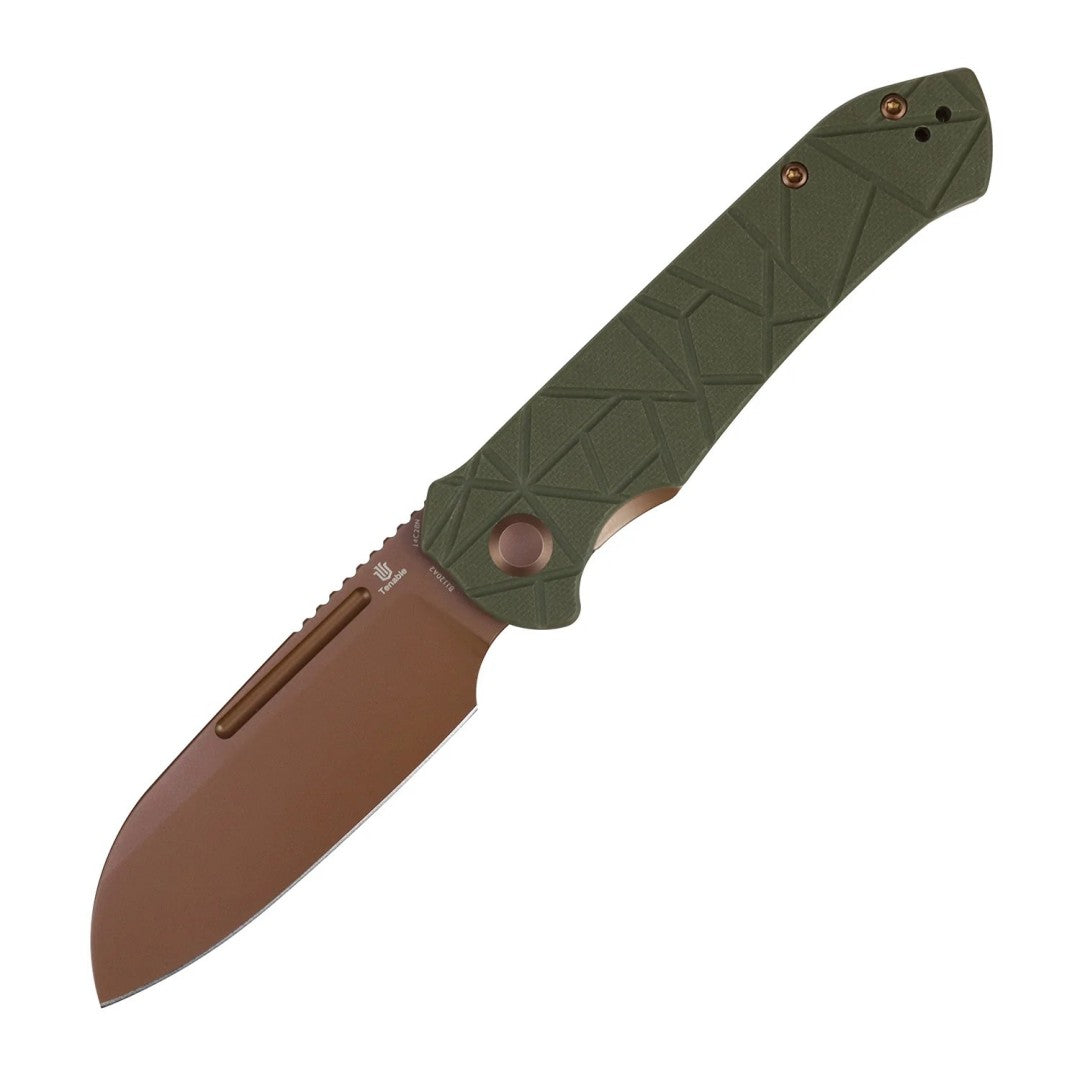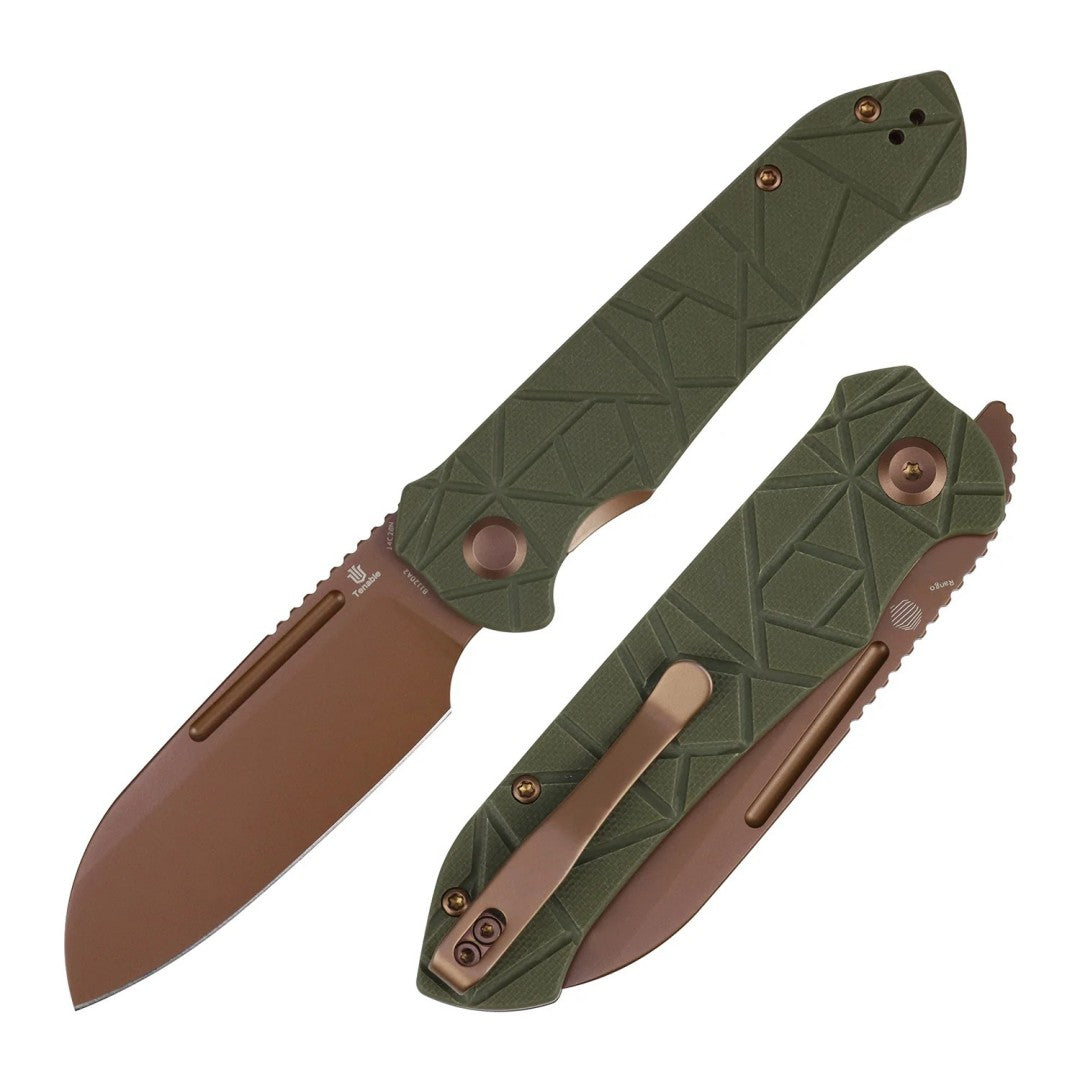

The everyday carry (EDC) community often judges a pocket knife by its blade steel or handle color. While those components are certainly important, the true unsung hero of any folding knife is its locking mechanism. It is the core framework that keeps your fingers safe during heavy use and ensures the tool lasts for years.
The QSP Parrot V2 has become a legendary budget folder, largely due to how beautifully it executes its structural engineering. In this deep dive, we are going to look past the handle scales and conduct a technical analysis of the QSP Parrot V2 liner lock mechanism. We will examine its performance metrics, structural tolerances, and long-term field durability.

Anatomy of the Parrot V2 Internal Lockwork
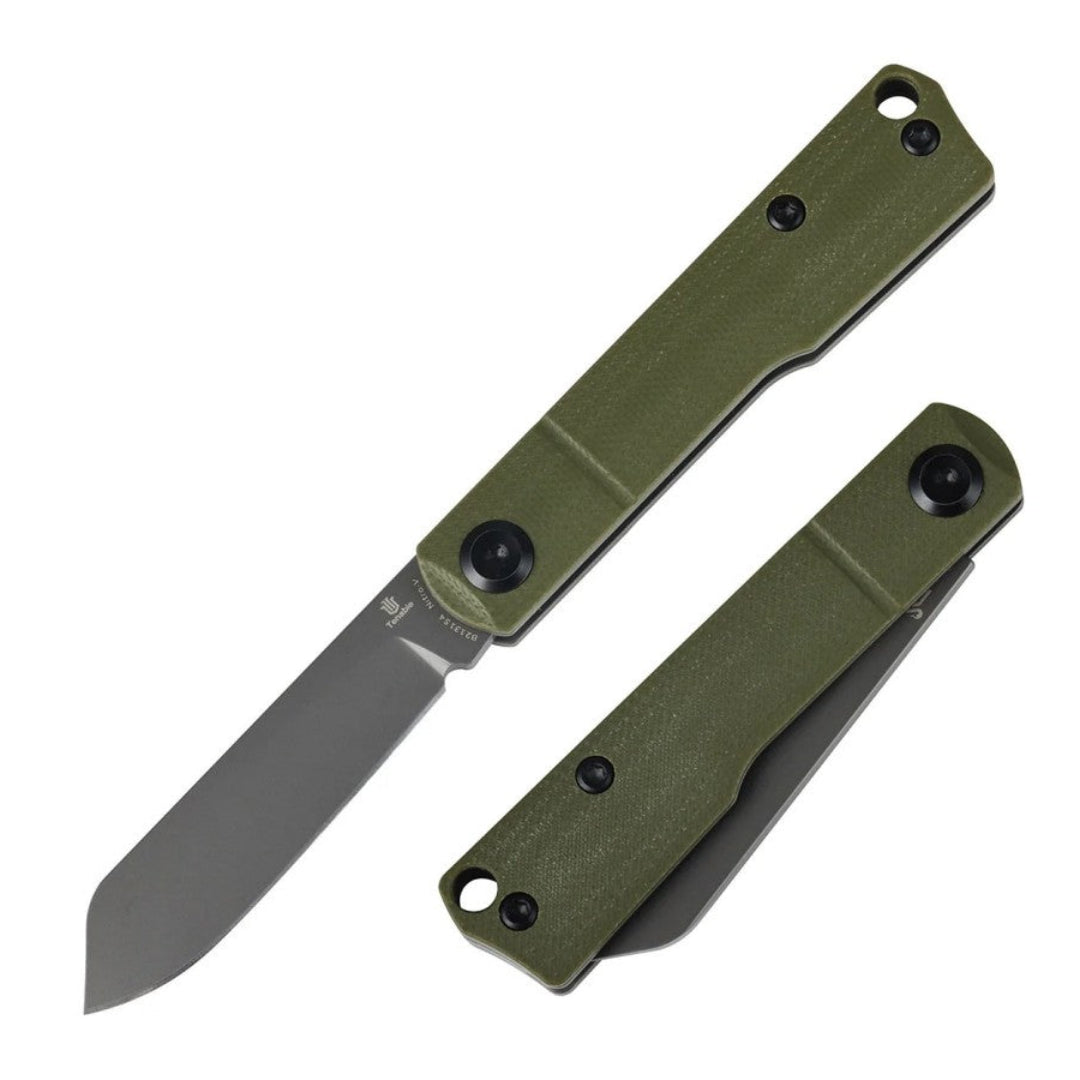
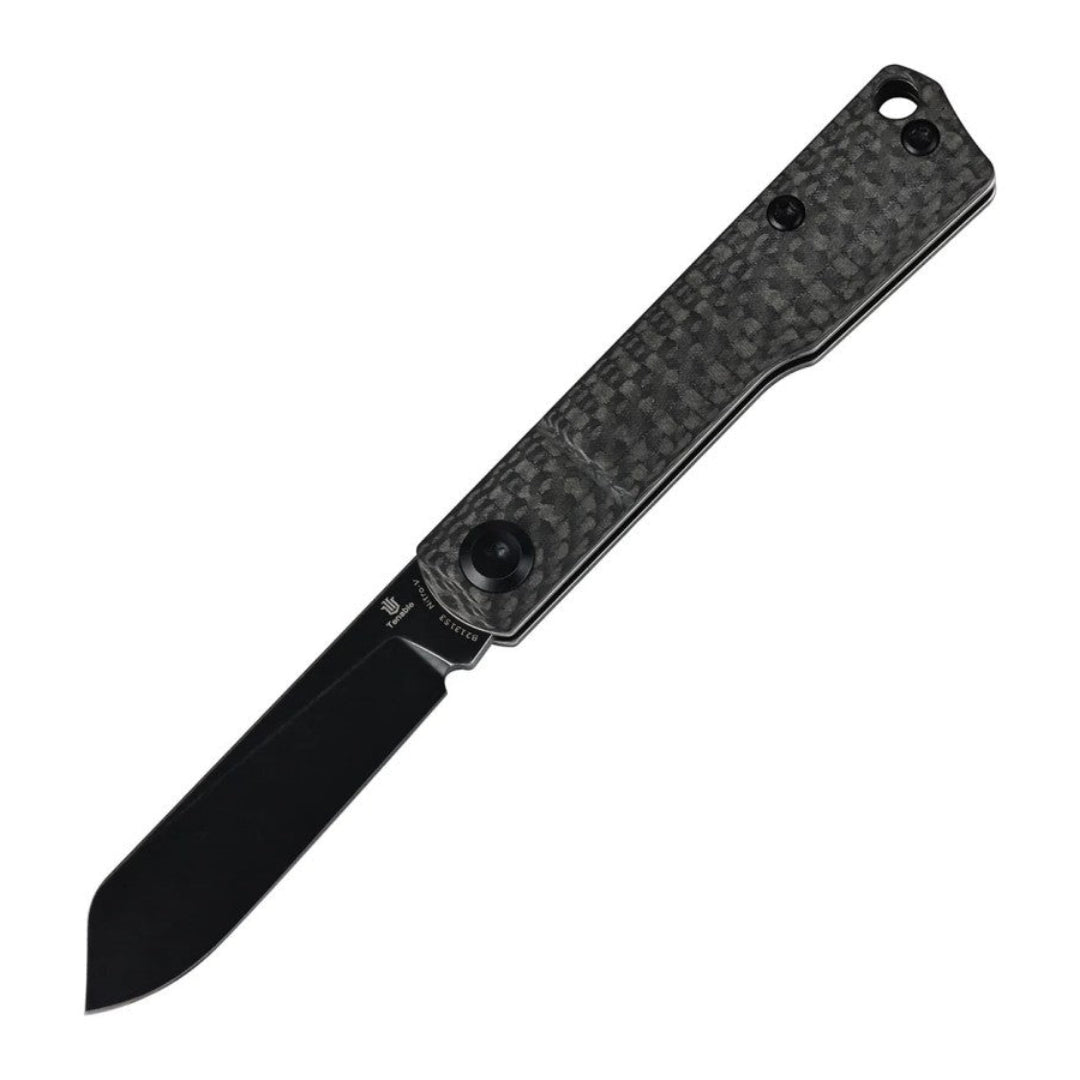
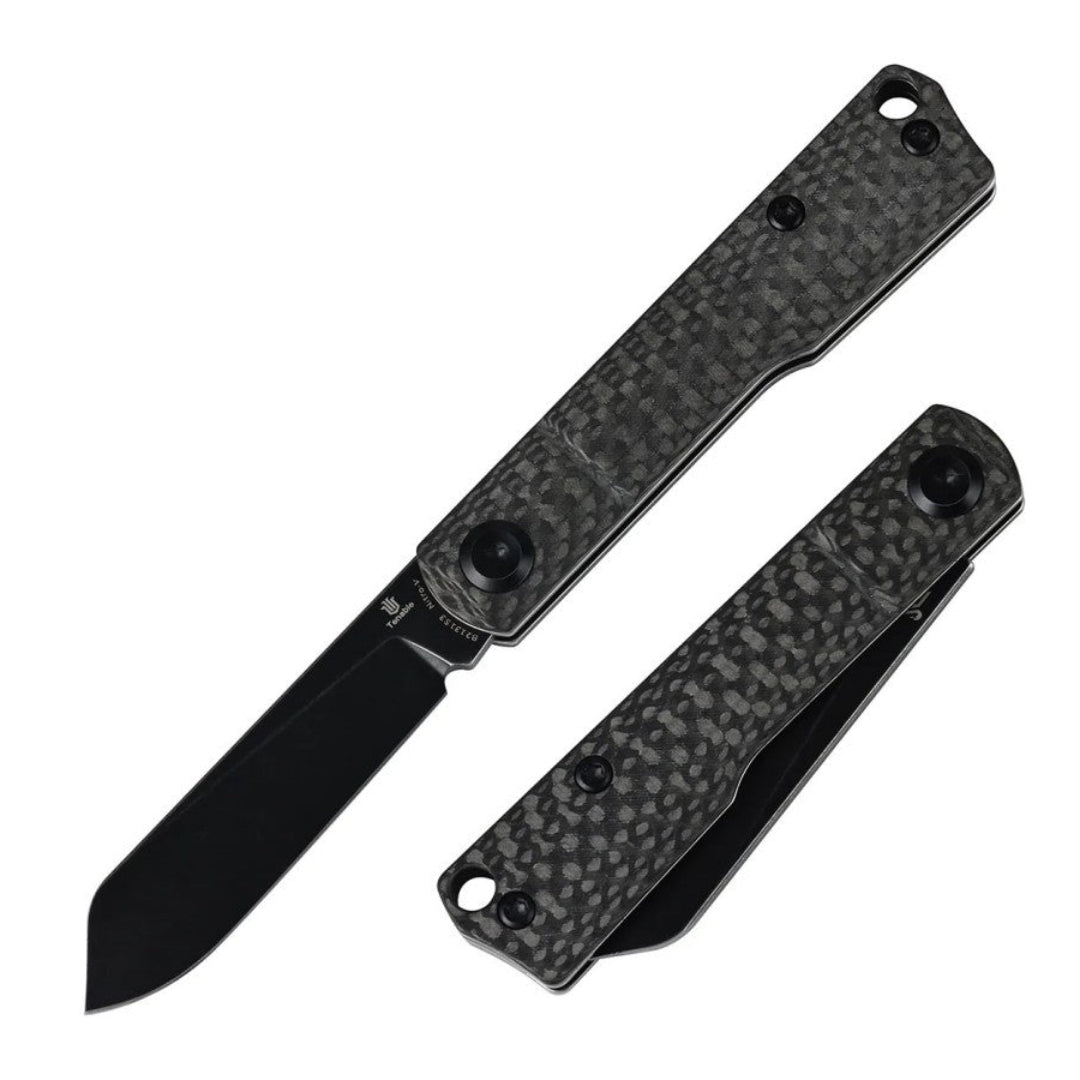
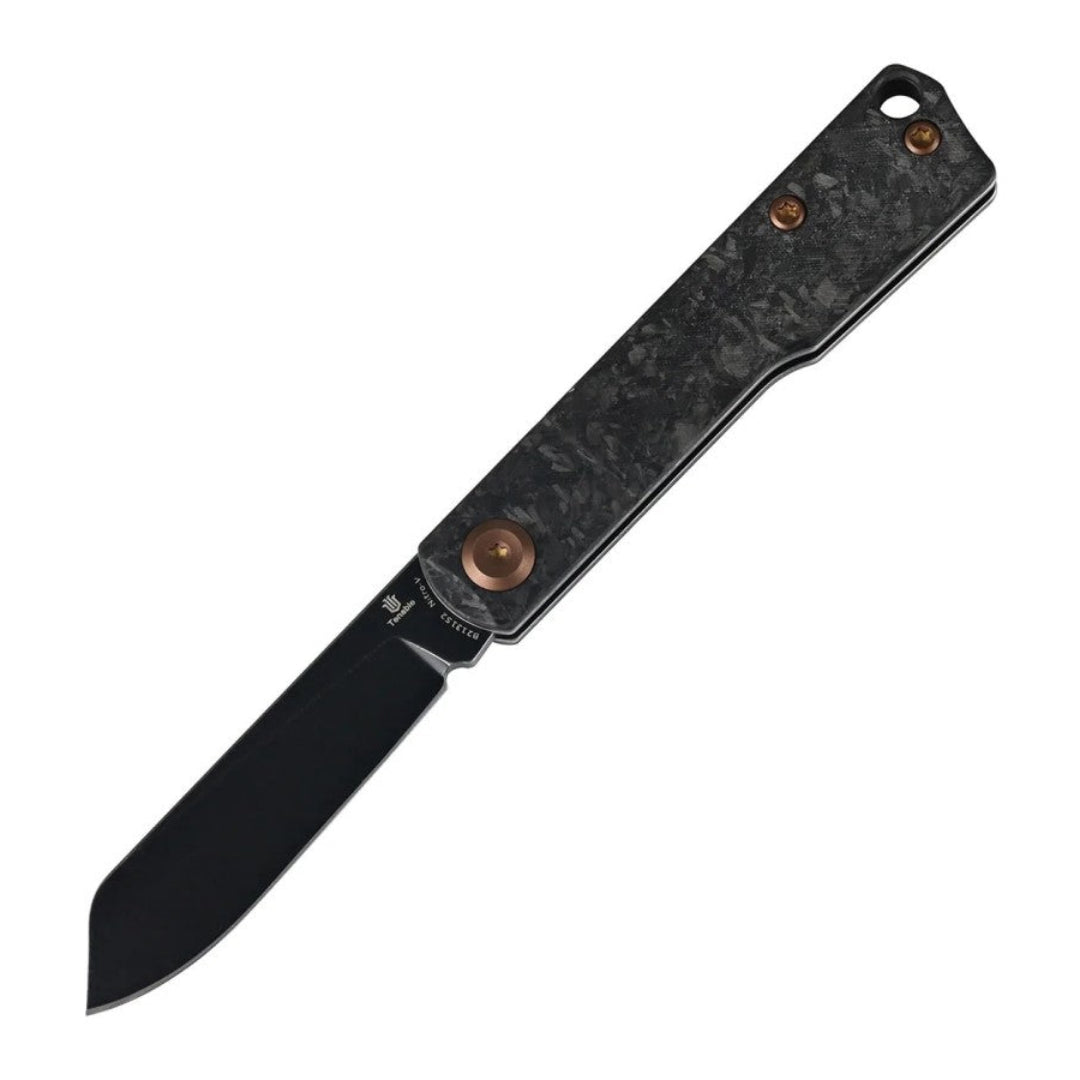
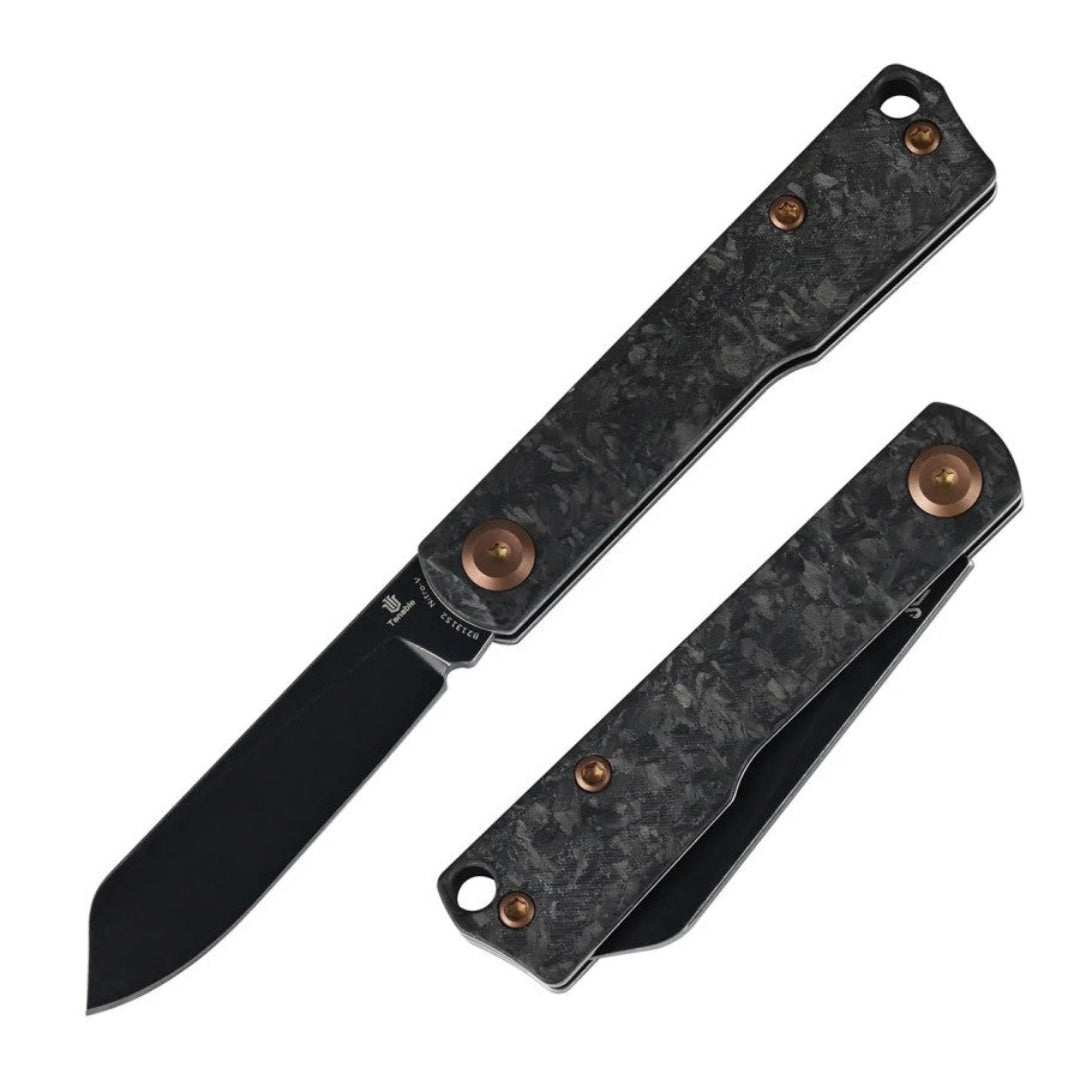
To understand why this mechanism performs so well, we have to look at its internal skeleton. The QSP Parrot V2 relies on nested, skeletonized stainless steel liners hidden beneath its outer handle scales (whether you choose G10, Micarta, or Carbon Fiber).
One side of these steel plates is precisely laser-cut to create a spring-loaded lock bar. When the knife is folded shut, this lock bar is held under tension by the side of the blade. The exact second you swing the blade into its fully opened position, the lock bar snaps inward, wedding itself firmly against the flat rear heel of the blade—known as the blade tang. This mechanical interference effectively turns your folder into a solid, rigid cutting tool.
Performance Evaluation: Lockup and Tolerances
When analyzing lock performance, knife makers look closely at three major indicators: engagement percentage, stability under load, and ease of disengagement. QSP’s manufacturing tolerances on the V2 are incredibly tight for an affordable pocket knife.
1. Optimal Engagement Percentage
Out of the factory, the Parrot V2 typically exhibits a "perfect early lockup," hitting right between 30% and 50% engagement. This means the spring-loaded steel liner travels far enough to fully stabilize itself across the center of the blade tang.
This leaves plenty of room on the tang face for the steel to slowly wear in over a decade of constant use without causing the lock bar to travel all the way to the opposite scale, which would create mechanical failure.
2. Eliminating Blade Play
A sloppy lockup causes vertical or horizontal blade play, which ruins the cutting experience and compromises safety. Because QSP mills the contact angle on the blade tang to perfectly match the face of the locking liner, the Parrot V2 secures itself with zero vertical wiggle and zero horizontal flex. When locked, it feels as solid and dependable as a fixed-blade knife.
3. Smooth Disengagement (No Lock Stick)
Cheaper liner locks often suffer from "lock stick," a frustrating issue where the steel bar gets wedged so tightly against the blade that it requires painful thumb pressure to close. QSP eliminates this on the V2 by polishing the interface surfaces and adding a slight chamfer (beveled edge) to the liner. The lock holds like a vice when you need it to, but releases smoothly with a light push of your thumb.
Durability Analysis: How It Holds Up Over Time
A pocket knife mechanism faces harsh conditions. It is constantly subjected to pocket lint, moisture, dirt, and the intense mechanical shock of repetitive opening and closing. The Parrot V2's internal architecture is explicitly built to withstand this daily abuse.
Wear Resistance of Stainless Steel Liners
Unlike titanium, which can wear down quickly when friction-rubbed against hardened steel, QSP uses heat-treated stainless steel for its liners. Because the hardness of the locking liner is closely matched to the 60-61 HRC hardness of the D2 tool steel blade, the two surfaces wear down at an incredibly slow, uniform rate. This prevents the lock from becoming loose or loose-fitting even after thousands of deployment cycles.
Dirt and Grit Resilience via the Washer System
Many modern pocket knives use delicate ceramic ball bearing systems around the pivot. While bearings offer lightning-fast deployment, they have a major durability weakness: they easily trap pocket lint, dirt, and outdoor grime, which can jam the pivot and stop the lock from engaging safely.
The Parrot V2 utilizes robust, classic copper or phosphor bronze washers around its pivot. These flat washers act as natural shields, keeping dirt out of the pivot core. This makes the Parrot V2 highly resilient in real-world environments like dusty construction sites, damp camping grounds, or oily workshops.

Safety Features Integrated into the Lock Design
QSP did not just design a lock; they built an entire safety ecosystem around the handle interface to protect your hands during operation.
-
Integrated Index Finger Choil: The handle scale features a prominent cutout right behind the cutting edge. This creates a physical guard for your finger. If you are piercing a tough material and the knife suddenly slips forward, this guard blocks your hand from sliding onto the razor-sharp D2 steel blade.
-
Asymmetric Handle Relief: The handle scale on the presentation side is carved out slightly lower than the locking side. This recess exposes the jimped edge of the liner lock bar. It allows your thumb to instantly find the locking mechanism by feel alone, letting you close the tool safely without looking down.
-
Tuned Detent Ball Security: Inside the liner is a tiny embedded ceramic detent ball. When the knife is closed, this ball drops into a matching recess on the blade. It creates a reassuring bias-towards-closure, meaning the blade will never accidentally deploy or slide open while riding loosely inside your jeans pocket.
Maintenance Tips for Lifelong Reliability
To keep the QSP Parrot V2 liner lock functioning at peak performance and maintaining its rock-solid safety profile, execute these simple steps:
-
Clear the Lock Track: Every few weeks, look down inside the handle scales. Use a blast of compressed air or a wooden toothpick to clear away any accumulated denim lint or dirt from the lock face.
-
Avoid Grease on the Lock Face: Keep the contact patch where the liner meets the blade tang completely dry. Applying grease or heavy lubricants to this specific spot can cause the liner to slip under heavy force.
-
Check Pivot Tension: If you flick your knife open constantly, the pivot screw can slowly back out over time. Use a T8 Torx wrench to tighten the pivot screw until the blade sits perfectly centered with zero side-to-side play, while still swinging open fluidly.
The Ultimate Verdict on the V2 Lockwork
The QSP Parrot V2 is a masterclass in functional, high-durability knife making. By focusing their manufacturing budget on precise machining tolerances, robust stainless steel liners, and a reliable washer pivot system, QSP created a liner lock that rivals the safety and lifespan of folding knives that cost three times as much. It is a bulletproof mechanism designed to deliver unwavering security for your everyday carry needs.