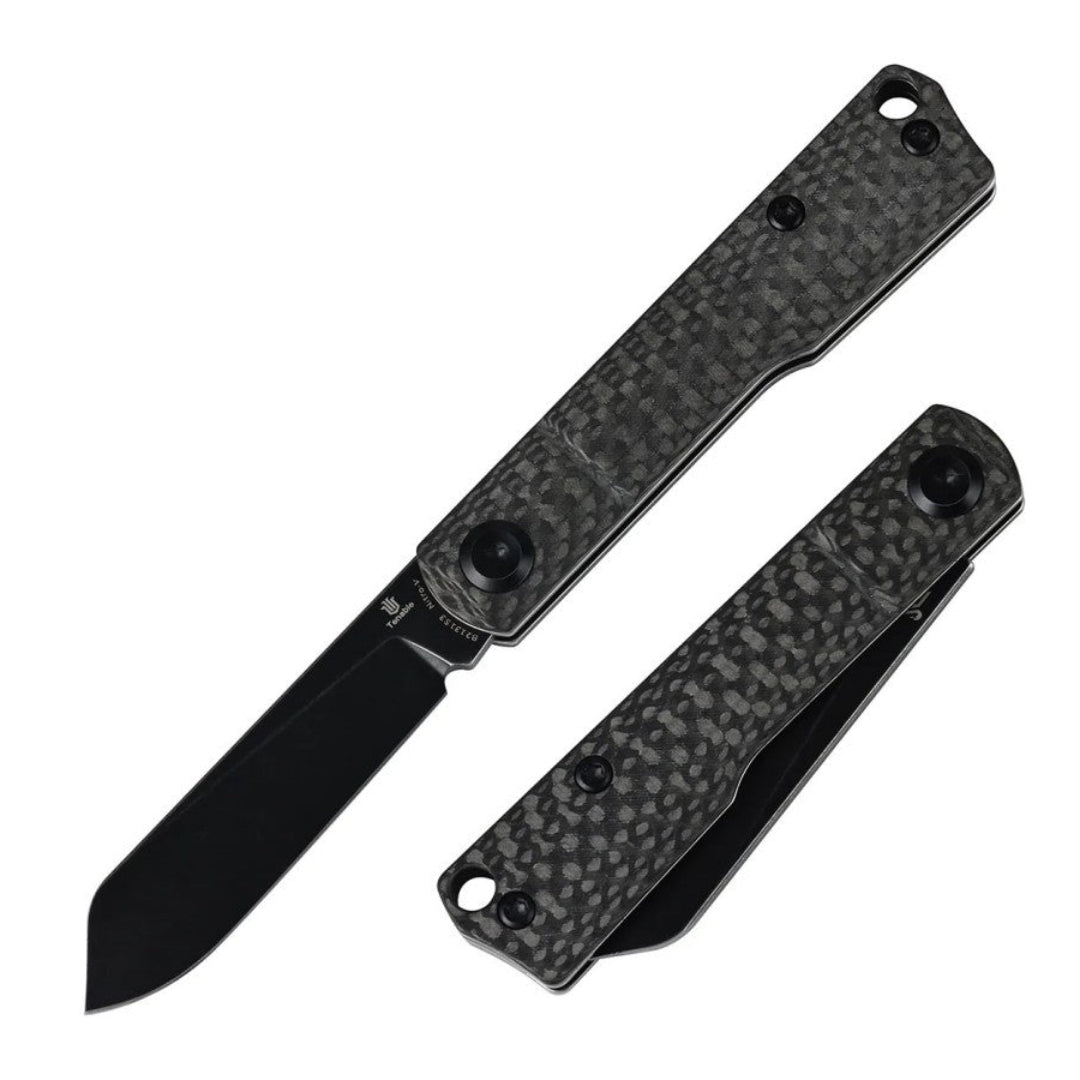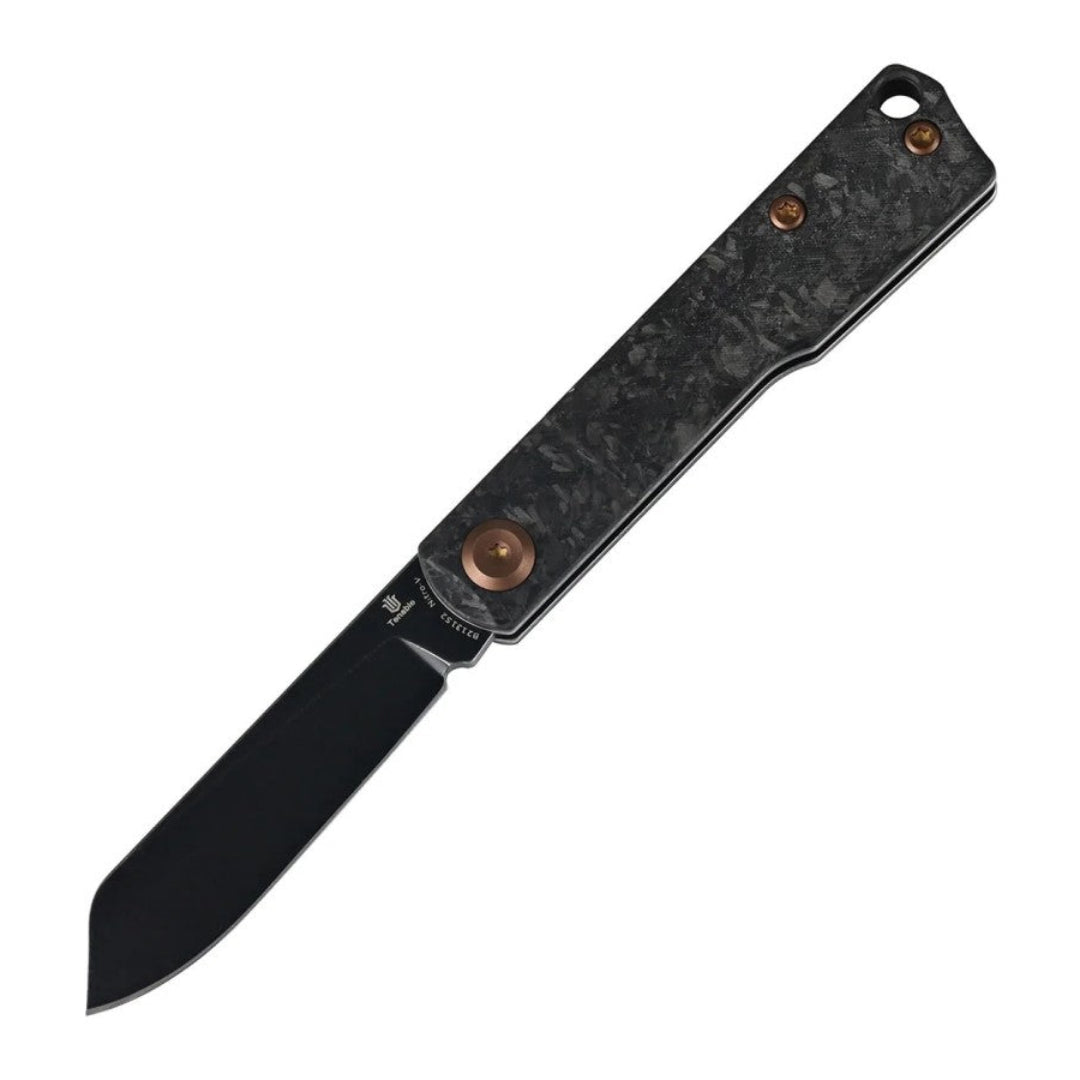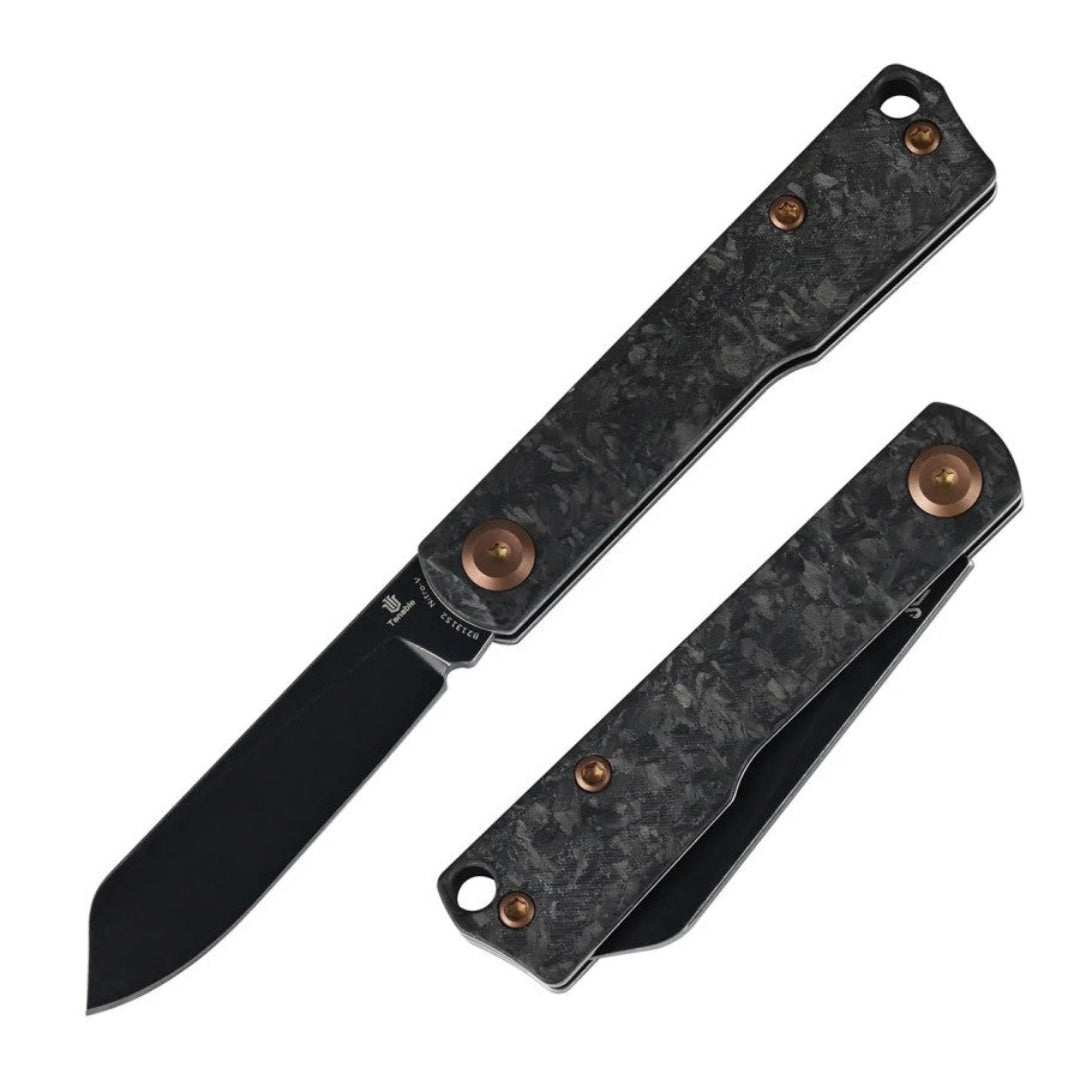


Overview & First Impressions
Blade coatings are the most misunderstood feature on a modern folding knife. Buyers read the words DLC and TiCN and assume they are buying permanent surface armor. In reality a coating is a thin deposited layer measured in microns, and it changes the way a blade behaves in ways that are sometimes helpful and sometimes purely cosmetic. Knowing which coatings do what, and how each one wears, helps you buy the right knife and stop worrying when a coating starts to show character.
Materials & Construction
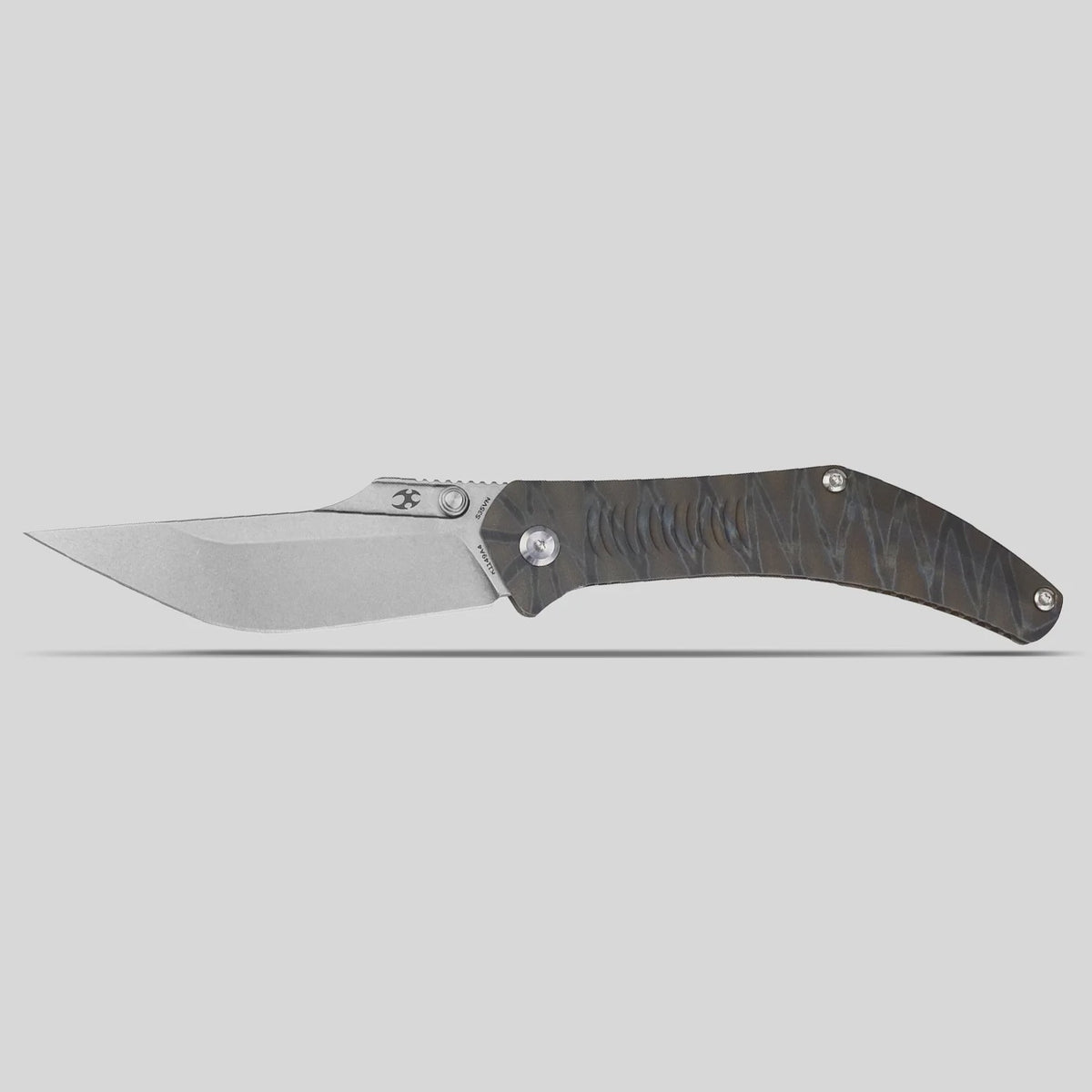
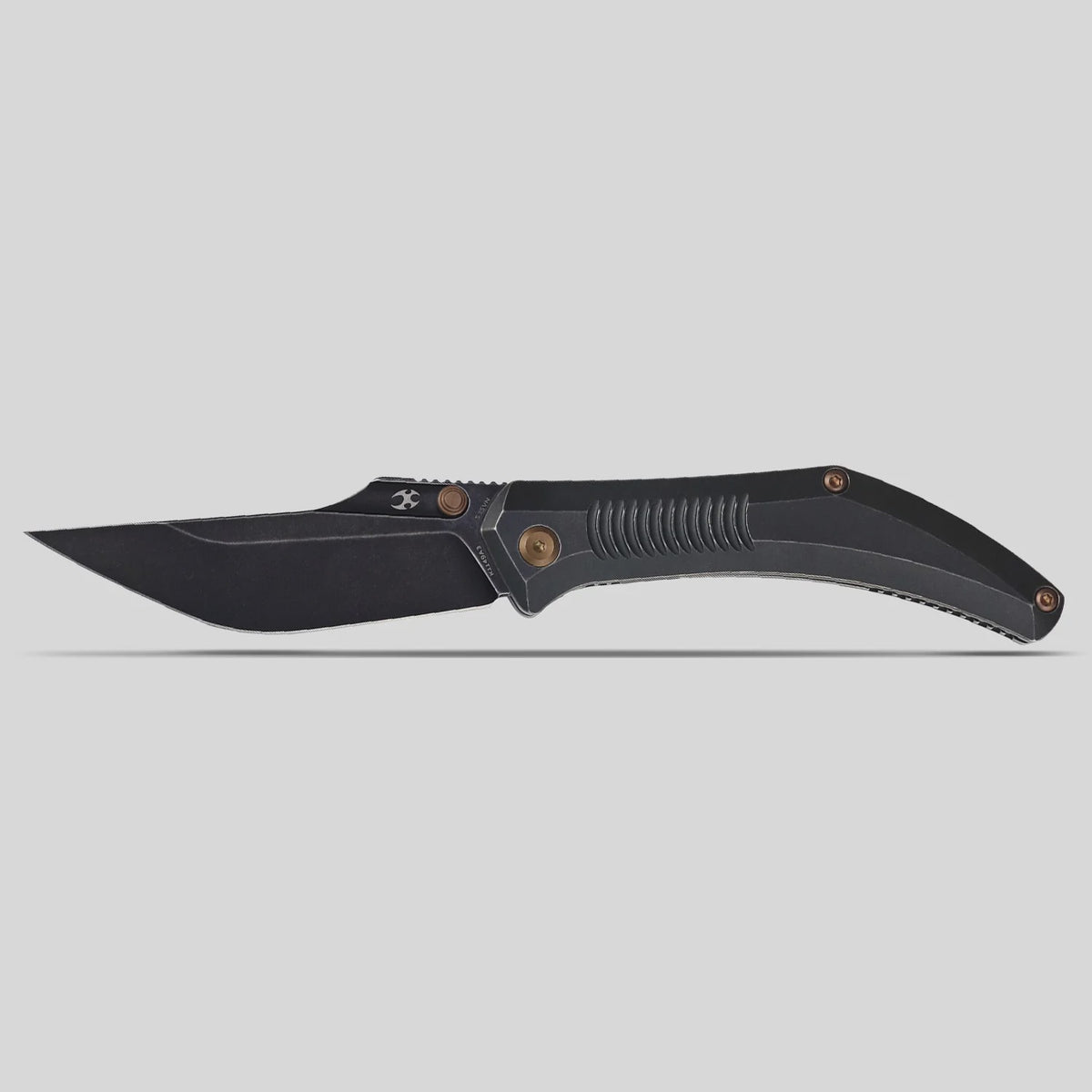
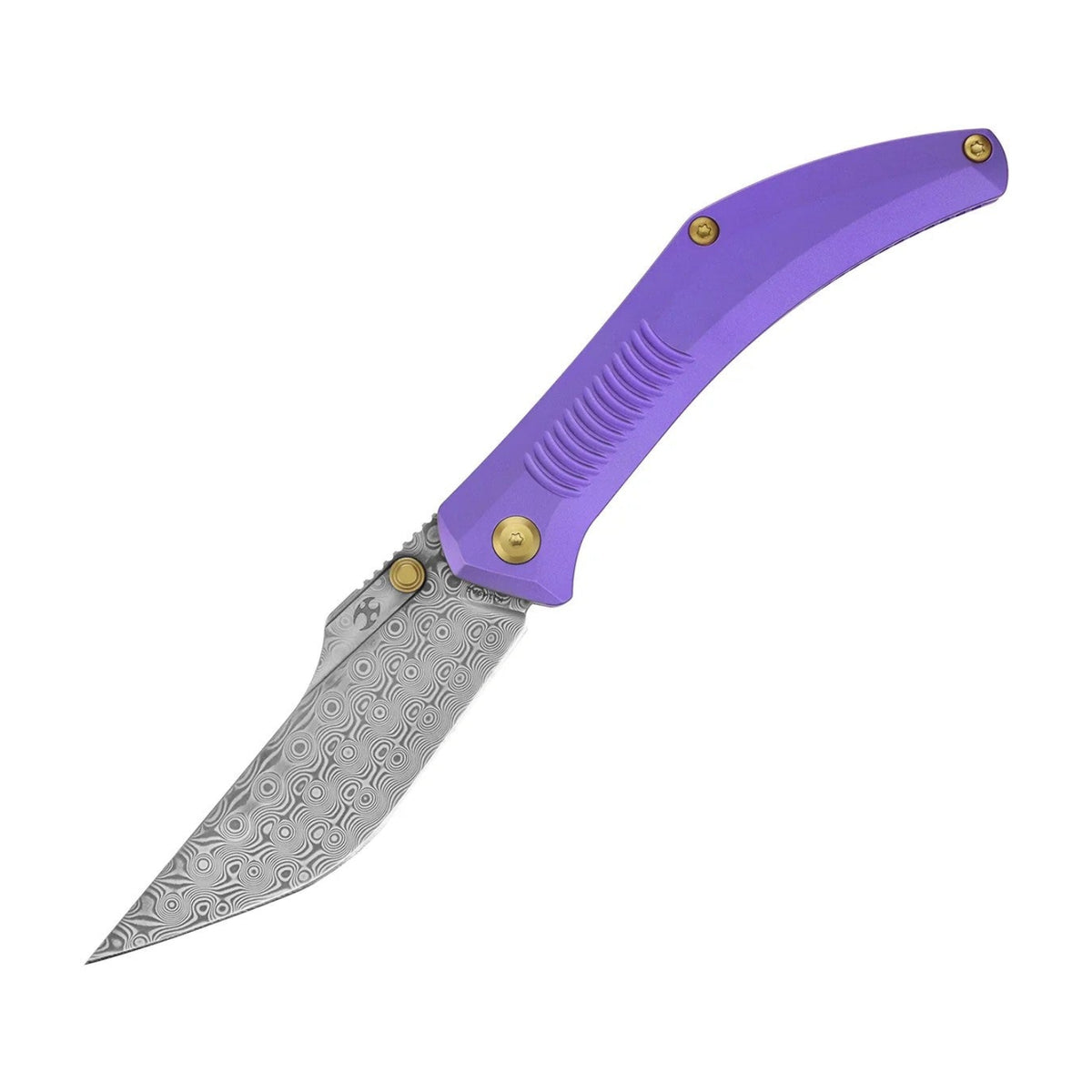
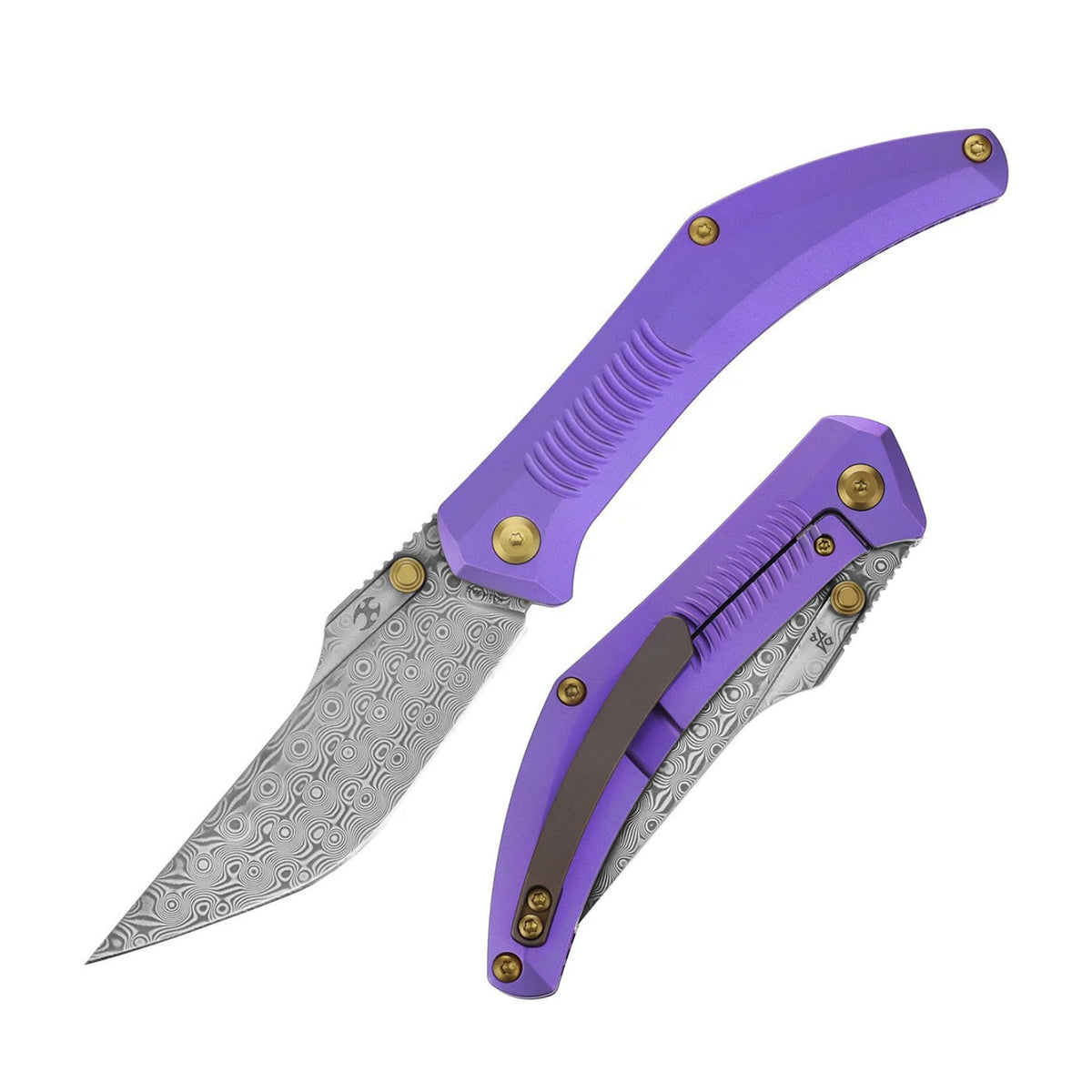
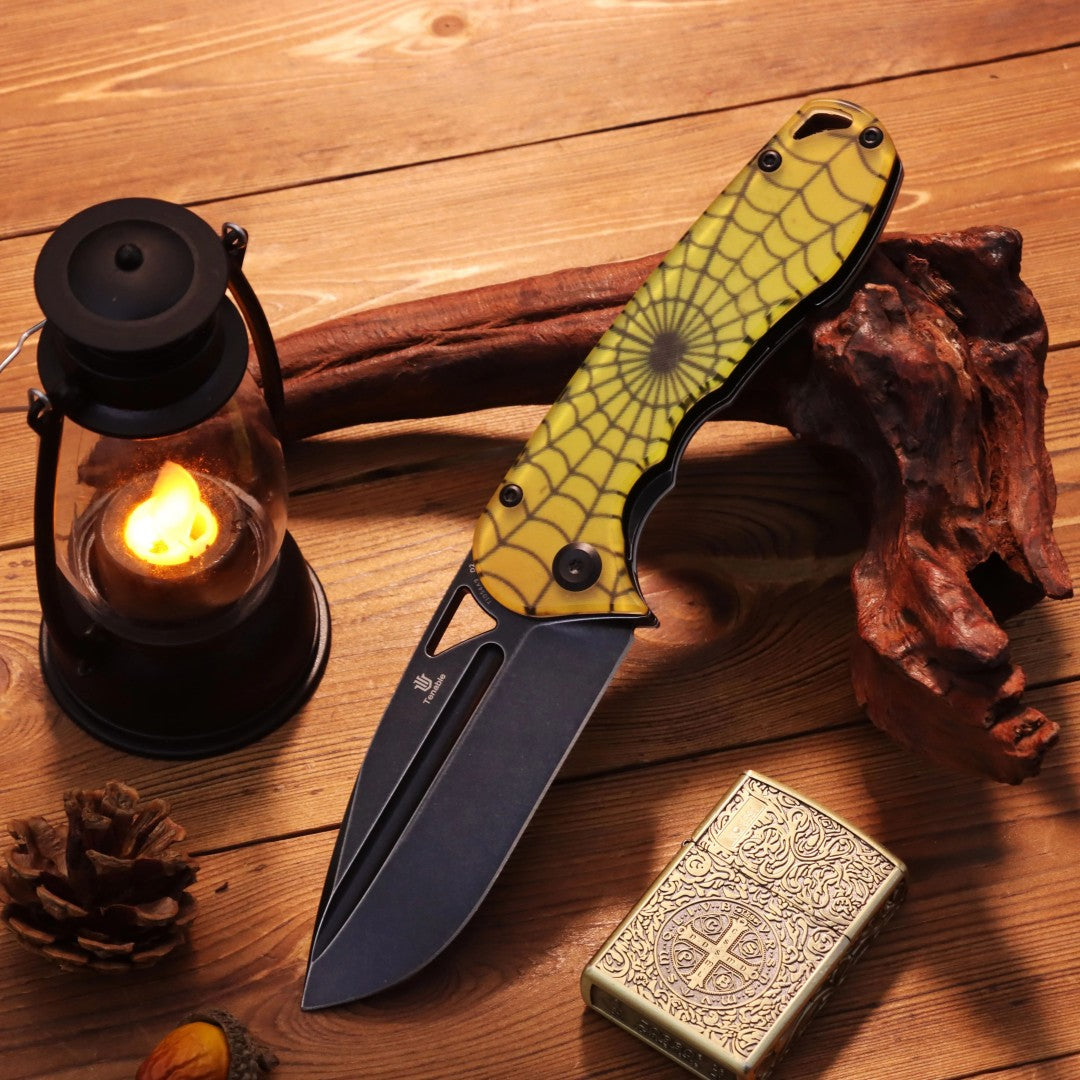
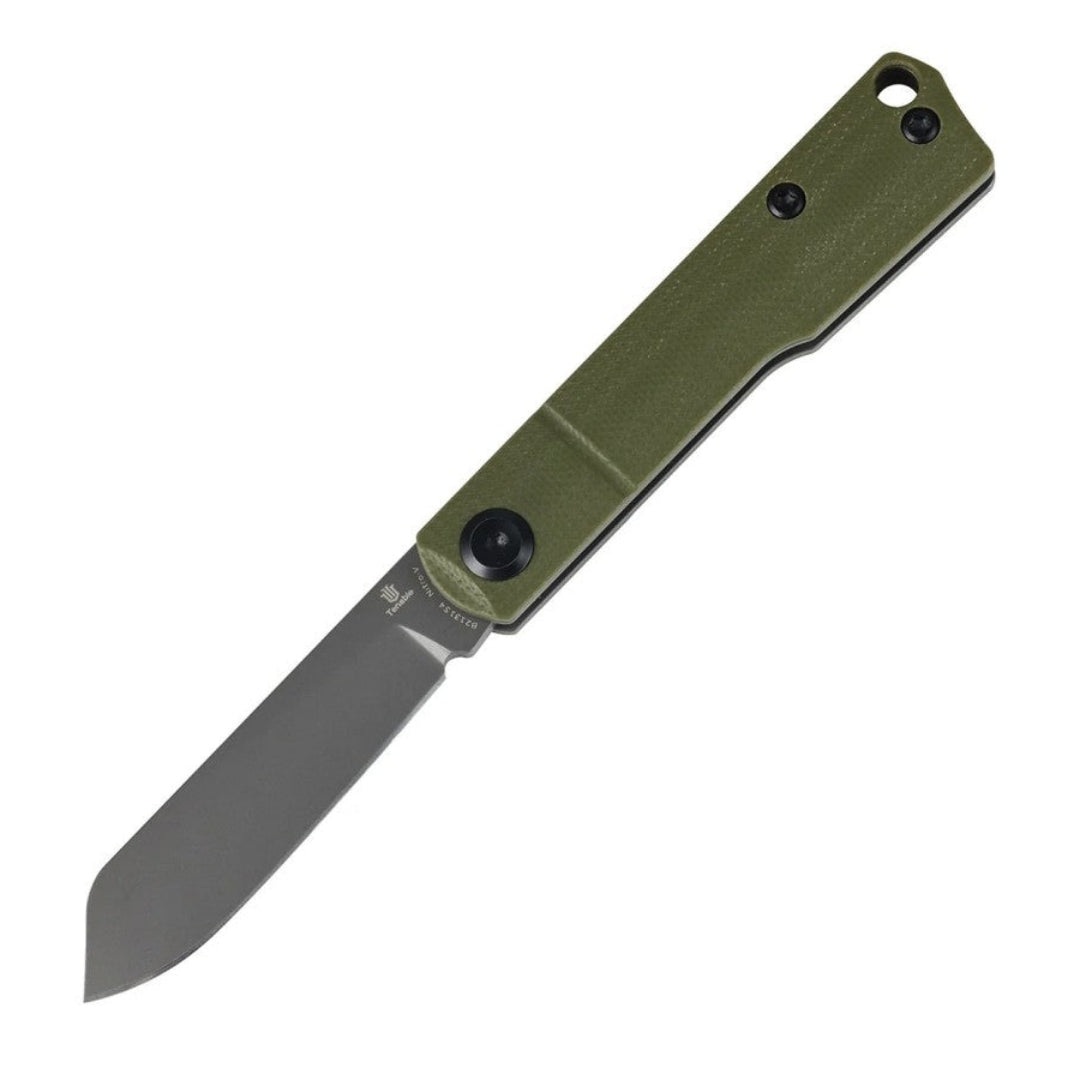
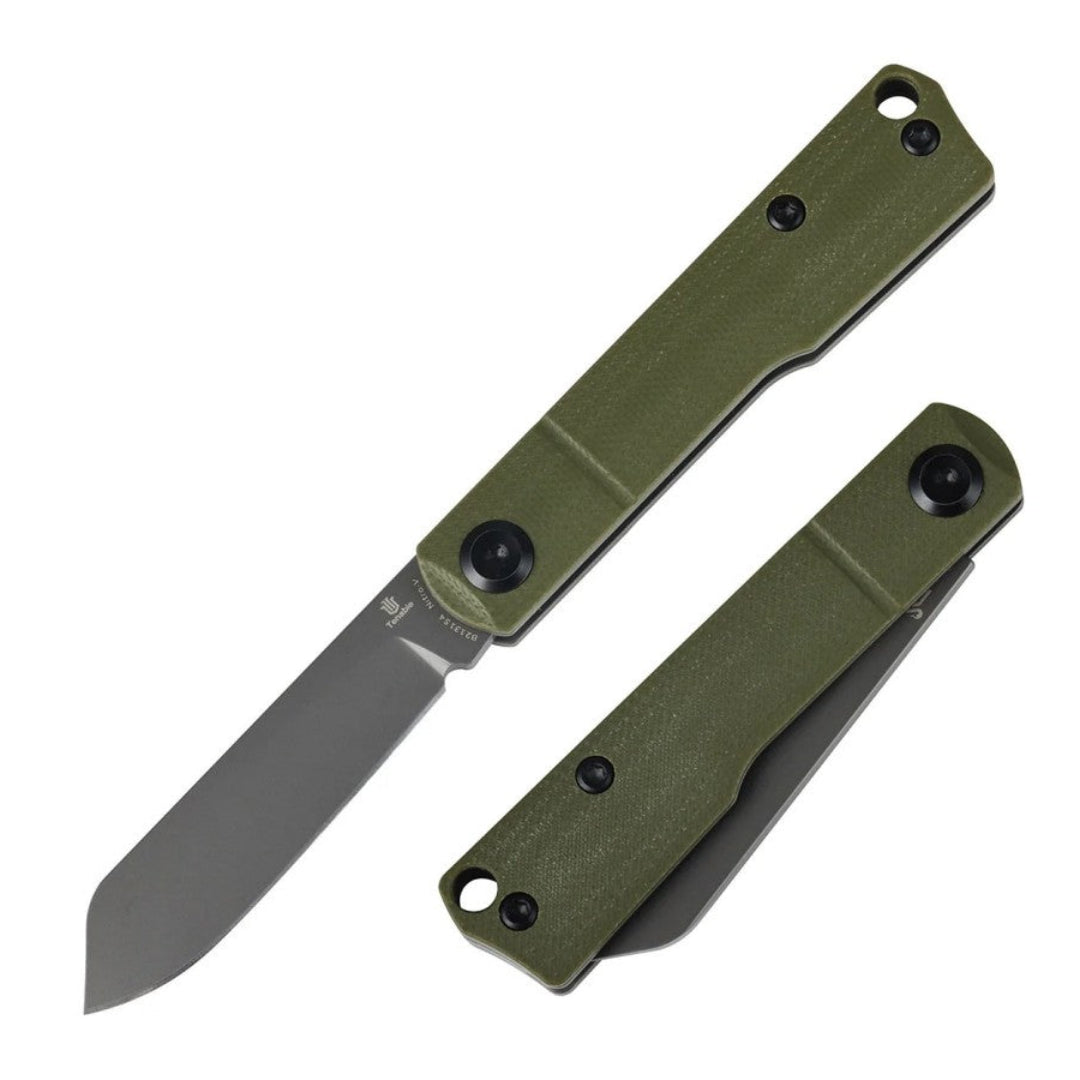
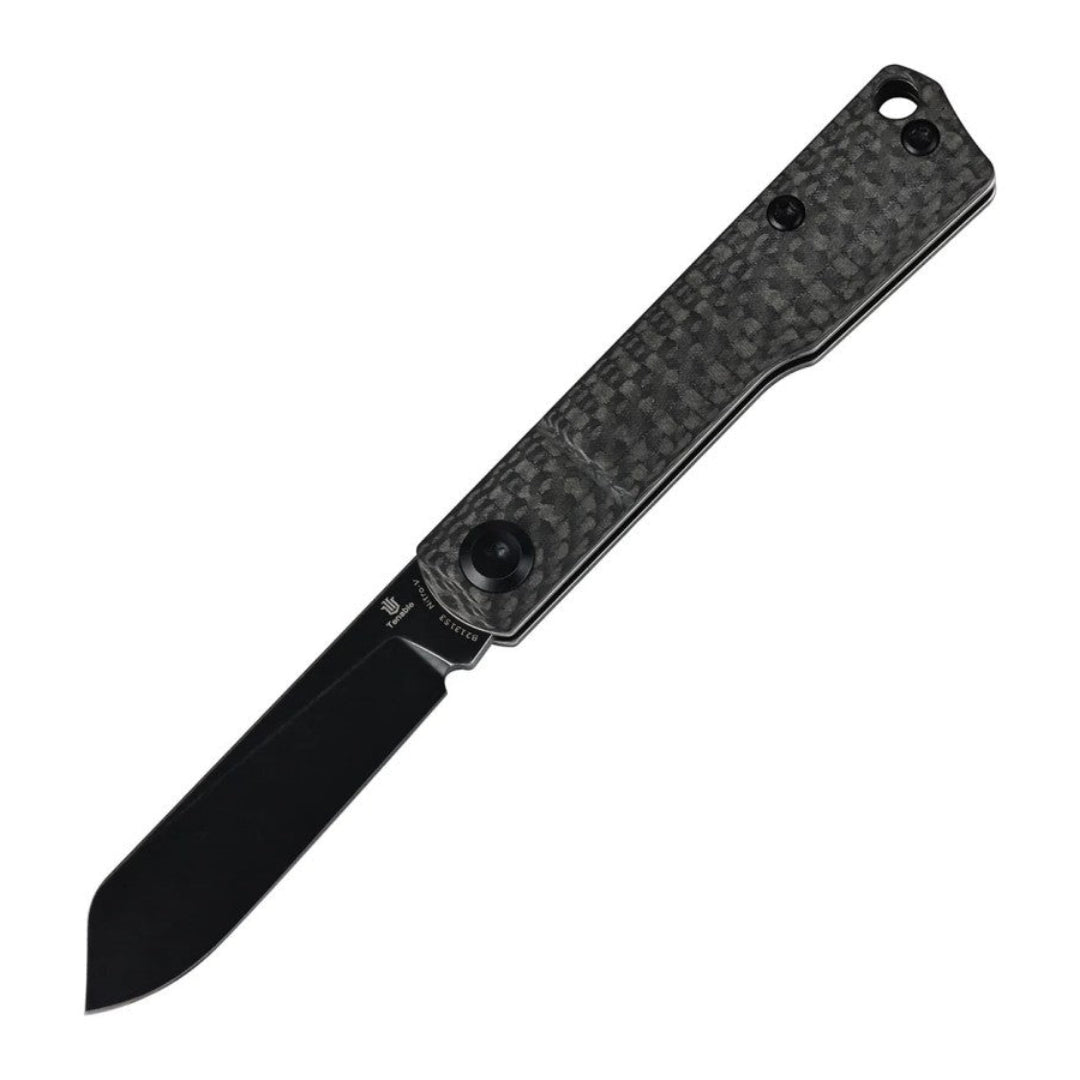
DLC, or diamond-like carbon, is a hard amorphous carbon layer applied by a vacuum process. It is extremely hard, very slick and offers good resistance to scratching, which is why it appears on high-end blades. TiCN, titanium carbonitride, is a ceramic coating that is also hard and wear resistant, and it is the more common choice on production knives because it is cheaper to apply in volume. Neither coating makes the underlying steel more corrosion resistant in any meaningful way, and neither one stops an edge from dulling. A knife like the Tenable Rango B1120A1, with its 14C28N blade, keeps its cutting ability because of the steel and heat treatment, not the coating on top of it.

Design & Details
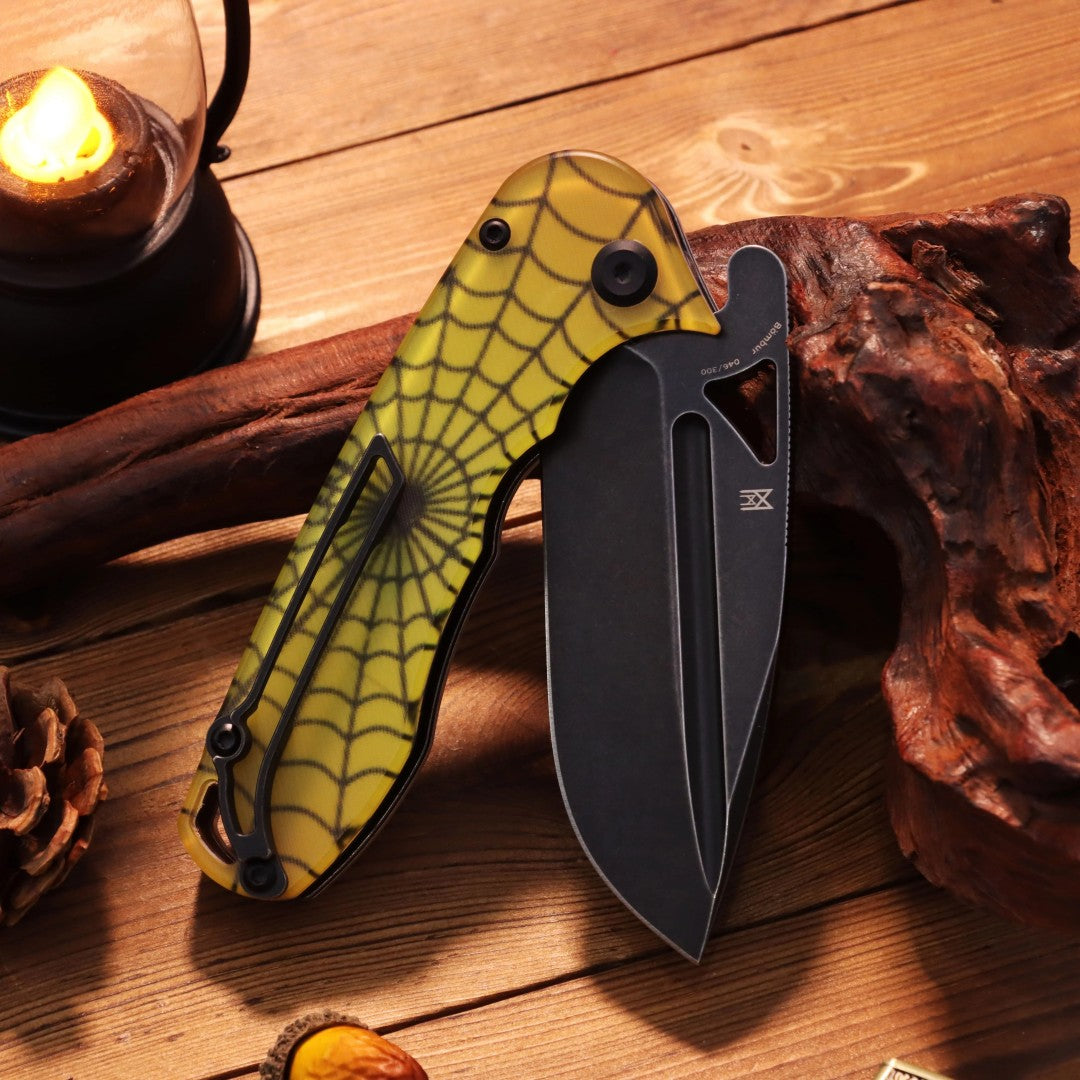
Where you will actually see wear is predictable. The coating thins first along the edge bevel, because sharpening removes it, and any subsequent touch-up on a stone will expose bright steel along the apex. It also polishes at the pivot area where the blade passes between the liners, and scuffs where a pocket clip or a sharpening rod rubs. On a blackwash or stonewashed blade the wear pattern is intentional from day one, so it looks consistent. On a glossy DLC blade the wear reads as scratches.
Real-World Use
That has practical consequences. If you sharpen your own knives frequently, a coated blade will show a bright sharpening line along the edge within a few months, which is normal and unavoidable. If you work in a food environment where cleanliness is checked, an uncoated or brightly tumble-finished blade is easier to inspect. If you work outdoors and want a blade that does not flash in sunlight, a matte or coated finish is a real advantage. EdcMall carries folding knives across the whole finish spectrum, from satin to blackwash to coated.

Ownership Notes
Care for a coating the way you care for the steel under it. Rinse and dry thoroughly, because moisture can sit at a coating edge and start corrosion in an uncoated area near the pivot. Avoid abrasive pads, which will polish the coating off in patches. Accept that a working knife accumulates scuffs, and remember that a worn coating does not affect the blade strength or edge geometry at all. EdcMall carries the folders that suit heavy daily use. A coated blade and a satin blade behave differently in a collection as well as in use. Tenable knives offer both finishes on the same pattern, which makes them a useful reference: buy one of each and you will learn within a month which finish you actually prefer on the EDC knives you carry every day rather than the ones you photograph.
Who Is This For?
This is for buyers deciding whether to pay for a premium coating, collectors who want to understand what they own and users who worry when a blade starts looking used. Anyone who wants a showroom-perfect knife should buy a display piece rather than a coated user.
Final Verdict
Coatings are a cosmetic and tribological choice, not a durability upgrade. DLC and TiCN reduce scratches and glare, they wear at the edge and pivot, and they never make the steel beneath them better. Choose a finish you like and stop treating wear as damage.