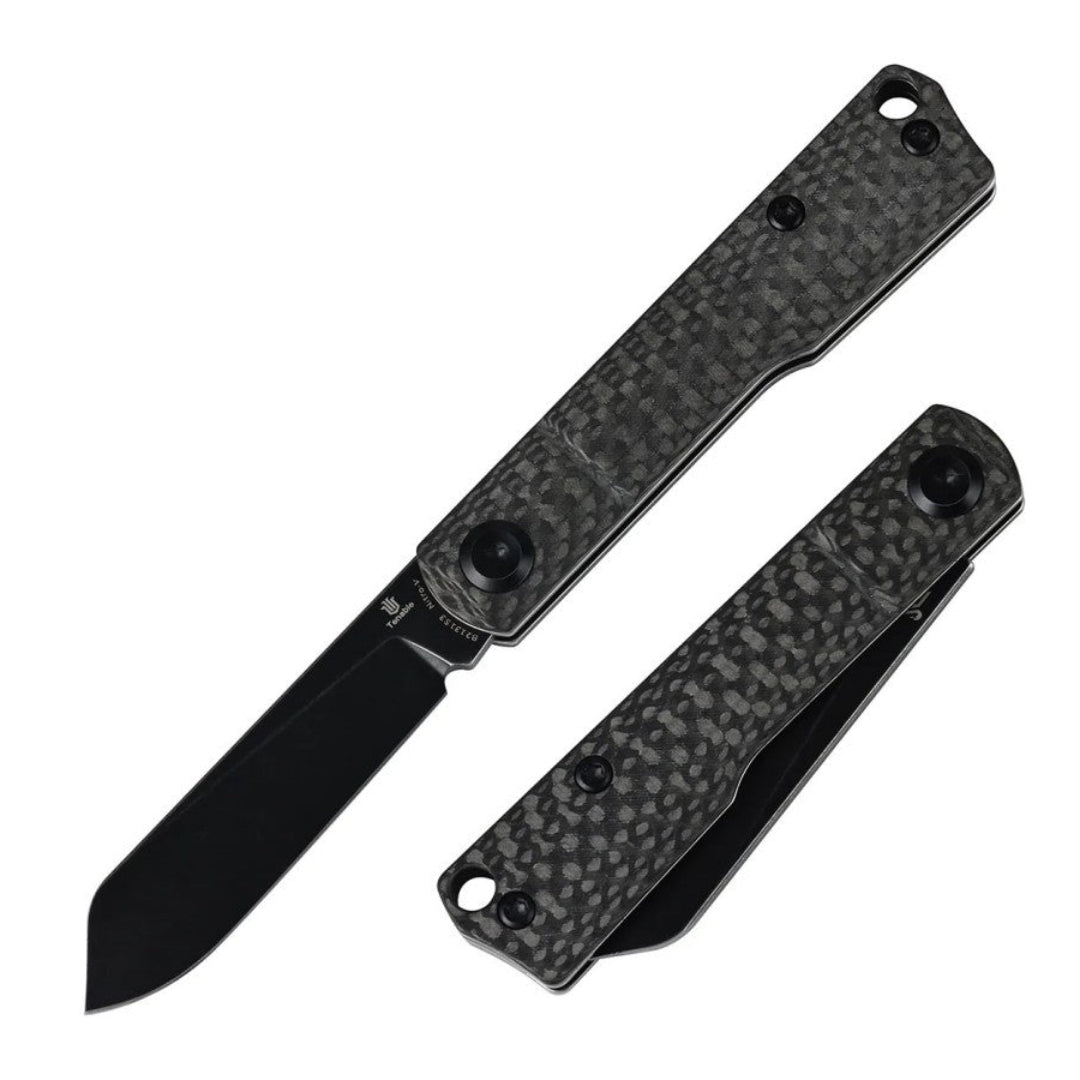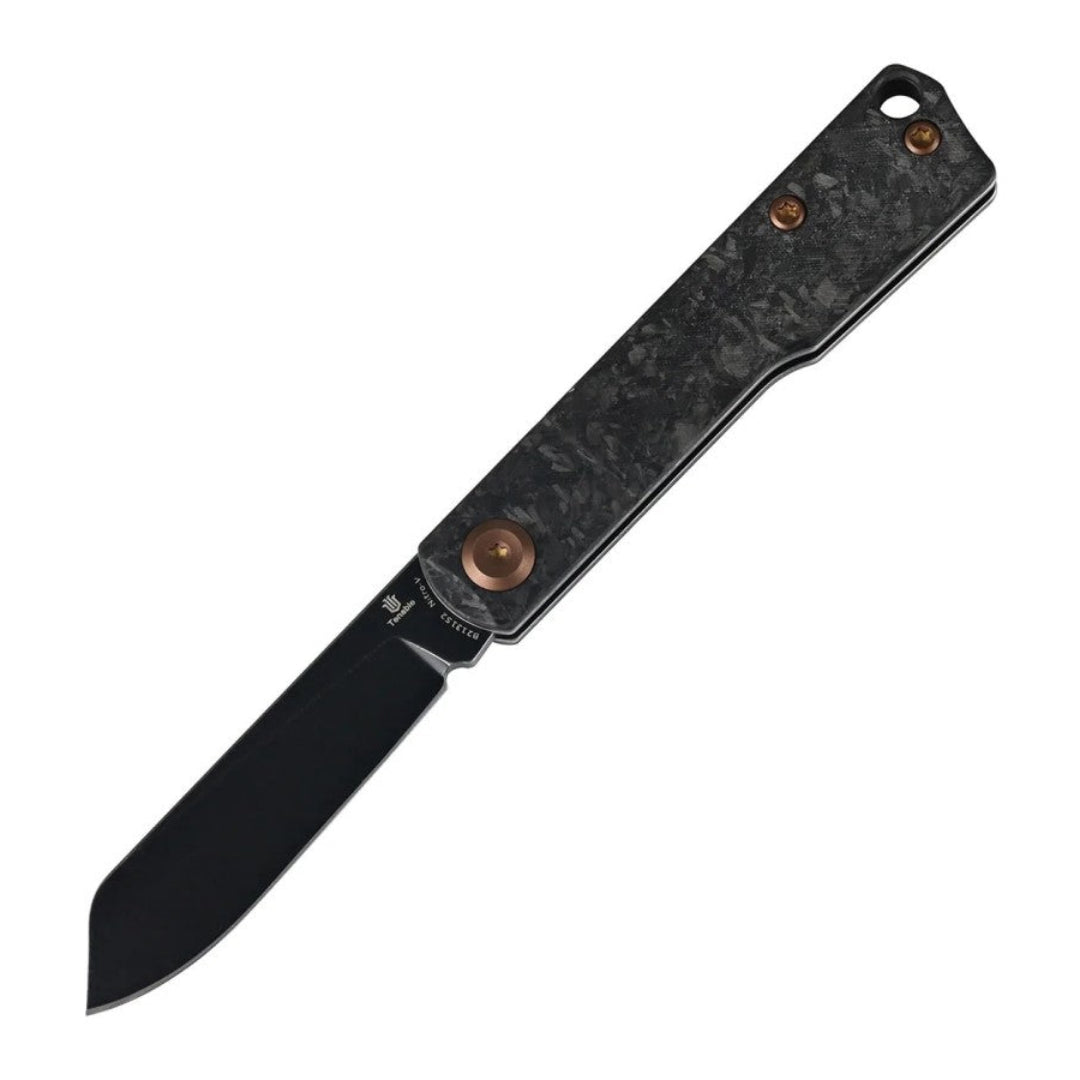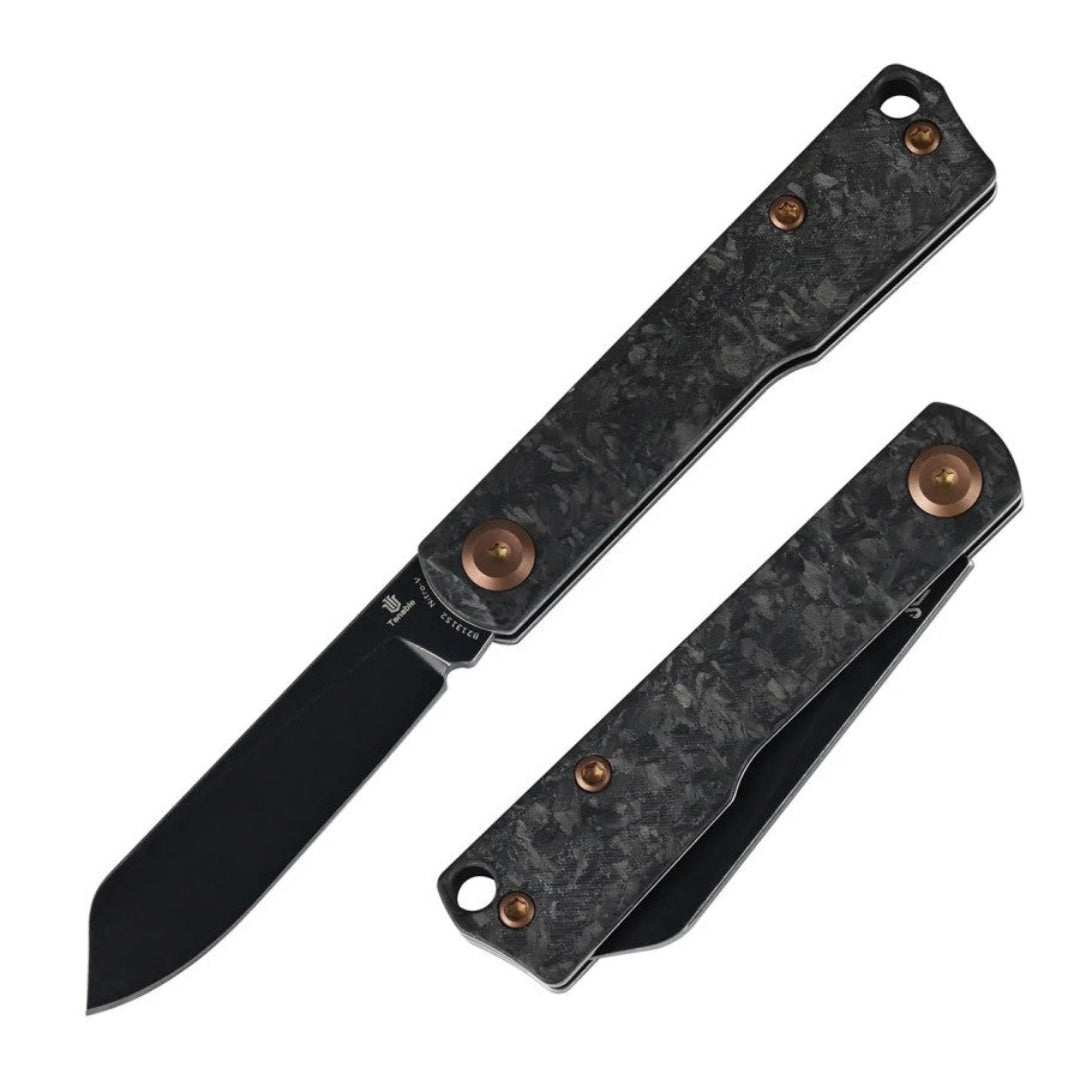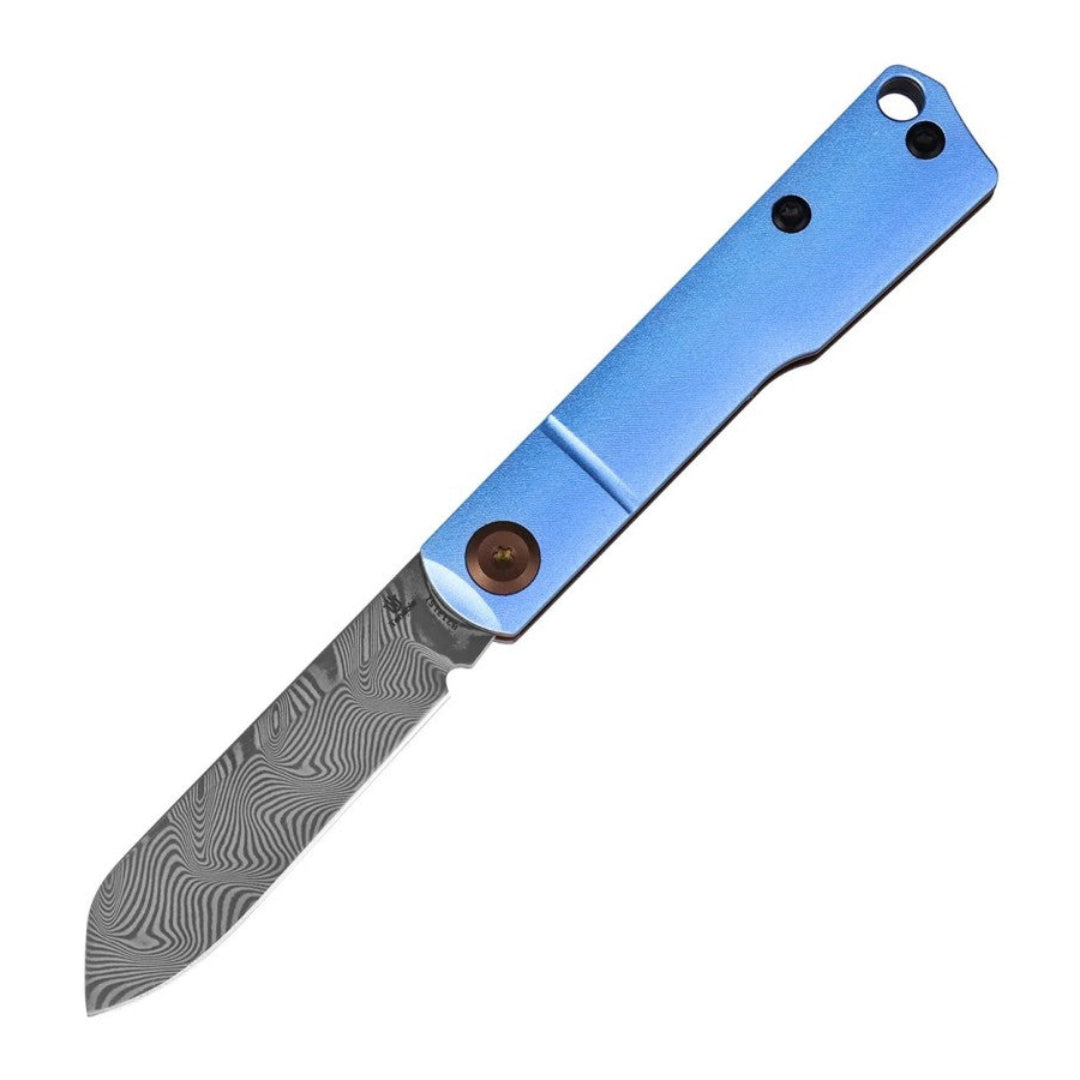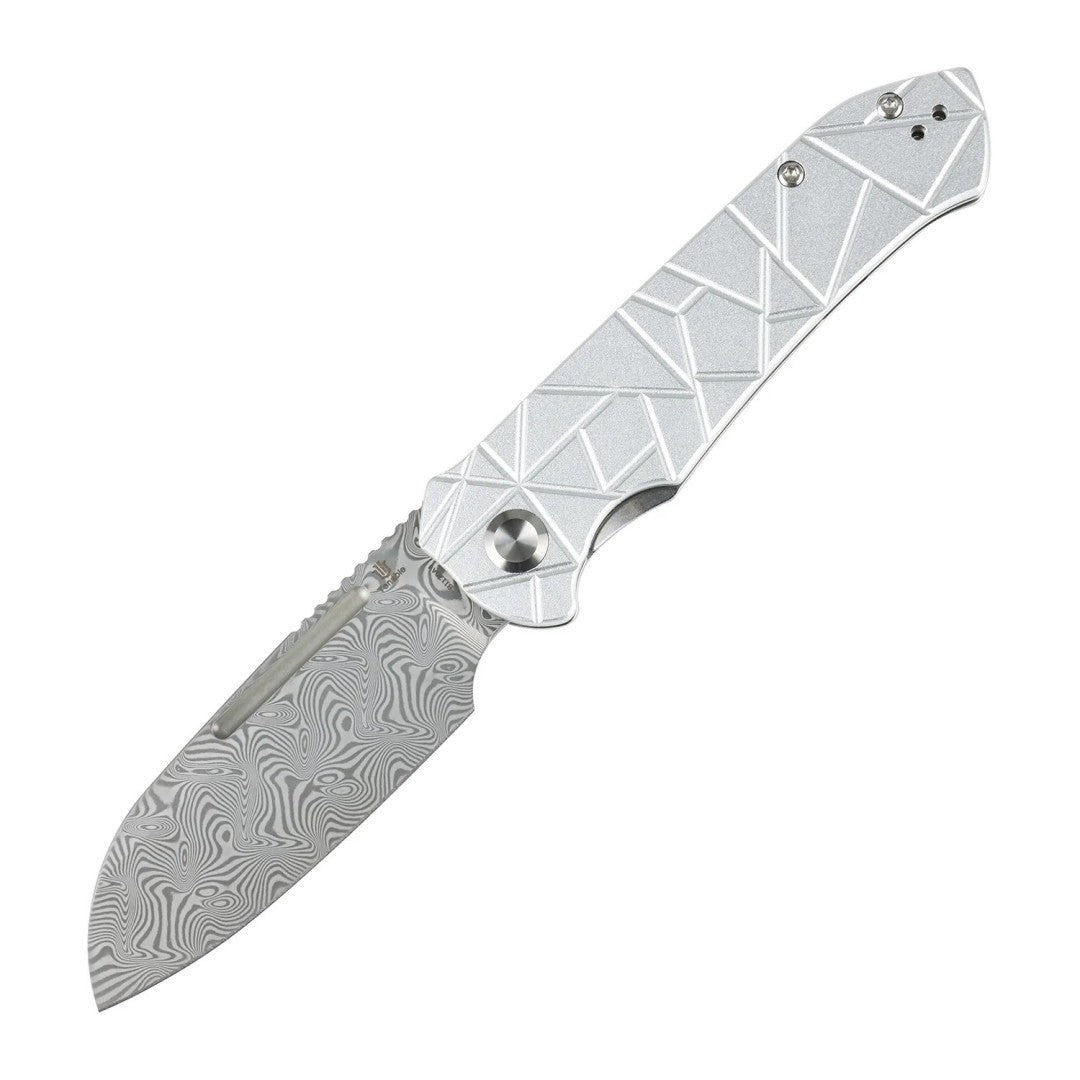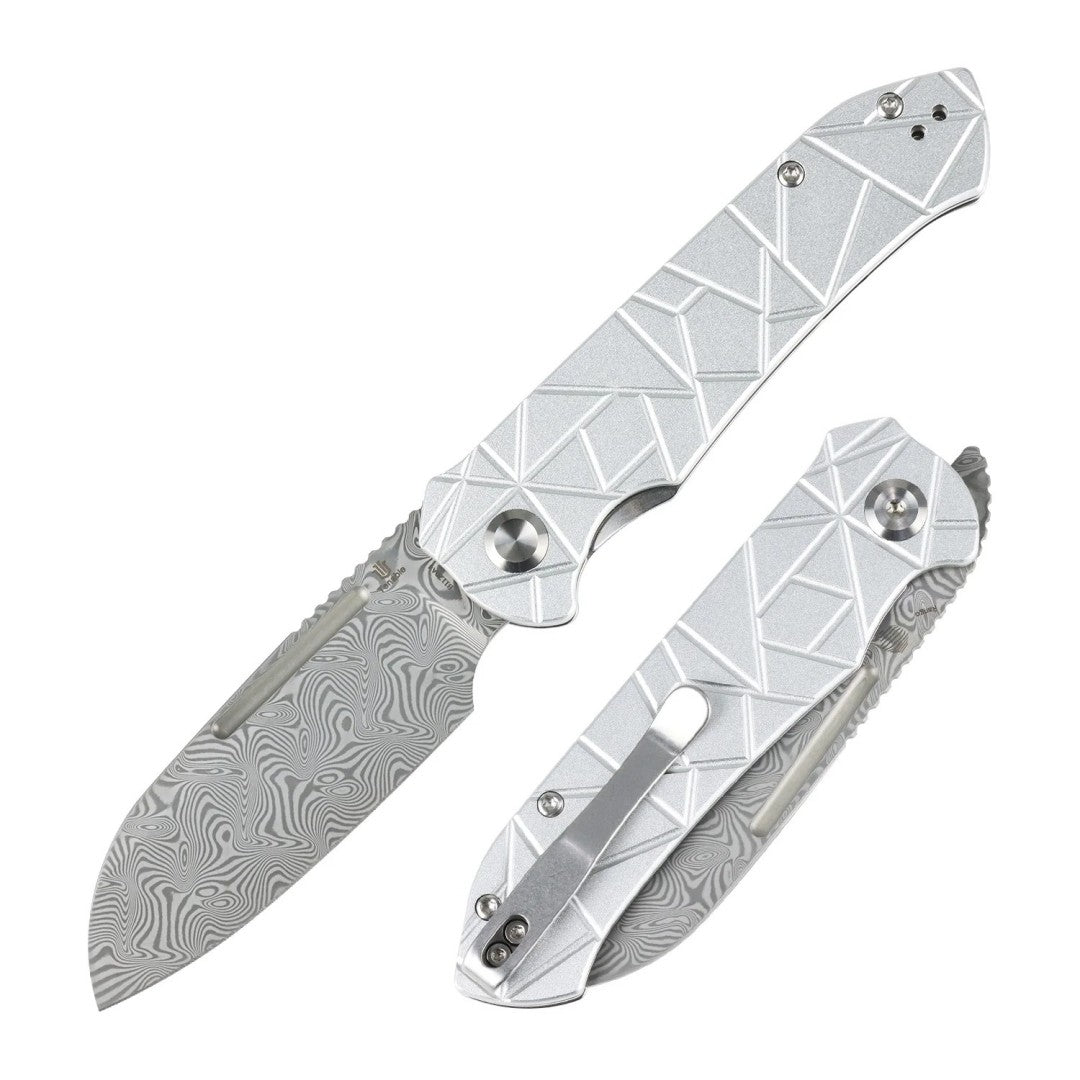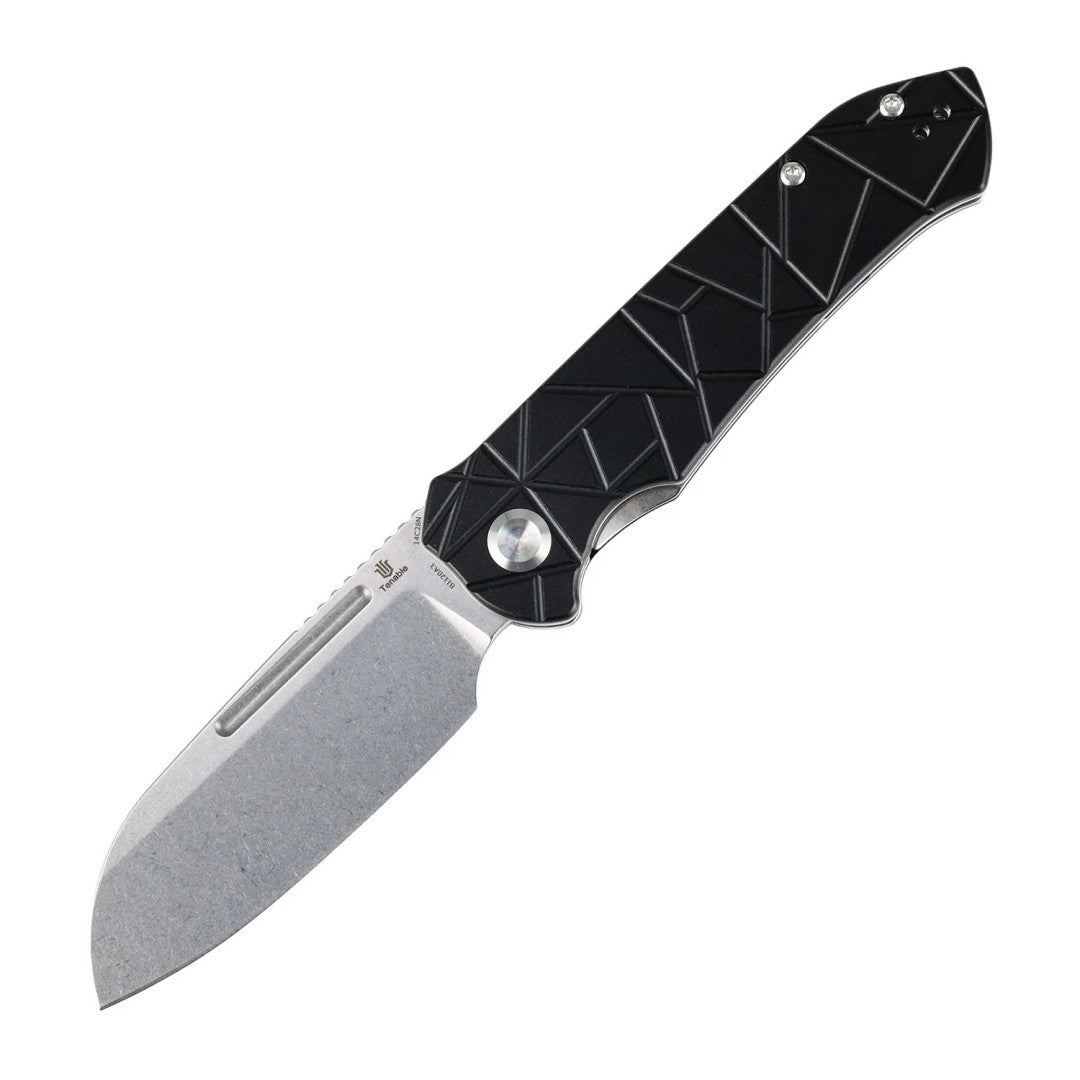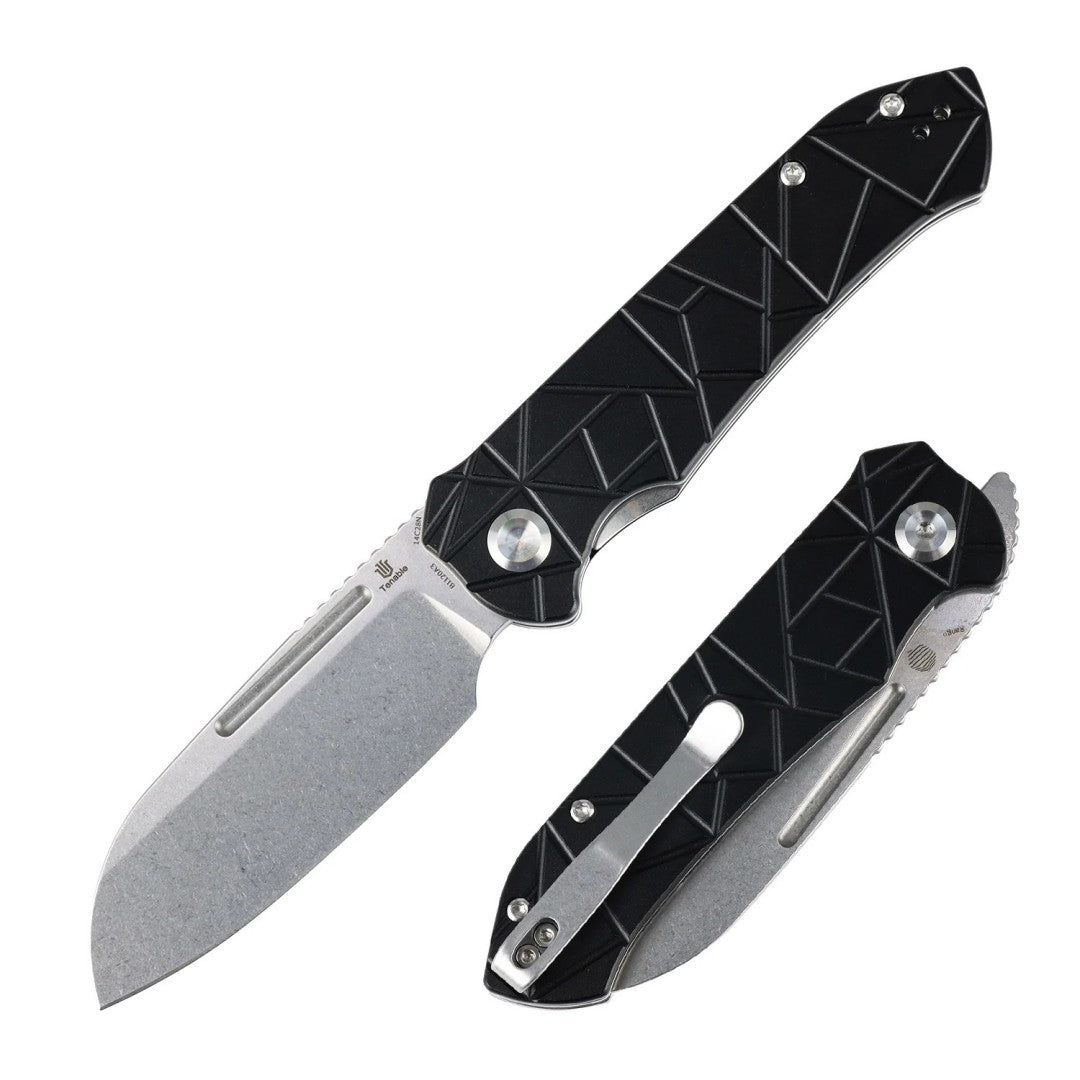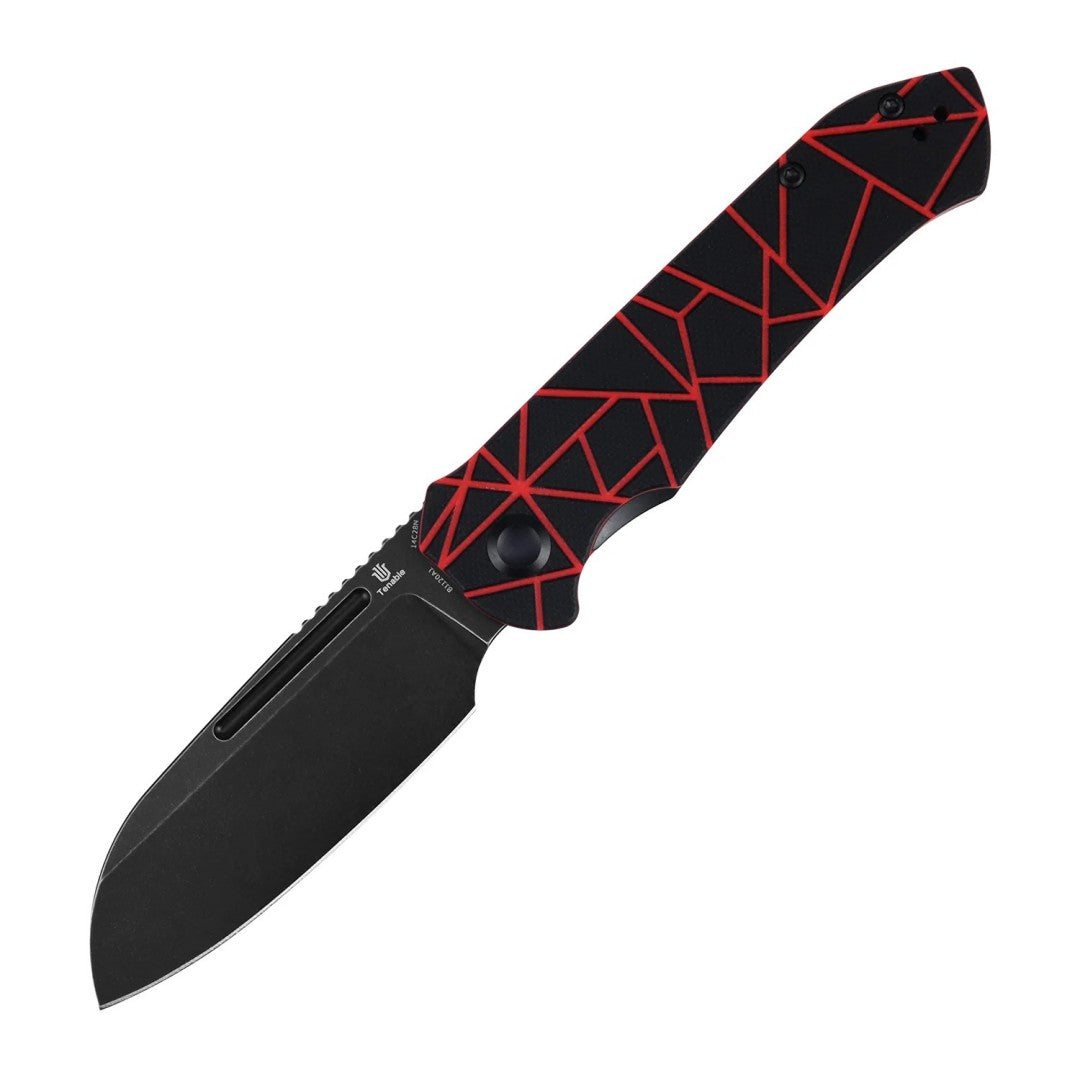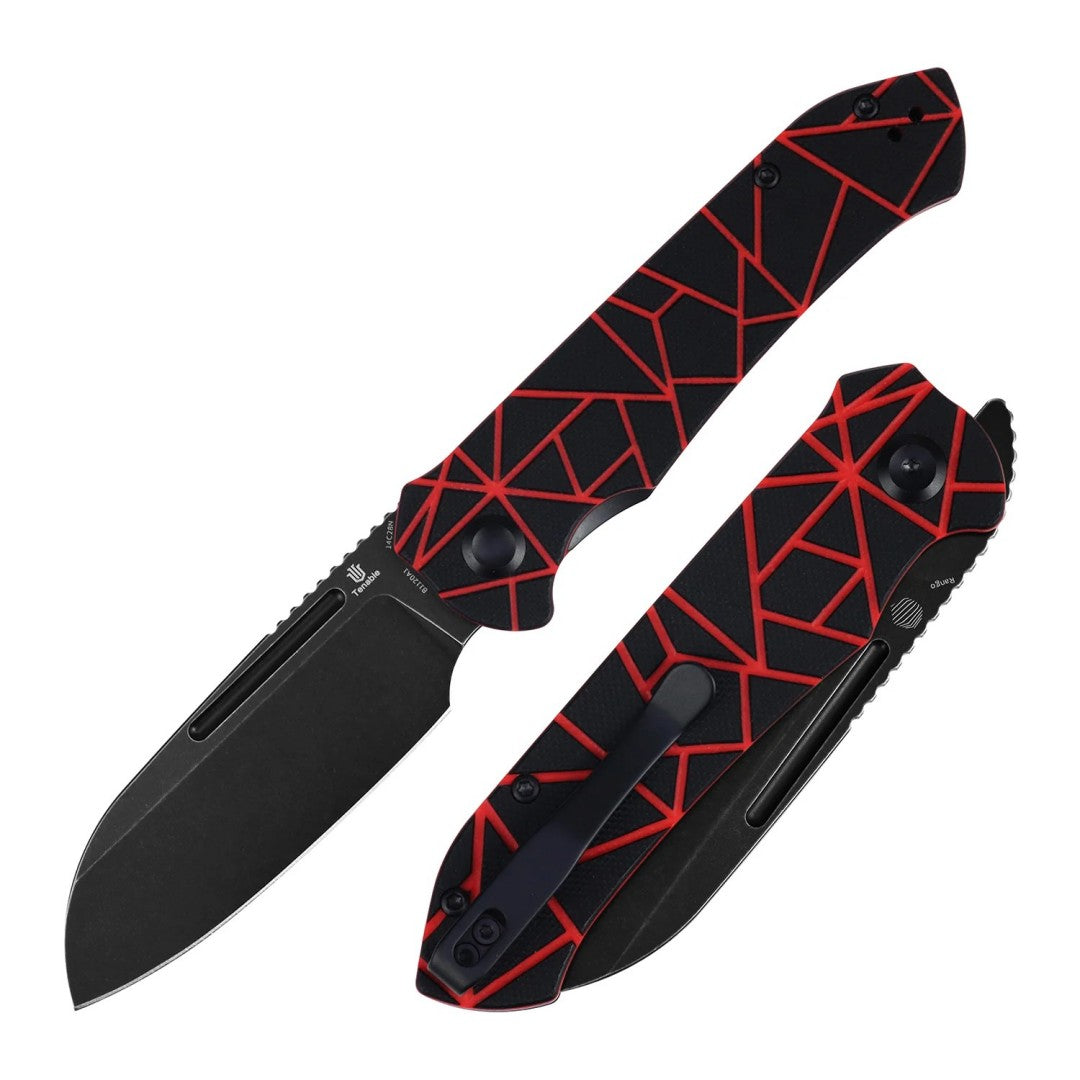

When evaluating a folding knife for long-term pocket carry, smooth action and uncompromising lock stability are two of the most critical factors for enthusiast satisfaction. A knife can look stunning on display, but if the blade feels sluggish on deployment or lacks structural lock integrity, it quickly loses its appeal in practical situations. The QSP Dolphin aims to master both elements by combining high-precision machining with reliable hardware.
Engineered by QSP, a manufacturer celebrated for bringing refined mechanical craftsmanship to budget-friendly price points, this model offers a captivating opening feel paired with solid workhorse capabilities. Here is an exploratory deep dive into the deployment action and lock strength that define this impressive folder.
 Key Operational & Mechanical Features
Before diving into real-world handling, reviewing the foundational specifications helps frame how the hardware operates under load.
| Component / Spec | Engineering Detail |
| Locking System | Stainless Steel Liner Lock |
| Pivot Mechanics | High-Grade Caged Ceramic Ball Bearings |
| Blade Steel | Swedish Sandvik 14C28N |
| Surface Finish | High-Luster Mirror Polish |
| Opening Mechanism | Index Finger Flipper Tab |
| Skeletonized Liners | Stainless Steel Frame Construction |
Unpacking the Flipper Action and Bearing Precision
The first interaction you have with a pocket folder sets the tone for its usability. Pressing down on the index flipper tab of this knife initiates an immediate, snappy response.
Inside the pivot assembly, caged ceramic ball bearings roll against hardened steel washers, minimizing friction during blade rotation. This produces a smooth, hydraulic glide as the blade travels from its seated position to full deployment.
The detent ball is tuned to perfection. It holds the blade securely inside the handle frame to prevent accidental opening inside your pocket, yet releases cleanly when deliberate pressure is applied to the flipper tab. The result is a satisfying, light-switch action that fires the blade open with a crisp mechanical snap every single time.
 Analyzing Lock Engagement and Structural Security
Once deployed, safety becomes the primary focus. The blade relies on an internal steel lock bar that springs inward to brace against the angled heel of the blade tang.
The lockup engagement lands in the ideal 30% to 45% range directly from the factory. This specific positioning provides two major operational advantages:
-
Rock-Solid Lockup: The lock bar seats flush against the blade tang, eliminating vertical blade play and side-to-side wobble under cutting tension.
-
Extended Service Life: As the metal surfaces wear naturally over thousands of deployment cycles, the lock bar has room to travel inward gradually without causing premature lock slip or binding.
During strenuous push-cuts into tough fibrous materials or dense wood, the lock bar maintains constant contact with the tang. The skeletonized steel liners provide rigid structural backing, ensuring the lock face will not slip or fail under heavy downward pressure.
Real-World Ergonomics and Disengagement Control
A lock system must balance strength with user convenience. If disengaging the blade requires painful thumb pressure, the knife loses its charm for quick, repeated daily tasks.
The handle scales surrounding the lock relief are thoughtfully contoured. A subtle cutout on the presentation scale gives your thumb direct, unhindered access to the textured edge of the lock bar. Pushing the lock bar aside requires smooth, moderate force, allowing the blade to fall closed smoothly onto your finger before swinging completely shut.
This seamless one-handed operation makes the folder exceptionally convenient for fast-paced EDC environments where one hand is often occupied holding items being cut.
Maintenance Tips for Peak Operational Performance
To keep the bearing action snappy and the lock engagement crisp, routine care is straightforward:
-
Clear Pocket Lint: Periodically clean out accumulated dust from the open-backed handle spine using canned air or a soft brush.
-
Apply Light Lubrication: Add a single drop of needle-point pivot oil directly to the ceramic bearings and detent ball path.
-
Check Hardware Tension: Ensure the main pivot screw remains properly torqued to maintain ideal blade alignment without introducing play.
 Final Thoughts on Action and Safety
Exploring the mechanical design of this folder reveals why it stands out in a crowded market. The combination of ceramic bearing deployment, precise detent tuning, and dependable locking security creates an effortless user experience. Whether you prioritize flickable opening action or peace-of-mind lockup during tough tasks, this knife delivers on all fronts.