
Overview & First Impressions
Grind geometry decides how a knife cuts long before steel choice enters the conversation. A hollow grind thins the blade behind the edge and slices aggressively, while a flat grind keeps more material behind the apex and holds up better under lateral load. Neither is better in the abstract, and the right answer depends entirely on what the knife is asked to do each day. The EDC knives worth owning make that choice deliberately.
Materials & Construction
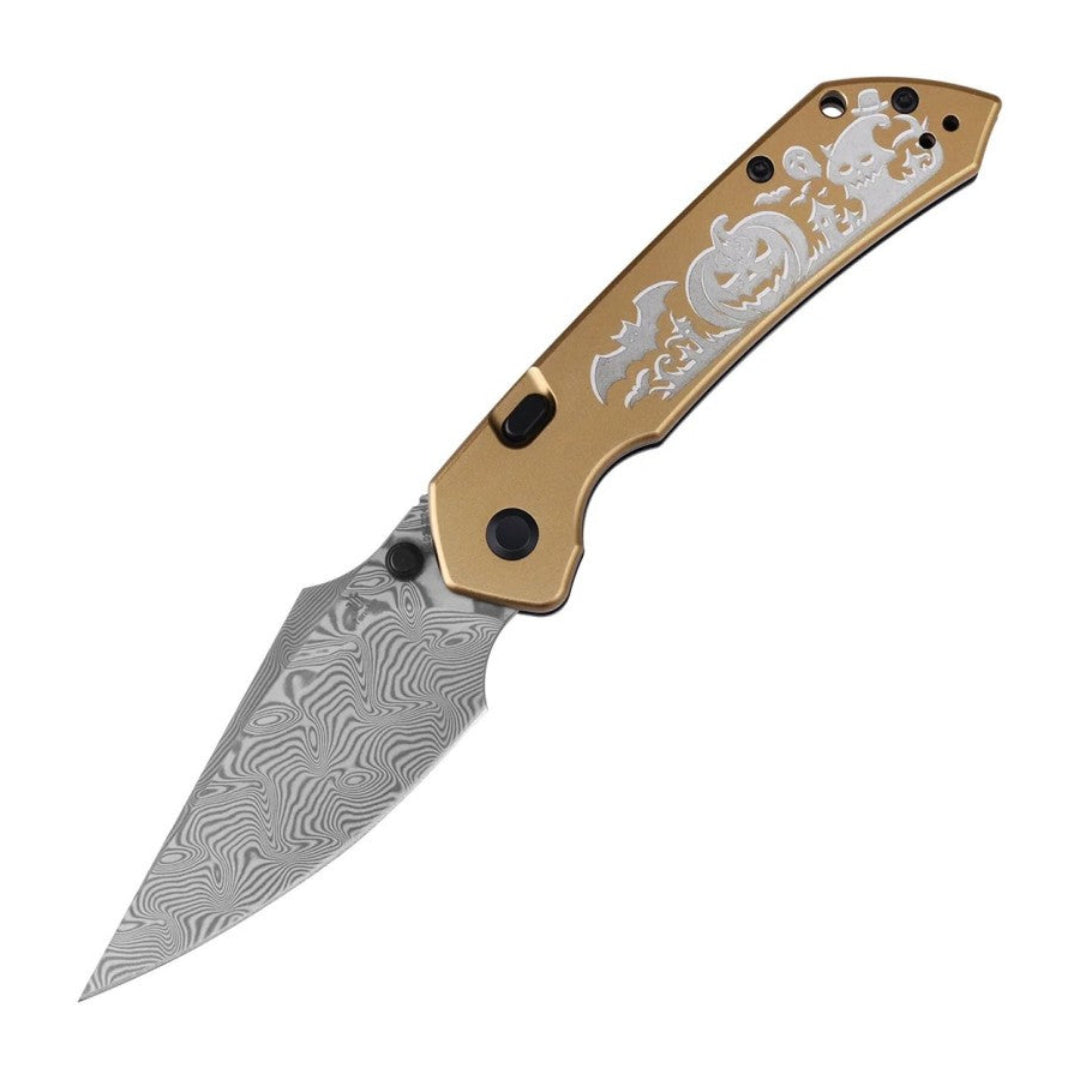
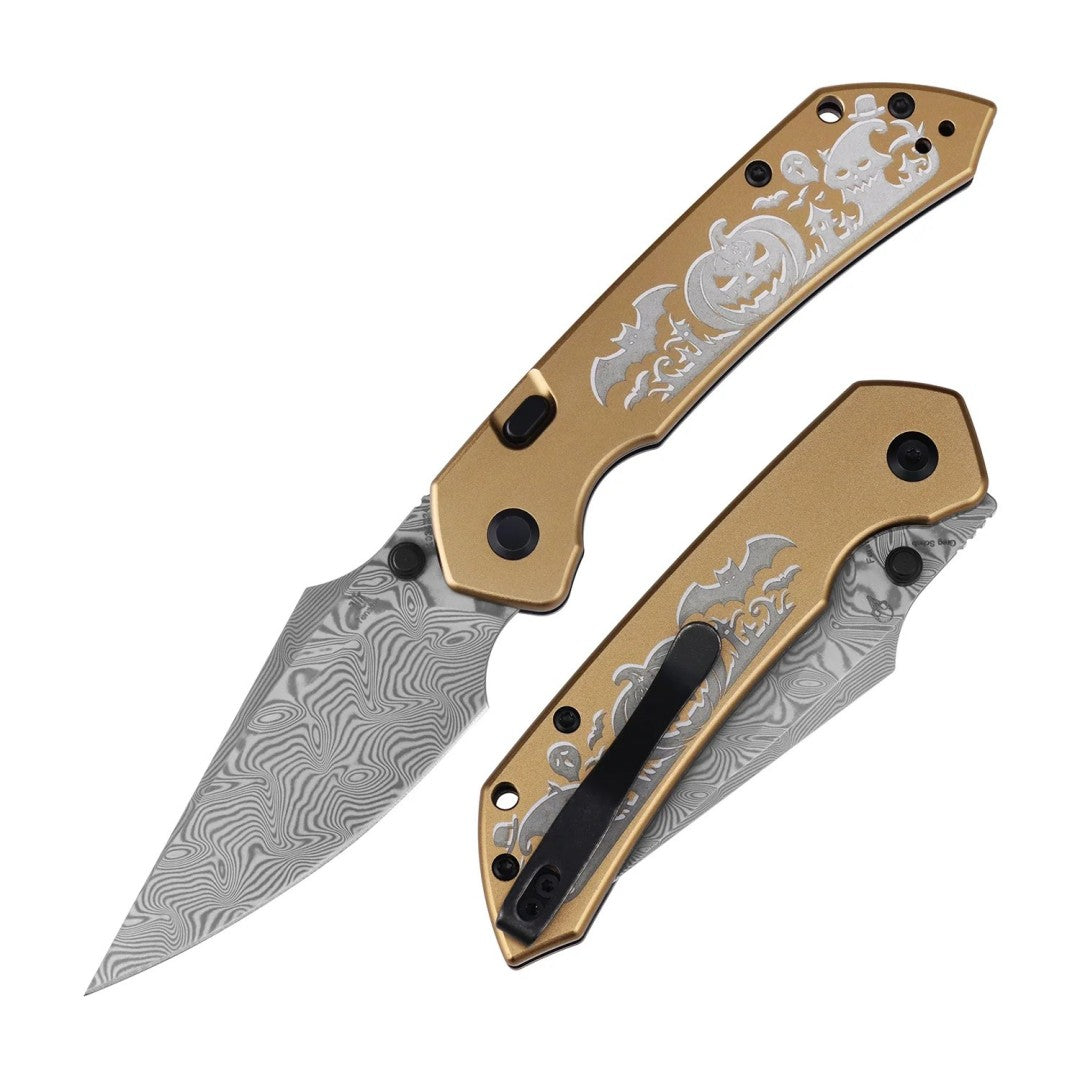
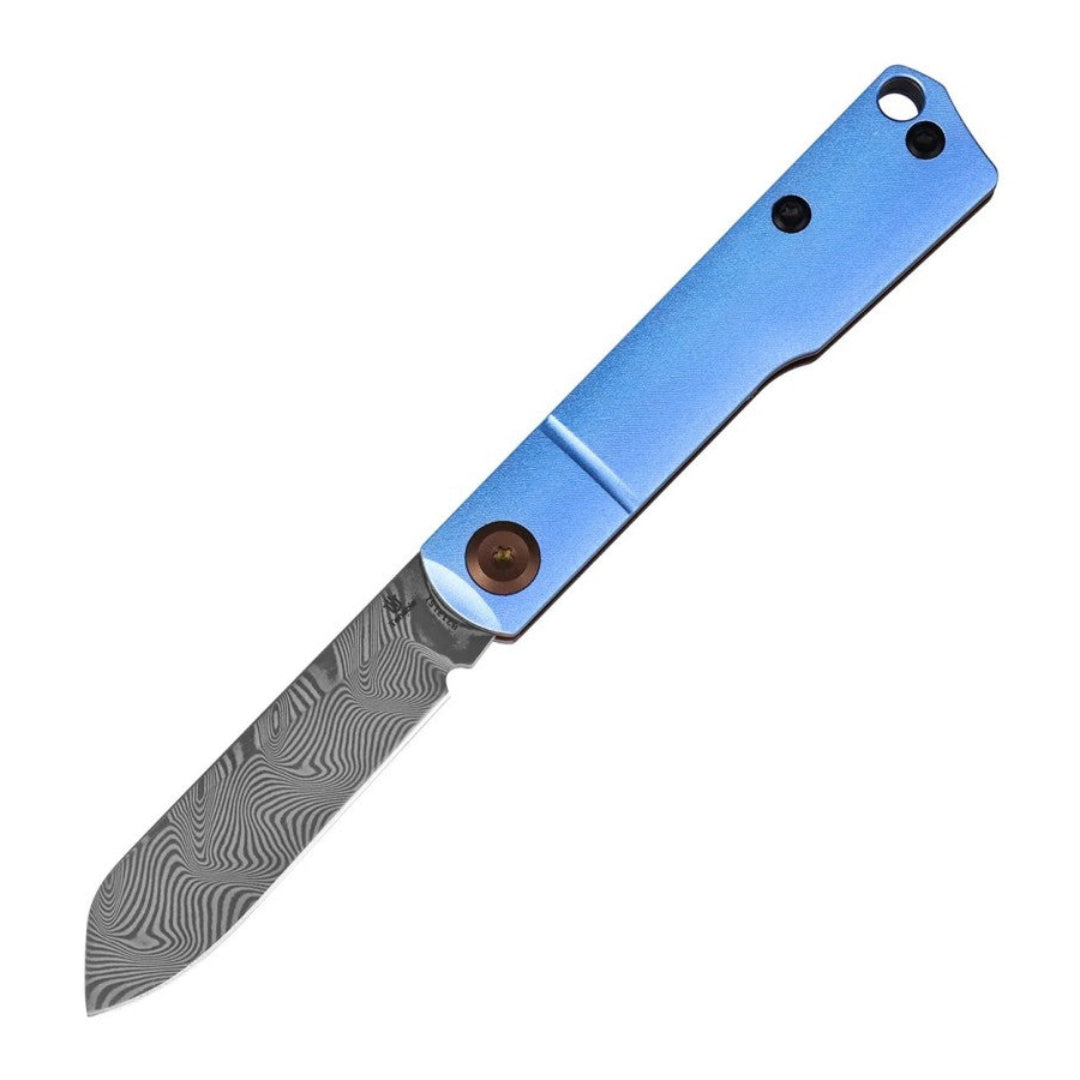
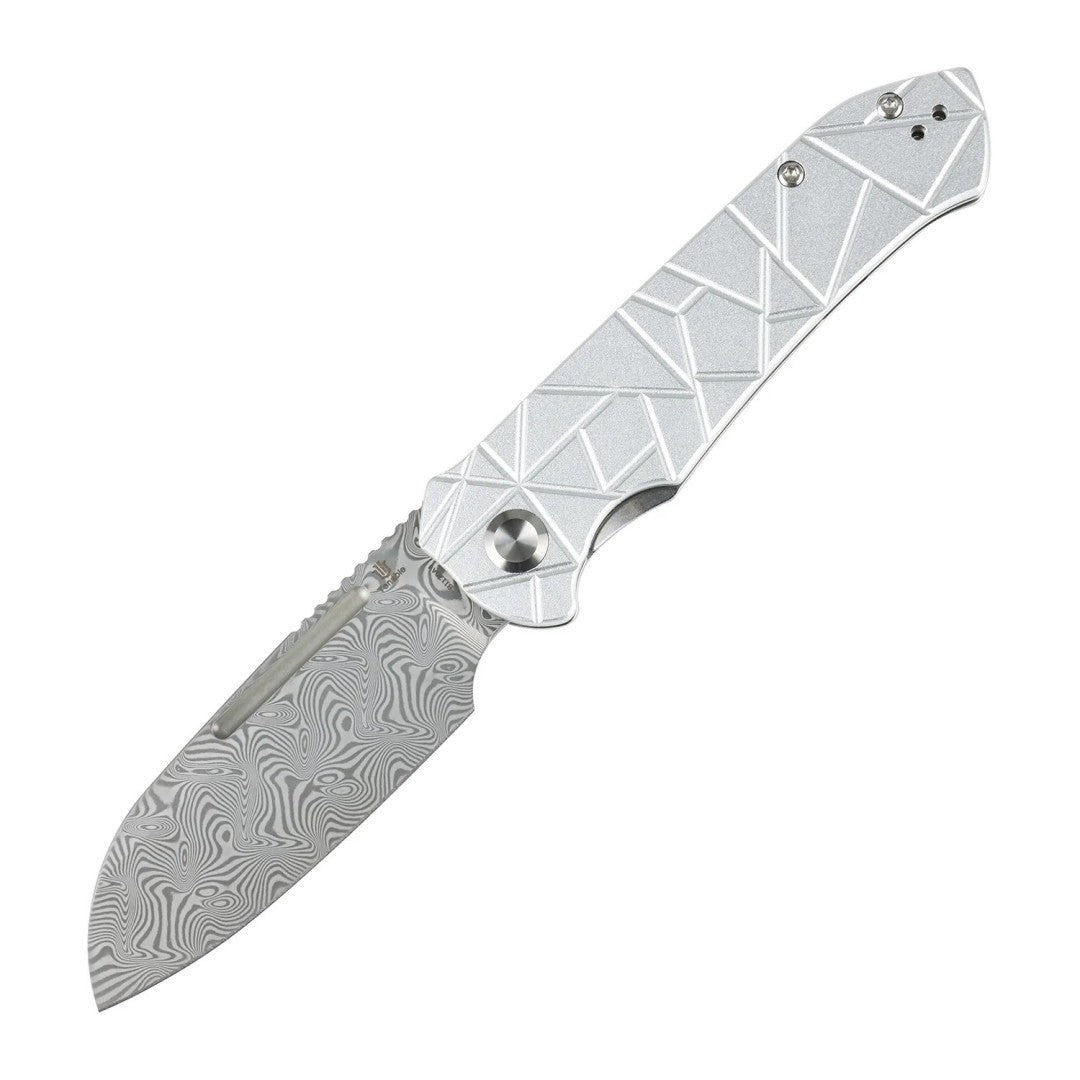
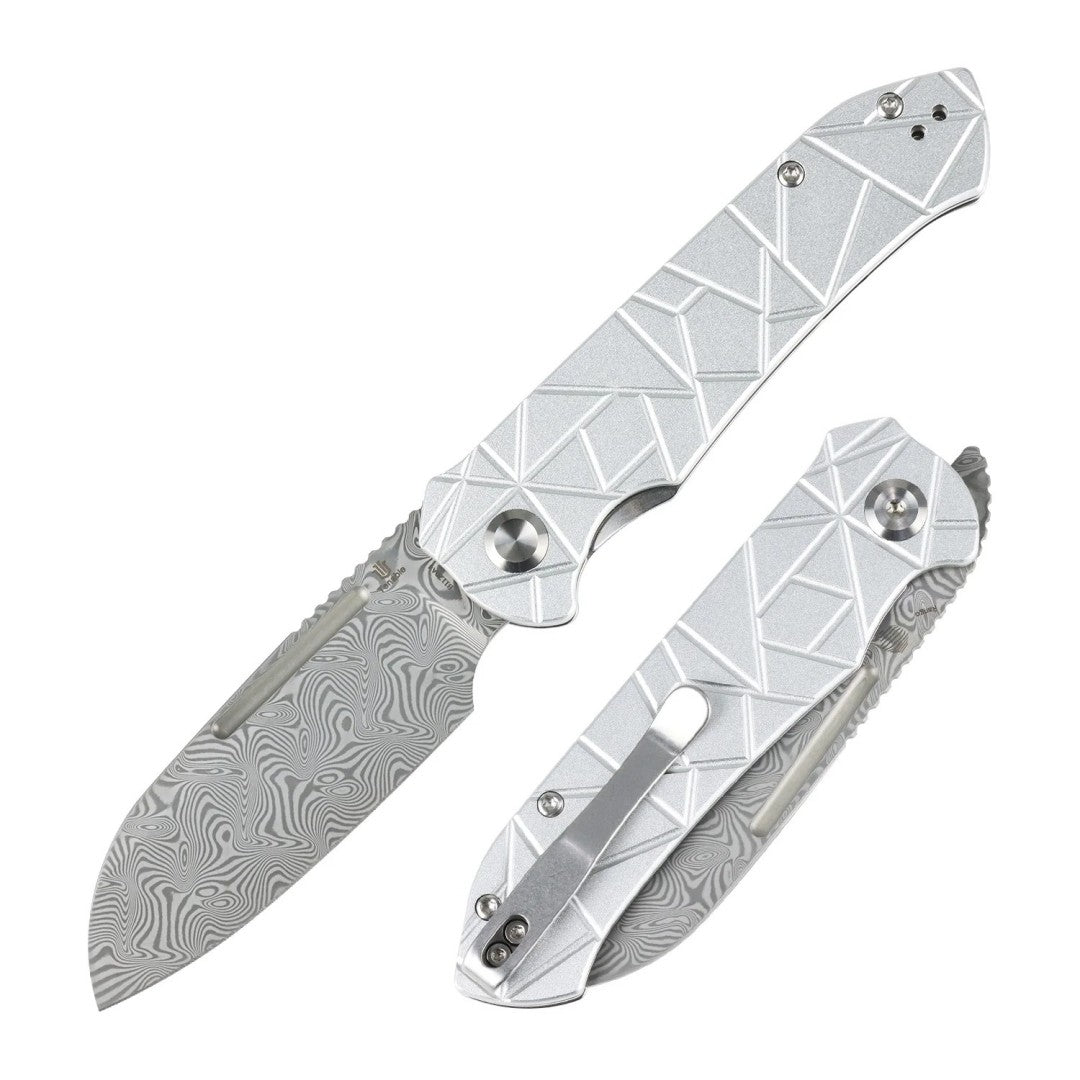
A Damascus steel blade such as the one on the Kansept Lucero T2156A1 makes the geometry visible, because the layered pattern follows the grind and shows exactly where material has been removed. That knife pairs its blade with a liner lock and a camo carbon fiber handle, and its flat grind suits the sort of general cutting that fills a pocket knife's day. Kansept Lucero models show how grind, steel and handle should agree with each other.

Design & Details
A hollow grind produces a thin, keen edge that glides through soft material, which makes it popular on slicing knives and traditional folders. A flat grind removes stock in a single plane, leaves a stronger apex and is easier to maintain on a stone, and a full flat grind is the compromise most makers reach for. A sabre grind adds a shoulder for strength. Each choice trades slicing efficiency against durability.
Real-World Use
In daily use the difference appears quickly. Cutting cardboard, rope and food rewards a hollow or full flat grind, while scraping, chopping and prying-adjacent tasks favour a flatter, thicker geometry. Among folding knives, a full flat grind is the safest default because it handles packaging, trimming and utility work without feeling fragile or sluggish.

Ownership Notes
The practical test is repetition. Use the same knife for a week of the same task and note where it stops cutting cleanly, because that is the moment the geometry, not the steel, has been exceeded. Keep a stone appropriate to the grind, and remember that a hollow grind takes longer to repair once it has worn. EdcMall carries the folders whose geometry matches real daily work. Geometry also interacts with sharpening more than most buyers realise. A hollow grind needs a stone that matches its curve to keep the edge even, while a flat grind is far more forgiving in the hand and can be maintained on a simple bench stone. When a blade is used for one narrow task, match the grind to that task; when it is the only knife in a pocket, choose the grind that survives variety.
Who Is This For?
This is for buyers choosing a first serious folder, for collectors comparing patterns and for anyone whose knife stops working halfway through a job. If you cut soft material all day, a hollow grind will delight you. If you cut whatever is in front of you, choose flat.
Final Verdict
Grind is the quiet decision that shapes everything else. Hollow for slicing, flat for strength, full flat for balance, and a match between geometry and daily task will always beat an impressive specification.