
Overview & First Impressions
A crossbar folder among today's folding knives is a small machine, and like any machine it can be tuned. Pivot tension, detent strength and lock seating all interact, and a knife that feels gritty, drops far too easily or snaps open with a hitch is usually telling you that one of the three needs attention. Understanding that relationship is the difference between a knife that simply opens and one that opens exactly the way you want. The EDC knives in a rotation deserve that five minutes.
Materials & Construction
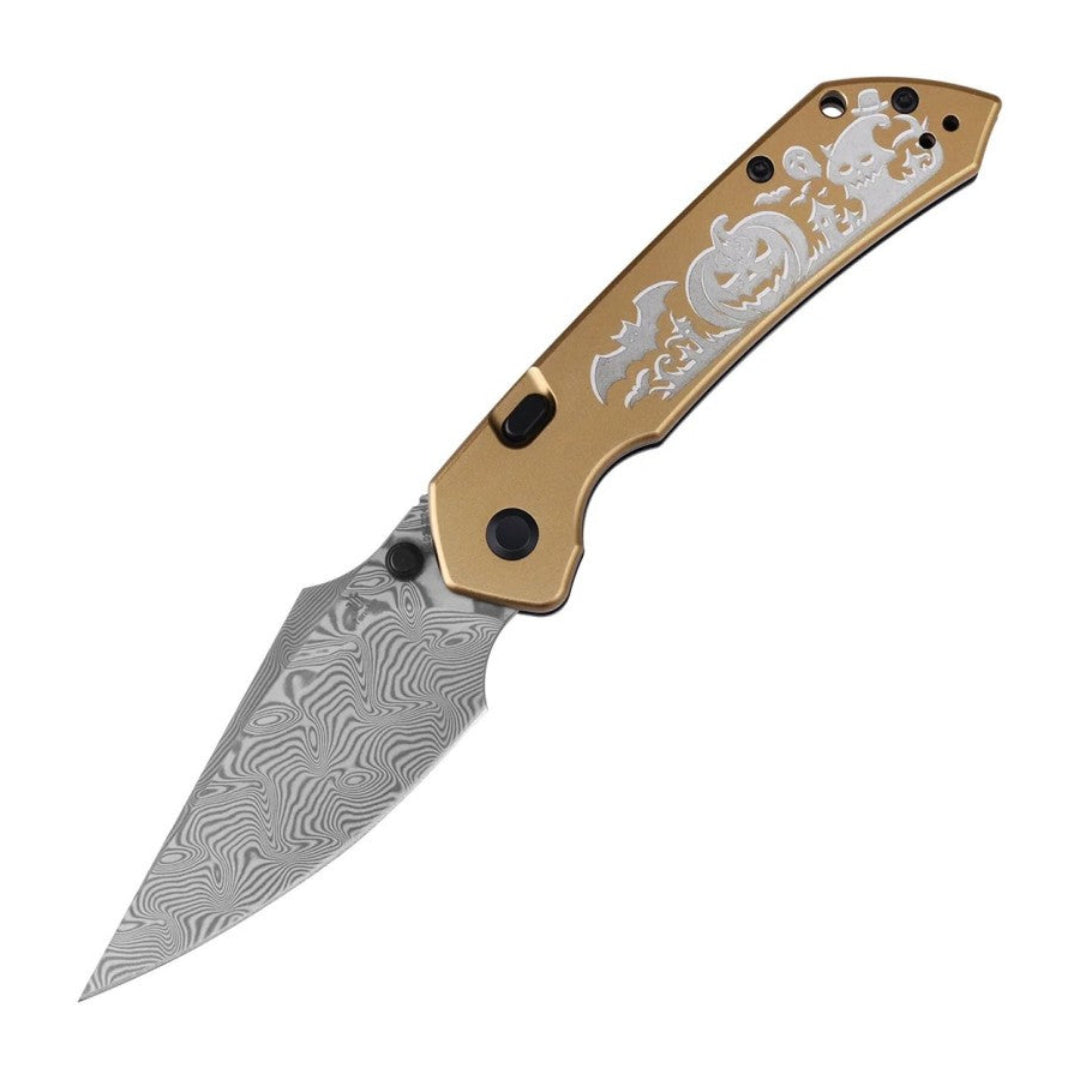
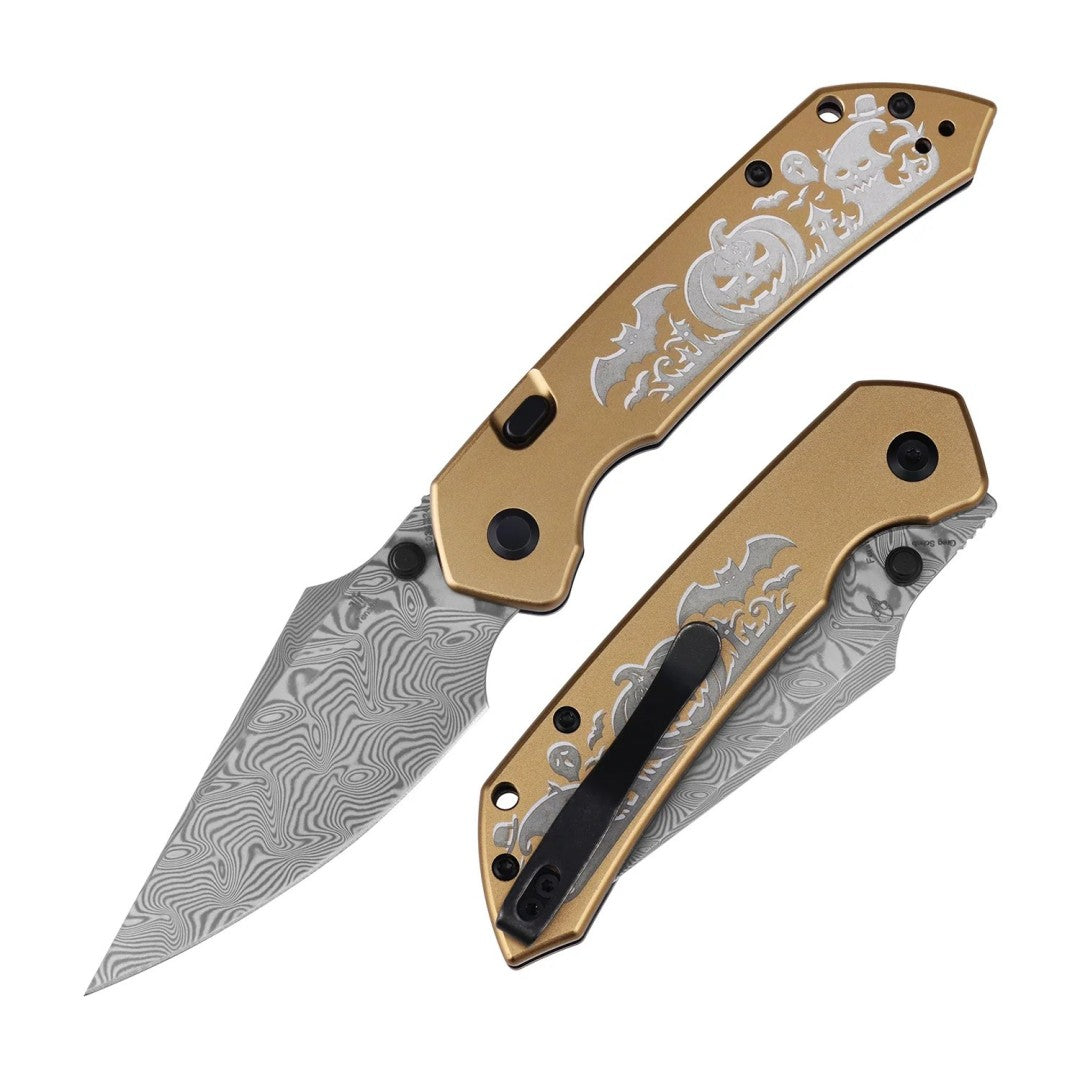
M390 is a steel that benefits from a well-tuned action, because a blade this hard takes a long time to break in through use alone. The GEO Knife Aska GEO2511A pairs that steel with a titanium handle and a crossbar lock, and the tolerances are tight enough that a small pivot adjustment is felt immediately. GEO Knife builds this pattern so that the action can be dialed in rather than simply tolerated.

Design & Details
The three adjustments are independent but related. Pivot tension controls how freely the blade moves, the detent controls how firmly it is held closed, and the lock seating controls how the blade snaps open and how it feels on the way in. Loosen the pivot too far and the blade will wobble, tighten it too much and the detent will feel like a fight. Set them in that order and re-test after each change.
Real-World Use
Tuning is practical rather than fussy. A knife that will not stay closed in a pocket gets a stronger detent, a knife that will not flick open gets a lighter pivot or a different detent ramp, and a knife that feels rough gets a clean and a drop of lubricant before anything is adjusted. Test each change with the knife closed, then open, then loaded.

Ownership Notes
Keep a set of quality drivers, a small bottle of lubricant and a cloth in one place, and never adjust a pivot with the wrong tool. Photograph the screw positions before you start, work in small increments and test after every change. Replace a worn lock bar rather than bending it. EdcMall carries the folders and accessories that reward careful tuning. Spare parts also belong on the bench. A small box with pivot screws, a spare lock spring and a drop of thread locker turns a stripped screw from a disaster into a two-minute repair, and it lets a knife be restored rather than retired. Note the driver size for each model, because a pivot screw that has been chewed by the wrong bit stops being adjustable altogether. Care here extends a folder's life by years.
Who Is This For?
This is for anyone who carries a modern folder daily, for collectors who care about action quality and for the tinkerers who enjoy the process. If a knife opens fine and closes fine, leave it alone. If it annoys you every day, five minutes with the right driver will fix it.
Final Verdict
Action quality is a tuning problem, not a mystery. Set pivot tension, then detent, then lock seating, test each stage, and a crossbar folder will feel custom simply because it was adjusted properly.