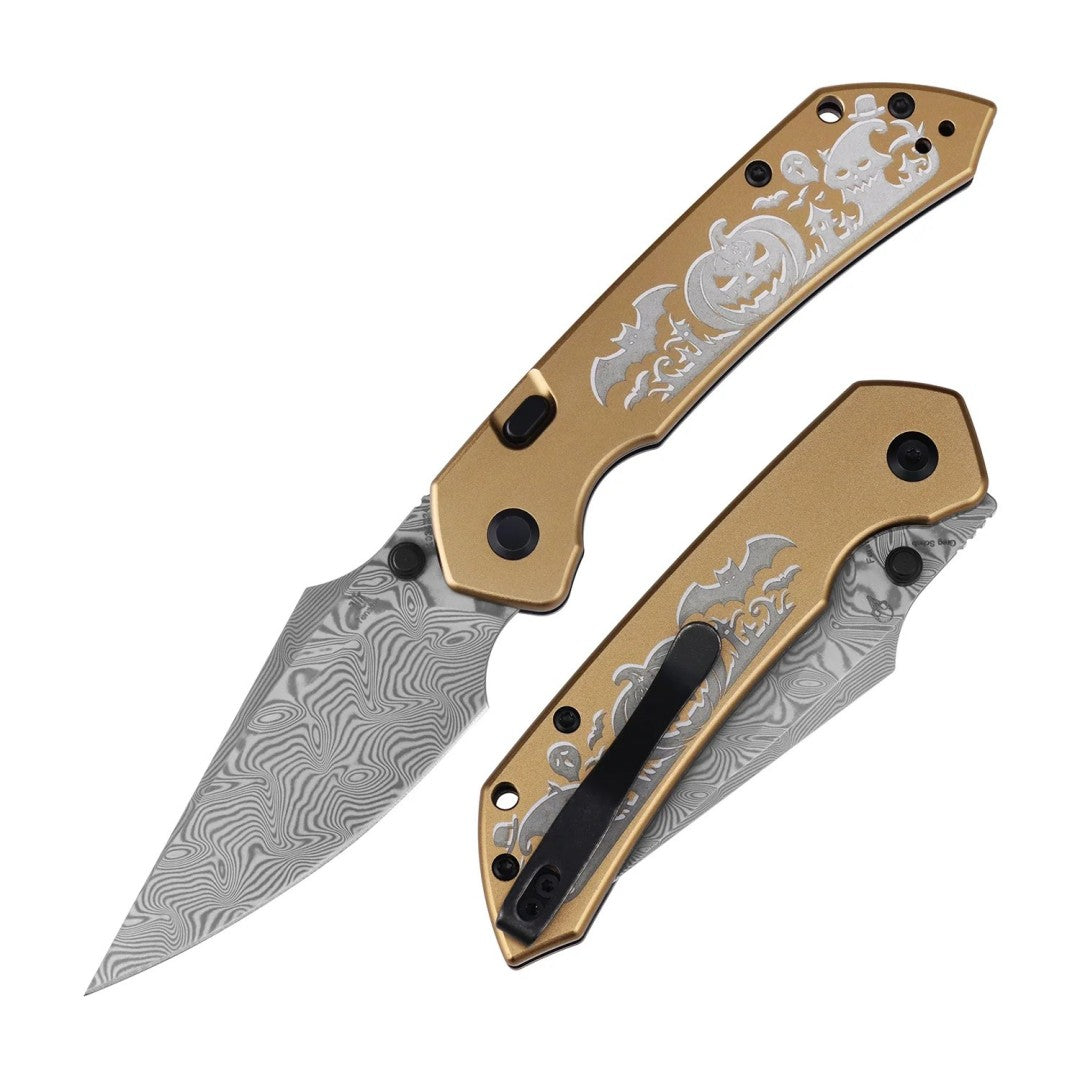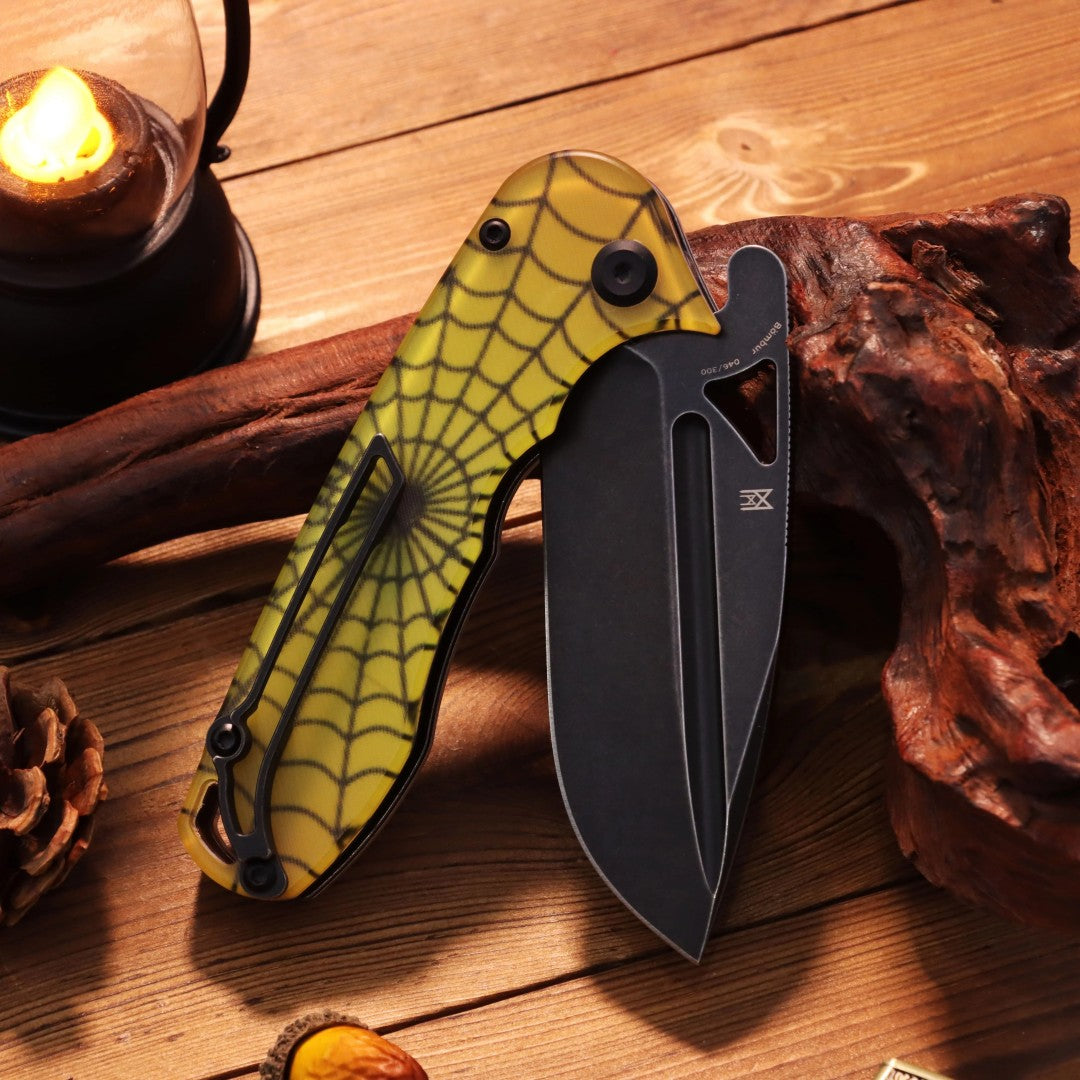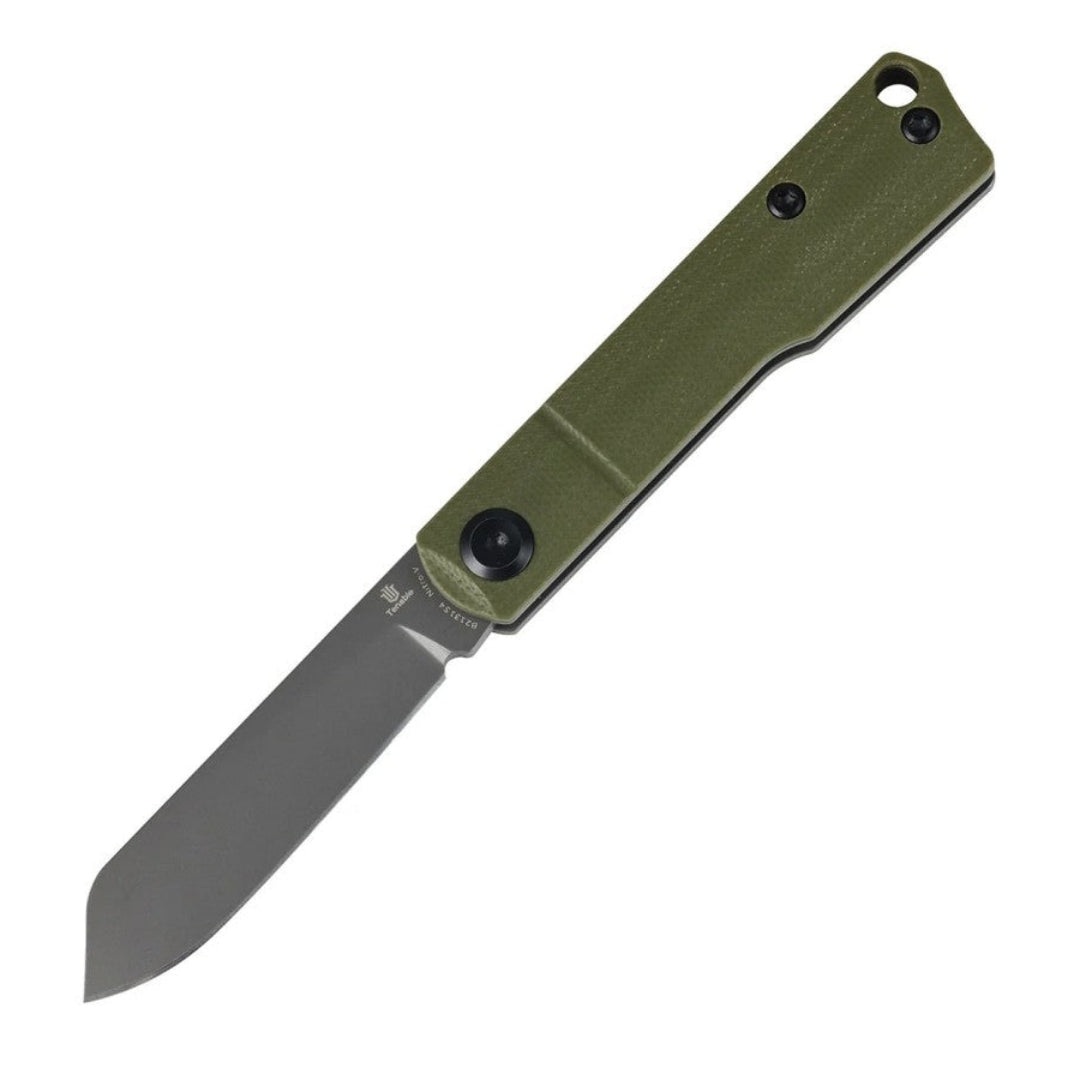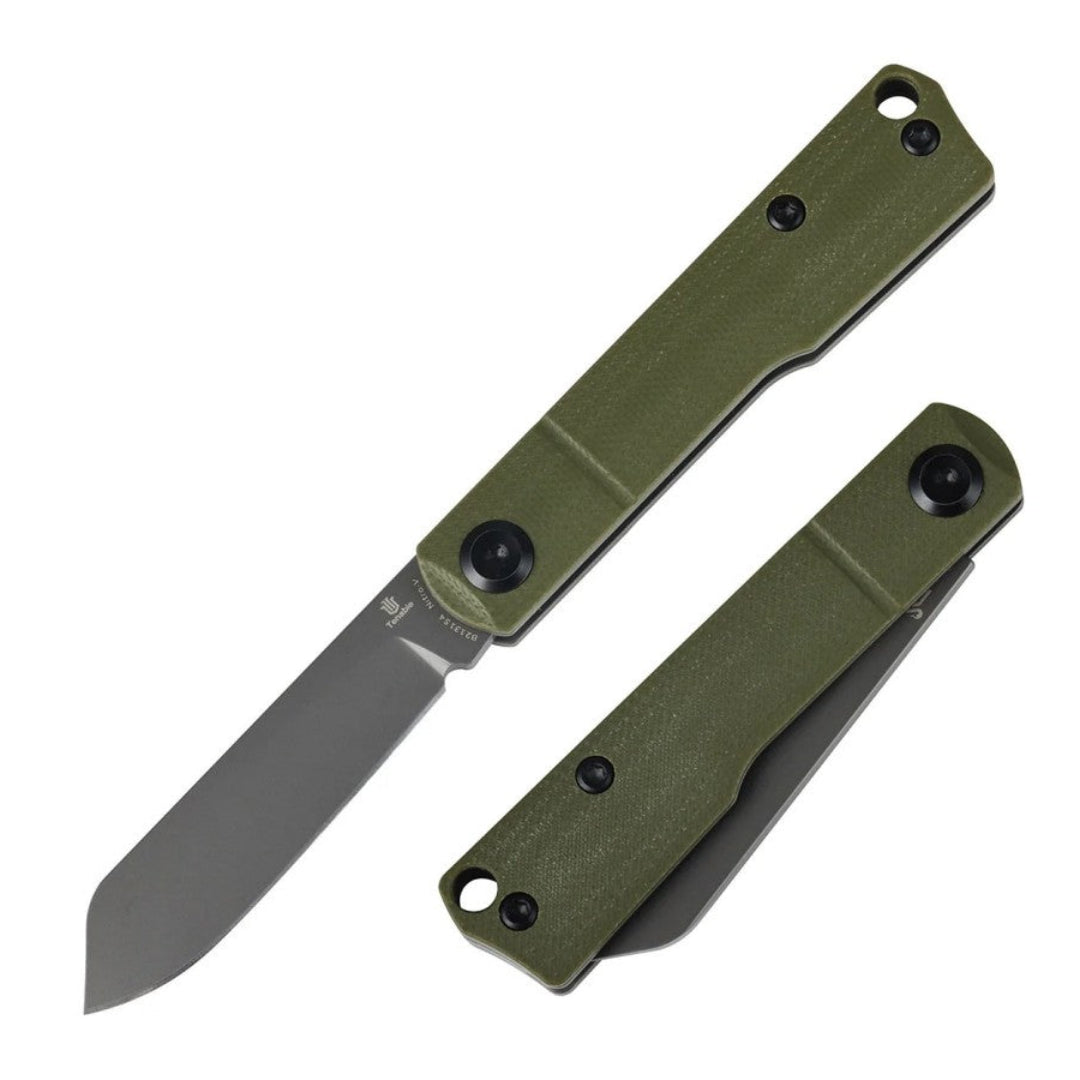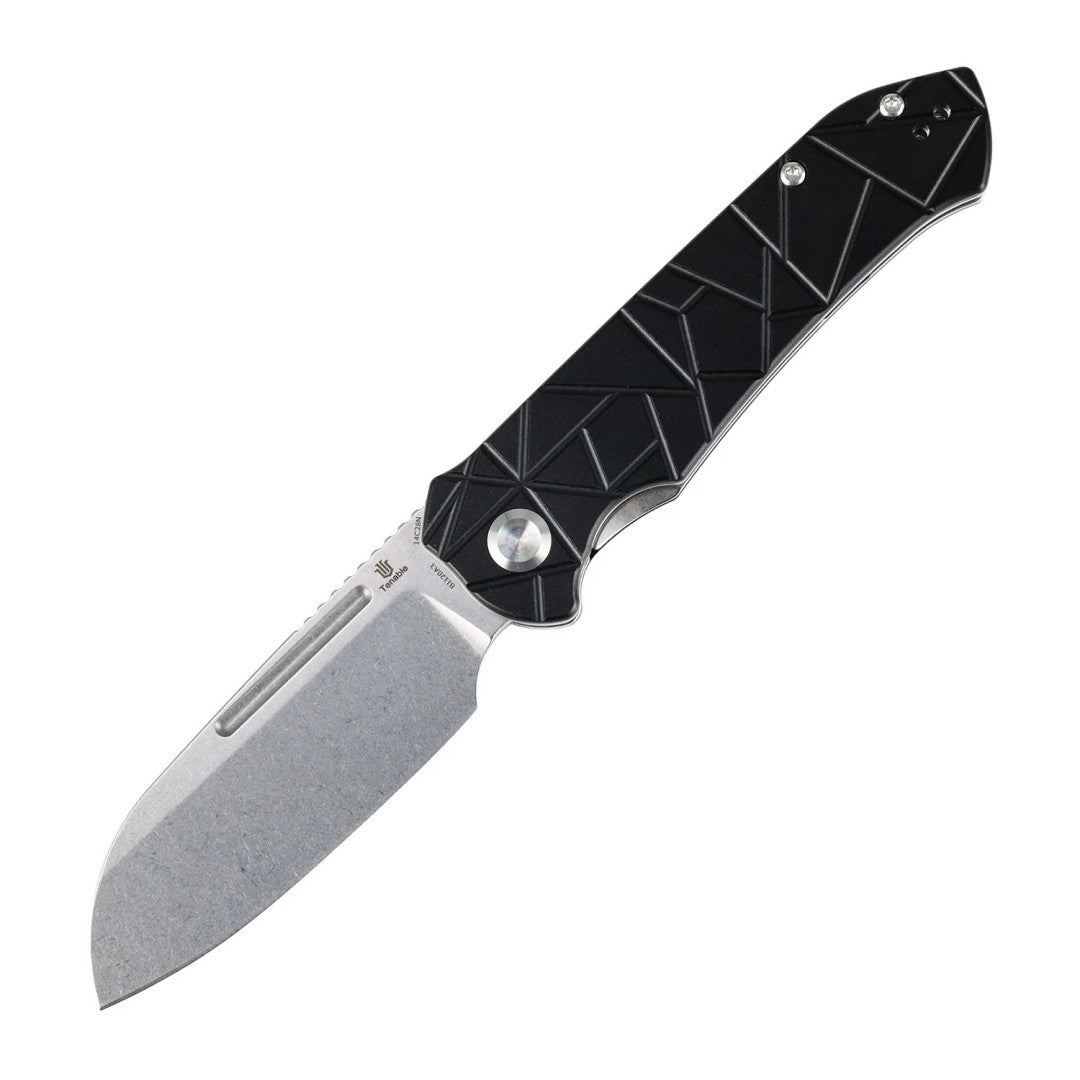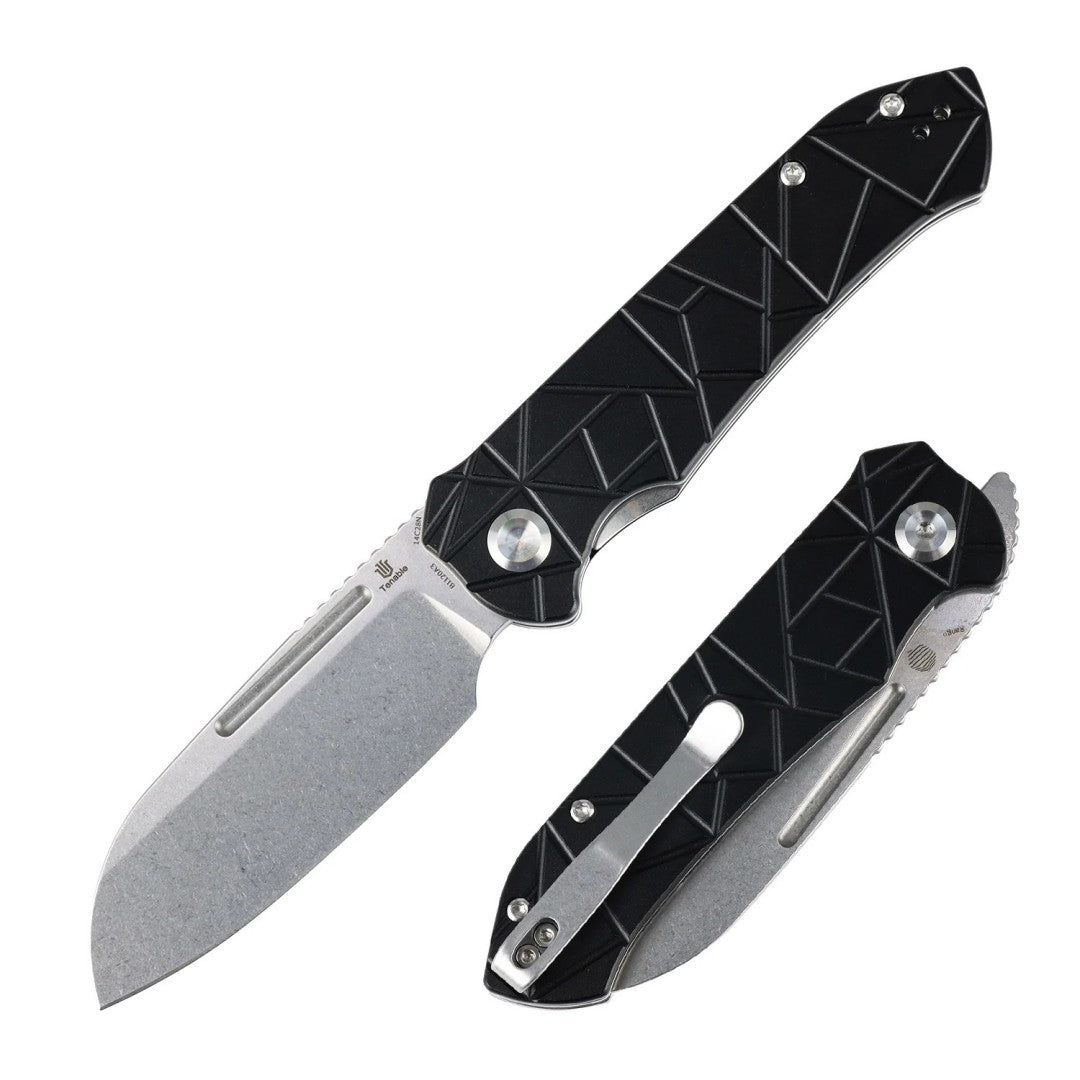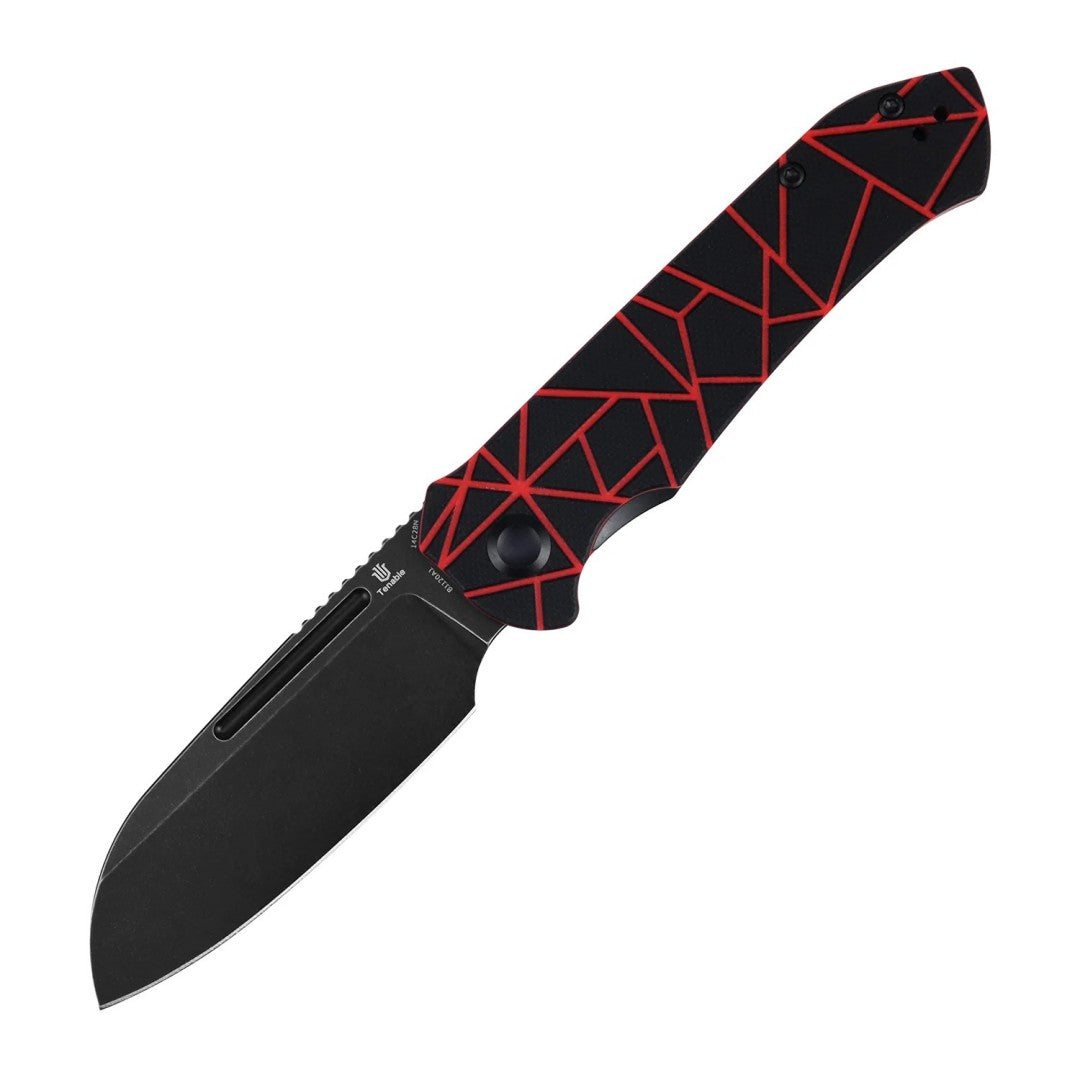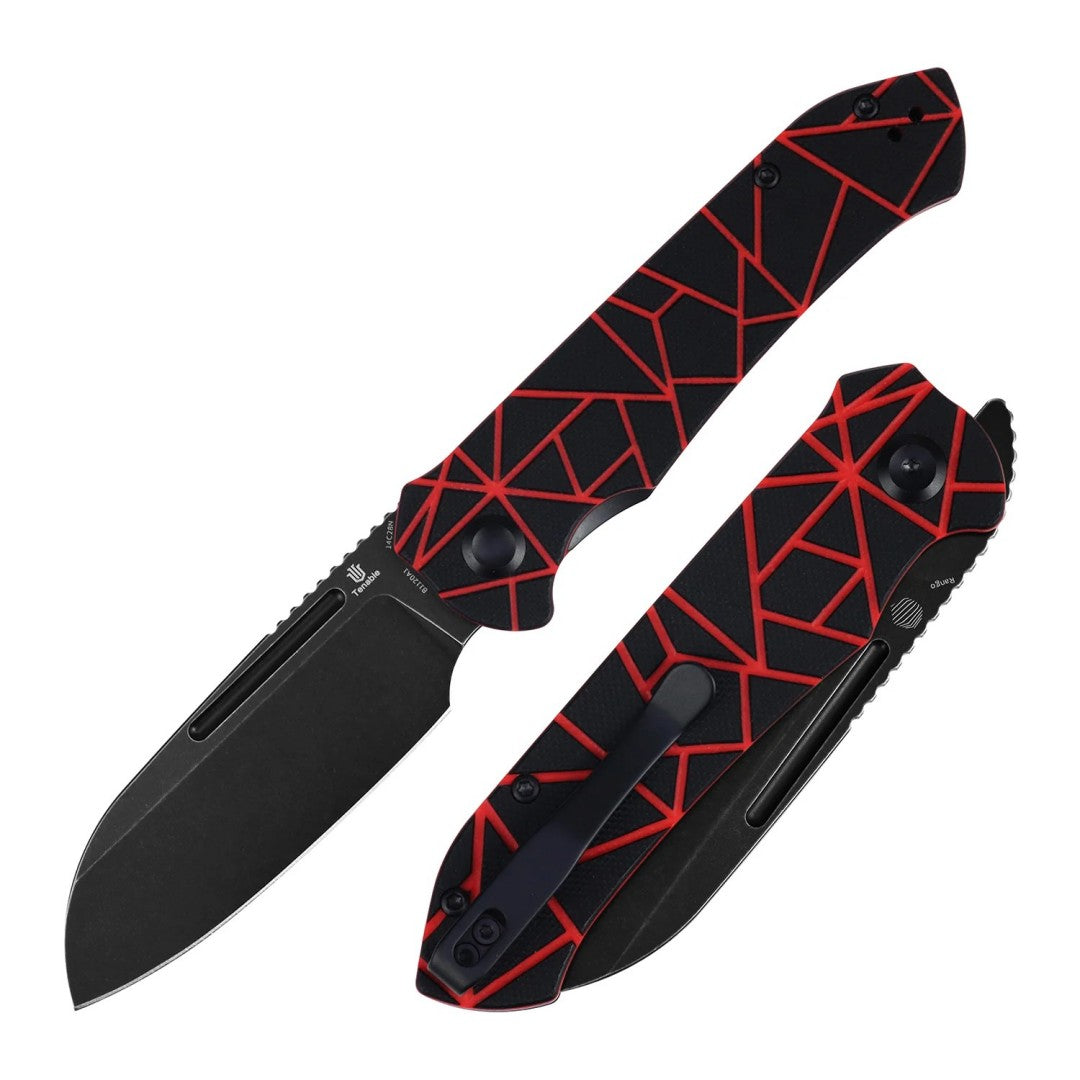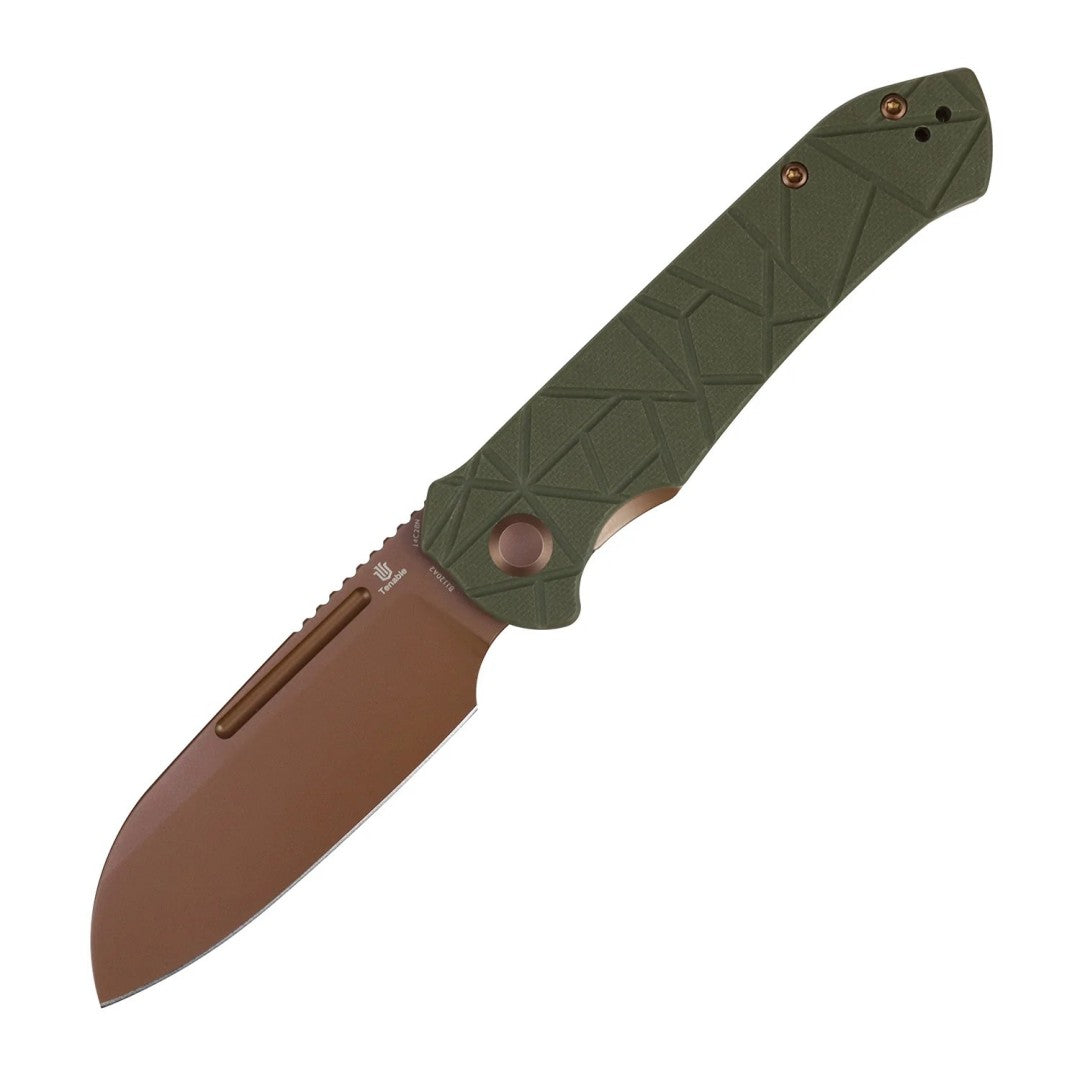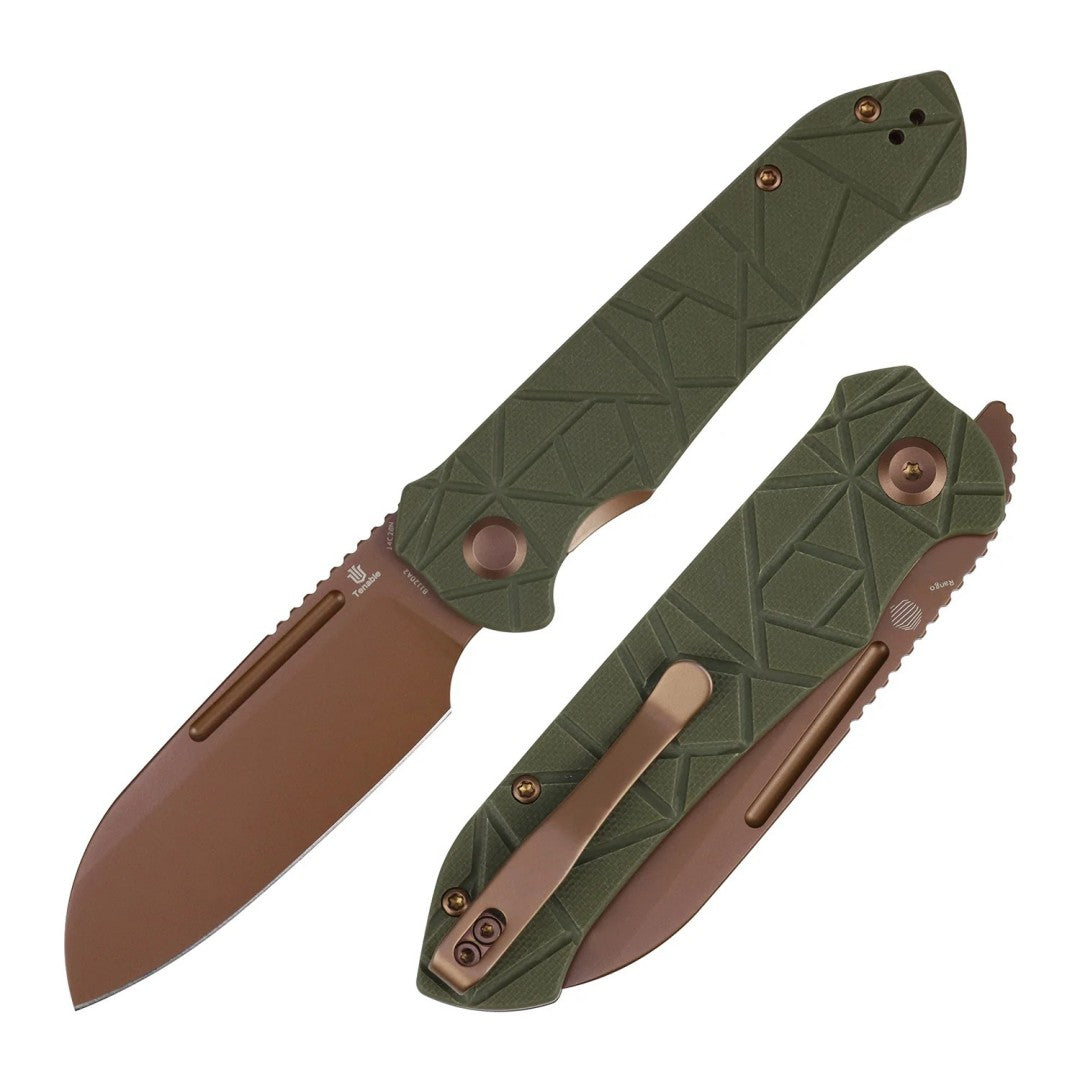

When considering a folding knife for long-term pocket carry, handle durability is just as crucial as edge retention. While traditional G10, titanium, or carbon fiber handles are renowned for rugged utility, high-density resin scales bring a vibrant, custom-style aesthetic to modern pocket tools. However, many gear enthusiasts naturally wonder whether a knife featuring synthetic resin scales can withstand real-world wear, accidental drops, and daily friction.
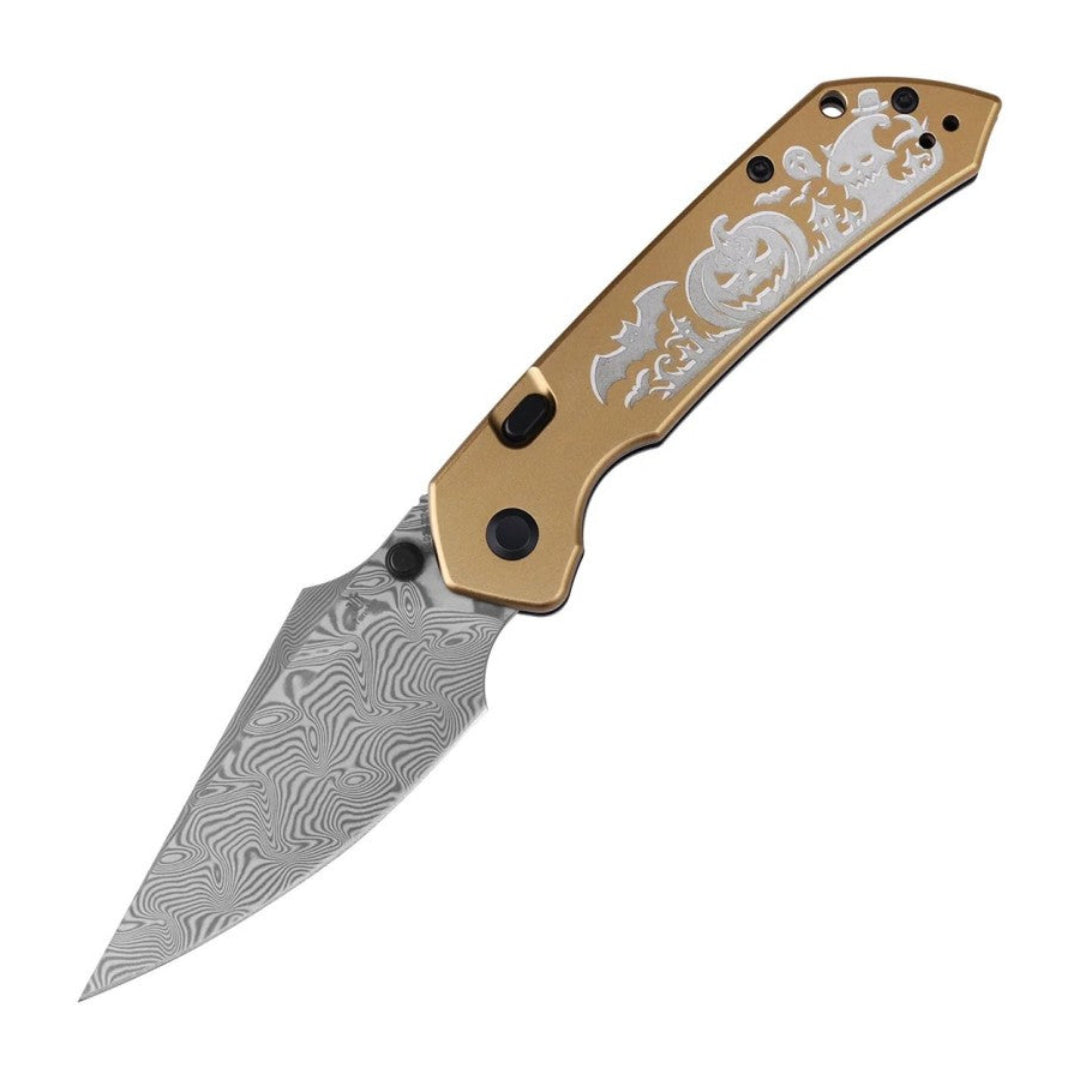
Evaluating the resin edition of the QSP Dolphin reveals how modern polymer engineering meets mechanical precision. Manufactured by QSP, a brand recognized for delivering exceptional manufacturing standards at accessible price points, this folder pairs an eye-catching handle with a high-performance blade. Here is an in-depth assessment of the resin handle's durability, structural integrity, and long-term reliability under regular use.
 Material and Hardware Technical Overview
Evaluating real-world durability begins with analyzing the physical metrics and construction details behind this folding knife.
| Feature / Hardware Spec | Mechanical Detail |
| Handle Scale Composition | High-Density Cured Epoxy Resin |
| Substructure Frame | Full Skeletonized Stainless Steel Liners |
| Blade Steel Grade | Swedish Sandvik 14C28N Stainless Steel |
| Primary Surface Finish | High-Luster Optical Mirror Polish |
| Locking Construction | Stainless Steel Liner Lock |
| Pivot Mechanics | Caged Ceramic Ball Bearing Assembly |
| Total Carry Weight | Approximately 3.6 oz (102 g) |
Polymer Strength and Structural Backing
The primary concern users have regarding resin handles is structural fragility. Raw resin or cheap acrylics can crack under heavy impact if unsupported. However, high-density epoxy resin used in quality manufacturing behaves quite differently.
The design team overcomes material limitations by mounting the resin scale overlays directly onto full stainless steel inner liners. This rigid steel chassis absorbs all torsional flexing, bending forces, and impact loads during heavy slicing. The resin itself acts as a protective, ergonomic outer layer rather than bearing structural tension alone.
Because cured epoxy resin is completely non-porous, it offers outstanding environmental resistance. It will not absorb water, sweat, oils, or food liquids, eliminating risks of warping, swelling, or internal degradation over years of pocket carry.
Resistance to Scratches, UV Exposure, and Everyday Wear
Carrying a pocket tool daily means it regularly rubs against keys, coins, and pocket fabric. Understanding how resin copes with surface abrasion helps set realistic expectations:
Scratch Resistance
High-density resin features a smooth, glossy surface finish. While it resists hairline scuffs from soft pocket contents, sliding the handle against rough grit or metal tools can leave minor surface scratches. Fortunately, because color pigments run entirely through the material rather than sitting on a surface coating, minor scuffs blend into the swirling pattern naturally.
UV and Temperature Stability
Quality epoxy formulations resist yellowing and degradation from sunlight exposure. Furthermore, resin retains a comfortable surface temperature regardless of weather conditions, feeling warm in cold environments and preventing heat absorption under direct sun.
Mechanical Hardware Integration and Screw Threading
A common failure point in composite handle tools is stripped screw threads or loose pocket clips. Resin alone does not hold metal machine screws securely under repeated shear stress.
To prevent hardware failure, all critical structural components—including the main pivot assembly, handle standoffs, and pocket clip—thread directly into the underlying stainless steel frame. This metal-on-metal threading ensures that mechanical stress from opening the blade or pulling the knife from your pocket is borne entirely by the steel liners, protecting the resin scales from cracking around screw holes.
 Impact Resistance and Drop Test Performance
Dropping a pocket folder onto hard surfaces like asphalt, concrete, or tile is bound to happen eventually during routine EDC use.
While a heavy impact against concrete might cause minor cosmetic abrasion or tiny edge chipping along the outermost resin boundary, the inner steel liner frame prevents the handle from shattering or splitting in half. For urban environments, office tasks, and general utility work, the handle offers more than enough toughness to handle daily accidents without sacrificing mechanical function.
Maintenance Guidelines for Resin Handles
Keeping resin scales looking pristine over years of service requires minimal, straightforward maintenance:
-
Clean with Microfiber: Wipe away dirt, grease, and pocket lint using a soft microfiber cloth dampened with warm water and mild dish soap.
-
Avoid Harsh Chemicals: Keep resin handles away from aggressive industrial solvents such as acetone, paint thinners, or heavy-duty brake cleaners, which can dissolve or dull the polished surface glaze.
-
Restore Luster Easily: If the handle develops light hairline scratches over time, a quick buffing pass with fine plastic polish or automotive finish restorer brings back the original glassy shine.
Summary
The resin handle edition proves that artistic flair does not have to compromise daily durability. Backed by a rigid steel inner frame, metal-threaded hardware, and a non-porous chemical structure, the handle stands up remarkably well to everyday friction, moisture, and cutting stress. For users seeking a distinctive, stylish folder that handles daily work with confidence, this resin-handled knife delivers lasting strength and eye-catching style.