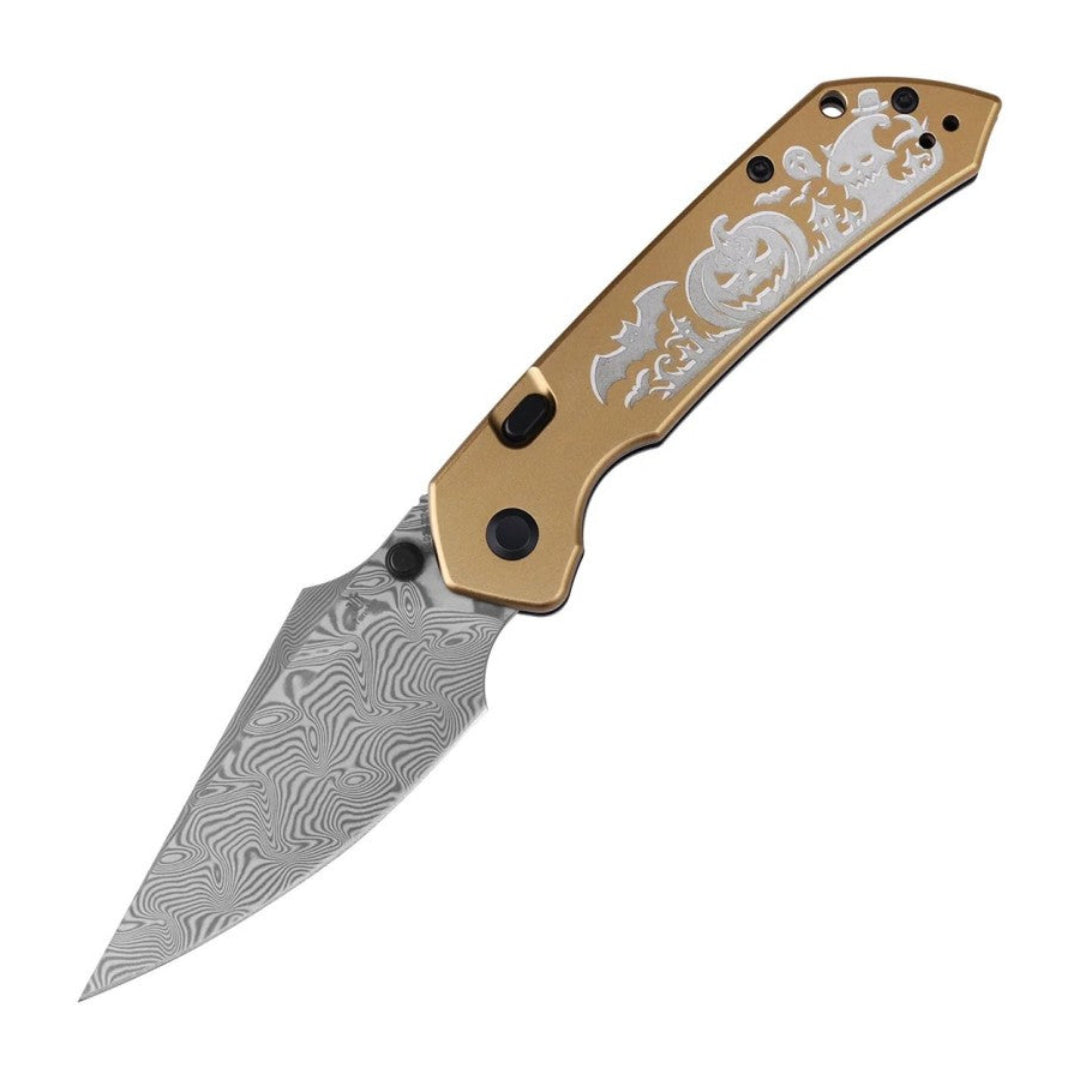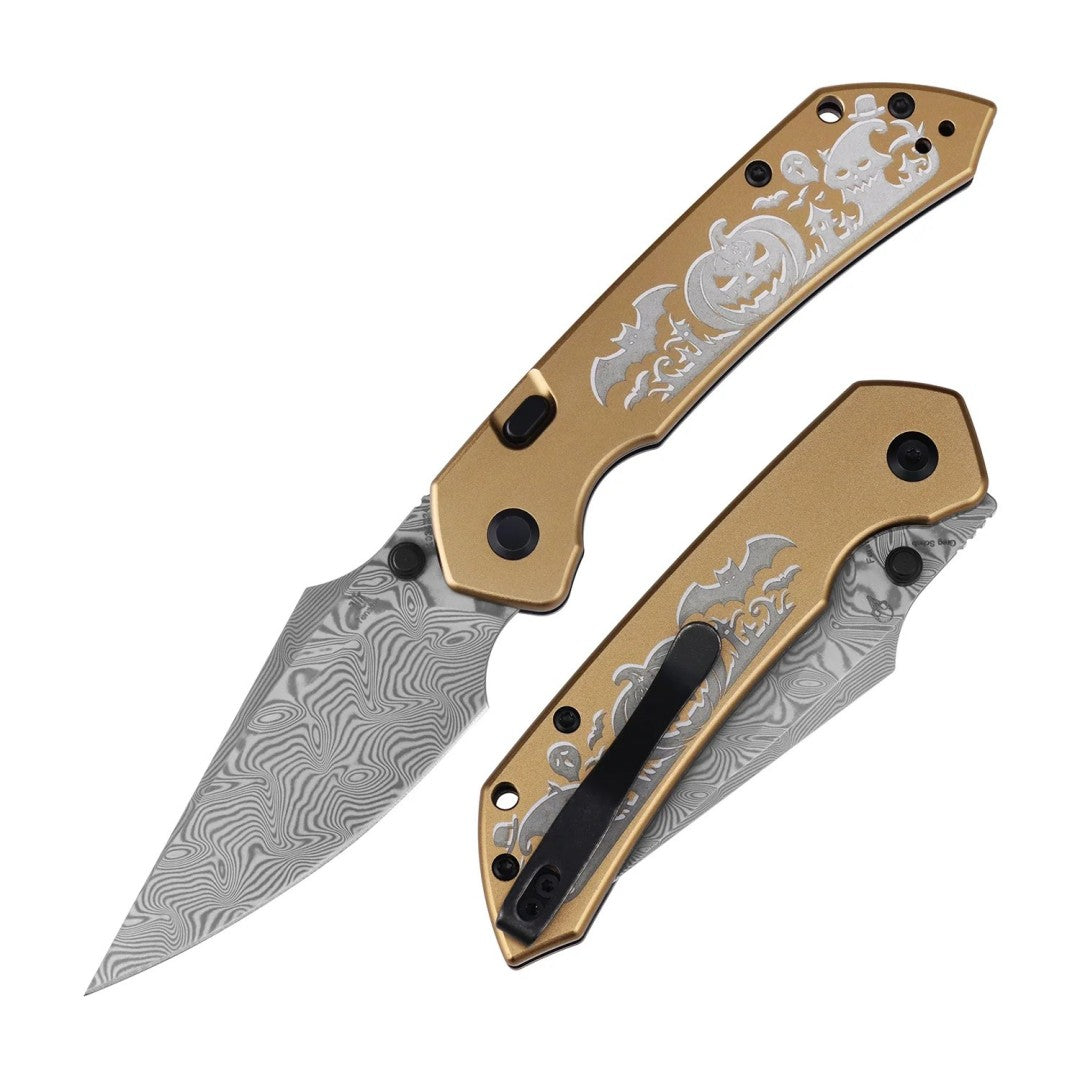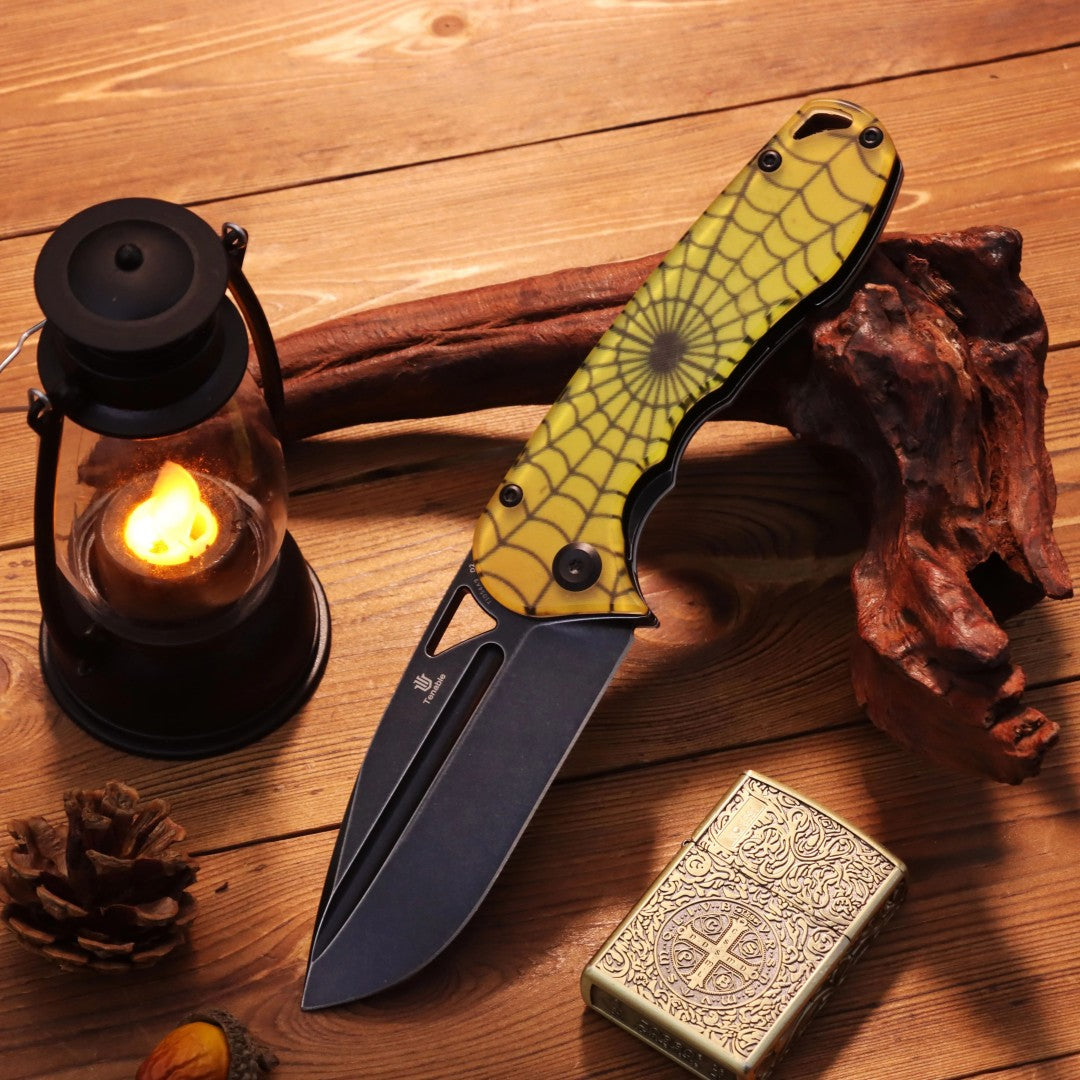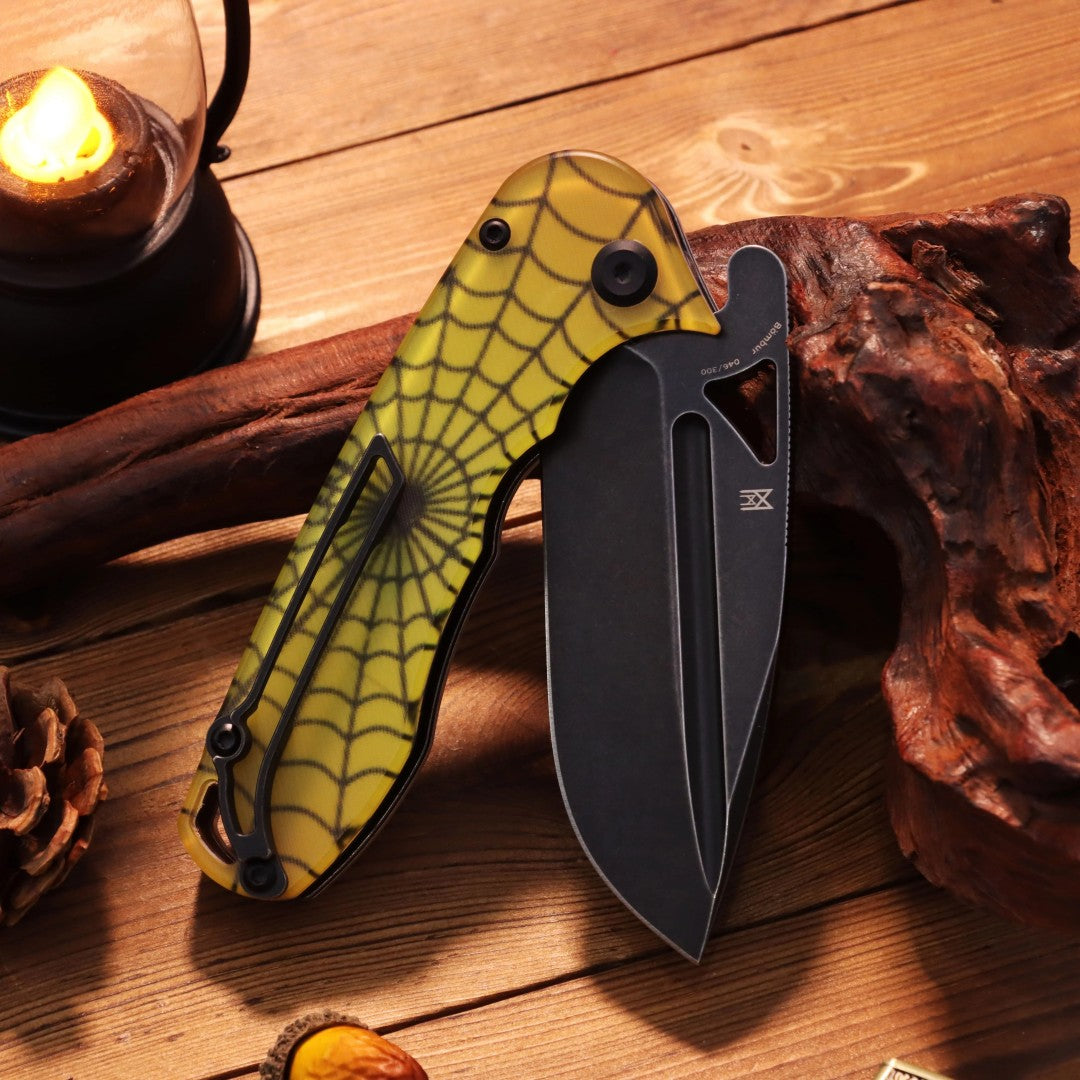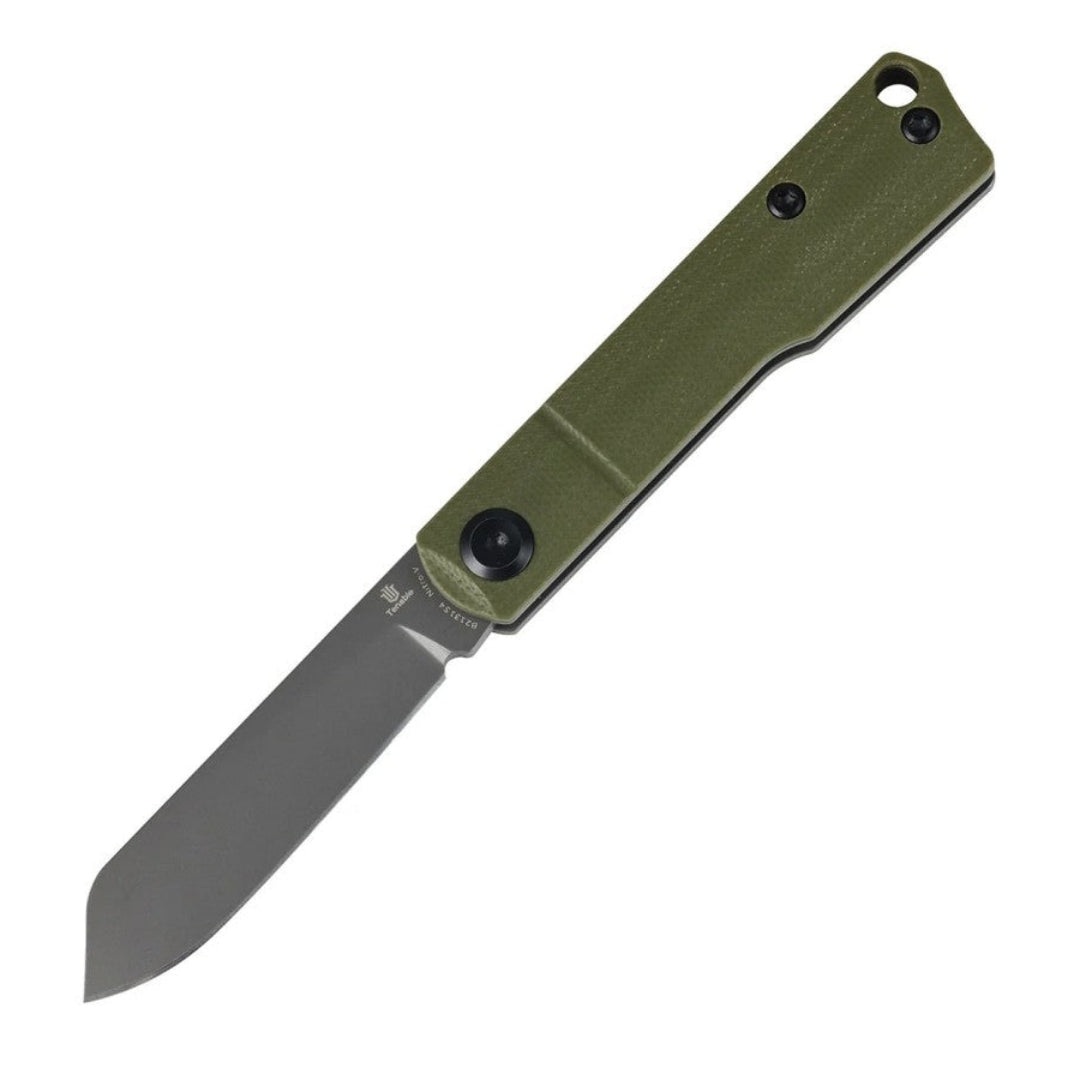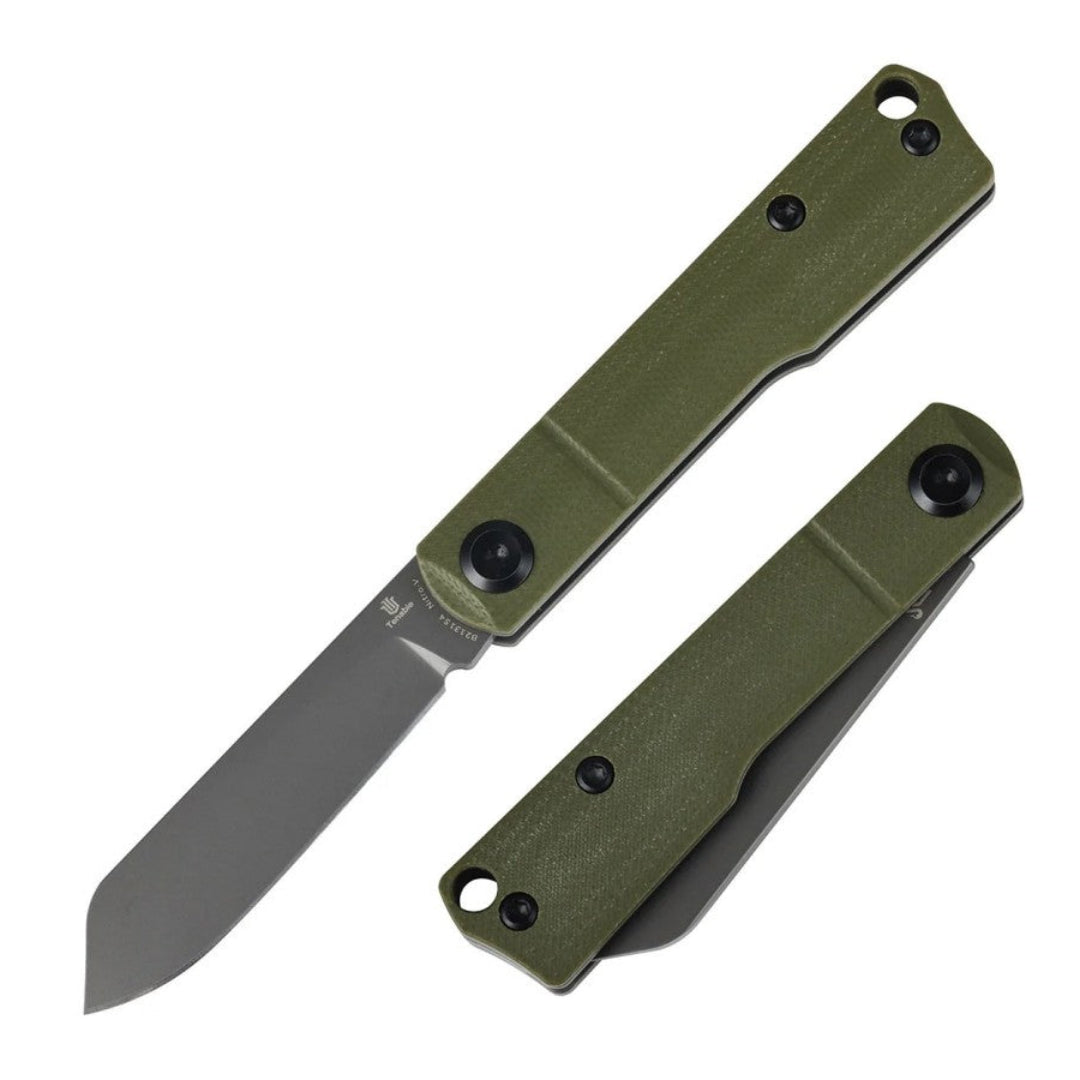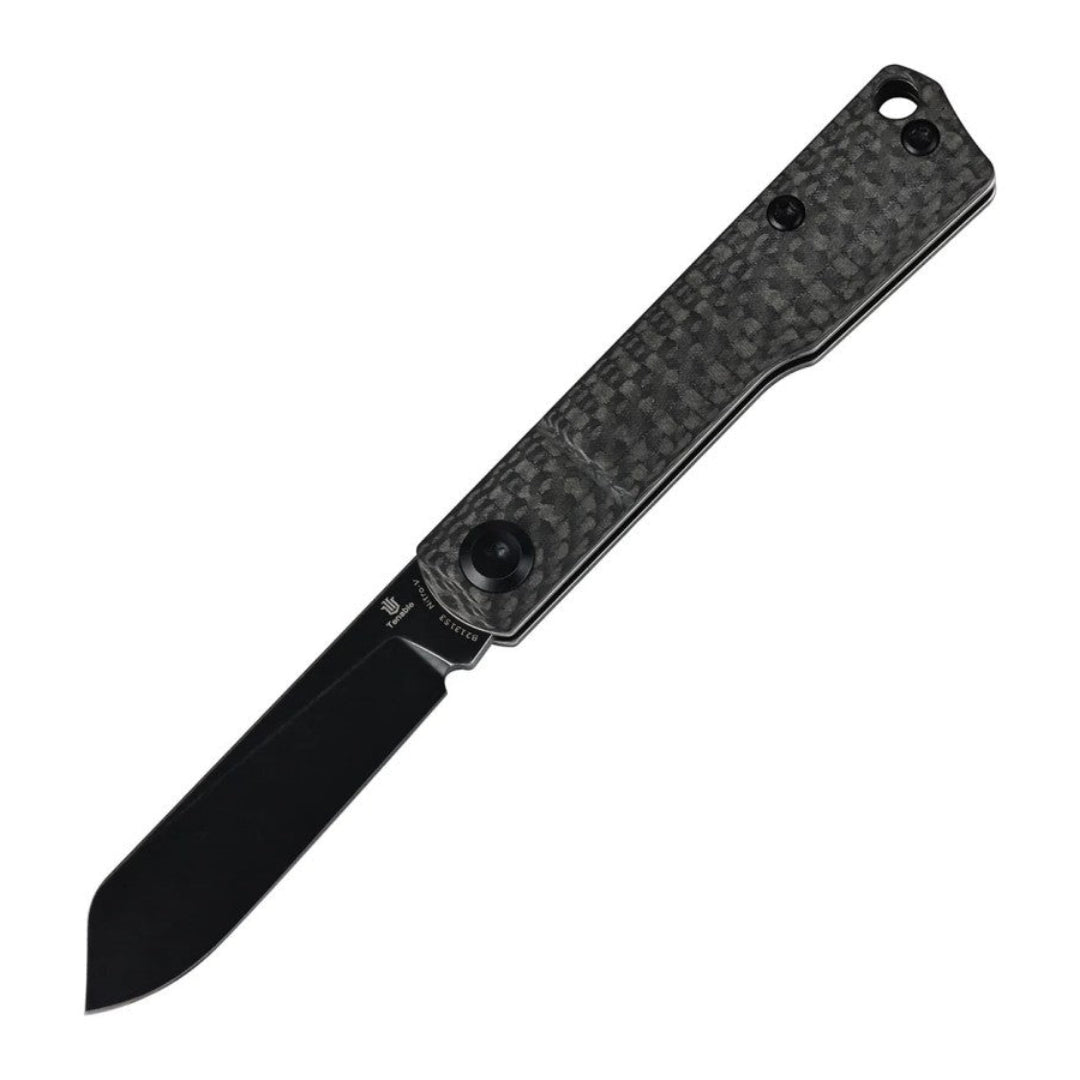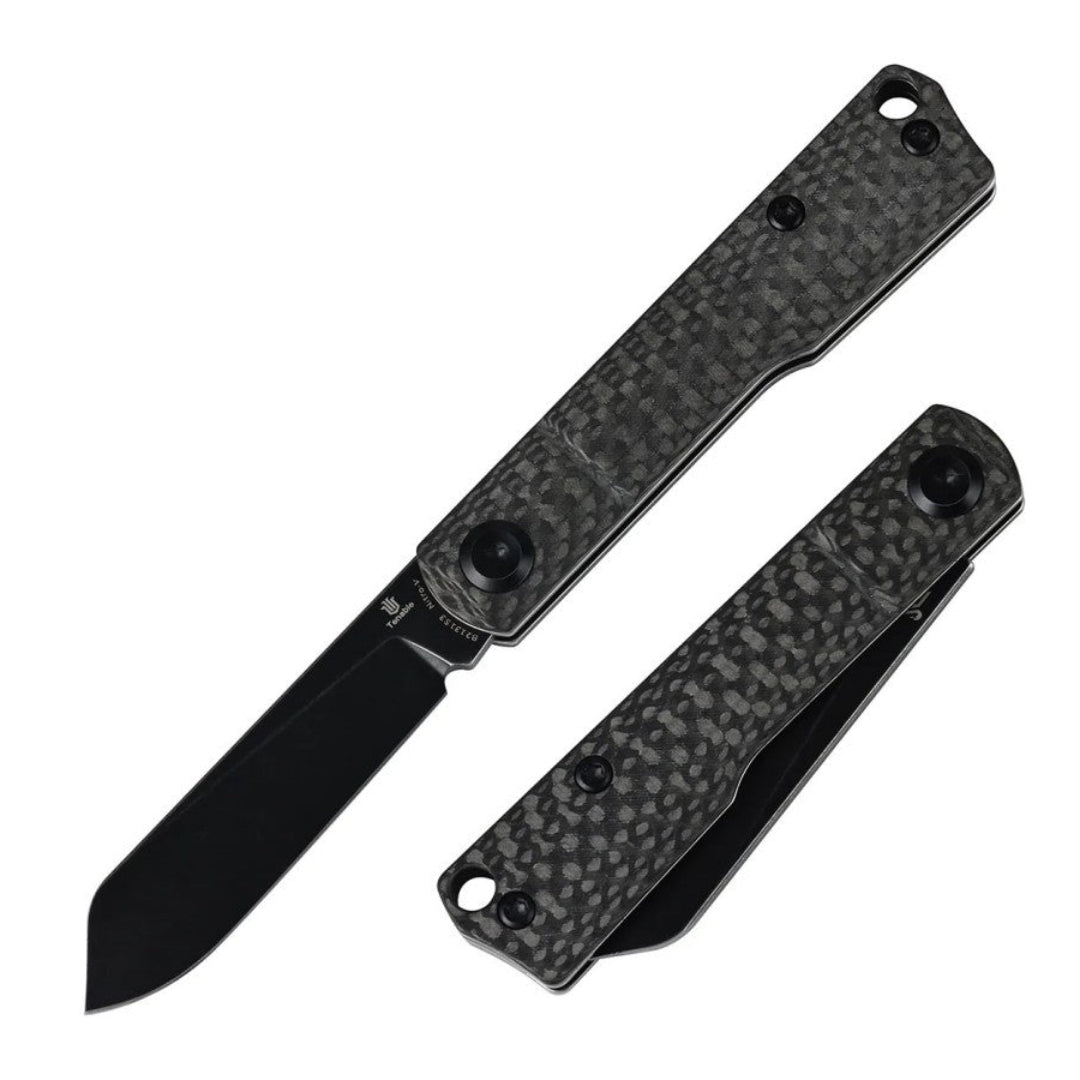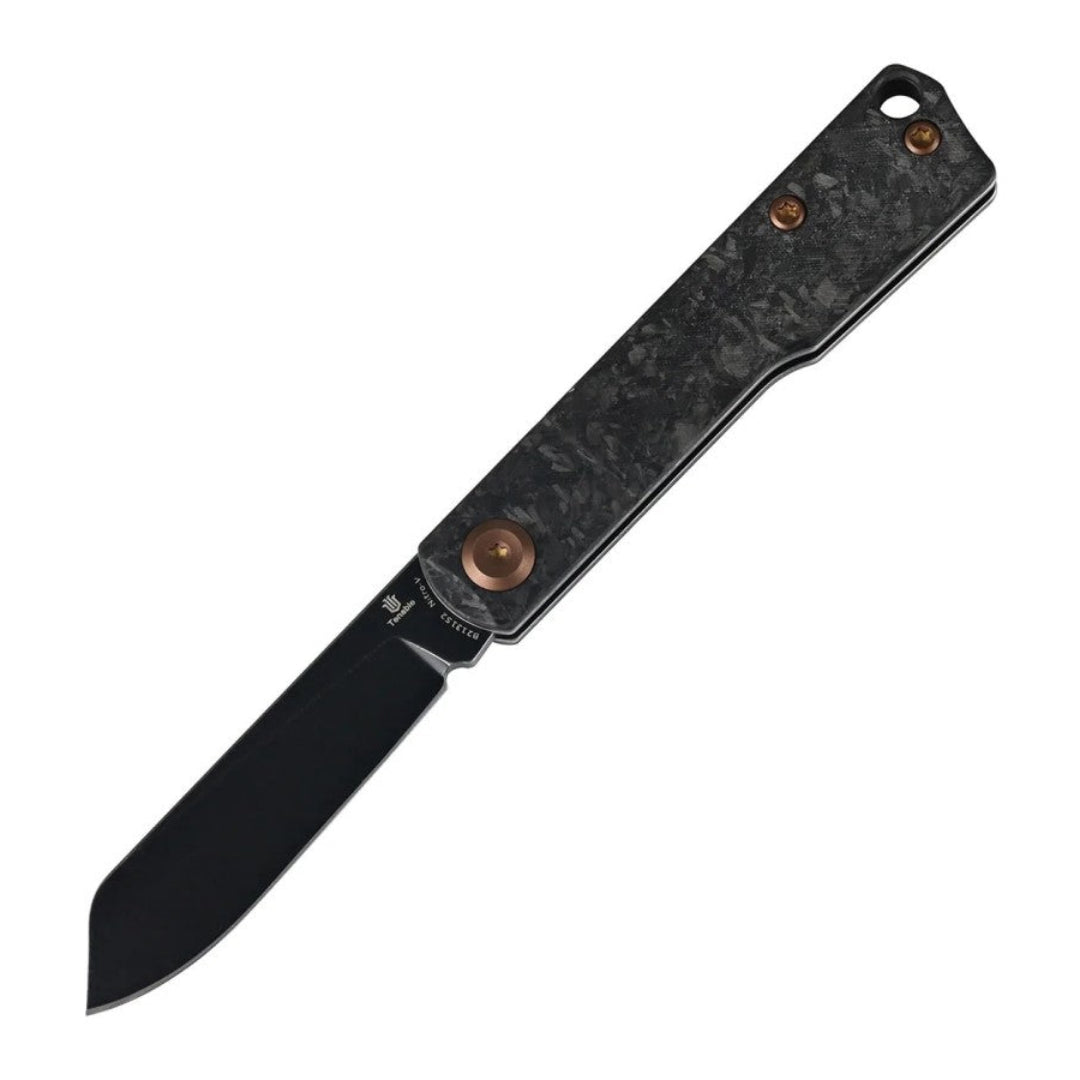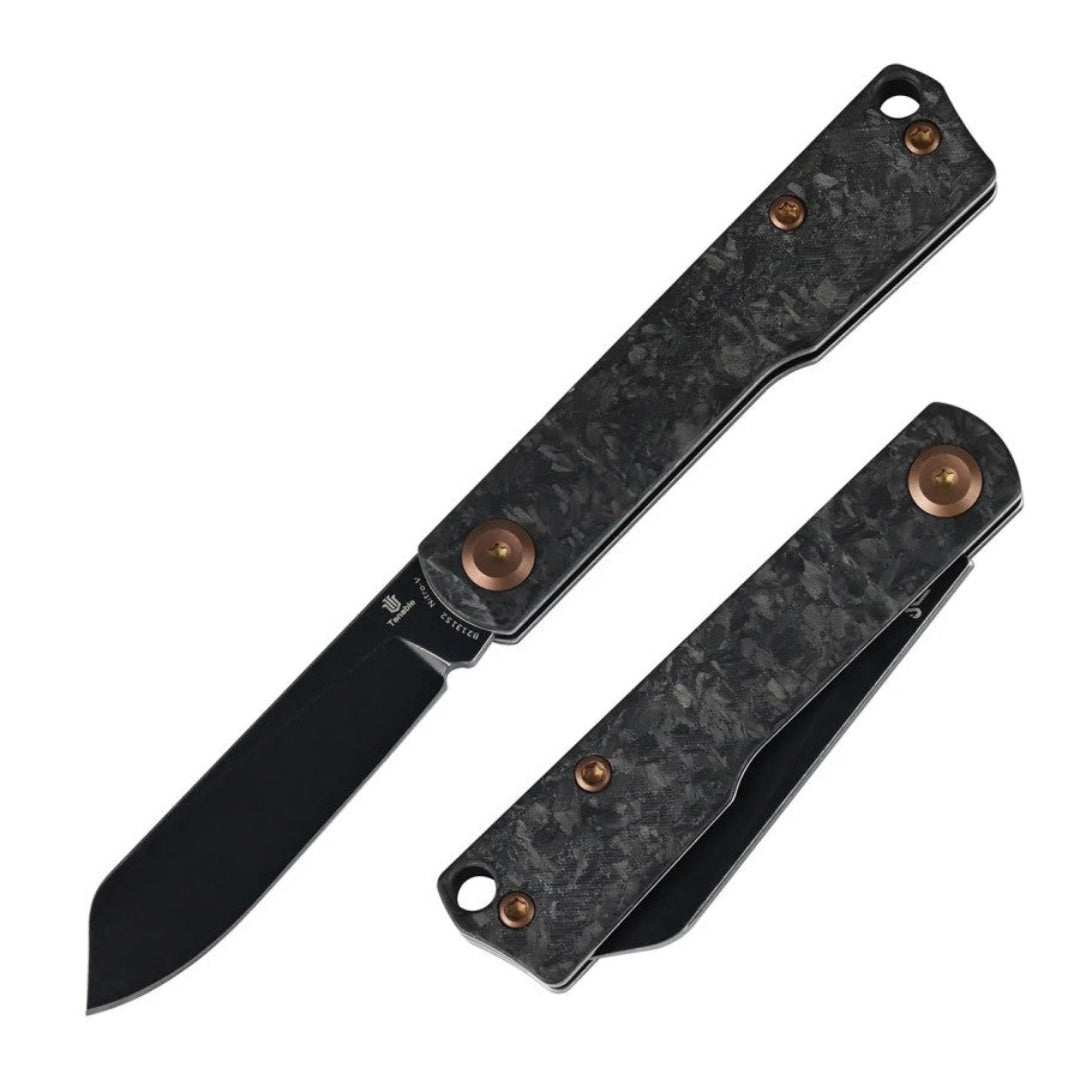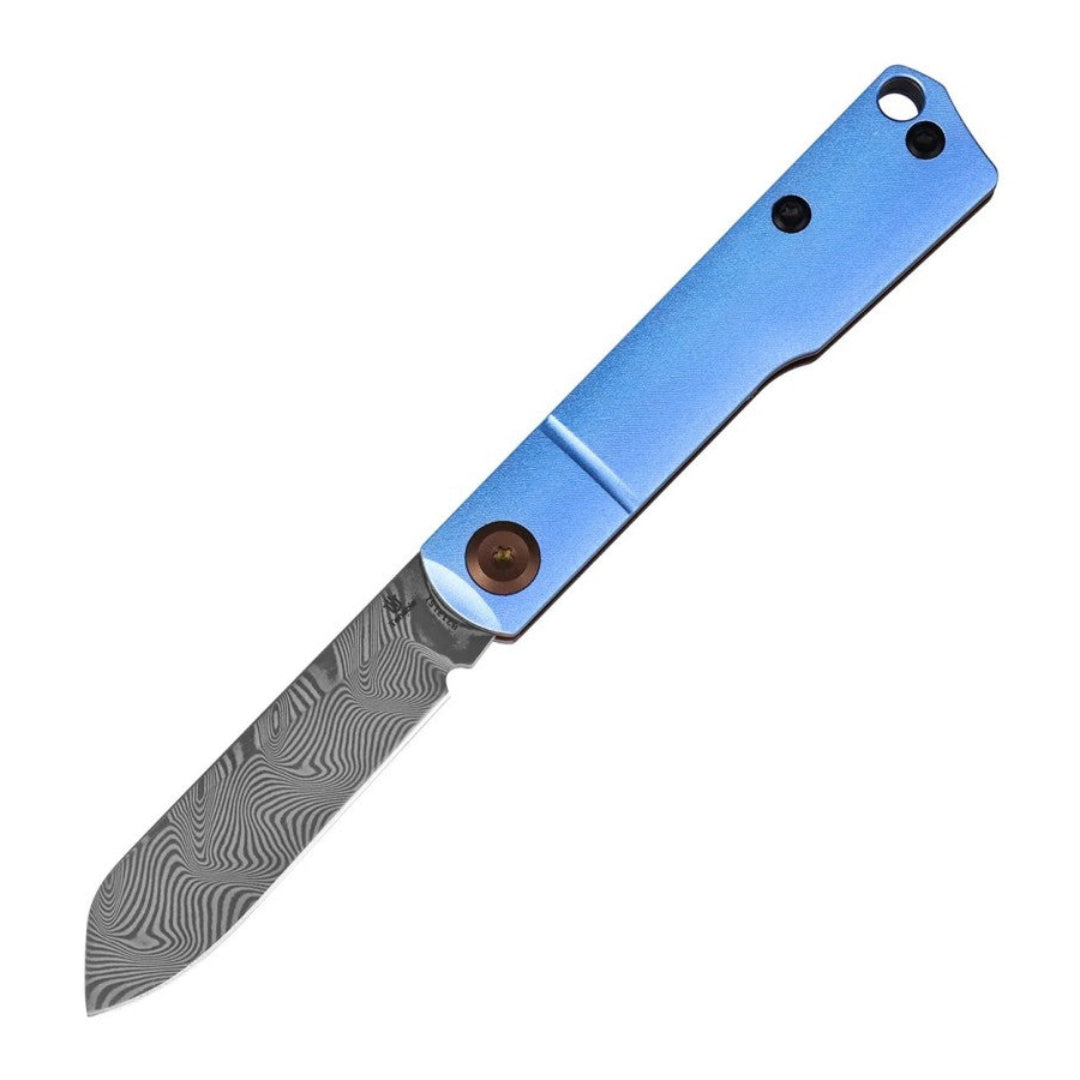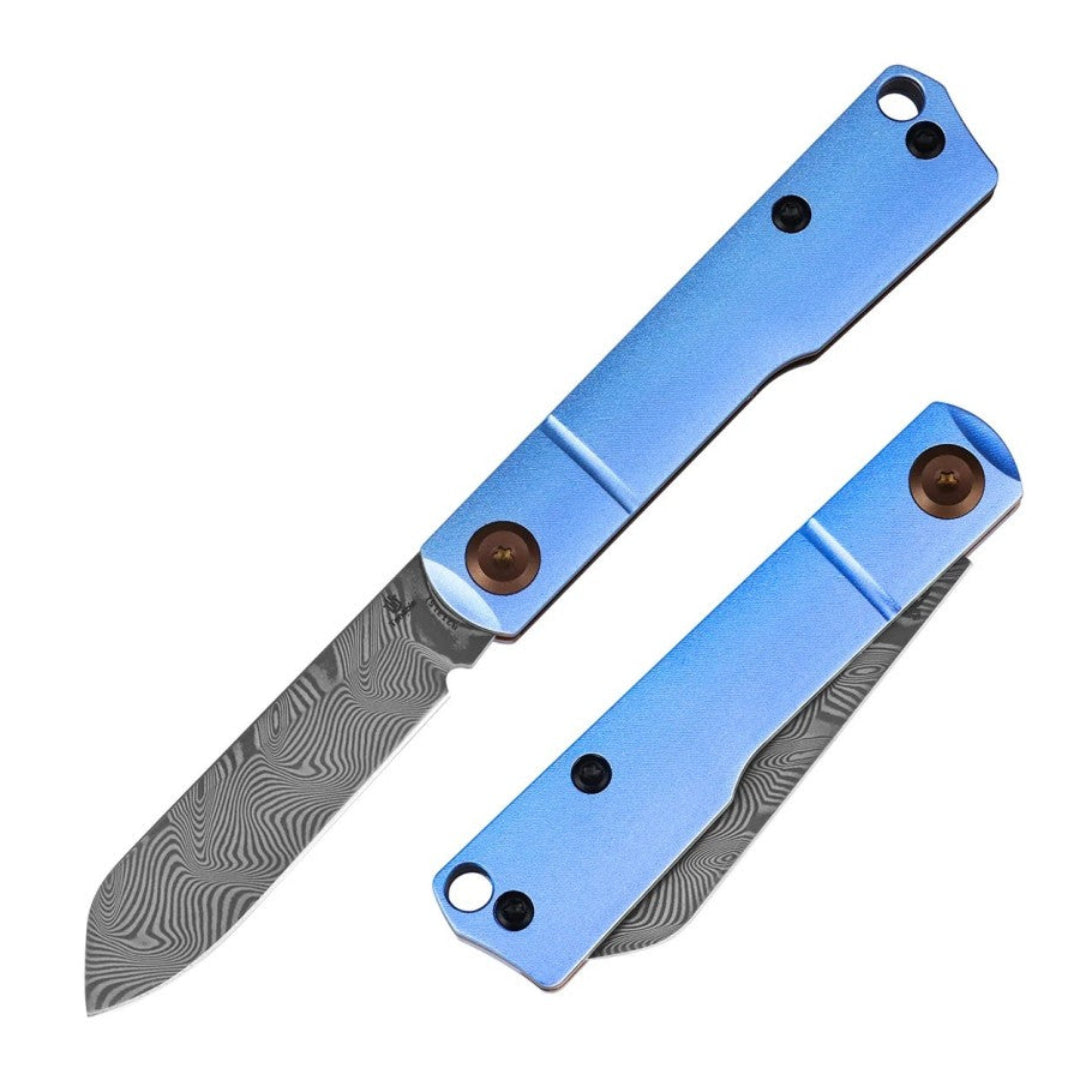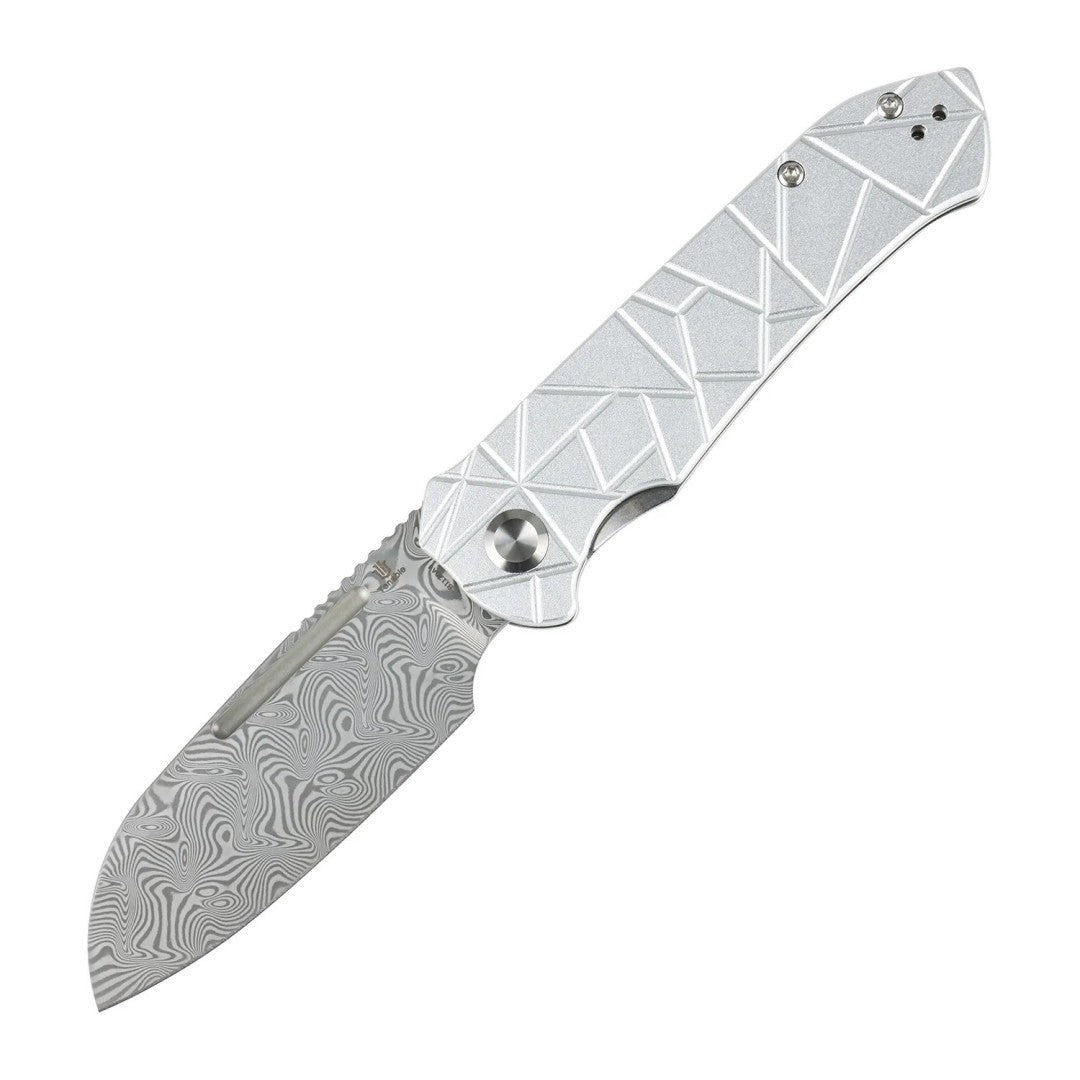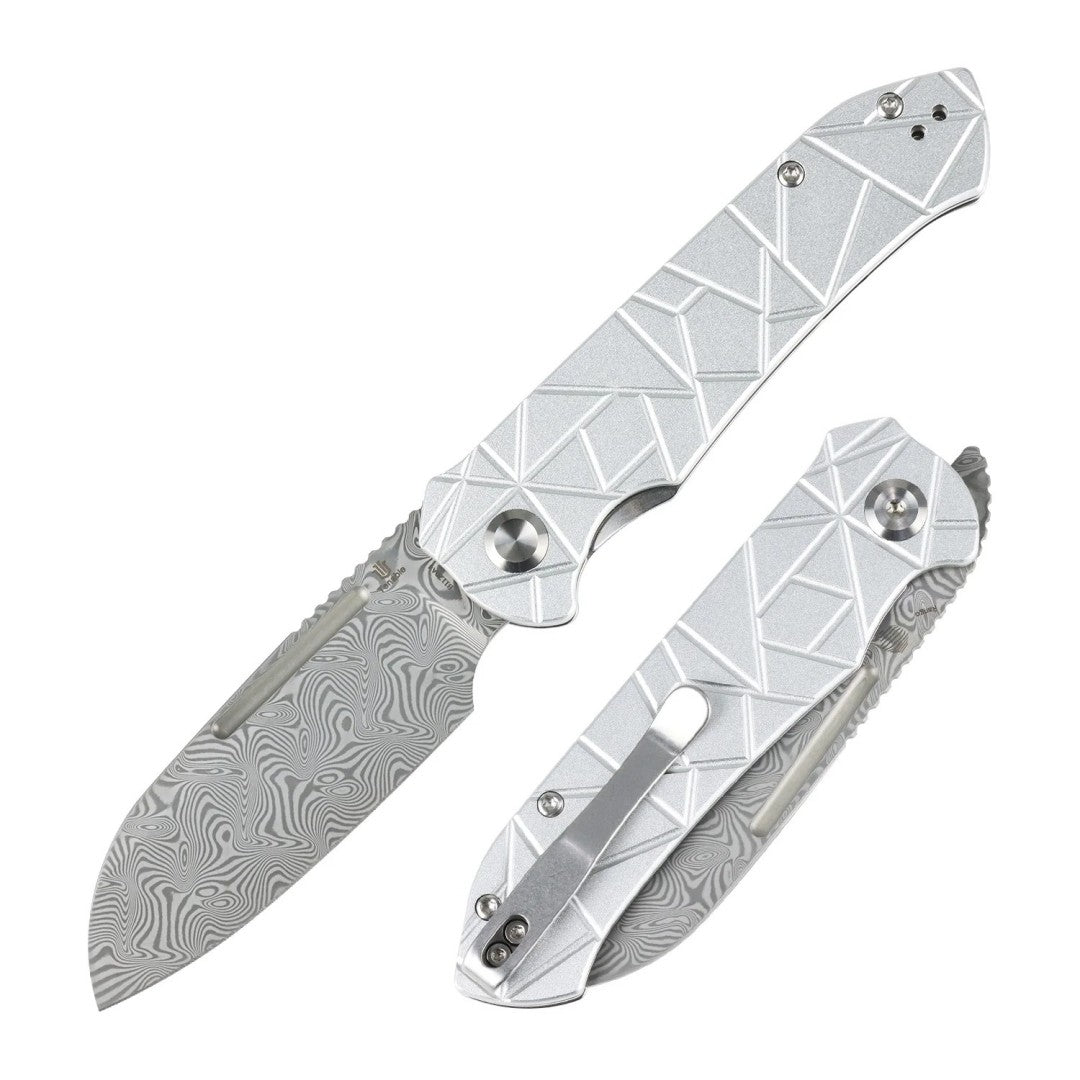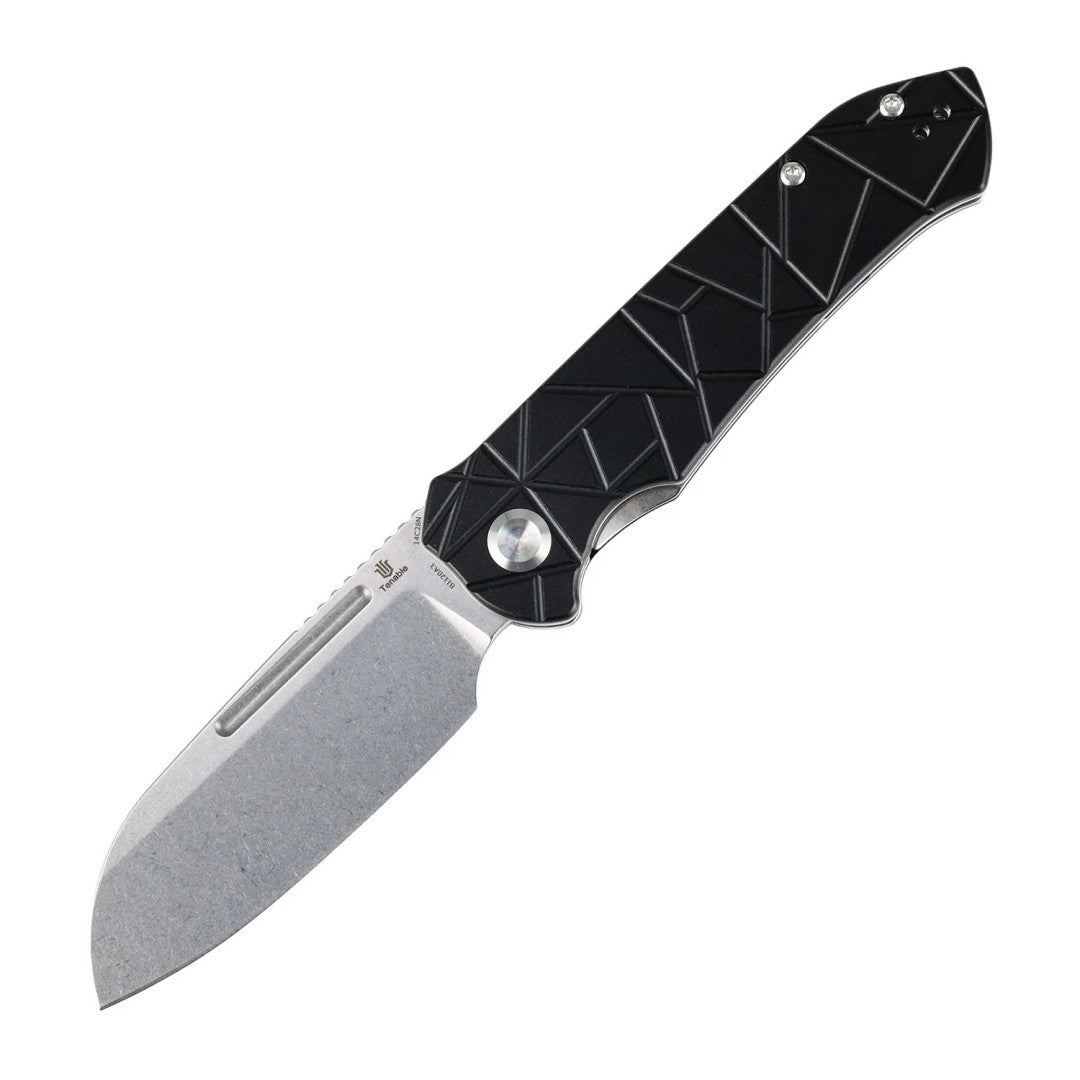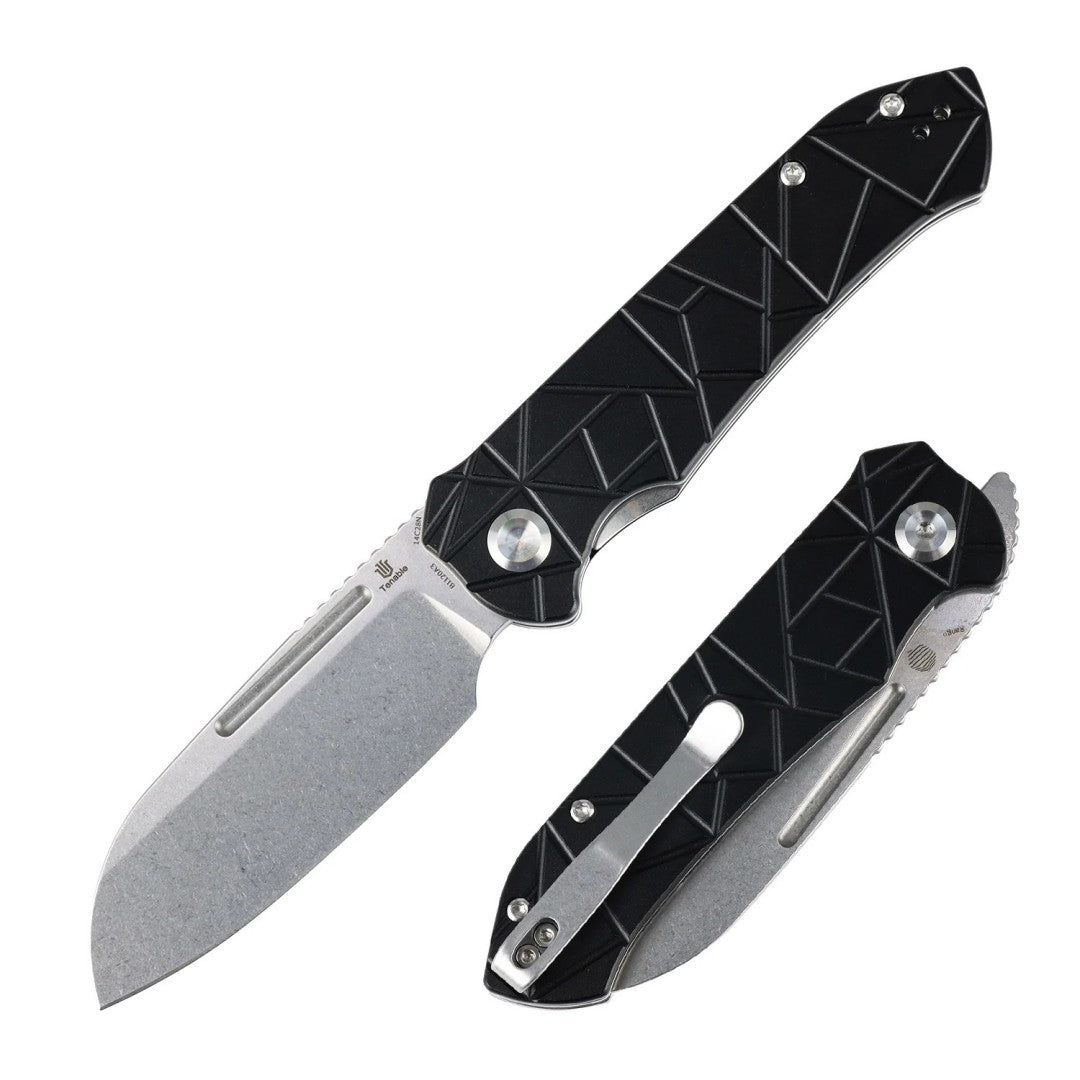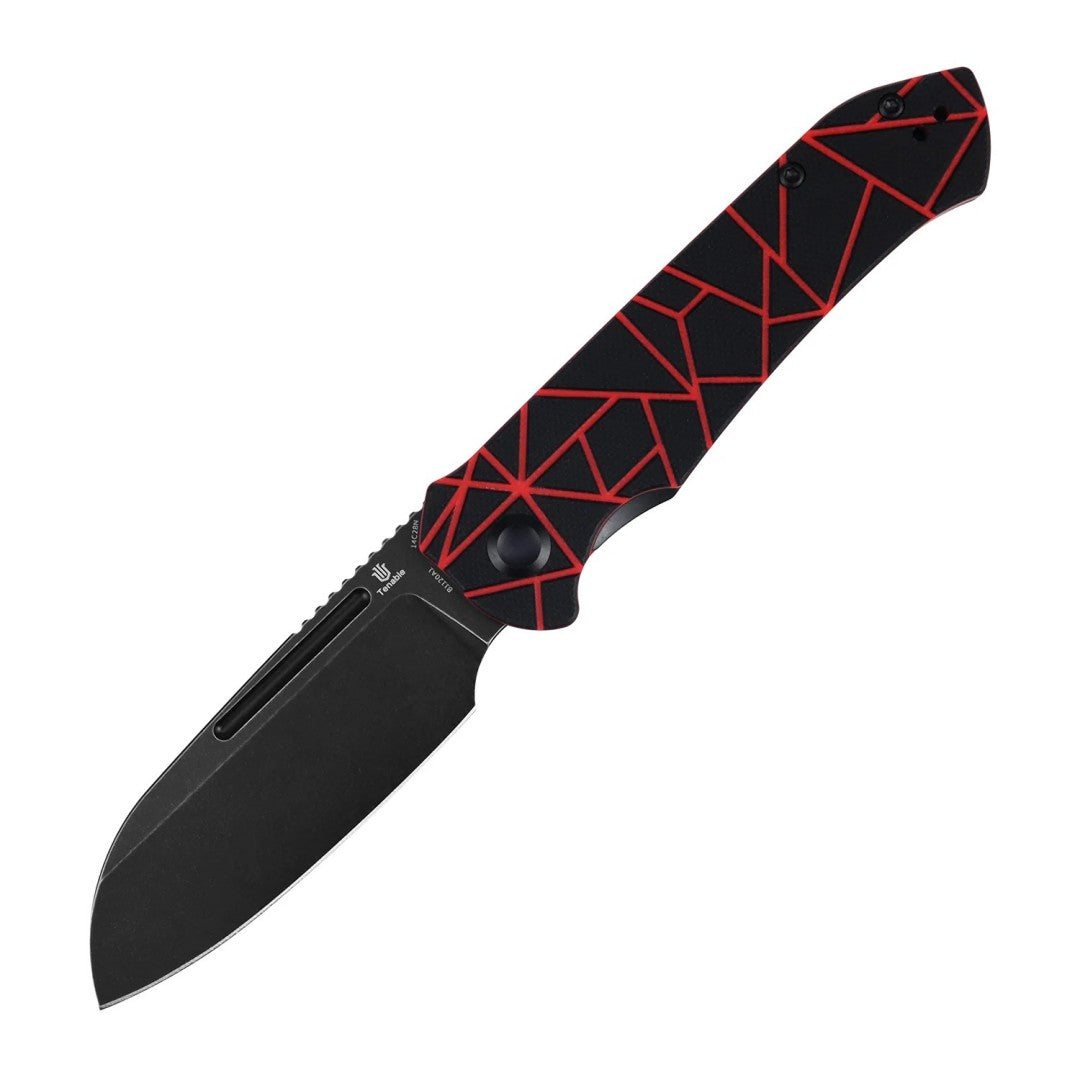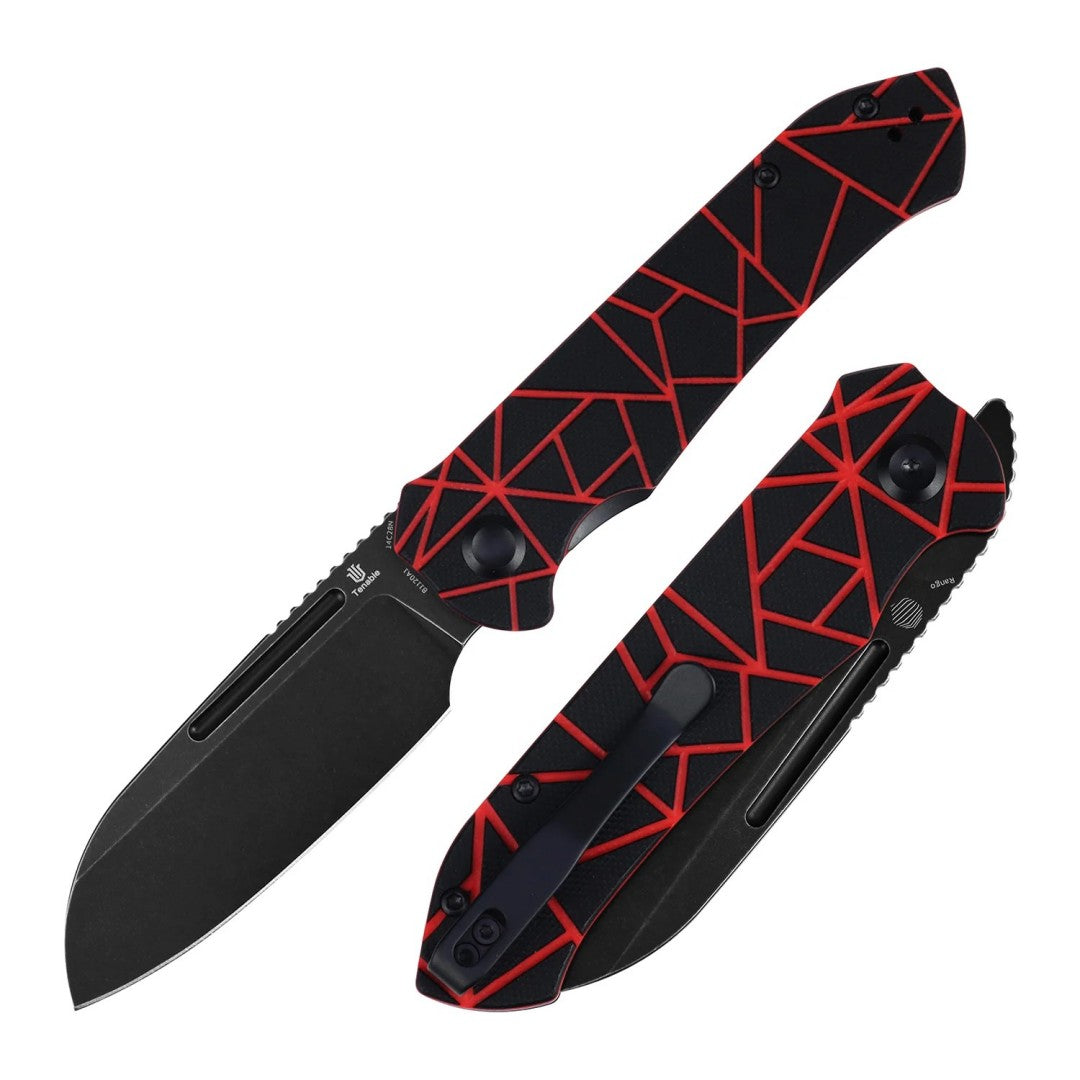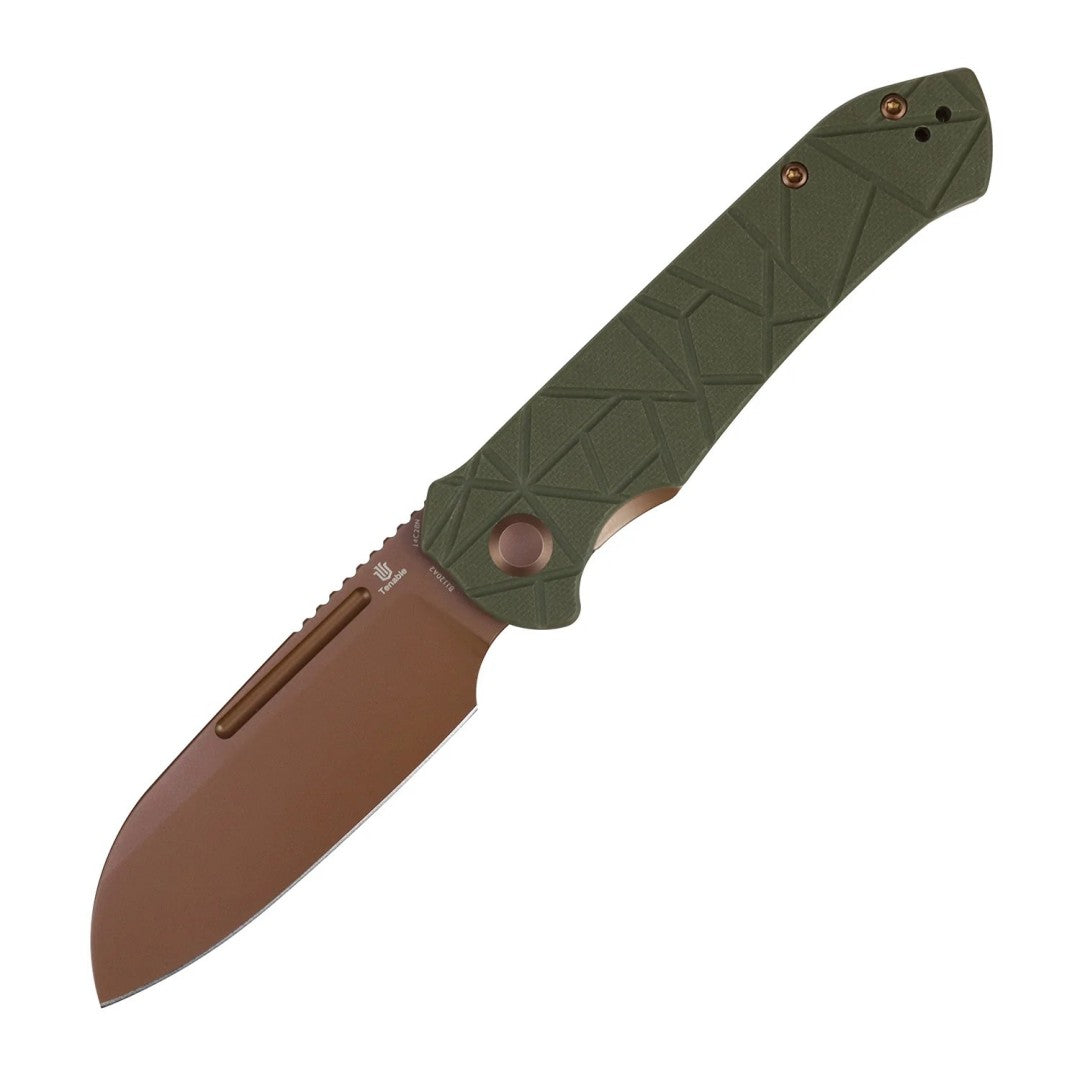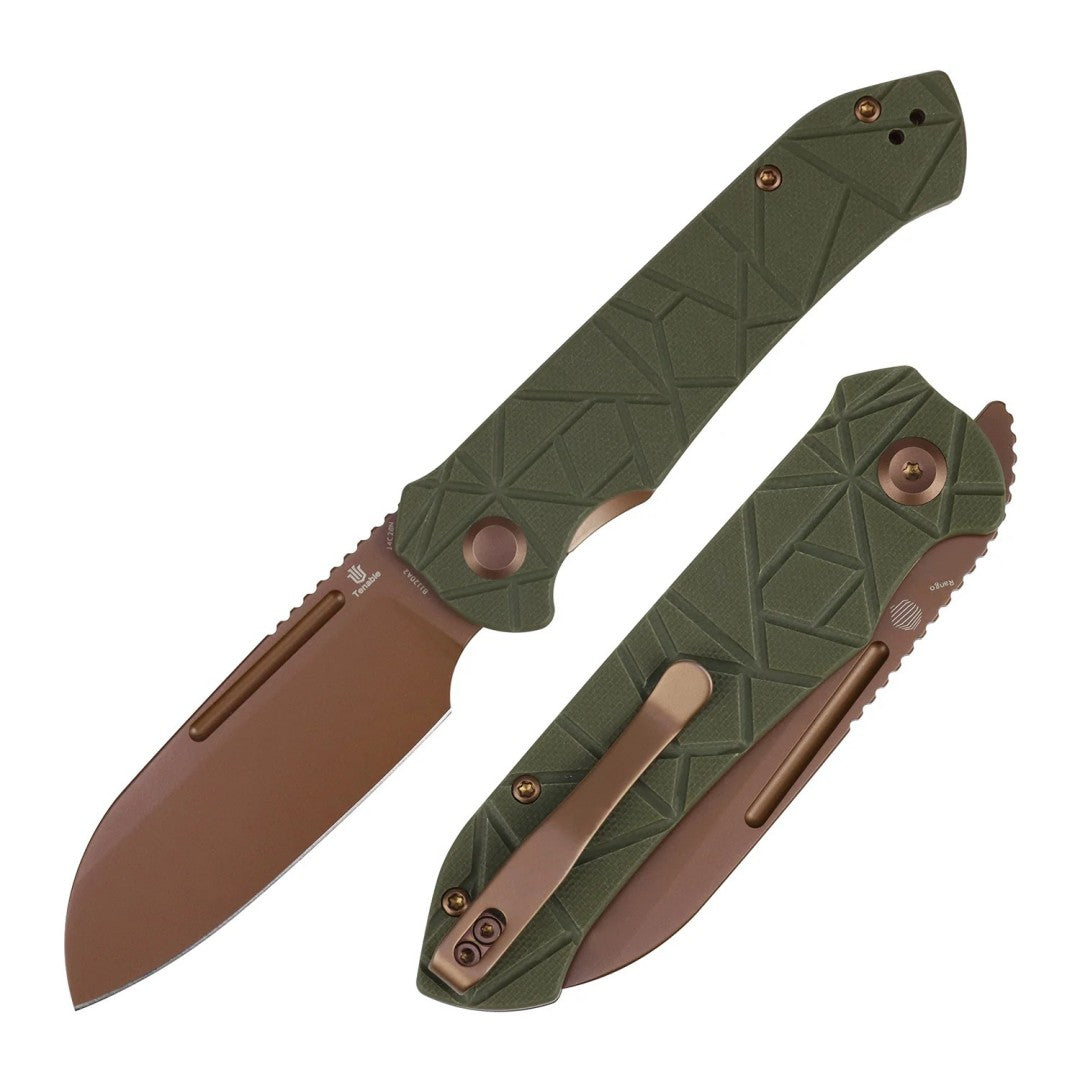
Locking mechanisms represent the engineering backbone of modern folding knives. While blade steels and handle materials often capture headlines, the lock dictates a tool's operational safety, structural integrity, and long-term reliability. For decades, knife enthusiasts have navigated a trade-off between the heavy-duty lockup of traditional frame locks and the fluid, one-handed convenience of plunge button locks. The Bestech Nyrrdreki eliminates this compromise through an ingenious hybrid lock architecture.
Manufactured with micron-level precision by Bestech in collaboration with Dutch custom knifemaker Fabian Hobbelen, this compact folding cleaver introduces a button-actuated bolster/frame mechanism built specifically for demanding EDC utility.

The Engineering Challenge: Frame Lock Strength vs. Button Lock Convenience
To understand why the Nyrrdreki’s mechanism is significant, it helps to examine the inherent limitations of conventional locking formats.
A standard Frame Lock is widely celebrated for its robust lockup. Because the thick titanium frame leaf wedges directly behind the blade tang, heavy downward pressure during tough cutting tasks only reinforces the lock interface. However, disengaging a traditional frame lock requires pushing the lockbar aside with your thumb inside the handle channel, placing your fingers directly in the path of the closing blade.
Conversely, a typical plunge-style Button Lock offers exceptional fidget convenience and keeps fingers completely clear of the blade path. Yet, standard plunge locks rely on a relatively small stepped pin and internal coil spring to hold the blade open. Under severe torque or abrasive contamination, standard plunge mechanisms can be more vulnerable to lock slippage or grit interference.
The Nyrrdreki bridges this gap by merging the mechanical advantages of both worlds into a single, cohesive locking platform.
Mechanical Deconstruction: How the Button Frame Lock Operates
The locking mechanism on the Nyrrdreki operates through a multi-stage kinetic sequence involving the titanium chassis, a remote actuator button, and a reinforced steel interface.
Stage 1: The Spring Engagement
When the blade swings fully open on its caged ceramic ball bearings, the spring-tempered TC4 Grade 5 titanium lockbar naturally snaps inward. It positions a thick block of metal directly behind the blade tang, creating an uncompromising physical barrier that prevents accidental closure under heavy load.
Stage 2: Steel-on-Steel Tang Interface
To eliminate wear over time, Bestech equipped the titanium lockbar with a replaceable hardened steel lockbar insert. This insert interfaces directly with the tang of the Austrian Böhler M390 microclean stainless steel blade (60–61 HRC).
-
Zero Galling: Prevents titanium-to-steel friction and "lock stick."
-
Built-in Over-Travel Stop: Ensures the titanium leaf cannot be bent outward past its elastic limit during maintenance.
-
Rock-Solid Lockup: Provides a firm lock engagement with zero vertical blade play or side wobble.
Stage 3: Remote Push-Button Disengagement
The innovation of this system lies in how the lockbar is released. Instead of using your thumb to manually push the lockbar inside the handle slot, the knife incorporates an external button mounted to the presentation scale.
-
Depressing the button transfers lateral mechanical force across the chassis, pushing the titanium lockbar outward.
-
Once the steel insert clears the blade tang, the hollow-ground cleaver blade drops closed smoothly under its own centrifugal momentum.
-
Your fingers remain firmly planted on the outside of the titanium handle throughout the entire closing action, ensuring complete safety.
 Mechanism Comparison: Hybrid vs. Conventional Systems
The table below contrasts the mechanical behavior of the Nyrrdreki's button-actuated frame lock against conventional locking systems.
| Locking Mechanism | Lock Interface Strength | Finger Safety on Closure | Dirt / Debris Resistance | Fidget Factor & Drop Action |
| Traditional Frame Lock | Exceptionally High | Moderate (Fingers in blade path) | High | Moderate (Manual thumb sweep) |
| Standard Plunge Button | Moderate | High (Fingers outside path) | Sensitive to pocket lint | High (Free-swinging glide) |
| Nyrrdreki Button Frame Lock | Exceptionally High | High (Fingers outside path) | High (Open-channel frame) | Glass-smooth drop-shut action |
Structural Specifications of the BT2607 Lock Assembly
The mechanical tolerances of the Nyrrdreki lock assembly are engineered for lasting performance and heavy everyday cutting:
| Mechanical Component | Engineering Specification | Functional Contribution |
| Lock Type | Button-Actuated Bolster / Frame Lock | Combines remote release safety with frame lock rigidity |
| Frame Material | TC4 Grade 5 Titanium | High strength-to-weight ratio with natural spring retention |
| Lock Interface | Hardened Steel Insert (Replaceable) | Eliminates titanium wear, lock stick, and vertical play |
| Pivot Assembly | Caged Ceramic Ball Bearings | Low-friction rotation and consistent closing glide |
| Blade Steel | Böhler M390 (60–61 HRC) | Resists tang wear and maintains exact locking geometry |
| Overall Length | 7.04 in (178.9 mm) | Compact platform offering full locking control |
 Long-Term Maintenance and Reliability
Because the Nyrrdreki utilizes an open-chassis frame layout rather than an enclosed spring pocket, maintenance is remarkably simple compared to complex plunge locks:
-
Debris Clearing: The open back construction allows dust and pocket lint to pass through easily. A brief burst of compressed air through the pivot and lock cavity keeps the button action crisp.
-
Precision Lubrication: Applying a micro-drop of synthetic lubricant to the button plunger track and the ceramic bearing races keeps the deployment and release action feeling glass-smooth.
By re-engineering the relationship between lockbar engagement and user safety, the Bestech Nyrrdreki establishes a new benchmark for compact folding knives. It delivers heavy-duty lock stability for the toughest cutting tasks while offering effortless, safe, and addictive one-handed operation.