When choosing an everyday carry (EDC) or compact outdoor knife, the blade steel is the ultimate defining factor of your tool's capability. It dictates how long your edge lasts, how easily it sharpens, and whether it will rust when exposed to moisture or fruit acids.
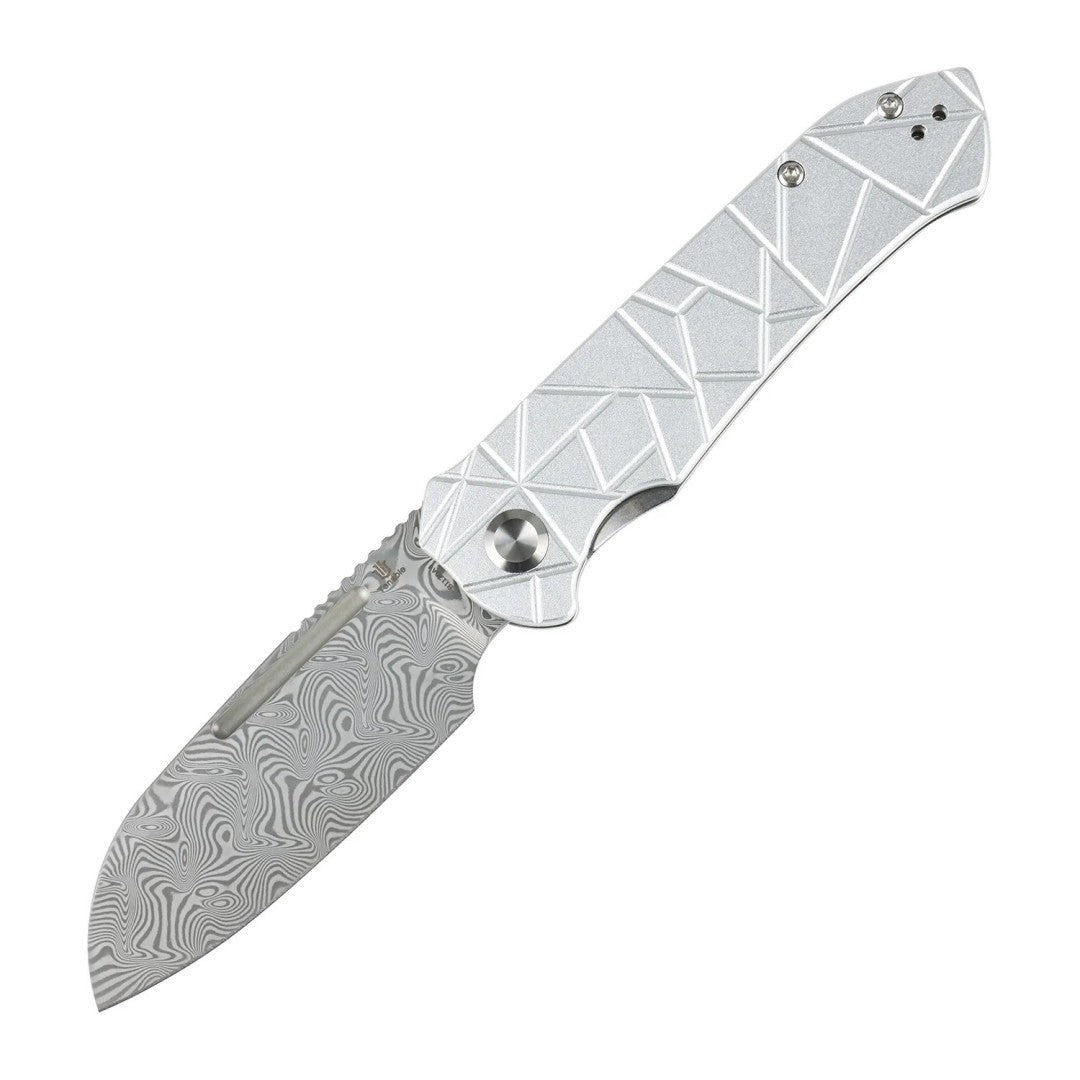
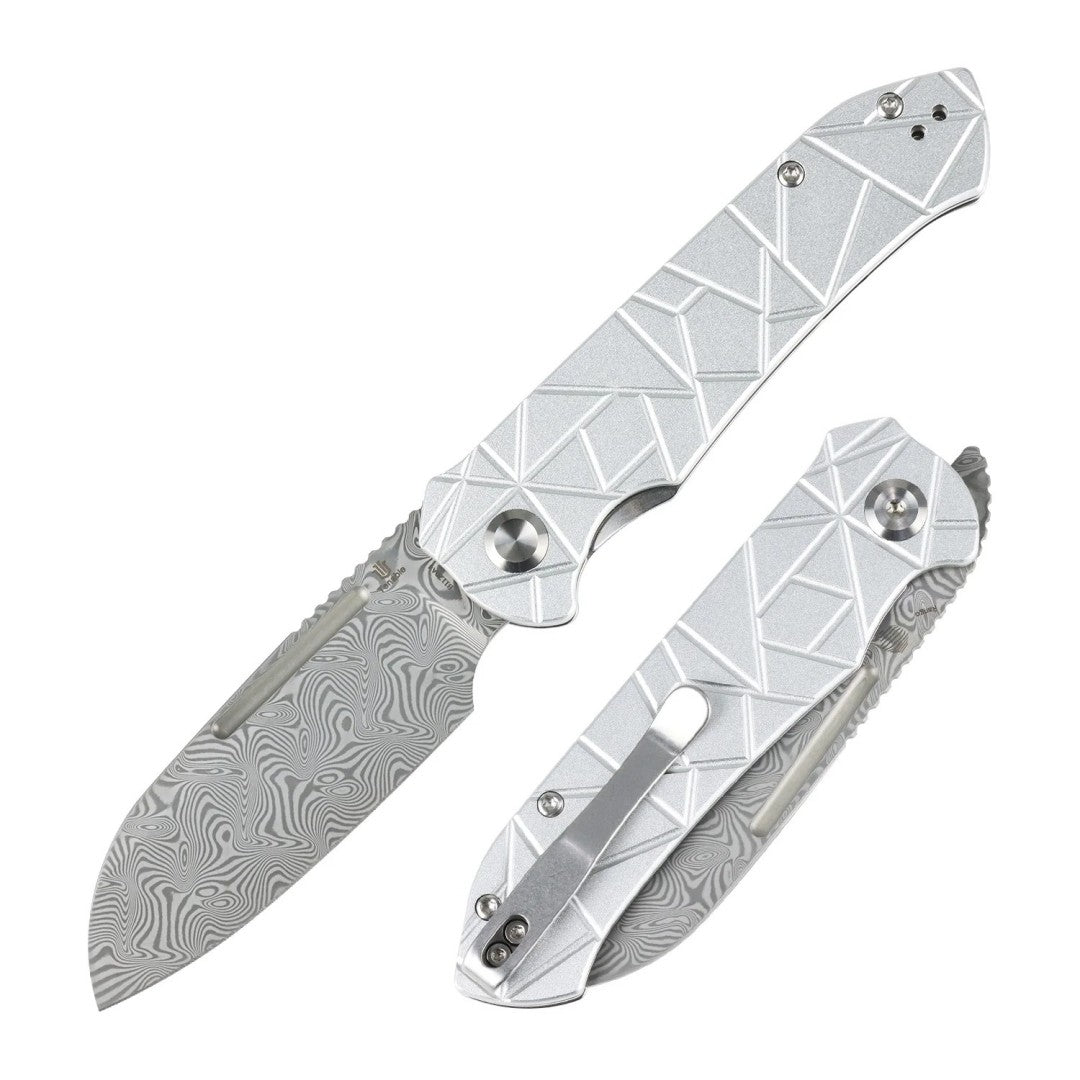
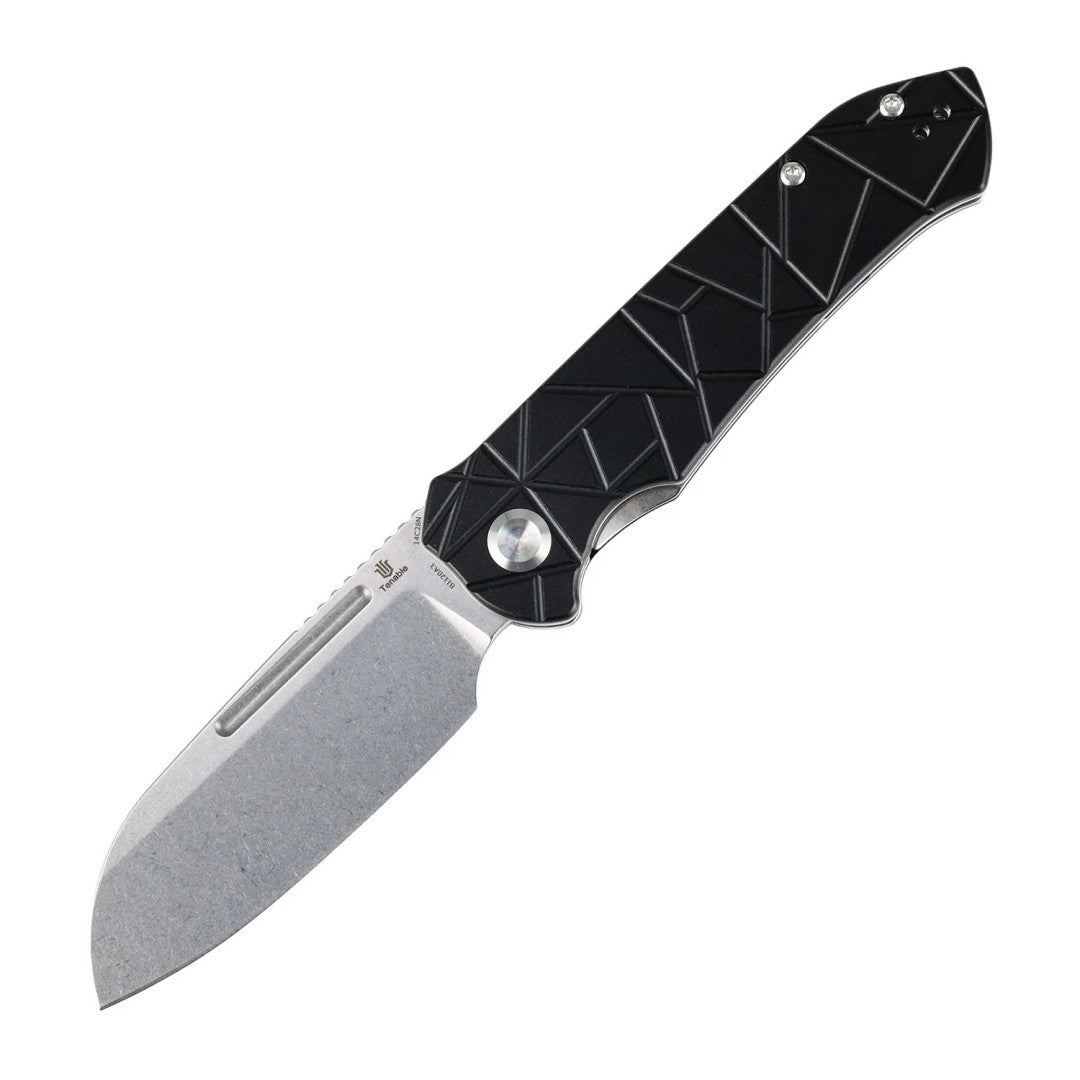
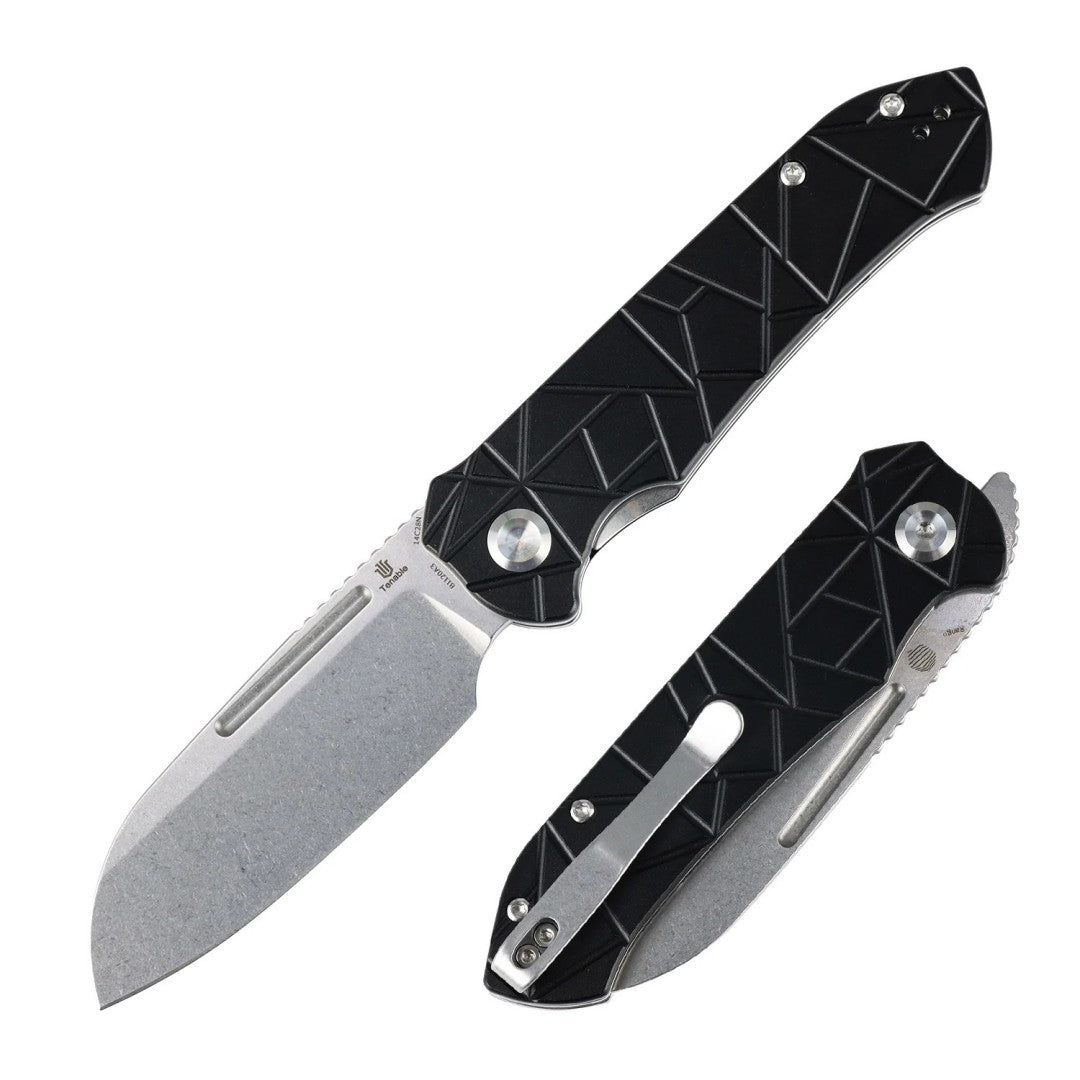
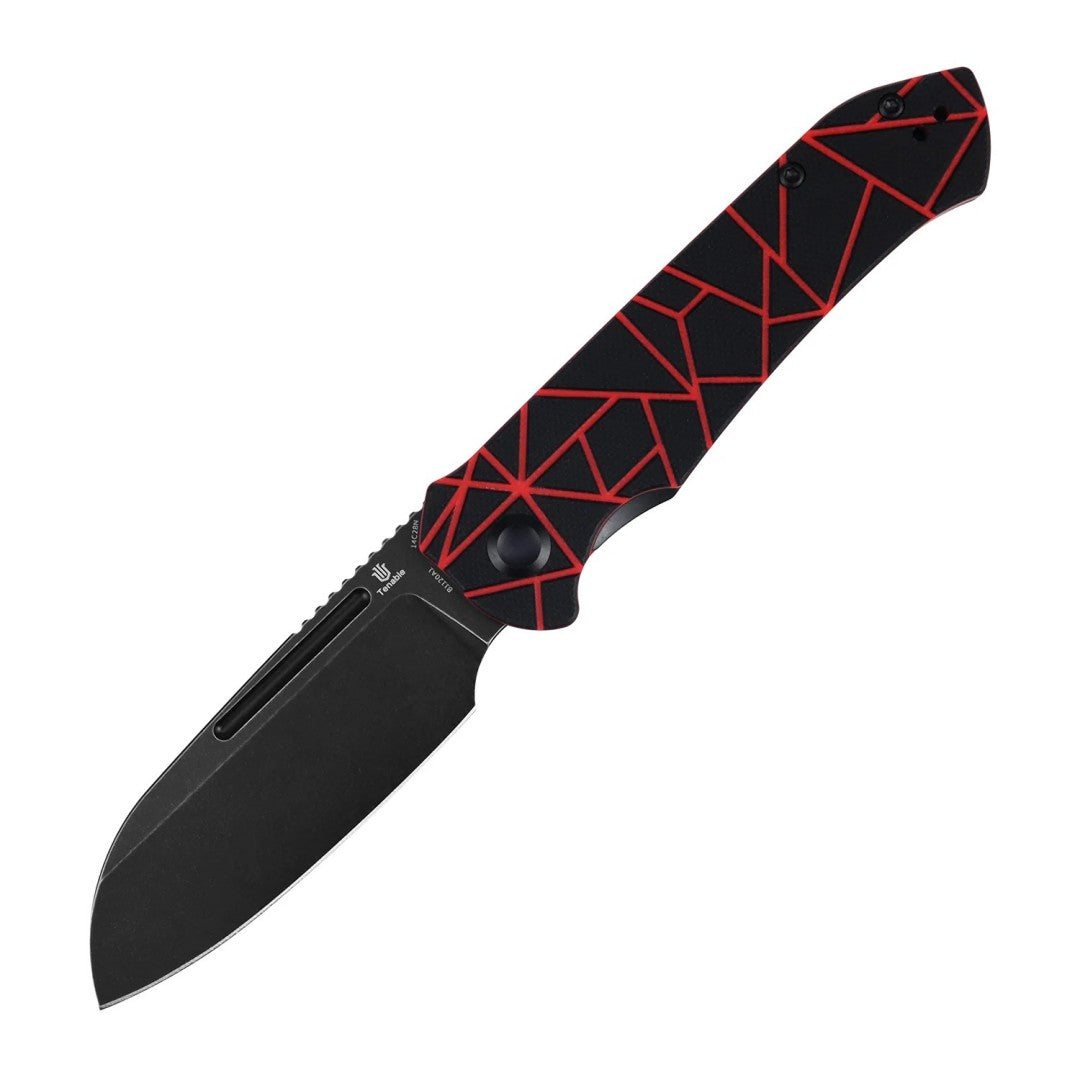
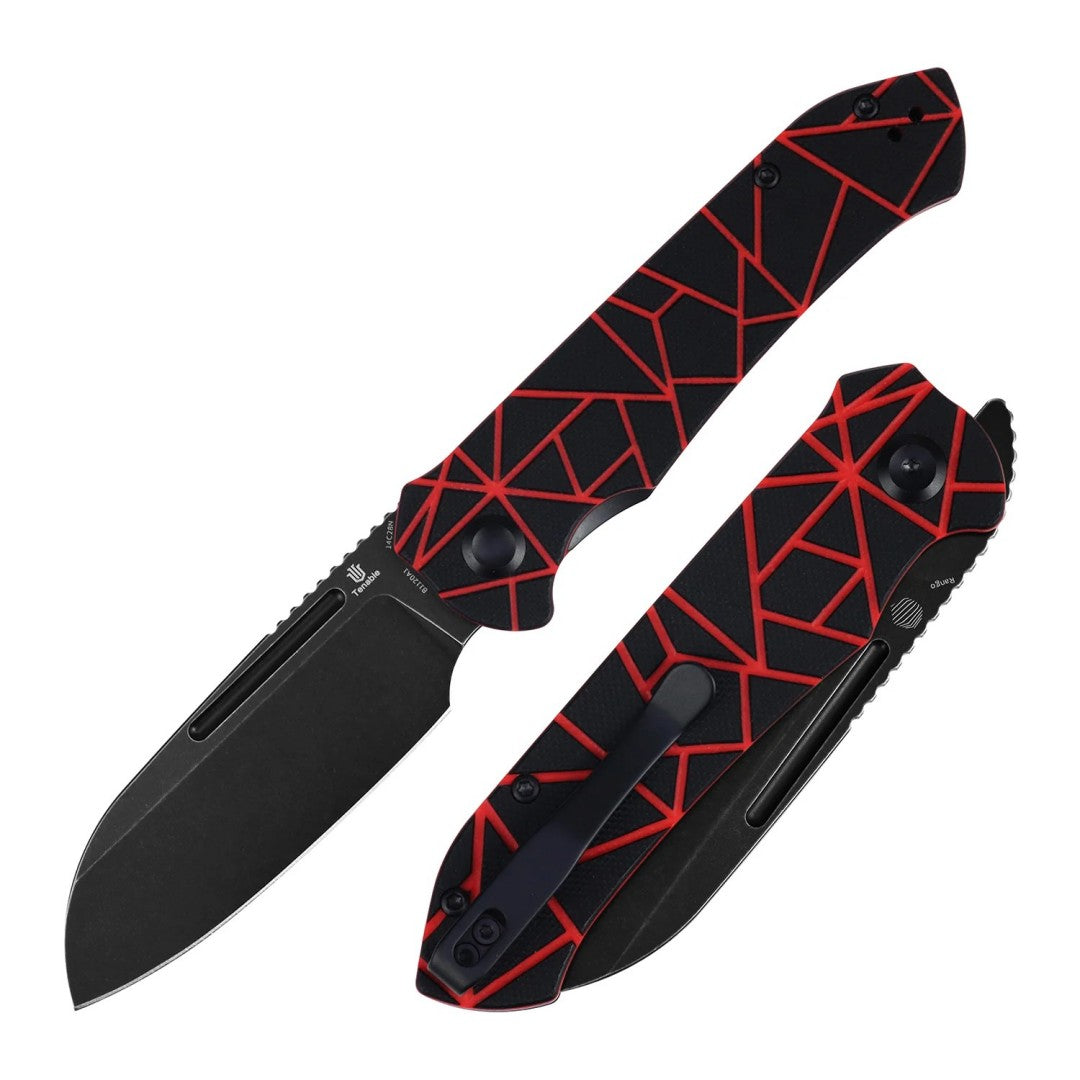
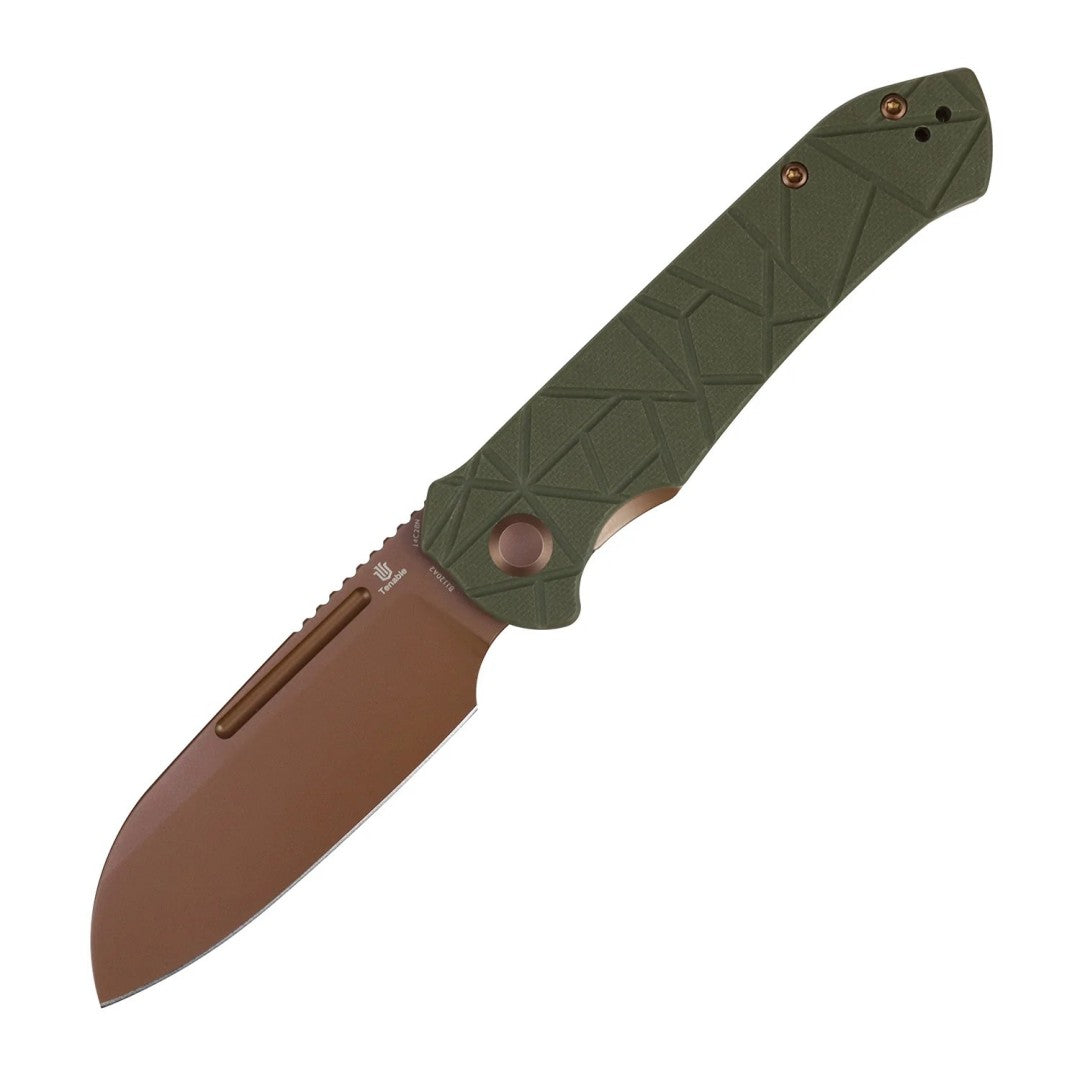
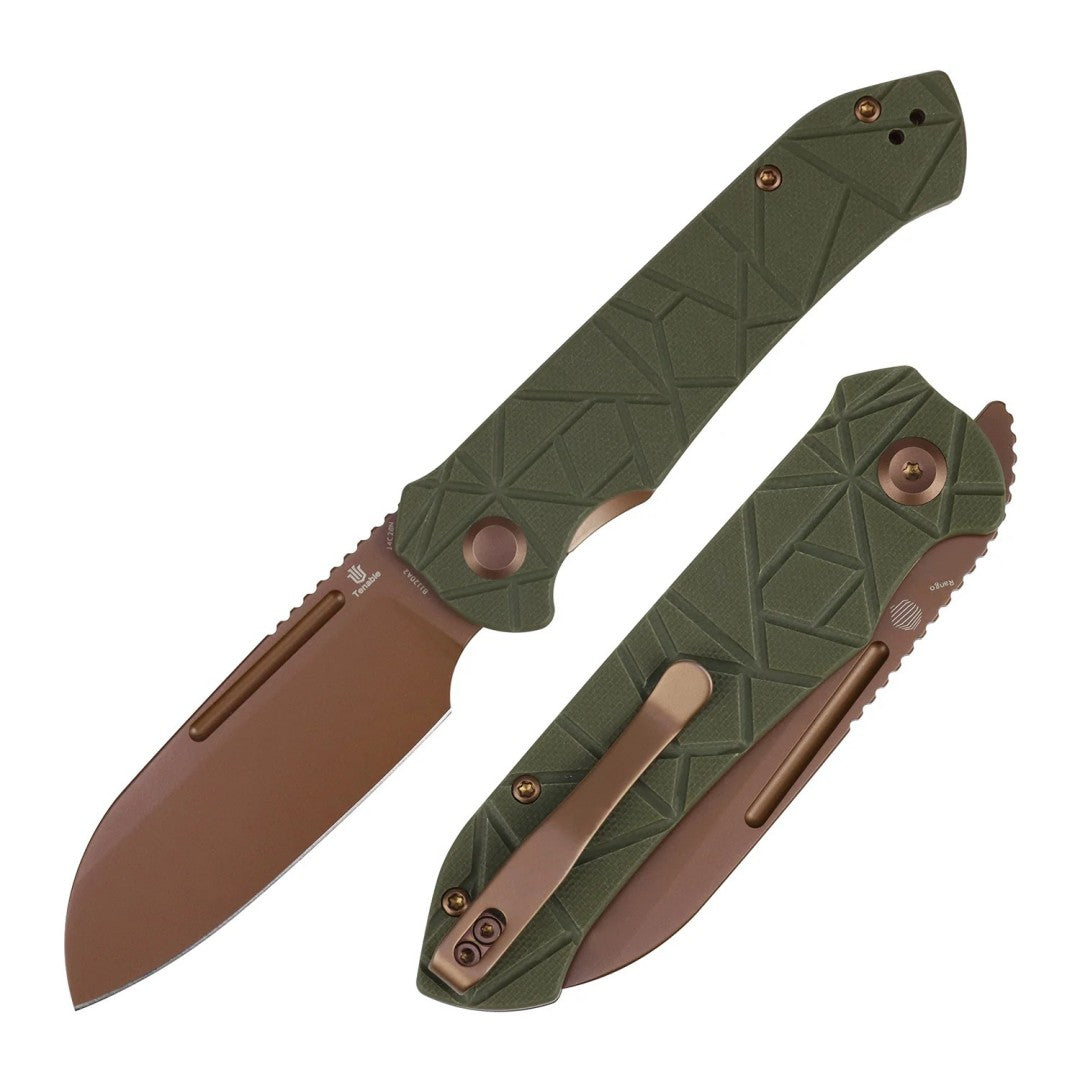
The QSP Baby Penguin Fixed Blade Knife has taken the EDC market by storm, heavily praised for its structural integrity and its choice of blade material: Sandvik 14C28N stainless steel.

But how does this specific Swedish steel stack up against other dominant steels found in the budget and mid-tier EDC knife markets? In this deep-dive comparison, we will evaluate the performance of the QSP Baby Penguin against industry benchmarks like D2, 8Cr13MoV, and premium VG-10/154CM alternatives.
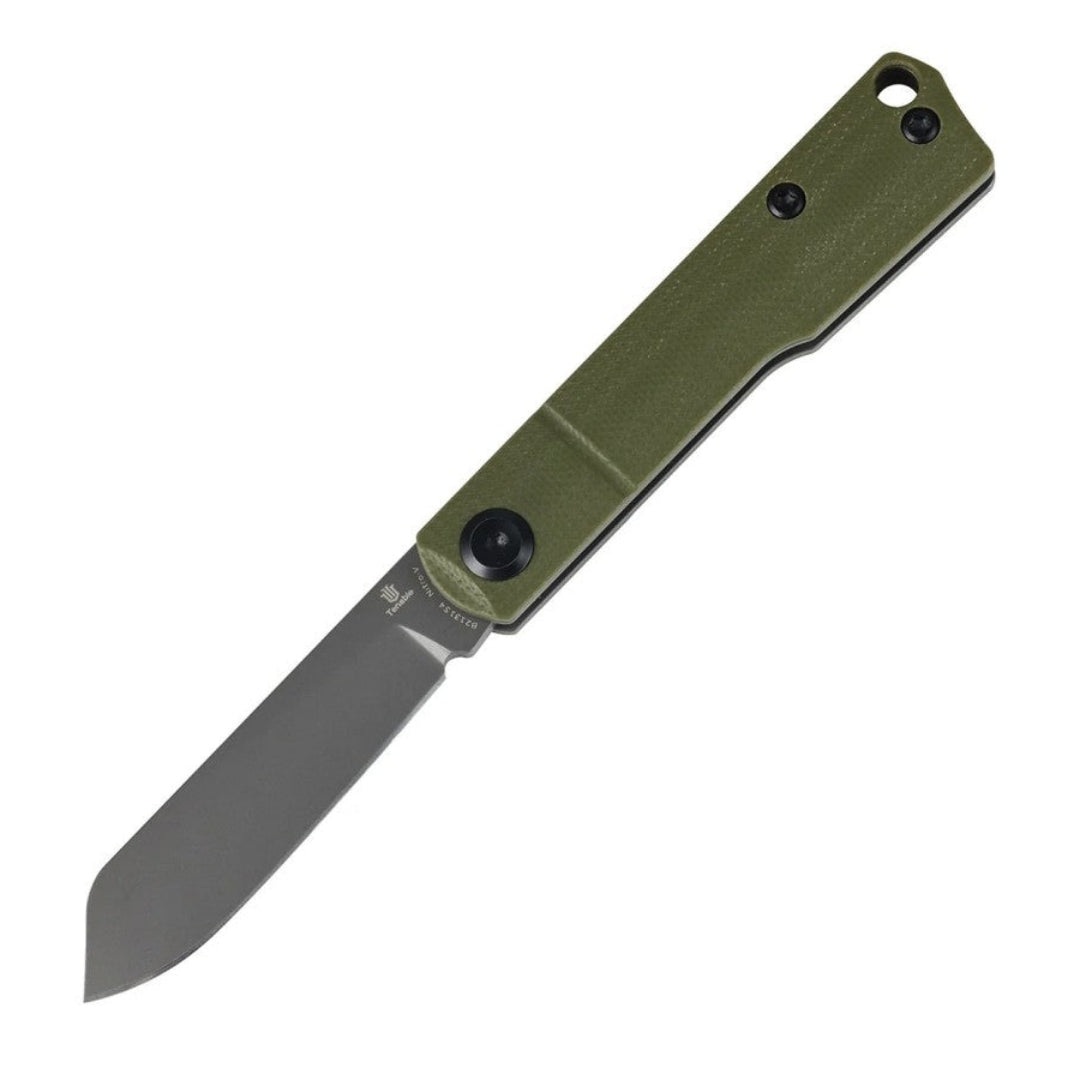
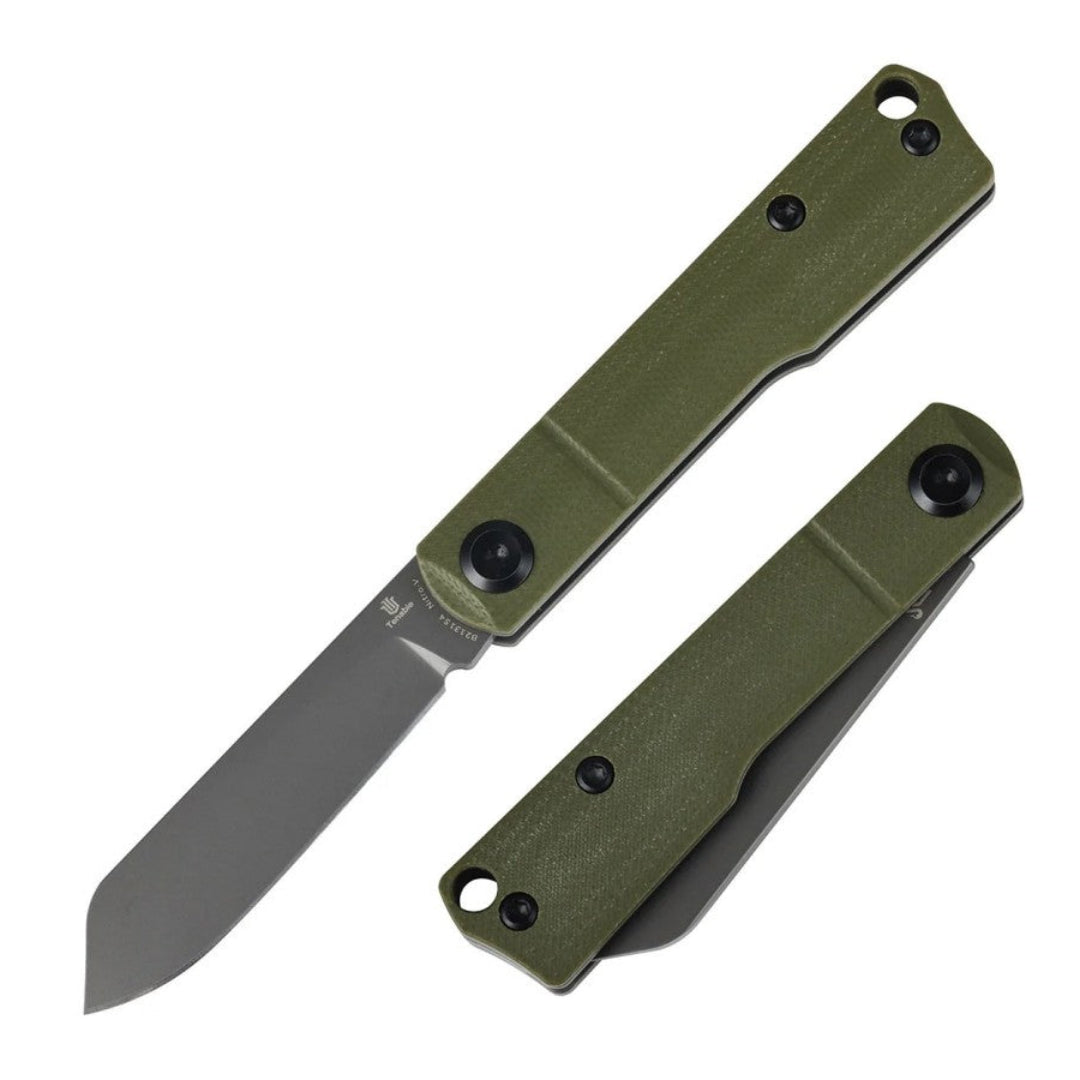
The QSP Baby Penguin Blade Baseline
To establish a fair benchmark, let us look at what the Baby Penguin brings to the table out of the box:
-
Blade Material: Sandvik 14C28N Stainless Steel
-
Origin: Sweden (Sandvik Materials Technology)
-
Hardness: 59-61 HRC
-
Key Traits: Nitrogen-purged alloy, ultra-fine grain structure, balanced performance attributes.
Sandvik developed 14C28N specifically for high-performance cutlery. By introducing nitrogen to the chemical matrix, they boosted hardness and stain resistance without creating the structural brittleness typically found in hard budget steels.
1. Head-to-Head: QSP Baby Penguin (14C28N) vs. D2 Steel
Common Competitors: Many budget EDC fixed blades and folders under $60.
For the last several years, D2 tool steel has been the default choice for budget-focused knives. It is incredibly hard and holds a functional cutting edge for a very long time. However, it comes with glaring trade-offs when compared directly to the Baby Penguin's 14C28N steel.
Corrosion Resistance
D2 is a tool steel, not a true stainless steel. It contains around 11.5% chromium, which falls just short of the 13% threshold required to be called stainless. If you carry a D2 knife in your pocket during hot summer days, pocket sweat will cause it to rust or develop dark patina spots. The QSP Baby Penguin features a full 14% chromium content reinforced by nitrogen, making it highly rust-resistant and vastly superior for damp outdoor camping environments.
Toughness and Chipping
D2 achieves its edge longevity through massive, coarse chromium carbides. While great for slicing cardboard, these large carbides make the steel brittle. If you hit a staple, bone, or hard wood knot, a D2 edge is prone to micro-chipping. 14C28N boasts an exceptionally fine grain structure, giving the Baby Penguin superb structural toughness to absorb impacts without chipping.
2. Head-to-Head: QSP Baby Penguin (14C28N) vs. 8Cr13MoV / 440C
Common Competitors: Entry-level budget knives.
Steels like 8Cr13MoV (and its Chinese variations) or classic 440C are incredibly cheap to manufacture, which is why they dominate the entry-level knife landscape.
Edge Retention
This is where the QSP Baby Penguin leaves entry-level steels far behind. Knives running 8Cr13MoV typically top out at a soft 56-58 HRC. They dull quickly, sometimes after breaking down just a few dense shipping boxes or slicing a length of thick rope. Because QSP heat-treats their 14C28N steel to a crisp 59-61 HRC, the Baby Penguin provides roughly double the edge retention of an 8Cr13MoV blade under identical work conditions.
Slicing Aggression
Soft steels tend to "roll" their micro-bevel when pushed hard, causing the knife to slide over materials rather than cutting into them. The Baby Penguin’s hard, flat-ground sheepsfoot blade bites deeply and stays aggressive through prolonged cutting sessions.

3. Head-to-Head: QSP Baby Penguin (14C28N) vs. VG-10 / 154CM
Common Competitors: Mid-tier EDC knives ($80–$120+).
When you jump up into mid-tier territory, you commonly encounter Japanese VG-10 or American 154CM stainless steels. This is where the value proposition of the Baby Penguin truly shines, as 14C28N punches well above its price class.
Sharpening Responsiveness
VG-10 and 154CM are excellent, well-rounded steels, but they can be notoriously stubborn to sharpen once completely dulled, requiring precise angles and patience on high-quality stones. Sandvik 14C28N is globally renowned for how beautifully it responds to sharpening. A simple ceramic rod or a leather strop will realign the edge of your Baby Penguin within minutes, bringing it back to a hair-shaving, mirror-polished finish with minimal user frustration.
Balanced Field Performance
While VG-10 might offer a fractional advantage in pure abrasive wear resistance, 14C28N recaptures the lead with superior lateral toughness. For a compact fixed blade meant to handle a hybrid mix of urban utility and campsite bushcraft tasks, the balanced resilience of 14C28N makes it a more reliable user steel in the field.
Summary Comparison Matrix
| Steel Type | Edge Retention | Toughness | Corrosion Resistance | Ease of Sharpening |
| Sandvik 14C28N (QSP Baby Penguin) | Great | Excellent | Excellent | Very Easy |
| D2 Tool Steel | Excellent | Poor | Fair (Prone to rust) | Moderate |
| 8Cr13MoV / 440C | Poor | Fair | Good | Easy |
| VG-10 / 154CM | Great | Good | Great | Moderate |
The Verdict: How It Compares
The metallurgy behind the QSP Baby Penguin reveals why it is considered one of the absolute best values in modern everyday carry.
It completely bypasses the rust and chipping vulnerabilities of hard tool steels like D2, entirely outclasses the edge-holding limitations of entry-level alloys like 8Cr13MoV, and easily stands toe-to-toe with premium mid-tier stainless options like VG-10. By pairing high-performance Swedish steel with a highly utilitarian sheepsfoot grind and an accessible price tag, QSP has delivered an optimized cutting package that sets a new performance standard for the budget EDC world.