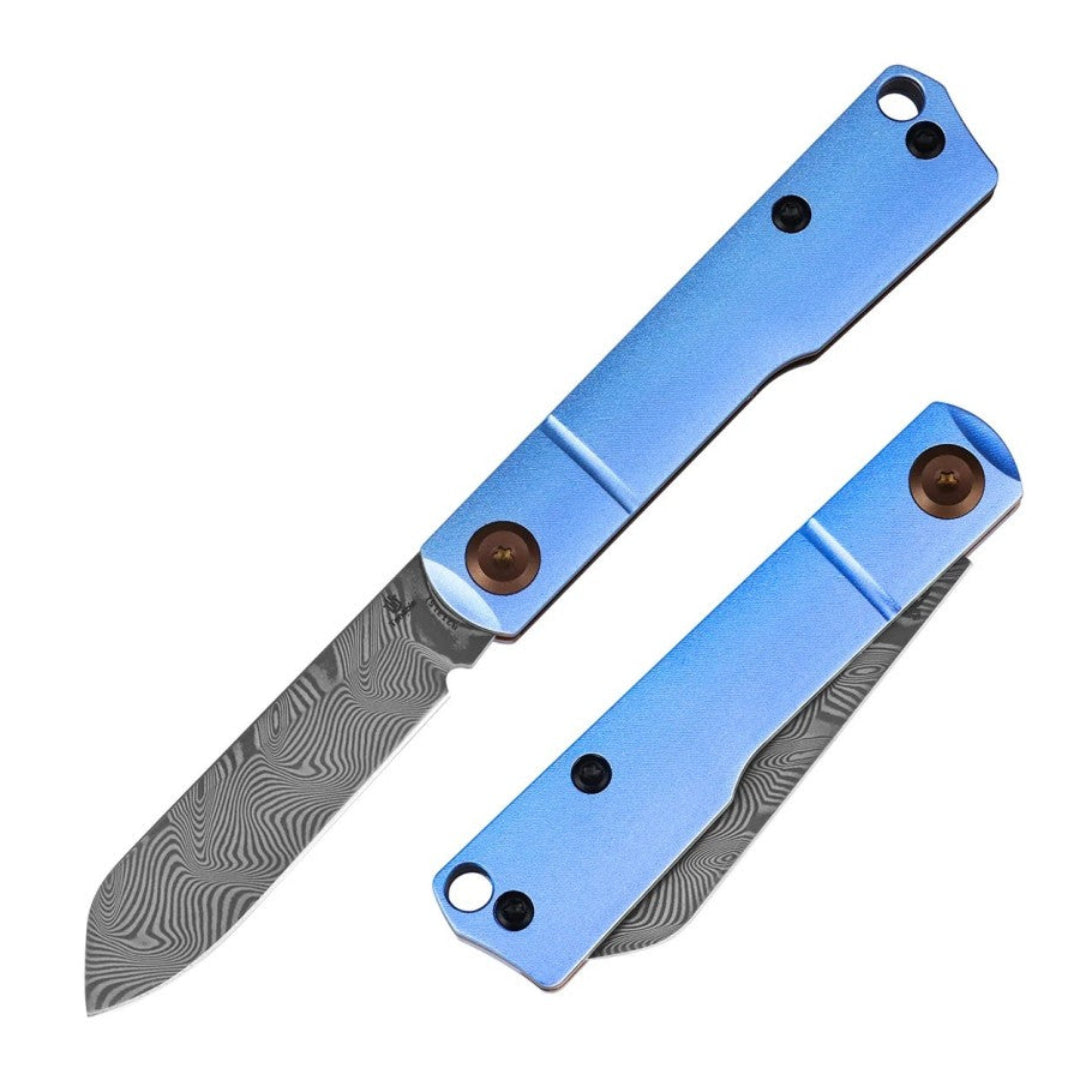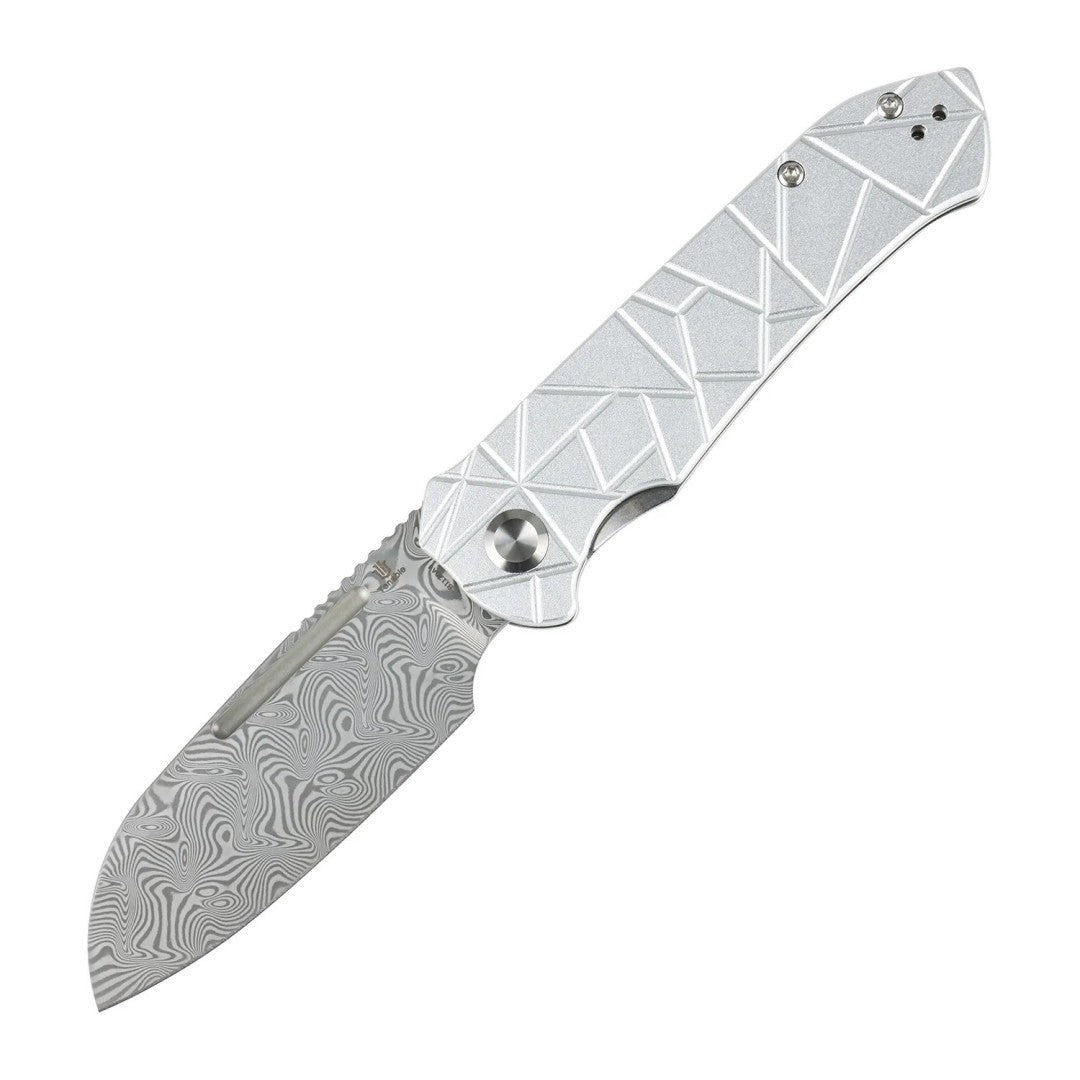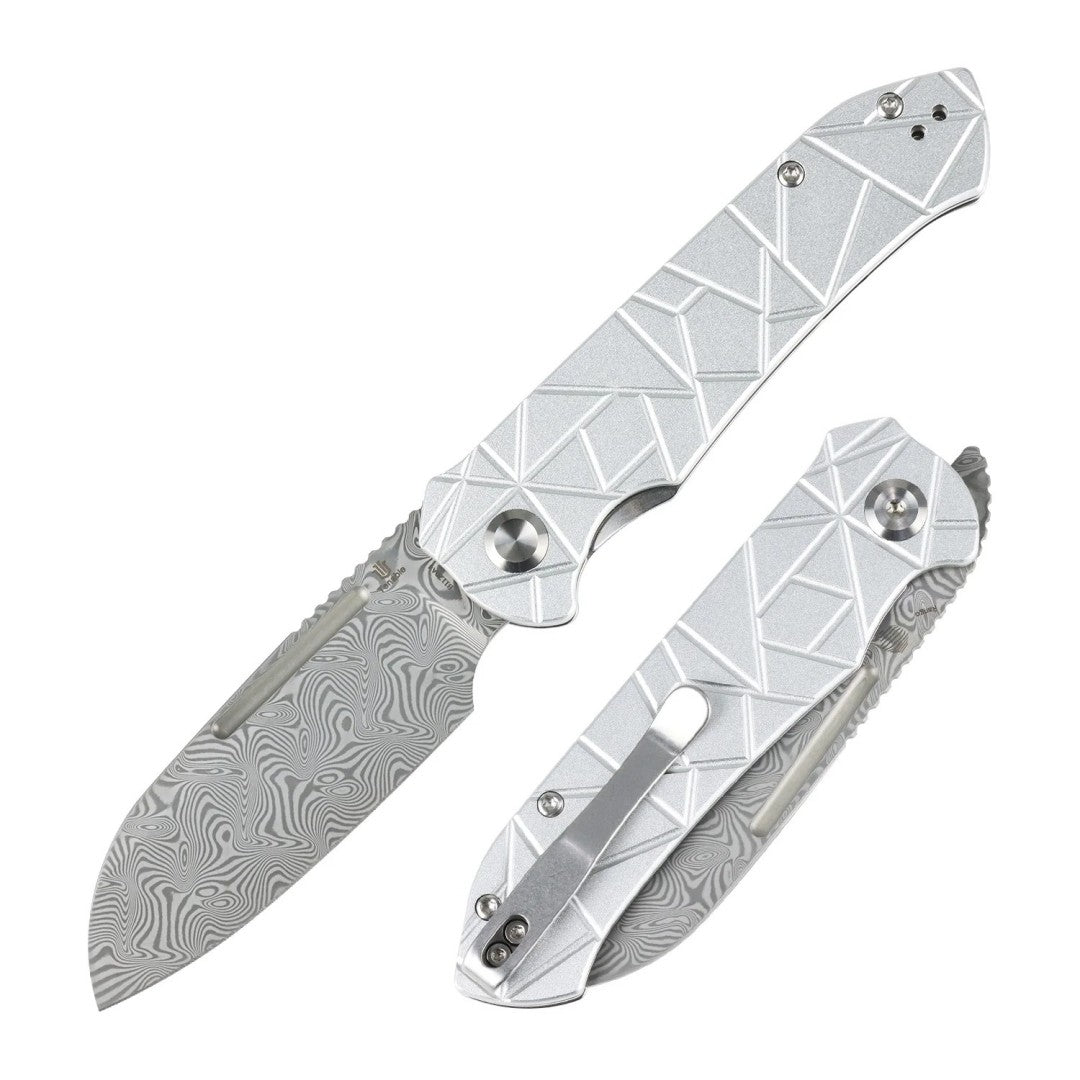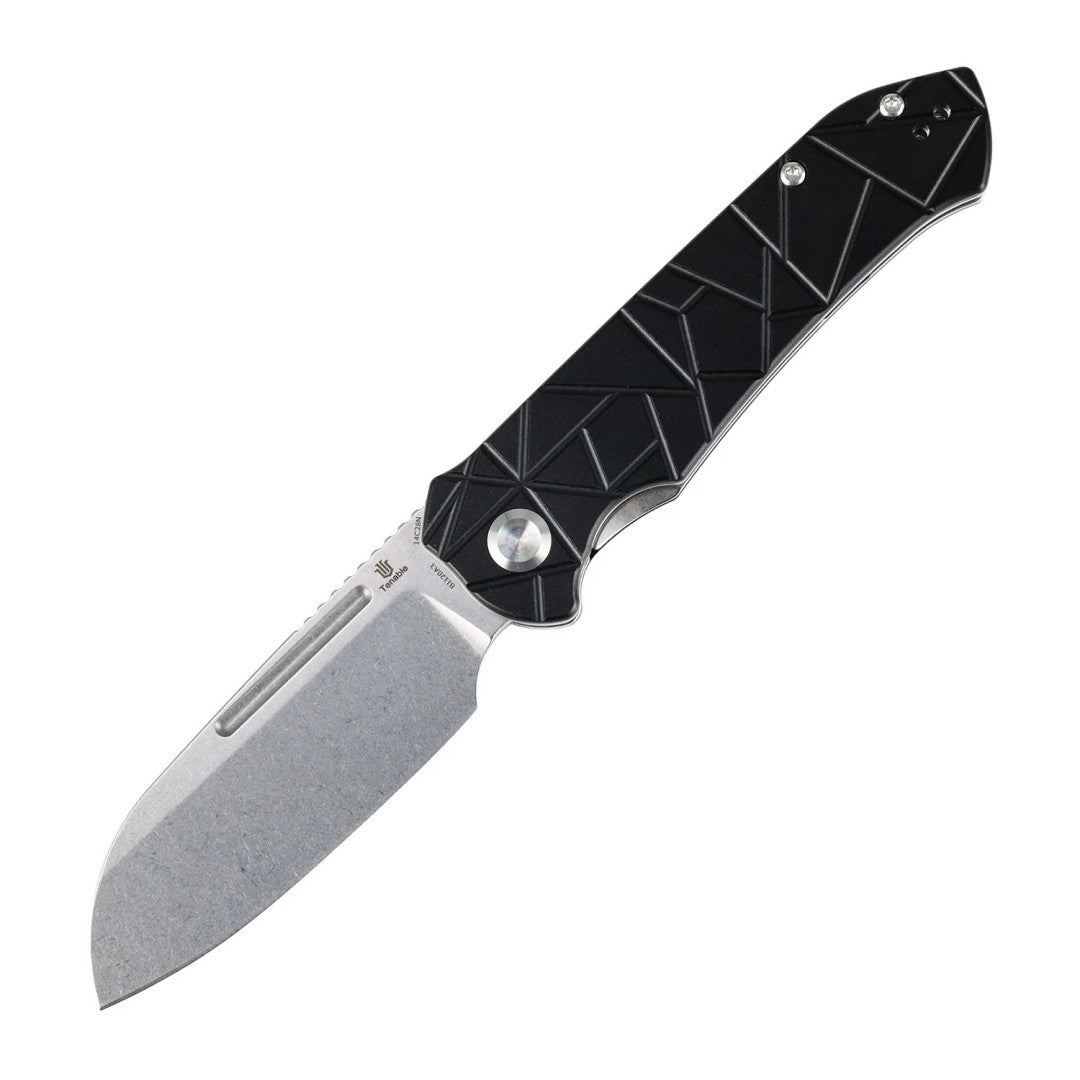
When selecting an everyday carry (EDC) pocket knife, buyers often obsess over handle materials and steel types, frequently overlooking the most critical factor for daily utility: the geometry of the edge. A beautiful knife is useless if its profile makes simple cutting chores frustrating. In this evaluation, we analyze a core question for pocket knife enthusiasts: Is the Kansept Halide blade shape good for everyday carry cutting tasks?
Designed by custom knife creator James Arnold, the Kansept Halide line features a highly distinctive, futuristic blade geometry. To see how it functions out in the real world, we put its specific profile through a rigorous utility analysis, testing its performance on standard daily chores like breaking down cardboard boxes, slicing ropes, and performing precise detail work.

The Anatomy of the Kansept Halide Blade Geometry
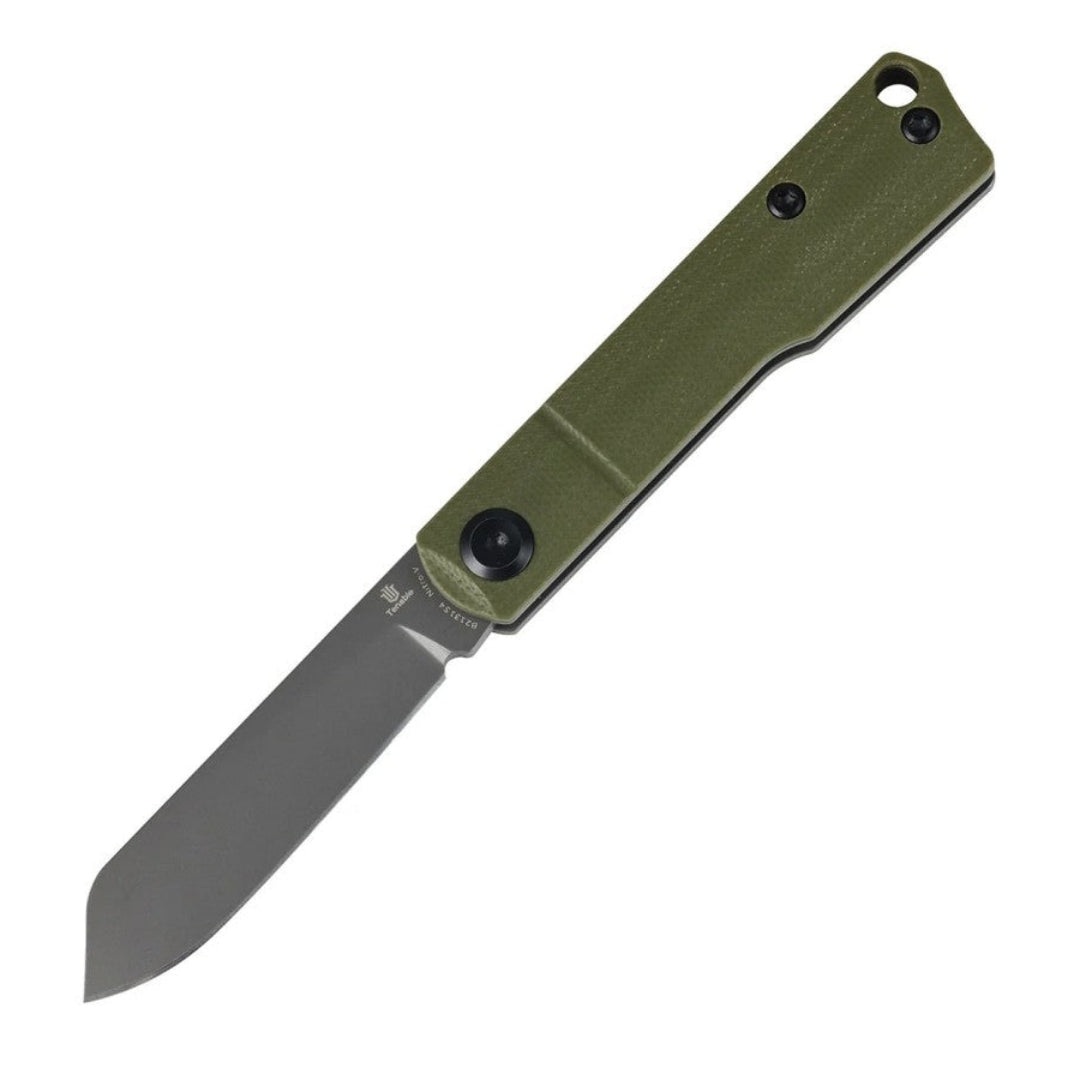
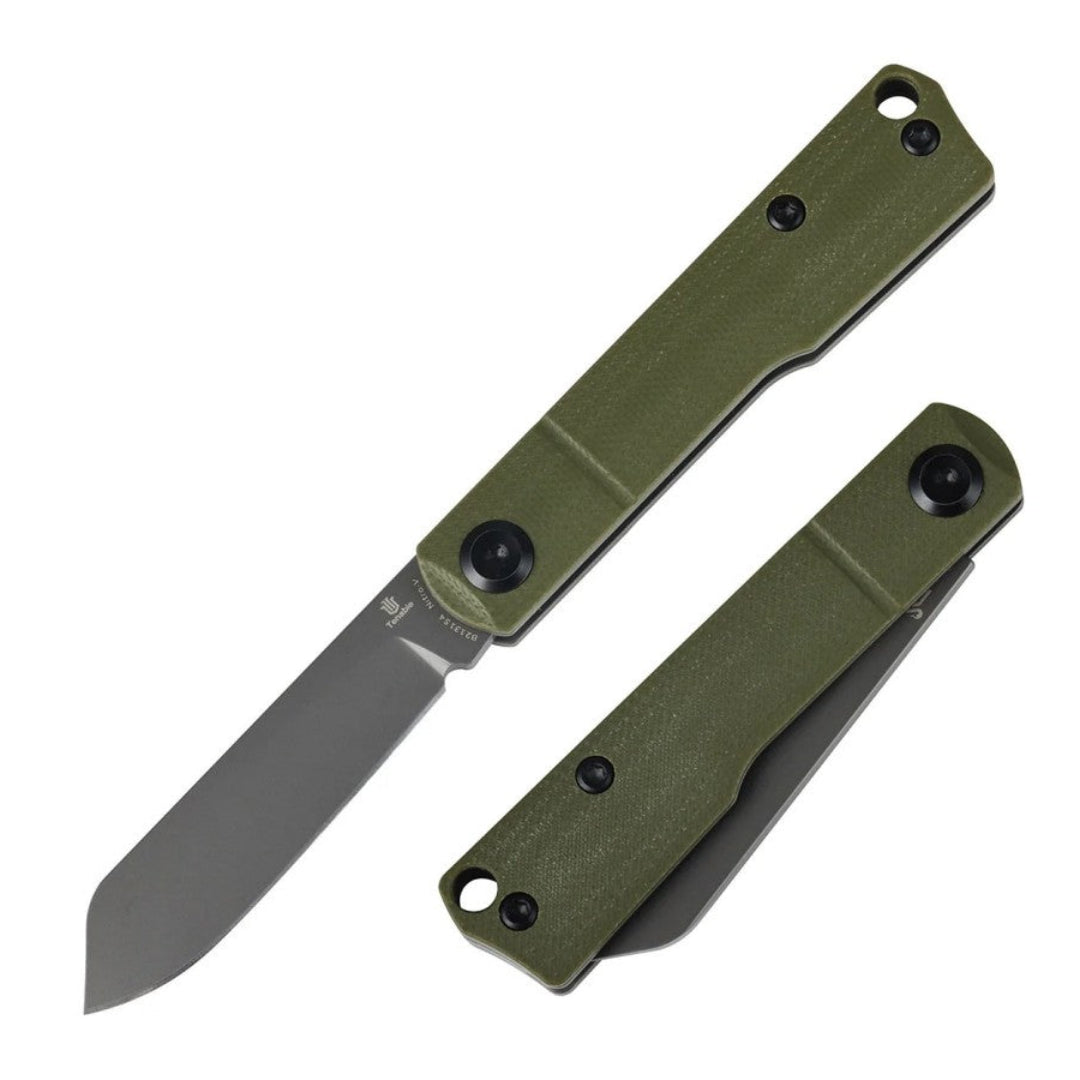
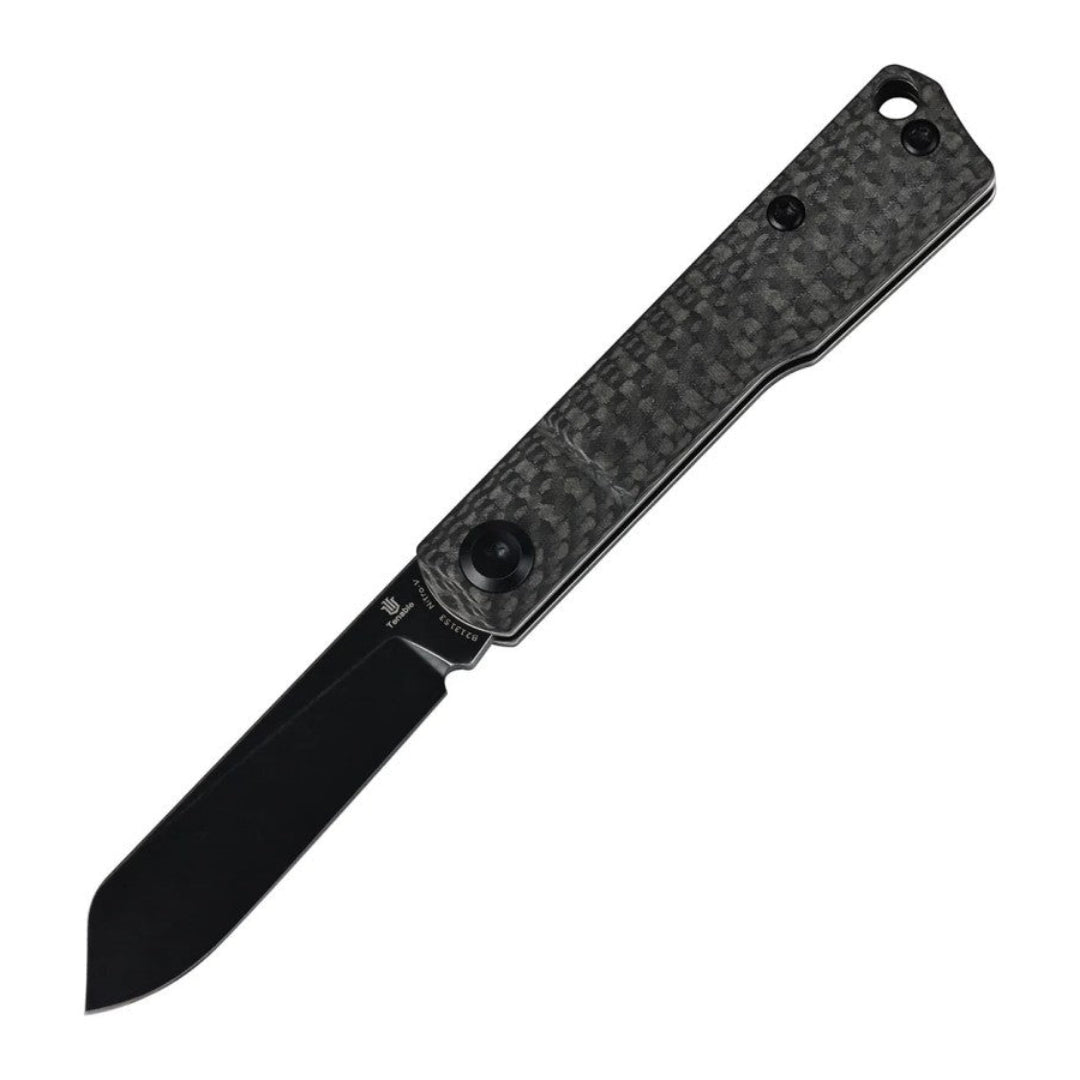
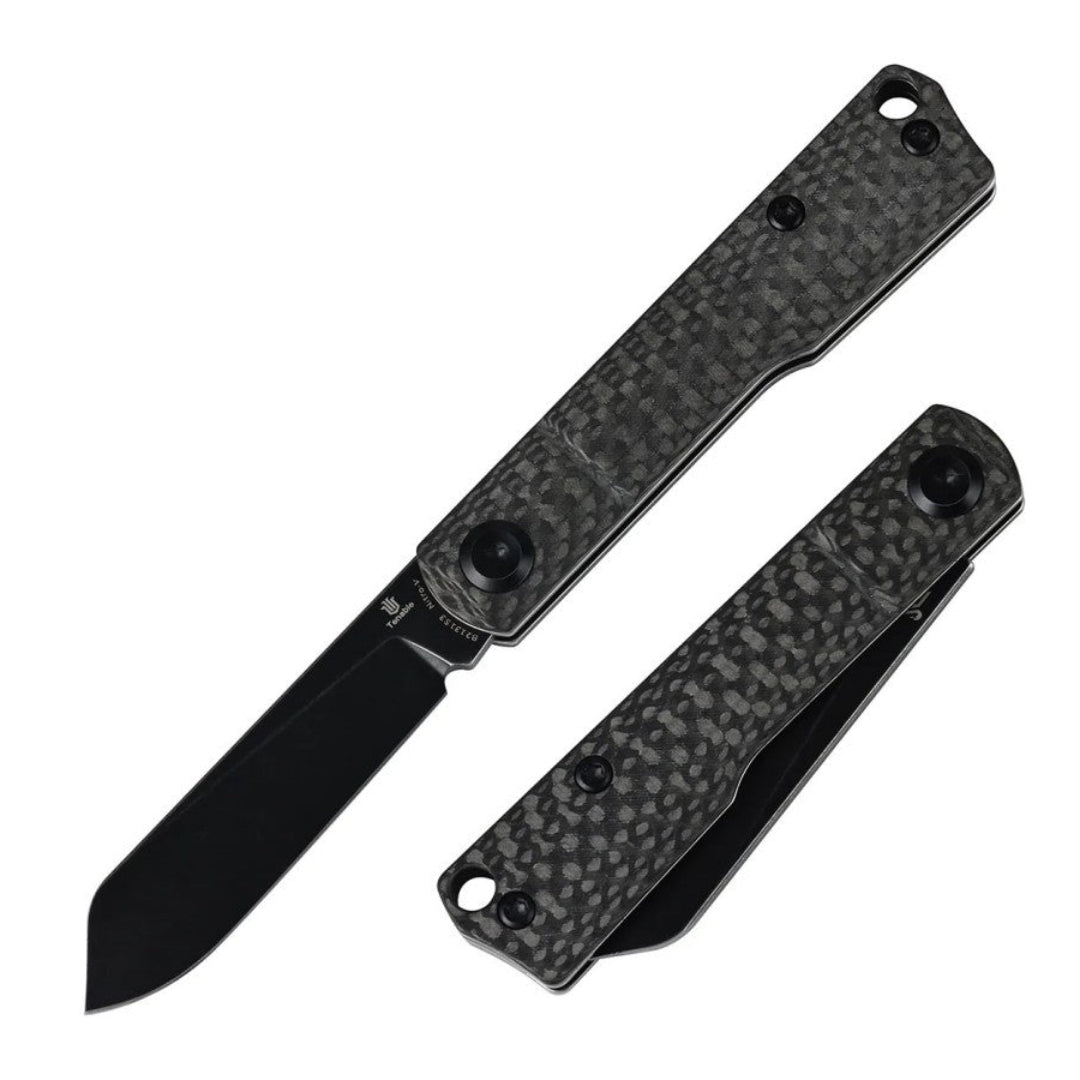
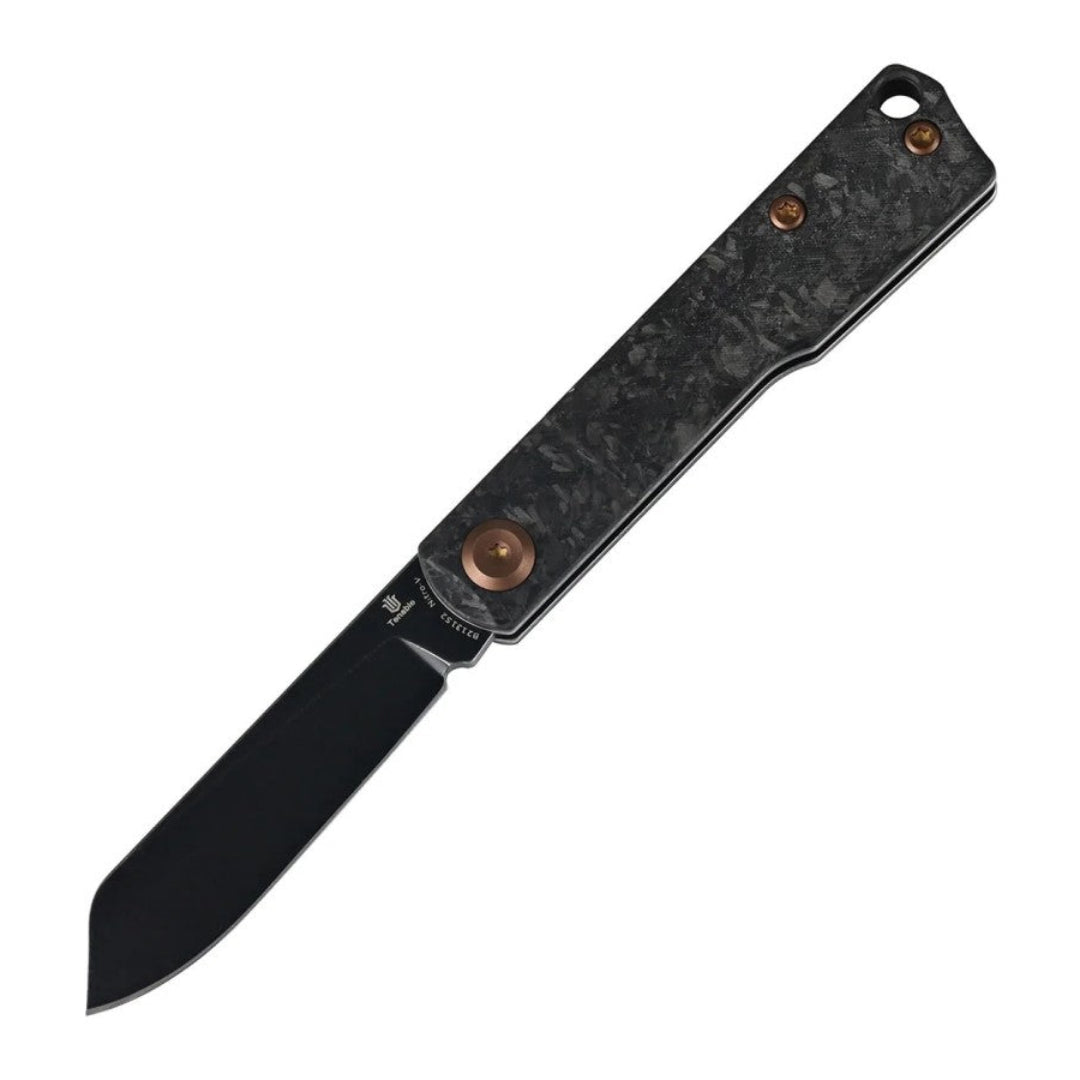
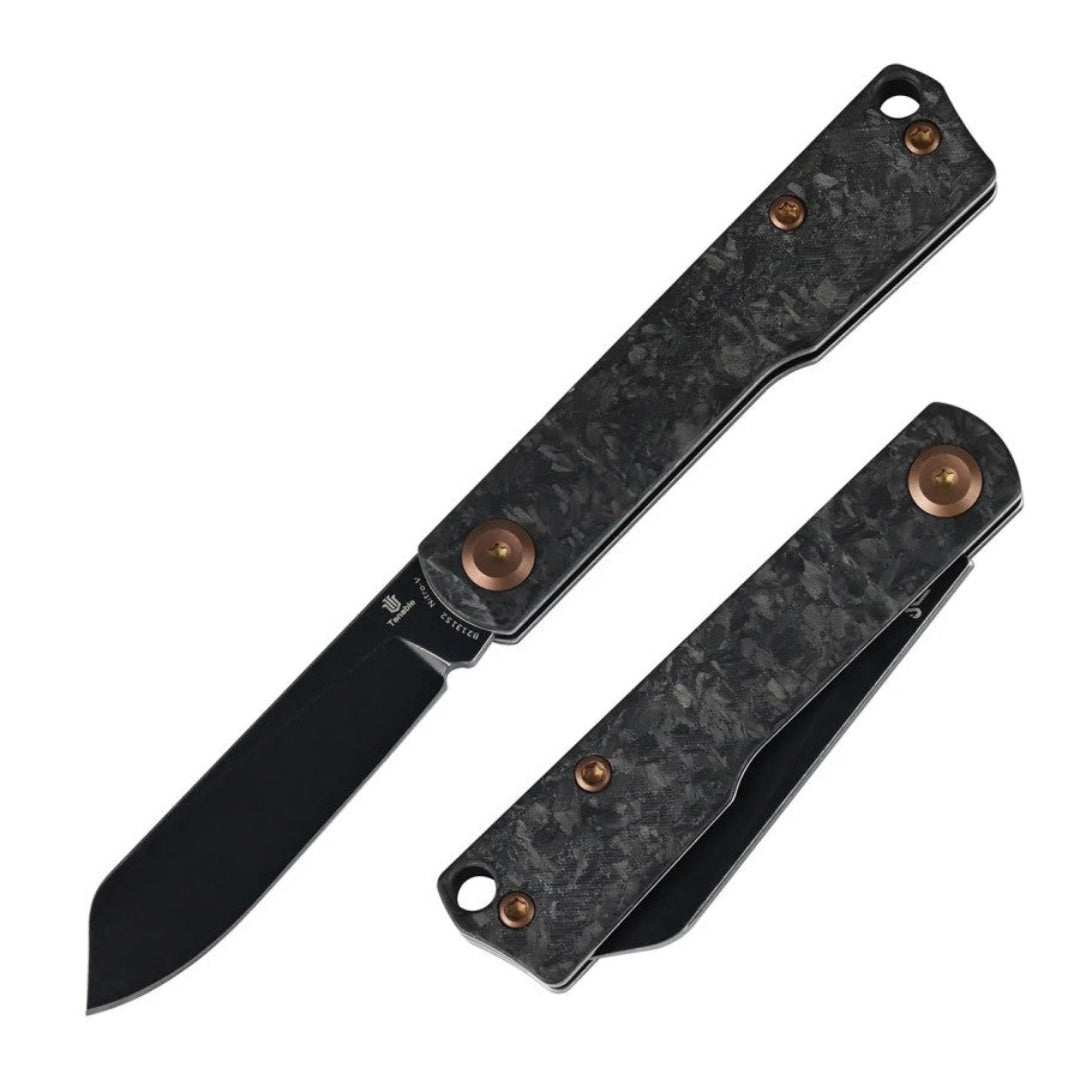
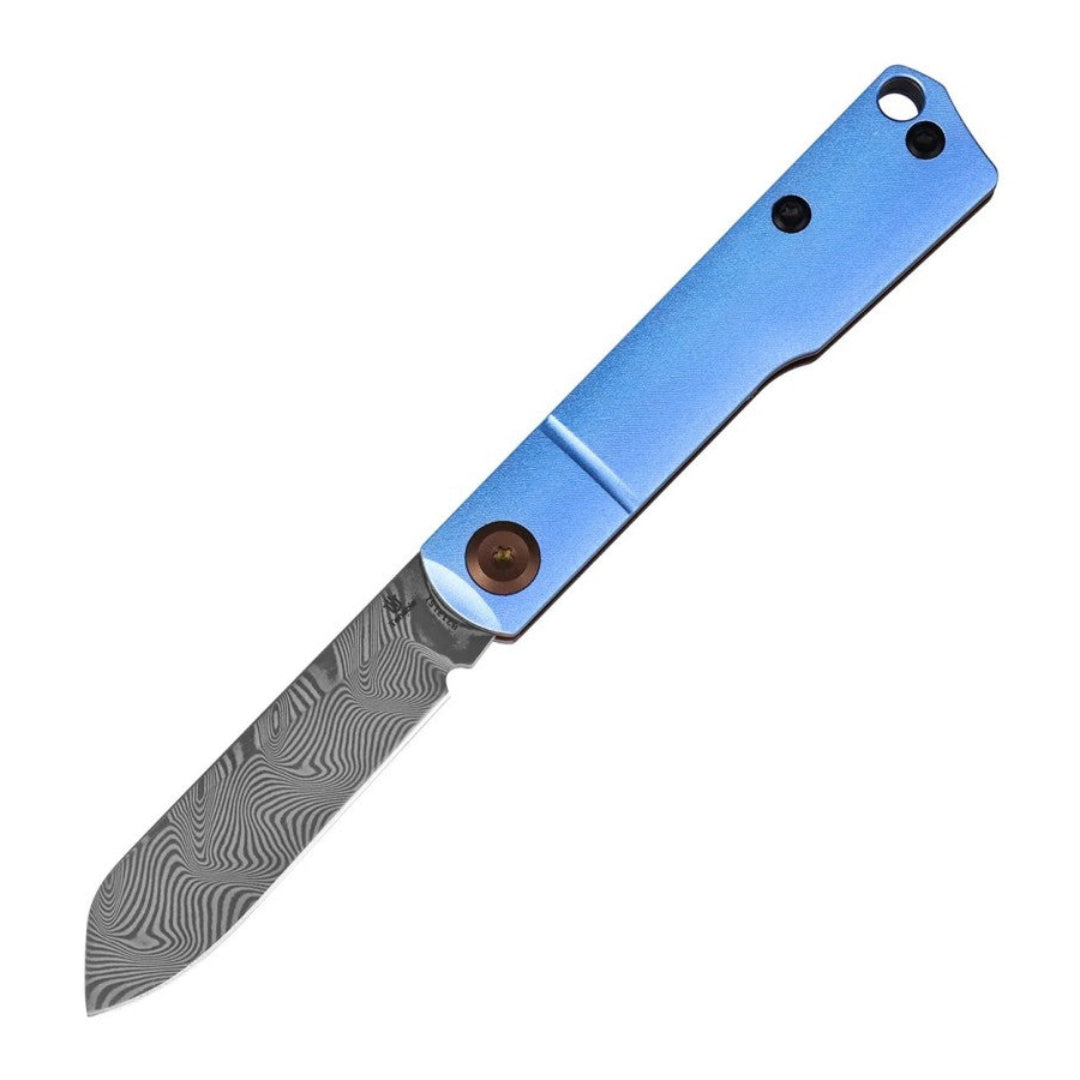
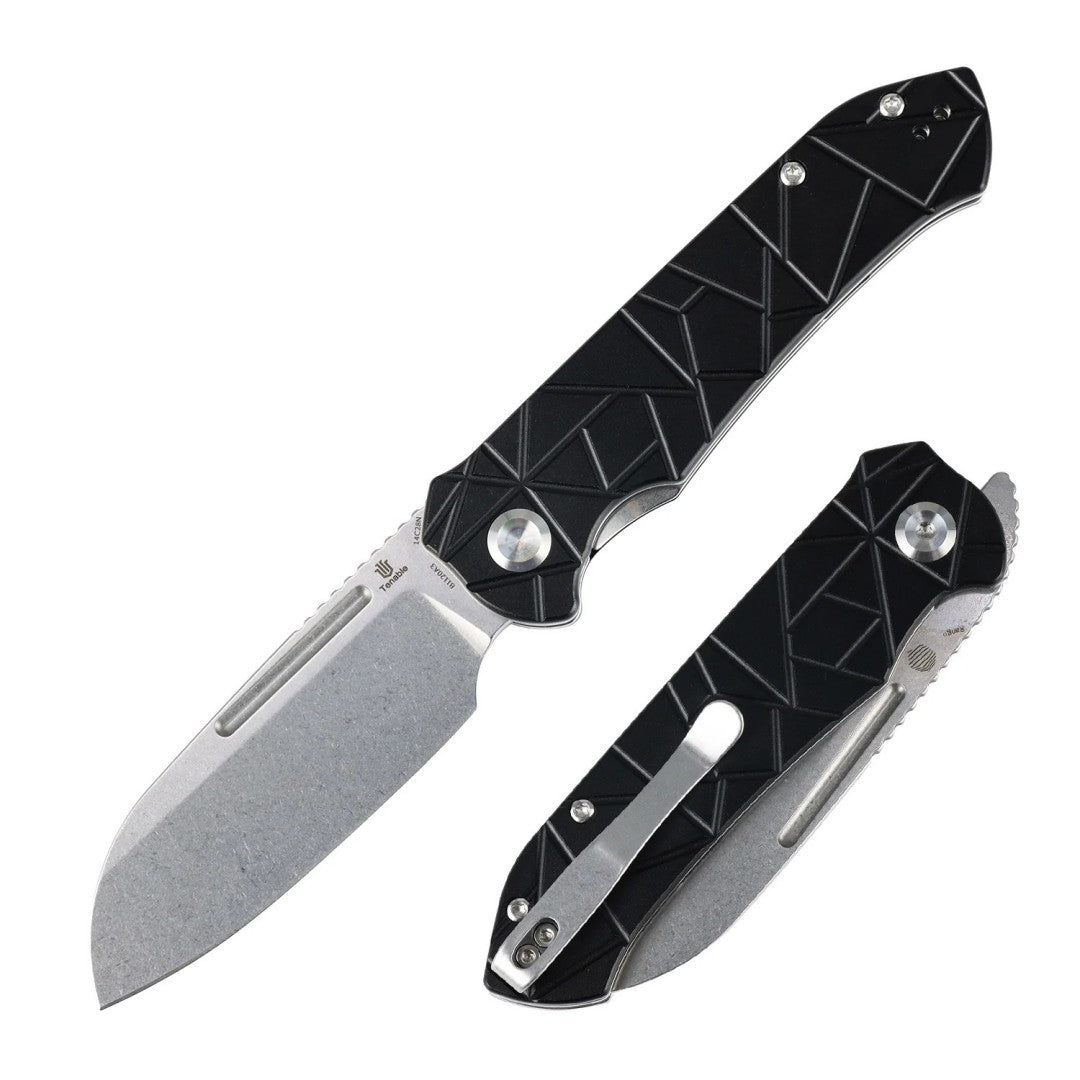
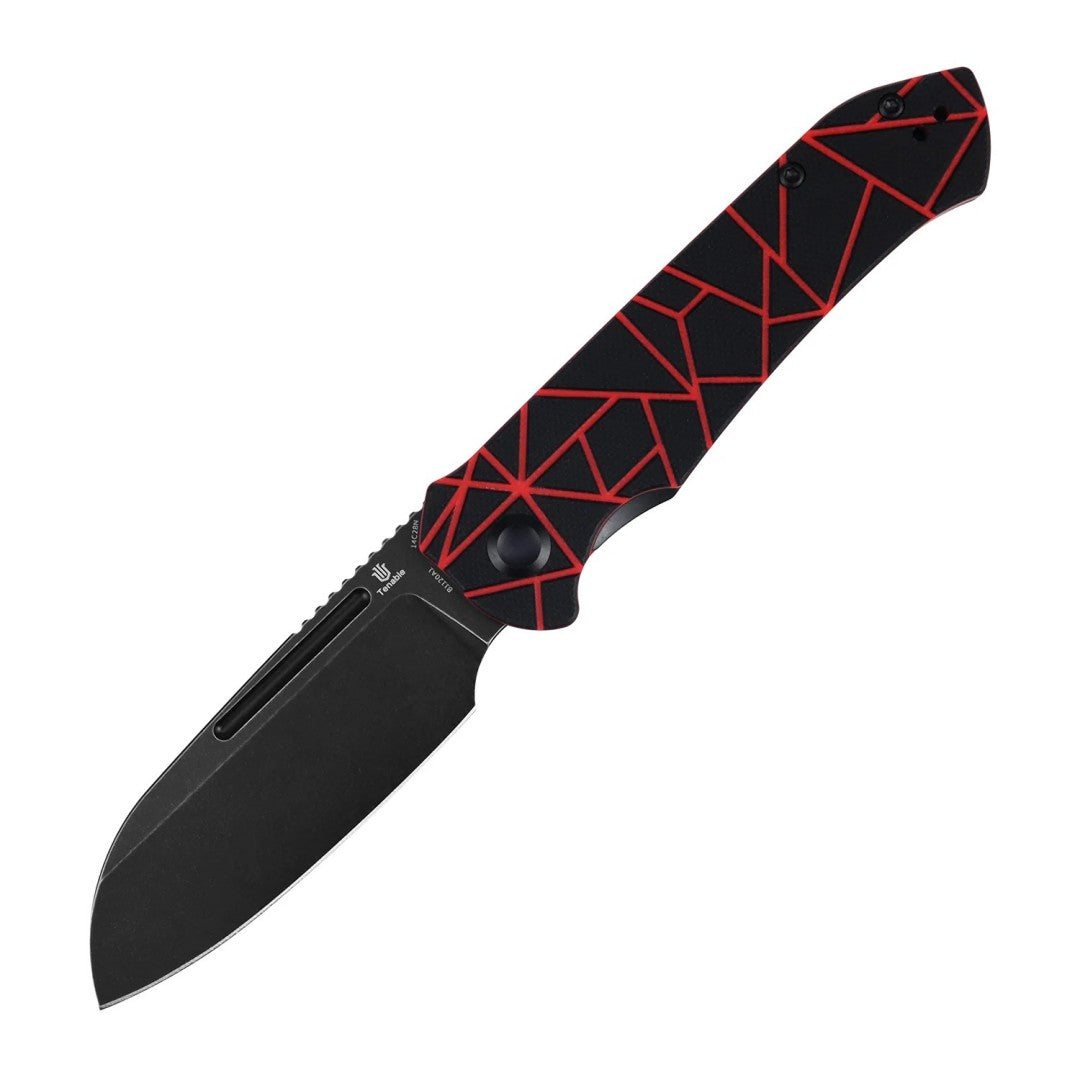
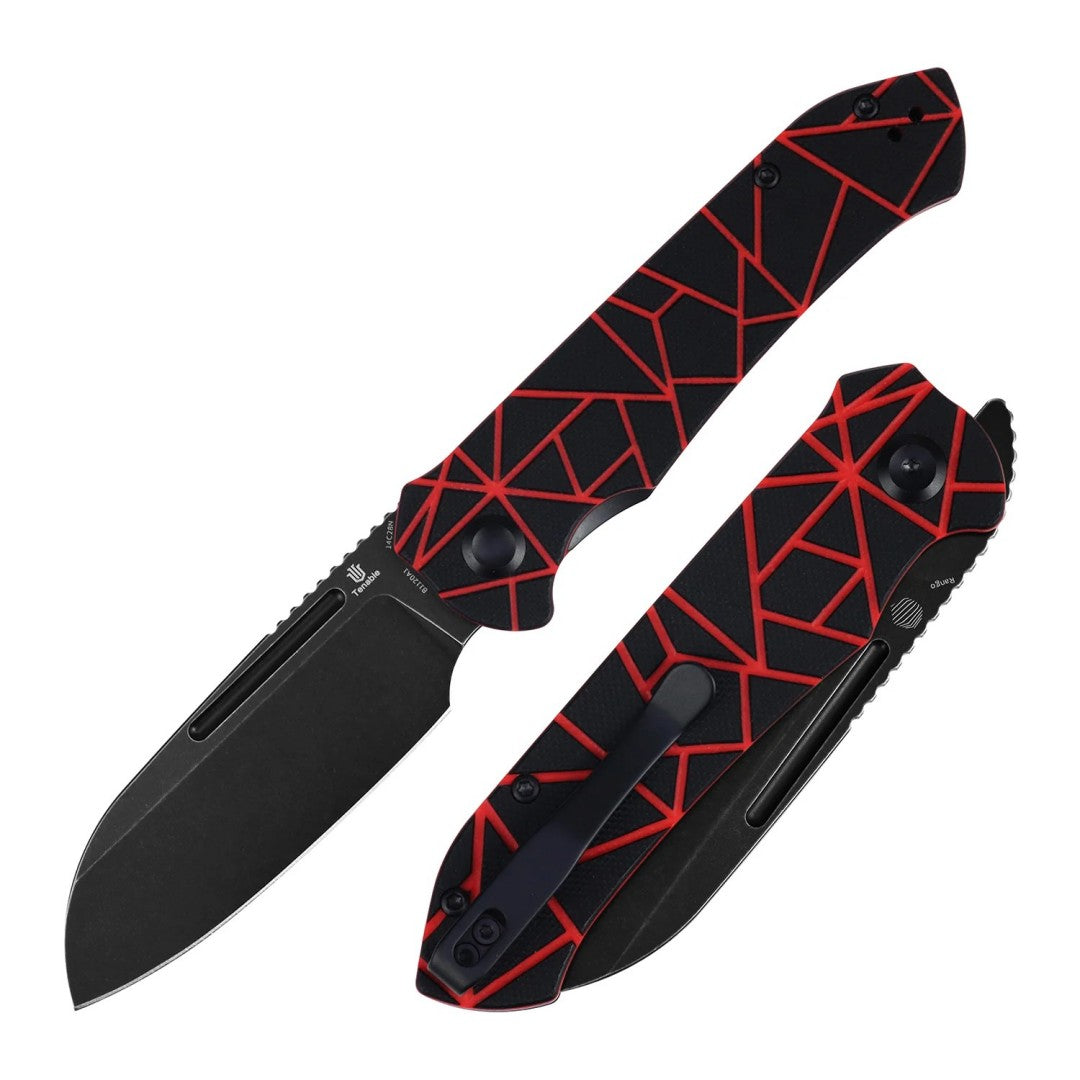
To understand how the Halide cuts, we must look at its specific structural profile. James Arnold designed the Halide with a modified drop-point that leans heavily into a straight-edge Wharncliffe or Sheepsfoot hybrid silhouette.
This hybrid geometry brings together several distinct engineering choices:
-
The Flat Cutting Edge: The majority of the cutting edge is perfectly straight or features a very mild, sweeping belly.
-
The Aggressive Downward Tip: The spine of the blade drops sharply toward the point, placing the tip lower than the centerline of the pivot.
-
A Precision Swedge: The upper spine features a ground-down swedge that reduces thickness near the point without compromising structural strength.
Real-World Performance: Testing Common EDC Cutting Tasks
An elite everyday carry knife needs to excel at unexpected, repetitive, and varied daily tasks. Here is how the Halide’s specific blade shape performs across the most common real-world scenarios.
1. Box Cutting and Package Opening (Performance: Exceptional)
The absolute most common task for a modern pocket knife is opening packages and breaking down shipping boxes. This is where the Kansept Halide completely dominates standard drop-point or clip-point knives.
Because the tip is angled downward, it naturally contacts flat surfaces first when you hold the knife in a comfortable, forward-leaning grip. When piercing packing tape or dragging the blade through thick, double-walled corrugated cardboard, the material cannot slip off the belly of the blade. The straight edge hooks into the material, drawing it through the cut with minimal effort and maximum mechanical leverage.
2. Precision Detail Work and Scoring (Performance: Outstanding)
Need to cut out a precise coupon, score a piece of leather, or trim loose threads from apparel? The Halide acts like an industrial utility razor blade but with the premium stability of a high-end folding knife.
The low-slung tip allows you to place your index finger directly along the spine or on the handle choil, giving you absolute laser-guided control over the point. This makes detail slicing effortless because you can see exactly where the tip meets the material without your hand obstructing the line of sight.
3. Slicing and Food Prep (Performance: Good)
For slicing tasks—such as cutting a piece of rope, processing paracord, or slicing an apple at your desk—the Halide holds its own beautifully.
The flat grind ensures the blade transitions smoothly through medium-density materials without binding or wedging. However, because it lacks the massive, rounded belly of a traditional hunting knife, it is less suited for rocking back and forth on a flat cutting board. Instead, it relies on clean, linear draw-cuts, which handle 90% of office and urban EDC needs effortlessly.
4. Piercing and Puncture Tasks (Performance: Highly Secure)
Some straight-edged utility blades suffer from incredibly fragile tips that snap under minimal lateral pressure. James Arnold solved this problem on the Halide by incorporating a robust spine that maintains its thickness until right before meeting the point.
Whether puncturing heavy plastic clamshell packaging, piercing heavy canvas, or popping zip-ties, the tip drives straight through with minimal resistance, backed by the structural toughness of premium metallurgy like CPM-S35VN or Damascus steel.

Ergonomic Synergy: How the Handle Enhances the Blade Shape
A blade shape is only as good as the handle supporting it. The Kansept Halide features ergonomics that perfectly complement its cutting geometry.
The handle scales—crafted from exotic composites like Dark Matter Glow Fatcarbon, Purple Haze, or Copper Carbon Fiber—are subtly angled relative to the blade pivot. This slight downward tilt ensures that when your hand is in a natural, neutral wrist position, the flat cutting edge of the blade runs parallel to your cutting surface. This eliminating the need to awkwardly bend your wrist down to make a flush, clean cut, drastically reducing hand fatigue during long cutting sessions.
Pros and Cons of the Kansept Halide Blade Profile
To give you a balanced look at James Arnold's design, let’s look at the inherent advantages and limitations of this specialized shape:
| Advantages for EDC | Limitations to Consider |
| Razor-Sharp Precision: The downward point offers unmatched control for box slicing, scoring, and utility utility work. | Limited Rocking Cut: The flatter edge means it cannot rock back and forth smoothly on flat kitchen cutting boards. |
| No Material Slippage: Materials cannot slide off the tip during heavy pull-cuts, making rope slicing safer. | Regulated Skinning Utility: Not ideal for game skinning or outdoor hunting tasks that require a deep, curved belly. |
| Easier to Sharpen: Straight or mild-belly profiles are significantly easier to maintain on flat whetstones or guided systems. | Aggressive Visual Style: The futuristic, angular look might appear intimidating in ultra-conservative office spaces. |
Final Verdict: Is the Halide Blade Shape Good for Everyday Carry?
The answer is a definitive yes. For the vast majority of modern urban, suburban, and workspace EDC users, the Kansept Halide blade shape is actually superior to traditional curved blades.
While a deep, sweeping belly is necessary for hunting, skinning, or heavy outdoor bushcraft camping, it is highly inefficient for opening packages, scoring materials, and slicing cardboard. James Arnold’s modified Wharncliffe layout prioritizes the exact mechanical movements people perform most in their daily lives.
Combined with Kansept's buttery-smooth ceramic bearing action, rock-solid liner lock safety, and ultra-premium blade steel options, the Halide’s blade shape isn't just good—it is an expertly engineered masterclass in daily utility performance.