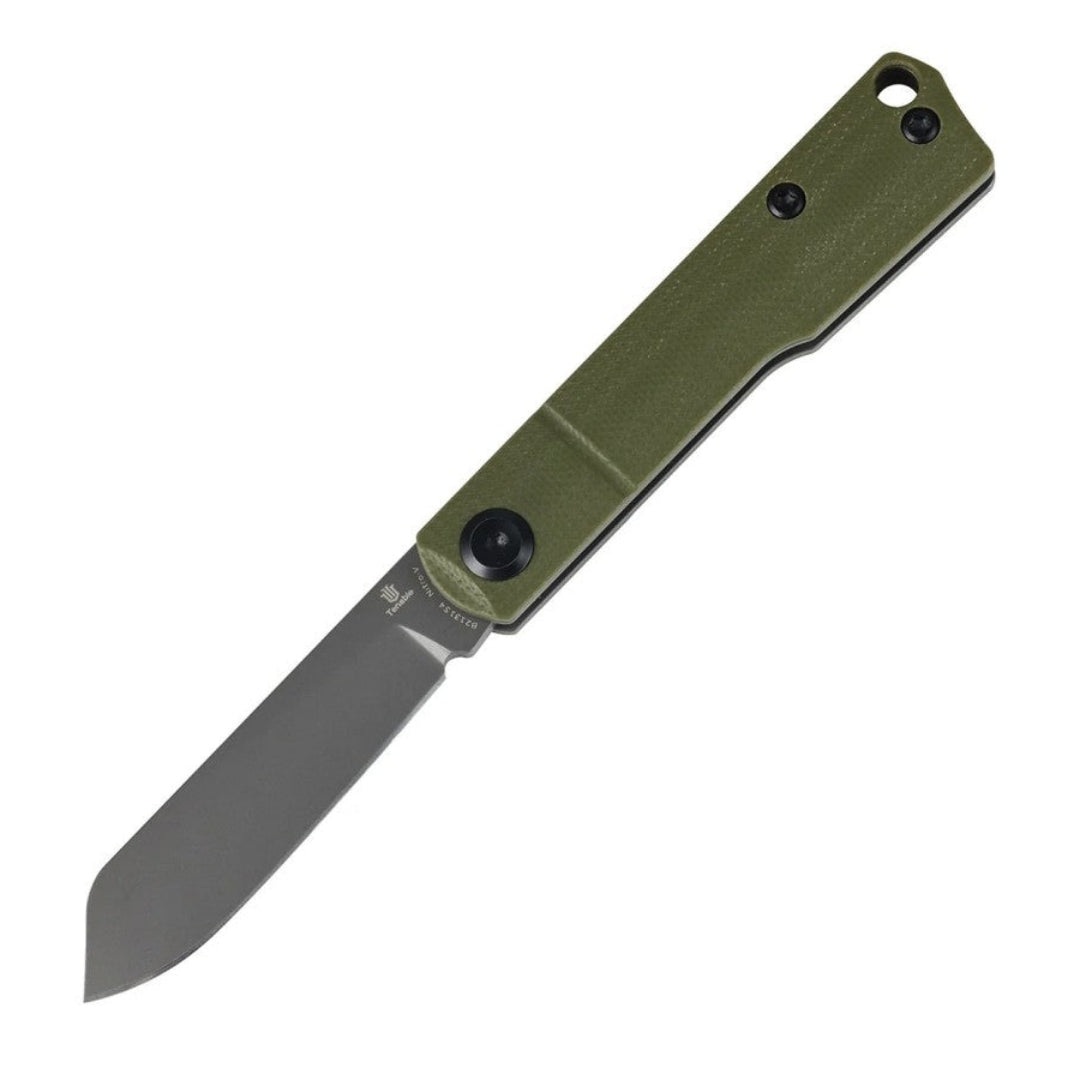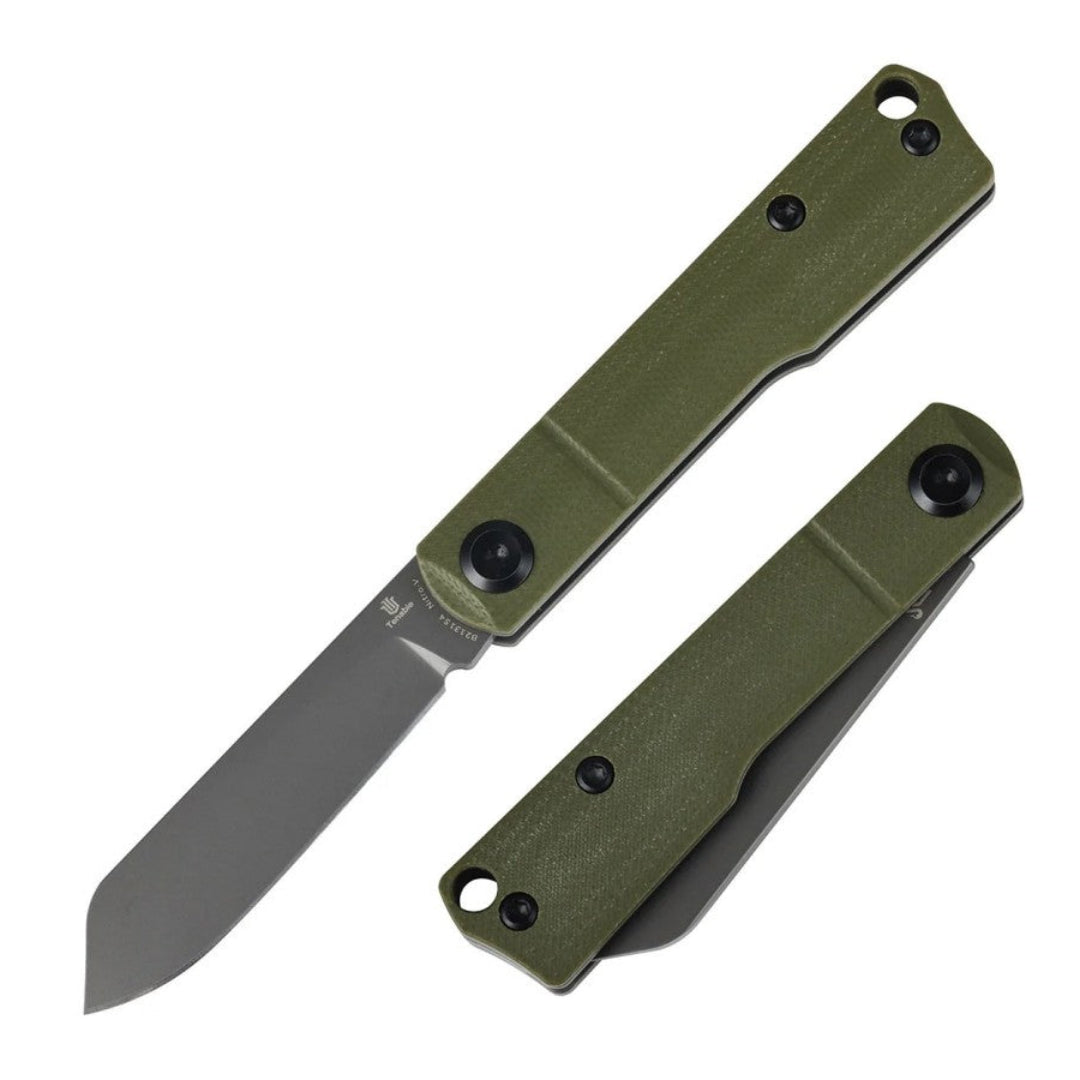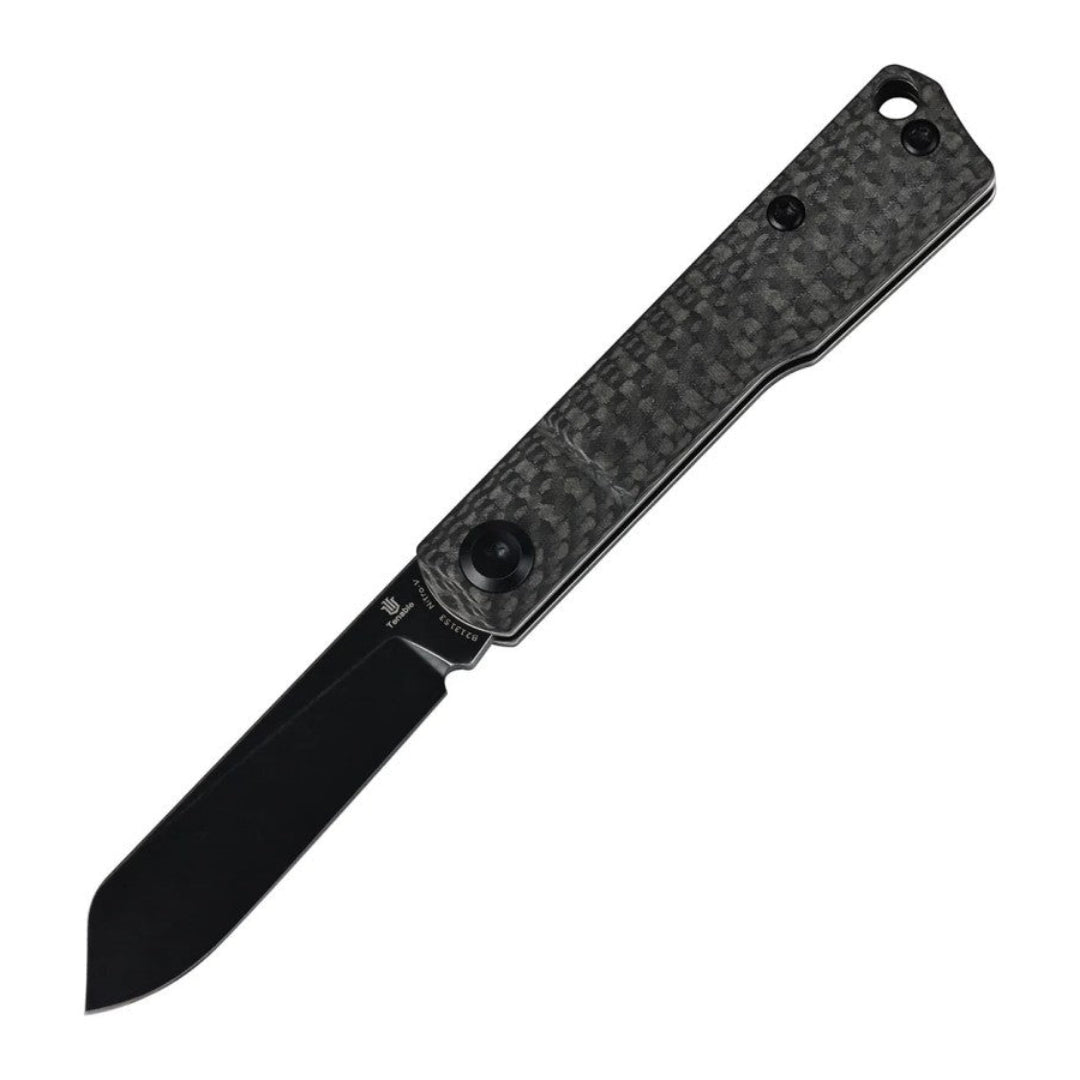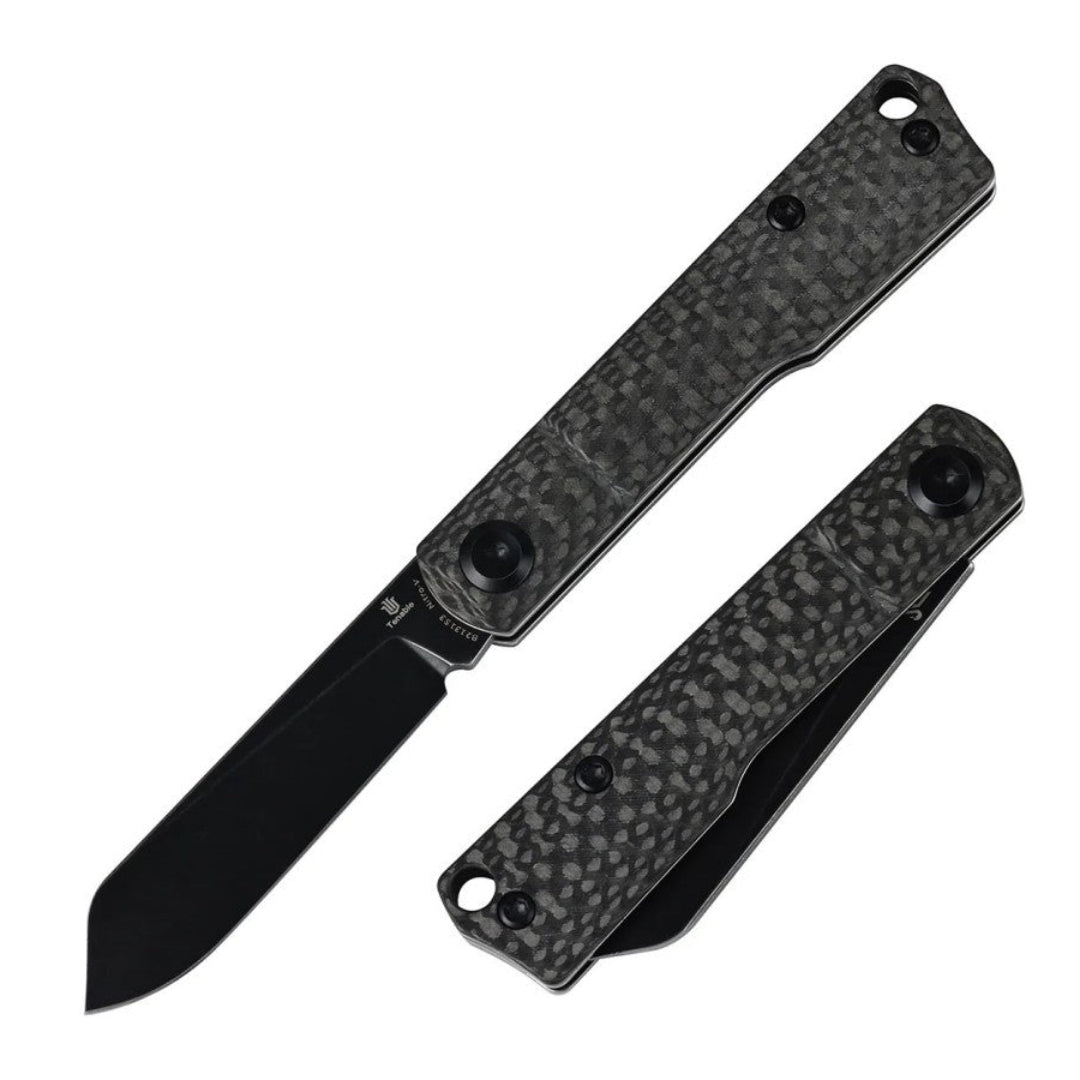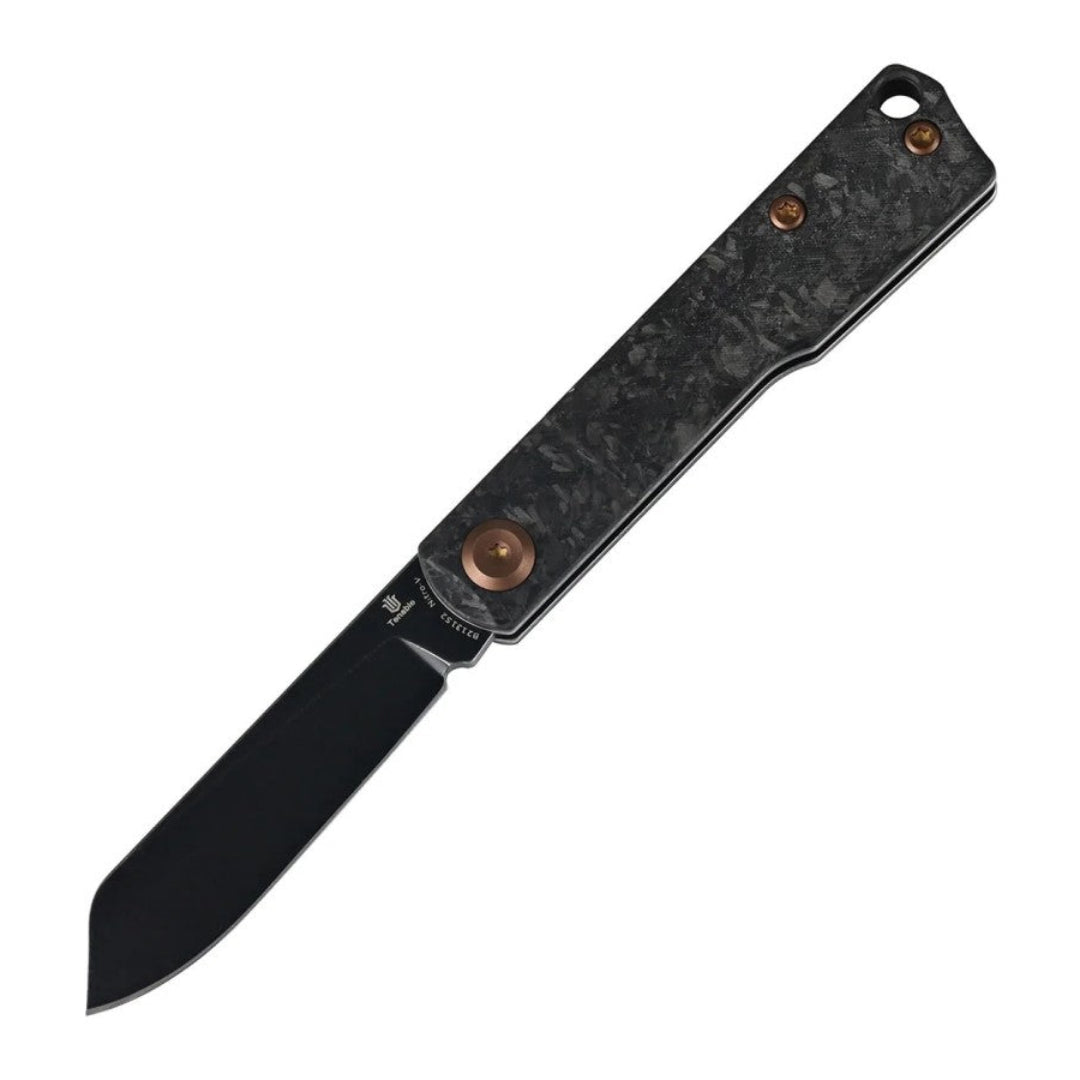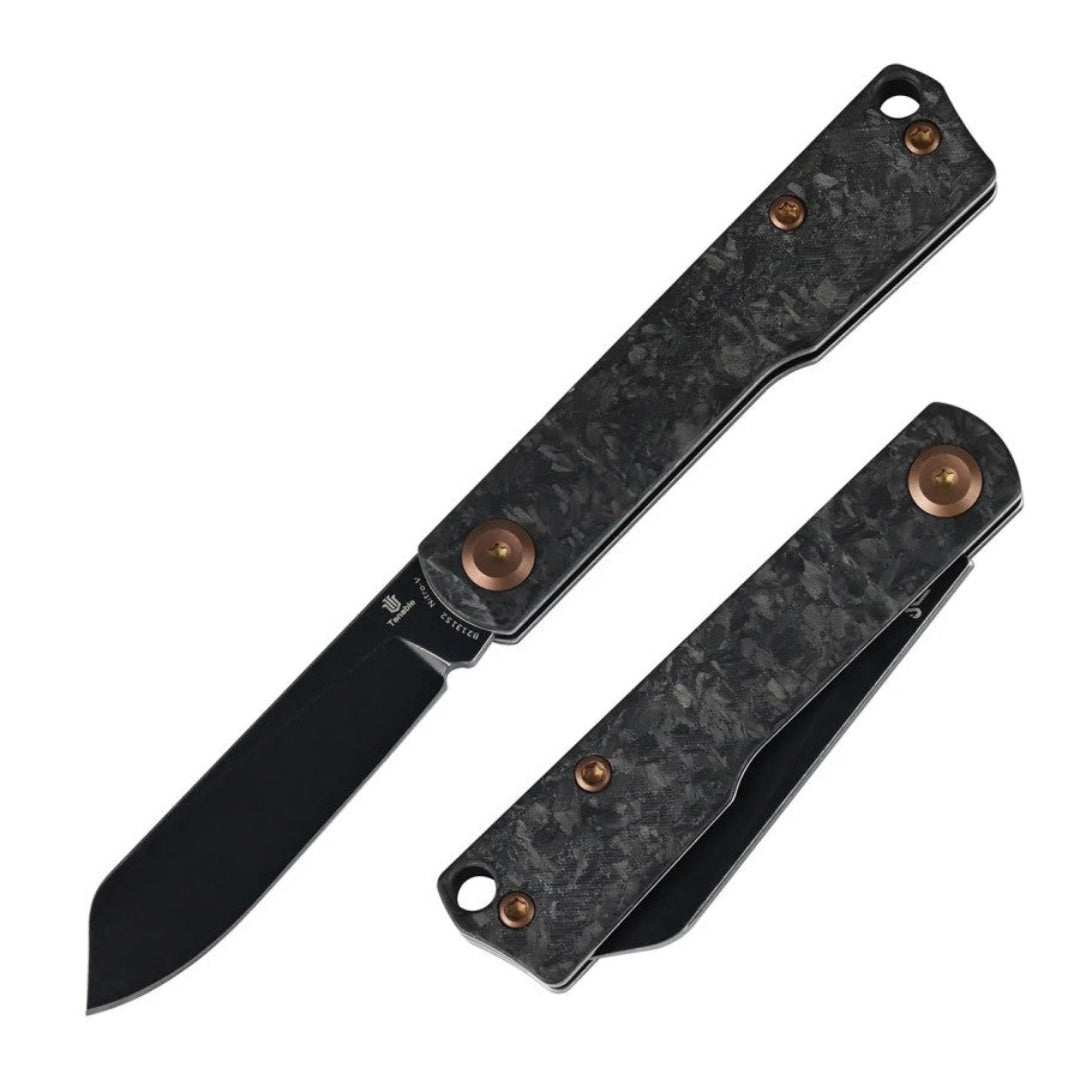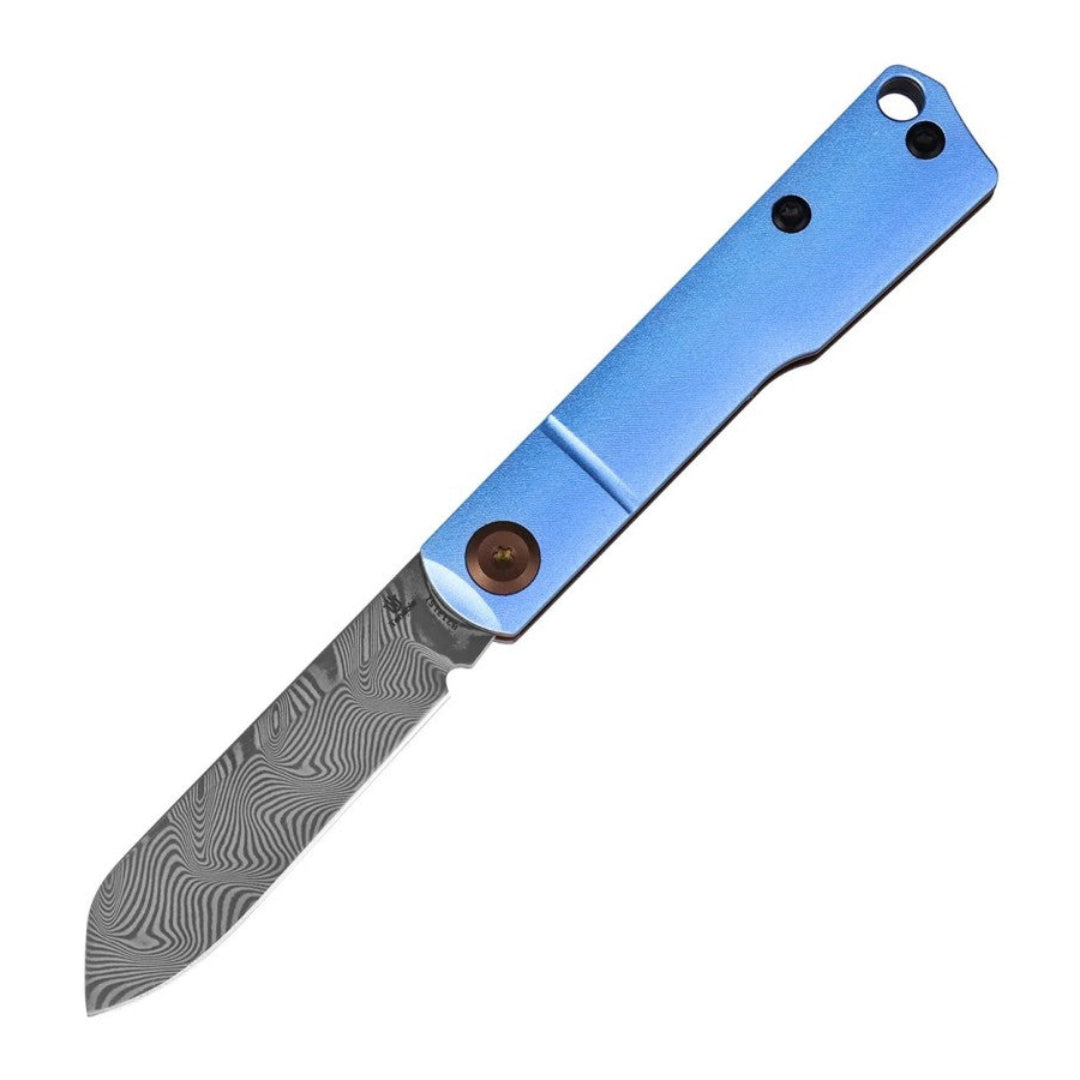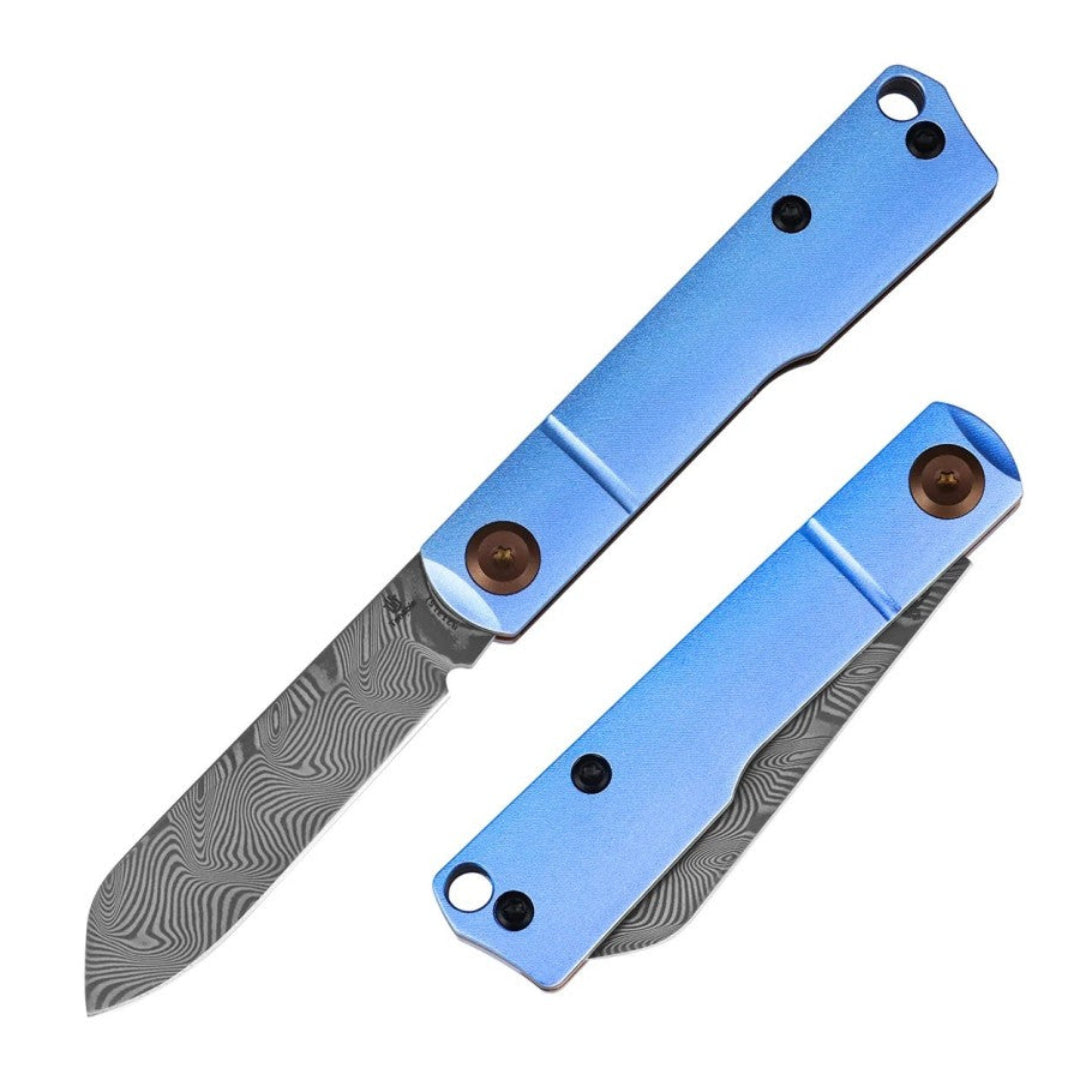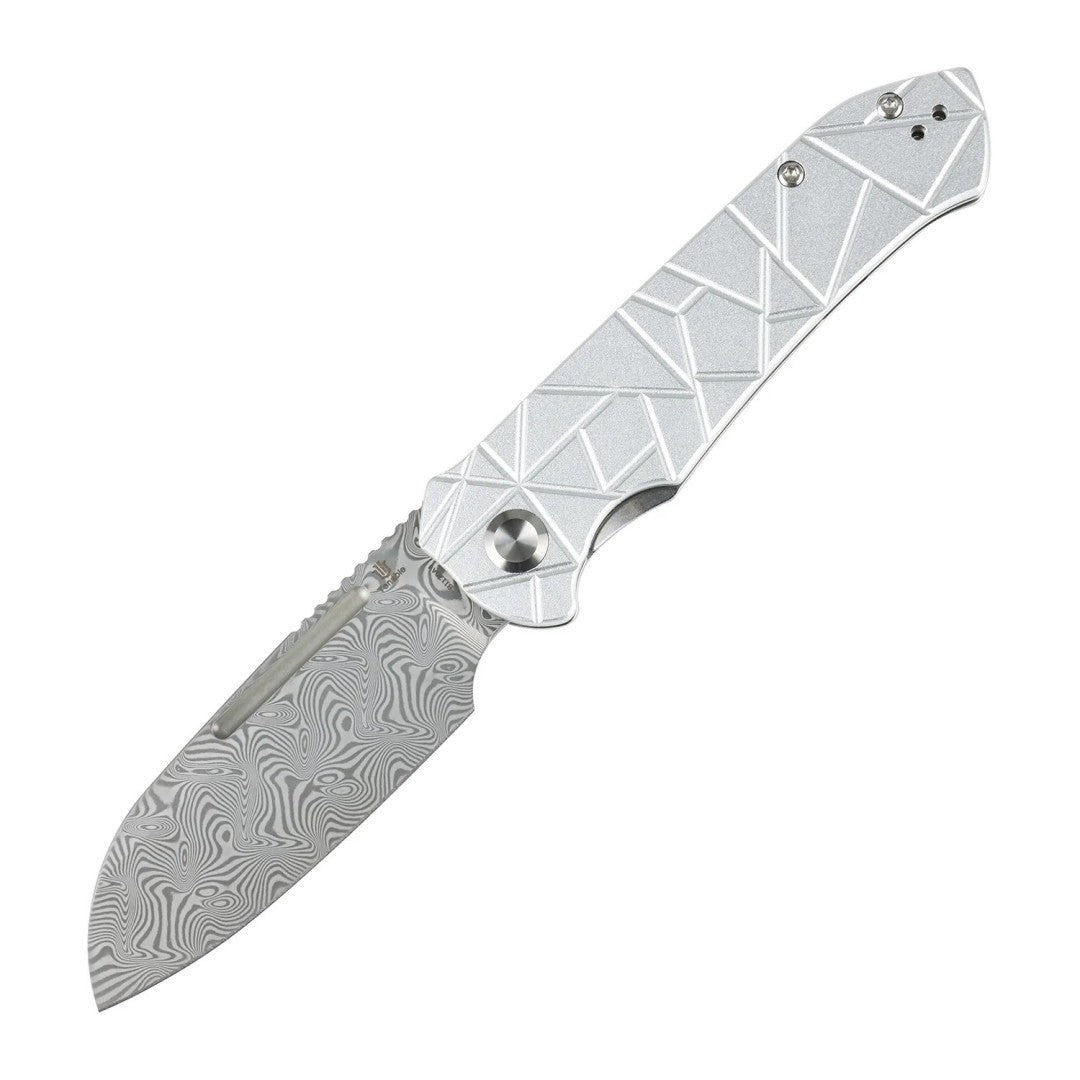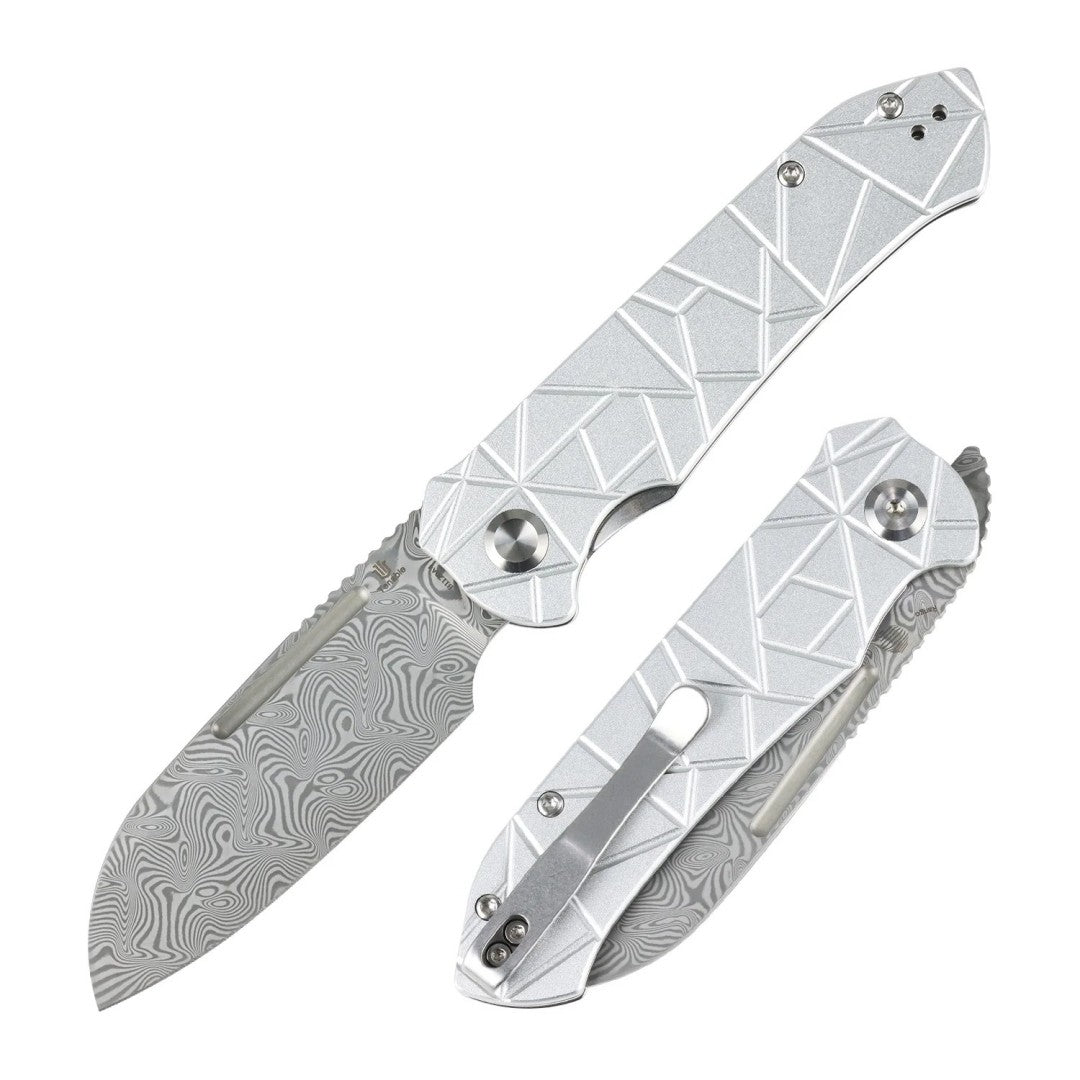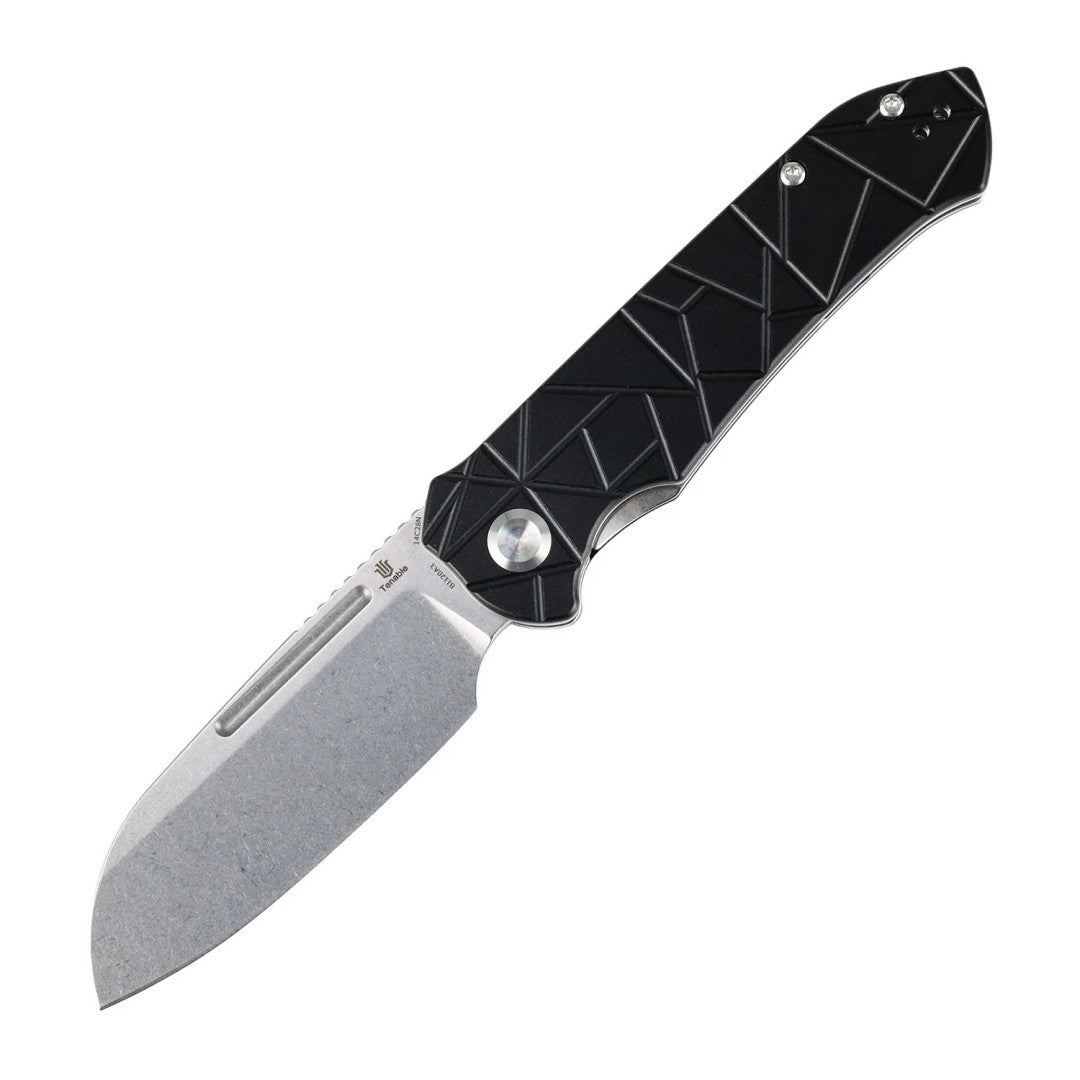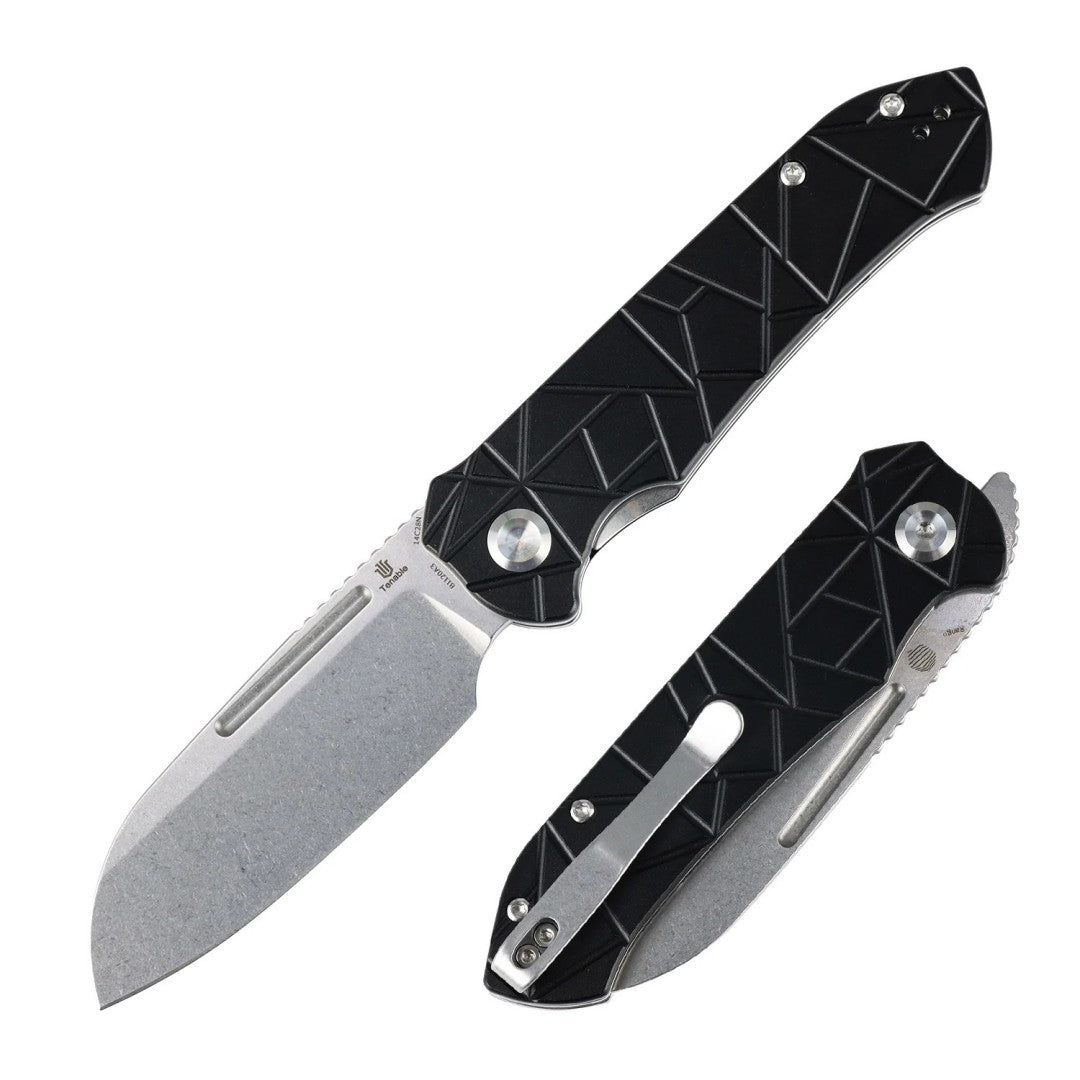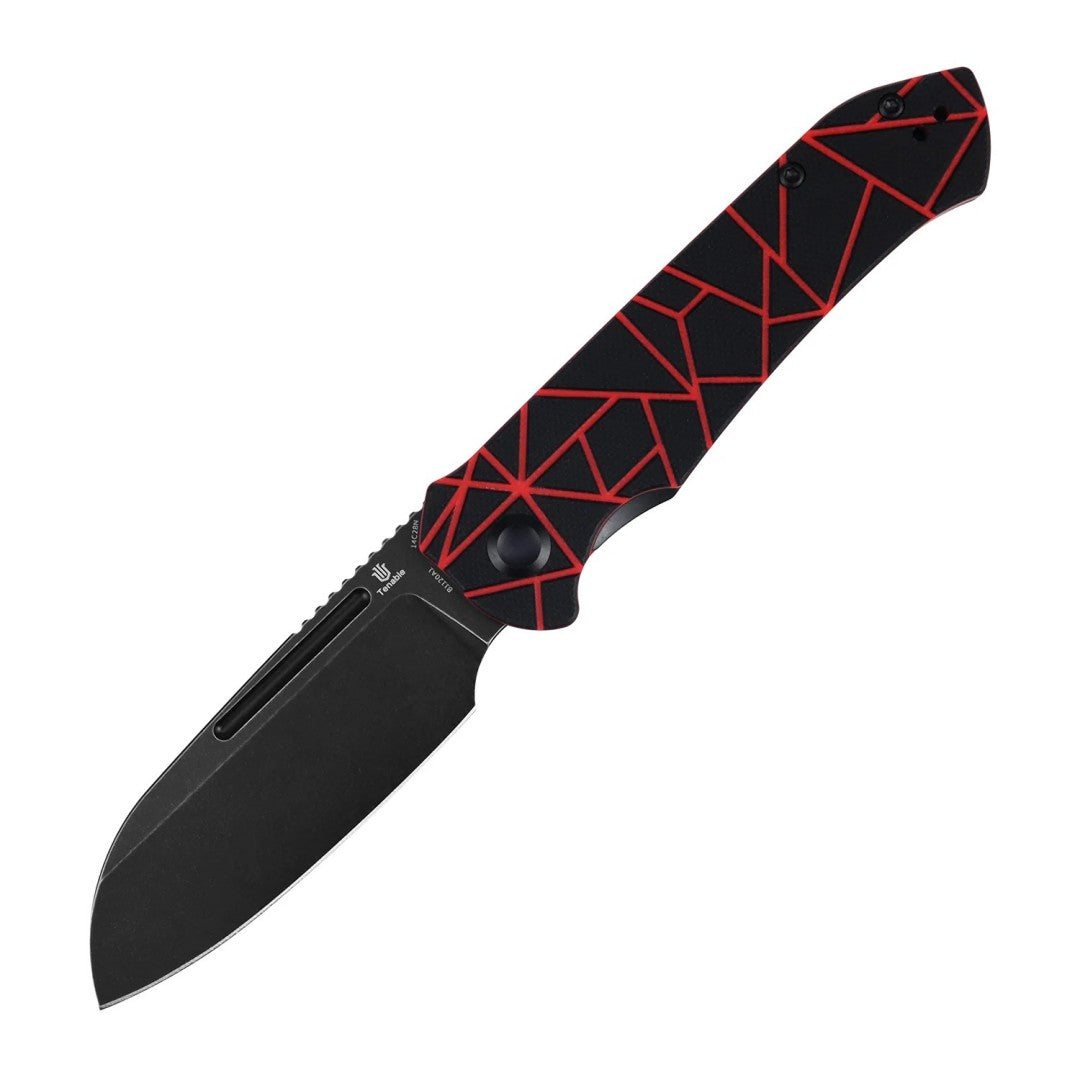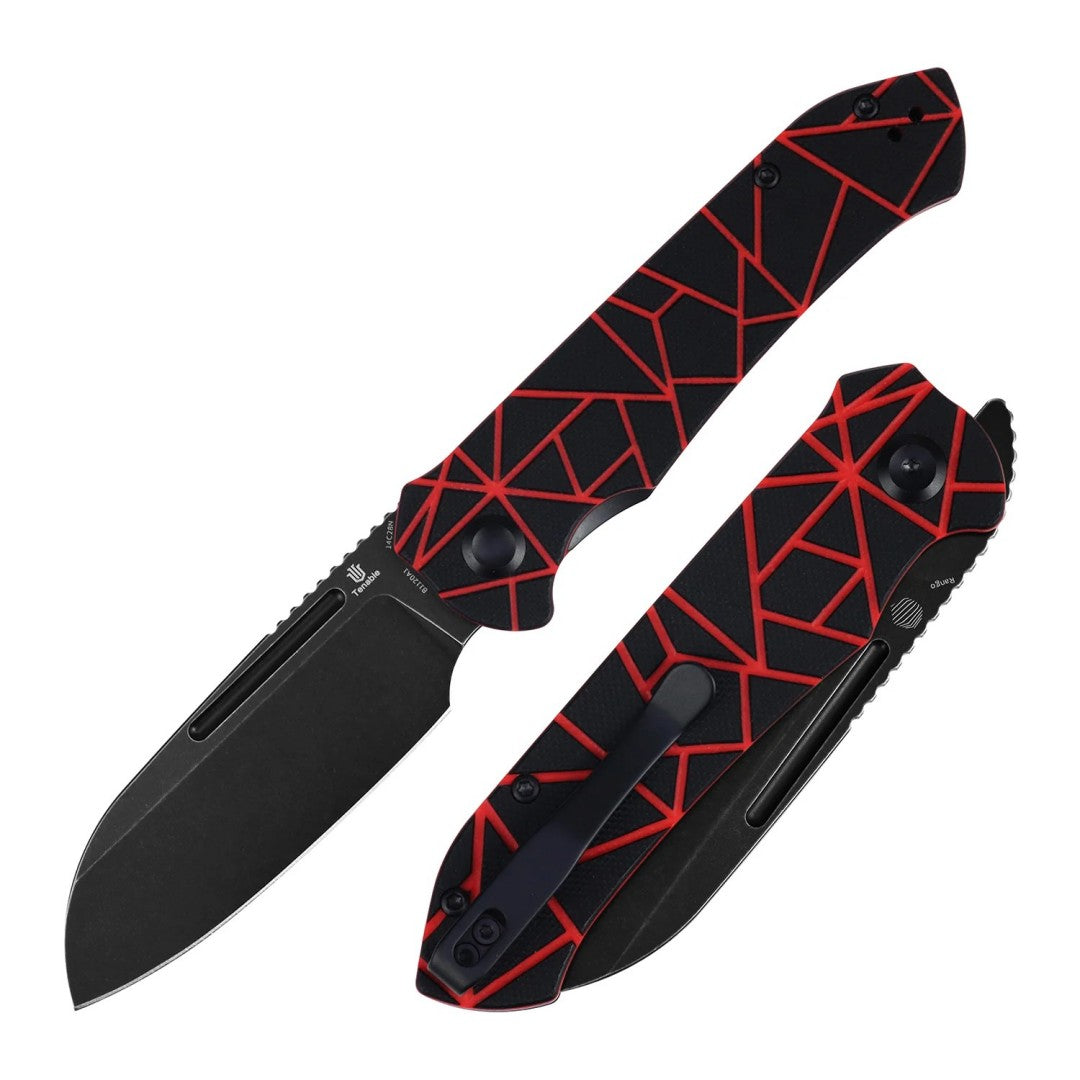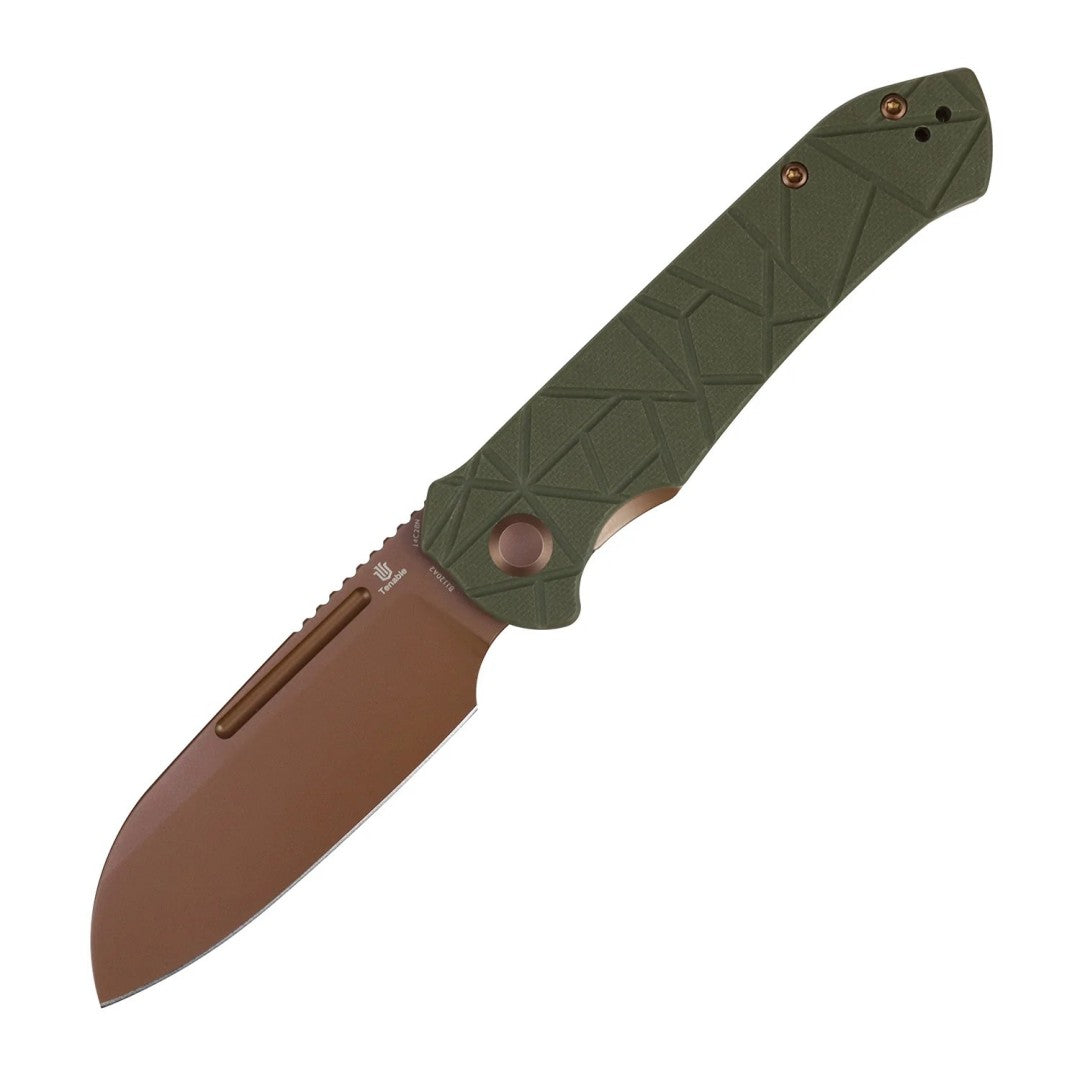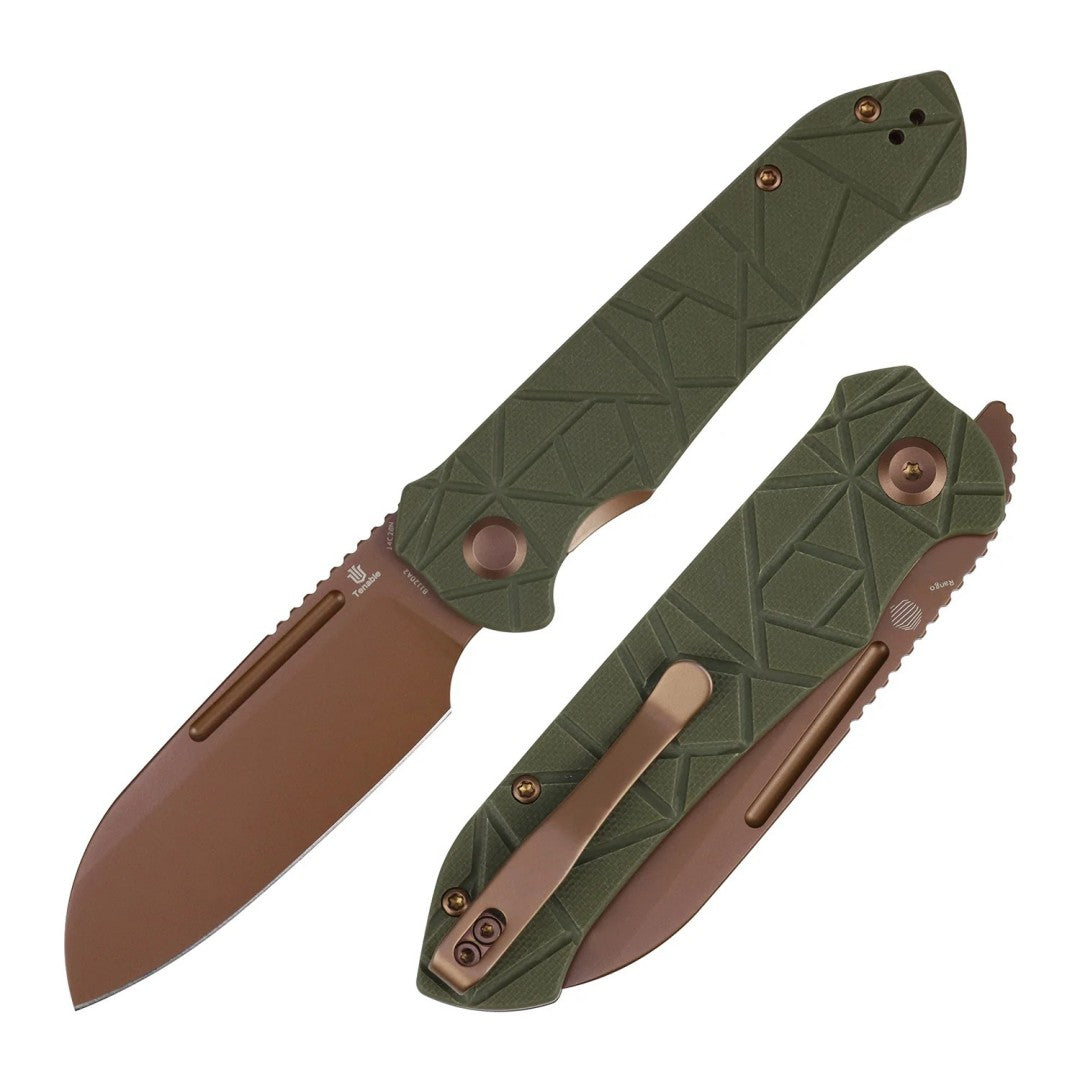
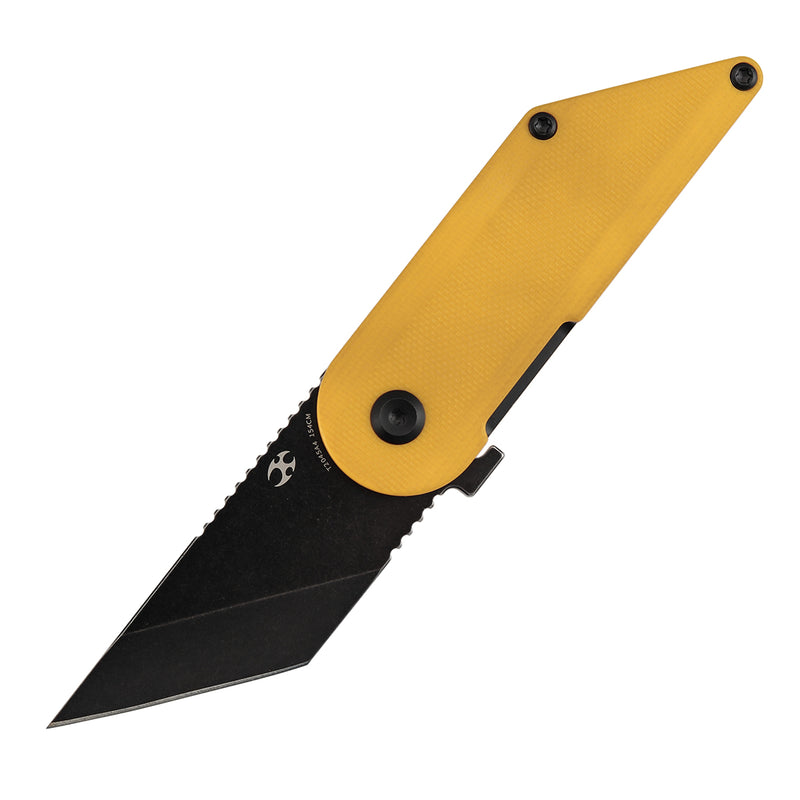
In the highly competitive world of pocket tools, a smart consumer looks past flashy marketing to analyze the tangible return on investment. The Kansept Dash has stood out as a prime example of value engineering, rapidly gaining traction among analytical EDC enthusiasts who track price-to-performance metrics. Produced by Kansept, a manufacturing powerhouse highly regarded for delivering high-end custom tolerances within a production budget, this compact Kiridashi-inspired folder is an exercise in fiscal efficiency. Designed in collaboration with custom bladesmith Dirk Pinkerton, the series presents a compelling question: how much utility, structural durability, and material quality can you realistically extract from a sub-$80 price bracket?
For buyers looking to optimize their gear spending, this value analysis breaks down the financials behind this minimalist titan.

Quantitative Value: The Spec Sheet vs. Retail Price
To evaluate true market value, we have to isolate the manufacturing cost of individual components. At a street price hovering around $70 to $78 depending on the handle configuration, the tool systematically punches above its weight class by prioritizing high-tier internal and external components that brands usually reserve for premium tiers:
| Component Type | Kansept Dash Specifications | Typical Market Standard at This Price |
| Blade Steel | Premium 154CM Stainless Steel | Budget D2 or 14C28N Steel |
| Pivot Internals | Caged Ceramic Ball Bearings | Phosphor Bronze or Nylon Washers |
| Lock Type | Recessed Stainless Steel Liner Lock | Stamped Frame Lock or basic lockback |
| Handle Materials | G10, Canvas Micarta, or Twill Carbon Fiber | Injection-Molded FRN / Basic Plastics |
The Cost-Efficiency of 154CM Steel Selection
The choice of 154CM steel for the blade is a highly strategic financial decision by Kansept. While exotic super-steels (like CPM-20CV or M340) grab headlines, they significantly inflate the retail price and require specialized, expensive diamond plates to sharpen.
By integrating 154CM, the manufacturer delivers a highly balanced alloy that offers superior edge retention and stainless properties without passing exorbitant material-processing costs onto the consumer. For the smart everyday carry user, this translates to long-term savings; you spend less time buying replacement sharpening gear and zero money on professional edge restoration, as its straight-edge profile allows for swift touch-ups on a standard flat ceramic bench stone.

An Economist's Look at Design: The lack of a curved belly on a Kiridashi blade means that the entire edge wears down evenly. On a standard drop-point folder, the curved apex takes 80% of the friction, leading to localized dulling and premature blade replacement. The straight geometry extends the functional lifecycle of the tool by distributing stress uniformly.
Internal Build Quality: Where Cheap Knives Cut Corners
The easiest way for an overseas factory to lower production costs is by compromising on internal mechanisms. Cheap knives frequently feature rough pivot paths, weak detents, and unstable lockups that can fail under strenuous pressure.
Kansept refuses this compromise. The knife features precision-chamfered internal steel liners that are skeletonized to drop the overall carry weight down to a mere 2.01 ounces. The deployment relies on premium ceramic bearings, which provide a snappy, frictionless hydraulic action that doesn't degrade when exposed to pocket lint or moisture. By investing manufacturing resources heavily into the pivot and locking interfaces, Kansept ensures the knife avoids mechanical failure, saving the user from having to buy a replacement tool down the road.
Aesthetic Scalability Without Premium Inflation
Another unique aspect of the folder's value proposition is how Kansept scales its pricing across various handle options. Often, upgrading from standard plastic to a premium handle composite results in a massive price spike.
With this collection, upgrading from a utilitarian black G10 scale to a striking Blue & Yellow Vortex Micarta or a high-tech Twill Carbon Fiber overlay only shifts the retail price by a few dollars. This flat pricing structure enables collectors and users to select a handle material that suits their exact stylistic environment without feeling like they are overpaying for simple cosmetic shifts.
Final Assessment for the Analytical Buyer
The Kansept Dash is a masterclass in targeted value configuration. It achieves its accessible price point not by sacrificing the quality of its steel or cutting corners on its pivot assemblies, but by optimizing the physical footprint of the tool. You are paying exclusively for high-grade engineering, premium American-derived steel, and refined designer ergonomics, without any filler or wasted material. For the pragmatic gear enthusiast who calculates value through long-term durability, effortless maintenance, and flawless daily deployment, this Dirk Pinkerton design represents one of the smartest investments available in contemporary everyday carry hardware.