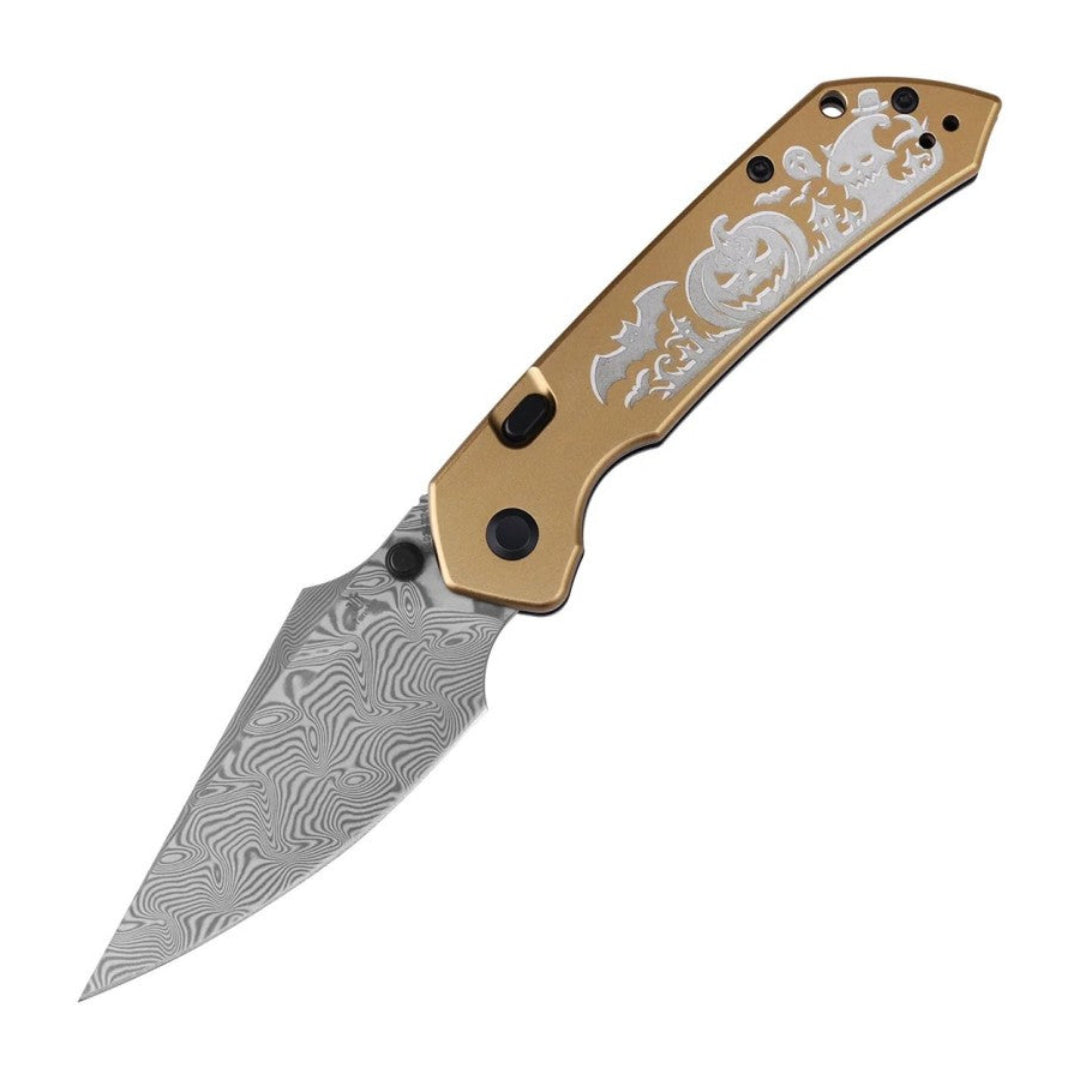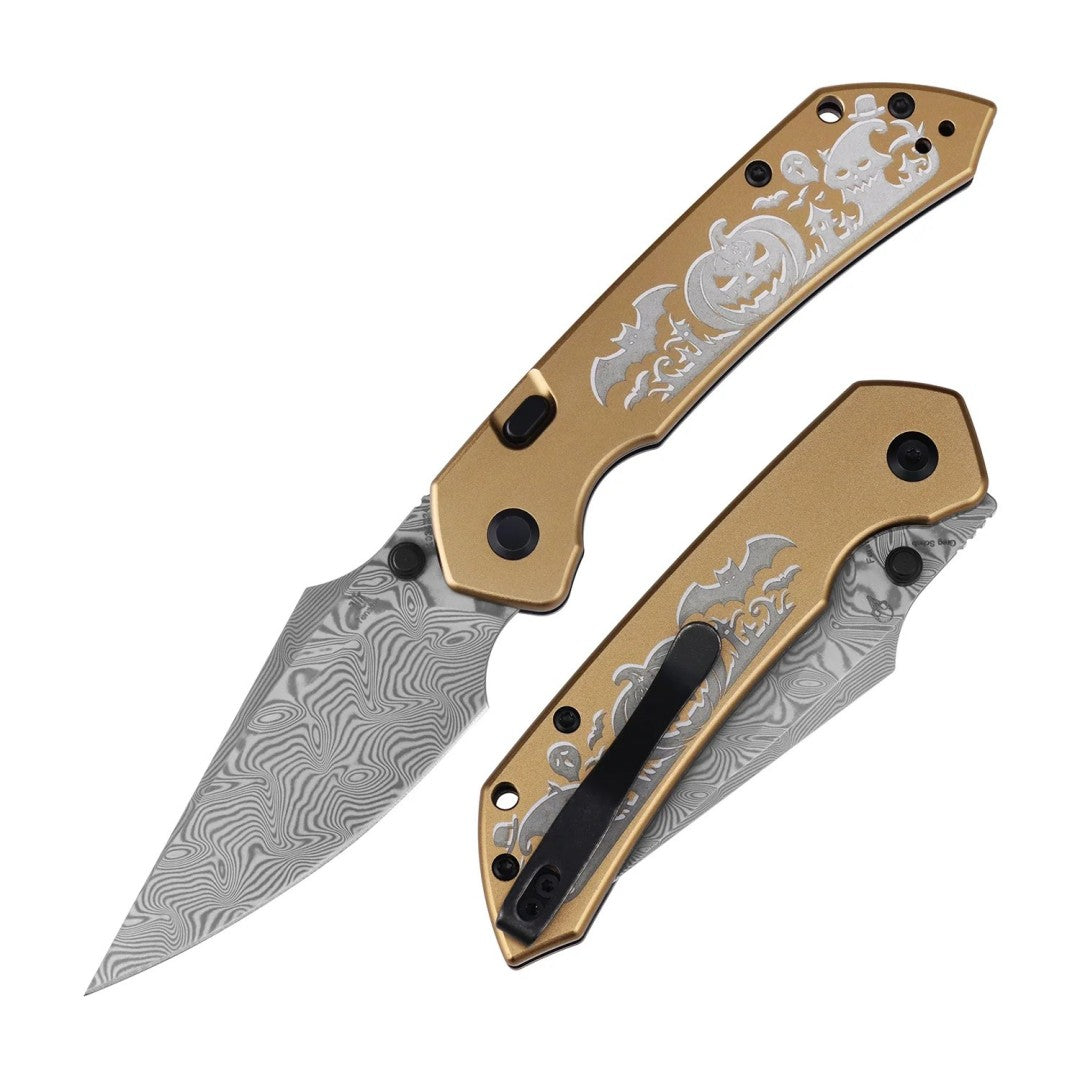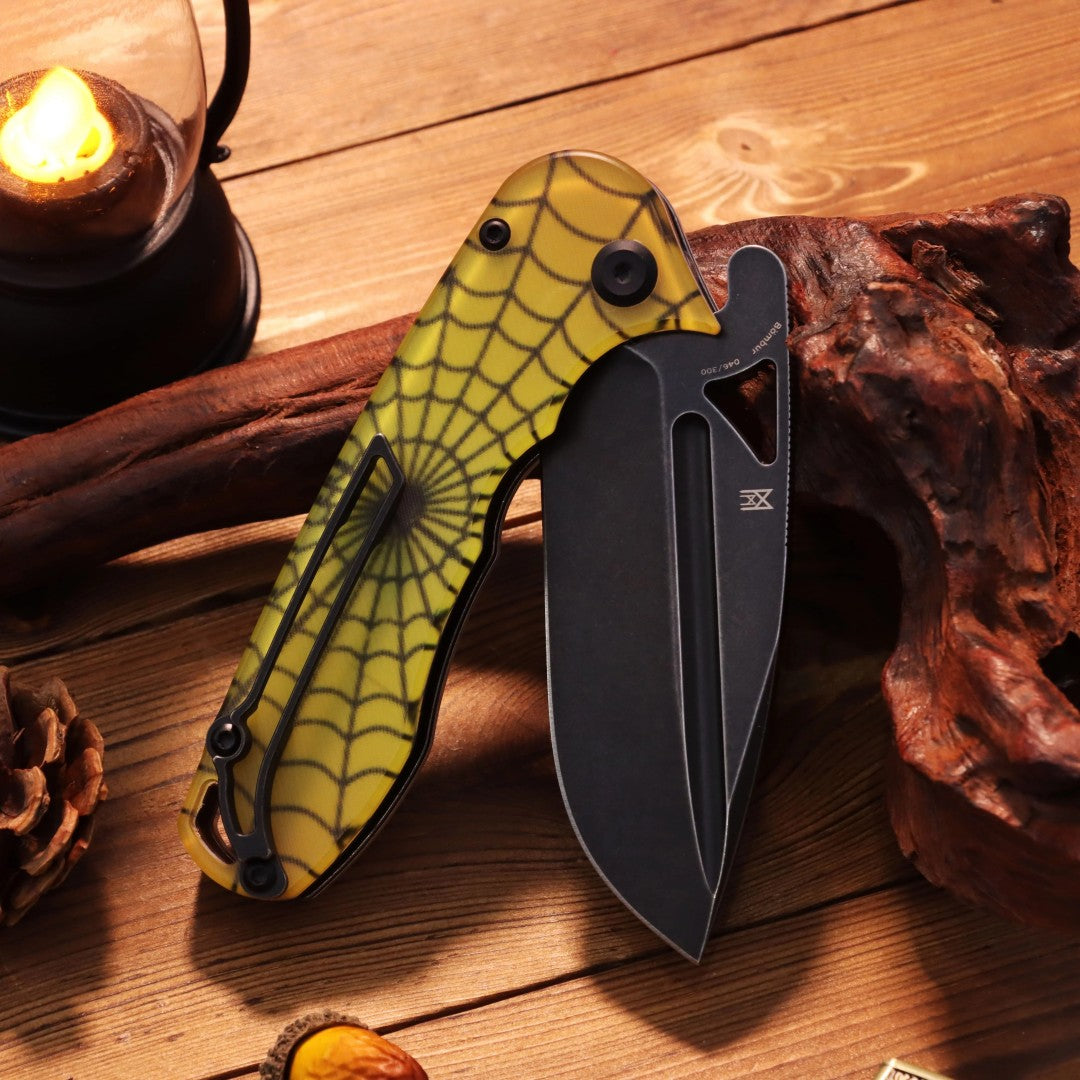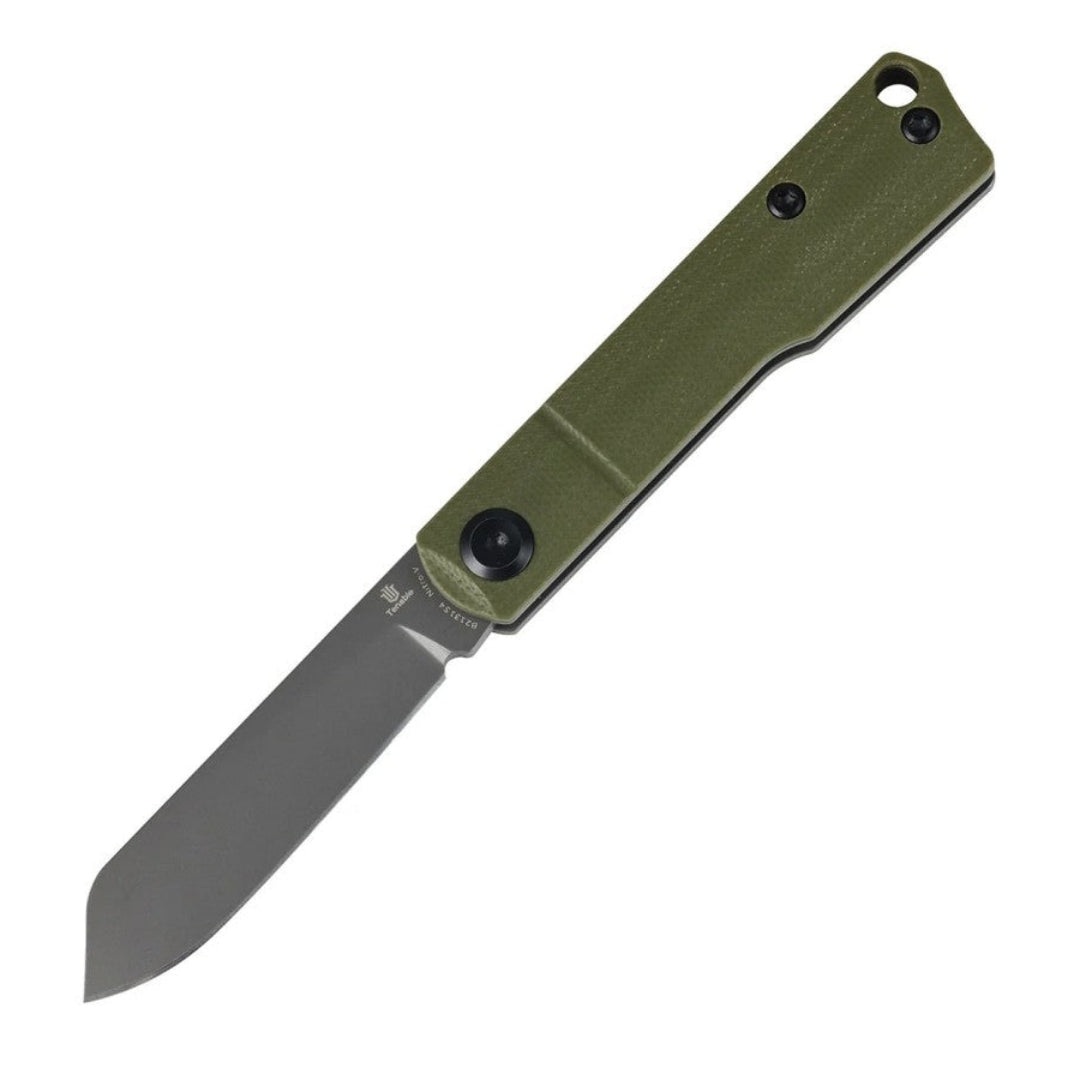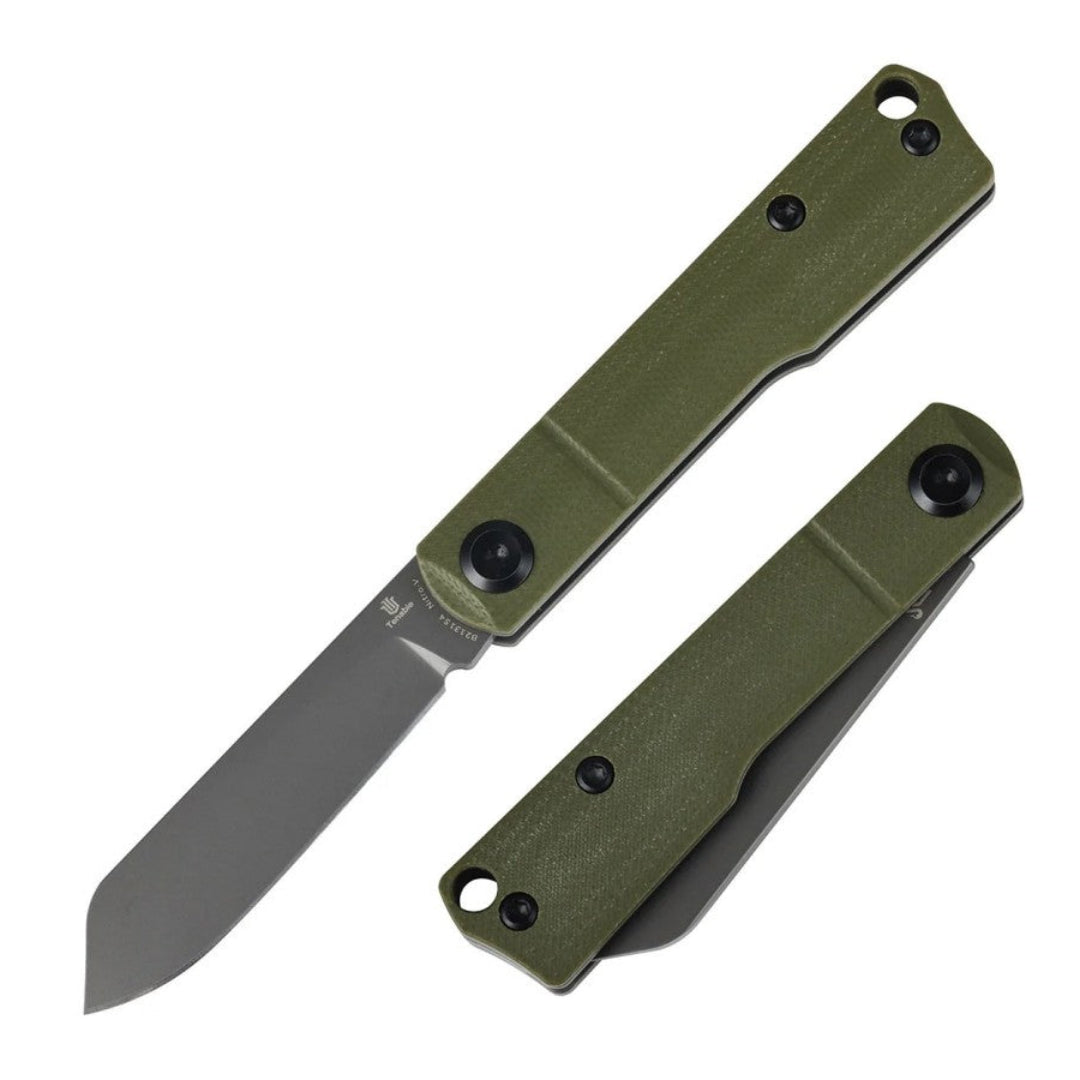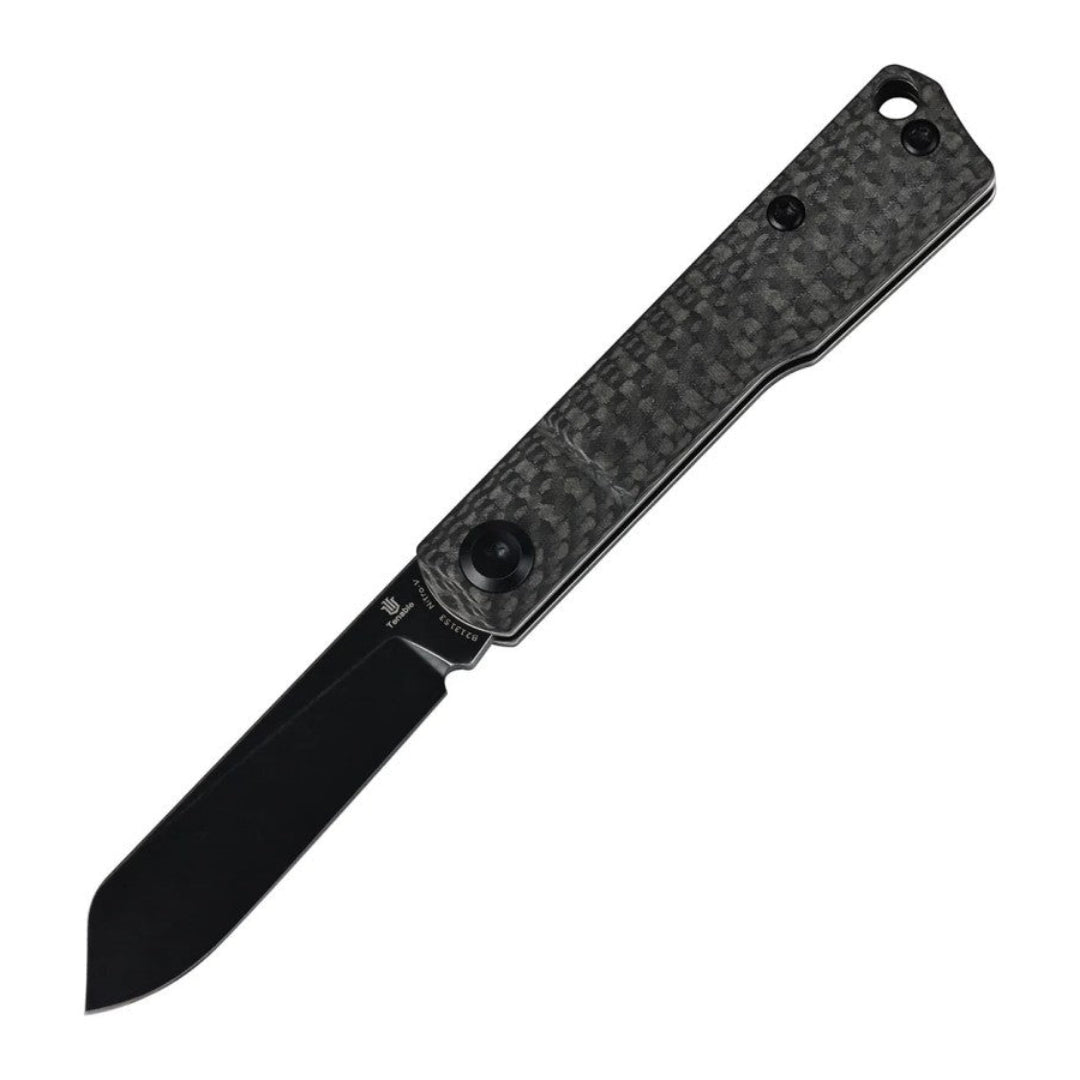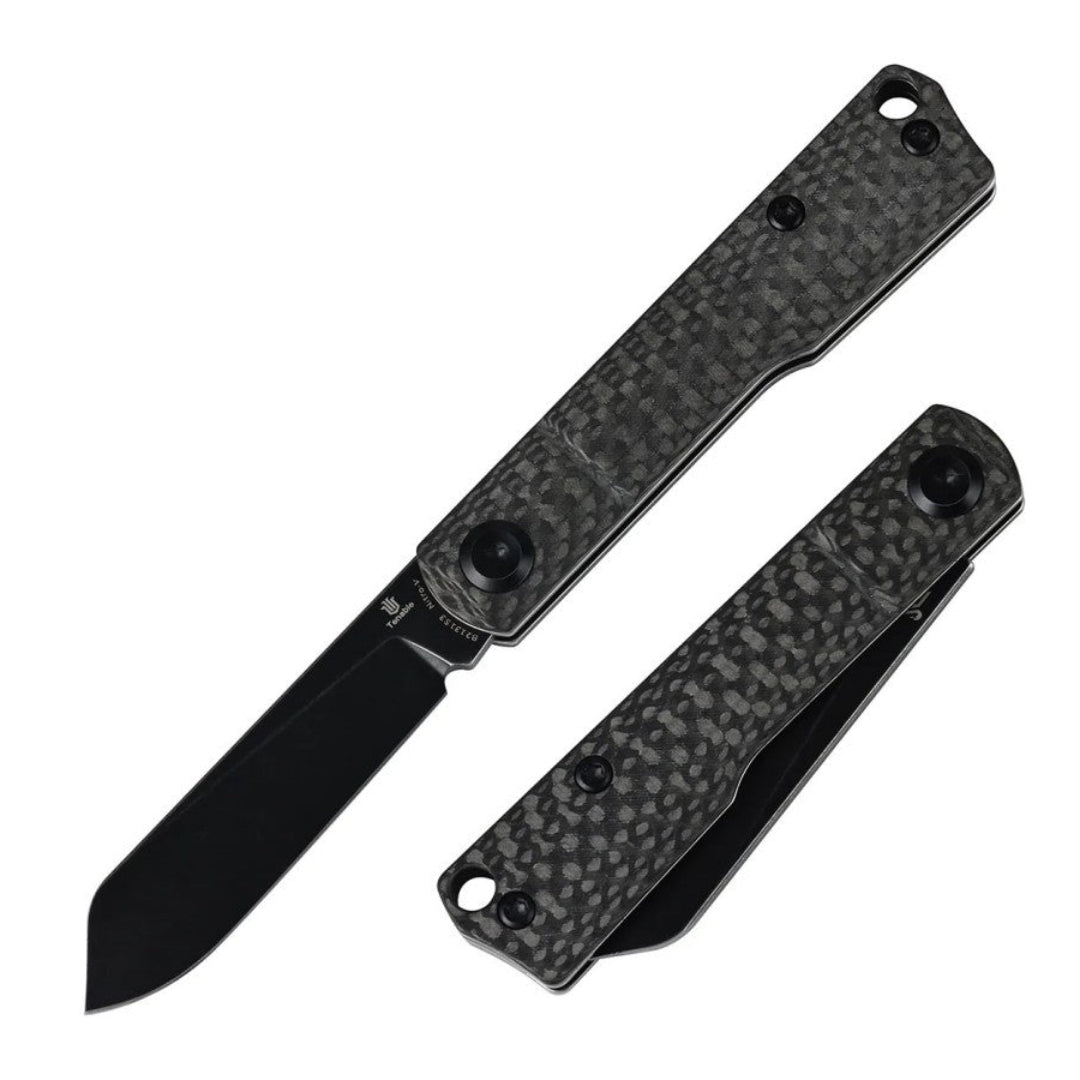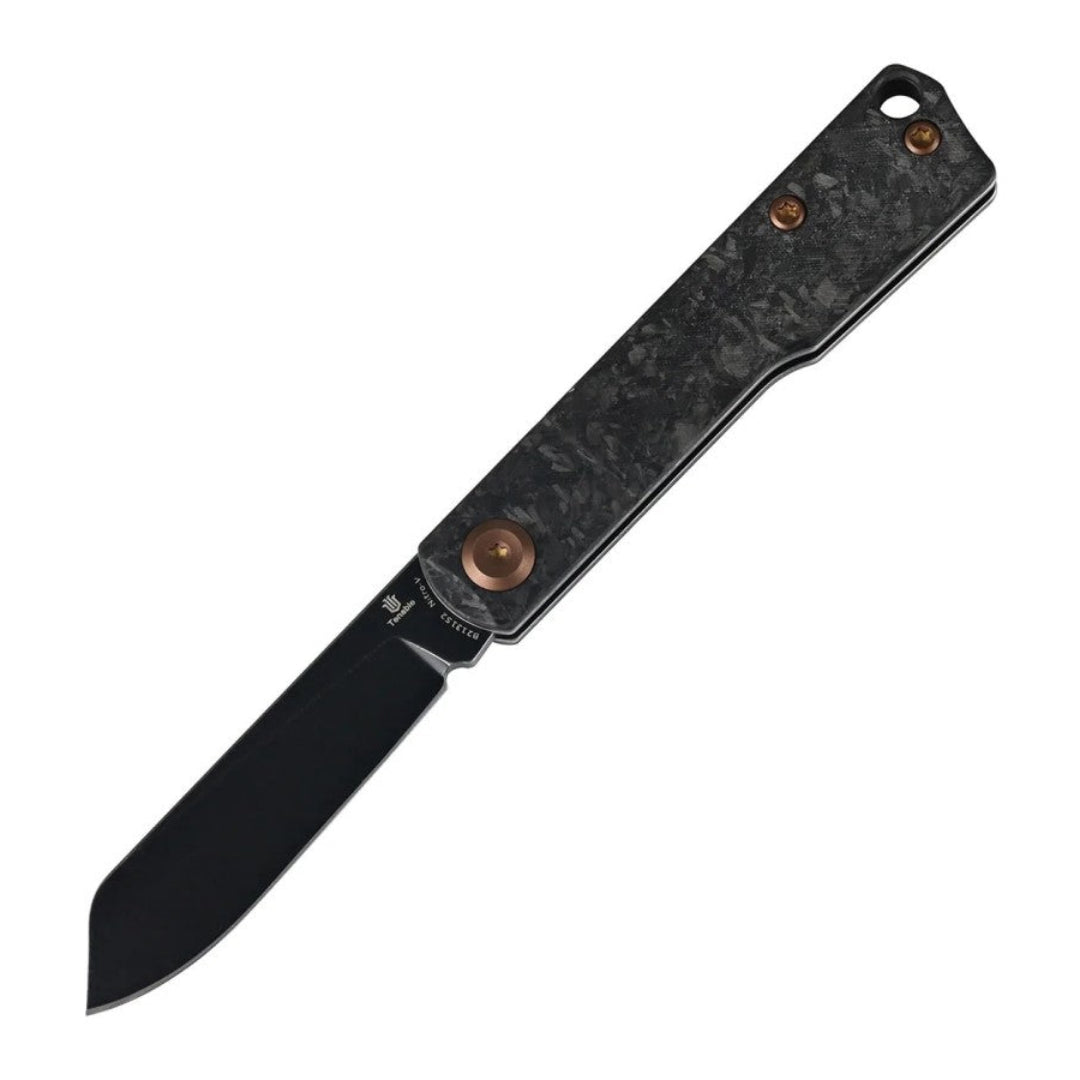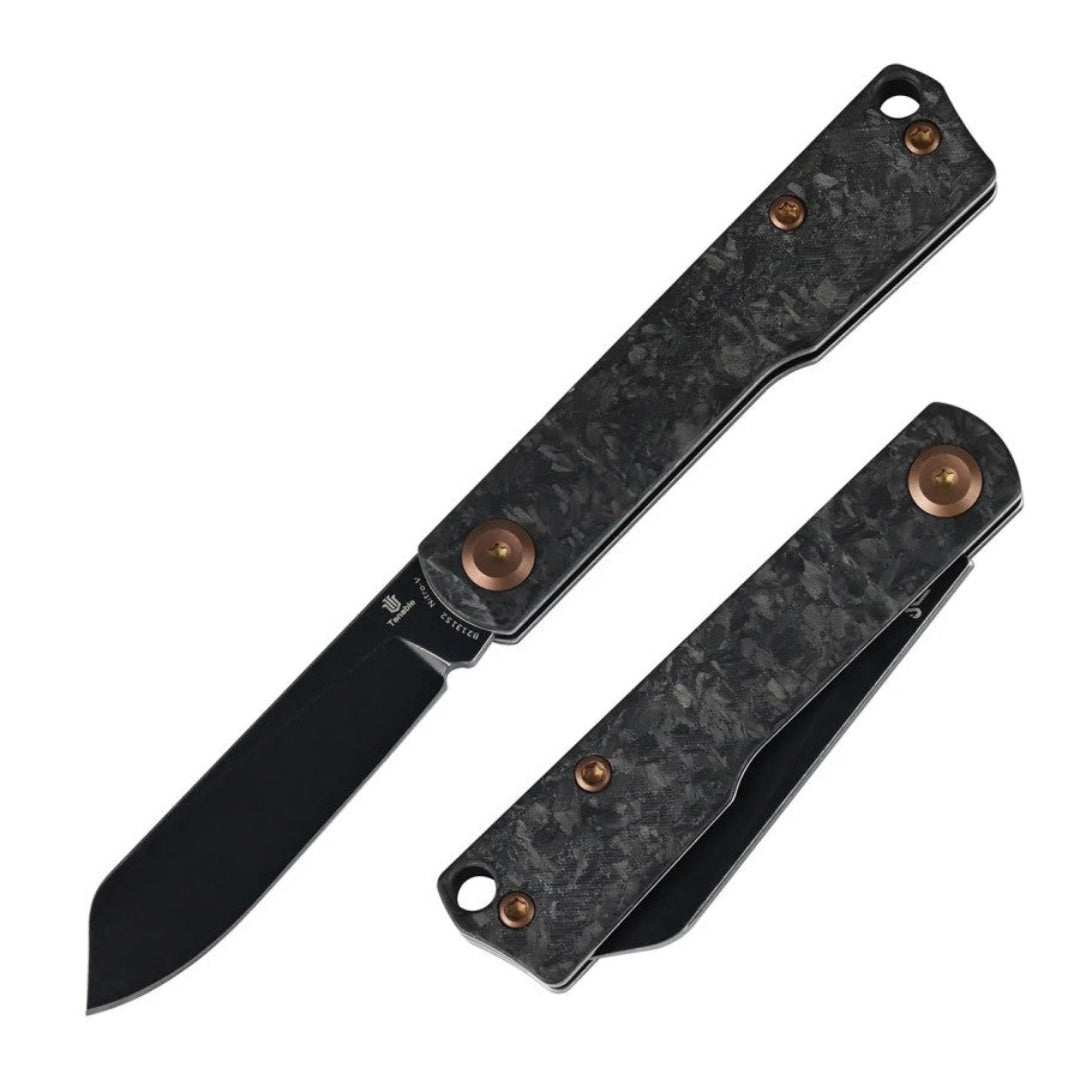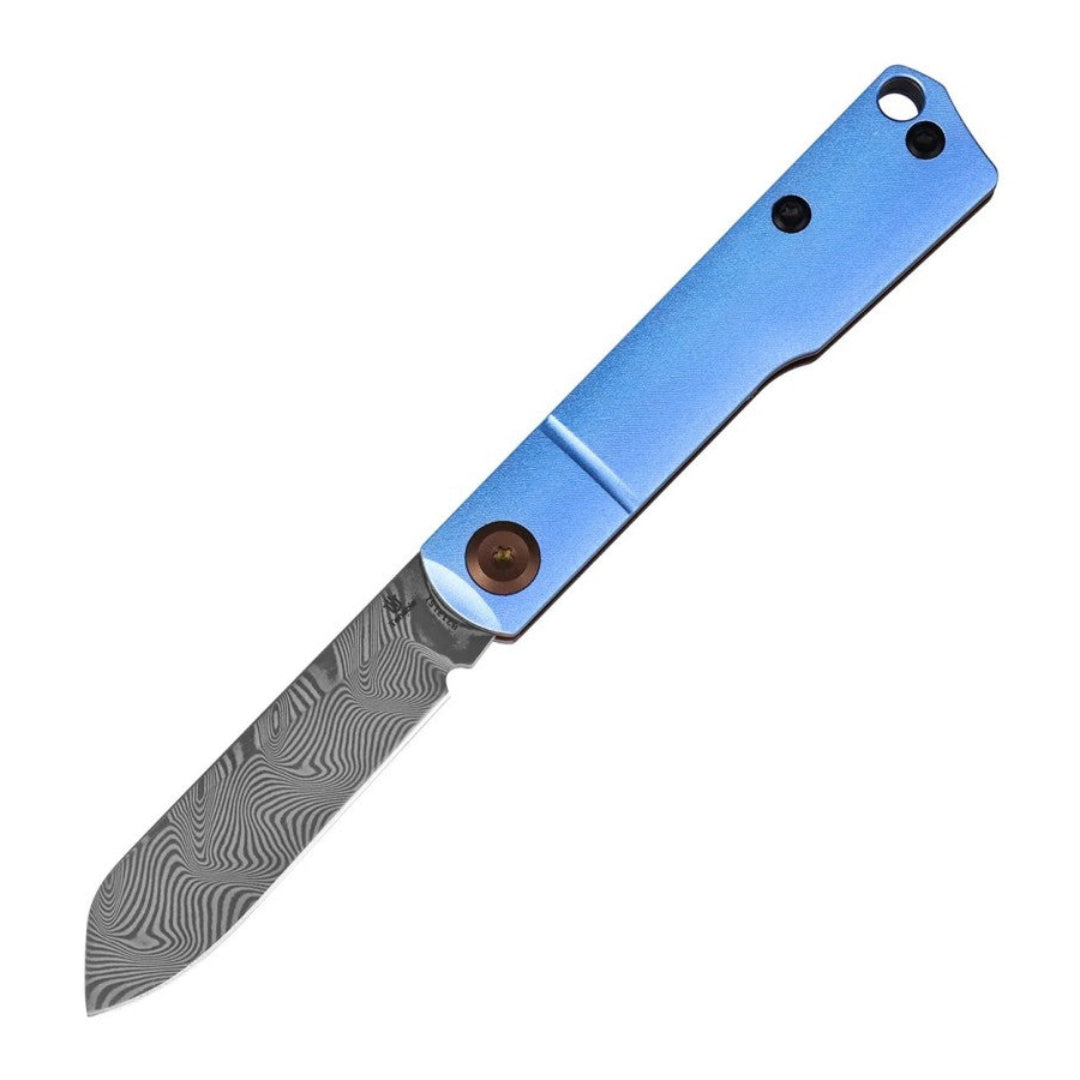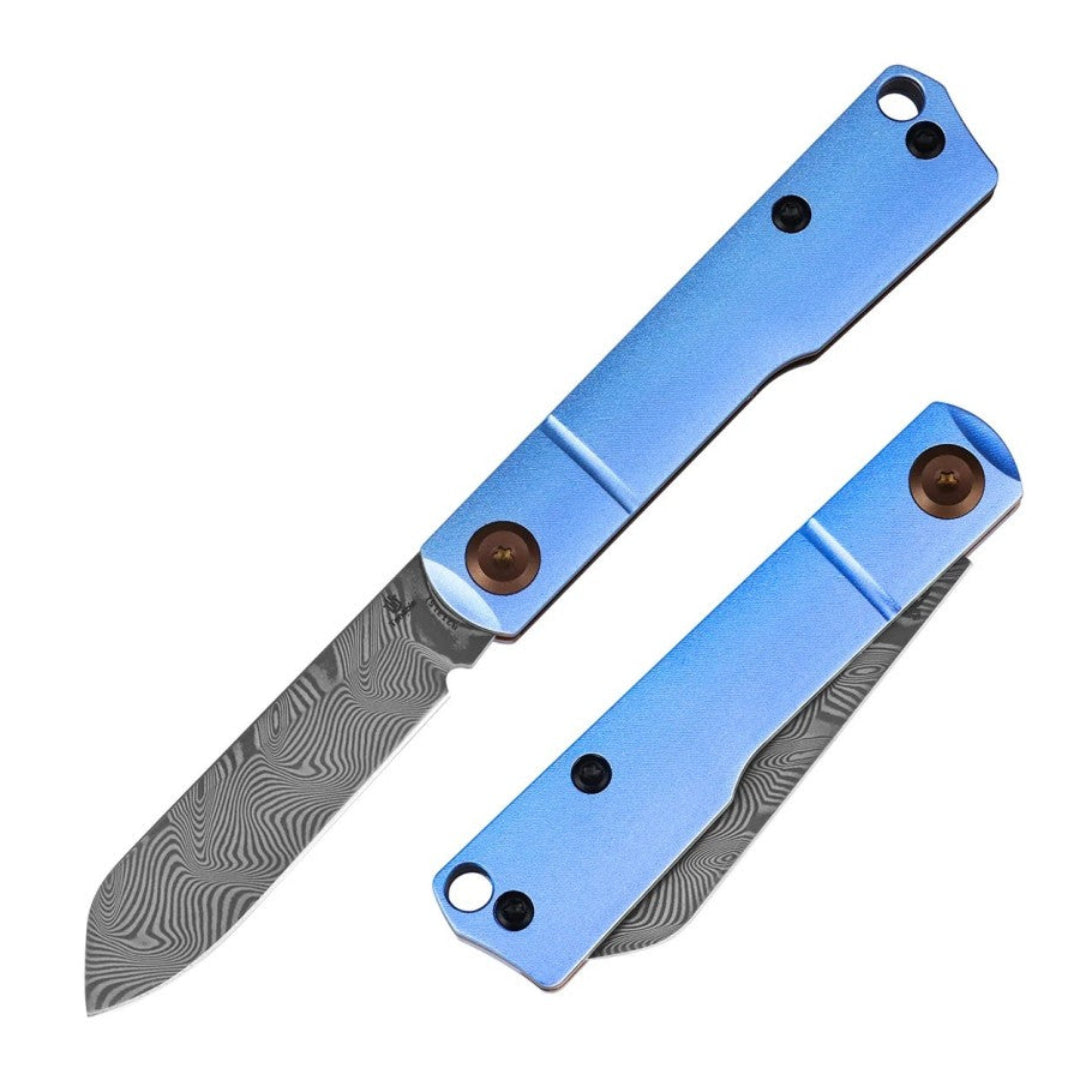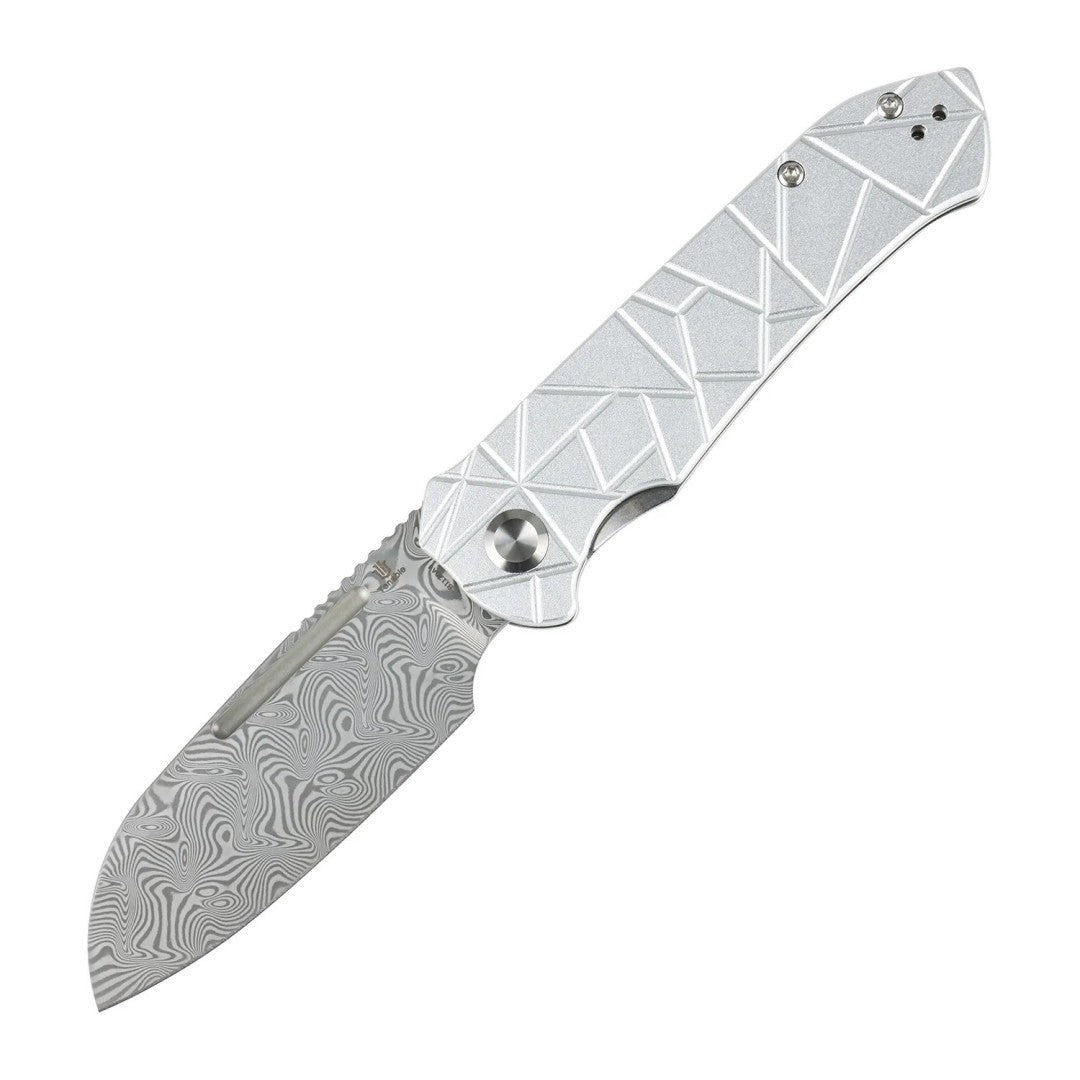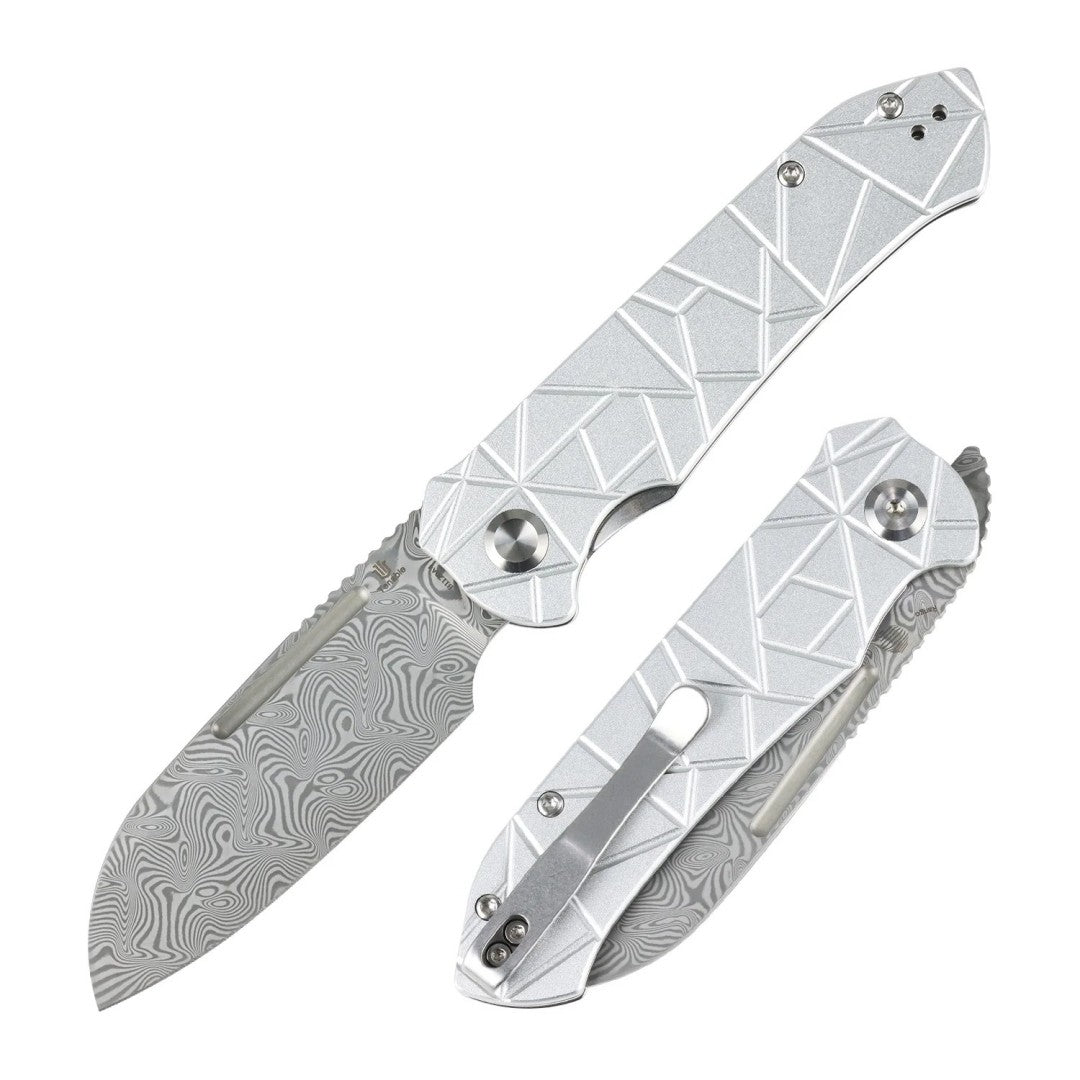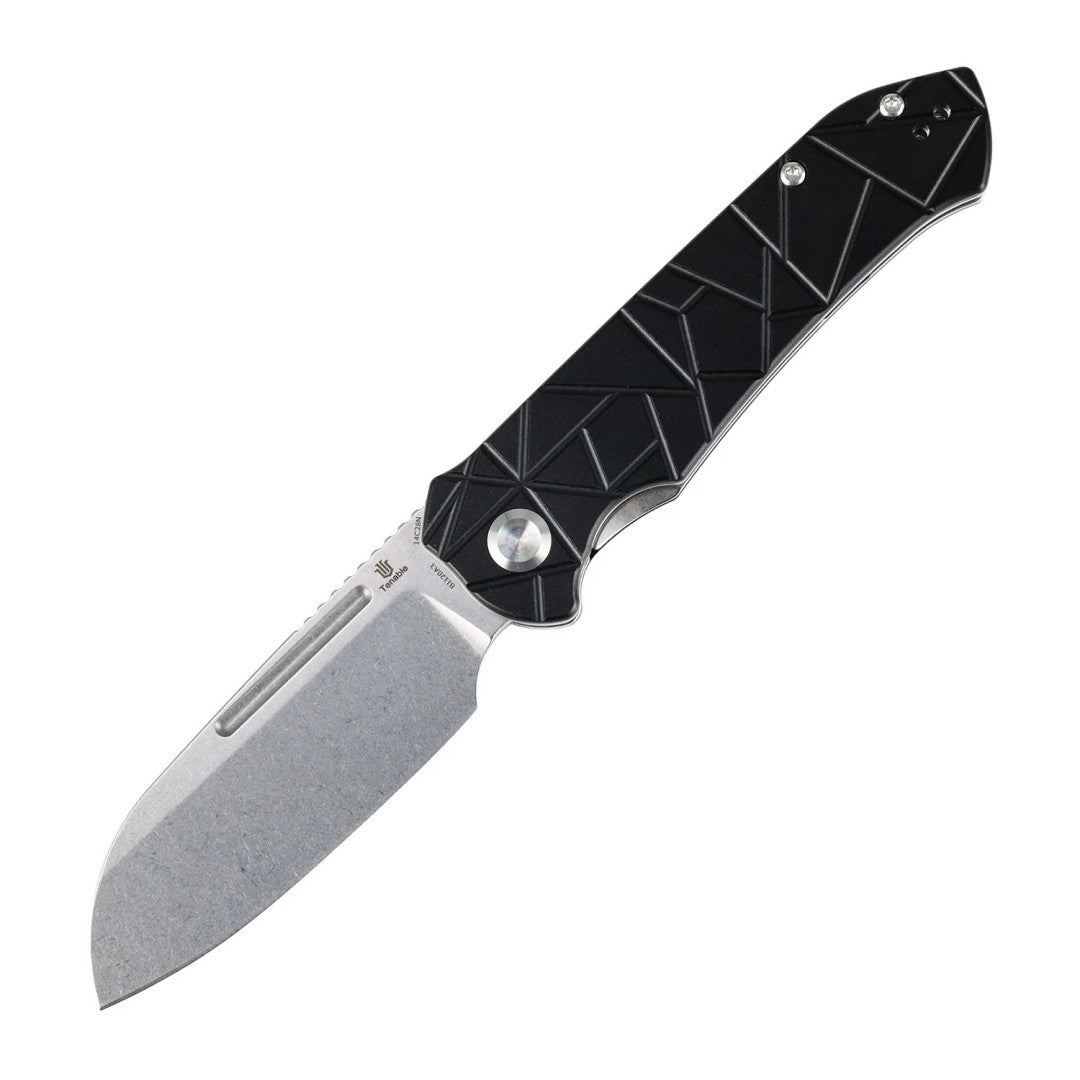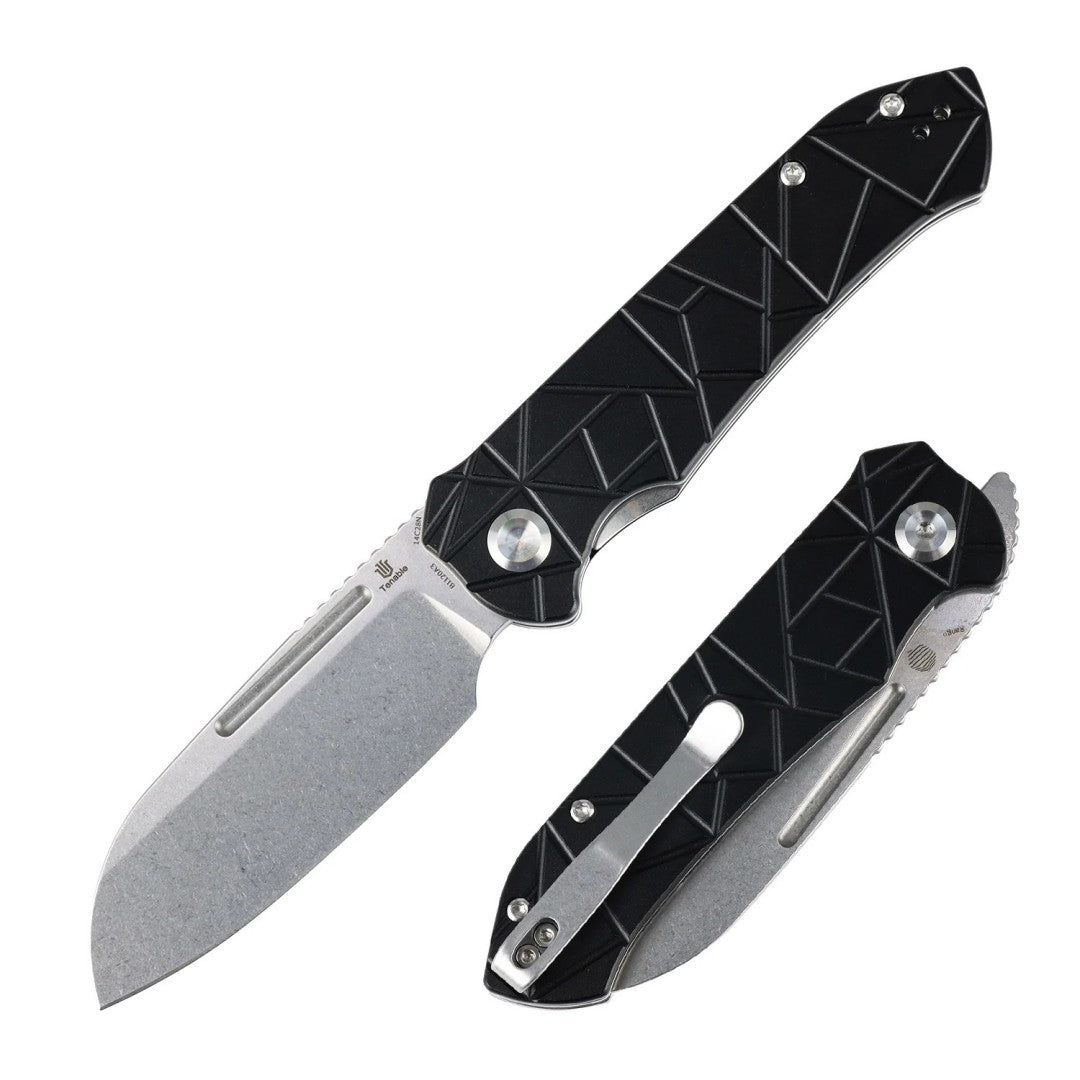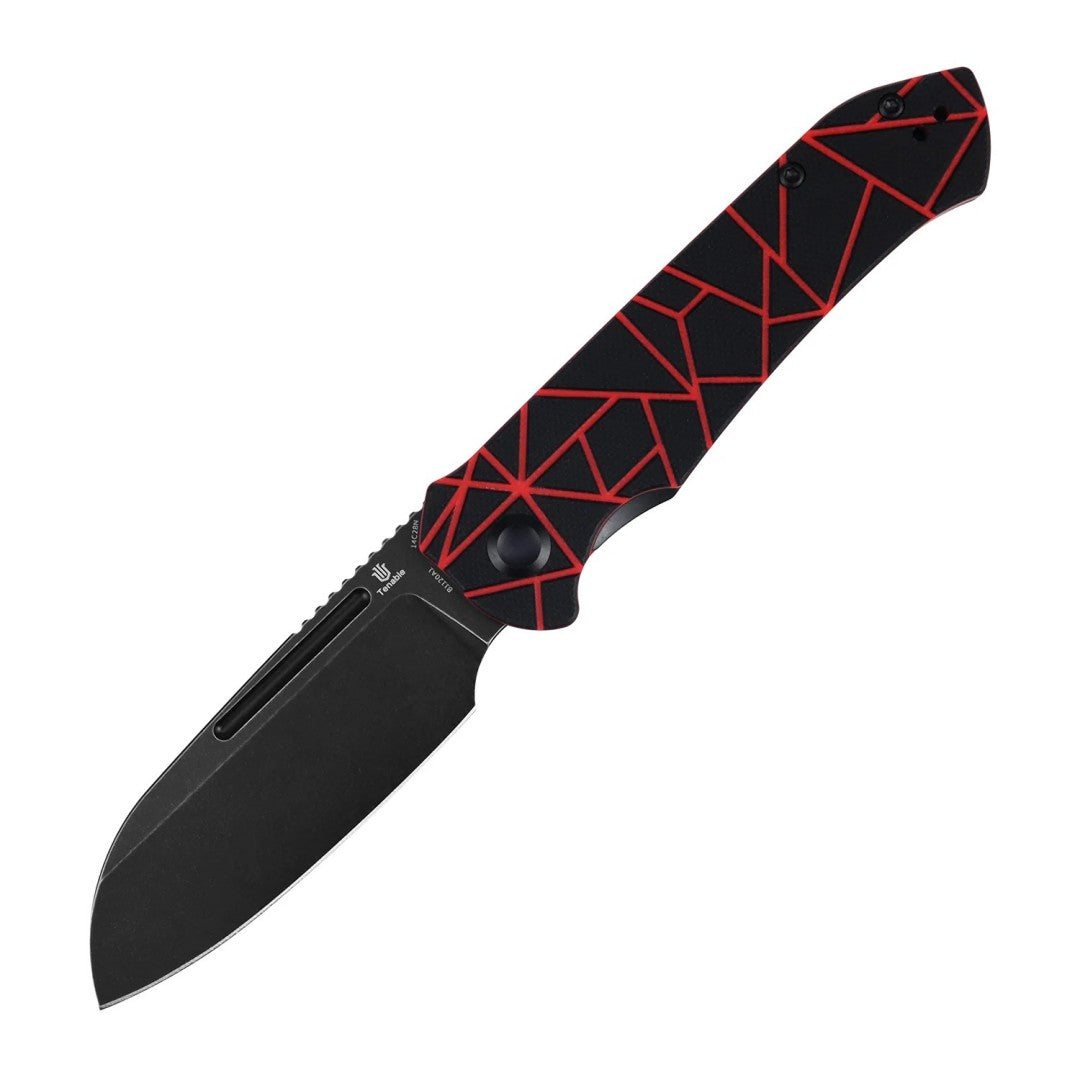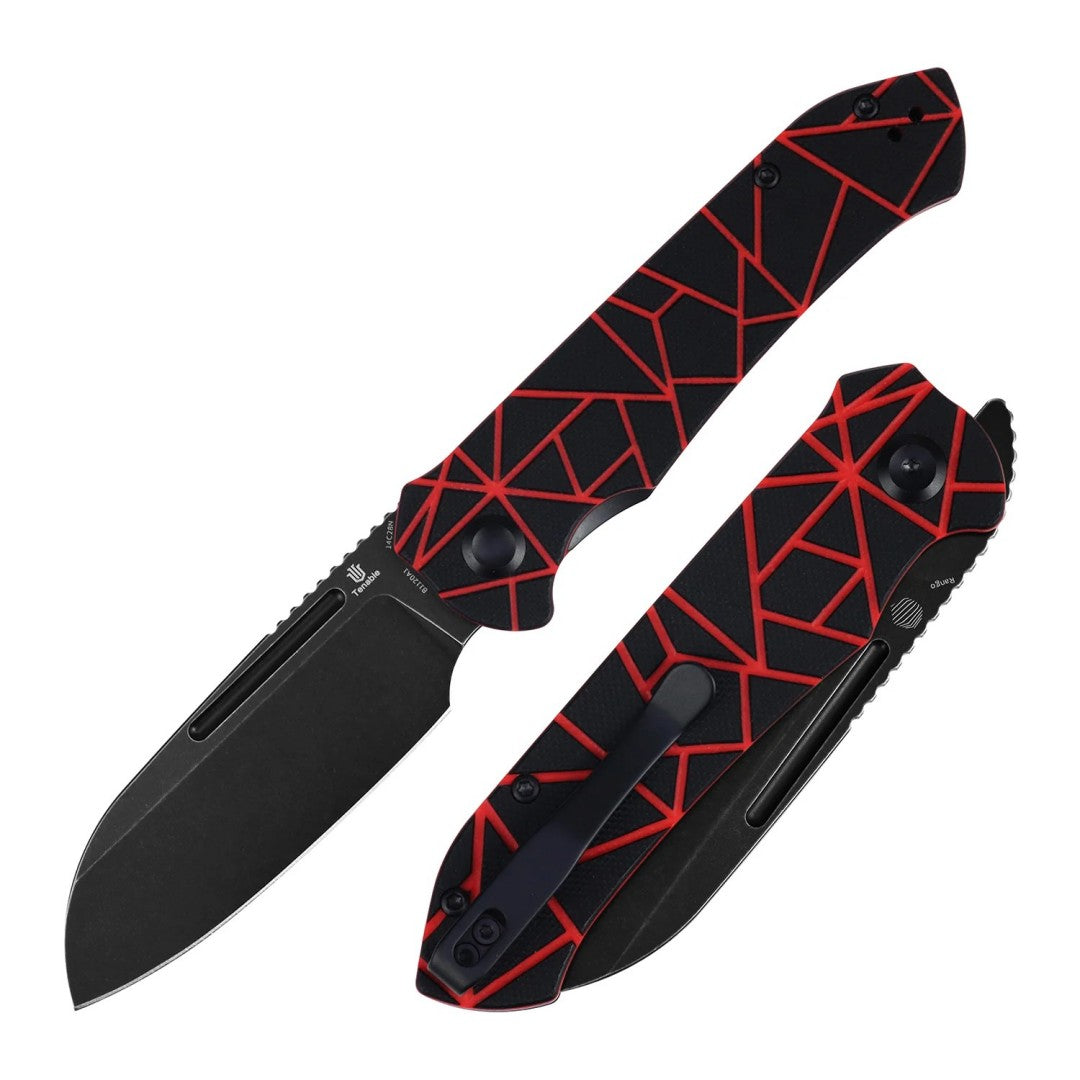
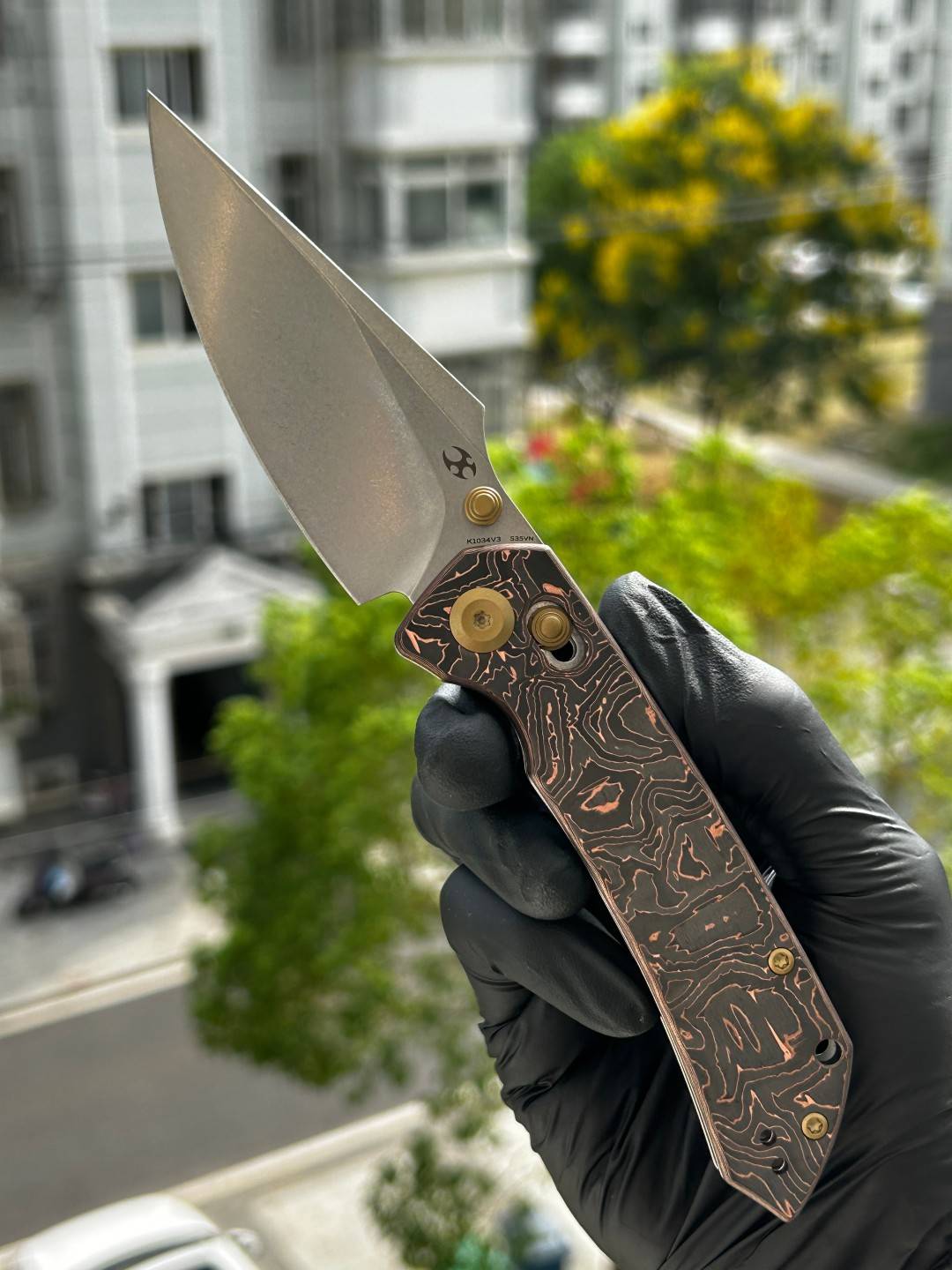
When evaluating premium everyday carry (EDC) folding knives, the discussion often circles back to a single question: does the real-world utility match the aesthetic design? The Kansept Fenrir, designed by custom knife maker Greg Schob of Sparrow Knife Co., challenges both collectors and utility users to find a flaw in its execution.
While its striking harpoon silhouette immediately catches the eye, the true test of an EDC knife happens at the cutting apex. We put the Kansept Fenrir through a rigorous CPM S35VN blade performance test to determine if this aggressive folder belongs in your pocket or remains relegated to the display case.

Design and Ergonomics Breakdown
Greg Schob’s maritime background heavily influences the architecture of the Fenrir. It feels robust without sacrificing the streamlined mechanics expected from a modern pocket knife.
-
The Grip Profiles: The handle curves naturally to accommodate multiple hand positions. The intentional finger choil allows you to choke up on the blade safely for detailed work.
-
Balancing Point: By utilizing heavy internal milling within the titanium liners, Kansept shifted the balance point precisely behind the pivot. The folder feels incredibly light and responsive during long slicing sessions.
-
Deployment Systems: Whether your model features a snappy front flipper, dual thumb studs, or a crossbar lock setup, the ceramic ball-bearing pivot delivers a smooth, fluid deployment that snaps into place with satisfying authority.
CPM S35VN Blade Performance Test Results
Crucible Industries formulated CPM S35VN steel specifically to solve the chipping issues common to older S30V alloys. By adding niobium carbides to the matrix, they created a highly stable, wear-resistant steel. To see how Kansept handled the heat treatment, we ran the Fenrir through several abrasive testing protocols.
1. Edge Retention Test (Cardboard and Rope)
We subjected the factory edge to continuous slicing through 100 linear feet of double-walled corrugated cardboard, followed by 50 cuts through 1/2-inch sisal rope.
-
Initial State: Hair-popping sharp from the box.
-
Post-Cardboard: Smooth slicing remains; no micro-rolling along the primary bevel.
-
Post-Rope: The edge lost its absolute shaving keenness but retained a clean, working utility edge capable of easily slicing paper without snagging.
2. Structural Toughness and Stability
The harpoon swedge on the spine provides an interesting mechanical advantage. It reinforces the tip geometry during piercing tasks. Puncturing heavy plastic drum lids and scoring dense hardwood revealed zero tip deformation or lateral play in the pivot mechanism.
3. Corrosion Resistance and Environmental Field Test
To replicate sweaty pocket carry or maritime exposure, the satin blade was exposed to a mild saltwater spray and left uncleaned for 24 hours. The high chromium content ($14\%$) of CPM S35VN did its job perfectly, showing no signs of pitting or rust spotting. A simple wipe down restored the factory sheen.
Kansept Fenrir Specifications Table
| Metric | Measurement or Material Details |
| Overall Length | 7.96 inches |
| Blade Length | 3.48 inches |
| Blade Steel | Crucible Particle Metallurgy (CPM) S35VN |
| Blade Thickness | 0.14 inches |
| Hardness Rating | 59-61 HRC |
| Handle Overlays | Carbon Fiber, Micarta, or Fatcarbon |
| Weight | Approximately 4.14 ounces (varies by material) |
The Performance Verdict: Kansept nailed the heat treatment on this iteration of CPM S35VN. The steel offers the perfect balance of wear resistance and toughness, ensuring that Greg Schob's highly geometric design functions beautifully as a dependable daily workhorse.
Frequently Asked Questions
How easy is it to resharpen the Kansept Fenrir in the field
Thanks to the addition of niobium in the CPM S35VN composition, the Fenrir is significantly easier to sharpen than harder steels like M390 or Maxamet. If the edge begins to degrade after heavy utility tasks, a few passes on a ceramic rod or a fine diamond stone will quickly bring back a razor-sharp apex.
Does the harpoon blade profile interfere with daily cutting tasks
Not at all. While the harpoon swedge looks aggressive, the primary cutting edge features a deep, continuous belly that excel at slicing. The swedge actually serves as an excellent thumb rest, letting you apply direct downward pressure close to the tip for precise control over your work.
What is the difference between the liner lock and crossbar lock Fenrir variants
The blade geometry remains identical, but the deployment experience changes. The liner lock variant offers a highly traditional, clean aesthetic with a snappy front flipper mechanism. The crossbar lock version provides completely ambidextrous closing architecture and a high fidget factor, allowing you to swing the blade open and shut without putting your fingers in the path of the edge.