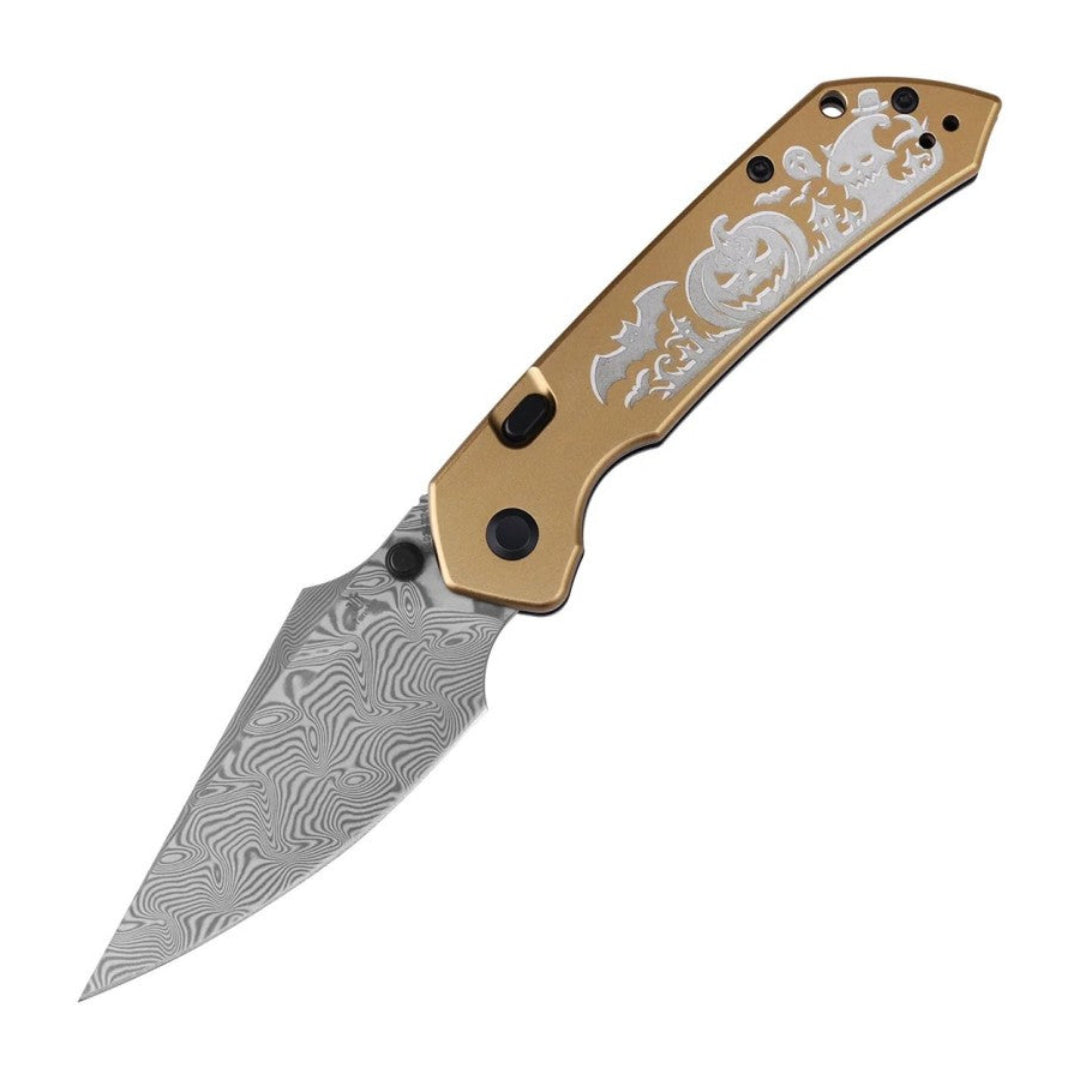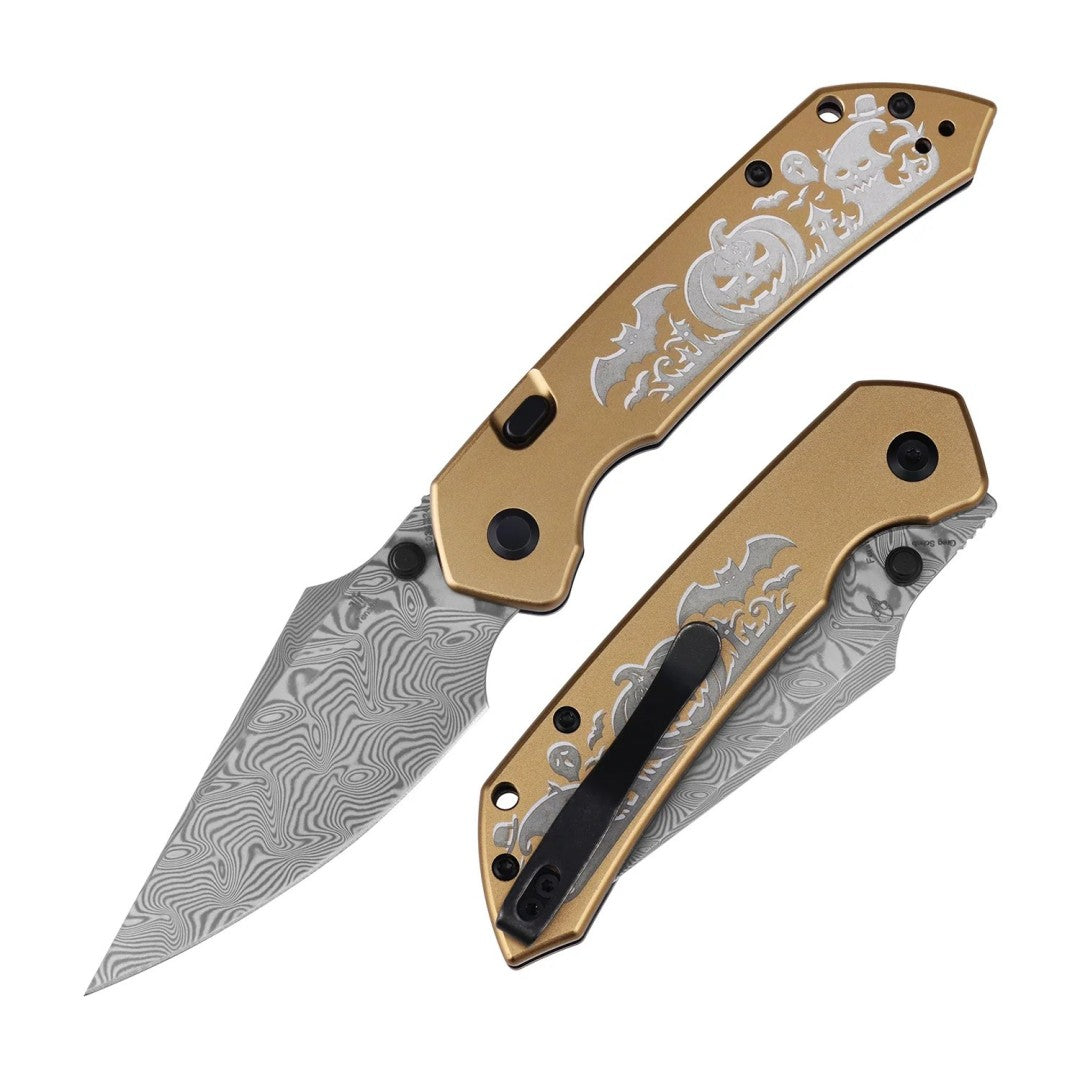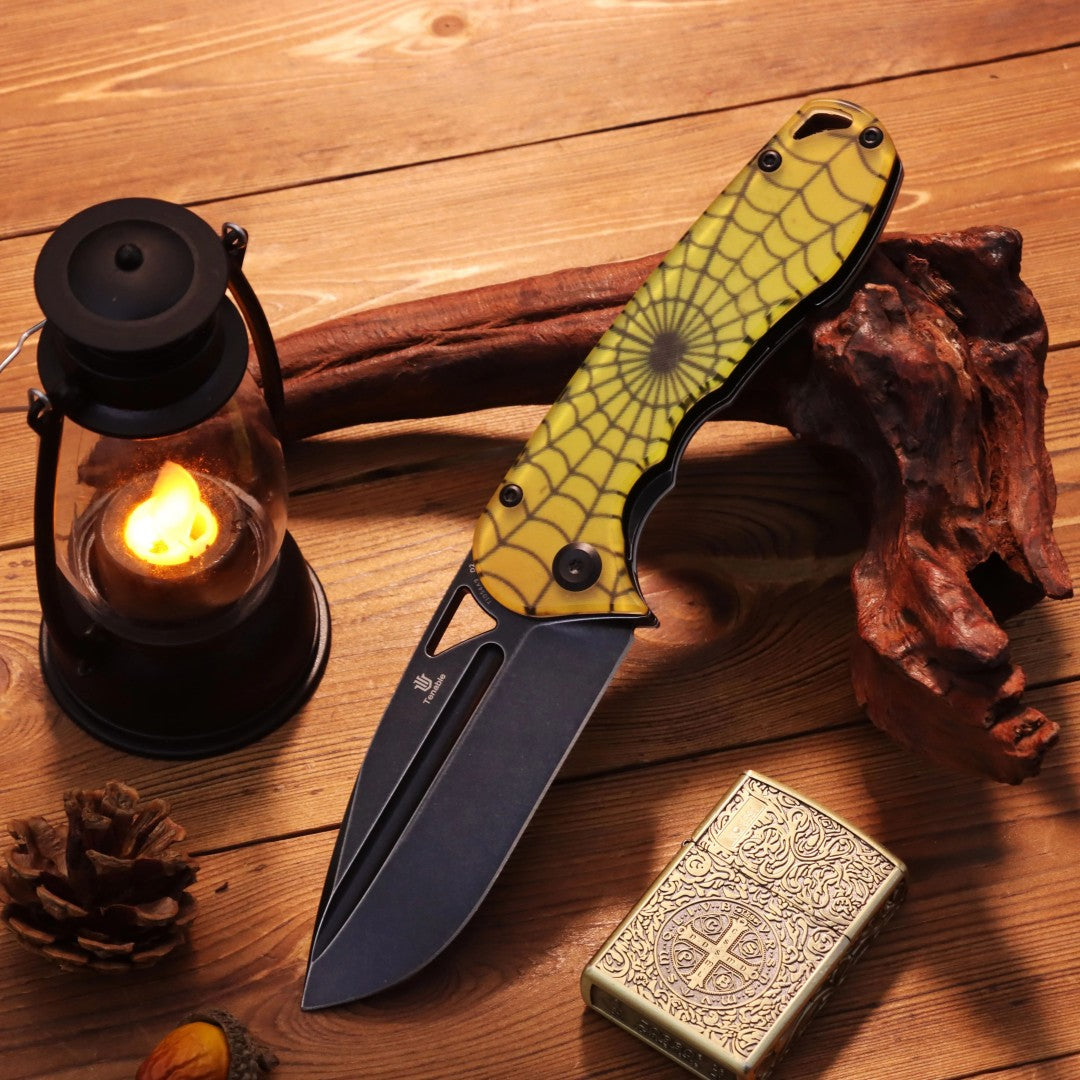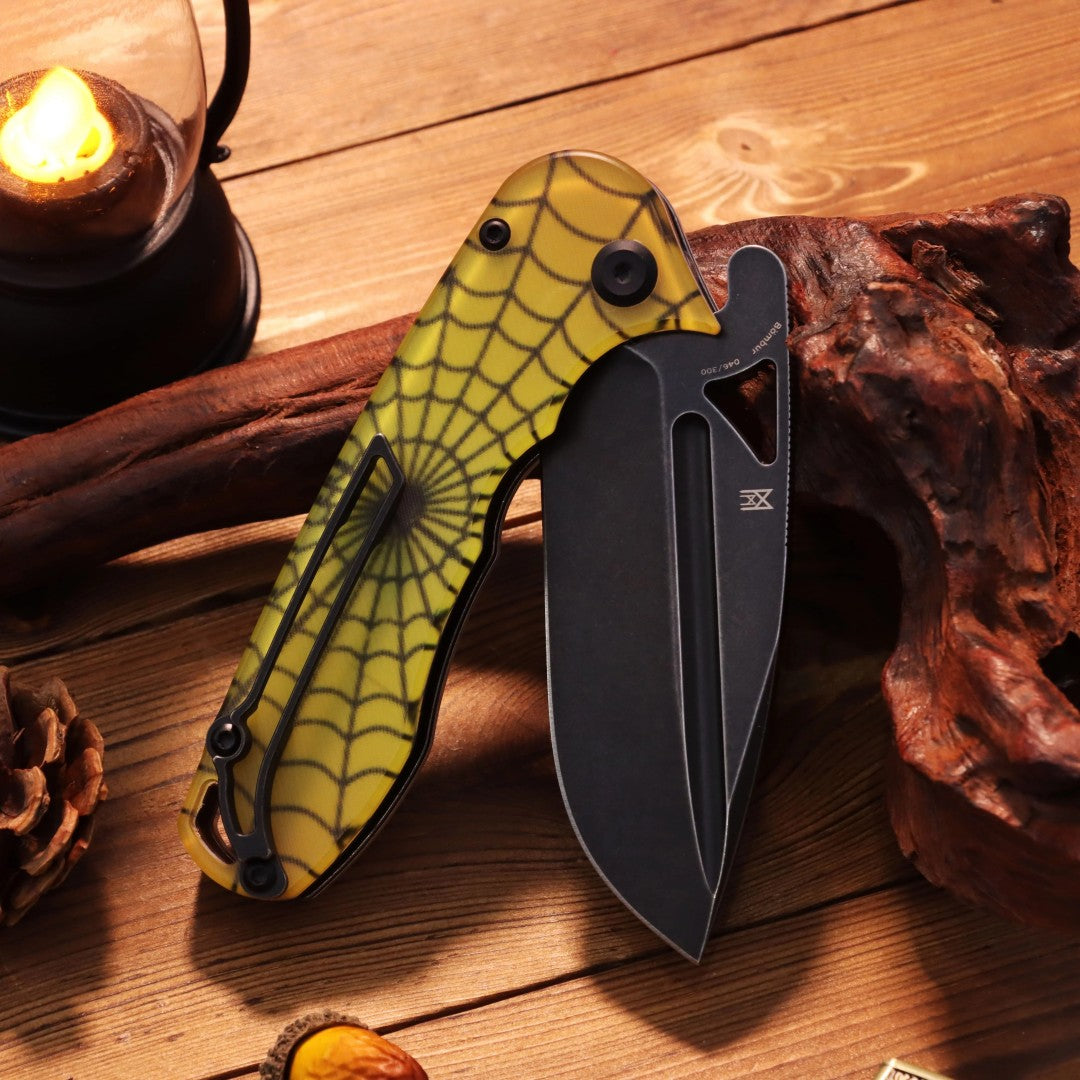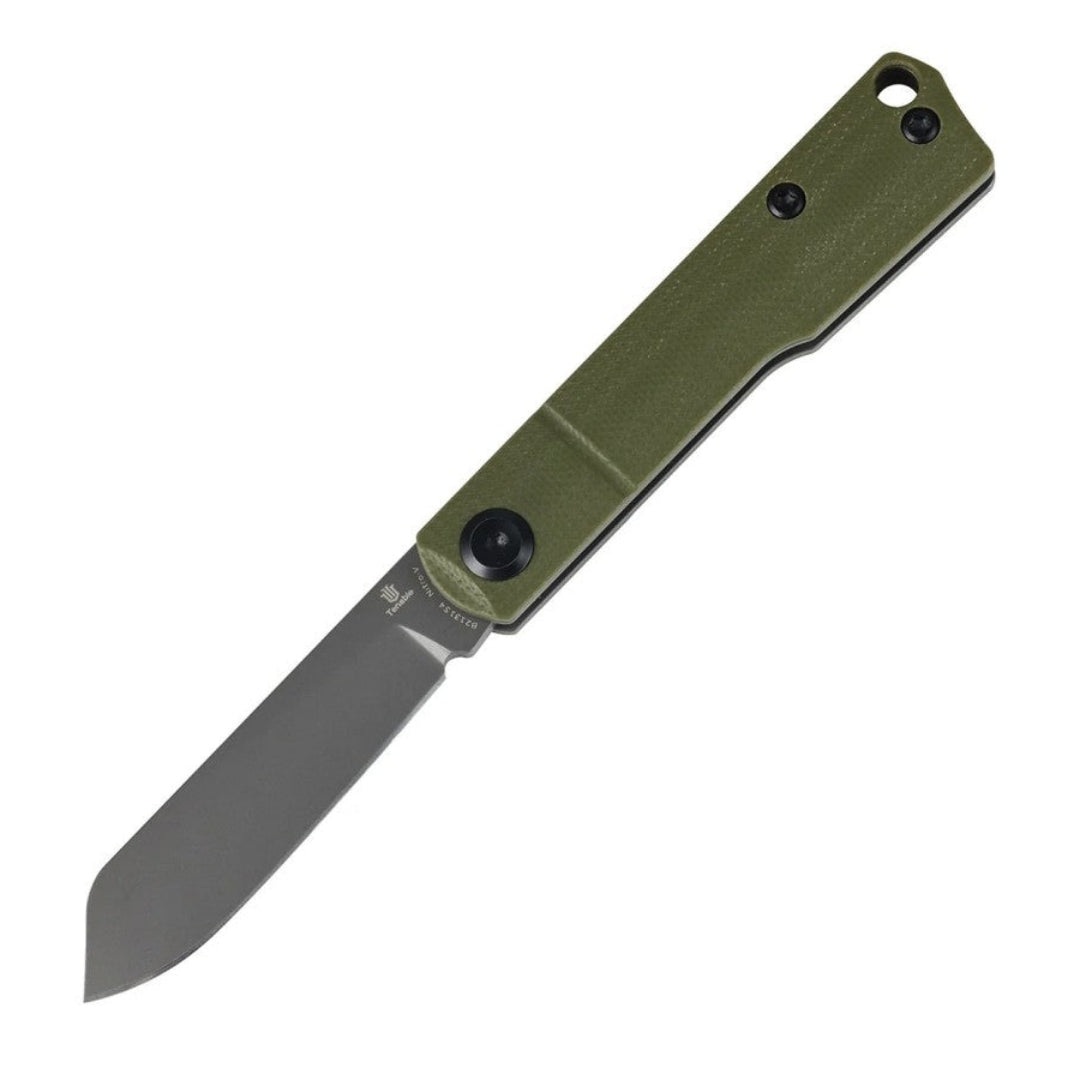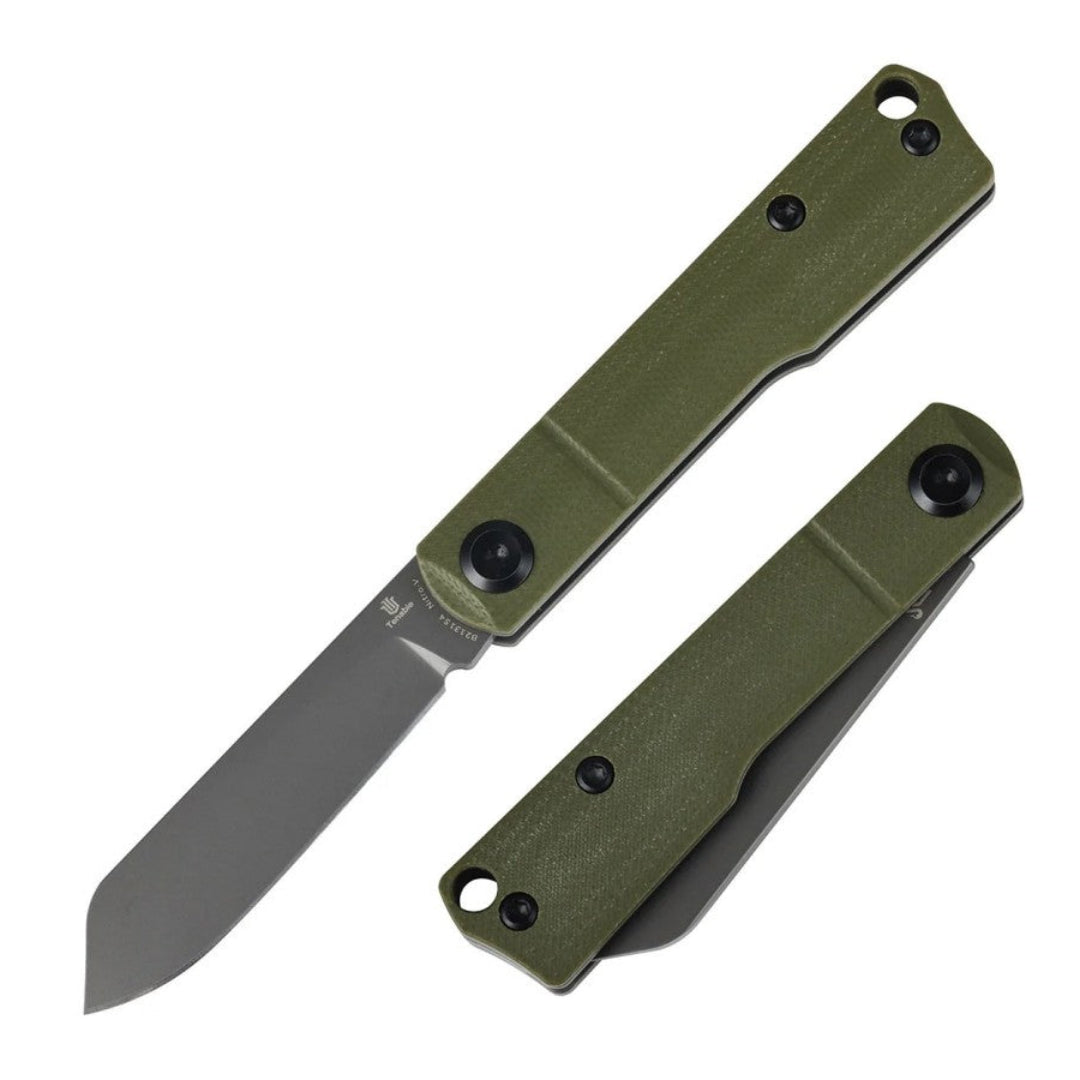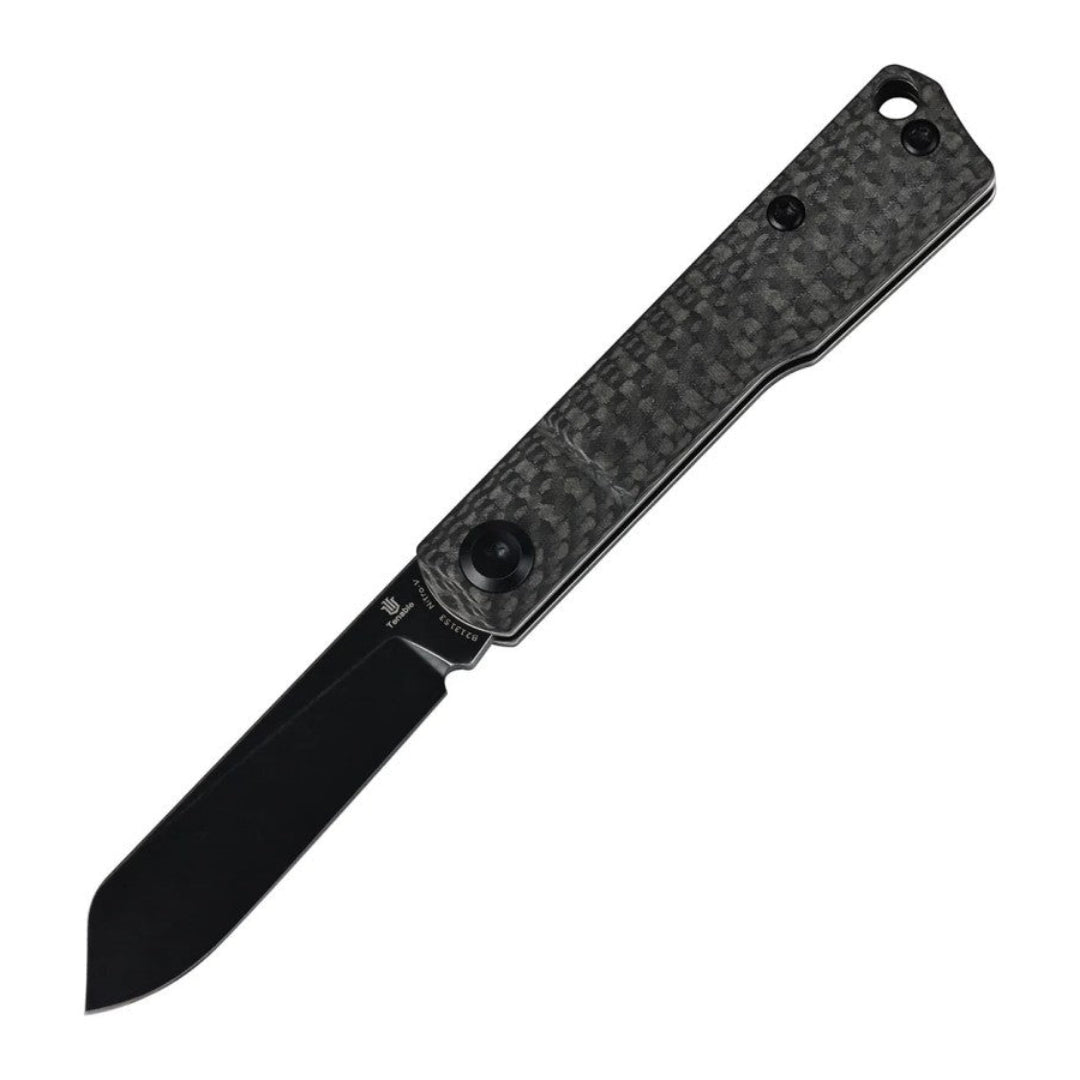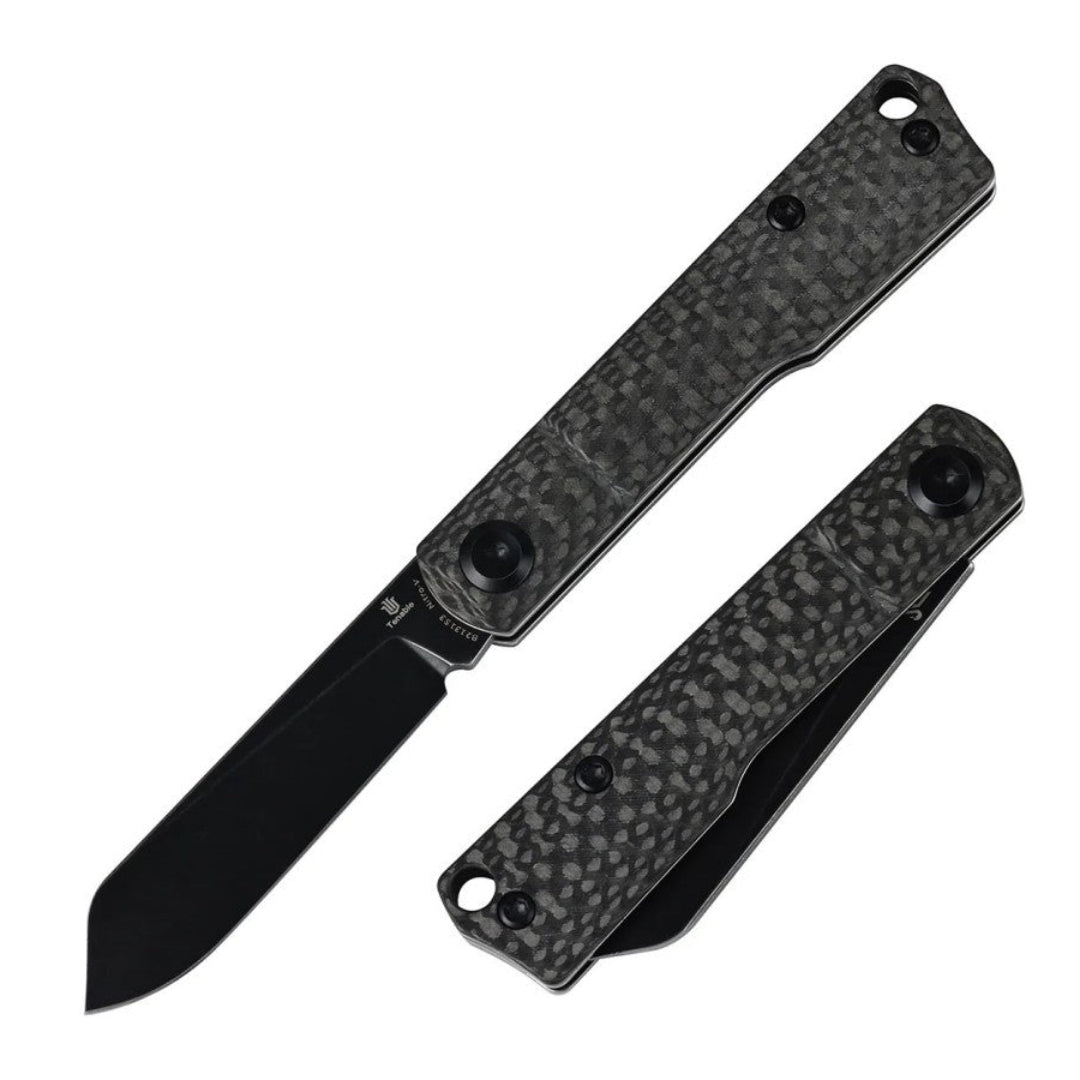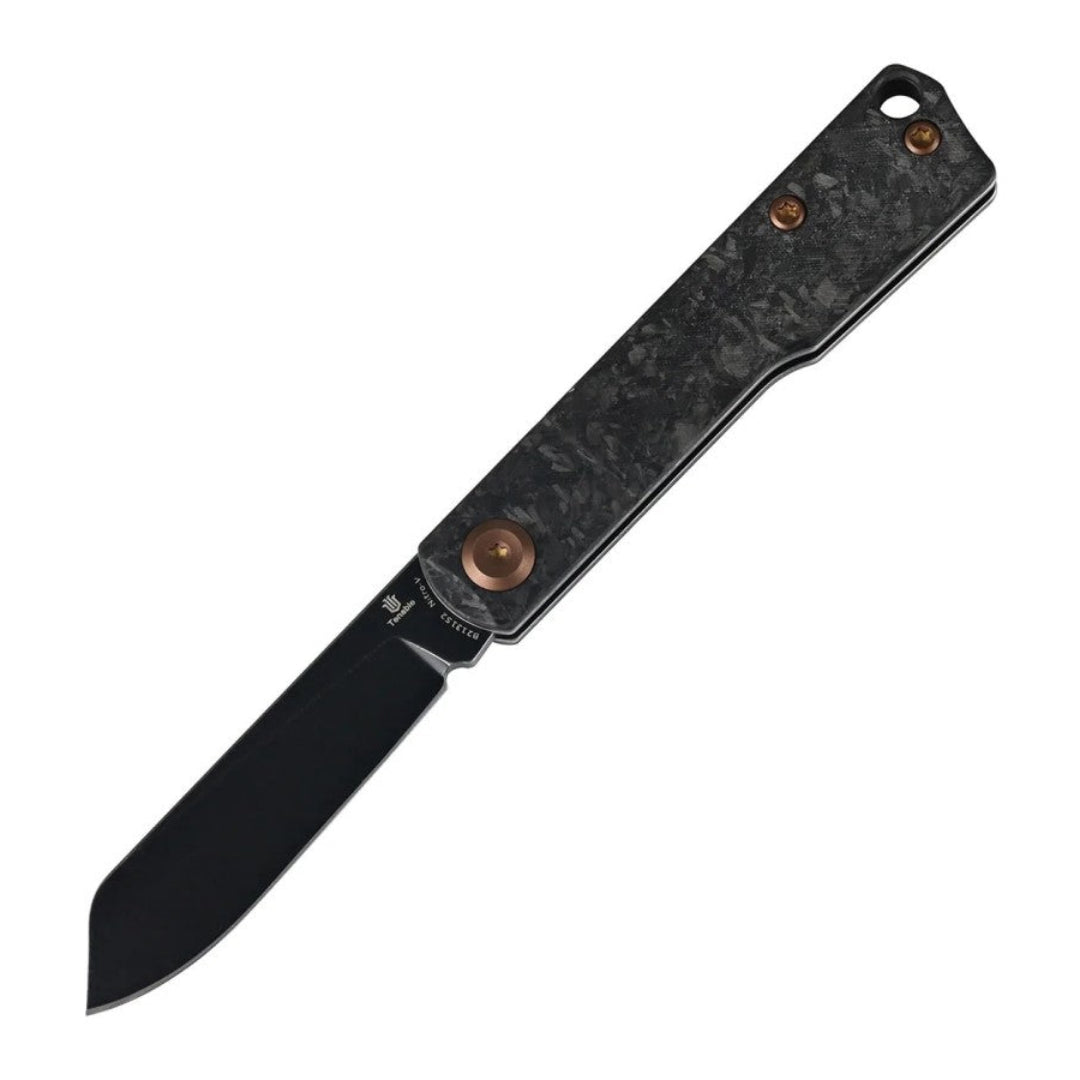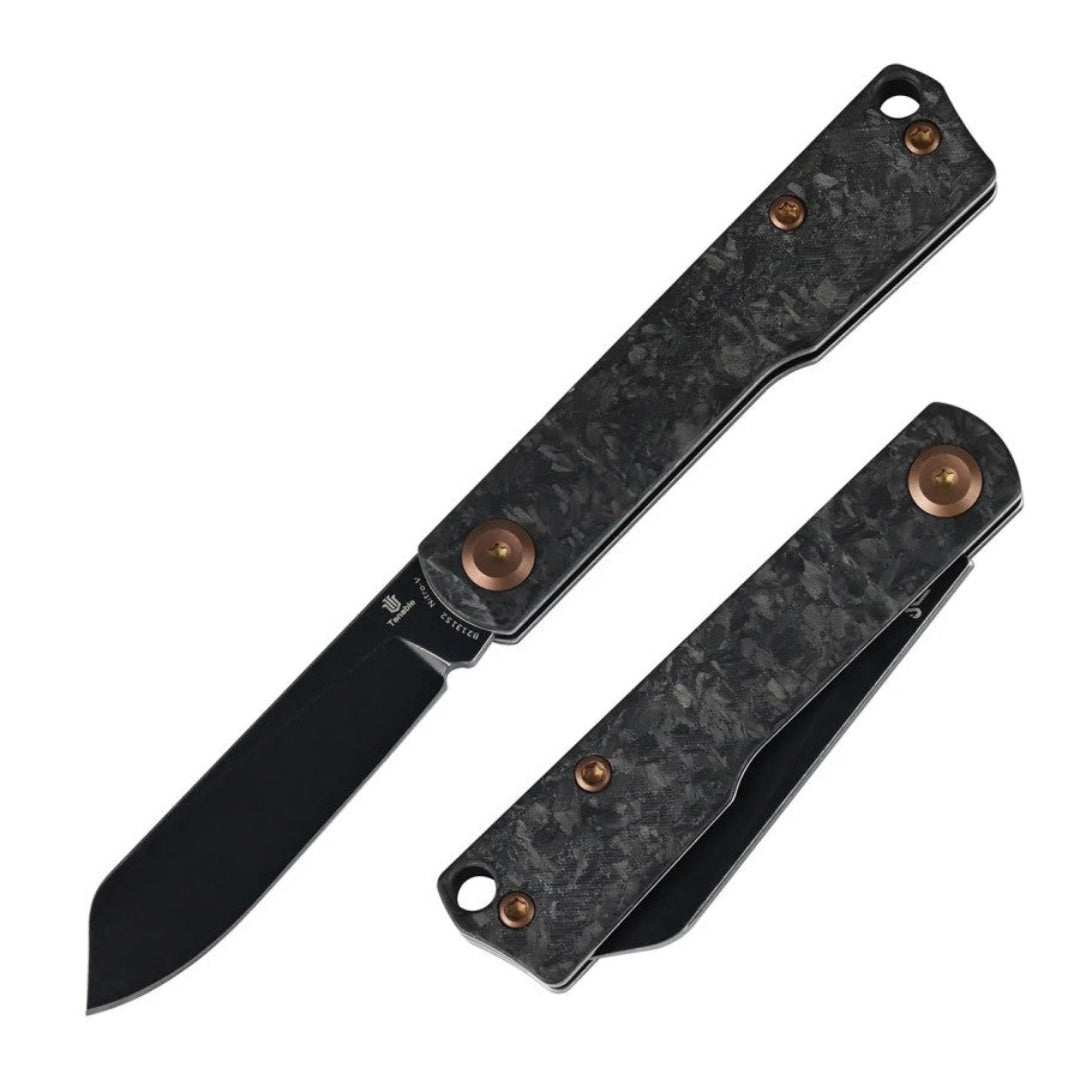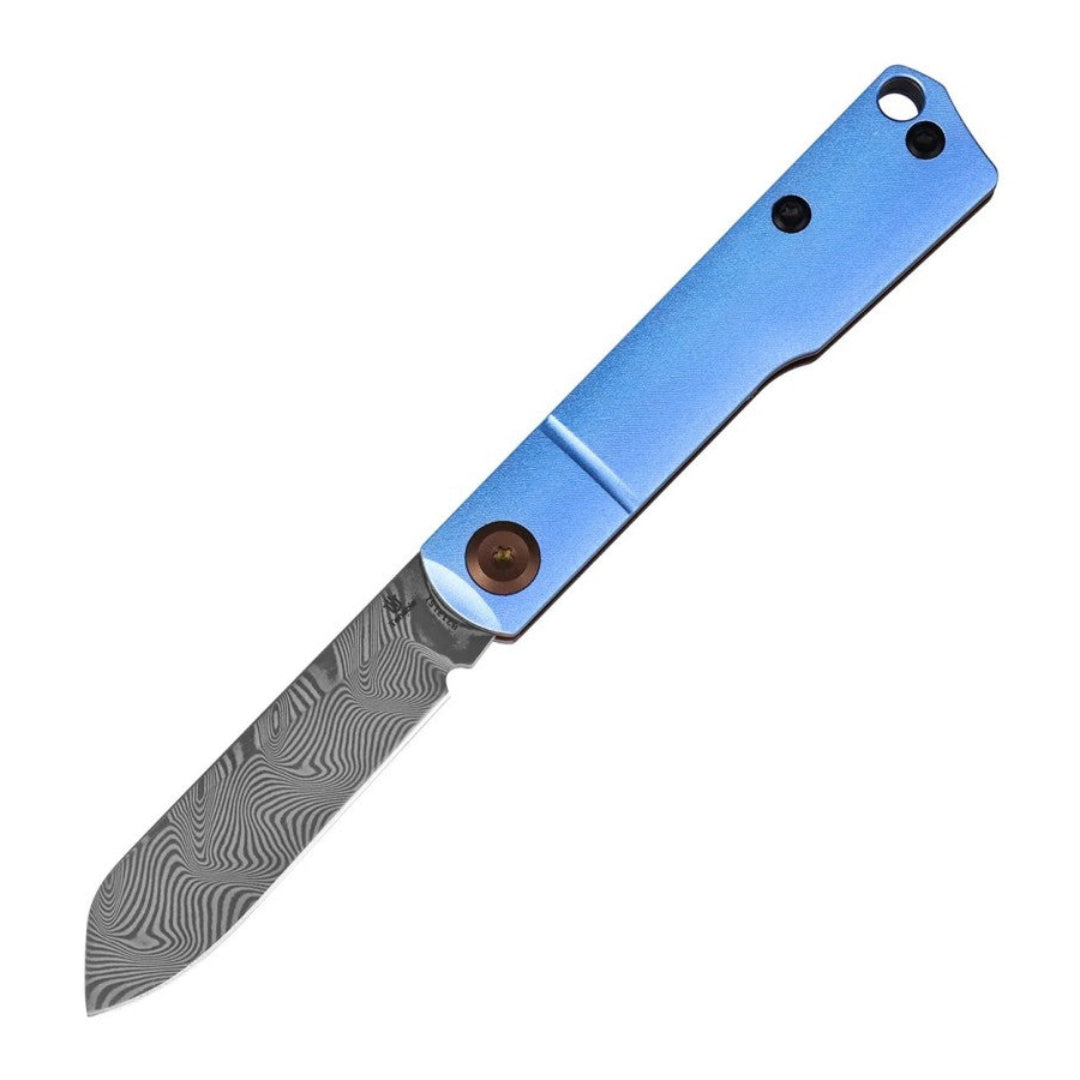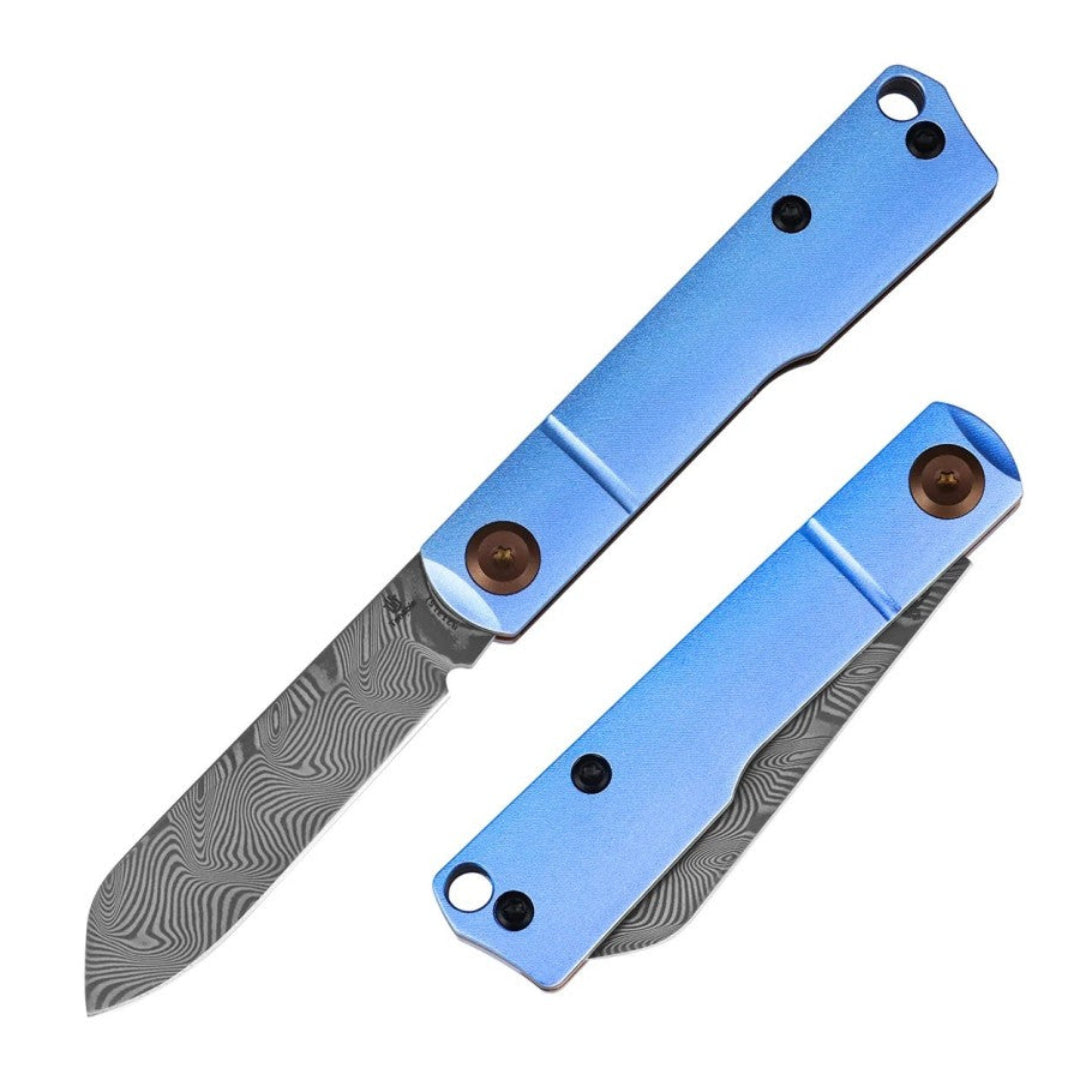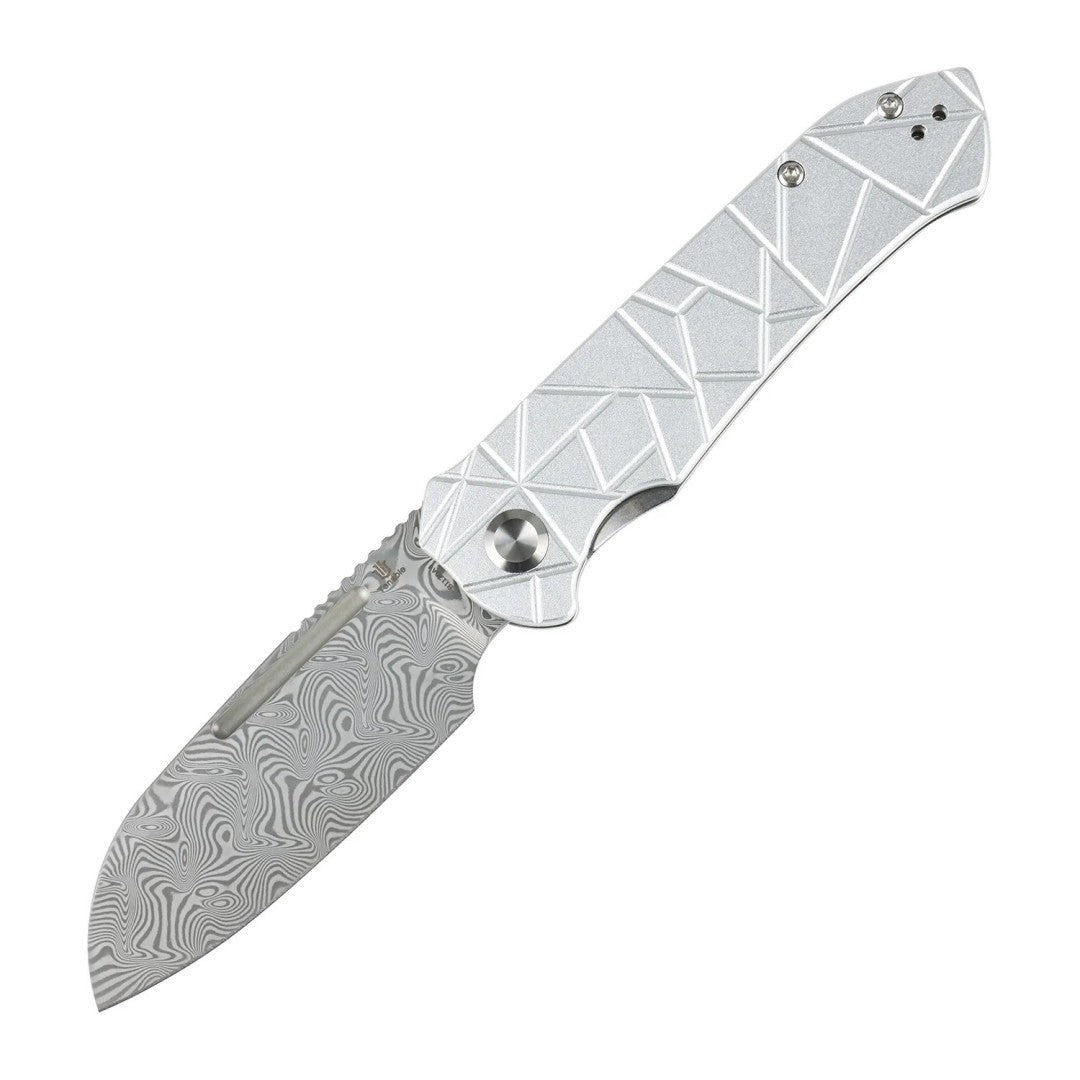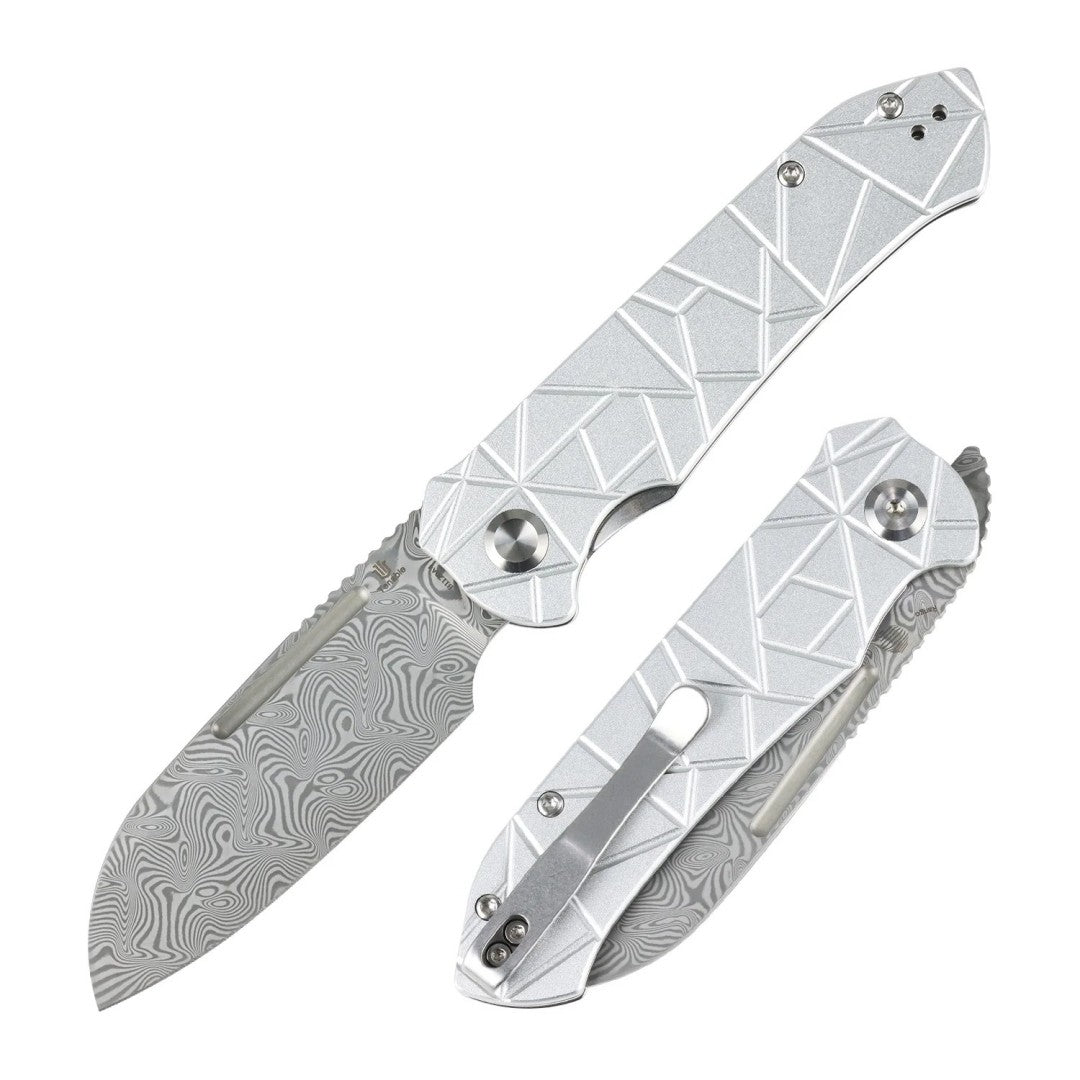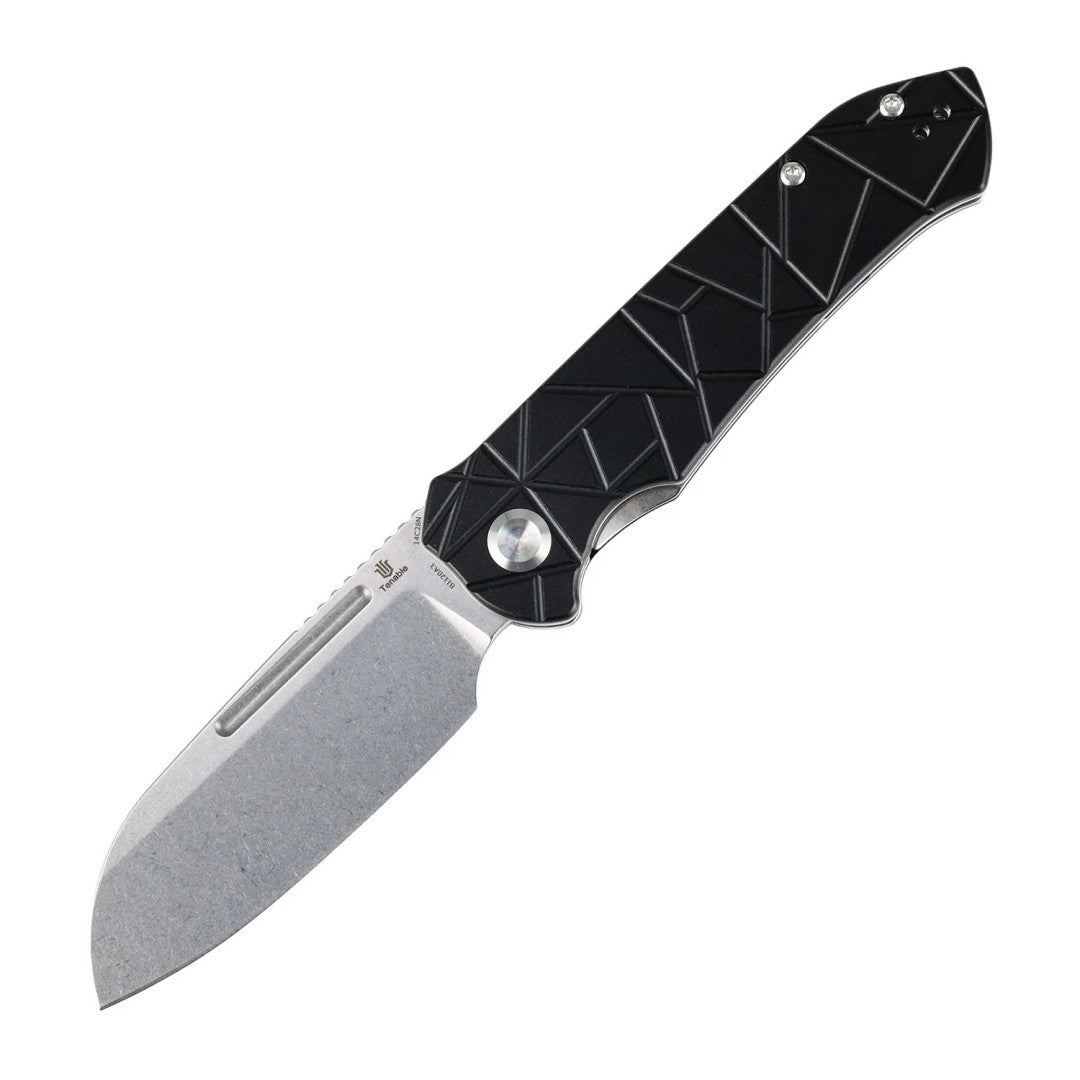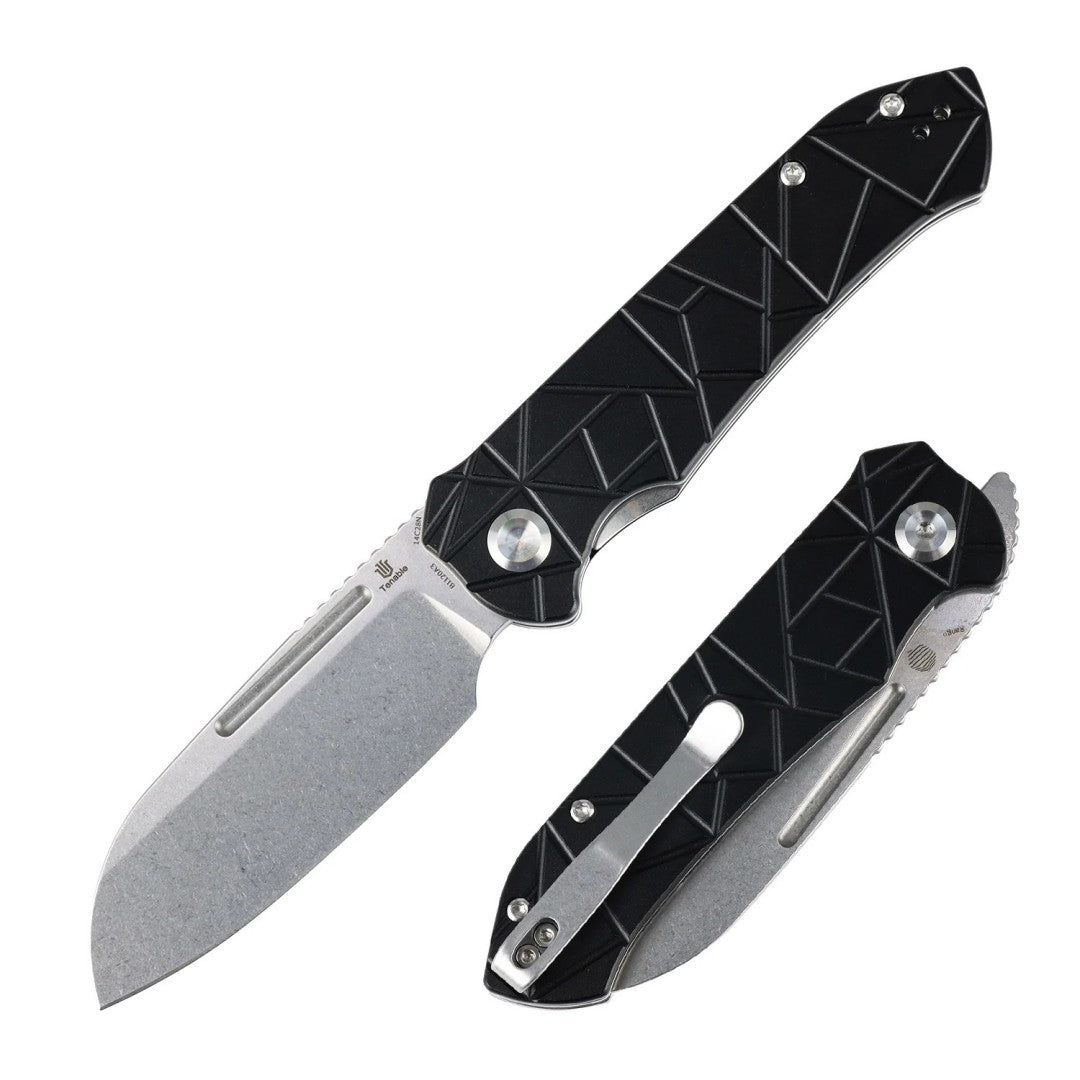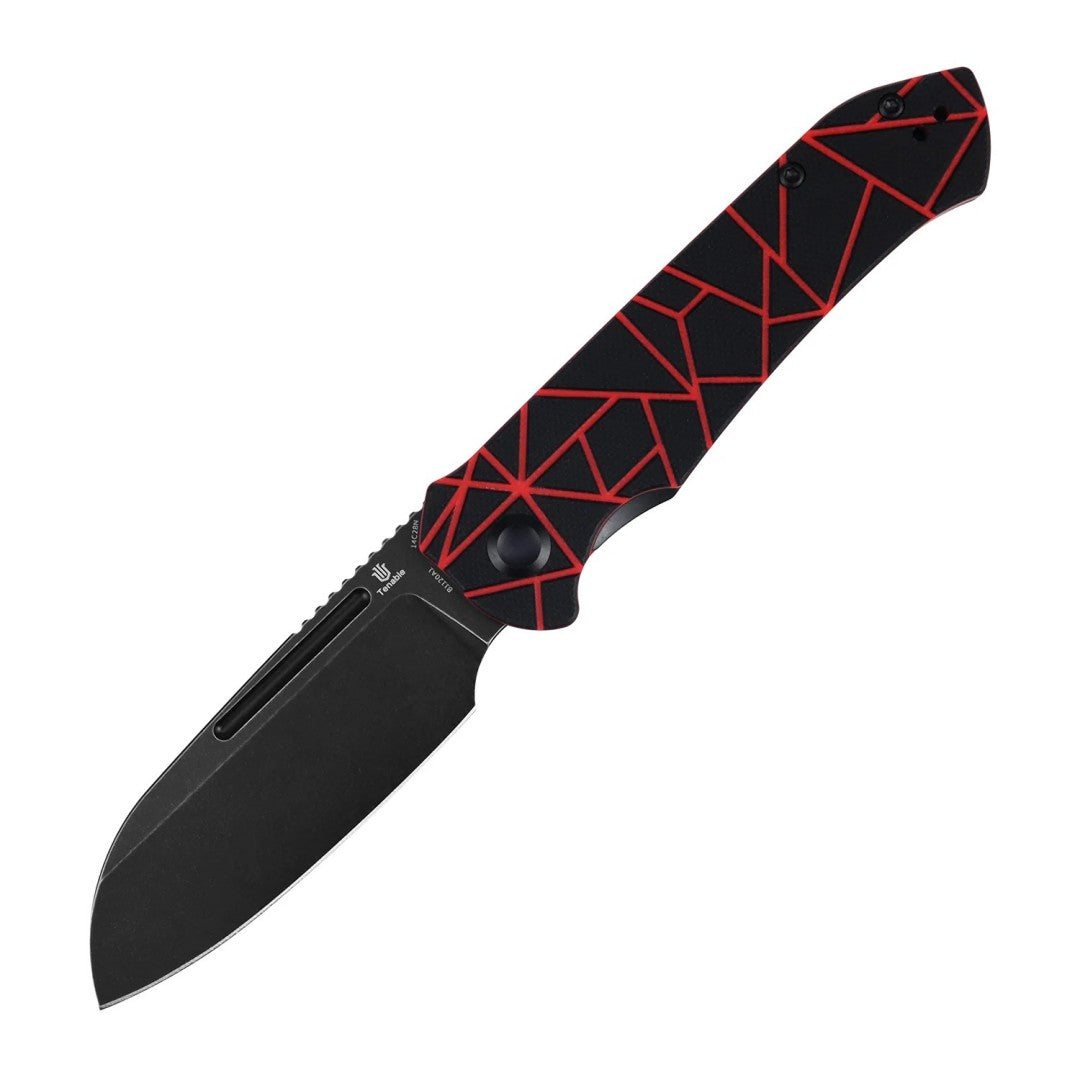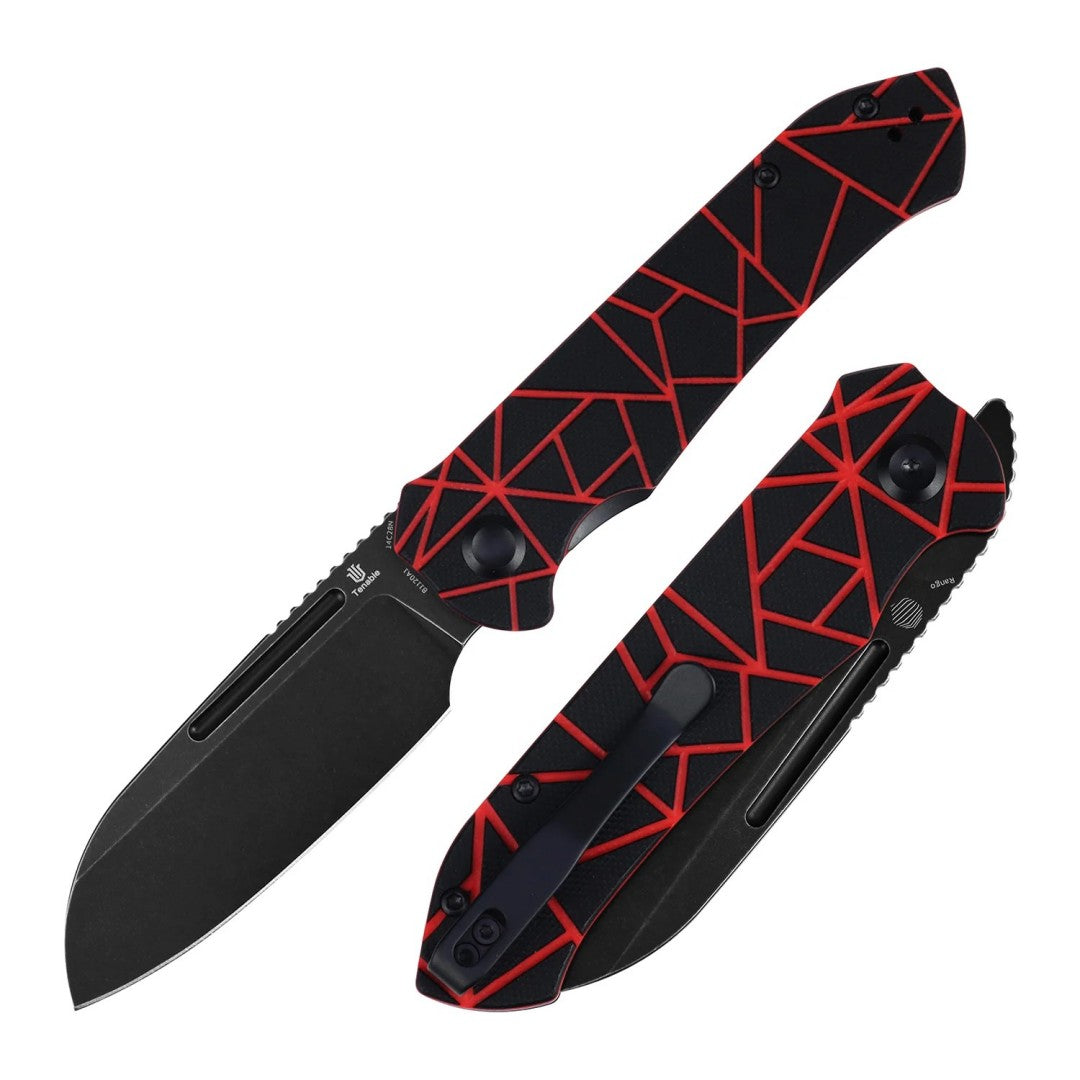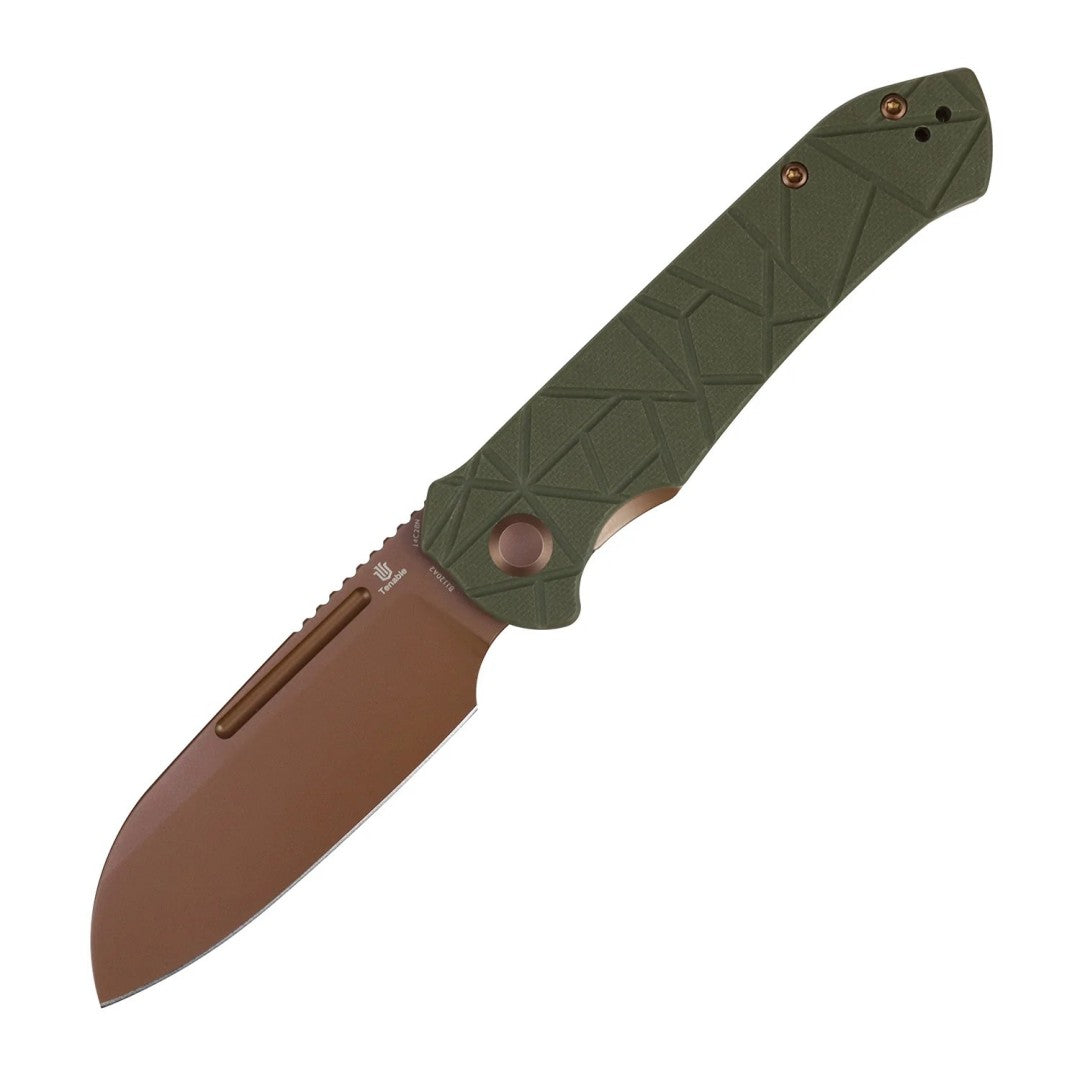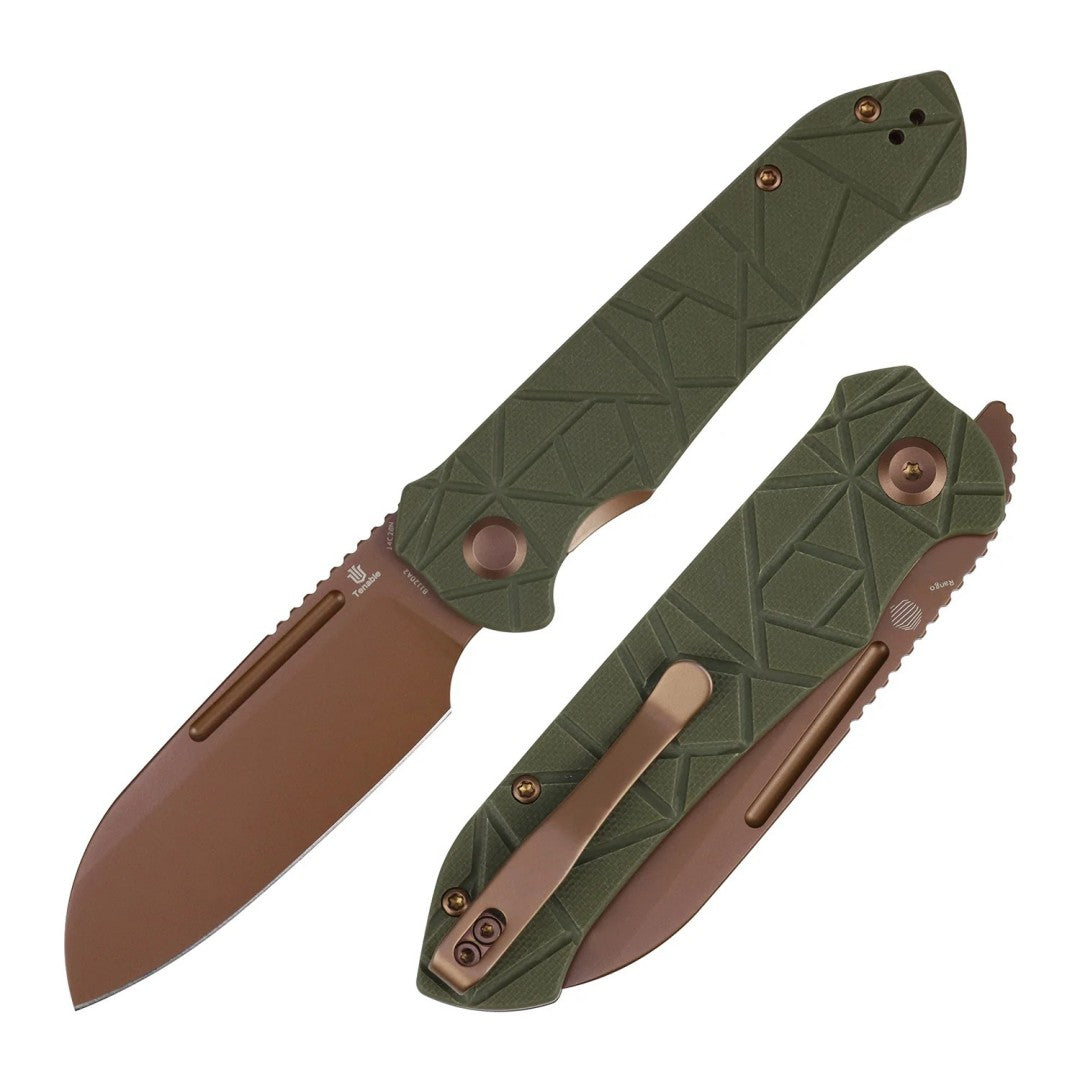

When choosing an everyday carry folder, the locking mechanism determines not only how secure the blade stays during heavy cutting, but also how safely and smoothly it operates in hand. Designed by custom knifemaker Dirk Pinkerton, the modified Wharncliffe profile from Kansept stands out as one of the most practical utility designs on the market. While early versions of this popular model relied on a traditional side mechanism, high-end flagship iterations introduce a spine-mounted release.
Comparing the innovative Top Liner Lock against the classic Liner Lock on the Kansept Main Street platform reveals how mechanical architecture impacts user safety, handle strength, and overall daily operation.

Architectural and Engineering Differences
While both locking mechanisms rely on a hardened steel leaf spring to wedge against the blade tang during open deployment, their physical layout and user disengagement points are fundamentally different.
Traditional Standard Liner Lock Mechanics
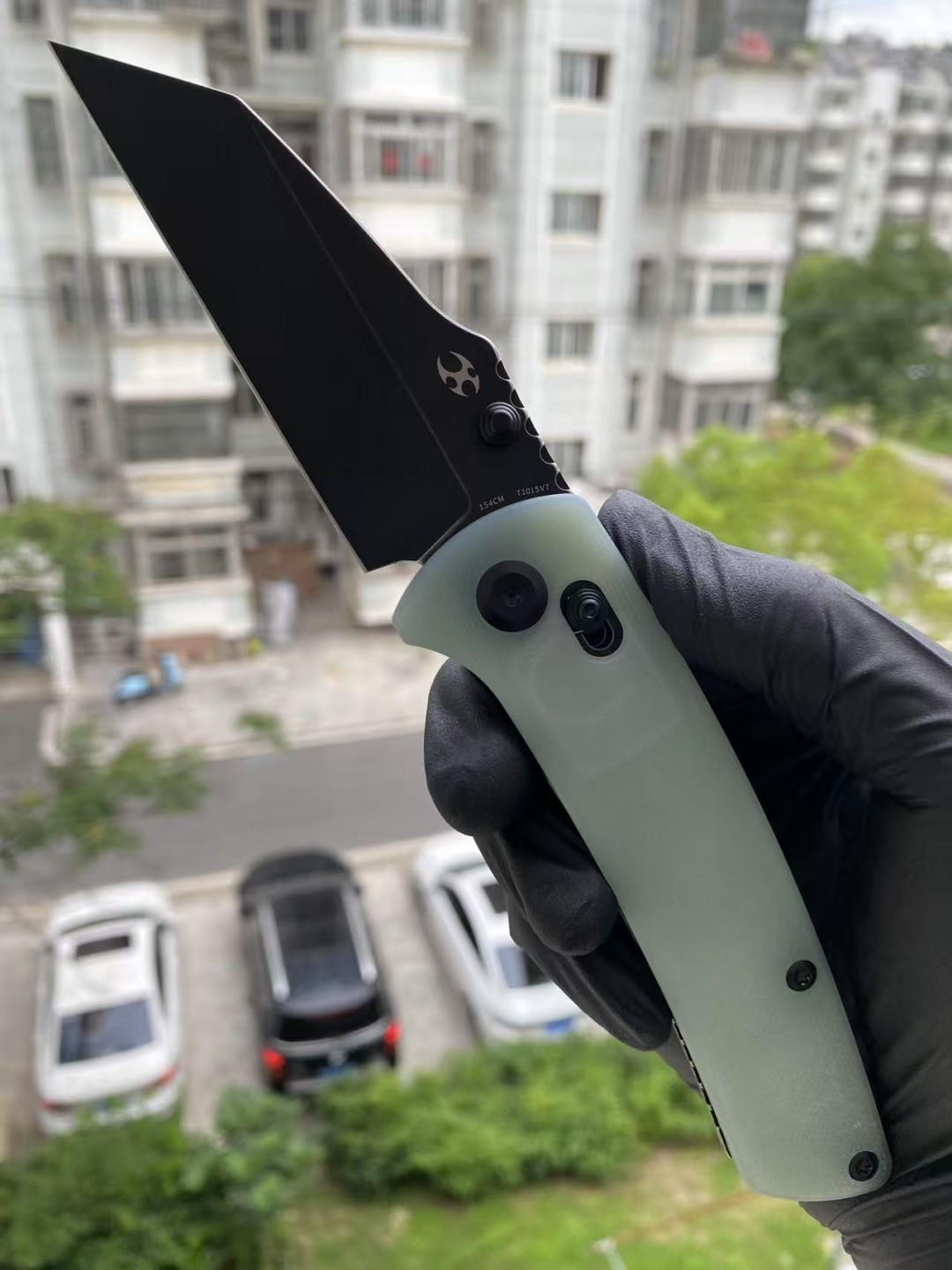
The standard version utilizes a leaf spring cutout directly inside the internal stainless steel handle liner. When the blade swings fully open, the spring flexes inward to brace against the rear tang of the blade. Disengaging the mechanism requires pushing the exposed lock leaf sideways using your thumb from inside the handle cavity. While mechanically simple and highly reliable, this motion requires placing your thumb directly inside the closing arc of the sharp blade edge.
Advanced Top Liner Lock Engineering
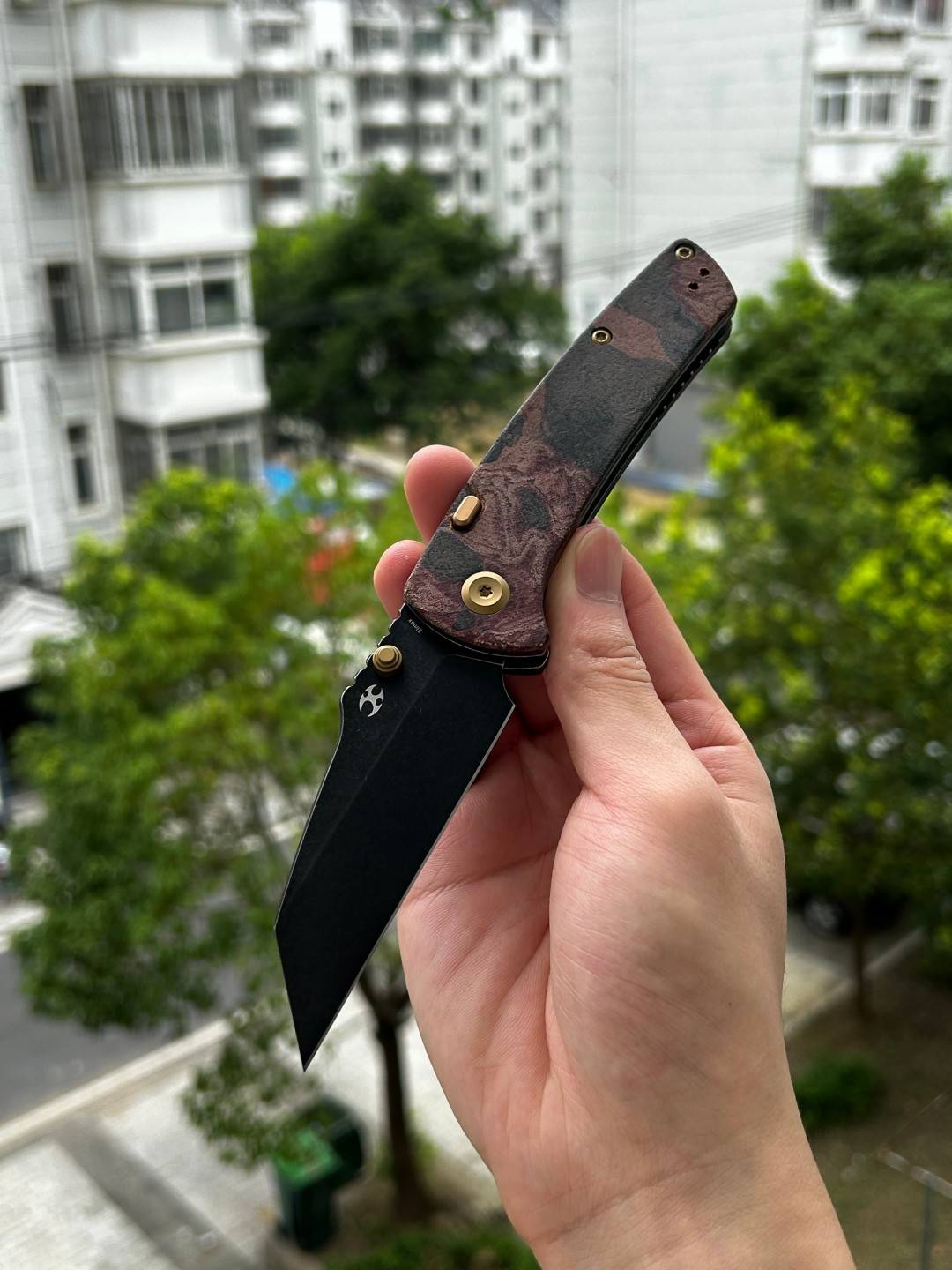
The top-mounted variant shifts the disengagement point to the top spine of the handle chassis. Instead of reaching inside the blade channel, the operator depresses a low-profile release tab positioned along the upper spine. Internally, this tab operates a top-braced leaf spring that disengages from the blade tang cleanly. Because your thumb rests securely on the top spine and your fingers wrap safely around the outer handle scales, your hand never crosses the path of the cutting apex during closure.
Technical Comparison and Structural Specs
Analyzing key mechanical, safety, and aesthetic attributes side-by-side demonstrates how moving the lock tab to the handle spine transforms daily usability.
| Feature / Performance Metric | Standard Liner Lock Model | Flagship Top Liner Lock Model |
| Lock Release Location | Inside Handle Channel (Side) | Top Spine of Handle Chassis |
| Finger Placement During Closure | Inside Blade Closing Arc | Completely Clear on Outer Scales |
| Relative Closing Safety | Moderate (Requires Conscious Care) | Maximum (Zero Danger Path) |
| Side Handle Scale Design | Cutout Required for Thumb Access | Continuous, Unbroken Scale Face |
| Primary Blade Steels Offered | Budget-Friendly 154CM | Uddeholm Elmax Super Steel |
| Deployment & Action | Ceramic Ball Bearings / Thumb Studs | Ceramic Ball Bearings / Thumb Studs |
| Ideal User Application | Budget Utility Carry & Everyday Chores | High-Performance EDC & Safety-Focused Carry |
 User Safety, Ergonomics, and Fidget Factor
Deploying and closing a pocket knife hundreds of times builds strong muscle memory, making ergonomic safety during one-handed operation paramount.
Disengagement Safety and One-Handed Closure
The primary functional benefit of the top spine mechanism is complete finger protection. When closing a traditional folder, you must push the internal liner spring and quickly move your thumb out of the way as the blade falls. With the top-mounted release, you simply press the spine tab with your thumb, allowing the blade to drop freely onto low-friction ceramic ball bearings while keeping all fingers entirely out of harm's way.
Handle Integrity and Scale Aesthetics
Standard side locks require a relief cutout on the show-side handle scale so your thumb can reach the locking leaf. This cutout creates a minor structural weakness in the handle frame and disrupts decorative patterns. By placing the release button along the spine, the side scales remain solid and unbroken. On flagship editions featuring precision CNC-machined anodized aluminum or textured Micarta handles, this unbroken geometry enhances chassis rigidity while showcasing seamless, uninterrupted pattern lines.
Locking Strength and Durability Under Load
Both locking styles provide exceptional lockup security during normal downward cutting and heavy draw cuts. The Wharncliffe blade profile focuses cutting pressure along the straight edge, driving the tang firmly into the lock interface rather than stressing the release mechanism.
However, under heavy torque or lateral stress, the top-mounted release offers slightly greater frame rigidity because the side liners and handle scales retain their full material thickness without thumb cutouts. Unlike complex spring-driven systems like a Crossbar Lock or heavy-duty titanium Frame Lock, both liner variants use robust steel leaf springs that resist pocket debris and maintain consistent lockup tension over years of active carry.
 Final Recommendation: Which Lock System Wins?
Choosing between these two lock architectures comes down to your budget and safety preferences:
-
Select the Standard Liner Lock if: You want a straightforward, budget-conscious daily workhorse made with reliable materials, and you are comfortable with traditional one-handed knife closing techniques.
-
Select the Top Liner Lock if: You prioritize maximum finger safety, premium handle craftsmanship, and fluid single-handed operation paired with high-performance super steels.
While the traditional version remains a classic utility choice, the top-mounted release elevates Dirk Pinkerton's Wharncliffe design into a modern, safer, and exceptionally refined daily carry tool.