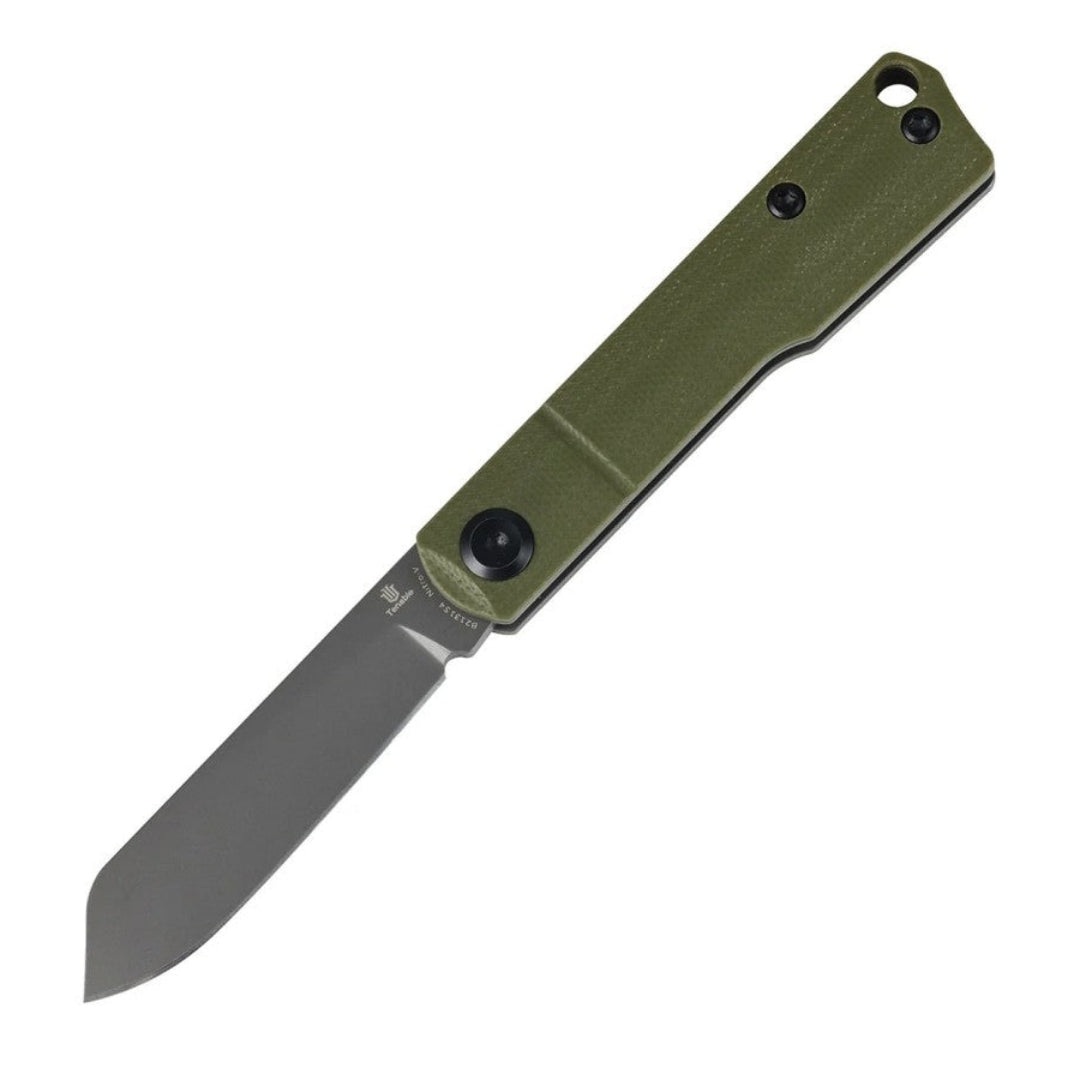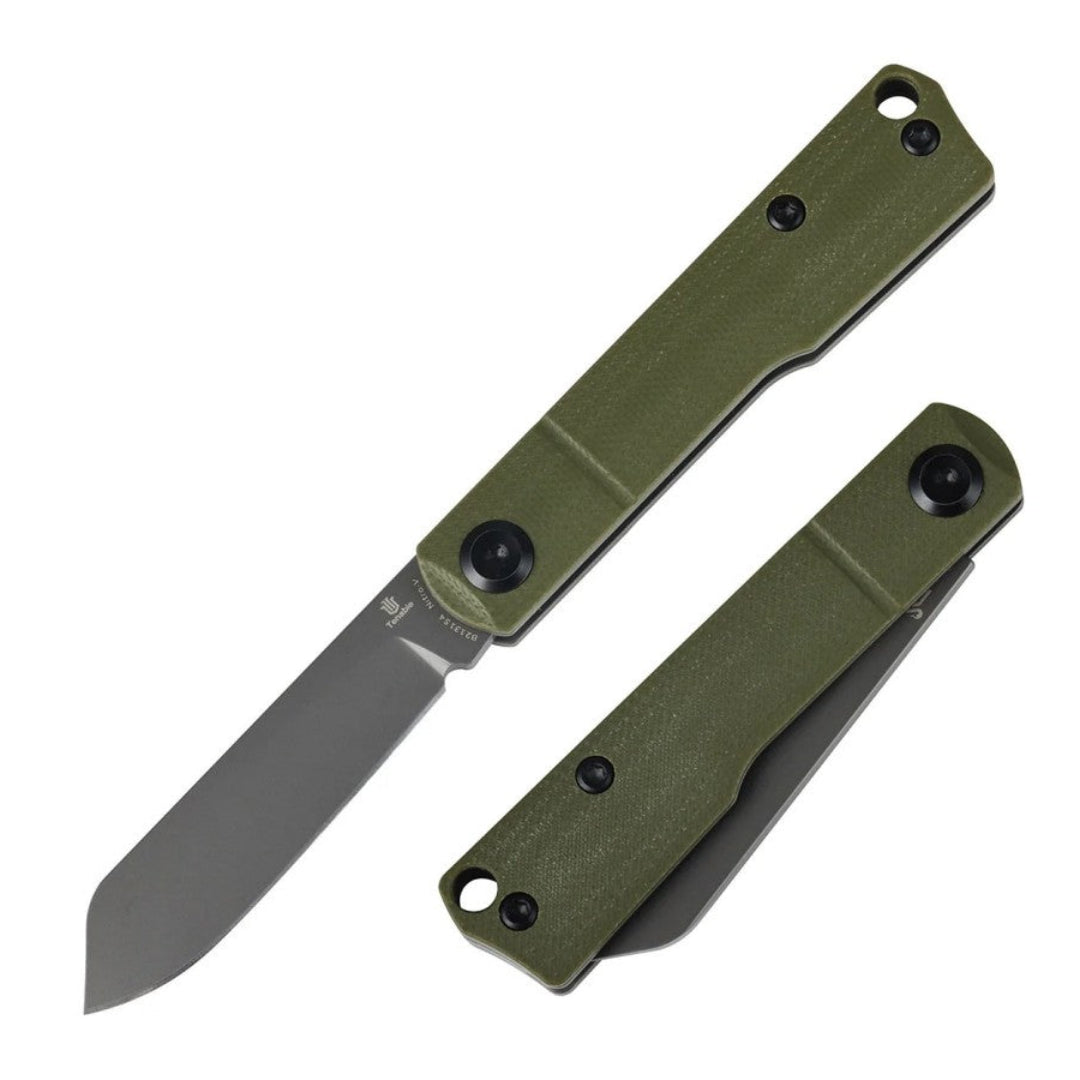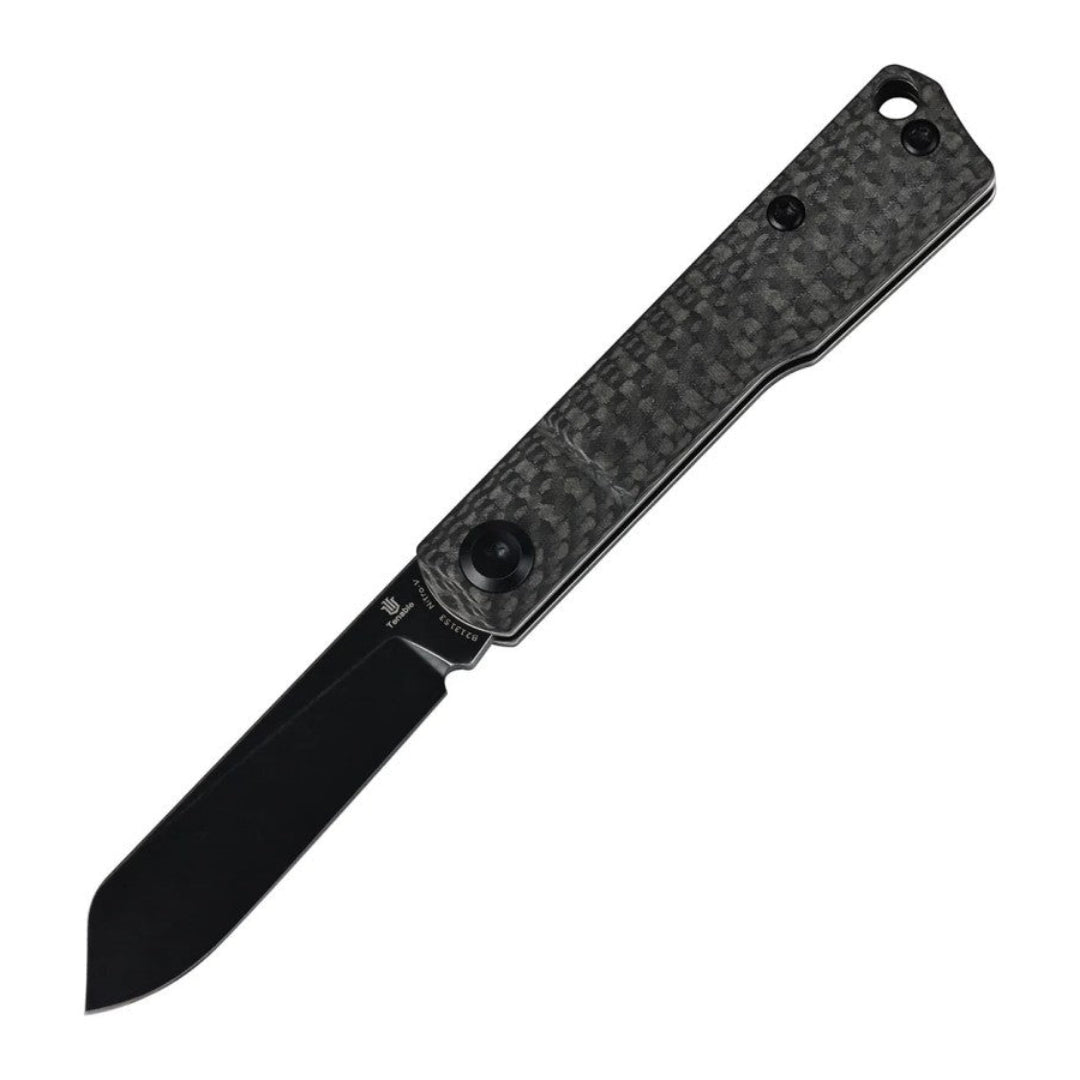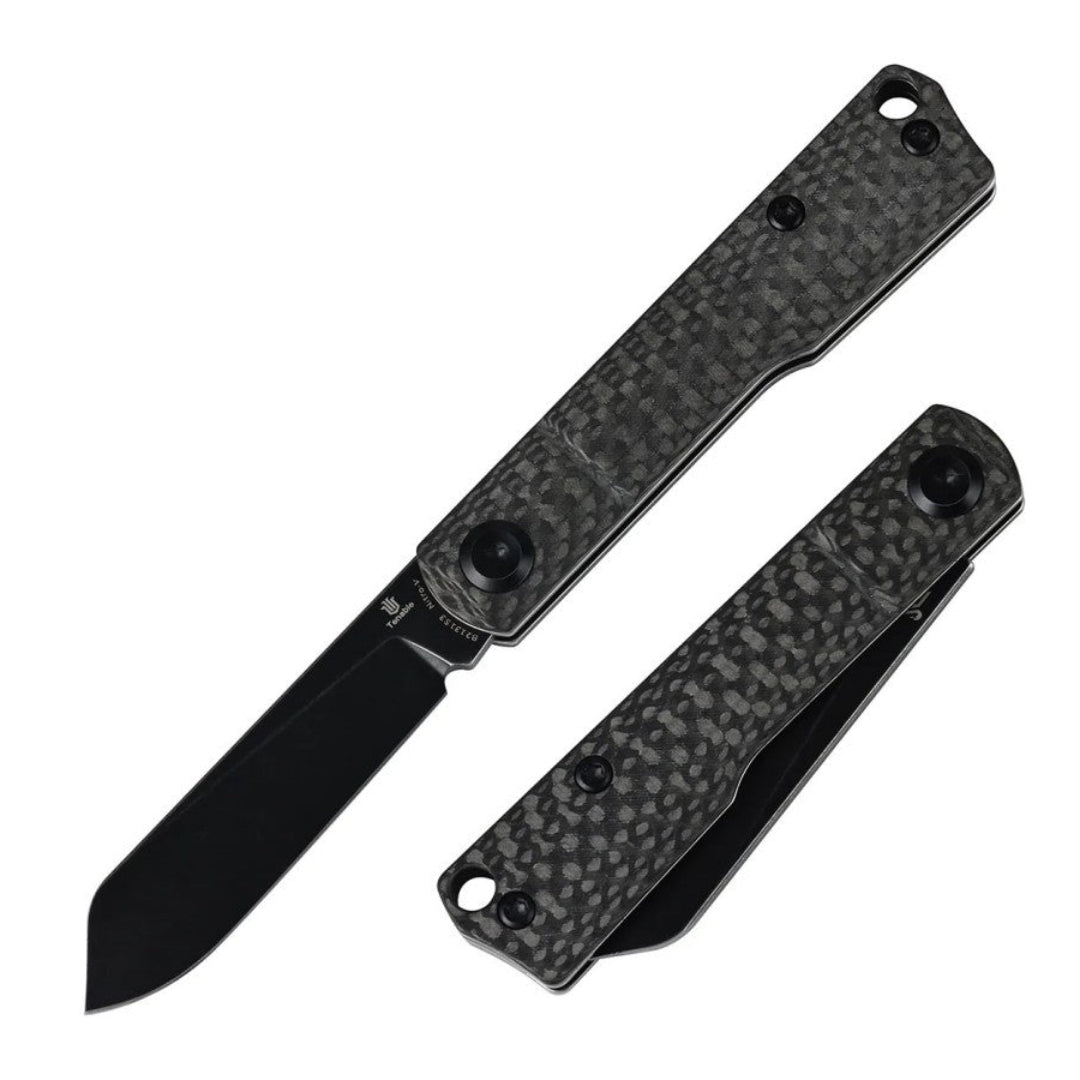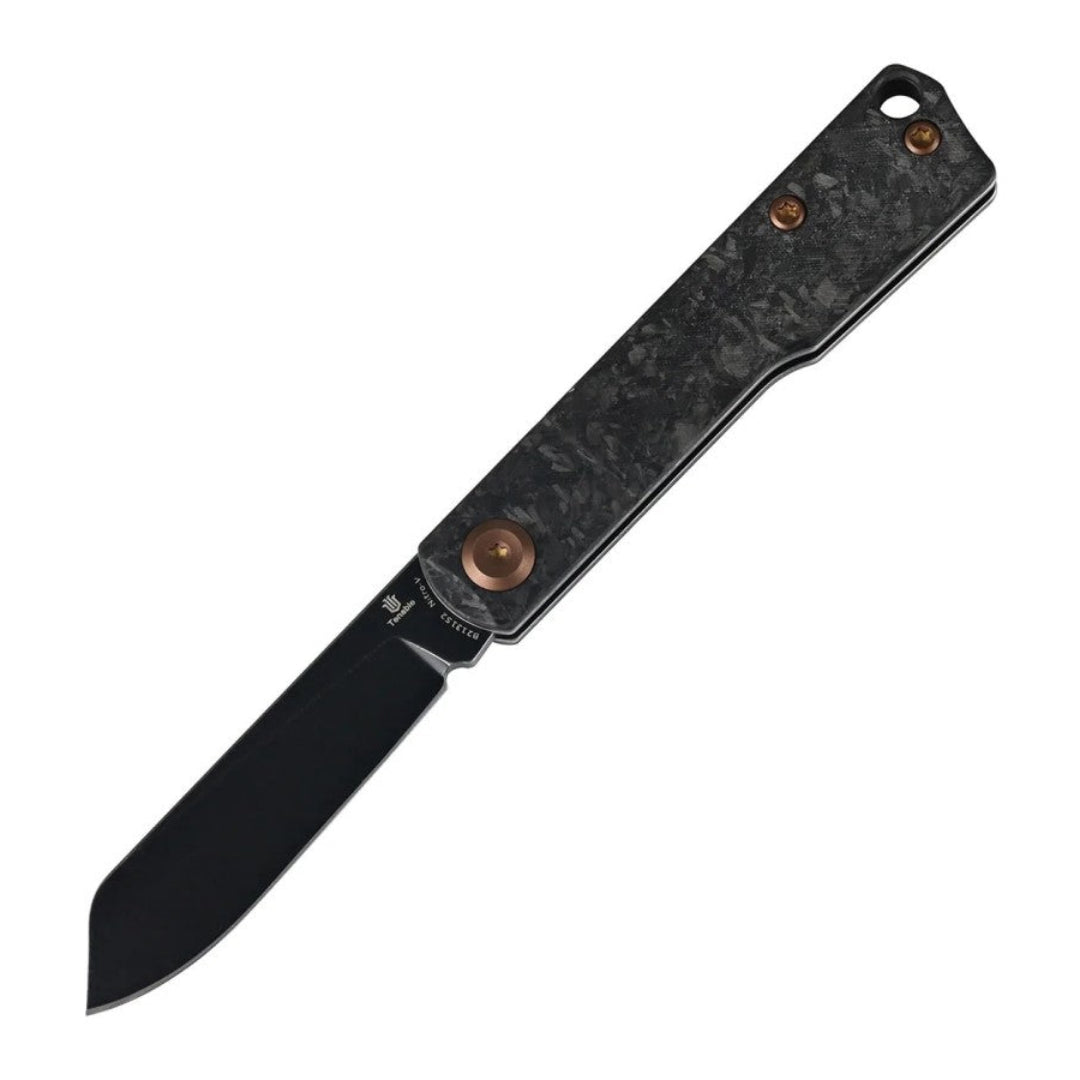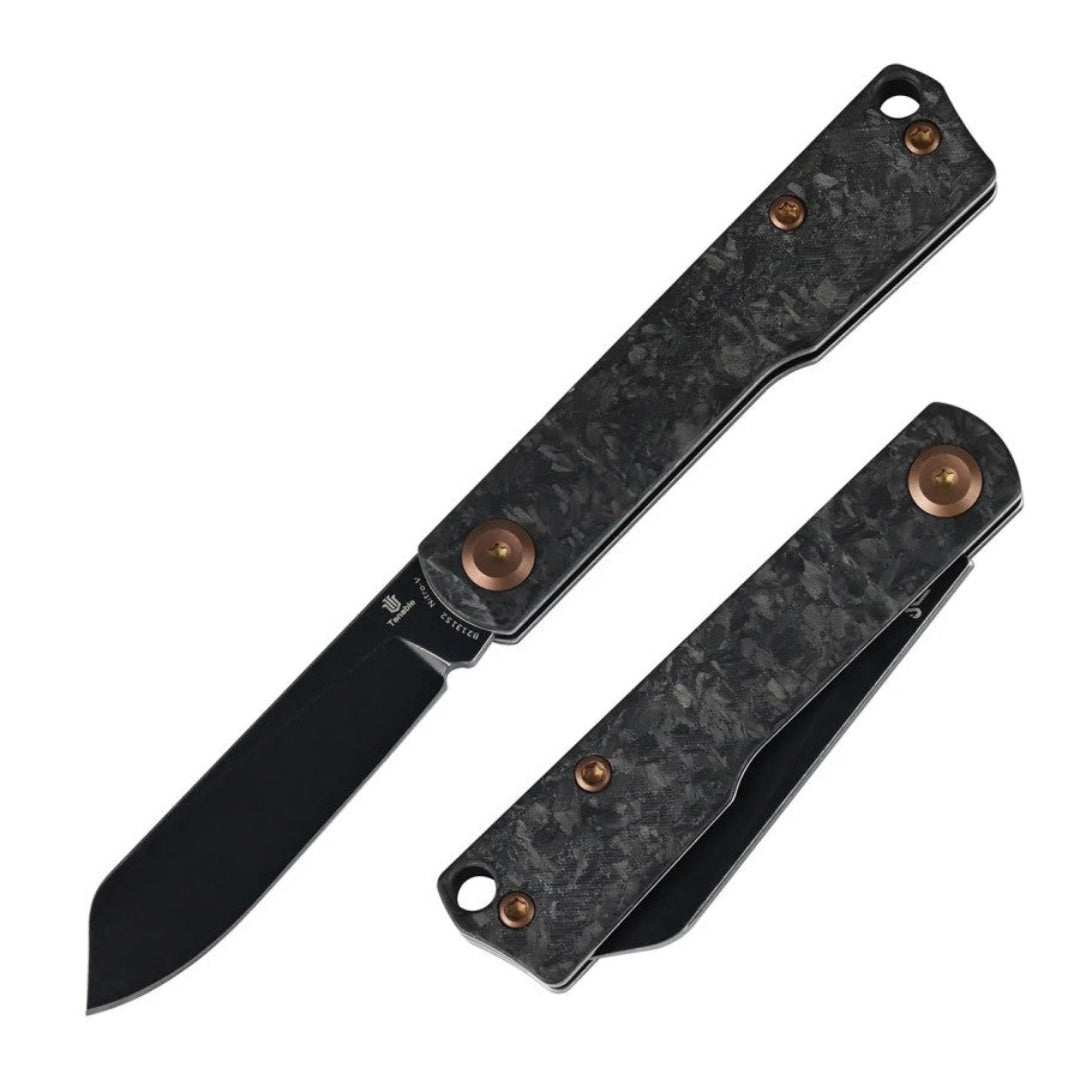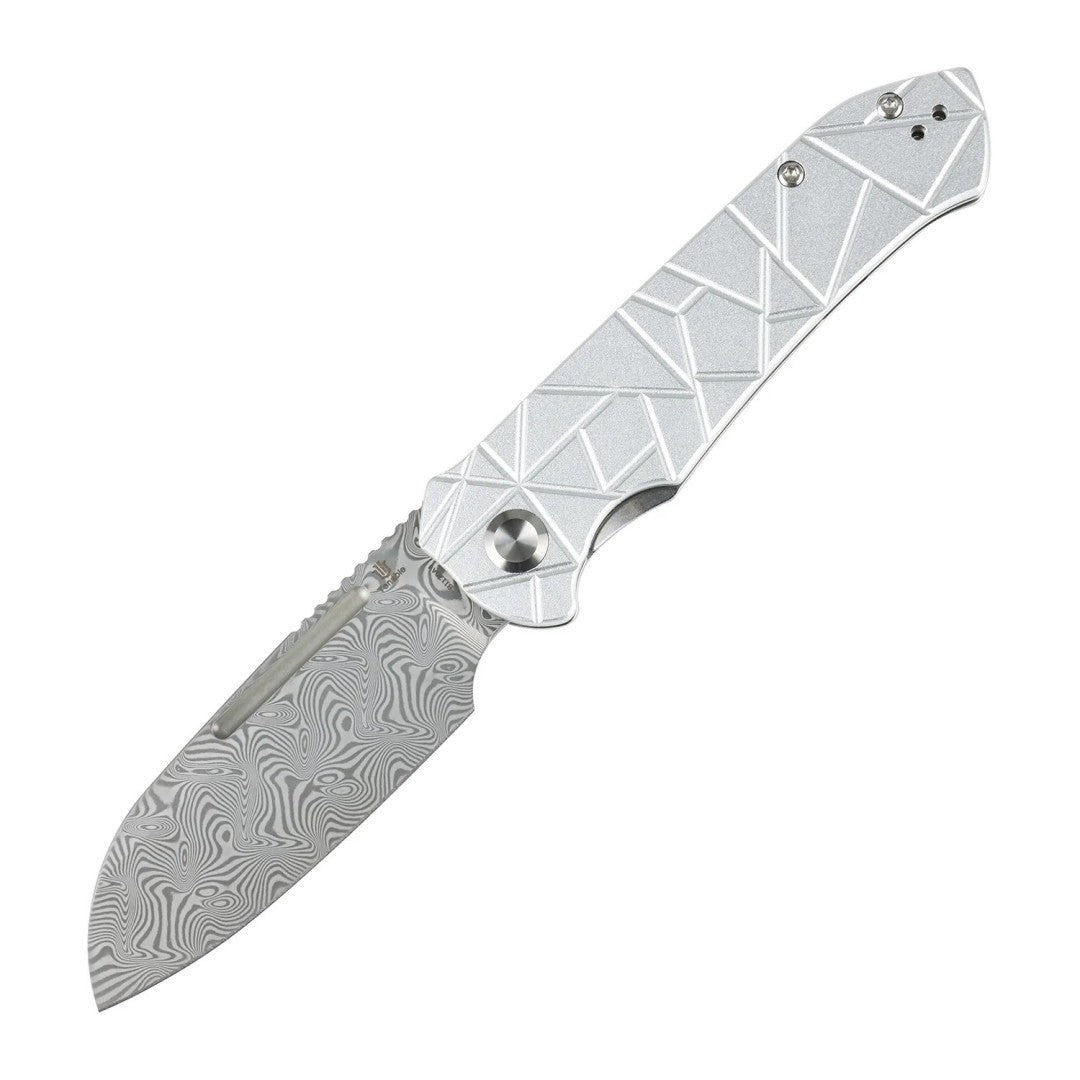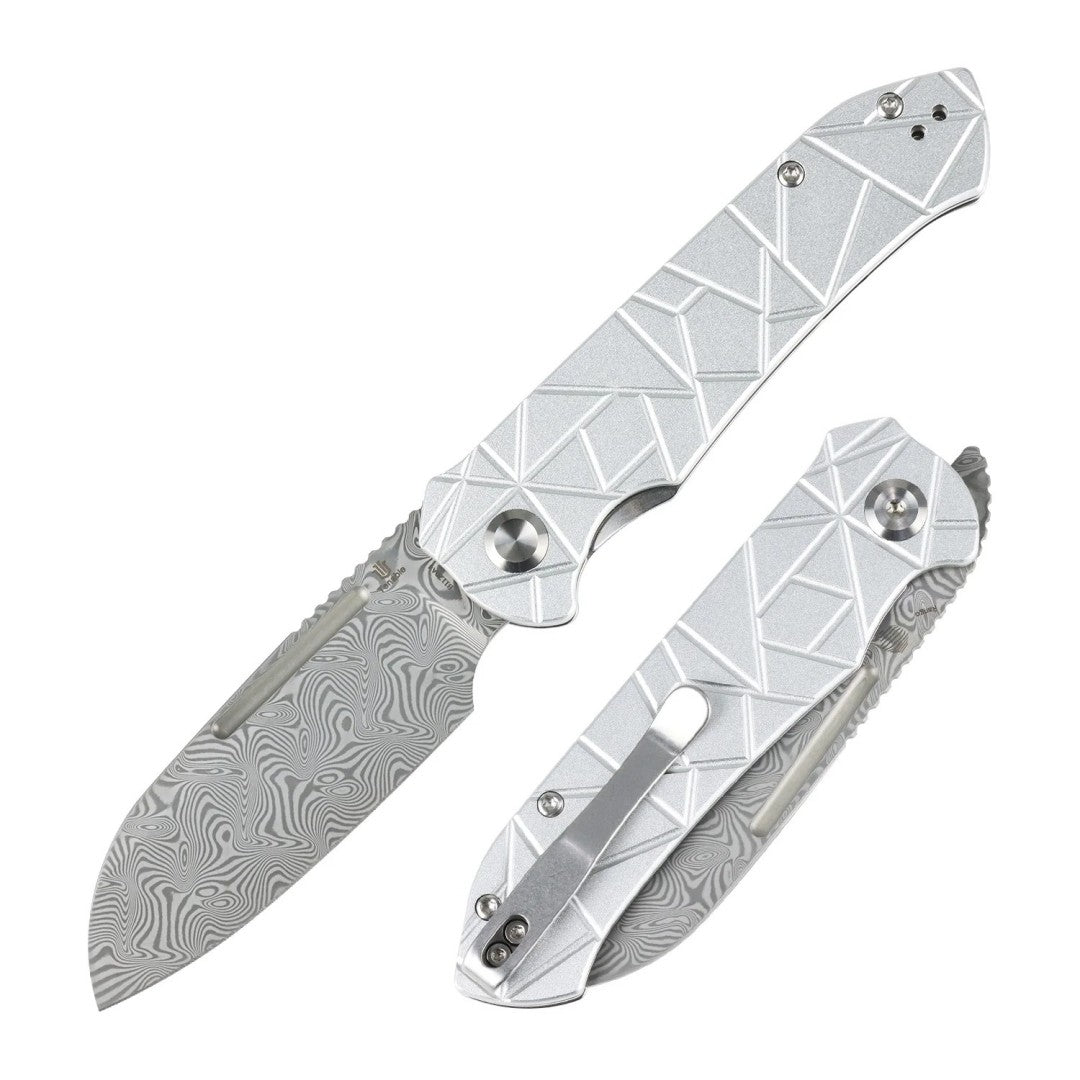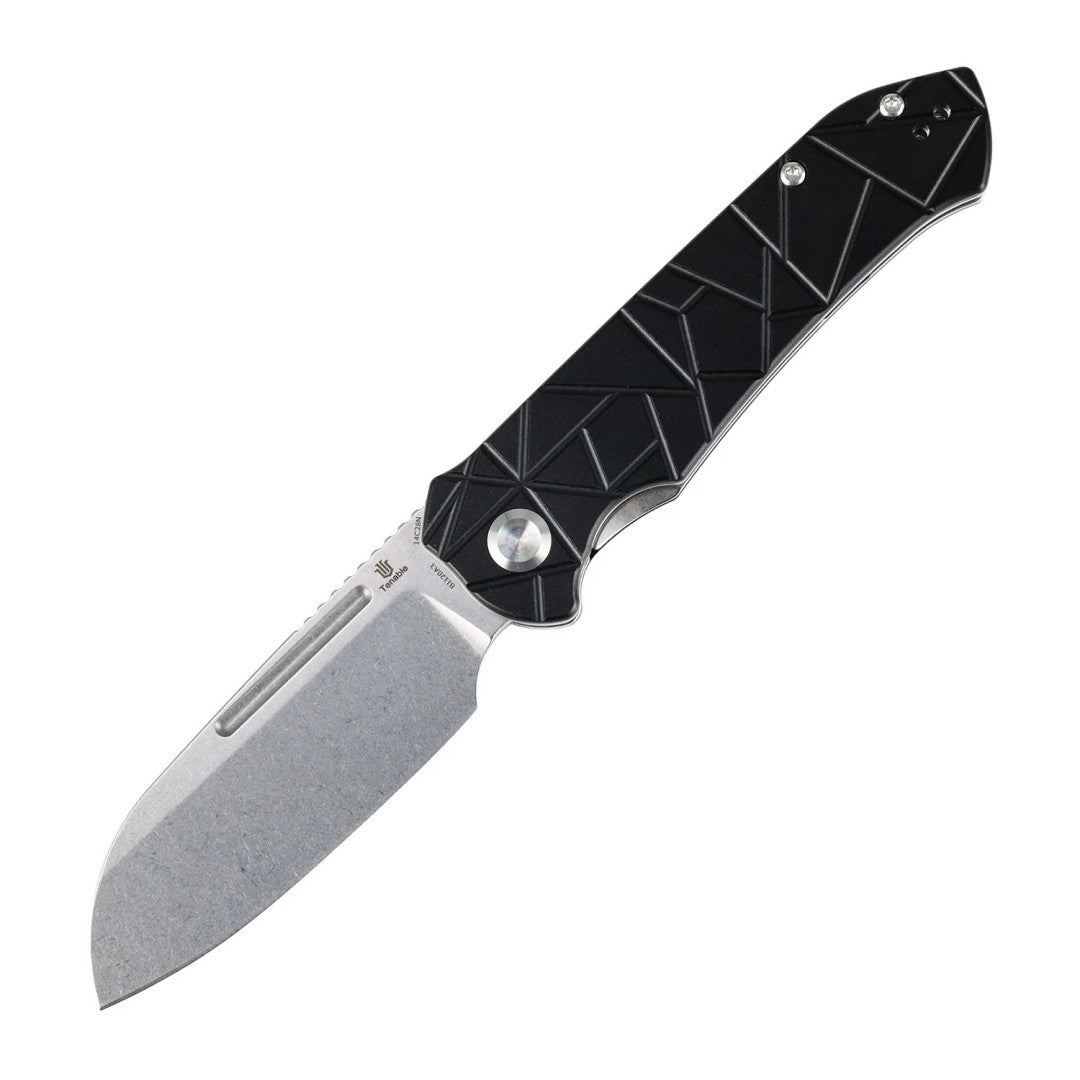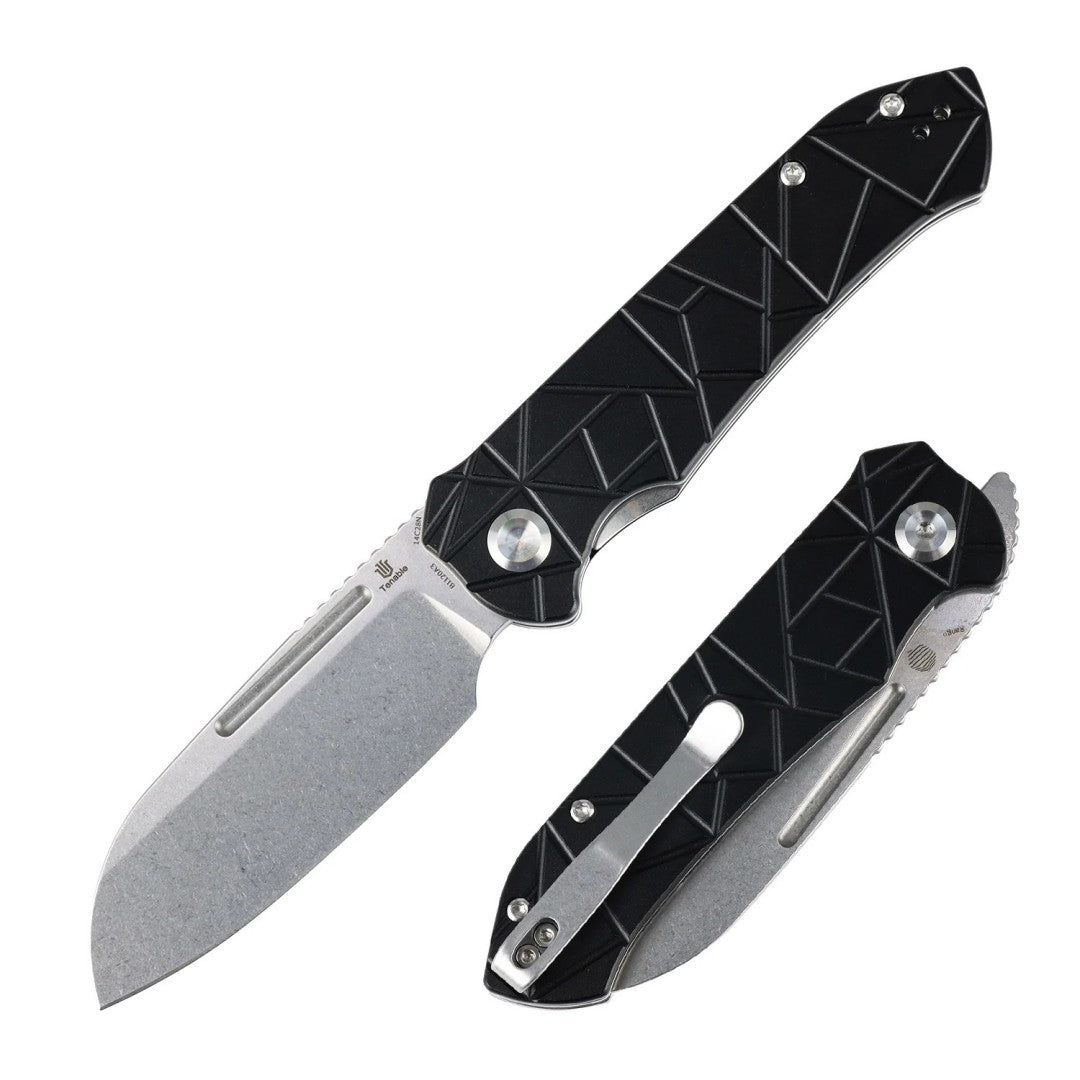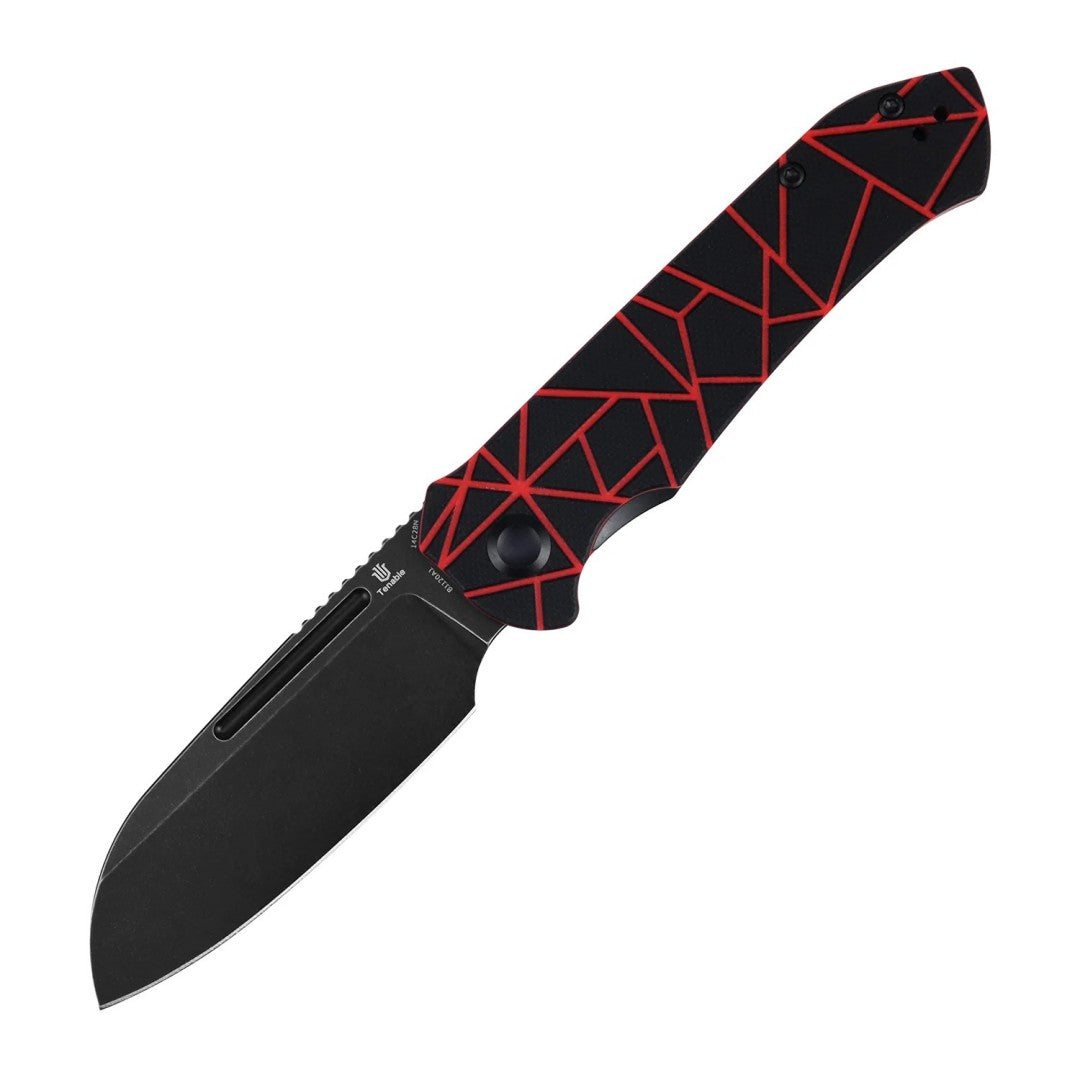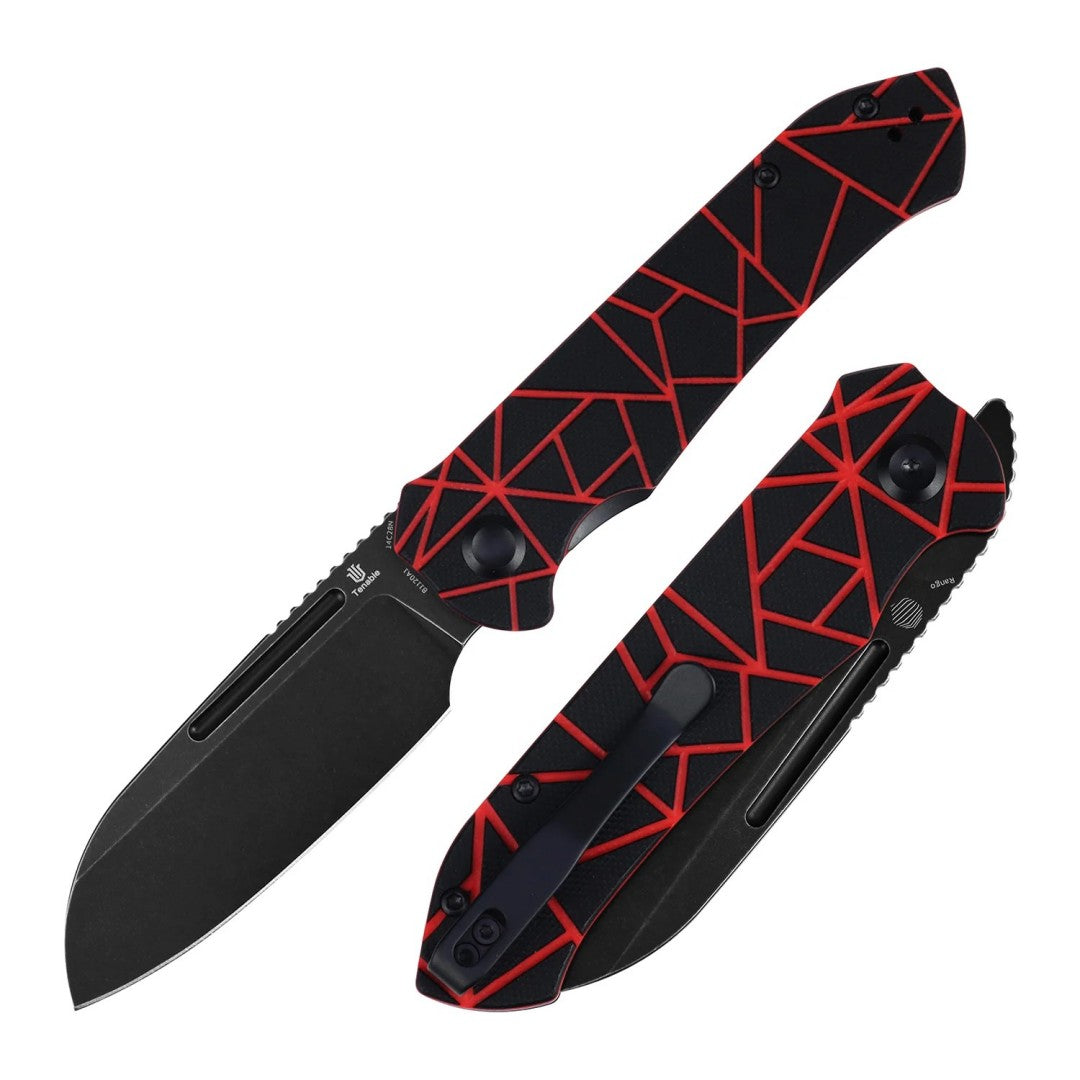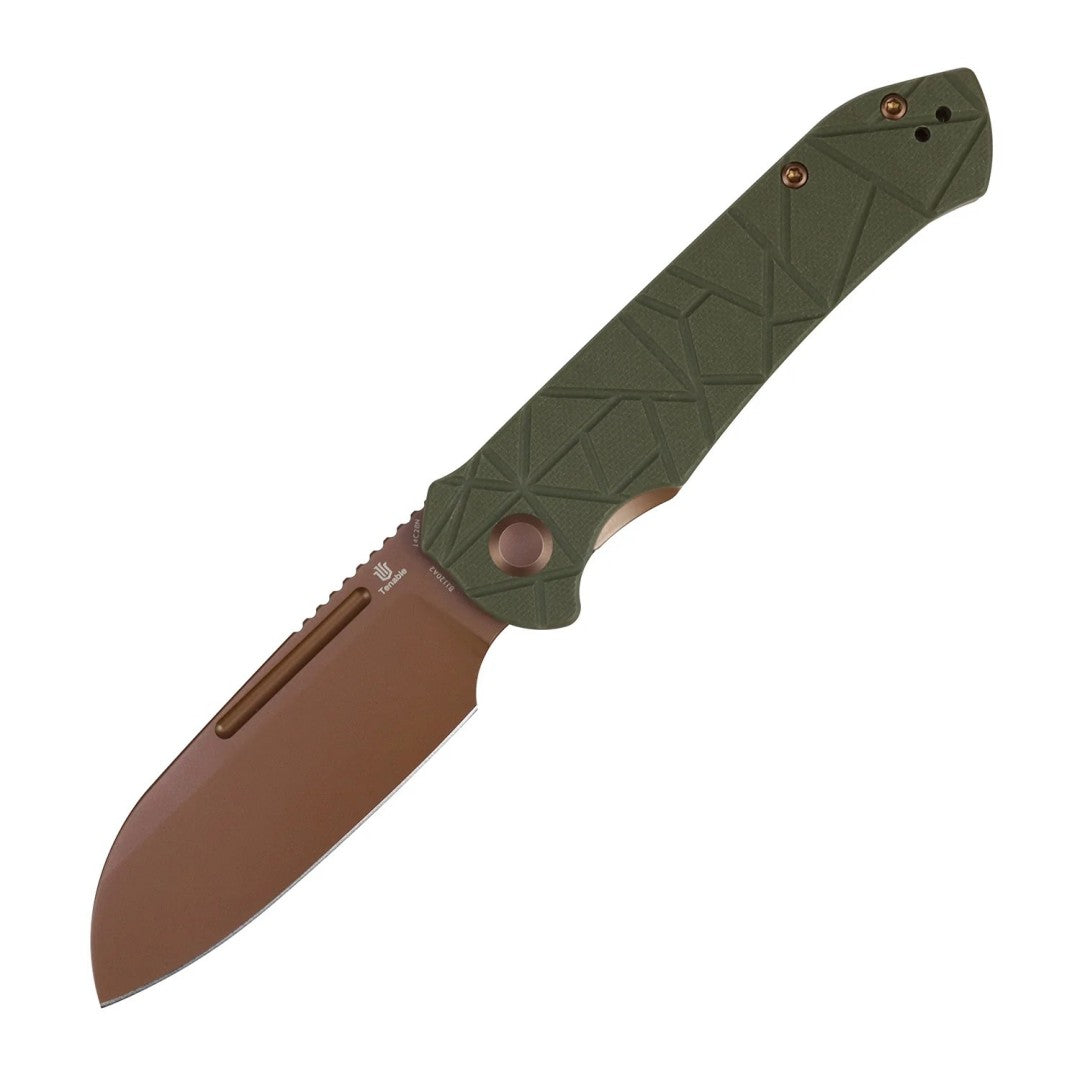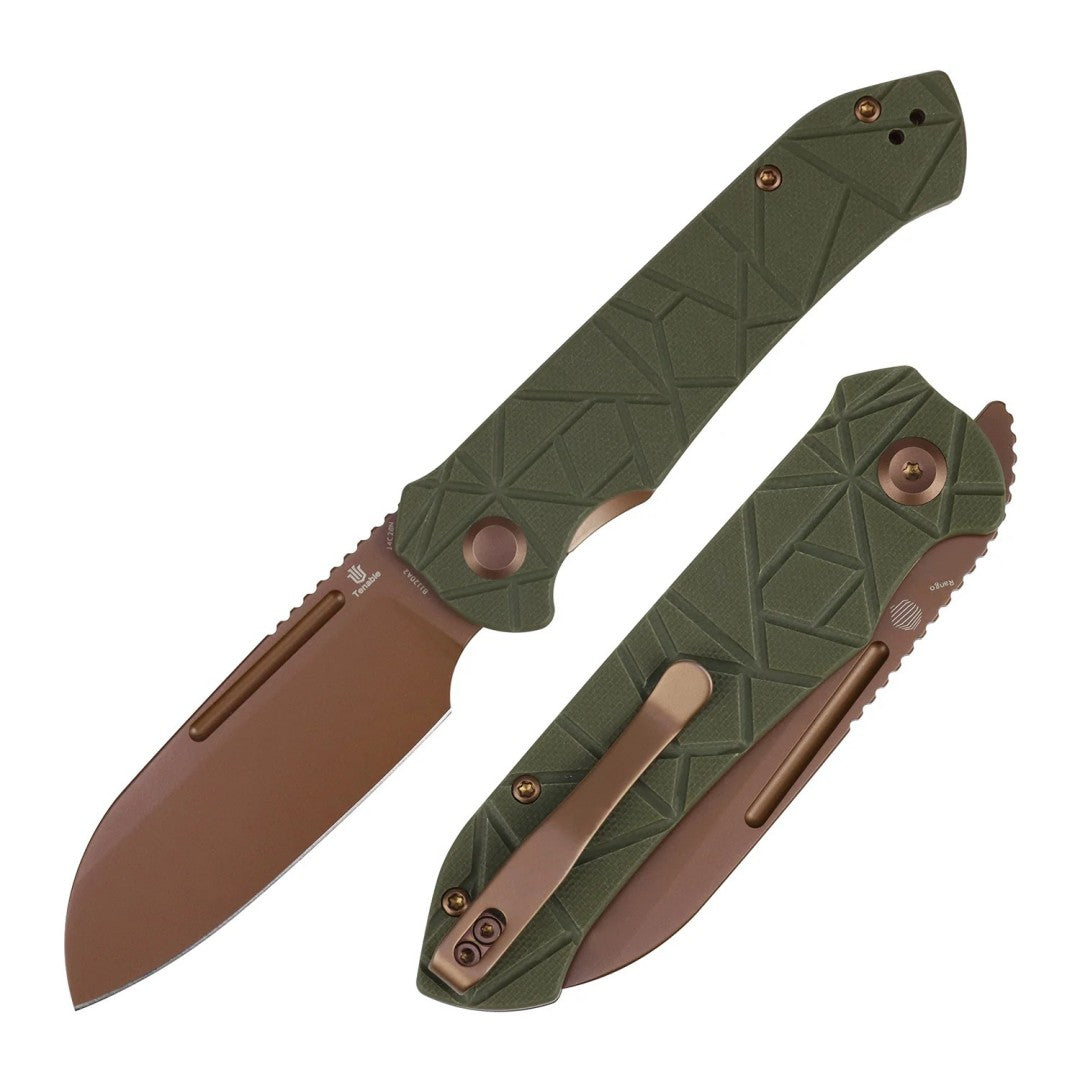
When building a high-performance daily setup, selecting the ideal pocket knife requires evaluating more than just handle ergonomics and locking mechanisms. For gear enthusiasts assembling an ultimate EDC rotation, the choice of blade steel dictates cutting longevity, corrosion resistance, and maintenance frequency. When renowned designer Dirk Pinkerton collaborated with Kansept to create the popular Kansept Main Street platform, it quickly became a favorite.
Because this versatile utility folder is offered in several distinct alloy variations—including the flagship Kansept Main Street M390 edition—buyers often wonder which steel truly reigns supreme. In this comprehensive comparison, we examine how Austrian powder metallurgy, standard working steels, and aesthetic options stack up against one another.

The Contenders: Understanding the Alloy Options
To determine which steel fits your specific daily routine, let's break down how each material performs under real-world utility conditions:

1. Bohler M390: The Flagship Super Steel
Sitting at the top tier of modern powder metallurgy, Austrian Bohler M390 packs a dense matrix of vanadium and chromium carbides. This composition provides unmatched abrasive wear resistance, allowing the blade to maintain a razor-sharp apex through weeks of heavy cardboard and strap cutting.

2. CPM-20CV: The American Equivalent
Chemically near-identical to M390, American-made CPM-20CV delivers the exact same elite-level cutting performance and rust immunity. Choosing between M390 and 20CV usually comes down to availability rather than performance variance.
 3. CPM-S35VN: The Toughness Champion
If your cutting tasks involve heavy twisting or minor lateral stress, CPM-S35VN offers a fantastic alternative. By incorporating niobium carbides into the formula, S35VN resists micro-chipping significantly better than extreme wear-resistant super steels while retaining great edge longevity.

4. 154CM: The Reliable Workhorse
Standard production models frequently feature 154CM stainless steel. While it does not hold an edge as long as modern powder metallurgy options, it is exceptionally easy to touch up on basic field hones, making it a favorite for budget-conscious utility users.

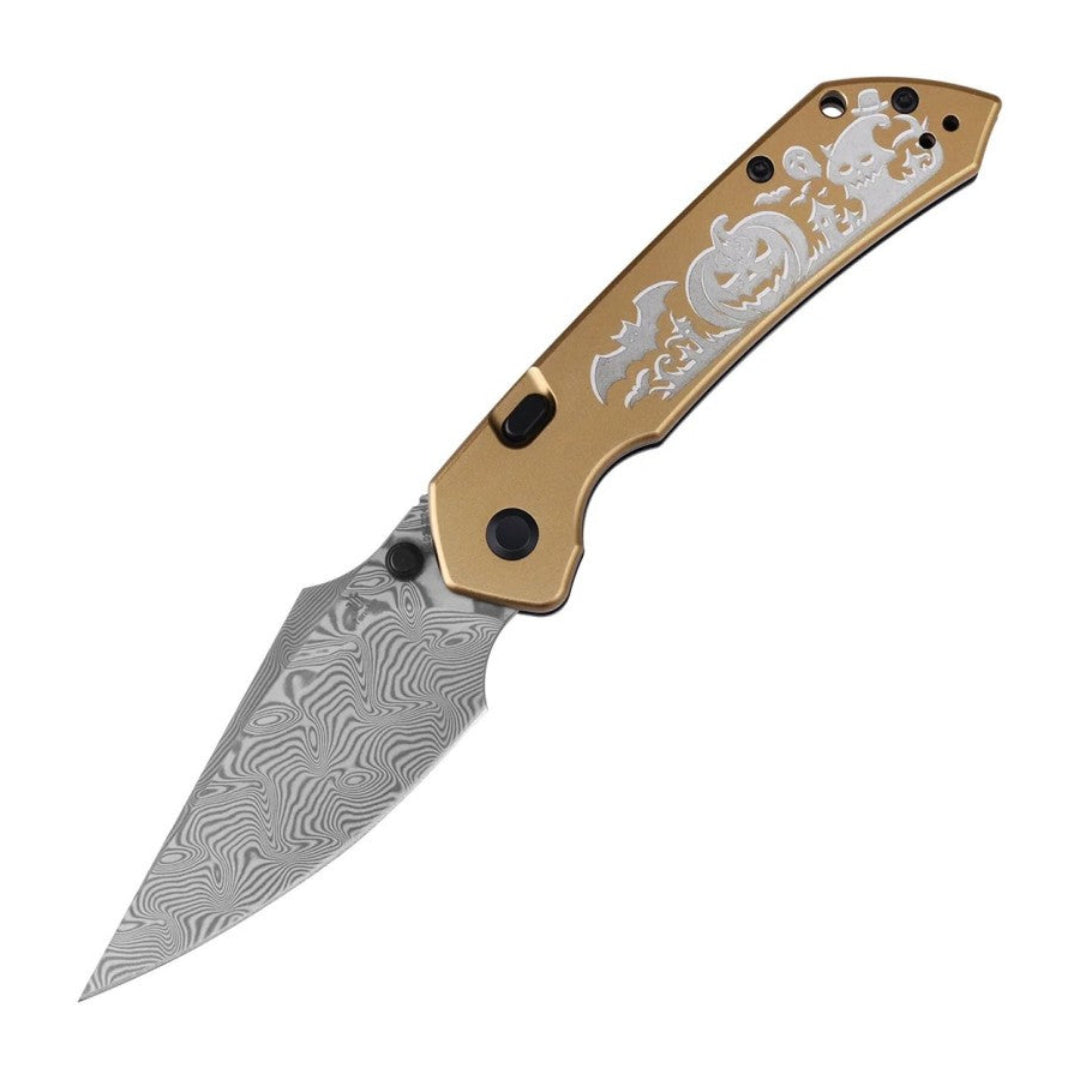
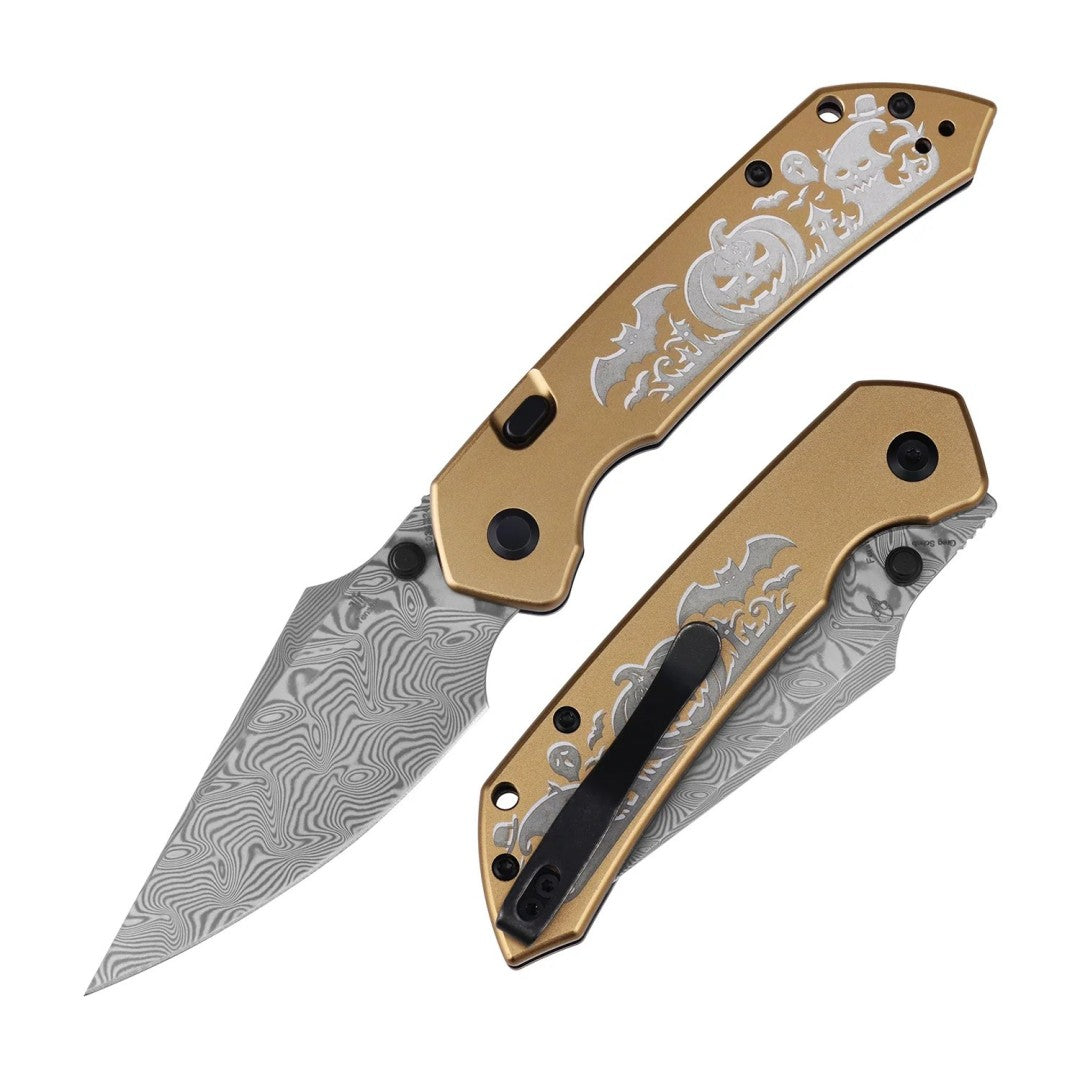
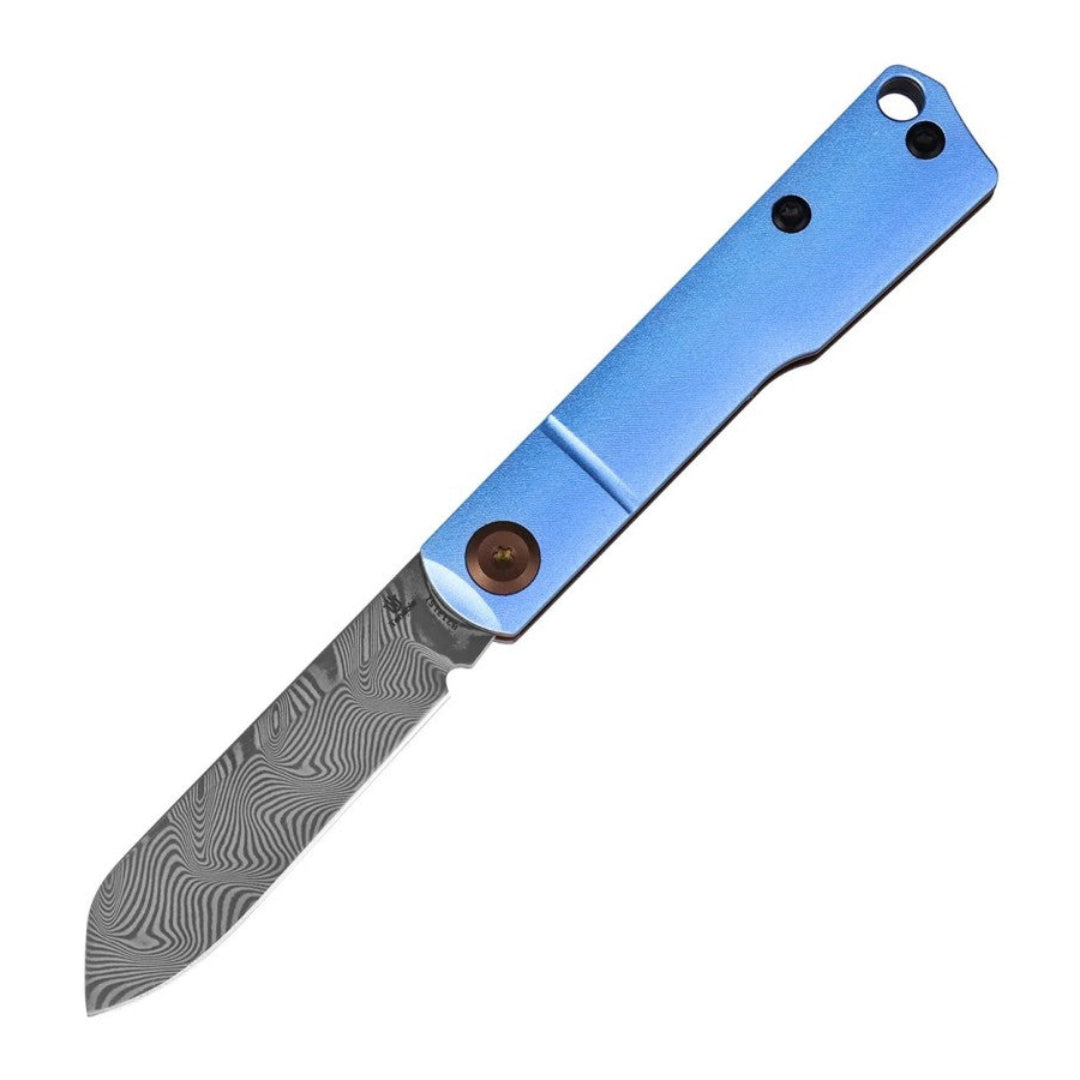
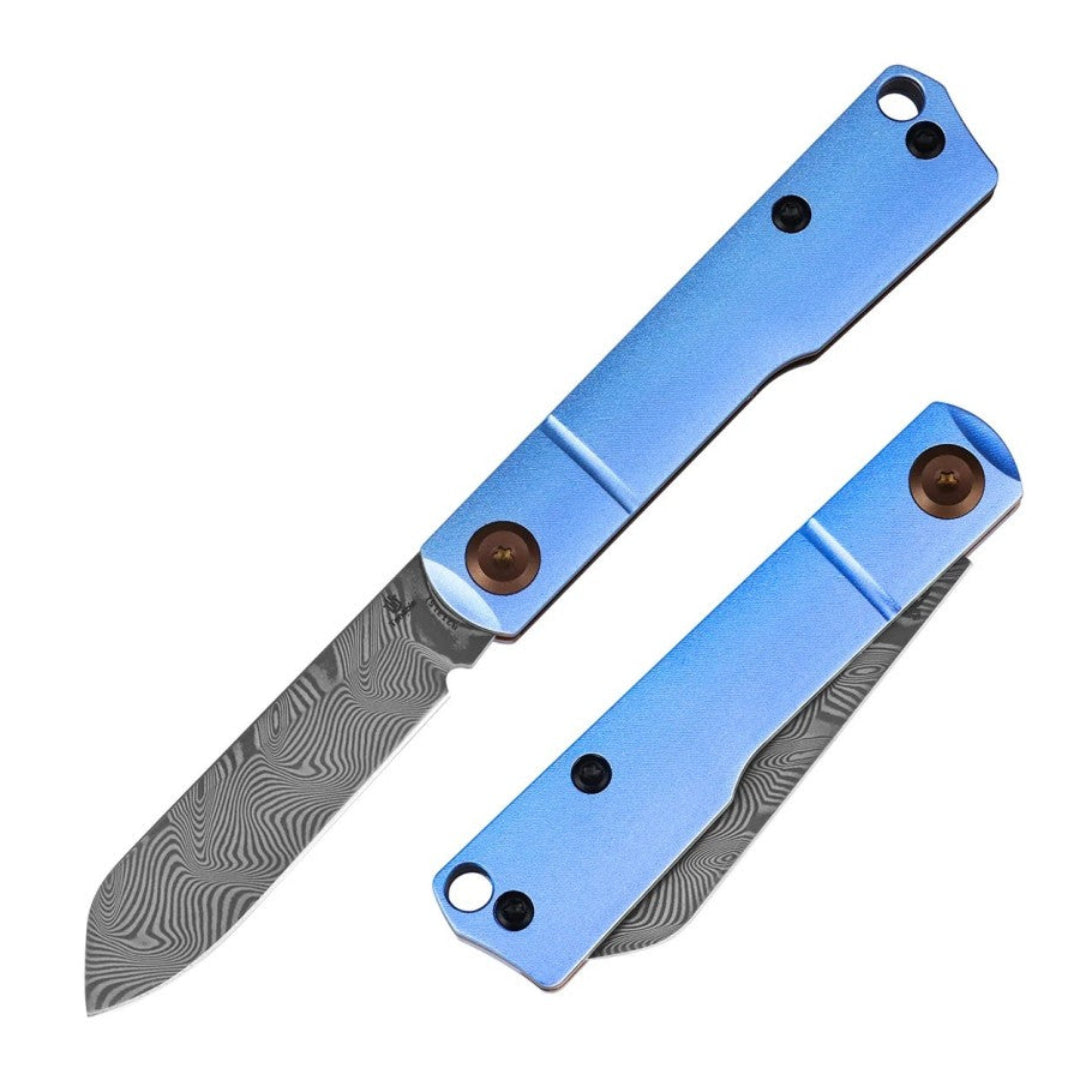
5. Damascus: The Collector's Choice
For those seeking visual flair, custom variants feature pattern-welded Damascus steel. While the etched wave patterns turn heads for gentleman's carry, it prioritizes aesthetic presentation over industrial cutting performance.
Technical Specifications Overview
| Specification | Details |
| Overall Length | 7.92 inches / 201.27 mm |
| Blade Length | 3.36 inches / 85.25 mm |
| Blade Profile | Wharncliffe / Reverse Tanto |
| Handle Material | Titanium or G10 (Depending on Variant) |
| Lock Mechanism | Top Liner Lock |
| Pivot System | Ceramic Ball Bearings |
Which Steel Should You Choose?
-
Choose M390 or CPM-20CV if: You want maximum edge retention, hate sharpening your knife frequently, and need elite corrosion resistance in humid or wet environments.
-
Choose CPM-S35VN if: You want a balanced all-around performer that resists impact shock and handles outdoor utility tasks with ease.
-
Choose 154CM if: You prefer a straightforward, easy-to-sharpen working steel that handles everyday opening chores without breaking the bank.
-
Choose Damascus if: You view your folding knife as wearable art and want a stunning collector piece for special occasions.

Final Verdict
Ultimately, there is no single "best" steel for everyone—only the best steel for your specific lifestyle. If pure cutting endurance and high-end performance are your top priorities, upgrading to the flagship super steel version delivers unmatched value. Pair that with the ergonomic Wharncliffe blade shape and a secure top-locking mechanism, and you have a world-class tool ready for any task.