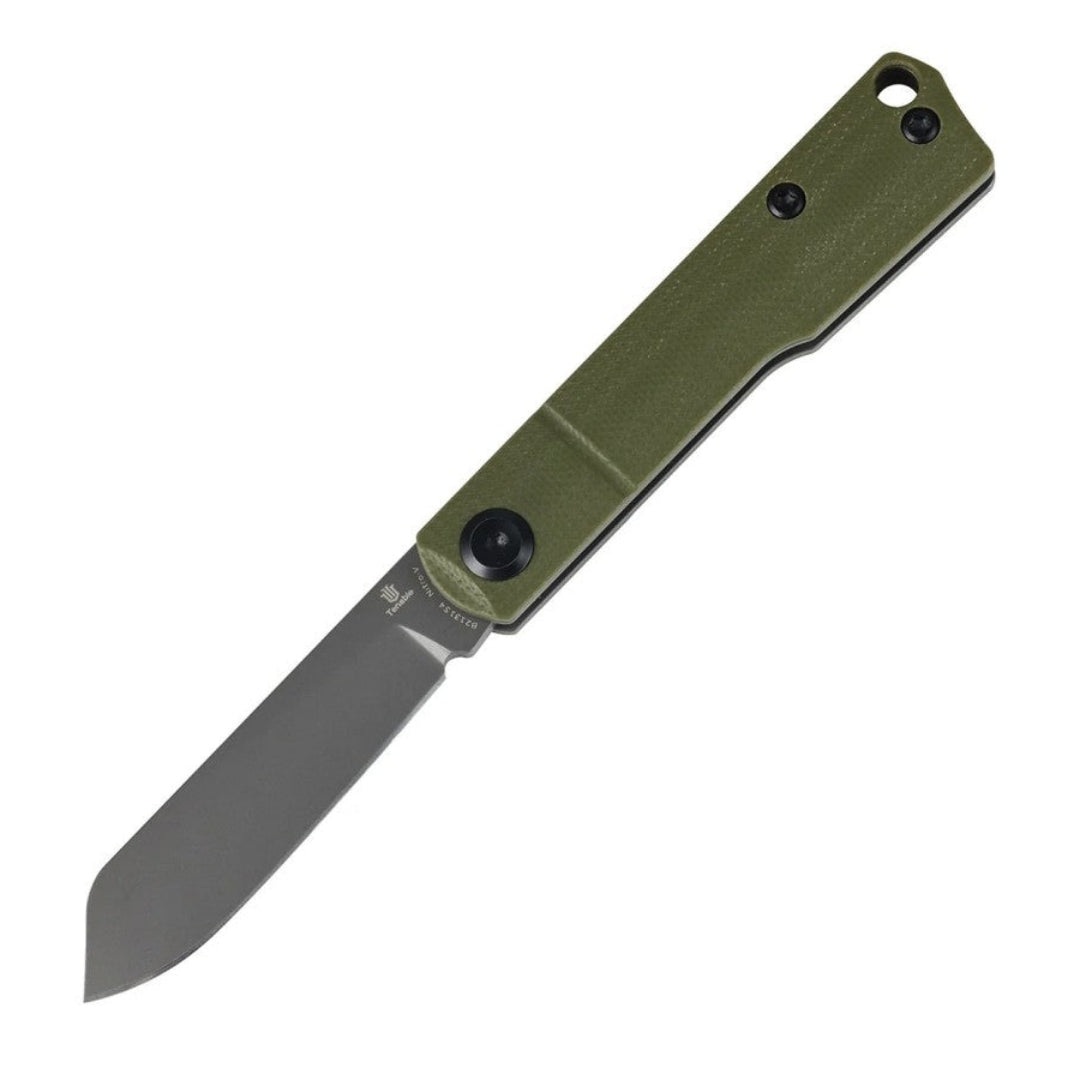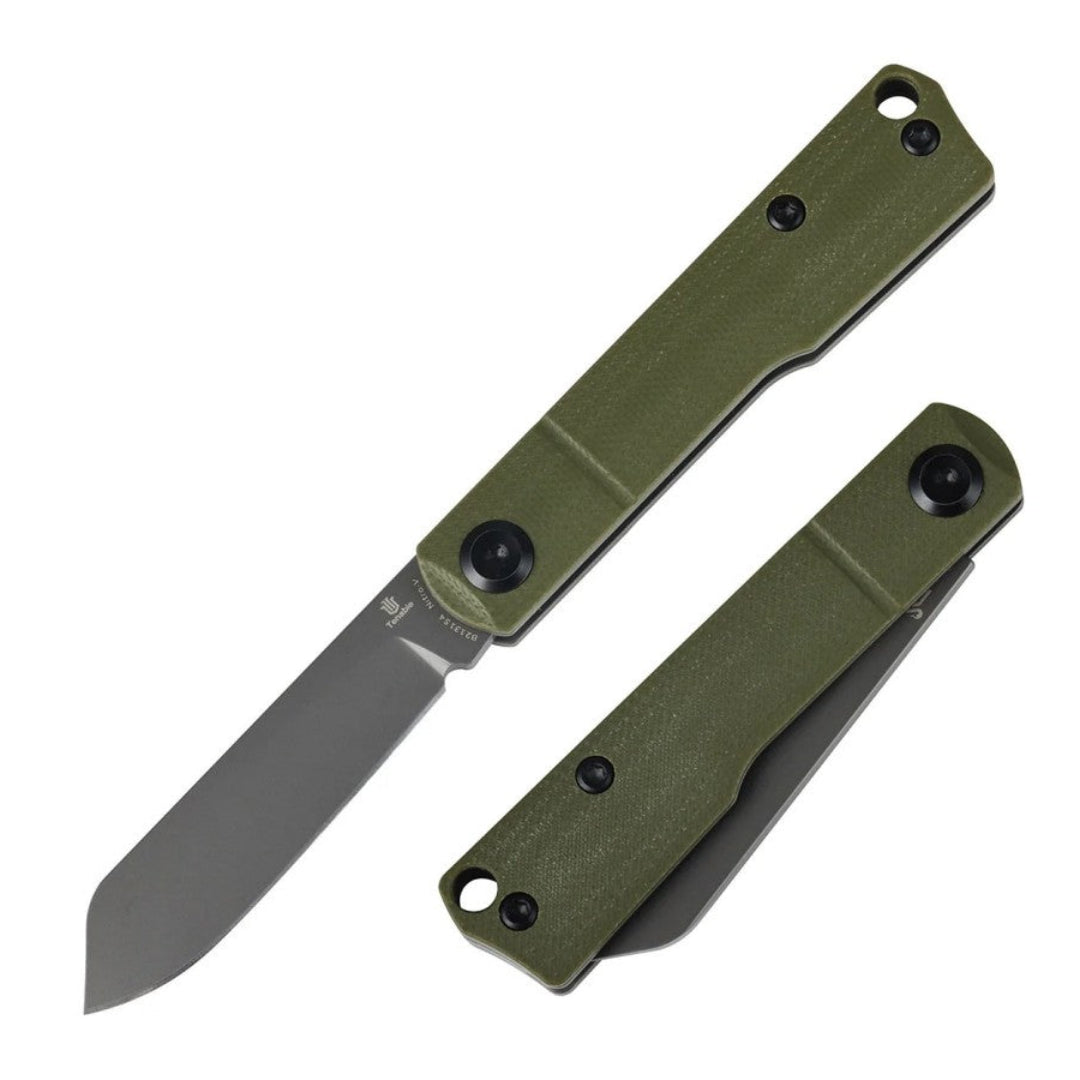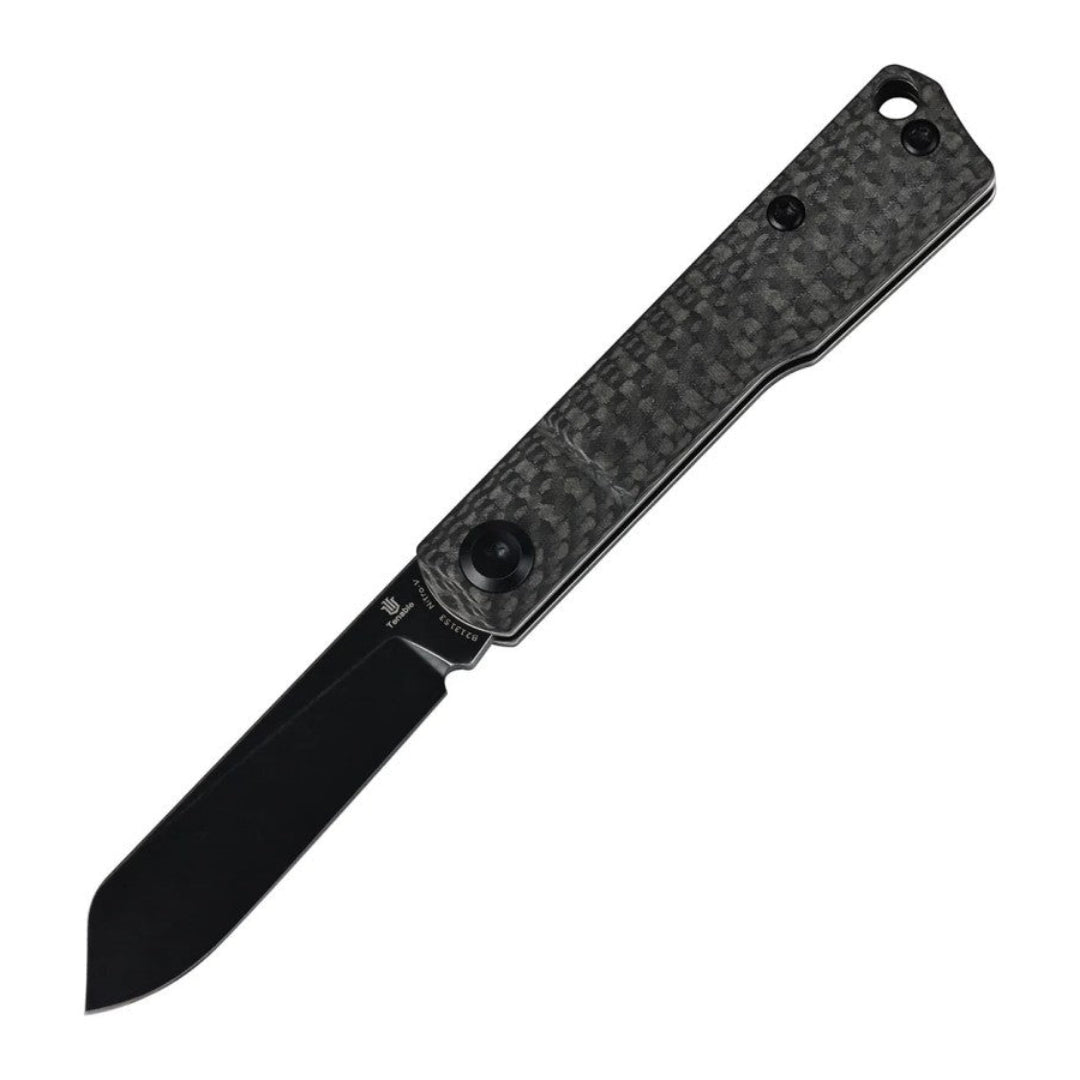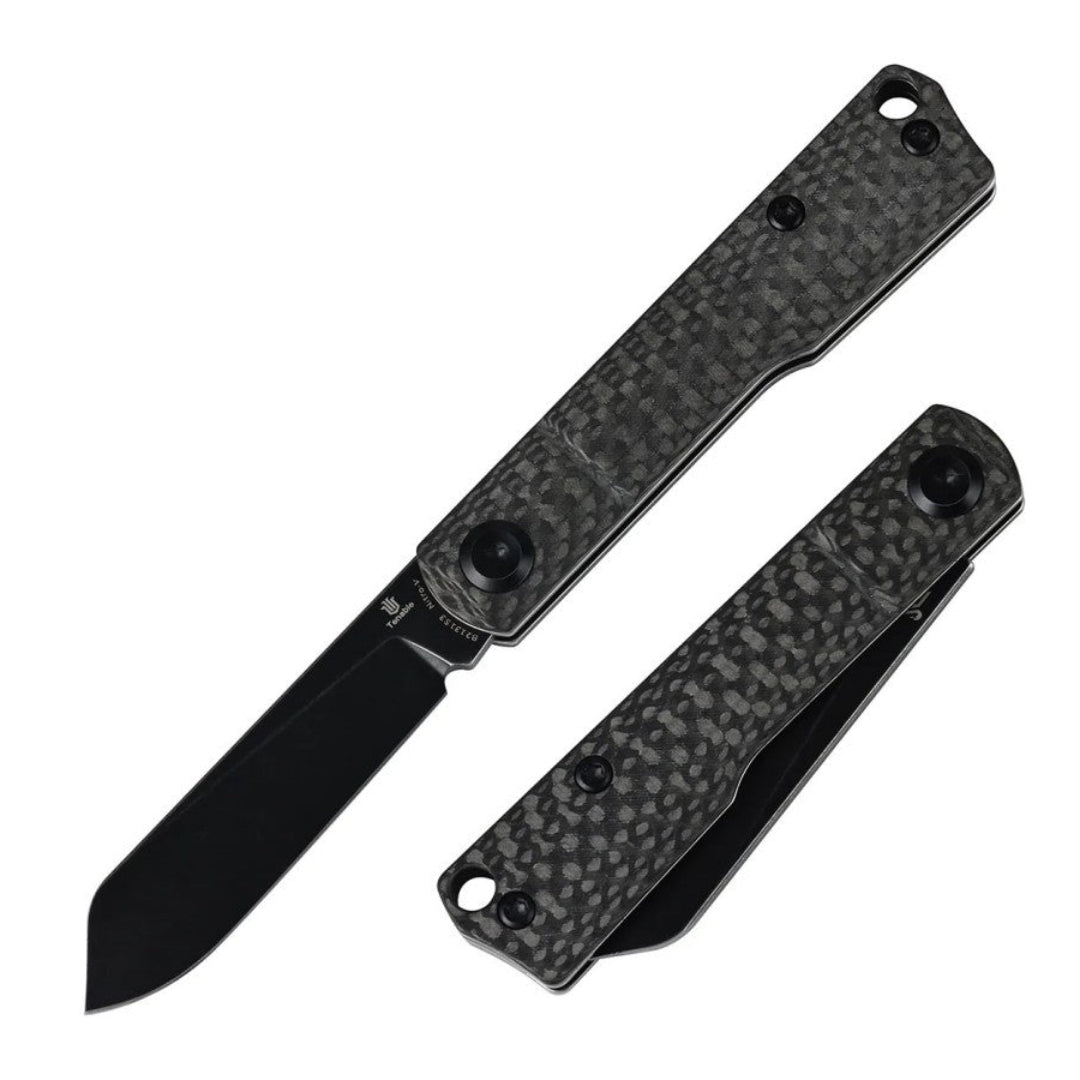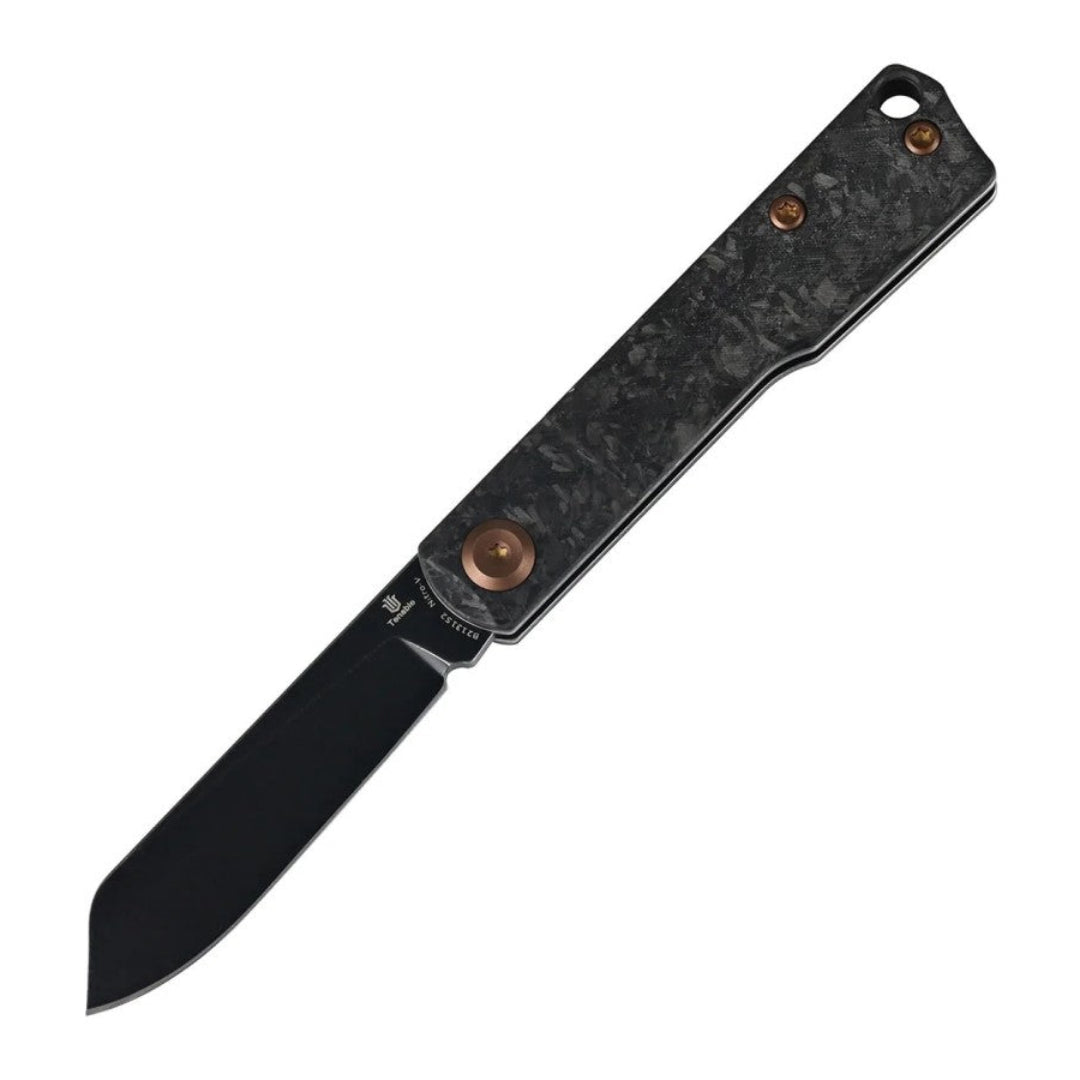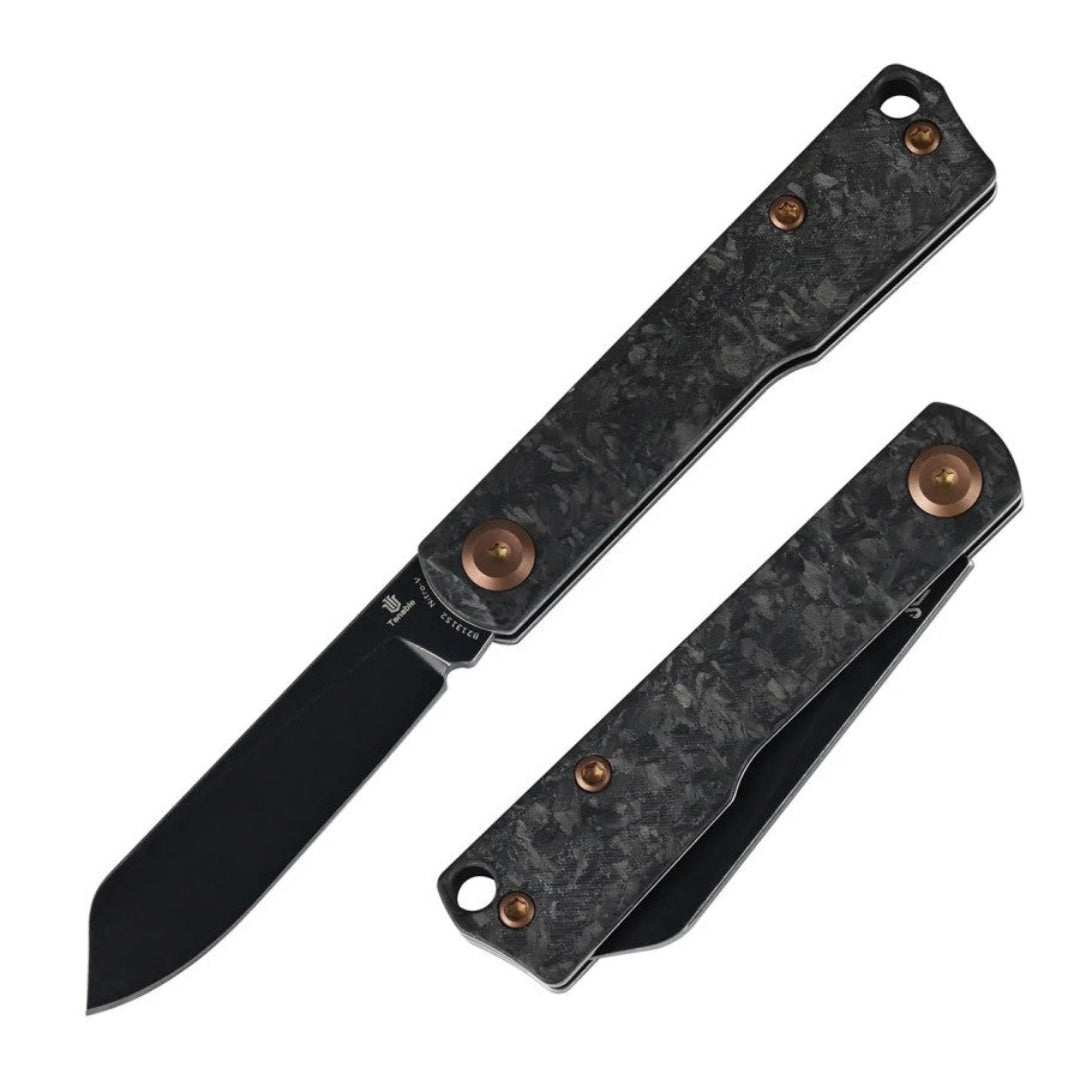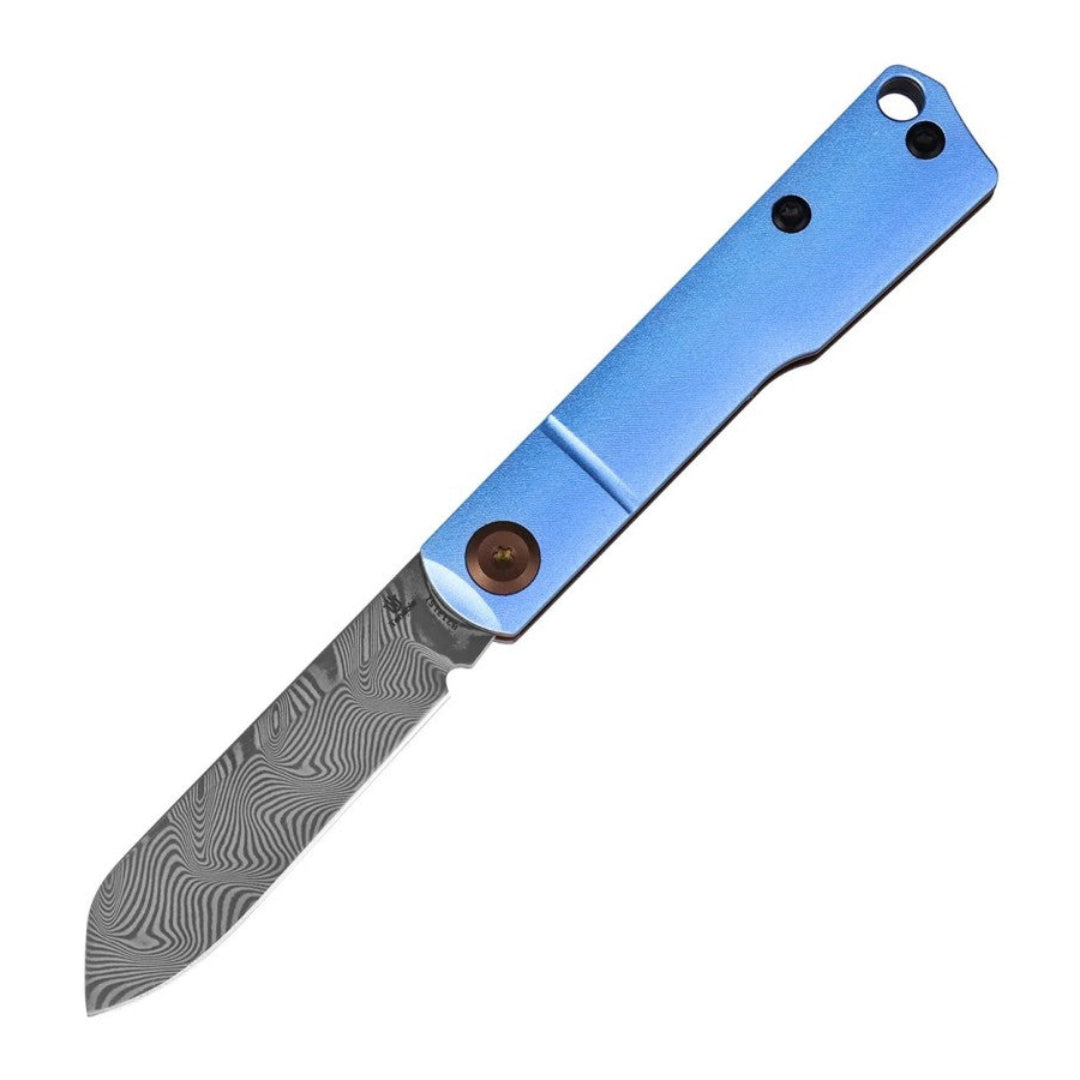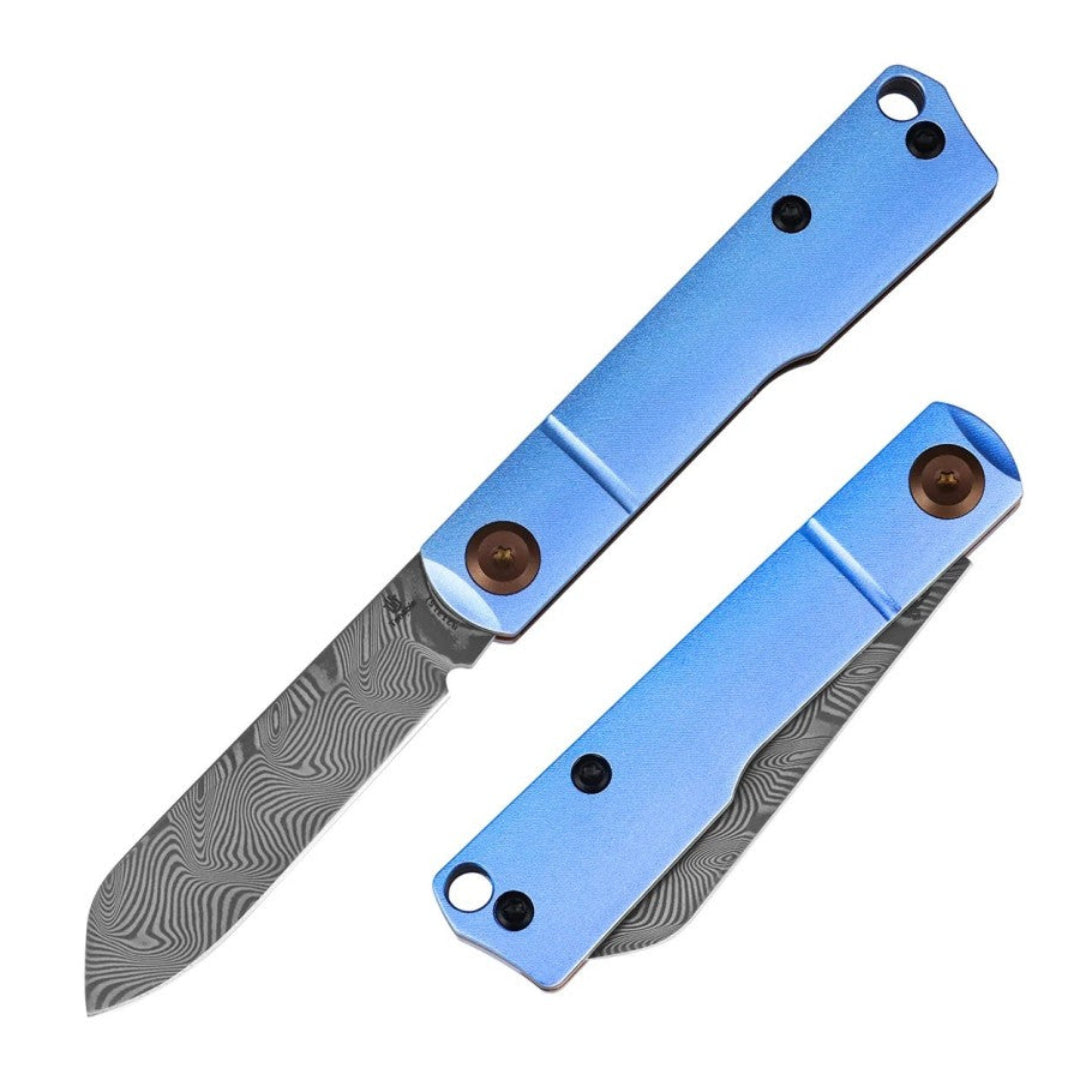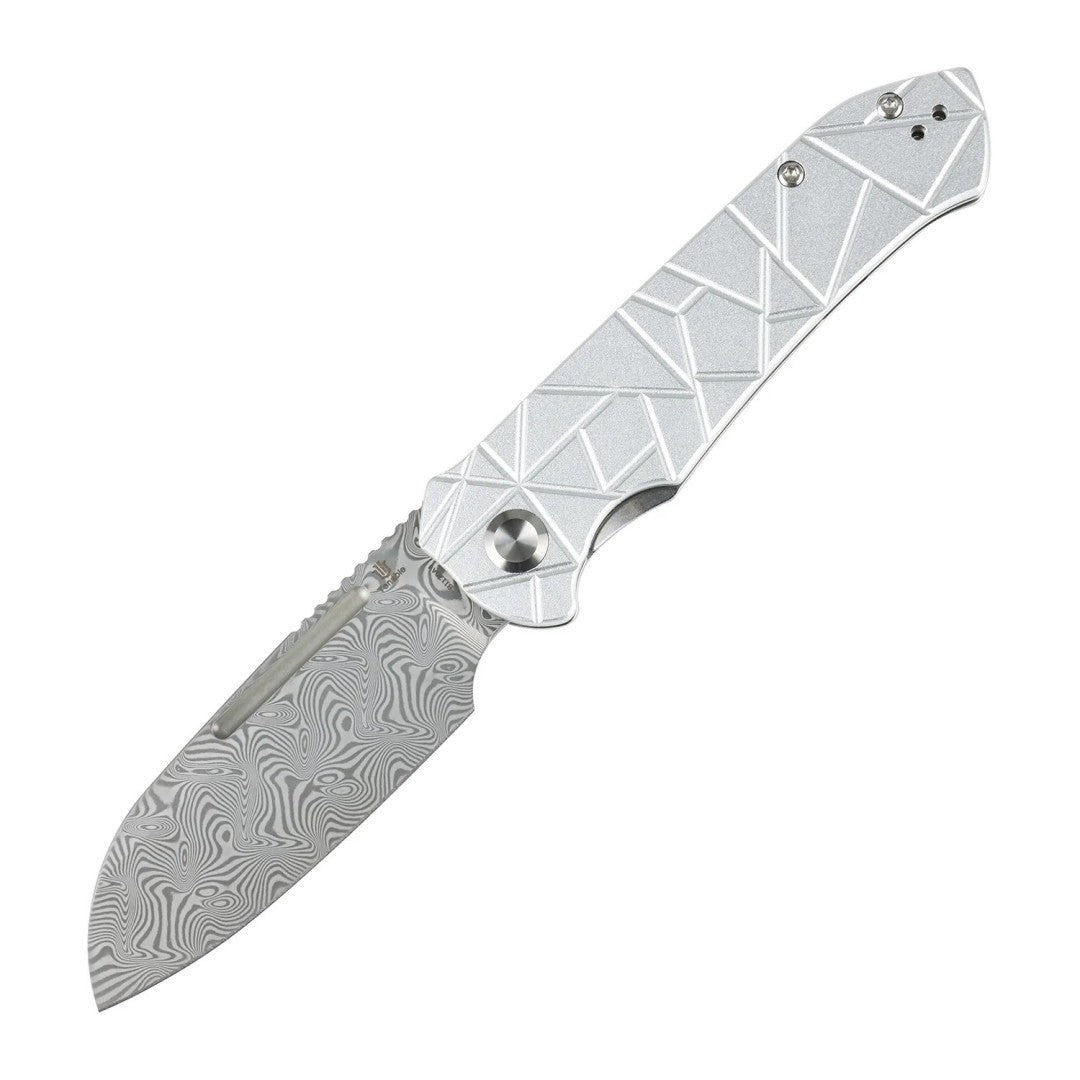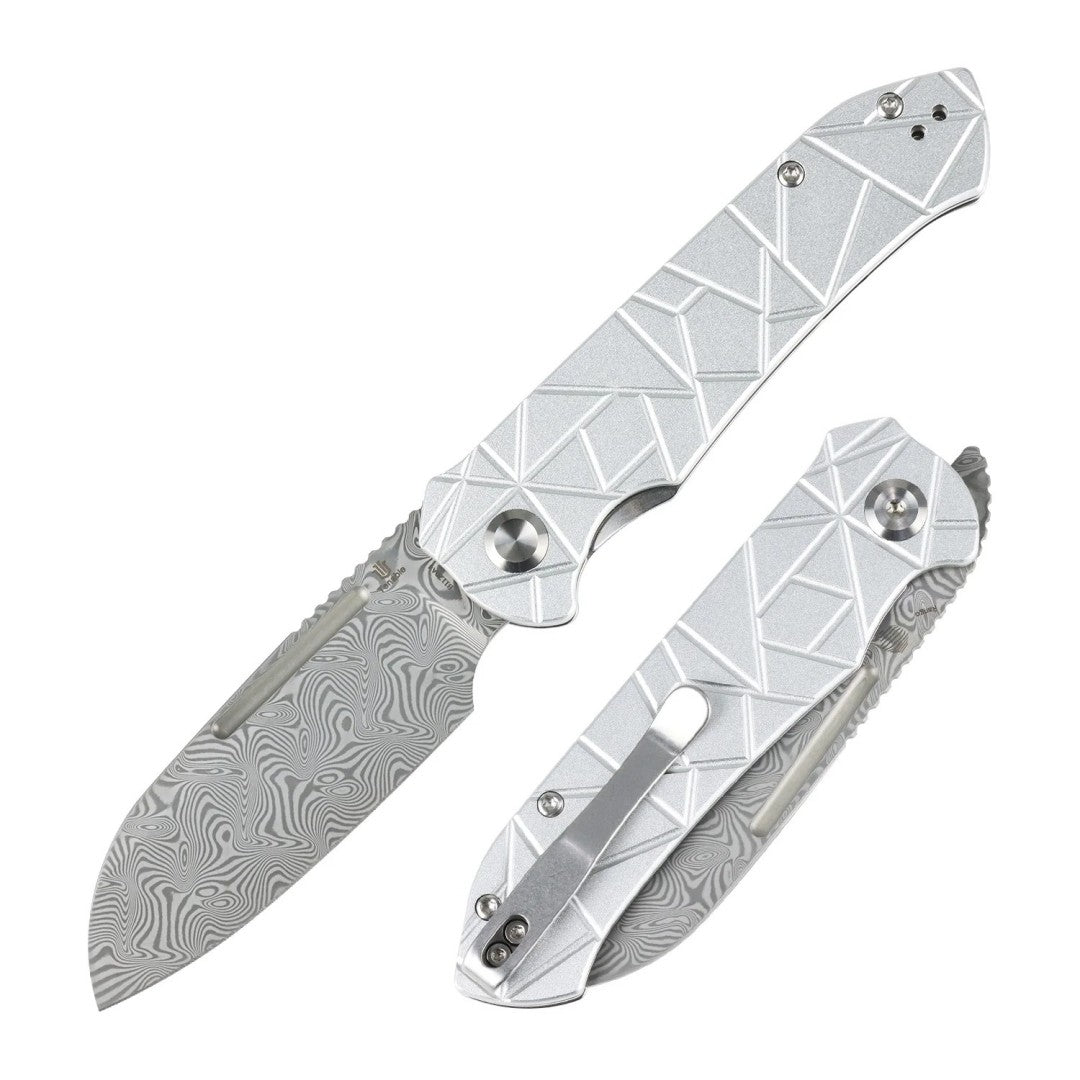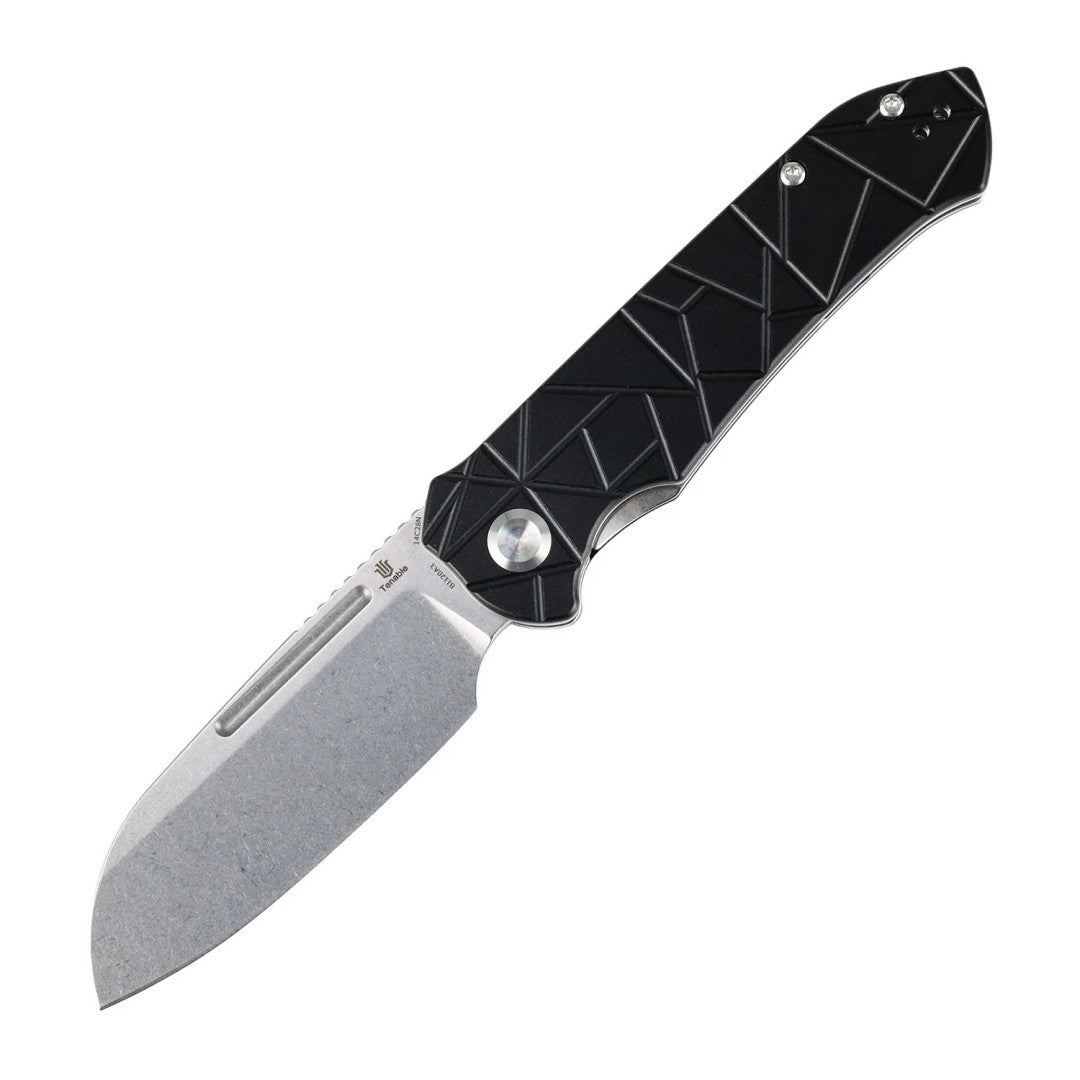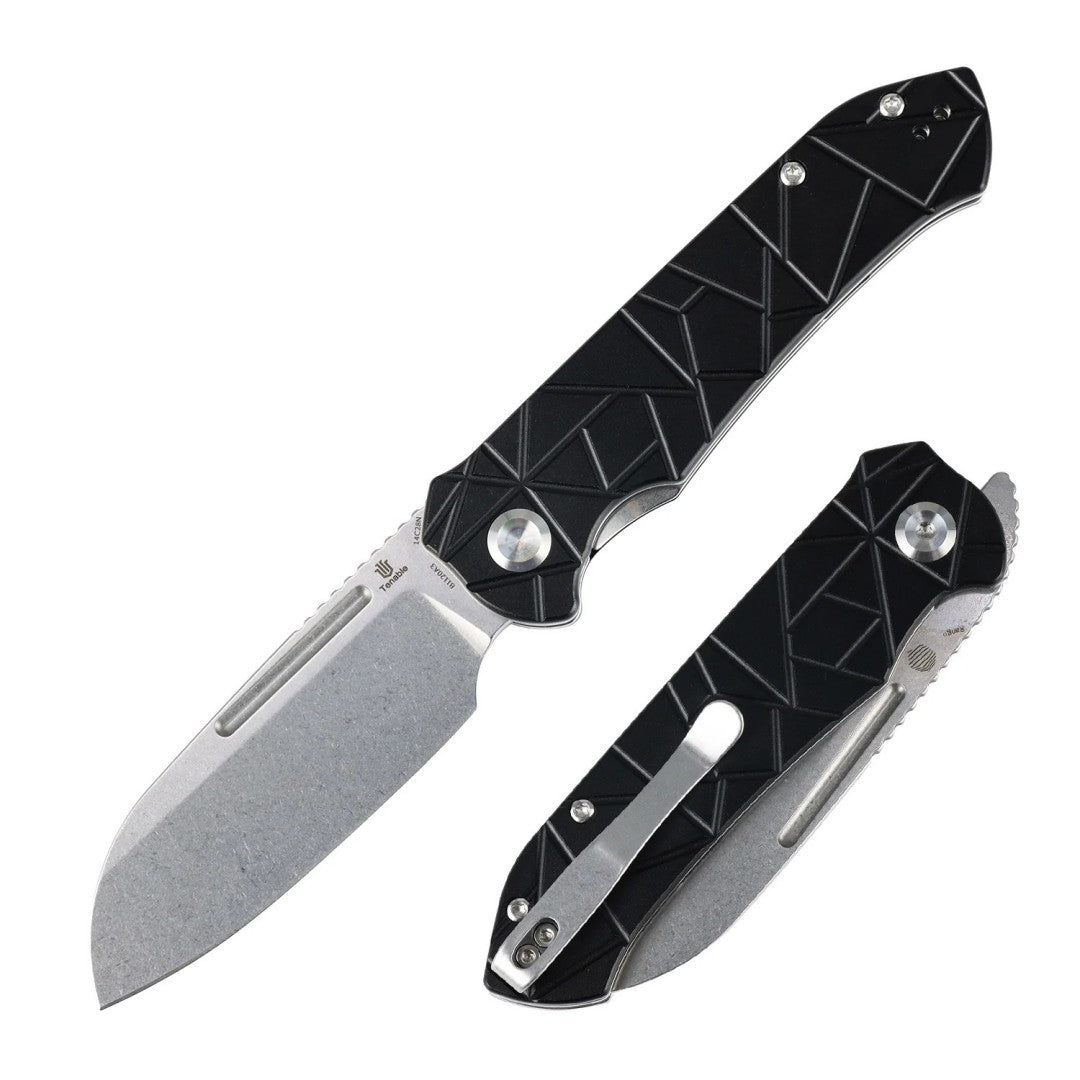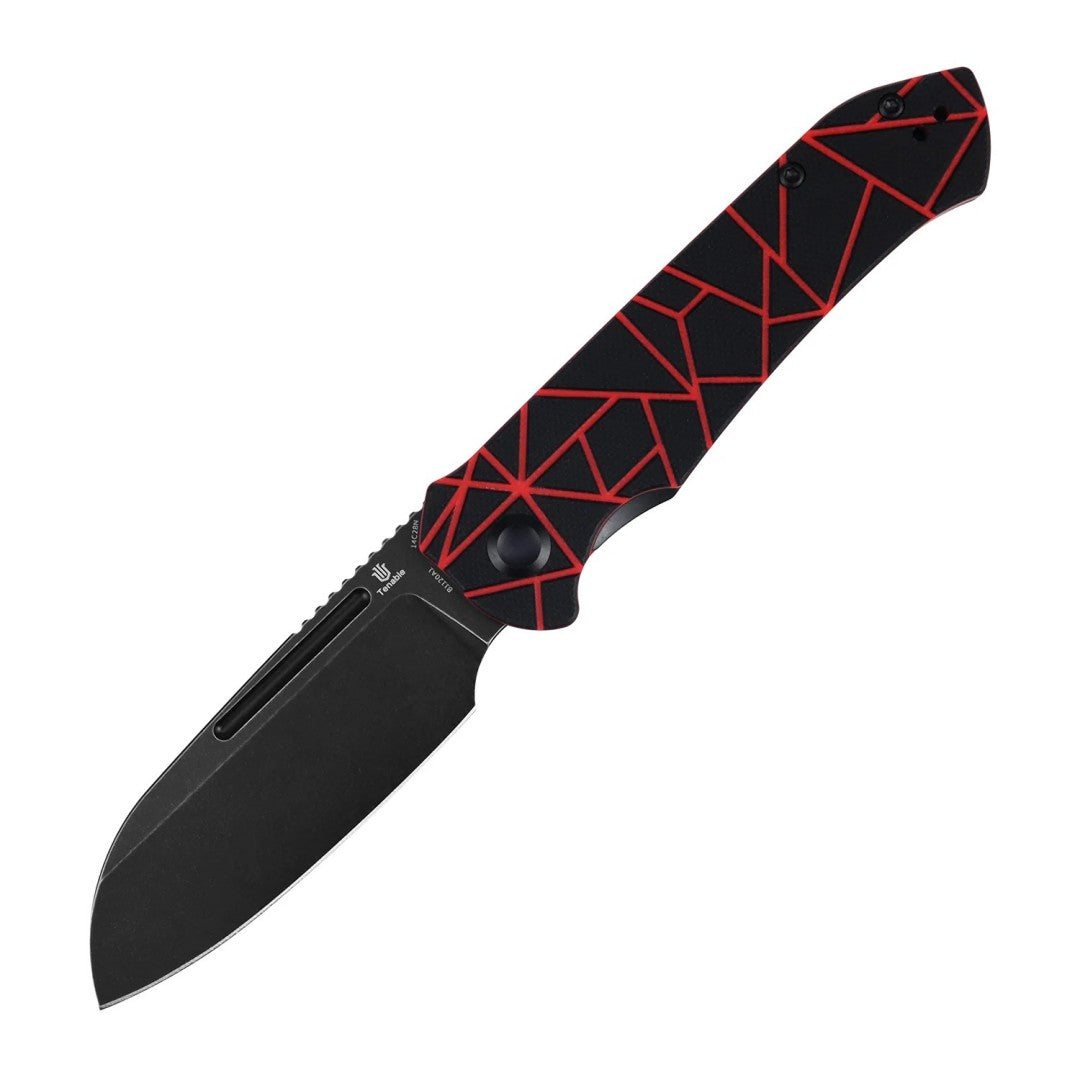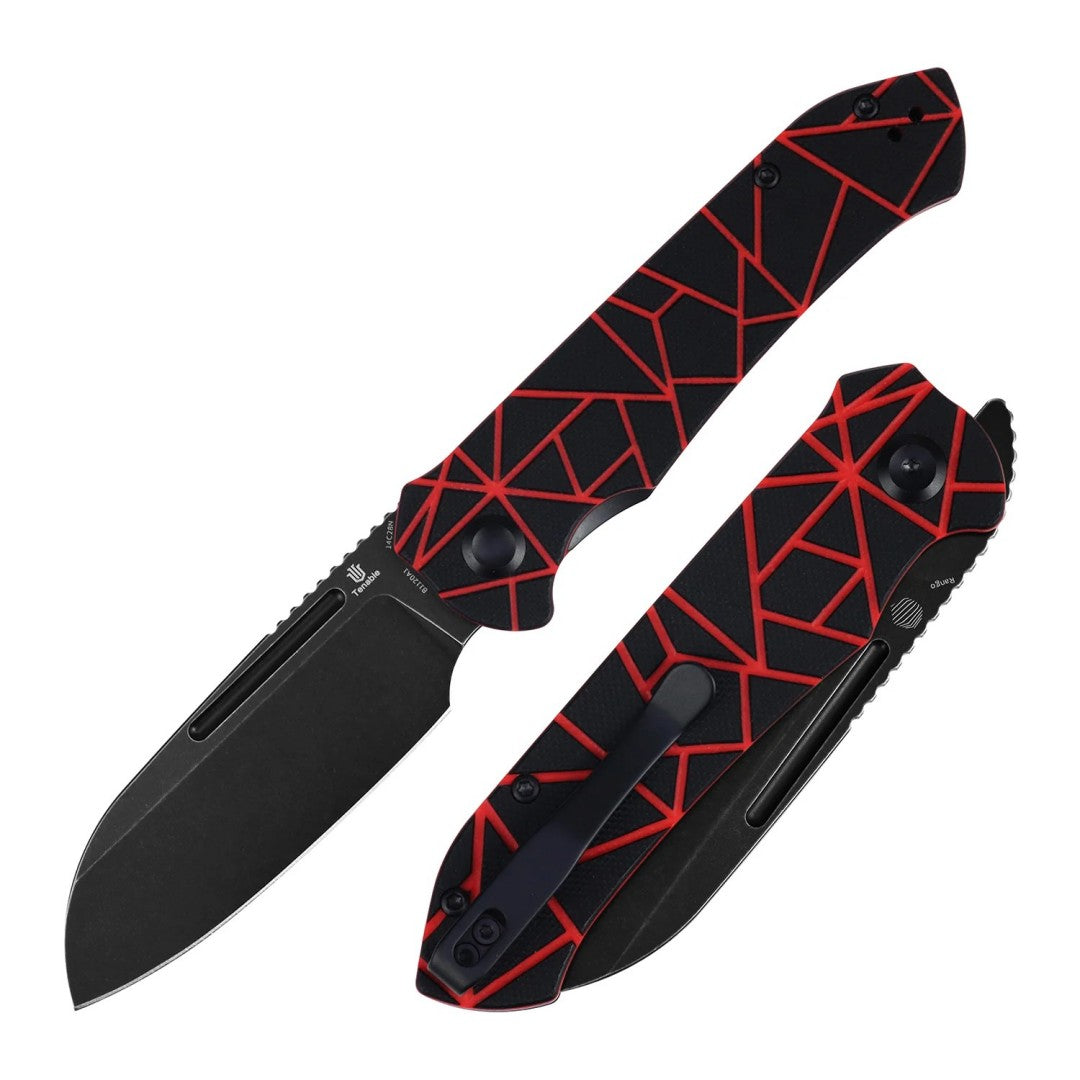

MagnaMax is significantly better than M390 in edge retention and toughness, while matching or exceeding it in corrosion resistance. For users seeking a modern, high-performance steel that excels in real-world use—from EDC to outdoor tasks—MagnaMax is the superior choice.
Head-to-Head Comparison
| Property | MagnaMax | M390 |
|---|---|---|
| Edge Retention | Excellent – on par with K390; clearly better than M390 in CATRA tests | Very good – among the best traditional stainless steels, but outperformed by newer PM steels |
| Toughness | Higher – comparable to K390; suitable for hard-use and thin grinds | Moderate – prone to micro-chipping under stress, especially in thin blades |
| Corrosion Resistance | Exceptional – zero rust in 1% saltwater test | Very good – one of the more corrosion-resistant premium steels, but not perfect (can spot-rust in harsh conditions) |
| Carbide Structure | Fine vanadium-niobium carbides (~16%); no coarse chromium carbides | High volume of chromium & vanadium carbides; some are large, reducing toughness |
| Ease of Sharpening | Challenging but manageable (similar to K390) | Moderately difficult – easier than S90V/S110V, but harder than S35VN |
| Best Use Cases | Tactical folders, outdoor knives, chef’s knives, marine tools | Lightweight EDC, fine slicers, office/utility knives |
Key Insights from the Article
🔹 Edge Retention: MagnaMax Pulls Ahead
The article explicitly states that MagnaMax’s edge retention surpasses M390 and reaches levels seen in K390 and CPM-10V—non-stainless benchmark steels. M390, while excellent for its time, is now outclassed by next-gen formulations like MagnaMax.
🔹 Toughness: A Clear Advantage
M390’s high wear resistance comes partly from dense carbides, which can make it brittle in thin geometries (e.g., razor-ground chef’s knives or slim tactical blades).
MagnaMax, by contrast, achieves high wear resistance without large chromium carbides, resulting in better impact resistance and chip resistance—critical for survival or utility use.
🔹 Corrosion Resistance: Closer Than You Think
- M390 is often praised for its rust resistance (thanks to >20% Cr), and it performs well in kitchen environments.
- However, the article notes that MagnaMax passed the same 1% saltwater immersion test with zero rust, indicating it may match or even exceed M390 in real-world corrosion resistance—despite having slightly lower total chromium.
Why? Because in MagnaMax, more chromium stays in solution (not locked in carbides), forming a more effective passive oxide layer.
🔹 Design Philosophy
- M390: A product of early-2000s powder metallurgy—optimized for mold/tooling first, knives second.
- MagnaMax: Designed from the ground up for knives, balancing edge retention, toughness, and corrosion resistance using modern metallurgical insights (e.g., niobium additions, carbide control).
As the article summarizes:
“MagnaMax delivers performance previously only available in non-stainless tool steels—but in a truly stainless, user-friendly package.”
When Might M390 Still Be a Good Choice?
- If you prioritize ease of manufacturing (many factories are already tooled for M390).
- If you want a proven, reliable steel for light-duty EDC or kitchen use at a slightly lower price point.
- If you’re buying a knife where extreme edge retention isn’t critical.
But for peak performance, MagnaMax is the new standard.
Final Verdict
✅ Edge Retention: MagnaMax > M390
✅ Toughness: MagnaMax > M390
✅ Corrosion Resistance: MagnaMax ≥ M390
✅ Overall Balance: MagnaMax is decisively better
Conclusion: While M390 remains a solid, respected steel, MagnaMax represents the next generation—offering higher performance across the board without sacrificing practicality.
For anyone choosing a new high-end knife in 2026 and beyond, MagnaMax is the smarter, more advanced option.
In short: M390 was elite yesterday. MagnaMax is elite today—and tomorrow.