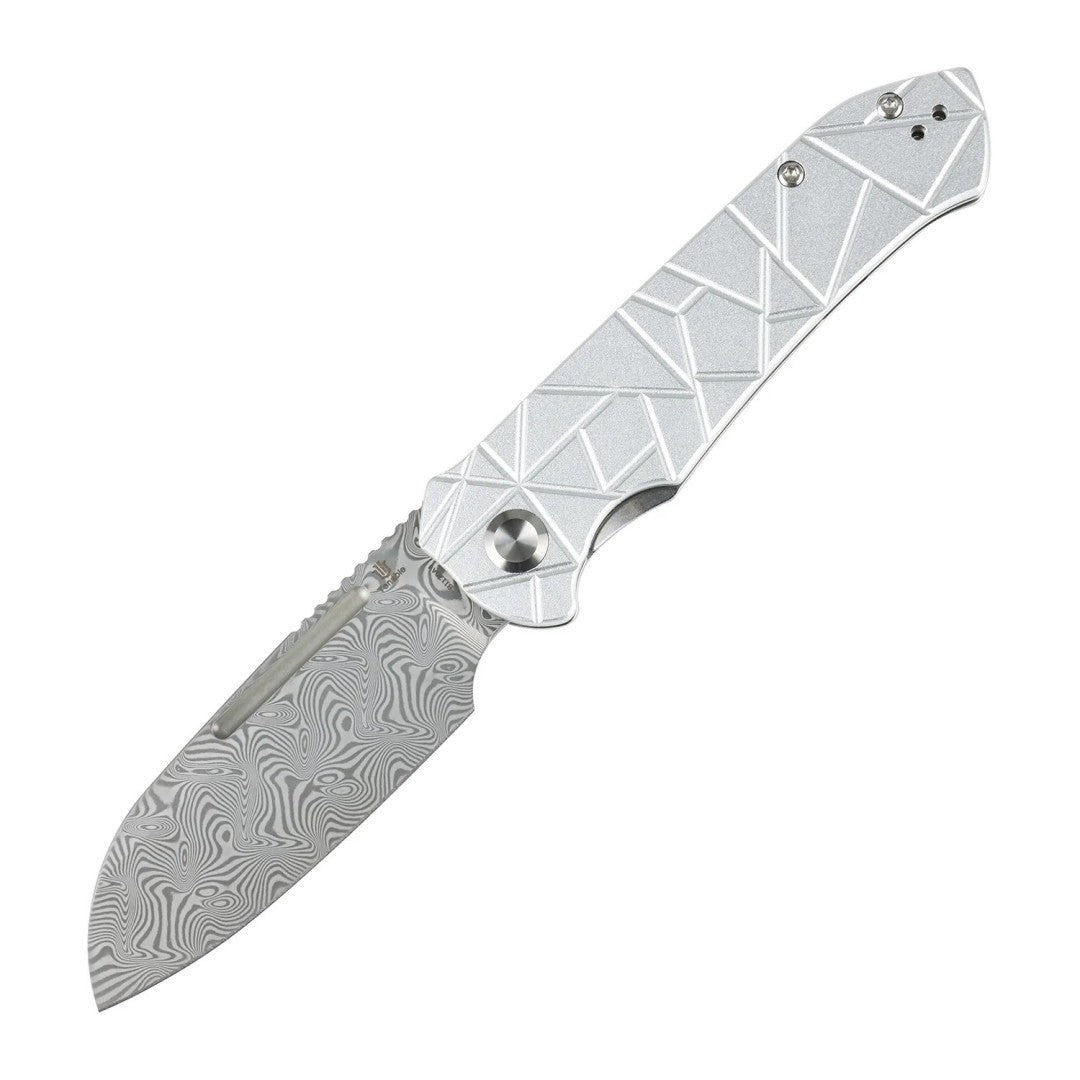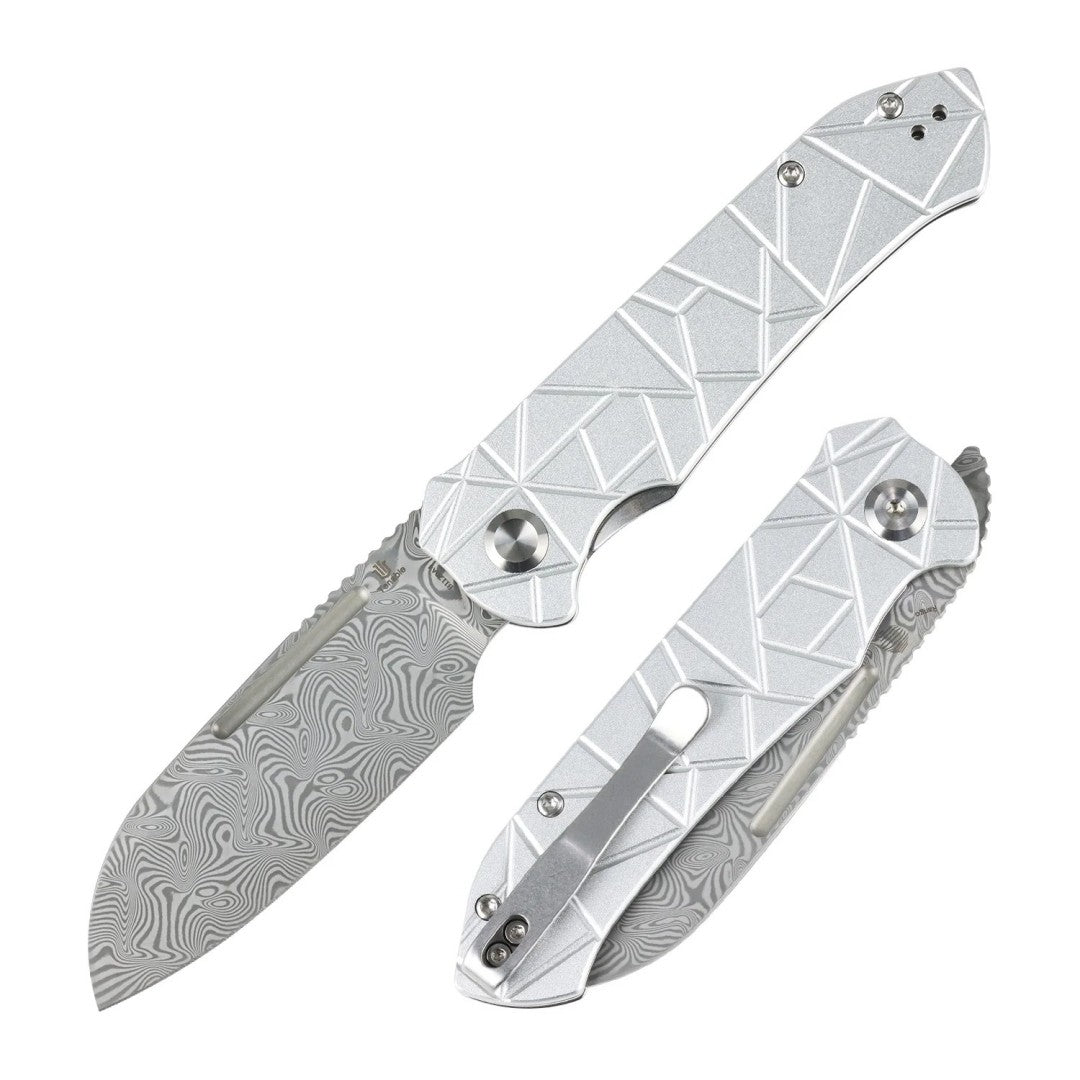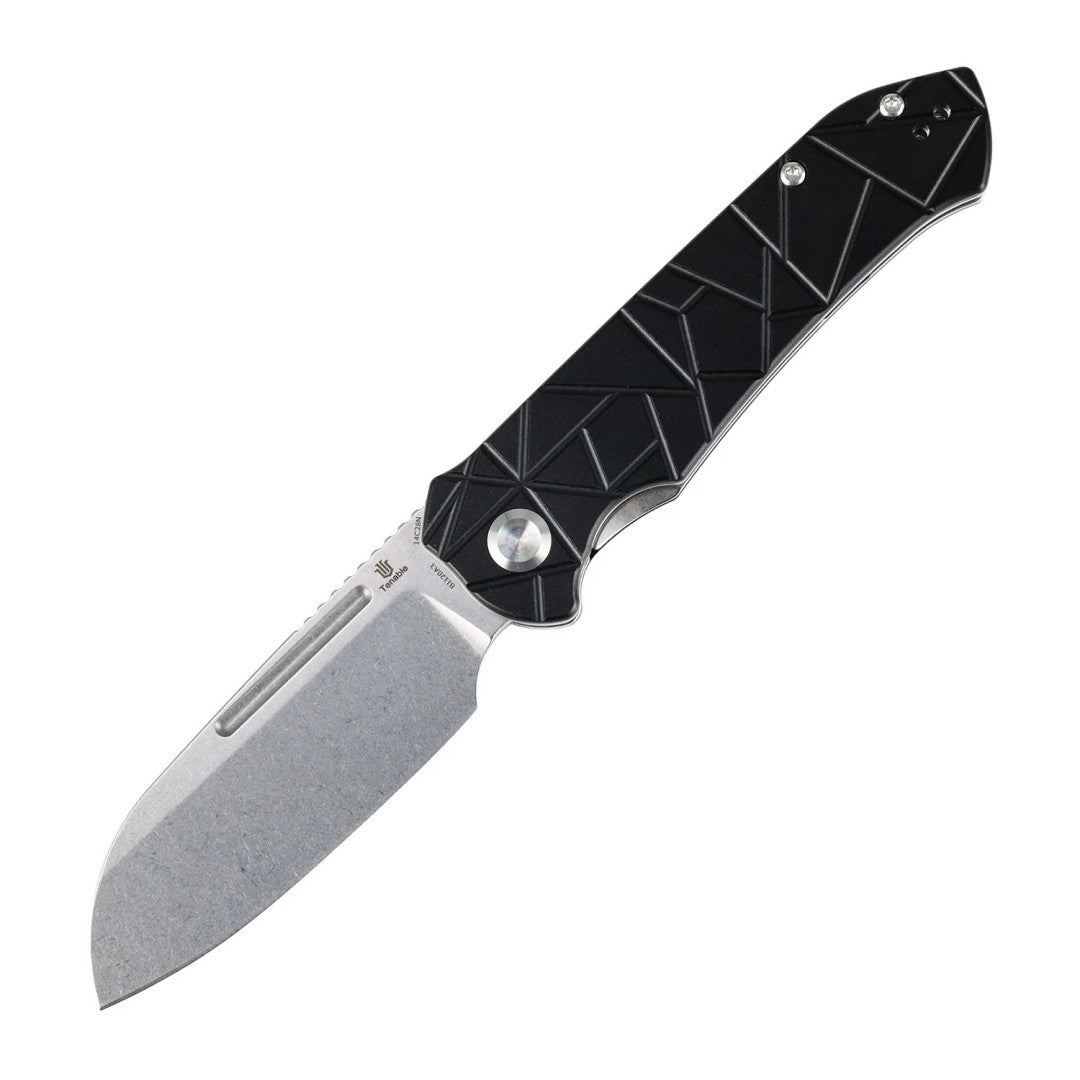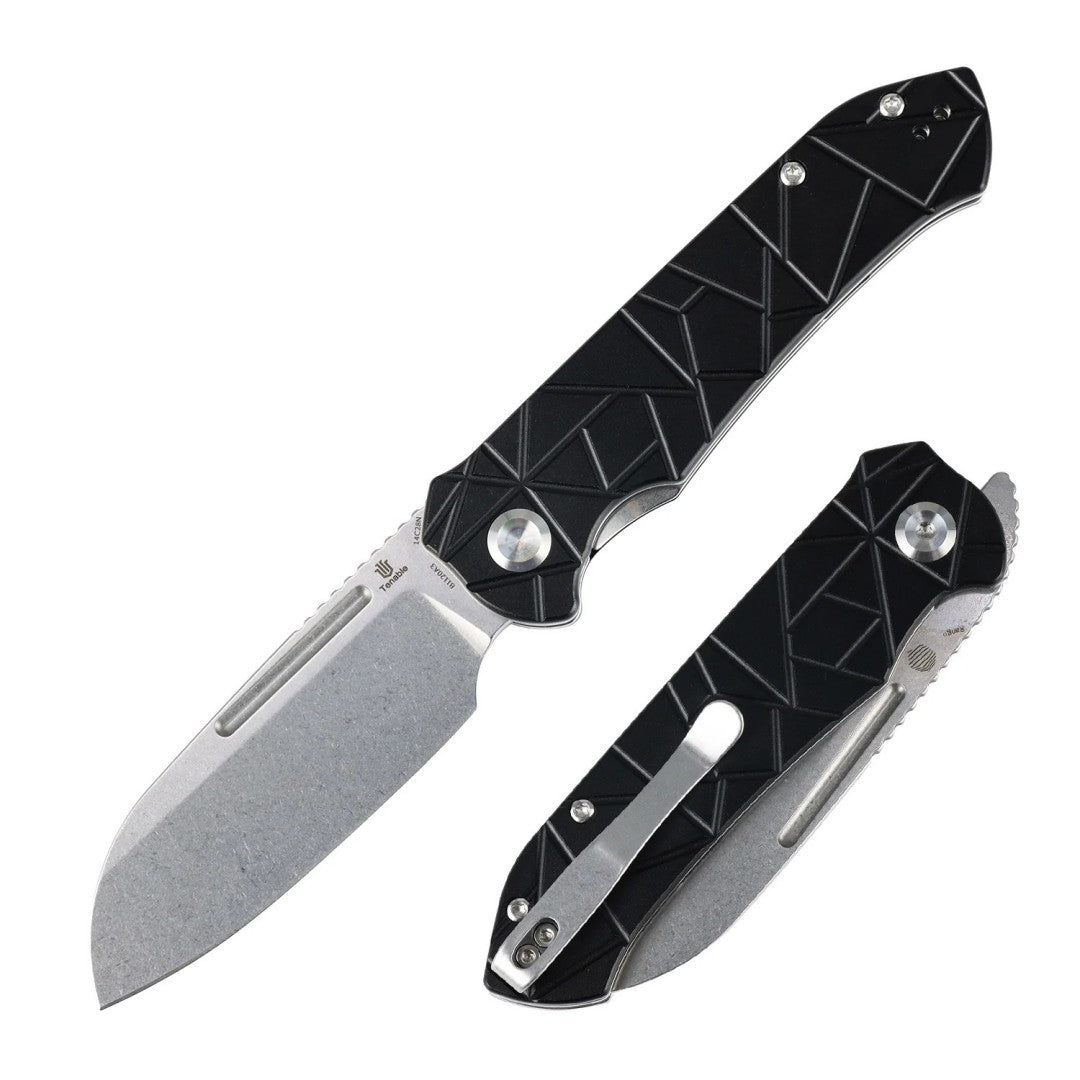
MagnaMax matches or slightly exceeds S110V in edge retention while offering significantly better toughness and vastly superior corrosion resistance. For nearly all real-world knife applications, MagnaMax is the better overall steel—delivering S110V-level cutting performance without its brittleness or rust issues.
Head-to-Head Comparison
| Property | MagnaMax | CPM-S110V |
|---|---|---|
| Edge Retention | Excellent – on par with or slightly better than S110V (approaches top-tier PM tool steels like K390) | Extremely high – long considered one of the best in stainless steels |
| Toughness | Significantly higher – comparable to K390; suitable for hard-use knives | Very low – among the most brittle stainless steels; prone to micro-chipping |
| Corrosion Resistance | Exceptional – zero rust in 1% saltwater immersion test | Poor – despite high chromium, much is tied up in carbides; rusts easily in humid/wet conditions |
| Carbide Structure | Fine vanadium-niobium carbides (~16% vol); uniform and sub-micron | Extremely high volume (~20%) of coarse vanadium-carbides; creates stress points |
| Ease of Sharpening | Challenging but manageable with diamond stones | Extremely difficult – one of the hardest steels to sharpen due to abrasive carbides |
| Real-World Usability | High – ideal for EDC, outdoor, kitchen, marine use | Low – best only for controlled, dry, light-duty slicing tasks |
Key Insights from the Article
🔹 Edge Retention: Neck-and-Neck (or MagnaMax Ahead)
The article states that MagnaMax’s CATRA edge retention performance is comparable to K390 and approaches S110V levels. Given that S110V has long been the “king” of stainless edge retention, this is a major achievement—especially since MagnaMax achieves it without the same drawbacks.
🔹 Toughness: MagnaMax Wins by a Wide Margin
S110V’s extreme wear resistance comes at a steep cost: very low impact toughness. It’s notorious for chipping under lateral stress or when used for tasks beyond fine slicing.
In contrast, MagnaMax maintains high toughness—thanks to its refined microstructure with fine, evenly dispersed carbides—making it viable for tactical folders, bushcraft knives, and other demanding roles.
🔹 Corrosion Resistance: No Contest
Despite containing ~15% chromium, S110V is not reliably stainless in practice. Most of its chromium is bound in carbides, leaving little free chromium to protect against oxidation. Users frequently report rust spots even with moderate care.
MagnaMax, however, passed a 1% saltwater immersion test with zero rust—a direct result of its chromium-rich matrix (no coarse Cr-carbides). This makes it truly suitable for kitchen, diving, or humid environments.
🔹 Metallurgical Design Philosophy
- S110V: Maximizes vanadium and carbon for wear resistance—at the expense of everything else.
-
MagnaMax: Uses a smarter balance—high V/Nb for wear, but optimized chemistry to preserve toughness and corrosion resistance. As the article notes:
“Previously, this combination of toughness and edge retention was only available in non-stainless powder metallurgy steels.”
When Might S110V Still Be Preferred?
Very few scenarios:
- If you’re using a knife exclusively for dry, precision slicing (e.g., box cutter, food prep in climate-controlled kitchen).
- If you already own an S110V blade and accept its maintenance demands.
But even then, MagnaMax matches its cutting performance while being far more forgiving.
Final Verdict
✅ For edge retention alone: Tie (or slight edge to MagnaMax).
✅ For toughness: MagnaMax wins decisively.
✅ For corrosion resistance: MagnaMax wins overwhelmingly.
✅ For real-world versatility: MagnaMax is in a different league.
Conclusion: MagnaMax is the superior steel overall—and represents the next evolution beyond S110V.
It delivers the legendary edge-holding of S110V without the brittleness, rust risk, or user frustration—making it the new benchmark for high-performance stainless knife steel.
As one tester might say:
“S110V was the peak of old-school thinking. MagnaMax is the future.”