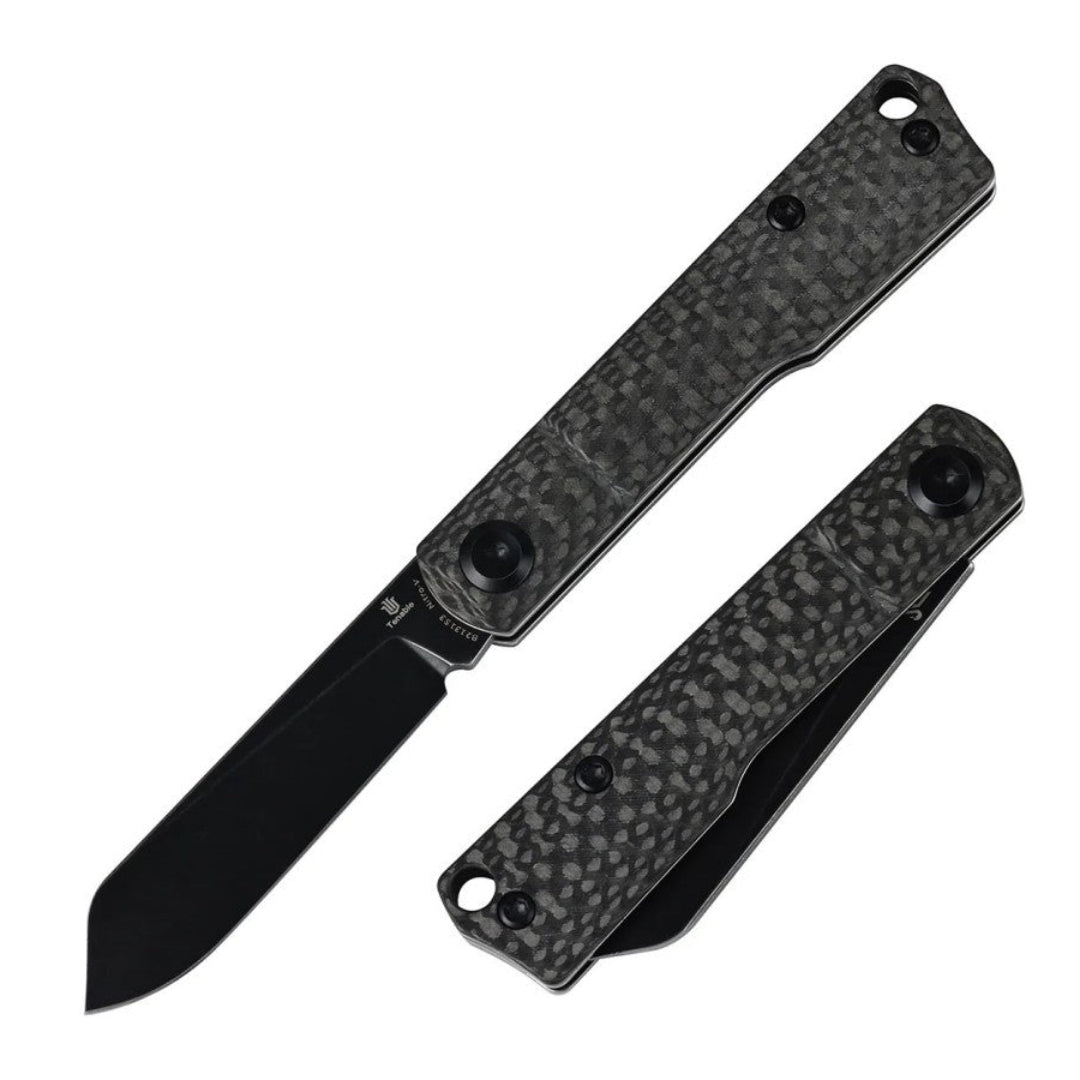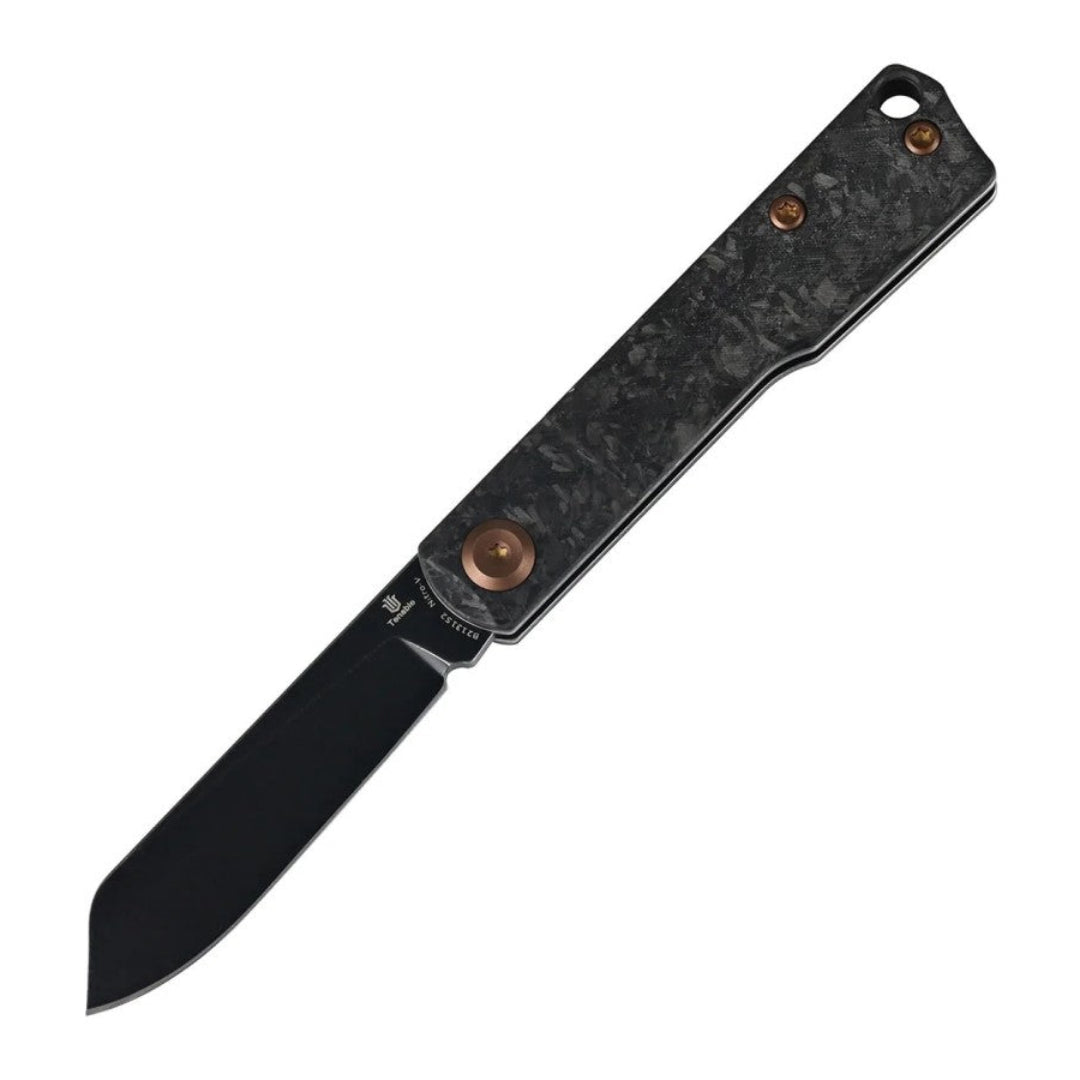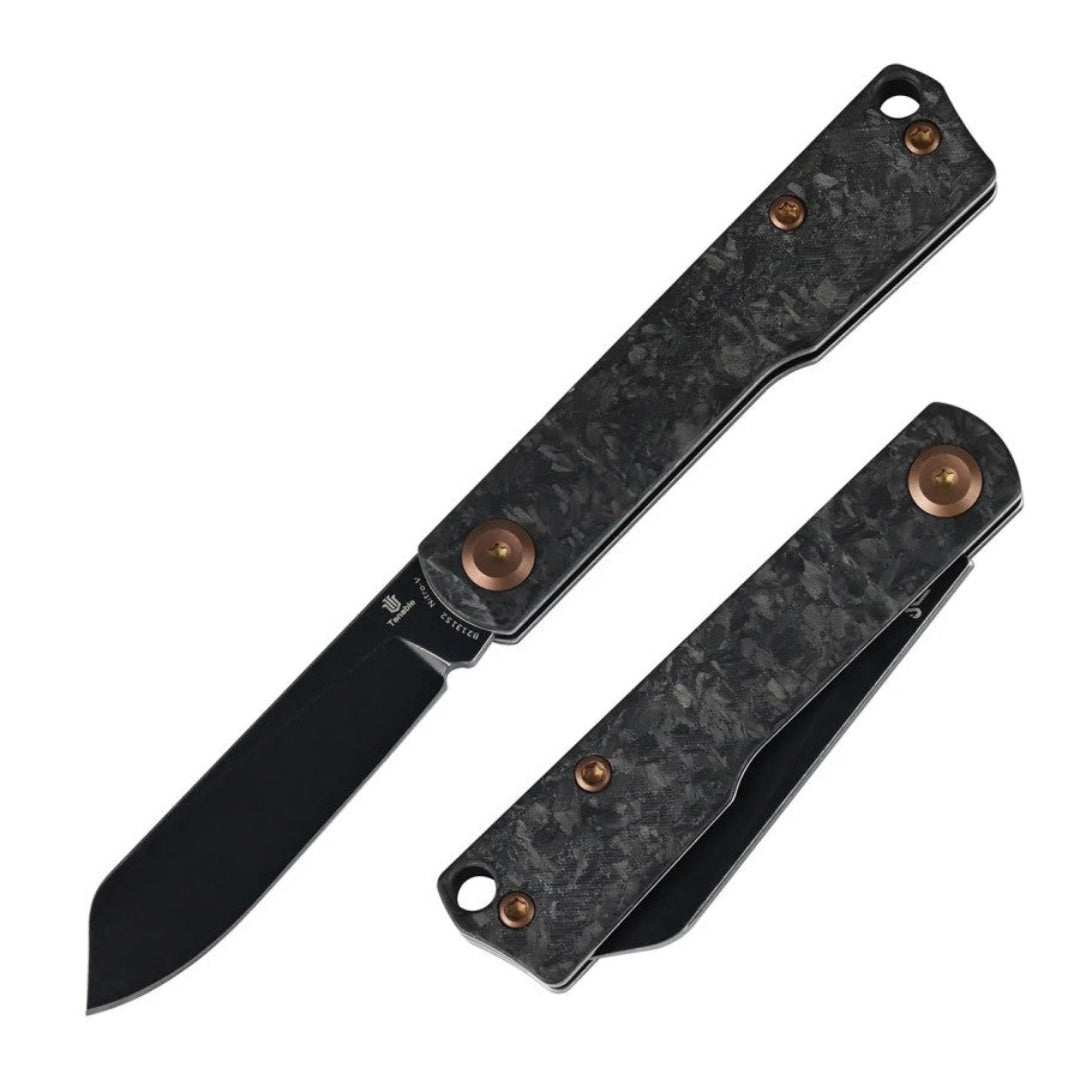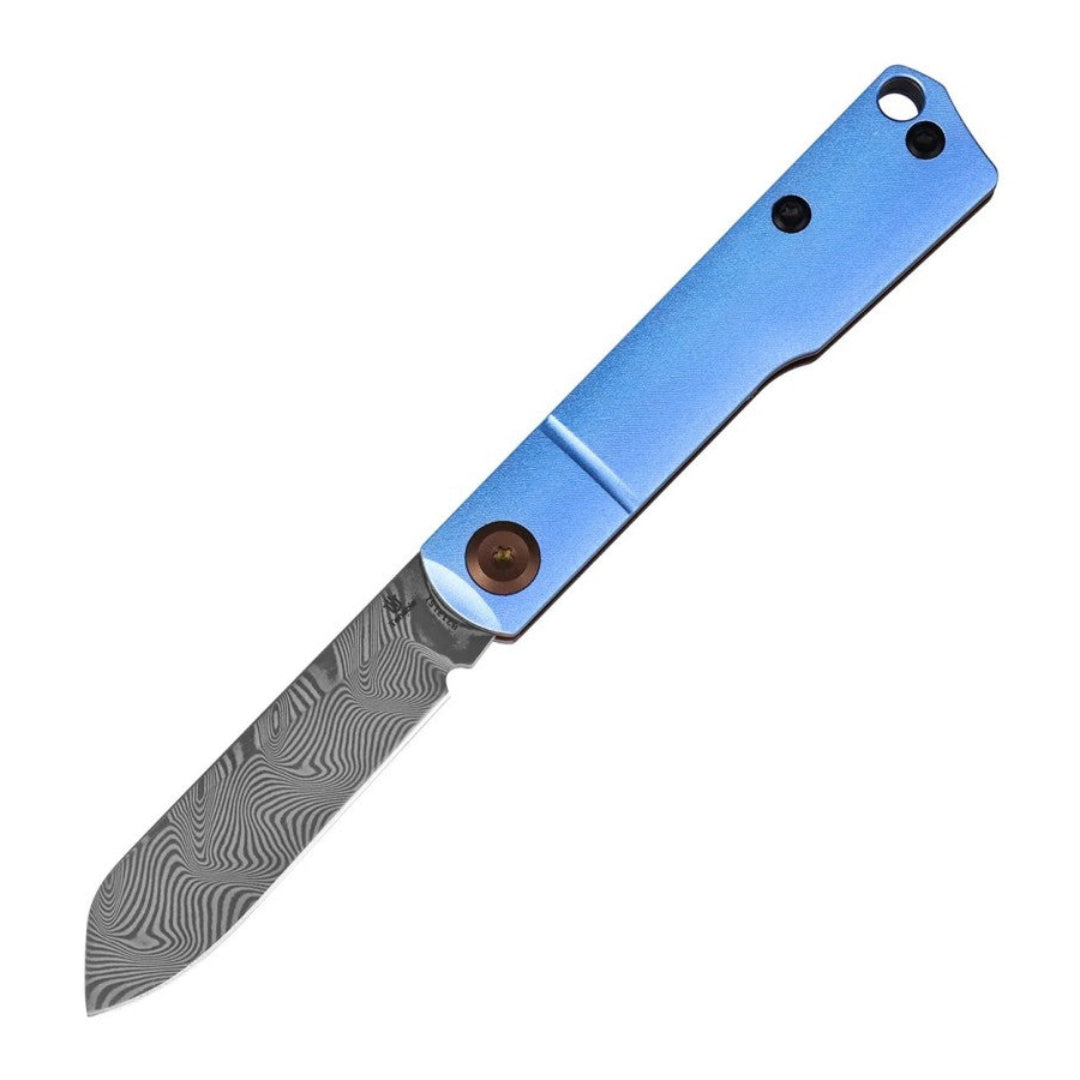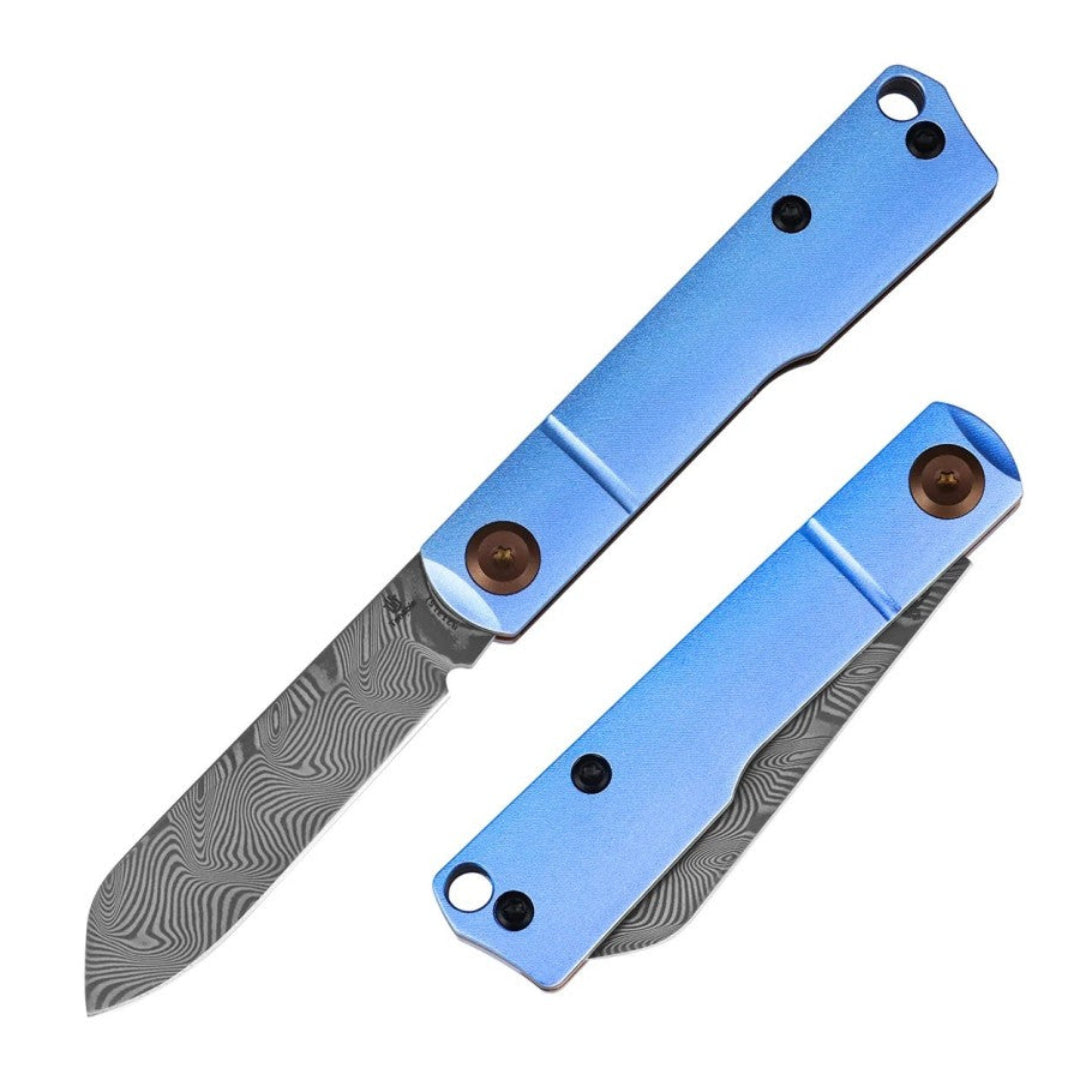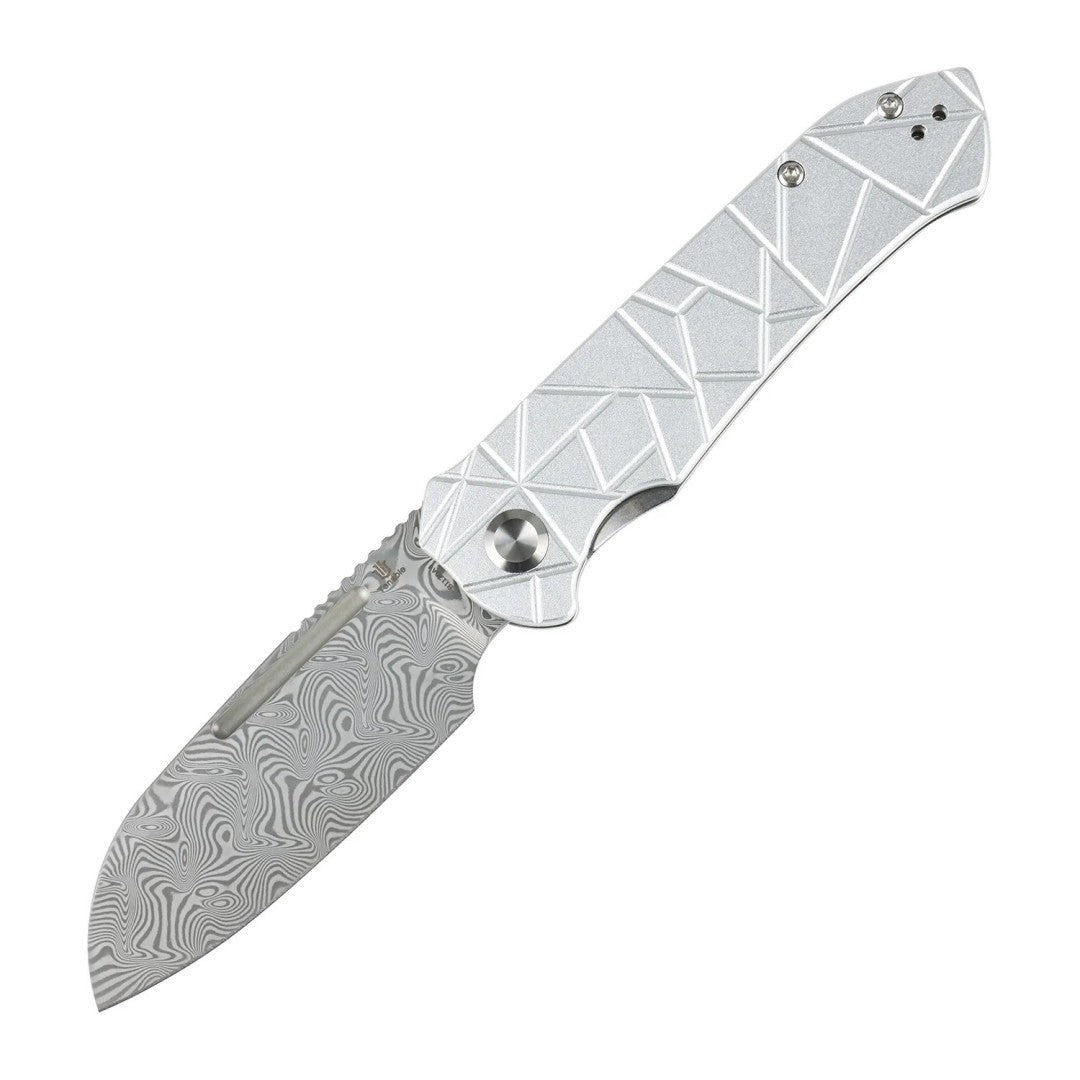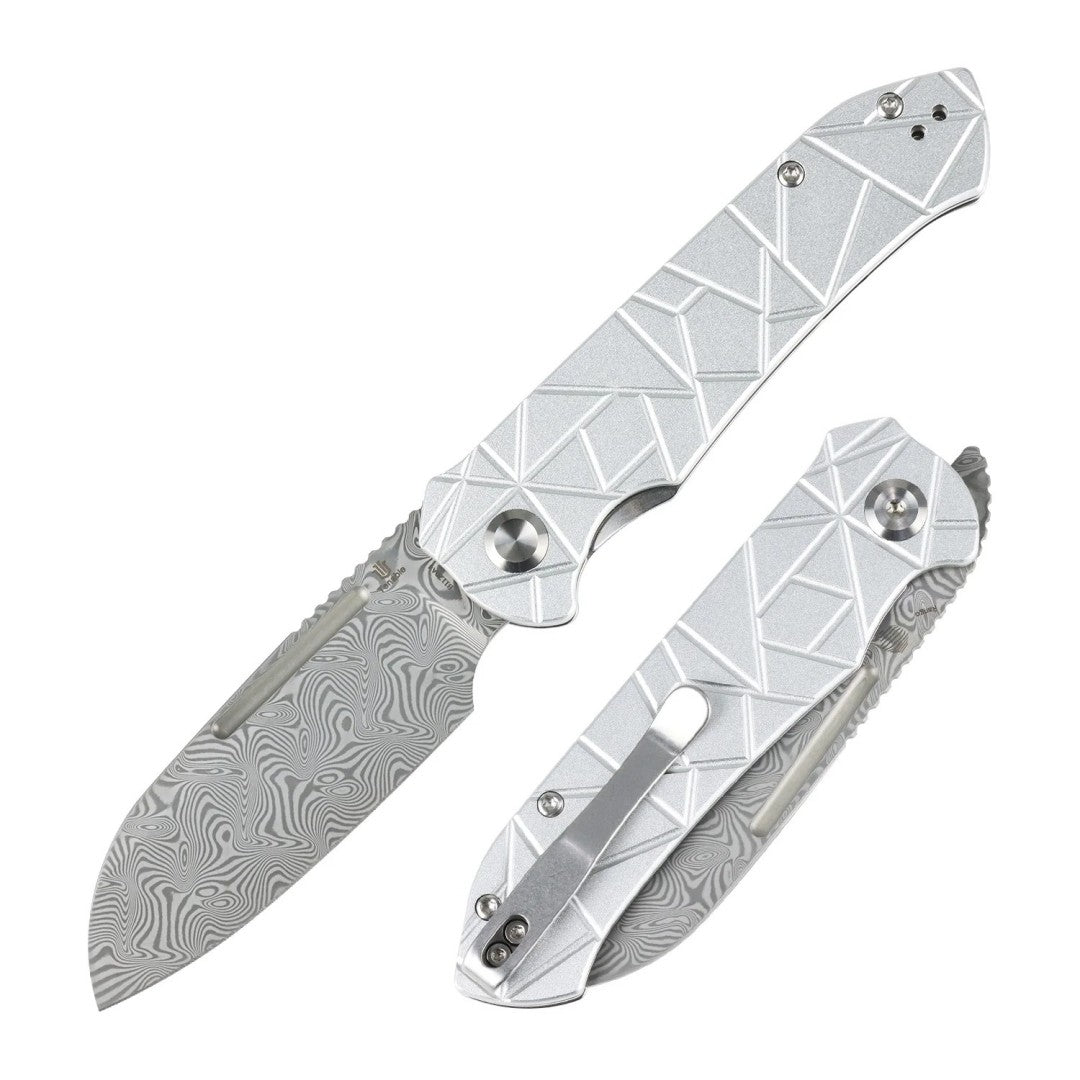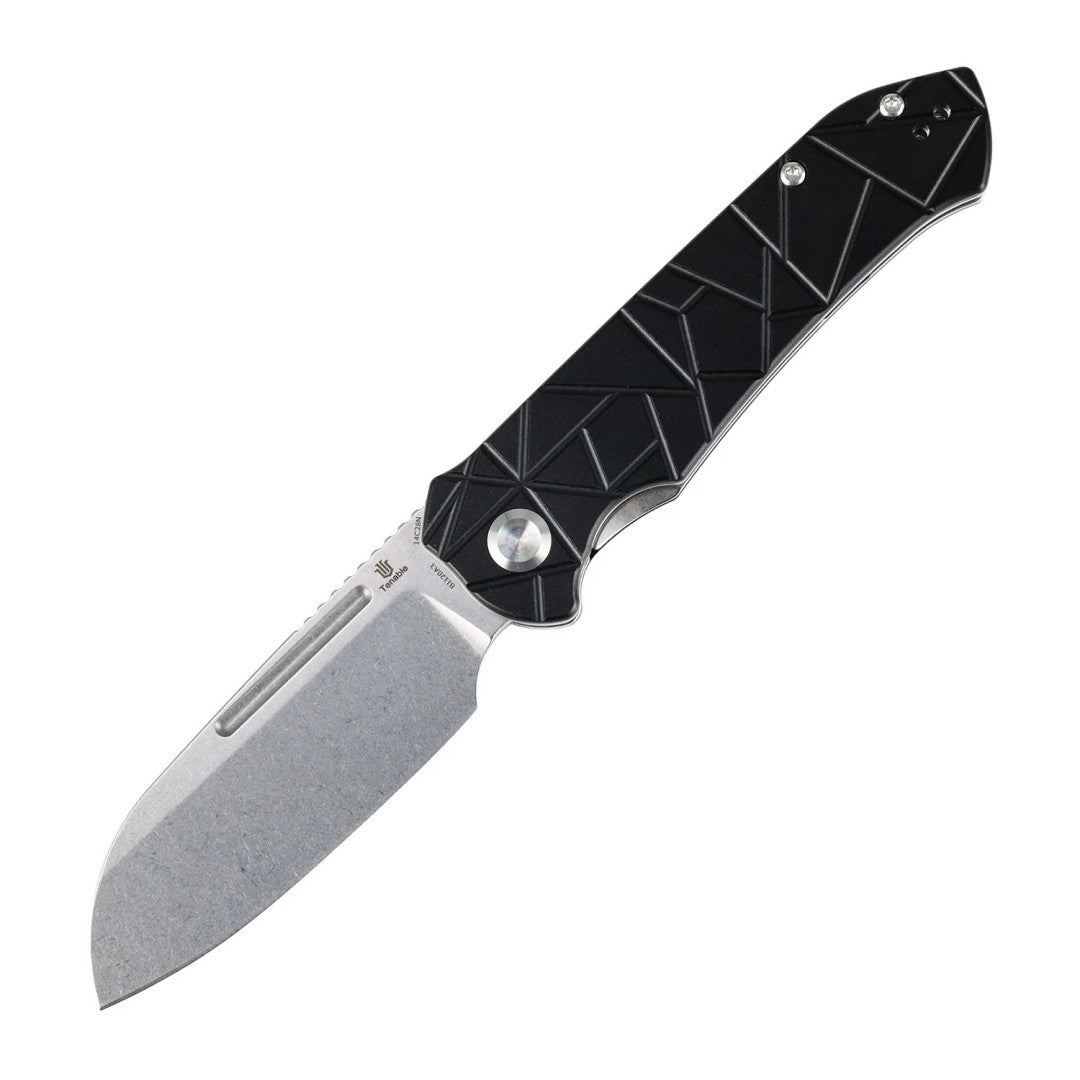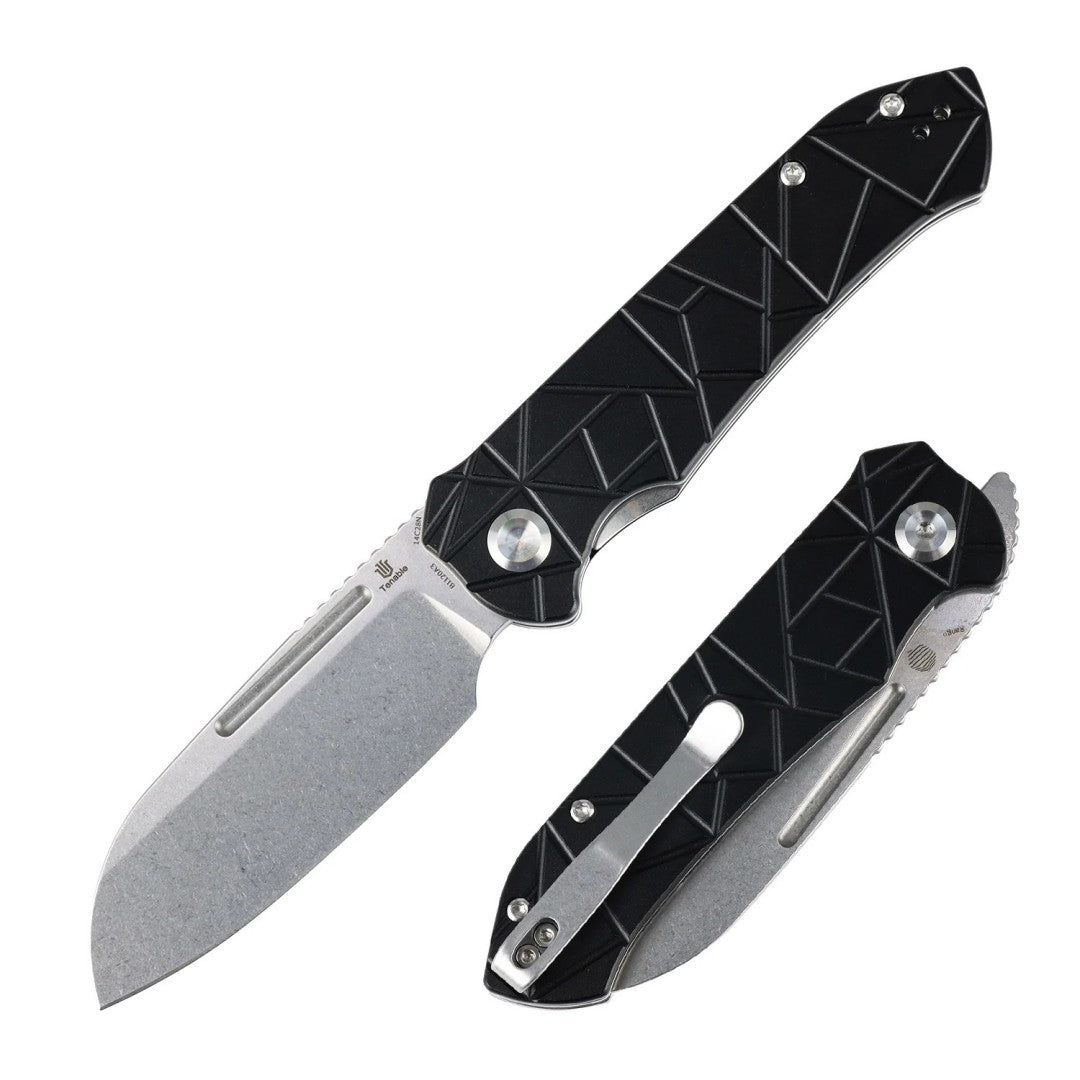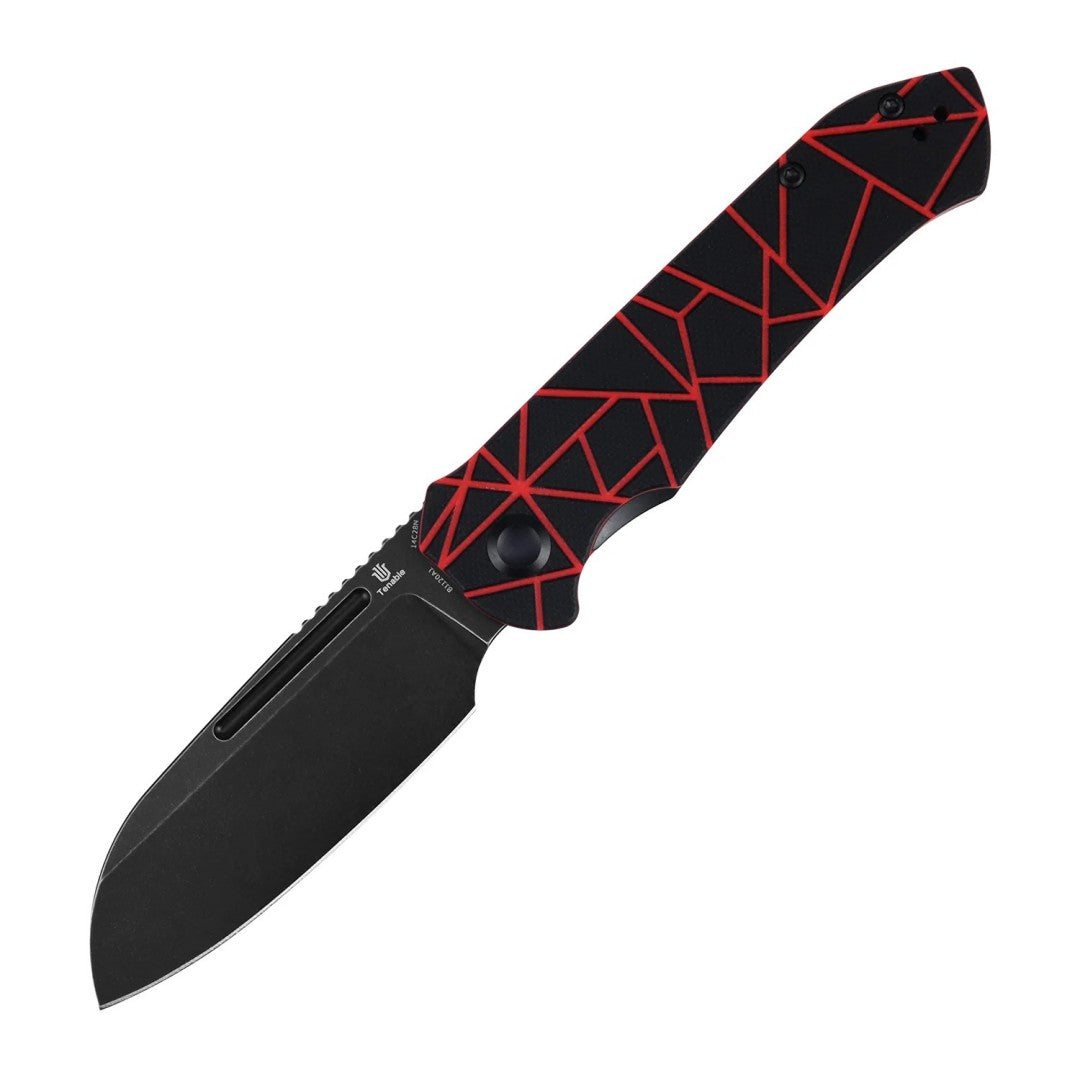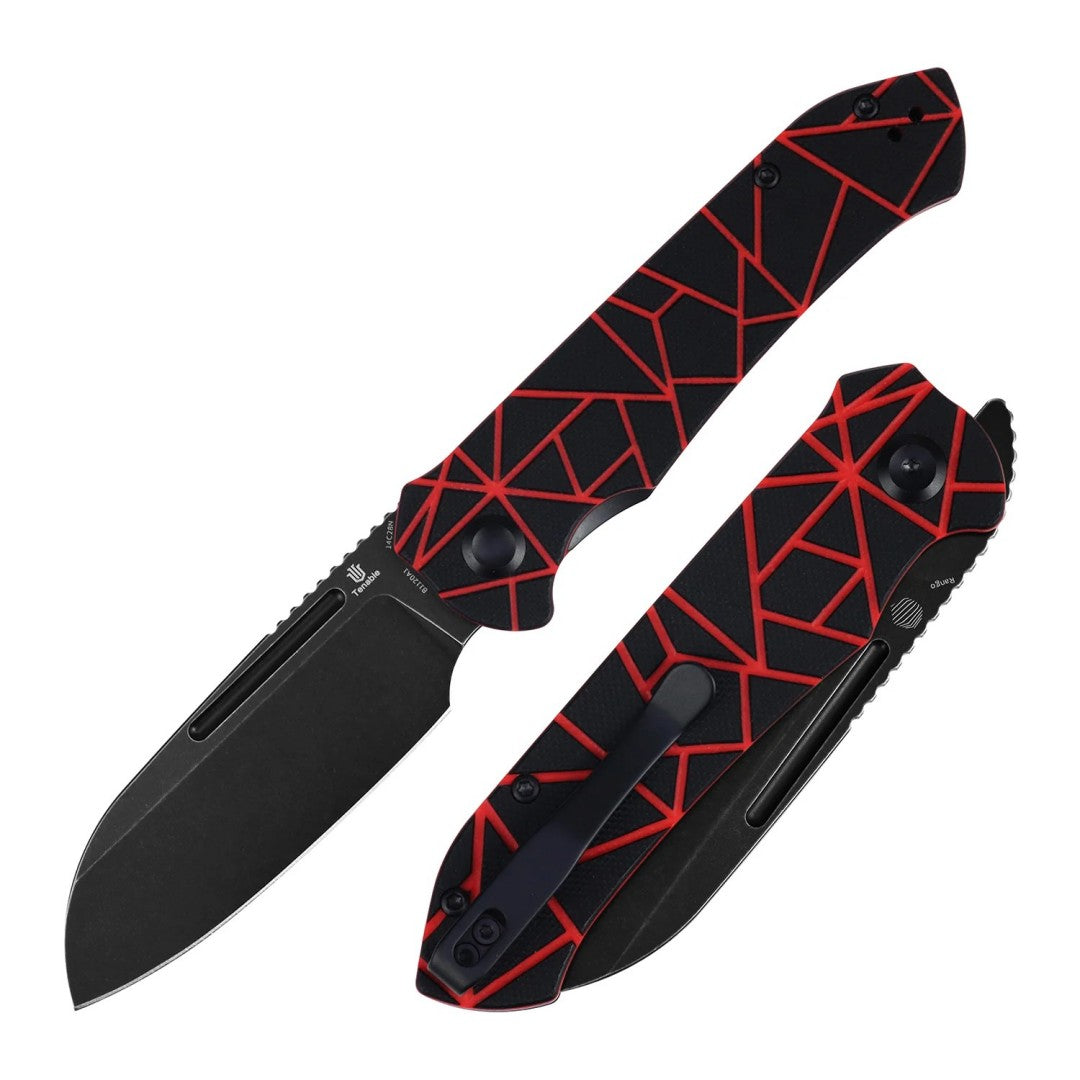
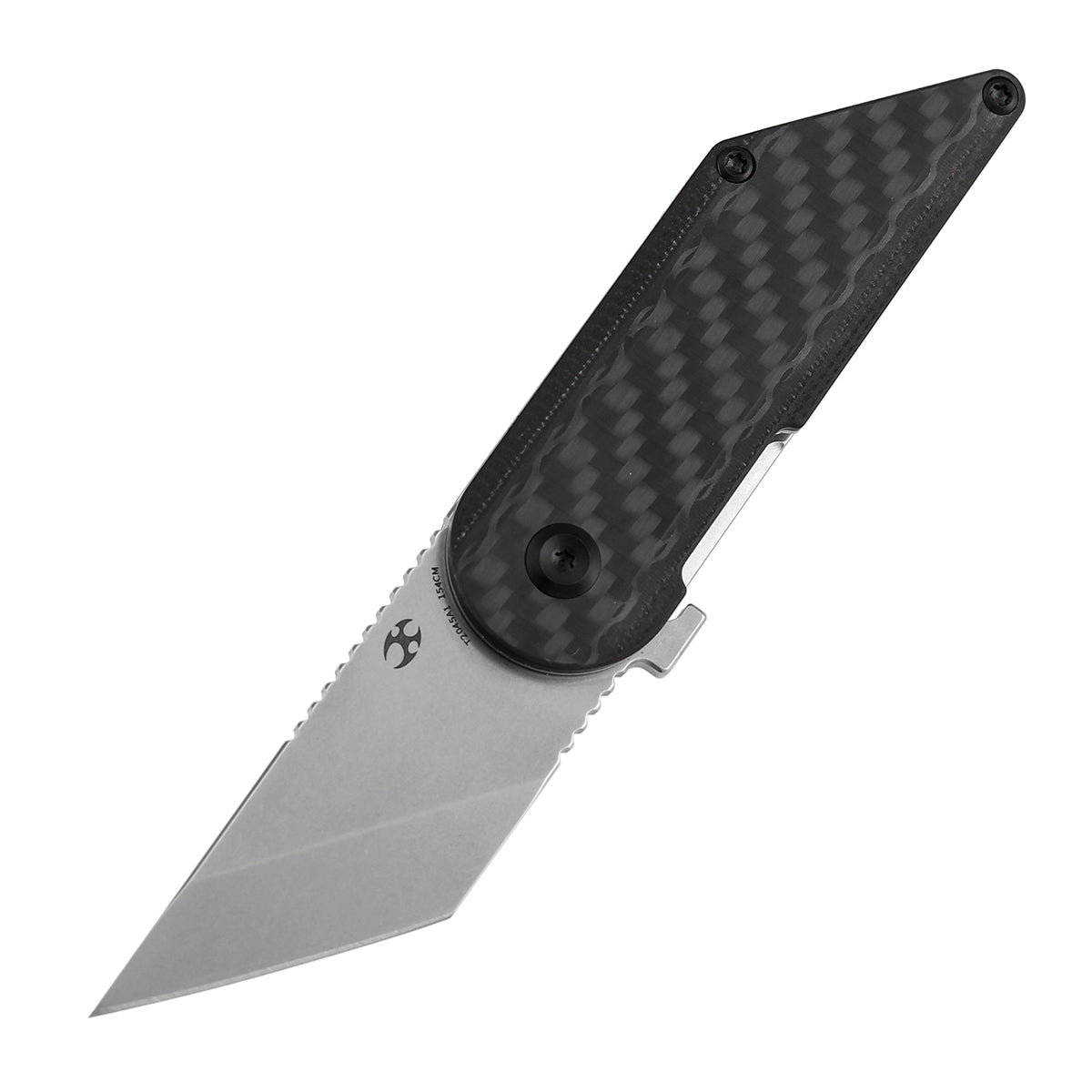
For many gear enthusiasts, the search for the perfect daily companion ends at the intersection of cultural heritage and modern engineering. The Kansept Dash is a prime example of this fusion, taking the legendary efficiency of a traditional Japanese Kiridashi and evolving it into a high-performance folding tool for the modern EDC (Everyday Carry) enthusiast. Manufactured by Kansept, a company that has solidified its reputation for marrying premium materials with sophisticated custom designs, this series is a testament to how ancient geometry can be perfected for current-day utility. By collaborating with renowned designer Dirk Pinkerton, the brand has created a cutting implement that is as functional as it is culturally resonant.
The Origin: Why the Kiridashi Profile Remains Relevant
The Japanese Kiridashi is far more than a simple blade; it is a centuries-old philosophy of minimalism. Traditionally, these tools were fixed-blade instruments used by woodworkers, calligraphers, and craftsmen to perform tasks requiring absolute control. Their defining feature—a perfectly straight edge leading to an extremely acute, chisel-ground point—allows the user to achieve a level of precision that curved-blade folders often struggle to replicate.
Pinkerton realized that while the Kiridashi’s profile is superior for scoring, trimming, and precision cutting, the traditional fixed-blade format lacks the pocket-friendly convenience required for modern life. By introducing a folding mechanism and an ergonomic handle, he successfully ported the legendary utility of this ancient craft tool into a package you can carry in your coin pocket.
Technical Superiority in a Micro-Frame
The folding utility knife genre is crowded, yet this model distinguishes itself through rigorous mechanical standards. Its compact dimensions hide an overbuilt nature that ensures it handles the grit of daily tasks:
-
Blade Geometry: The straight spine creates a singular line of force, channeling all downward pressure directly into the cutting edge.
-
Pivot System: Integrated ceramic ball bearings facilitate an incredibly smooth deployment that defies the knife's small size.
-
Ergonomic Leverage: An expertly machined finger choil allows for a "choke-up" grip, ensuring your hand remains behind the blade while providing the mechanical advantage of a much larger knife.
-
Weight Profile: At approximately 2 ounces, it is light enough to vanish into a suit pocket yet robust enough to process heavy corrugated cardboard or thick synthetic rope.

The 154CM Steel: A Balanced Modern Standard
While the silhouette is historic, the material science is firmly rooted in the 21st century. The choice of 154CM stainless steel is a deliberate decision aimed at the everyday user. 154CM provides an ideal blend of toughness, edge holding, and corrosion resistance.
Unlike more brittle high-carbide super-steels that might chip when encountering a stray staple in a cardboard box, 154CM has enough lateral toughness to resist micro-chipping. Furthermore, because of the straight-edge blade geometry, restoring the edge to a razor-like state on a flat ceramic stone is an easy, five-minute task. This ensures your tool stays "factory sharp" without requiring an advanced degree in metallurgy or a complex sharpening rig.
Design Note: The spine-to-point taper isn't just aesthetic. Dirk Pinkerton engineered this angle to act as a natural guide for the user’s thumb, allowing for high-pressure, controlled push-cuts without the fatigue associated with traditional drop-point knives.
Customization Through Texture and Material
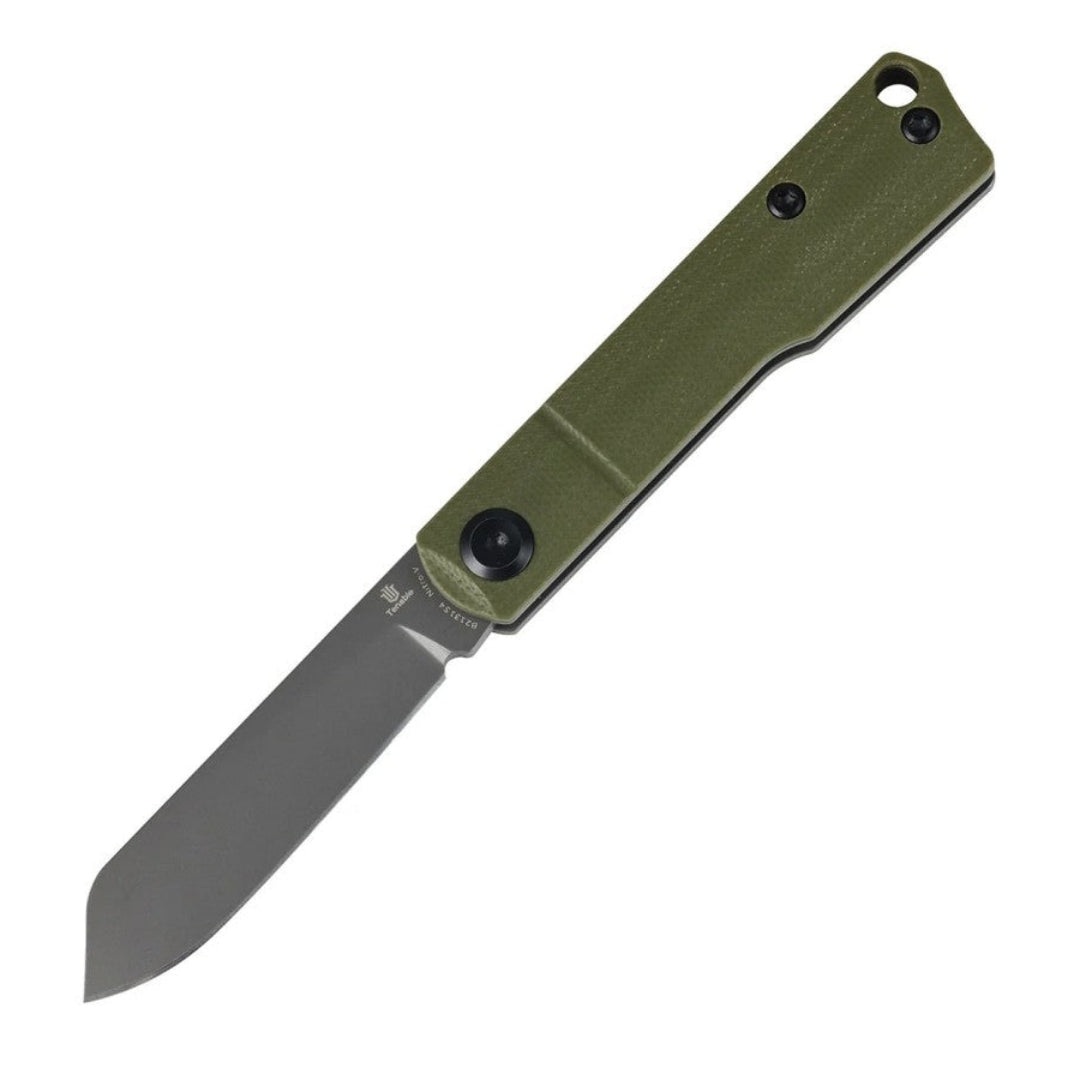
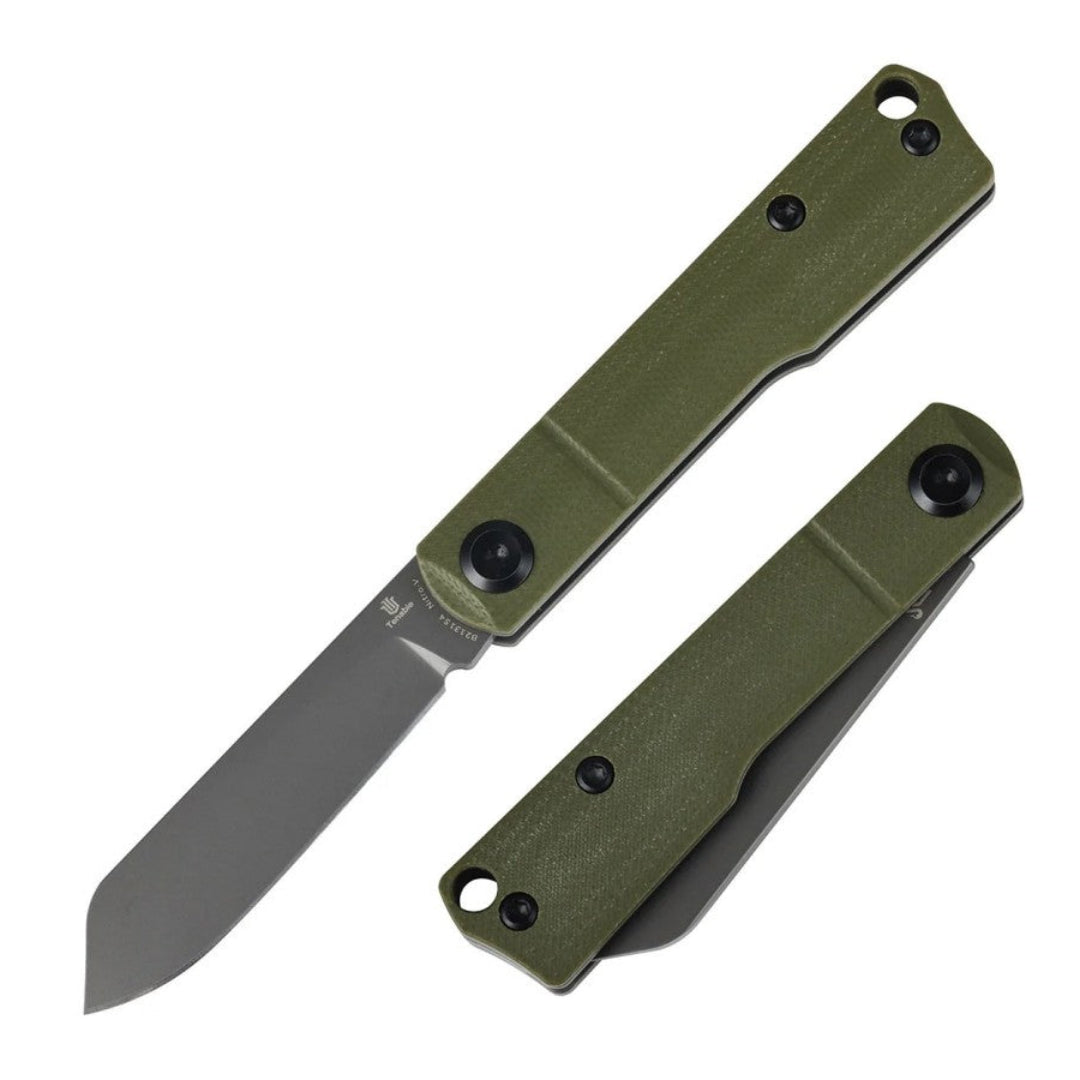
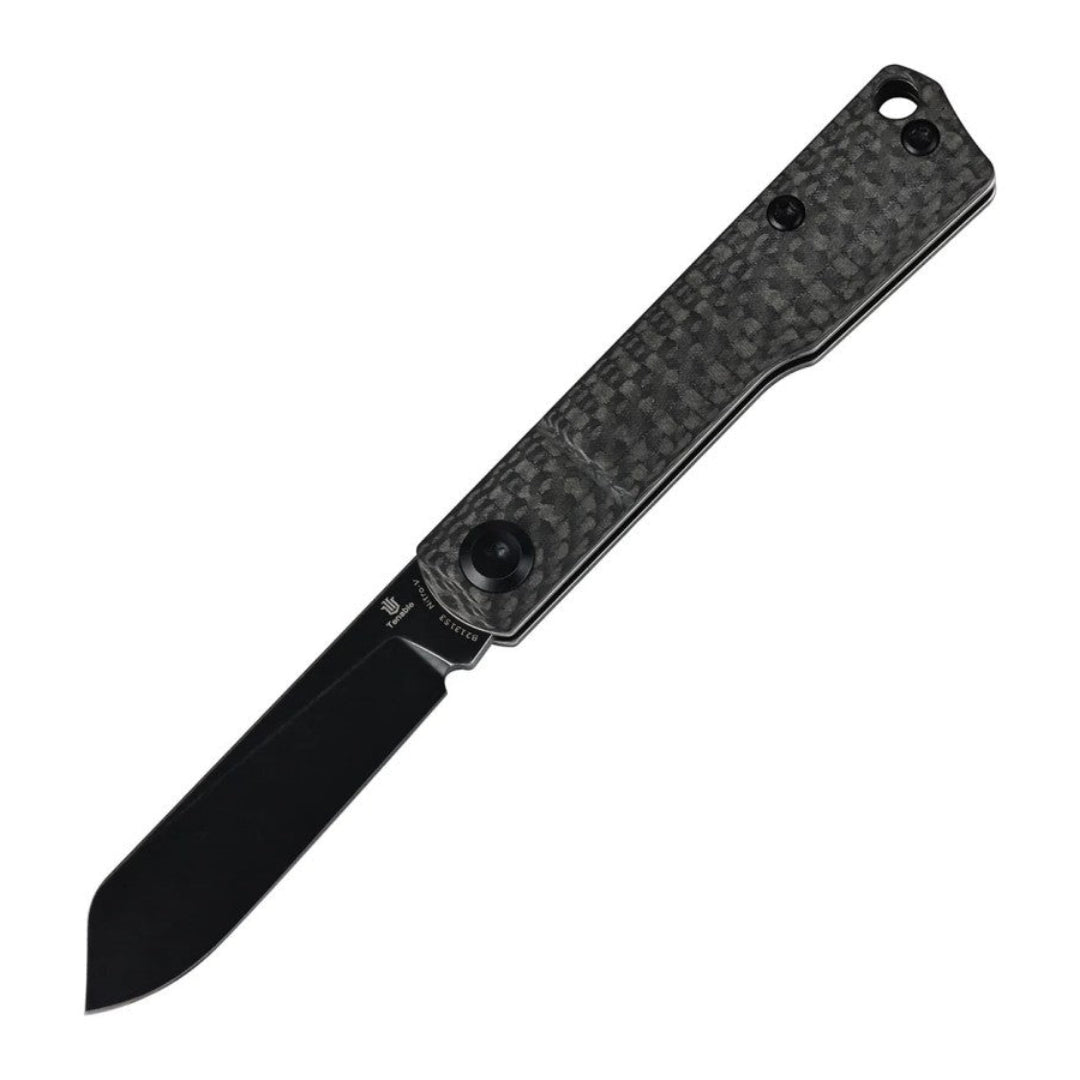
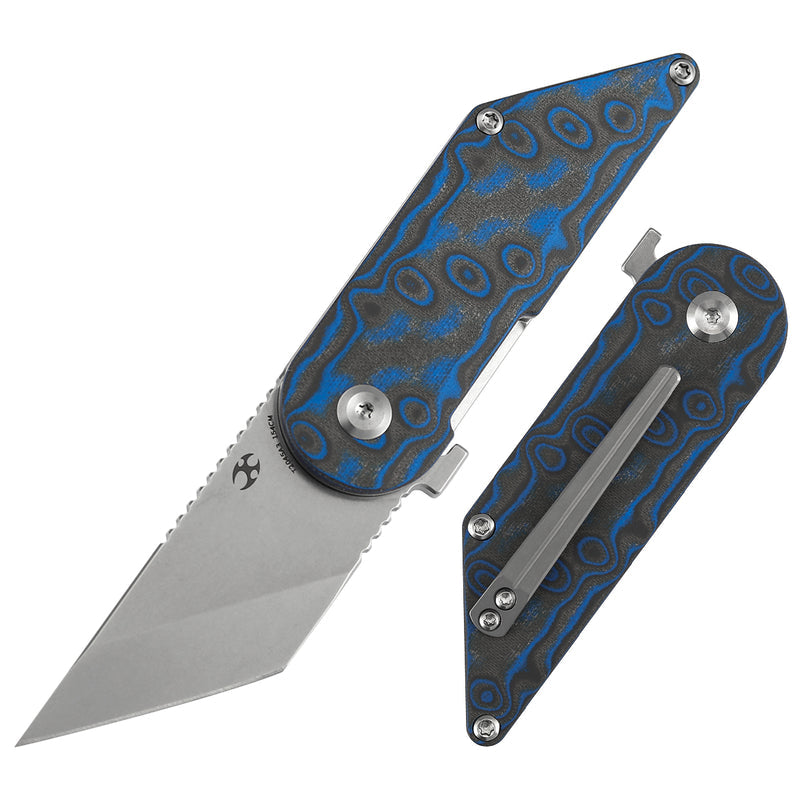
A knife’s usability is governed by its handle, and the series offers a curated selection of materials that drastically change the tool's character. Whether you choose the rugged, near-indestructible nature of G10 for field utility, or the evolving, tactile beauty of Micarta, the handle ergonomics remain constant.
For the professional environment, the Twill Carbon Fiber option provides a sophisticated, high-tech aesthetic that is both incredibly rigid and frictionless when drawing from a pocket. Each scale option is CNC-milled to tight tolerances, ensuring that the nested stainless steel liner lock engages with a clean, audible snap every time.
Why It Belongs in Your Daily Rotation
In an era of over-complicated tools, there is a refreshing simplicity to this folder. It does not try to be a multitool, a pry-bar, or a tactical weapon; it is simply a hyper-focused cutting instrument. It respects the lineage of Japanese craft while embracing the modular convenience of modern mechanical engineering.
For the minimalist, it is the ultimate space-saving solution. For the collector, it represents a unique bridge between historical craft and contemporary industrial production. If your routine demands high precision in a low-profile, non-intimidating package, this Dirk Pinkerton collaboration is undoubtedly one of the most effective tools in the current gear market. It reminds us that sometimes, the best way to innovate is to refine the design principles that worked perfectly hundreds of years ago.