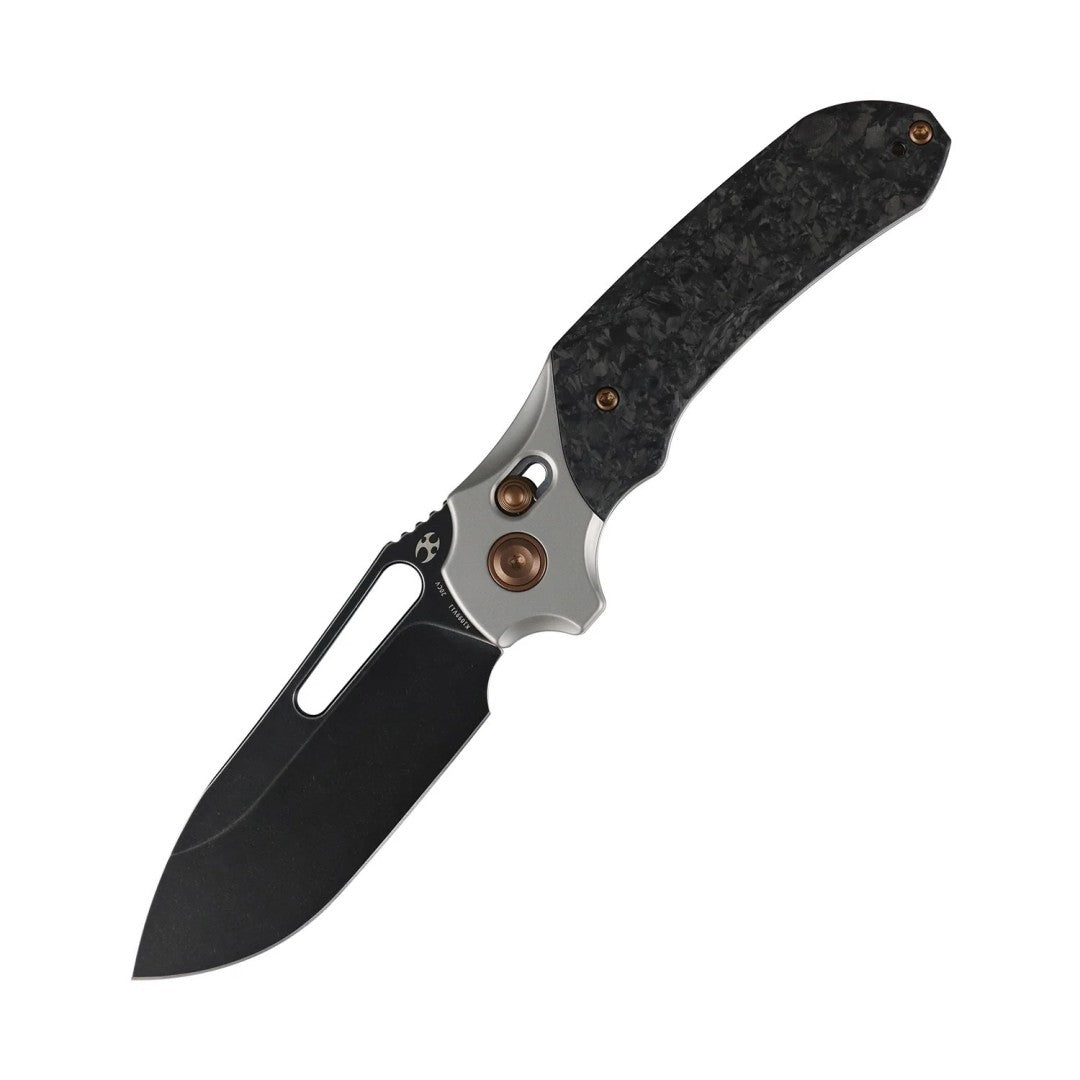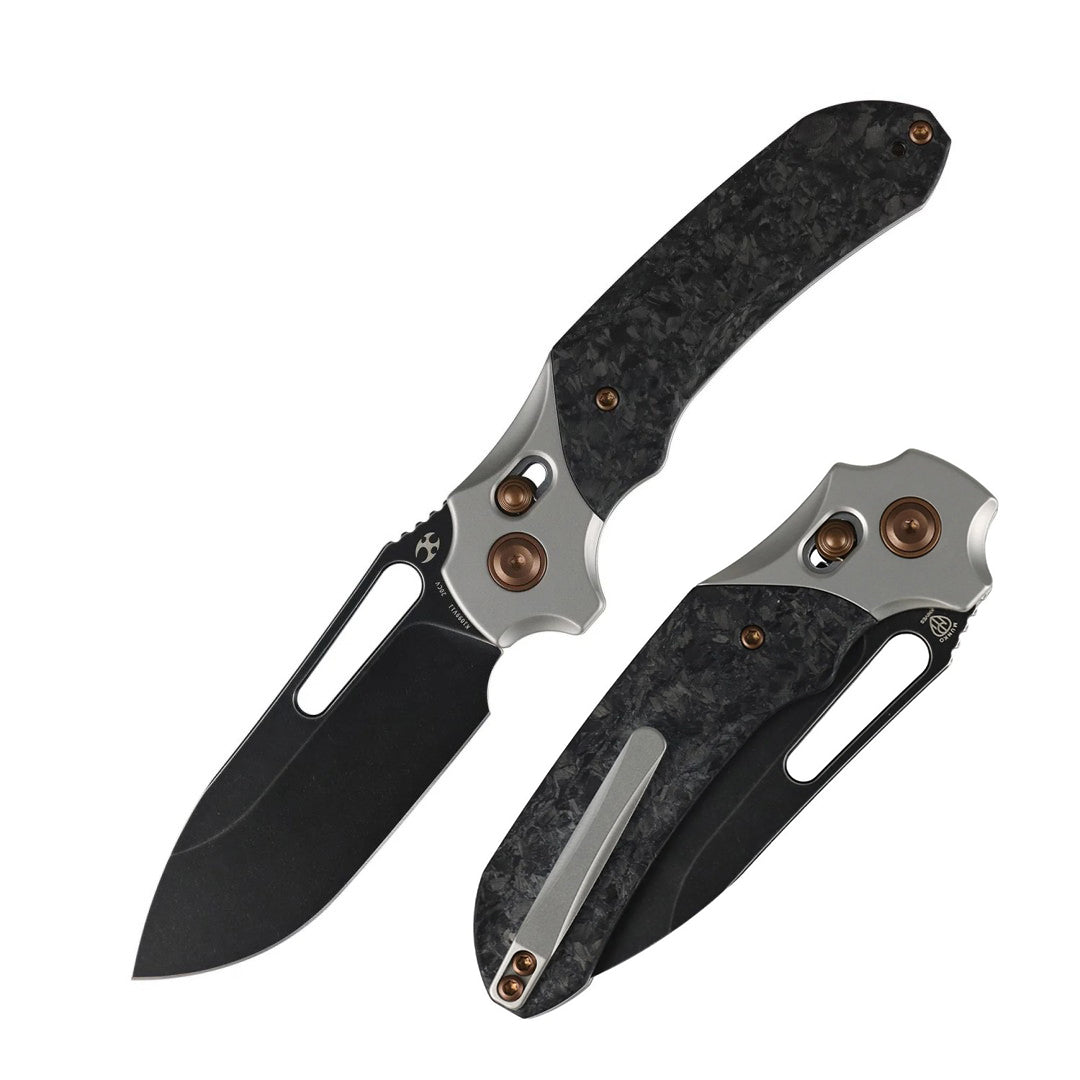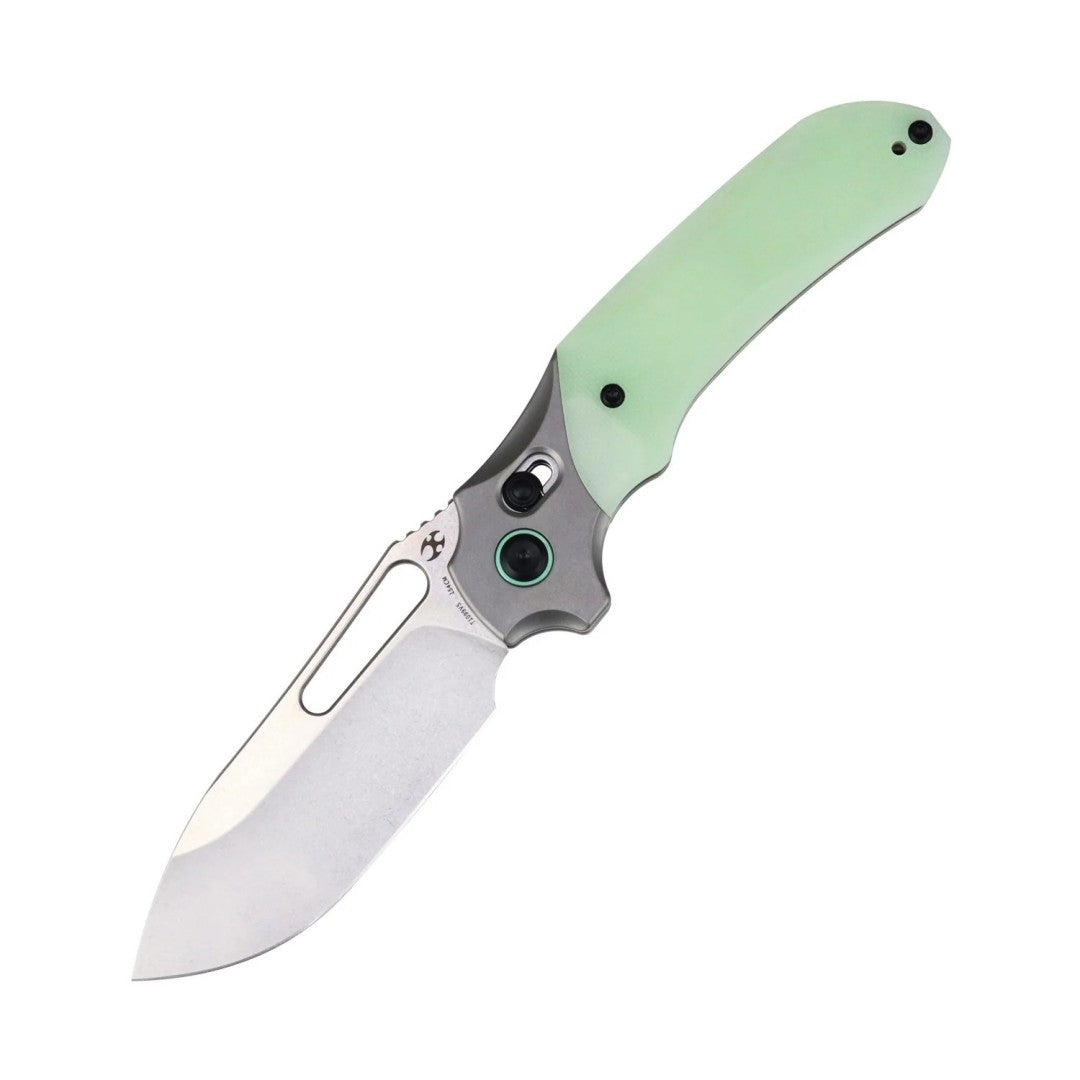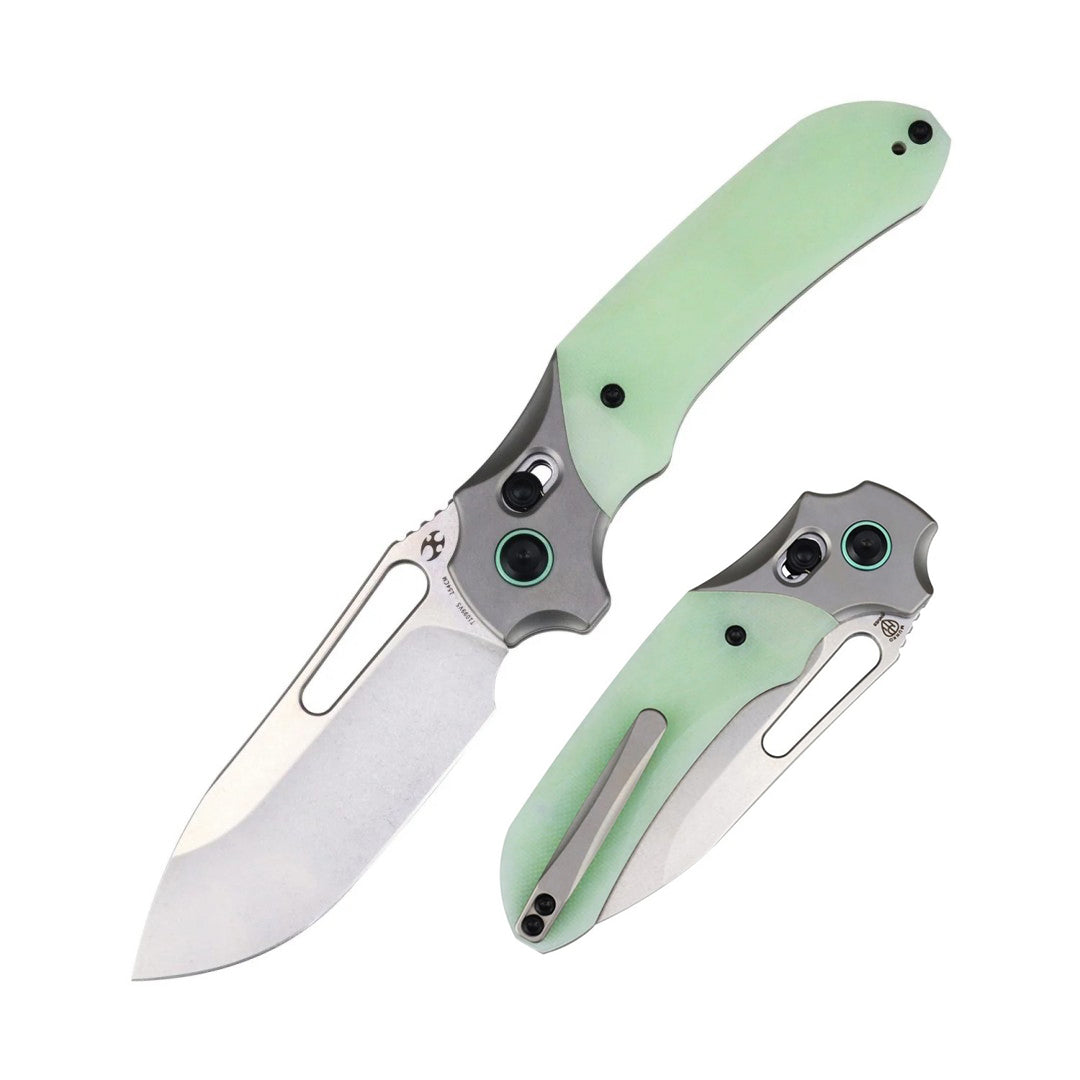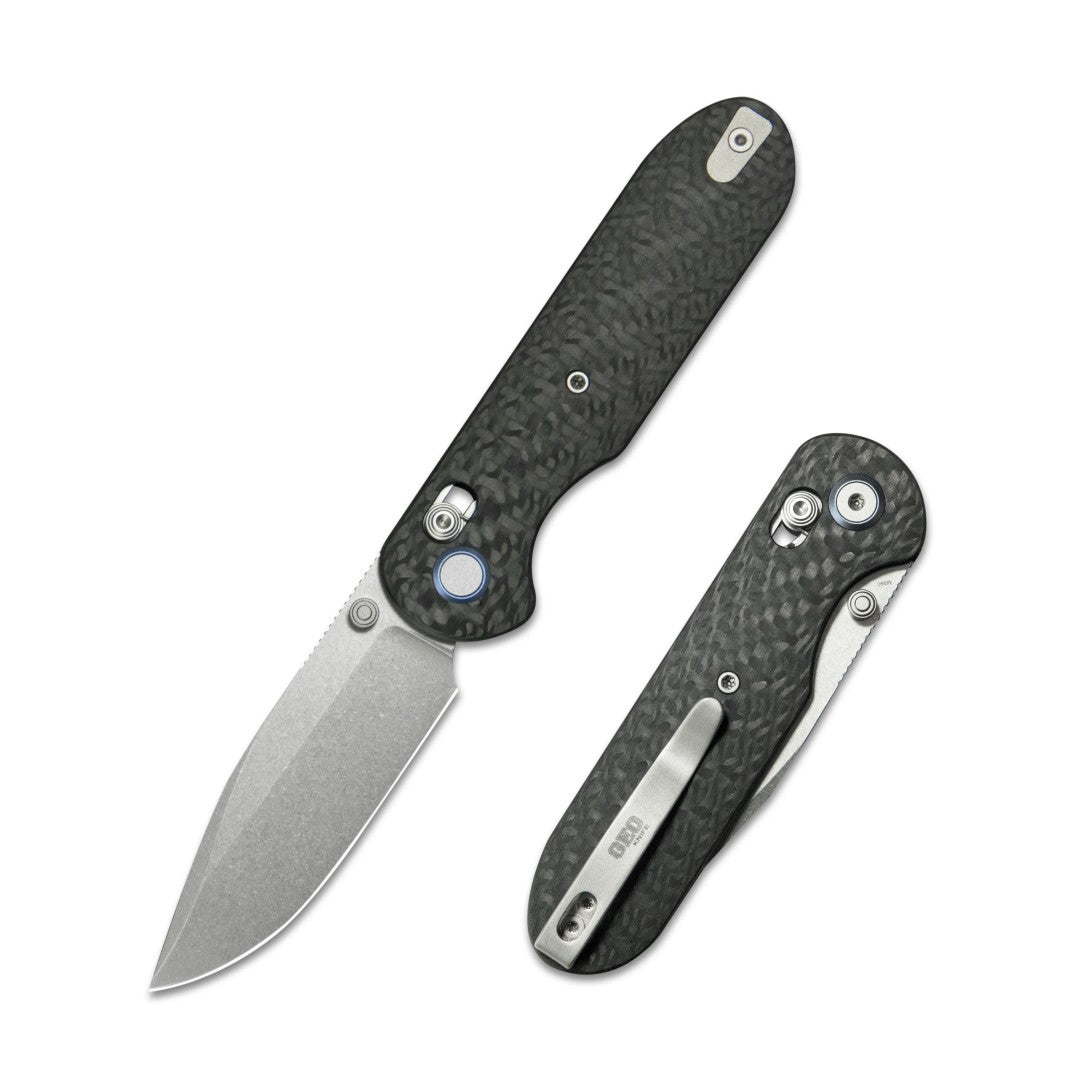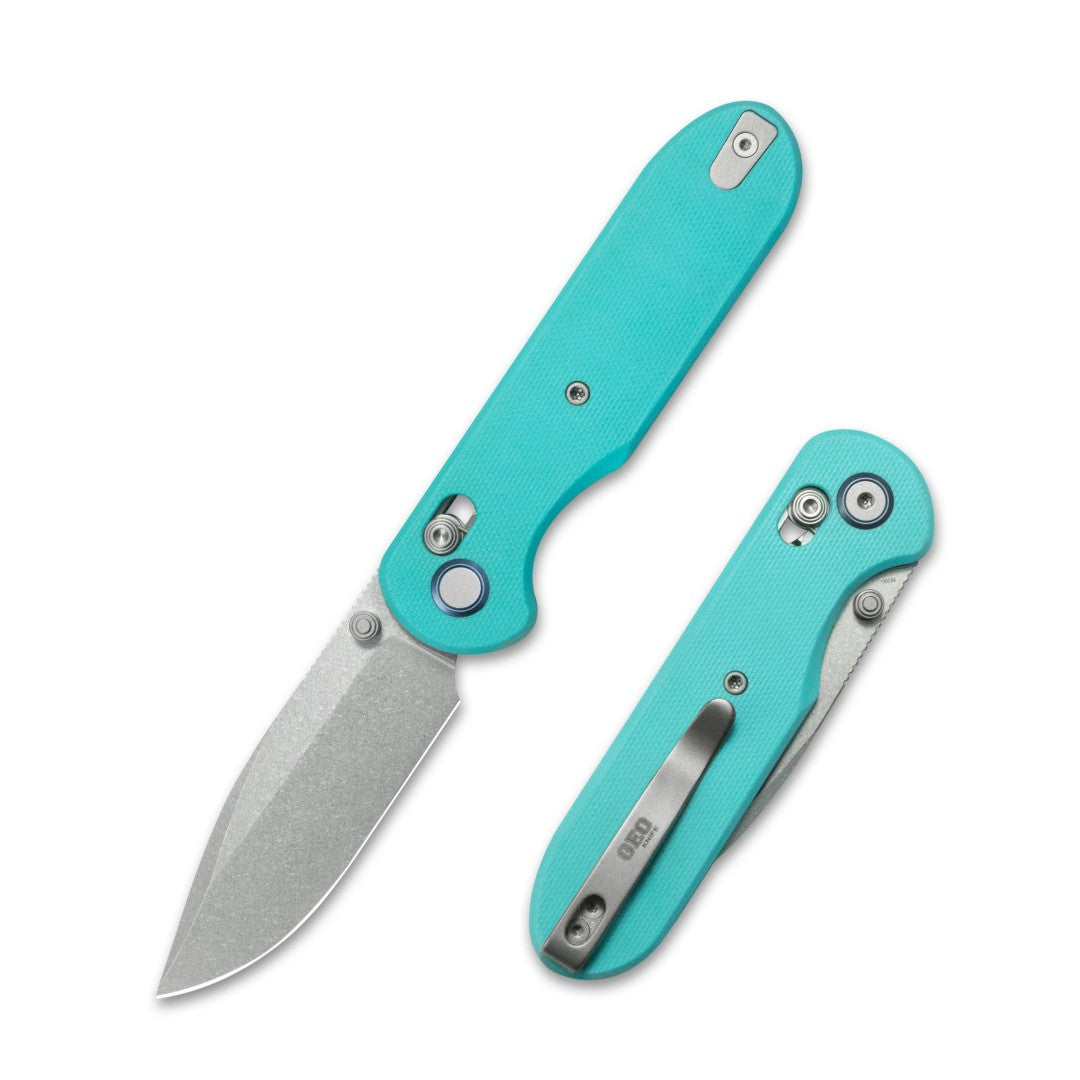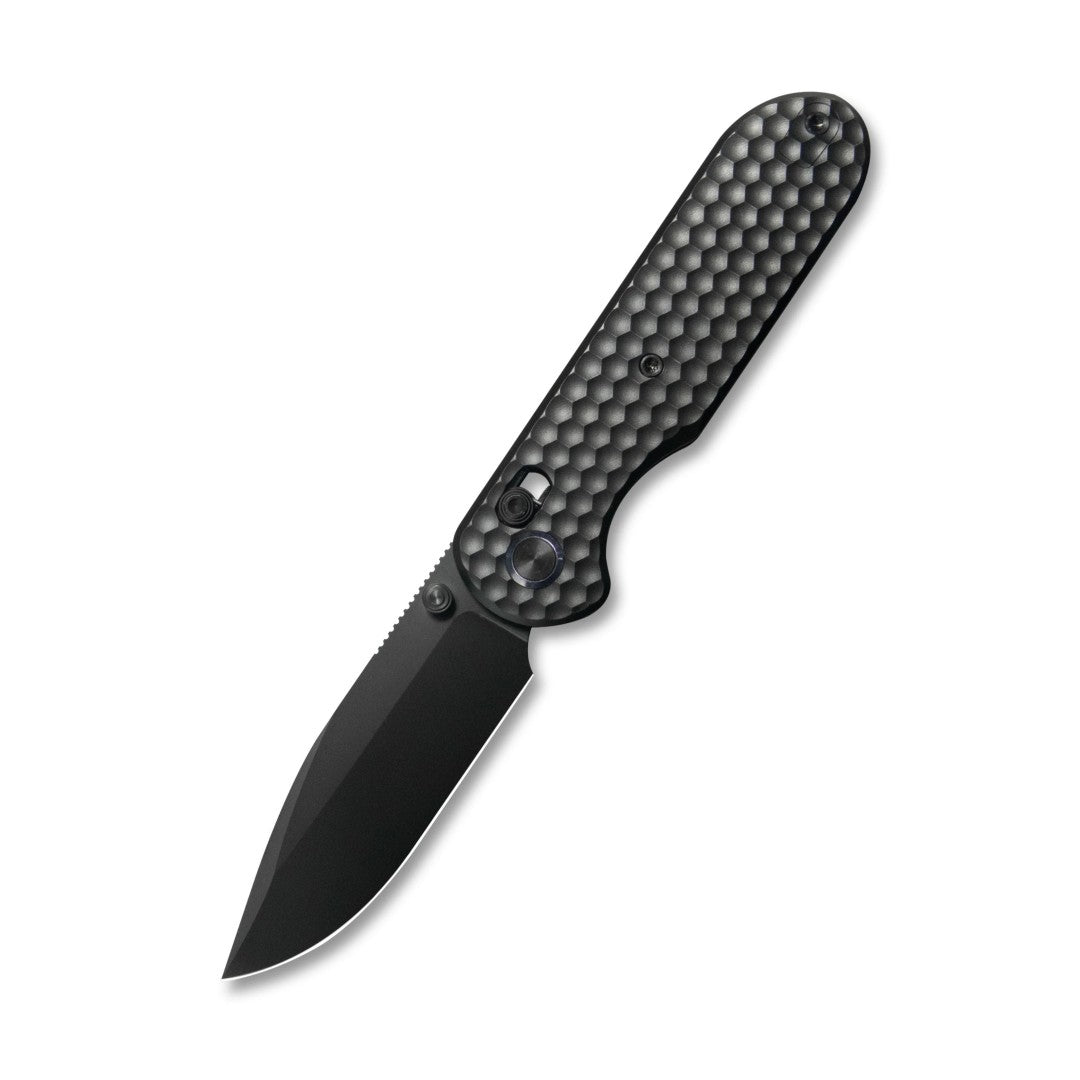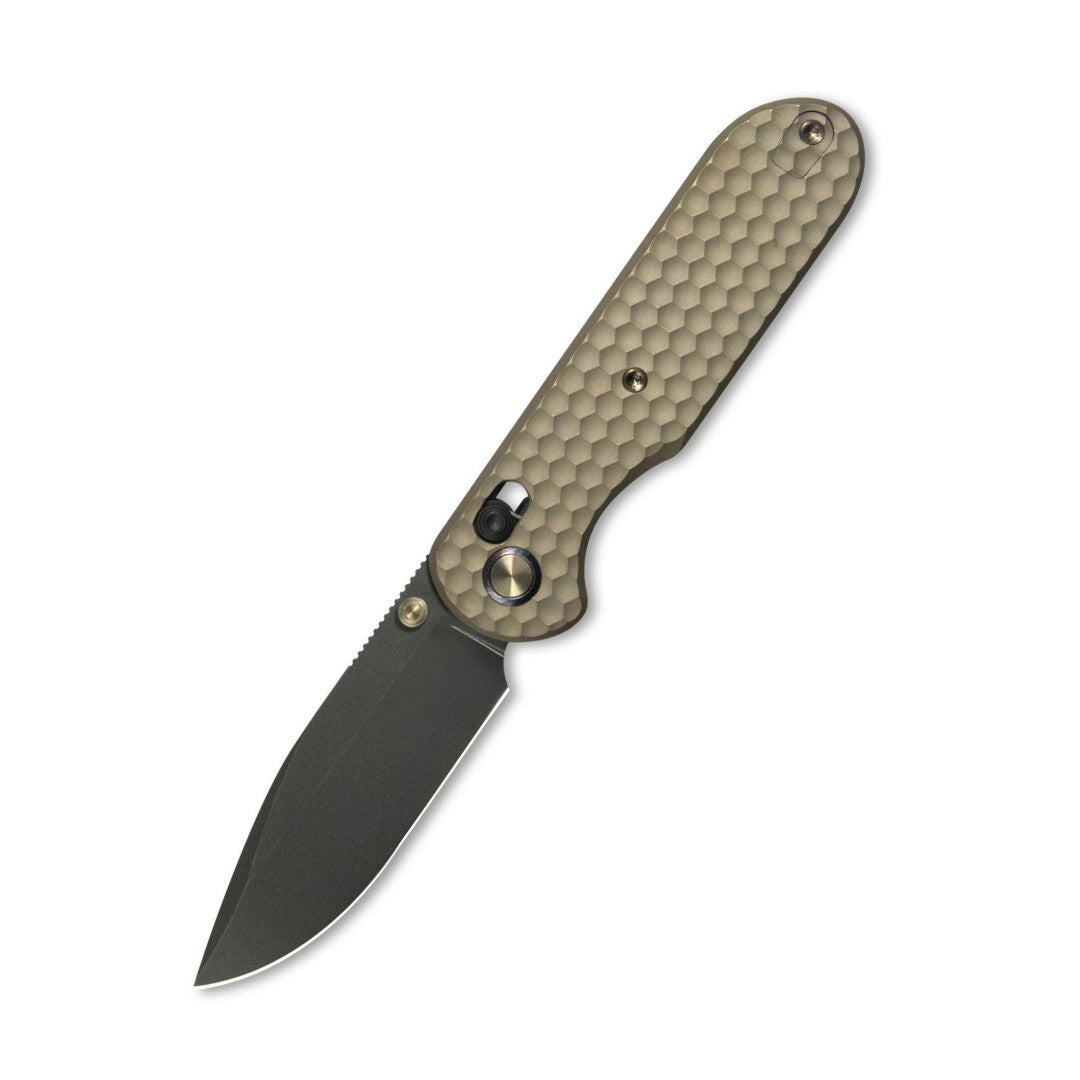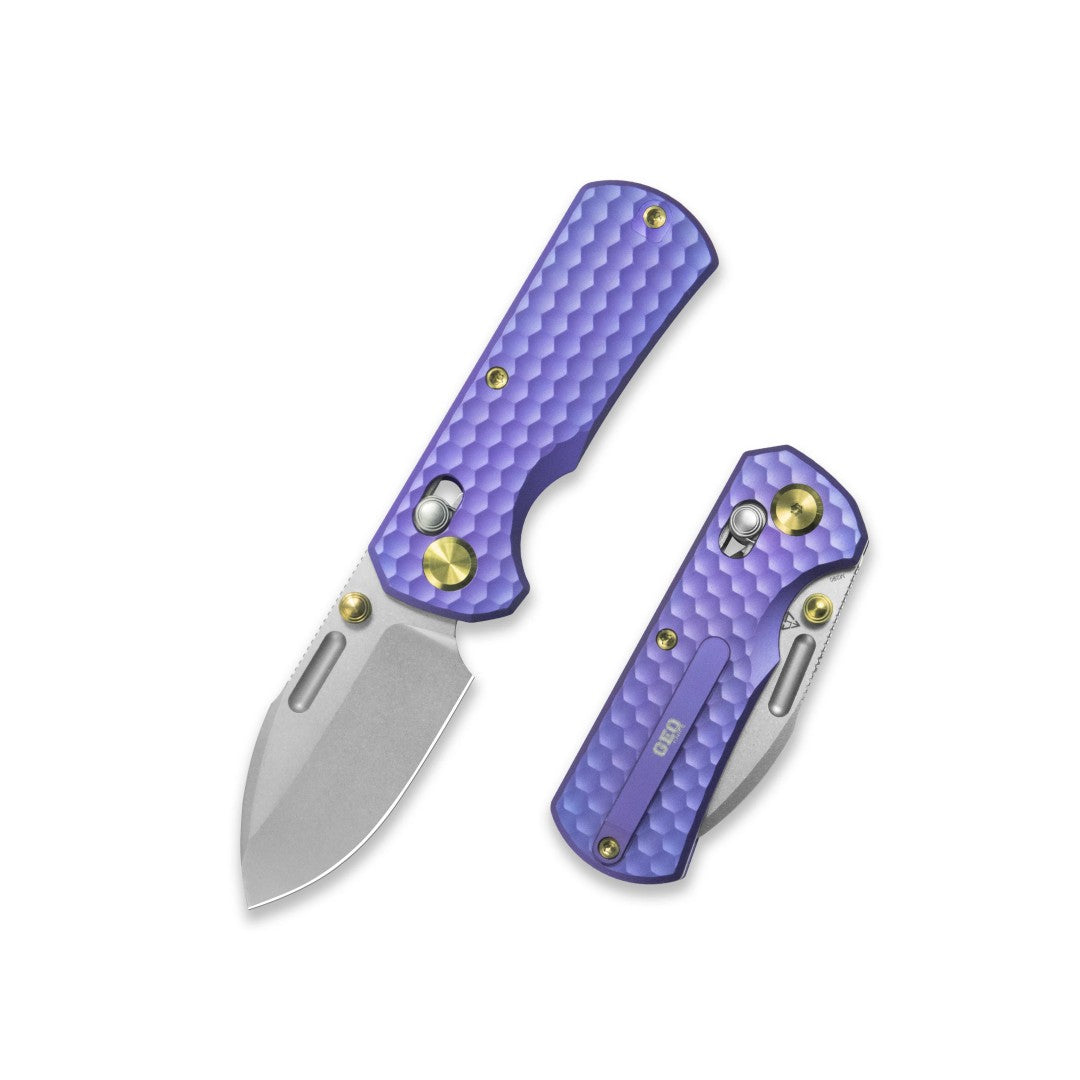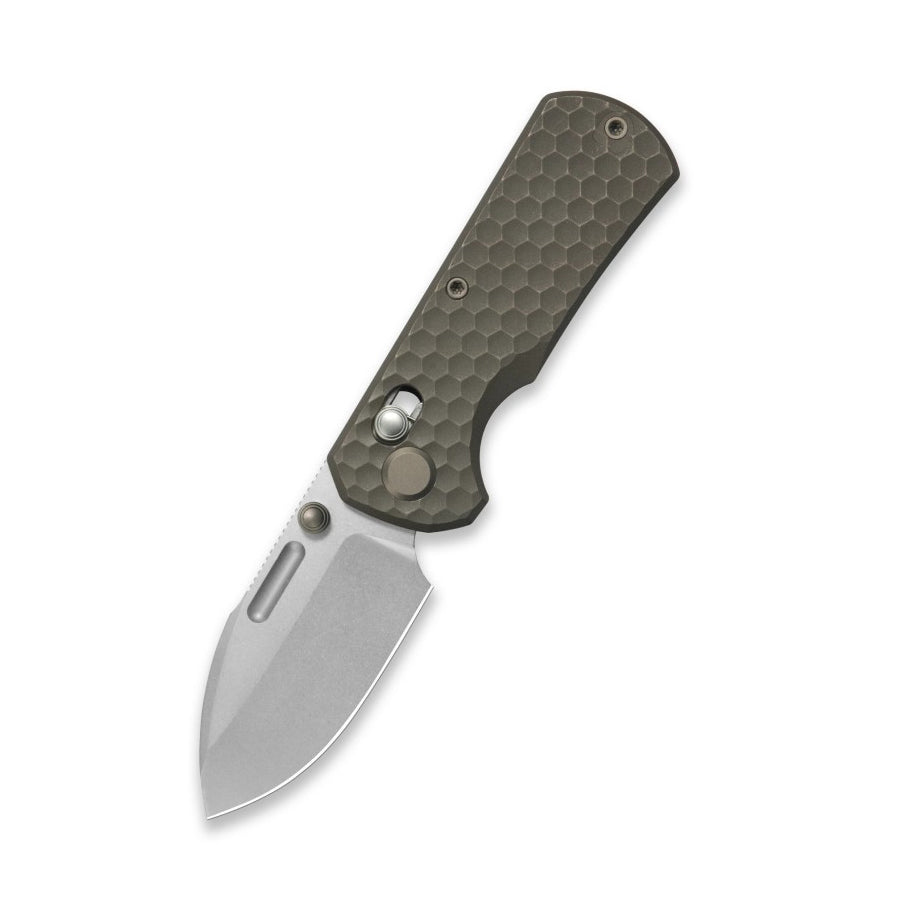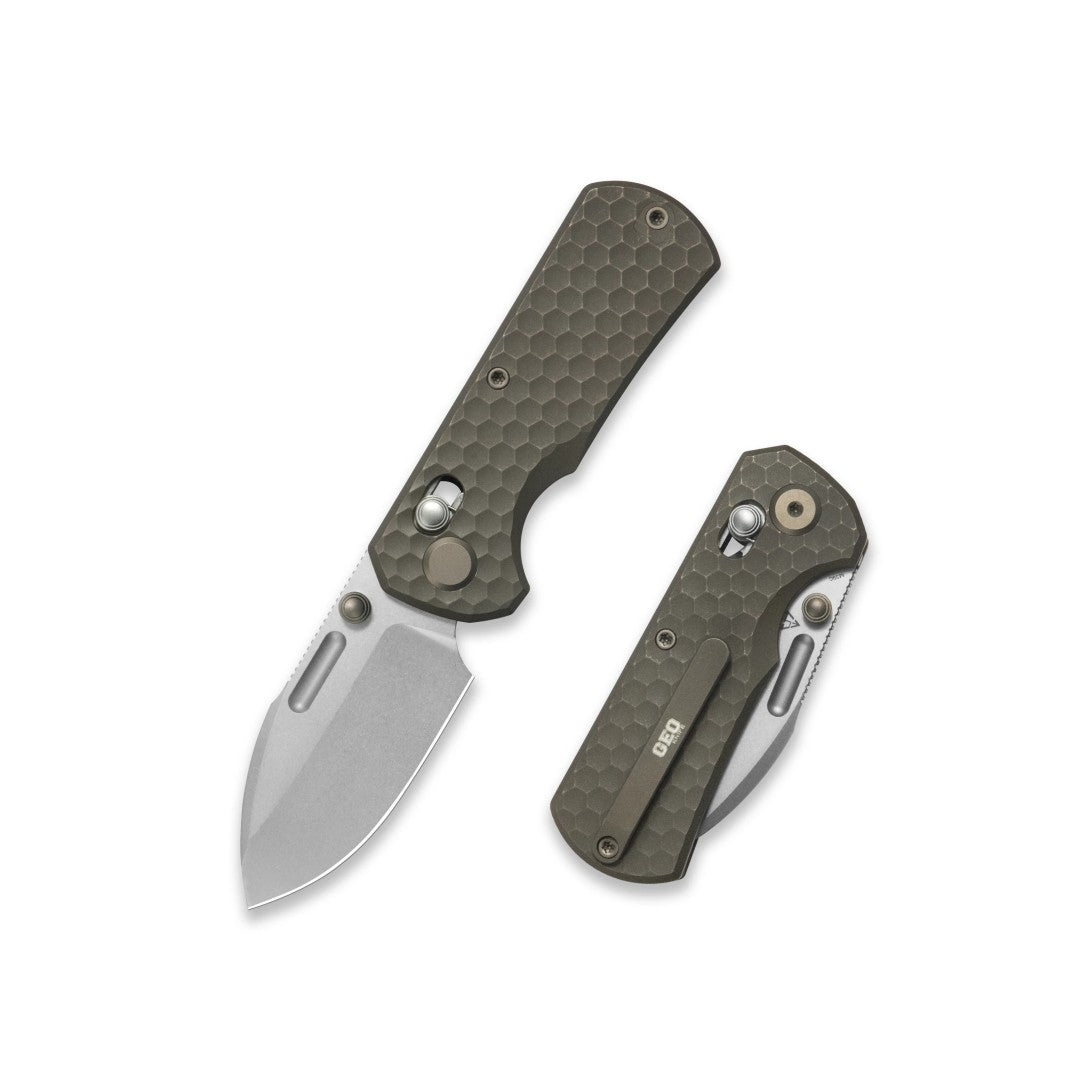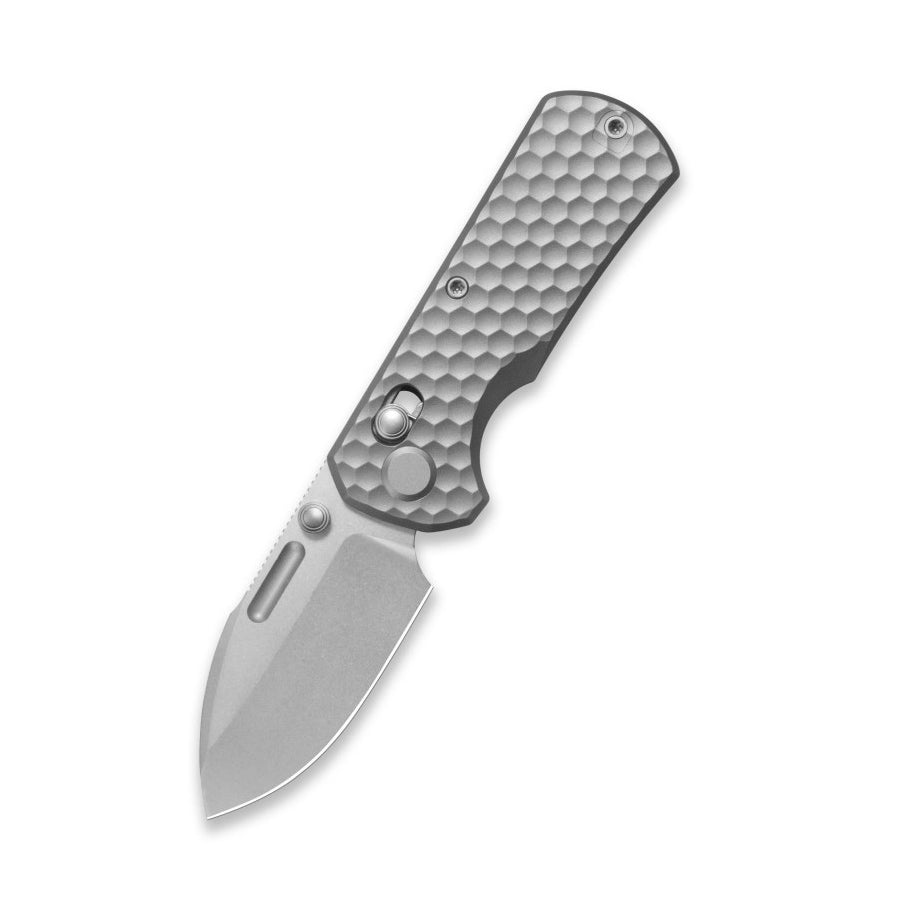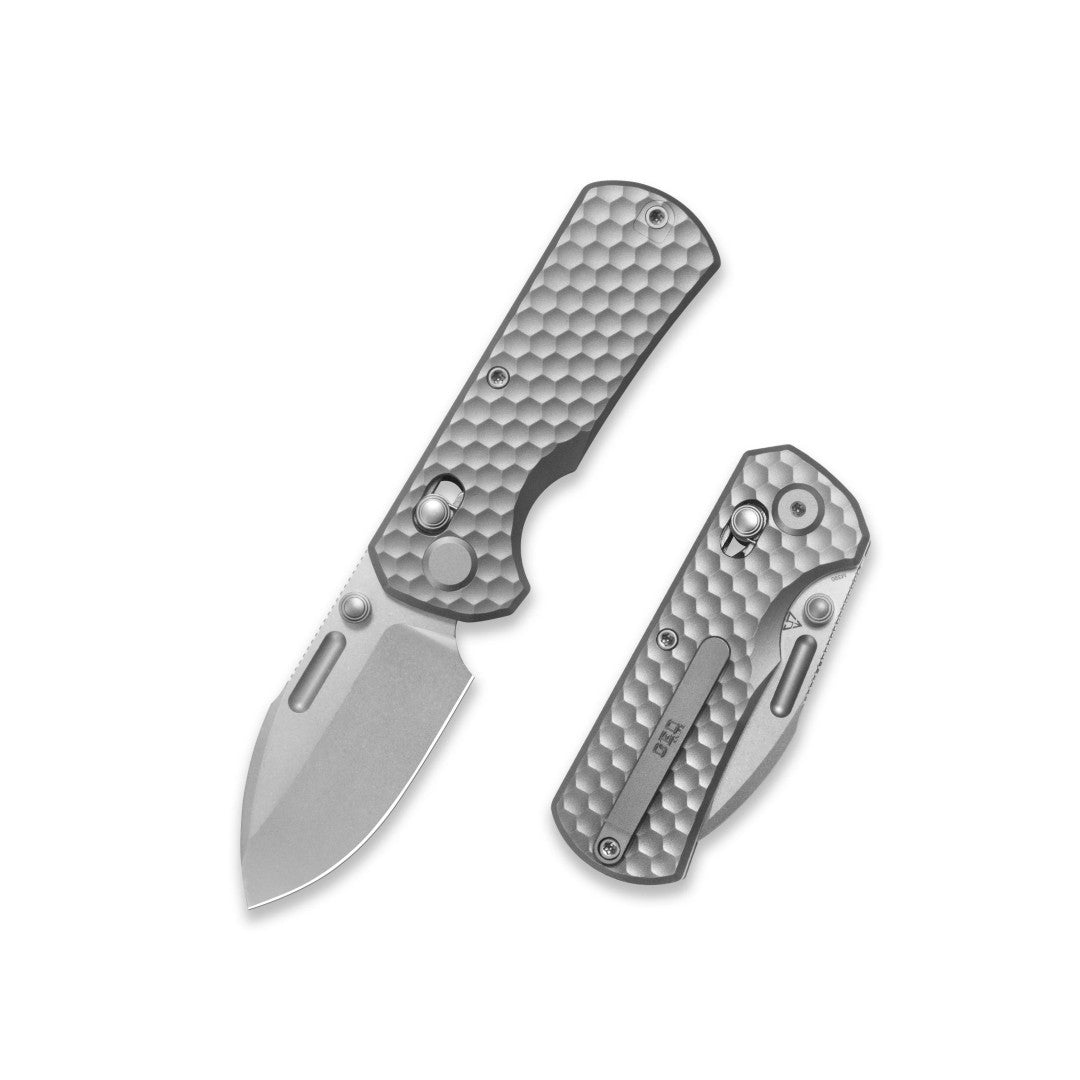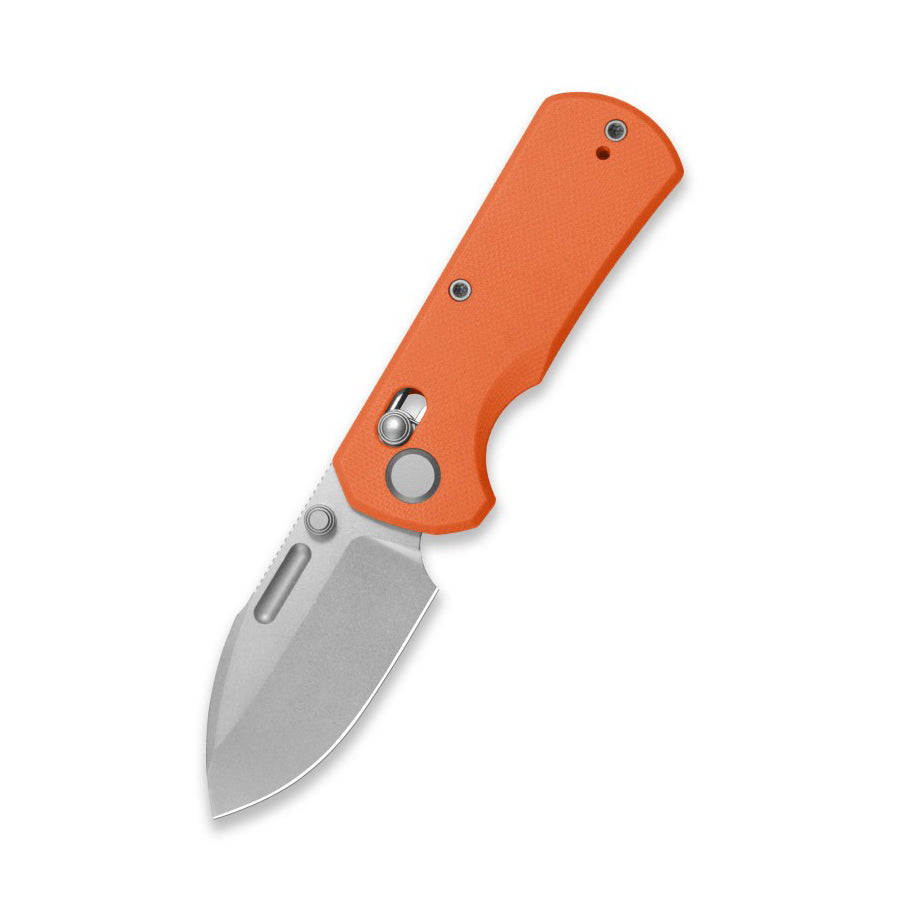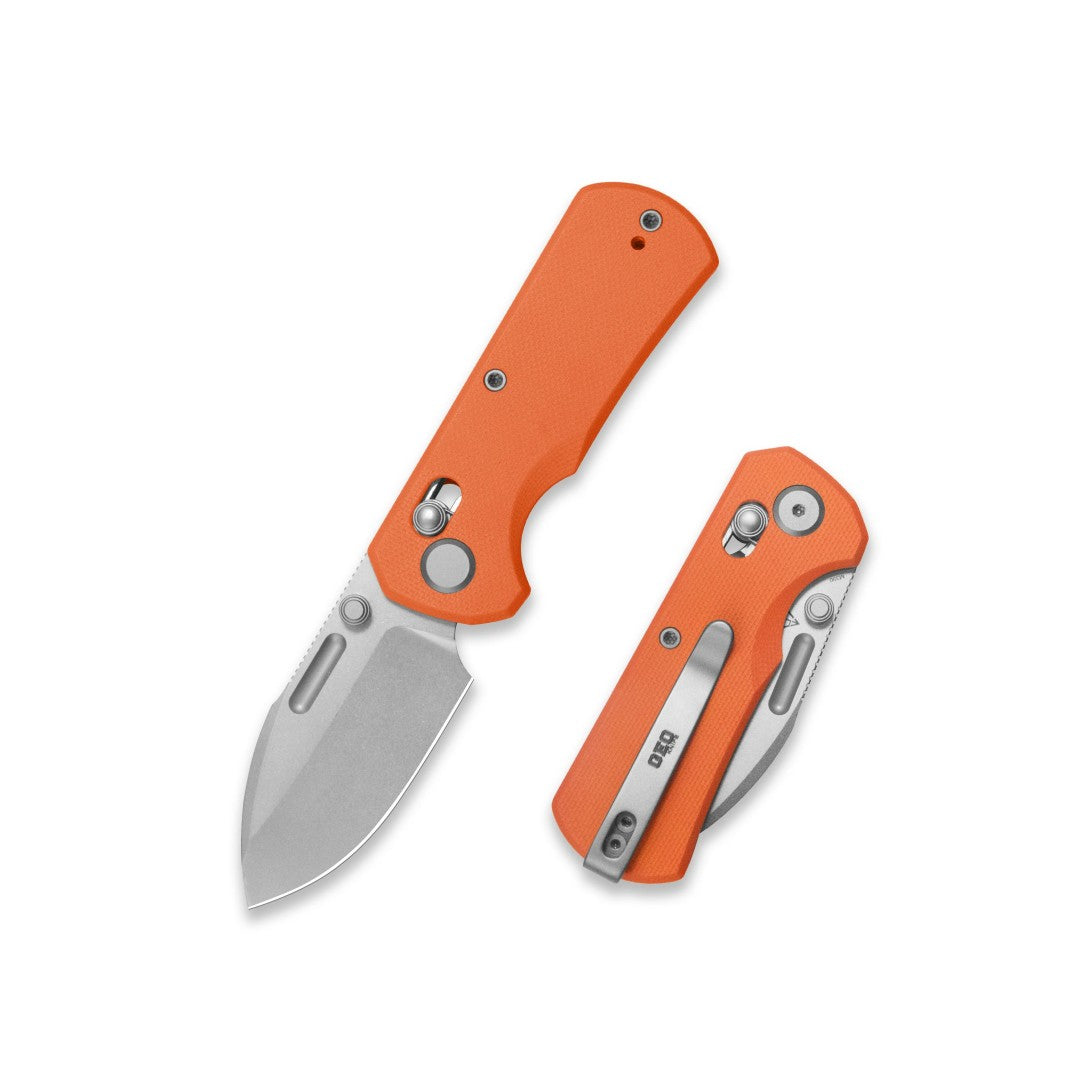

I have handled a lot of EDC blades over the years, and frankly, many of them start to feel like copies of each other. When I got my hands on the QSP Moray series, specifically the QS171-A, QS171-B, and QS171-C, I expected more of the same. I was wrong. After carrying each variant for a solid week, I’ve developed some strong opinions about which configuration actually makes sense for the money and how this model stands out in a crowded market of sub-$100 knives.
The "A" vs. "B" vs. "C" Debate: Which One Wins?
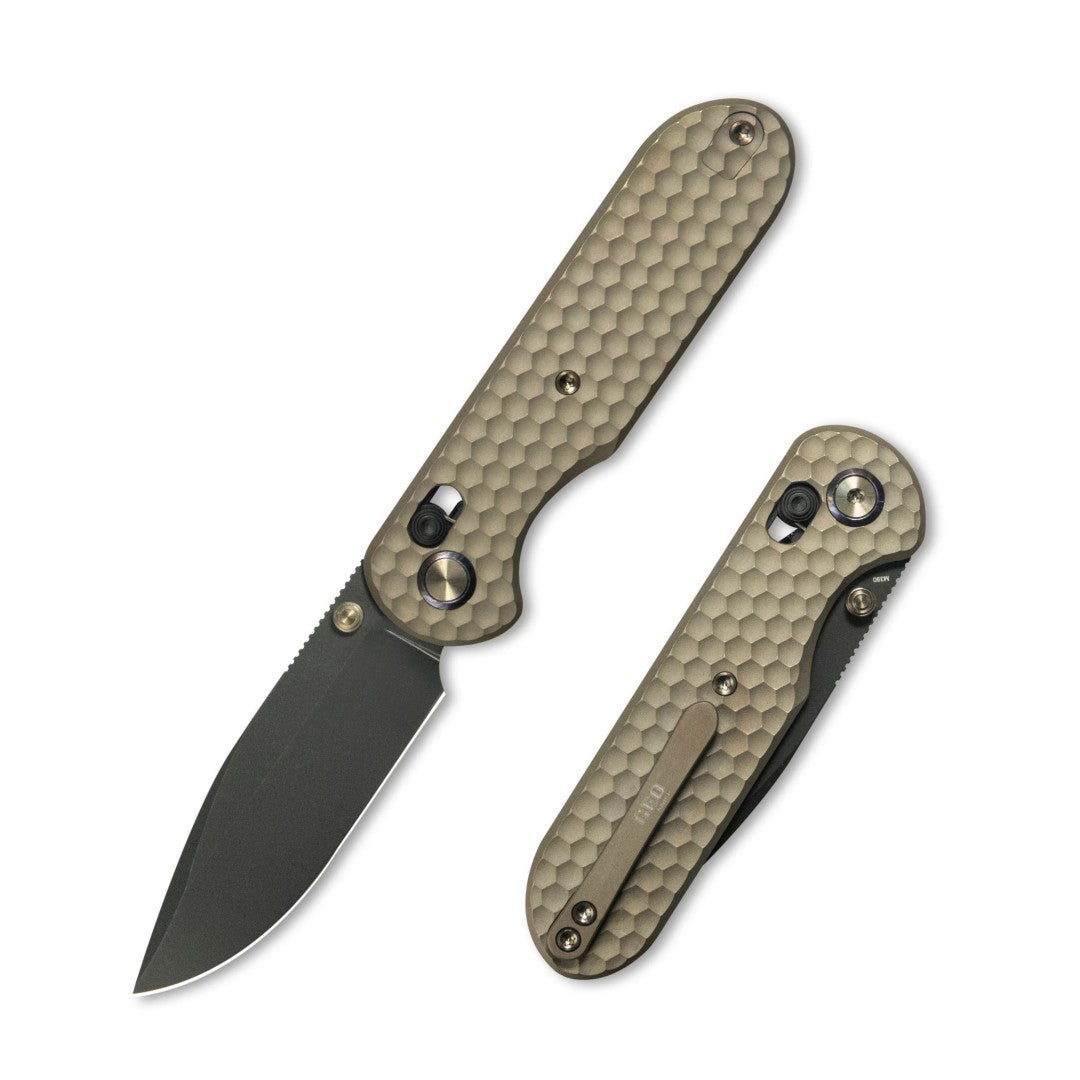
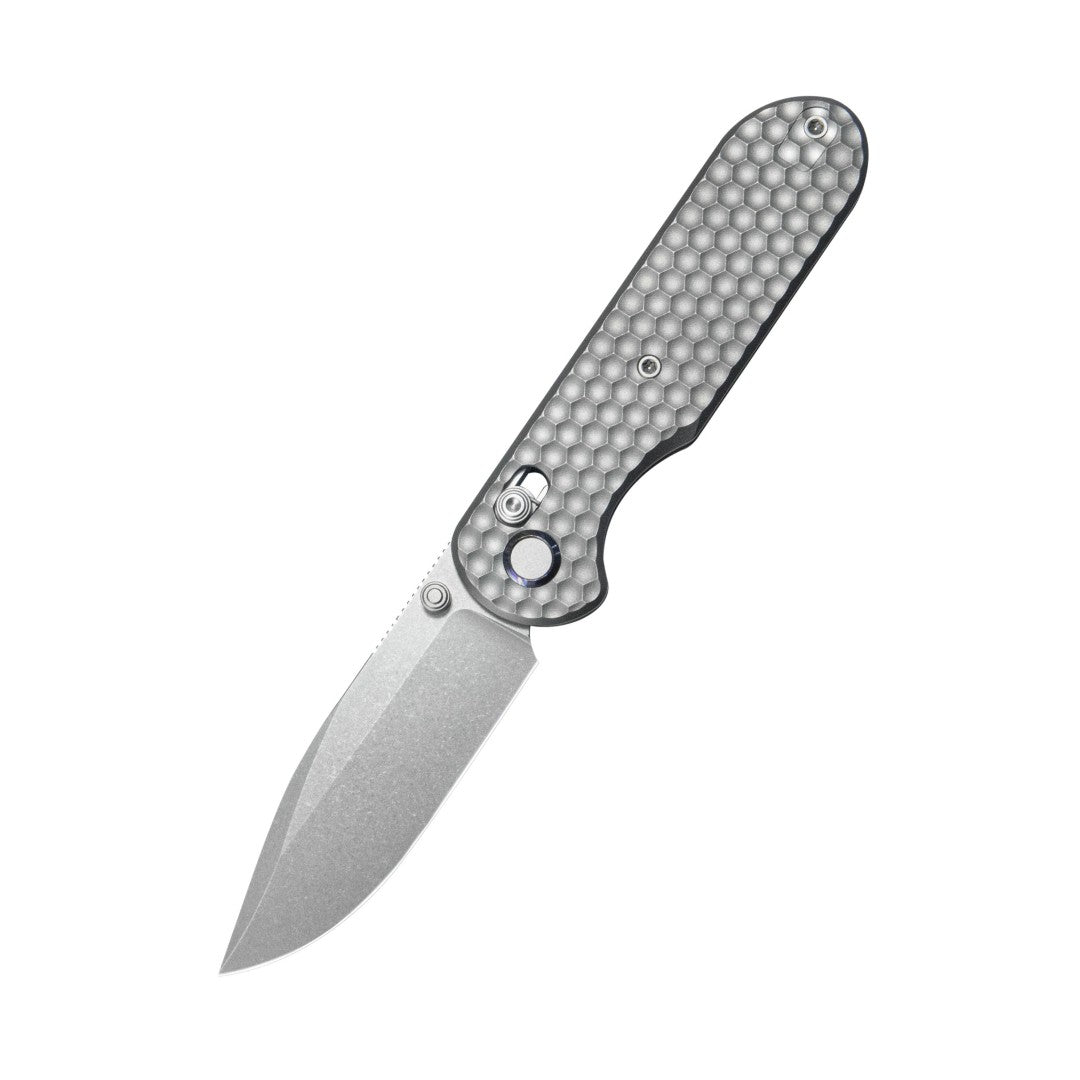
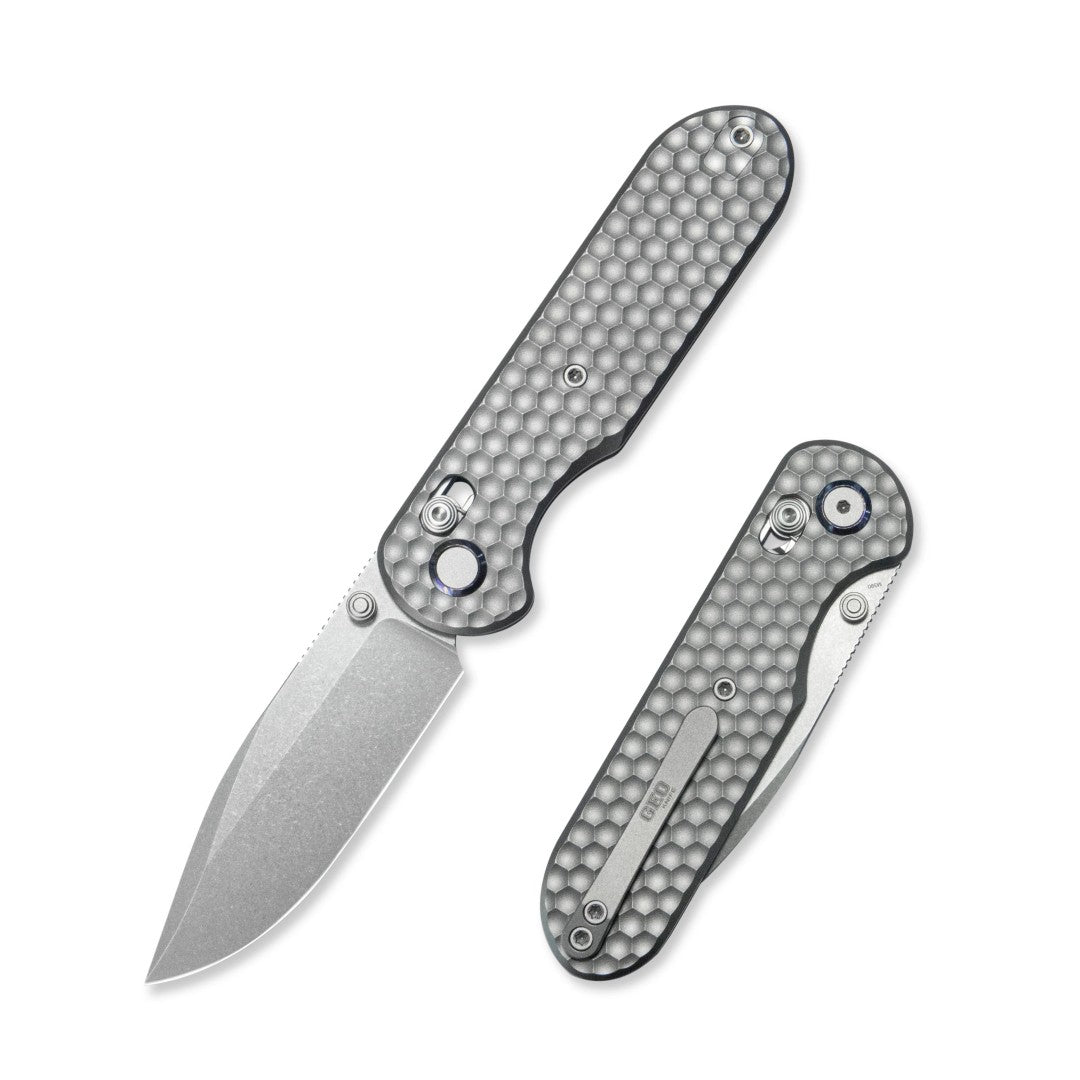
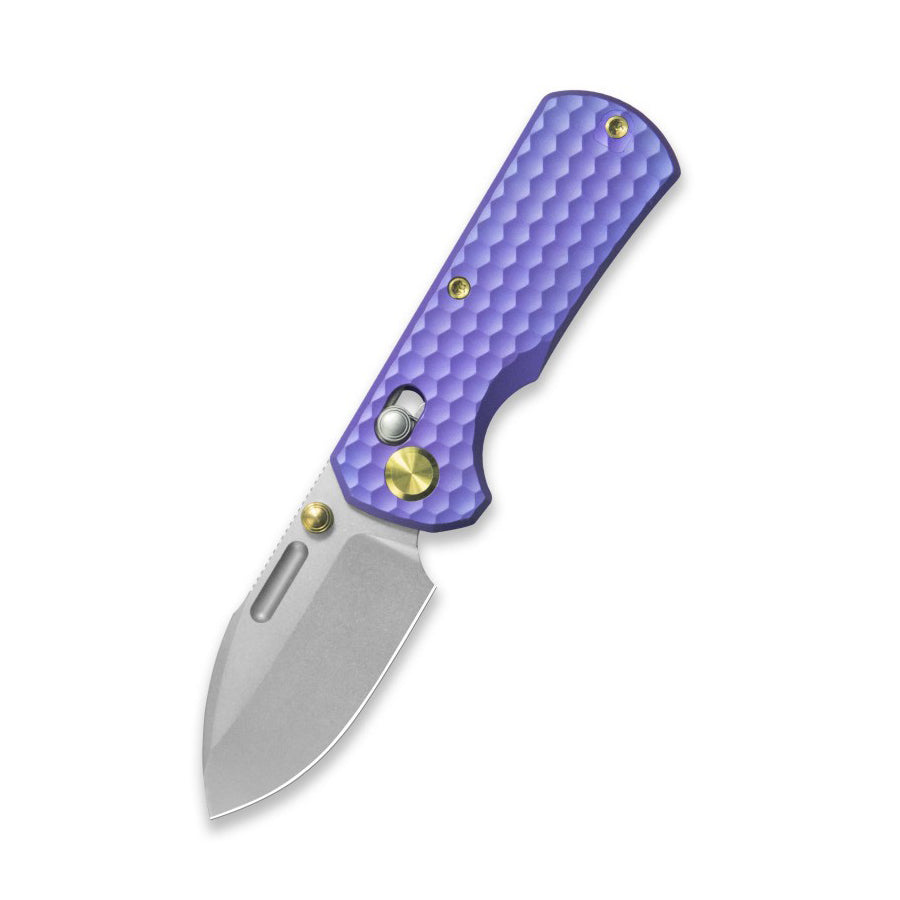
Most people will just pick the color they like, but the differences here go deeper than aesthetics. The QS171-A features a stonewashed finish with black G10 handles. It’s the "tactical" choice—the stonewashing does a phenomenal job hiding scuffs from actual use. Then you look at the QS171-B. Same 14C28N blade steel, but the natural G10 scales with the stonewashed blade offer better visibility in low-light situations if you are working outdoors. I found the handle texture on the natural G10 to feel slightly grippier than the black version. The QS171-C is the sleeper hit. The black blade finish (often called DLC) on black G10 is stunning, but more importantly, that coating adds a layer of corrosion resistance if you live in a humid environment or sweat a lot. You aren't just buying a color; you are buying a specific performance trait.
Blade Geometry and Real-World Slicing
Forget the "tactical" marketing fluff. What matters is how it cuts cardboard, opens packages, and preps lunch. The QSP Moray uses a modified wharncliffe blade. This is my preferred shape for EDC because the straight edge gives you immense control. Where this knife shines—pun intended—is the full flat grind. It makes the knife slice through materials much thicker than its blade stock would suggest. Whether I was using the QS171-A breaking down boxes or the QS171-B whittling wood, the geometry never felt clumsy. It’s thin behind the edge, which is a sign that QSP actually understands knife mechanics, not just looks.
The Mechanical Feel and Lockup
Here is where I disagree with the "budget knife" label. The crossbar lock on the Moray series is exceptional. On all three variants—QS171-C included—the lockup is rock solid with zero blade play, yet the action is buttery smooth out of the box. You don’t need to "break it in" for weeks. The ceramic ball bearings in the pivot are the reason. I also appreciate the jimping on the thumb ramp and the flipper tab. It gives you multiple deployment options, but the flipper tab is positioned perfectly to avoid jabbing your index finger during hard use. That is the kind of ergonomic thoughtfulness you usually only see on knives twice the price.
Final Thoughts on Carrying the Moray
If you are looking at the QSP Moray lineup, stop wondering if the steel is good enough (14C28N is a fantastic stainless steel that takes a razor edge) and start picking your flavor. The QS171-A is the hard-use worker, the QS171-B is the high-visibility outdoor companion, and the QS171-C is the low-profile, corrosion-resistant choice. All three share the same deep-carry pocket clip and comfortable handle contouring. You really can't go wrong with any of them, but for my money, the extra coating on the C model makes it the best daily value if you want your gear to look new for longer.
Quick Specs Overview
Blade Steel: Sandvik 14C28N (excellent edge retention and toughness)
Handle Material: G10 (available in black, natural, or black depending on model)
Lock Type: Crossbar lock (ambidextrous and fidget-friendly)
Weight: Approximately 3.2 oz—light enough for shorts, heavy enough to feel solid.